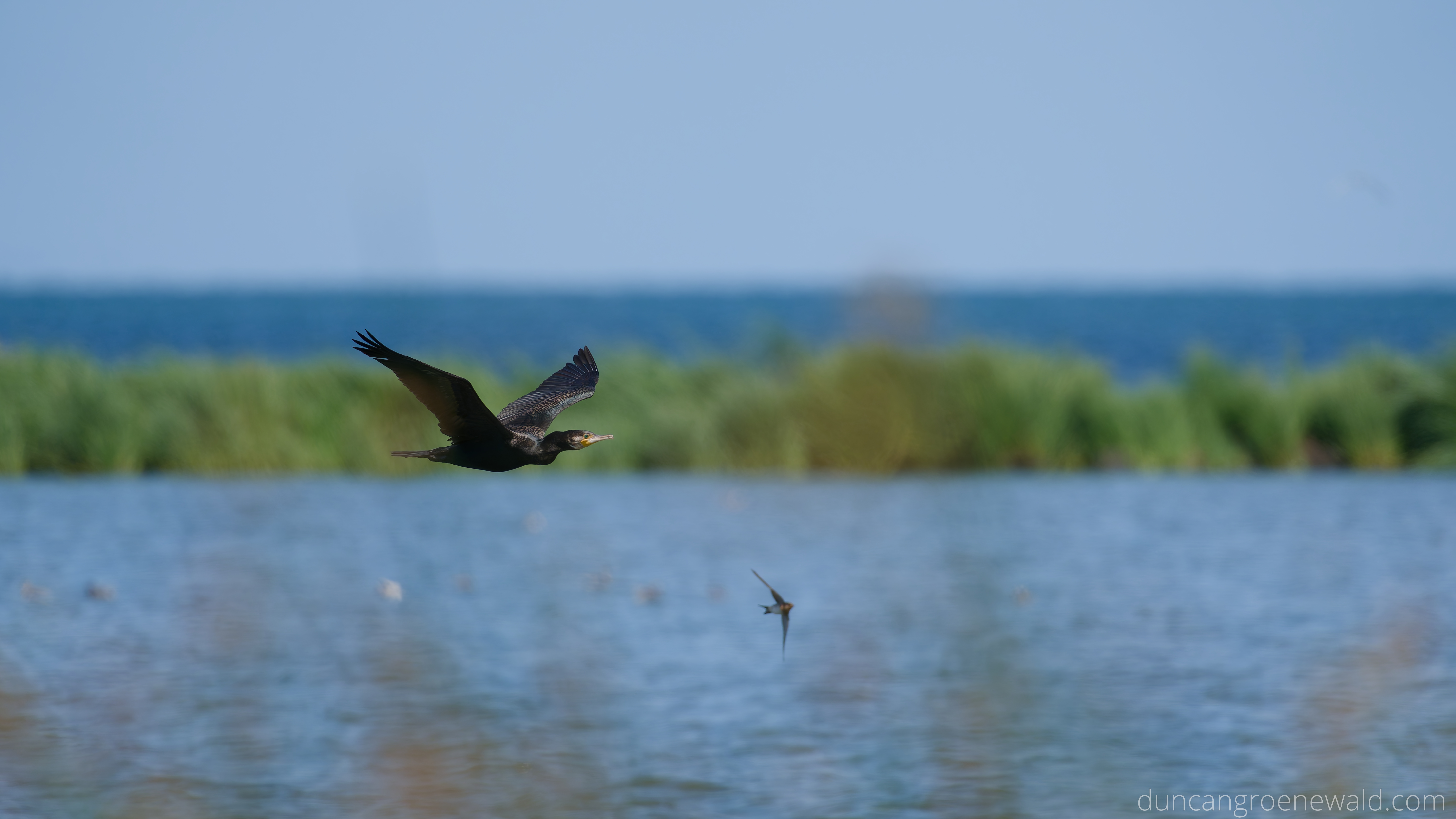
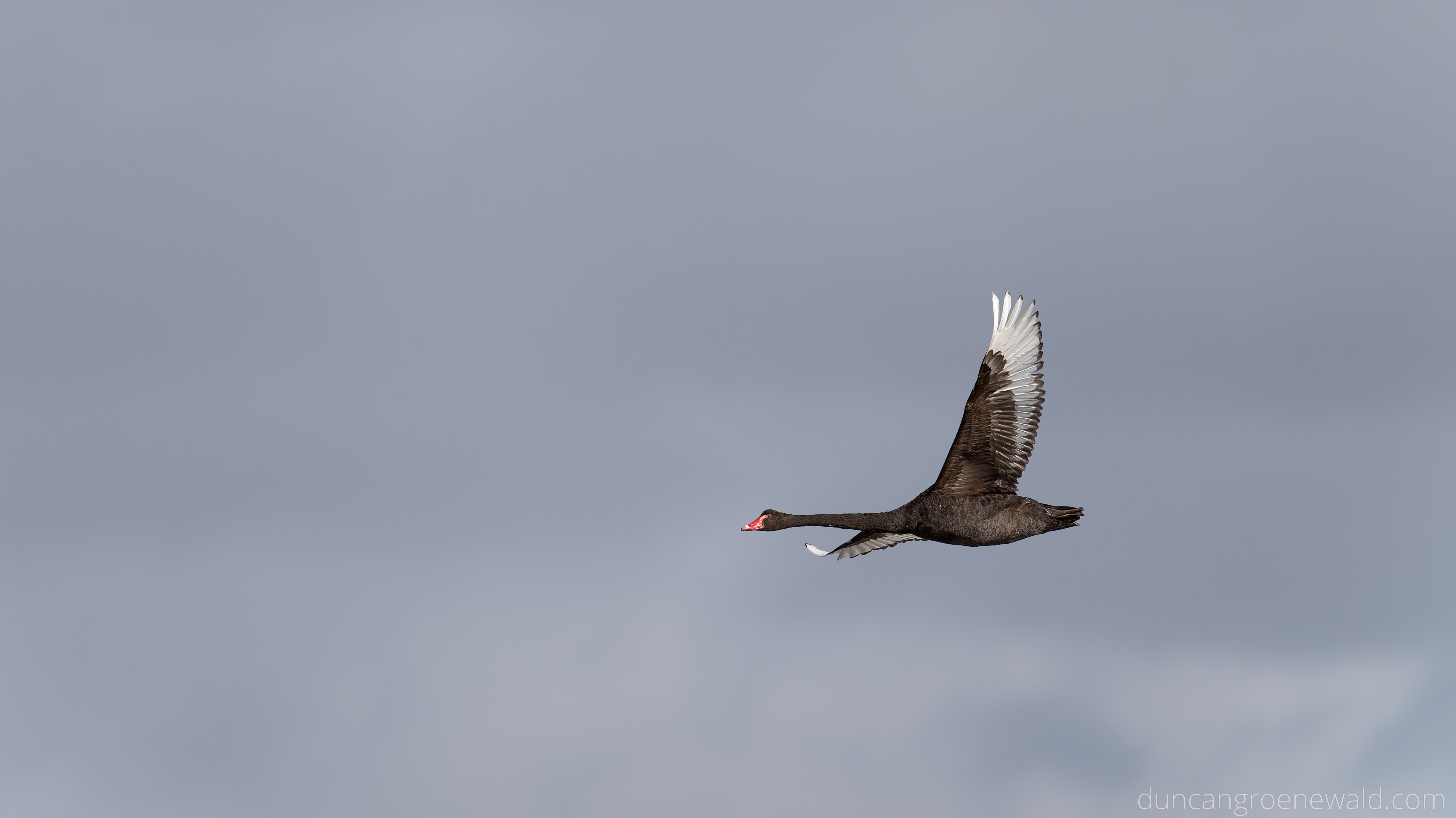
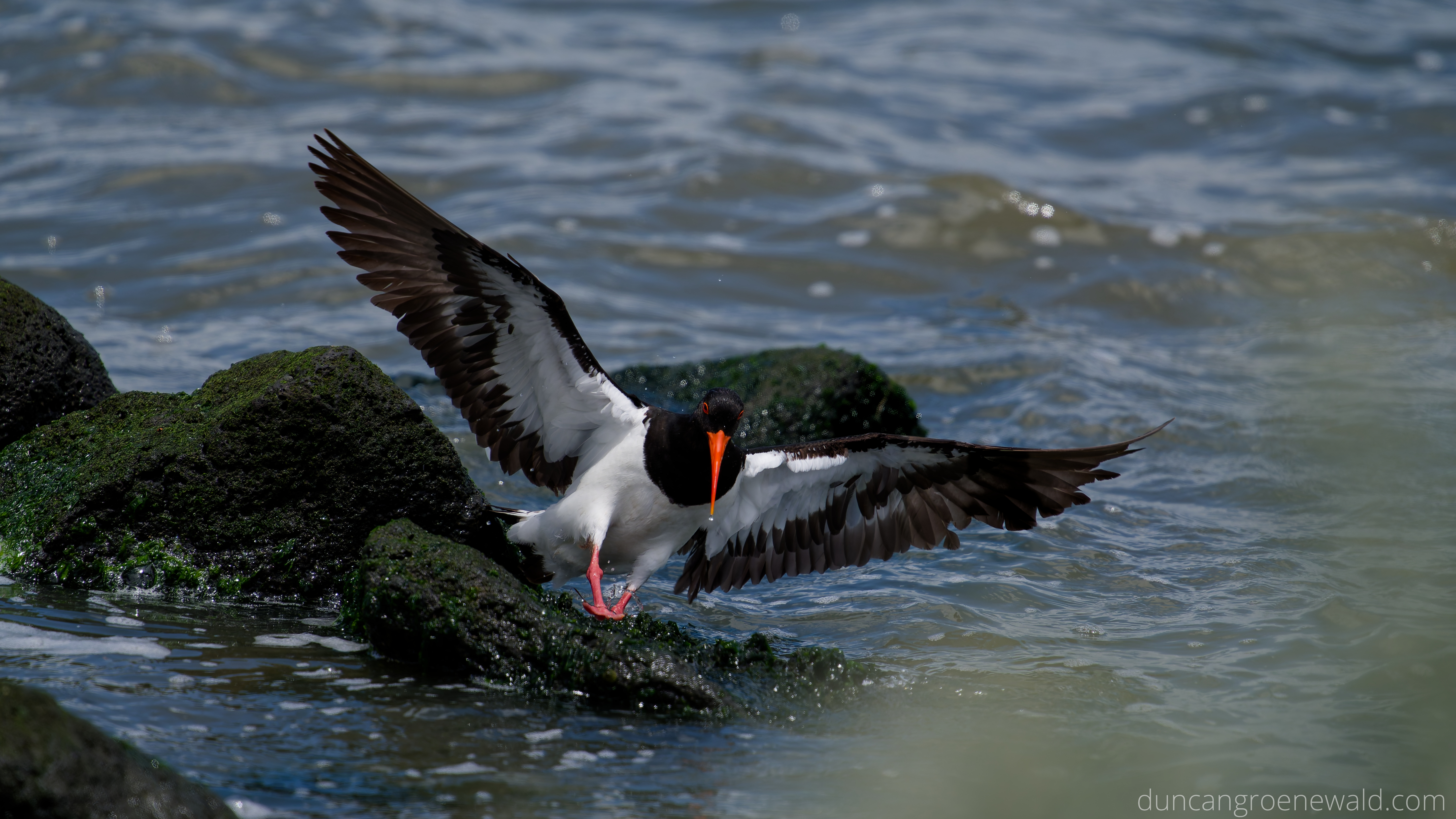
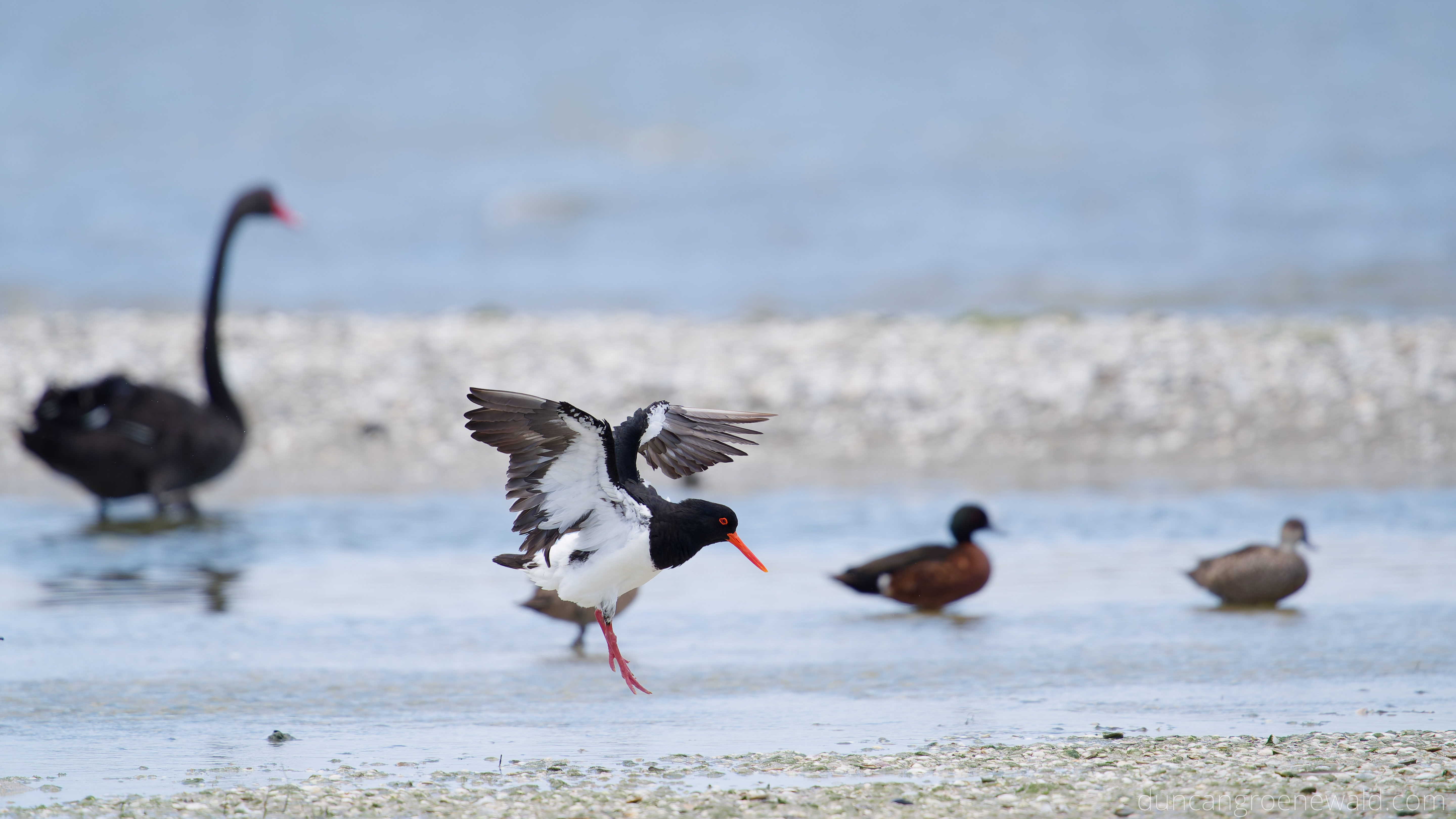
duncangr wrote:
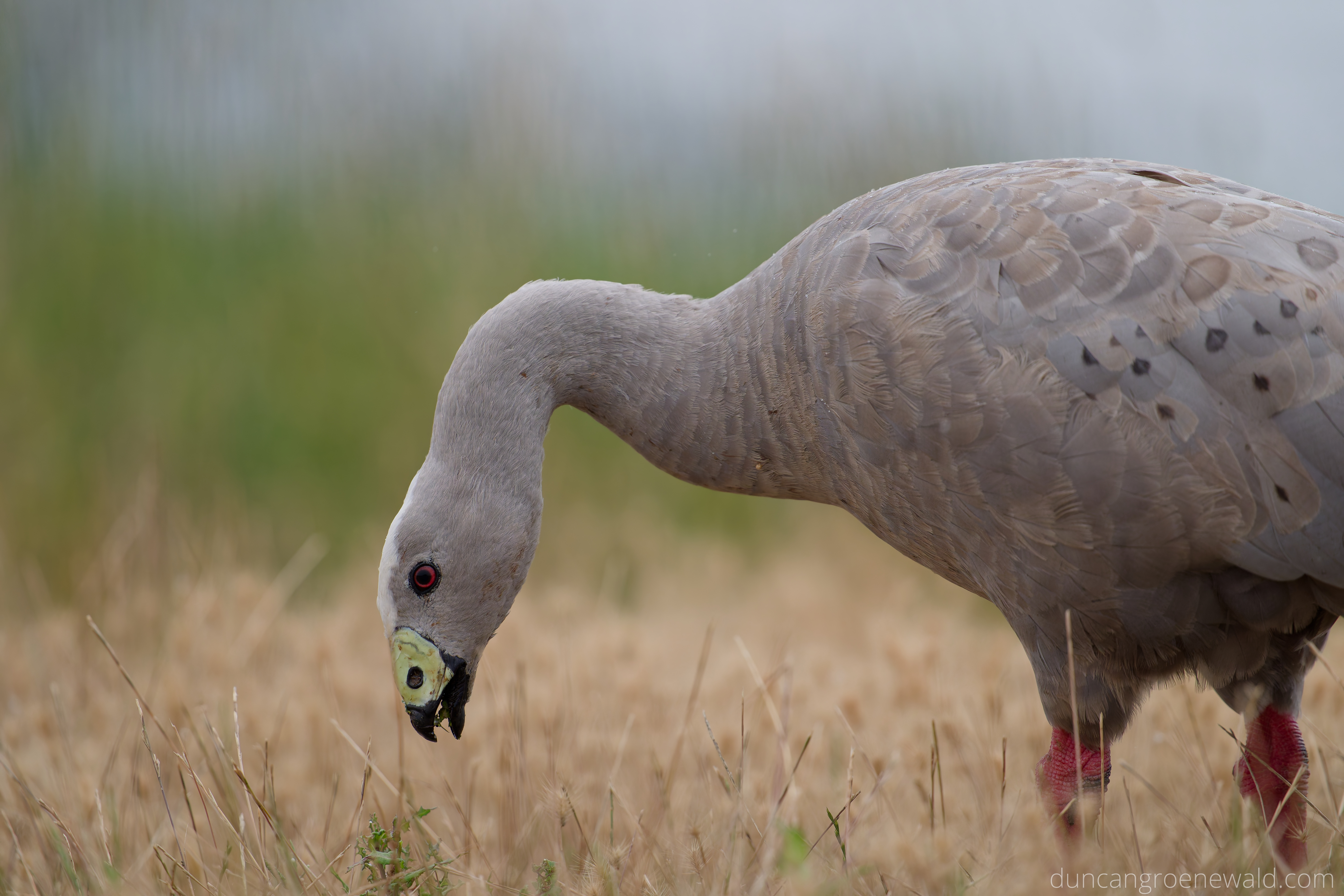
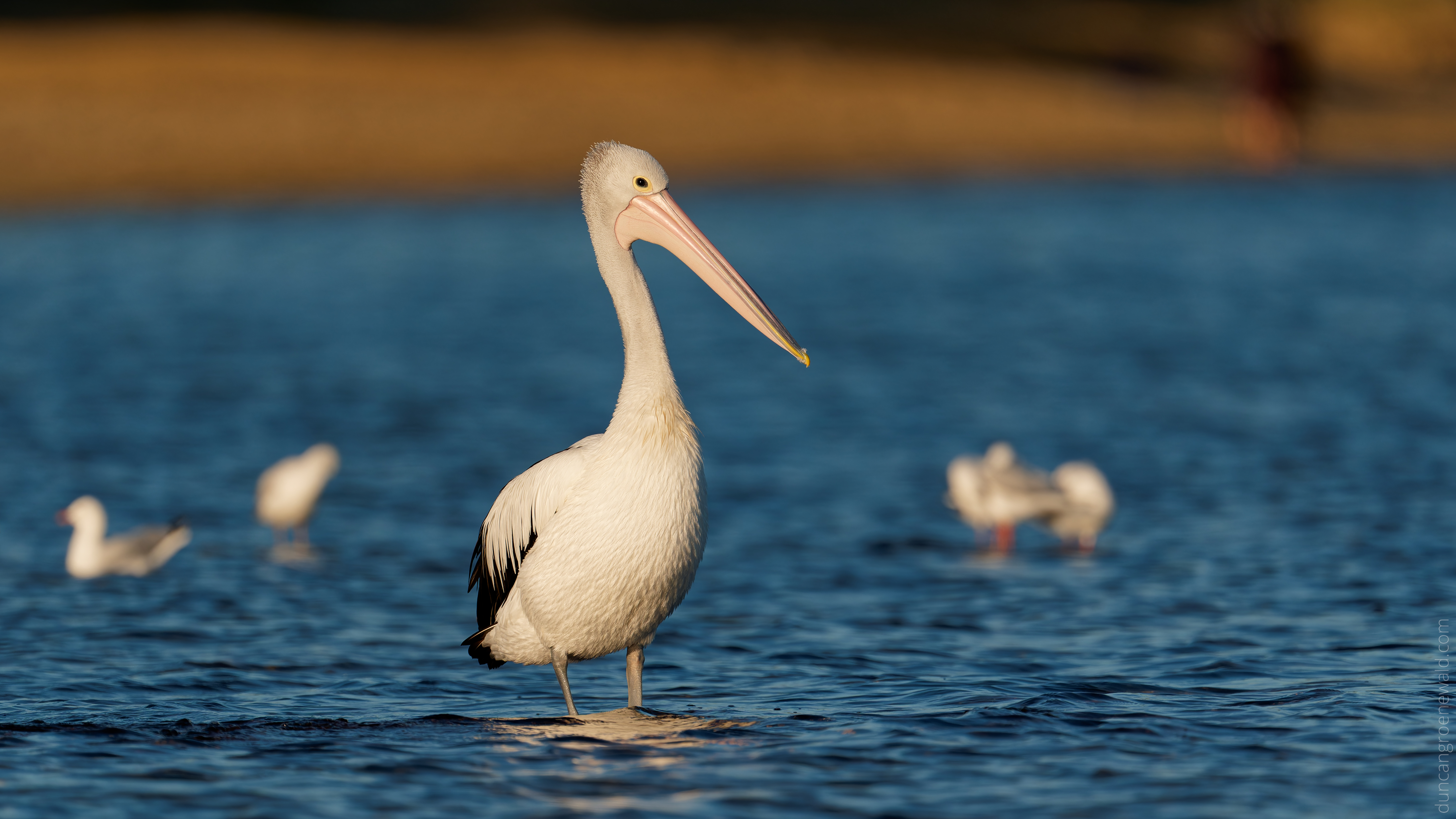
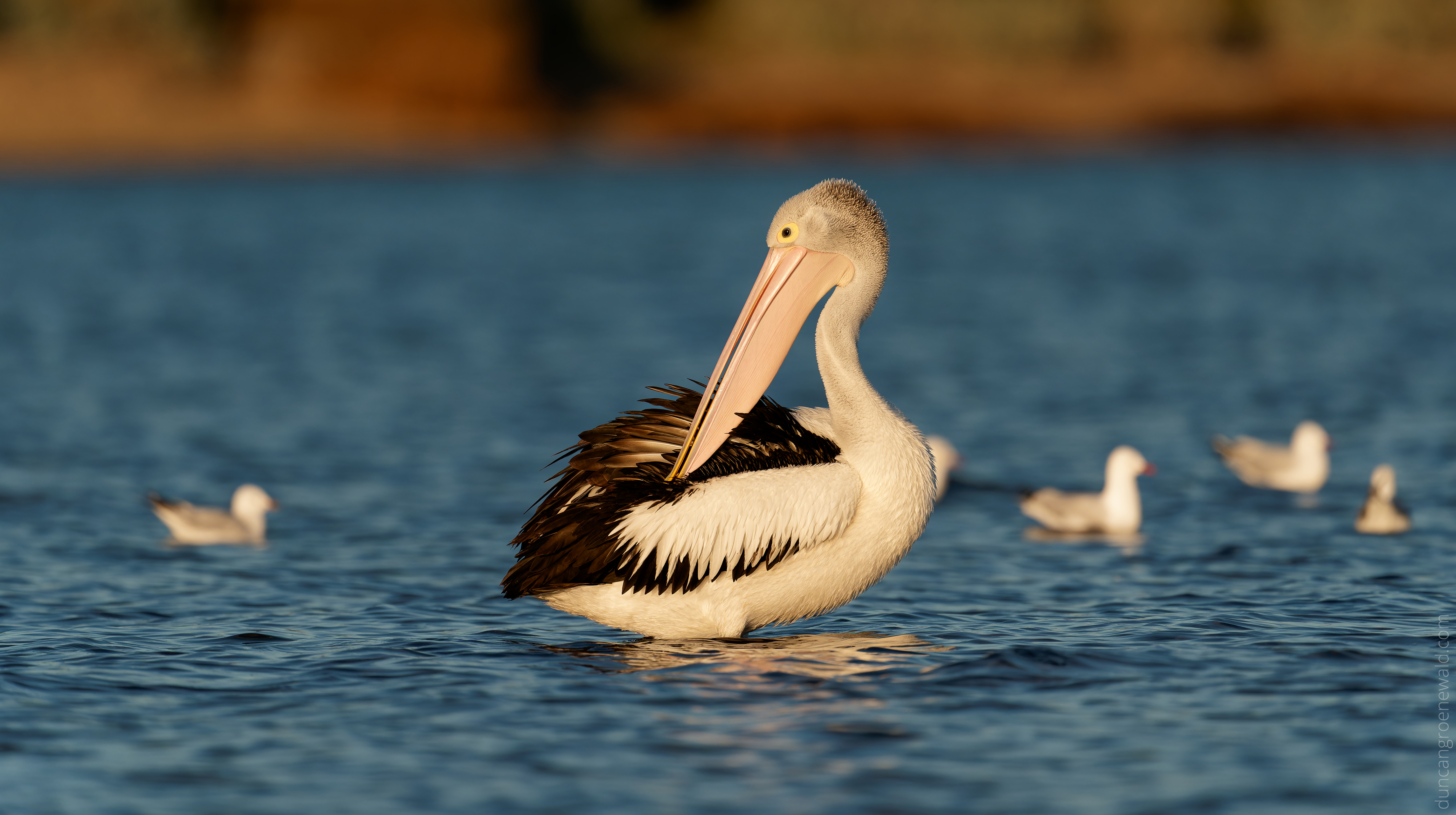
Finally got around to testing the 300 but so far it appears to be no sharper than the 200-600 at 600mm - definitely wouldn't recommend anyone upgrade from the 200-600 hoping to get sharper images.
Certainly it seems to have none of the pop one gets from the 600 f/4.
Here is to hoping there is a dramatic improvement at 420mm because I can't see myself using it much over the 600 f/4.
It is what has kept me off buying a 300GM, although I have to say that it appears to have better color and better bokeh compared to the 200-600G lens. But like you, I never really see the special exiting rendering that lenses like the 400/2.8 or 600/4 have, and the slow f-stop at 600mm does get the iso up higher than I would want. It simply collects far less light than the big and bright lenses.
With the 1.4TC though, it is defintely worth it judging by the images, but that is really too short for general use.
I am waiting for Sony to bring a 400mm f2.8TC, using their latest "shrinking magic" found in the 300GM and many GMv2 lenses. I don't mind if the "cheat" a bit, making it a f3 or even f3.2 lens in effect.
The question is, how long will that wait be?
I continue to use the 600GM, which is perfect for all scenarios, except for dedicated (long distance) travel. So I would buy a Sony 400GM1.4TC.
I'm going to work on a blind test to see if all the rendering experts can really tell the difference without the EXIF included. Maybe 20 shots, mix between 600GM and 300GM/2xTC.
I think the hit rate will be worse than a Z9.....
ChrisMak wrote:
It is what has kept me off buying a 300GM, although I have to say that it appears to have better color and better bokeh compared to the 200-600G lens. But like you, I never really see the special exiting rendering that lenses like the 400/2.8 or 600/4 have, and the slow f-stop at 600mm does get the iso up higher than I would want. It simply collects far less light than the big and bright lenses.
With the 1.4TC though, it is defintely worth it judging by the images, but that is really too short for general use.
I am waiting for Sony to bring a 400mm f2.8TC, using their latest "shrinking magic" found in the 300GM and many GMv2 lenses. I don't mind if the "cheat" a bit, making it a f3 or even f3.2 lens in effect.
The question is, how long will that wait be?
I continue to use the 600GM, which is perfect for all scenarios, except for dedicated (long distance) travel. So I would buy a Sony 400GM1.4TC....Show more →
At least with the 600GM you get an extra stop of bokeh and light.
I considered the 300GM, and read several comparisons with the 200-600 (that I own). They are very close in terms of sharpness and rendering. The big strength of the 300GM is f/2.8 at 300mm, when you need/want to use it. For sport or low light, it's hard to beat. But in good/decent light, the zoom flexibility of the 2-6 is a plus.
A good comparison and summary:
?si=kJh2InIDBGf6XddH
arbitrage wrote:
I'm going to work on a blind test to see if all the rendering experts can really tell the difference without the EXIF included. Maybe 20 shots, mix between 600GM and 300GM/2xTC.
I think the hit rate will be worse than a Z9.....
Sounds great, But how are you going to strip the exiff from the raw files?
You really need raw files to get a feeling of how these lenses perform relative to one another.
And be sure to include some shots in (very) low light, and at distance, and also a few at medium distance with the background not too far behind the subject.
When "comparing" lenses, it is the easy way out to shoot a free standing or floating subject in good light and filling much of the frame. But that's fine if you have a lot of control over your subjects and their surroundings. On a trip to an unknown place, that is not always how it works.
I was able to make a resplendent quetzal image in rather dim forest taken with the 200-600mm at 600mm, look rather well at 4K resolution, but it takes a lot of wizardry regarding noise reduction and sharpening. That was one of these moments that I really missed the 600GM. And the same with many hummingbird shots at too high iso's, even if AI noise reduction can sort of save the day.
Same during a boat tour through the mangroves, lot's of new great looking birds, but at a certain distance that takes a lens that can take a significant crop. The 200-600 images ended up often rather mushy, and it was not due to atmospherics there.
The 600GM would have done tons better.
When in good light and birds fairly close, sure, the 200-600 did very well, like the 300GM+2xTC would do.
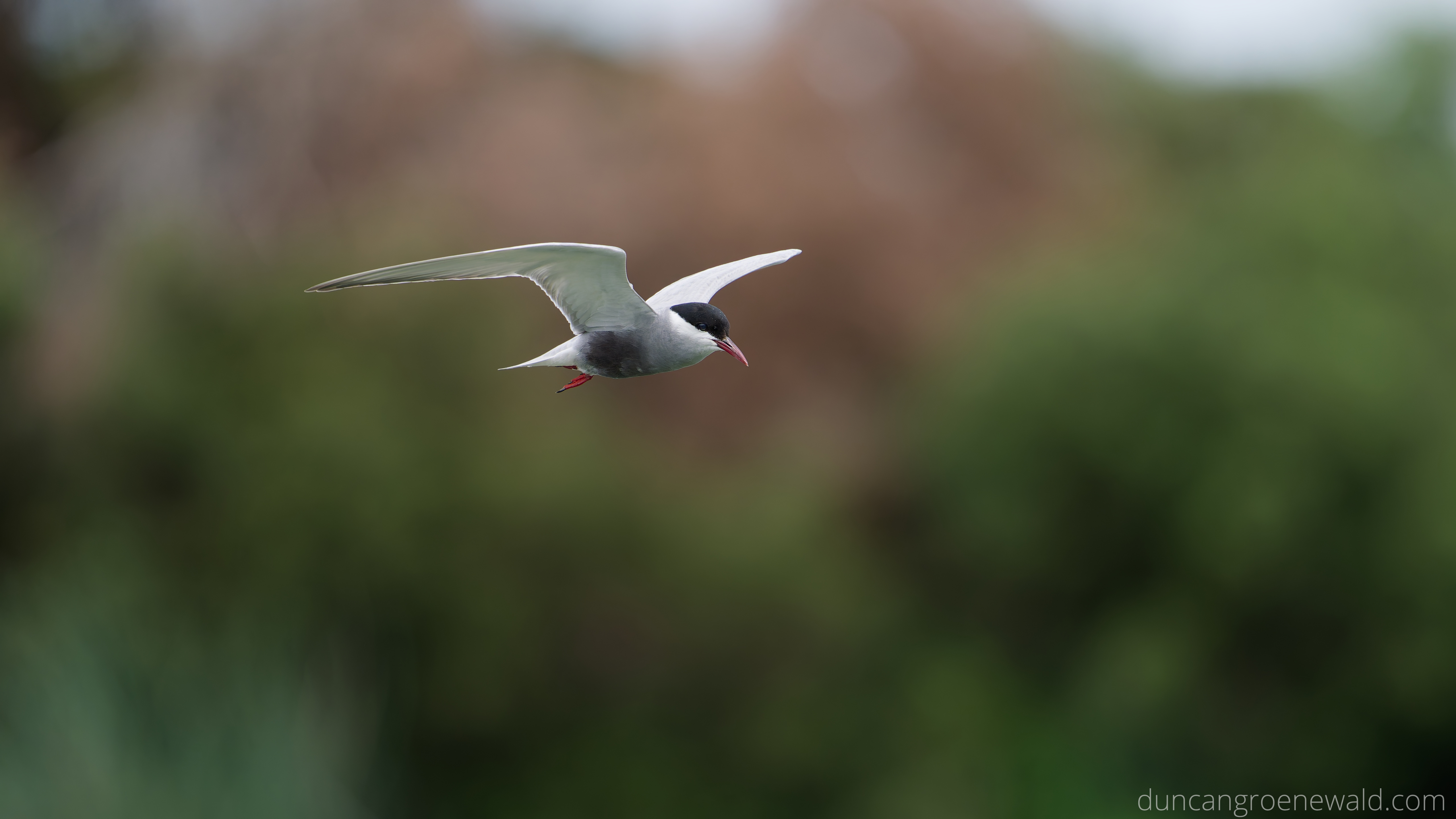
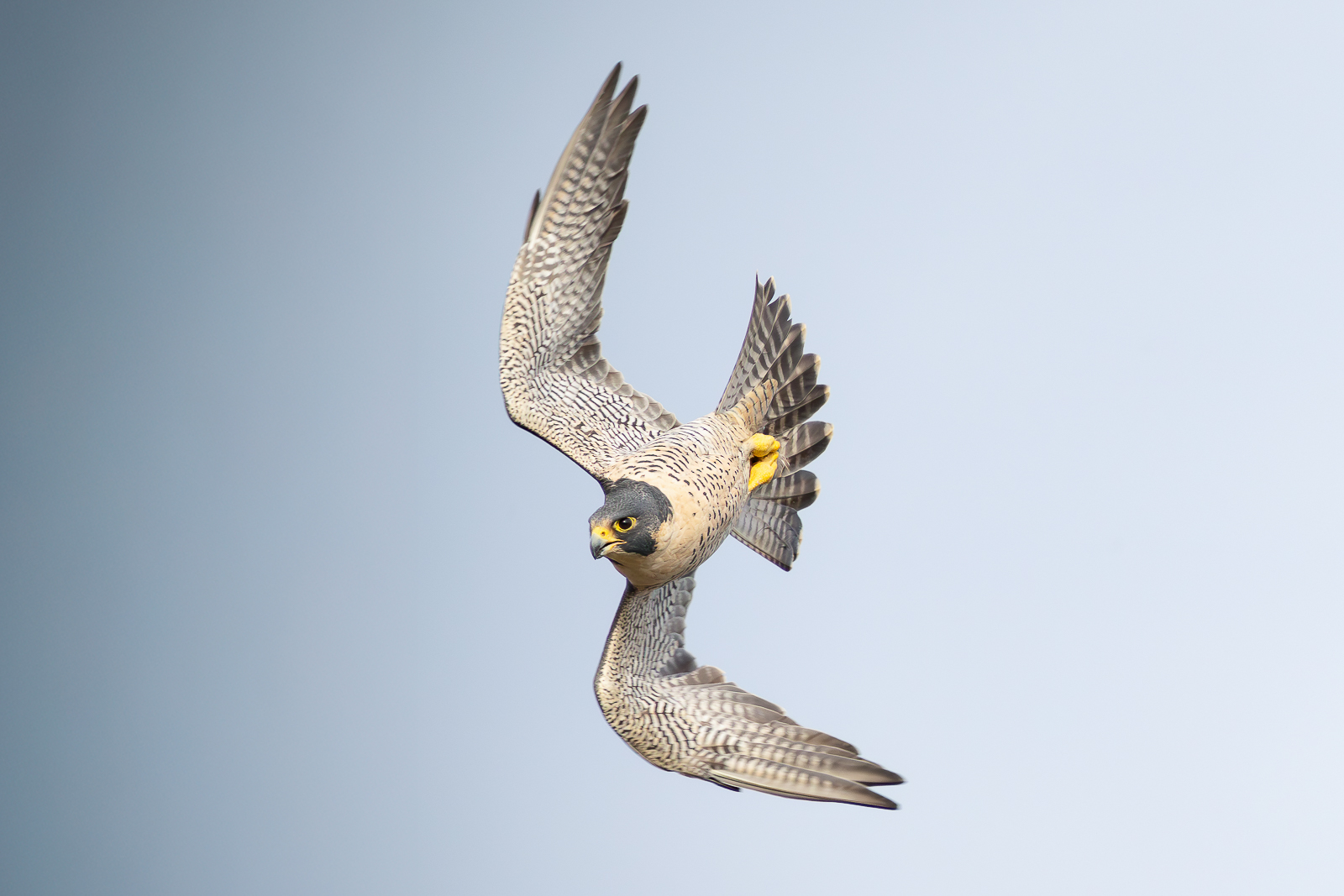
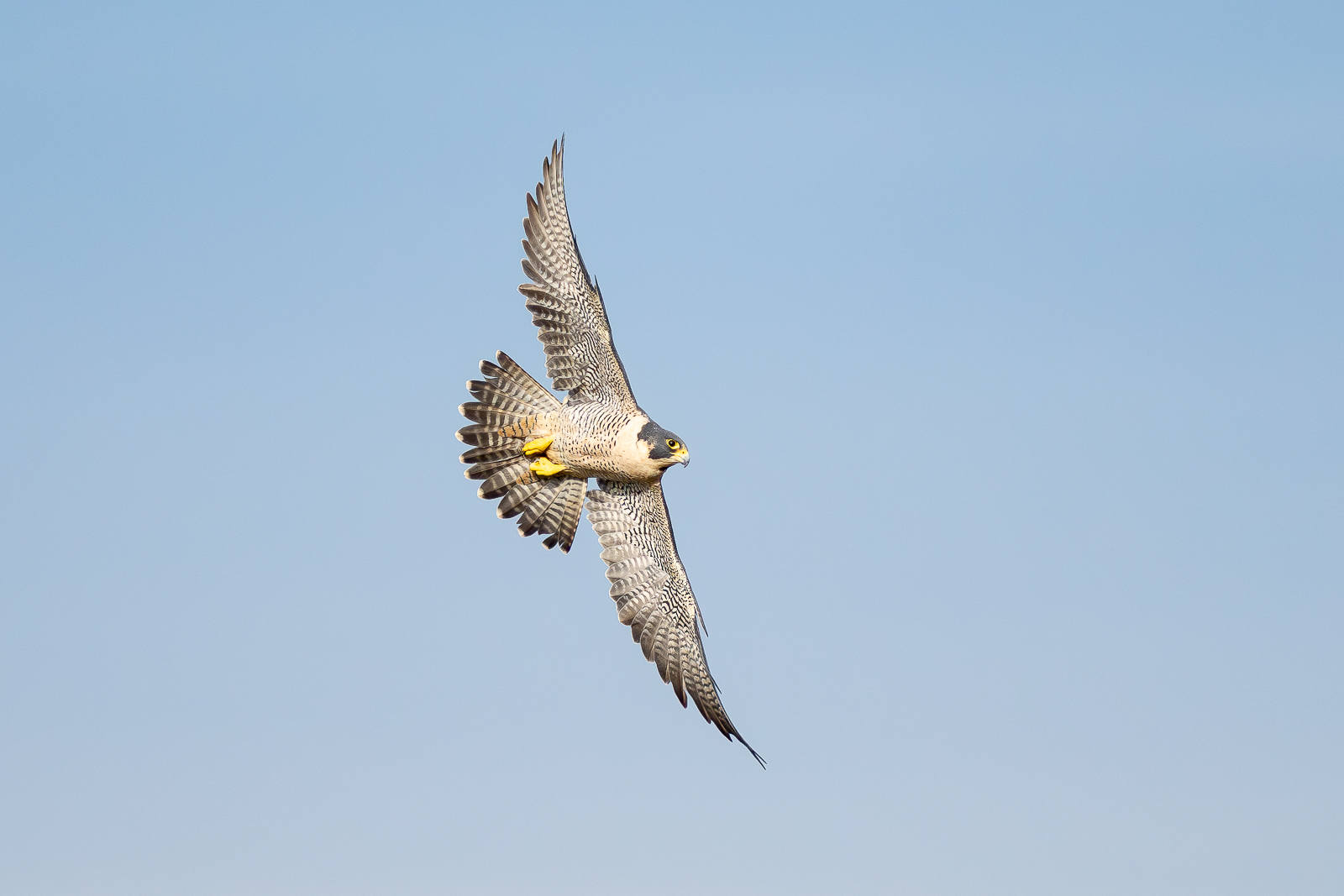
I noticed some pretty strange focus misses going on at 420mm - which I have never had with the A9iii before with any lens and never noticed with the 2xtc.
Seemed to randomly just loose focus from one frame to the next - not just missing the eyes but the entire bird, wings and all entirely out of focus suddenly in one single frame and then a few frames to recover. Pretty annoying as it happened quite a few times with the bird at varying distances - reminded me of some other cameras
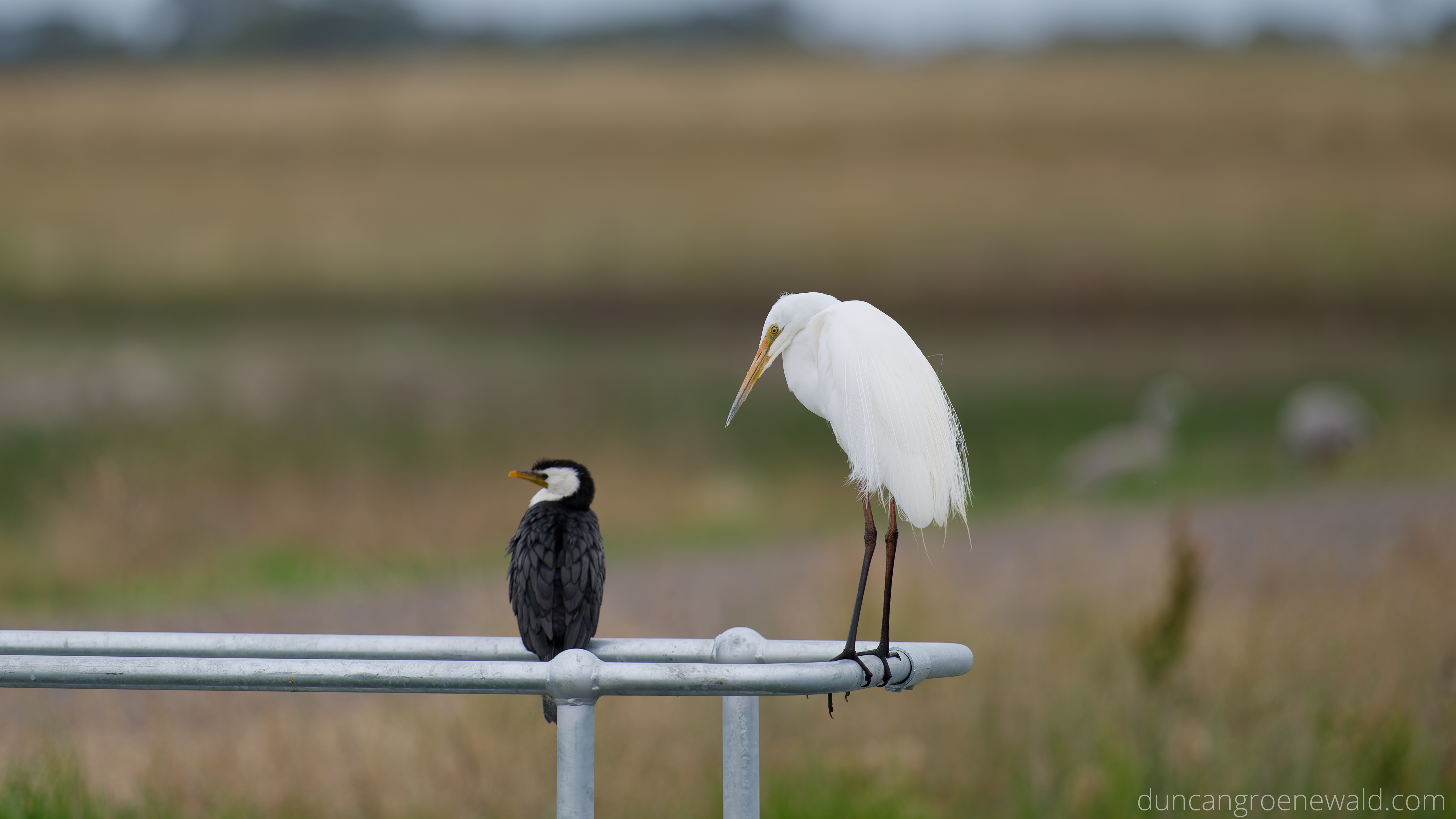
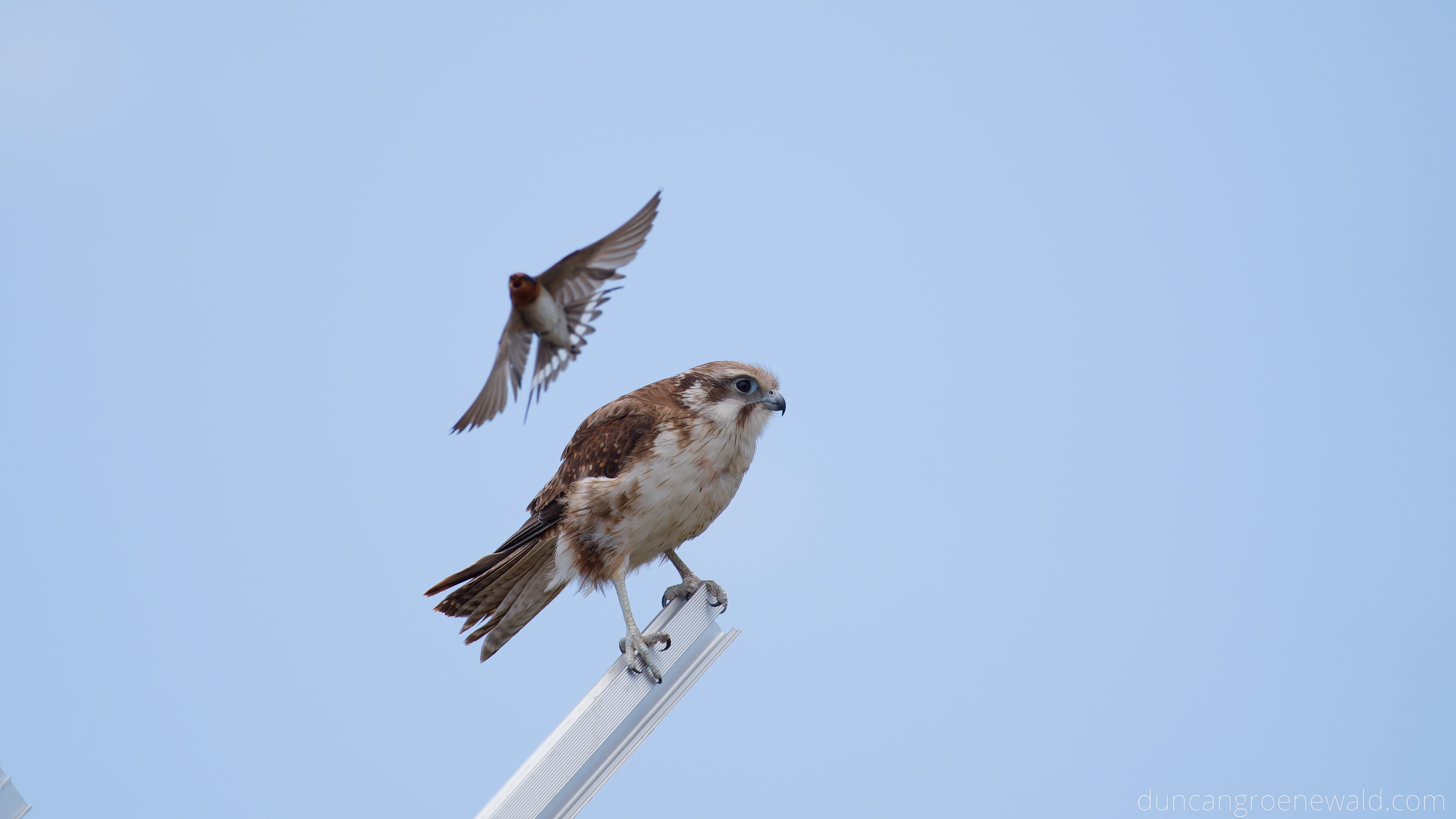
These aren't examples of that. Just a few more terns at 420mm because the swallows appear to be otherwise occupied at the moment!
Not sure I could tell the difference between the 300+2tc and 200-600 - I left the 600 with my brother in Africa so don't have that handy to do a direct comparison.
arbitrage wrote:
I'm going to work on a blind test to see if all the rendering experts can really tell the difference without the EXIF included. Maybe 20 shots, mix between 600GM and 300GM/2xTC.
I think the hit rate will be worse than a Z9.....
I would like to see that.
I think if we handicap the 600 with 24mp and a 1.4TC, and use that 300 at 420mm with the A1 or A1ii then we might have to call it a draw .
Daran wrote:
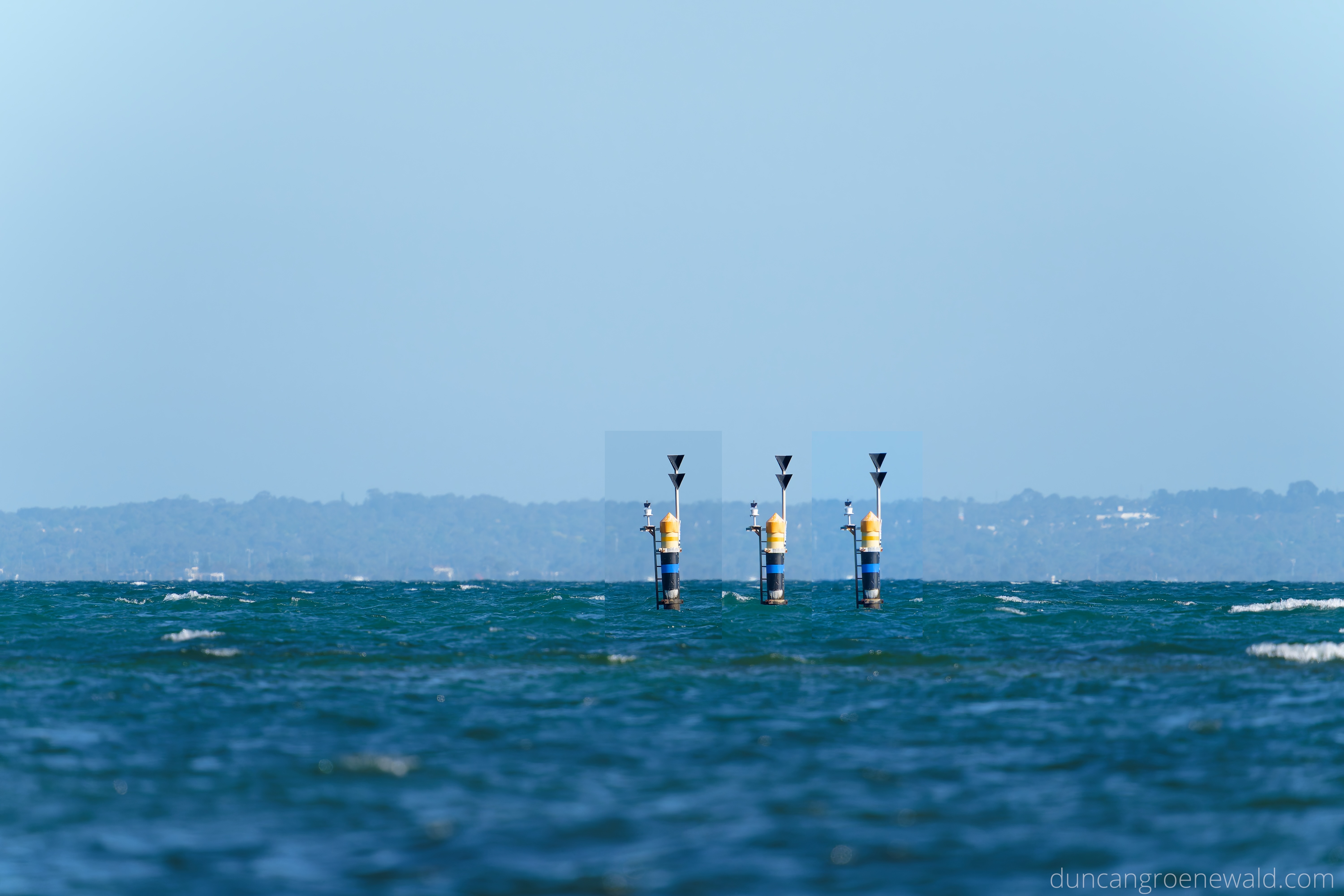
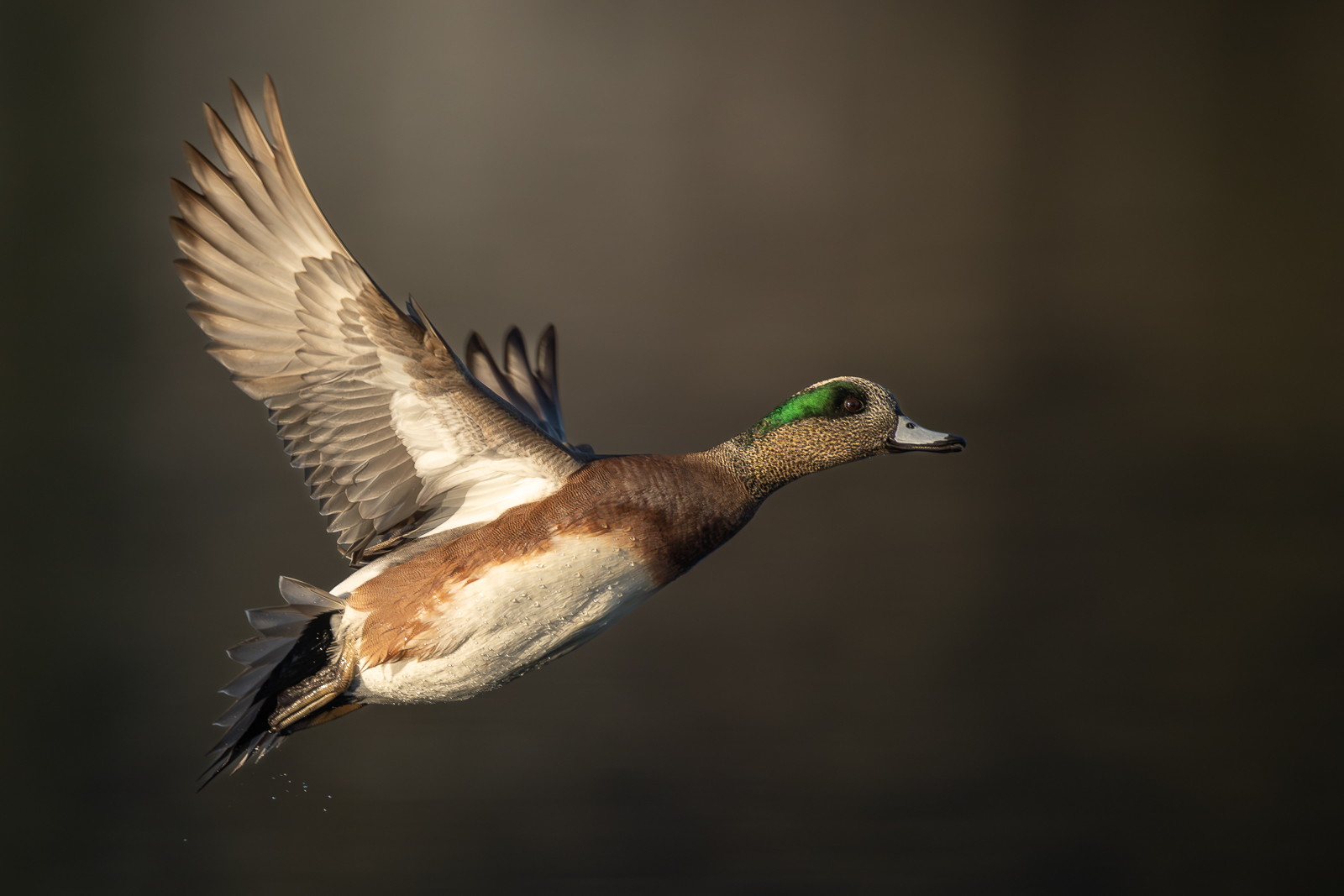
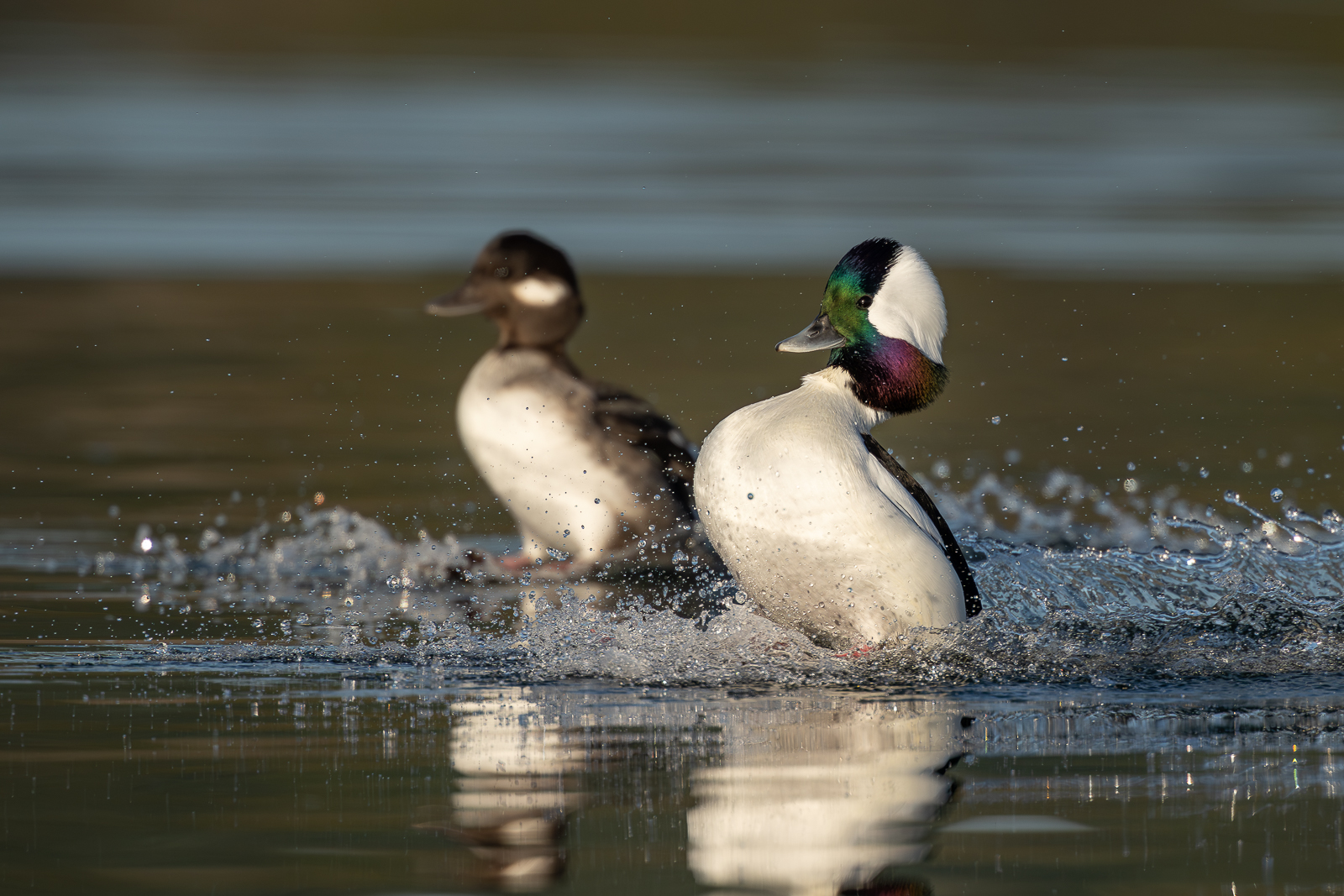
#1 is best by a margin. The other two are similar, with #2 slightly better than #3.
#3 is the 200-600.
Different exposure on #1 so that one is a bit misleading but your "#2 slightly better than #3" observation pretty much sums it up.
There is a slight difference but with a bit of fiddling in post you could probably eliminate that difference I think.
What worries me more is all those pretty significant focus misses - that's the first time I have ever encountered that with any Sony gear.
Ah DMF - hopefully that was my bad because I had full time DMF ON so I was probably moving the focus ring by mistake.
duncangr wrote:
#3 is the 200-600.
Different exposure on #1 so that one is a bit misleading but your "#2 slightly better than #3" observation pretty much sums it up.
There is a slight difference but with a bit of fiddling in post you could probably eliminate that difference I think.
Yeah in my comparisons there is an improvement, bit it isn't much. Also depends on how good your copy of the zoom is, they vary quite a bit. It would show more when shooting a higher resolution body. Would then get lessened when you stop down a tad: both lenses gain IQ, but the zoom gains more for just 1/3 stop of light.
For me the main reason for the zoom is price and ability to zoom. For the prime it is weight and how virtually perfect it is without TC.
What worries me more is all those pretty significant focus misses - that's the first time I have ever encountered that with any Sony gear. Ah DMF - hopefully that was my bad because I had full time DMF ON so I was probably moving the focus ring by mistake.
Been there, done that. Also fun when during peak action you accidentally use the focus stop button. Typically have that programed to do nothing for now.
ChrisMak wrote:
Sounds great, But how are you going to strip the exiff from the raw files?
You really need raw files to get a feeling of how these lenses perform relative to one another.
And be sure to include some shots in (very) low light, and at distance, and also a few at medium distance with the background not too far behind the subject.
When "comparing" lenses, it is the easy way out to shoot a free standing or floating subject in good light and filling much of the frame. But that's fine if you have a lot of control over your subjects and their surroundings. On a trip to an unknown place, that is not always how it works.
I was able to make a resplendent quetzal image in rather dim forest taken with the 200-600mm at 600mm, look rather well at 4K resolution, but it takes a lot of wizardry regarding noise reduction and sharpening. That was one of these moments that I really missed the 600GM. And the same with many hummingbird shots at too high iso's, even if AI noise reduction can sort of save the day.
Same during a boat tour through the mangroves, lot's of new great looking birds, but at a certain distance that takes a lens that can take a significant crop. The 200-600 images ended up often rather mushy, and it was not due to atmospherics there.
The 600GM would have done tons better.
When in good light and birds fairly close, sure, the 200-600 did very well, like the 300GM+2xTC would do.
Oh, and is that the Z9 on latest firmware...? ...Show more →
Yeah, not going to work if we need to compare RAW files.
Between the 200-600 and 300GM:
The 200-600 is a lens which has its uses. It excels at price point and speed of moving between 200-600-200...so focal length versatility when needed instantly.
The 300GM excels at AF speed, AF consistency, lower weight, smaller size (easier to pack) and light gathering (aperture) versatility.
When we bring the 600GM into the picture and speak only for the 600mm mark then that excels at maximum AF speed and AF consistency and resolving at distances and lower light. It excels in these things night and day over the 200-600 and somewhat over the 300GM/2xTC.
But Duncan brought up the 300GM/2x vs 200-600. I'd agree that in good light there will be little IQ difference. Especially when subjects are reasonable close.
Where I value the 300GM/2x over the 200-600 is the AF speed and AF consistency.
I also value the 300GM overall because I've made so much use out of it as a 420/4 and 300/2.8 lens over my months of owning it. If one doesn't have a lot (or any) use for the 300GM at 300 and 420 then I don't think it is a smart buy what so ever.
I barely gave the lens a second thought when it was first released because even though I knew I would have some use at 300 and 420, I had zero hope it could perform with the 2xTC because I hate the 2xTC on the 400GM and 600GM and quit even trying to use it on those lenses a year or so ago. If it hadn't been for my friend buying one and letting me try it I wouldn't believe the hype.
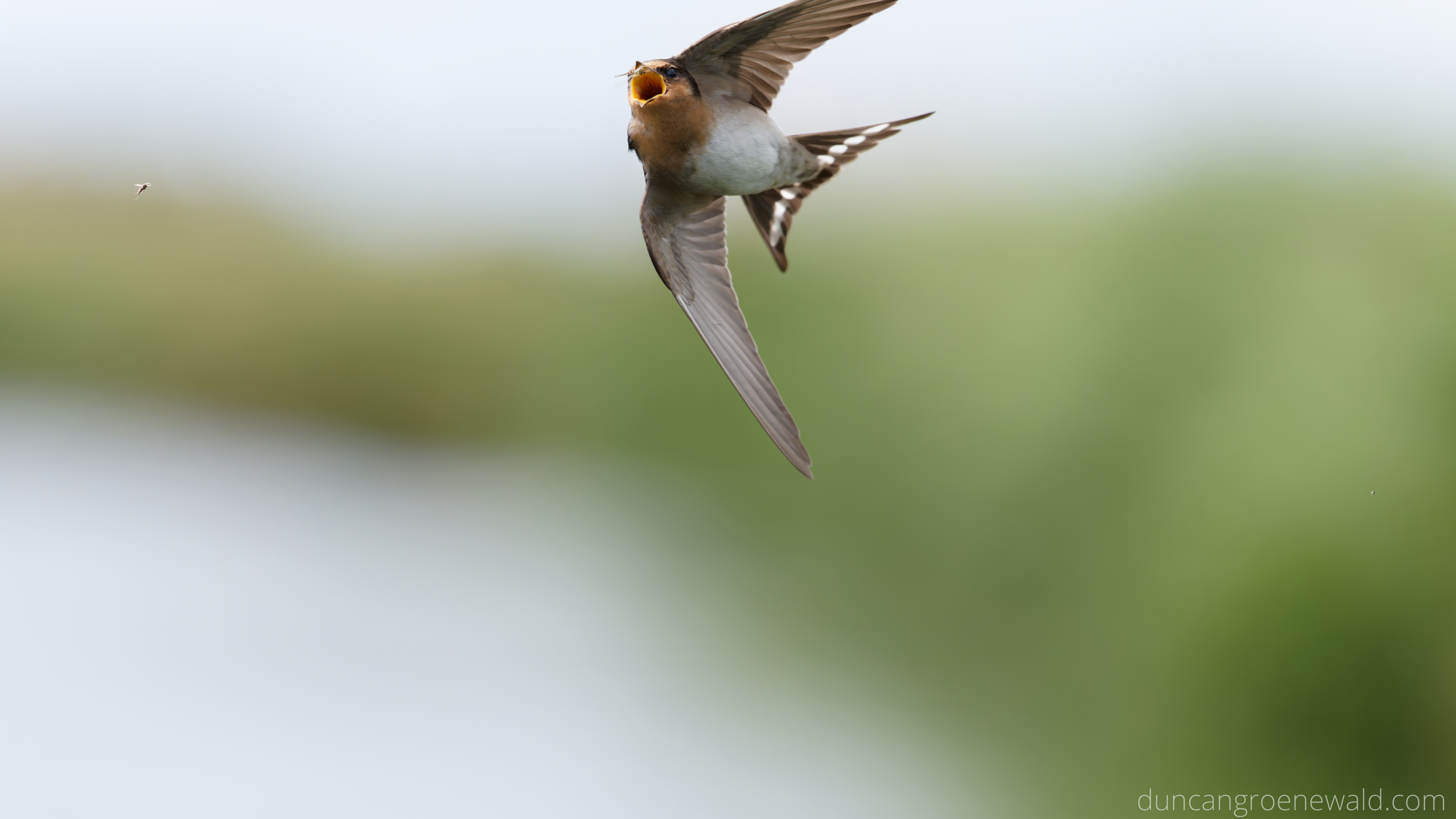
Swallows playing hard to get at the moment. Definitely better off with the 100-400 - not sure I could ever see the stripes on the bugs abdomen before though !
I am overwhelmed with the BIF images with 2x. I tried with mine but somehow is struggling to get good images. The stills seems to now issues.
A1/300MM/2X
Manual Mode, Wide, tracking on, face detection on, bird, vibration off, tracking sensitivity (standard/locked on), 2500, ISO-AUTO, Multi, AF-ON, 30 frame bursts. Programmed to Lens button to activate these settings. Back button focus, AF with shutter off.
Am I missing anything?
Kindly help if I am missing any important settings.
In addition, the focus seems to be getting shifted when taking pictures (in flight). I used to have 200-600 with now issue but sadly traded for 300mm 2.8
pshreevardhan wrote:
I am overwhelmed with the BIF images with 2x. I tried with mine but somehow is struggling to get good images. The stills seems to now issues.
A1/300MM/2X
Manual Mode, Wide, tracking on, face detection on, bird, vibration off, tracking sensitivity (standard/locked on), 2500, ISO-AUTO, Multi, AF-ON, 30 frame bursts. Programmed to Lens button to activate these settings. Back button focus.
Am I missing anything?
Kindly help if I am missing any important settings.
In addition, the focus seems to be getting shifted when taking pictures (in flight). I used to have 200-600 with now issue but sadly traded for 300mm 2.8
Turn "Full Time DMF" OFF to avoid inadvertently messing with the focus while shooting if you turn the focus ring by mistake - that's where I am holding the lens. That caught me out.
Other than that you shouldn't really notice much difference to the 200-600.
Leave OSS on and in Mode 1.
What is "tracking on" - turn that off whatever it is - you shouldn't need to use that with Wide Area and Bird detect.
Avoid using Auto ISO - use manual and set ISO to the thumb dial and turn Zebra's on - set to 100 - learn how to use Zebra's if you don't already know. Auto ISO doesn't work well with small subjects like birds - it will mostly end up exposing for the background.
Post full resolution images - it's hard to guess what else might be wrong without seeing examples. Must be something silly if you were happy with the 200-600 and now having problems with the 300 - you shouldn't see any significant difference in performance.
Turn "Full Time DMF" OFF to avoid inadvertently messing with the focus while shooting if you turn the focus ring by mistake - that's where I am holding the lens. That caught me out. << I will check this out. It is on >>
Other than that you shouldn't really notice much difference to the 200-600.
Leave OSS on and in Mode 1 << Will try. Since the shutter speed is high,thought of switching off >>
What is "tracking on" - turn that off whatever it is - you shouldn't need to use that with Wide Area and Bird detect. <<Ok>>
Avoid using Auto ISO - use manual and set ISO to the thumb dial and turn Zebra's on - set to 100 - learn how to use Zebra's if you don't already know. Auto ISO doesn't work well with small subjects like birds - it will mostly end up exposing for the background. <<Ok>>
Post full resolution images - it's hard to guess what else might be wrong without seeing examples. Must be something silly if you were happy with the 200-600 and now having problems with the 300 - you shouldn't see any significant difference in performance. << Will surely feedback >>