Sony FE 300mm f/2.8 GM Image Thread
p.15 #1Sony FE 300mm f/2.8 GM Image Thread
ChrisMak wrote:
the osprey nest is about 300' away from shore and was a tough shot even for a 400TC + 2x
300 2.8 + 2x performed much better than expected, even on a non-native bodyVery interesting you would use the Sony 300 +2X TC on a Nikon instead of the Nikon 600 PF. Great shots, BTW.I've owned both the 300GM and 600PF, but when I initially owned the 300GM I didn't own (and still don't) own any Sony TC's.
I expected the 300GM would suck with a 2x, so I completely disregarded testing it. Once I saw the feedback mainly from Arbitrage, I had to investigate further.
The 300 2.8 is without a doubt much more versatile than the 600PF. The main trade off is subject distance.
The 300 2.8 + 2x seemingly works great if subjects are near MFD. If you're shooting further out - like I tend to be, the 600PF wins in a big way. The 300GM + 2x falls off quite a bit as you try to shoot further out. Which is to be expected. If that wasn't the case - the lens would really be a no-compromise situation.
Ultimately - I haven't decided which 3lb prime will be right for me. 300GM, 400 4.5, or 600PF. Each one has pros and cons.
For me, the 300GM would be excellent for owls and white tails, with occasional close-range birding with TC's.
The 400 4.5 would be okay with owls/deer, a little slower aperture and more range.
The 600PF is great if you live somewhere with a lot of light (I don't), and will give the best images if you're trying to shoot further out.
I think I will probably end up with either the 300GM or 400 4.5...my heart says 300GM, but my wallet says 400 4.5. $6K vs $2K for 1.33 stops of light.
IMO - IQ is very close with all of these options and their TC's - when shooting near MFD.This is exactly why even the suggestion that the 300GM could replace the 600GM is not realistic at all.
The 600GM gets better, not worse, as you start to shoot at greater distances, whereas the 300GM with 2xTC, if it behaves like ány other prime with a 2xTC, will start to lose quality as you shoot further out.
Only perhaps if you have perfectly still and clean air, without the slightest hint of atmospherics, may it perform acceptably.
I really ran into this for the first time with the Canon 400DOII combined with the 2xTC.
If still a Nikon shooter, the 600PF would be thé way to go, only it is very slow at f6.3 wide open.
The 300GM should have a real benefit when using it with 1.4TC at 420mm f4, but only for relatively close subjects.
I think I will get the 300GM myself, but only as a portable lens option for travel to add to the 600GM.
My question would be about the distance at which the 300GM with 2xTC is still top notch, and at what distance it starts to visibly fall off compared to lenses like the 600GM or Nikon 600PF.Do you know from a technical perspective what characteristic of the larger lenses make them produce better quality at longer distances? Is this directly a consequence of the larger physical aperture? Or something to do with the teleconverter? I wouldn't have thought that different lenses could be affected differently by atmospheric conditions like heat haze but I must be wrong. Curious to know how it works.Not really, as I have a technical background, but not in optics, and it is a highly specialized field.
I can guess of course that magnifying an image 2 times is a recipe for vulnarabilities, but all I know for a fact, is that I never have had any success with shooting a lens and 2xTC over distance, and that it get's really bad in bright or harsh light, but sometimes is ok when shooting after dawn or before dusk.
The 600GM however is a true razor when shooting subjects further away, and can stand pretty heavy cropping. Of course...Show more →
What distances are we talking about? I'm happy to do a controlled test between the two today. I should have no atmospherics in play this morning for the first 3 hrs or so. Let me know and I'll try to pull it off....it is only 4:45AM here so the day is young
somersettr wrote
ChrisMak wrote
nmerc_photos wrote
Douglas L wrote
nmerc_photos wrote
some brutal testing with the Z9 today. harsh light, far distances, deep crops.the osprey nest is about 300' away from shore and was a tough shot even for a 400TC + 2x
300 2.8 + 2x performed much better than expected, even on a non-native body
I expected the 300GM would suck with a 2x, so I completely disregarded testing it. Once I saw the feedback mainly from Arbitrage, I had to investigate further.
The 300 2.8 is without a doubt much more versatile than the 600PF. The main trade off is subject distance.
The 300 2.8 + 2x seemingly works great if subjects are near MFD. If you're shooting further out - like I tend to be, the 600PF wins in a big way. The 300GM + 2x falls off quite a bit as you try to shoot further out. Which is to be expected. If that wasn't the case - the lens would really be a no-compromise situation.
Ultimately - I haven't decided which 3lb prime will be right for me. 300GM, 400 4.5, or 600PF. Each one has pros and cons.
For me, the 300GM would be excellent for owls and white tails, with occasional close-range birding with TC's.
The 400 4.5 would be okay with owls/deer, a little slower aperture and more range.
The 600PF is great if you live somewhere with a lot of light (I don't), and will give the best images if you're trying to shoot further out.
I think I will probably end up with either the 300GM or 400 4.5...my heart says 300GM, but my wallet says 400 4.5. $6K vs $2K for 1.33 stops of light.
IMO - IQ is very close with all of these options and their TC's - when shooting near MFD.
The 600GM gets better, not worse, as you start to shoot at greater distances, whereas the 300GM with 2xTC, if it behaves like ány other prime with a 2xTC, will start to lose quality as you shoot further out.
Only perhaps if you have perfectly still and clean air, without the slightest hint of atmospherics, may it perform acceptably.
I really ran into this for the first time with the Canon 400DOII combined with the 2xTC.
If still a Nikon shooter, the 600PF would be thé way to go, only it is very slow at f6.3 wide open.
The 300GM should have a real benefit when using it with 1.4TC at 420mm f4, but only for relatively close subjects.
I think I will get the 300GM myself, but only as a portable lens option for travel to add to the 600GM.
My question would be about the distance at which the 300GM with 2xTC is still top notch, and at what distance it starts to visibly fall off compared to lenses like the 600GM or Nikon 600PF.
I can guess of course that magnifying an image 2 times is a recipe for vulnarabilities, but all I know for a fact, is that I never have had any success with shooting a lens and 2xTC over distance, and that it get's really bad in bright or harsh light, but sometimes is ok when shooting after dawn or before dusk.
The 600GM however is a true razor when shooting subjects further away, and can stand pretty heavy cropping. Of course...Show more →
What distances are we talking about? I'm happy to do a controlled test between the two today. I should have no atmospherics in play this morning for the first 3 hrs or so. Let me know and I'll try to pull it off....it is only 4:45AM here so the day is young
Jul 01, 2024 at 05:42 AM
p.15 #2Sony FE 300mm f/2.8 GM Image Thread
arbitrage wrote:
I've owned both the 300GM and 600PF, but when I initially owned the 300GM I didn't own (and still don't) own any Sony TC's.
I expected the 300GM would suck with a 2x, so I completely disregarded testing it. Once I saw the feedback mainly from Arbitrage, I had to investigate further.
The 300 2.8 is without a doubt much more versatile than the 600PF. The main trade off is subject distance.
The 300 2.8 + 2x seemingly works great if subjects are near MFD. If you're shooting further out - like I tend to be, the 600PF wins in a big way. The 300GM + 2x falls off quite a bit as you try to shoot further out. Which is to be expected. If that wasn't the case - the lens would really be a no-compromise situation.
Ultimately - I haven't decided which 3lb prime will be right for me. 300GM, 400 4.5, or 600PF. Each one has pros and cons.
For me, the 300GM would be excellent for owls and white tails, with occasional close-range birding with TC's.
The 400 4.5 would be okay with owls/deer, a little slower aperture and more range.
The 600PF is great if you live somewhere with a lot of light (I don't), and will give the best images if you're trying to shoot further out.
I think I will probably end up with either the 300GM or 400 4.5...my heart says 300GM, but my wallet says 400 4.5. $6K vs $2K for 1.33 stops of light.
IMO - IQ is very close with all of these options and their TC's - when shooting near MFD.This is exactly why even the suggestion that the 300GM could replace the 600GM is not realistic at all.
The 600GM gets better, not worse, as you start to shoot at greater distances, whereas the 300GM with 2xTC, if it behaves like ány other prime with a 2xTC, will start to lose quality as you shoot further out.
Only perhaps if you have perfectly still and clean air, without the slightest hint of atmospherics, may it perform acceptably.
I really ran into this for the first time with the Canon 400DOII combined with the 2xTC.
If still a Nikon shooter, the 600PF would be thé way to go, only it is very slow at f6.3 wide open.
The 300GM should have a real benefit when using it with 1.4TC at 420mm f4, but only for relatively close subjects.
I think I will get the 300GM myself, but only as a portable lens option for travel to add to the 600GM.
My question would be about the distance at which the 300GM with 2xTC is still top notch, and at what distance it starts to visibly fall off compared to lenses like the 600GM or Nikon 600PF.Do you know from a technical perspective what characteristic of the larger lenses make them produce better quality at longer distances? Is this directly a consequence of the larger physical aperture? Or something to do with the teleconverter? I wouldn't have thought that different lenses could be affected differently by atmospheric conditions like heat haze but I must be wrong. Curious to know how it works.Not really, as I have a technical background, but not in optics, and it is a highly specialized field.
I can guess of course that magnifying an image 2 times is a recipe for vulnarabilities, but all I know for a fact, is that I never have had any success with shooting a lens and 2xTC over distance, and that it get's really bad in bright or harsh light, but sometimes is ok when shooting after dawn or before dusk.
The 600GM however is a true razor when shooting subjects further away, and can stand pretty heavy cropping. Of course it also fails when atmospherics are bad, but it simply does much better at shooting further away, also compared to the 200-600G btw. I assume the Nikon Z600PF is also very good.What distances are we talking about? I'm happy to do a controlled test between the two today. I should have no atmospherics in play this morning for the first 3 hrs or so. Let me know and I'll try to pull it off....it is only 4:45AM here so the day is young
That would be very informative and generous if you would take the effort! Even if I have already decided to purchase the 300GM myself in 1-2 months, and will soon be able to see how it compares with the 2xTC against the 600GM.
I am mostly interested in distances that can still yield usable images with fairly deep cropping to a minimum of 2800px
horizontally.
Beyond that, there is no practical relevance for me. I guess that means distances 50-60 yrds. So I am not talking about extreme distances like 100 yrds or more
ChrisMak wrote
somersettr wrote
ChrisMak wrote
nmerc_photos wrote
Douglas L wrote
Very interesting you would use the Sony 300 +2X TC on a Nikon instead of the Nikon 600 PF. Great shots, BTW.I expected the 300GM would suck with a 2x, so I completely disregarded testing it. Once I saw the feedback mainly from Arbitrage, I had to investigate further.
The 300 2.8 is without a doubt much more versatile than the 600PF. The main trade off is subject distance.
The 300 2.8 + 2x seemingly works great if subjects are near MFD. If you're shooting further out - like I tend to be, the 600PF wins in a big way. The 300GM + 2x falls off quite a bit as you try to shoot further out. Which is to be expected. If that wasn't the case - the lens would really be a no-compromise situation.
Ultimately - I haven't decided which 3lb prime will be right for me. 300GM, 400 4.5, or 600PF. Each one has pros and cons.
For me, the 300GM would be excellent for owls and white tails, with occasional close-range birding with TC's.
The 400 4.5 would be okay with owls/deer, a little slower aperture and more range.
The 600PF is great if you live somewhere with a lot of light (I don't), and will give the best images if you're trying to shoot further out.
I think I will probably end up with either the 300GM or 400 4.5...my heart says 300GM, but my wallet says 400 4.5. $6K vs $2K for 1.33 stops of light.
IMO - IQ is very close with all of these options and their TC's - when shooting near MFD.
The 600GM gets better, not worse, as you start to shoot at greater distances, whereas the 300GM with 2xTC, if it behaves like ány other prime with a 2xTC, will start to lose quality as you shoot further out.
Only perhaps if you have perfectly still and clean air, without the slightest hint of atmospherics, may it perform acceptably.
I really ran into this for the first time with the Canon 400DOII combined with the 2xTC.
If still a Nikon shooter, the 600PF would be thé way to go, only it is very slow at f6.3 wide open.
The 300GM should have a real benefit when using it with 1.4TC at 420mm f4, but only for relatively close subjects.
I think I will get the 300GM myself, but only as a portable lens option for travel to add to the 600GM.
My question would be about the distance at which the 300GM with 2xTC is still top notch, and at what distance it starts to visibly fall off compared to lenses like the 600GM or Nikon 600PF.
I can guess of course that magnifying an image 2 times is a recipe for vulnarabilities, but all I know for a fact, is that I never have had any success with shooting a lens and 2xTC over distance, and that it get's really bad in bright or harsh light, but sometimes is ok when shooting after dawn or before dusk.
The 600GM however is a true razor when shooting subjects further away, and can stand pretty heavy cropping. Of course it also fails when atmospherics are bad, but it simply does much better at shooting further away, also compared to the 200-600G btw. I assume the Nikon Z600PF is also very good.
That would be very informative and generous if you would take the effort! Even if I have already decided to purchase the 300GM myself in 1-2 months, and will soon be able to see how it compares with the 2xTC against the 600GM.
I am mostly interested in distances that can still yield usable images with fairly deep cropping to a minimum of 2800px
horizontally.
Beyond that, there is no practical relevance for me. I guess that means distances 50-60 yrds. So I am not talking about extreme distances like 100 yrds or more
Jul 01, 2024 at 05:56 AM
p.15 #3Sony FE 300mm f/2.8 GM Image Thread
arbitrage wrote:
I've owned both the 300GM and 600PF, but when I initially owned the 300GM I didn't own (and still don't) own any Sony TC's.
I expected the 300GM would suck with a 2x, so I completely disregarded testing it. Once I saw the feedback mainly from Arbitrage, I had to investigate further.
The 300 2.8 is without a doubt much more versatile than the 600PF. The main trade off is subject distance.
The 300 2.8 + 2x seemingly works great if subjects are near MFD. If you're shooting further out - like I tend to be, the 600PF wins in a big way. The 300GM + 2x falls off quite a bit as you try to shoot further out. Which is to be expected. If that wasn't the case - the lens would really be a no-compromise situation.
Ultimately - I haven't decided which 3lb prime will be right for me. 300GM, 400 4.5, or 600PF. Each one has pros and cons.
For me, the 300GM would be excellent for owls and white tails, with occasional close-range birding with TC's.
The 400 4.5 would be okay with owls/deer, a little slower aperture and more range.
The 600PF is great if you live somewhere with a lot of light (I don't), and will give the best images if you're trying to shoot further out.
I think I will probably end up with either the 300GM or 400 4.5...my heart says 300GM, but my wallet says 400 4.5. $6K vs $2K for 1.33 stops of light.
IMO - IQ is very close with all of these options and their TC's - when shooting near MFD.This is exactly why even the suggestion that the 300GM could replace the 600GM is not realistic at all.
The 600GM gets better, not worse, as you start to shoot at greater distances, whereas the 300GM with 2xTC, if it behaves like ány other prime with a 2xTC, will start to lose quality as you shoot further out.
Only perhaps if you have perfectly still and clean air, without the slightest hint of atmospherics, may it perform acceptably.
I really ran into this for the first time with the Canon 400DOII combined with the 2xTC.
If still a Nikon shooter, the 600PF would be thé way to go, only it is very slow at f6.3 wide open.
The 300GM should have a real benefit when using it with 1.4TC at 420mm f4, but only for relatively close subjects.
I think I will get the 300GM myself, but only as a portable lens option for travel to add to the 600GM.
My question would be about the distance at which the 300GM with 2xTC is still top notch, and at what distance it starts to visibly fall off compared to lenses like the 600GM or Nikon 600PF.Do you know from a technical perspective what characteristic of the larger lenses make them produce better quality at longer distances? Is this directly a consequence of the larger physical aperture? Or something to do with the teleconverter? I wouldn't have thought that different lenses could be affected differently by atmospheric conditions like heat haze but I must be wrong. Curious to know how it works.Not really, as I have a technical background, but not in optics, and it is a highly specialized field.
I can guess of course that magnifying an image 2 times is a recipe for vulnarabilities, but all I know for a fact, is that I never have had any success with shooting a lens and 2xTC over distance, and that it get's really bad in bright or harsh light, but sometimes is ok when shooting after dawn or before dusk.
The 600GM however is a true razor when shooting subjects further away, and can stand pretty heavy cropping. Of course it also fails when atmospherics are bad, but it simply does much better at shooting further away, also compared to the 200-600G btw. I assume the Nikon Z600PF is also very good.What distances are we talking about? I'm happy to do a controlled test between the two today. I should have no atmospherics in play this morning for the first 3 hrs or so. Let me know and I'll try to pull it off....it is only 4:45AM here so the day is young
Would it be possible to try a few different distances? Say 20mm, 50m, 100m and 200m? That should show if distances affect the 300mm + 2x more than the 600mm.
ChrisMak wrote
somersettr wrote
ChrisMak wrote
nmerc_photos wrote
Douglas L wrote
Very interesting you would use the Sony 300 +2X TC on a Nikon instead of the Nikon 600 PF. Great shots, BTW.I expected the 300GM would suck with a 2x, so I completely disregarded testing it. Once I saw the feedback mainly from Arbitrage, I had to investigate further.
The 300 2.8 is without a doubt much more versatile than the 600PF. The main trade off is subject distance.
The 300 2.8 + 2x seemingly works great if subjects are near MFD. If you're shooting further out - like I tend to be, the 600PF wins in a big way. The 300GM + 2x falls off quite a bit as you try to shoot further out. Which is to be expected. If that wasn't the case - the lens would really be a no-compromise situation.
Ultimately - I haven't decided which 3lb prime will be right for me. 300GM, 400 4.5, or 600PF. Each one has pros and cons.
For me, the 300GM would be excellent for owls and white tails, with occasional close-range birding with TC's.
The 400 4.5 would be okay with owls/deer, a little slower aperture and more range.
The 600PF is great if you live somewhere with a lot of light (I don't), and will give the best images if you're trying to shoot further out.
I think I will probably end up with either the 300GM or 400 4.5...my heart says 300GM, but my wallet says 400 4.5. $6K vs $2K for 1.33 stops of light.
IMO - IQ is very close with all of these options and their TC's - when shooting near MFD.
The 600GM gets better, not worse, as you start to shoot at greater distances, whereas the 300GM with 2xTC, if it behaves like ány other prime with a 2xTC, will start to lose quality as you shoot further out.
Only perhaps if you have perfectly still and clean air, without the slightest hint of atmospherics, may it perform acceptably.
I really ran into this for the first time with the Canon 400DOII combined with the 2xTC.
If still a Nikon shooter, the 600PF would be thé way to go, only it is very slow at f6.3 wide open.
The 300GM should have a real benefit when using it with 1.4TC at 420mm f4, but only for relatively close subjects.
I think I will get the 300GM myself, but only as a portable lens option for travel to add to the 600GM.
My question would be about the distance at which the 300GM with 2xTC is still top notch, and at what distance it starts to visibly fall off compared to lenses like the 600GM or Nikon 600PF.
I can guess of course that magnifying an image 2 times is a recipe for vulnarabilities, but all I know for a fact, is that I never have had any success with shooting a lens and 2xTC over distance, and that it get's really bad in bright or harsh light, but sometimes is ok when shooting after dawn or before dusk.
The 600GM however is a true razor when shooting subjects further away, and can stand pretty heavy cropping. Of course it also fails when atmospherics are bad, but it simply does much better at shooting further away, also compared to the 200-600G btw. I assume the Nikon Z600PF is also very good.
Would it be possible to try a few different distances? Say 20mm, 50m, 100m and 200m? That should show if distances affect the 300mm + 2x more than the 600mm.
Jul 01, 2024 at 05:59 AM
p.15 #4Sony FE 300mm f/2.8 GM Image Thread

Details: https://flic.kr/p/2q1Cgos
Jul 01, 2024 at 07:51 AM
p.15 #5Sony FE 300mm f/2.8 GM Image Thread
It could also be autofocus that is impacted more at longer distances with the 300 + 2x
Jul 01, 2024 at 07:56 AM
p.15 #6Sony FE 300mm f/2.8 GM Image Thread
ChrisMak wrote:
the osprey nest is about 300' away from shore and was a tough shot even for a 400TC + 2x
300 2.8 + 2x performed much better than expected, even on a non-native bodyVery interesting you would use the Sony 300 +2X TC on a Nikon instead of the Nikon 600 PF. Great shots, BTW.I've owned both the 300GM and 600PF, but when I initially owned the 300GM I didn't own (and still don't) own any Sony TC's.
I expected the 300GM would suck with a 2x, so I completely disregarded testing it. Once I saw the feedback mainly from Arbitrage, I had to investigate further.
The 300 2.8 is without a doubt much more versatile than the 600PF. The main trade off is subject distance.
The 300 2.8 + 2x seemingly works great if subjects are near MFD. If you're shooting further out - like I tend to be, the 600PF wins in a big way. The 300GM + 2x falls off quite a bit as you try to shoot further out. Which is to be expected. If that wasn't the case - the lens would really be a no-compromise situation.
Ultimately - I haven't decided which 3lb prime will be right for me. 300GM, 400 4.5, or 600PF. Each one has pros and cons.
For me, the 300GM would be excellent for owls and white tails, with occasional close-range birding with TC's.
The 400 4.5 would be okay with owls/deer, a little slower aperture and more range.
The 600PF is great if you live somewhere with a lot of light (I don't), and will give the best images if you're trying to shoot further out.
I think I will probably end up with either the 300GM or 400 4.5...my heart says 300GM, but my wallet says 400 4.5. $6K vs $2K for 1.33 stops of light.
IMO - IQ is very close with all of these options and their TC's - when shooting near MFD.This is exactly why even the suggestion that the 300GM could replace the 600GM is not realistic at all.
The 600GM gets better, not worse, as you start to shoot at greater distances, whereas the 300GM with 2xTC, if it behaves like ány other prime with a 2xTC, will start to lose quality as you shoot further out.
Only perhaps if you have perfectly still and clean air, without the slightest hint of atmospherics, may it perform acceptably.
I really ran into this for the first time with the Canon 400DOII combined with the 2xTC.
If still a Nikon shooter, the 600PF...Show more →
Precisely. If you use the 300GM for what it's intended for - I think it's a great lens, no debating that.
There are a number of us though who want to push the limits with the 2x, and I think that's where it's a closer race between 300GM, 200-600, and 600PF.
I just purchased a legitimate range finder, as so far I've been using google maps "calculate distance" for ranges. Once I have that, I'll be able to more accurately report on what I'm seeing - as well as give comparisons between multiple lenses.
Douglas L wrote:
the osprey nest is about 300' away from shore and was a tough shot even for a 400TC + 2x
300 2.8 + 2x performed much better than expected, even on a non-native bodyVery interesting you would use the Sony 300 +2X TC on a Nikon instead of the Nikon 600 PF. Great shots, BTW.I've owned both the 300GM and 600PF, but when I initially owned the 300GM I didn't own (and still don't) own any Sony TC's.
I expected the 300GM would suck with a 2x, so I completely disregarded testing it. Once I saw the feedback mainly from Arbitrage, I had to investigate further.
The 300 2.8 is without a doubt much more versatile than the 600PF. The main trade off is subject distance.
The 300 2.8 + 2x seemingly works great if subjects are near MFD. If you're shooting further out - like I tend to be, the 600PF wins in a big way. The 300GM + 2x falls off quite a bit as you try to shoot further out. Which is to be expected. If that wasn't the case - the lens would really be a no-compromise situation.
Ultimately - I haven't decided which 3lb prime will be right for me. 300GM, 400 4.5, or 600PF. Each one has pros and cons.
For me, the 300GM would be excellent for owls and white tails, with occasional close-range birding with TC's.
The 400 4.5 would be okay with owls/deer, a little slower aperture and more range.
The 600PF is great if you live somewhere with a lot of light (I don't), and will give the best images if you're trying to shoot further out.
I think I will probably end up with either the 300GM or 400 4.5...my heart says 300GM, but my wallet says 400 4.5. $6K vs $2K for 1.33 stops of light.
IMO - IQ is very close with all of these options and their TC's - when shooting near MFD.Very interesting observation. To you, what distance is considered the start of the "further out" range? I have the 600 GM so I may try to shoot some static subjects to compare. I was just too lazy to do any comparison.
see answer above, TBD
my guess right now is that it's around 100' - 200'
arbitrage wrote:
I've owned both the 300GM and 600PF, but when I initially owned the 300GM I didn't own (and still don't) own any Sony TC's.
I expected the 300GM would suck with a 2x, so I completely disregarded testing it. Once I saw the feedback mainly from Arbitrage, I had to investigate further.
The 300 2.8 is without a doubt much more versatile than the 600PF. The main trade off is subject distance.
The 300 2.8 + 2x seemingly works great if subjects are near MFD. If you're shooting further out - like I tend to be, the 600PF wins in a big way. The 300GM + 2x falls off quite a bit as you try to shoot further out. Which is to be expected. If that wasn't the case - the lens would really be a no-compromise situation.
Ultimately - I haven't decided which 3lb prime will be right for me. 300GM, 400 4.5, or 600PF. Each one has pros and cons.
For me, the 300GM would be excellent for owls and white tails, with occasional close-range birding with TC's.
The 400 4.5 would be okay with owls/deer, a little slower aperture and more range.
The 600PF is great if you live somewhere with a lot of light (I don't), and will give the best images if you're trying to shoot further out.
I think I will probably end up with either the 300GM or 400 4.5...my heart says 300GM, but my wallet says 400 4.5. $6K vs $2K for 1.33 stops of light.
IMO - IQ is very close with all of these options and their TC's - when shooting near MFD.This is exactly why even the suggestion that the 300GM could replace the 600GM is not realistic at all.
The 600GM gets better, not worse, as you start to shoot at greater distances, whereas the 300GM with 2xTC, if it behaves like ány other prime with a 2xTC, will start to lose quality as you shoot further out.
Only perhaps if you have perfectly still and clean air, without the slightest hint of atmospherics, may it perform acceptably.
I really ran into this for the first time with the Canon 400DOII combined with the 2xTC.
If still a Nikon shooter, the 600PF would be thé way to go, only it is very slow at f6.3 wide open.
The 300GM should have a real benefit when using it with 1.4TC at 420mm f4, but only for relatively close subjects.
I think I will get the 300GM myself, but only as a portable lens option for travel to add to the 600GM.
My question would be about the distance at which the 300GM with 2xTC is still top notch, and at what distance it starts to visibly fall off compared to lenses like the 600GM or Nikon 600PF.Do you know from a technical perspective what characteristic of the larger lenses make them produce better quality at longer distances? Is this directly a consequence of the larger physical aperture? Or something to do with the teleconverter? I wouldn't have thought that different lenses could be affected differently by atmospheric conditions like heat haze but I must be wrong. Curious to know how it works.Not really, as I have a technical background, but not in optics, and it is a highly specialized field.
I can guess of course that magnifying an image 2 times is a recipe for vulnarabilities, but all I know for a fact, is that I never have had any success with shooting a lens and 2xTC over distance, and that it get's really bad in bright or harsh light, but sometimes is ok when shooting after dawn or before dusk.
The 600GM however is a true razor when shooting subjects further away, and can stand pretty heavy cropping. Of course it also fails when atmospherics are bad, but it simply does much better at shooting further away, also compared to the 200-600G btw. I assume the Nikon Z600PF is also very good.What distances are we talking about? I'm happy to do a controlled test between the two today. I should have no atmospherics in play this morning for the first 3 hrs or so. Let me know and I'll try to pull it off....it is only 4:45AM here so the day is young
do the tests that I'm going to do haha. 50', 100', 200', 500'
also if you can post the distances on the images you are already getting and posting - that would be immensely helpful
alexands wrote:
It could also be autofocus that is impacted more at longer distances with the 300 + 2x
I think this could be a contributing factor, but not the main one.
I can tell in my osprey nest pics that the focus is accurate, it's just such a far reach and the setup degrades too much.
Too be fair, that nest is one that photographers literally use 600mm, 800mm, and 1200mm as common lenses to get the reach. The fact that a 300 + 2x can even get an image at all, is incredible.
nmerc_photos wrote
Douglas L wrote
nmerc_photos wrote
some brutal testing with the Z9 today. harsh light, far distances, deep crops.the osprey nest is about 300' away from shore and was a tough shot even for a 400TC + 2x
300 2.8 + 2x performed much better than expected, even on a non-native body
I expected the 300GM would suck with a 2x, so I completely disregarded testing it. Once I saw the feedback mainly from Arbitrage, I had to investigate further.
The 300 2.8 is without a doubt much more versatile than the 600PF. The main trade off is subject distance.
The 300 2.8 + 2x seemingly works great if subjects are near MFD. If you're shooting further out - like I tend to be, the 600PF wins in a big way. The 300GM + 2x falls off quite a bit as you try to shoot further out. Which is to be expected. If that wasn't the case - the lens would really be a no-compromise situation.
Ultimately - I haven't decided which 3lb prime will be right for me. 300GM, 400 4.5, or 600PF. Each one has pros and cons.
For me, the 300GM would be excellent for owls and white tails, with occasional close-range birding with TC's.
The 400 4.5 would be okay with owls/deer, a little slower aperture and more range.
The 600PF is great if you live somewhere with a lot of light (I don't), and will give the best images if you're trying to shoot further out.
I think I will probably end up with either the 300GM or 400 4.5...my heart says 300GM, but my wallet says 400 4.5. $6K vs $2K for 1.33 stops of light.
IMO - IQ is very close with all of these options and their TC's - when shooting near MFD.
The 600GM gets better, not worse, as you start to shoot at greater distances, whereas the 300GM with 2xTC, if it behaves like ány other prime with a 2xTC, will start to lose quality as you shoot further out.
Only perhaps if you have perfectly still and clean air, without the slightest hint of atmospherics, may it perform acceptably.
I really ran into this for the first time with the Canon 400DOII combined with the 2xTC.
If still a Nikon shooter, the 600PF...Show more →
Precisely. If you use the 300GM for what it's intended for - I think it's a great lens, no debating that.
There are a number of us though who want to push the limits with the 2x, and I think that's where it's a closer race between 300GM, 200-600, and 600PF.
I just purchased a legitimate range finder, as so far I've been using google maps "calculate distance" for ranges. Once I have that, I'll be able to more accurately report on what I'm seeing - as well as give comparisons between multiple lenses.
Douglas L wrote:
nmerc_photos wrote
Douglas L wrote
nmerc_photos wrote
some brutal testing with the Z9 today. harsh light, far distances, deep crops.the osprey nest is about 300' away from shore and was a tough shot even for a 400TC + 2x
300 2.8 + 2x performed much better than expected, even on a non-native body
I expected the 300GM would suck with a 2x, so I completely disregarded testing it. Once I saw the feedback mainly from Arbitrage, I had to investigate further.
The 300 2.8 is without a doubt much more versatile than the 600PF. The main trade off is subject distance.
The 300 2.8 + 2x seemingly works great if subjects are near MFD. If you're shooting further out - like I tend to be, the 600PF wins in a big way. The 300GM + 2x falls off quite a bit as you try to shoot further out. Which is to be expected. If that wasn't the case - the lens would really be a no-compromise situation.
Ultimately - I haven't decided which 3lb prime will be right for me. 300GM, 400 4.5, or 600PF. Each one has pros and cons.
For me, the 300GM would be excellent for owls and white tails, with occasional close-range birding with TC's.
The 400 4.5 would be okay with owls/deer, a little slower aperture and more range.
The 600PF is great if you live somewhere with a lot of light (I don't), and will give the best images if you're trying to shoot further out.
I think I will probably end up with either the 300GM or 400 4.5...my heart says 300GM, but my wallet says 400 4.5. $6K vs $2K for 1.33 stops of light.
IMO - IQ is very close with all of these options and their TC's - when shooting near MFD.
see answer above, TBD
my guess right now is that it's around 100' - 200'
arbitrage wrote:
ChrisMak wrote
somersettr wrote
ChrisMak wrote
nmerc_photos wrote
Douglas L wrote
Very interesting you would use the Sony 300 +2X TC on a Nikon instead of the Nikon 600 PF. Great shots, BTW.I expected the 300GM would suck with a 2x, so I completely disregarded testing it. Once I saw the feedback mainly from Arbitrage, I had to investigate further.
The 300 2.8 is without a doubt much more versatile than the 600PF. The main trade off is subject distance.
The 300 2.8 + 2x seemingly works great if subjects are near MFD. If you're shooting further out - like I tend to be, the 600PF wins in a big way. The 300GM + 2x falls off quite a bit as you try to shoot further out. Which is to be expected. If that wasn't the case - the lens would really be a no-compromise situation.
Ultimately - I haven't decided which 3lb prime will be right for me. 300GM, 400 4.5, or 600PF. Each one has pros and cons.
For me, the 300GM would be excellent for owls and white tails, with occasional close-range birding with TC's.
The 400 4.5 would be okay with owls/deer, a little slower aperture and more range.
The 600PF is great if you live somewhere with a lot of light (I don't), and will give the best images if you're trying to shoot further out.
I think I will probably end up with either the 300GM or 400 4.5...my heart says 300GM, but my wallet says 400 4.5. $6K vs $2K for 1.33 stops of light.
IMO - IQ is very close with all of these options and their TC's - when shooting near MFD.
The 600GM gets better, not worse, as you start to shoot at greater distances, whereas the 300GM with 2xTC, if it behaves like ány other prime with a 2xTC, will start to lose quality as you shoot further out.
Only perhaps if you have perfectly still and clean air, without the slightest hint of atmospherics, may it perform acceptably.
I really ran into this for the first time with the Canon 400DOII combined with the 2xTC.
If still a Nikon shooter, the 600PF would be thé way to go, only it is very slow at f6.3 wide open.
The 300GM should have a real benefit when using it with 1.4TC at 420mm f4, but only for relatively close subjects.
I think I will get the 300GM myself, but only as a portable lens option for travel to add to the 600GM.
My question would be about the distance at which the 300GM with 2xTC is still top notch, and at what distance it starts to visibly fall off compared to lenses like the 600GM or Nikon 600PF.
I can guess of course that magnifying an image 2 times is a recipe for vulnarabilities, but all I know for a fact, is that I never have had any success with shooting a lens and 2xTC over distance, and that it get's really bad in bright or harsh light, but sometimes is ok when shooting after dawn or before dusk.
The 600GM however is a true razor when shooting subjects further away, and can stand pretty heavy cropping. Of course it also fails when atmospherics are bad, but it simply does much better at shooting further away, also compared to the 200-600G btw. I assume the Nikon Z600PF is also very good.
do the tests that I'm going to do haha. 50', 100', 200', 500'
also if you can post the distances on the images you are already getting and posting - that would be immensely helpful
alexands wrote:
It could also be autofocus that is impacted more at longer distances with the 300 + 2x
I think this could be a contributing factor, but not the main one.
I can tell in my osprey nest pics that the focus is accurate, it's just such a far reach and the setup degrades too much.
Too be fair, that nest is one that photographers literally use 600mm, 800mm, and 1200mm as common lenses to get the reach. The fact that a 300 + 2x can even get an image at all, is incredible.
Jul 01, 2024 at 08:08 AM
p.15 #7Sony FE 300mm f/2.8 GM Image Thread
arbitrage wrote:
I expected the 300GM would suck with a 2x, so I completely disregarded testing it. Once I saw the feedback mainly from Arbitrage, I had to investigate further.
The 300 2.8 is without a doubt much more versatile than the 600PF. The main trade off is subject distance.
The 300 2.8 + 2x seemingly works great if subjects are near MFD. If you're shooting further out - like I tend to be, the 600PF wins in a big way. The 300GM + 2x falls off quite a bit as you try to shoot further out. Which is to be expected. If that wasn't the case - the lens would really be a no-compromise situation.
Ultimately - I haven't decided which 3lb prime will be right for me. 300GM, 400 4.5, or 600PF. Each one has pros and cons.
For me, the 300GM would be excellent for owls and white tails, with occasional close-range birding with TC's.
The 400 4.5 would be okay with owls/deer, a little slower aperture and more range.
The 600PF is great if you live somewhere with a lot of light (I don't), and will give the best images if you're trying to shoot further out.
I think I will probably end up with either the 300GM or 400 4.5...my heart says 300GM, but my wallet says 400 4.5. $6K vs $2K for 1.33 stops of light.
IMO - IQ is very close with all of these options and their TC's - when shooting near MFD.This is exactly why even the suggestion that the 300GM could replace the 600GM is not realistic at all.
The 600GM gets better, not worse, as you start to shoot at greater distances, whereas the 300GM with 2xTC, if it behaves like ány other prime with a 2xTC, will start to lose quality as you shoot further out.
Only perhaps if you have perfectly still and clean air, without the slightest hint of atmospherics, may it perform acceptably.
I really ran into this for the first time with the Canon 400DOII combined with the 2xTC.
If still a Nikon shooter, the 600PF would be thé way to go, only it is very slow at f6.3 wide open.
The 300GM should have a real benefit when using it with 1.4TC at 420mm f4, but only for relatively close subjects.
I think I will get the 300GM myself, but only as a portable lens option for travel to add to the 600GM.
My question would be about the distance at which the 300GM with 2xTC is still top notch, and at what distance it starts to visibly fall off compared to lenses like the 600GM or Nikon 600PF.Do you know from a technical perspective what characteristic of the larger lenses make them produce better quality at longer distances? Is this directly a consequence of the larger physical aperture? Or something to do with the teleconverter? I wouldn't have thought that different lenses could be affected differently by atmospheric conditions like heat haze but I must be wrong. Curious to know how it works.Not really, as I have a technical background, but not in optics, and it is a highly specialized field.
I can guess of course that magnifying an image 2 times is a recipe for vulnarabilities, but all I know for a fact, is that I never have had any success with shooting a lens and 2xTC over distance, and that it get's really bad in bright or harsh light, but sometimes is ok when shooting after dawn or before dusk.
The 600GM however is a true razor when shooting subjects further away, and can stand pretty heavy cropping. Of course it also fails when atmospherics are bad, but it simply does much better at shooting further away, also compared to the 200-600G btw. I assume the Nikon Z600PF is also very good.I suspect that if you were to do a controlled test, you would find that this effect is not real. But this is an "image" thread, so please just open another thread for questions.A lens is sharper at distance because it is sharper. Adding a 2xTC is always going to degrade sharpness to varying degree and may accentuate aberrations.
Yes. Not what was claimed above though. The idea stated there, that a lens would gain or loose sharpness across longer distances, pops up occasionally. So far I have not seen any verification that this is actually the case for any lens I have tested, other than close to MFD. I'm guessing that these reports may come from folks not doing controlled comparisons and also maybe not understanding the influence of seeing conditions on longer lenses and distances.
This seems to be the going theory why the 400GM is so poor with the 2xTC...there are some aberrations that just don't work with the 2xTC.
I have read somewhere (hearsay) that Sony put more effort into designing the optical properties of this lens with respect to how the TCs effect it. Sounded plausible. But maybe the naked glass is just that little bit closer to perfection and that is all there is.
Daran wrote
ChrisMak wrote
somersettr wrote
ChrisMak wrote
nmerc_photos wrote
I've owned both the 300GM and 600PF, but when I initially owned the 300GM I didn't own (and still don't) own any Sony TC's.I expected the 300GM would suck with a 2x, so I completely disregarded testing it. Once I saw the feedback mainly from Arbitrage, I had to investigate further.
The 300 2.8 is without a doubt much more versatile than the 600PF. The main trade off is subject distance.
The 300 2.8 + 2x seemingly works great if subjects are near MFD. If you're shooting further out - like I tend to be, the 600PF wins in a big way. The 300GM + 2x falls off quite a bit as you try to shoot further out. Which is to be expected. If that wasn't the case - the lens would really be a no-compromise situation.
Ultimately - I haven't decided which 3lb prime will be right for me. 300GM, 400 4.5, or 600PF. Each one has pros and cons.
For me, the 300GM would be excellent for owls and white tails, with occasional close-range birding with TC's.
The 400 4.5 would be okay with owls/deer, a little slower aperture and more range.
The 600PF is great if you live somewhere with a lot of light (I don't), and will give the best images if you're trying to shoot further out.
I think I will probably end up with either the 300GM or 400 4.5...my heart says 300GM, but my wallet says 400 4.5. $6K vs $2K for 1.33 stops of light.
IMO - IQ is very close with all of these options and their TC's - when shooting near MFD.
The 600GM gets better, not worse, as you start to shoot at greater distances, whereas the 300GM with 2xTC, if it behaves like ány other prime with a 2xTC, will start to lose quality as you shoot further out.
Only perhaps if you have perfectly still and clean air, without the slightest hint of atmospherics, may it perform acceptably.
I really ran into this for the first time with the Canon 400DOII combined with the 2xTC.
If still a Nikon shooter, the 600PF would be thé way to go, only it is very slow at f6.3 wide open.
The 300GM should have a real benefit when using it with 1.4TC at 420mm f4, but only for relatively close subjects.
I think I will get the 300GM myself, but only as a portable lens option for travel to add to the 600GM.
My question would be about the distance at which the 300GM with 2xTC is still top notch, and at what distance it starts to visibly fall off compared to lenses like the 600GM or Nikon 600PF.
I can guess of course that magnifying an image 2 times is a recipe for vulnarabilities, but all I know for a fact, is that I never have had any success with shooting a lens and 2xTC over distance, and that it get's really bad in bright or harsh light, but sometimes is ok when shooting after dawn or before dusk.
The 600GM however is a true razor when shooting subjects further away, and can stand pretty heavy cropping. Of course it also fails when atmospherics are bad, but it simply does much better at shooting further away, also compared to the 200-600G btw. I assume the Nikon Z600PF is also very good.
Yes. Not what was claimed above though. The idea stated there, that a lens would gain or loose sharpness across longer distances, pops up occasionally. So far I have not seen any verification that this is actually the case for any lens I have tested, other than close to MFD. I'm guessing that these reports may come from folks not doing controlled comparisons and also maybe not understanding the influence of seeing conditions on longer lenses and distances.
This seems to be the going theory why the 400GM is so poor with the 2xTC...there are some aberrations that just don't work with the 2xTC.
I have read somewhere (hearsay) that Sony put more effort into designing the optical properties of this lens with respect to how the TCs effect it. Sounded plausible. But maybe the naked glass is just that little bit closer to perfection and that is all there is.
Jul 01, 2024 at 08:12 AM
p.15 #8Sony FE 300mm f/2.8 GM Image Thread
Hard crop of a hunting starling.

Details: https://flic.kr/p/2q1AmE9
Details: https://flic.kr/p/2q1AmE9
Jul 01, 2024 at 08:17 AM
p.15 #9Sony FE 300mm f/2.8 GM Image Thread
Daran wrote:
The 600GM gets better, not worse, as you start to shoot at greater distances, whereas the 300GM with 2xTC, if it behaves like ány other prime with a 2xTC, will start to lose quality as you shoot further out.
Only perhaps if you have perfectly still and clean air, without the slightest hint of atmospherics, may it perform acceptably.
I really ran into this for the first time with the Canon 400DOII combined with the 2xTC.
If still a Nikon shooter, the 600PF would be thé way to go, only it is very slow at f6.3 wide open.
The 300GM should have a real benefit when using it with 1.4TC at 420mm f4, but only for relatively close subjects.
I think I will get the 300GM myself, but only as a portable lens option for travel to add to the 600GM.
My question would be about the distance at which the 300GM with 2xTC is still top notch, and at what distance it starts to visibly fall off compared to lenses like the 600GM or Nikon 600PF.Do you know from a technical perspective what characteristic of the larger lenses make them produce better quality at longer distances? Is this directly a consequence of the larger physical aperture? Or something to do with the teleconverter? I wouldn't have thought that different lenses could be affected differently by atmospheric conditions like heat haze but I must be wrong. Curious to know how it works.Not really, as I have a technical background, but not in optics, and it is a highly specialized field.
I can guess of course that magnifying an image 2 times is a recipe for vulnarabilities, but all I know for a fact, is that I never have had any success with shooting a lens and 2xTC over distance, and that it get's really bad in bright or harsh light, but sometimes is ok when shooting after dawn or before dusk.
The 600GM however is a true razor when shooting subjects further away, and can stand pretty heavy cropping. Of course it also fails when atmospherics are bad, but it simply does much better at shooting further away, also compared to the 200-600G btw. I assume the Nikon Z600PF is also very good.I suspect that if you were to do a controlled test, you would find that this effect is not real. But this is an "image" thread, so please just open another thread for questions.A lens is sharper at distance because it is sharper. Adding a 2xTC is always going to degrade sharpness to varying degree and may accentuate aberrations.Yes. Not what was claimed above though. The idea stated there, that a lens would gain or loose sharpness across longer distances, pops up occasionally. So far I have not seen any verification that this is actually the case for any lens I have tested, other than close to MFD. I'm guessing that these reports may come from folks not doing controlled comparisons and also maybe not understanding the influence of seeing conditions on longer lenses and distances.
I have read somewhere (hearsay) that Sony put more effort into designing the optical properties of this lens with respect to how the...Show more →
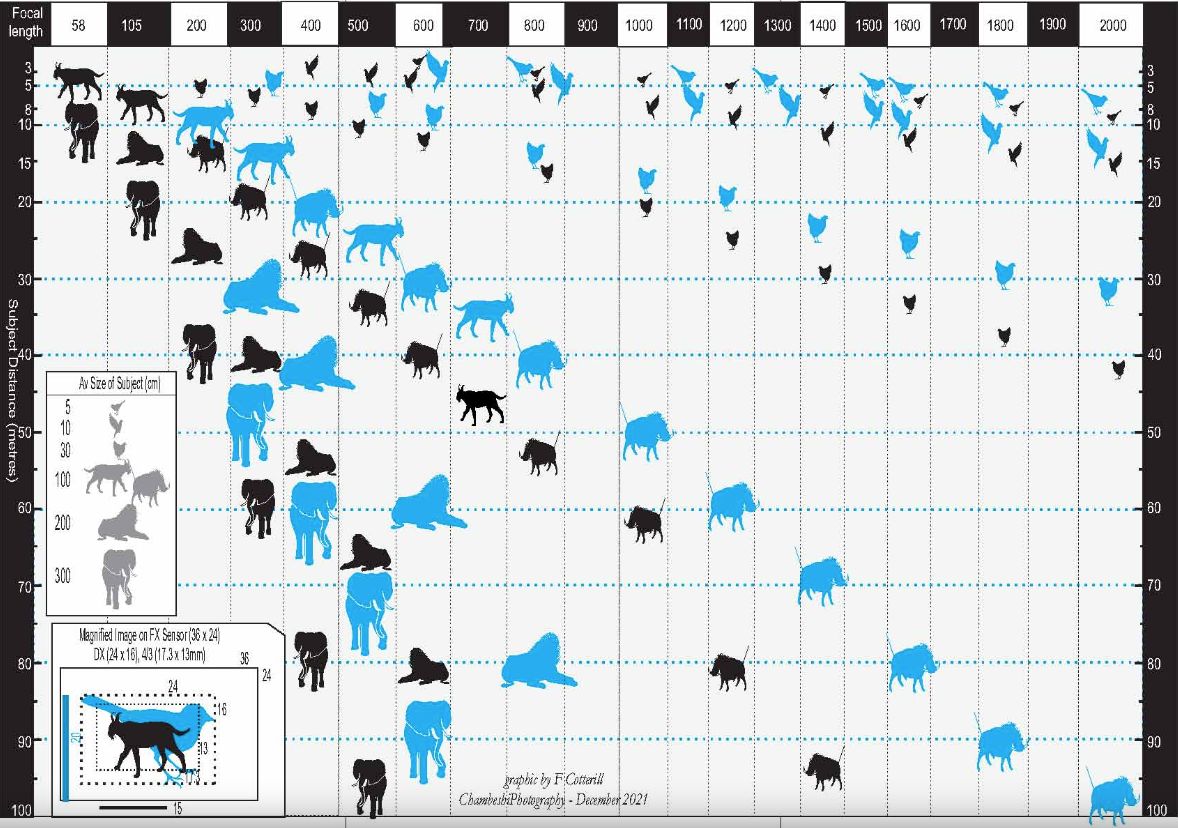
regarding lenses losing sharpness across longer distances, I think it's pretty easy to understand. it isn't the idea that some arbitrary amount of distance results in a loss of sharpness, but simply that the further the subject is - the smaller in frame it is, leading to having to use techniques that degrade sharpness - namely cropping and TC's.
If you take the 300GM @ 300mm, where it is is sharpest and has the best of its qualities (IE with no TC), you get a certain FOV and a certain size subject will take up a certain size of the frame
the further that subject is, the smaller in frame it gets. the smaller in frame it gets, the more TC's or cropping you have to add.
each incremental step takes away from the best possible IQ, and at some point - you simply run out of good IQ and perceived sharpness
then you've also got atmospherics and whatnot, which I haven't seen much (if any) in my testing of this lens and combo - but could certainly be present.
everyone knows the 300GM with all TC's work phenomenally in standard use cases. I'm interested in testing just how far we can push it and still get desirable results.
as for the 400GM and Arbitrage's experience with TC's. I can't really comment there. The 300GM is the only Sony tele I've ever used.
But both the RF 400 and Z 400TC take TC's wonderfully. I'd be very surprised if the 400GM is any different. Perhaps it's just subjective differences in what is "acceptable"
arbitrage wrote
Daran wrote
ChrisMak wrote
somersettr wrote
ChrisMak wrote
This is exactly why even the suggestion that the 300GM could replace the 600GM is not realistic at all.The 600GM gets better, not worse, as you start to shoot at greater distances, whereas the 300GM with 2xTC, if it behaves like ány other prime with a 2xTC, will start to lose quality as you shoot further out.
Only perhaps if you have perfectly still and clean air, without the slightest hint of atmospherics, may it perform acceptably.
I really ran into this for the first time with the Canon 400DOII combined with the 2xTC.
If still a Nikon shooter, the 600PF would be thé way to go, only it is very slow at f6.3 wide open.
The 300GM should have a real benefit when using it with 1.4TC at 420mm f4, but only for relatively close subjects.
I think I will get the 300GM myself, but only as a portable lens option for travel to add to the 600GM.
My question would be about the distance at which the 300GM with 2xTC is still top notch, and at what distance it starts to visibly fall off compared to lenses like the 600GM or Nikon 600PF.
I can guess of course that magnifying an image 2 times is a recipe for vulnarabilities, but all I know for a fact, is that I never have had any success with shooting a lens and 2xTC over distance, and that it get's really bad in bright or harsh light, but sometimes is ok when shooting after dawn or before dusk.
The 600GM however is a true razor when shooting subjects further away, and can stand pretty heavy cropping. Of course it also fails when atmospherics are bad, but it simply does much better at shooting further away, also compared to the 200-600G btw. I assume the Nikon Z600PF is also very good.
Earlier quote
This seems to be the going theory why the 400GM is so poor with the 2xTC...there are some aberrations that just don't work with the 2xTC.regarding lenses losing sharpness across longer distances, I think it's pretty easy to understand. it isn't the idea that some arbitrary amount of distance results in a loss of sharpness, but simply that the further the subject is - the smaller in frame it is, leading to having to use techniques that degrade sharpness - namely cropping and TC's.
If you take the 300GM @ 300mm, where it is is sharpest and has the best of its qualities (IE with no TC), you get a certain FOV and a certain size subject will take up a certain size of the frame
the further that subject is, the smaller in frame it gets. the smaller in frame it gets, the more TC's or cropping you have to add.
each incremental step takes away from the best possible IQ, and at some point - you simply run out of good IQ and perceived sharpness
then you've also got atmospherics and whatnot, which I haven't seen much (if any) in my testing of this lens and combo - but could certainly be present.
everyone knows the 300GM with all TC's work phenomenally in standard use cases. I'm interested in testing just how far we can push it and still get desirable results.
as for the 400GM and Arbitrage's experience with TC's. I can't really comment there. The 300GM is the only Sony tele I've ever used.
But both the RF 400 and Z 400TC take TC's wonderfully. I'd be very surprised if the 400GM is any different. Perhaps it's just subjective differences in what is "acceptable"
Jul 01, 2024 at 08:32 AM
p.15 #10Sony FE 300mm f/2.8 GM Image Thread
nmerc_photos wrote:
Not really, as I have a technical background, but not in optics, and it is a highly specialized field.
I can guess of course that magnifying an image 2 times is a recipe for vulnarabilities, but all I know for a fact, is that I never have had any success with shooting a lens and 2xTC over distance, and that it get's really bad in bright or harsh light, but sometimes is ok when shooting after dawn or before dusk.
The 600GM however is a true razor when shooting subjects further away, and can stand pretty heavy cropping. Of course it also fails when atmospherics are bad, but it simply does much better at shooting further away, also compared to the 200-600G btw. I assume the Nikon Z600PF is also very good.I suspect that if you were to do a controlled test, you would find that this effect is not real. But this is an "image" thread, so please just open another thread for questions.A lens is sharper at distance because it is sharper. Adding a 2xTC is always going to degrade sharpness to varying degree and may accentuate aberrations.Yes. Not what was claimed above though. The idea stated there, that a lens would gain or loose sharpness across longer distances, pops up occasionally. So far I have not seen any verification that this is actually the case for any lens I have tested, other than close to MFD. I'm guessing that these reports may come from folks not doing controlled comparisons and also maybe not understanding the influence of seeing conditions on longer lenses and distances.
I have read somewhere (hearsay) that Sony put more effort into designing the optical properties of this lens with respect to how the TCs effect it. Sounded plausible. But maybe the naked glass is just that little bit closer to perfection and that is all there is.regarding lenses losing sharpness across longer distances, I think it's pretty easy to understand. it isn't the idea that some arbitrary amount of distance results in a loss of sharpness, but simply that the further the subject is - the smaller in frame it is, leading to having to use techniques that degrade sharpness - namely cropping and TC's.
If you take the 300GM @ 300mm, where it is is sharpest and has the best of its qualities (IE with no TC), you get a certain FOV and a certain size subject will take up a certain size of the frame
the...Show more →
No, we're talking about why the 600mm GM is claimed to be sharper relative to the 300mm + 2xTC at longer distances than it is at shorter distances. i.e. The 300mm + 2xTC degrades more than the 600mm GM as distance increases.
Daran wrote
arbitrage wrote
Daran wrote
ChrisMak wrote
somersettr wrote
Do you know from a technical perspective what characteristic of the larger lenses make them produce better quality at longer distances? Is this directly a consequence of the larger physical aperture? Or something to do with the teleconverter? I wouldn't have thought that different lenses could be affected differently by atmospheric conditions like heat haze but I must be wrong. Curious to know how it works.I can guess of course that magnifying an image 2 times is a recipe for vulnarabilities, but all I know for a fact, is that I never have had any success with shooting a lens and 2xTC over distance, and that it get's really bad in bright or harsh light, but sometimes is ok when shooting after dawn or before dusk.
The 600GM however is a true razor when shooting subjects further away, and can stand pretty heavy cropping. Of course it also fails when atmospherics are bad, but it simply does much better at shooting further away, also compared to the 200-600G btw. I assume the Nikon Z600PF is also very good.
Earlier quote
This seems to be the going theory why the 400GM is so poor with the 2xTC...there are some aberrations that just don't work with the 2xTC.If you take the 300GM @ 300mm, where it is is sharpest and has the best of its qualities (IE with no TC), you get a certain FOV and a certain size subject will take up a certain size of the frame
the...Show more →
No, we're talking about why the 600mm GM is claimed to be sharper relative to the 300mm + 2xTC at longer distances than it is at shorter distances. i.e. The 300mm + 2xTC degrades more than the 600mm GM as distance increases.
Jul 01, 2024 at 08:41 AM
|
p.15 #11Sony FE 300mm f/2.8 GM Image Thread
somersettr wrote:
I can guess of course that magnifying an image 2 times is a recipe for vulnarabilities, but all I know for a fact, is that I never have had any success with shooting a lens and 2xTC over distance, and that it get's really bad in bright or harsh light, but sometimes is ok when shooting after dawn or before dusk.
The 600GM however is a true razor when shooting subjects further away, and can stand pretty heavy cropping. Of course it also fails when atmospherics are bad, but it simply does much better at shooting further away, also compared to the 200-600G btw. I assume the Nikon Z600PF is also very good.I suspect that if you were to do a controlled test, you would find that this effect is not real. But this is an "image" thread, so please just open another thread for questions.A lens is sharper at distance because it is sharper. Adding a 2xTC is always going to degrade sharpness to varying degree and may accentuate aberrations.Yes. Not what was claimed above though. The idea stated there, that a lens would gain or loose sharpness across longer distances, pops up occasionally. So far I have not seen any verification that this is actually the case for any lens I have tested, other than close to MFD. I'm guessing that these reports may come from folks not doing controlled comparisons and also maybe not understanding the influence of seeing conditions on longer lenses and distances.
I have read somewhere (hearsay) that Sony put more effort into designing the optical properties of this lens with respect to how the TCs effect it. Sounded plausible. But maybe the naked glass is just that little bit closer to perfection and that is all there is.regarding lenses losing sharpness across longer distances, I think it's pretty easy to understand. it isn't the idea that some arbitrary amount of distance results in a loss of sharpness, but simply that the further the subject is - the smaller in frame it is, leading to having to use techniques that degrade sharpness - namely cropping and TC's.
If you take the 300GM @ 300mm, where it is is sharpest and has the best of its qualities (IE with no TC), you get a certain FOV and a certain size subject will take up a certain size of the frame
the further that subject is, the smaller in frame it gets. the smaller in frame it gets, the more TC's or cropping you have to add.
each incremental step takes away from the best possible IQ, and at some point - you simply run out of good IQ and perceived sharpness
then you've also got atmospherics and whatnot, which I haven't seen much (if any) in my testing of this lens and combo - but could certainly be present.
everyone knows the 300GM with all TC's work phenomenally in standard use cases. I'm interested in testing just how far we can push it and still get desirable results.
as for the 400GM and Arbitrage's experience with TC's. I can't really comment there. The 300GM is the only Sony tele I've ever used.
But both the RF 400 and Z 400TC take TC's wonderfully. I'd be very surprised if the 400GM is any different. Perhaps it's just subjective differences in what is "acceptable"No, we're talking about why the 600mm GM is claimed to be sharper relative to the 300mm + 2xTC at longer distances than it is at shorter distances. i.e. The 300mm + 2xTC degrades more than the 600mm GM as distance increases.
ah I see.
I'd imagine it's something to do with the physics, coatings, etc. a difference between a $5K lens and $10K lens.
if the 300 + 2x TC was as good as the 600GM at distance - there'd be almost no reason for the 600GM to exist.
FWIW, although I can't explain -why- it happens, I've found this with just about every lens I've ever tested. If my subjects are within 20', there are very minor differences between 100-400, 180-600, 400TC, 600TC, 800PF, 300GM, etc.
if my subjects are half a mile out - only the biggest and best will produce a desirable end result.
I think it's a lot of what makes image threads and talk about TC's difficult. if someone is using TC's to enlarge an already close subject, they're always going to appear better than if someone is using a TC to try and "get more reach".
you can take a $500 Canon RF 800 F11, slap a $500 2x on it - and get great images at 1600mm f22 if the subject is close.
nmerc_photos wrote
Daran wrote
arbitrage wrote
Daran wrote
ChrisMak wrote
Not really, as I have a technical background, but not in optics, and it is a highly specialized field.I can guess of course that magnifying an image 2 times is a recipe for vulnarabilities, but all I know for a fact, is that I never have had any success with shooting a lens and 2xTC over distance, and that it get's really bad in bright or harsh light, but sometimes is ok when shooting after dawn or before dusk.
The 600GM however is a true razor when shooting subjects further away, and can stand pretty heavy cropping. Of course it also fails when atmospherics are bad, but it simply does much better at shooting further away, also compared to the 200-600G btw. I assume the Nikon Z600PF is also very good.
Earlier quote
This seems to be the going theory why the 400GM is so poor with the 2xTC...there are some aberrations that just don't work with the 2xTC.If you take the 300GM @ 300mm, where it is is sharpest and has the best of its qualities (IE with no TC), you get a certain FOV and a certain size subject will take up a certain size of the frame
the further that subject is, the smaller in frame it gets. the smaller in frame it gets, the more TC's or cropping you have to add.
each incremental step takes away from the best possible IQ, and at some point - you simply run out of good IQ and perceived sharpness
then you've also got atmospherics and whatnot, which I haven't seen much (if any) in my testing of this lens and combo - but could certainly be present.
everyone knows the 300GM with all TC's work phenomenally in standard use cases. I'm interested in testing just how far we can push it and still get desirable results.
as for the 400GM and Arbitrage's experience with TC's. I can't really comment there. The 300GM is the only Sony tele I've ever used.
But both the RF 400 and Z 400TC take TC's wonderfully. I'd be very surprised if the 400GM is any different. Perhaps it's just subjective differences in what is "acceptable"
ah I see.
I'd imagine it's something to do with the physics, coatings, etc. a difference between a $5K lens and $10K lens.
if the 300 + 2x TC was as good as the 600GM at distance - there'd be almost no reason for the 600GM to exist.
FWIW, although I can't explain -why- it happens, I've found this with just about every lens I've ever tested. If my subjects are within 20', there are very minor differences between 100-400, 180-600, 400TC, 600TC, 800PF, 300GM, etc.
if my subjects are half a mile out - only the biggest and best will produce a desirable end result.
I think it's a lot of what makes image threads and talk about TC's difficult. if someone is using TC's to enlarge an already close subject, they're always going to appear better than if someone is using a TC to try and "get more reach".
you can take a $500 Canon RF 800 F11, slap a $500 2x on it - and get great images at 1600mm f22 if the subject is close.
Jul 01, 2024 at 08:46 AM
p.15 #12Sony FE 300mm f/2.8 GM Image Thread
A few from Carburn Park in Calgary


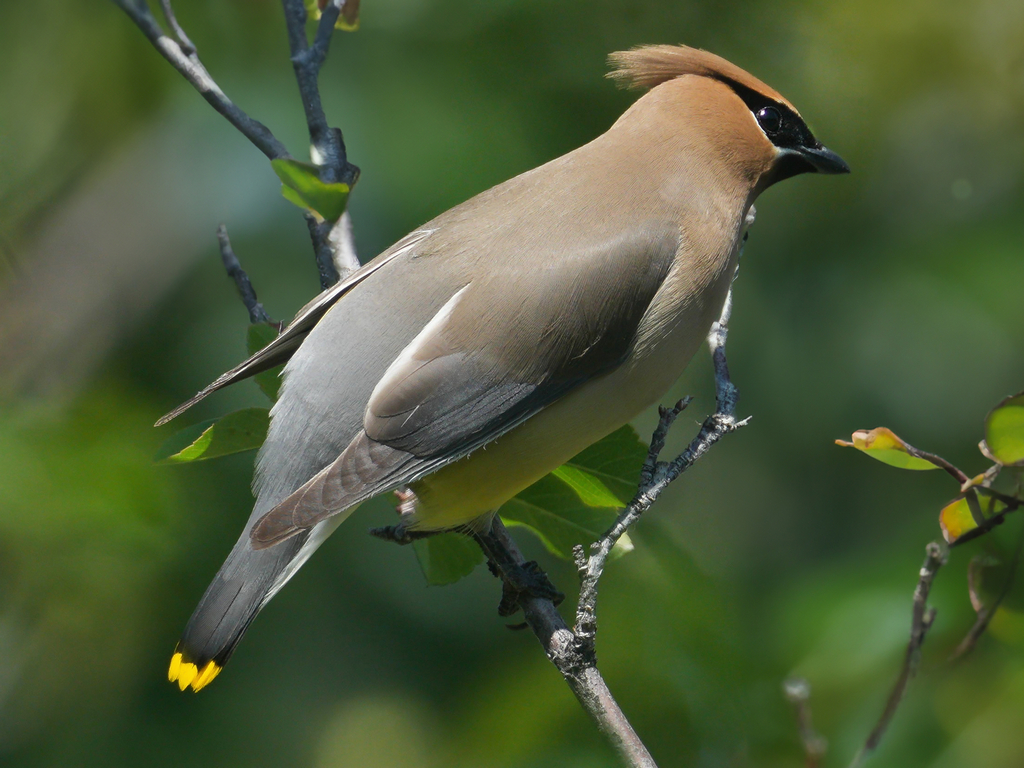
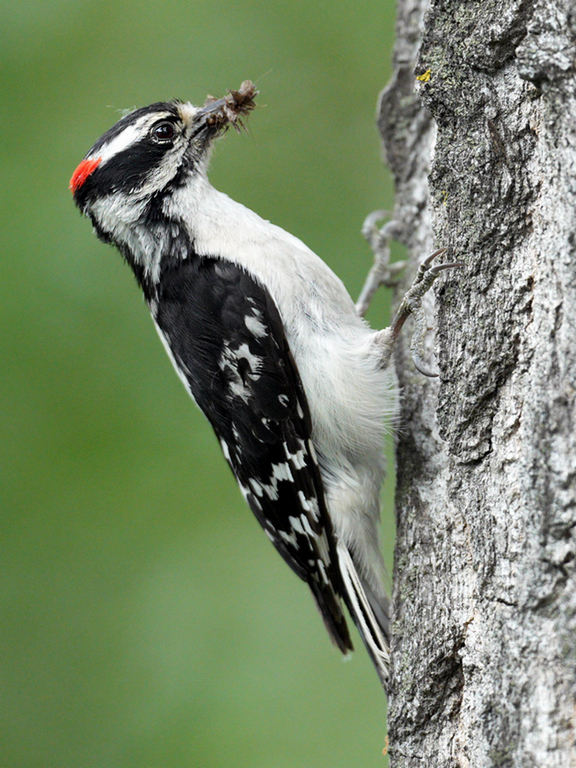
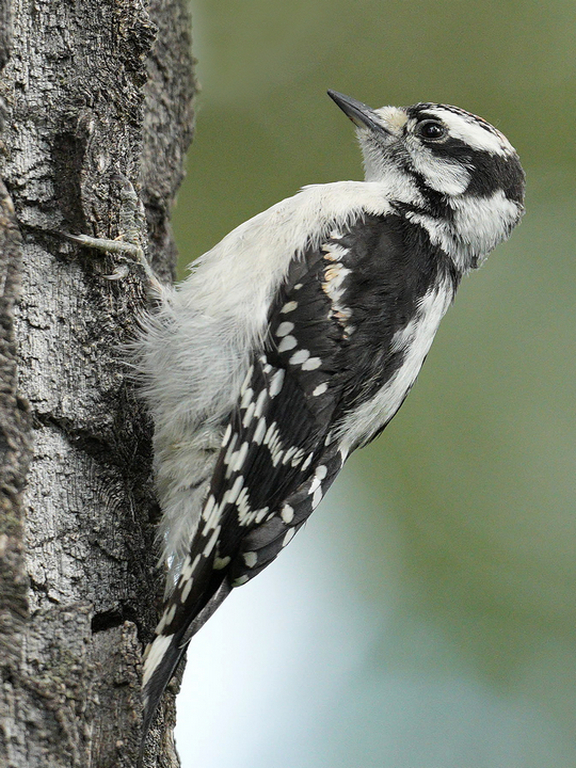
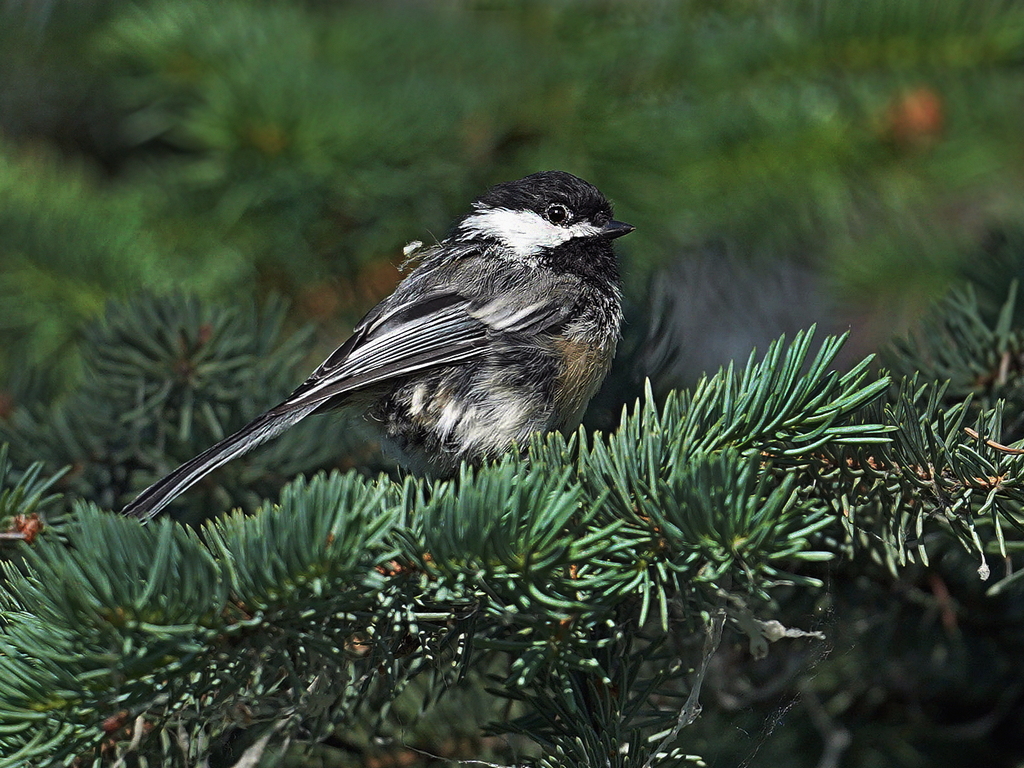
ILCE-1 FE 300mm F2.8 GM OSS + 2X Teleconverter lens 600mm f/5.6 1/1250s 640 ISO +429496728.9 EV
ILCE-1 FE 300mm F2.8 GM OSS lens 300mm f/2.8 1/2000s 800 ISO +0.3 EV
ILCE-1 FE 300mm F2.8 GM OSS + 2X Teleconverter lens 600mm f/5.6 1/1250s 500 ISO -0.7 EV
ILCE-1 FE 300mm F2.8 GM OSS lens 300mm f/2.8 1/2000s 1250 ISO +0.3 EV
ILCE-1 FE 300mm F2.8 GM OSS lens 65535 lens 300mm f/2.8 1/2000s 1250 ISO +0.3 EV
ILCE-1 FE 300mm F2.8 GM OSS lens 300mm f/2.8 1/2000s 500 ISO +0.3 EV
Jul 02, 2024 at 03:55 AM
p.15 #13Sony FE 300mm f/2.8 GM Image Thread
A few from yesterday, all shot at between 2 to 2.5 meters. The DOF is pretty shallow at such distance.
 |
||
 |
||
|
ILCE-1 FE 300mm F2.8 GM OSS + 2X Teleconverter lens 600mm f/5.6 1/1000s 1600 ISO -0.3 EV
|
||
 |
||
|
ILCE-1 FE 300mm F2.8 GM OSS + 2X Teleconverter lens 600mm f/5.6 1/1000s 800 ISO -0.3 EV
|
||
 |
||
|
ILCE-1 FE 300mm F2.8 GM OSS + 2X Teleconverter lens 600mm f/5.6 1/1000s 500 ISO -0.3 EV
|
||
 |
||
|
ILCE-1 FE 300mm F2.8 GM OSS + 2X Teleconverter lens 600mm f/5.6 1/1000s 500 ISO -0.3 EV
|
||
 |
||
|
ILCE-1 FE 300mm F2.8 GM OSS + 2X Teleconverter lens 600mm f/5.6 1/1000s 320 ISO -0.3 EV
Jul 02, 2024 at 01:25 PM
p.15 #14Sony FE 300mm f/2.8 GM Image Thread
...




ILCE-1 FE 300mm F2.8 GM OSS + 1.4X Teleconverter lens 420mm f/4.0 1/2500s 800 ISO 0.0 EV
ILCE-1 FE 300mm F2.8 GM OSS + 1.4X Teleconverter lens 420mm f/4.0 1/2500s 800 ISO 0.0 EV
ILCE-1 FE 300mm F2.8 GM OSS + 1.4X Teleconverter lens 420mm f/4.0 1/2500s 800 ISO 0.0 EV
ILCE-1 FE 300mm F2.8 GM OSS + 1.4X Teleconverter lens 420mm f/4.0 1/1250s 640 ISO 0.0 EV
Jul 02, 2024 at 02:30 PM
p.15 #15Sony FE 300mm f/2.8 GM Image Thread
Wonderful captures
Douglas L wrote:
A few from yesterday, all shot at between 2 to 2.5 meters. The DOF is pretty shallow at such distance.
Douglas L wrote:
A few from yesterday, all shot at between 2 to 2.5 meters. The DOF is pretty shallow at such distance.
Jul 03, 2024 at 03:28 AM
p.15 #16Sony FE 300mm f/2.8 GM Image Thread
Can you guess the species?




ILCE-1 FE 300mm F2.8 GM OSS + 2X Teleconverter lens 600mm f/5.6 1/2500s 500 ISO 0.0 EV
ILCE-1 FE 300mm F2.8 GM OSS + 2X Teleconverter lens 600mm f/5.6 1/3200s 500 ISO 0.0 EV
ILCE-1 FE 300mm F2.8 GM OSS + 2X Teleconverter lens 600mm f/5.6 1/3200s 500 ISO 0.0 EV
ILCE-1 FE 300mm F2.8 GM OSS + 2X Teleconverter lens 600mm f/5.6 1/3200s 500 ISO 0.0 EV
Jul 06, 2024 at 05:24 AM
p.15 #18Sony FE 300mm f/2.8 GM Image Thread
Spotted sandpiper?
arbitrage wrote:
Can you guess the species?
Jul 06, 2024 at 04:59 PM
p.15 #19Sony FE 300mm f/2.8 GM Image Thread
Maxxus46 wrote:
Spotted sandpiper?
Correct!!

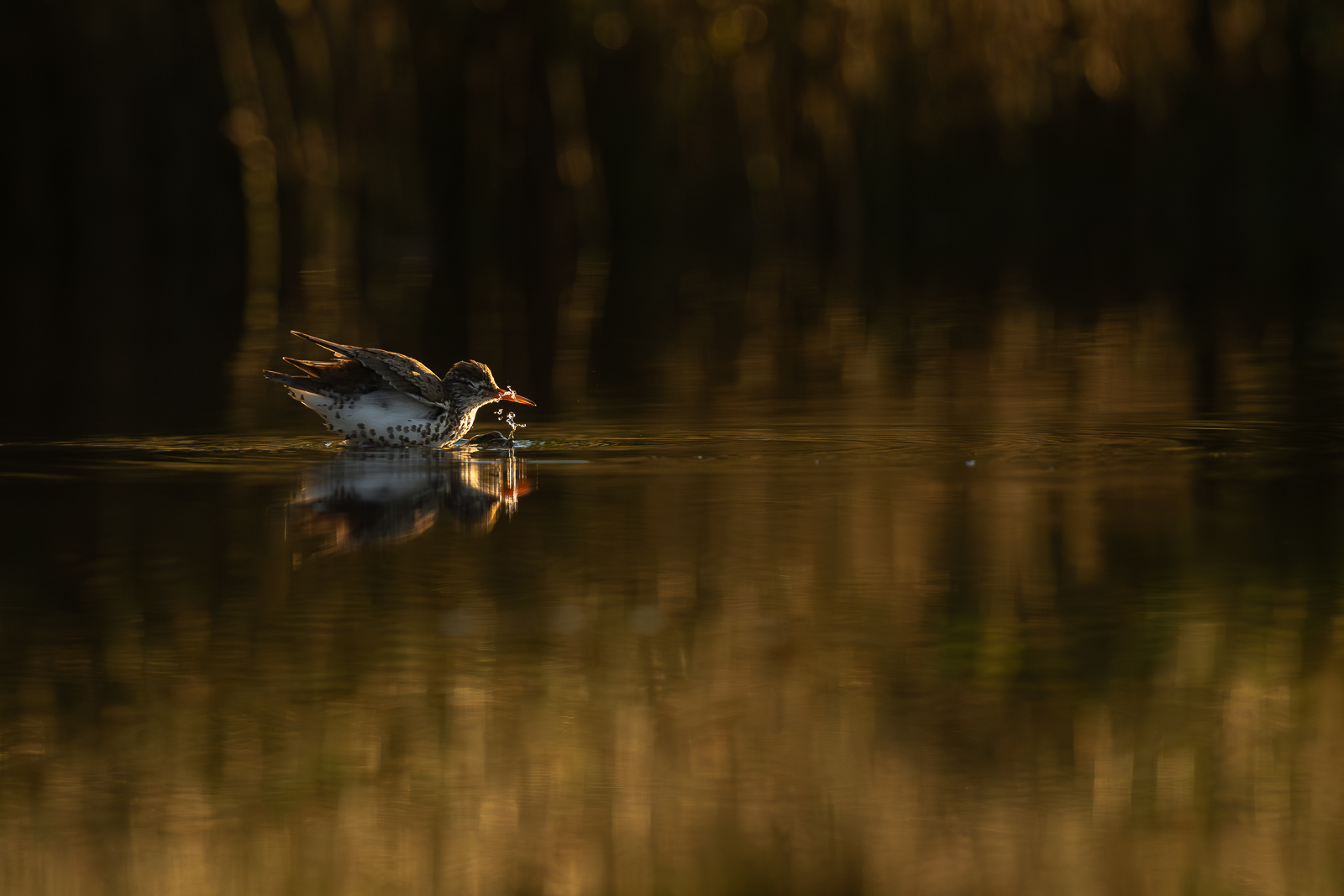

Spotted sandpiper?
arbitrage wrote
Can you guess the species?Correct!!
ILCE-1 FE 300mm F2.8 GM OSS + 2X Teleconverter lens 600mm f/5.6 1/5000s 1250 ISO 0.0 EV
ILCE-1 FE 300mm F2.8 GM OSS + 1.4X Teleconverter lens 420mm f/4.0 1/4000s 1000 ISO 0.0 EV
ILCE-1 FE 300mm F2.8 GM OSS + 2X Teleconverter lens 600mm f/5.6 1/3200s 1250 ISO 0.0 EV
Jul 06, 2024 at 05:42 PM
p.15 #20Sony FE 300mm f/2.8 GM Image Thread
My iPhone picture recognition is telling me it’s a Spotted Sandpiper. So I agree with Maxxus46.
Jul 06, 2024 at 05:44 PM