Sundial wrote:
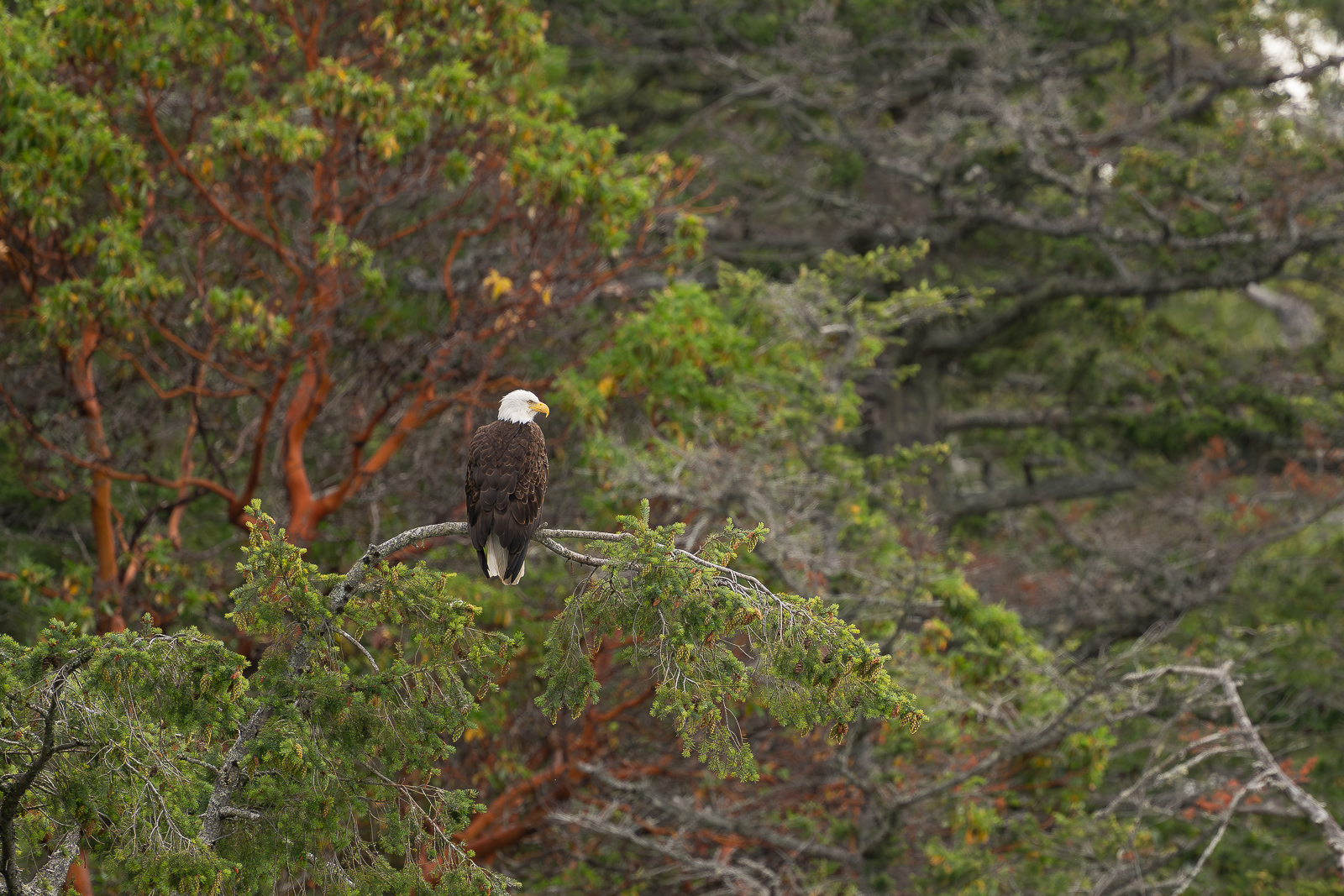
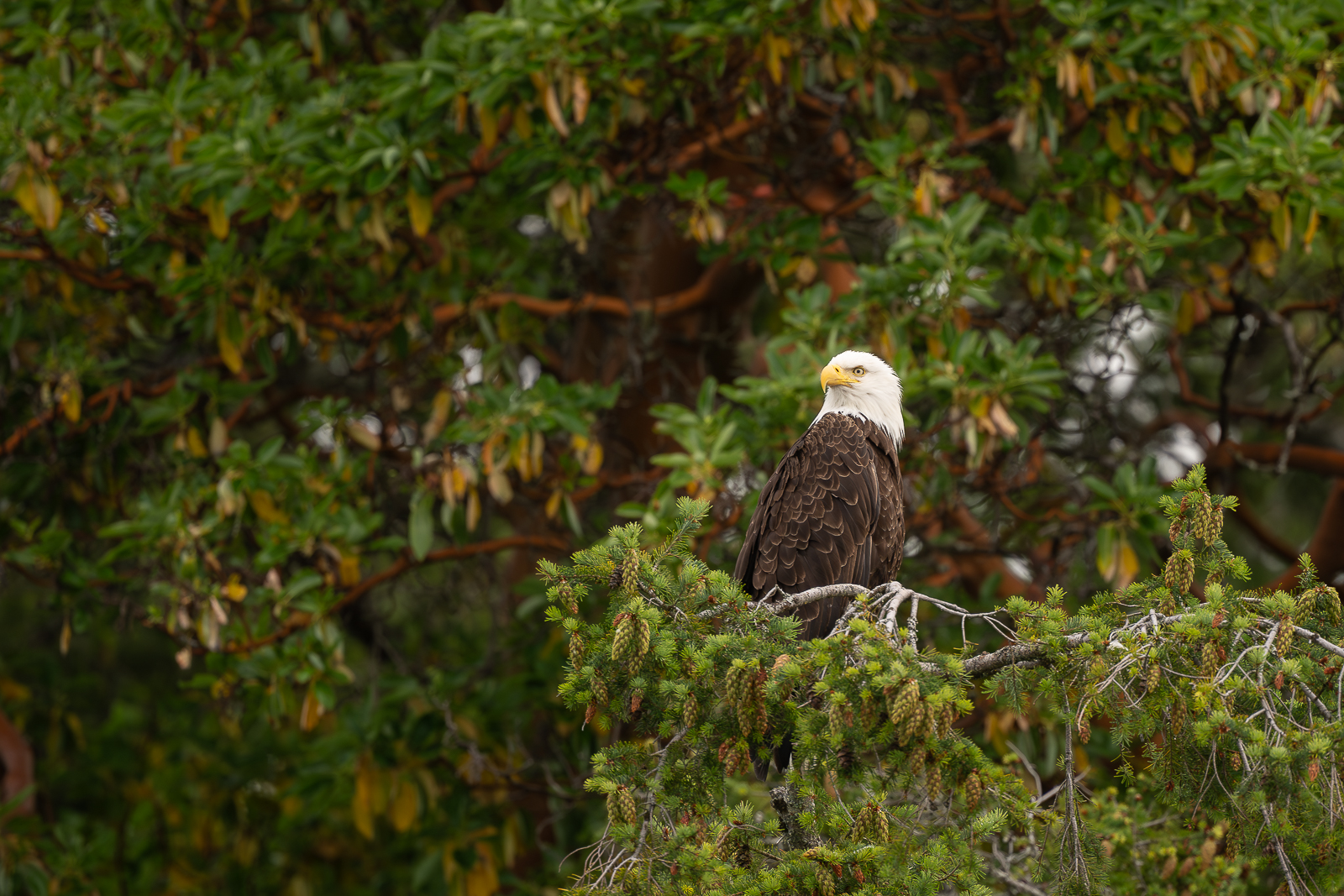
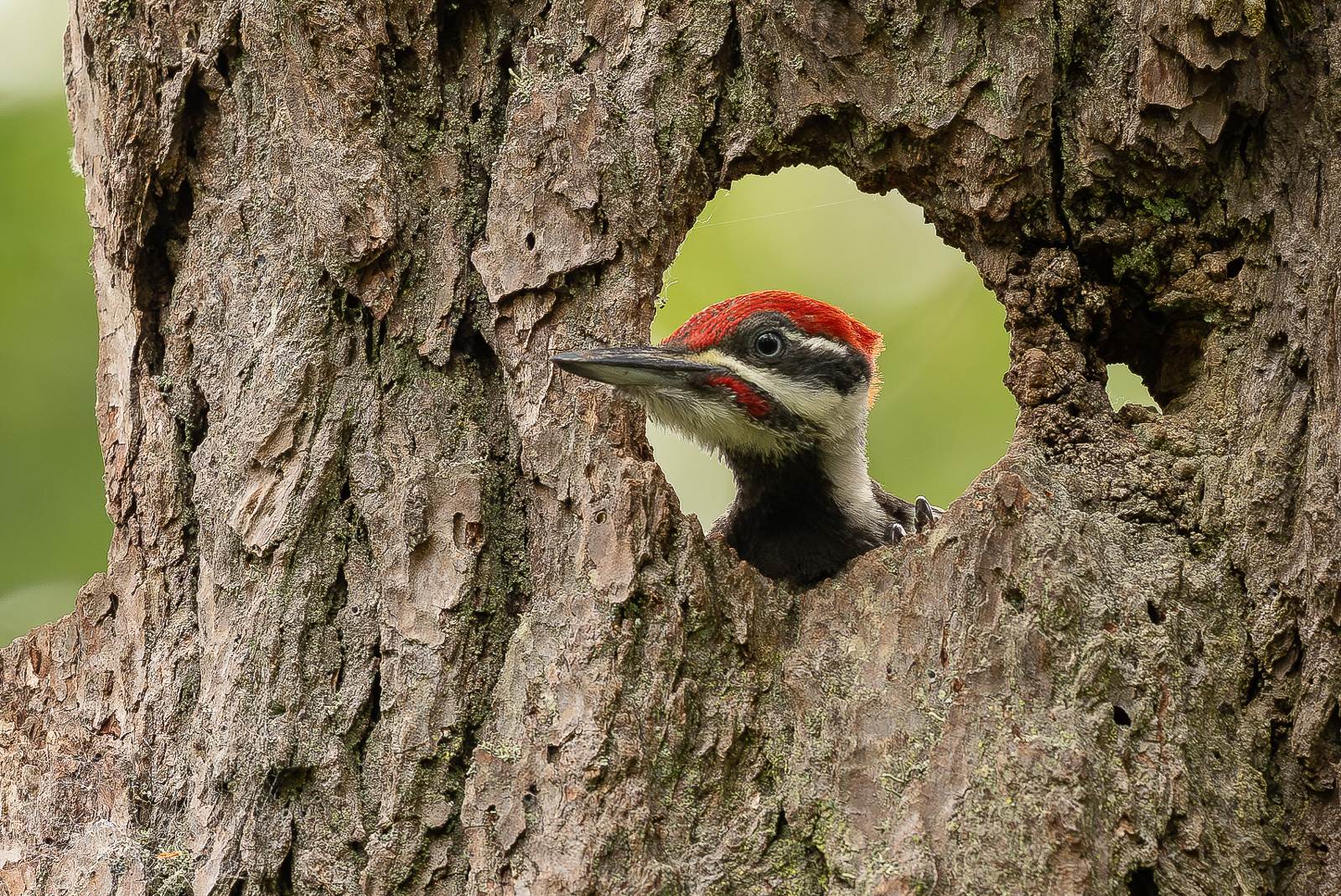
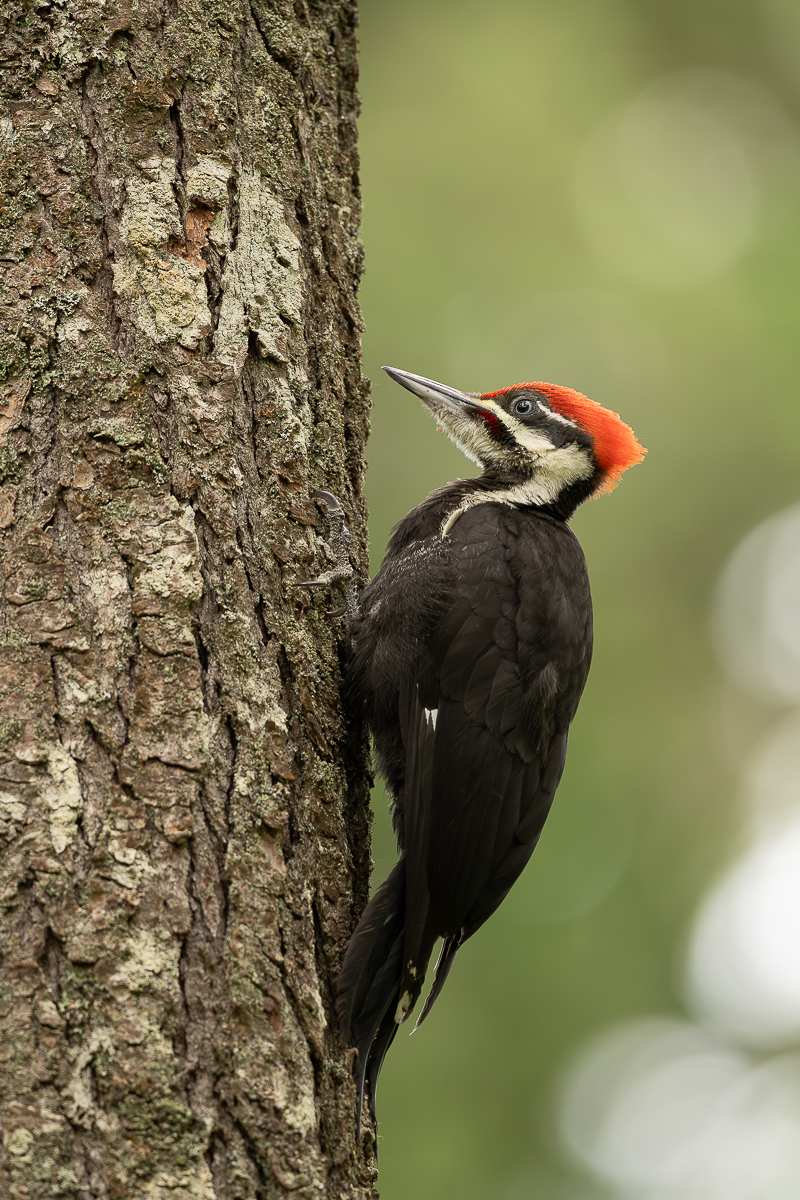
Douglas, you're putting this lens to good use. Just wow!
Thank you very much, gentlemen!
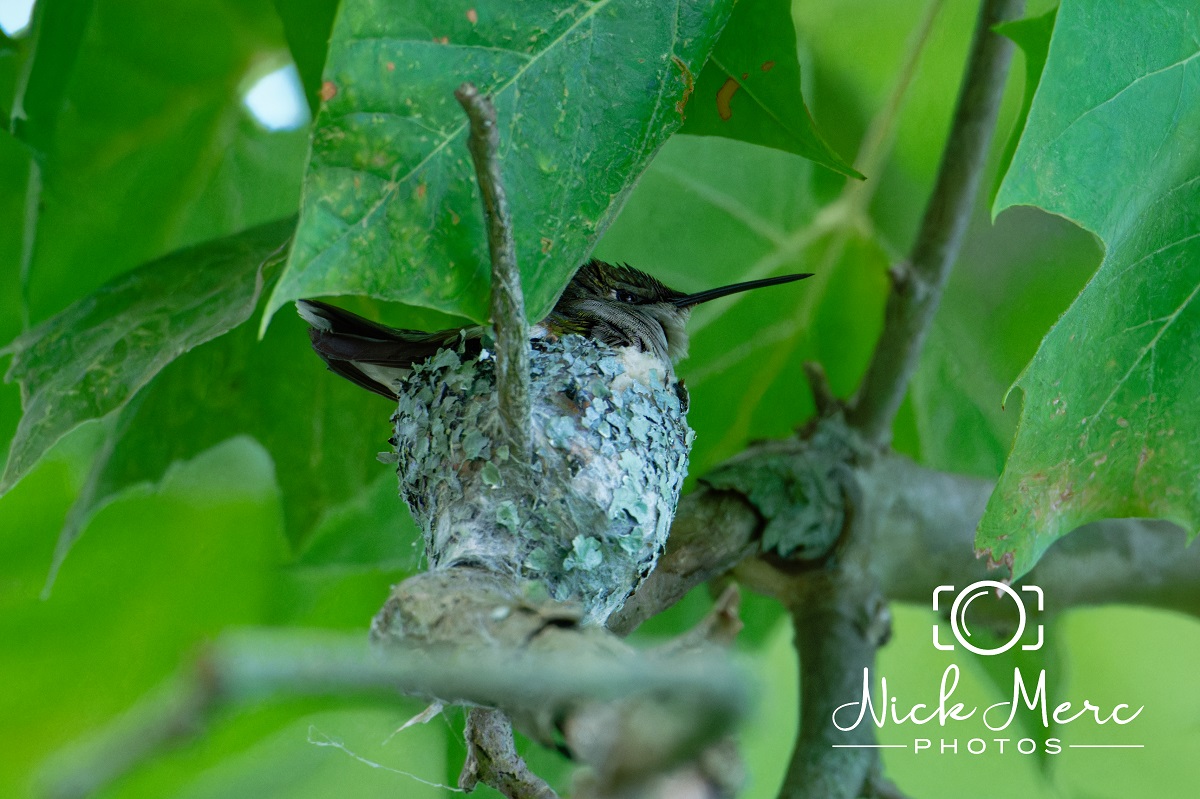
The main reason I bought the 300 GM is to use it with the 2X TC to shoot hummingbirds in my yard at close distance, but the hummingbird activities have been very sporadic this year. This time last year I had 6 or 7, but this year I have seen only 2, and they are very skittish.
Douglas L wrote:
---------------------------------------------
Thank you very much, gentlemen!
The main reason I bought the 300 GM is to use it with the 2X TC to shoot hummingbirds in my yard at close distance, but the hummingbird activities have been very sporadic this year. This time last year I had 6 or 7, but this year I have seen only 2, and they are very skittish.
Douglas L wrote:
Very interesting you would use the Sony 300 +2X TC on a Nikon instead of the Nikon 600 PF. Great shots, BTW.
I've owned both the 300GM and 600PF, but when I initially owned the 300GM I didn't own (and still don't) own any Sony TC's.
I expected the 300GM would suck with a 2x, so I completely disregarded testing it. Once I saw the feedback mainly from Arbitrage, I had to investigate further.
The 300 2.8 is without a doubt much more versatile than the 600PF. The main trade off is subject distance.
The 300 2.8 + 2x seemingly works great if subjects are near MFD. If you're shooting further out - like I tend to be, the 600PF wins in a big way. The 300GM + 2x falls off quite a bit as you try to shoot further out. Which is to be expected. If that wasn't the case - the lens would really be a no-compromise situation.
Ultimately - I haven't decided which 3lb prime will be right for me. 300GM, 400 4.5, or 600PF. Each one has pros and cons.
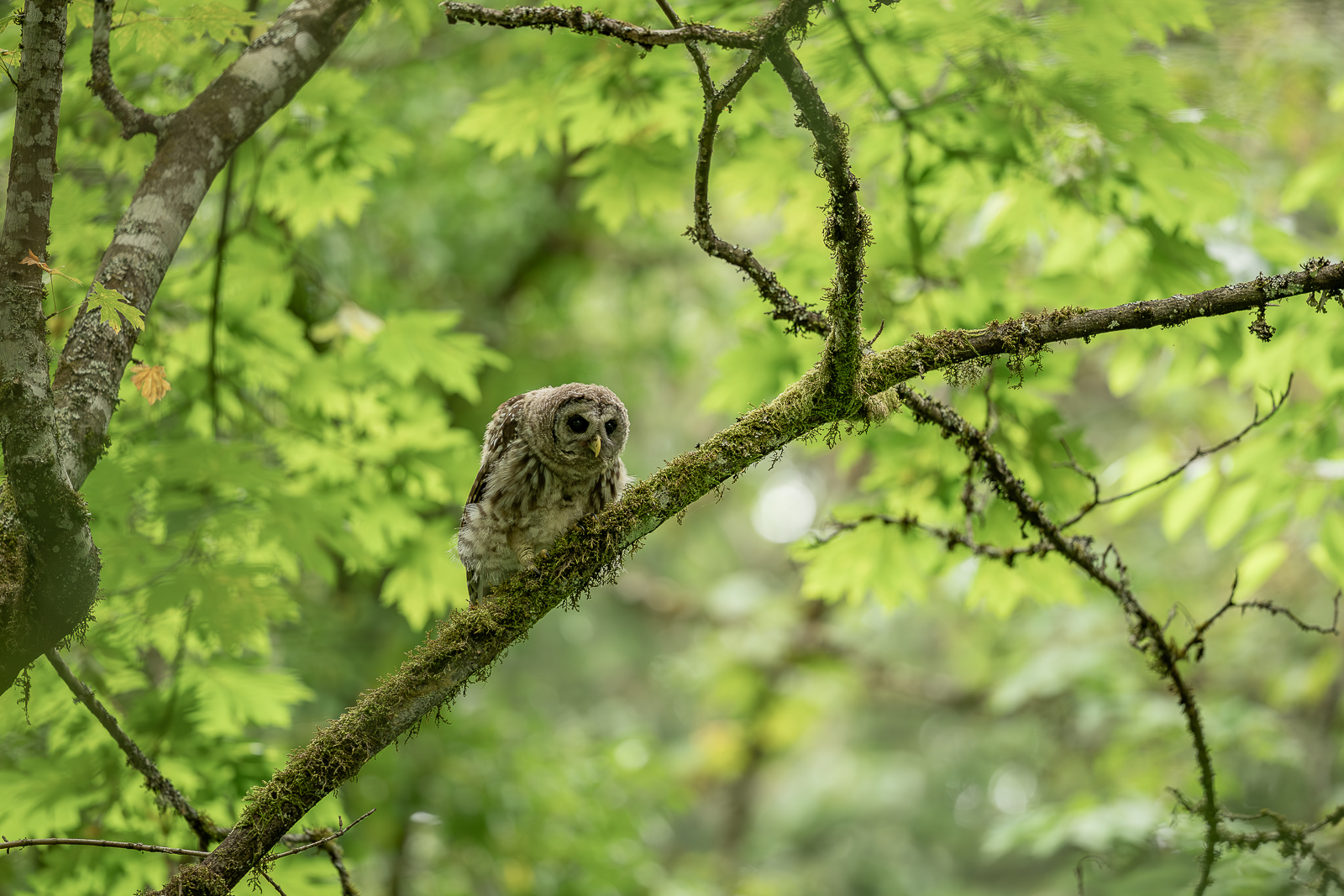
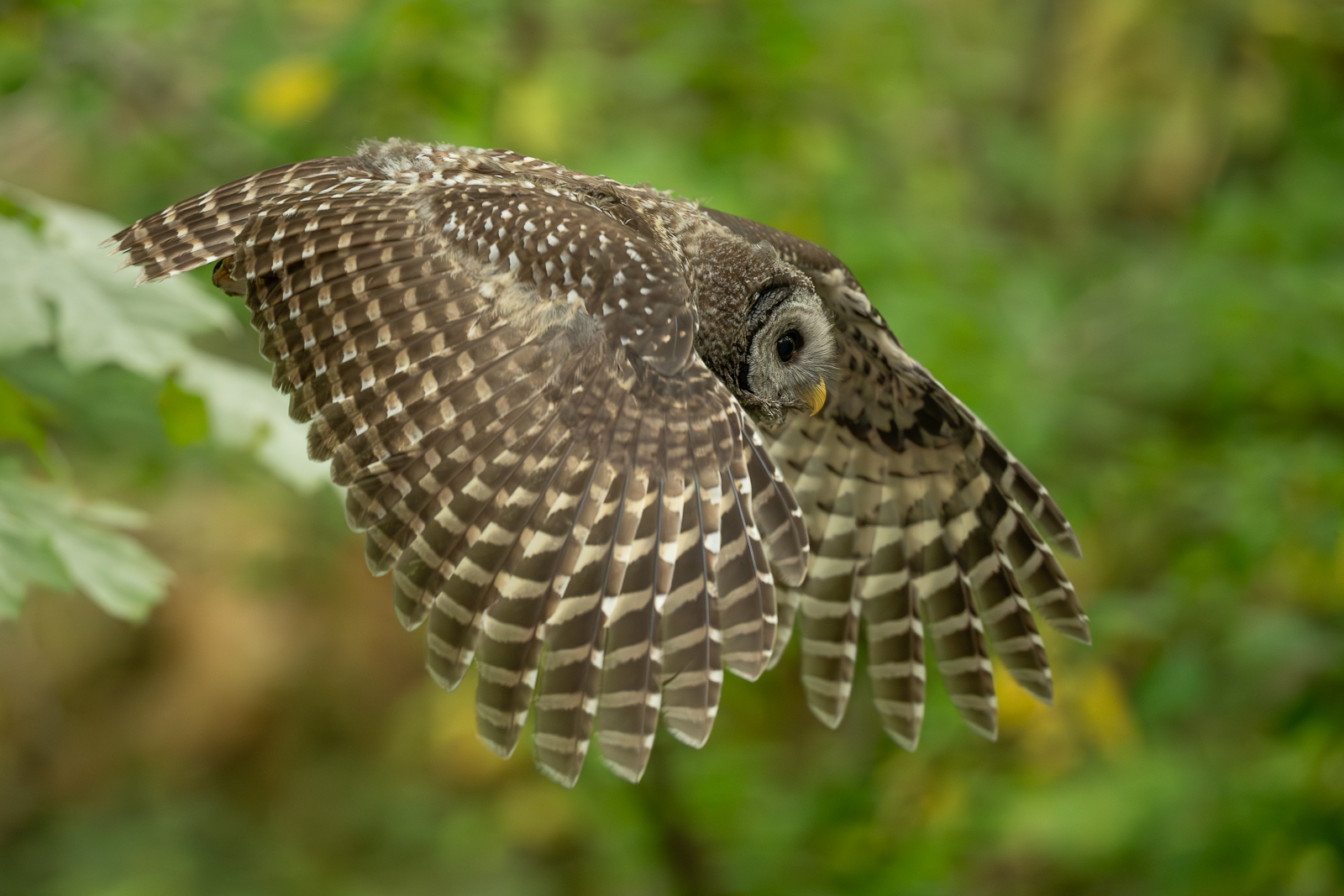
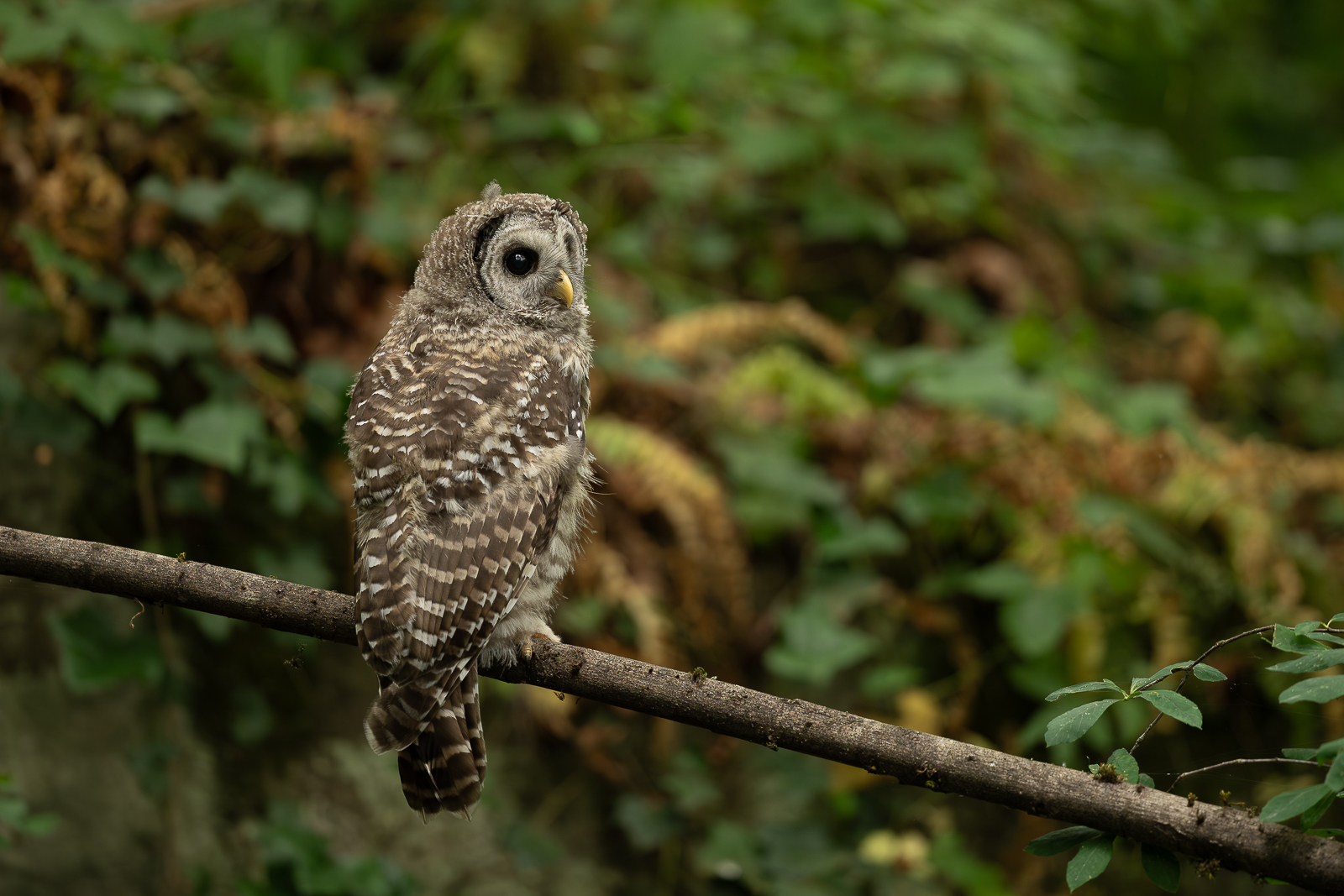
For me, the 300GM would be excellent for owls and white tails, with occasional close-range birding with TC's.
The 400 4.5 would be okay with owls/deer, a little slower aperture and more range.
The 600PF is great if you live somewhere with a lot of light (I don't), and will give the best images if you're trying to shoot further out.
I think I will probably end up with either the 300GM or 400 4.5...my heart says 300GM, but my wallet says 400 4.5. $6K vs $2K for 1.33 stops of light.
IMO - IQ is very close with all of these options and their TC's - when shooting near MFD.
Douglas L wrote:
---------------------------------------------
Thank you very much, gentlemen!
The main reason I bought the 300 GM is to use it with the 2X TC to shoot hummingbirds in my yard at close distance, but the hummingbird activities have been very sporadic this year. This time last year I had 6 or 7, but this year I have seen only 2, and they are very skittish.
nmerc_photos wrote:
I've owned both the 300GM and 600PF, but when I initially owned the 300GM I didn't own (and still don't) own any Sony TC's.
I expected the 300GM would suck with a 2x, so I completely disregarded testing it. Once I saw the feedback mainly from Arbitrage, I had to investigate further.
The 300 2.8 is without a doubt much more versatile than the 600PF. The main trade off is subject distance.
The 300 2.8 + 2x seemingly works great if subjects are near MFD. If you're shooting further out - like I tend to be, the 600PF wins in a big way. The 300GM + 2x falls off quite a bit as you try to shoot further out. Which is to be expected. If that wasn't the case - the lens would really be a no-compromise situation.
Ultimately - I haven't decided which 3lb prime will be right for me. 300GM, 400 4.5, or 600PF. Each one has pros and cons.
For me, the 300GM would be excellent for owls and white tails, with occasional close-range birding with TC's.
The 400 4.5 would be okay with owls/deer, a little slower aperture and more range.
The 600PF is great if you live somewhere with a lot of light (I don't), and will give the best images if you're trying to shoot further out.
I think I will probably end up with either the 300GM or 400 4.5...my heart says 300GM, but my wallet says 400 4.5. $6K vs $2K for 1.33 stops of light.
IMO - IQ is very close with all of these options and their TC's - when shooting near MFD....Show more →
This is exactly why even the suggestion that the 300GM could replace the 600GM is not realistic at all.
The 600GM gets better, not worse, as you start to shoot at greater distances, whereas the 300GM with 2xTC, if it behaves like ány other prime with a 2xTC, will start to lose quality as you shoot further out.
Only perhaps if you have perfectly still and clean air, without the slightest hint of atmospherics, may it perform acceptably.
I really ran into this for the first time with the Canon 400DOII combined with the 2xTC.
If still a Nikon shooter, the 600PF would be thé way to go, only it is very slow at f6.3 wide open.
The 300GM should have a real benefit when using it with 1.4TC at 420mm f4, but only for relatively close subjects.
I think I will get the 300GM myself, but only as a portable lens option for travel to add to the 600GM.
My question would be about the distance at which the 300GM with 2xTC is still top notch, and at what distance it starts to visibly fall off compared to lenses like the 600GM or Nikon 600PF.
nmerc_photos wrote:
I've owned both the 300GM and 600PF, but when I initially owned the 300GM I didn't own (and still don't) own any Sony TC's.
I expected the 300GM would suck with a 2x, so I completely disregarded testing it. Once I saw the feedback mainly from Arbitrage, I had to investigate further.
The 300 2.8 is without a doubt much more versatile than the 600PF. The main trade off is subject distance.
The 300 2.8 + 2x seemingly works great if subjects are near MFD. If you're shooting further out - like I tend to be, the 600PF wins in a big way. The 300GM + 2x falls off quite a bit as you try to shoot further out. Which is to be expected. If that wasn't the case - the lens would really be a no-compromise situation.
Ultimately - I haven't decided which 3lb prime will be right for me. 300GM, 400 4.5, or 600PF. Each one has pros and cons.
For me, the 300GM would be excellent for owls and white tails, with occasional close-range birding with TC's.
The 400 4.5 would be okay with owls/deer, a little slower aperture and more range.
The 600PF is great if you live somewhere with a lot of light (I don't), and will give the best images if you're trying to shoot further out.
I think I will probably end up with either the 300GM or 400 4.5...my heart says 300GM, but my wallet says 400 4.5. $6K vs $2K for 1.33 stops of light.
IMO - IQ is very close with all of these options and their TC's - when shooting near MFD....Show more →
Very interesting observation. To you, what distance is considered the start of the "further out" range? I have the 600 GM so I may try to shoot some static subjects to compare. I was just too lazy to do any comparison.
ChrisMak wrote:
This is exactly why even the suggestion that the 300GM could replace the 600GM is not realistic at all.
The 600GM gets better, not worse, as you start to shoot at greater distances, whereas the 300GM with 2xTC, if it behaves like ány other prime with a 2xTC, will start to lose quality as you shoot further out.
Only perhaps if you have perfectly still and clean air, without the slightest hint of atmospherics, may it perform acceptably.
I really ran into this for the first time with the Canon 400DOII combined with the 2xTC.
If still a Nikon shooter, the 600PF would be thé way to go, only it is very slow at f6.3 wide open.
The 300GM should have a real benefit when using it with 1.4TC at 420mm f4, but only for relatively close subjects.
I think I will get the 300GM myself, but only as a portable lens option for travel to add to the 600GM.
My question would be about the distance at which the 300GM with 2xTC is still top notch, and at what distance it starts to visibly fall off compared to lenses like the 600GM or Nikon 600PF. ...Show more →
Do you know from a technical perspective what characteristic of the larger lenses make them produce better quality at longer distances? Is this directly a consequence of the larger physical aperture? Or something to do with the teleconverter? I wouldn't have thought that different lenses could be affected differently by atmospheric conditions like heat haze but I must be wrong. Curious to know how it works.
somersettr wrote:
Do you know from a technical perspective what characteristic of the larger lenses make them produce better quality at longer distances? Is this directly a consequence of the larger physical aperture? Or something to do with the teleconverter? I wouldn't have thought that different lenses could be affected differently by atmospheric conditions like heat haze but I must be wrong. Curious to know how it works.
Not really, as I have a technical background, but not in optics, and it is a highly specialized field.
I can guess of course that magnifying an image 2 times is a recipe for vulnarabilities, but all I know for a fact, is that I never have had any success with shooting a lens and 2xTC over distance, and that it get's really bad in bright or harsh light, but sometimes is ok when shooting after dawn or before dusk.
The 600GM however is a true razor when shooting subjects further away, and can stand pretty heavy cropping. Of course it also fails when atmospherics are bad, but it simply does much better at shooting further away, also compared to the 200-600G btw. I assume the Nikon Z600PF is also very good.
ChrisMak wrote:
Not really, as I have a technical background, but not in optics, and it is a highly specialized field.
I can guess of course that magnifying an image 2 times is a recipe for vulnarabilities, but all I know for a fact, is that I never have had any success with shooting a lens and 2xTC over distance, and that it get's really bad in bright or harsh light, but sometimes is ok when shooting after dawn or before dusk.
The 600GM however is a true razor when shooting subjects further away, and can stand pretty heavy cropping. Of course it also fails when atmospherics are bad, but it simply does much better at shooting further away. I assume the Nikon Z600PF is also very good.
ChrisMak wrote:
Not really, as I have a technical background, but not in optics, and it is a highly specialized field.
I can guess of course that magnifying an image 2 times is a recipe for vulnarabilities, but all I know for a fact, is that I never have had any success with shooting a lens and 2xTC over distance, and that it get's really bad in bright or harsh light, but sometimes is ok when shooting after dawn or before dusk.
The 600GM however is a true razor when shooting subjects further away, and can stand pretty heavy cropping. Of course it also fails when atmospherics are bad, but it simply does much better at shooting further away, also compared to the 200-600G btw. I assume the Nikon Z600PF is also very good. ...Show more →
I suspect that if you were to do a controlled test, you would find that this effect is not real. But this is an "image" thread, so please just open another thread for questions.
Daran wrote:
I suspect that if you were to do a controlled test, you would find that this effect is not real. But this is an "image" thread, so please just open another thread for questions.
A lens is sharper at distance because it is sharper. Adding a 2xTC is always going to degrade sharpness to varying degree and may accentuate aberrations. This seems to be the going theory why the 400GM is so poor with the 2xTC...there are some aberrations that just don't work with the 2xTC.
But every lens is different and the 300GM/2xTC stands up very well to a 2xTC because it is just such a sharp and well corrected optic. So I mean yes, the 600GM will be sharper and can be cropped deeper at any distance but the 300/2x seems to hold up better than a 400GM/1.4TC.
To me the 400GM is a 400/2.8 lens...period...the 600GM is a 600/4 and very occasionally an 840/5.6 but really it is a 600/4. The 300GM is finally a lens that I view as a 300/2.8, 420/4 and a 600/5.6. It is just that good and AF holds up as does IQ.