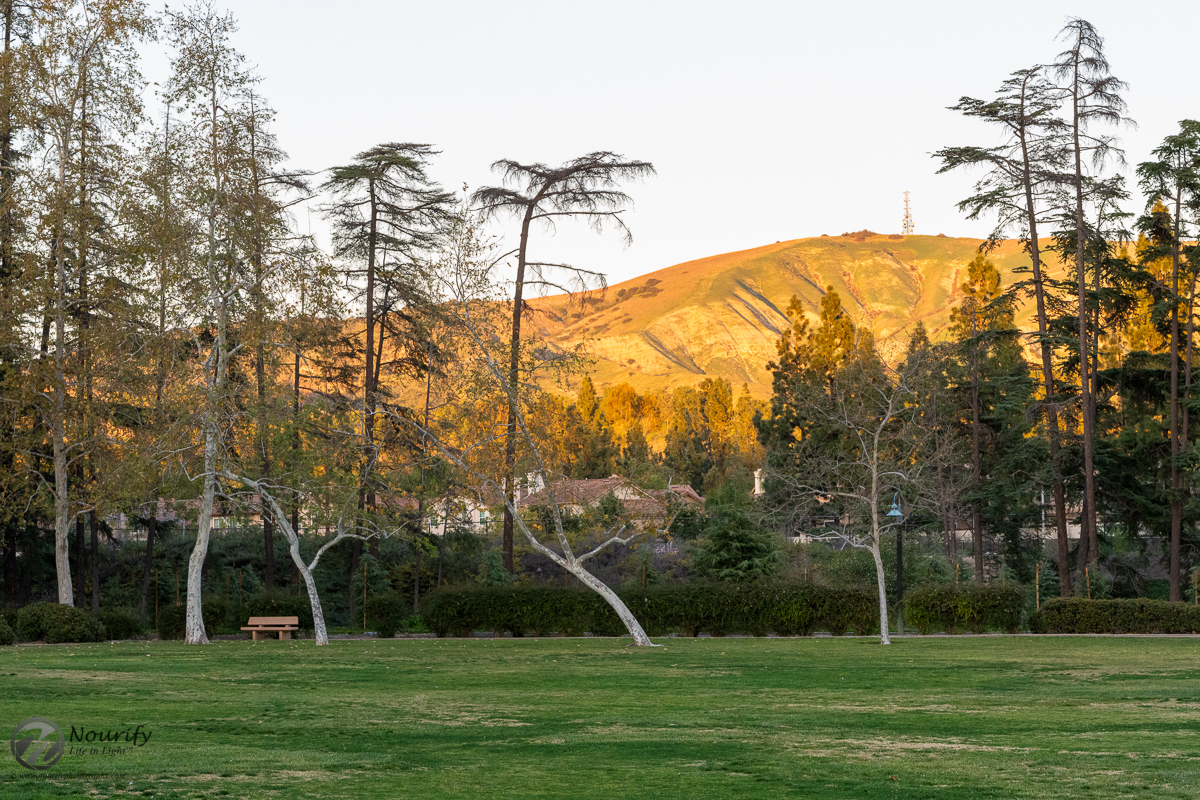
p.10 #1 · Tamron 35-150mm F/2-2.8 Di III VXD Image Thread
Some lovely images here and thanks all for posting. I really think I will trade in my 24-70GM for this lens as it will combine beautifully with my 16-35GM on 2 bodies for event work giving me a more versatile range. Just one question for owners to what focal length does it stay at f2. thanks
Viramati wrote:
Some lovely images here and thanks all for posting. I really think I will trade in my 24-70GM for this lens as it will combine beautifully with my 16-35GM on 2 bodies for event work giving me a more versatile range. Just one question for owners to what focal length does it stay at f2. thanks
p.10 #3 · Tamron 35-150mm F/2-2.8 Di III VXD Image Thread
Viramati wrote:
Some lovely images here and thanks all for posting. I really think I will trade in my 24-70GM for this lens as it will combine beautifully with my 16-35GM on 2 bodies for event work giving me a more versatile range. Just one question for owners to what focal length does it stay at f2. thanks
on my camera, the widest aperture is 2.2 at 40 mm, 2.5 at 60 mm, and 2.8 at 80 mm.
p.10 #4 · Tamron 35-150mm F/2-2.8 Di III VXD Image Thread
This post perhaps loosely belongs to this thread. Nevertheless, hopefully someone might find this interesting.
Lens discussions often involve mentioning their rendering, color cast, etc., somewhat akin to the discussions of vines by the vine connoisseurs. The observations of different rendering are no doubt valid. However, when it comes to travel photography, the pictures are often taken in the less than ideal (and sometimes ghastly) light. Too often, the photographer has to react on impulse, with no time to change the aperture, shutter speed, or the ISO. Therefore, arguably, a prized quality of a lens for travel is its versatility (plus decent optical quality), rather than some special rendering. The Tamron 35-150 is an excellent travel lens, with the only drawback being its size and weight, but I am digressing. The point here is that it is not unusual for the raw travel images to require significant changes in post. At the end, I am not sure how much there is left of the lens rendering. Postprocessing can dramatically change almost every aspect of an image. Unrelated, it is probably not surprising that one can recognize the authorship of certain contributions on this forum simply because of the distinct individual style of their contributors, which seems to be independent of the lens they have on their cameras.
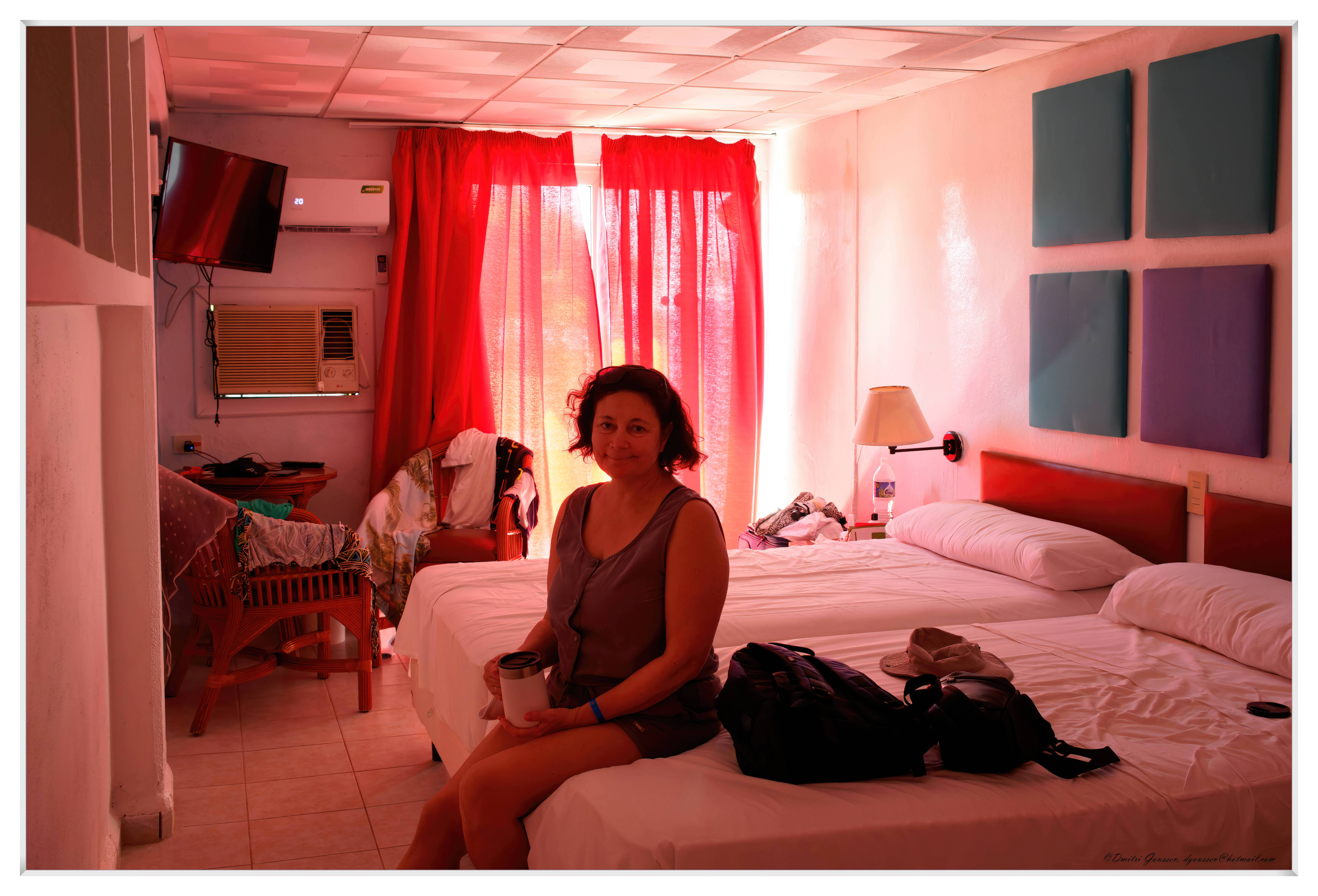
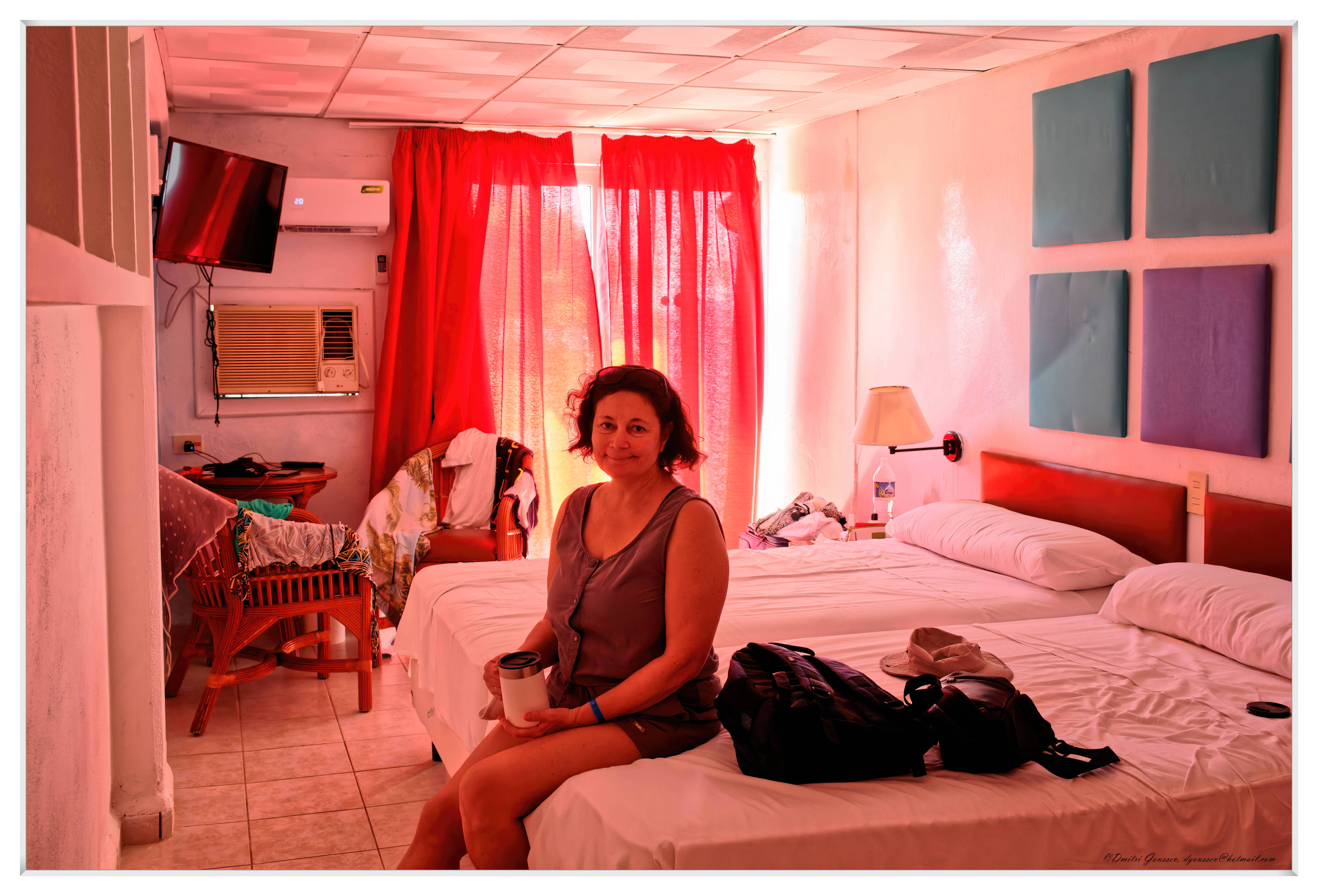
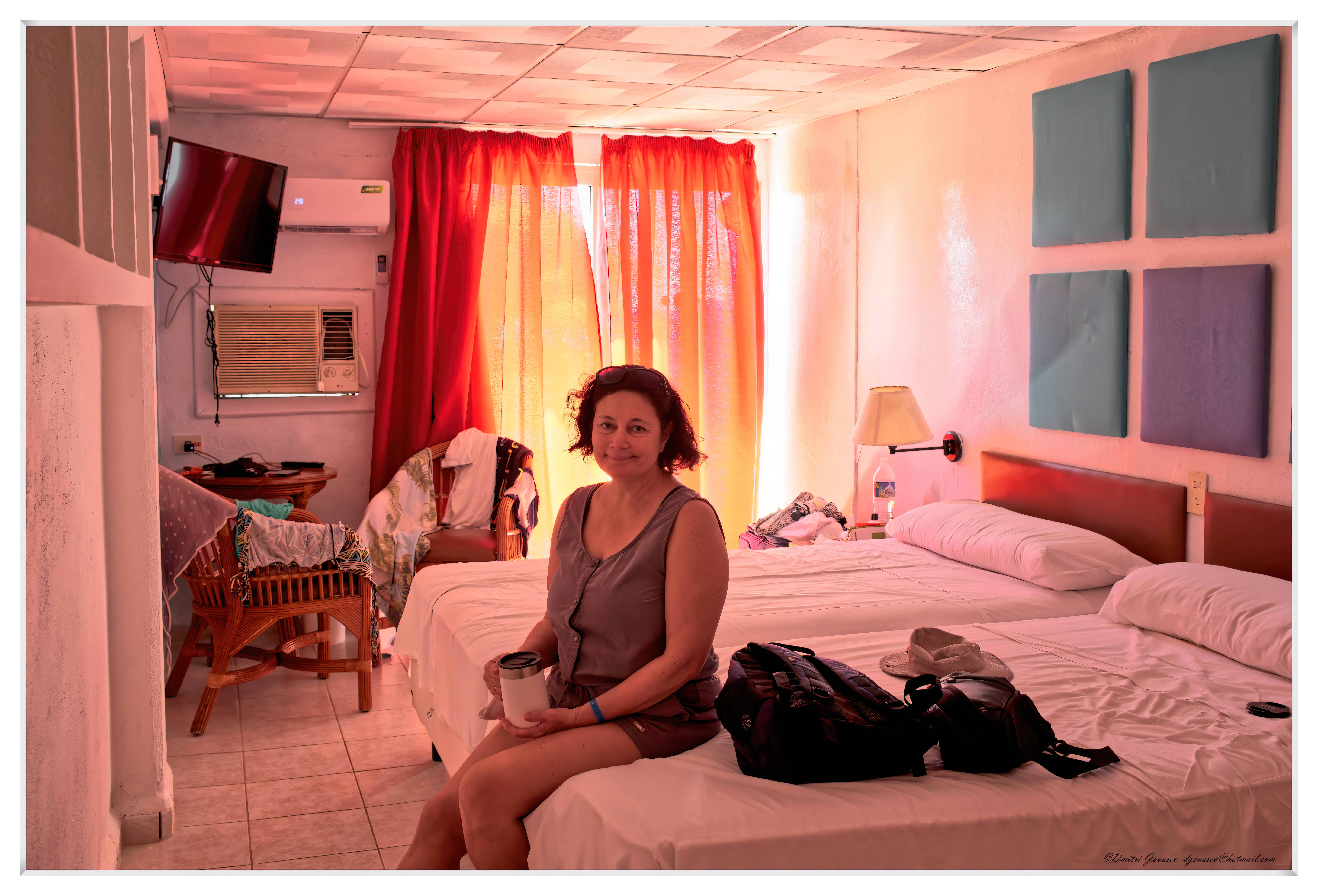
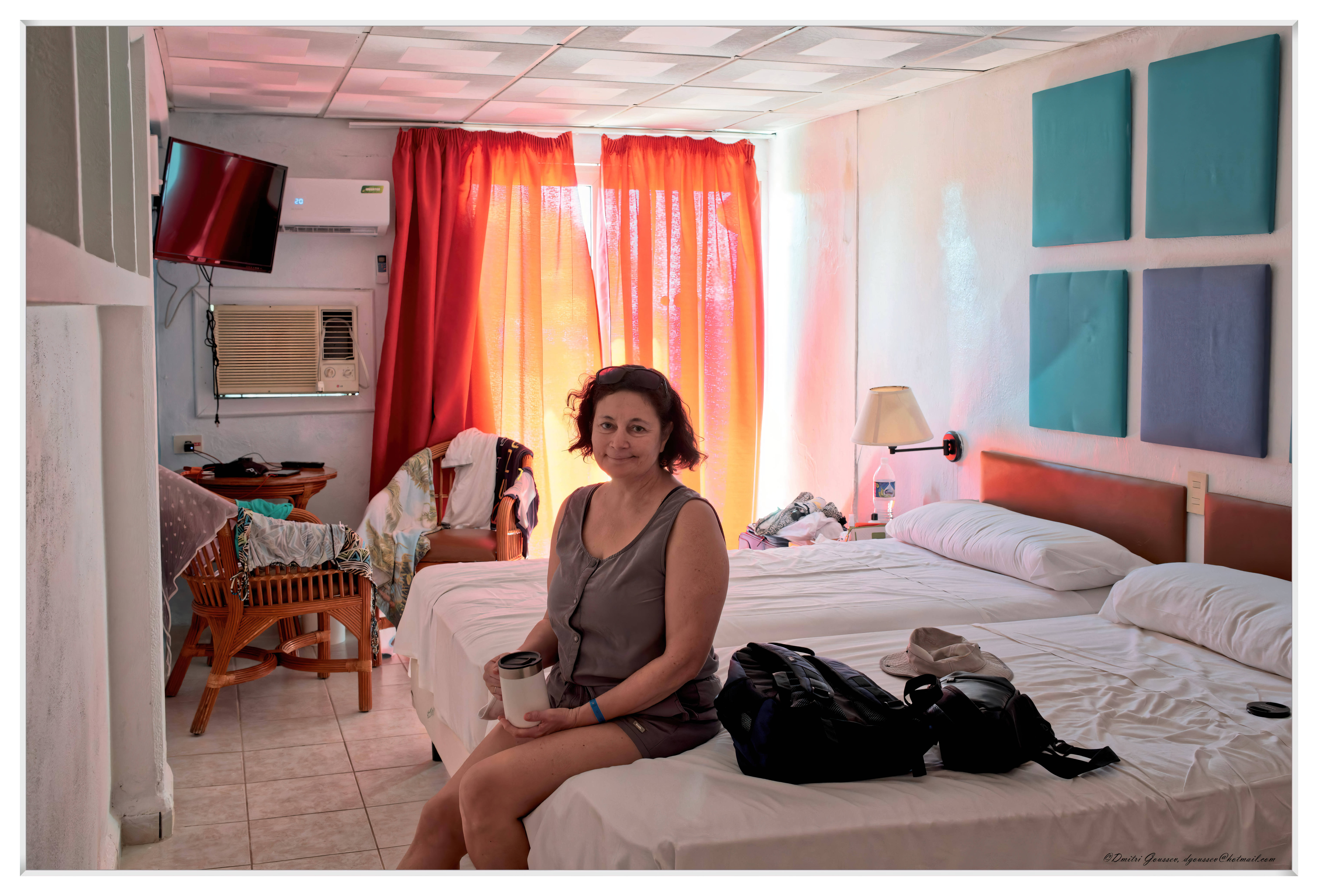
The following is an example of the changes taking place during postprocessing of a travel picture. Please, do not be too critical of the image - it is fit for a family album, but would not win any awards. This is merely a suitable example. The following four uploads:
1. The RAW image, opened in DxO Photolab using the default camera color profile with no corrections other than denoising and some sharpening.
2. Same as above, after additional corrections (contrast, light).
3. The image from 2, with the color rendering changed from the camera default to Cobalt Repro.
4. The image from 3, with the WB adjusted by using one of the ceiling tiles as a "gray card".
I don't mean to say that I am really pleased with the final result. Actually, I like the dramatic bright scarlet-red tone of image 2, despite that the colors are "false", i.e. different from what I probably saw with my eye.
p.10 #9 · Tamron 35-150mm F/2-2.8 Di III VXD Image Thread
ruthenium wrote:
This post perhaps loosely belongs to this thread. Nevertheless, hopefully someone might find this interesting.
Lens discussions often involve mentioning their rendering, color cast, etc., somewhat akin to the discussions of vines by the vine connoisseurs. The observations of different rendering are no doubt valid. However, when it comes to travel photography, the pictures are often taken in the less than ideal (and sometimes ghastly) light. Too often, the photographer has to react on impulse, with no time to change the aperture, shutter speed, or the ISO. Therefore, arguably, a prized quality of a lens for travel is its versatility (plus decent optical quality), rather than some special rendering. The Tamron 35-150 is an excellent travel lens, with the only drawback being its size and weight, but I am digressing. The point here is that it is not unusual for the raw travel images to require significant changes in post. At the end, I am not sure how much there is left of the lens rendering. Postprocessing can dramatically change almost every aspect of an image. Unrelated, it is probably not surprising that one can recognize the authorship of certain contributions on this forum simply because of the distinct individual style of their contributors, which seems to be independent of the lens they have on their cameras. ...Show more →
I couldn't agree more - post-processing often dramatically changes the final output, especially with landscape shots involving focus stacking and pano/HDR merging, etc. It just happens to be icing on the cake that this lens also renders extremely well for a 4x third party zoom and with great AF to boot. [and here's a few photos since it's an image thread]
p.10 #11 · Tamron 35-150mm F/2-2.8 Di III VXD Image Thread
photosbyjaron wrote:
I couldn't agree more - post-processing often dramatically changes the final output, especially with landscape shots involving focus stacking and pano/HDR merging, etc. It just happens to be icing on the cake that this lens also renders extremely well for a 4x third party zoom and with great AF to boot. [and here's a few photos since it's an image thread]
p.10 #14 · Tamron 35-150mm F/2-2.8 Di III VXD Image Thread
Nice work!
It would be interesting to see the color image cropped: slightly from the bottom and significantly from the top (down to the roof on the very left edge). I wonder if this should make the shadows more prominent.
p.10 #16 · Tamron 35-150mm F/2-2.8 Di III VXD Image Thread
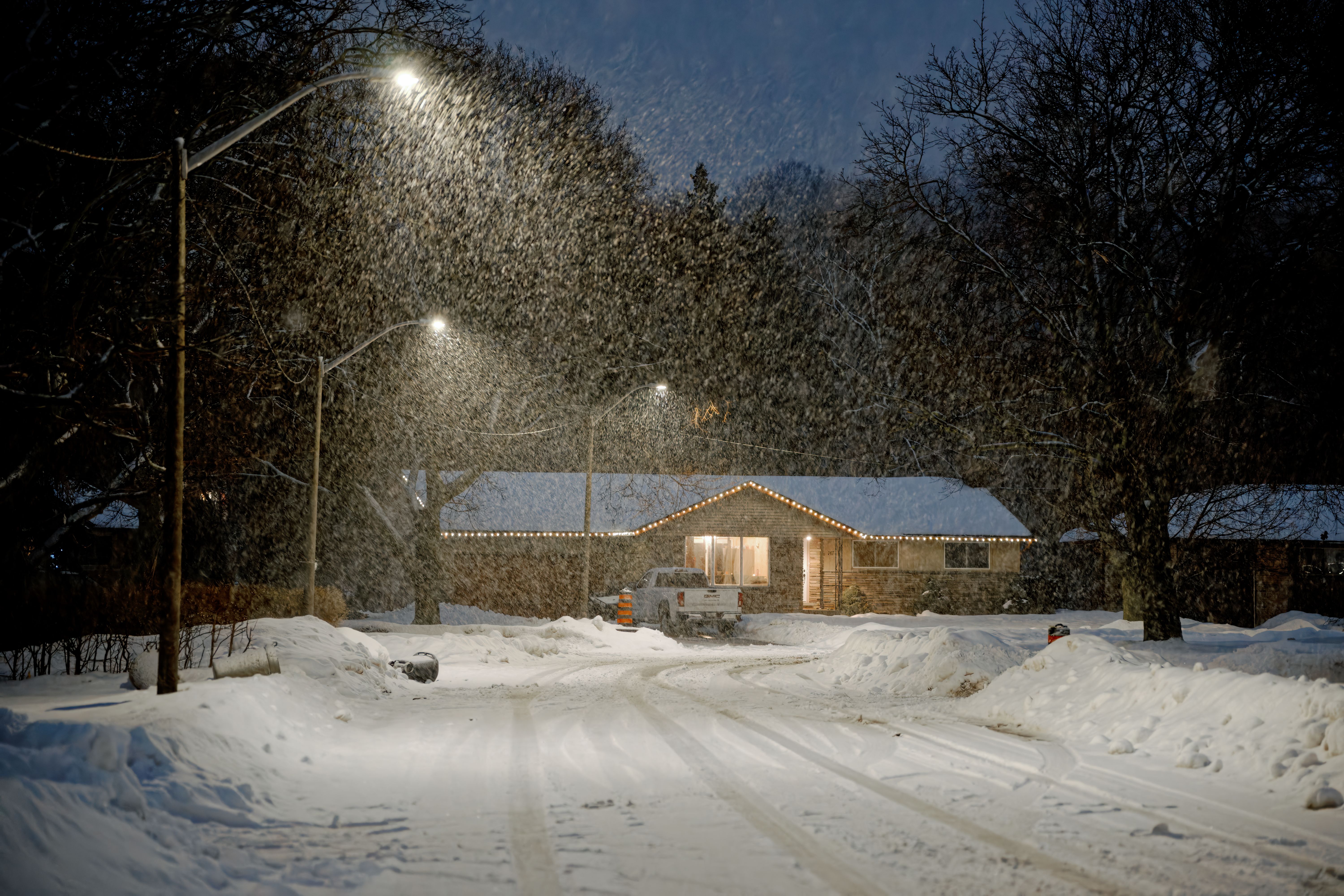
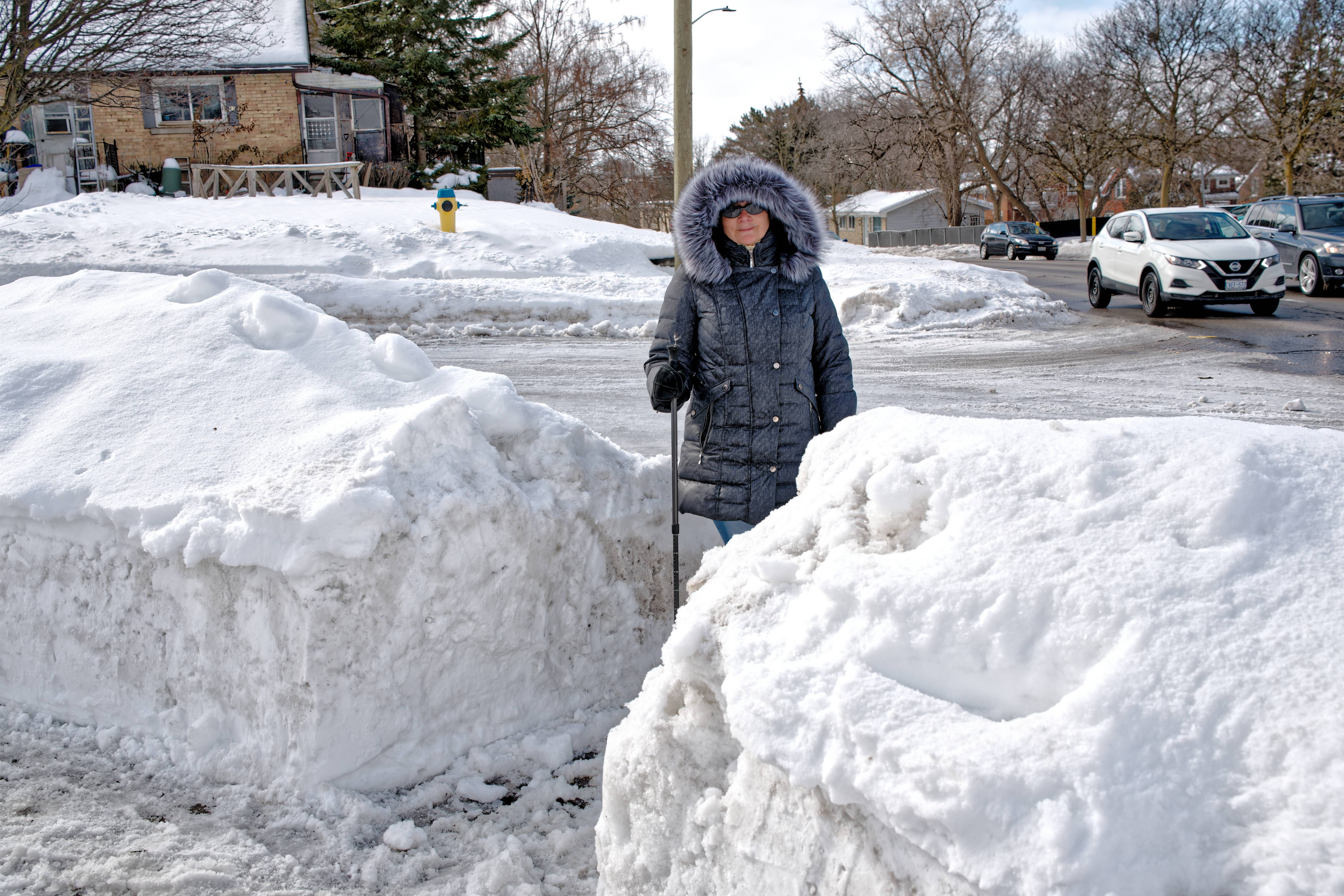
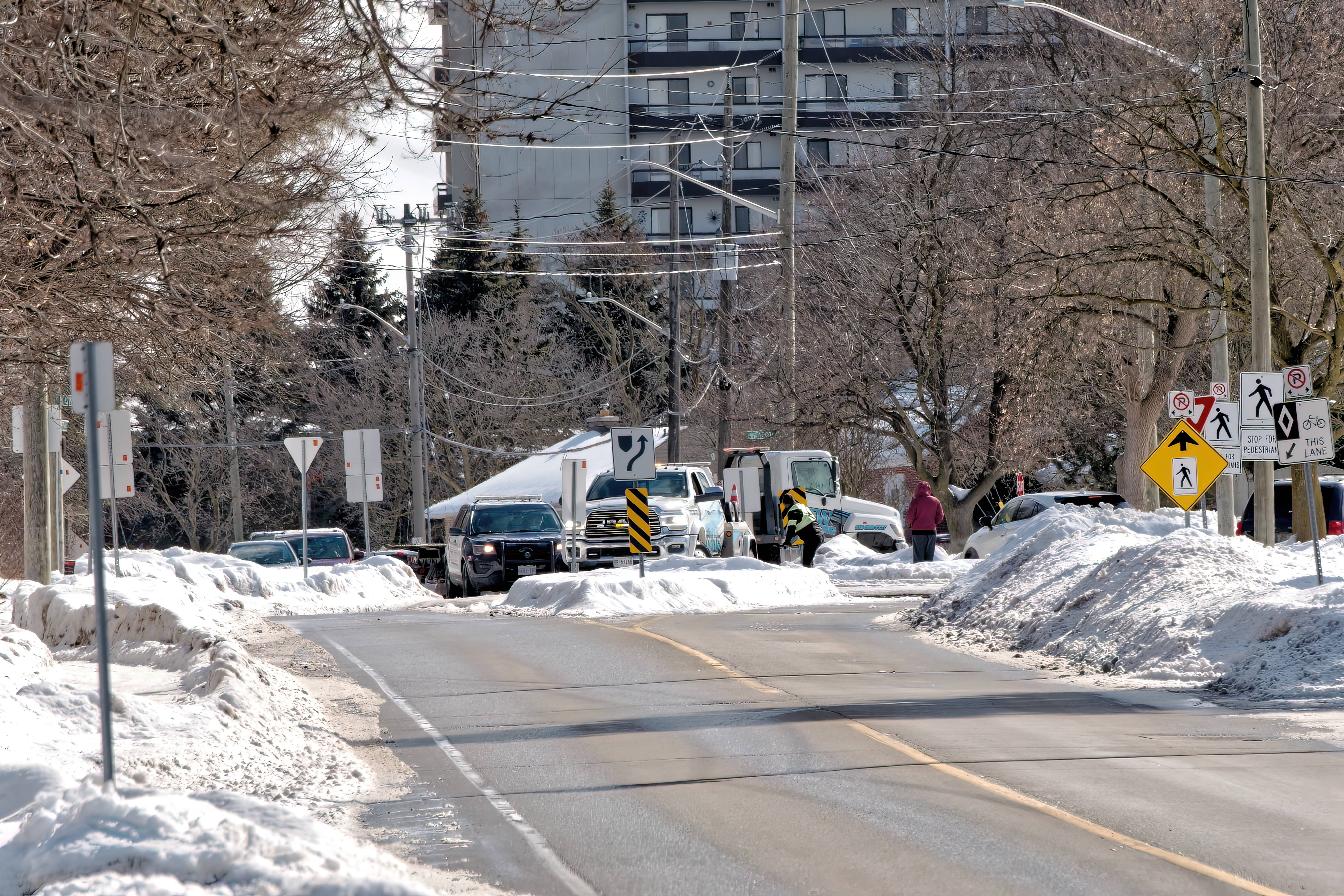
So much snow this winter in Ontario!
The first image I took while walking home from work last night.
The second is from today's walk with my wife - she stopped before crossing the road.
Also today - heavy police presence in Kitchener-Waterloo, blocking and controlling the main intersections, like the one in image #3, along the residential road not far from our home.
p.10 #17 · Tamron 35-150mm F/2-2.8 Di III VXD Image Thread
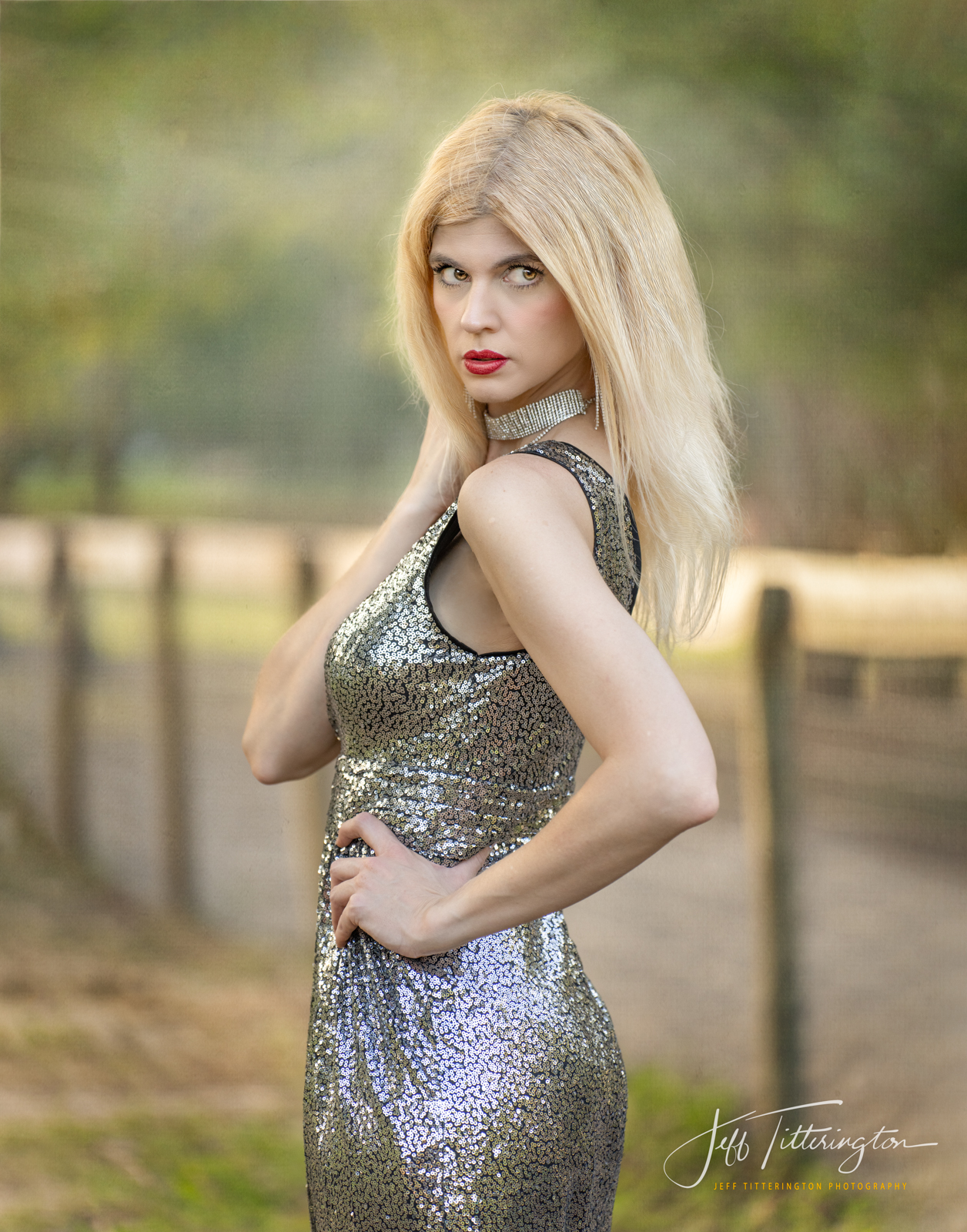
I continue to be amazed by the versatility and image quality of this lens. The shot, below, has had some touchup for the benefit of the model, but I am always pleased with the overall rendering.
A1, 150mm, f2.8, ISO 640, 1/1250 Sec (was shooting Manual and had just shot a dark situation and hadn't yet reset the ISO)
p.10 #18 · Tamron 35-150mm F/2-2.8 Di III VXD Image Thread
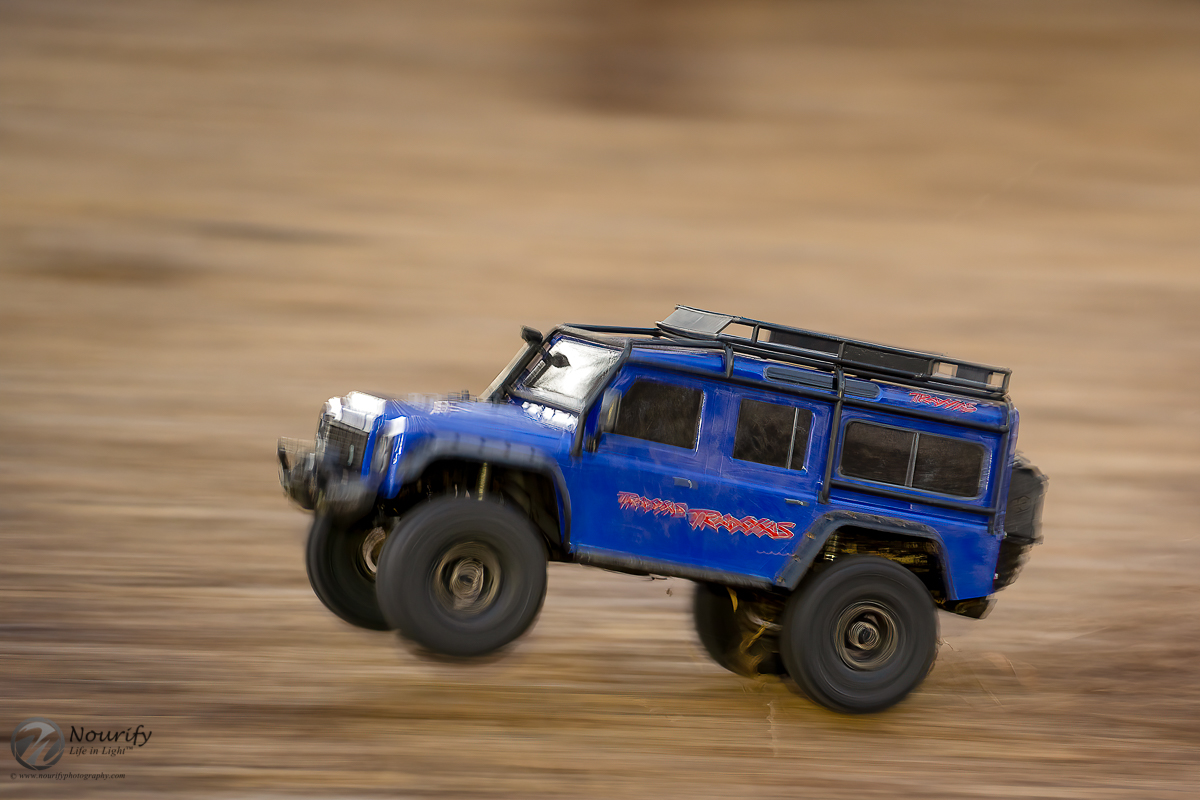
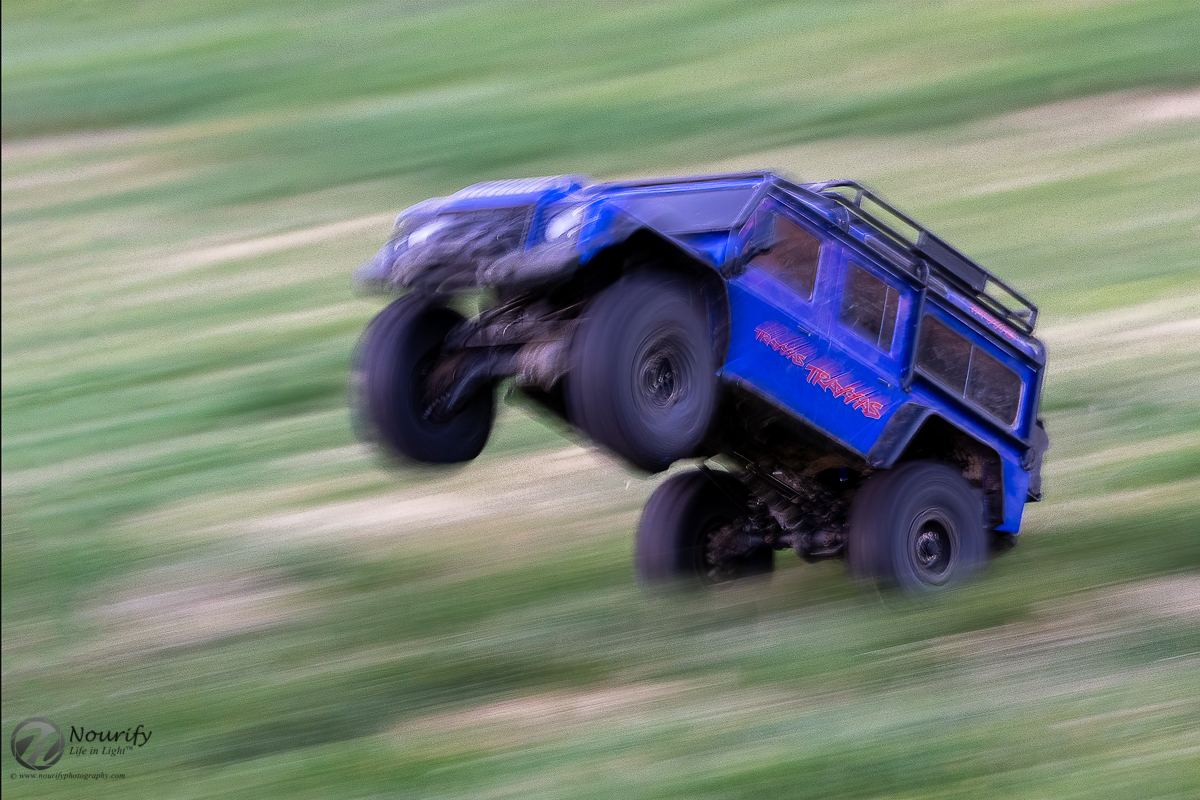
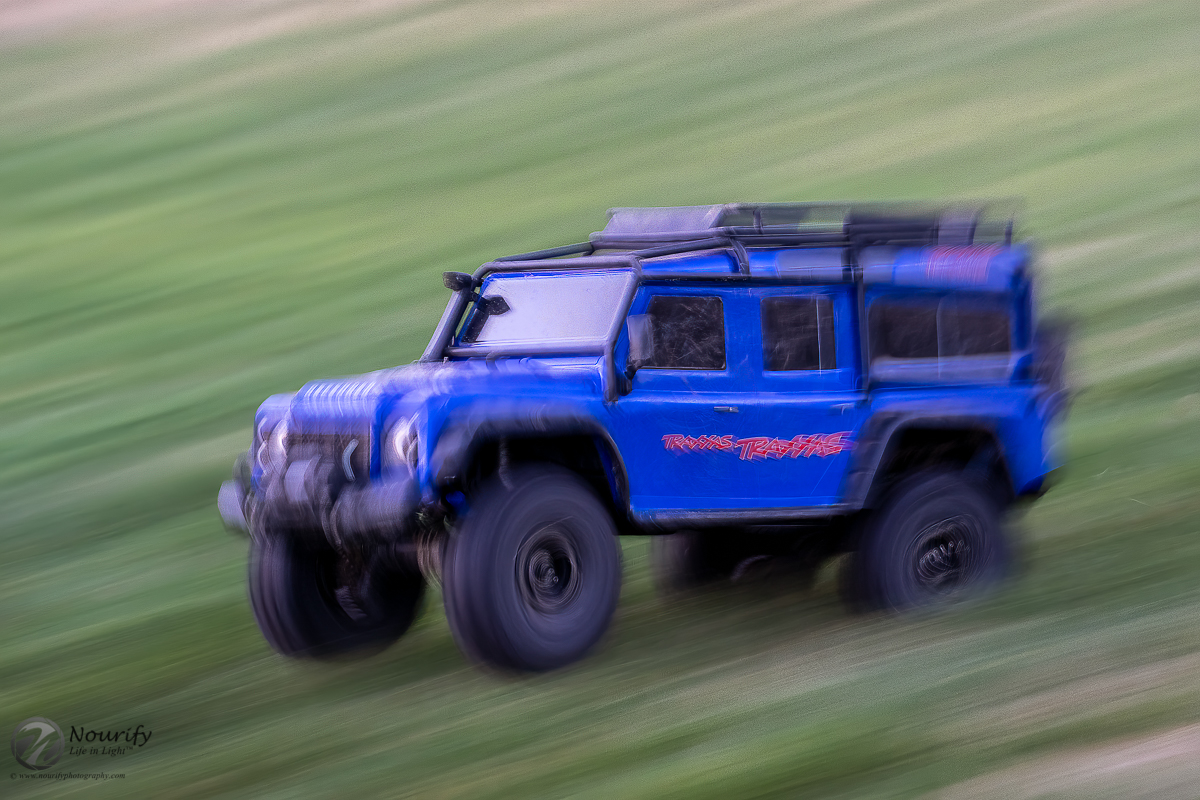
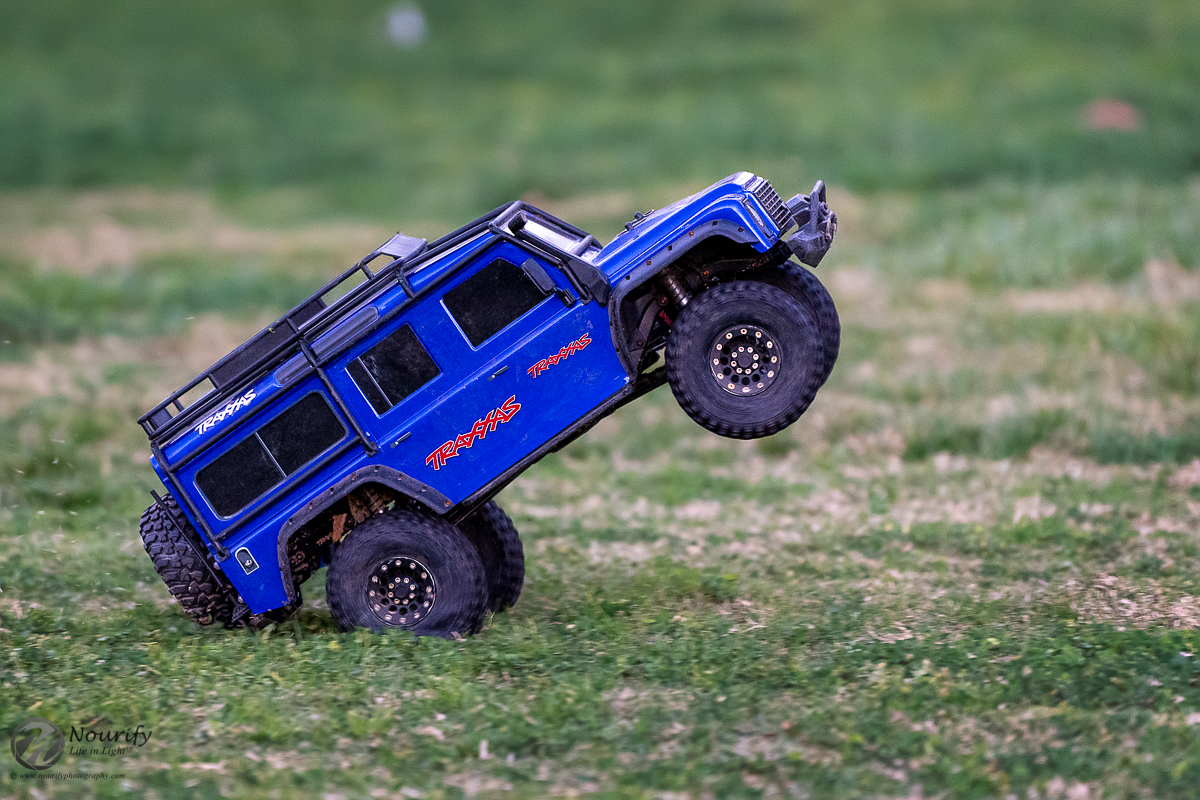
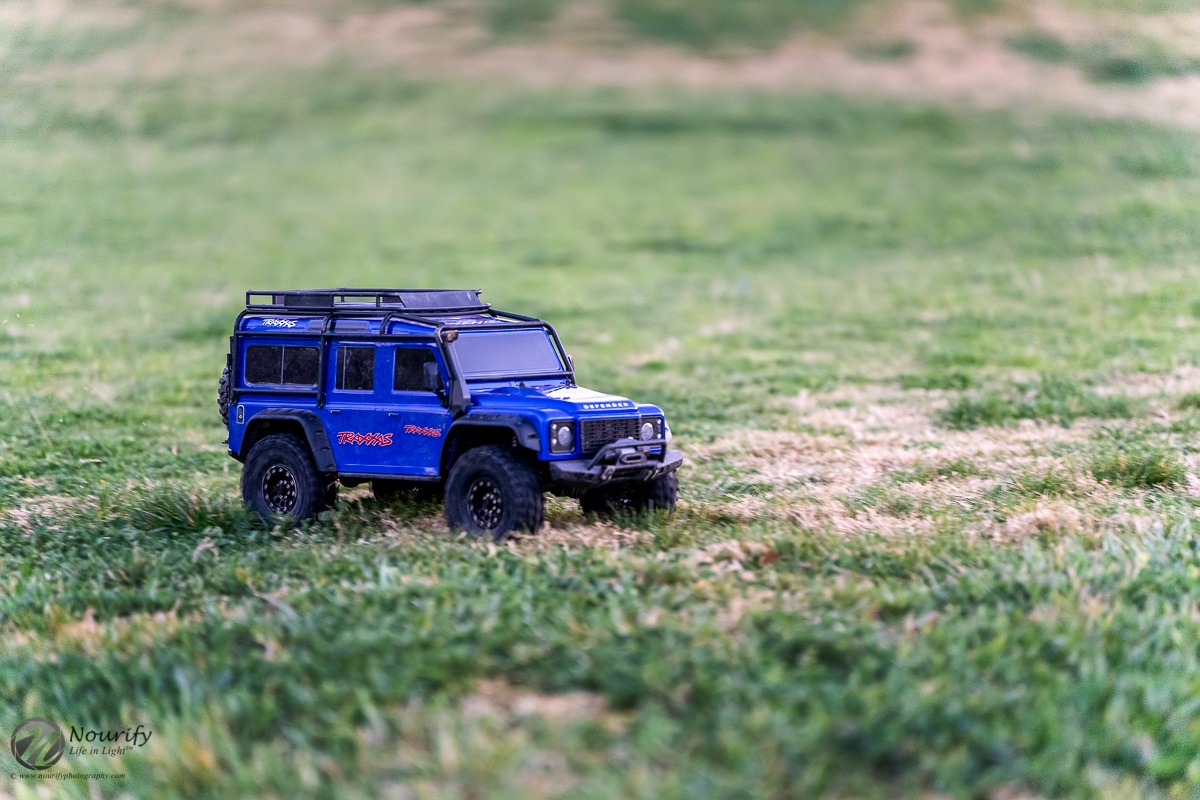
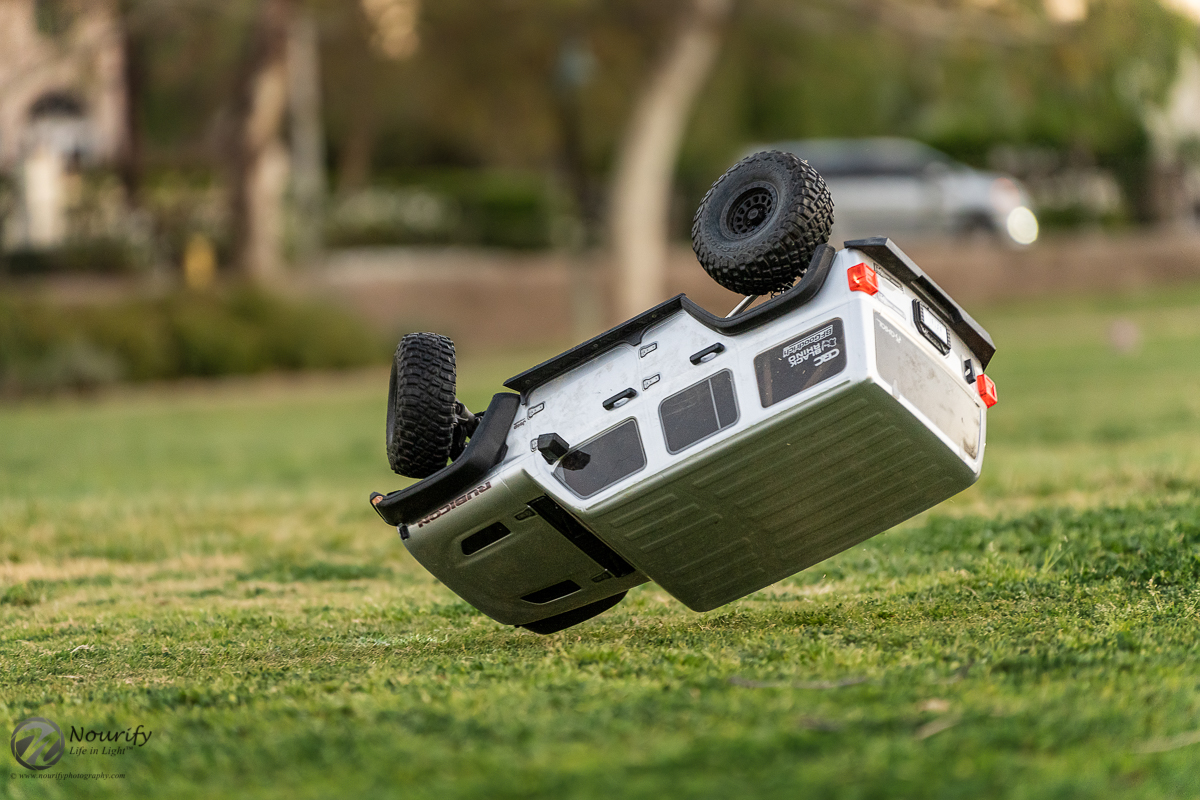
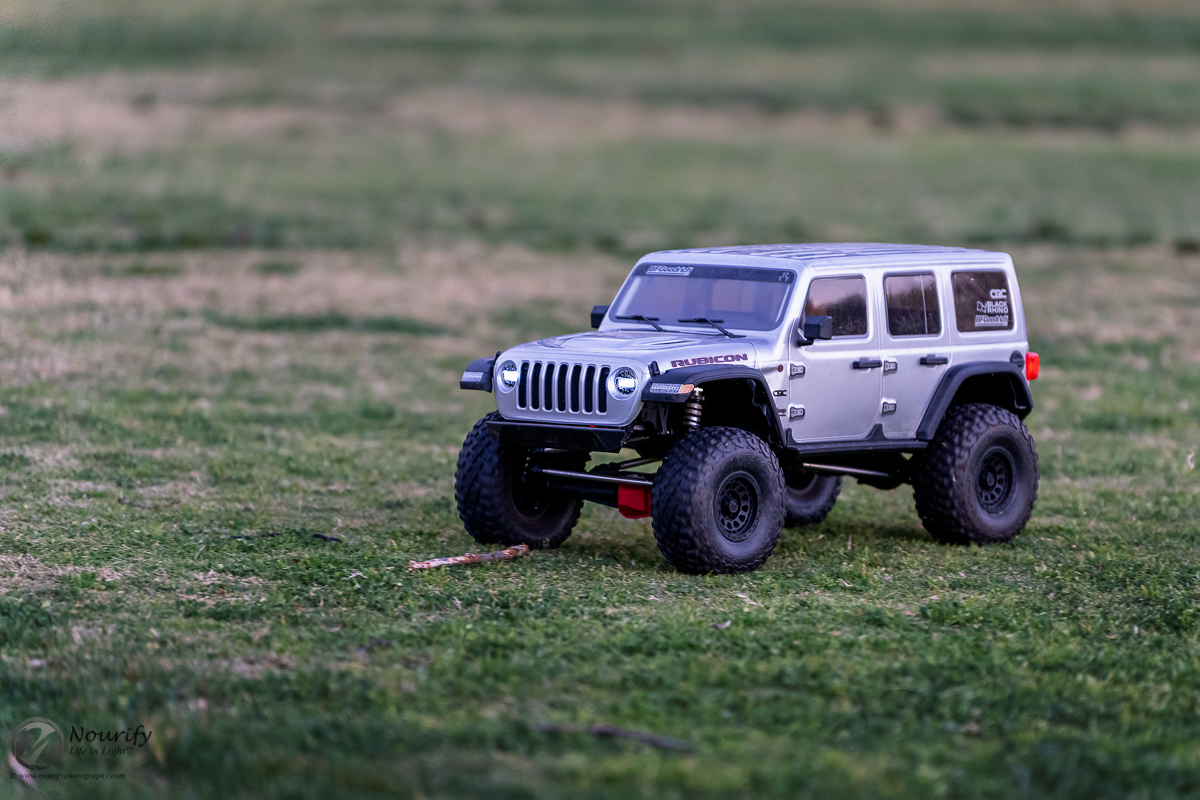
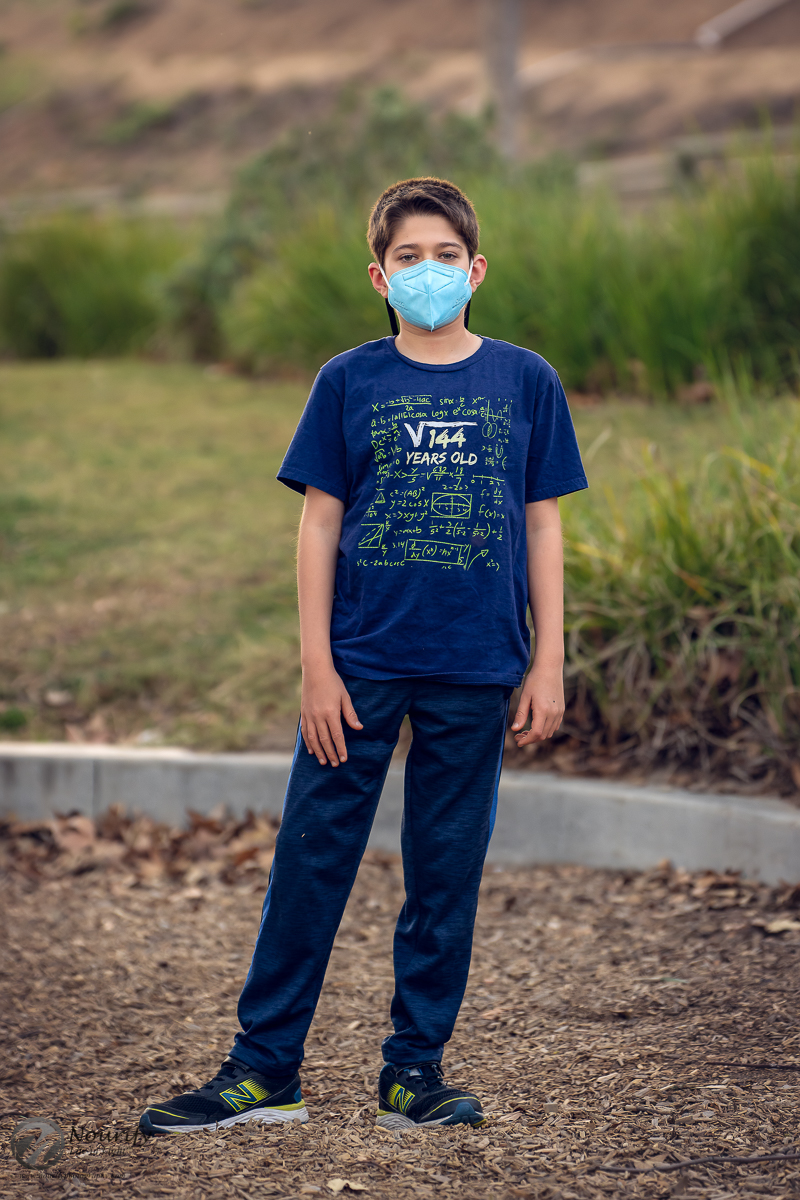
I finally received this Tamron lens on Friday. And I took it along with the kids to a local park for a test ride! And when I saw this other kid and his Dad playing with their RC Jeep and Land Rover, I took the opportunity and got a few clicks of their cars as well.
The lens does seem pretty sharp and pretty fast in AF. I also find the overall rendering fairly pleasing. It is obviously not quite on par with my Nikon 200 f/2 or even my Zeiss 135 f/2 APO but for a 35-150mm zoom which offers excellent versatility, it seems to perform pretty well. I did expect this based on what I had already read and heard about this lens. Because of this lens, I am sure I will pick up my A1 a lot more often and beyond my original intention which really was just wildlife and birds in flight.
p.10 #19 · Tamron 35-150mm F/2-2.8 Di III VXD Image Thread
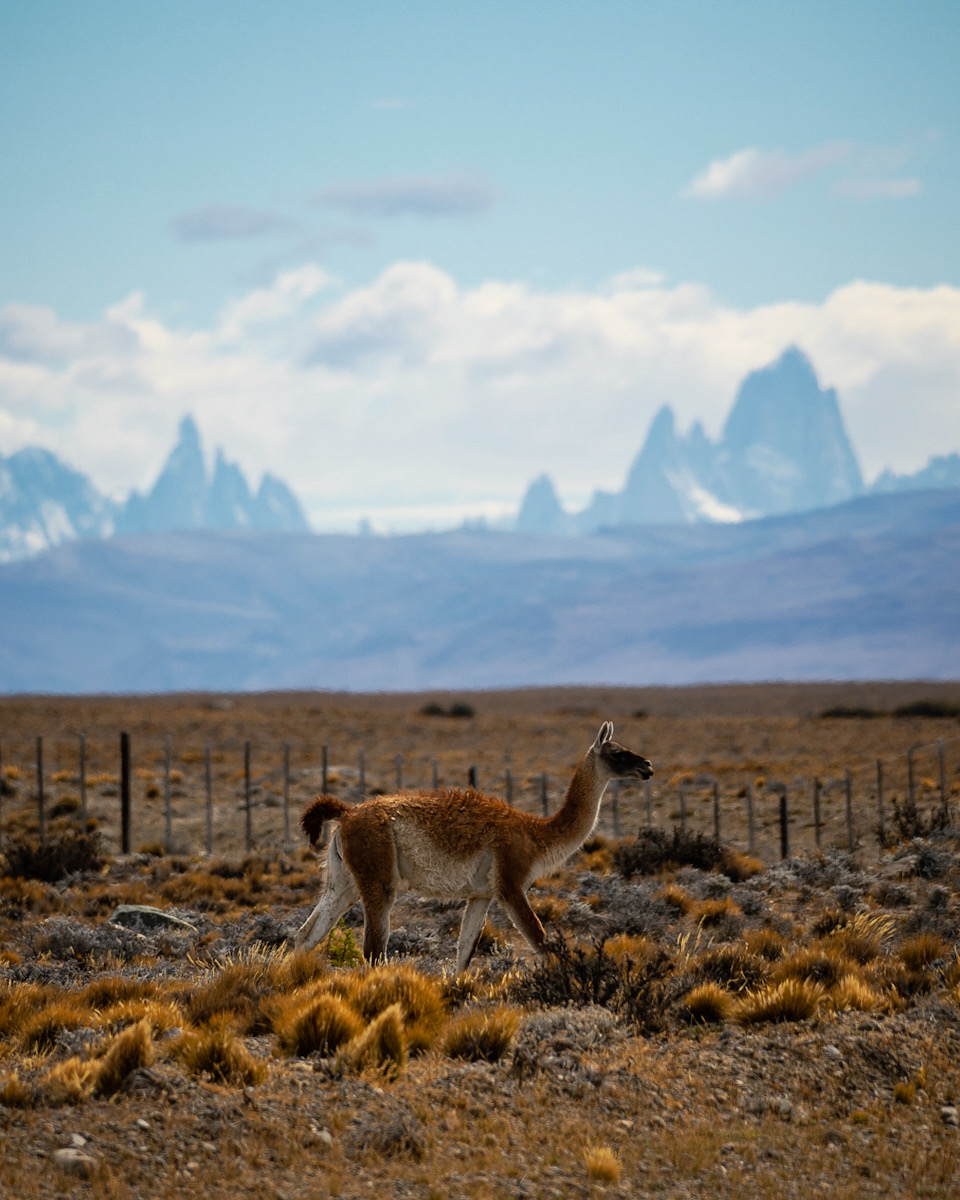
One thing I really like about the combo of the 35-150 with the RIV is that while landscapes are usually what I’m focused on, it has just enough reach that it can take a decent shot of wildlife in a pinch. One our way to El Chalten we saw a group of guanacos, and this fella lined up nicely with Cerro Torre and Mount Fitz Roy. Previously, I would have had my 24-70 on the body and would’ve had to crop much further with way less data in the shot. Sure I had my 100-400 in the bag, but by the time I would’ve swapped lenses, this guy would’ve already run to the other side of the road.


 :
: