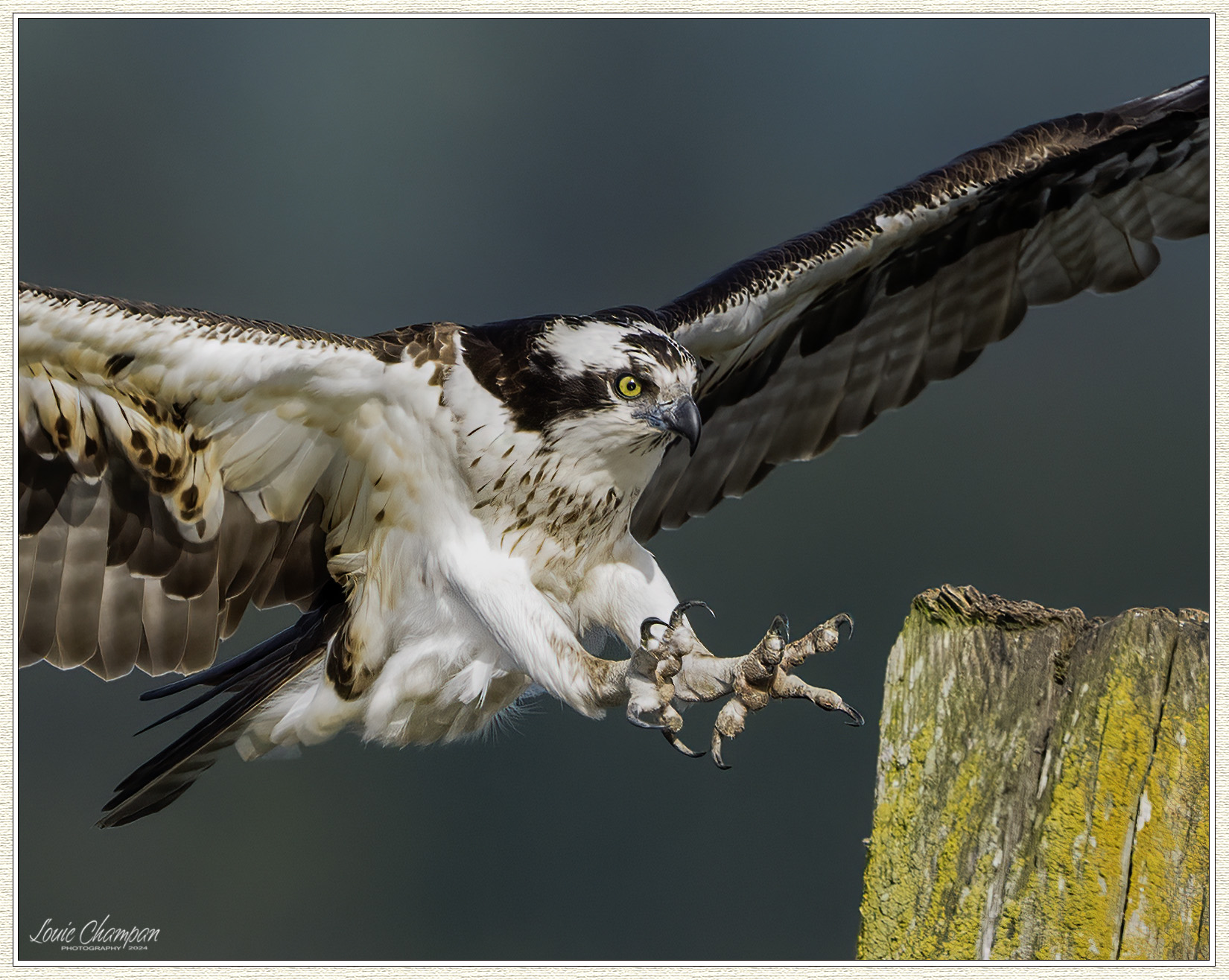
Had to have a go at Ospreys in Scotland with the A9 111, I found that my settings need to be worked on if the bird flew towards me I had a much higher keeper rate than when it flew parallel to keep tack sharp it needed eye's. Is this where people switch off the eye AF?
Anyway some shots:-
That's really good to know. I've been considering taking the plunge on a Sony 600 prime. You may have swayed me. I don't like the weight, but love the bokeh, clarity and snappiness of the autofocus.
All of those shots are fantastic, but that last one would definitely win contests.
Thanks!
TimMunsey wrote:
With this set I used the 600mm f/4. I tried some shots with the 200-600mm I found a marked increase in missed focus also a slow subject take up.
TimMunsey wrote:
Had to have a go at Ospreys in Scotland with the A9 111, I found that my settings need to be worked on if the bird flew towards my I had a much higher keeper rate than when it flew parallel to keep tack sharp it needed eye's. Is this where people switch off the eye AF?
Anyway some shots:-
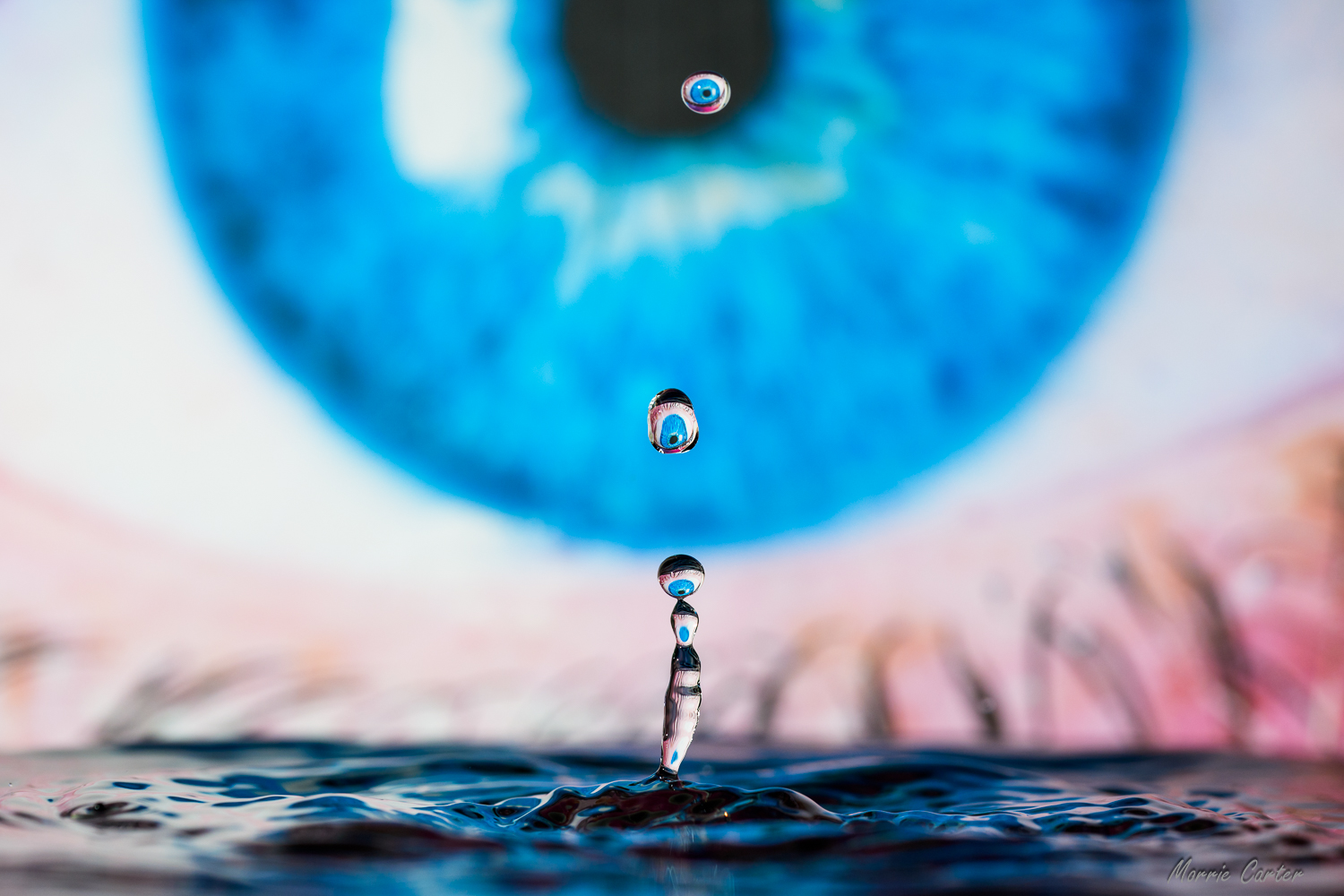
I was trying the A9III with an off-camera flash trying to photograph water droplets. I do not have a drop machine but instead I used a freezer Ziplock bag hung from a background rack. I poked a hole in the bag with a straight pin to create a leak and the drips. With the bag over a dish and some backgrounds I tried to catch the drips. The flash was set a 1/128 to 1/64 power.
Eye Drops
ILCE-9M3FE 70-200mm F4 Macro G OSS II lens166mmf/6.31/3200s250 ISO0.0 EV
Periscope Up
ILCE-9M3FE 70-200mm F4 Macro G OSS II lens200mmf/8.01/640s250 ISO0.0 EV
Close Encounter
ILCE-9M3FE 70-200mm F4 Macro G OSS II lens200mmf/8.01/2000s250 ISO0.0 EV
Water Ballons
ILCE-9M3FE 70-200mm F4 Macro G OSS II lens200mmf/5.61/2500s250 ISO0.0 EV
On Point
ILCE-9M3FE 70-200mm F4 Macro G OSS II lens200mmf/8.01/2000s250 ISO0.0 EV
MorrieC wrote:
I was trying the A9III with an off-camera flash trying to photograph water droplets. I do not have a drop machine but instead I used a freezer Ziplock bag hung from a background rack. I poked a hole in the bag with a straight pin to create a leak and the drips. With the bag over a dish and some backgrounds I tried to catch the drips. The flash was set a 1/128 to 1/64 power.
TimMunsey wrote:
Had to have a go at Ospreys in Scotland with the A9 111, I found that my settings need to be worked on if the bird flew towards my I had a much higher keeper rate than when it flew parallel to keep tack sharp it needed eye's. Is this where people switch off the eye AF?
Anyway some shots:-
Amazing shots. Were these shot from on the water or shore? Blind or no blind? Just curious.
I think for straight on shots it can have some benefit to switch off BEAF but I usually don't. For straight on shots if you are really close then the DOF can vary just a slight bit shot to shot and be enough to throw the every important head/eye OOF. Also for straight on shots the SS needs to be considerably higher to maintain a hit rate as good as a side shot where you compensate by panning with the bird. Of course for side shots the problem one sometimes runs into is near wing focus...but if eye-af is working then that usually helps avoid those for the most part...and of course birds further away will have more DOF to make up for slight focus shifts.
I found for the A9III it did a much better job of ignoring near wings when you limited the BEAF settings to just head/eye and unselected body. Settings I don't have in the A1.
arbitrage wrote:
Amazing shots. Were these shot from on the water or shore? Blind or no blind? Just curious.
Hey thanks for commenting. These were taken from a blind, ospreys in the UK are not common place so to get them from a shore would be very special indeed.
I have noticed on close flying passing birds an increase in missed focus due to it moving to the close wing, it seems you need a different setting for close frame fillers something that makes it more eye sticky less responsive. Mind you with close shots the depth of field will play more of a part. In the random wildlife world it's not so easy to fine tune settings especially when we're generally happy with the successful ones.