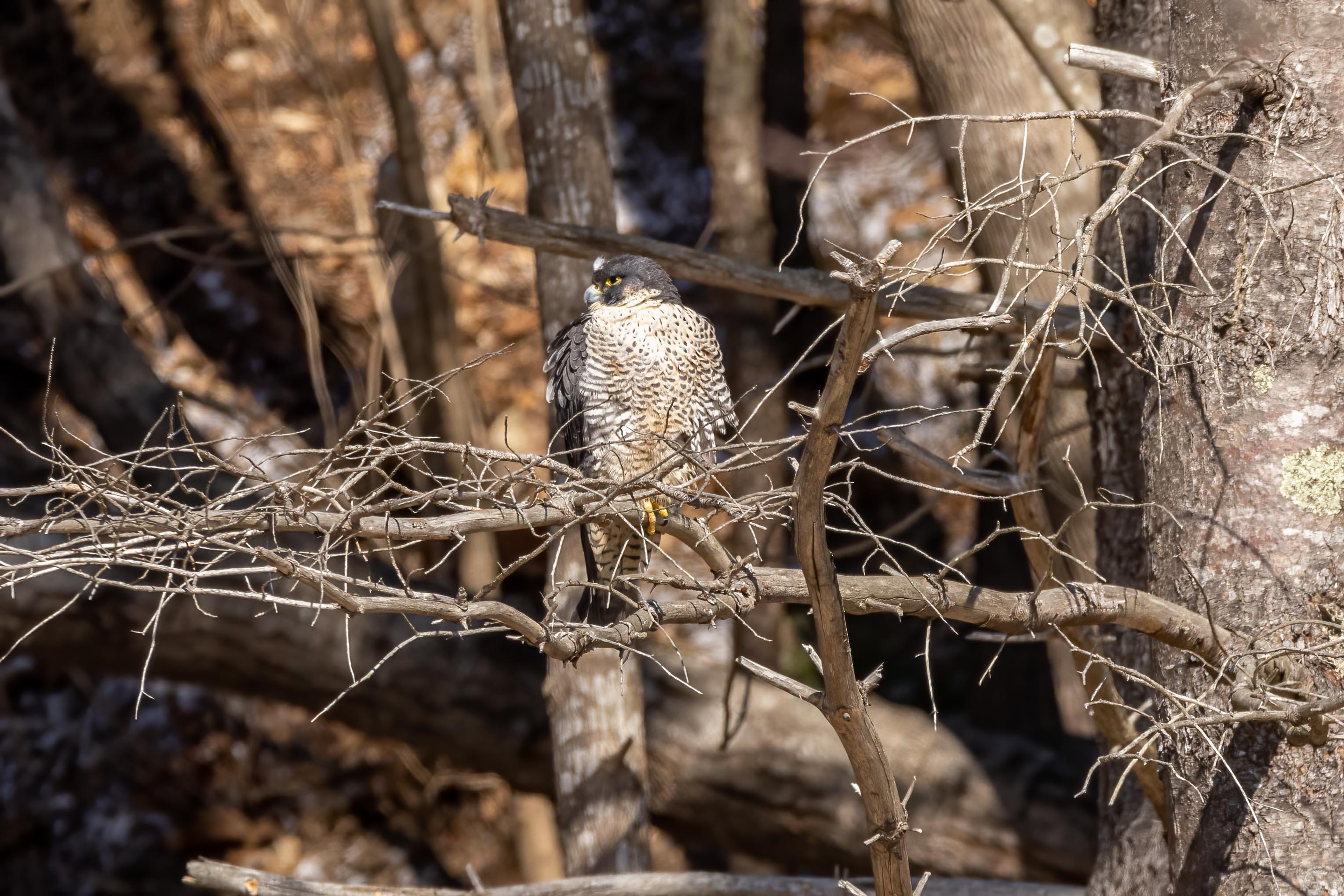
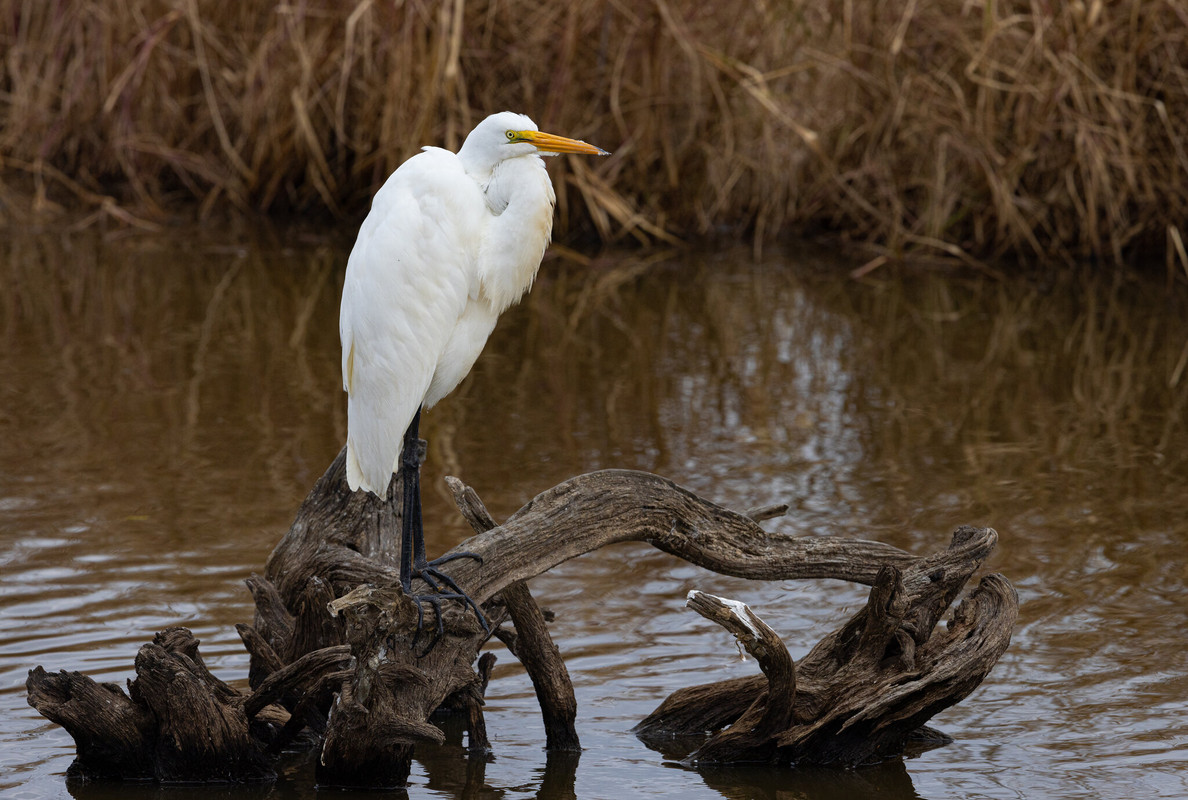
Had a nice weekend away to do some shooting in the mornings and relax with my wife the rest of the day. Trails were treacherous, with 3 inches of solid ice on every surface of every trail due to recent ice storms, along with compacted snow that partially melted and re-froze. As such, my ice cleats were essential this weekend.
Some shots with the R5, RF 24-105mm f/4L IS, RF 70-200mm f/2.8L IS, Sigma 14-24mm f/2.8 and TTArtisan 11mm f/2.8 Fisheye:
So, I was looking for some things in my closet, and I found my very first digital camera, the 2MP Kodak DC3400. When I got it, I wasn't really seriously into photography, but had a compact film camera I used for capturing memories. This Kodak sort of opened my eyes to photography, and while it was extremely limited in features, had appalling image quality by today's standards, and an extremely limited zoom range, I really liked it.
My daughter had used it a little bit when she was really little, as I didn't care much what happened to it, and then it eventually got shoved in a box. Unfortunately, I did not take the batteries out when I shoved it in that box, and now, about 8 years later, it is 100% toast.
All the batteries leaked, causing horrific amounts of corrosion, that extended even beyond the battery compartment, I had to break off the battery door and use pliers just to get the batteries out. Since there was certainly no hope of repairing this thing to working order again, given the huge amount of corrosion damage, I disassembled it, eventually removing most of the major innards, including the itty bitty sensor. So, after that longwinded explanation, here are two macro shots, one of the main system board, and one of that sensor, that helped me capture some of my earliest digital photos.
R5 with Laowa 100mm f/2.8 Macro @ 2:1 for the sensor and about 1.4:1 on the circuit board. All are focus stacks. The sensor also has a final exposure with different lighting to get that rainbow reflection. What appears as fine noise in that image is not, but is actually the individual photosites of the sensor.
So I was thinking about that tiny camera sensor in my last shot, and remembered I had both RF and EF extension tubes, so I put them ALL on, totally 99mm of extension (and all electronics worked), and re-shot the sensor above. Instead of the 2x magnification I got before, I now yielded 3.8x magnification (measuring pixel dimensions of the sensor, which is 7.5mm wide.) Interestingly, though, this is significantly greater magnification than I should get with that extension looking at extension tube calculators, but I am definitely getting it. (Width of frame went from around 18.2mm at 2:1, which is actually 1.97:1, to 9.4mm, or 3.84:1. By all the ET calculators I should only be getting around 3:1...but I'm guessing this difference is due to the shorter actual focal length at 2:1 focus setting, which, if the calcs hold, would actually be 54mm)
While sharpness falls off heavily at the edges due to the massive extension, it's still sharp enough to see individual photosites, which are 4.6 microns wide.
Full shot - R5 with Laowa 100mm f/2.8 Macro, set at 2x magnification and with 99mm of extension, 3.8x magnification:
RKnecht wrote:
That’s pretty amazing. I am blown away at times at what our cameras can “see”. Opens up a whole new world.
Yeah, it's pretty cool. One of those things I found fascinating to see was the tiny text in the upper left corner of the sensor board, which shows the alphanumeric code: MN39570:
Looking this up, leads to a small development announcement at the time the sensor was developed. It's in Japanese, but if you use Chrome, you can hit translate and see the details. Developed by Matsushita Electronics (better known as Panasonic), with the following info:
Matsushita Electronics
1/2 type 2.31 million pixel CCD
Matsushita Electronics Co., Ltd. (President Kazuhiro Mori) has developed a half-inch CCD with 2.31 million pixels, which is ideal for high-quality digital cameras, and will start selling samples. It has the largest number of pixels in the industry and the sample price is 30,000 yen. By March next year, we will establish a monthly production system of 50,000 units.
The new product MN39570 was developed by using an interlaced scan method to reduce the width of the separated part, which is an invalid area, and to widen the frontage of the light receiving part to prevent the deterioration of pixel performance due to high integration.
Since the pixel size is a 4.2 micrometer square square pixel array, image processing such as rotation can be easily performed, and the aspect ratio is 3: 2, which is the same as 35 mm film.
In addition, it has a drive mode that can output by thinning out the output scanning line to 1/5, and can display a monitor at 30 frames per second.
The package size is 14 x 12.4 x 3.4 mm thick, not including the lead wires, and is the same plastic package as the company's one-third CCD. Therefore, it can be installed in a small space.
Digital still cameras are rapidly increasing in pixel count, but with the adoption of this new CCD, 300dpi is possible with L size (A6 size) printing, and image quality equivalent to that of single-lens reflex still cameras is possible. It is said that it will be.
Sensitivity (F8.1 / 7.5 seconds) is standard 480 mmV, saturated output voltage standard 600 mmV. The total number of effective pixels is 1800 horizontal x 1200 vertical. ...Show more →
Really cool to see stuff like this just from tiny text that would be completely unreadable without serious magnifying optics such as an ultra-macro lens. Measuring the pixels and knowing the ultimate dimensions in play here, the text is 52 micrometers high.
Jman13 wrote:
Measuring the pixels and knowing the ultimate dimensions in play here, the text is 52 micrometers high.
Mind blown.
52 micrometers is about one half the thickness of a sheet of paper!
And I thought the serial numbers etched on the Girdle of my wife's diamond was tiny.
Took a stroll around the local park in hopes of finding some red wing blackbirds, but none were to be found. The wind kept most of the birds away, but I did manage to snap a few of this little guy chirping away in hopes of Spring.
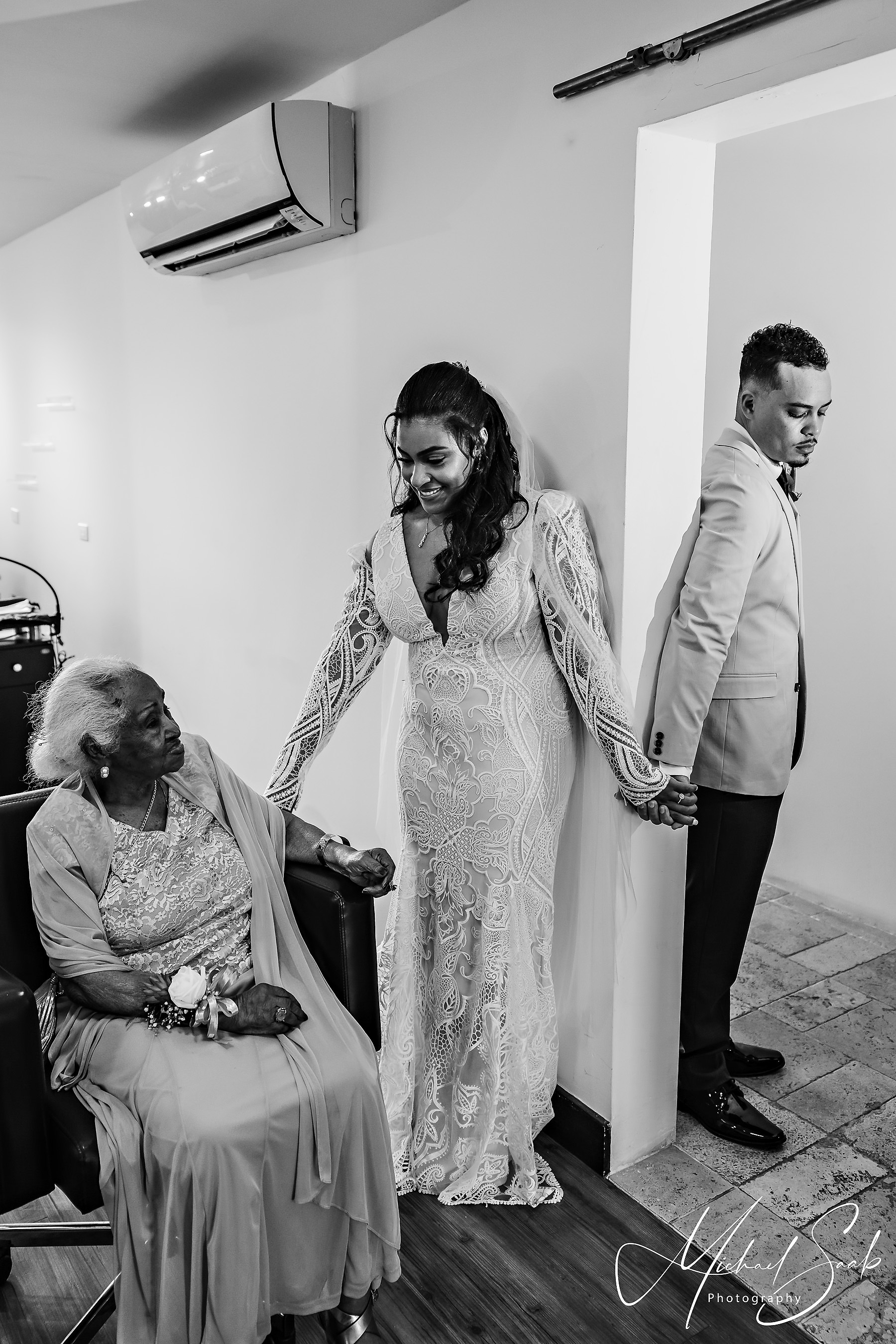
My absolute favorite photos from my last wedding. This a first touch between the bride and groom with the bride’s grandmother who is a centurion blessing their marriage.