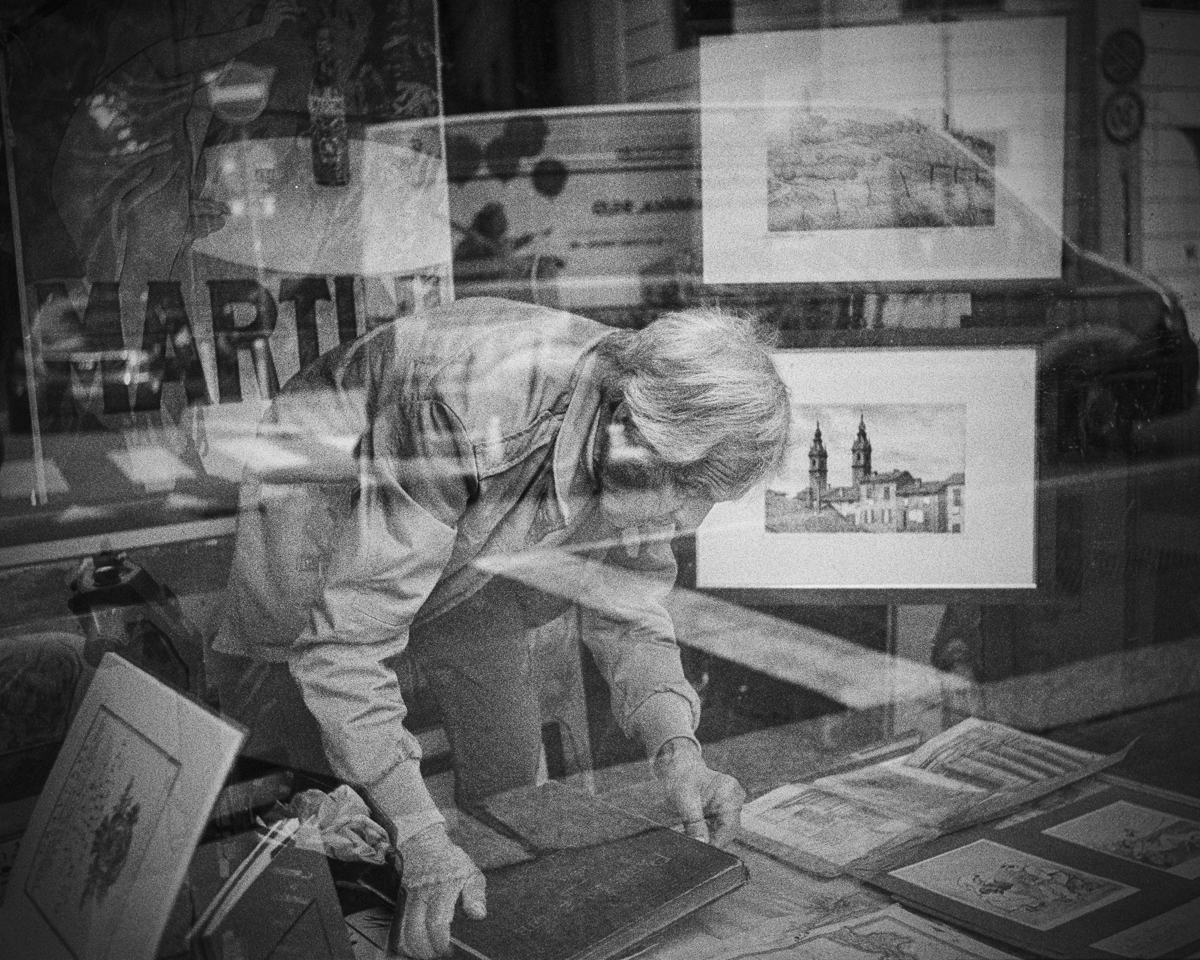
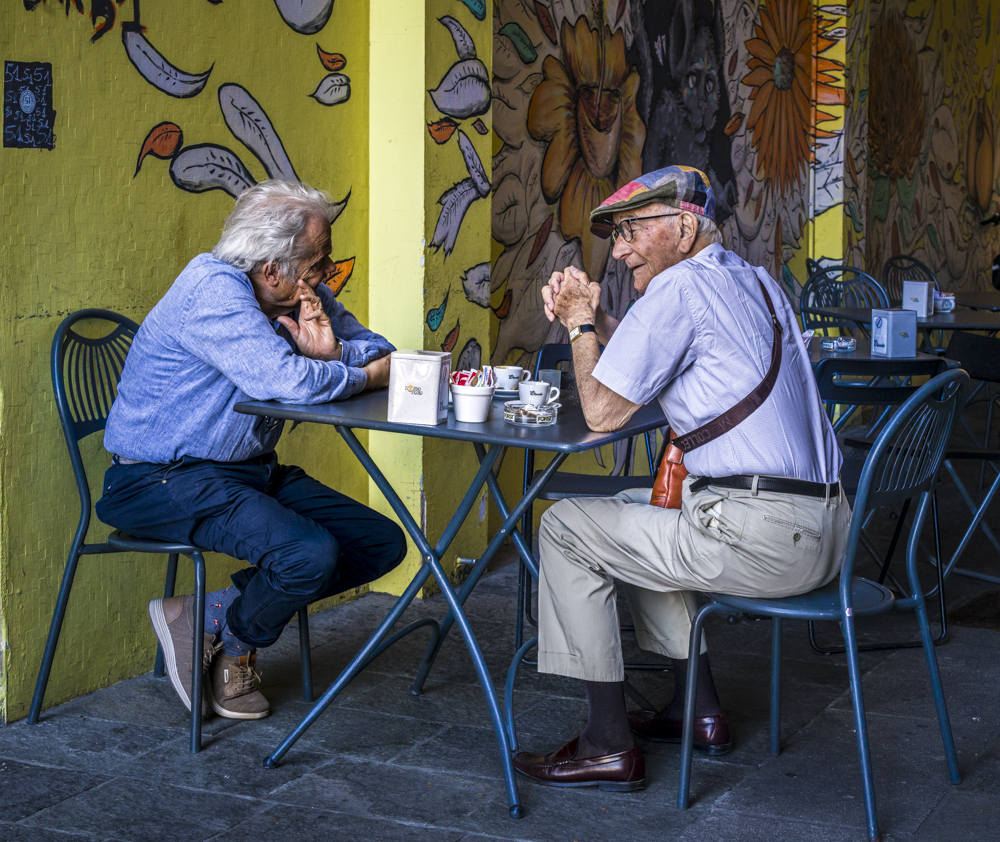
Because of its history in arts, music, literature and huge historical libraries Parma has many antique book collectors and sellers. This one is a professor at the University here and also has a store where he curates and deals in antique books with art and etching in them. I took this image through the shop's window as he leafed through some books looking for a particular piece of art. I like the way this image has some things in common with the type of books and art he studies.
Seabassius wrote:
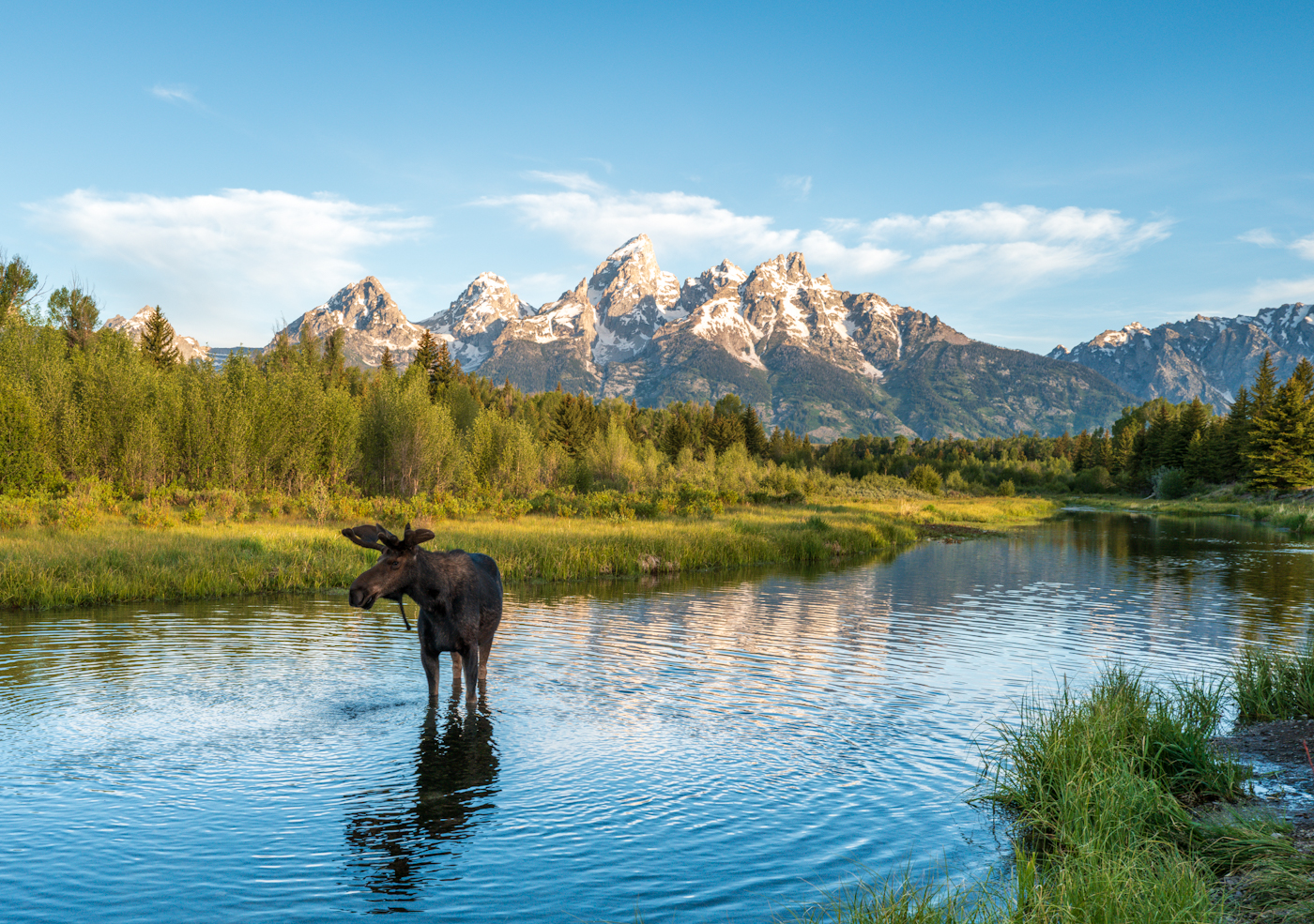
So awesome! How cropped in was this? I know those guys can be a bit persnickety and at 28mm gets a little close for comfort.
I was literally 5 -8 meters away from him. I croppd some trees to the left side of the frame and little bit at the bottom. He sat there for over 2 minutesand didn't mind me at all. When he decided to go, he sprinted off like I was going to make a moose burger out of him. I was amazed at how nonchalant he was.
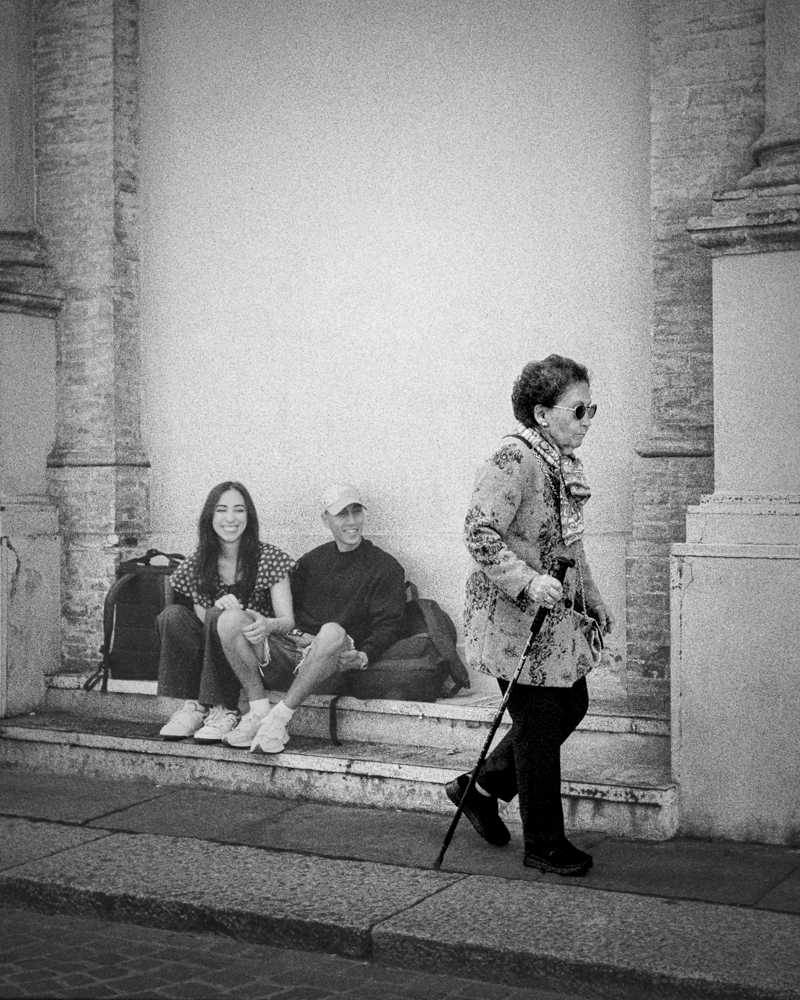
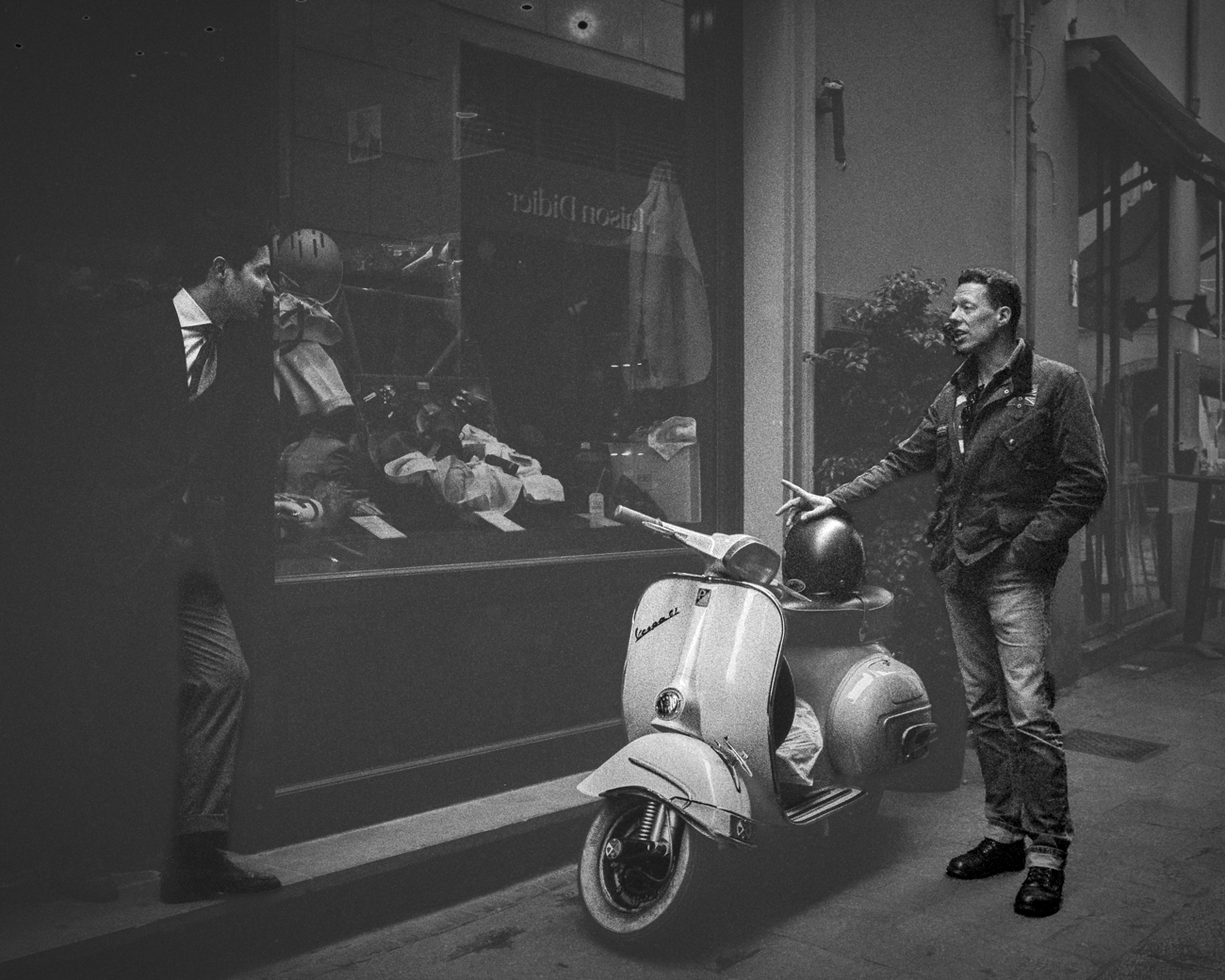
I came across two of my friends visiting outside the men's clothing store owned by one of them. The other one had his beautiful white Vespa. I thought it made a nice scene.
1bwana1 wrote:
I came across two of my friends visiting outside the men's clothing store owned by one of them. The other one had his beautiful white Vespa. I thought it made a nice scene.
Very nice, could be shot in the fifties.
But will all due respect, I'm not crazy about your scans. But I know that scanning B&W is not the easiest thing.
pmeheut wrote:
Very nice, could be shot in the fifties.
But will all due respect, I'm not crazy about your scans. But I know that scanning B&W is not the easiest thing.
Thanks. Probably not the scans, but exposure and processing is not there yet I agree. Just learning film. Plus I am going for a less than perfect retro look for the B&W film part of the project. I am experimenting and still trying to define that look. Otherwise I would just convert an M11 file a get the low grain/noise and all the dynamic range. A more modern and perfect look.
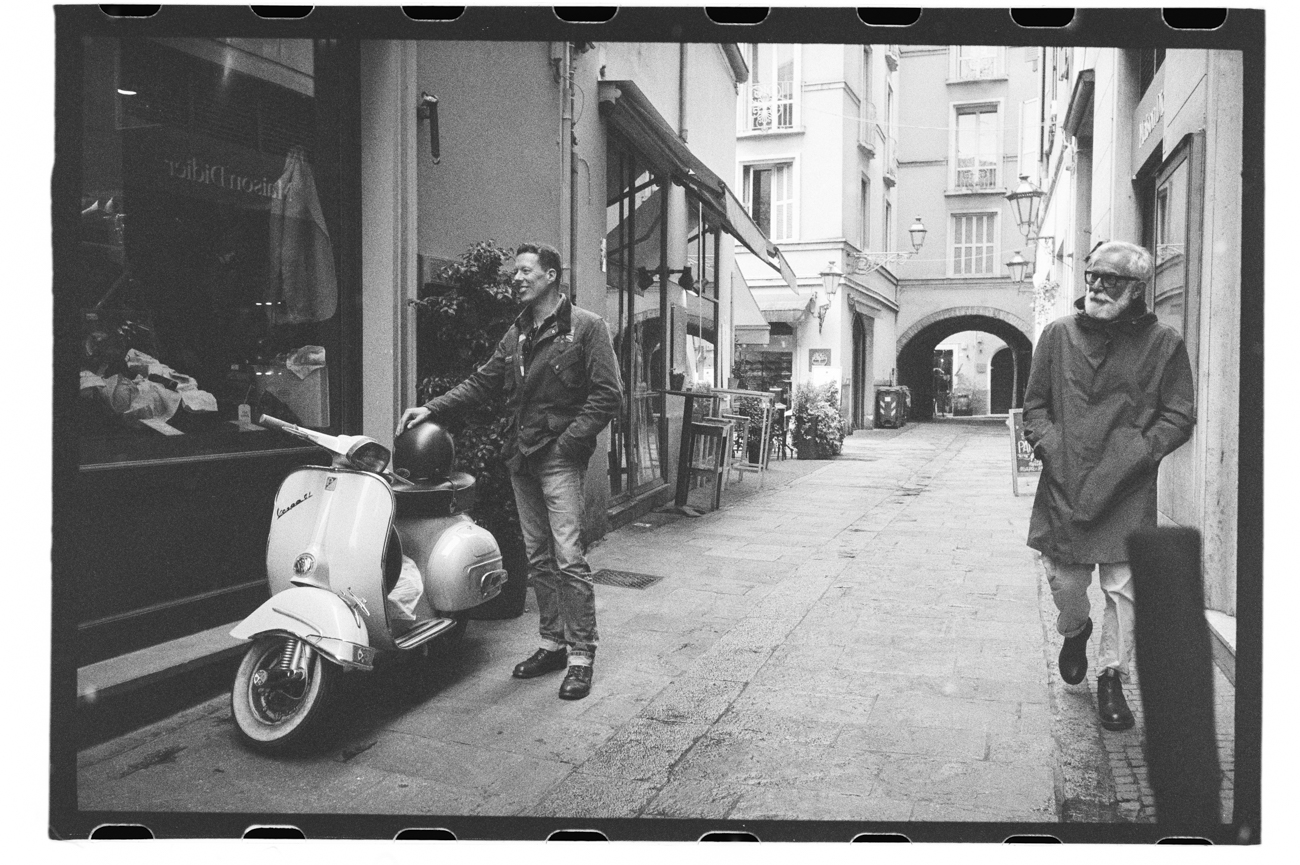
Here is s straight scan with nothing done to it. I got the exposure closer to correct with this one I think. This is a full 60 mpx DNG scan.
1bwana1 wrote:
Here is s straight scan with nothing done to it. I got the exposure closer to correct with this one I think. This is a full 60 mpx DNG scan.
Just a quick note (please don't take this as a personal attack). The unexposed film base needs to appear black in the positive, not dark gray. If the image brightness looks correct with a dark gray border, the film is significantly underexposed. I don't see any black here at all.
Nifty Fifty wrote:
Just a quick note (please don't take this as a personal attack). The unexposed film base needs to appear black in the positive, not dark gray. If the image brightness looks correct with a dark gray border, the film is significantly underexposed. I don't see any black here at all.
I never take corrective suggestions and criticisms as a personal attack. In fact I am grateful for them. I have a lot to learn and appreciate any help I get. Thanks for taking the time.
If I am reading your text correctly the sample scan is underexposed?
1bwana1 wrote:
Thanks. Probably not the scans, but exposure and processing is not there yet I agree. Just learning film. Plus I am going for a less than perfect retro look for the B&W film part of the project. I am experimenting and still trying to define that look. Otherwise I would just convert an M11 file a get the low grain/noise and all the dynamic range. A more modern and perfect look.
Here is s straight scan with nothing done to it. I got the exposure closer to correct with this one I think. This is a full 60 mpx DNG scan....Show more →
High contrast scenes can fool the meter on the M6. It reads the brightest area and underexposes the shadows. Take a reading from both the darkest and the brightest areas and split the difference, It is true you can fix a lot of things in post processing but the goal is a correctly exposed negative that needs little or no adjustment.
1bwana1 wrote:
What I meant was the negative in the sample scan is underexposed?
Oh, I see — yes, then we’re on the same page. In my opinion, the scan shows an underexposed negative. It’s hard to determine the exact degree from a scan, but basically, your digital camera (you used that to scan, right?) always exposes in a way that makes the subject average out to a middle gray; that’s why the overall brightness of the subject looks reasonably correct. But that’s misleading, because it’s being rendered too bright—which you can tell by the fact that black appears as dark gray rather than true black. To see if your negative is exposed correctly, you’d actually need to scan it so that the film base renders as black in the positive. Then, by looking at the brightness of the actual subject, you can tell whether it’s underexposed, overexposed, or correctly exposed. It’s a relatively straightforward process with the analog method; I’m not sure exactly how it translates to digital, given the automatic adjustments that are always happening there. It’s also possible that the whole thing would look a bit less dramatic if you simply increased the contrast. That might be enough to lower the shadows down. As I said, it’s difficult to judge based on a digital scan.