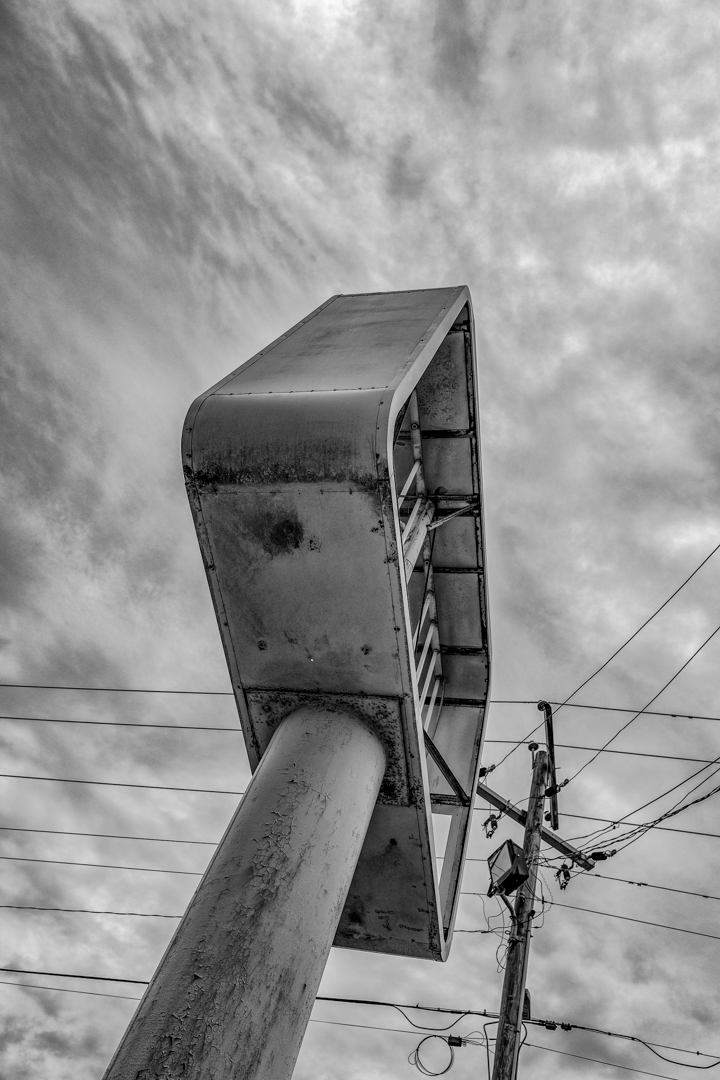
Perhaps VW have observed Leica’s pricing strategy? Imitation is the sincerest form of flattery. Probably a bad idea to put film in the glove box, just in case ….
rsolti13 wrote:
I think the M10M and M11M produce different results….with the M10M having MORE of a medium format type look than the M11M. The M11M feels more like a M11 that does B&W moreso than a different rendering or look to the image. From what I have heard the Q2M and M10M sensors are the same and the Q2M should give that same look.
Forcing one to think in B&W is very real and I think a huge benefit of the monochrom cameras. When I’m out walking around with the M11M, I’m forcing myself to look for certain things, like sharp differences in contrast, etc. Of course you can get something similar shooting an M11 the same way, but without a doubt your mind takes over and sees opportunities you normally would not ...Show more →
Absolutely, yes, I agree, being forced to ‘think’ B&W is a real benefit. I certainly found that when I had the M246, at any rate (and still do with film).
It’s interesting that you say that about the M10M, too. I’ve noticed that some people actually seem to prefer it (I believe that that was the case with the original Monochrom vs. more recent ones, too). Another interesting dimension is the way that the different monochrome cameras render colours a bit differently. There’s a good illustration of this in Jonathan Slack’s article about the M11M. I don’t’ think there’s an objectively right or wrong way to render colours into different shades of grey, however. I appreciate, though, that some people also regard the ability to adjust that when converting from colour to B&W as a reason to use a colour camera to shoot B&W images. But, right now, I just want to resist the idea of repurchasing a Monochrom ….
Andrew CD wrote:
Absolutely, yes, I agree, being forced to ‘think’ B&W is a real benefit. I certainly found that when I had the M246, at any rate (and still do with film).
It’s interesting that you say that about the M10M, too. I’ve noticed that some people actually seem to prefer it (I believe that that was the case with the original Monochrom vs. more recent ones, too). Another interesting dimension is the way that the different monochrome cameras render colours a bit differently. There’s a good illustration of this in Jonathan Slack’s article about the M11M. I don’t’ think there’s an objectively right or wrong way to render colours into different shades of grey, however. I appreciate, though, that some people also regard the ability to adjust that when converting from colour to B&W as a reason to use a colour camera to shoot B&W images. But, right now, I just want to resist the idea of repurchasing a Monochrom …....Show more →
The M11M is definitely flatter than the M10M was, but the M11M just lacks some magic in the images I saw in the M10M. Like I said the M10M had a medium format feel, the M11M does not to me
Andrew CD wrote:
Another interesting dimension is the way that the different monochrome cameras render colours a bit differently. There’s a good illustration of this in Jonathan Slack’s article about the M11M. I don’t’ think there’s an objectively right or wrong way to render colours into different shades of grey, however.
Monochrome sensors have no idea about color. Only tones, which are captured as voltages. Monochrome sensors lack a Bayer Filter which is how color sensors translate tones (voltages) into colors. Monochrome sensors don't render colors at all, and certainly don't translate color into different shades of grey. In fact if you lined up a whole rainbow of colors side by side, if they were are all the same tone, they would be rendered an identical shade of gray by the sensor. Color just doesn't matter. I would think any differences in monochrome sensors would most likely be how tones (voltages) are adjusted contrast wise by the analog to digital processor.
1bwana1 wrote:
Monochrome sensors have no idea about color. Only tones, which are captured as voltages. Monochrome sensors lack a Bayer Filter which is how color sensors translate tones (voltages) into colors. Monochrome sensors don't render colors at all, and certainly don't translate color into different shades of grey. In fact if you lined up a whole rainbow of colors side by side, if they were are all the same tone, they would be rendered an identical shade of gray by the sensor. Color just doesn't matter. I would think any differences in monochrome sensors would most likely be how tones (voltages) are adjusted contrast wise by the analog to digital processor....Show more →
Thanks for replying. I find this an interesting topic, but it strikes me that it’s a bit off-topic for the Leica images thread (my fault for raising it in the first place), so I’ll start a separate thread with some further thoughts later (off out now while the light is still good …. )











 )
)