Crop factors are a bit complicated as the aspect ratio isn't the same, but horizontally the 90 is like a 45 mm on 24x36 and vertically like 40 mm.
Originally my only motivation for getting an MF camera was the shallow-DOF at a distance, but Velvia slide film has made a convert out of me when it comes to colors. So that alone, regardless of the look you can get with 'fast' MF lenses could be a good enough reason to continue with film.
denoir wrote:
They charge 65:- for a 120 film (neg or slide).
Hmm, that's one of the reasons that I've stayed away from color film. Not to mention the cost of the film itself, which often is ridiculous here, as you probably know.
Crop factors are a bit complicated as the aspect ratio isn't the same, but horizontally the 90 is like a 45 mm on 24x36 and vertically like 40 mm.
Yes, I know. I was just refering to the rendering. I really like the 75 mm focal length on 6x7 as it actually feels wider than 35 mm on 24x36, just because it's a tad taller. I find it much easier to compose with that aspect ratio as well.
But unfortunately the 75/4.5 is a bit hard to focus and it makes the viewfinder dim.
Originally my only motivation for getting an MF camera was the shallow-DOF at a distance, but Velvia slide film has made a convert out of me when it comes to colors. So that alone, regardless of the look you can get with 'fast' MF lenses could be a good enough reason to continue with film.
I agree; there's a certain look of color film (especially slides) that is very hard to replicate with digital cameras. But I think I'll pass on the color, at least until the snow is gone.
I've been thinking of getting the 165/2.8 also, because I suspect it can be very, very nice for short DOF at larger distances.
Makten wrote:
Hmm, that's one of the reasons that I've stayed away from color film. Not to mention the cost of the film itself, which often is ridiculous here, as you probably know.
Yeah, it's not cheap per image. Plus I'm paying a sort of 'idiot tax'. I'm still so used to digital that I usually mindlessly take 2-3 crap random snaps. With digital, it's sort of a warm-up procedure for me to get into the right mindset, but with film it's just stupid. It doesn't help that I enjoy hearing the "ka-chunk!" of the shutter and the mirror so much. I really need to work on my discipline there.
Crop factors are a bit complicated as the aspect ratio isn't the same, but horizontally the 90 is like a 45 mm on 24x36 and vertically like 40 mm.
Yes, I know. I was just refering to the rendering. I really like the 75 mm focal length on 6x7 as it actually feels wider than 35 mm on 24x36, just because it's a tad taller. I find it much easier to compose with that aspect ratio as well.
But unfortunately the 75/4.5 is a bit hard to focus and it makes the viewfinder dim.
I've been thinking of getting the 165/2.8 also, because I suspect it can be very, very nice for short DOF at larger distances.
Yes, that does look like a very interesting lens. I saw that Schönherrs have one for sale. I think however I'm going to keep the system simple for now and work with one lens. If I with time see that film is a serious alternative for me.. well, then I'll start a lens collection.
Morfeus wrote:
Thank you. The V700 seems to be pretty much the standard scanner for MF.
Did you apply any smooting or noise reduction to the first image above in PP?
Heinz, no. I did some cloning out of dust, added sharpening and tweaked the colors somewhat. Scanner software seems to have a pretty large impact. I have Epson's own "EPSON Scan" and Silverfast but although the latter is more advanced I keep getting better results with the Epson software.
Thank you, Luka. I am struggeling a bit with the different programs available for my Reflecta 35mm scanner and realized that PP workflow is completely different on film scans than on digital negatives. Therefore I asked. Maybe we should open a scanning/PP thread here in the alt forum
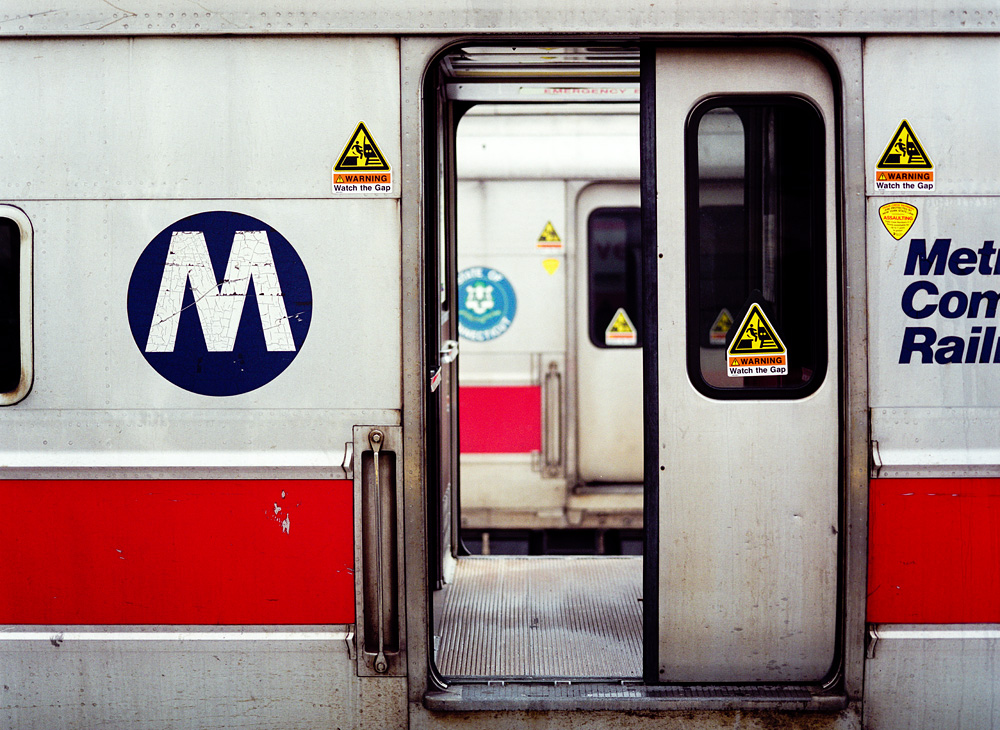
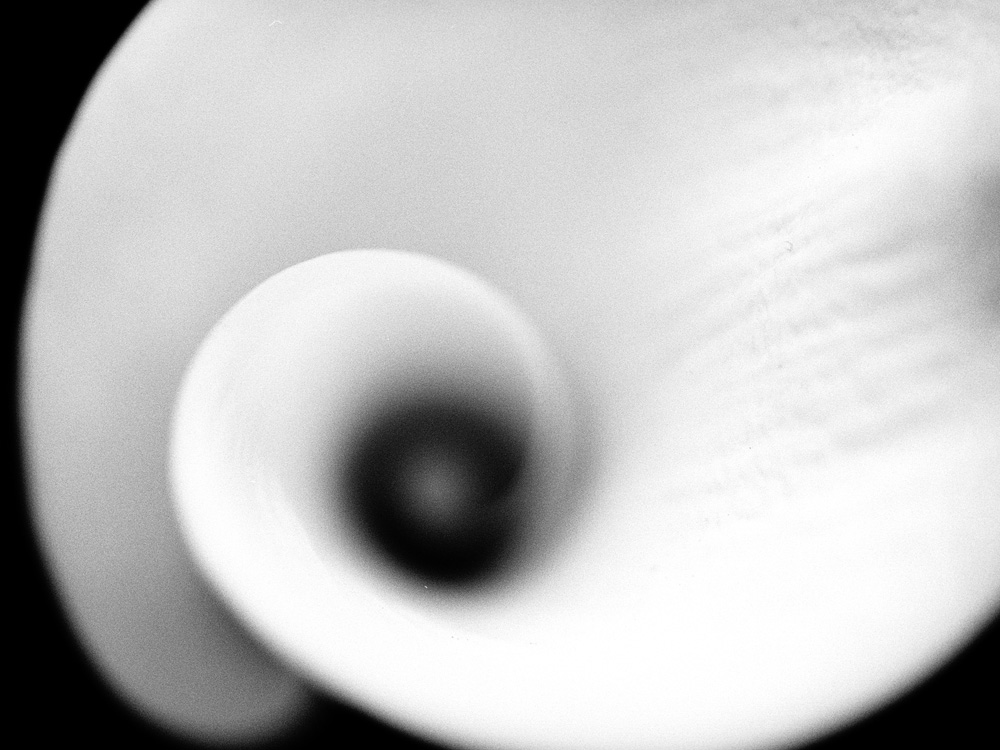
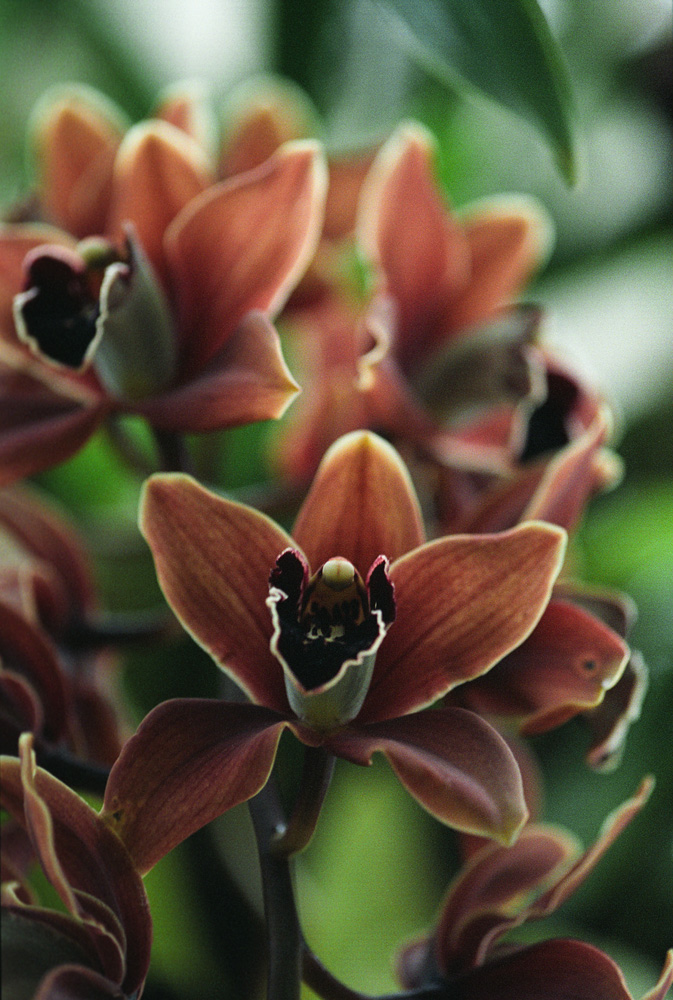
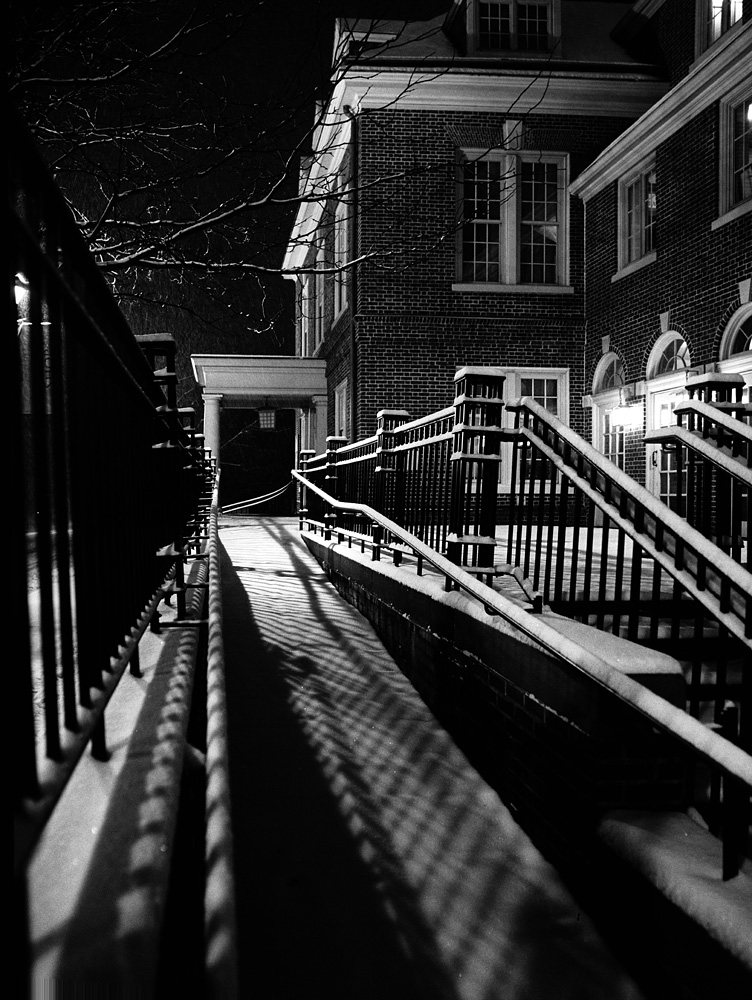
Pentax 67II, first two with 75/4.5 and the last one with 105/2.4...
They are all from the same film, but the middle one is PP:d very hard to get a dark sky, so that's why it's very much grainier. This was Ilford HP5+ @ 320, which was a bad choice. The scanner has so much DR that I had to strech the flat files very much, and thus grain actually gets worse than if I expose at 800 and develop longer!
The only thing that sucks about Fomopan is that they have very inconsistent results. Like Efke I've had the film canisters fall apart in my hands, ruining my unexposed film (thankfully never my exposed film), etc. I've always loved the results from it when it didn't come out as garbage. Of course it's also significantly less grainy with a 300% larger negative.
TWoK wrote:
The only thing that sucks about Fomopan is that they have very inconsistent results. Like Efke I've had the film canisters fall apart in my hands, ruining my unexposed film (thankfully never my exposed film), etc. I've always loved the results from it when it didn't come out as garbage. Of course it's also significantly less grainy with a 300% larger negative.
I see, and that could really explain the mixed opinions. I got two rolls from a member on a swedish forum, and the results from the first one is just as good as with HP5+. Maybe even better in some ways. The base is very flat after drying and I had less problems with dust than usual. The grain goes a bit deeper in the shadows though, so I guess the native ISO is more like 200 or even lower. That means I'm pushing it already at 320.
I don't think I'll buy more Fomapan if it isn't very cheap, which it isn't over here.
Edit: But perhaps the varying results could be because of crappy development? You don't do it yourself, right? I think Fomapan has higher contrast than other film since the speed is "overrated".
Simon Kennedy wrote:
Fantastic as usual Makten... no signs of spring near you?
Thanks! Yes, we've had a few days of melting here now with sunshine and everything. These shots were taken last saturday, when it was still a bit cold. Right now (middle of the night) it's -3C. Not too bad!
I bought some Tmax 400 the other day that I'll try out during the weekend, which should be interesting.
I've developed it myself and had my lab do it. My lab is certainly more consistent with development than I am. Fomopan is dirt cheap in the states, but when you can often find what I would call better films like tri-X or Neopan (my fav) for under $3 a roll then who would reach for Fomopan.
In Japan, fomopan is over $6 a roll while Neopan and Tri-X are both significantly cheaper.


 I really like the 75 mm focal length on 6x7 as it actually feels wider than 35 mm on 24x36, just because it's a tad taller. I find it much easier to compose with that aspect ratio as well.
 I really need to work on my discipline there.