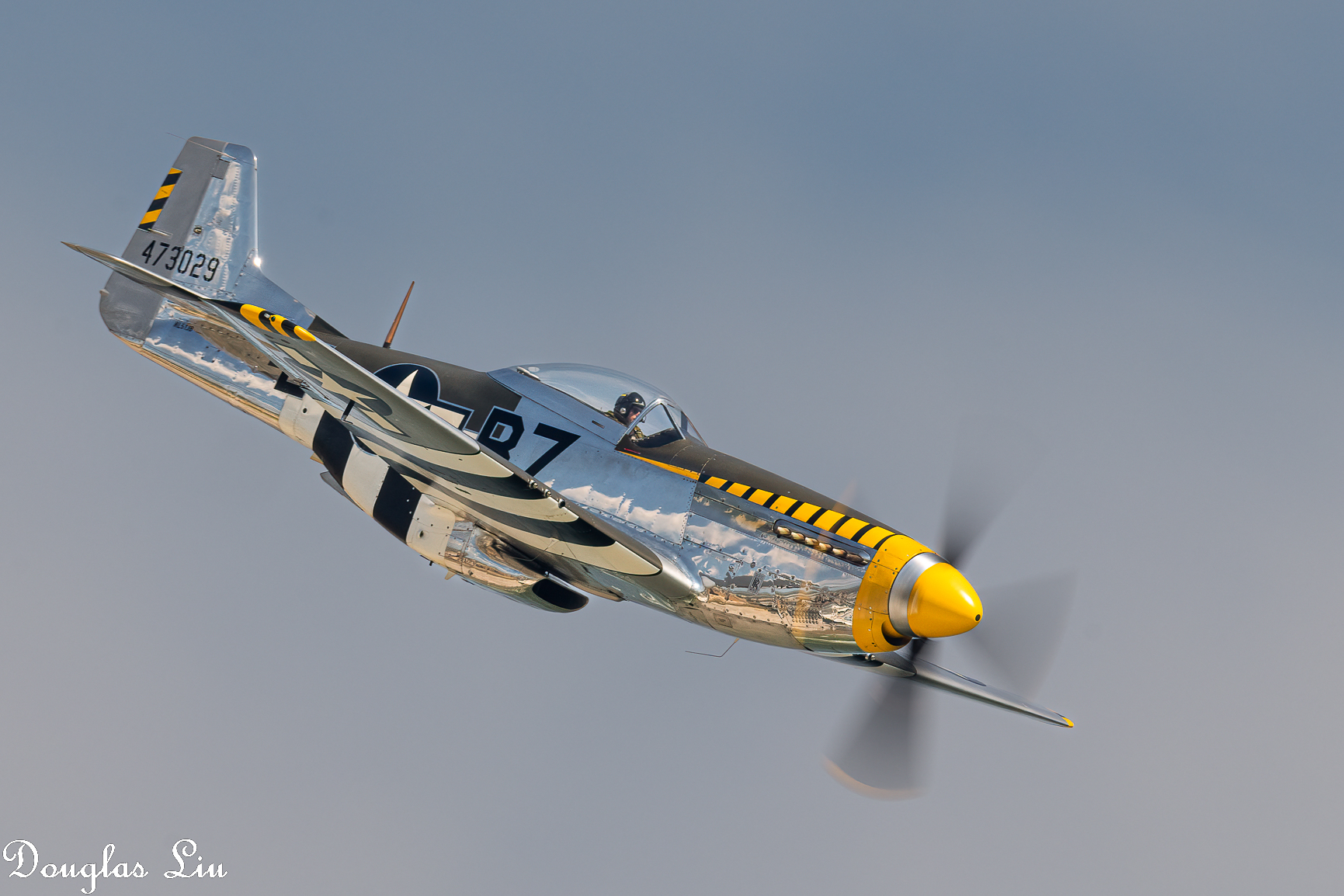
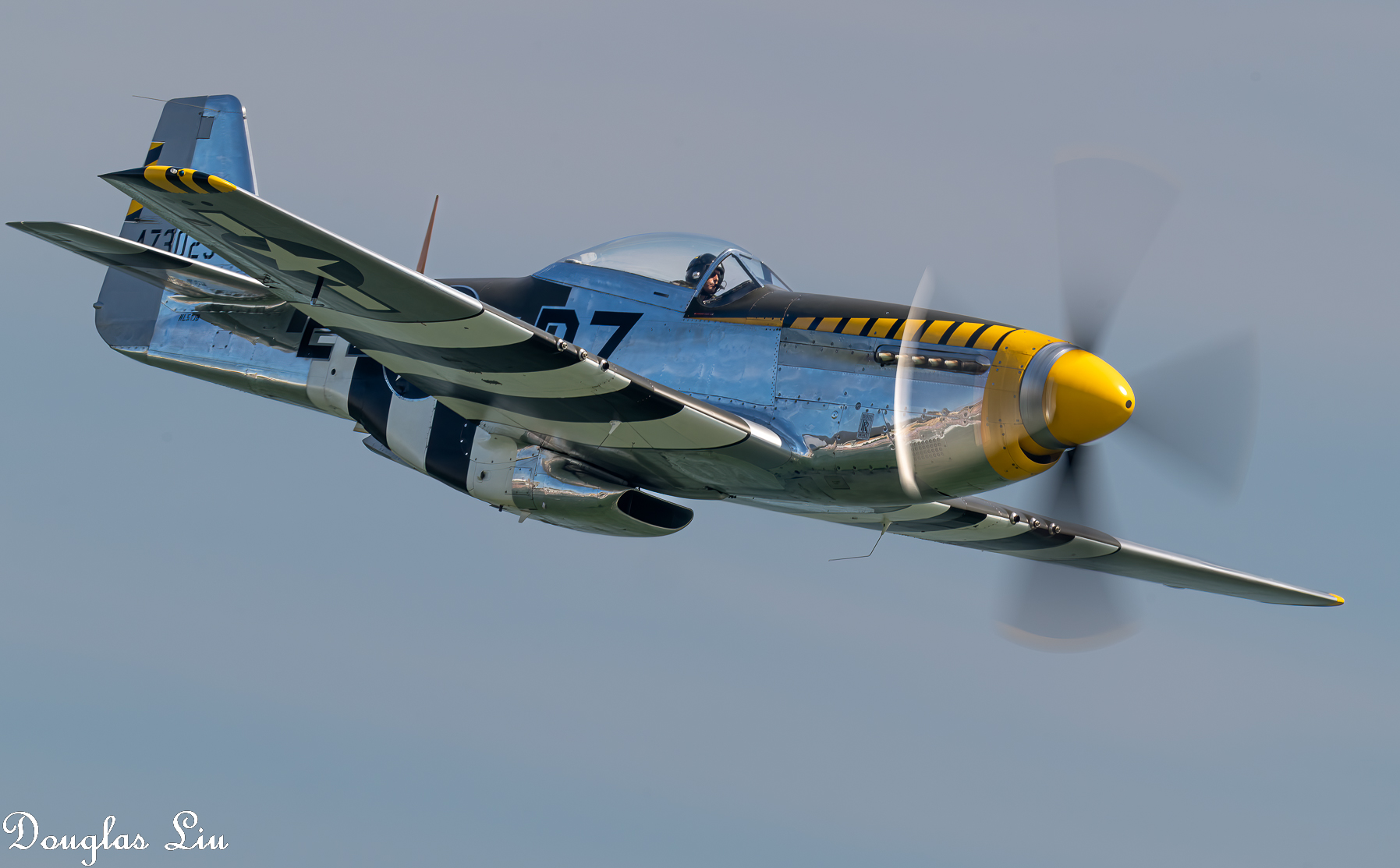
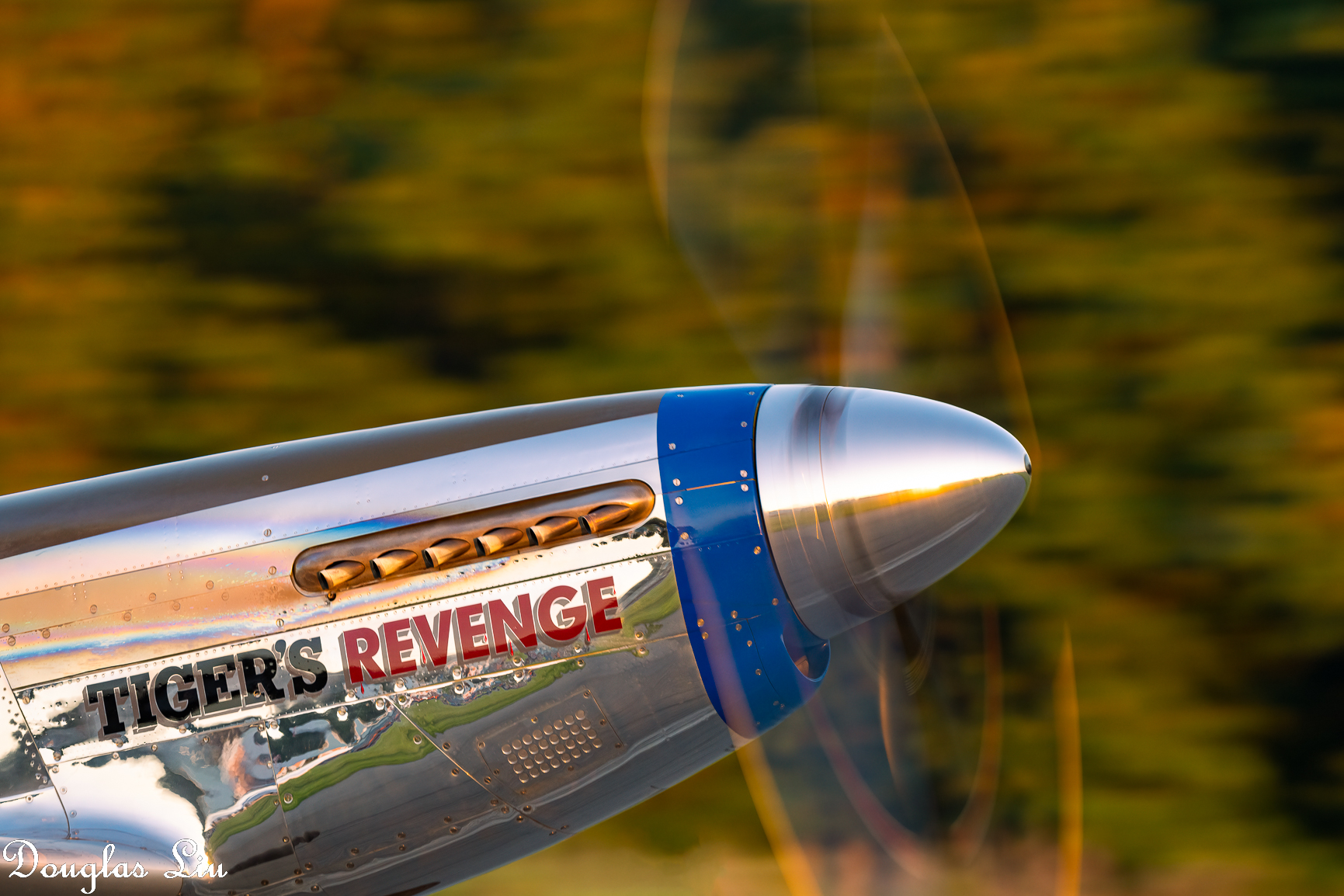
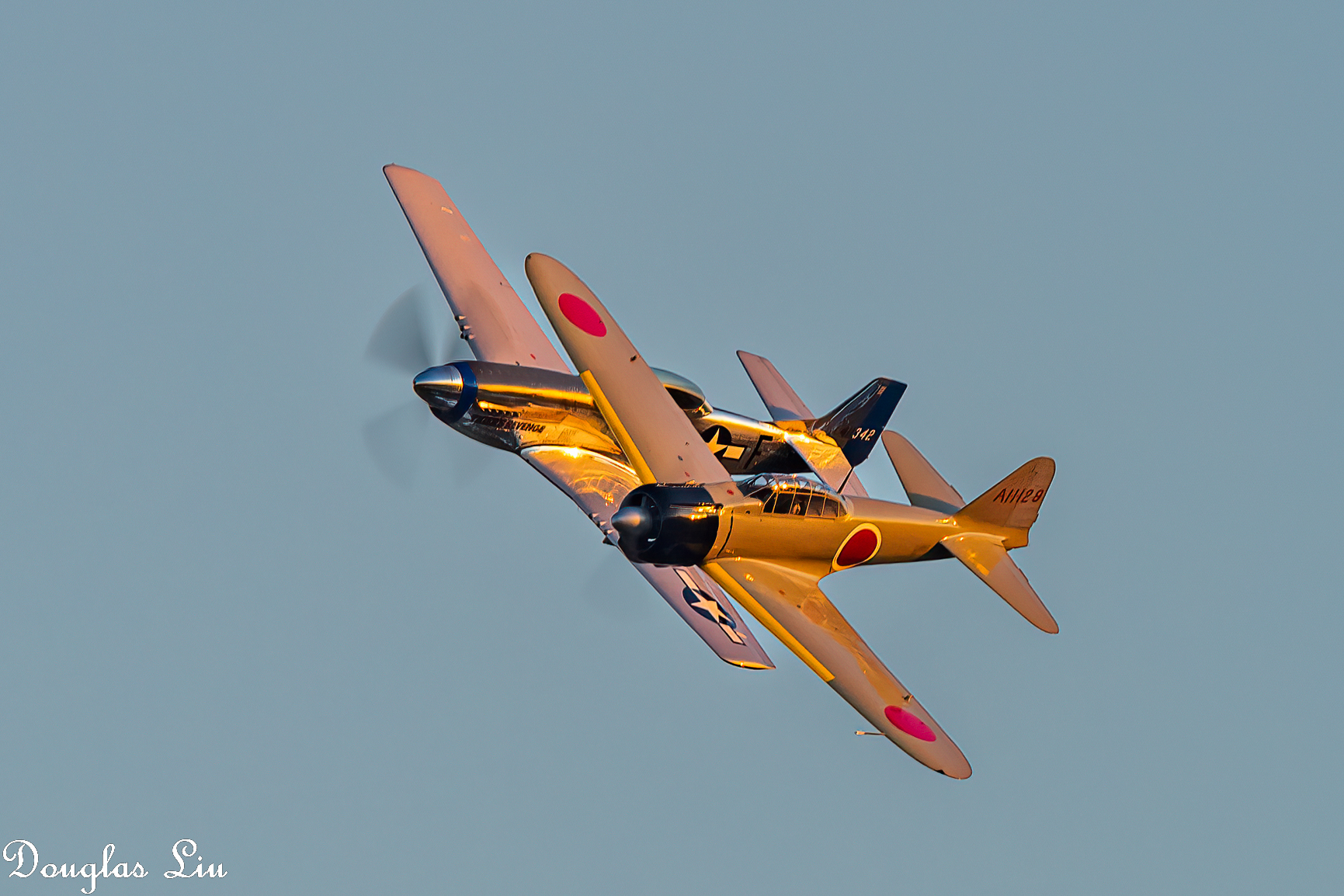
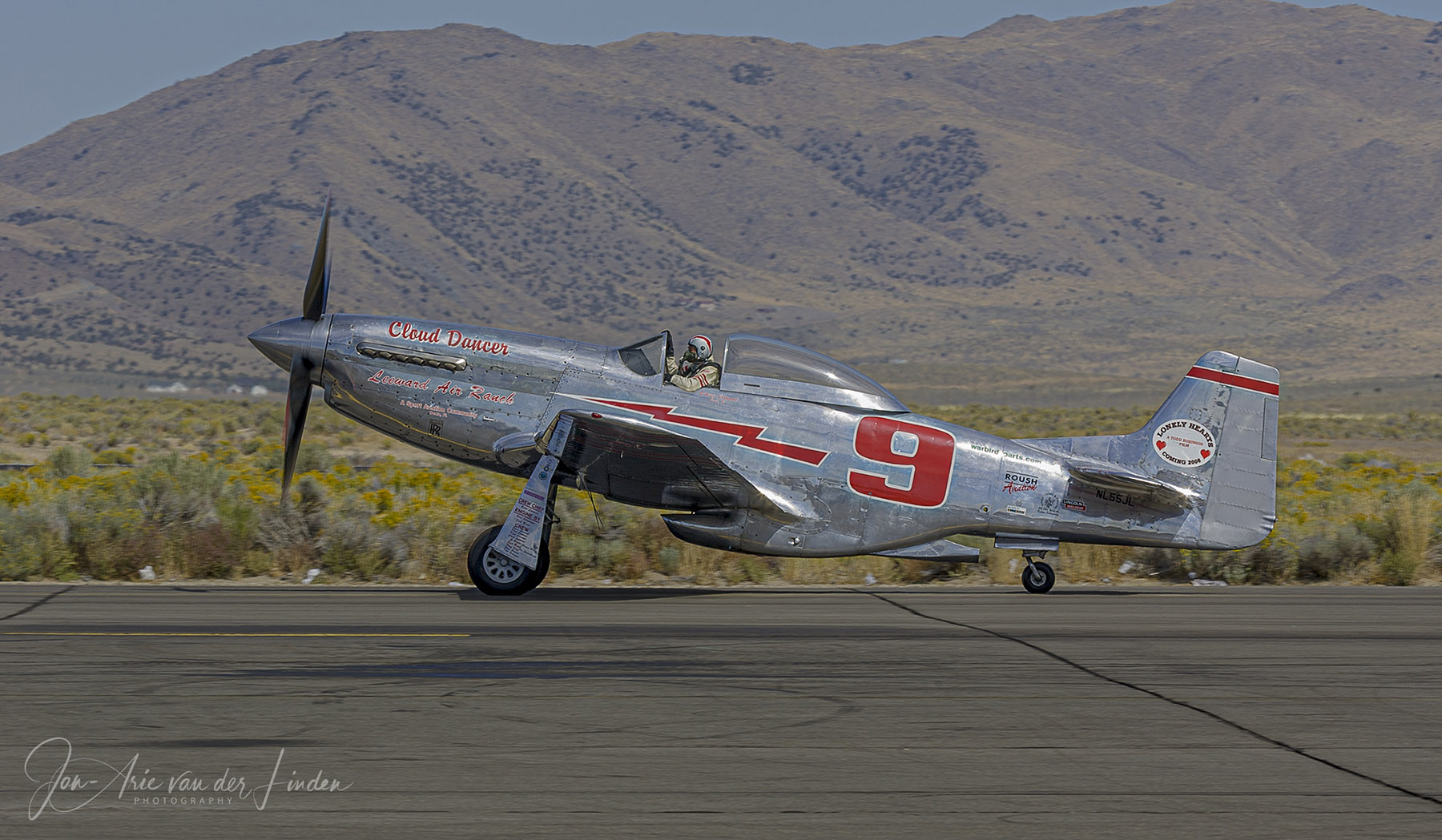
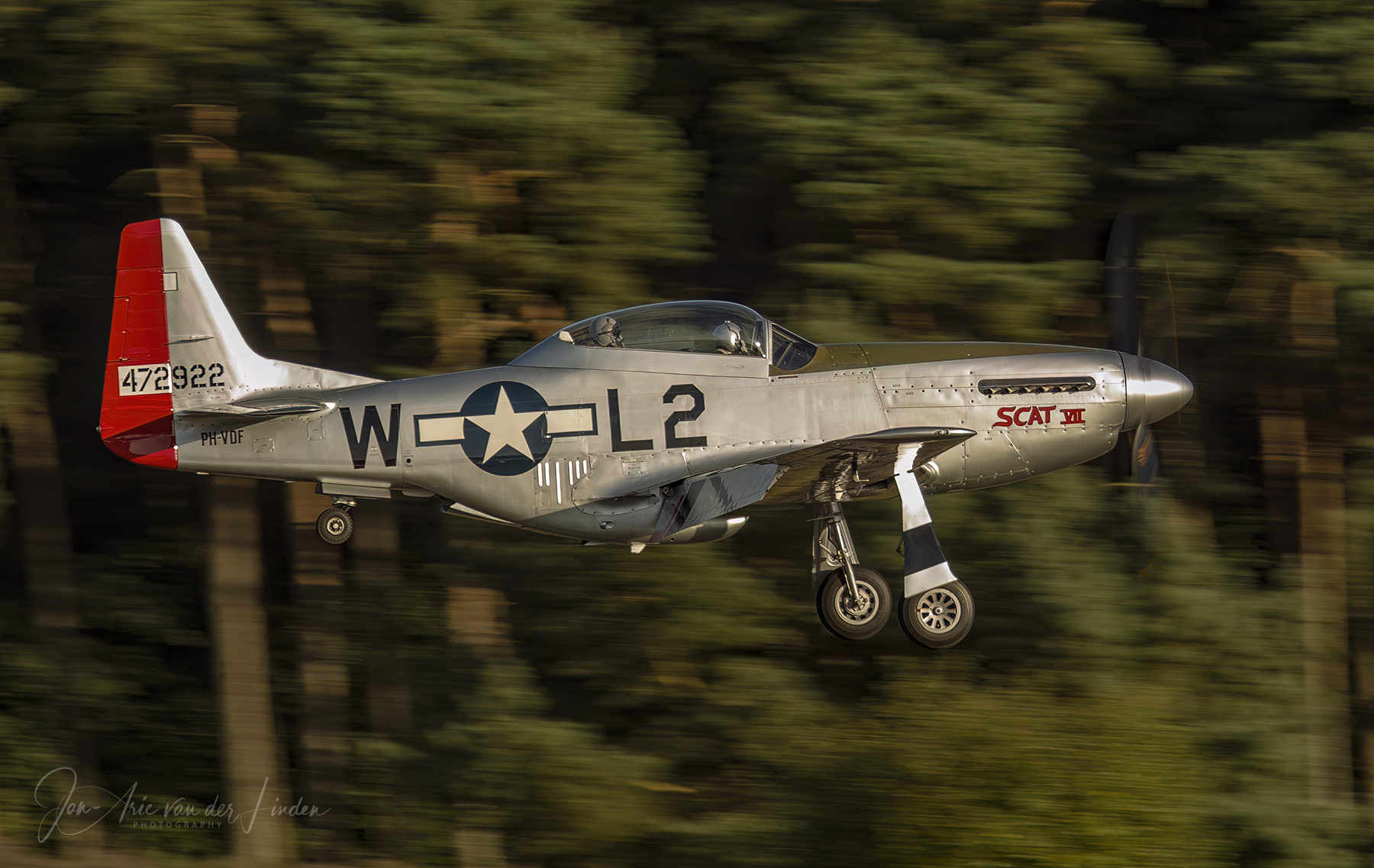
Thank you for your complement on the IR photo, Steve!
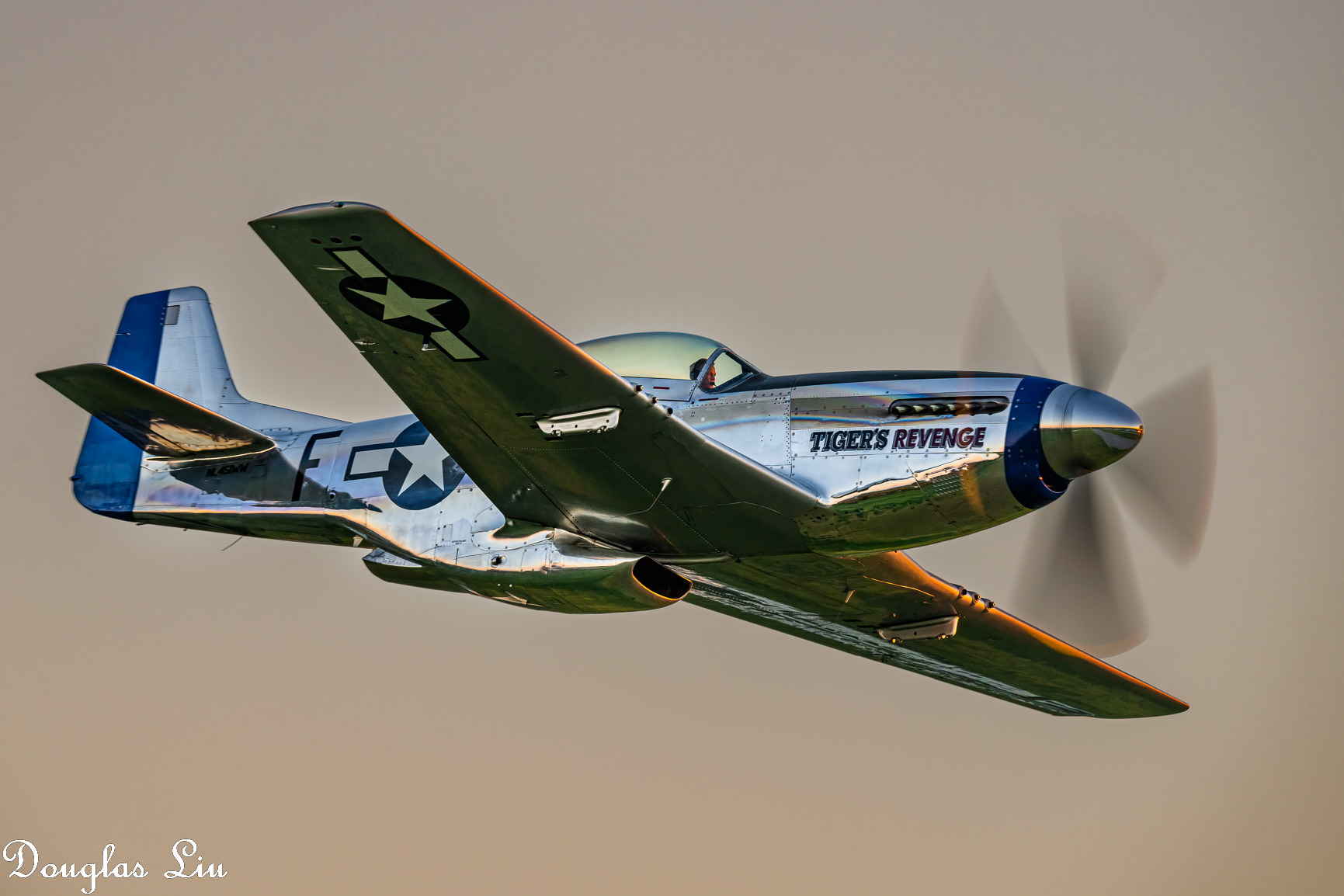
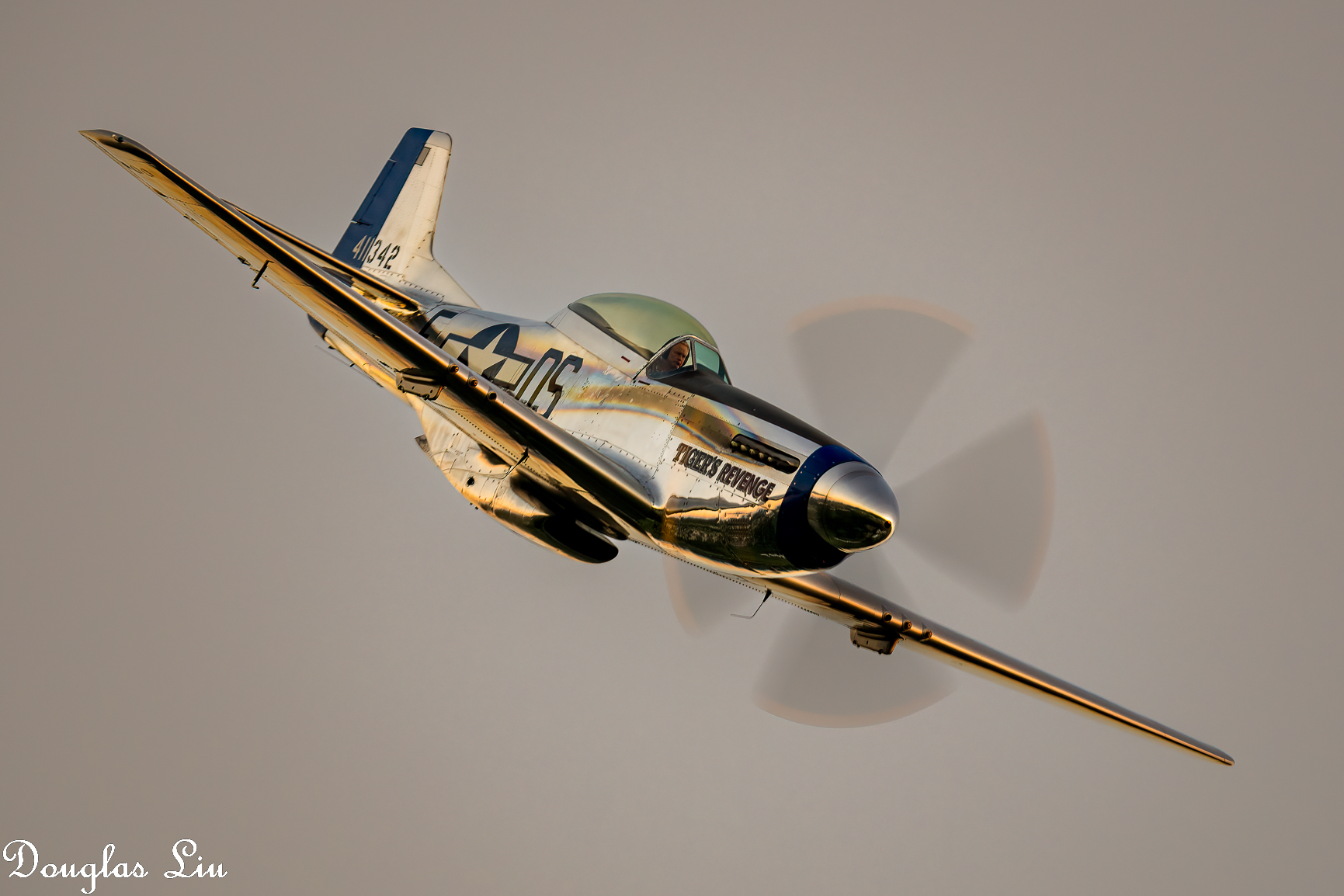
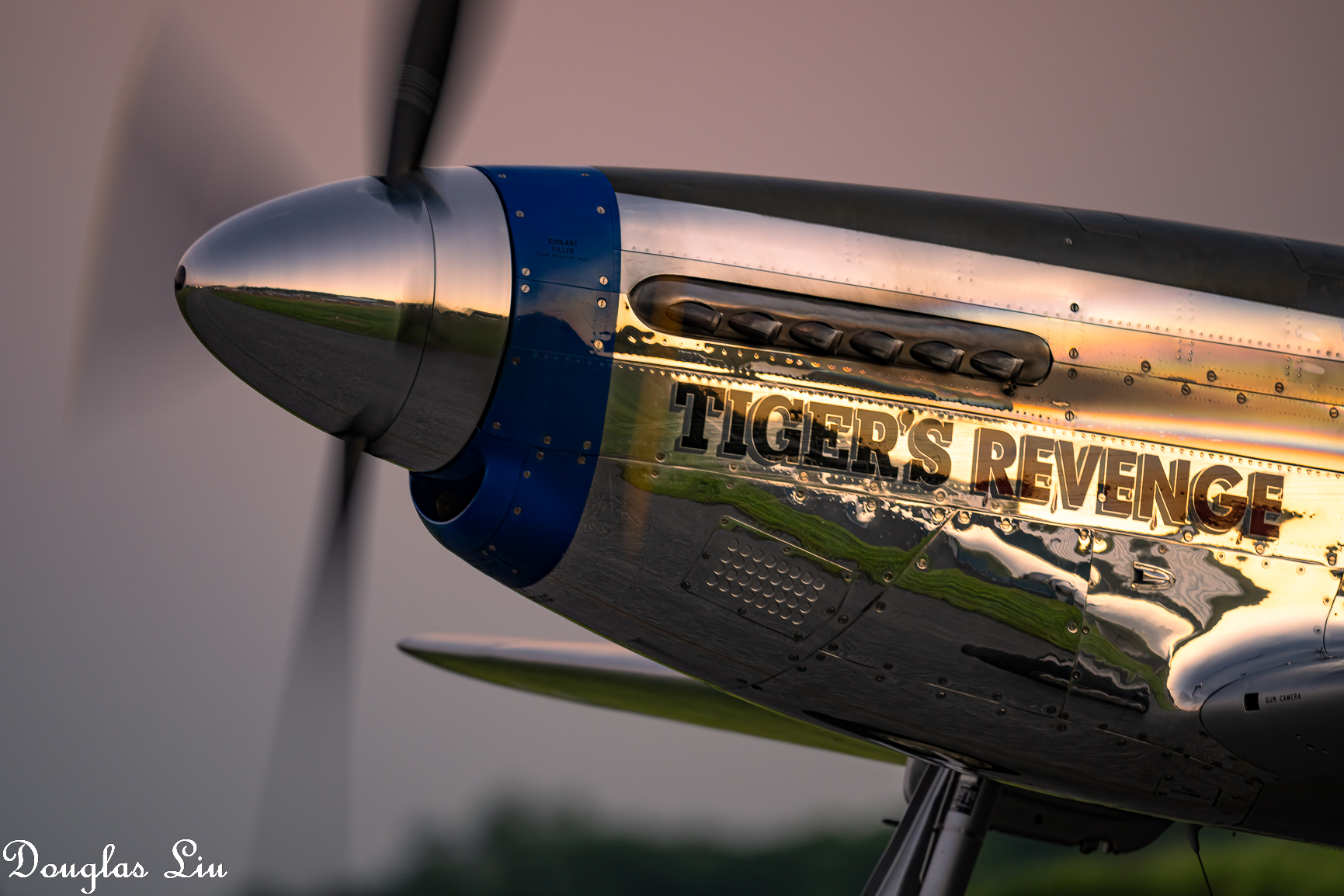
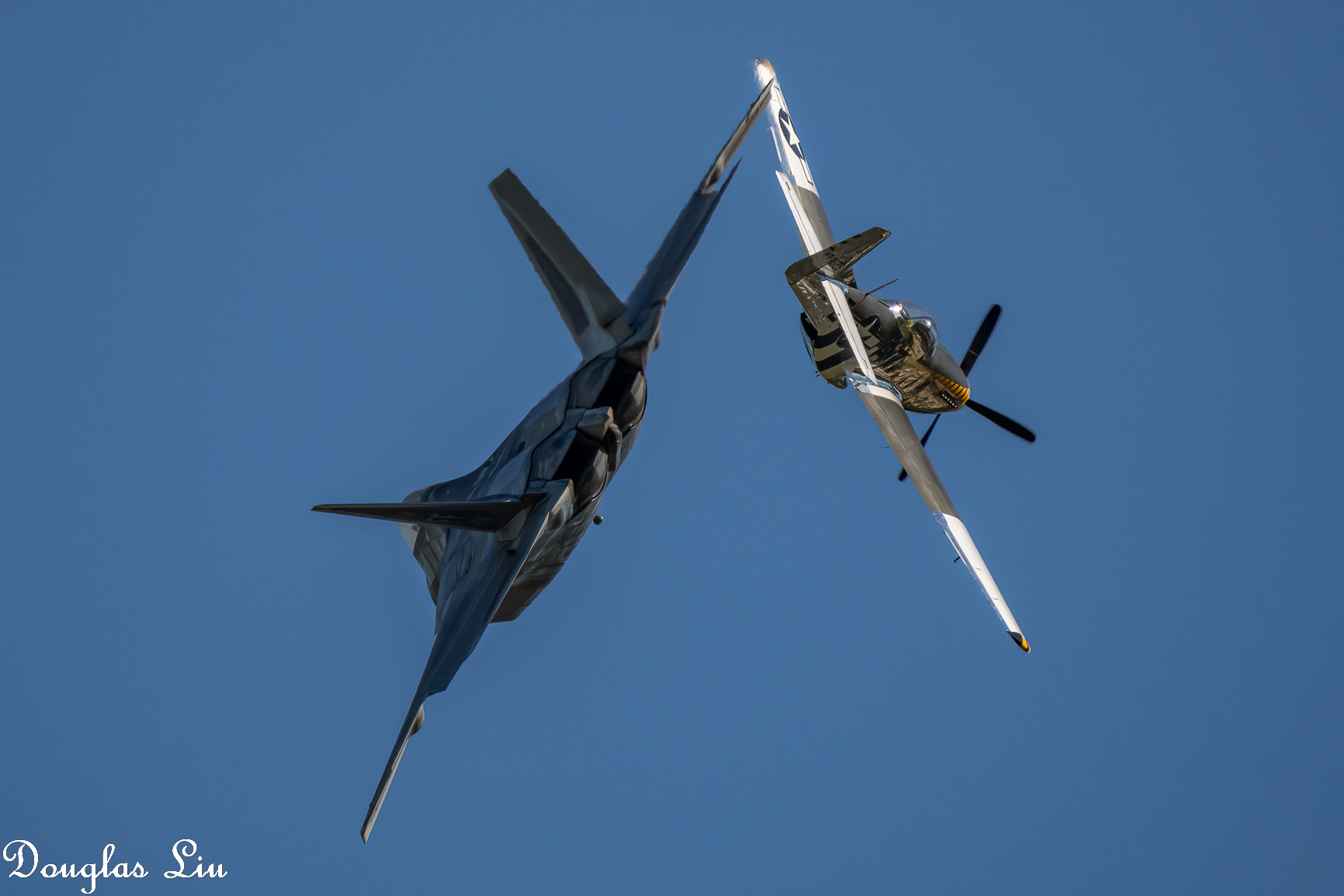
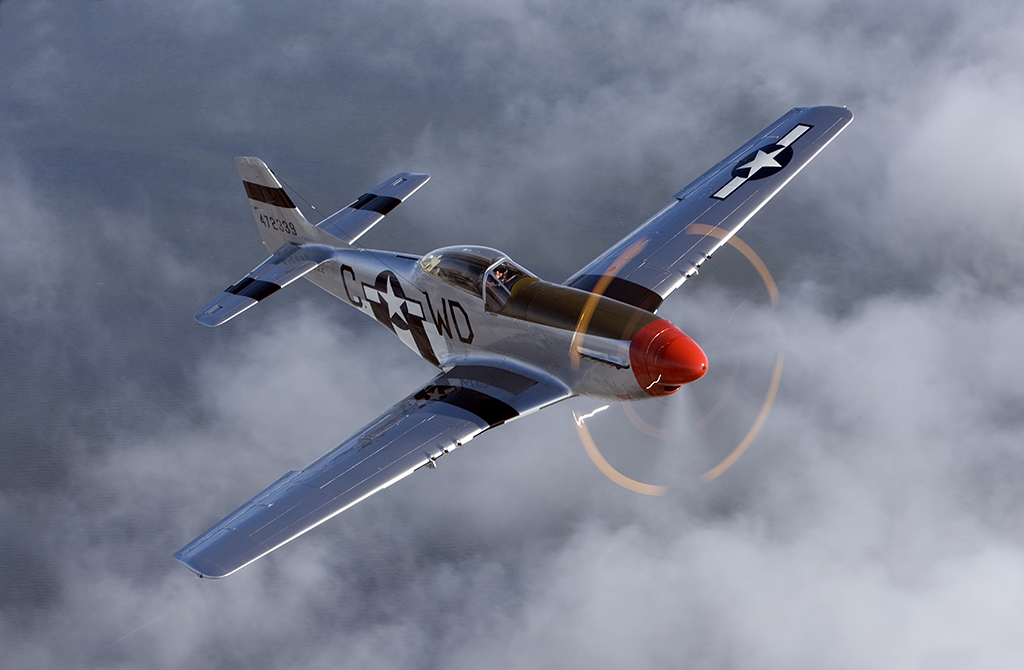
Here are a couple P-51 shots from last year. I believe some of them were posted here before but here they are again. Too bad there are very very few twilight shows withing driving distance from me. I love the light.
JDE1 wrote:
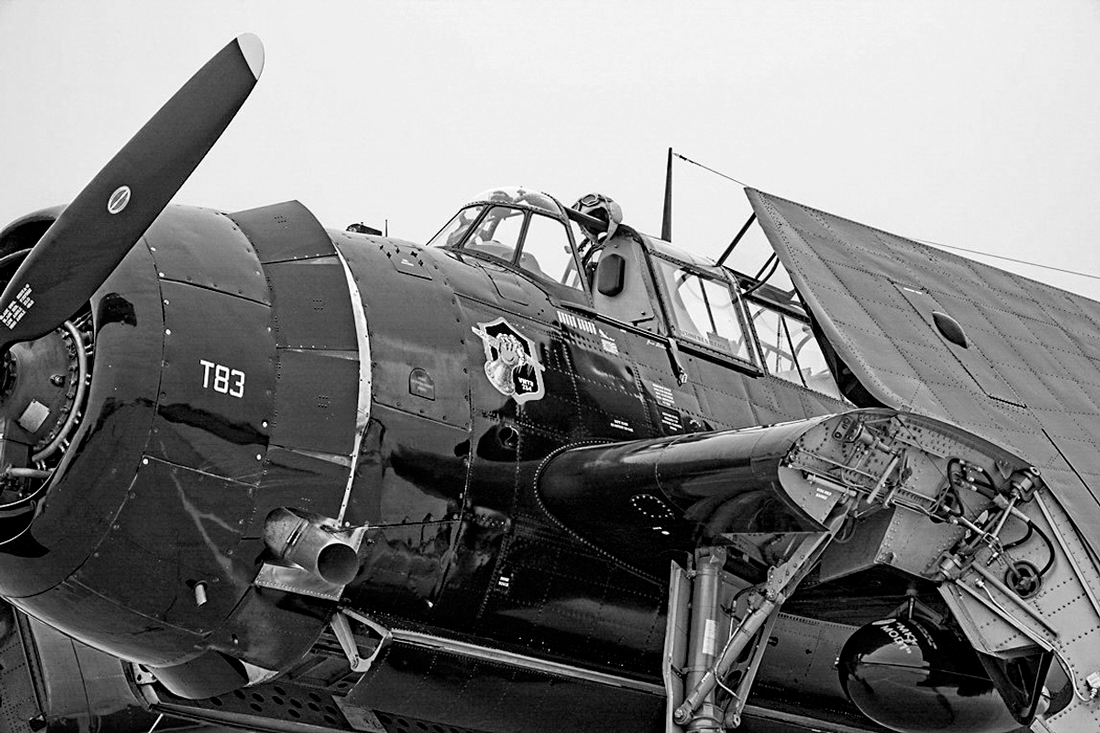
A side trip into the world of black and white.
If I remember correctly, Eugene Smith would hitch rides on carrier Avenger bombing runs to take pictures. He had to remain standing because there wasn't enough room for another seat?
You know, after the past couple of years a great day feels, well, really great. Started out the day with a client meeting in the midst of which the client said, "Jim, we've got some stuff way back in the store room that we have no idea what it is, why we bought it, who bought it, and it looks like it's never been used. You are welcome to it if you can use it. They then led me to the store room and over to the far corner where a pristine hard case stood, stamped on the top was the name "ARRI". Next to the case stood a brand new Matthews C-Stand with several attachments including a Matthews Arm for a roll of seamless. We laid the "ARRI" case down and popped the lid, to my delight it contained $8,000 worth of unused "ARRI" lights with fresnel lenses, barn doors, scrims, light stands and soft boxes. My client looked at me and said, "if you can use any of this you would be doing us a favor getting it out of our way........." We went back to our scouting and planning session which was very exciting on its own, and the day just got better from there. Much to be thankful for, and I am.
JWilsonphoto wrote:
You know, after the past couple of years a great day feels, well, really great. Started out the day with a client meeting in the midst of which the client said, "Jim, we've got some stuff way back in the store room that we have no idea what it is, why we bought it, who bought it, and it looks like it's never been used. You are welcome to it if you can use it. They then led me to the store room and over to the far corner where a pristine hard case stood, stamped on the top was the name "ARRI". Next to the case stood a brand new Matthews C-Stand with several attachments including a Matthews Arm for a roll of seamless. We laid the "ARRI" case down and popped the lid, to my delight it contained $8,000 worth of unused "ARRI" lights with fresnel lenses, barn doors, scrims, light stands and soft boxes. My client looked at me and said, "if you can use any of this you would be doing us a favor getting it out of our way........." We went back to our scouting and planning session which was very exciting on its own, and the day just got better from there. Much to be thankful for, and I am....Show more →
fotoactvst wrote:
If I remember correctly, Eugene Smith would hitch rides on carrier Avenger bombing runs to take pictures. He had to remain standing because there wasn't enough room for another seat?
There certainly wasn't room for a "passenger seat." Its a wonder there was any room for him at all. Info from Wikipedia:
"There were three crew members: pilot, turret gunner and radioman/bombardier/ventral gunner. A single synchronized .30 caliber (7.62 mm) machine gun was mounted in the nose, a .50 caliber (12.7 mm) gun was mounted right next to the turret gunner's head in a rear-facing electrically powered turret, and a single 0.30 caliber (7.62 mm) hand-fired machine gun flexibly-mounted ventrally (under the tail), which was used to defend against enemy fighters attacking from below and to the rear. This gun was fired by the radioman/bombardier while standing up and bending over in the belly of the tail section, though he usually sat on a folding bench facing forward to operate the radio and to sight in bombing runs. Later models of the TBF/TBM omitted the cowl-mount synchronized 0.30 caliber (7.62 mm) gun, and replaced it with twin Browning AN/M2 0.50 caliber (12.7 mm) light-barrel guns, one in each wing outboard of the propeller arc, per pilots' requests for better forward firepower and increased strafing ability. There was only one set of controls on the aircraft, and no direct access to the pilot's position existed from the rest of the aircraft's interior. The radio equipment was massive, especially by today's standards, and filled the length of the well-framed "greenhouse" canopy to the rear of the pilot. The radios were accessible for repair through a "tunnel" along the right hand side."
I think I have a shot showing how cramped the radio compartment was. I'll see if I can dig it up.
Yes! I did a little research on the Arri's this evening, there is a simple, though not inexpensive module that converts them from tungsten to LED. That would make them perfect! I guess for what I'm going to have invested in them I can swing the conversion............
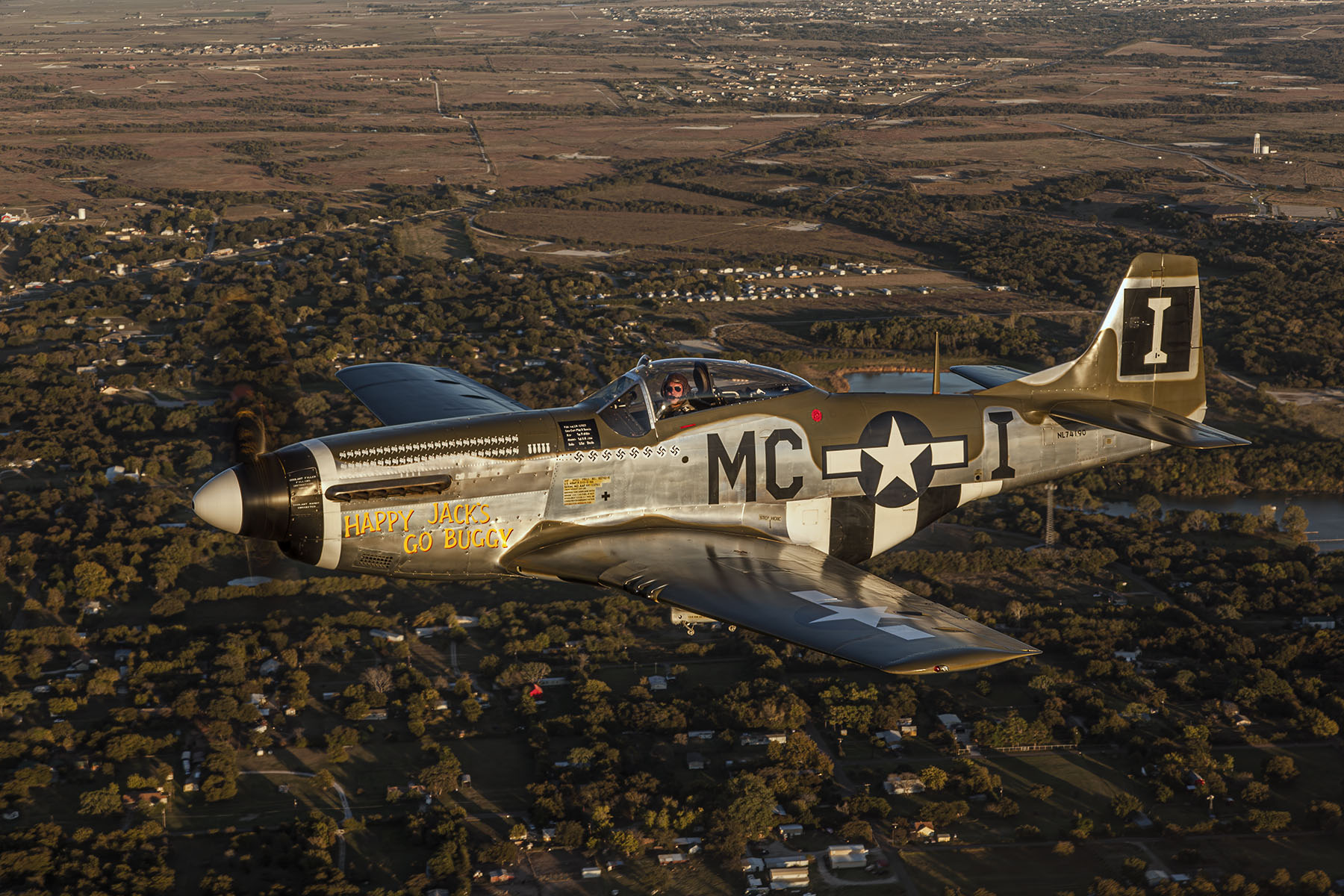
One of my best memories, California Build P51D flown during the war by Texas native
Capt. Jack M Ilfrey,79th Fighter Squadron, 20th Fighter Group, US Eighth Air Force, Kings Cliffe USAAF Station 367, August 1944, and after the war flown by the Guatemala AF where it served as FAG366. Now owned by Bruce Doc Winter former F18 Pilot.
Flown alongside B25J Pacific Prowler now named after Restoration as God and Country.
The B25 flown by our good friend (Jim's) Scott Gunny Perdue former Strike Eagle Pilot and pilot extraordinair.
Even that this is taken thirteen years ago it's still putting a smile on my face, courtesy of Jim Wilson
JDE1 wrote:
There certainly wasn't room for a "passenger seat." Its a wonder there was any room for him at all. Info from Wikipedia:
"There were three crew members: pilot, turret gunner and radioman/bombardier/ventral gunner. A single synchronized .30 caliber (7.62 mm) machine gun was mounted in the nose, a .50 caliber (12.7 mm) gun was mounted right next to the turret gunner's head in a rear-facing electrically powered turret, and a single 0.30 caliber (7.62 mm) hand-fired machine gun flexibly-mounted ventrally (under the tail), which was used to defend against enemy fighters attacking from below and to the rear. This gun was fired by the radioman/bombardier while standing up and bending over in the belly of the tail section, though he usually sat on a folding bench facing forward to operate the radio and to sight in bombing runs. Later models of the TBF/TBM omitted the cowl-mount synchronized 0.30 caliber (7.62 mm) gun, and replaced it with twin Browning AN/M2 0.50 caliber (12.7 mm) light-barrel guns, one in each wing outboard of the propeller arc, per pilots' requests for better forward firepower and increased strafing ability. There was only one set of controls on the aircraft, and no direct access to the pilot's position existed from the rest of the aircraft's interior. The radio equipment was massive, especially by today's standards, and filled the length of the well-framed "greenhouse" canopy to the rear of the pilot. The radios were accessible for repair through a "tunnel" along the right hand side."
I think I have a shot showing how cramped the radio compartment was. I'll see if I can dig it up.
The info came from a photography magazine I had read about 30yrs. ago. There was an accompanying image of an Avenger of which I knew nothing, except it looked like so many fighters of WWII. I remember being surprised by the idea of standing inside the plane. But it was trivia in a long article about Gene Smith. The black & white image of the Avenger just triggered that memory. Funny how that happens.