The blotchiness and "noise" you're seeing is mostly physical, not digital. da Vinci decided not to use the traditional fresco techniques where dry-powder pigments are mixed into freshly-laid lime plaster that's still wet (hence the "fresco" name, meaning "fresh" in both Italian and Spanish... fresh plaster), and instead painted this image "dry" onto the wall using oil paints and other materials. Why he did so is not known.
Over the next 522 years, the painting has deteriorated significantly. After the latest restoration effort in the late 90's, the room was hermetically sealed and the air filtered to keep pollution and contamination off the artwork, the light levels in the room were cut down to avoid UV damage to the paint, and the number of concurrent visitors in each batch was reduced. Still, the image quality has been heavily degraded. I'll post a shot that's zoomed in closer in a day or two.
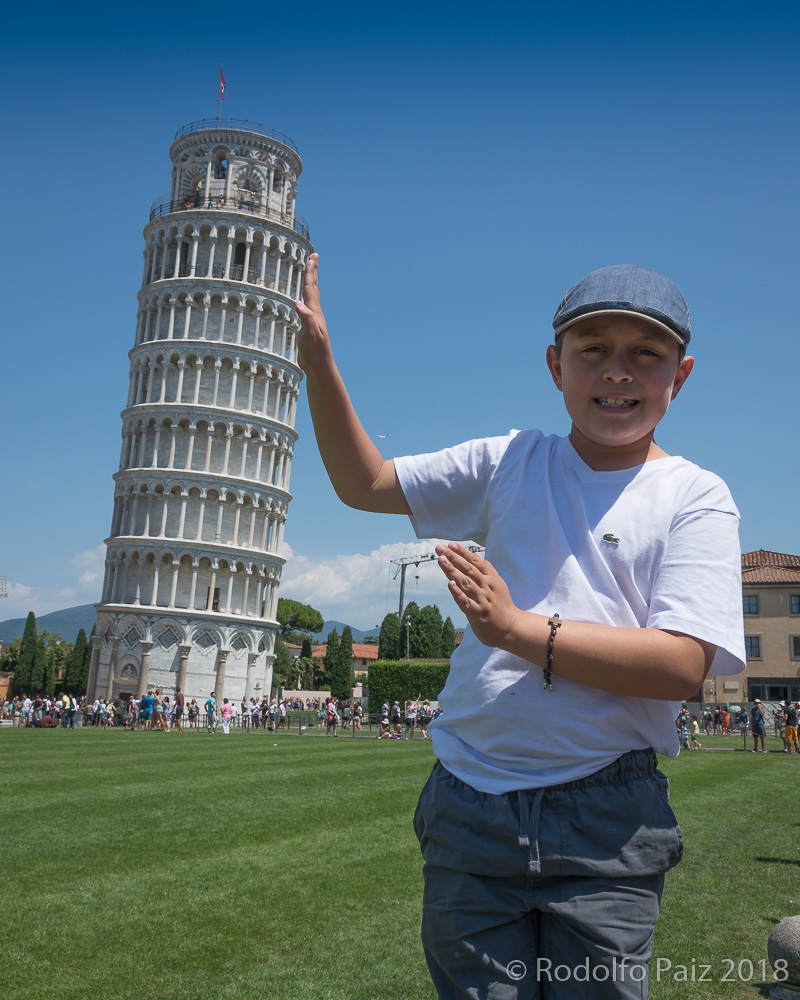
Edit for TOPP: Here's an unrelated, purely touristy image du jour where my nine-year-old son asked to "hold up the tower". How quickly they grow up. By the way, the first cathedral at the Field of Miracles in Pisa was built over 900 years ago.
ELinder wrote:
Rodolfo, can you stack, align, and average the burst shots to get rid of the noise?
Erich
I hadn't seen your message... I was just adding notes to my earlier post, and it's an interesting coincidence that my phrasing sounded like a response to you.
I've never done that, and don't know if it's possible. I can certainly load several of those shots into Photoshop, but I'm not sure whether they'd really align, since camera motion changes both the position of the camera in space and its rotation (the vector along which it's aimed). I would assume that you can get some of the pixels to align, but not all. Still, I'm no expert.
I'll try to research the question, but does anyone with more experience than I around here already know the answer?
Rodolfo is correct, handheld sequences are difficult, if not impossible to align due to slight(or large) variations of perspective. Unless you can steady the camera on a railing or something the chances of having even close to perfect alignment are slim to none.
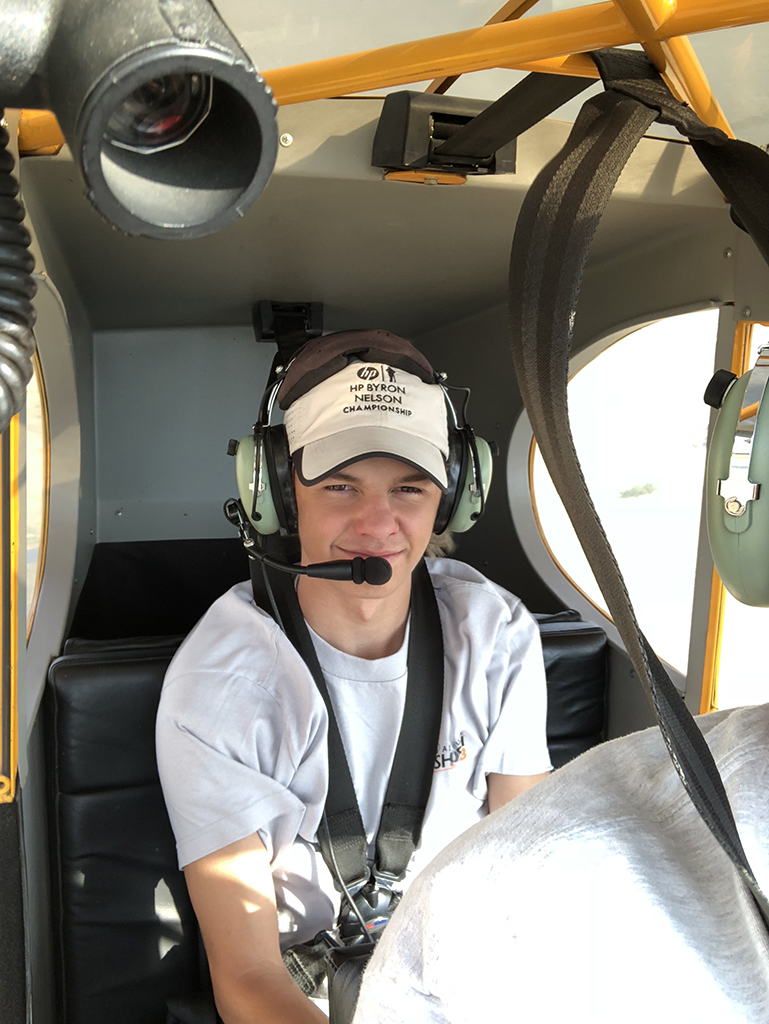
The last two days have been a slice of heaven. Chandler and I started them both with flights of an hour or so each. Tuesday I have him set up with an instructor that I trust, in a Legend Cub identical to mine, for an hour of instruction. He has about 40 hours in my Cub, now I want him to begin actual instruction to solidify what he's learned so far.
Well, it seems that the brain trust cannot help me with my time-lapse questions, so I'm venturing out on my own to figure it all out. I bought a tutorial called LRT a couple of years ago and it has provided answers to some of my questions. Oh well, like Johnny Rutherford told me at Charlie Hillard's memorial service, If you don't creep out to the edge every once in a while and look over, life pretty dull........" Seems like I've established a residence there sometimes............
Thanks! I've got a couple more on their site as well. The one on the main page was shot with a 16mm FE on a D700, I was supposed to have been sitting down on that level, but somehow my reservation got mixed up so I wound up sitting on the balcony level right at the railing, so it was a very happy accident. Also won an honorable mention for that shot.
JDE1 wrote:
Congrats on the use of your work. Always nice when our images get wider exposure.
And the history of the bar was fascinating. Also nice to see something wonderful snatched away from the wrecking ball.
JWilsonphoto wrote:
My gig with The Professional Bull Riders Association is coming up in a couple of weeks and one of the things that I'd like to capture is a 24 hour time-lapse as the convention center transitions from a hockey venue to a rodeo arena. I need to dig in and research the best way to handle it, a still camera or one of my Sony cinema cameras. Anyone here in the brain trust have a recommendation?
This is it, Rodolfo.
Jim, I didn't respond because I was curious to see the answers myself. I've only done this one time before, so certainly no expert. You need to decide how long you want the playback to be and at how many fps. That will tell you how many frames you need. This website has a calculator: http://www.time-science.com/timescience/timelapse.asp#
If you really need to capture a full 24 hours, then at NTSC (30 fps) you would need one frame shot every 24 seconds to create a 2 minute time lapse. That's 3600 frames. I used Quicktime to combine the images into a movie.
Not familiar with how a video camera would create one, so I can't help you there.
The one time I did it was to capture the renovation of our office area over a weekend. I left a Canon 20D mounted on a Magic Arm and powered by an AC adapter. I don't think it's all that great, but here it is: Think of it as a quick and dirty effort, I should have spent a lot more time adjusting exposures.
Thanks Mark! From what I understand, the work begins Wednesday sometime and concludes Friday some point so the project could be up to 72 hours. I'll have access to 110 so that shouldn't be a problem and even if I decided to shoot RAW dual 128 GB sequential cards will hold five or six thousand frames so that should work as well. I'm thinking one of my 1DXII's with the Canon intervalometer is the correct set up. Now I just have to determine frame rate and exposure. I'm assuming exposure should be aperture priority, allowing the shutter speed to compensate at 1/3 increments, focus at manual and leave it there. Conventional wisdom seems to dictate "dragging" the shutter for maximum smoothness. Weebeesee!
Spent a few hours getting familiar with my Ronin S today and I'm pleased with the results do far. Even though the 1DXII is less than half of the Ronin's advertised payload capability, it pushes the limit as far as available adjustments because of it's larger dimensions. Certainly a Sony A7RIII or a GH5s would be a quicker balance and render a lighter workload, but a mirrorless camera like those would have to demonstrate a remarkable advantage before I'd consider adding yet another camera system to this wagon train of technology.
Anyway, it took an hour or so to unbox, begin to understand, and balance the Canon. Once it was balanced and I booted the Ronin S App up and set the parameters, I walked out the back door and shot a test.........
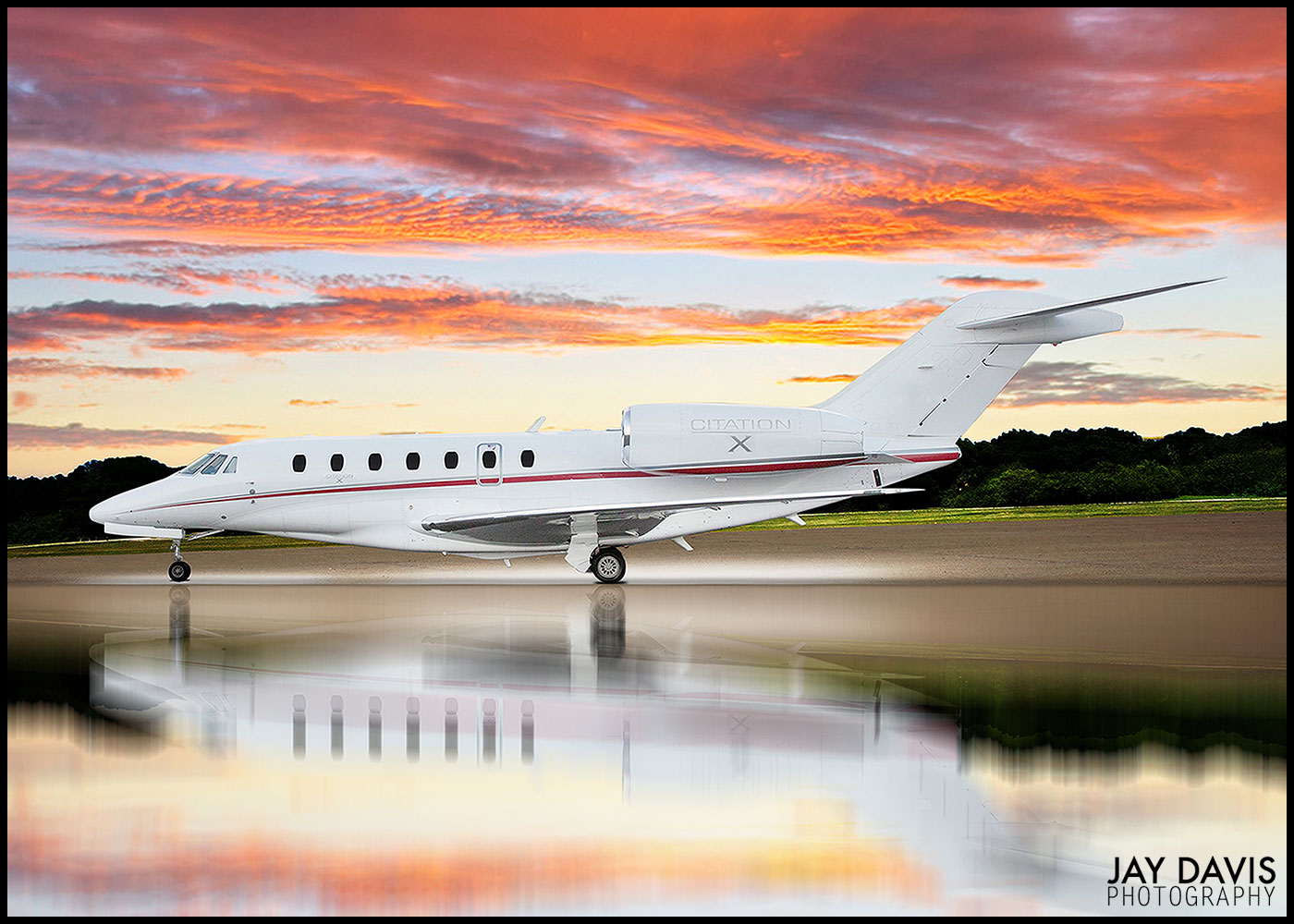
When I went to go photograph this Citation X in Phoenix at sunrise this week, the sun was hidden behind the clouds, so I had to make lemonade out of lemons, since I had a plane to catch around noon that day, back home.
Sure seems weird to photograph a Citation X without winglets, the winglets just "belong" on a X !!
The Citation X has a special place in my heart, this model was the first private jet I ever got to fly in, and man was that a memorable trip. I was the only passenger on board. Awesomeness.
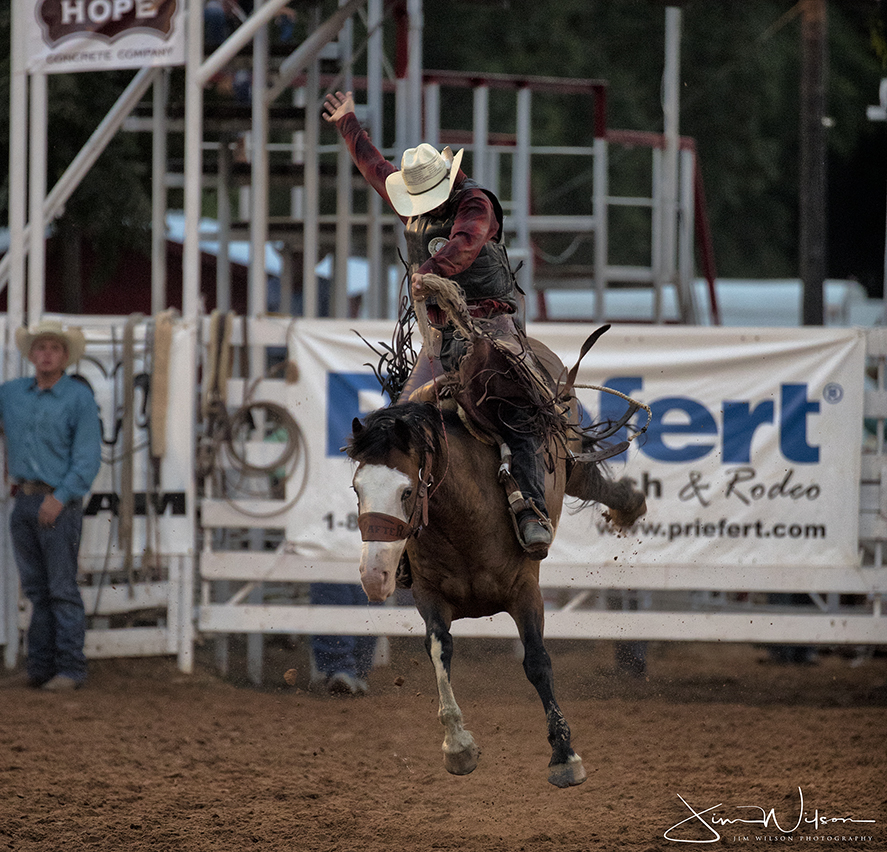
Spent last evening shooting a historic Texas Rodeo in Bonham. Every time I attend a rodeo I am seized by what a wonderful environment it is. One would be hard pressed to find an event that embodies more respect for God, country, and each other, it's always been remarkable, but these days the contrast to our everyday lives is striking. The respect shown by the youth attending and participating was literally like stepping back 50 years, and the adults behaved the same way.
JWilsonphoto wrote:
Spent a few hours getting familiar with my Ronin S today and I'm pleased with the results do far. Even though the 1DXII is less than half of the Ronin's advertised payload capability, it pushes the limit as far as available adjustments because of it's larger dimensions. Certainly a Sony A7RIII or a GH5s would be a quicker balance and render a lighter workload, but a mirrorless camera like those would have to demonstrate a remarkable advantage before I'd consider adding yet another camera system to this wagon train of technology.
Anyway, it took an hour or so to unbox, begin to understand, and balance the Canon. Once it was balanced and I booted the Ronin S App up and set the parameters, I walked out the back door and shot a test............Show more →
Wait, your first flight of a new drone with a 1DXII hanging off it was over a swimming pool? Brave man.
When you get a chance, would love to see a shot of the rig itself.
I'll send you a shot of it when I get back to it this afternoon. You pretty much have to have an Octodrone to lift Red's/Sony FS7's or 1D Series bodies/lenses. That being said, I wouldn't shy away from a maiden flight over water cuz, if it's going down I don't want anything to be salvageable, it all becomes State Farm's at that point and I want nothing to be repairable.
Obviously I'm just beginning to cut my teeth with the "S", but I did a 360 degree pan with it yesterday and it's smooth as silk, at any rate you would like. Not only is it smooth, but it's whisper quiet, with a Rode stereo mike, all you can hear is the leaves in the trees rustling lightly, no gimbal noise whatsoever. It's possible that this, and my Phantom 4 Pro might begin the healing in my love/dislike relationship with DJI.
One thing that is in all the tutorials and I will confirm it, the "S" gets a bit heavy after a few minutes, completely doable, but definitely works on your arms in a hurry. Some time spent with it developing a series of holding and operating grips and techniques is a must, but the product is quality through and through and it will do amazing things once it's understood. The fold out base tripod is a genius addition for a whole bunch of reasons.
Right at the moment the unit allows minimal connectivity with the 1DXII. I'm guessing that will change, but the largest functional connectivity is with the Panasonic GH5/GH5s, and Sony A7RII/III systems. The Panasonic allows rec start/stop and focus via a handy and smooth follow focus well on the "S" grip. I'm sure mirrorless would be a much friendlier system mounted on the "S" for a myriad of reasons, but I'll have to see some serious advantages before jumping into those systems.
I've seen videographers using gimbals while zipping down sidewalks on Segways and hoverboards, and I'm sure the perspectives are great, I'm just not that fond of orthopedic surgeons so I think I'll just have to leave that market to the young guys who heal quicker.
Oh, there are several modes that allow lightening speed following of subjects going by. How much CMOS rolling shutter gets involved would depend upon the camera system used.