That photo was on my sl, so I’m quite sure I was focused on her face, but I can see the CA by the wrist also.
I will try to do a flare test tomorrow.
dumplinknet wrote:
That's adequately sharp for a $368 lens. The bokeh isn't crazy swirly, I'd say this is probably my threshold of swirly-ness before I say absolutely no.
In terms of chromatic aberration, they usually appear right around the point of focus- in the first photo, did you focus on her wrist? Cuz I see the CA on her sleeves, which is a bit odd if you were focusing on the face.
Are you suffering from any flaring issues from a strong source of light- as per a previous user here. ^
stgrove wrote:
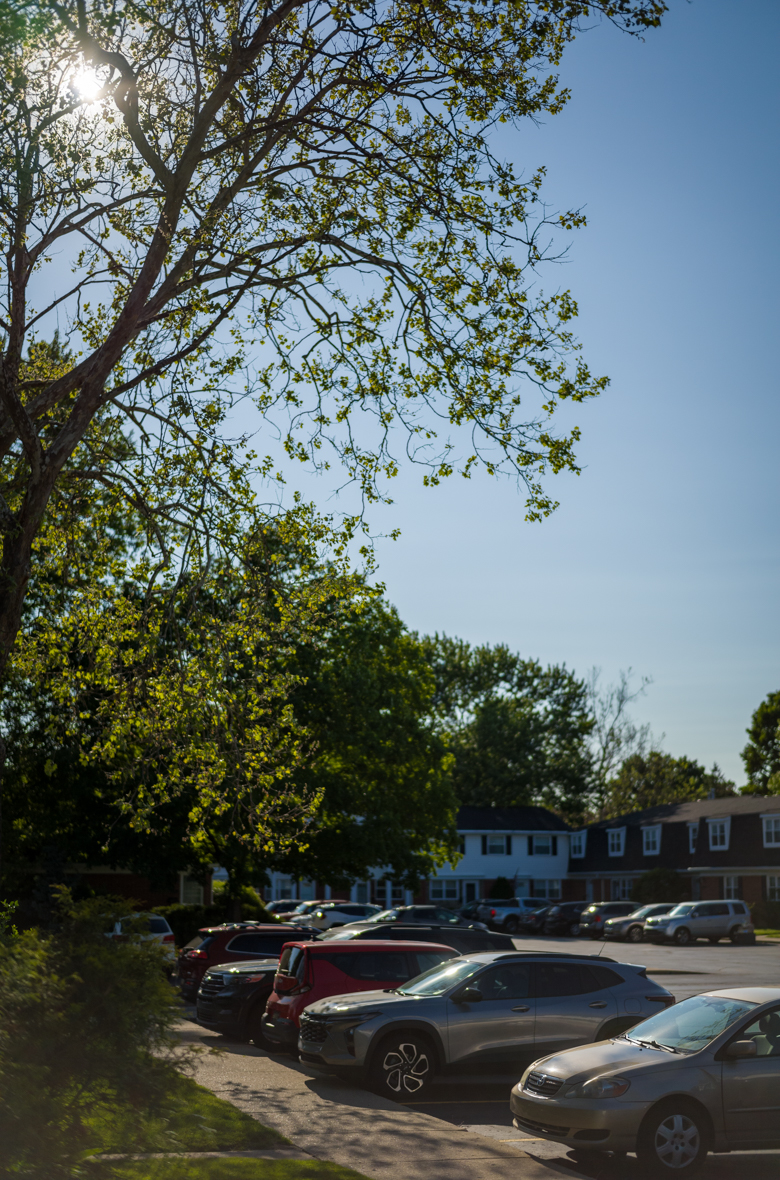
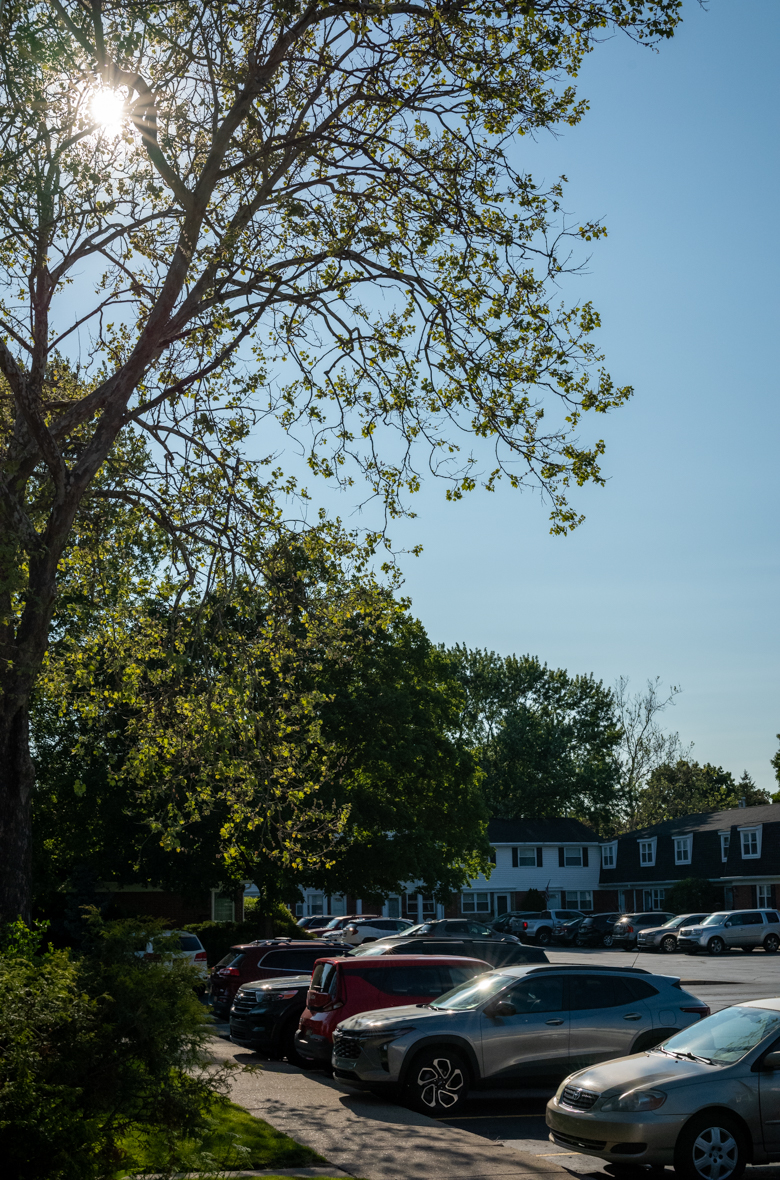
So Mandler 50/1.4 Pre vs. Leica 50/1.4 Pre shot pretty much into the sun. 071 Mandler and 074 Leica
Looks better than my copy! But was the sun directly hitting the lens or was it behind one of the palm fronds? Either way, nice that it more or less matches the Leica version.
I seldom would shoot directly into the sun so I was trying to hide the sun a bit from behind that left tree.
BTW shot on Z5II with Techart 2 adapter. Put green box on left tree. Both wide open.
stgrove wrote:
I seldom would shoot directly into the sun so I was trying to hide the sun a bit from behind that left tree.
BTW shot on Z5II with Techart 2 adapter. Put green box on left tree. Both wide open.
Being that I shoot a lot of sunsets, not shooting into the sun isn't really an option sometimes However, I'm usually at least at f/5.6, which helps some. If you wouldn't mind comparing the Mander and your Leica with direct sun in the frame, both wide open, that would be very instructive. If the Leica has the same fogged veiling flare in that situation, then I can cut Mandler some slack here.
It's odd that it's not simple circular in shape. Stealth aspherical element? (I'm not familiar with the optical configuration and am assuming for the price, it's non-aspherical.) Or maybe an optical defect??
highdesertmesa wrote:
Reply from Mandler below. I don't think this will fix the issue because when wrapping the lens mount tightly with a cloth, it still exhibits the extreme veiling flare. The issue is more likely inadequate anti-reflective matte black coating inside the lens barrel or one or more elements without coatings on one or more sides. The UPS return label they sent me had the customs forms in Chinese, so waiting for them to send them in English – don't think UPS accepts them that way. (Edit: Mandler says I only need the UPS label and not the customs forms, so maybe they submitted them electronically to UPS, IDK).
Thank you for providing these detailed test results and comparisons. Our technical team has reviewed the information.
Their current assessment is that the issue may be related to excessive play between the lens mount and the adapter. The 50mm f/1.4 has a relatively long optical assembly, which may make stray light entering through even a small gap more likely to reach the camera sensor. This could cause the washed-out appearance and reduced contrast seen in your images.
We’d like to replace your lens with another copy whose mount has a slightly tighter fit. The return label has been generated. Please find it attached, print it, and affix it securely to the package. You only need to return the lens; please keep the UV filter and any other accessories. You may contact UPS at 1-800-782-7892 or 1-800-742-5877 to schedule a pickup, or drop off the package at a designated UPS location.
For better protection of the lens, please try to use a carton similar in size to the one we originally sent. The replacement lens is already being prepared and is expected to ship next week. Once your returned lens arrives, we will send it to our technical center for inspection.
We’re sorry for the trouble and appreciate your help in allowing us to investigate this further. We’ll send you the replacement’s tracking details once it has shipped....Show more →
Doesn't look like flare due to light leaking through the lens mount. Besides that usually only shows up during longer exposures when using a ND, for example, and will look different.
Just thinking of the photo Ryan posted earlier of the basketball net, that to me looks like classic veiling flare picked up because of a bright light source just outside the frame. Could even just be the bright sky and doesn't need to be direct sunlight. I've seen similar from more expensive lenses, such as the ZM 50/2 and 50 Lux ASPH, 90AA, etc., in situations you wouldn't really expect it. But the Mandler just looks like it's super susceptible to flare. I agree, not great if you don't like this kind of thing, but considering the MO of this lens, I'd be more apt to chalk it up to inherent characteristics that you have to learn to live with, or use specifically for the effect.
That said, I'm less forgiving of bland, characterless veiling flare that just sucks away all contrast and saturation. Combined with relatively strong LoCA, and I'm skipping this one.
What really blew my mind was seeing this lens compared to the Leica Pre-ASPH, and I've even seen attempts to compare it to the Leica ASPH. At this point, it feels like people are desperately searching for any specific scenario in which it can be mentioned in the same sentence as a Leica lens.
I also don't quite understand the fascination with describing this lens as "reasonably sharp." To me, that's just another way of saying it's "not completely terrible." The same applies to statements that it's "good for the price." Frankly, I don't even want to comment on that because the photographs speak for themselves.
Its only real advantage is the close focusing distance, and that's about it.
As an example, I've attached a few images showing how my lenses handle direct sunlight and high-contrast scenes:
The first two images were taken with the Leica 50mm Summilux ASPH II, without a lens hood.
The next two images were taken with the Zeiss C Sonnar, also without a hood, but fitted with a circular polarizing filter.
The following images show examples of what I consider pleasing sharpness and pleasing out-of-focus rendering (bokeh) for comparison purposes.
In general, this lens is neither similar in color rendition nor in out-of-focus character to the highly distinctive and limited-production Voigtländer Classic Heliar. Nor can it compete with the Zeiss C Sonnar, which renders images in almost the exact opposite way to Leica's modern designs.
And finally, just to completely bury this Leica comparison, there are examples from the Leica itself, which absolutely blows everything else away when used wide open.
One more interesting point: I have no idea what Mandler's engineers did with this lens, or how they managed to "hack" the software, but the old Mandler-designed lens renders rather poorly when used uncoded. Once it is coded in the camera, however, the results become noticeably better. I wouldn't call it perfect, but at least reasonably acceptable.
For under US$400 I am trying hard to understand this intense lens analysis. Heck that's barely $100 more than a new Leica battery for a $8k to $11K Leica M camera.
I posted my images to indicate that it performs very similar to my Leica Pre. The choice is $368 or $2k.
It's a threatening development, and it's growing rather quickly. The more it grows the bigger the threat becomes. It was not supposed to happen like this, upstarts should know their place in the hierarchy.
Many are already talking about taking this one and similar lenses out and about, or on travel where they feel less secure carrying an easily identifiable, multiple thousand dollar lens. You can't be on the lookout when actively doing street photography, can you? A sinking economy and street crime, it makes matters worse.
And some might notice certain things about the images, and come to like what they see. Such people are not overly active on forums, it's not their predilection. I'll give you an example.
Before ramping up stills lenses, the Chinese optical groups devoted a huge amount of time on the cine industry, where image analysis is the norm. Without inflaming the matter more than is needed, it appears they have learned how to deal more sympathetically with highlight handling, a bane of digital. Not many have noticed, as yet.
PS - A pre-owned Leica 50mm f/1.4 Summilux-M pre-ASPH (Version 2, E43) typically sells for approximately $1,800 to $4,500 USD - the v2 is fetching more than the v3, now people are learning about the cementing issue. So definitely a very thievable proposition. Easy to grab, easy to move on.


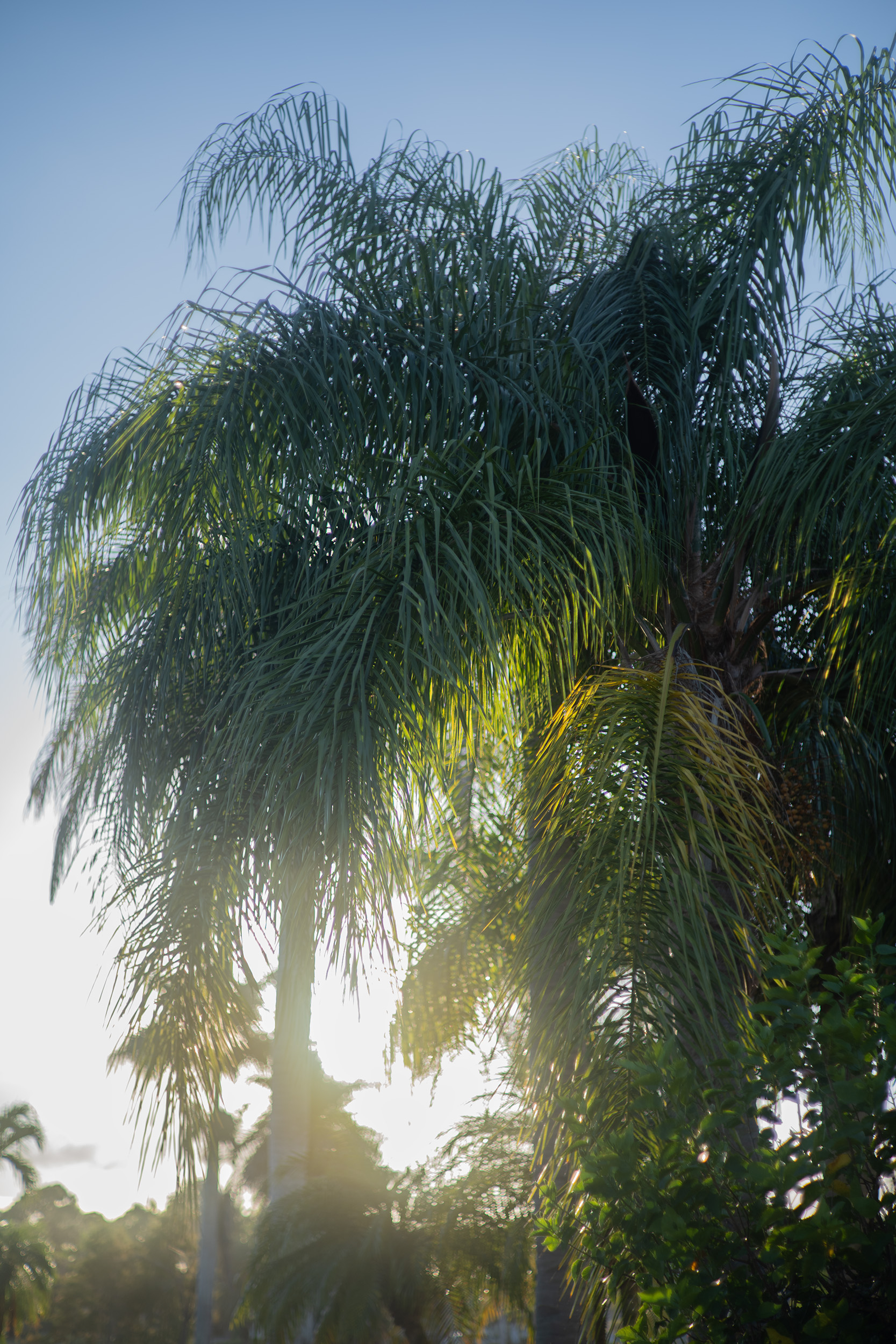
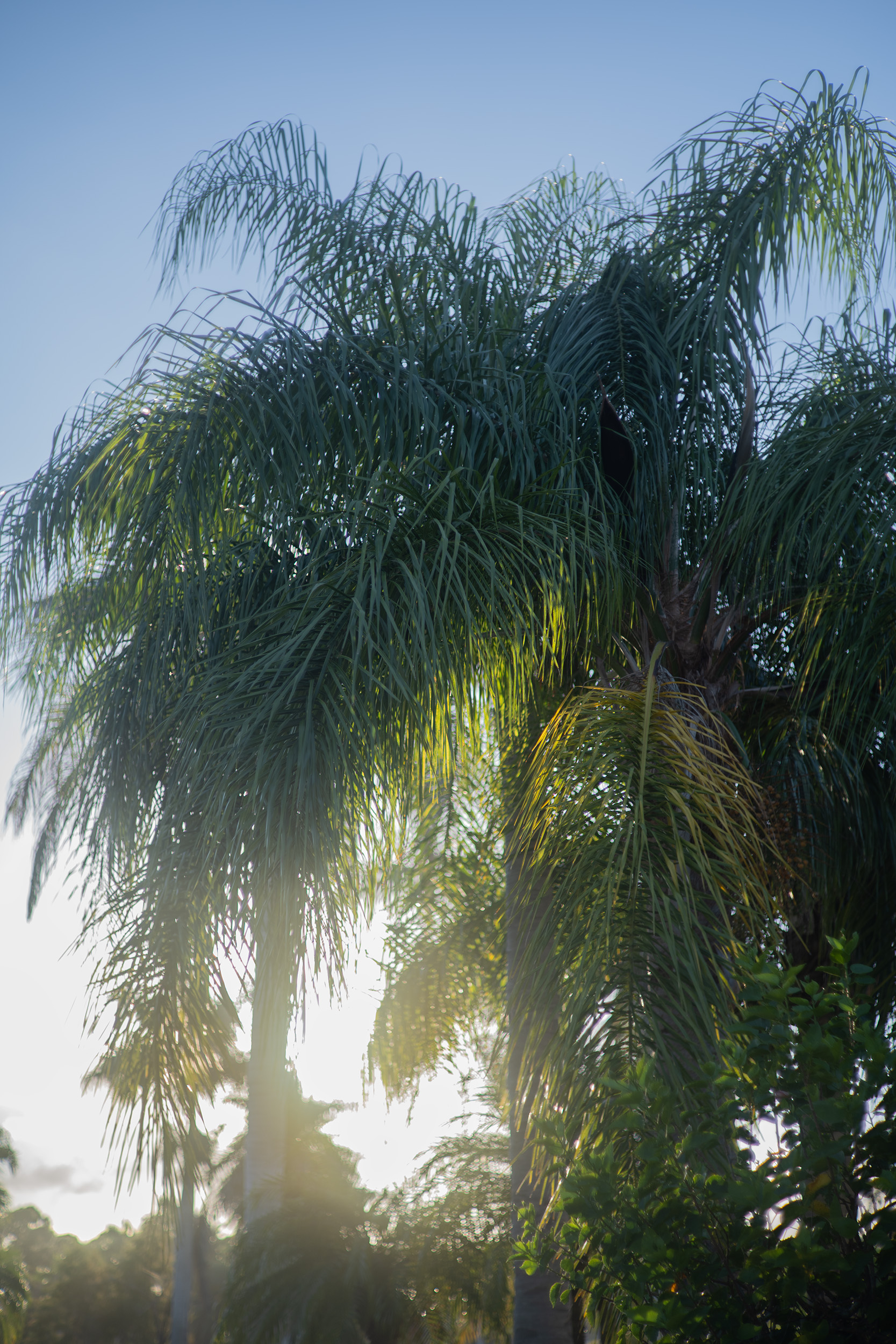


 However, I'm usually at least at f/5.6, which helps some. If you wouldn't mind comparing the Mander and your Leica with direct sun in the frame, both wide open, that would be very instructive. If the Leica has the same fogged veiling flare in that situation, then I can cut Mandler some slack here.