Light Lens Lab 50mm f/2 Rigid Review
p.4 #1Light Lens Lab 50mm f/2 Rigid Review
Sample 6: At 1.5m
(Check the lens name when comparing the cropped images. The LLL 50mm f/2 Rigid image is always highlighted and has a red mark at the bottom.)
Resized full images: The LLL 50mm f/2 Rigid image is always highlighted and has a red mark at the bottom
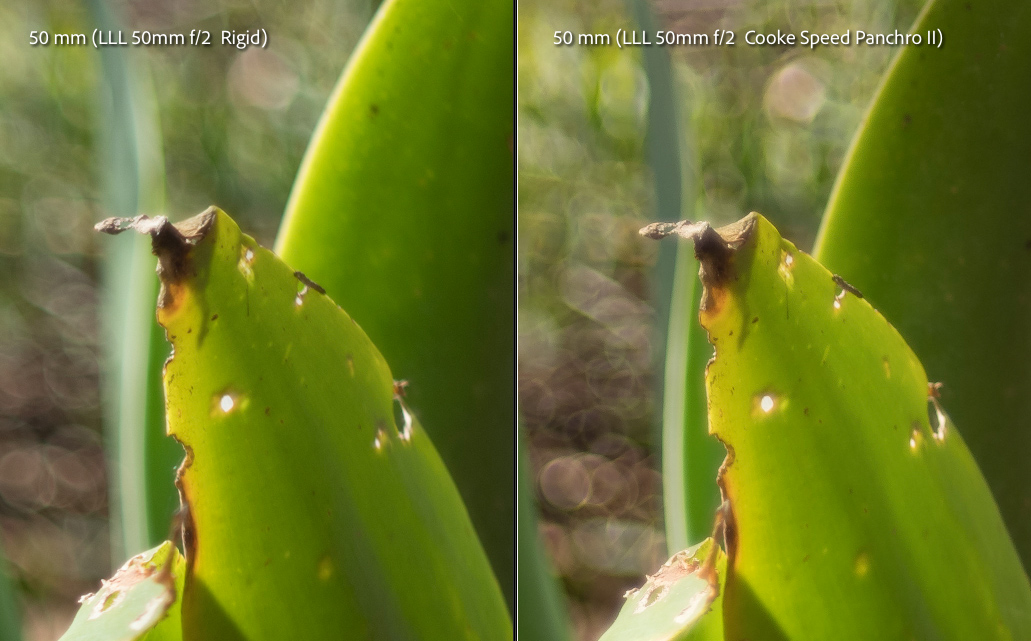
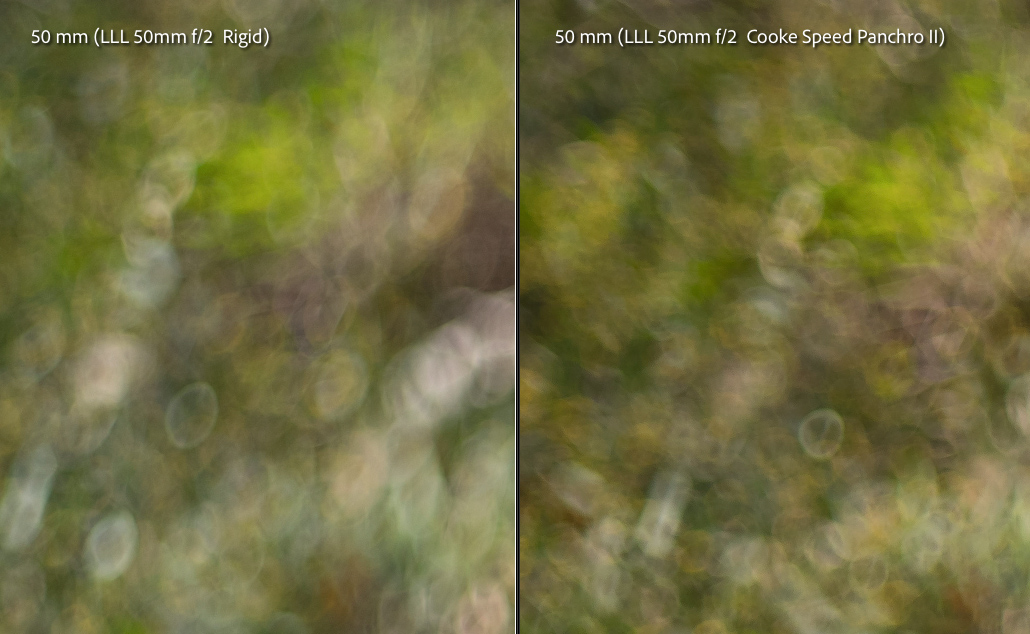
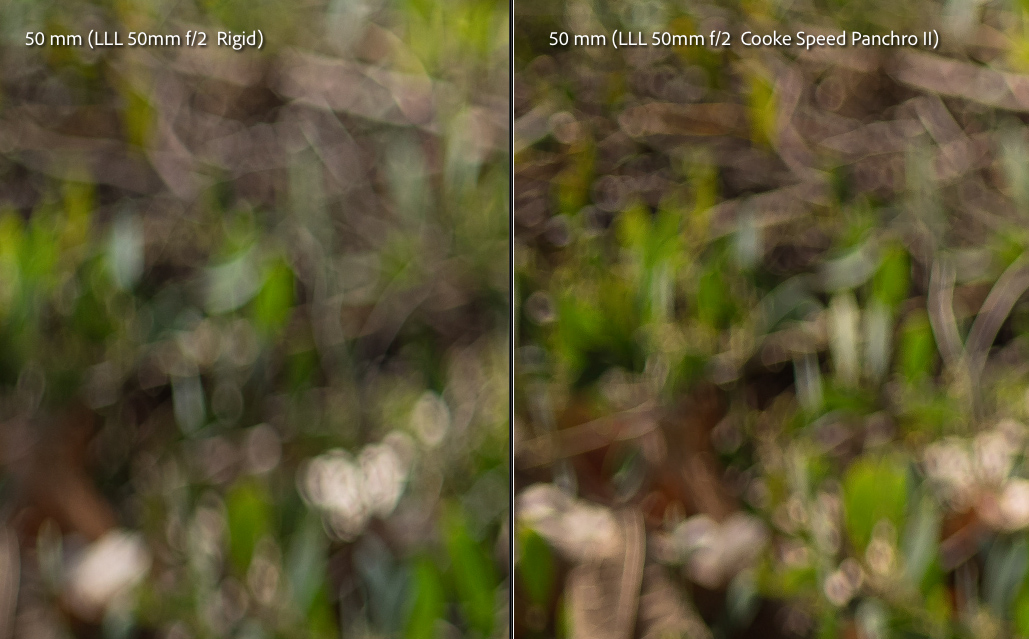
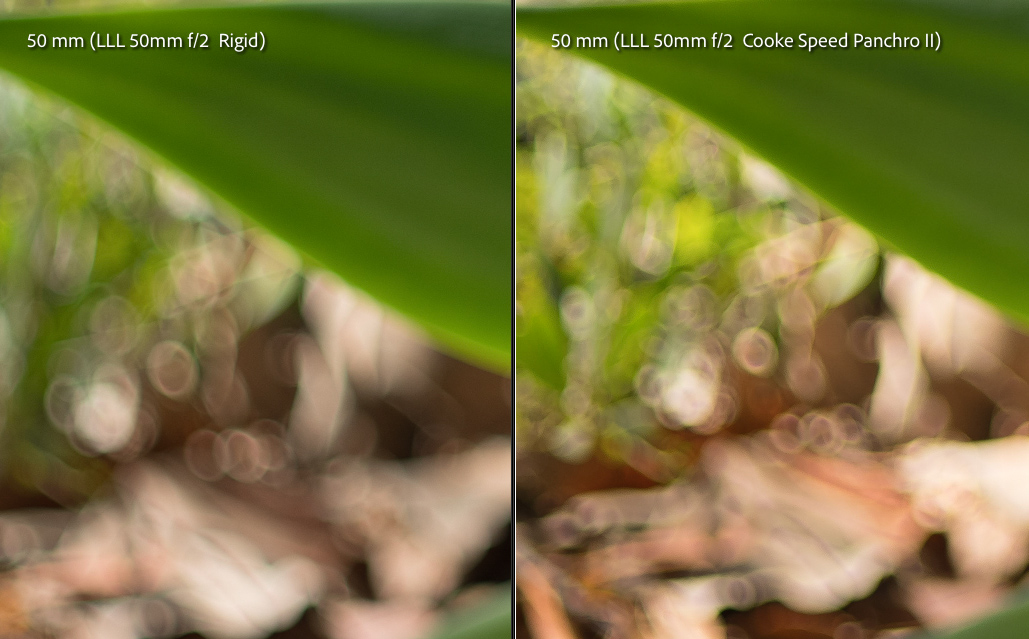
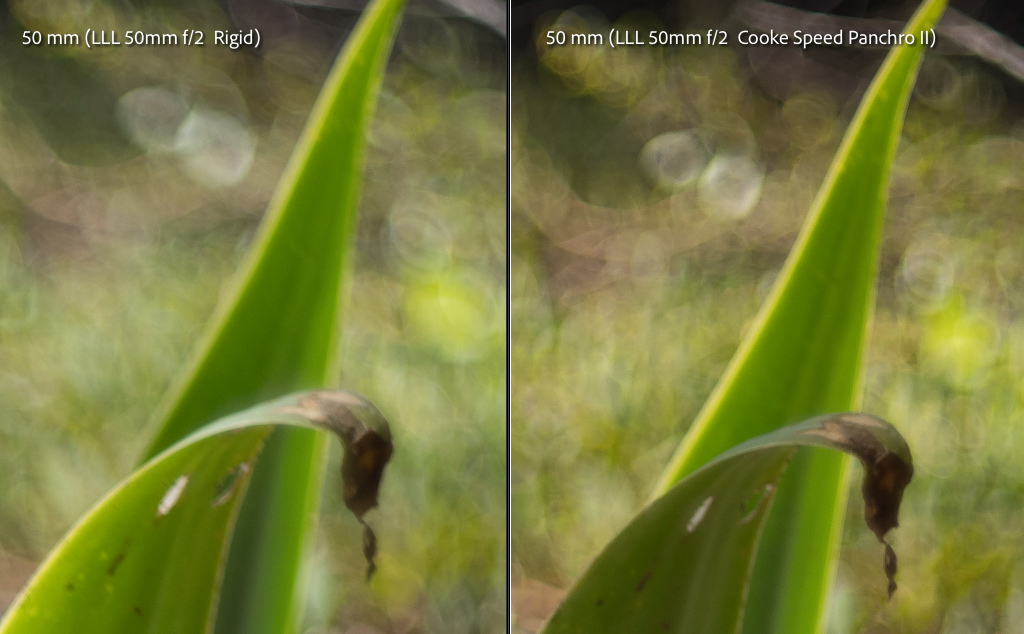
(Check the lens name when comparing the cropped images. The LLL 50mm f/2 Rigid image is always highlighted and has a red mark at the bottom.)
 |
||
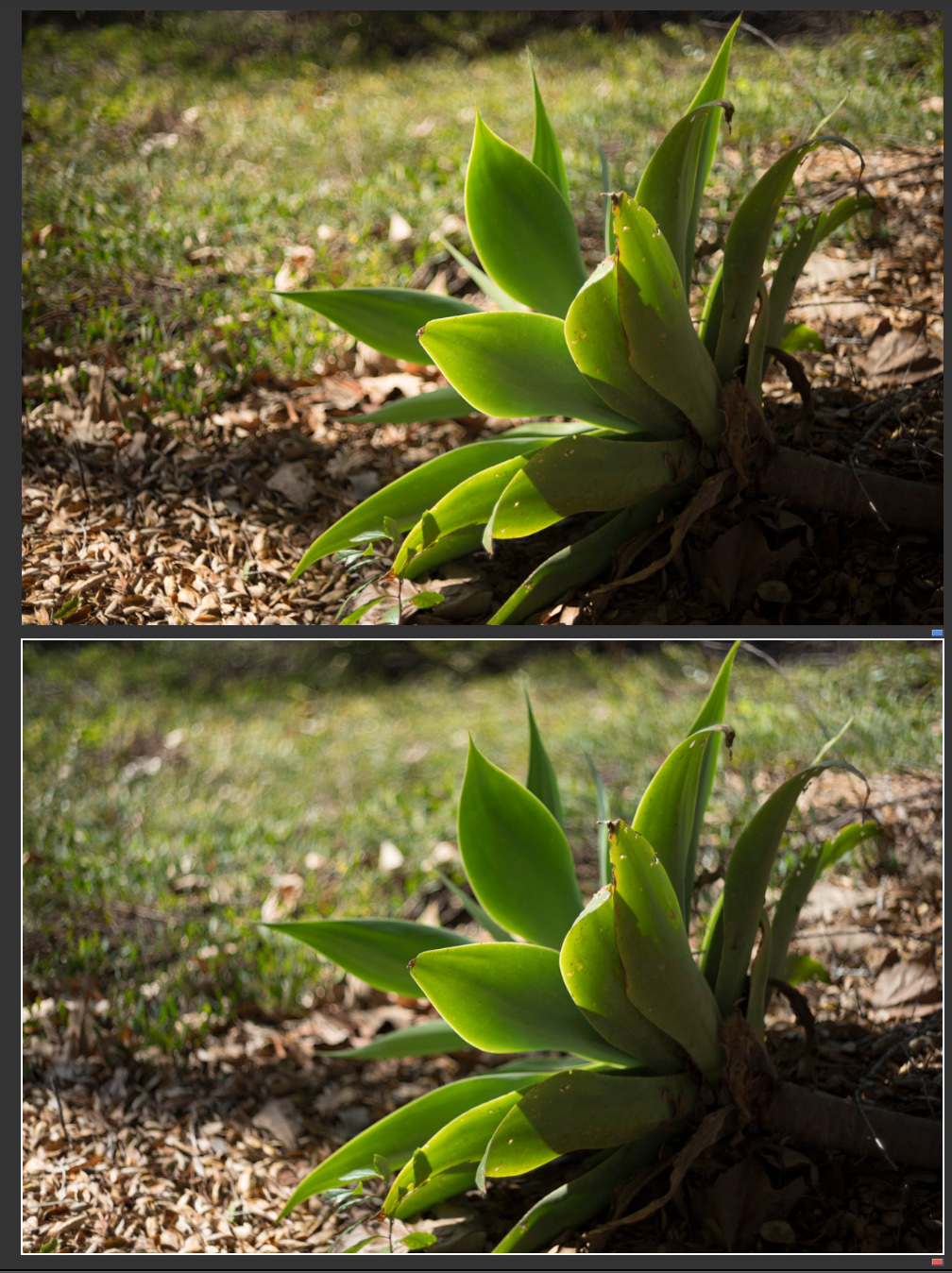 |
||
|
Resized full images: The LLL 50mm f/2 Rigid image is always highlighted and has a red mark at the bottom
Feb 18, 2025 at 06:19 PM
p.4 #2Light Lens Lab 50mm f/2 Rigid Review
Not sure if this has been asked and answered, but is there a difference between the LLL SP II and the LLL SP II Ridgid as far as rendering?
Feb 18, 2025 at 06:22 PM
p.4 #3Light Lens Lab 50mm f/2 Rigid Review
Bob W wrote:
Not sure if this has been asked and answered, but is there a difference between the LLL SP II and the LLL SP II Ridgid as far as rendering?
Hi Bob,
I haven't tried the Light Lens Lab 50mm f/2 Rigid-SP II myself, but according to their site, the lens features the 50mm f/2 Speed Panchro II optical block housed in the Type 2 "Rigid" 50mm f/2 body, so the rendering should be identical when wide open.
However, when stopped down, the specular highlights of the Light Lens Lab 50mm f/2 Rigid-SP II may not be as rounded, as it has 8 aperture blades compared to the 11 blades on the previous version.
Feb 18, 2025 at 07:18 PM
p.4 #4Light Lens Lab 50mm f/2 Rigid Review
Fred Miranda wrote:
Hi Bob,
I haven't tried the Light Lens Lab 50mm f/2 Rigid-SP II myself, but according to their site, the lens features the 50mm f/2 Speed Panchro II optical block housed in the Type 2 "Rigid" 50mm f/2 body, so the rendering should be identical when wide open.
However, when stopped down, the specular highlights of the Light Lens Lab 50mm f/2 Rigid-SP II may not be as rounded, as it has 8 aperture blades compared to the 11 blades on the previous version.
Interesting, I missed that fact about the number of aperture blades. Will have to look into that.
Bob W wrote
Not sure if this has been asked and answered, but is there a difference between the LLL SP II and the LLL SP II Ridgid as far as rendering?I haven't tried the Light Lens Lab 50mm f/2 Rigid-SP II myself, but according to their site, the lens features the 50mm f/2 Speed Panchro II optical block housed in the Type 2 "Rigid" 50mm f/2 body, so the rendering should be identical when wide open.
However, when stopped down, the specular highlights of the Light Lens Lab 50mm f/2 Rigid-SP II may not be as rounded, as it has 8 aperture blades compared to the 11 blades on the previous version.
Interesting, I missed that fact about the number of aperture blades. Will have to look into that.
Feb 18, 2025 at 07:30 PM
p.4 #5Light Lens Lab 50mm f/2 Rigid Review
Back to Quick Links
Optical Vignetting and Specular Highlights shape
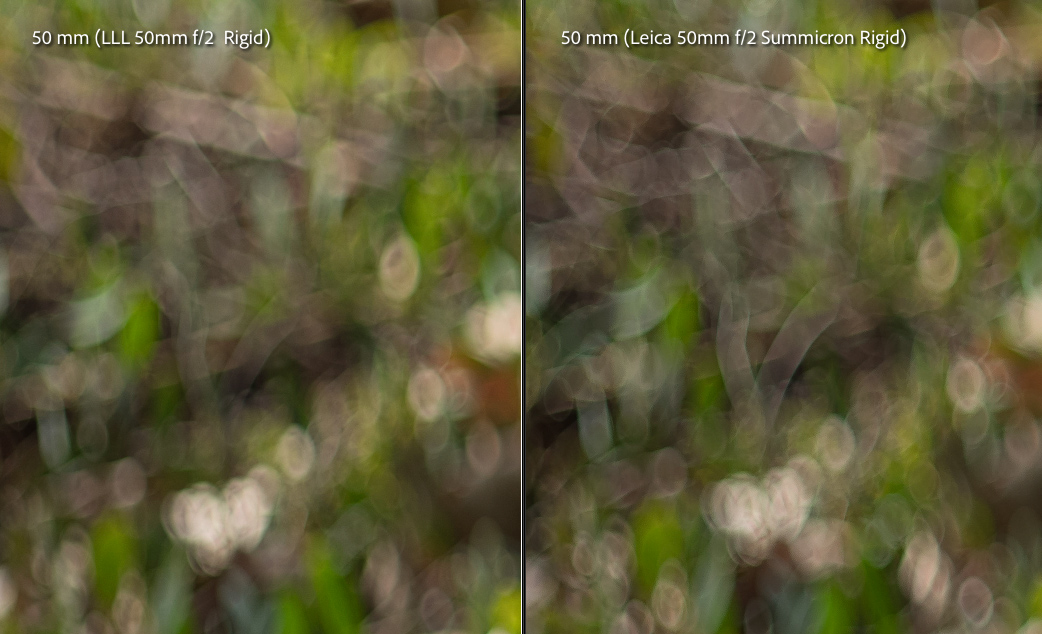
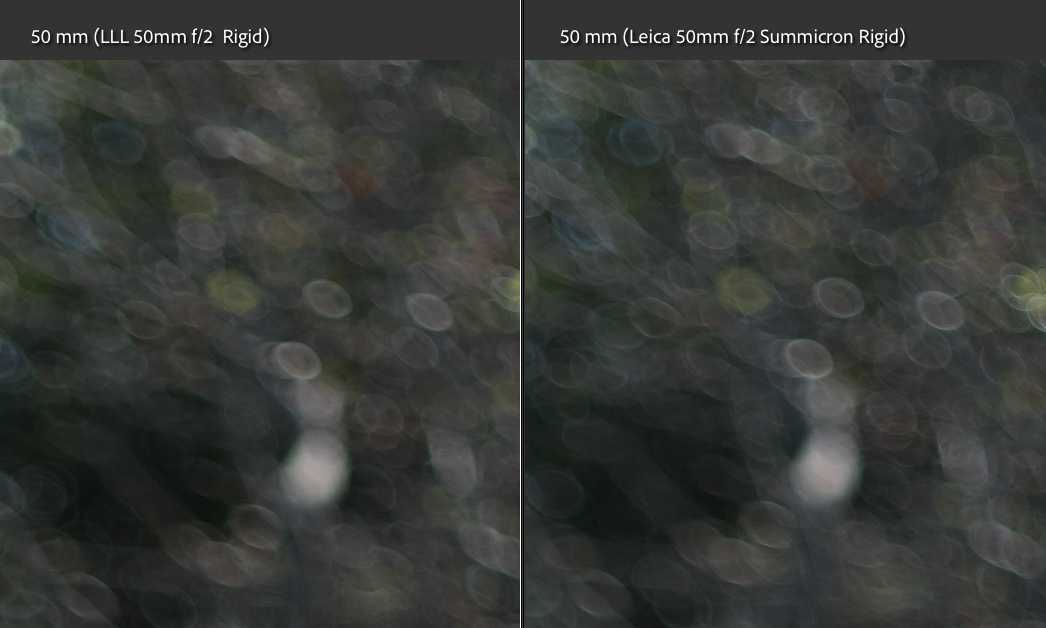
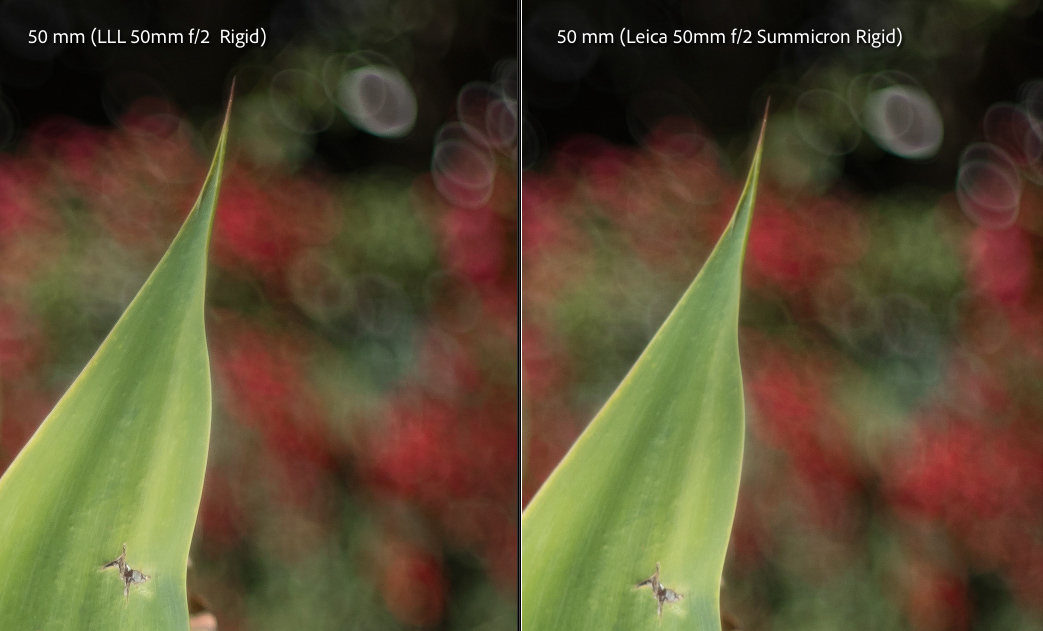
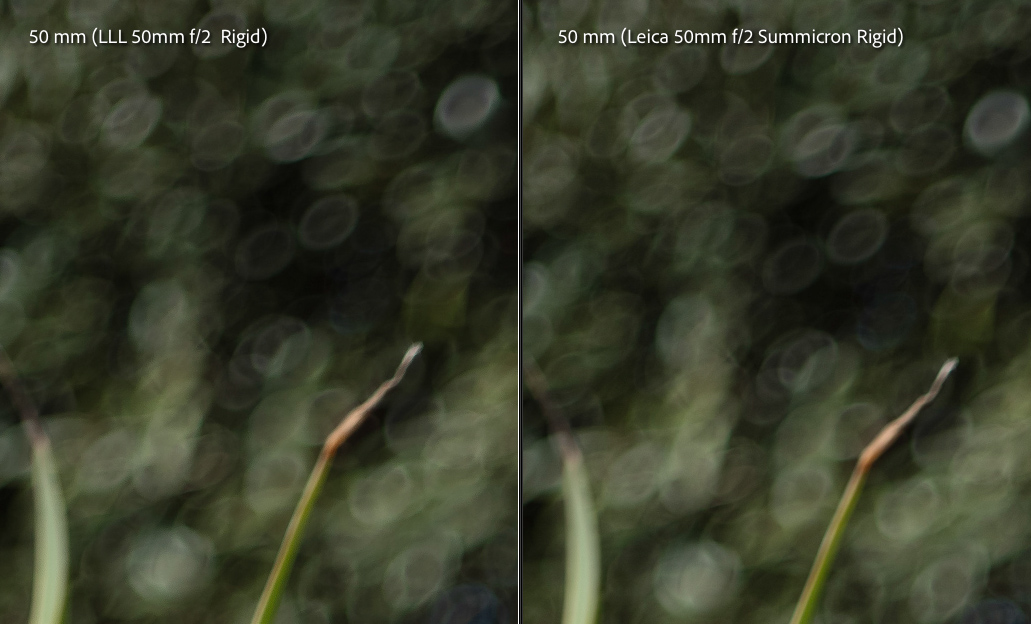
In terms of optical vignetting and the shape of specular highlights, the Light Lens Lab 50mm f/2 Rigid produces highlights that are nearly identical to those of the Leica Rigid. Despite the LLL lens having a larger diameter exit pupil, side-by-side comparisons don’t reveal any noticeable impact on optical vignetting.
The level of optical vignetting is typical for a fast 50mm lens, and in both the Leica and LLL lenses, it's not excessive. However, it's enough to create a slight swirl effect in the bokeh due to the off-axis cat-eye shape.
The inner structure of the specular highlights is clean and free of artifacts, as the Rigid is not an aspherical lens.
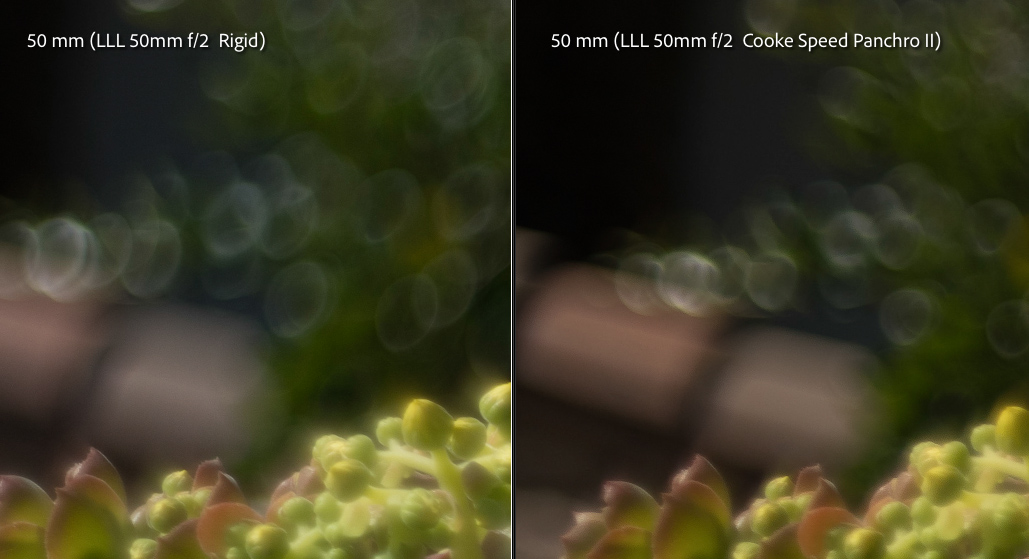
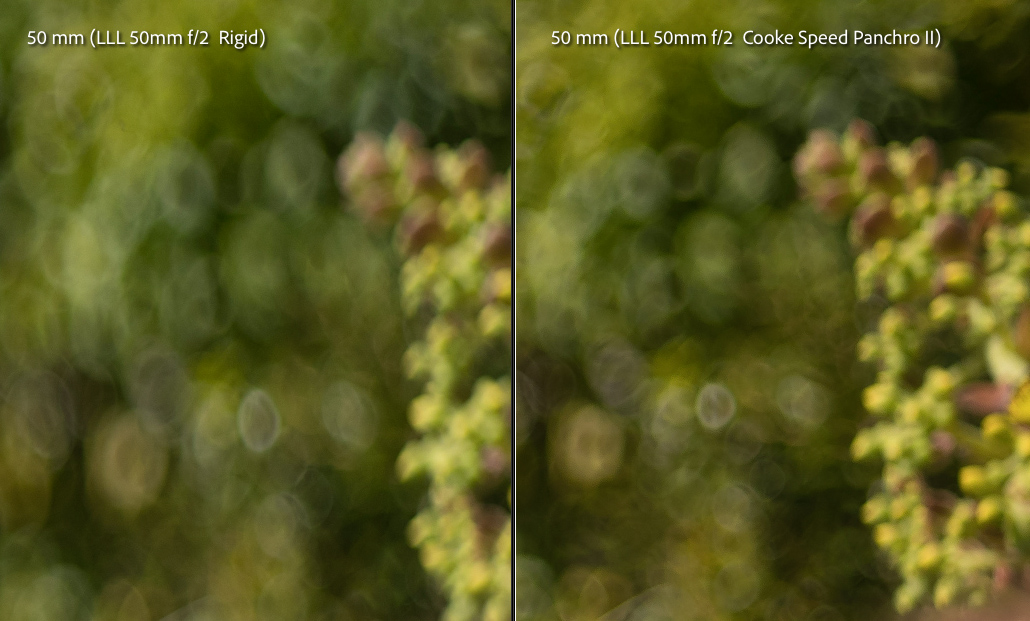
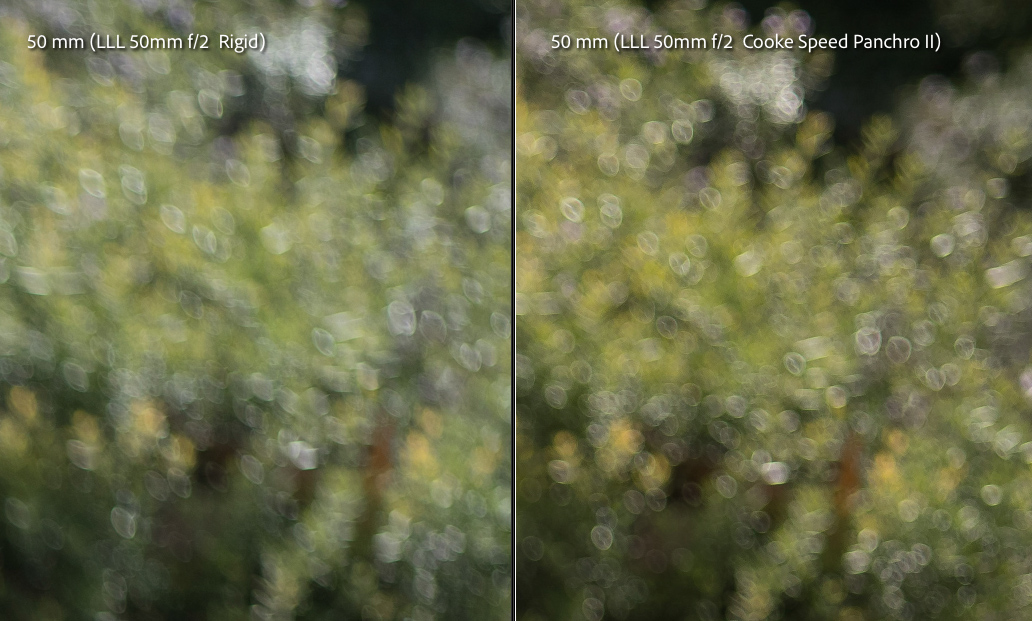
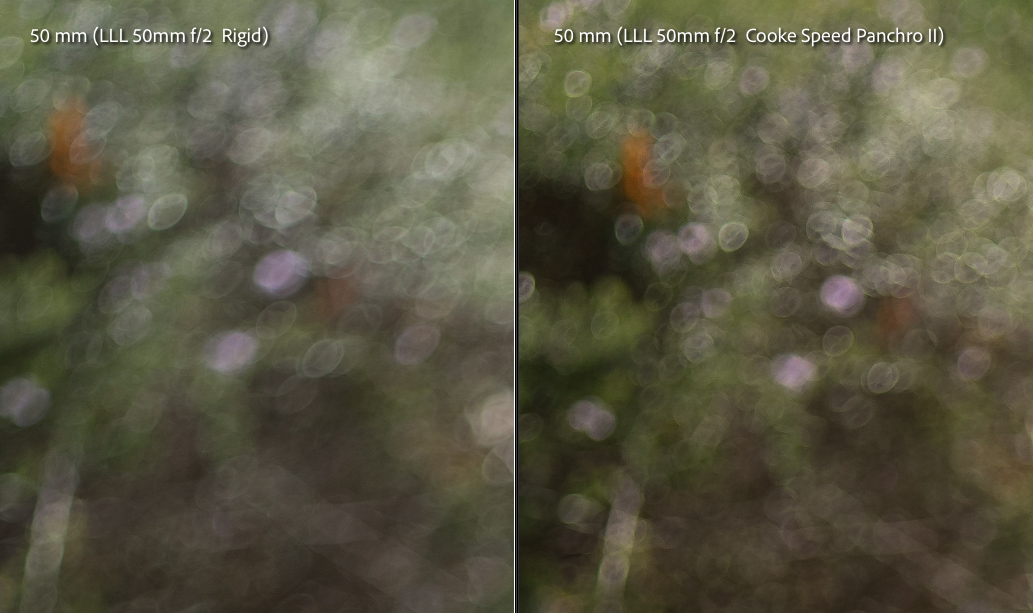
In comparison to the Light Lens Lab 50mm f/2 Speed Panchro II, the latter shows significantly lower optical vignetting.
Here are some high-magnification crops that illustrate how similar the optical vignetting and specular highlight shapes are in the corners between the Light Lens Lab and Leica Rigid version:
Feb 19, 2025 at 11:30 AM
p.4 #6Light Lens Lab 50mm f/2 Rigid Review
Here are some high-magnification crops that show the noticeably different optical vignetting and specular shape rendering in the corners between the Light Lens Lab 50mm f/2 Rigid and the Light Lens Lab 50mm f/2 Speed Panchro II lenses:
Feb 19, 2025 at 11:32 AM
p.4 #7Light Lens Lab 50mm f/2 Rigid Review
I'm a little surprised at how much better the Leica Rigid is when it comes to microcontrast, especially at close range. Of course, that's comparing the LLL with an optimal copy of the Leica lens.
Feb 19, 2025 at 02:46 PM
p.4 #8Light Lens Lab 50mm f/2 Rigid Review
rollei35_warton wrote:
After seeing this kind of extensive review on the lens, I am still on the fence.
I currently have too many 50mm and don't feel like this one will be a good addition.
I have:
Summicron 50mm APO
Summilux 50 v2
Noctilux 50/1.2 re-issue
LLL Elcan 50
LLL 50 cooke speed II
My shelf is full of lenses. One of my hobbies is to arrange those lenses in different ways, such as by focal length, by brand, by apertures, by appearance, by chronicle, etc. I feel one more lens will just add too much burden when sorting them.

Imagine the exponentially new ways to arrange them though!
Feb 19, 2025 at 03:27 PM
p.4 #9Light Lens Lab 50mm f/2 Rigid Review
Back to Quick Links
Chromatic Aberration Control
Axial CA:
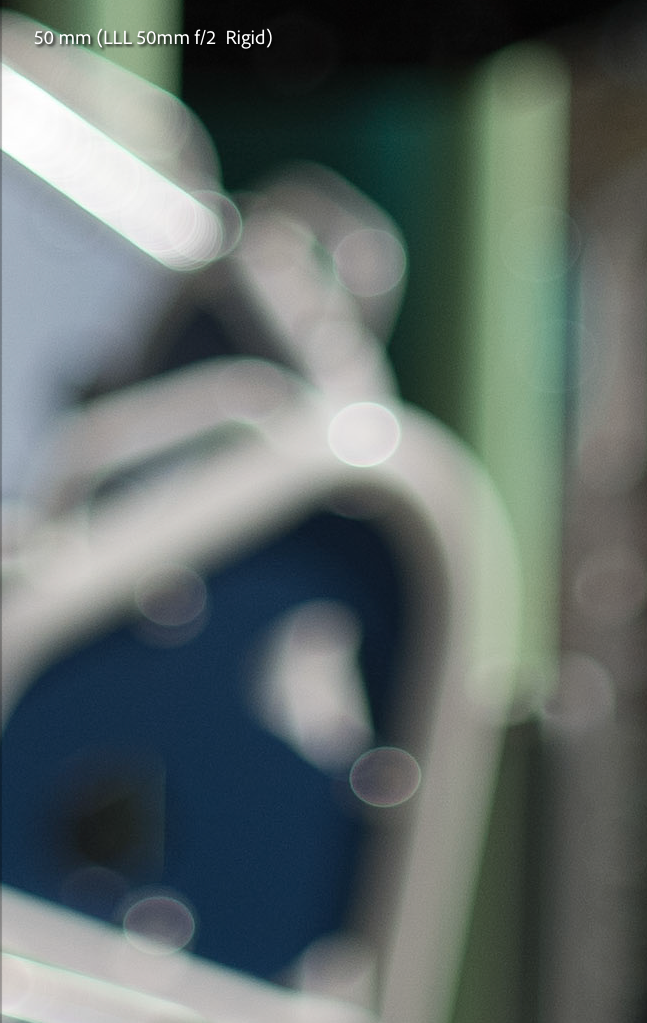
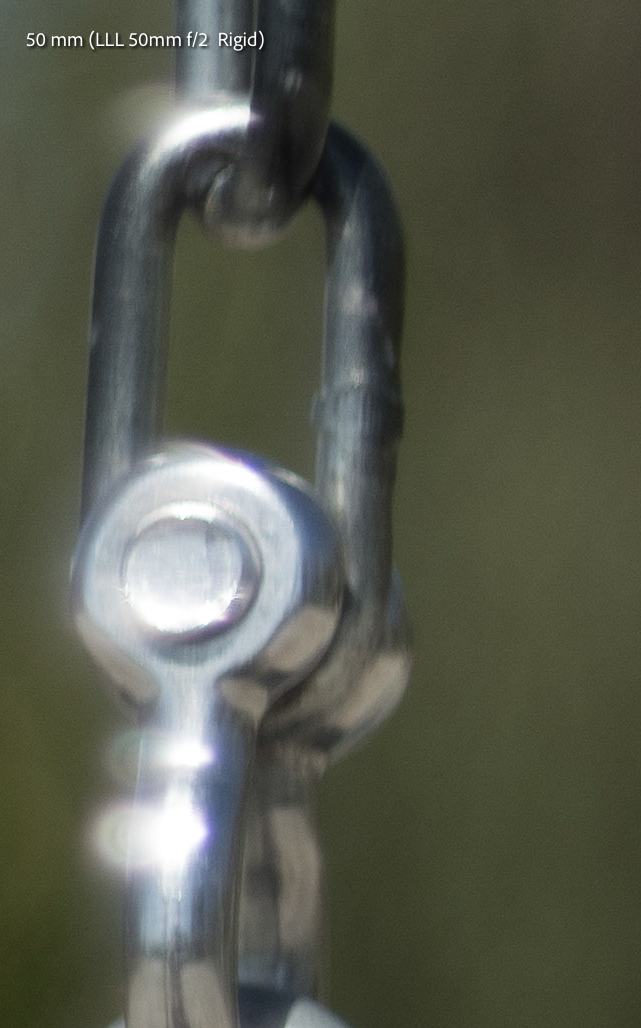
The original Leica 50mm f/2 Summicron is well corrected for both axial and lateral CA, and the Light Lens Lab version follows suit. While axial CA is present in many of my sample images, it only becomes noticeable under high magnification. Even then, the correction is excellent for a non-APO lens. This is a stark contrast to the Leica 50mm f/1.4 Lux pre-ASPH, where axial CA is highly visible even in resized images.
Below are pixel-level crops showing the most pronounced cases of axial CA, with green fringing appearing behind the focal plane and some purple fringing on the focus plane when photographing highly reflective metal under high-contrast lighting. Overall, I’d say this aberration is well controlled.
Here are a few 100% crops showing axial CA:
Green fringing in specular highlights
Purple fringing at focus area
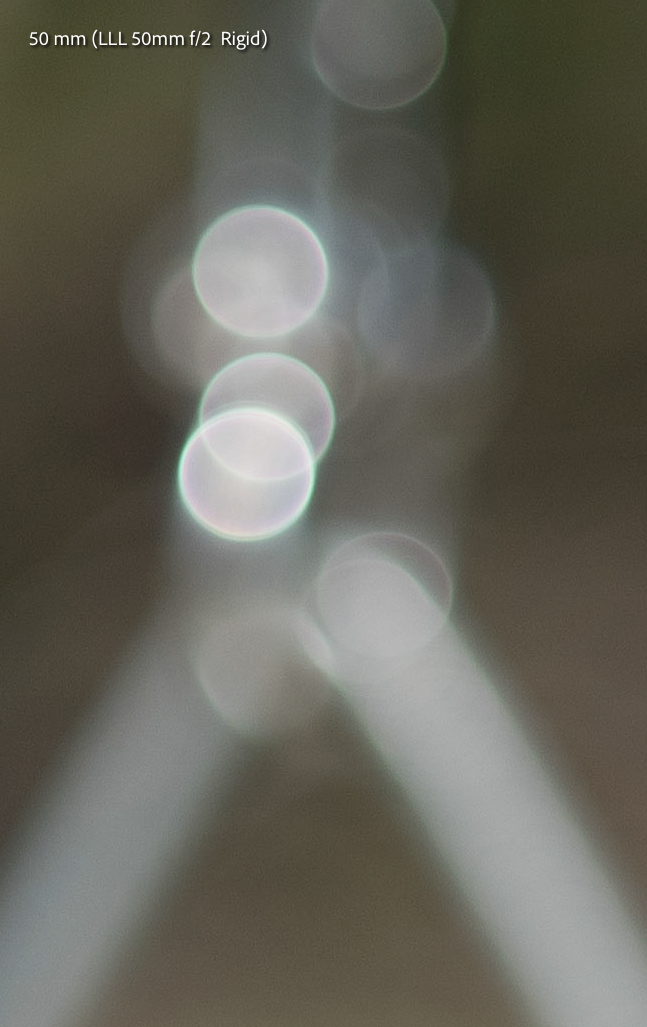
Green fringing in specular highlights
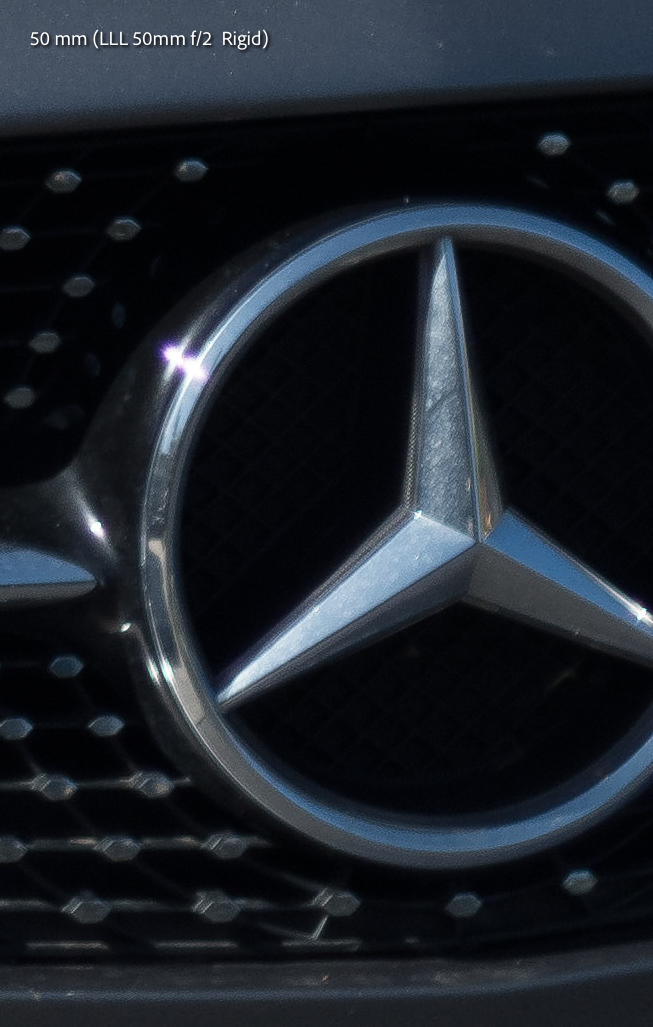
Purple fringing at focus area
Feb 19, 2025 at 03:32 PM
p.4 #10Light Lens Lab 50mm f/2 Rigid Review
Lateral CA:
When it comes to lateral chromatic aberration, which appears toward the corners of the frame at any aperture, the Light Lens Lab performs exceptionally well.
Here is a crop from the very corner of the image, showing an absence of noticeable lateral CA. If any color error is present, it is negligible.
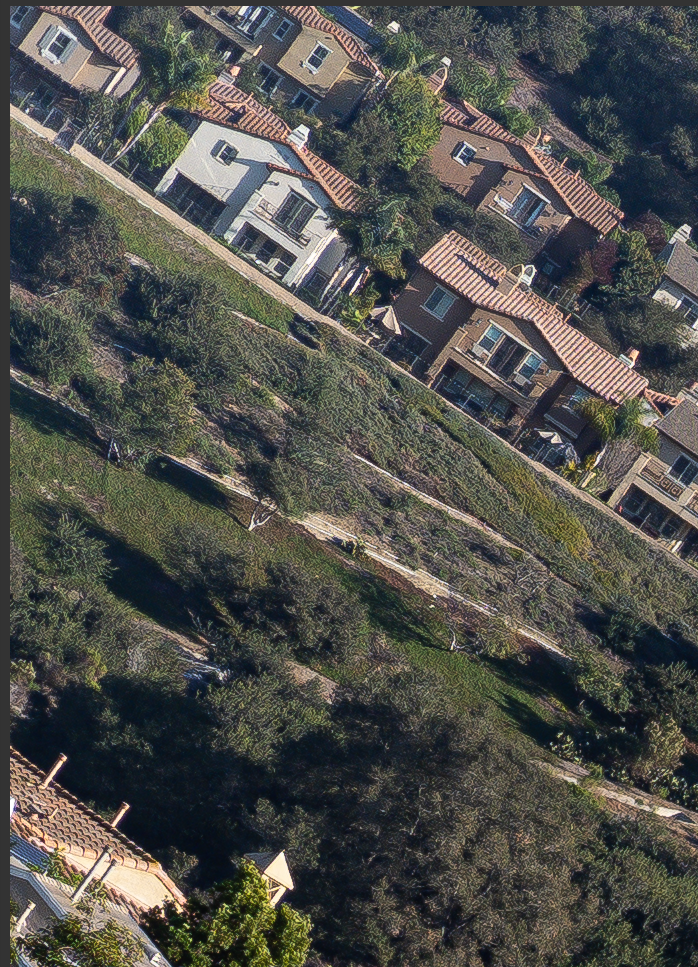
When it comes to lateral chromatic aberration, which appears toward the corners of the frame at any aperture, the Light Lens Lab performs exceptionally well.
Here is a crop from the very corner of the image, showing an absence of noticeable lateral CA. If any color error is present, it is negligible.
Feb 19, 2025 at 03:34 PM
|
p.4 #11Light Lens Lab 50mm f/2 Rigid Review
Back to Quick Links
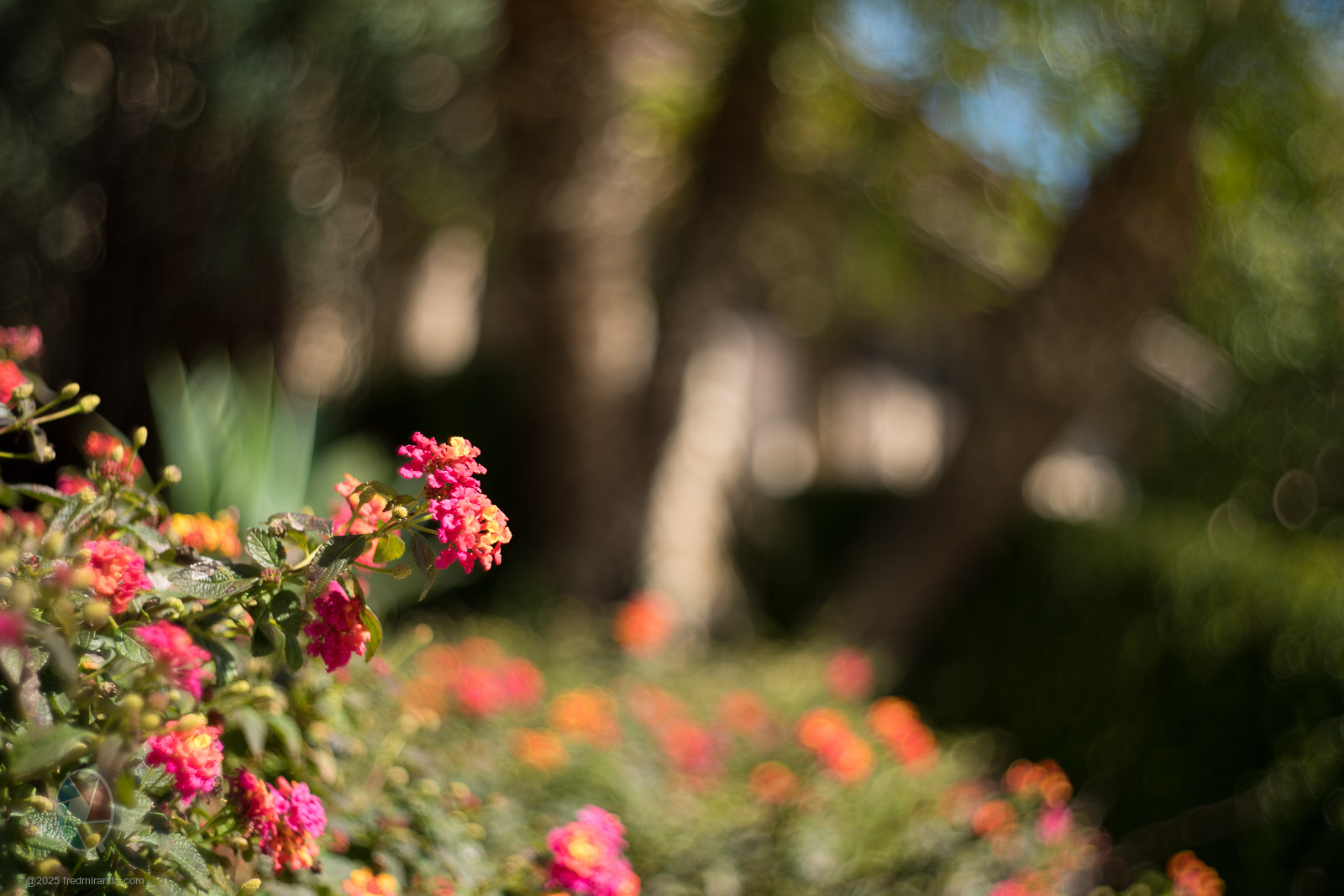
Samples 3
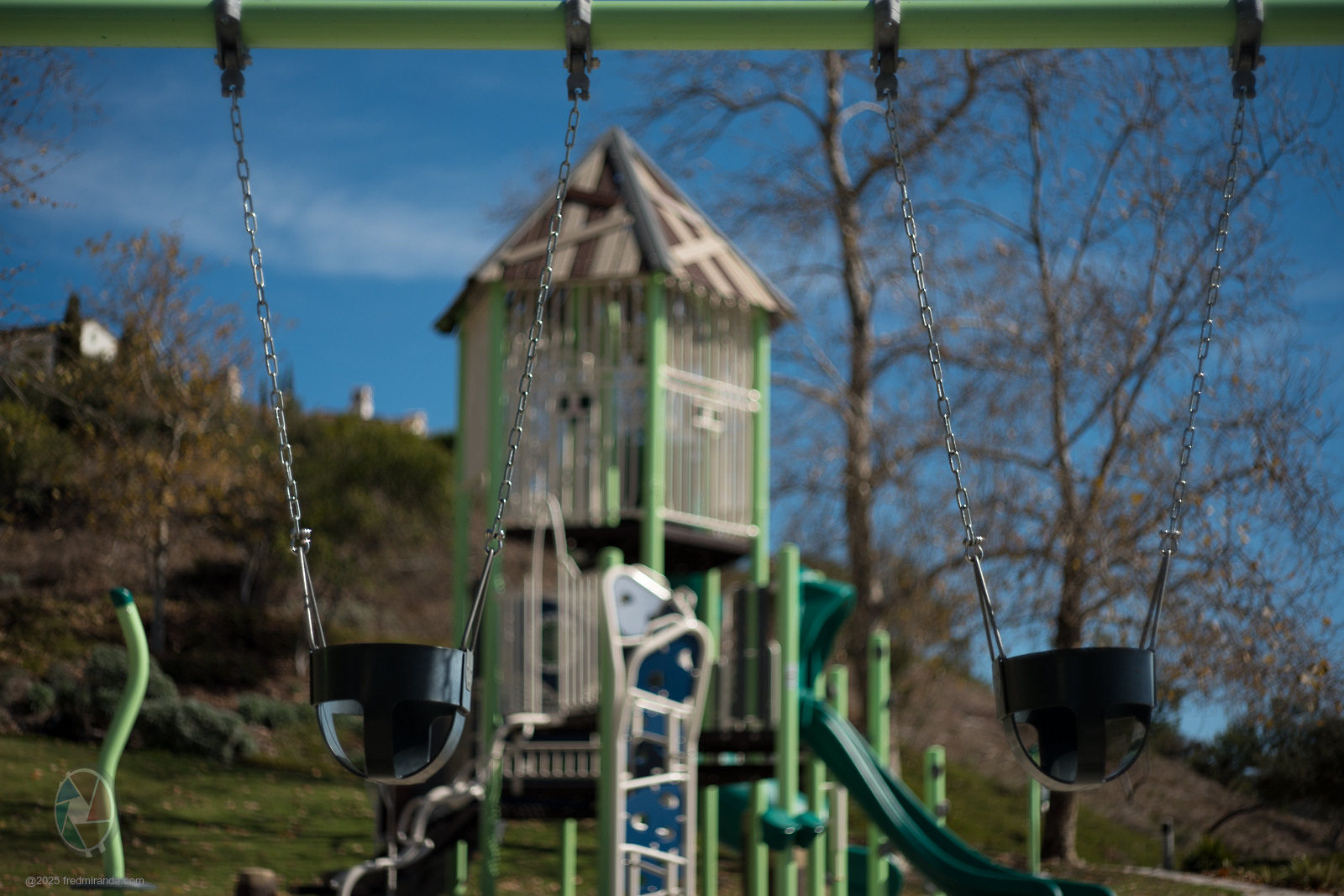
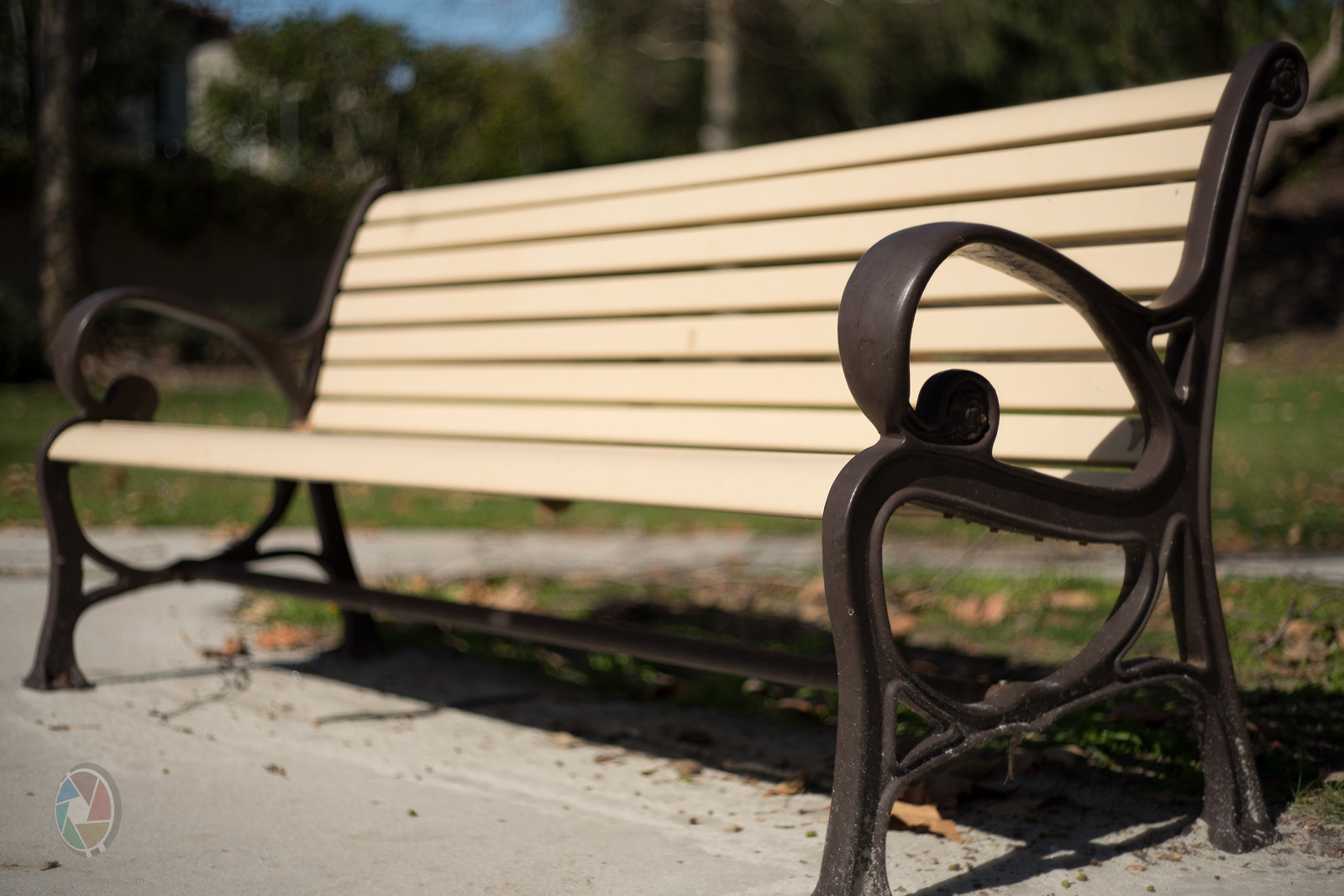
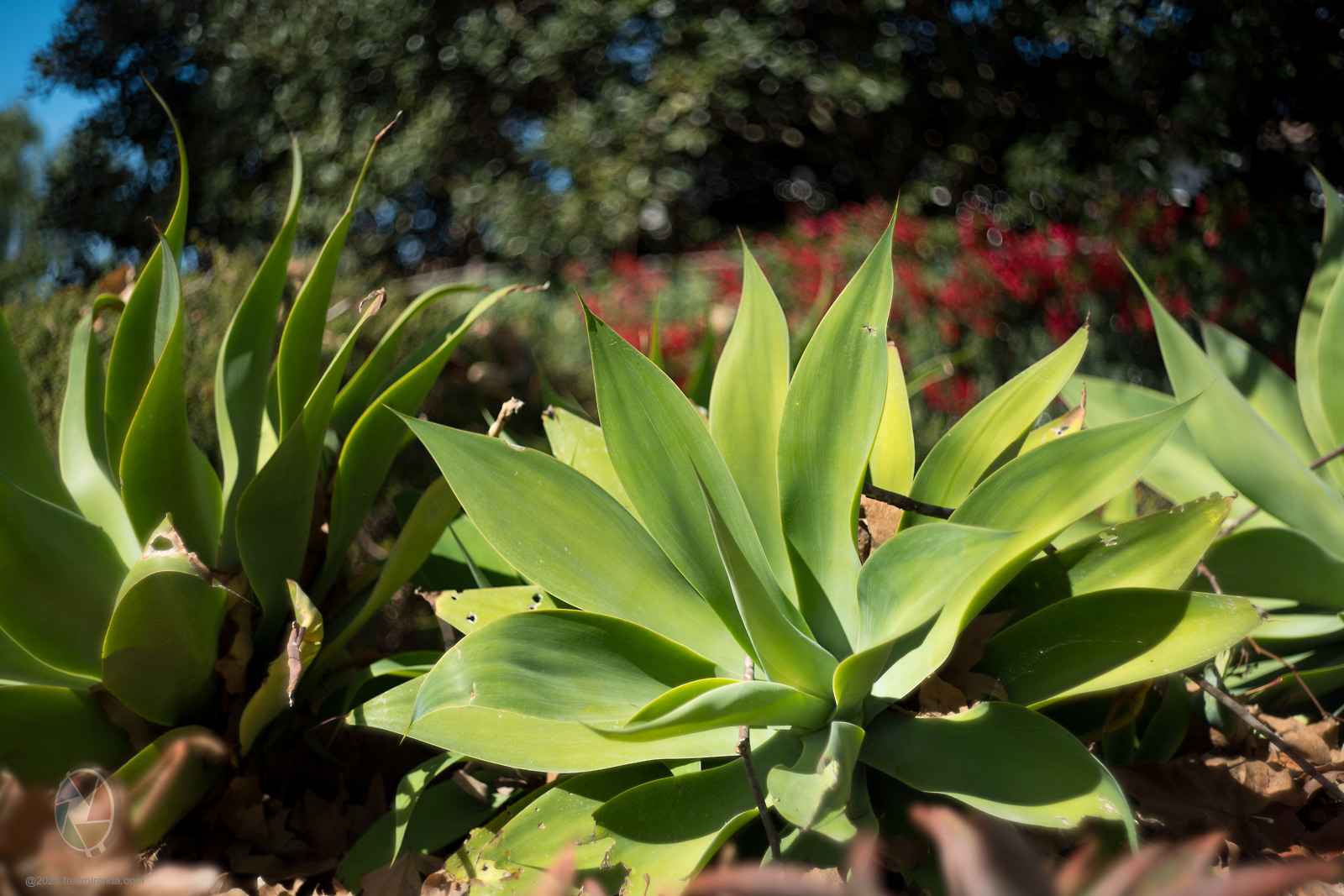
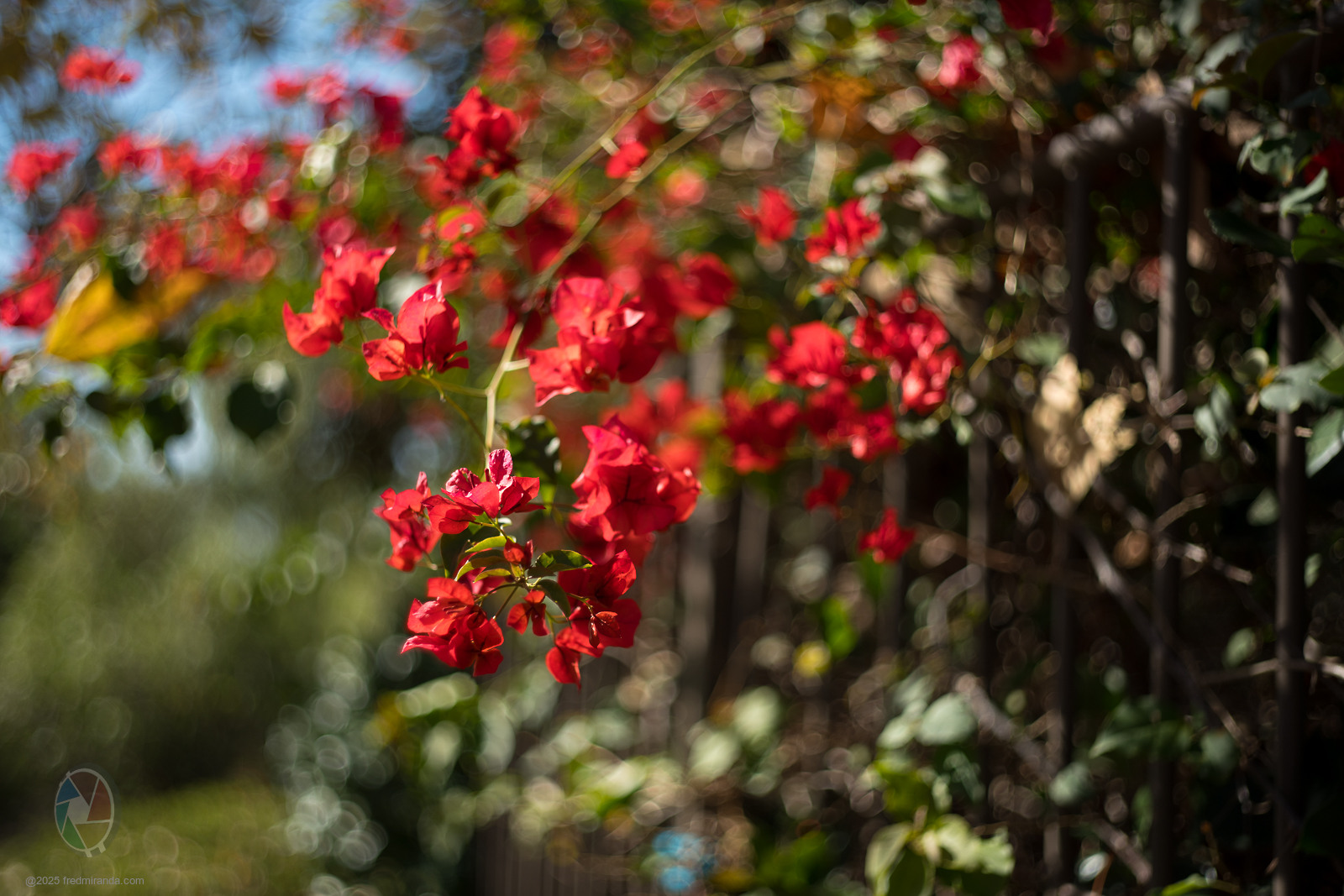
All wide open, various distances under harsh lighting.
Straight out of the camera with few adjustments and added sharpening -- Adobe Standard profile.
|
||
 |
||
|
LEICA M10-R LLL 50mm f/2 Rigid lens 50mm 1/2000s 100 ISO -0.3 EV
|
||
 |
||
|
LEICA M10-R LLL 50mm f/2 Rigid lens 50mm 1/8000s 100 ISO -0.3 EV
|
||
 |
||
|
LEICA M10-R LLL 50mm f/2 Rigid lens 50mm 1/8000s 100 ISO -0.3 EV
|
||
 |
||
|
LEICA M10-R LLL 50mm f/2 Rigid lens 50mm 1/4000s 100 ISO -0.3 EV
|
||
 |
||
|
LEICA M10-R LLL 50mm f/2 Rigid lens 50mm 1/2500s 100 ISO -0.3 EV
|
||
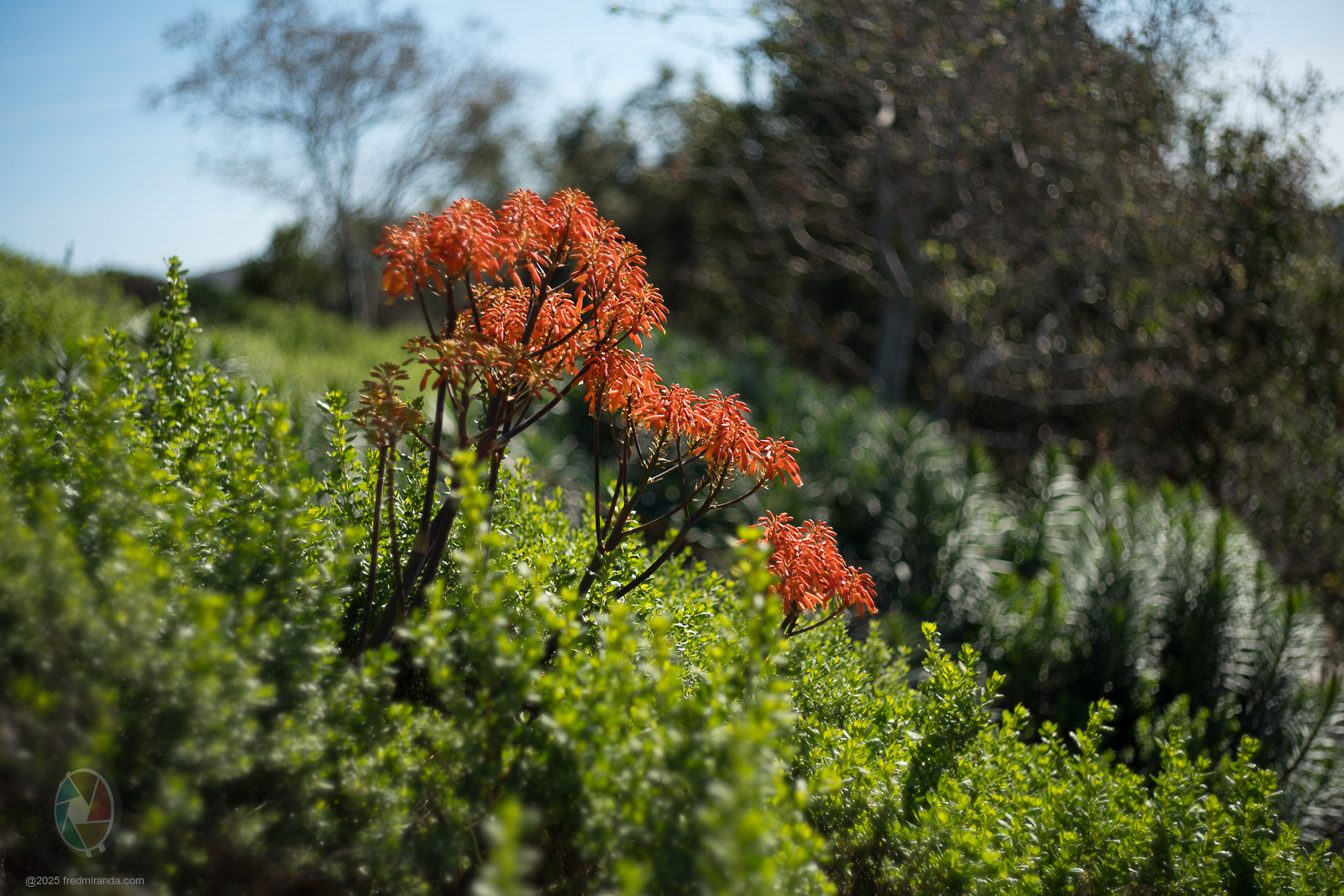 |
||
|
LEICA M10-R LLL 50mm f/2 Rigid lens 50mm 1/4000s 100 ISO -0.3 EV
|
||
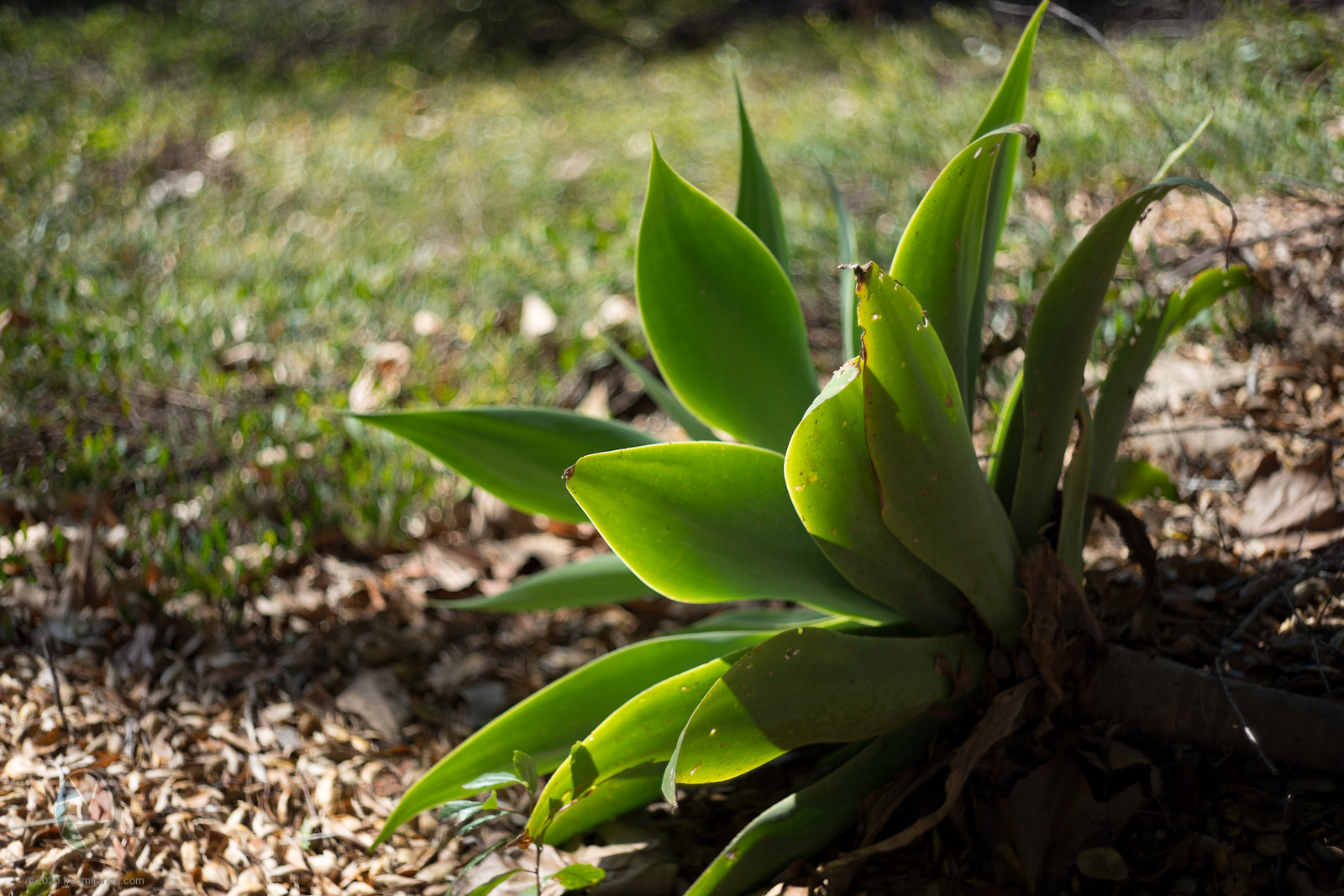 |
||
|
LEICA M10-R LLL 50mm f/2 Rigid lens 50mm 1/1250s 100 ISO -0.3 EV
|
||
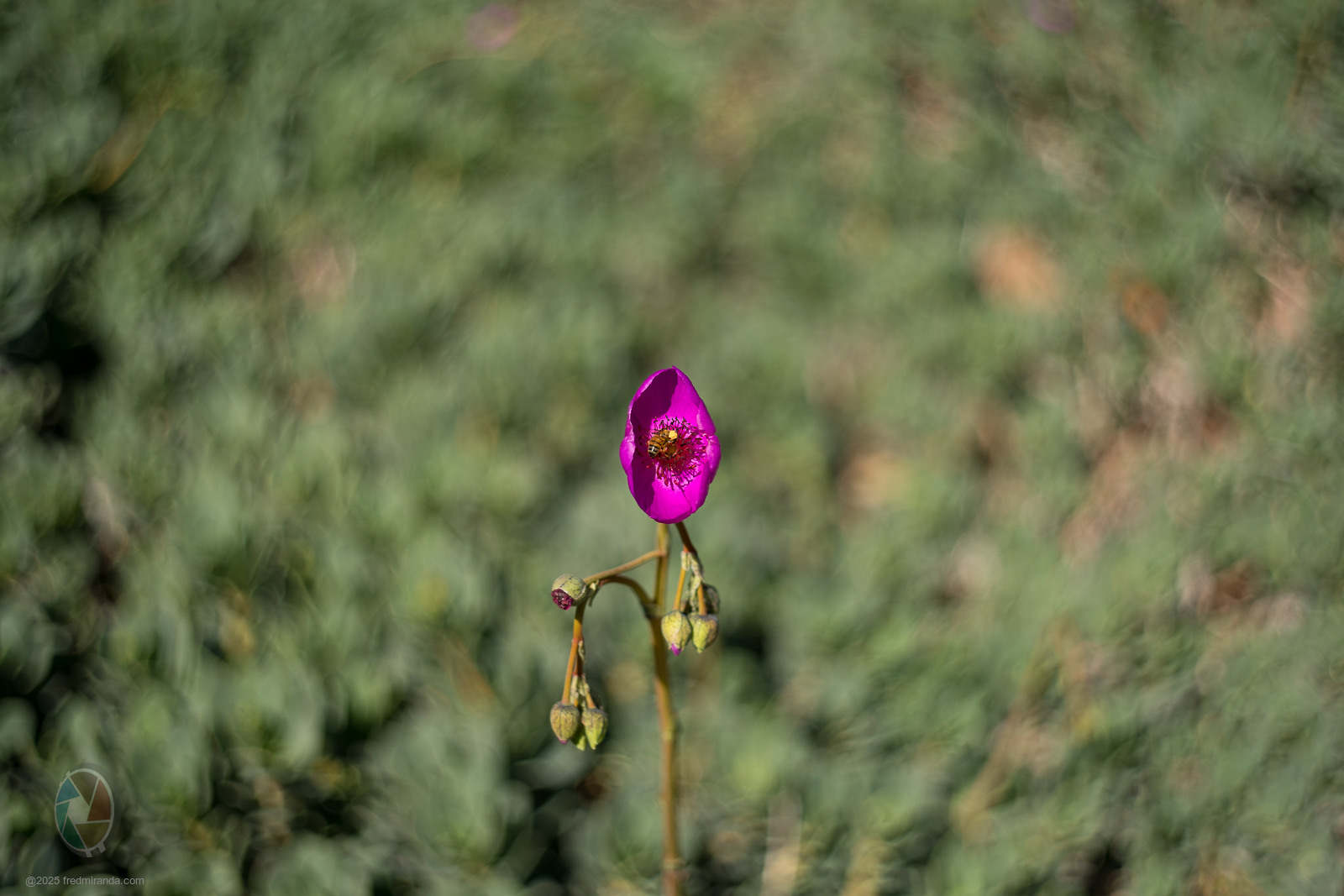 |
||
|
LEICA M10-R LLL 50mm f/2 Rigid lens 50mm 1/5000s 100 ISO -0.3 EV
|
||
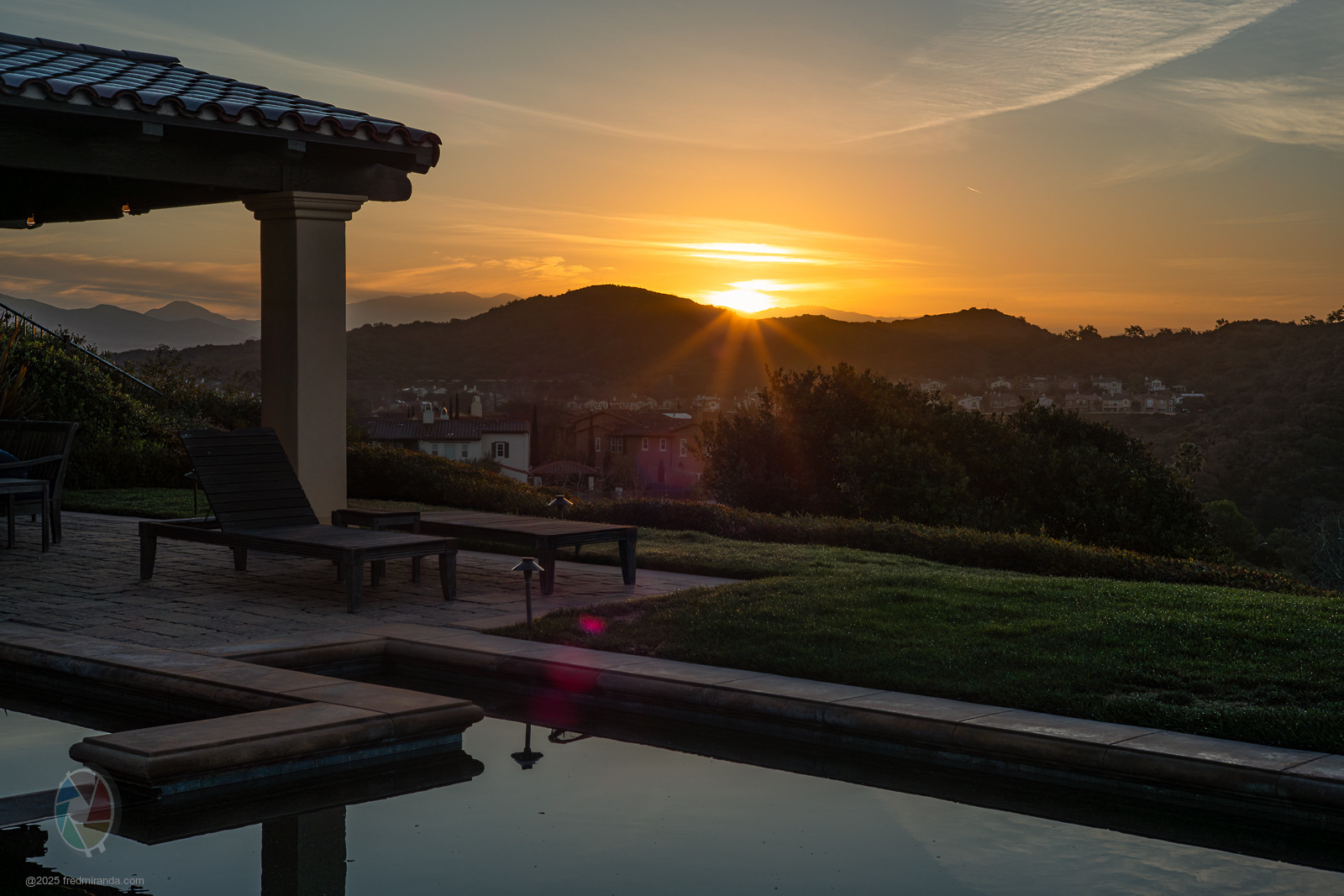 |
||
|
LEICA M10-R LLL 50mm f/2 Rigid lens 50mm 1/320s 100 ISO -2.0 EV
|
||
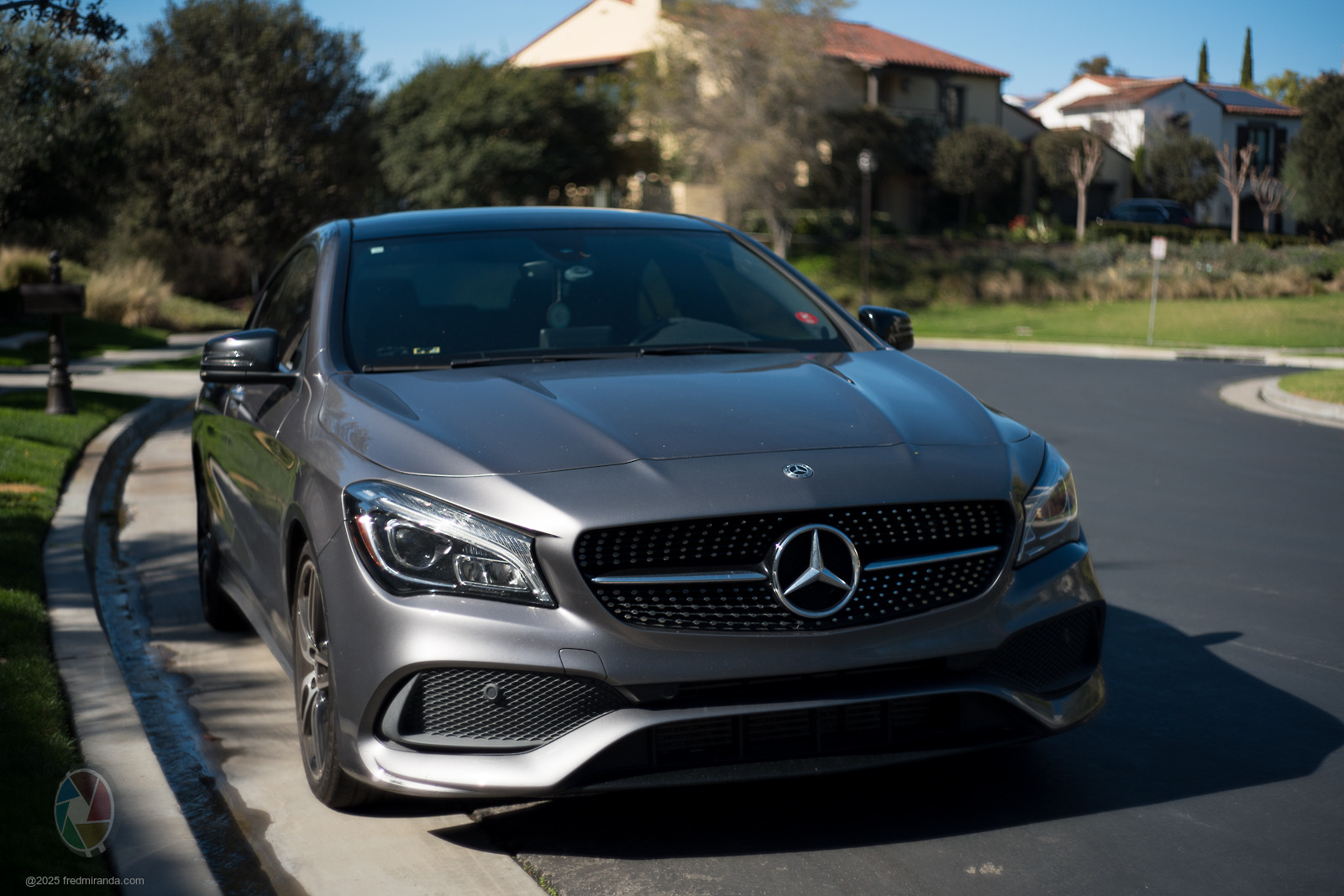 |
||
|
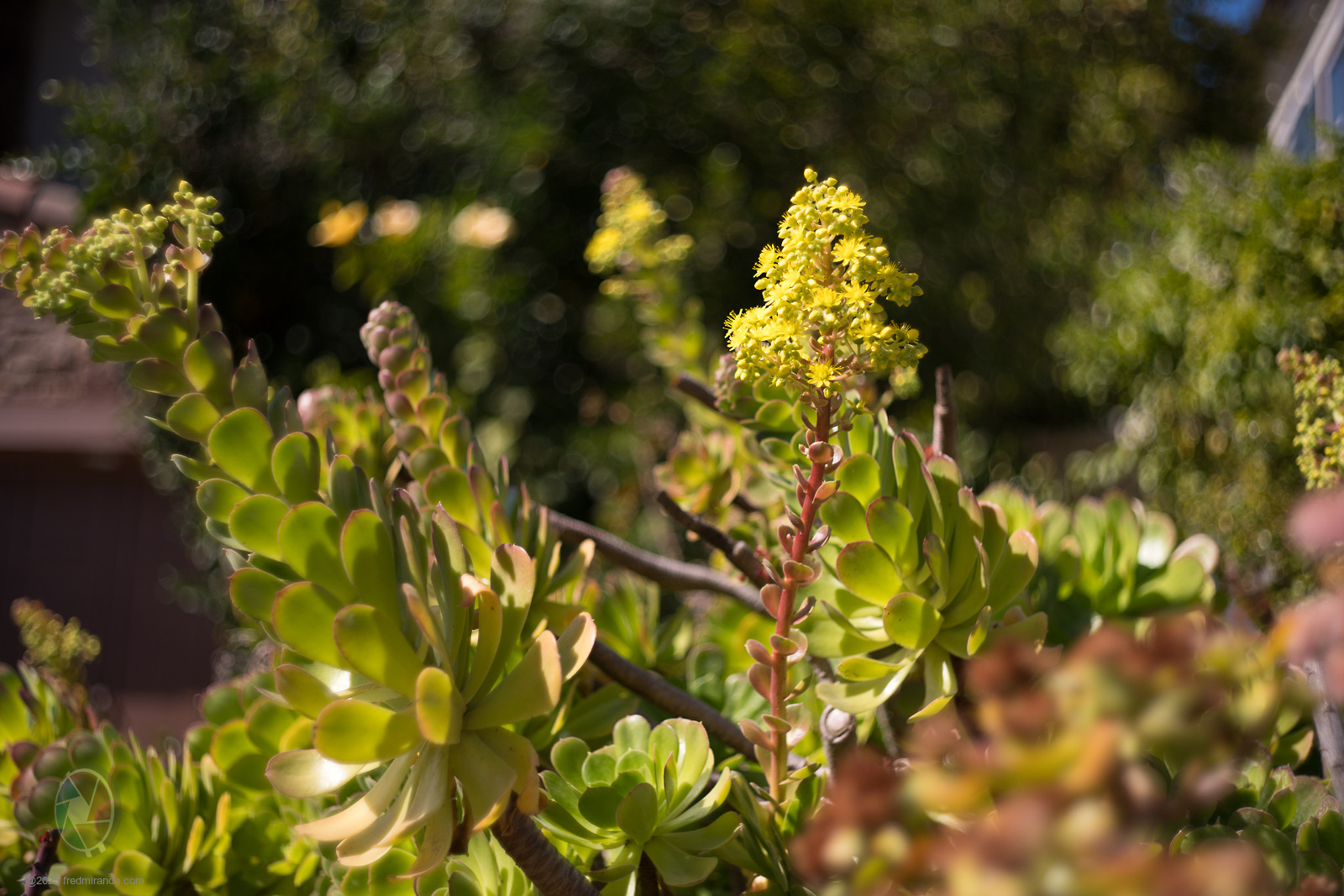
LEICA M10-R LLL 50mm f/2 Rigid lens 50mm 1/8000s 100 ISO -2.0 EV
|
||
 |
||
|
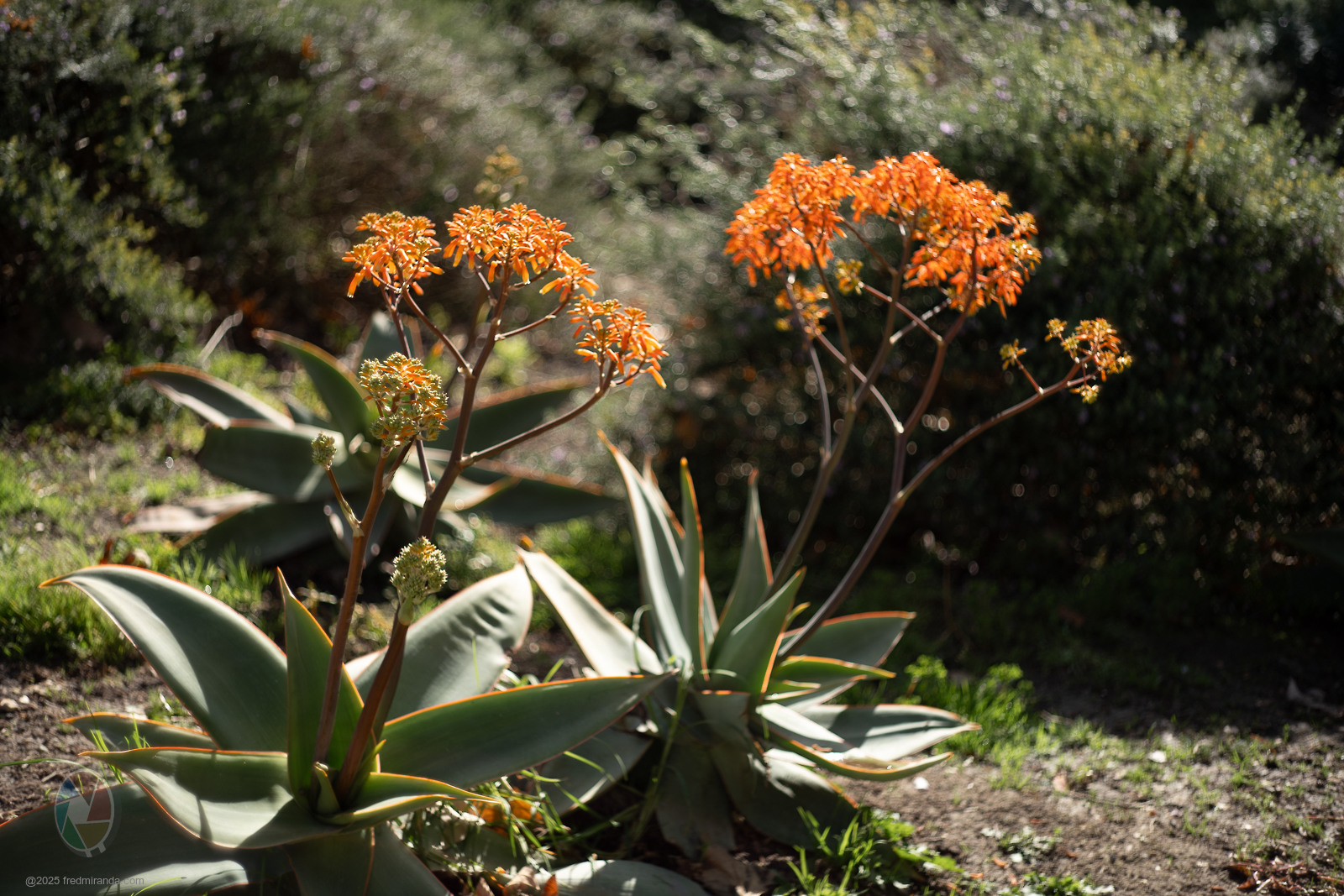
LEICA M10-R LLL 50mm f/2 Rigid lens 50mm 1/6400s 100 ISO -0.3 EV
|
||
 |
||
|
LEICA M10-R LLL 50mm f/2 Rigid lens 50mm 1/2000s 100 ISO -0.3 EV
Feb 19, 2025 at 03:51 PM
p.4 #12Light Lens Lab 50mm f/2 Rigid Review
Back to Quick Links
Final Thoughts
After shooting and testing the new Light Lens Lab 50mm f/2 Rigid, I'm confident to report that it's a faithful replica to the original Leica Rigid lens. The mechanics are pretty much identical with only very small differences in the font used and to the fact that the Light Lens Lab lens altered some aspects of the original lens. However, the changes are very welcome like the ability to focus with the rangefinder at 0.7m distance and the ability to select 1/2 distinctive clicks in the aperture ring.
The brass construction feels solid and the focusing ring moves the smoothly in my copy. It is also well calibrated with the rangefinder, which my original Leica was not and adjusting this lens is not so trivial and required sending it in to a technician. Luckily the Light Lens Lab's tolerance was great from the start.
The Light Lens Lab exit pupil is larger than the Leica's, but this has no impact on rendering. Vignetting remains unchanged, and specular highlights retain their original shape, resulting in an identical level of optical vignetting. All other aspects like distortion, resolution/contrast performance, sunstar rendering, color error, field curvature and even flare is similar to the original Leica, so if you like the Leica, you will also like the Light Lens Lab.
But why not just find a good copy of the original Leica? This is not a very rare lens and it's one of the most affordable Leica lenses. Well, first the coating on these old lenses were very fragile so most copies out there are likely full of scratches. Over the years the amount of dust likely created a bit of haze as well and rangefinder accuracy may not be ideal, especially when shooting with Leica M digital bodies, so expect to add some extra expense for an extensive CLA in your price calculation. What you get with the Light Lens lab is a lower price brand new lens that's free of issues caused by time, so perhaps more headache free. Also the Leica black paint version is very rare to find for the original Leica, and if you do, expect to pay substantially more for it. Light Lens lab offers the Black version for a similar price.
So, what's there to criticize about this replica lens? Most of its drawbacks are shared with the original Leica, making it difficult to find significant flaws given their similar performance and rendering. My Leica copy shows a very slight advantage off-axis, but I don’t attribute this to sample variation, as both lenses tested were perfectly centered. Having worked with numerous Leica copies, I can say that this comparison is based on well-performing samples.
Pros:
• Excellent resolution and contrast around the center area, closely matching the original Leica Rigid.
• Improved minimum focusing distance (0.7m vs. 1m on the original Leica).
• Sturdy construction with precise tolerances; my copy was well-centered and rangefinder-calibrated.
• Maintains the classic rendering of the original Leica Rigid.
• Very slight pincushion distortion (-2 correction in Lightroom).
• Great control over chromatic aberration, particularly lateral CA, with well-managed axial CA.
Cons:
• Sunstars show some definition from f/2.8 but become more pronounced only after f/5.6.
• Prone to flare, which can reduce clarity and contrast, though some may appreciate the vintage, cinematic look.
• Close focusing benefits from stopping down to f/2.8 or f/4, with noticeable focus shift — similar to the original Leica.
• Field curvature shows a slight wavy pattern at longer distances and outwards at close distance, mirroring the original Leica's behavior.
• Corner sharpness is lacking at wider apertures, comparable to the original Leica. The Light Lens Lab 50mm f/2 Speed Panchro II performs better in this regard.
Feb 19, 2025 at 04:43 PM
p.4 #13Light Lens Lab 50mm f/2 Rigid Review
rollei35_warton wrote:
My shelf is full of lenses. One of my hobbies is to arrange those lenses in different ways, such as by focal length, by brand, by apertures, by appearance, by chronicle, etc. I feel one more lens will just add too much burden when sorting them.
There is truth to this. Having more gear often leads to more decisions, much like an excess of camera settings can slow you down. Simplicity fuels creativity, yet we can’t resist the pull of a unique lens. Once we see its character and it speaks to us, the desire to own it feels almost inevitable.
I own more 50mm lenses than any other focal length, and I love them all. But the Rigid remains my favorite, especially on the M3.
Feb 20, 2025 at 09:57 AM
p.4 #14Light Lens Lab 50mm f/2 Rigid Review
Bob W wrote:
Hi Bob,
I haven't tried the Light Lens Lab 50mm f/2 Rigid-SP II myself, but according to their site, the lens features the 50mm f/2 Speed Panchro II optical block housed in the Type 2 "Rigid" 50mm f/2 body, so the rendering should be identical when wide open.
However, when stopped down, the specular highlights of the Light Lens Lab 50mm f/2 Rigid-SP II may not be as rounded, as it has 8 aperture blades compared to the 11 blades on the previous version.Interesting, I missed that fact about the number of aperture blades. Will have to look into that.
How do the LLL Rigid and Panchro SP II compare? In my view, the main difference in blur comes from their focal lengths. The Panchro SP II is slightly wider than 50mm, while the Rigid is a bit longer. This creates a noticeable difference in the amount of blur when focusing on a subject from the same distance.
The Panchro SP II also has lower optical vignetting, which reduces bokeh swirl and results in more rounded specular highlights. The Rigid, on the other hand, appears to have less pronounced outlining. Despite these differences, both lenses deliver a classic rendering.
Fred Miranda wrote
Bob W wrote
Not sure if this has been asked and answered, but is there a difference between the LLL SP II and the LLL SP II Ridgid as far as rendering?I haven't tried the Light Lens Lab 50mm f/2 Rigid-SP II myself, but according to their site, the lens features the 50mm f/2 Speed Panchro II optical block housed in the Type 2 "Rigid" 50mm f/2 body, so the rendering should be identical when wide open.
However, when stopped down, the specular highlights of the Light Lens Lab 50mm f/2 Rigid-SP II may not be as rounded, as it has 8 aperture blades compared to the 11 blades on the previous version.
How do the LLL Rigid and Panchro SP II compare? In my view, the main difference in blur comes from their focal lengths. The Panchro SP II is slightly wider than 50mm, while the Rigid is a bit longer. This creates a noticeable difference in the amount of blur when focusing on a subject from the same distance.
The Panchro SP II also has lower optical vignetting, which reduces bokeh swirl and results in more rounded specular highlights. The Rigid, on the other hand, appears to have less pronounced outlining. Despite these differences, both lenses deliver a classic rendering.
Feb 22, 2025 at 07:06 PM
p.4 #15Light Lens Lab 50mm f/2 Rigid Review
Fred Miranda wrote:
Hi Bob,
I haven't tried the Light Lens Lab 50mm f/2 Rigid-SP II myself, but according to their site, the lens features the 50mm f/2 Speed Panchro II optical block housed in the Type 2 "Rigid" 50mm f/2 body, so the rendering should be identical when wide open.
However, when stopped down, the specular highlights of the Light Lens Lab 50mm f/2 Rigid-SP II may not be as rounded, as it has 8 aperture blades compared to the 11 blades on the previous version.Interesting, I missed that fact about the number of aperture blades. Will have to look into that.How do the LLL Rigid and Panchro SP II compare? In my view, the main difference in blur comes from their focal lengths. The Panchro SP II is slightly wider than 50mm, while the Rigid is a bit longer. This creates a noticeable difference in the amount of blur when focusing on a subject from the same distance.
The Panchro SP II also has lower optical vignetting, which reduces bokeh swirl and results in more rounded specular highlights. The Rigid, on the other hand, appears to have less pronounced outlining. Despite these differences, both lenses deliver a classic rendering.
Is not the glow of illuminated surfaces far more pronounced on the SP II? I feel it’s a feat where the amount of it sets it a bit apart and gives the lens quite a strong unique identity in that regard.
Bob W wrote
Fred Miranda wrote
Bob W wrote
Not sure if this has been asked and answered, but is there a difference between the LLL SP II and the LLL SP II Ridgid as far as rendering?I haven't tried the Light Lens Lab 50mm f/2 Rigid-SP II myself, but according to their site, the lens features the 50mm f/2 Speed Panchro II optical block housed in the Type 2 "Rigid" 50mm f/2 body, so the rendering should be identical when wide open.
However, when stopped down, the specular highlights of the Light Lens Lab 50mm f/2 Rigid-SP II may not be as rounded, as it has 8 aperture blades compared to the 11 blades on the previous version.
The Panchro SP II also has lower optical vignetting, which reduces bokeh swirl and results in more rounded specular highlights. The Rigid, on the other hand, appears to have less pronounced outlining. Despite these differences, both lenses deliver a classic rendering.
Is not the glow of illuminated surfaces far more pronounced on the SP II? I feel it’s a feat where the amount of it sets it a bit apart and gives the lens quite a strong unique identity in that regard.
Feb 22, 2025 at 07:22 PM
p.4 #16Light Lens Lab 50mm f/2 Rigid Review
Thank you for the comparisons Fred, I think I am quite happy with my Panchro SP II. I love the rendering and the haptics.
Feb 22, 2025 at 10:48 PM
p.4 #17Light Lens Lab 50mm f/2 Rigid Review
Sonnar-7 wrote:
Hi Bob,
I haven't tried the Light Lens Lab 50mm f/2 Rigid-SP II myself, but according to their site, the lens features the 50mm f/2 Speed Panchro II optical block housed in the Type 2 "Rigid" 50mm f/2 body, so the rendering should be identical when wide open.
However, when stopped down, the specular highlights of the Light Lens Lab 50mm f/2 Rigid-SP II may not be as rounded, as it has 8 aperture blades compared to the 11 blades on the previous version.Interesting, I missed that fact about the number of aperture blades. Will have to look into that.How do the LLL Rigid and Panchro SP II compare? In my view, the main difference in blur comes from their focal lengths. The Panchro SP II is slightly wider than 50mm, while the Rigid is a bit longer. This creates a noticeable difference in the amount of blur when focusing on a subject from the same distance.
The Panchro SP II also has lower optical vignetting, which reduces bokeh swirl and results in more rounded specular highlights. The Rigid, on the other hand, appears to have less pronounced outlining. Despite these differences, both lenses deliver a classic rendering.Is not the glow of illuminated surfaces far more pronounced on the SP II? I feel it’s a feat where the amount of it sets it a bit apart and gives the lens quite a strong unique identity in that regard.
Yes, I see more accentuated glow with the Panchro SP II.
Fred Miranda wrote
Bob W wrote
Fred Miranda wrote
Bob W wrote
Not sure if this has been asked and answered, but is there a difference between the LLL SP II and the LLL SP II Ridgid as far as rendering?I haven't tried the Light Lens Lab 50mm f/2 Rigid-SP II myself, but according to their site, the lens features the 50mm f/2 Speed Panchro II optical block housed in the Type 2 "Rigid" 50mm f/2 body, so the rendering should be identical when wide open.
However, when stopped down, the specular highlights of the Light Lens Lab 50mm f/2 Rigid-SP II may not be as rounded, as it has 8 aperture blades compared to the 11 blades on the previous version.
The Panchro SP II also has lower optical vignetting, which reduces bokeh swirl and results in more rounded specular highlights. The Rigid, on the other hand, appears to have less pronounced outlining. Despite these differences, both lenses deliver a classic rendering.
Yes, I see more accentuated glow with the Panchro SP II.
Mar 13, 2025 at 11:27 AM
p.4 #18Light Lens Lab 50mm f/2 Rigid Review
BruceRH wrote:
Thank you for the comparisons Fred, I think I am quite happy with my Panchro SP II. I love the rendering and the haptics.
Do you have the LLL Panchro with the original barrel or the later "Rigid" barrel? I’ve only shot with the original and really appreciate the haptics and the long focus throw.
Thank you for the comparisons Fred, I think I am quite happy with my Panchro SP II. I love the rendering and the haptics.
Do you have the LLL Panchro with the original barrel or the later "Rigid" barrel? I’ve only shot with the original and really appreciate the haptics and the long focus throw.
Mar 13, 2025 at 11:29 AM
p.4 #19Light Lens Lab 50mm f/2 Rigid Review
Fred Miranda wrote:
Do you have the LLL Panchro with the original barrel or the later "Rigid" barrel? I’ve only shot with the original and really appreciate the haptics and the long focus throw.
I have the original in Black Paint with Brassing.
BruceRH wrote
Thank you for the comparisons Fred, I think I am quite happy with my Panchro SP II. I love the rendering and the haptics.I have the original in Black Paint with Brassing.
Mar 13, 2025 at 11:47 AM
p.4 #20Light Lens Lab 50mm f/2 Rigid Review
BruceRH wrote:
Do you have the LLL Panchro with the original barrel or the later "Rigid" barrel? I’ve only shot with the original and really appreciate the haptics and the long focus throw.I have the original in Black Paint with Brassing.
I ended up with the same one, Bruce. Beautiful lens!
Fred Miranda wrote
BruceRH wrote
Thank you for the comparisons Fred, I think I am quite happy with my Panchro SP II. I love the rendering and the haptics.I ended up with the same one, Bruce. Beautiful lens!
Mar 17, 2025 at 09:47 AM