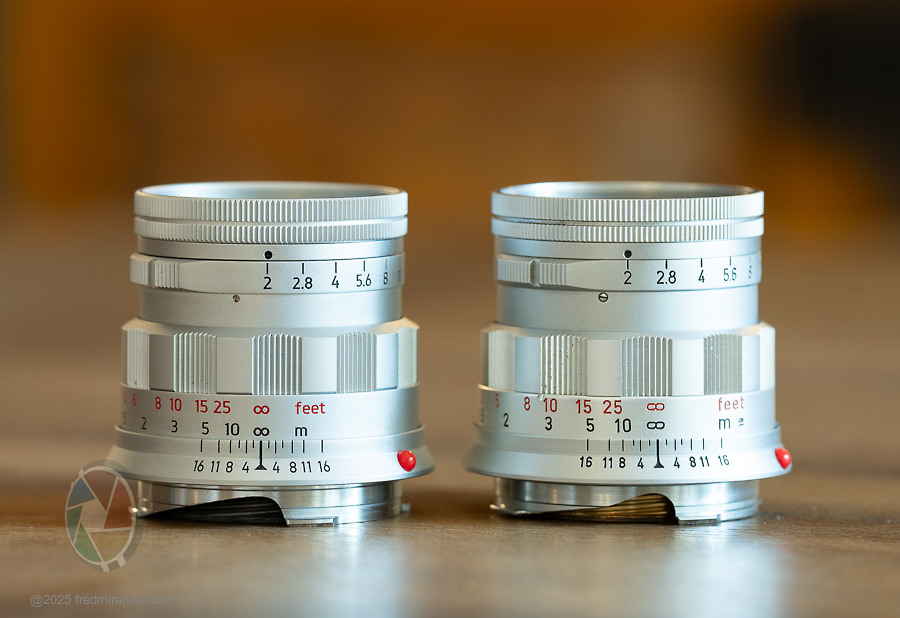
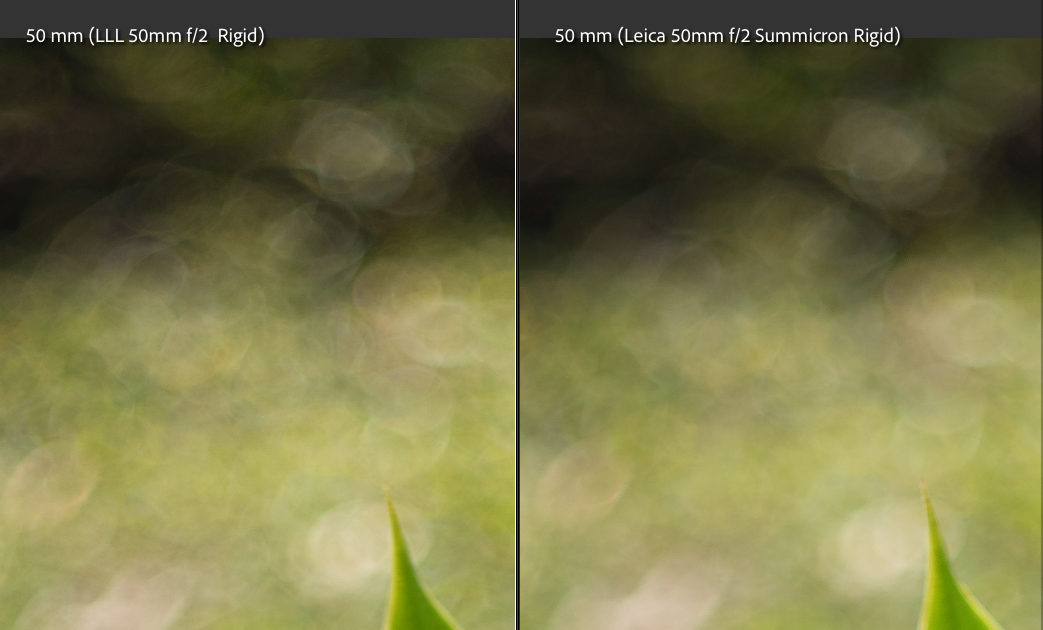
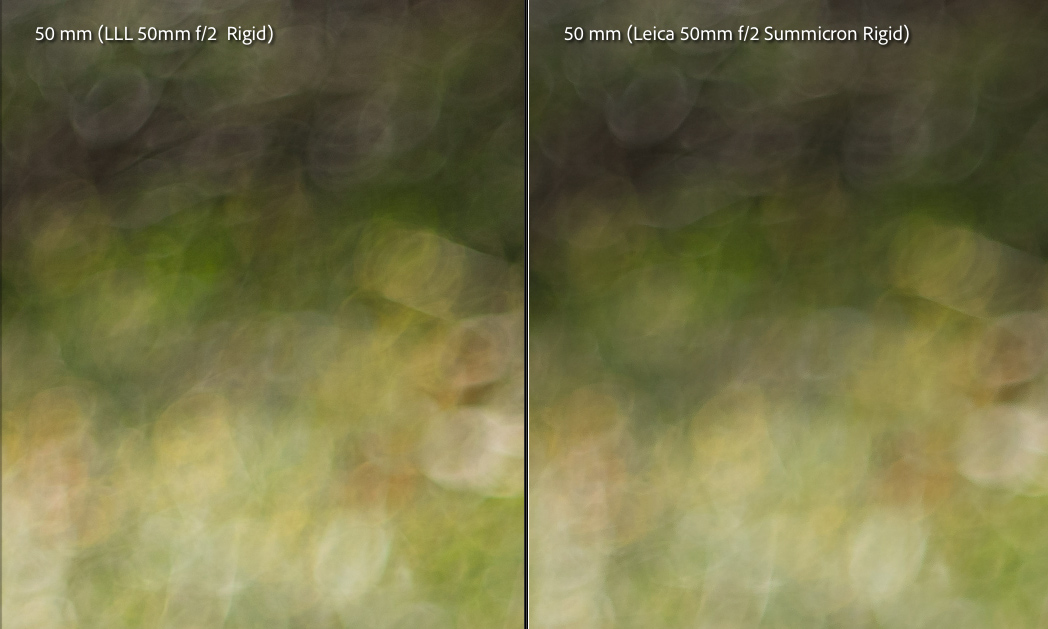
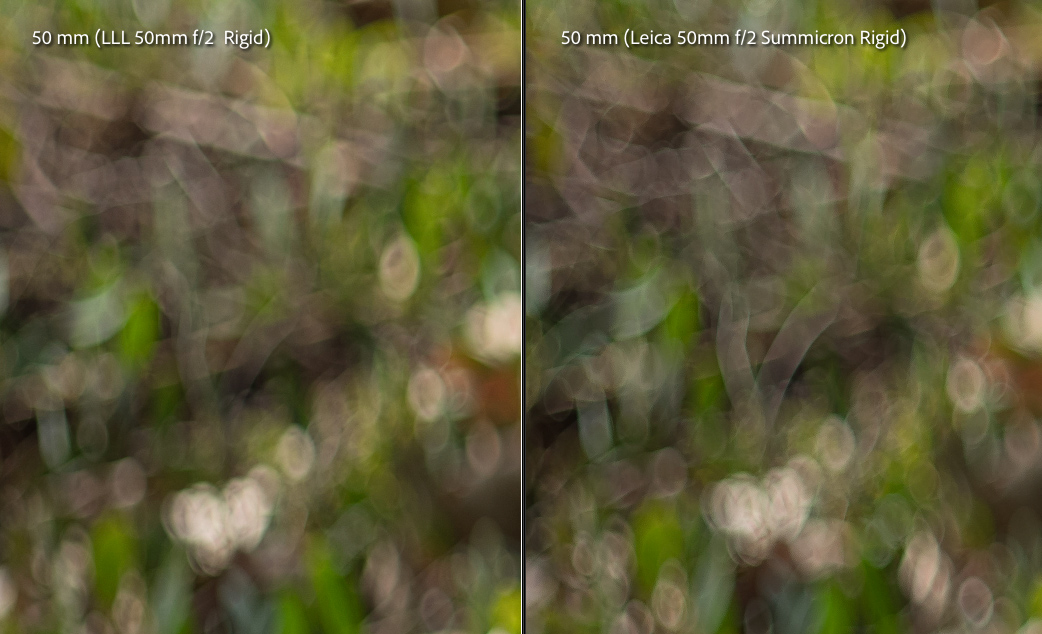
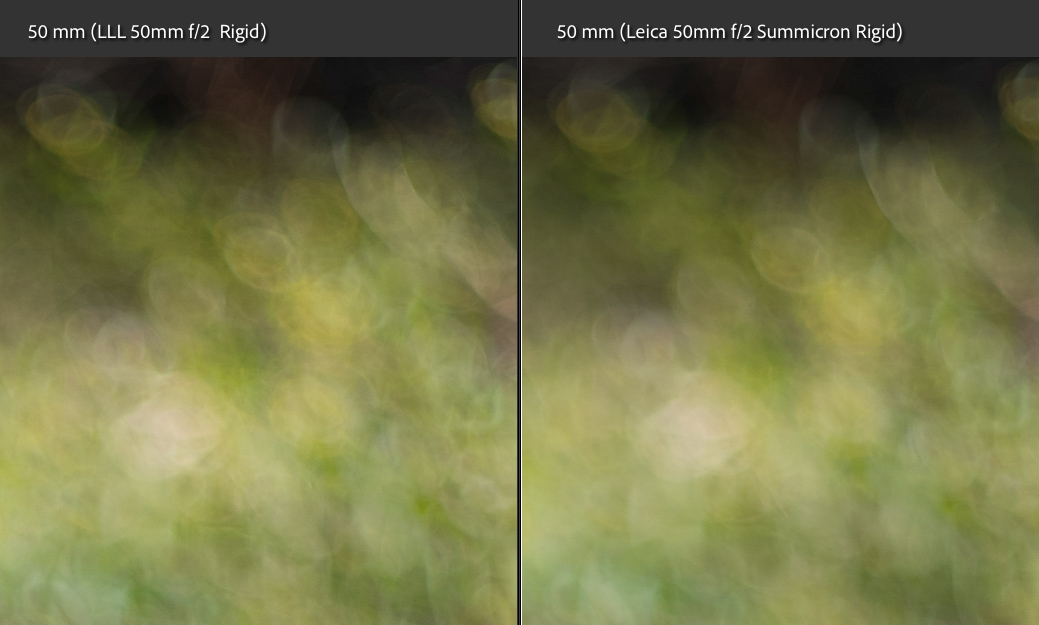
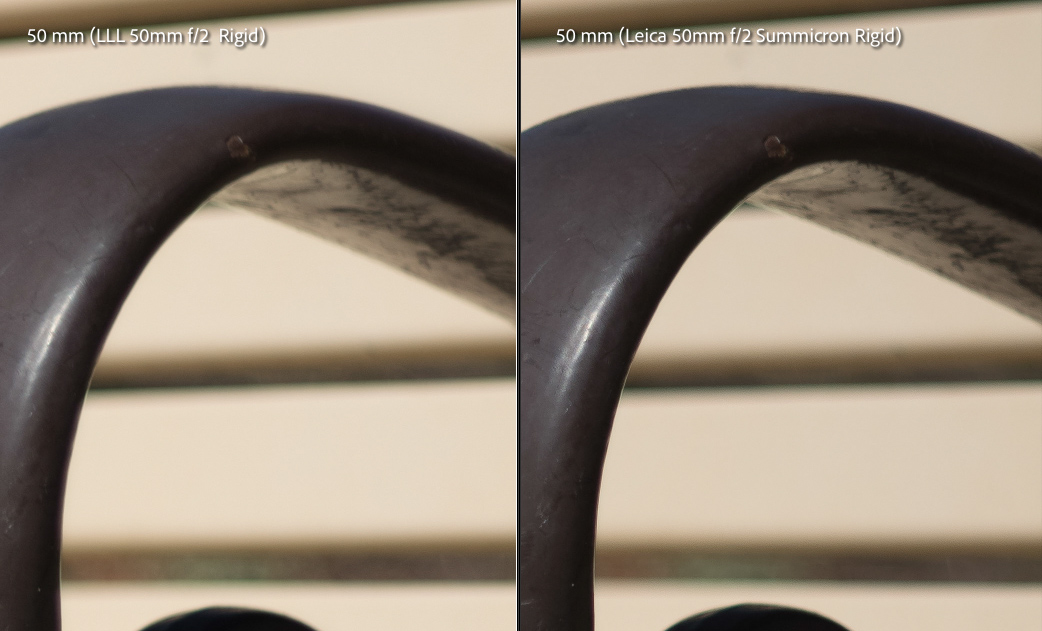
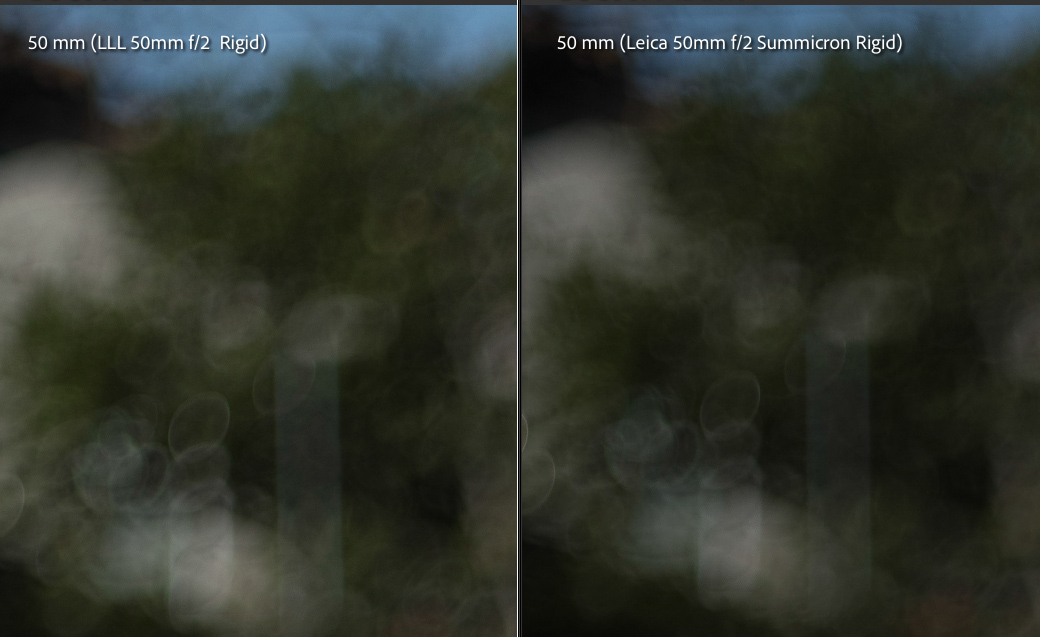
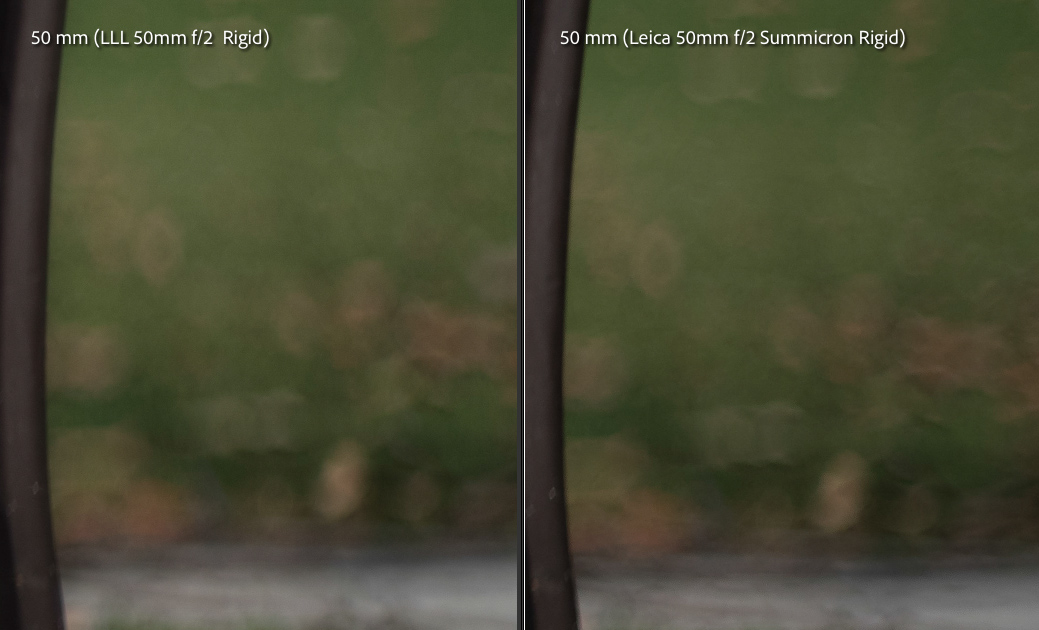
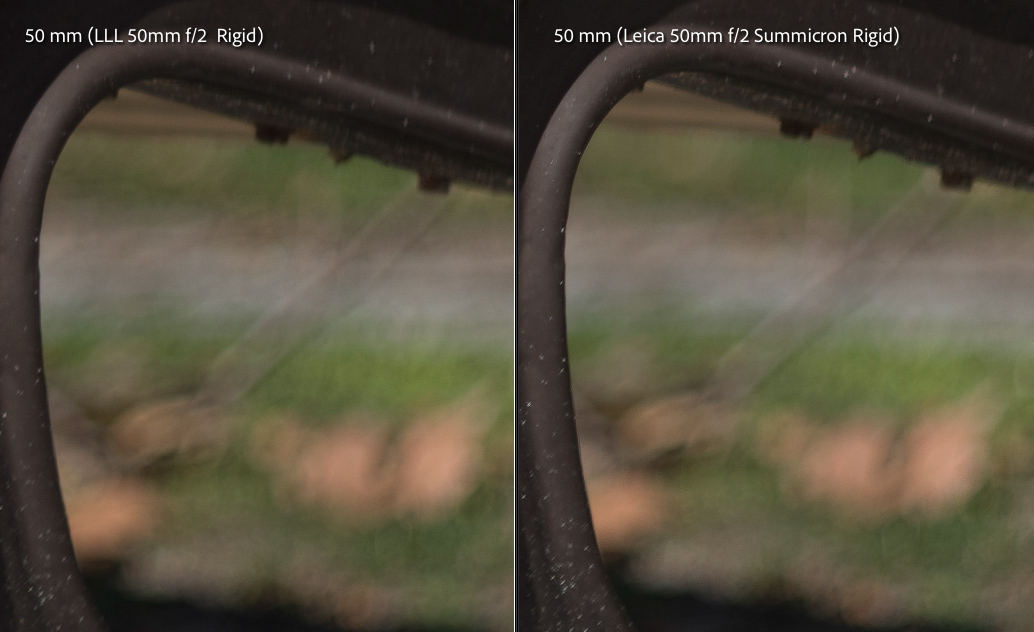
Rendering compared to Leica 50mm f/2 Summicron "Rigid"
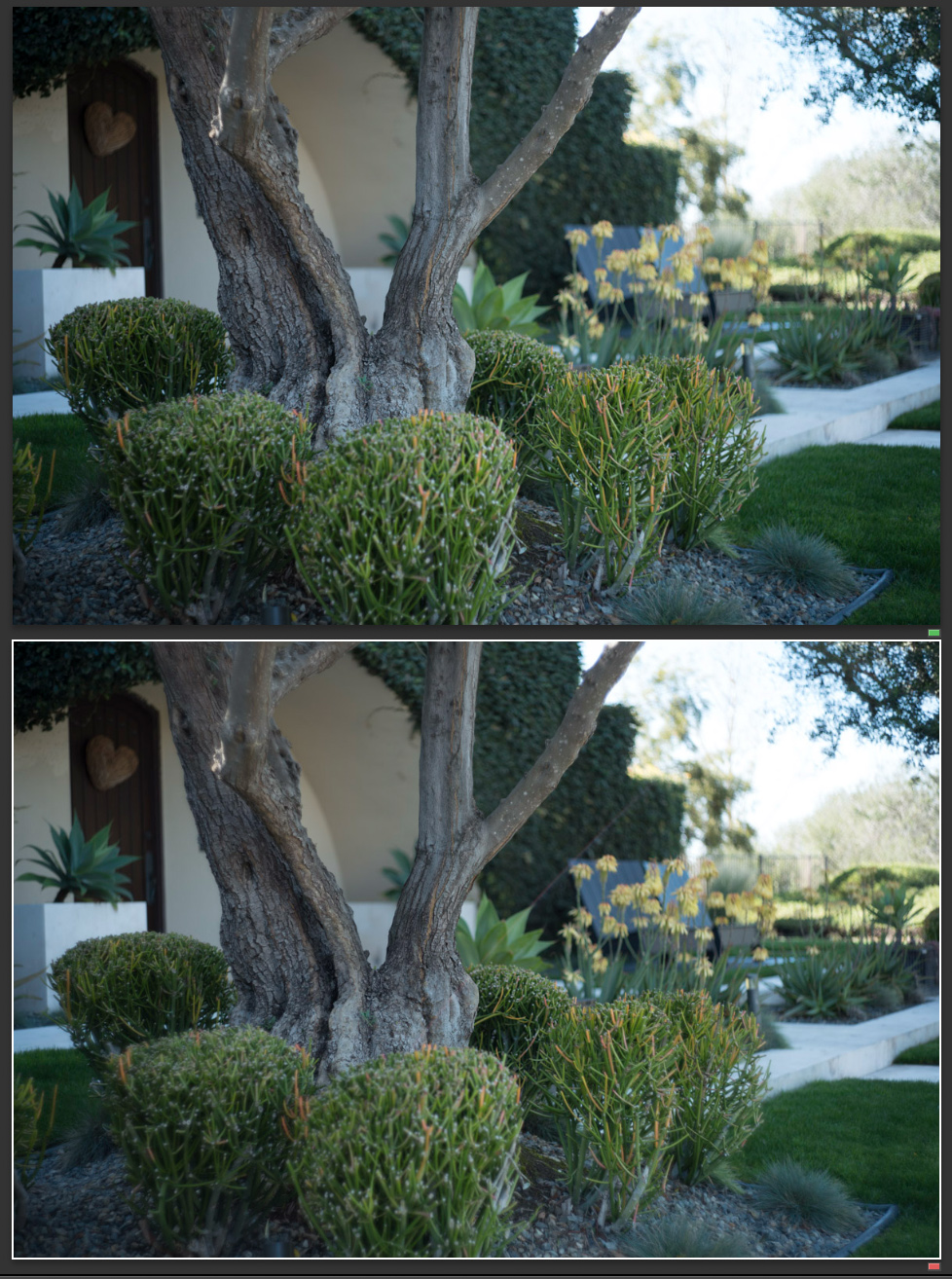
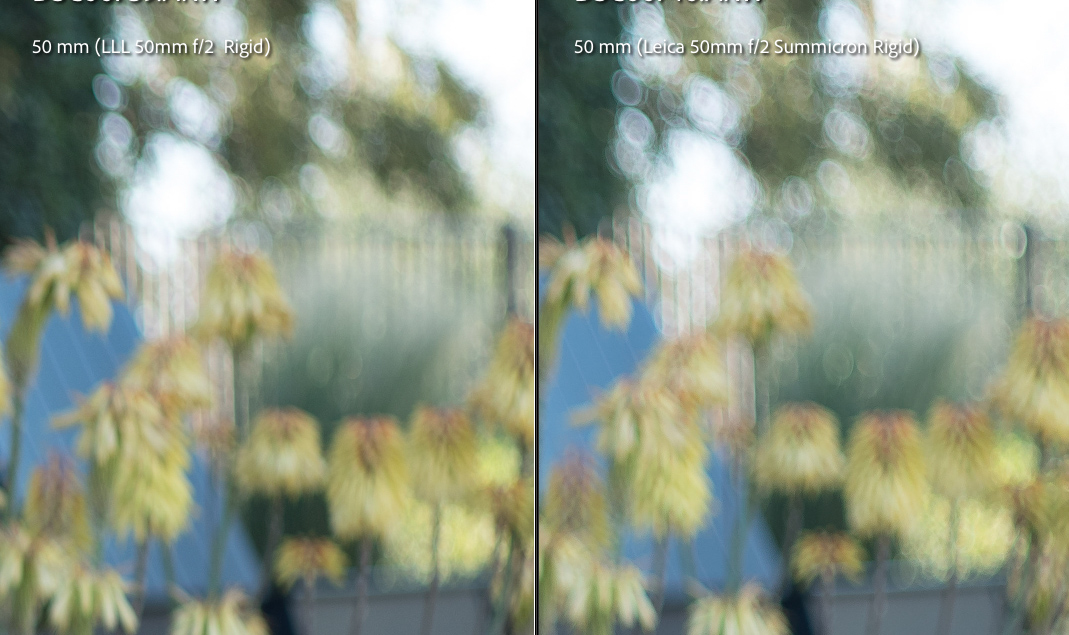
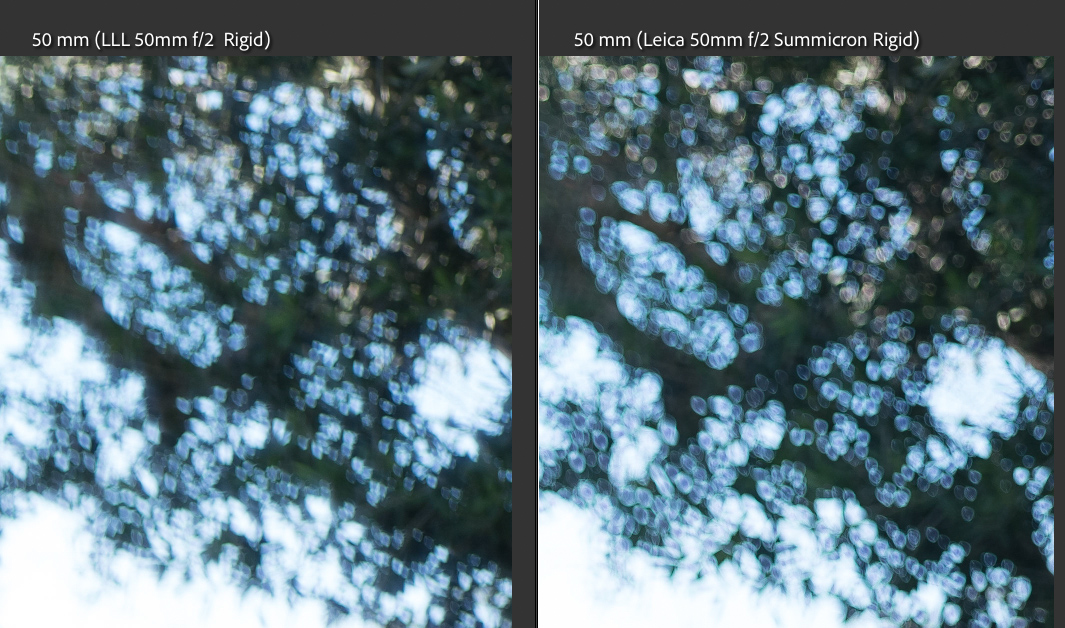
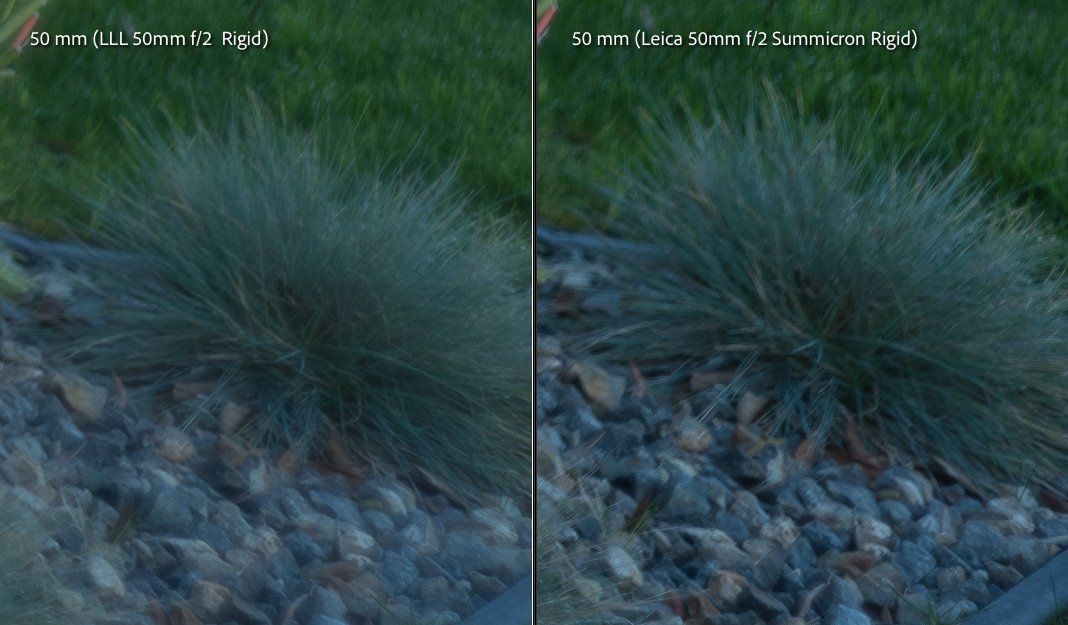
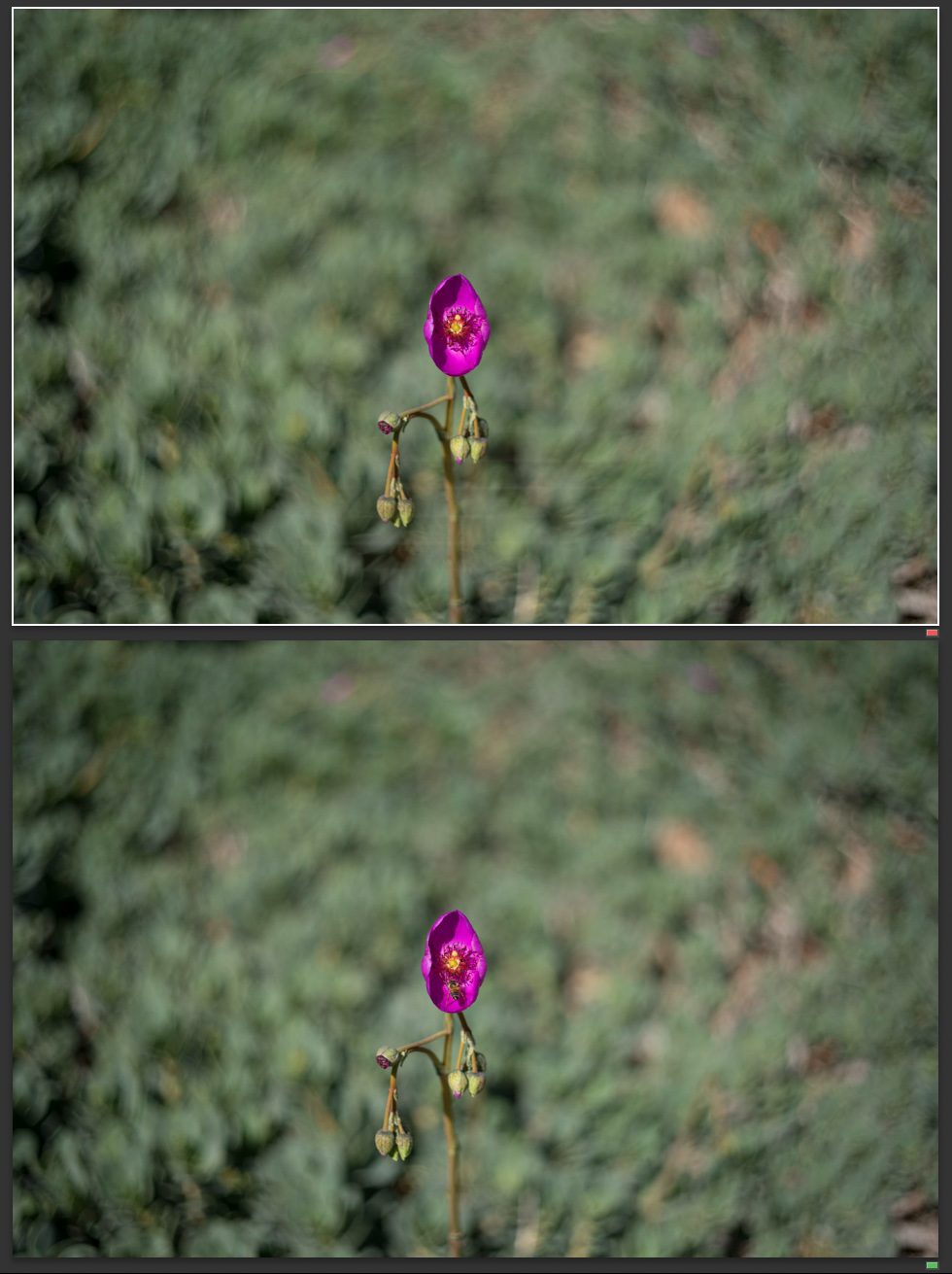
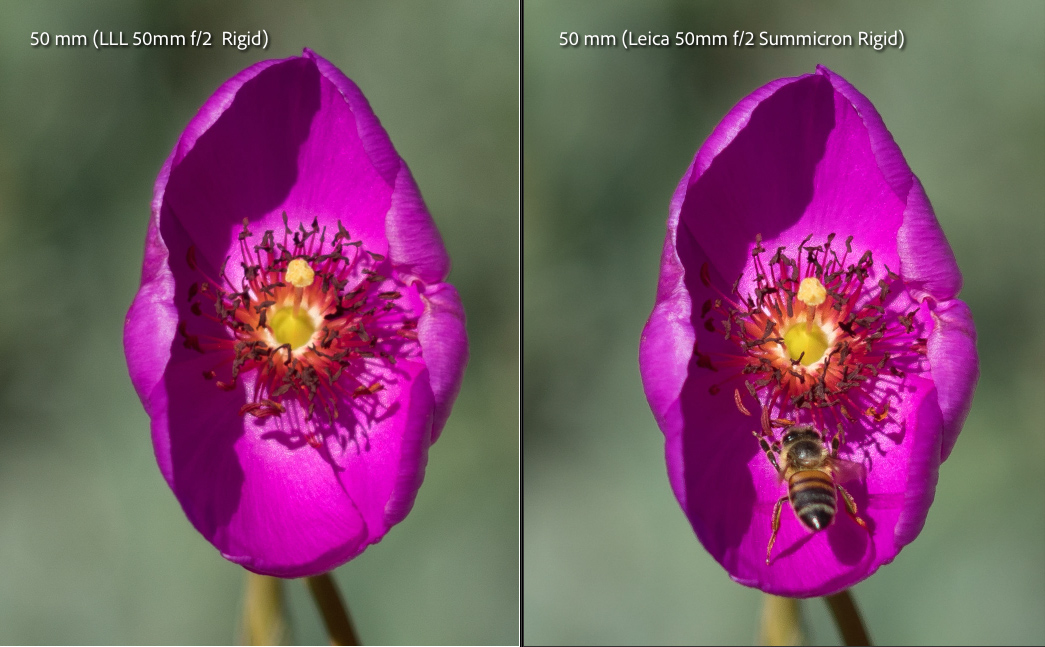
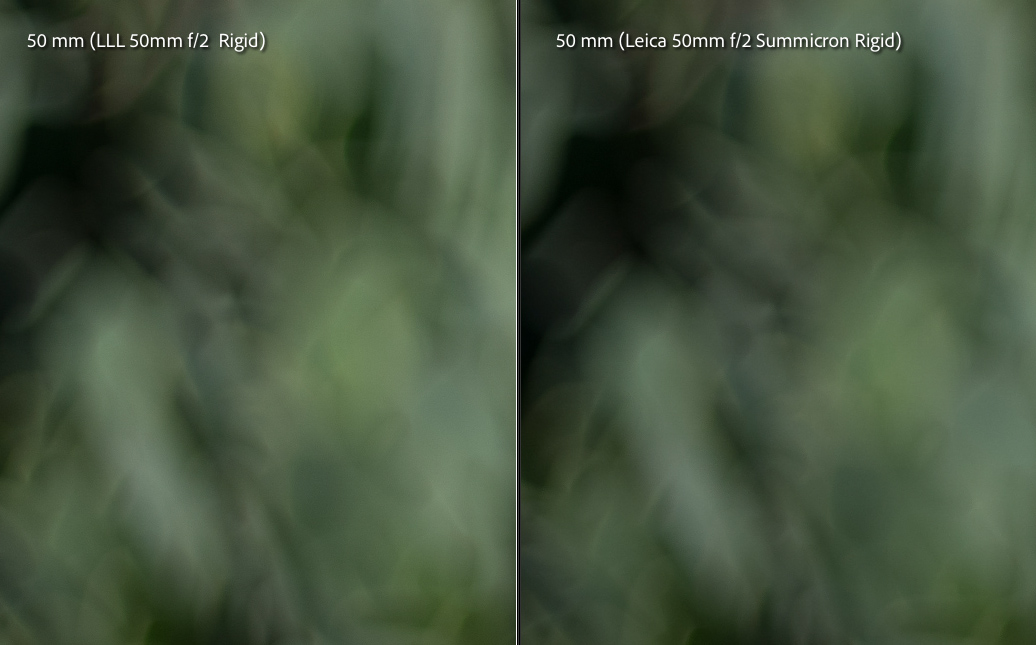
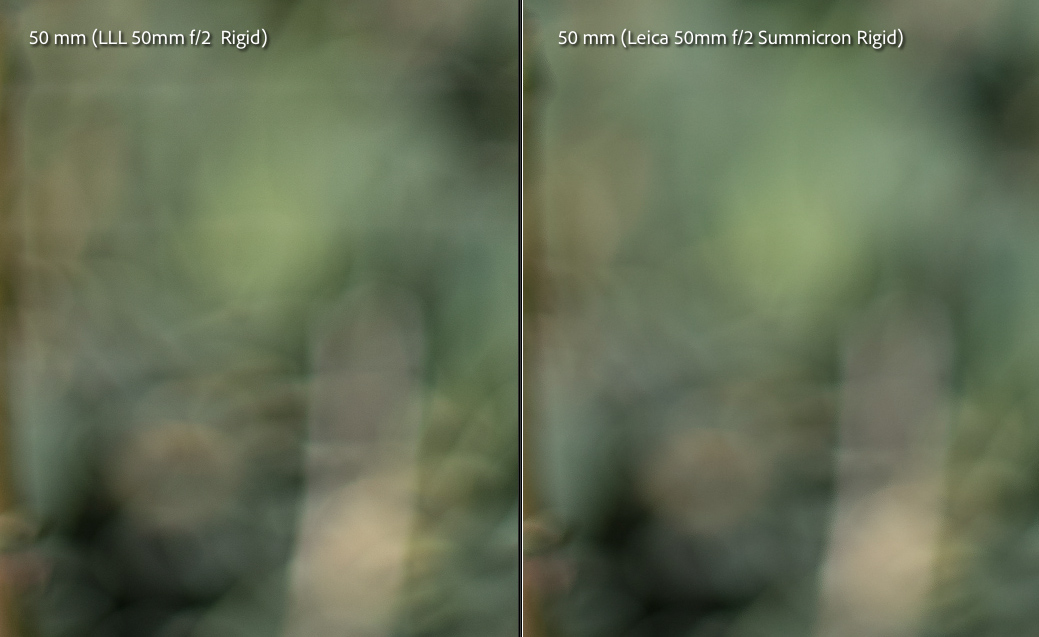
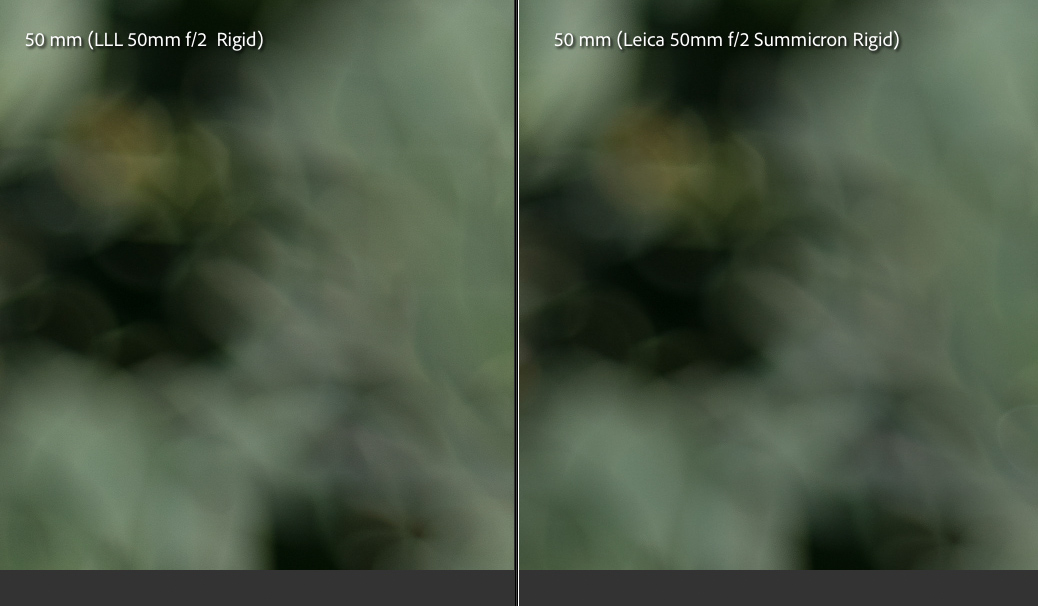
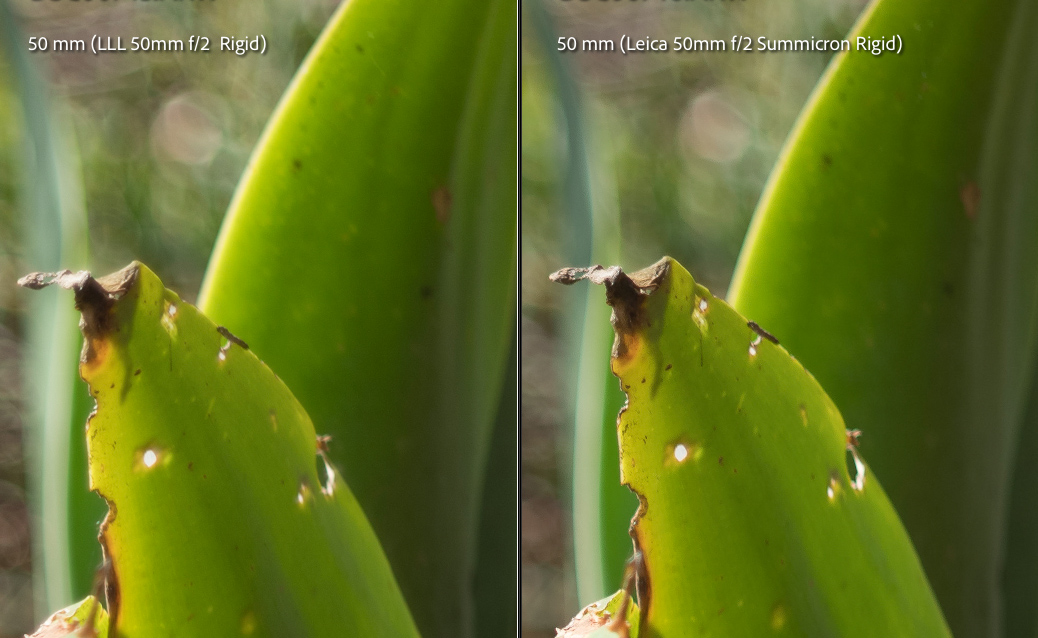
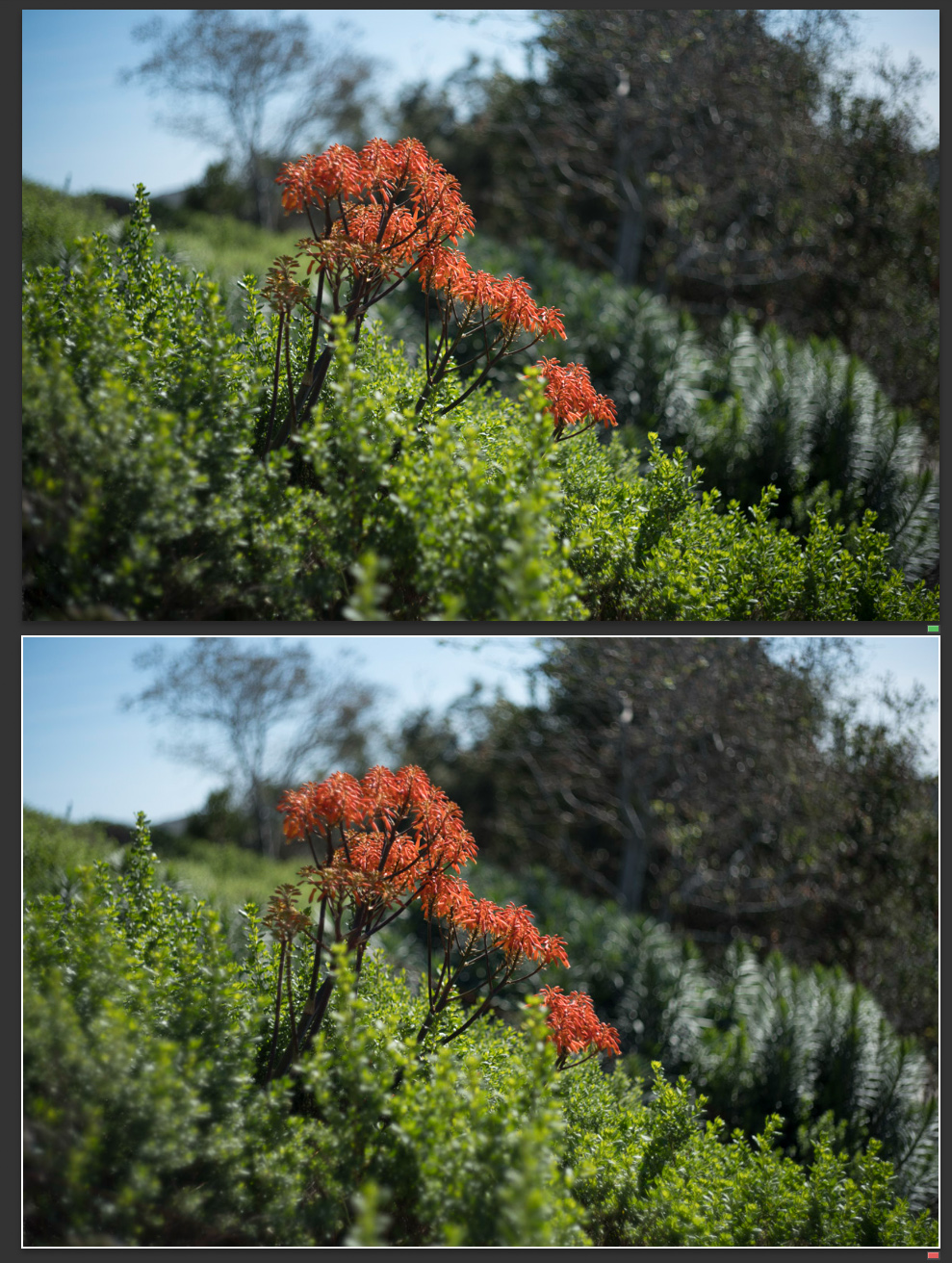
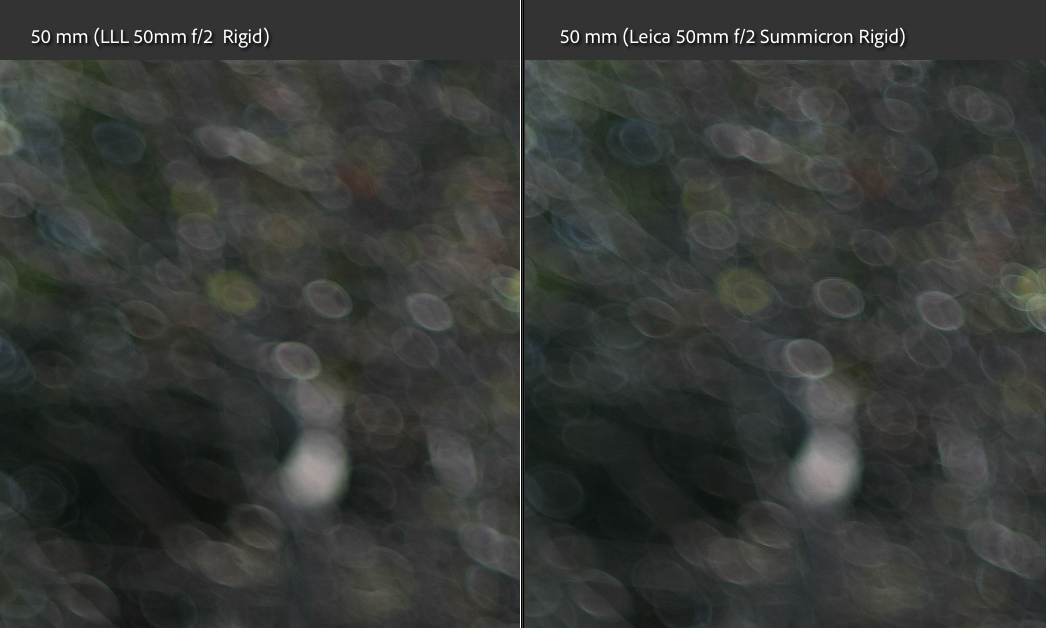
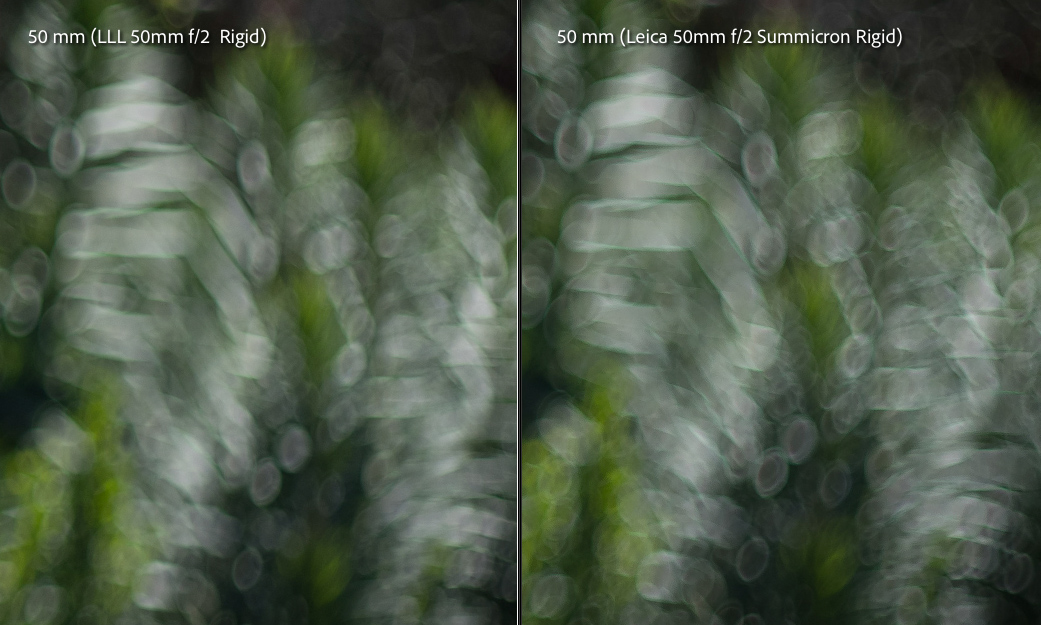
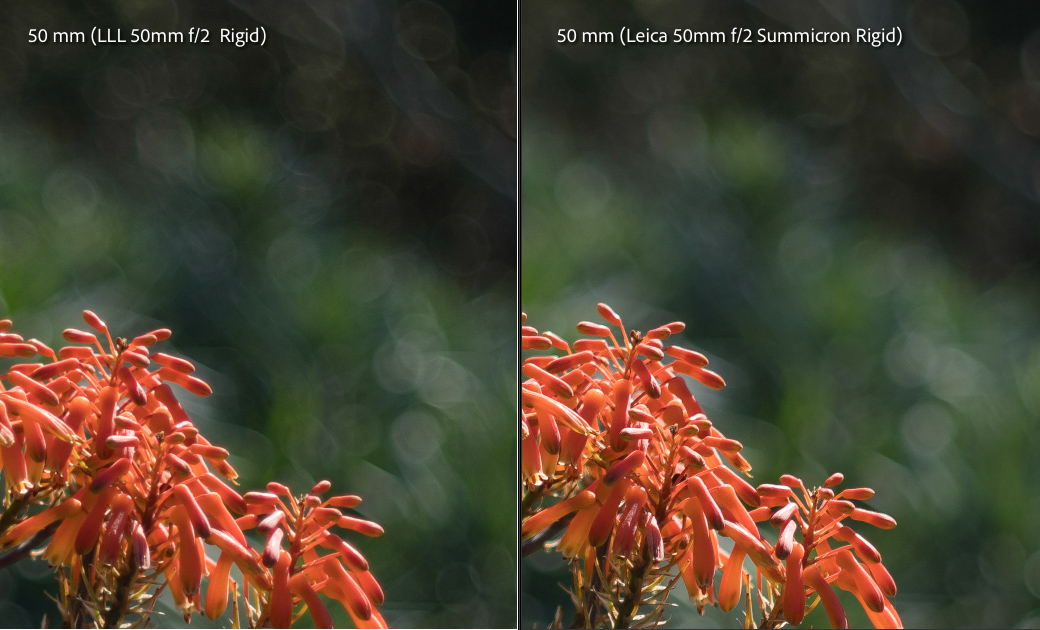
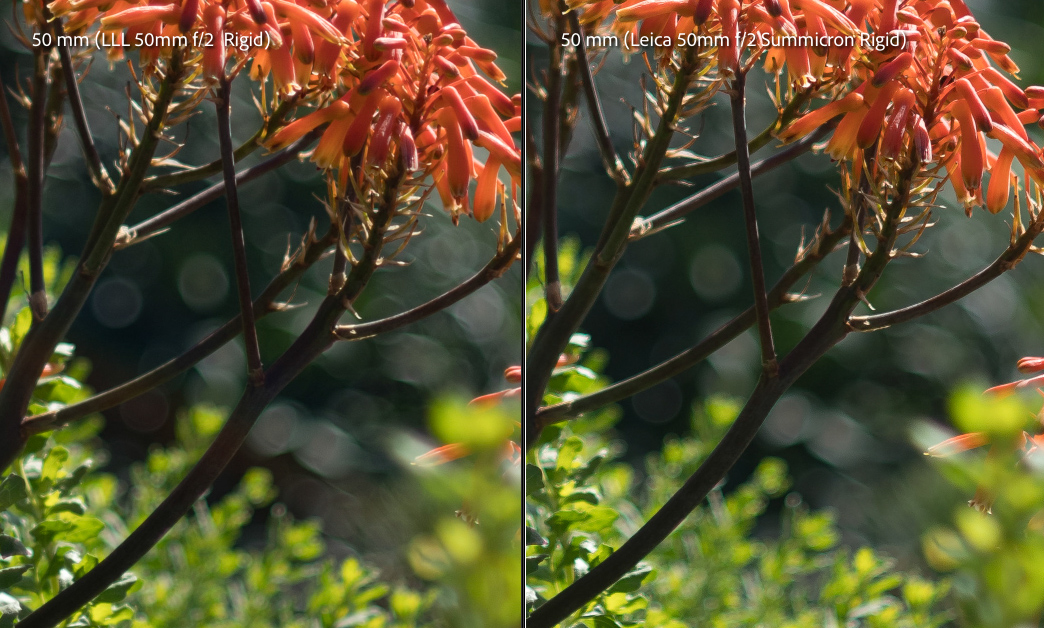
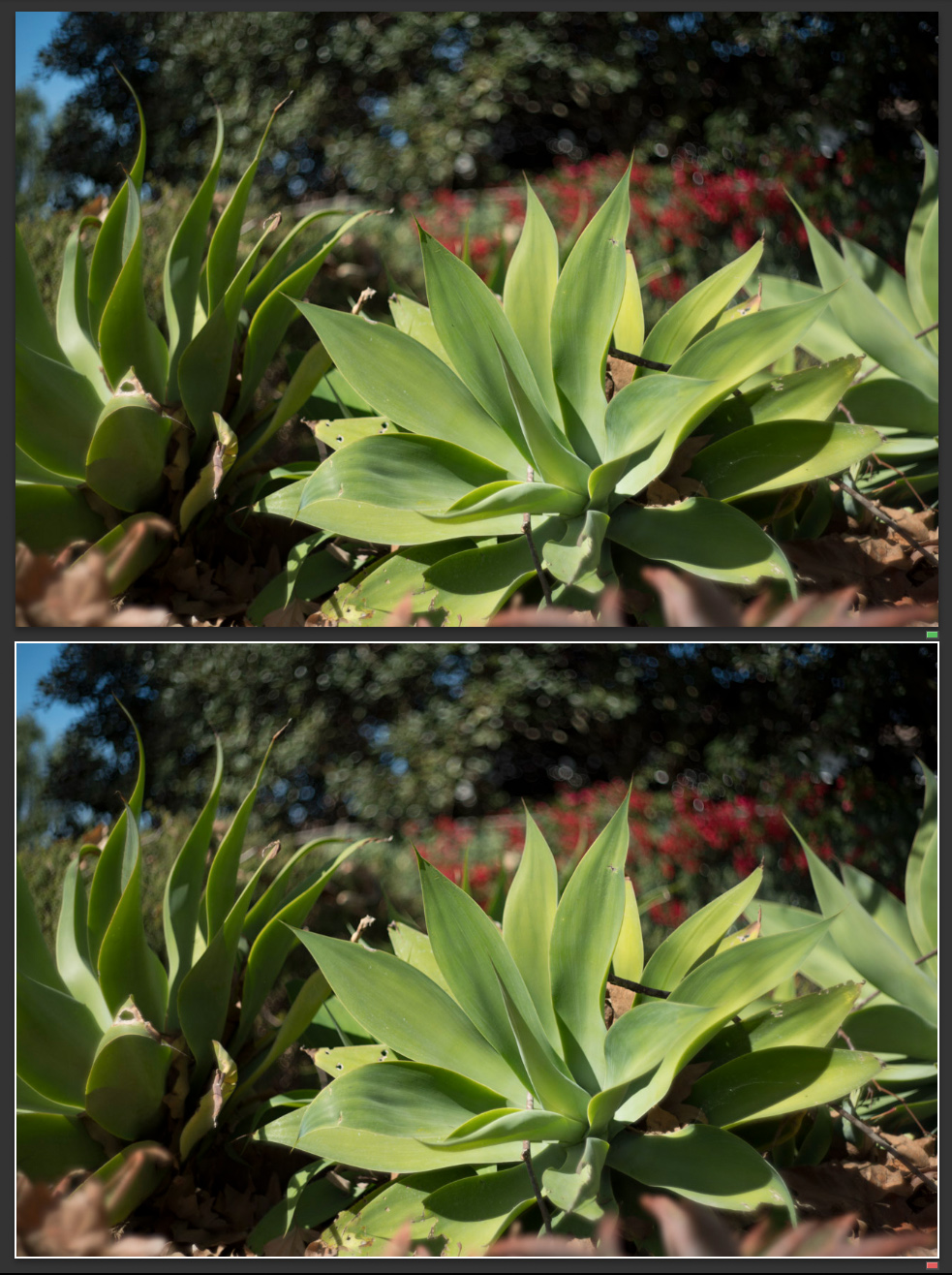
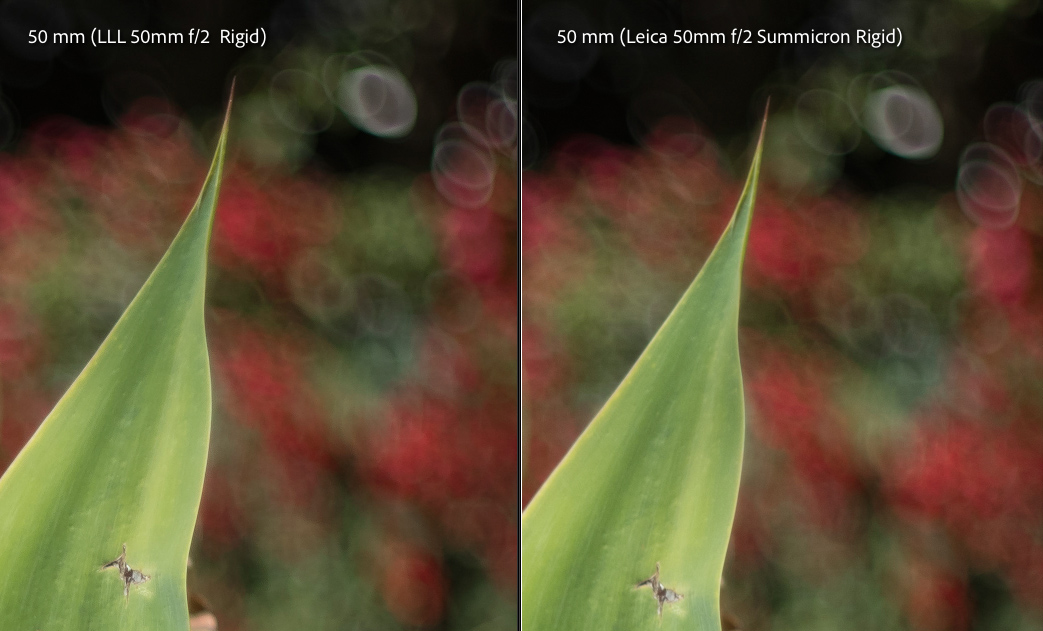
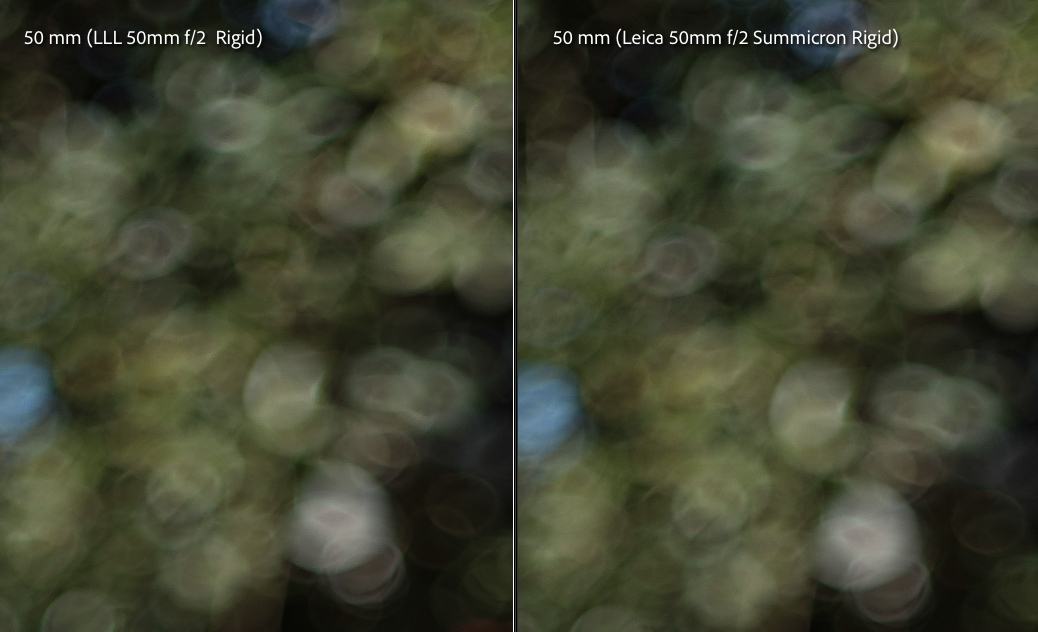
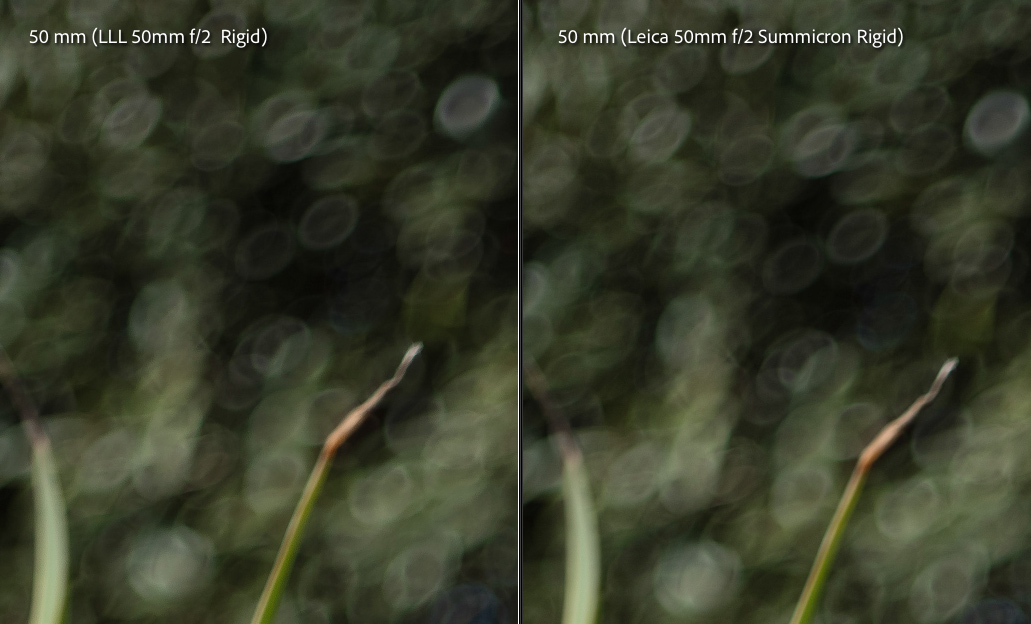
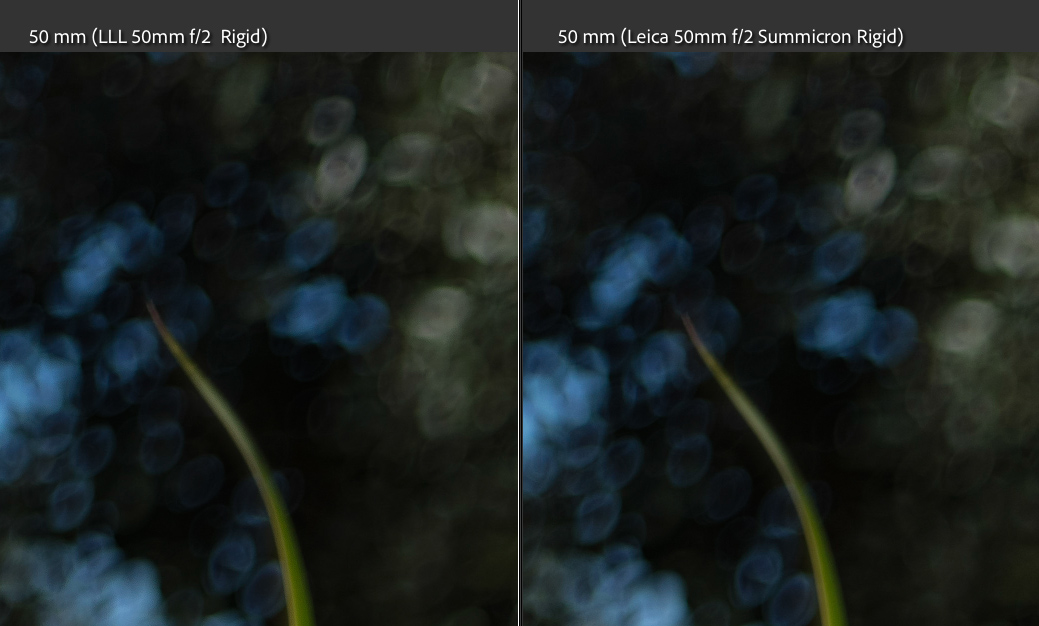
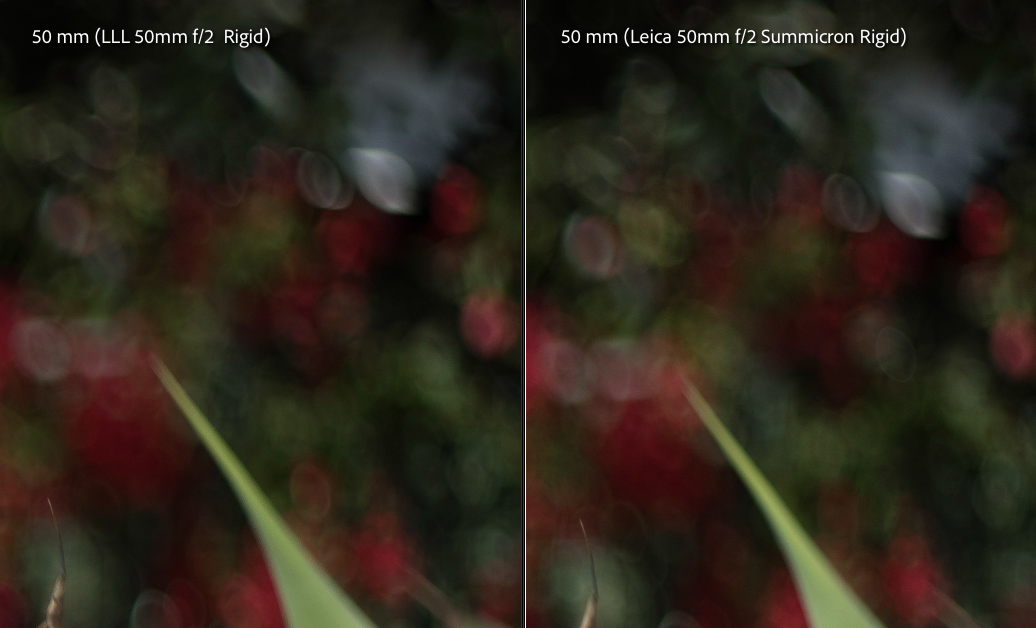
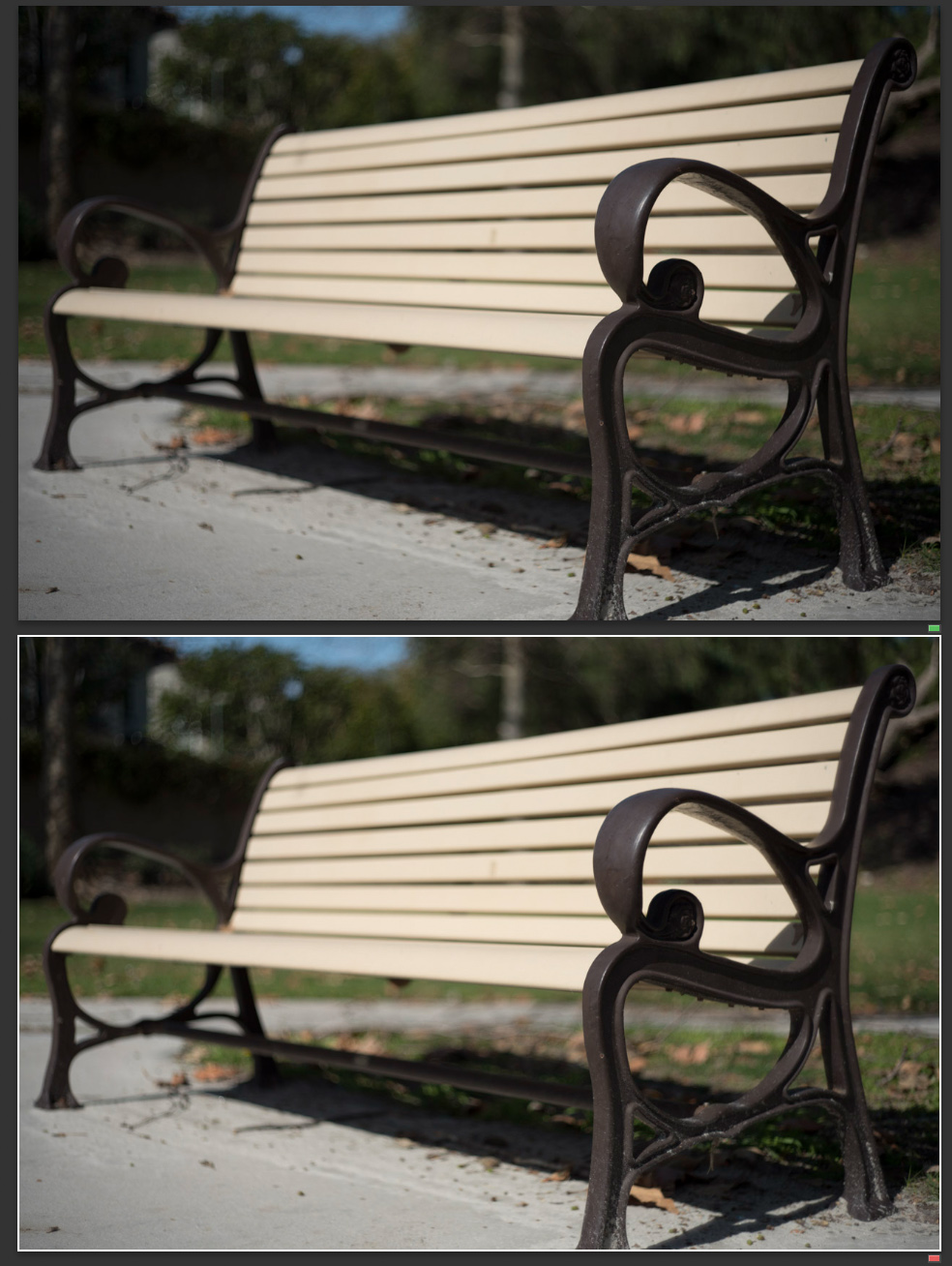
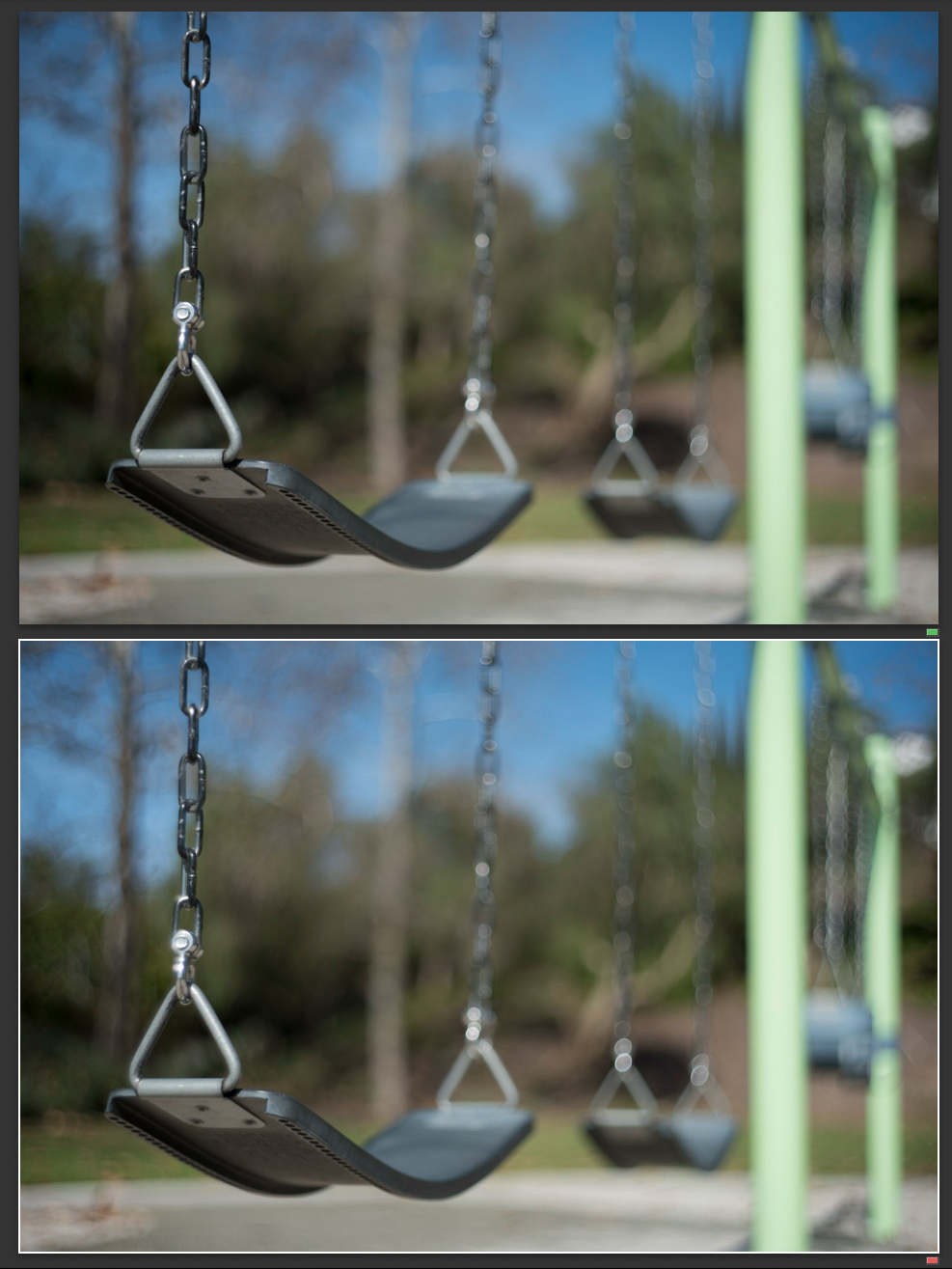
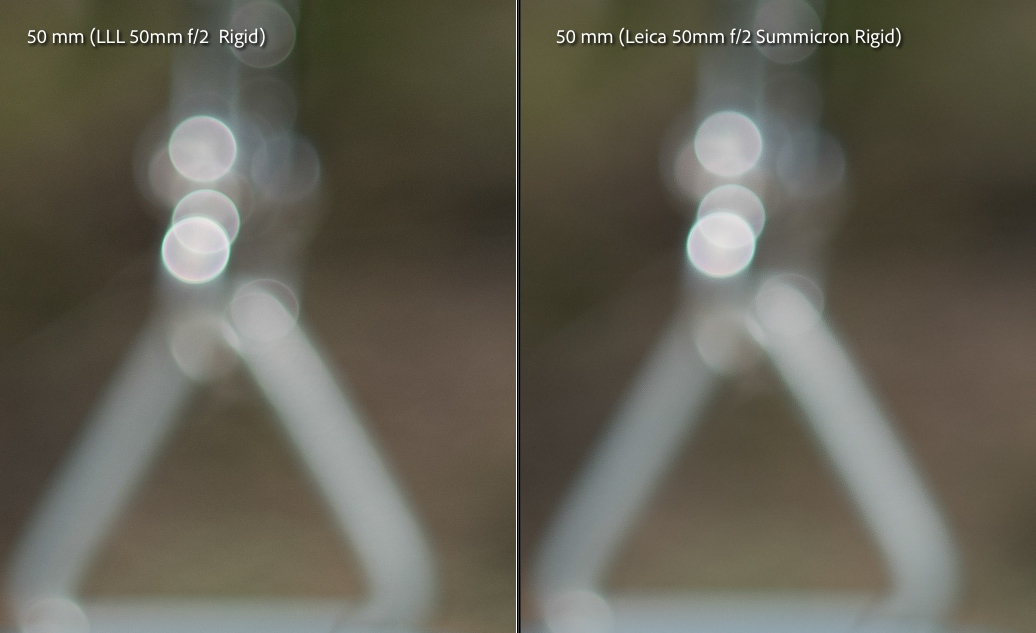
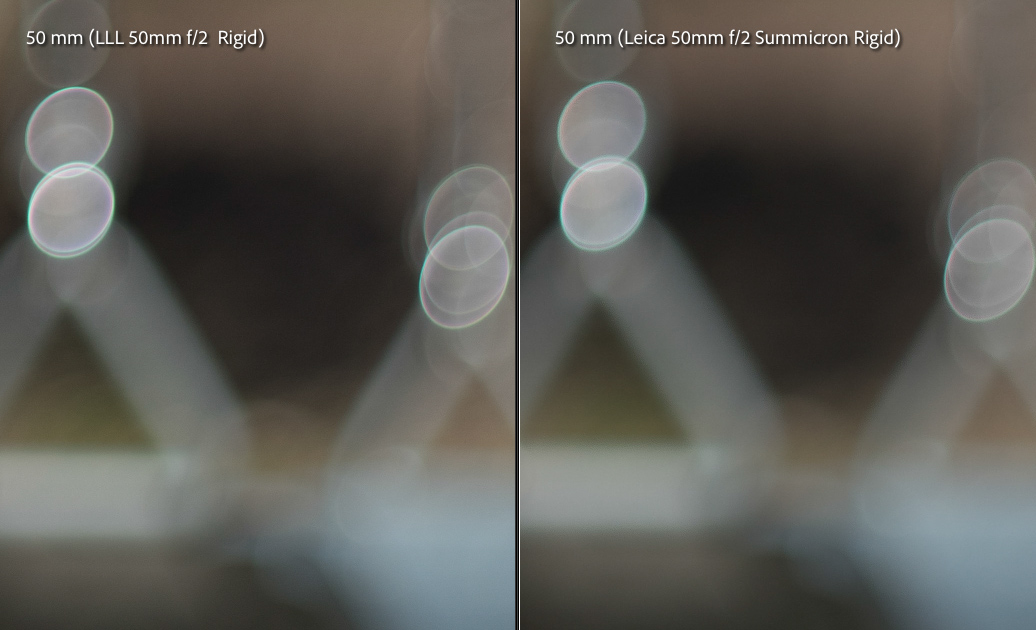
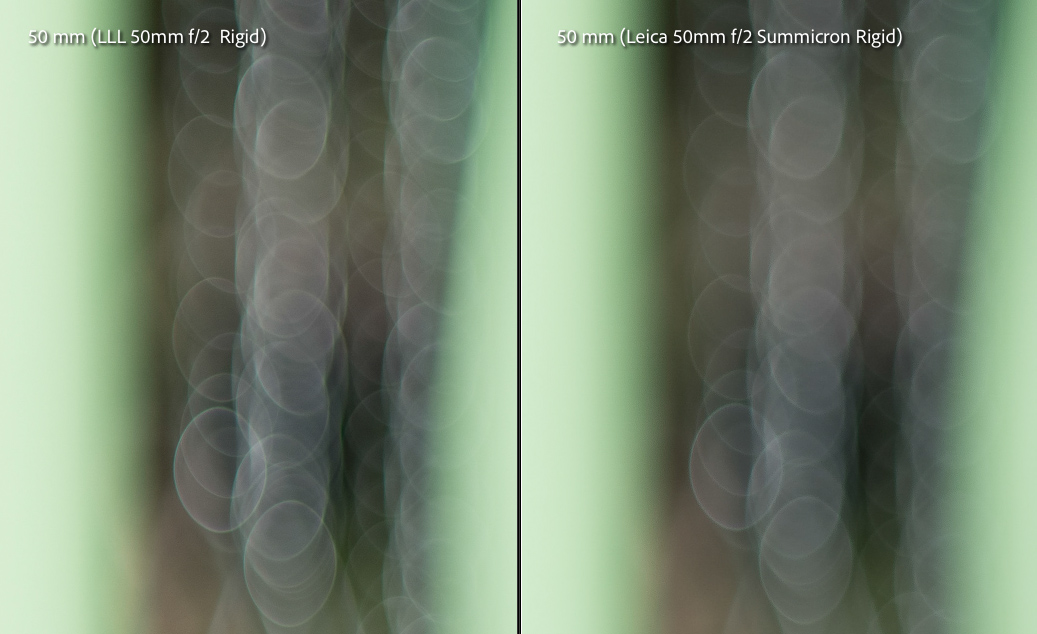
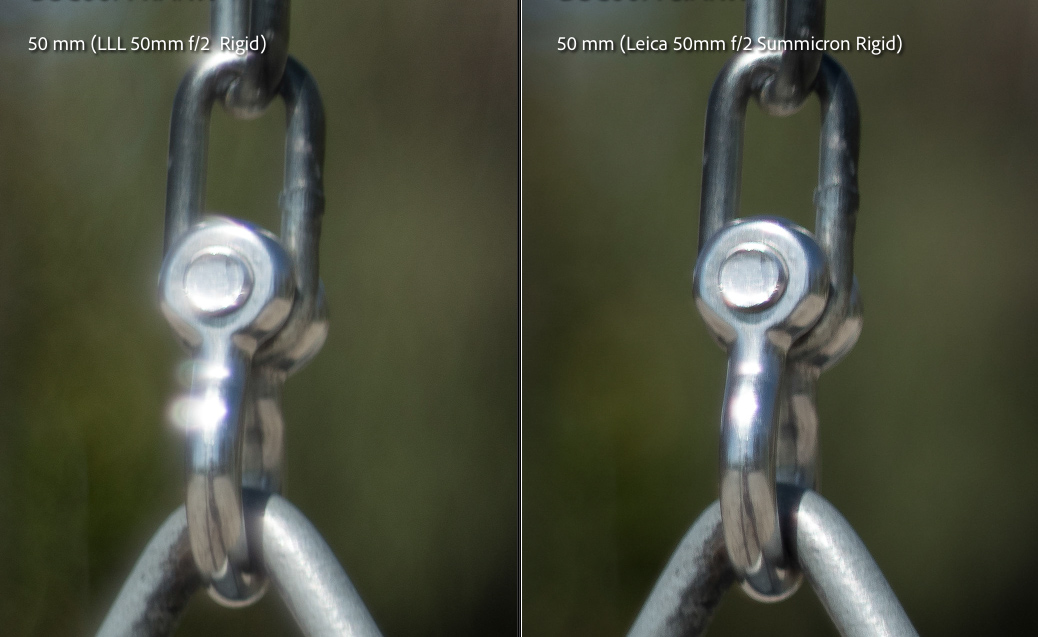
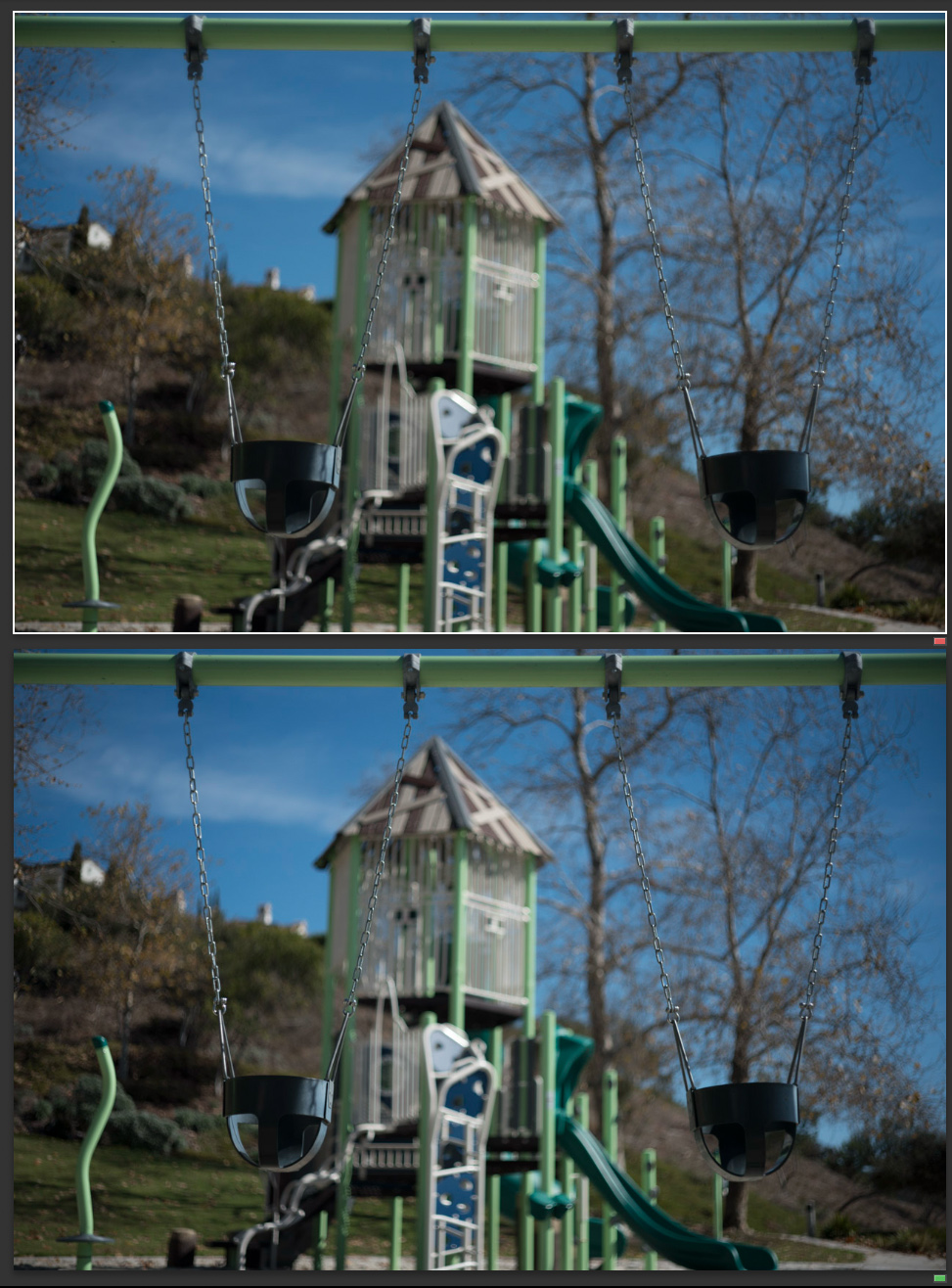
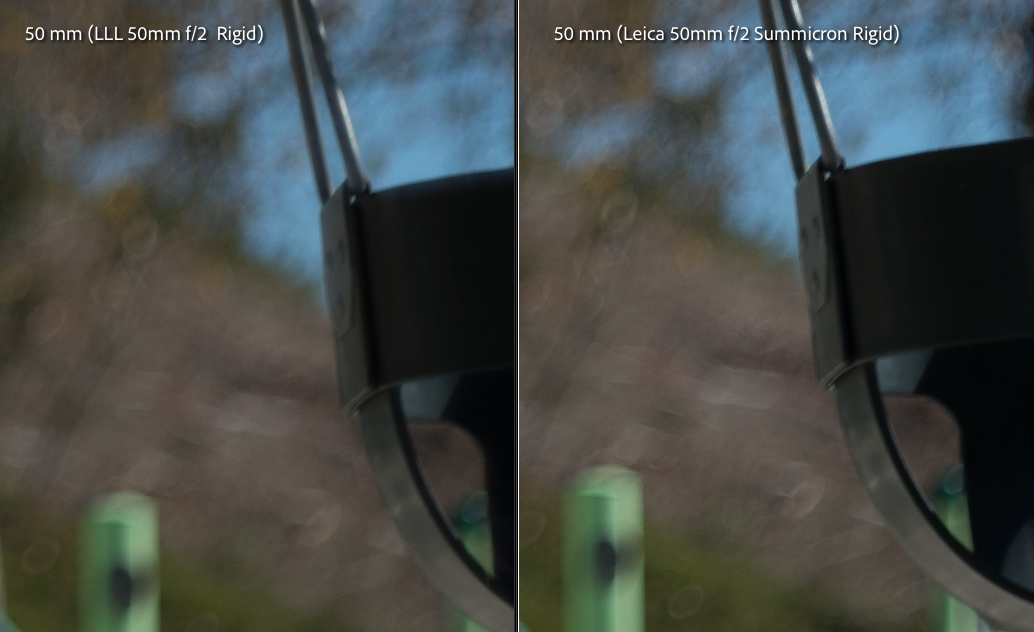
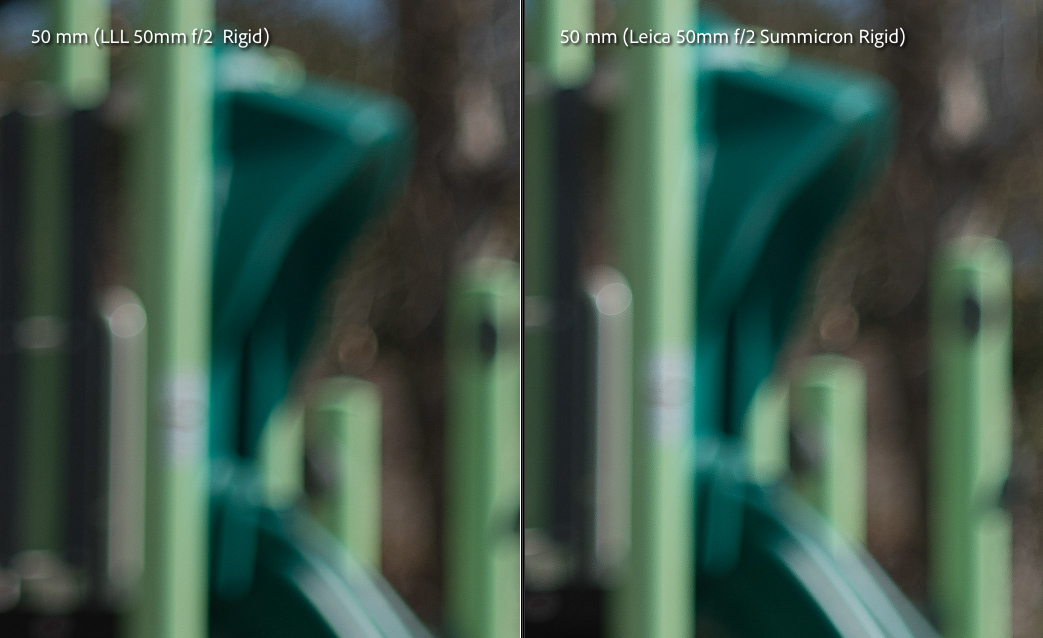
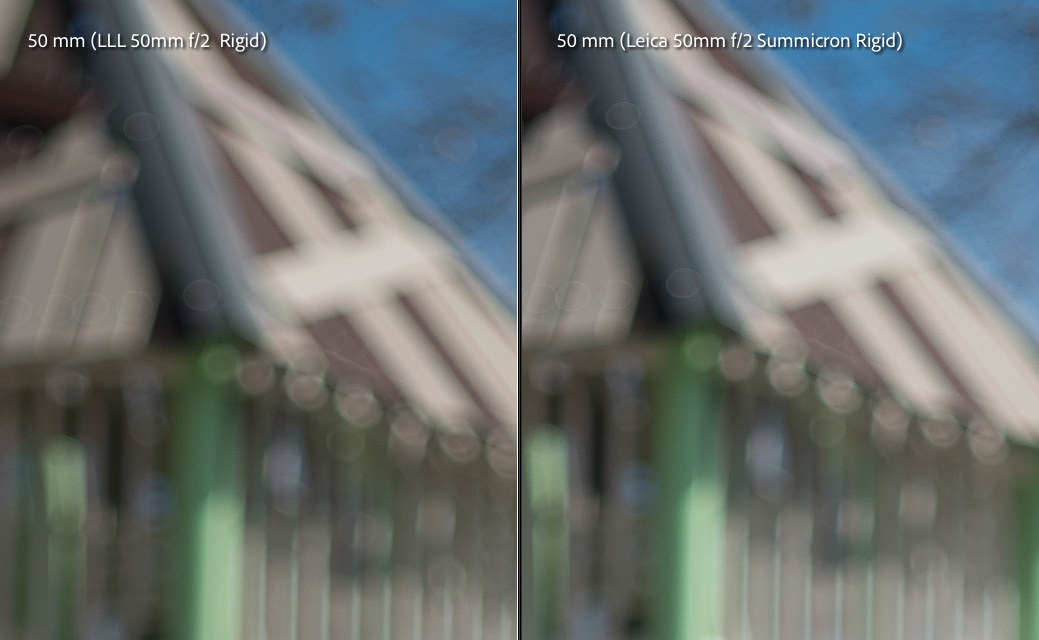
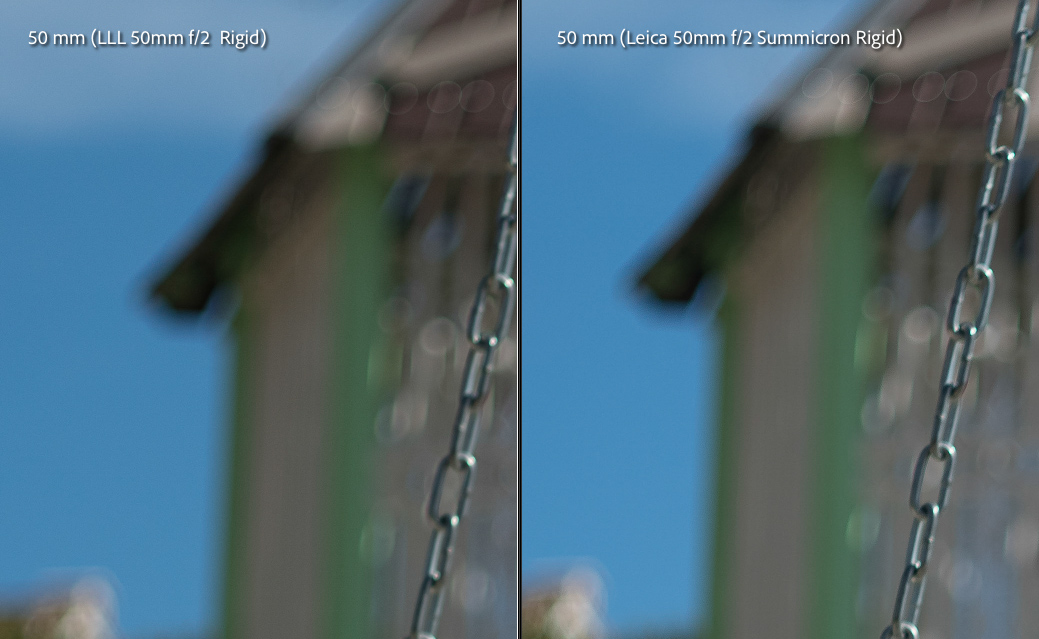
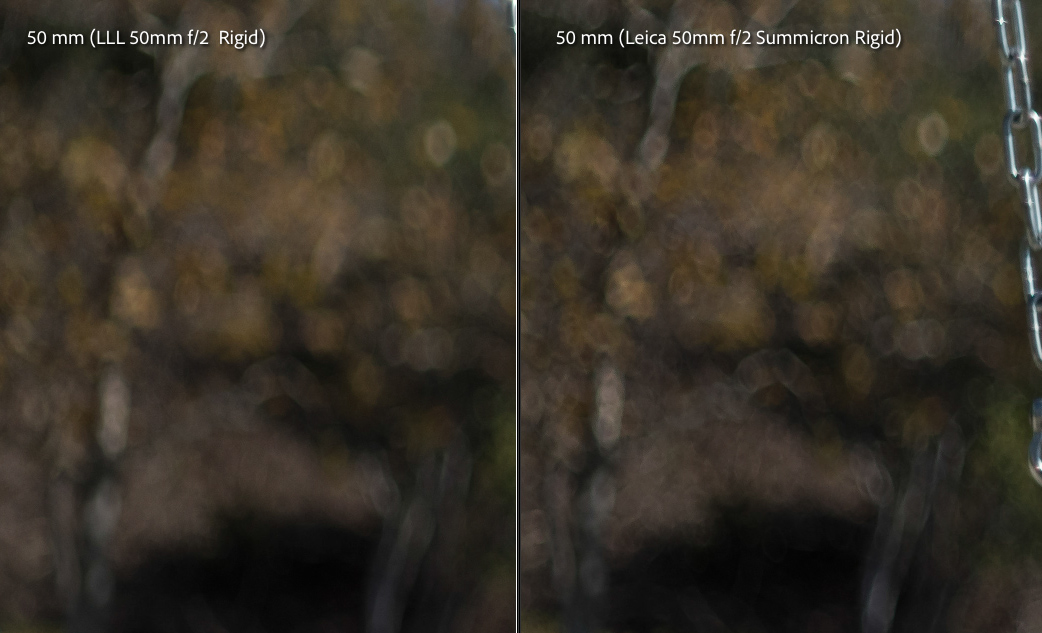
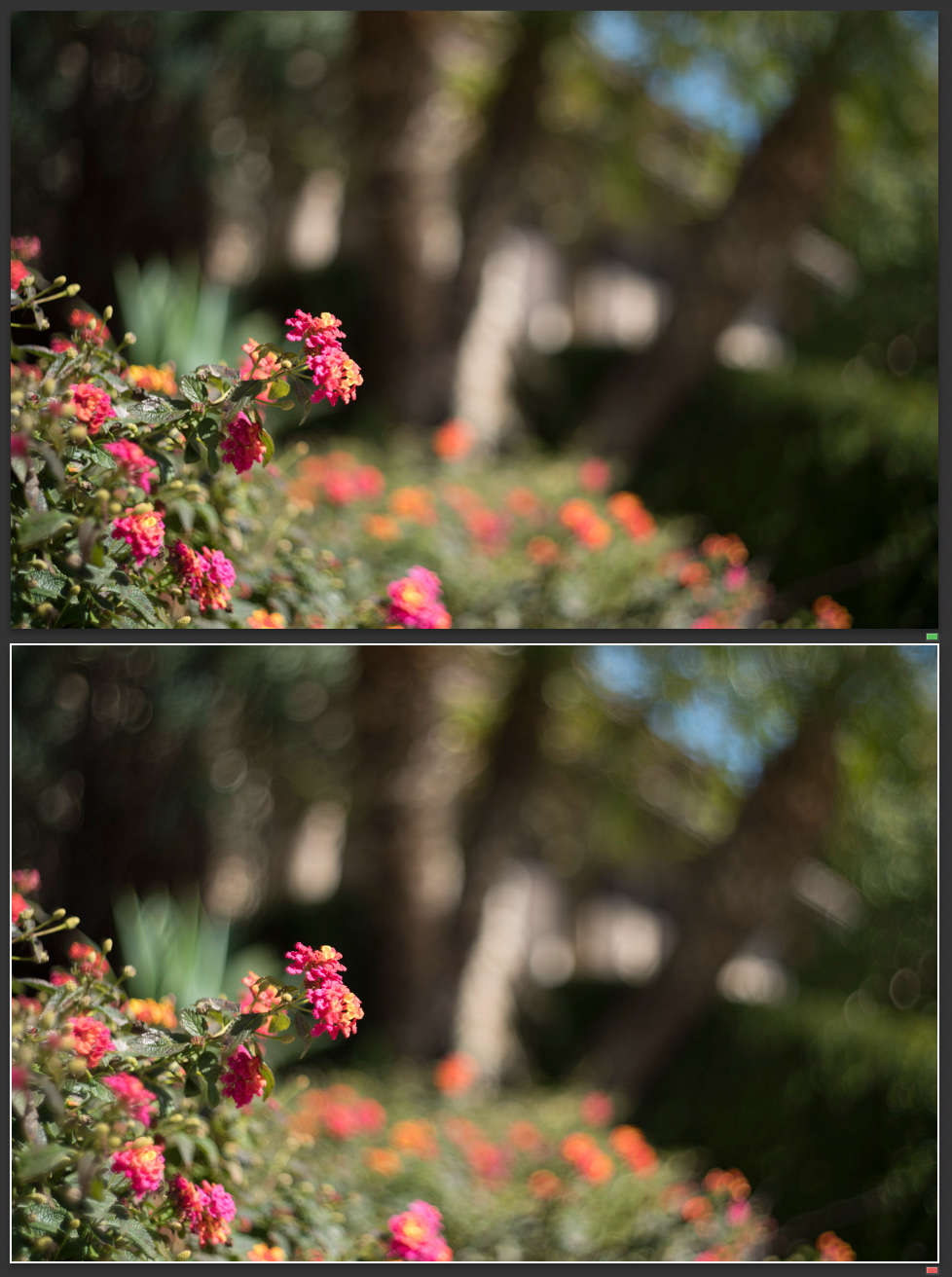
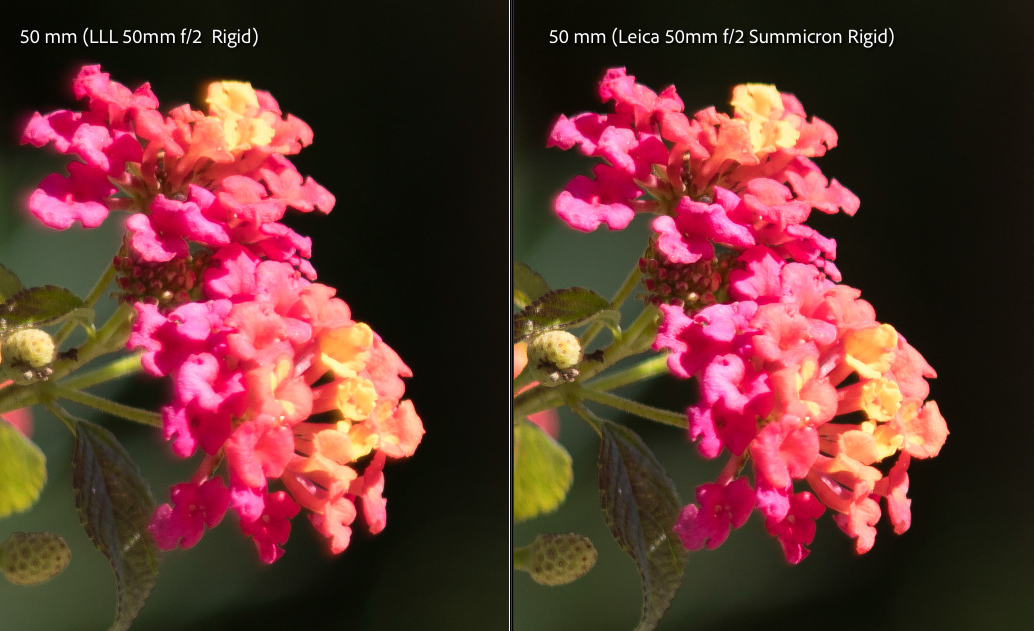
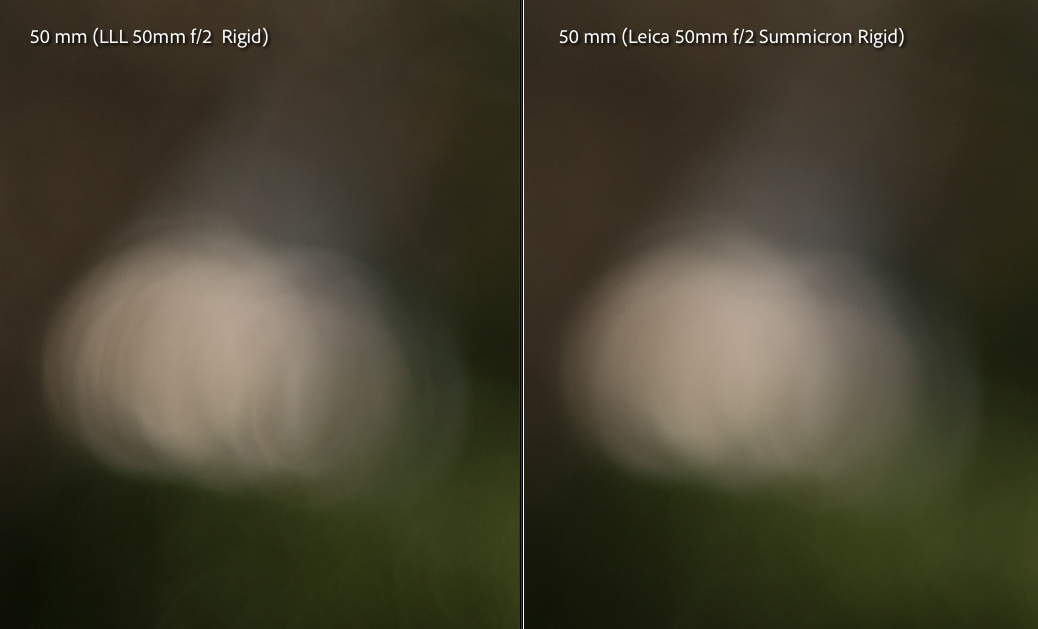
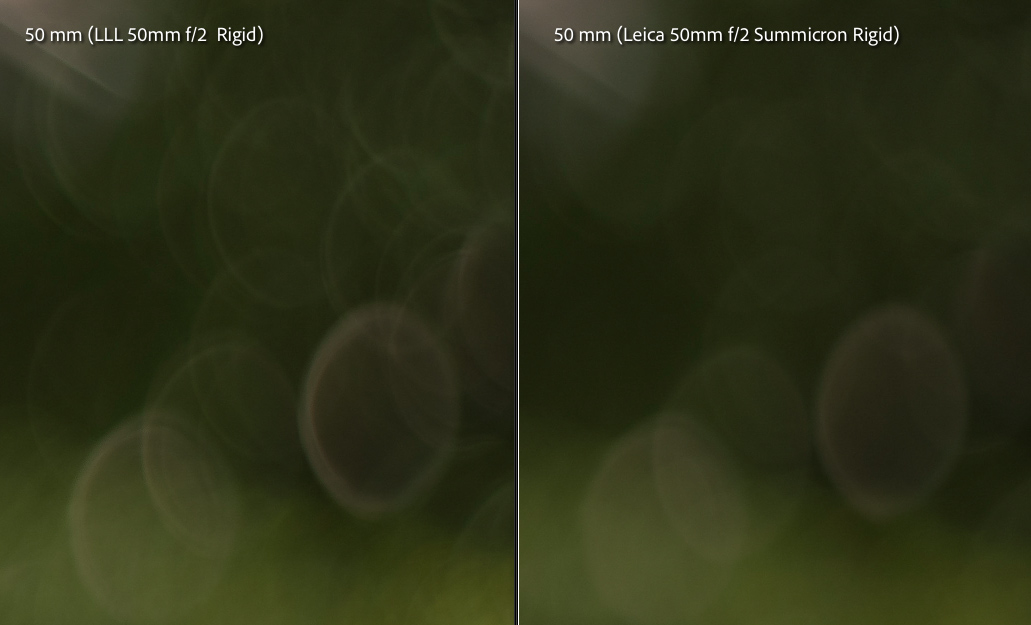
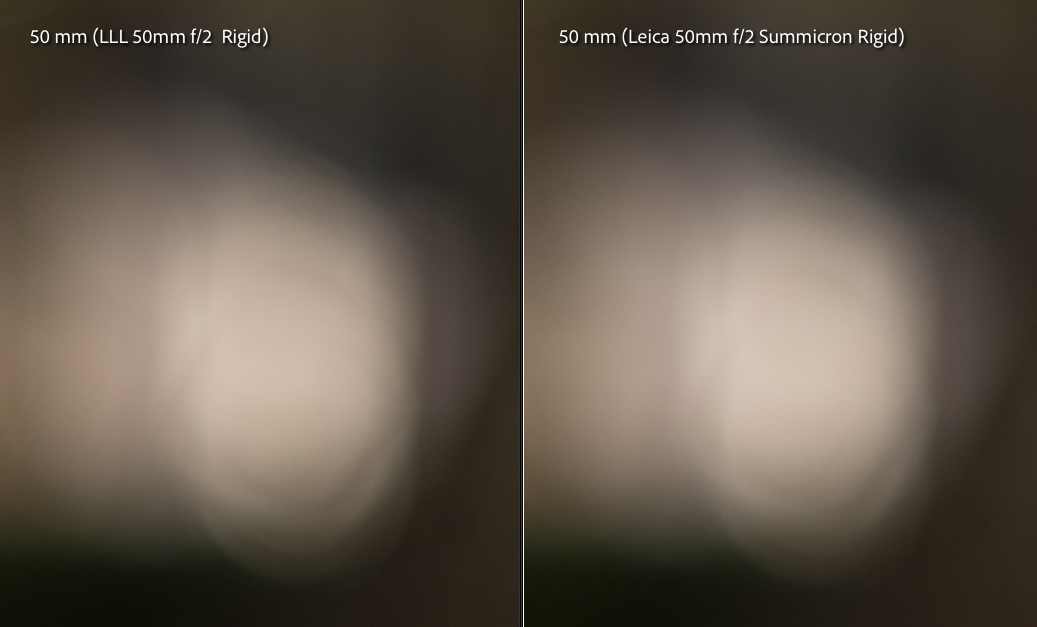
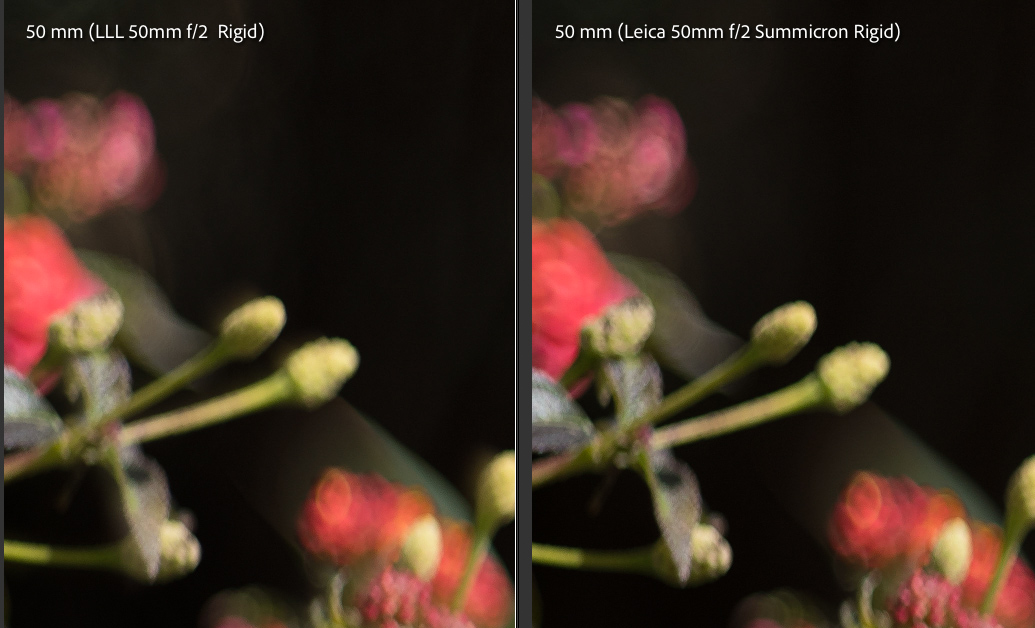
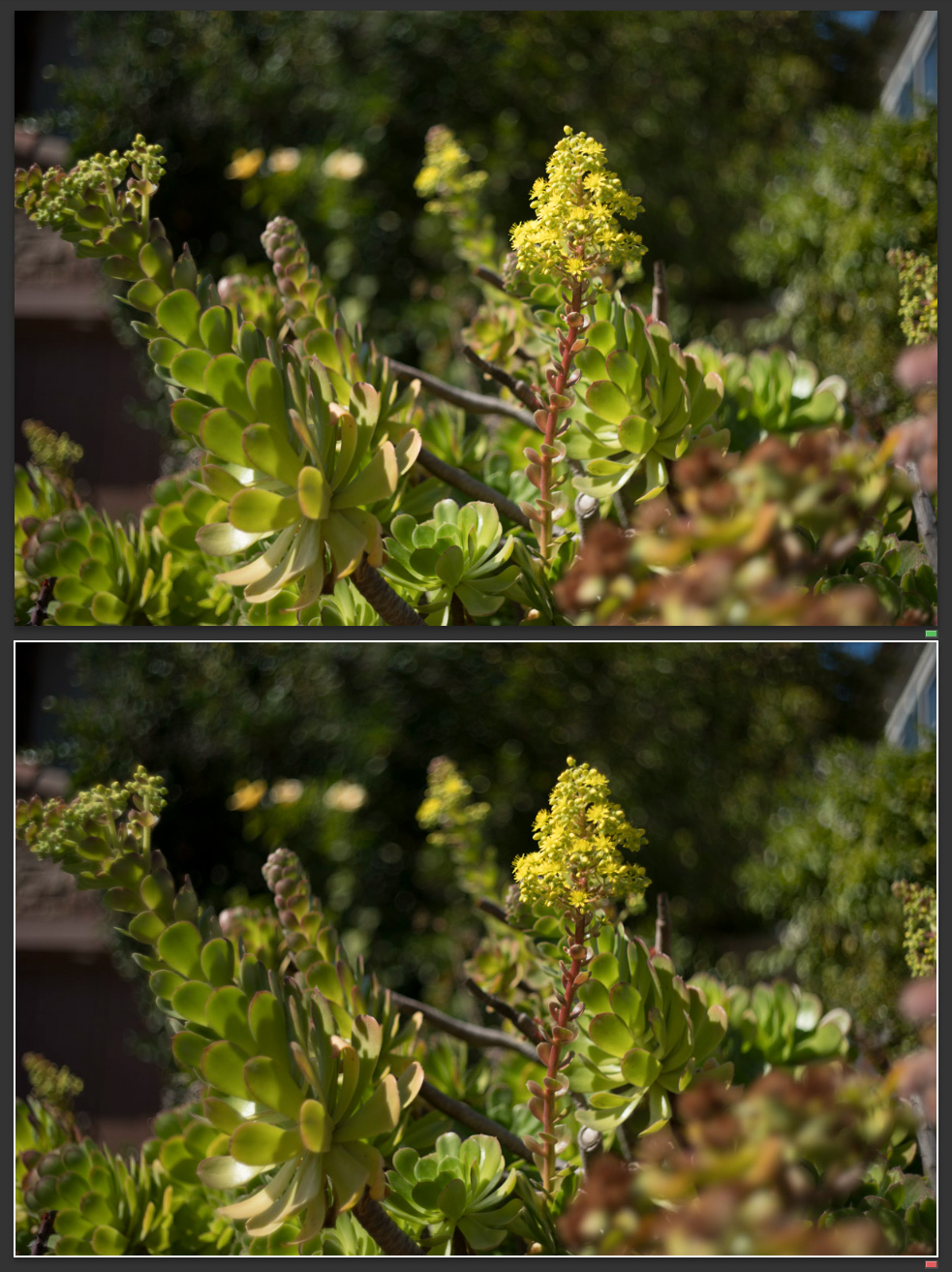
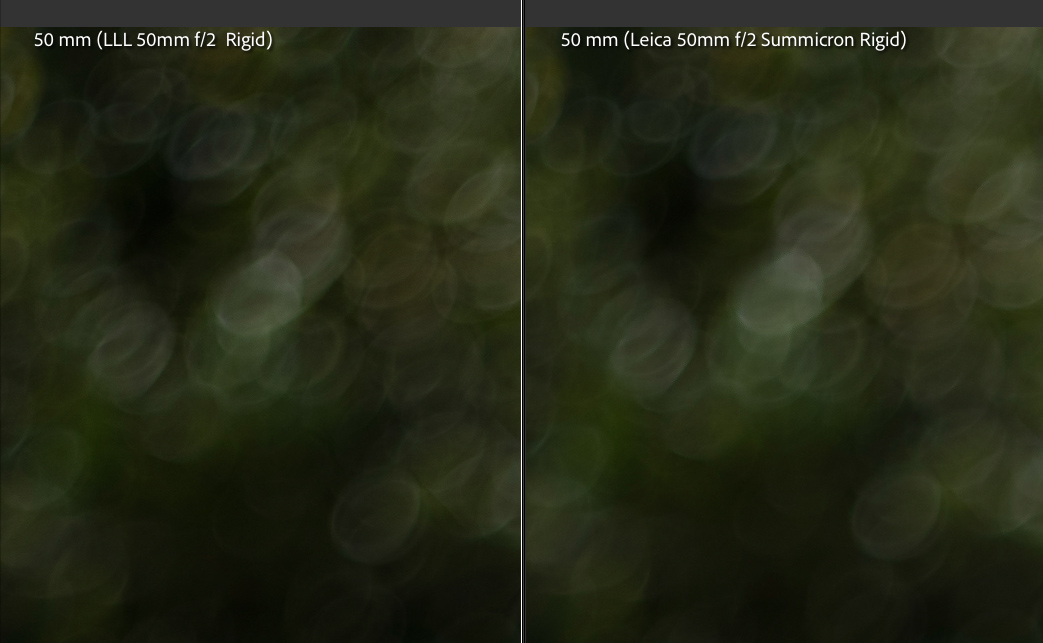
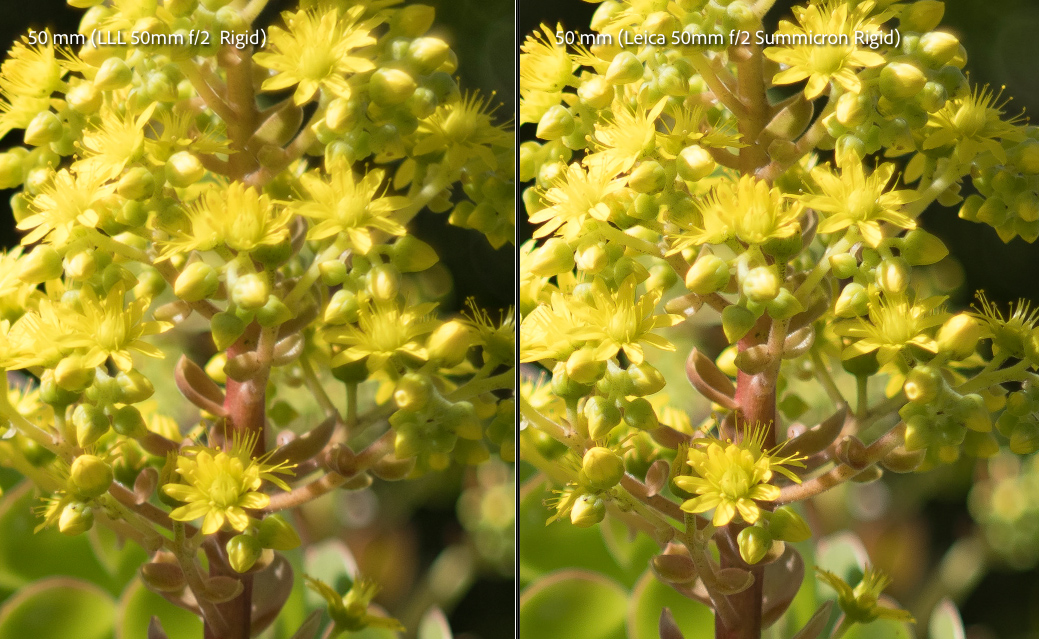
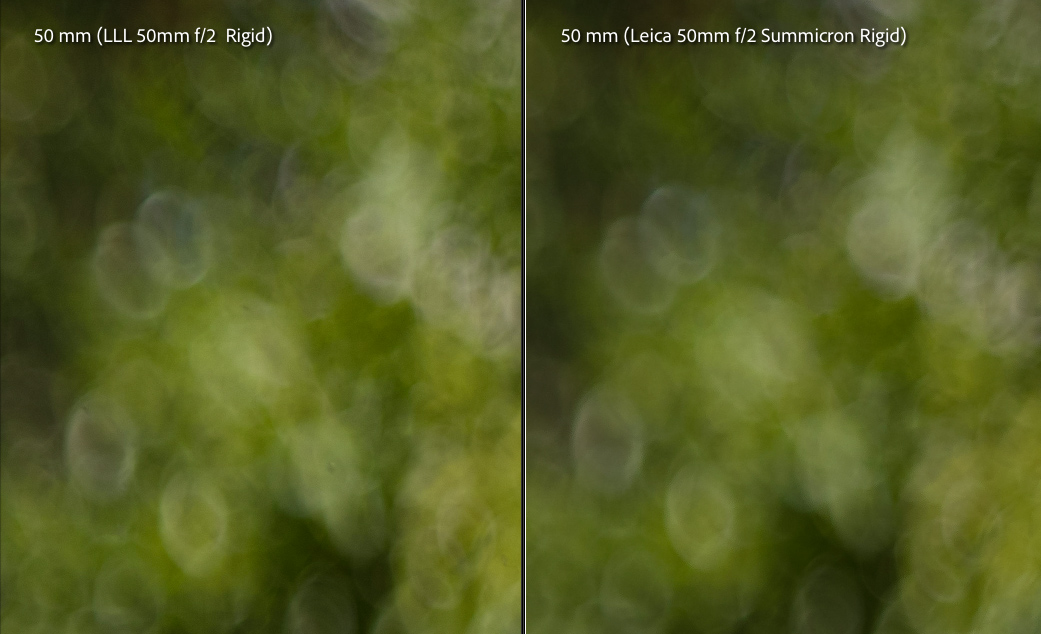
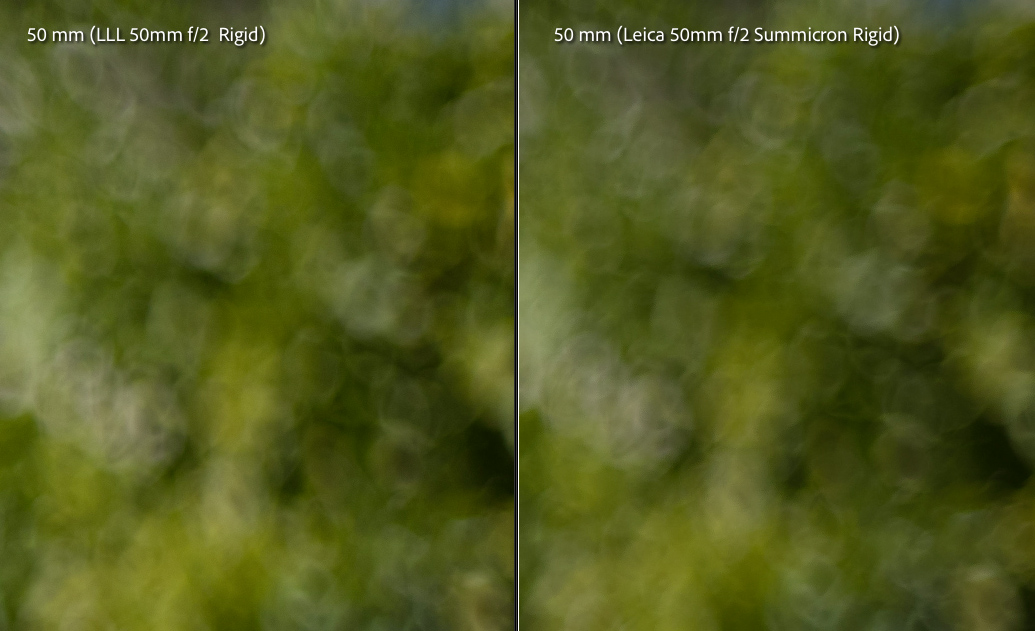
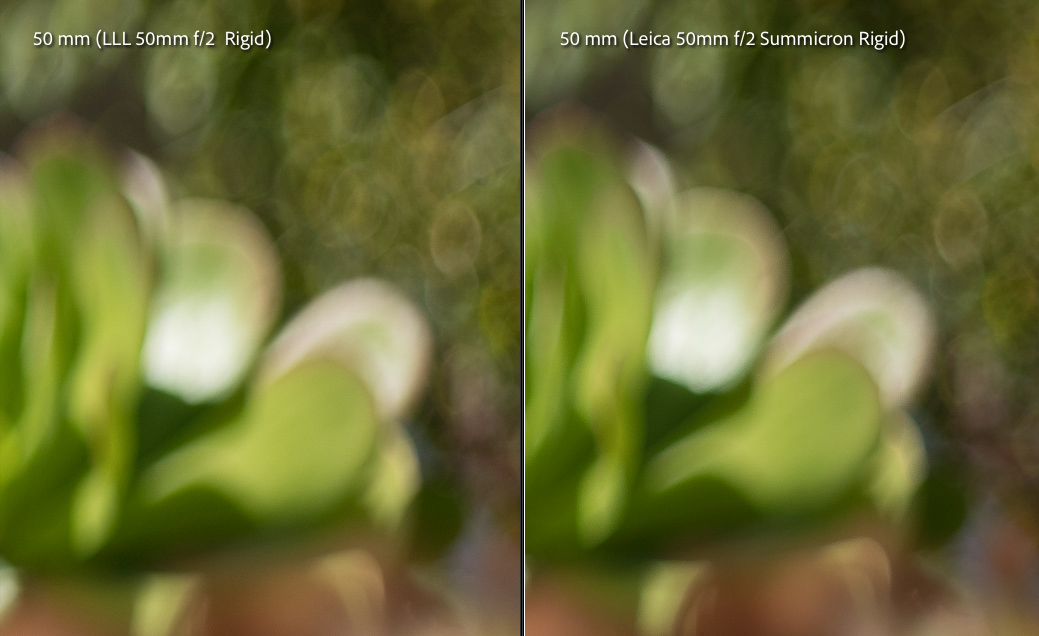
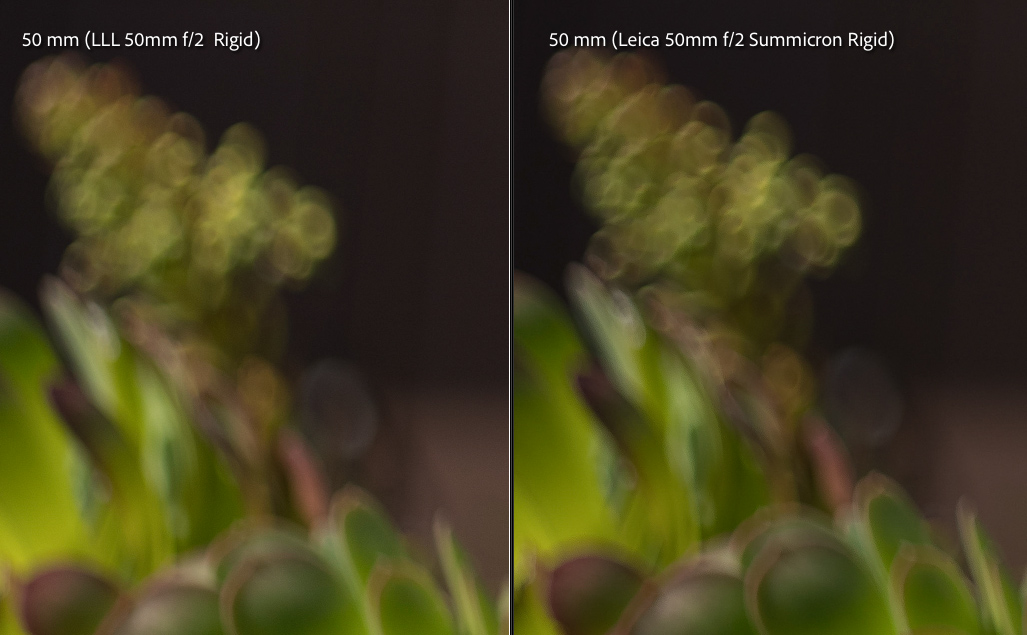
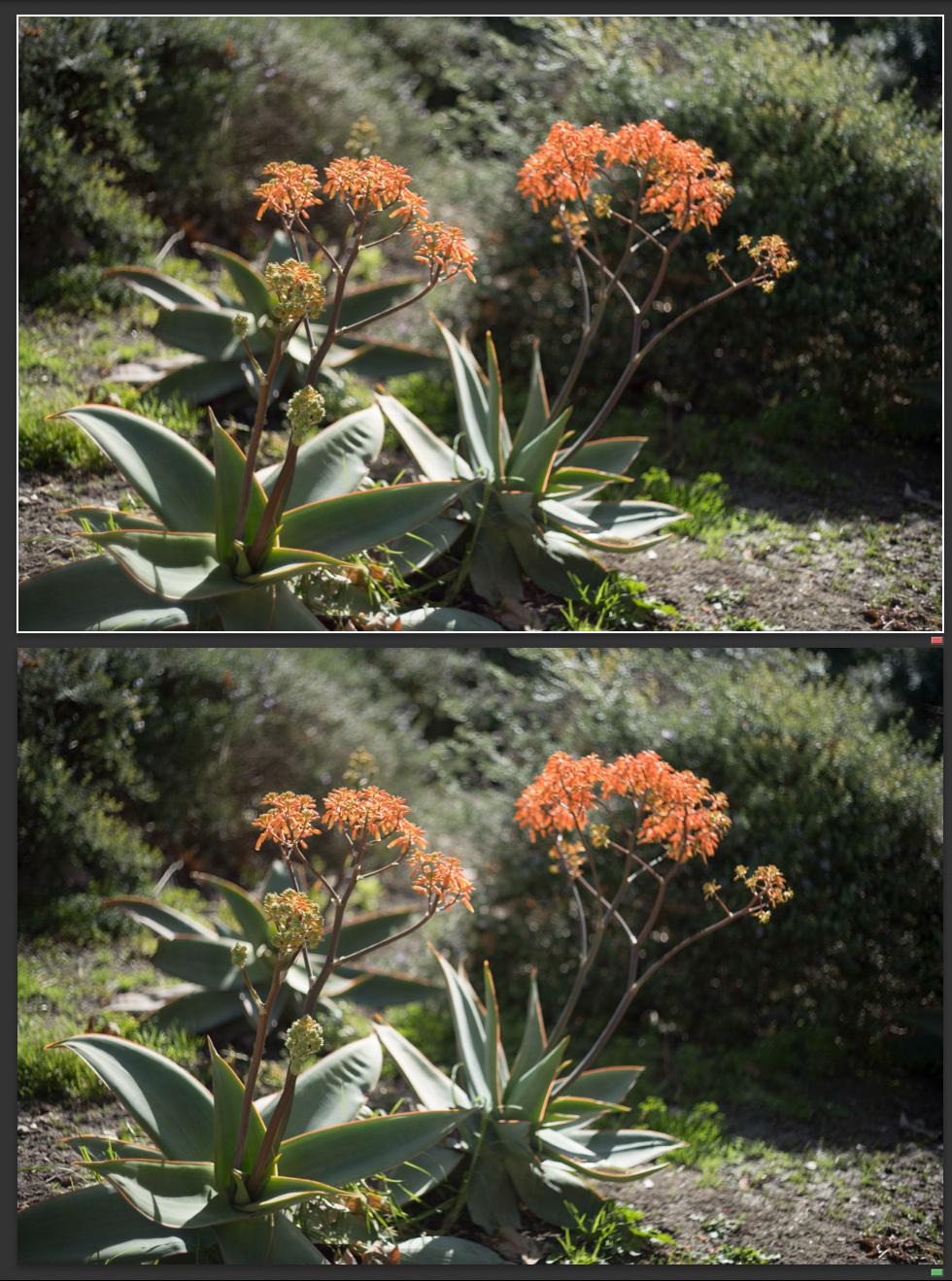
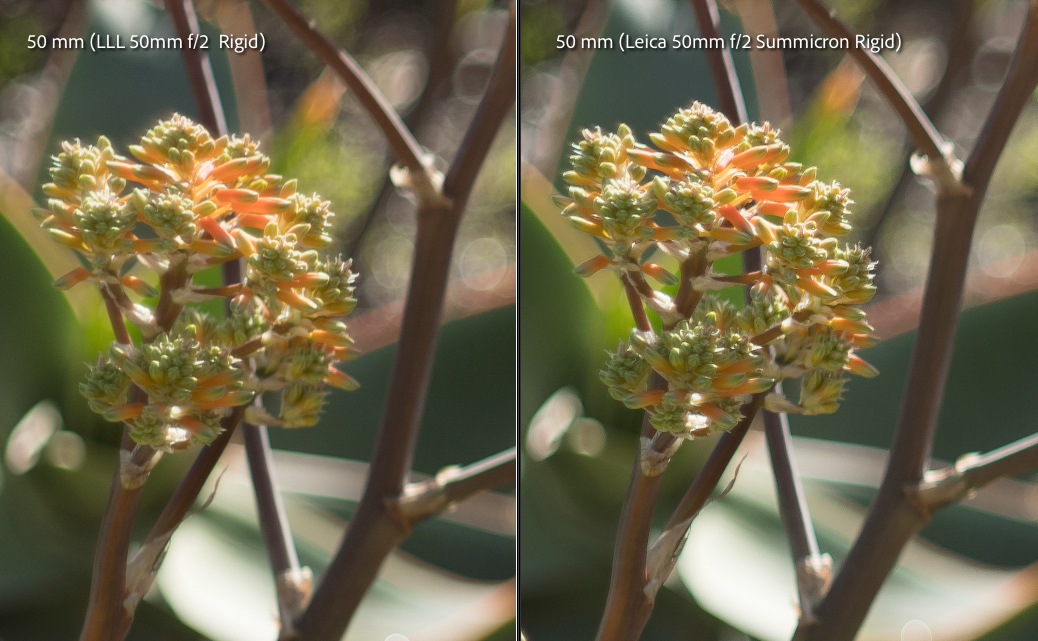
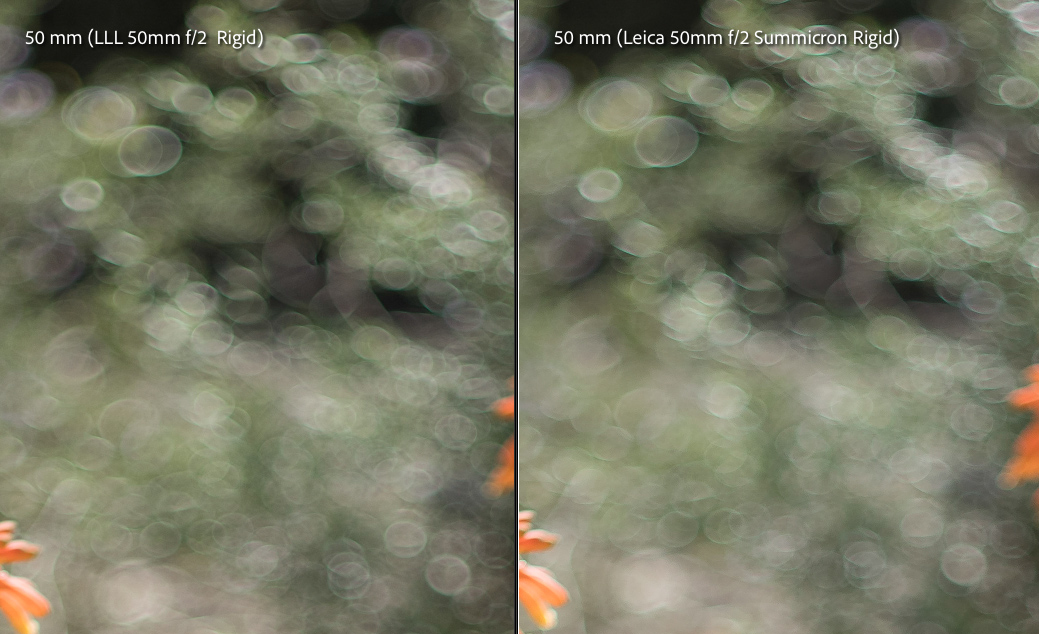
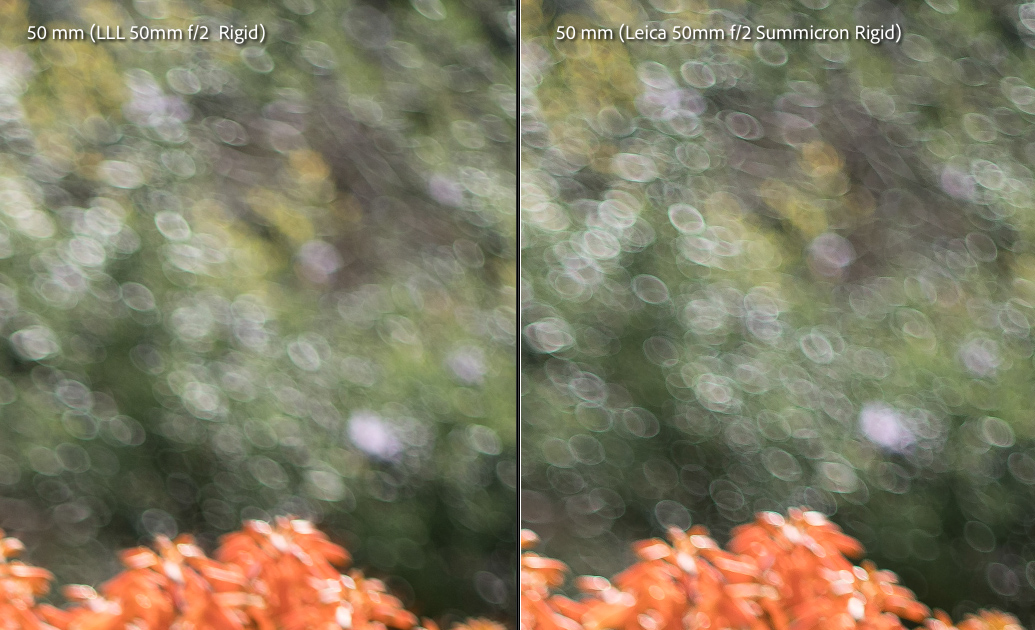
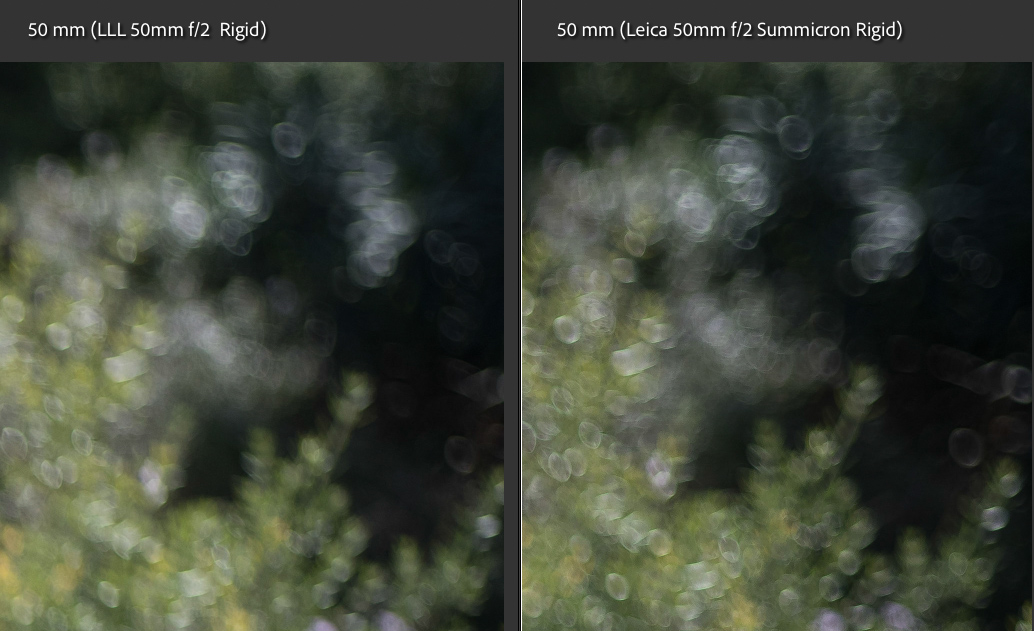
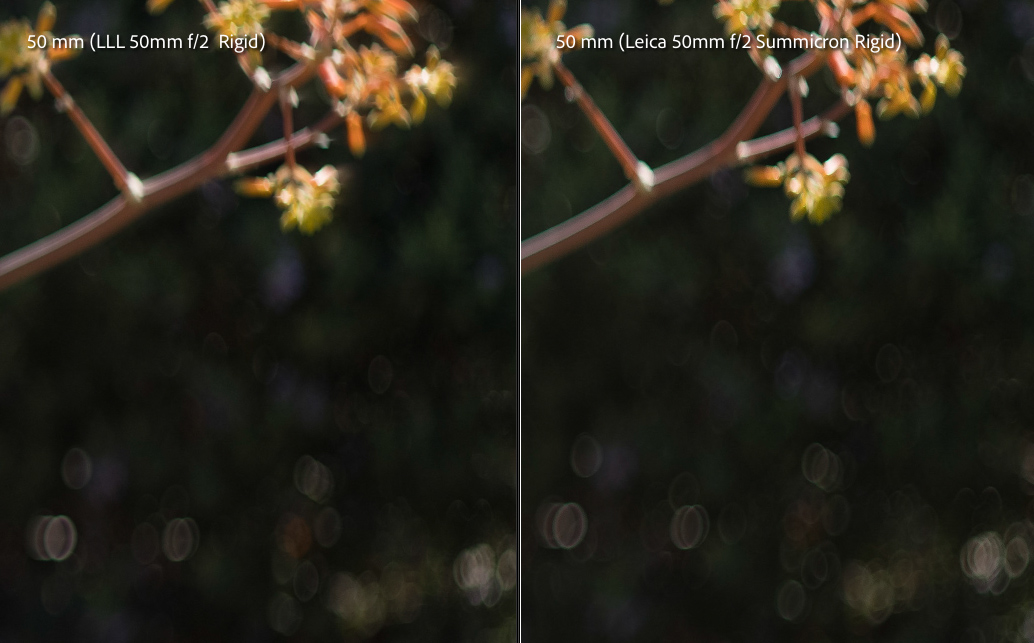
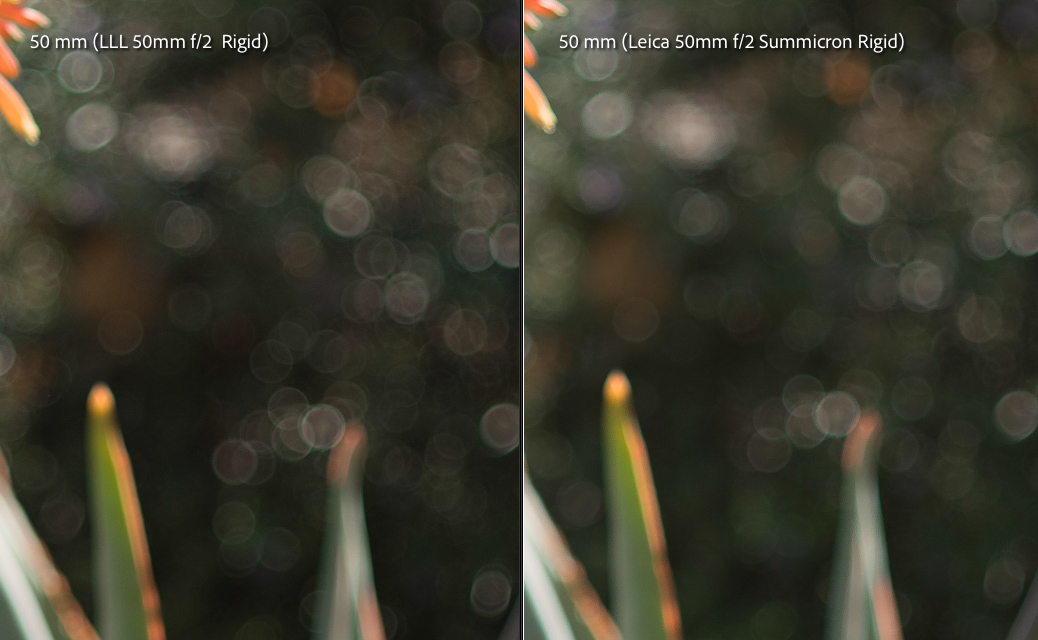
When it comes to overall rendering, I am impressed by how similar the Light Lens Lab Rigid is to the Leica. At most distances, even when closely analyzing focus transitions, bokeh structure, color, and contrast, pixel-level crops are practically indistinguishable.
From this test, I conclude that shooting with the Light Lens Lab "Rigid" replica produces images nearly identical to those from an optimal copy of the Leica 50/2 Summicron Rigid from the 1960s, without the haze or fungus that often affect older lenses. As seen in the resolution and contrast test at infinity, the Light Lens Lab version does show slightly more aberration off-axis. This means that subjects focused away from the center may have slightly lower contrast and possibly more astigmatism. However, the overall rendering remains very similar in these samples.
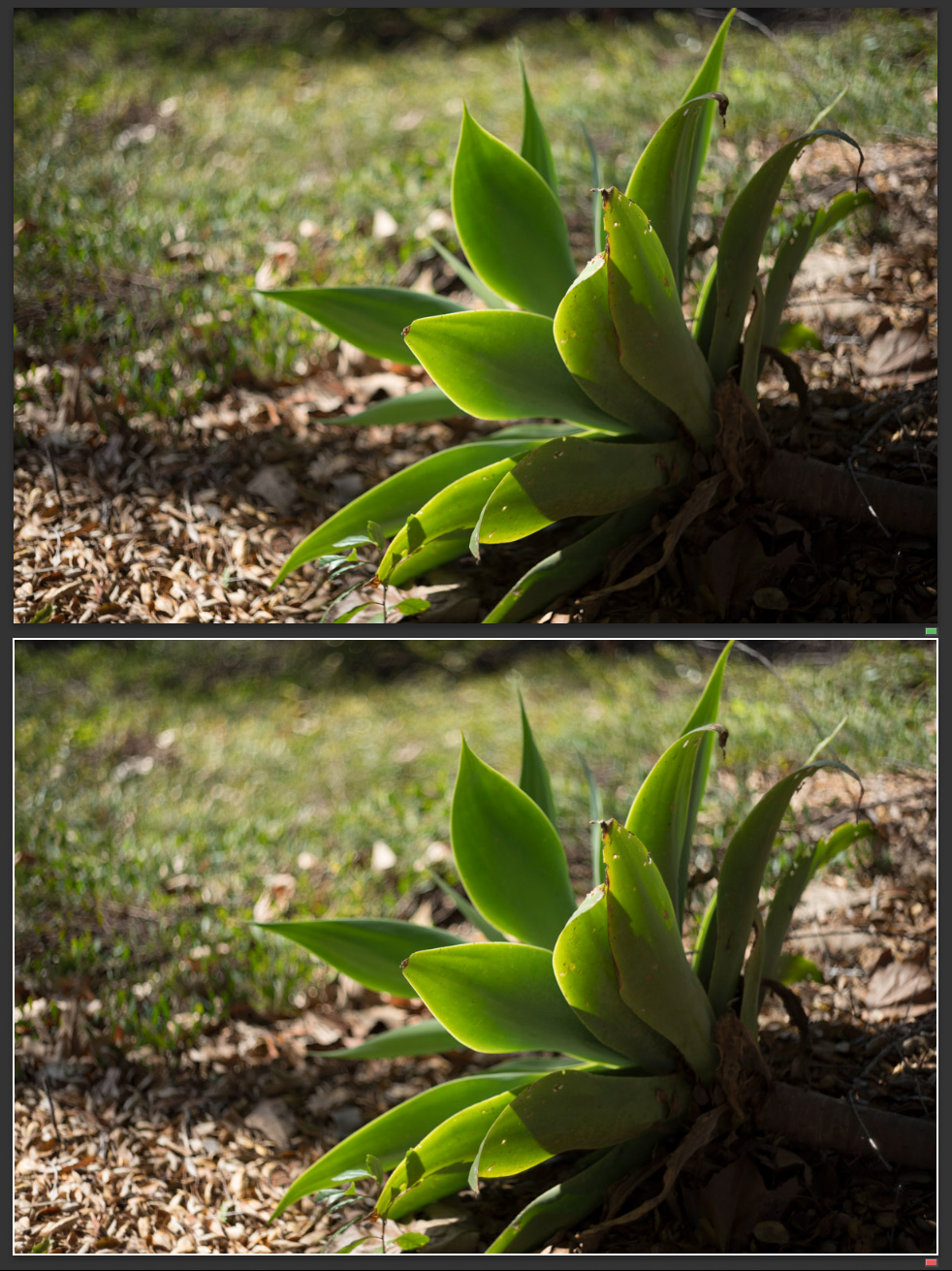
Below are numerous examples that closely examine the rendering, providing a clear comparison of these two lenses at distances ranging from 0.75m to 3–5m. All images were shot wide open to fully showcase each lens's character.
Sample 1: At 2.5m
(Check the lens name when comparing the cropped images. The Light Lens Lab image is always highlighted and has a red mark at the bottom.)
Resized full images: The Light Lens Lab image is always highlighted and has a red mark at the bottom
Sample 2: At 0.75m
(Check the lens name when comparing the cropped images. The Light Lens Lab image is always highlighted and has a red mark at the bottom.)
Resized full images: The Light Lens Lab image is always highlighted and has a red mark at the bottom
Sample 3: At 1.5m
(Check the lens name when comparing the cropped images. The Light Lens Lab image is always highlighted and has a red mark at the bottom.)
Resized full images: The Light Lens Lab image is always highlighted and has a red mark at the bottom
Sample 4: At 3.5m
(Check the lens name when comparing the cropped images. The Light Lens Lab image is always highlighted and has a red mark at the bottom.)
Resized full images: The Light Lens Lab image is always highlighted and has a red mark at the bottom
Sample 5: At 2m
(Check the lens name when comparing the cropped images. The Light Lens Lab image is always highlighted and has a red mark at the bottom.)
Resized full images: The Light Lens Lab image is always highlighted and has a red mark at the bottom
Sample 6: At 2.5m
(Check the lens name when comparing the cropped images. The Light Lens Lab image is always highlighted and has a red mark at the bottom.)
Resized full images: The Light Lens Lab image is always highlighted and has a red mark at the bottom
Sample 7: At 1.2m
(Check the lens name when comparing the cropped images. The Light Lens Lab image is always highlighted and has a red mark at the bottom.)
Sample 8: At 4m
(Check the lens name when comparing the cropped images. The Light Lens Lab image is always highlighted and has a red mark at the bottom.)
Resized full images: The Light Lens Lab image is always highlighted and has a red mark at the bottom
Sample 9: At 0.75m
(Check the lens name when comparing the cropped images. The Light Lens Lab image is always highlighted and has a red mark at the bottom.)
Resized full images: The Light Lens Lab image is always highlighted and has a red mark at the bottom
Sample 10: At 1.5m
(Check the lens name when comparing the cropped images. The Light Lens Lab image is always highlighted and has a red mark at the bottom.)
Resized full images: The Light Lens Lab image is always highlighted and has a red mark at the bottom
Sample 11: At 3.5m
(Check the lens name when comparing the cropped images. The Light Lens Lab image is always highlighted and has a red mark at the bottom.)
Resized full images: The Light Lens Lab image is always highlighted and has a red mark at the bottom
Does it seem like the LLL version have more glow on illuminated surfaces than the original? I don’t mind it at all if that’s indeed the case.
That comparison highlights how good your copy of the Summicron yours is.
Wow, great samples, Fred. LLL did a fantastic job with this lens, extremely similar to the Leica. That being said, the corners of the Leic with the additional sharpness/contrast, the slightly smoother bokeh and the off center sharpness of the Leica is my preference. However, it seems like you have an exemplary copy and obviously had to have it modified to match the 0.7m mfd of the LLL. Job well done, LLL!
Sonnar-7 wrote:
Does it seem like the LLL version have more glow on illuminated surfaces than the original? I don’t mind it at all if that’s indeed the case.
That comparison highlights how good your copy of the Summicron yours is.
---------------------------------------------
rsolti13 wrote:
Wow, great samples, Fred. LLL did a fantastic job with this lens, extremely similar to the Leica. That being said, the corners of the Leic with the additional sharpness/contrast, the slightly smoother bokeh and the off center sharpness of the Leica is my preference. However, it seems like you have an exemplary copy and obviously had to have it modified to match the 0.7m mfd of the LLL. Job well done, LLL!
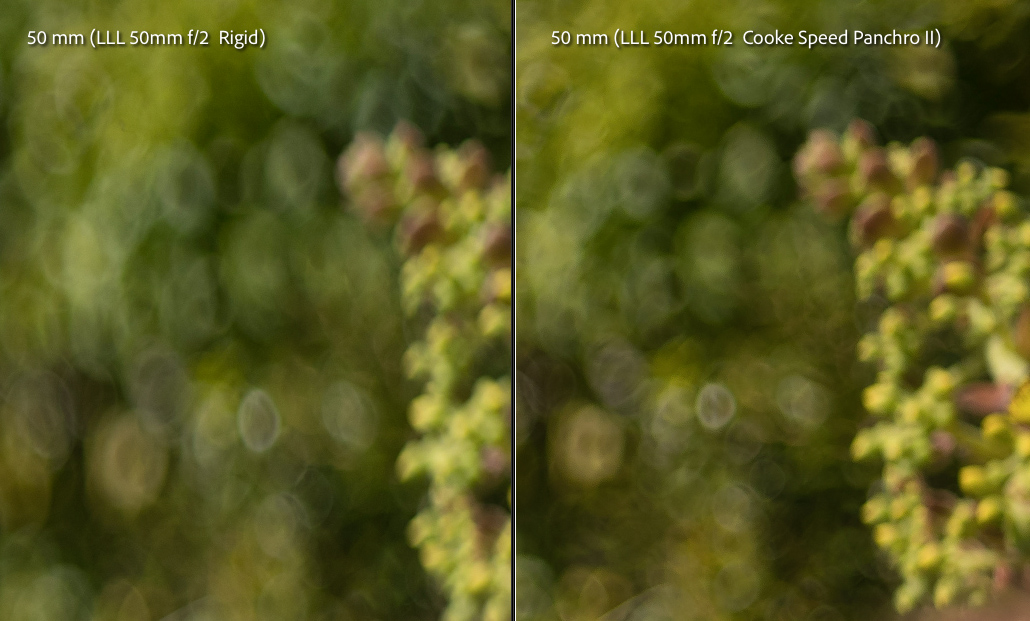
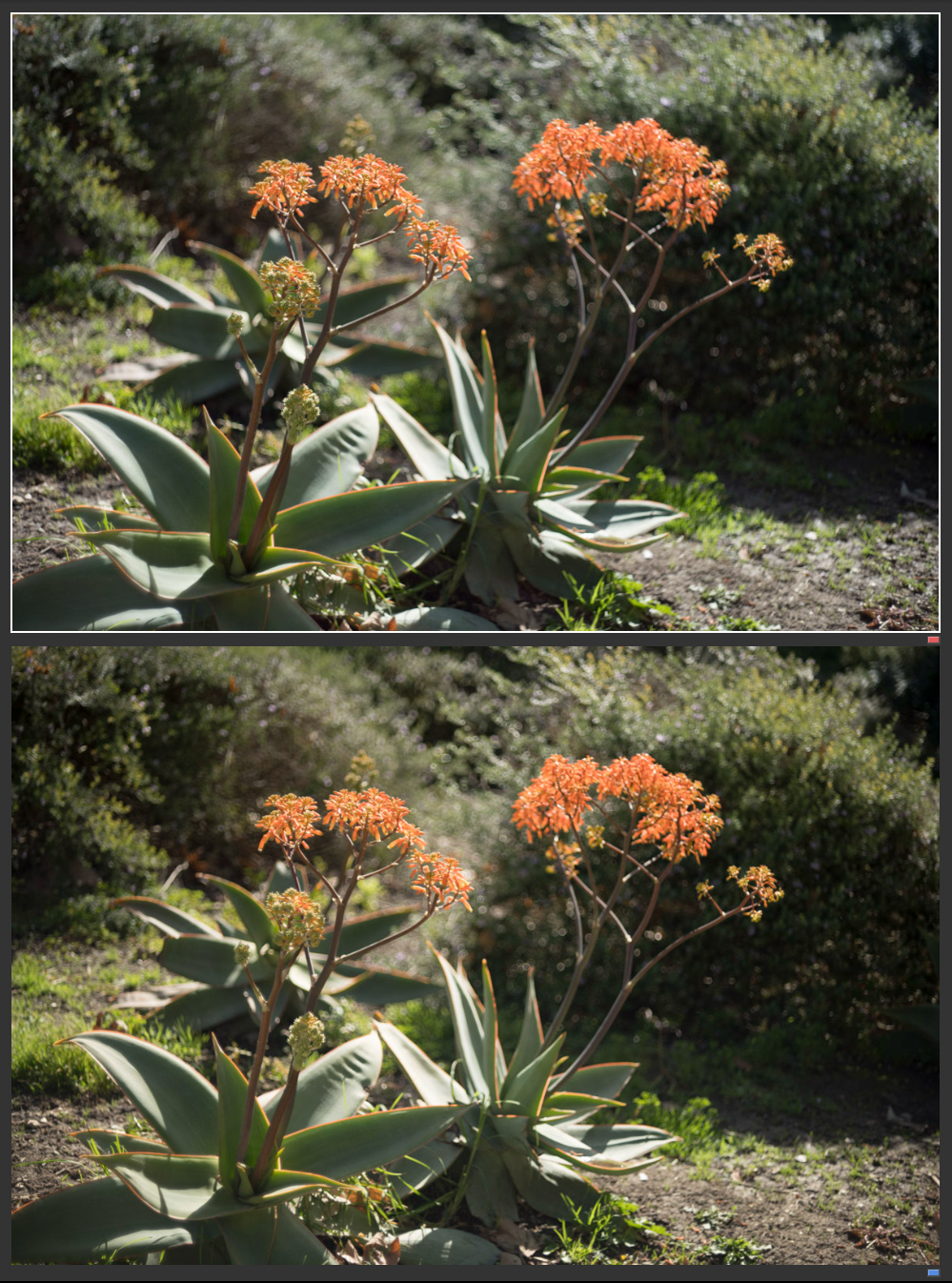
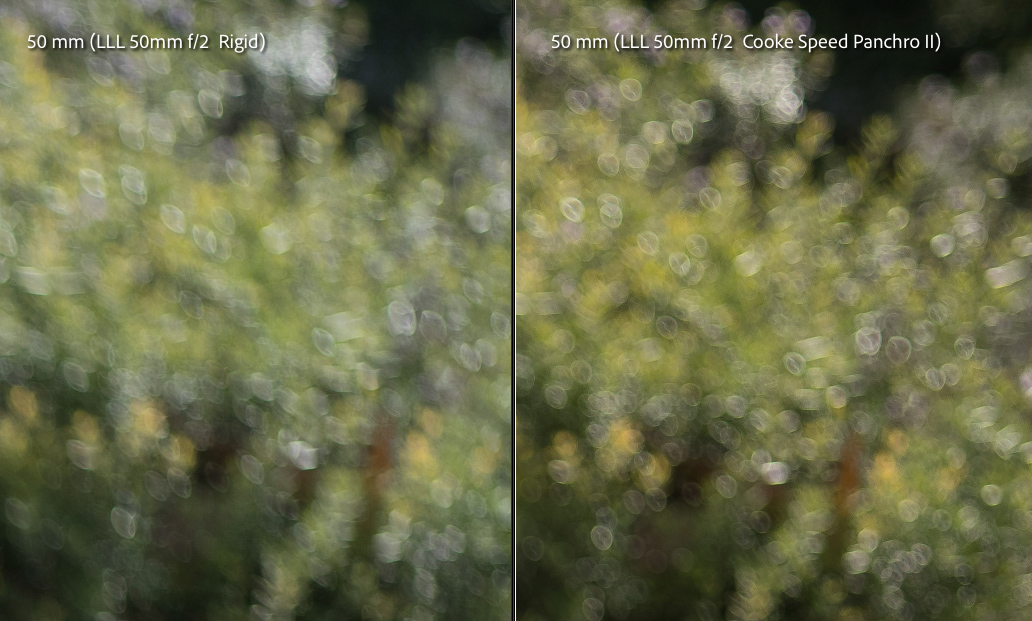
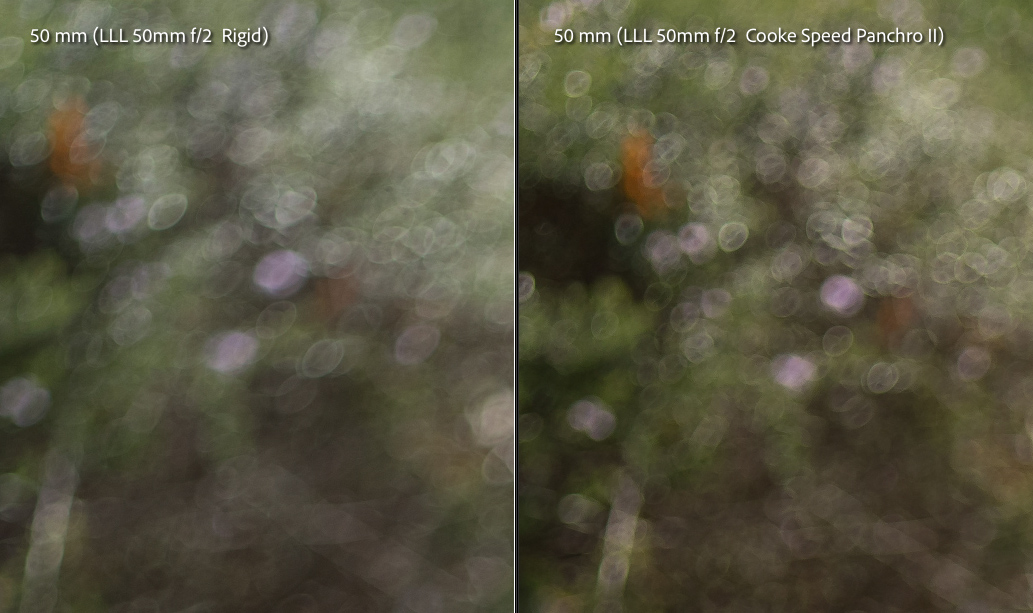
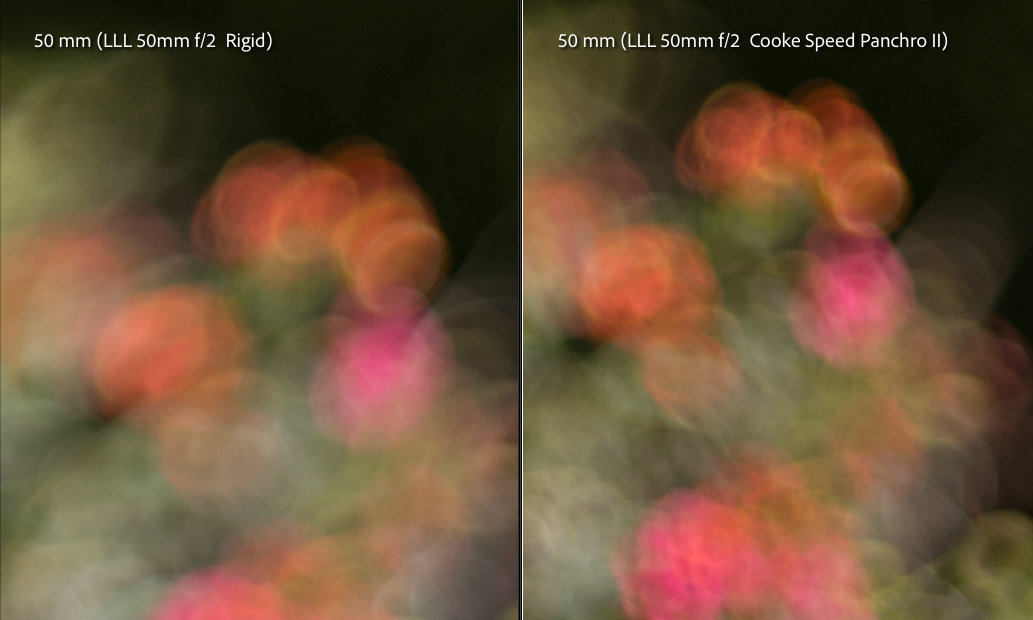
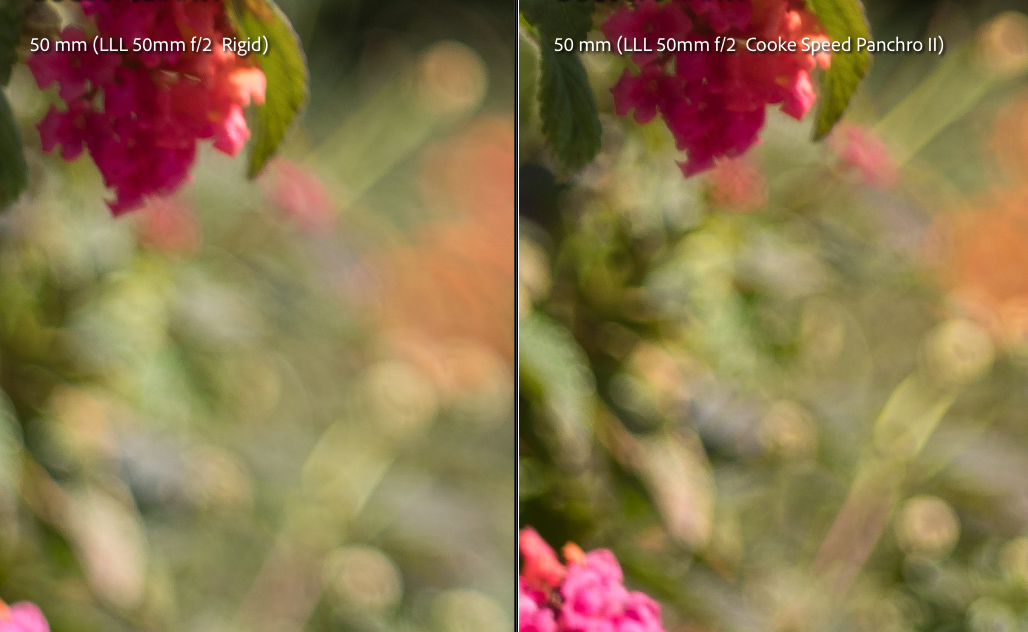
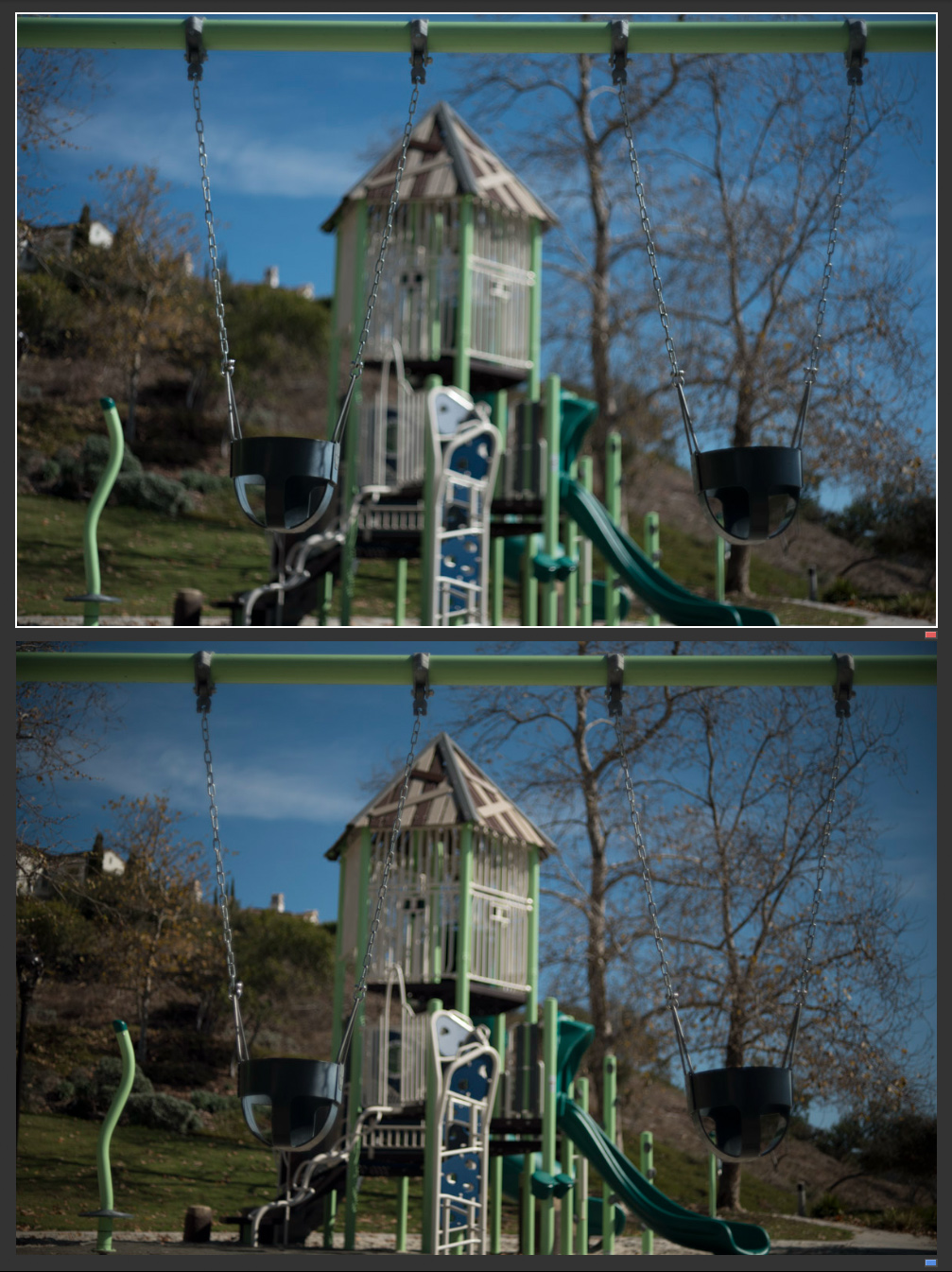
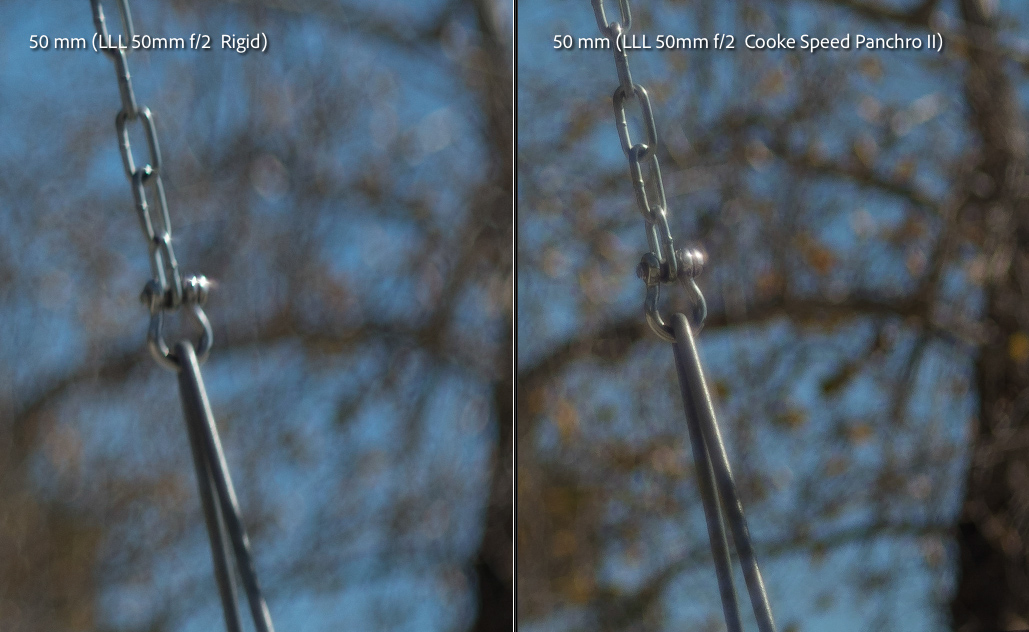
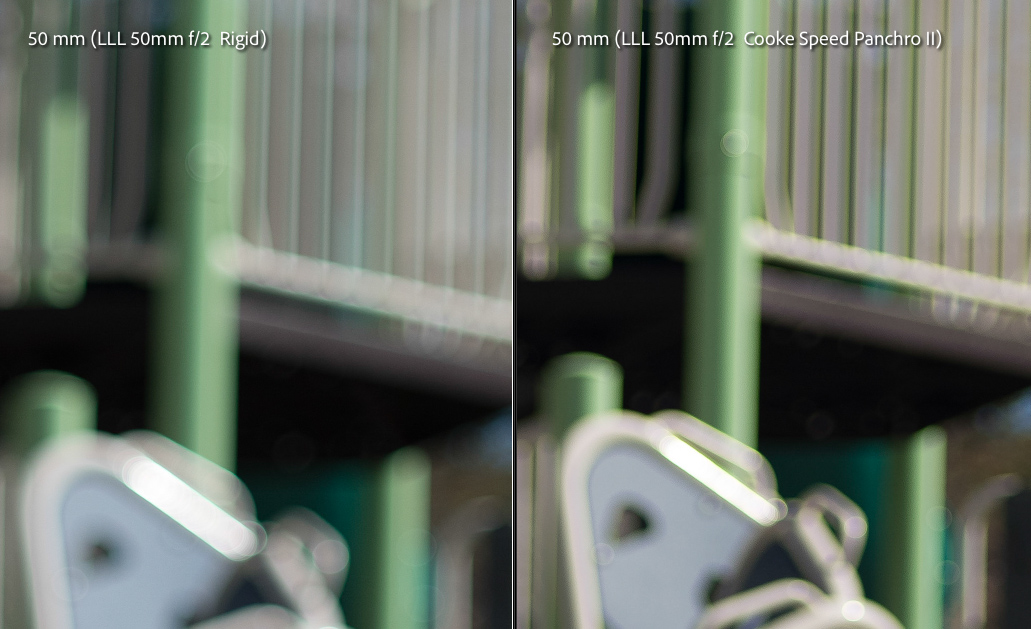
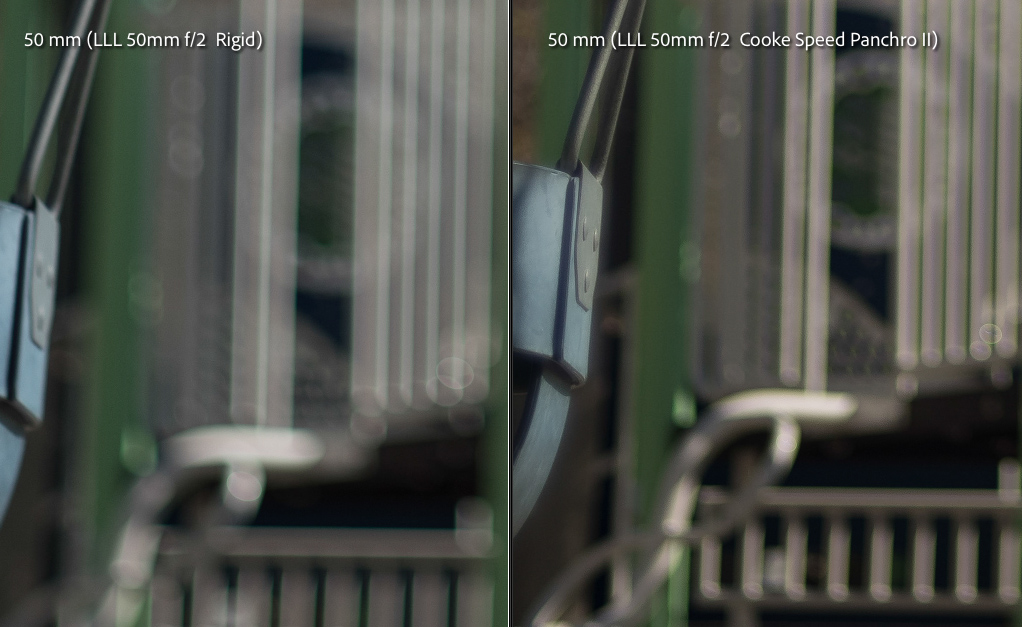
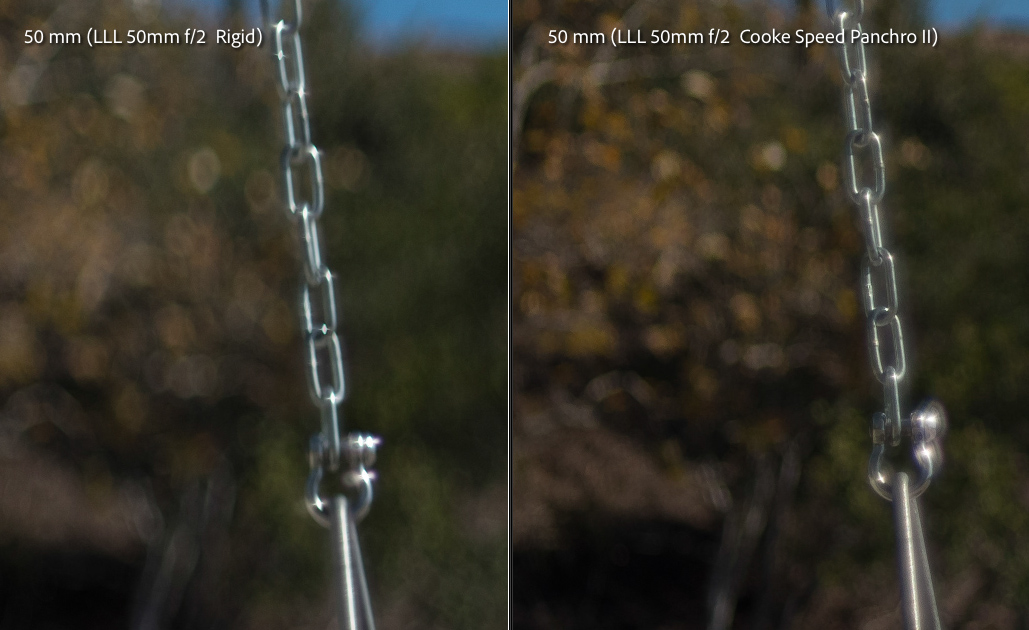
Next, I will post a rendering comparison with the Light Lens Lab 50mm f/2 "Cooke" SP2. The difference between these two LLL lenses is significant, not just in bokeh structure and contrast but also in angle of view and color temperature.
Rendering compared to Light Lens Lab 50mm f/2 SP II (Cooke)
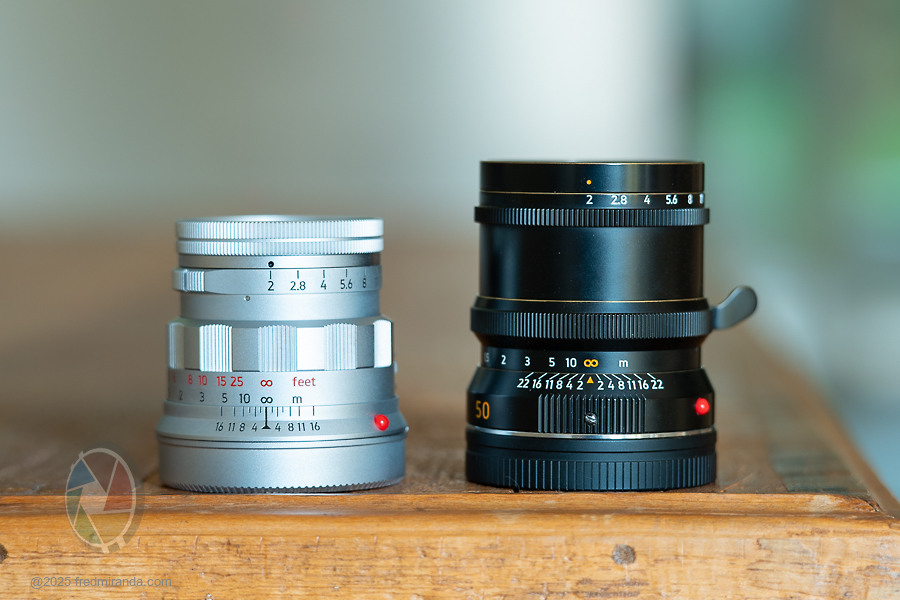
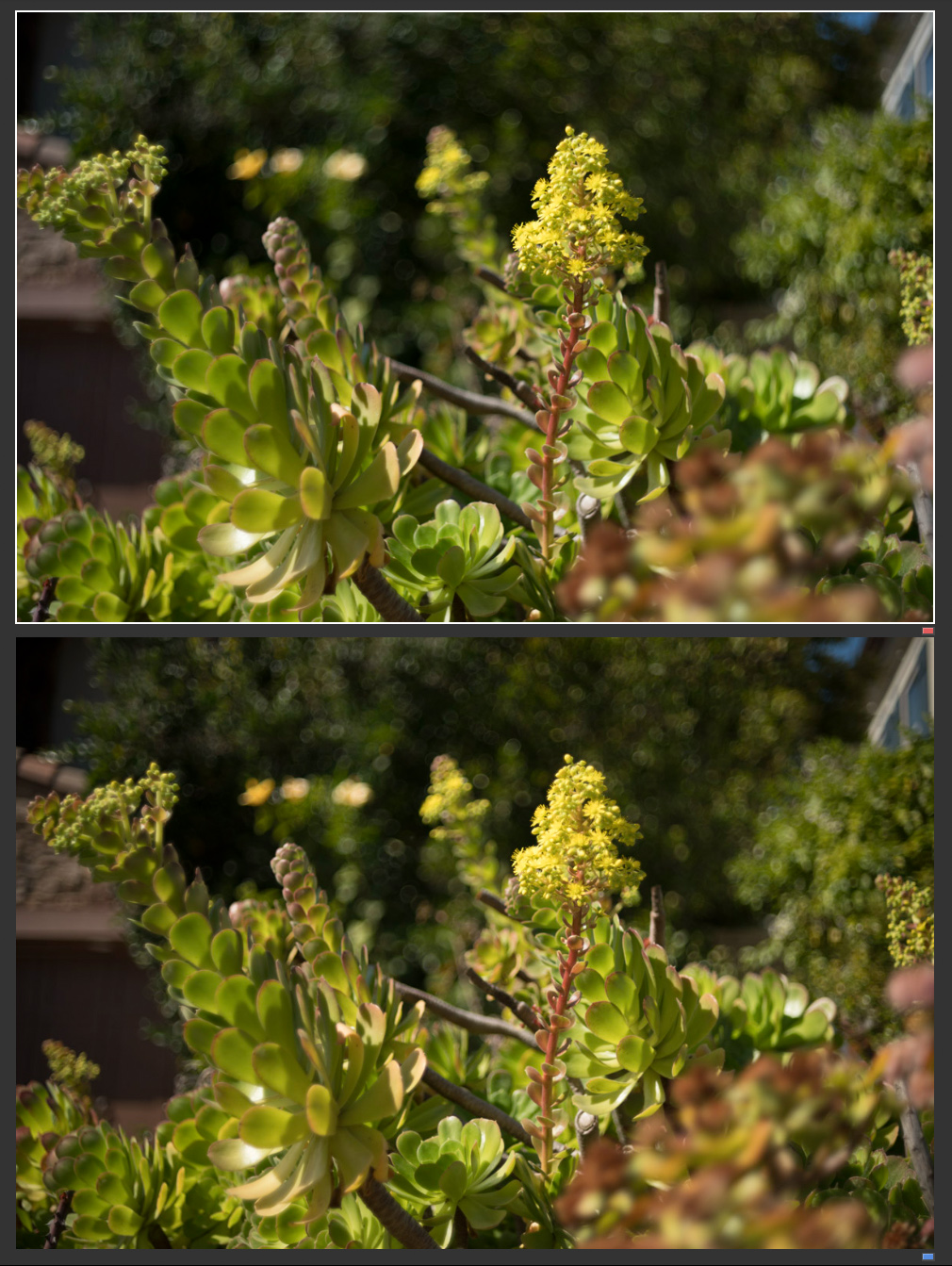
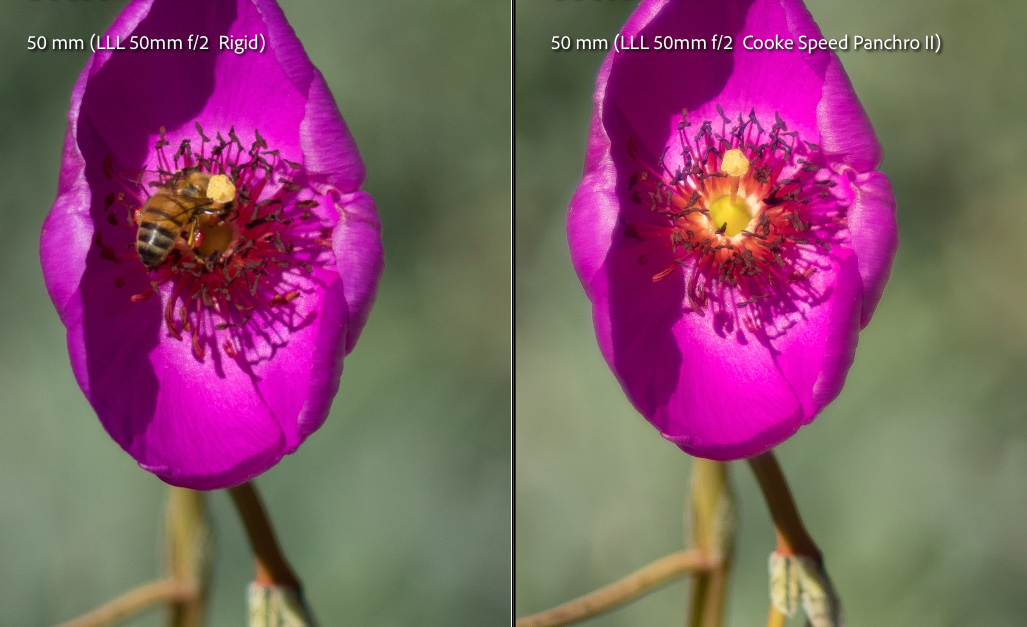
I've received many requests to compare the new Light Lens Lab 50mm f/2 Rigid with another LLL lens, the 50mm f/2 SP II (Cooke). Interestingly, the SP II comes in two barrel designs, one of which shares the same 'Rigid' style. The version I own is the first release by Light Lens Lab, as shown in the image above.
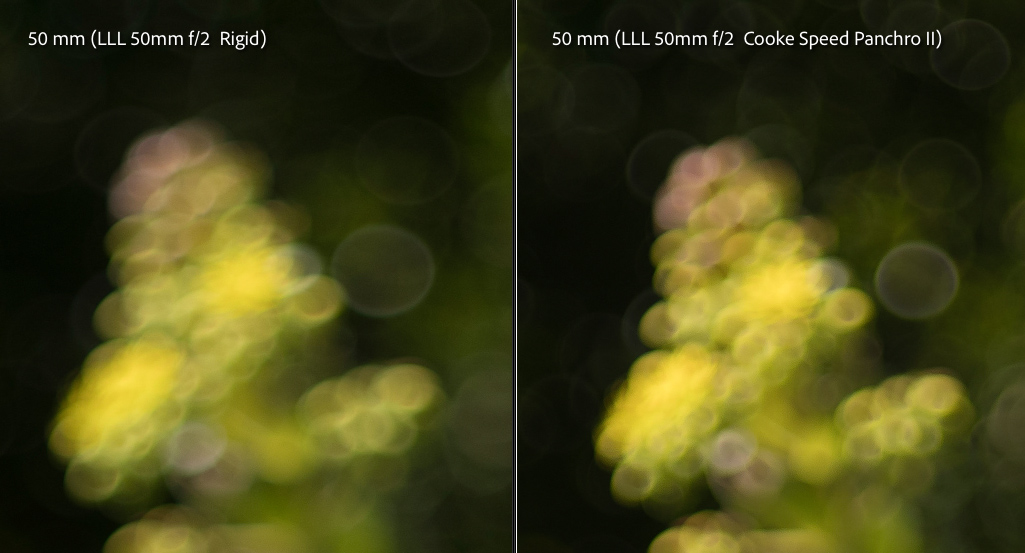
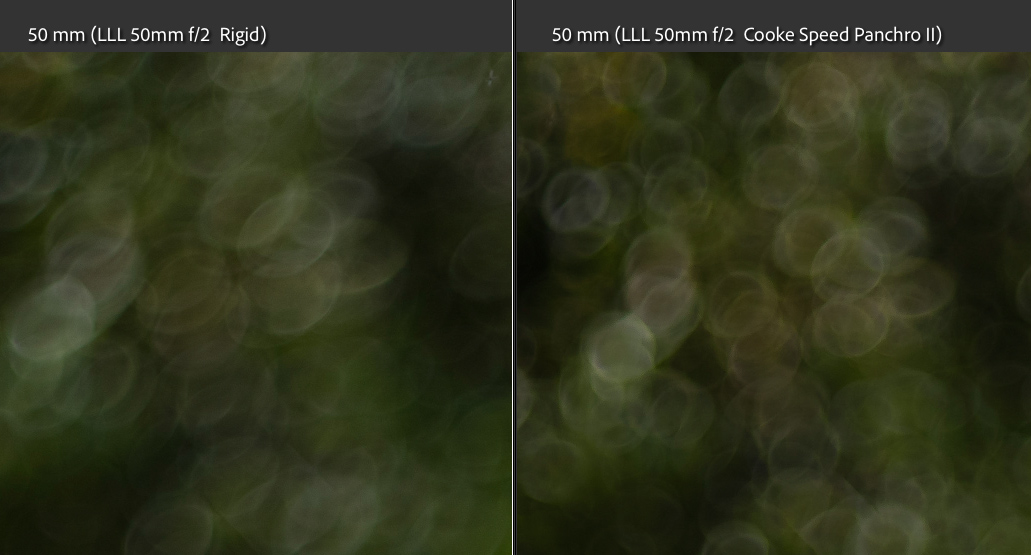
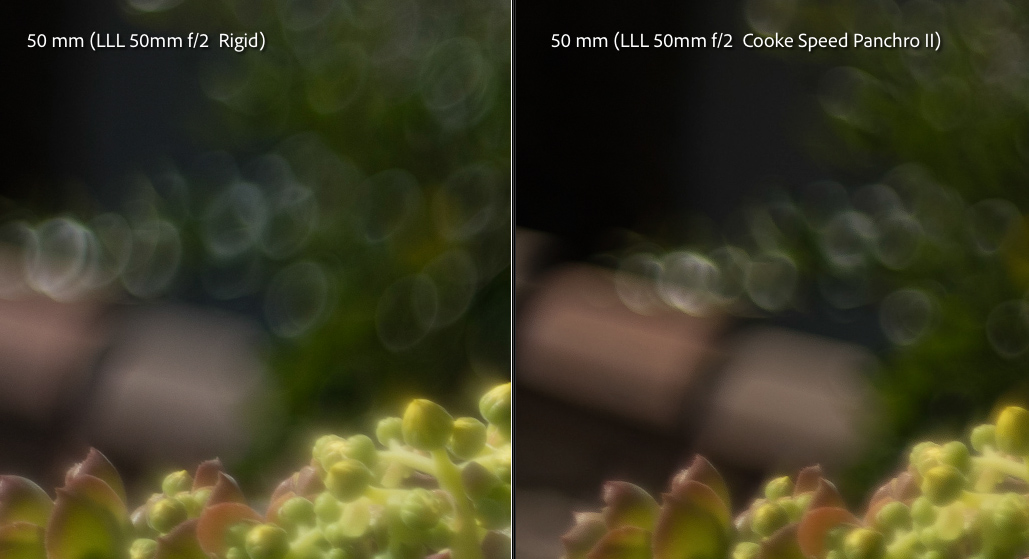
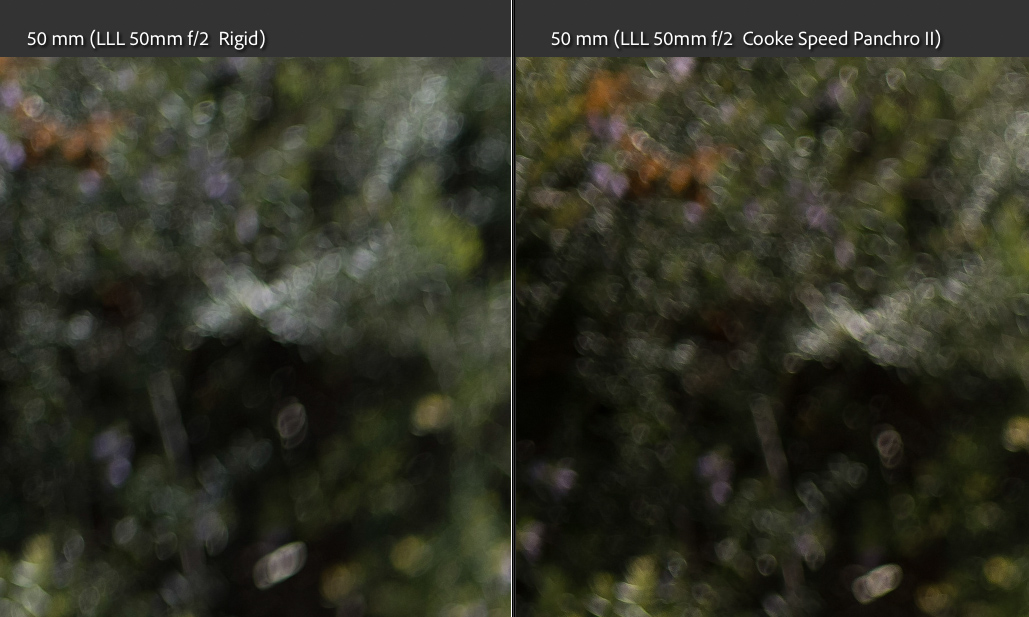
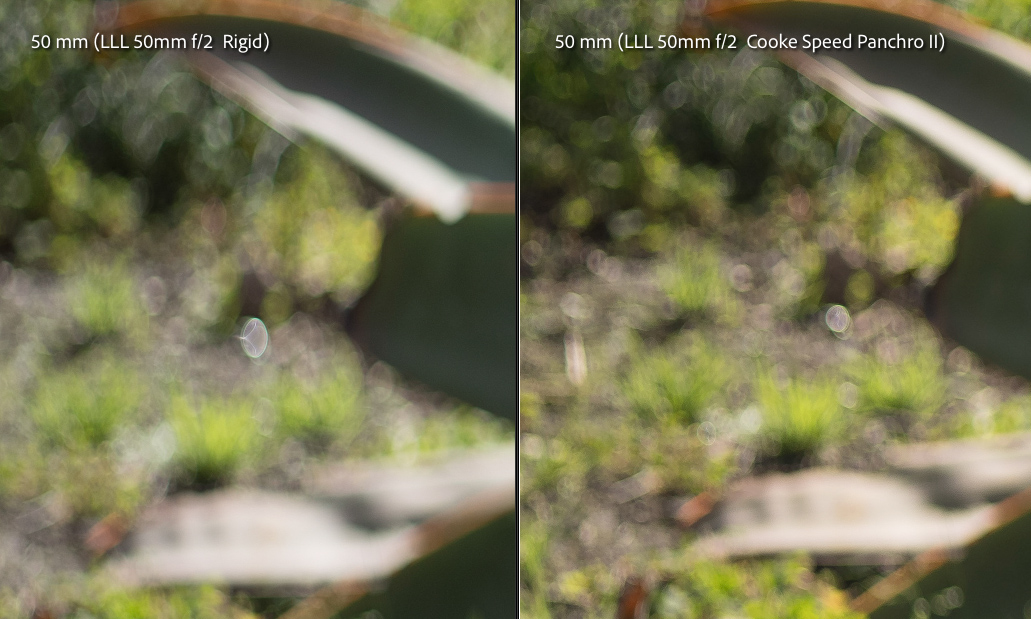
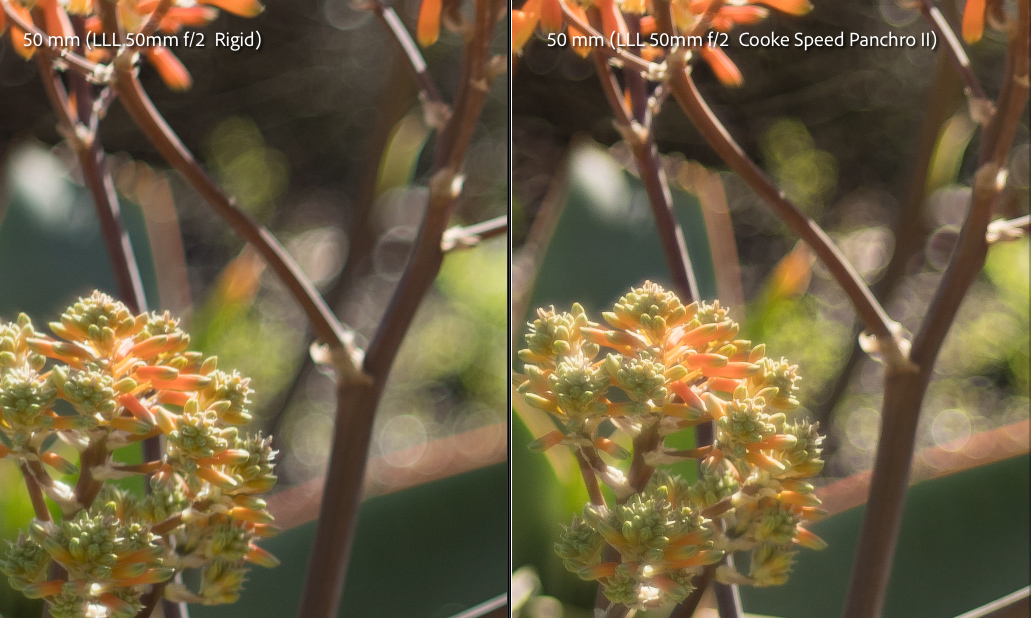
While these two lenses have distinct optical designs that result in noticeably different rendering, both retain vintage characteristics such as outlining, lower contrast, high coma, and astigmatism.
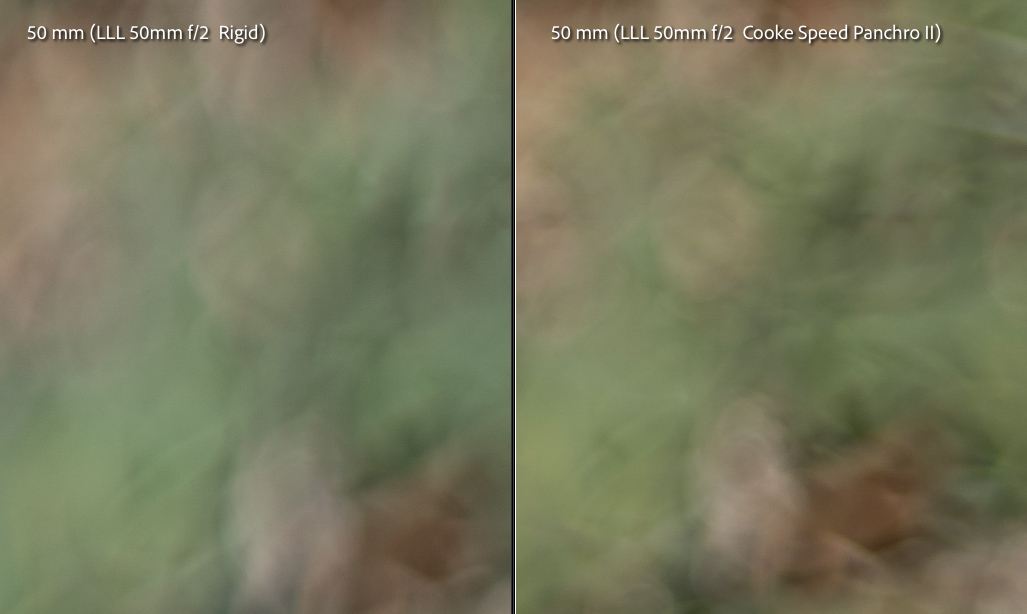
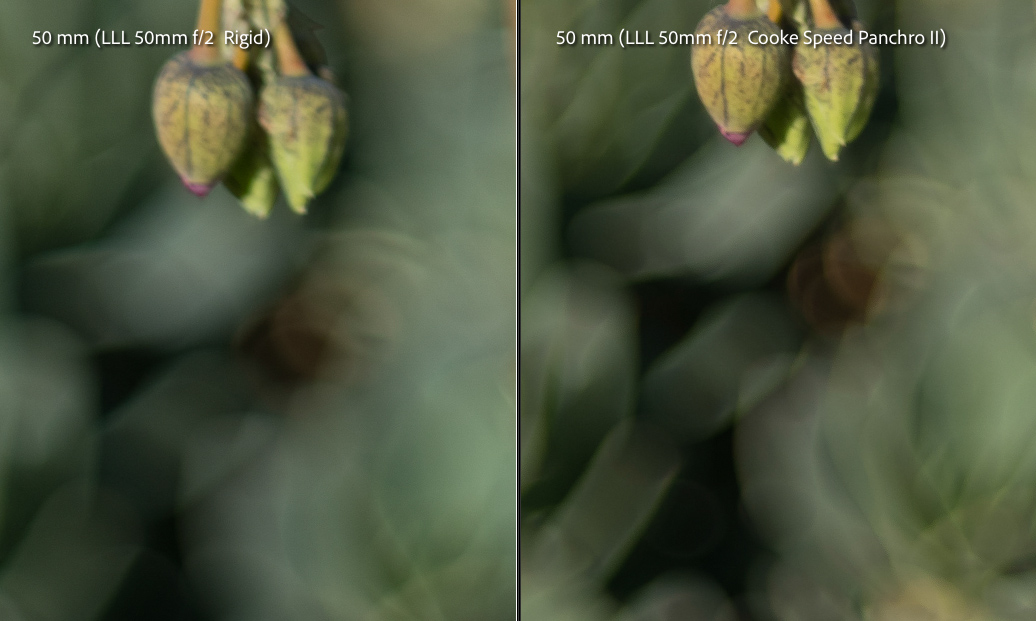
The Light Lens Lab 50mm f/2 Rigid offers slightly higher contrast, better central resolution, and improved spherical aberration correction. In comparison, the SP II is more prone to flare, producing a unique bluish flare, while the Rigid tends to show purple or red flare, which some photographers prefer.
Looking at resolution tests, the 50mm f/2 SP II (Cooke) delivers more uniform performance across the image field at all distances, with very good mid-field and corner resolution for a lens of its era. It also performs better at the center at closer distances compared to longer distances.
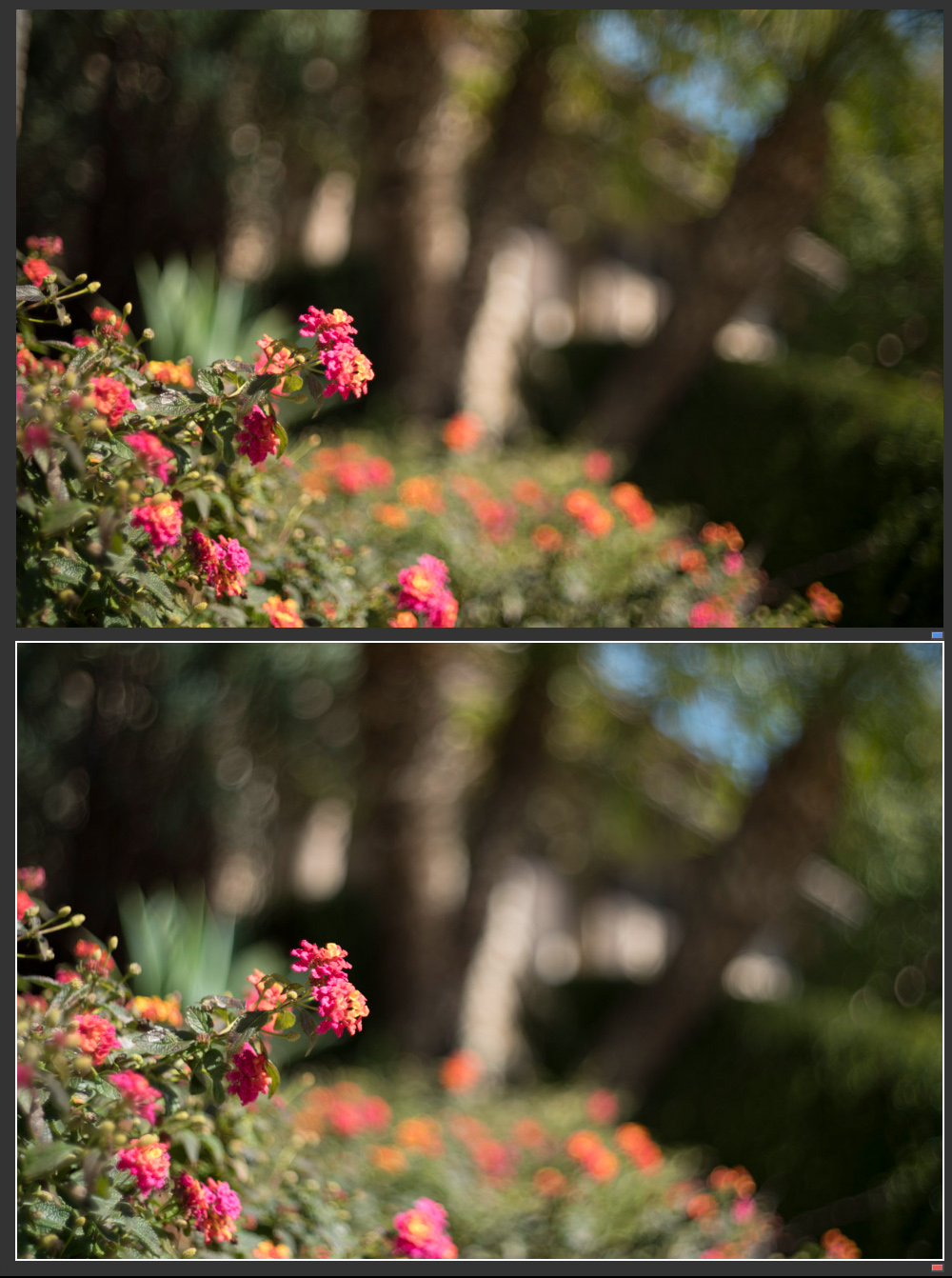
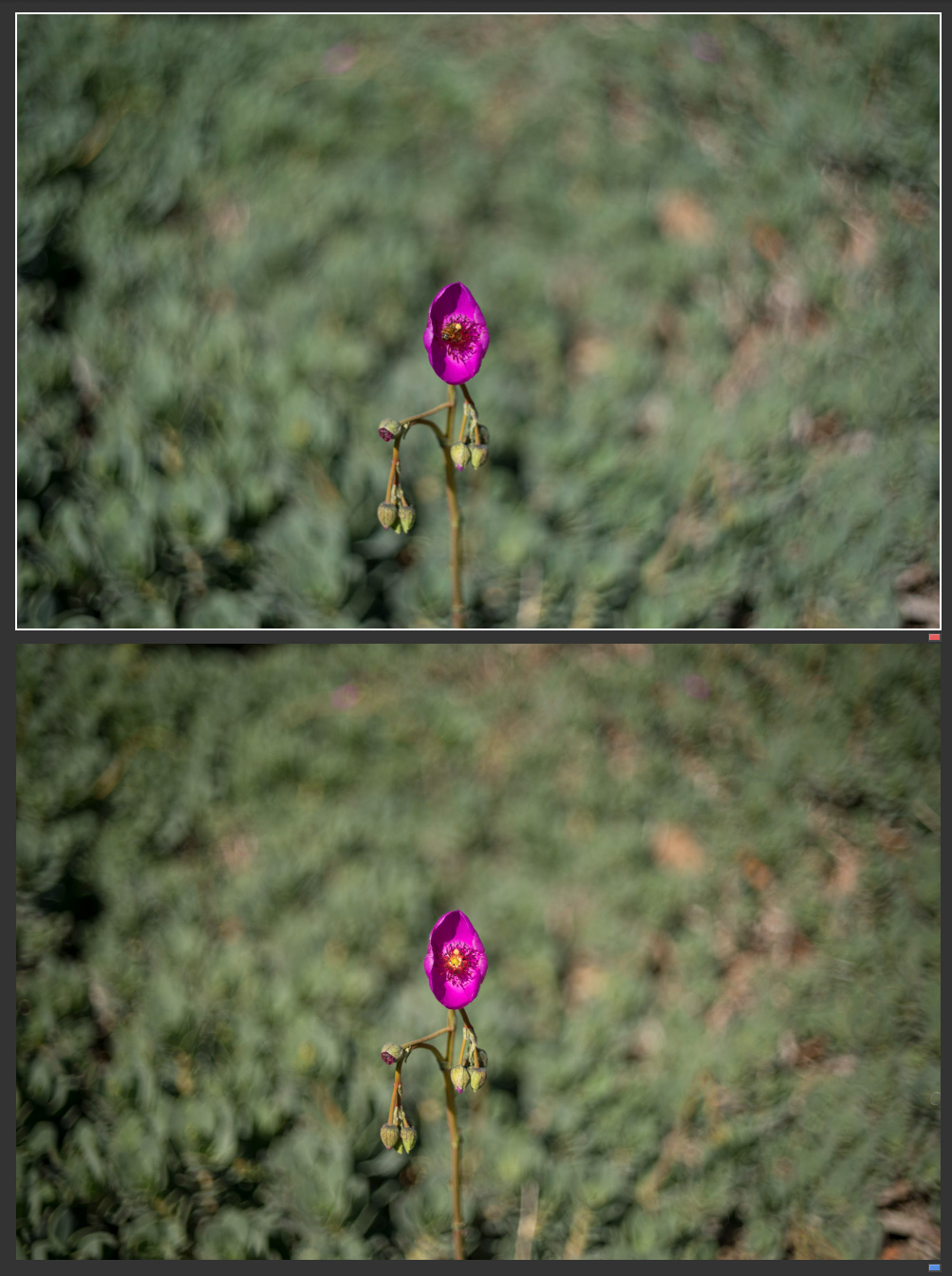
In side-by-side comparisons, the first noticeable difference in rendering is that the LLL 50mm f/2 SP II has a slightly wider angle of view and warmer image reproduction due to its coatings. It also produces more rounded specular highlights, likely due to lower optical vignetting. The Rigid, on the other hand, shows more blur in out-of-focus areas despite both lenses being 50mm f/2. Also, when compared at the same distance, specular highlights appear larger on the Rigid, which makes sense since the "Cooke" seems to be slightly wider than a true 50mm lens, while the Rigid is slightly longer.
In short, the Rigid is the better-corrected lens, producing more blur, handling flare better, and still maintaining a beautiful vintage character in its rendering.
Sample 1: At 1.5m
(Check the lens name when comparing the cropped images. TheThe LLL 50mm f/2 Rigid image is always highlighted and has a red mark at the bottom.)
Resized full images: The LLL 50mm f/2 Rigid image is always highlighted and has a red mark at the bottom
Sample 2: At 3.5m
(Check the lens name when comparing the cropped images. The LLL 50mm f/2 Rigid image is always highlighted and has a red mark at the bottom.)
Resized full images: The LLL 50mm f/2 Rigid image is always highlighted and has a red mark at the bottom
Sample 3: At 0.75m
(Check the lens name when comparing the cropped images. The LLL 50mm f/2 Rigid image is always highlighted and has a red mark at the bottom.)
Resized full images: The LLL 50mm f/2 Rigid image is always highlighted and has a red mark at the bottom
Sample 4: At 4m
(Check the lens name when comparing the cropped images. The LLL 50mm f/2 Rigid image is always highlighted and has a red mark at the bottom.)
Resized full images: The LLL 50mm f/2 Rigid image is always highlighted and has a red mark at the bottom
Sample 5: At 0.75m
(Check the lens name when comparing the cropped images. The LLL 50mm f/2 Rigid image is always highlighted and has a red mark at the bottom.)
Resized full images: The LLL 50mm f/2 Rigid image is always highlighted and has a red mark at the bottom