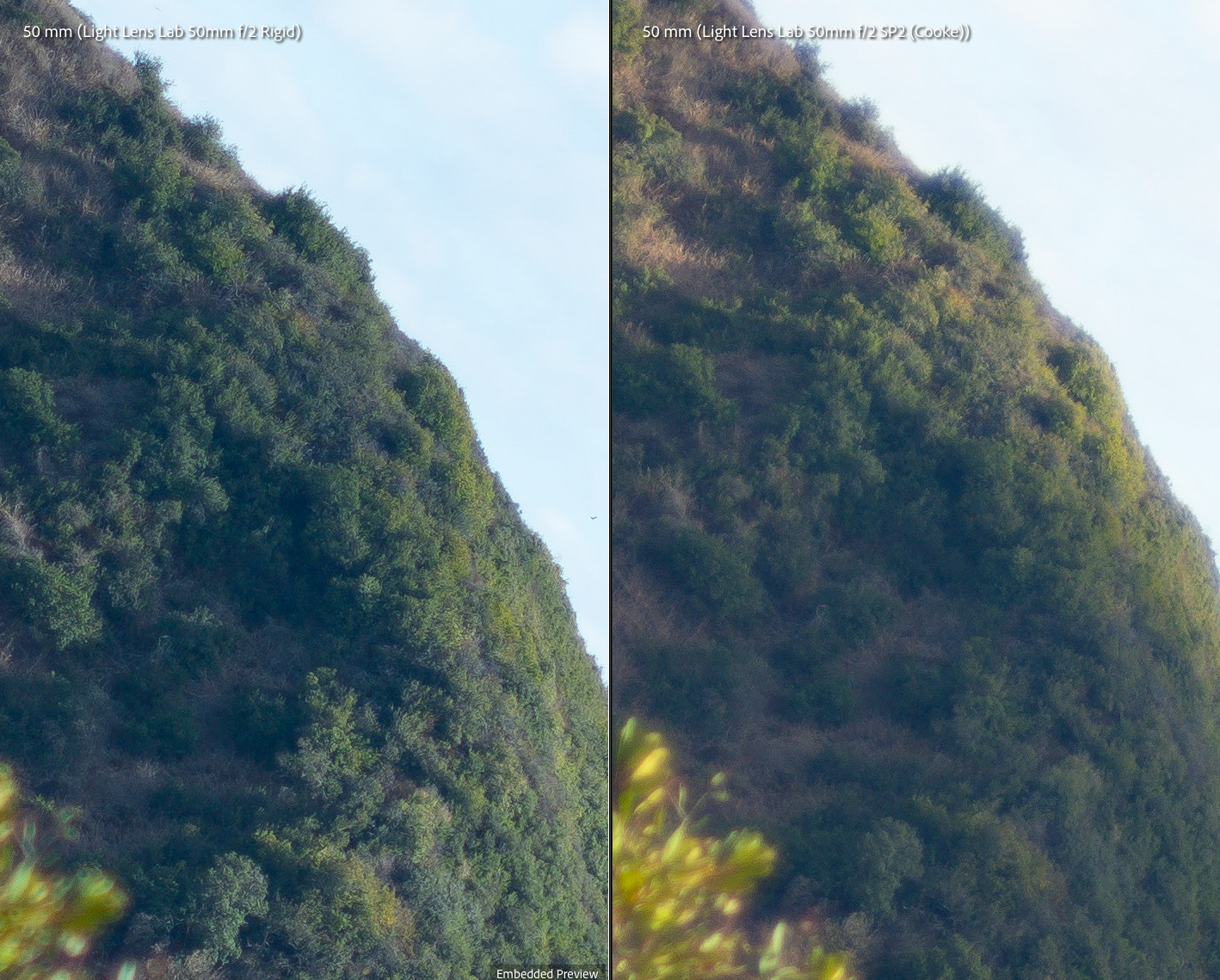
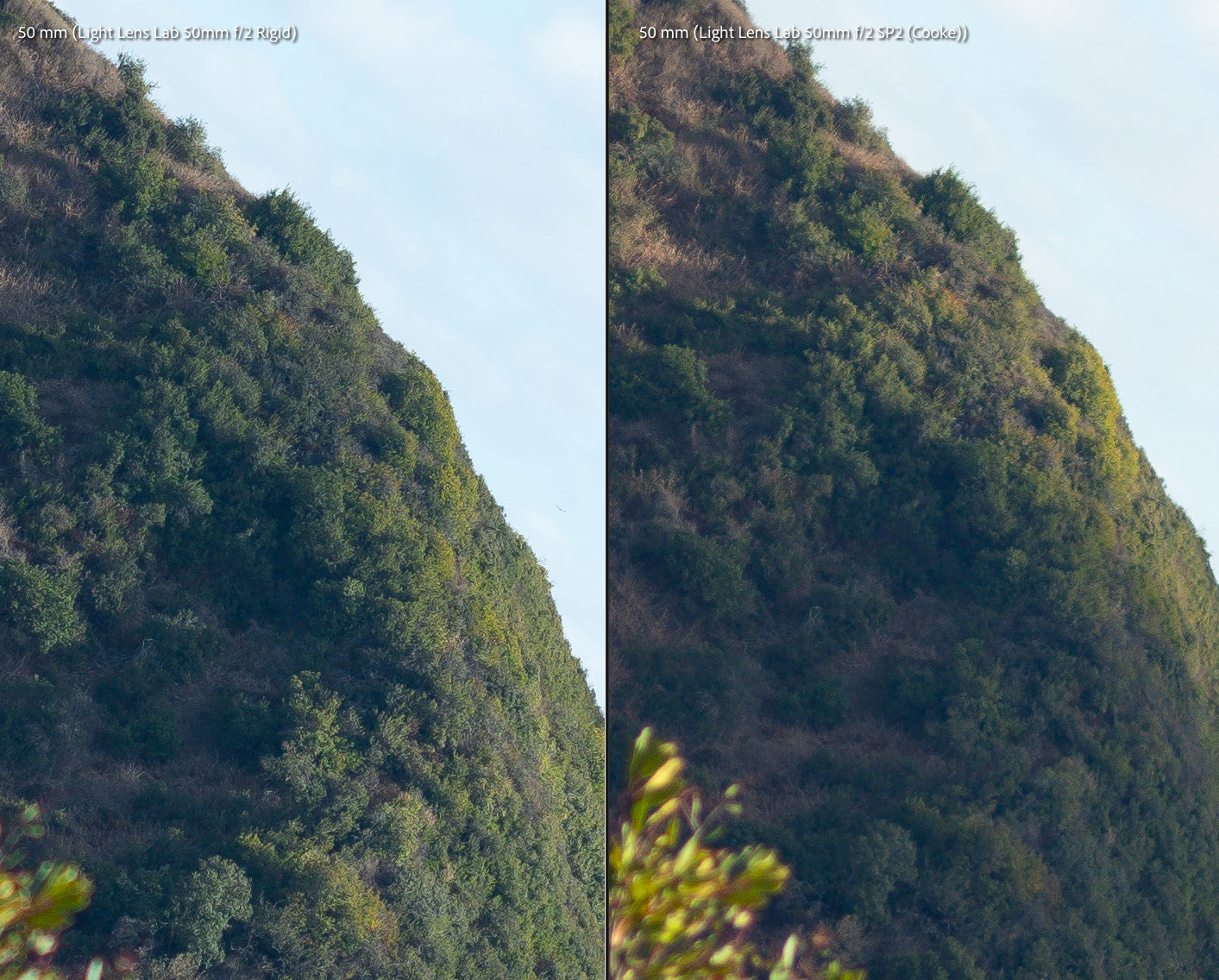
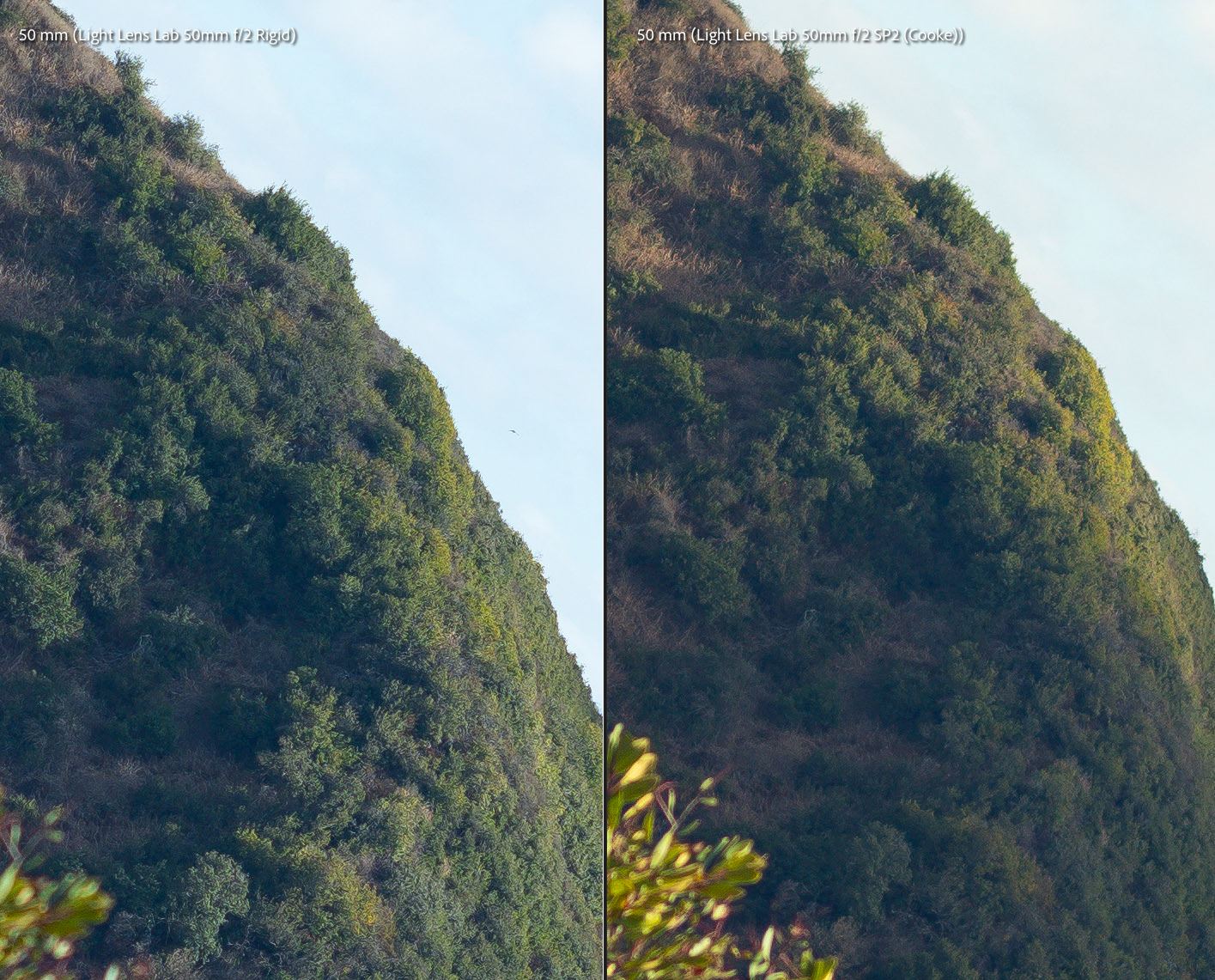
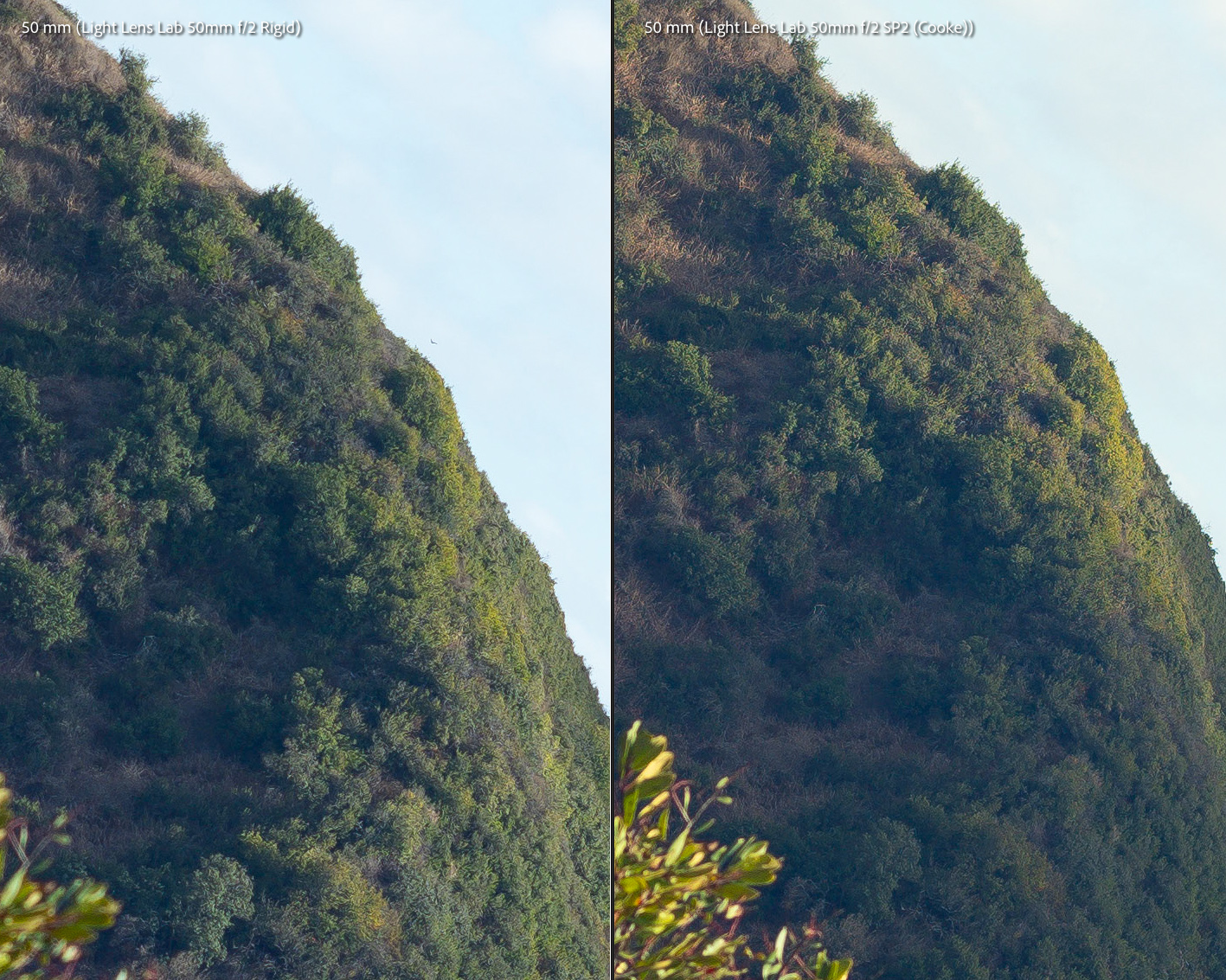
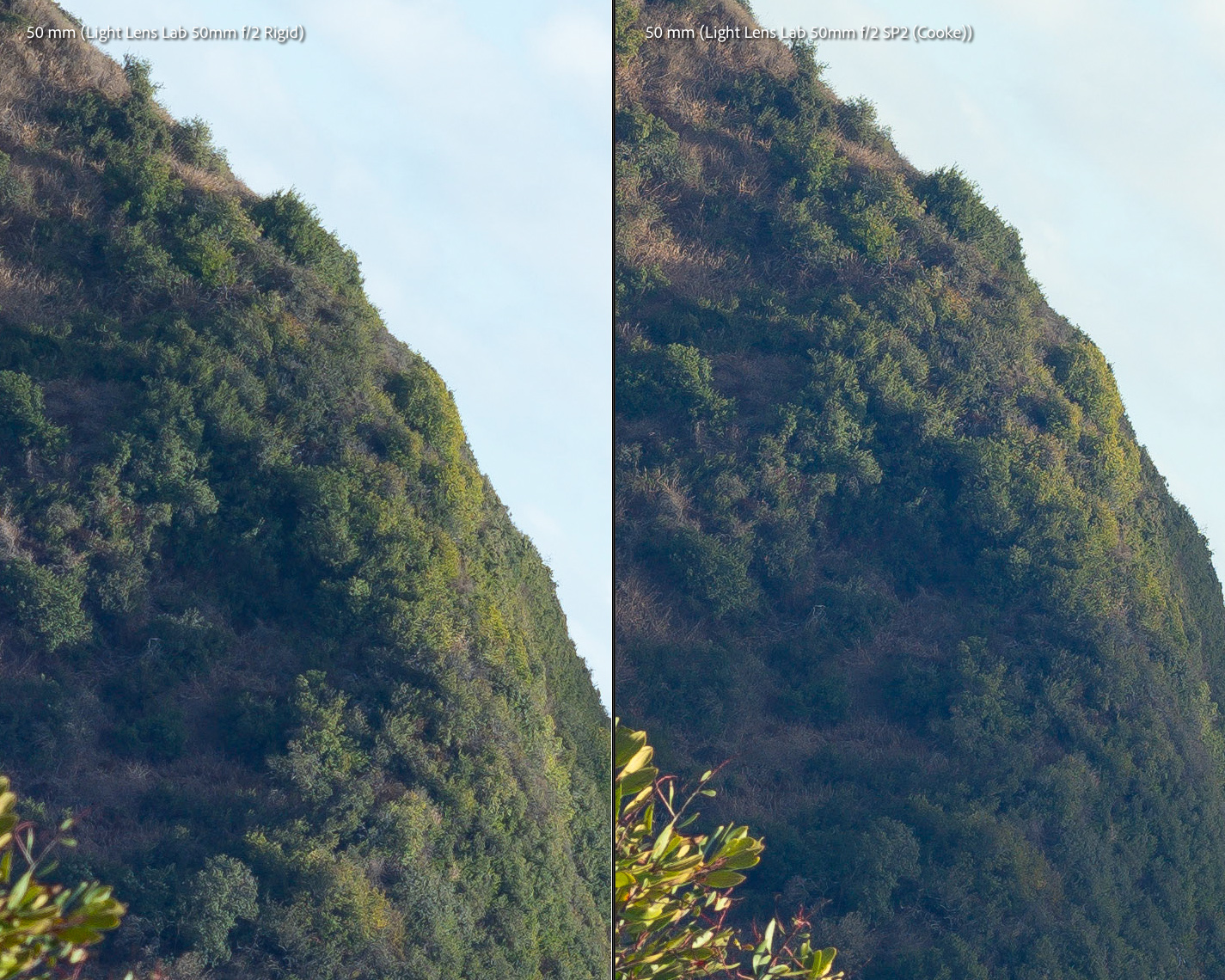
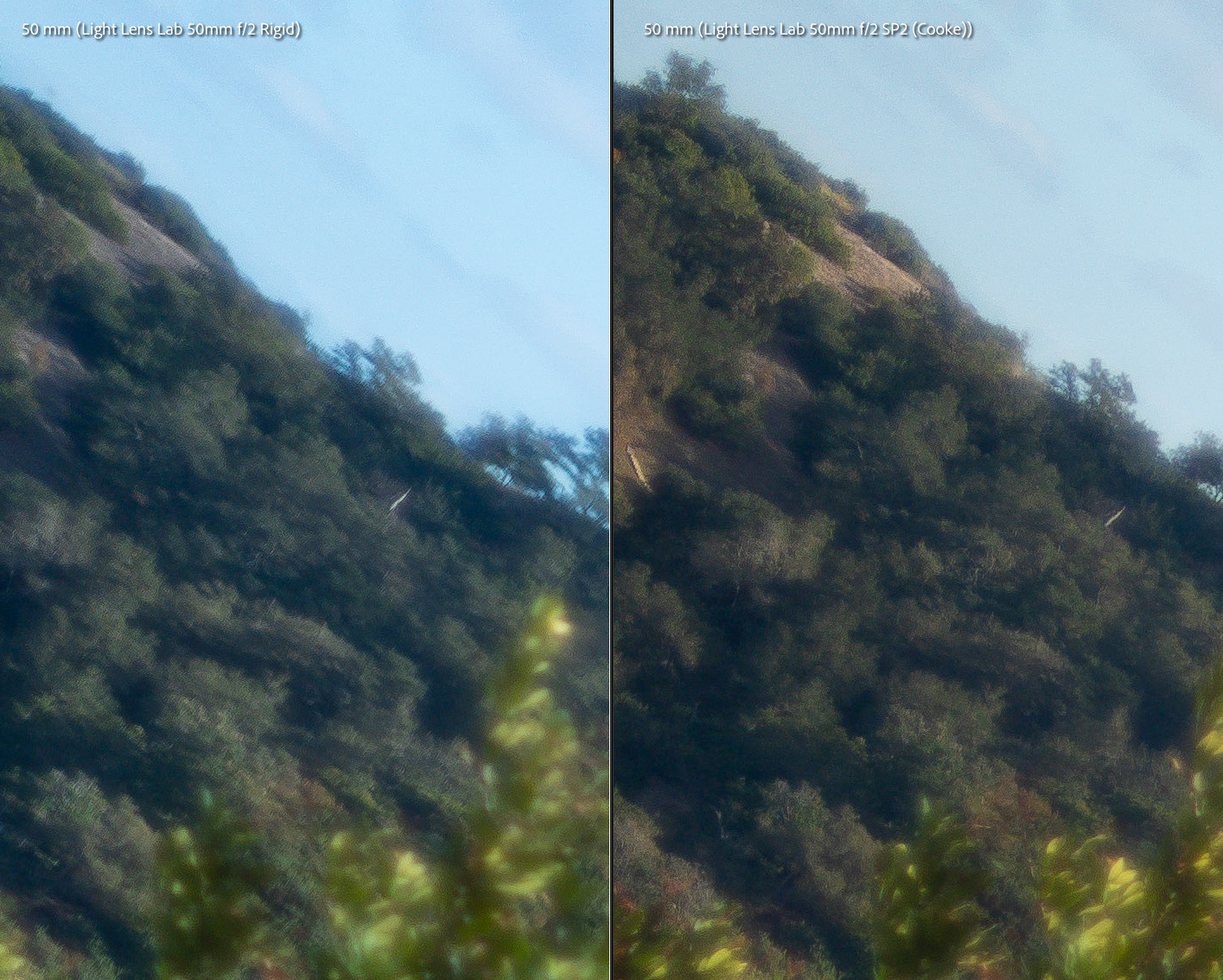
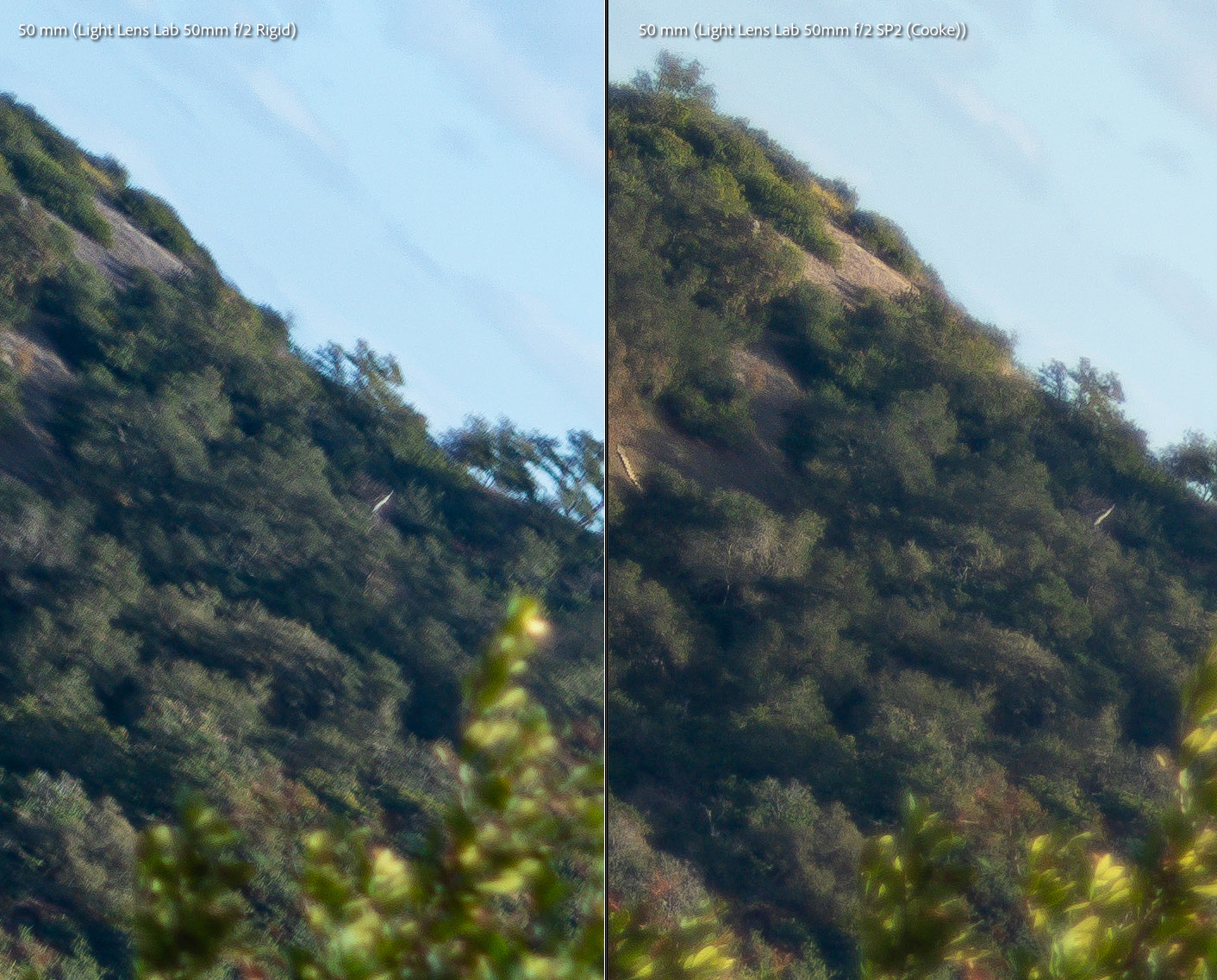
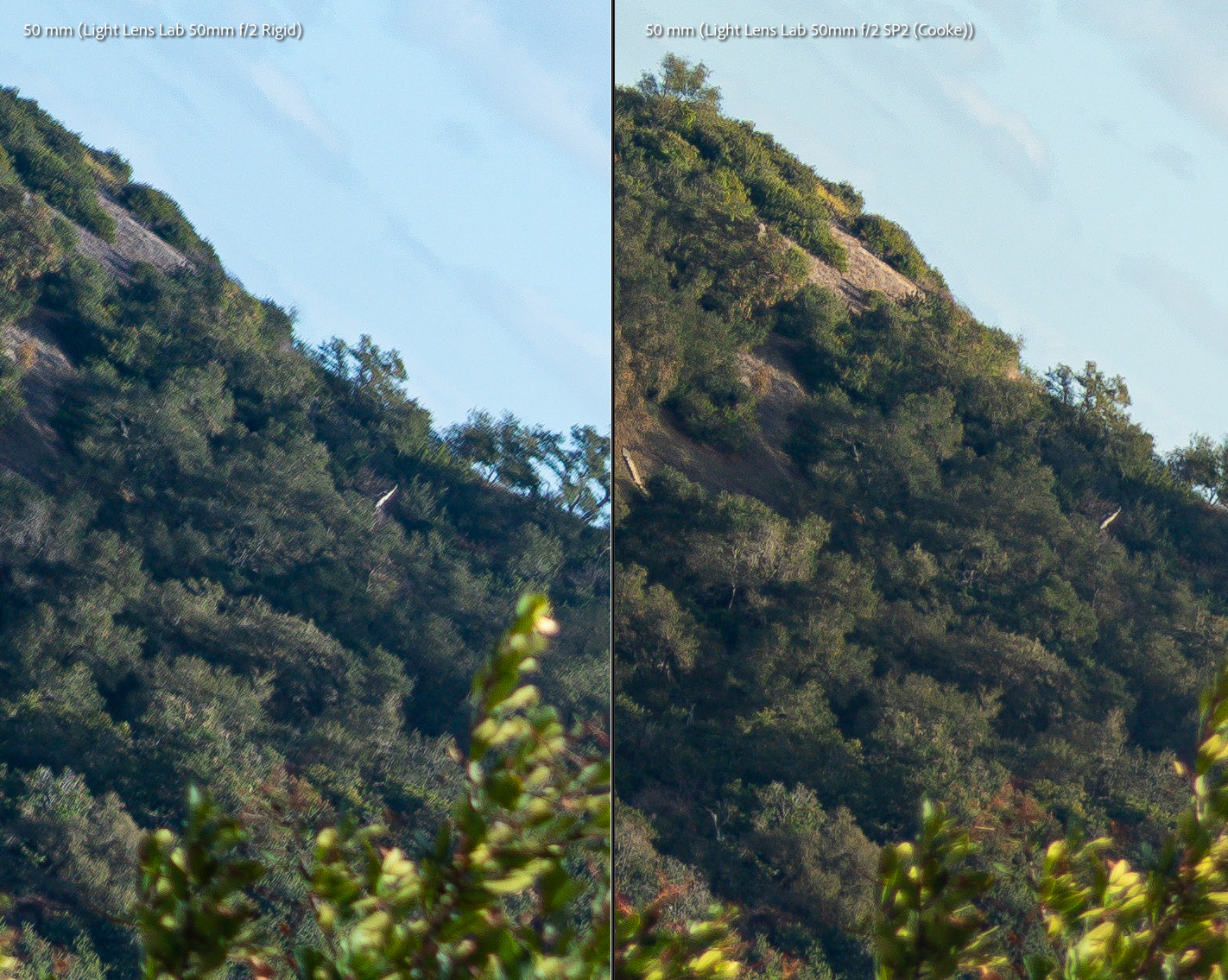
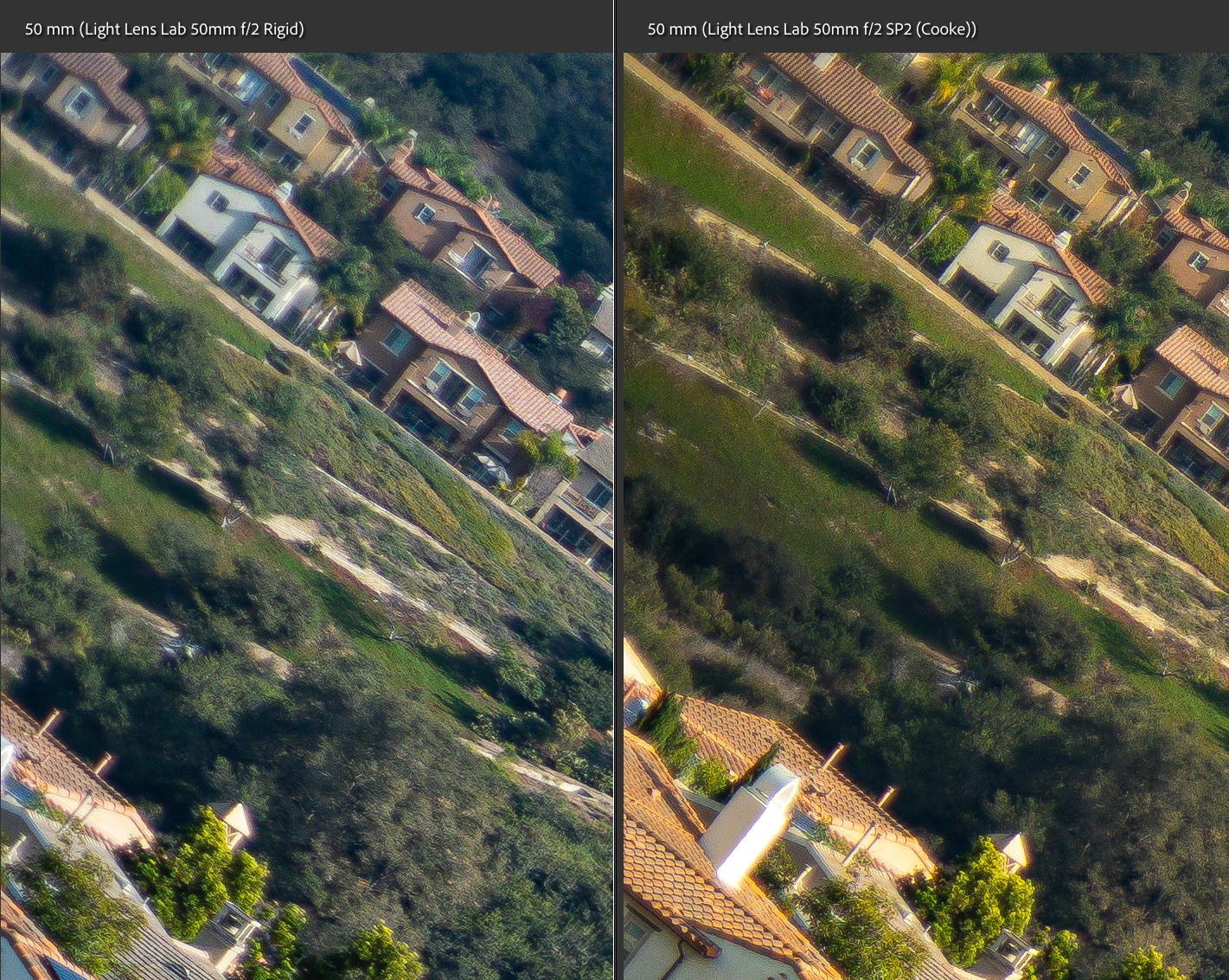
Resolution and Contrast at Infinity distance: Light Lens Lab 50mm f/2 Rigid vs Light Lens Lab 50mm f/2 SP II (Cooke)
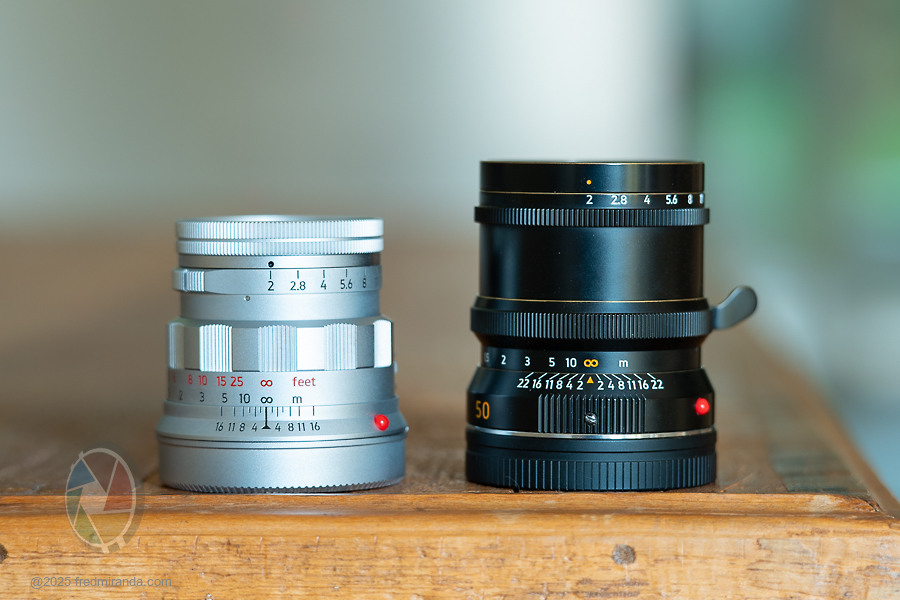
I received several requests to include the Light Lens Lab 50mm f/2 'SP II' in the comparison with the Light Lens Lab 50mm f/2 Rigid. While both lenses share the same focal length, my tests show that the Rigid has a slightly narrower angle of view, making it closer to a ~52mm lens.
For one, its warmer tonality really stands out, especially when compared to the Rigid, which has a cooler look due to its coating. In film terms, the SP II is similar to shooting with Kodak Gold film, or for Fuji shooters with digital cameras, it's like using the Fujifilm Nostalgic Neg film simulation.
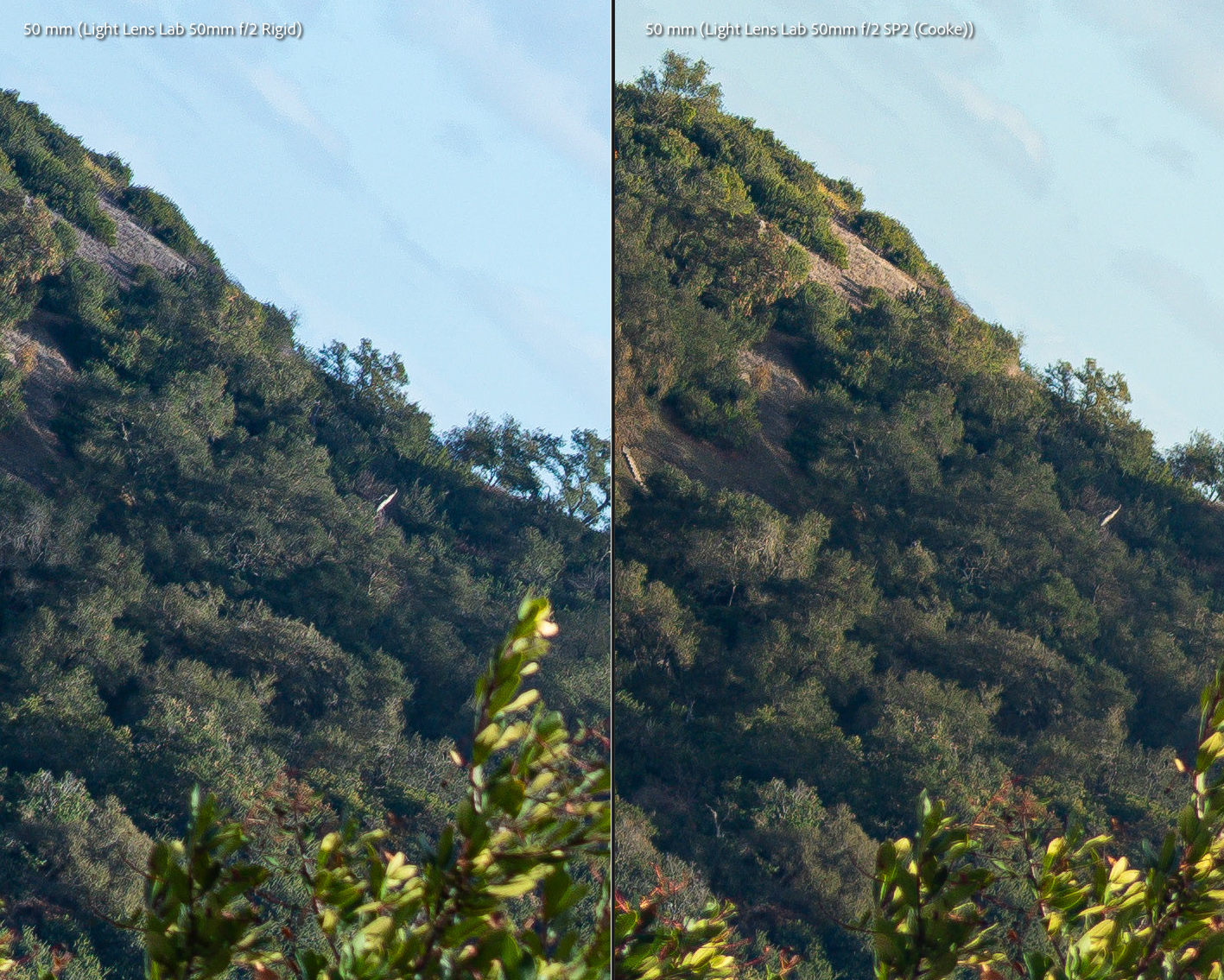
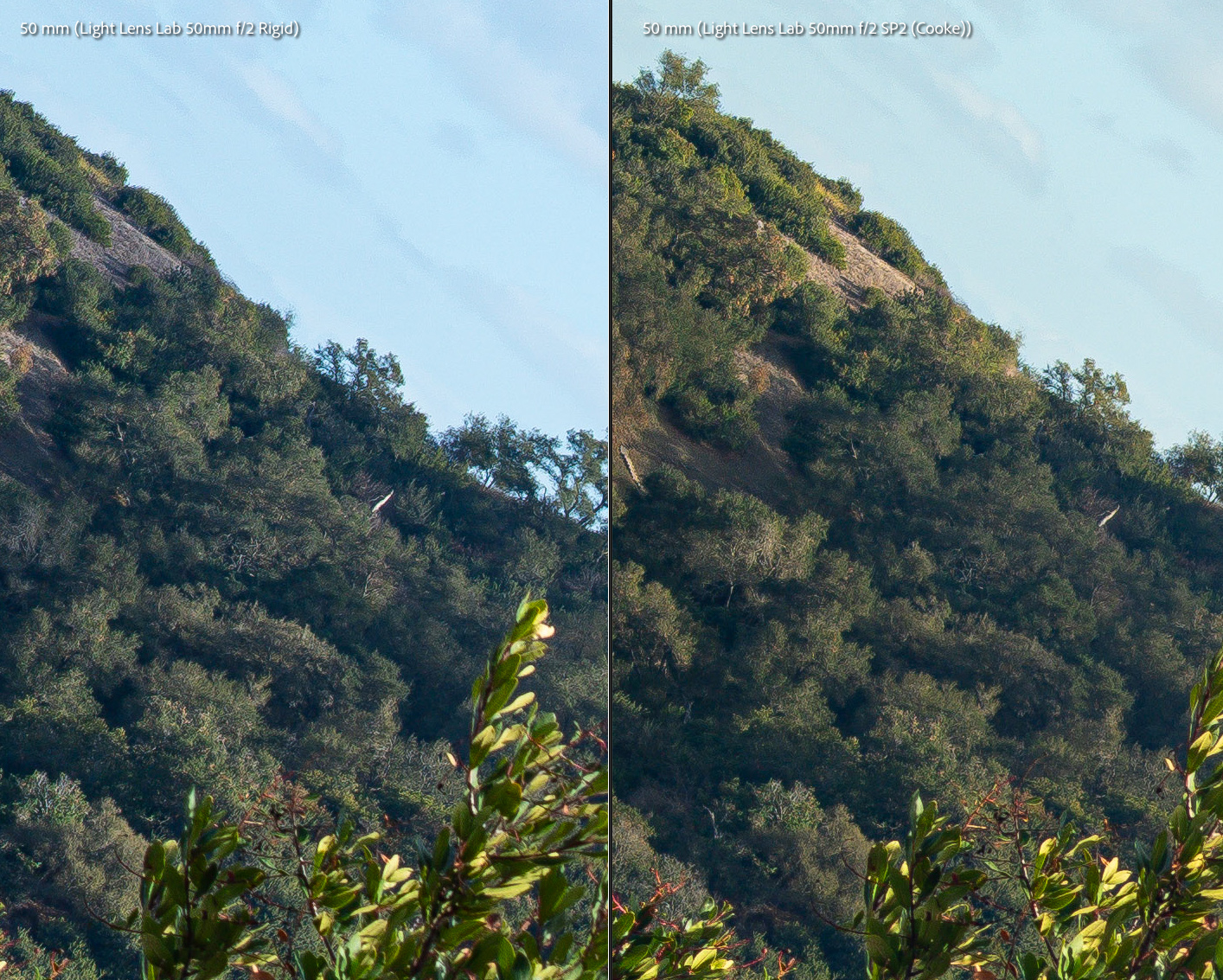
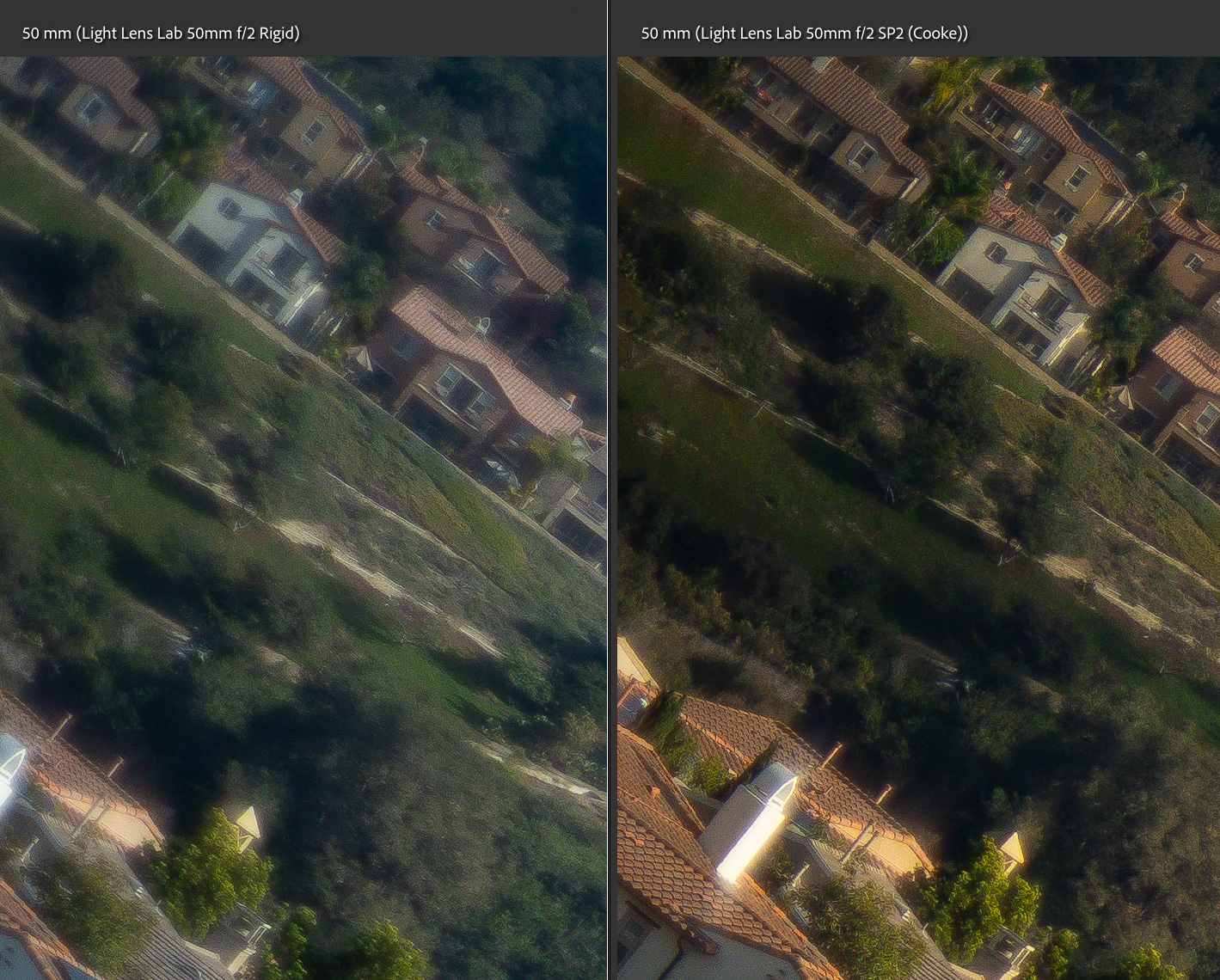
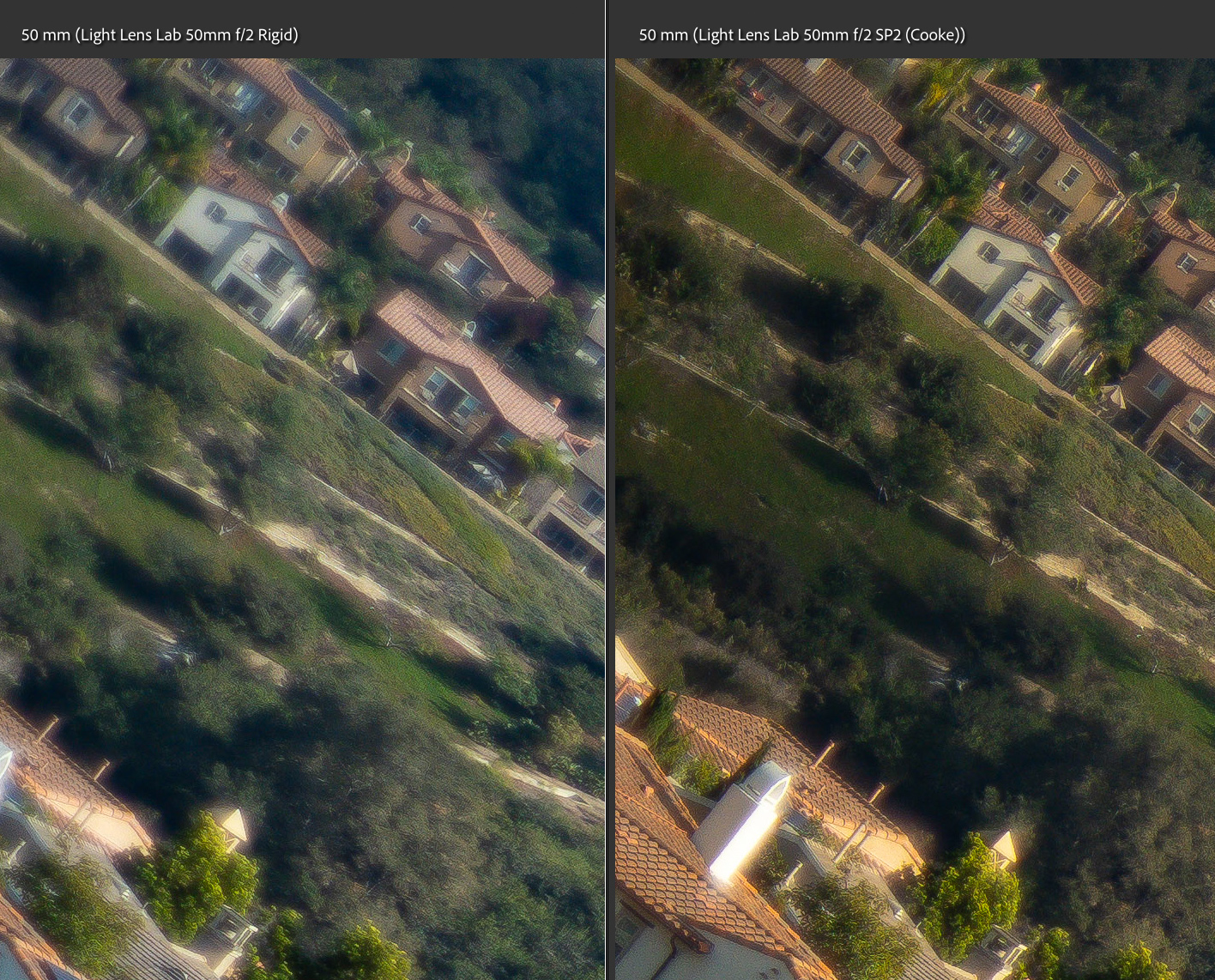
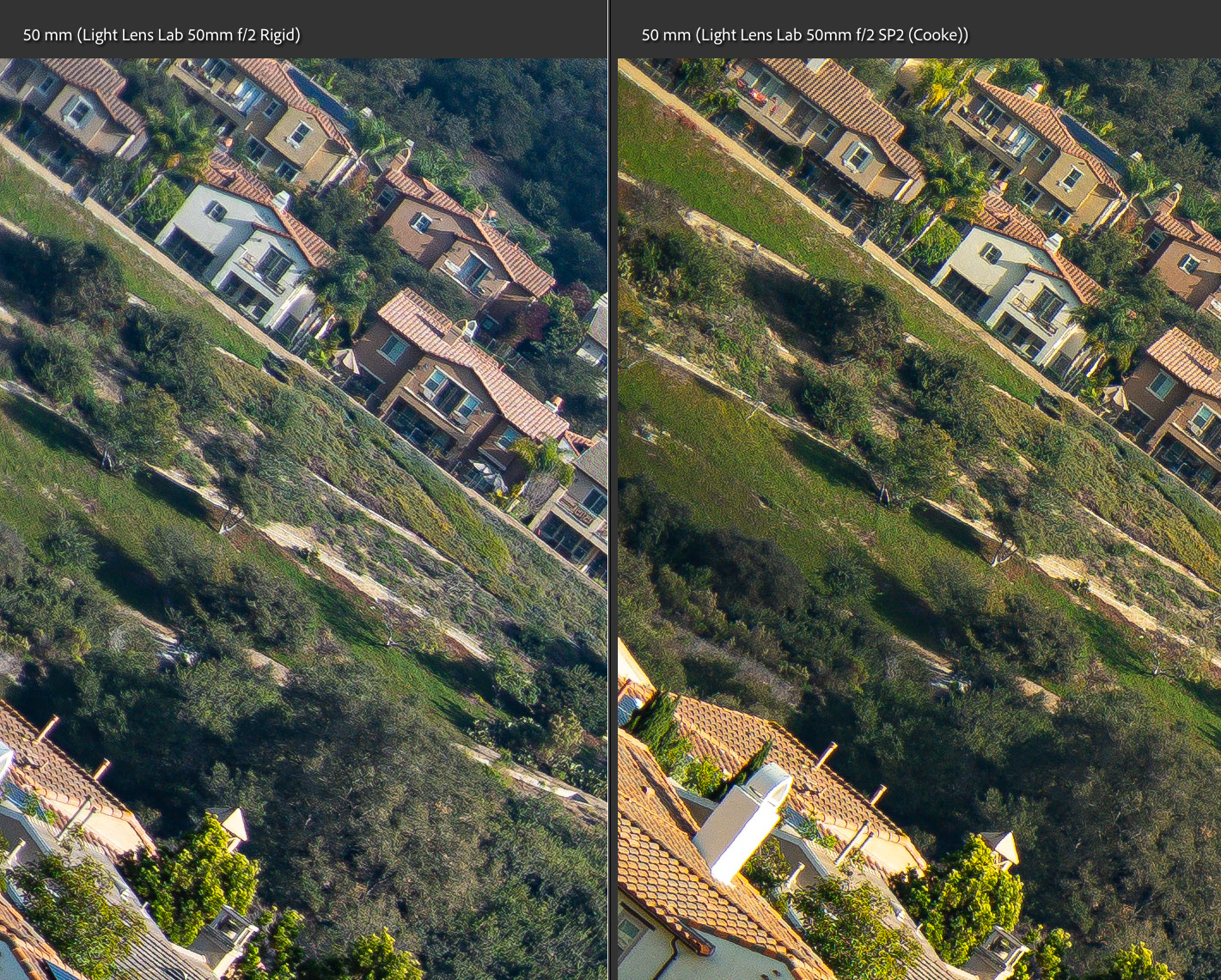
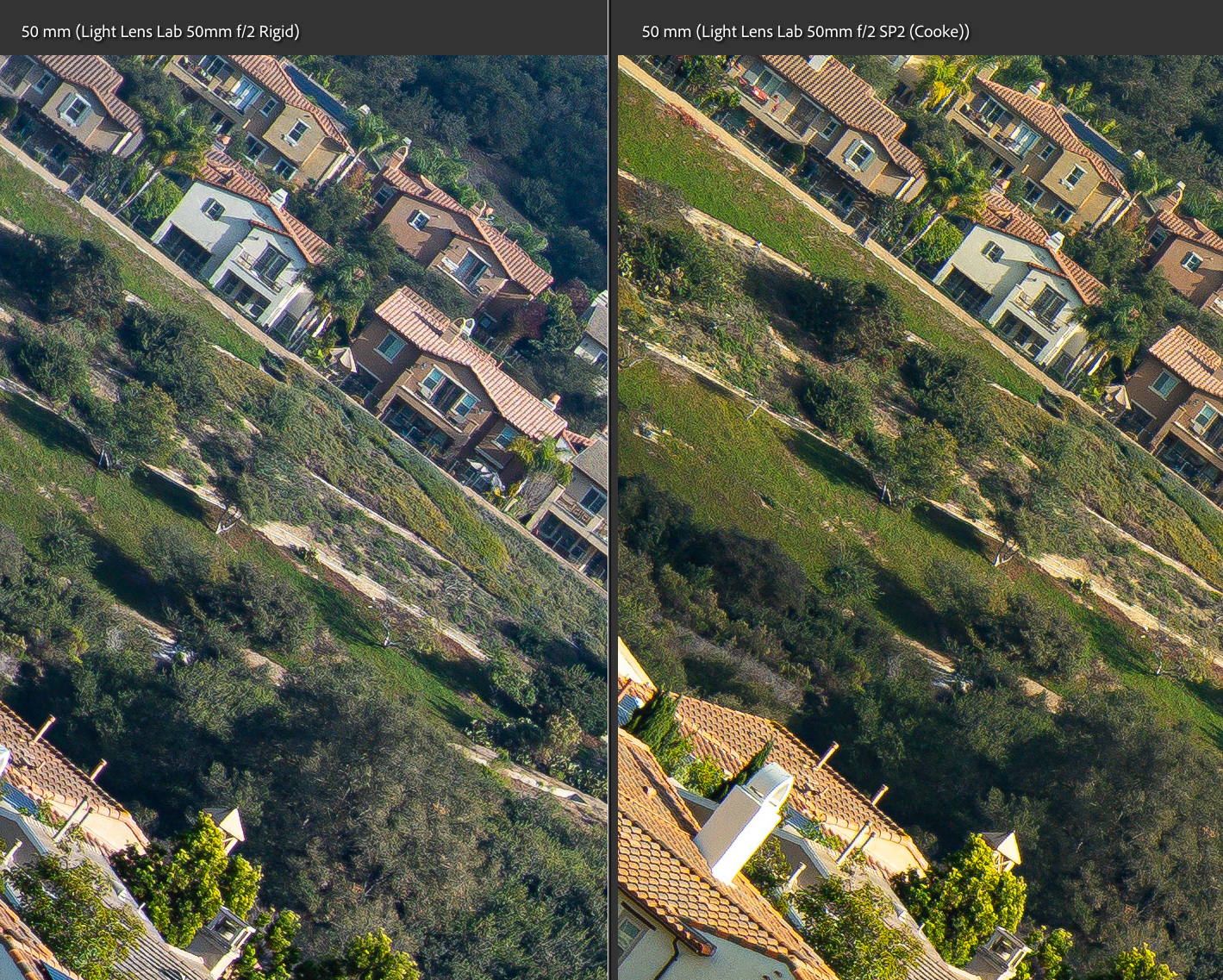
The Rigid delivers much higher contrast, both wide open and stopped down, while the SP II shines with higher resolution in the mid-field and corners at wider apertures. By f/4 and f/5.6, both lenses perform similarly and even rival modern lenses on the Leica M11.
In summary, the Light Lens Lab 50mm f/2 SP II provides a more vintage look with lower contrast and a bit of glow, but surprisingly, it also offers higher resolution off-axis, even wide open. The Rigid, on the other hand, is sharper and more contrasty in the center and has its own unique charm.
Distance: Infinity
Focus: Center - Best of three shots at maximum magnification
White Balance: Daylight
Both lenses are well centered, as verified with my decentering test.
Software used: Lightroom with FM Default Landscape Sharpening; all other settings are at default.
PS: Color temperature, Vignetting, Chromatic Aberration (CA), and distortion were not corrected either in post-processing or in-camera.
Center Resolution and Contrast
Resolution and Contrast at Infinity distance: Light Lens Lab 50mm f/2 Rigid vs Light Lens Lab 50mm f/2 SP II (Cooke)
(open the browser window to view entire image without resizing)
Resolution and Contrast at Infinity distance: Light Lens Lab 50mm f/2 Rigid vs Light Lens Lab 50mm f/2 SP II (Cooke)
(open the browser window to view entire image without resizing)
Resolution and Contrast at Infinity distance: Light Lens Lab 50mm f/2 Rigid vs Light Lens Lab 50mm f/2 SP II (Cooke)
(open the browser window to view entire image without resizing)
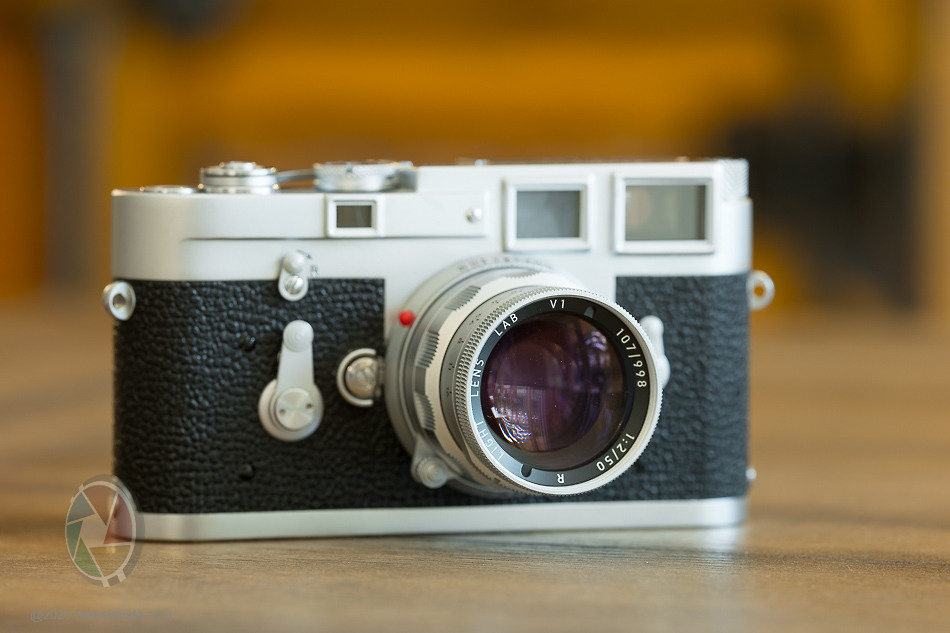
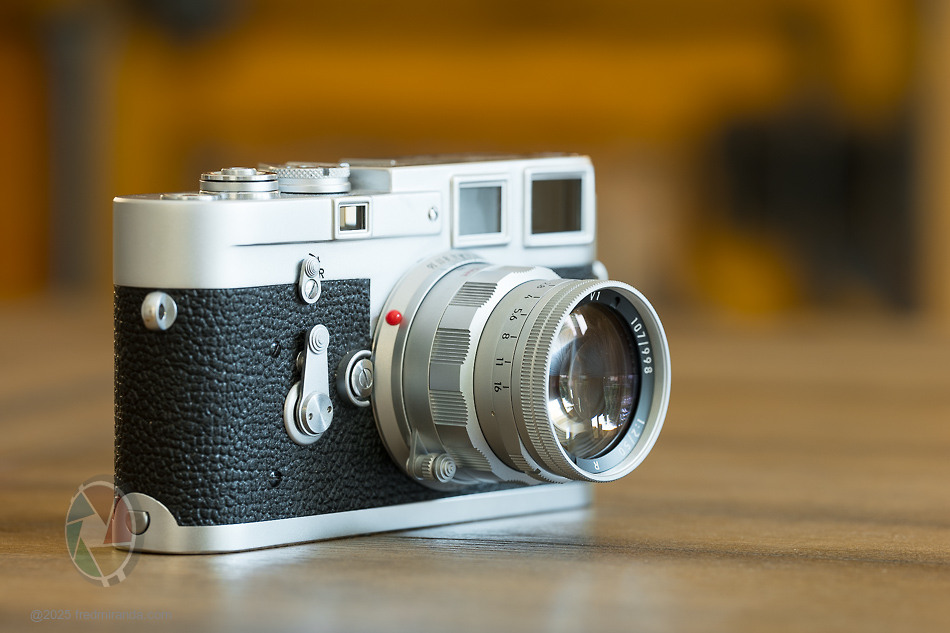
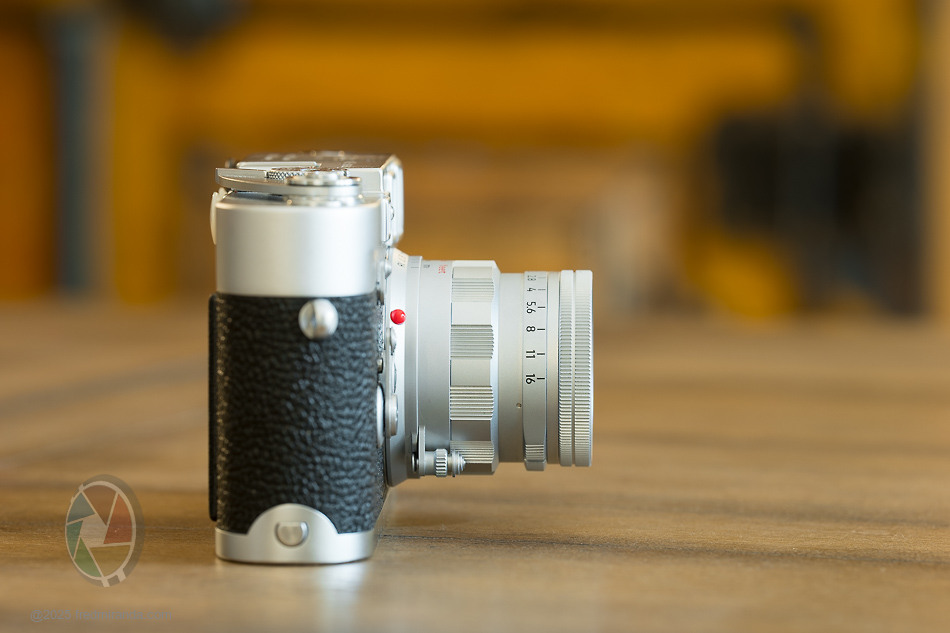
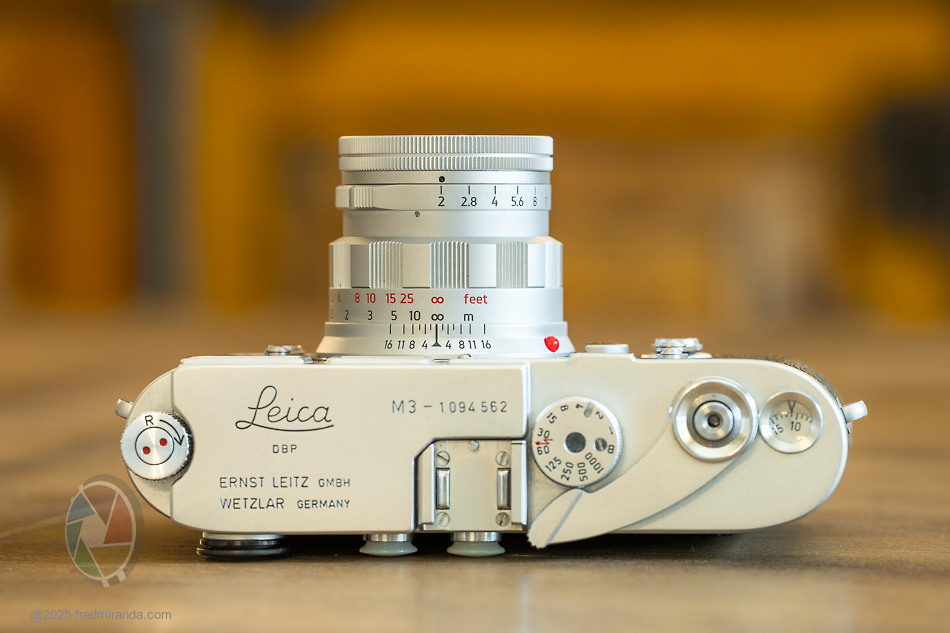
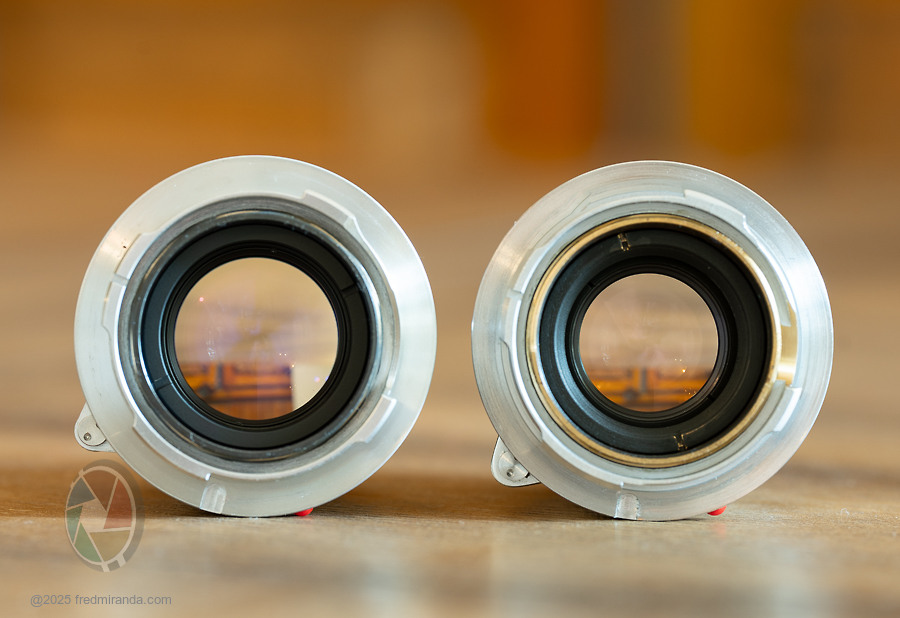
Here are some images of the Light Lens Lab 50mm f/2 Rigid mounted on the Leica M3. Hopefully, I'll be able to share some film shots from this setup soon.
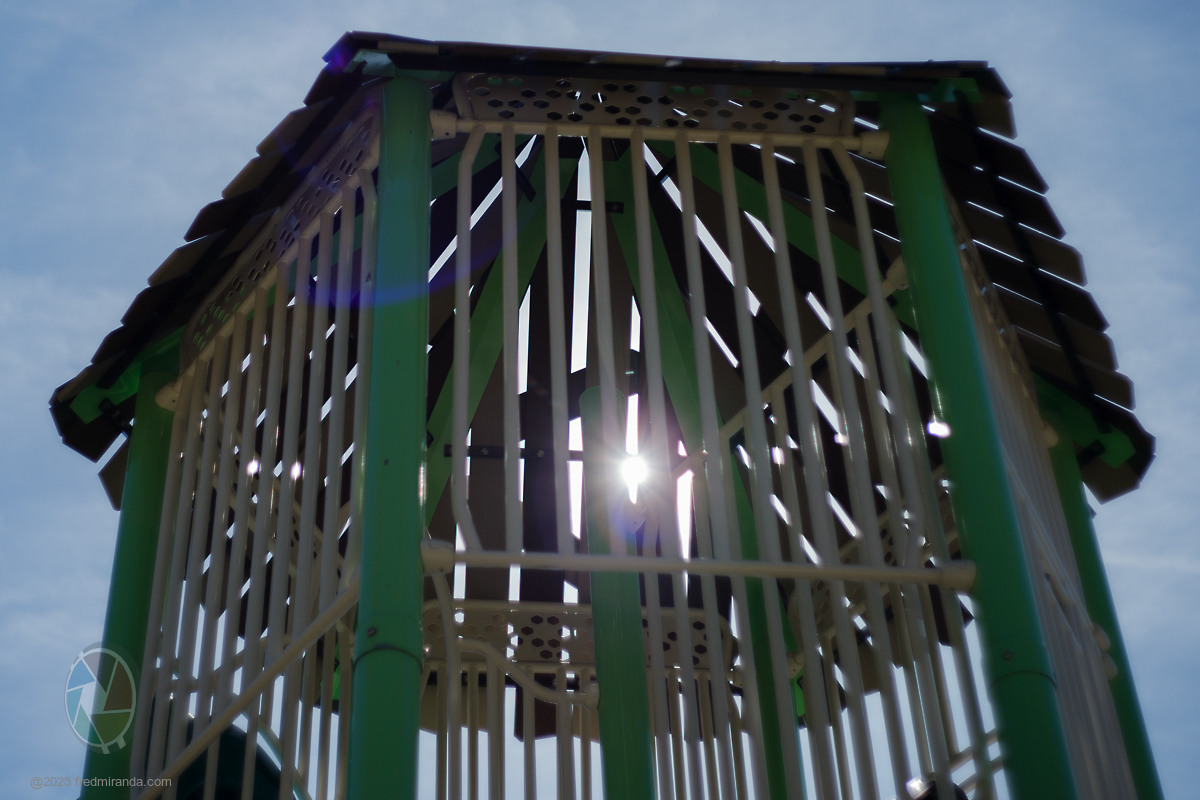
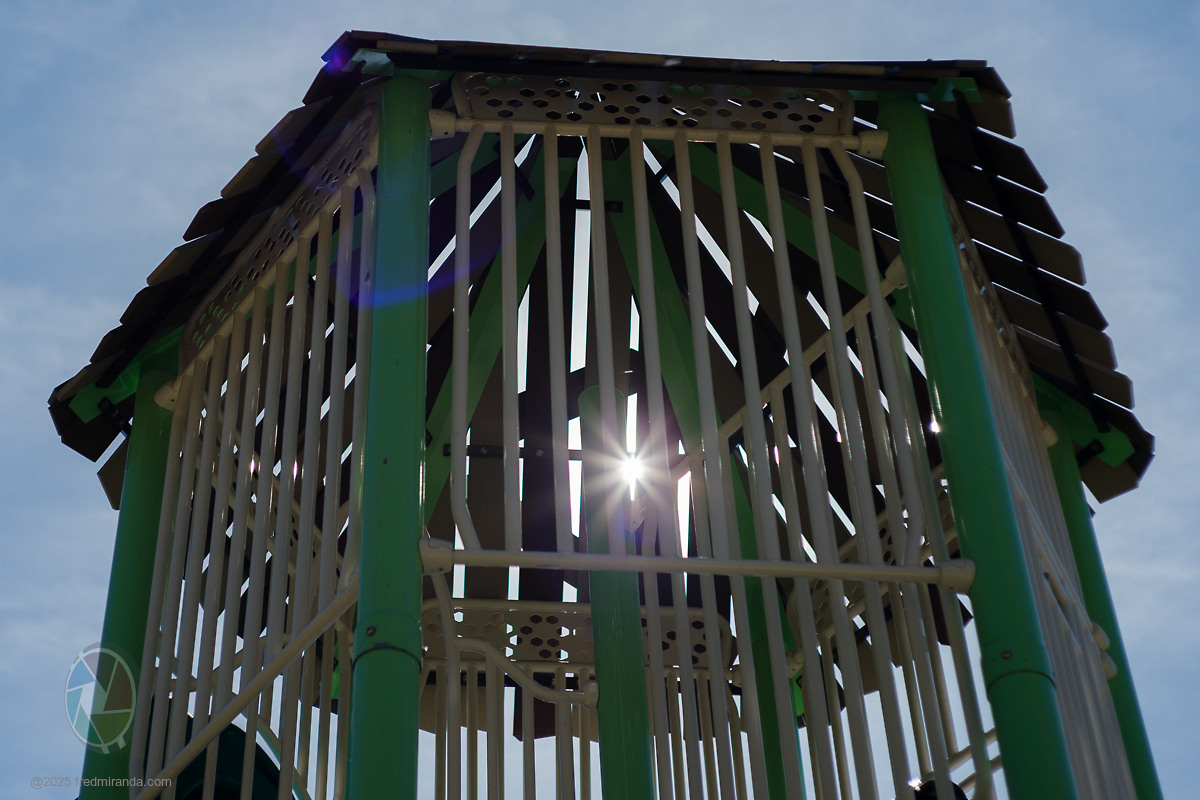
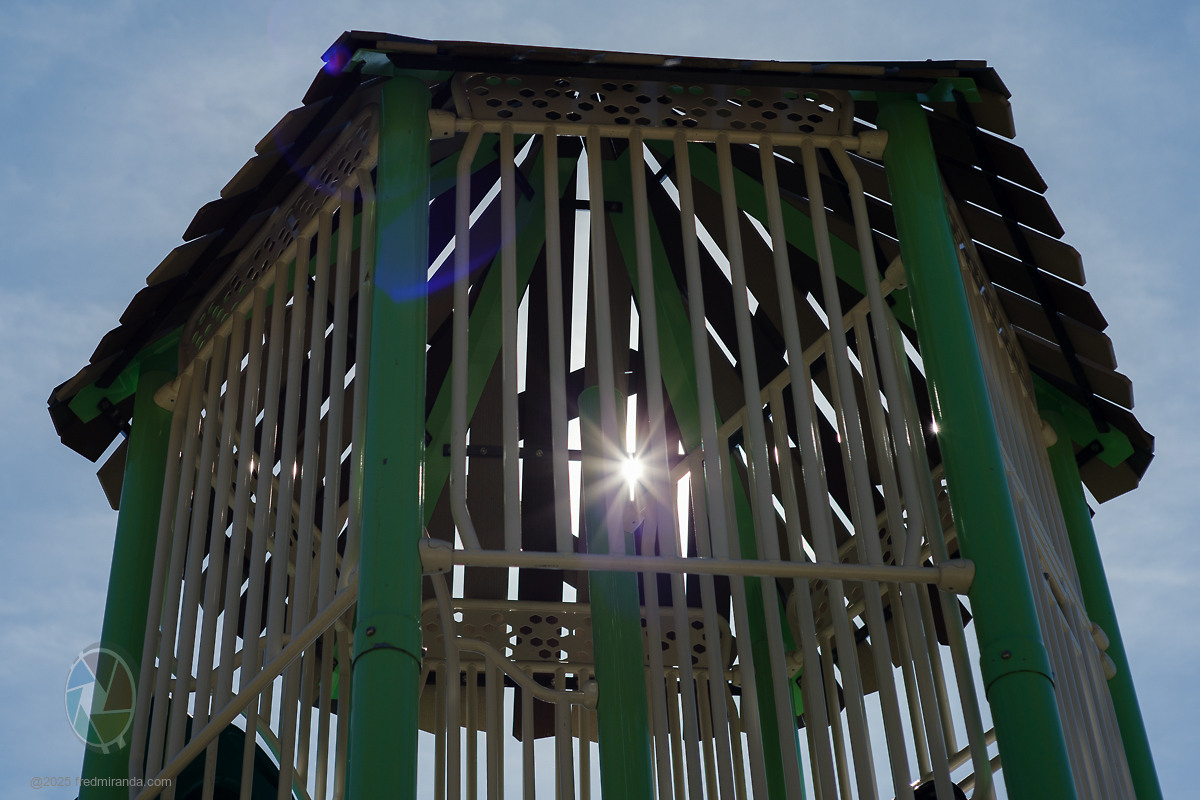
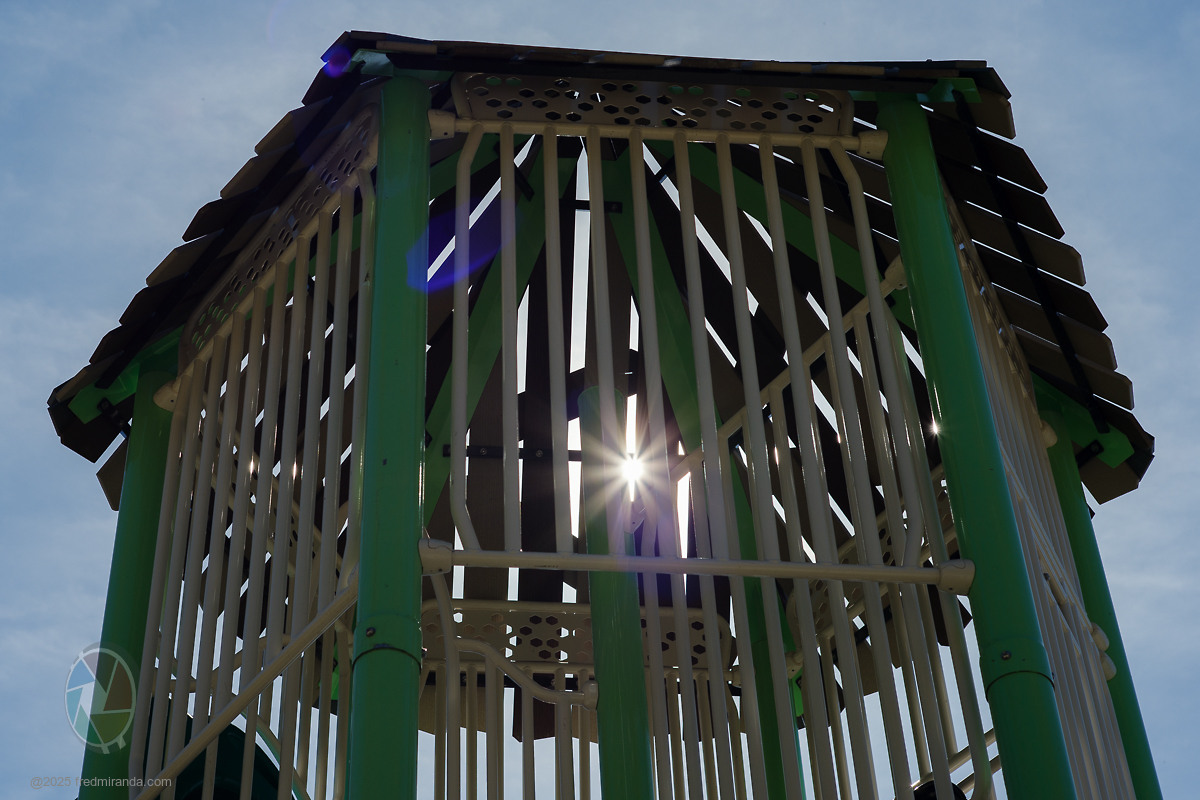
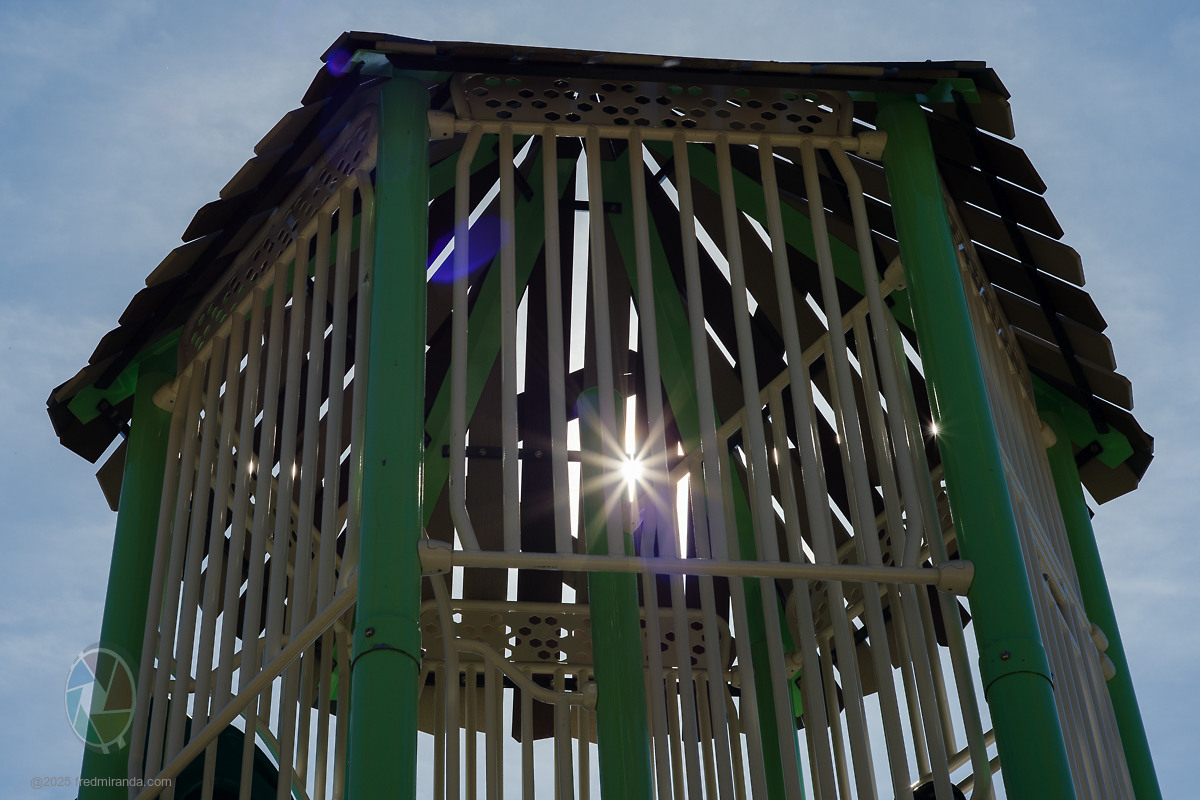
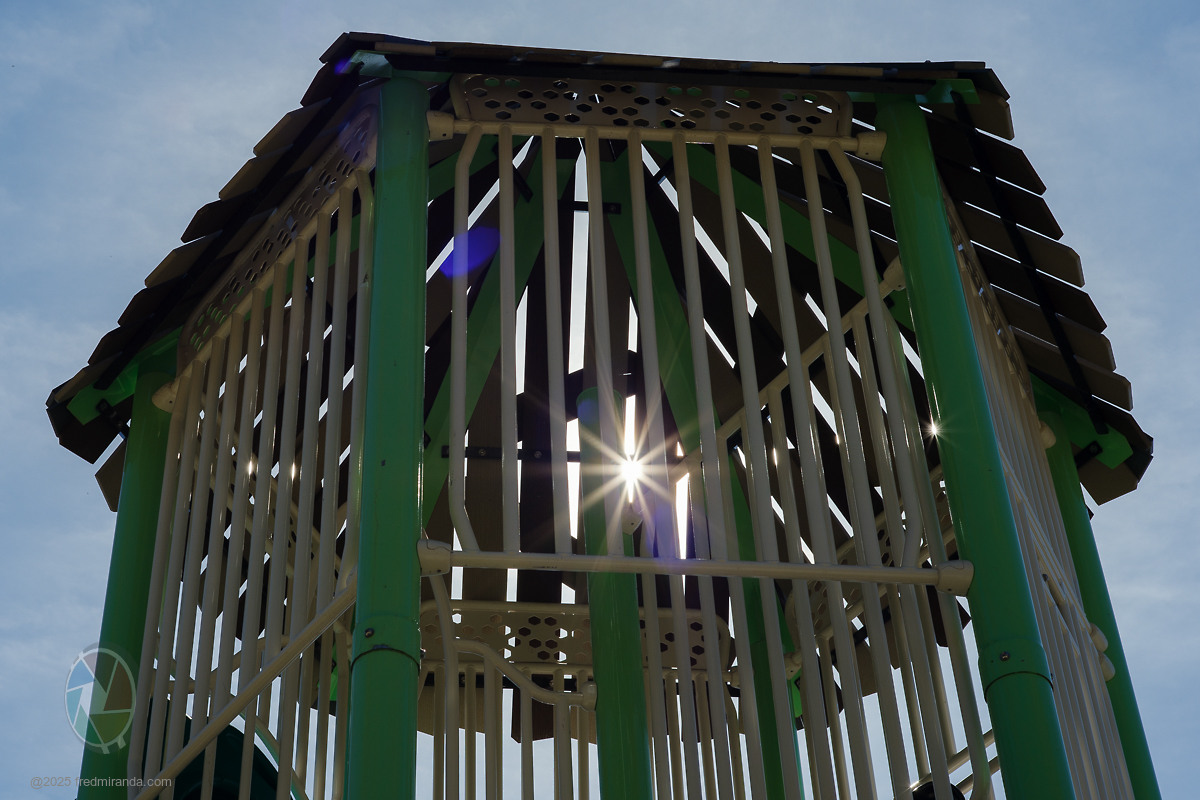
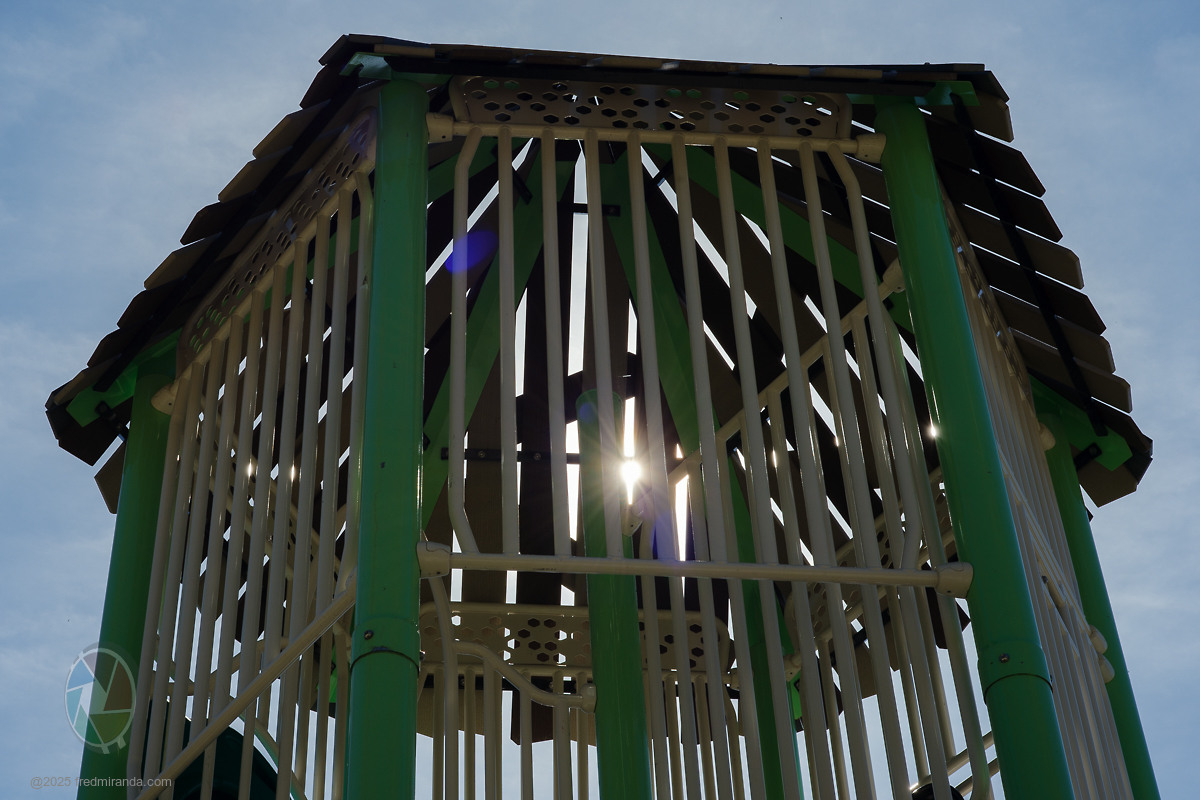
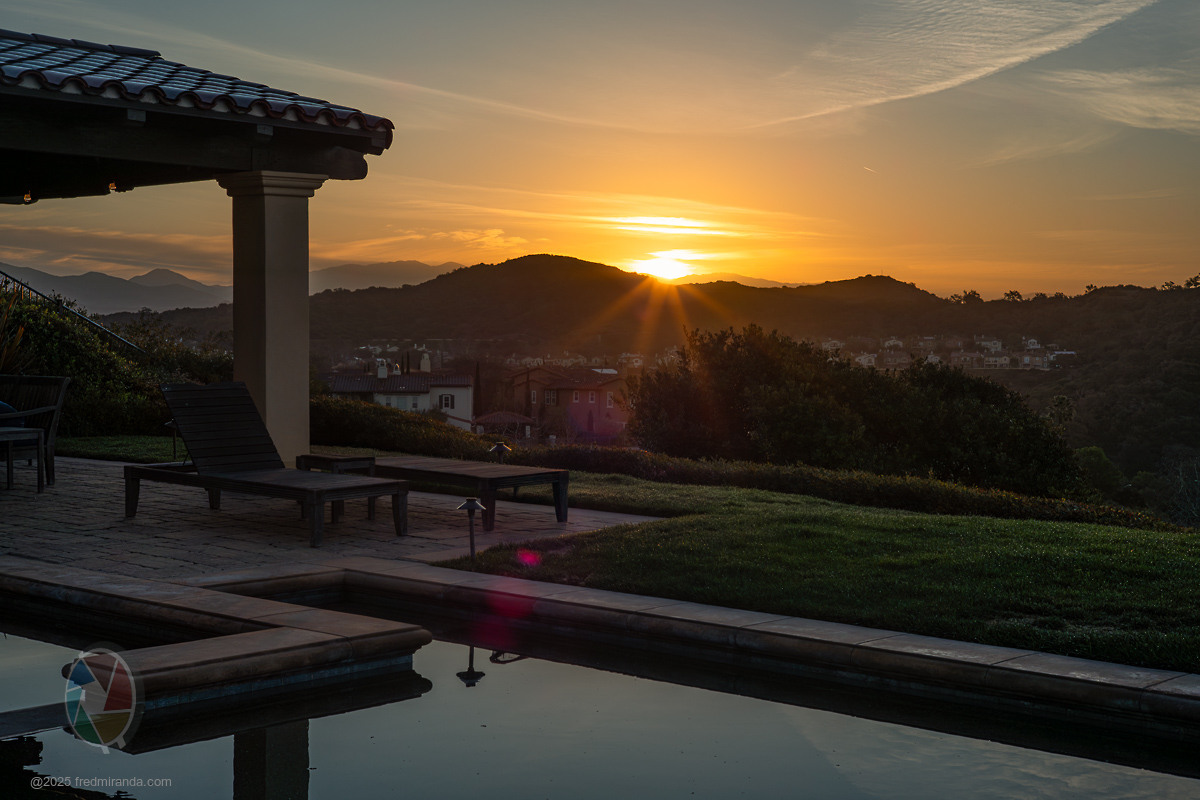
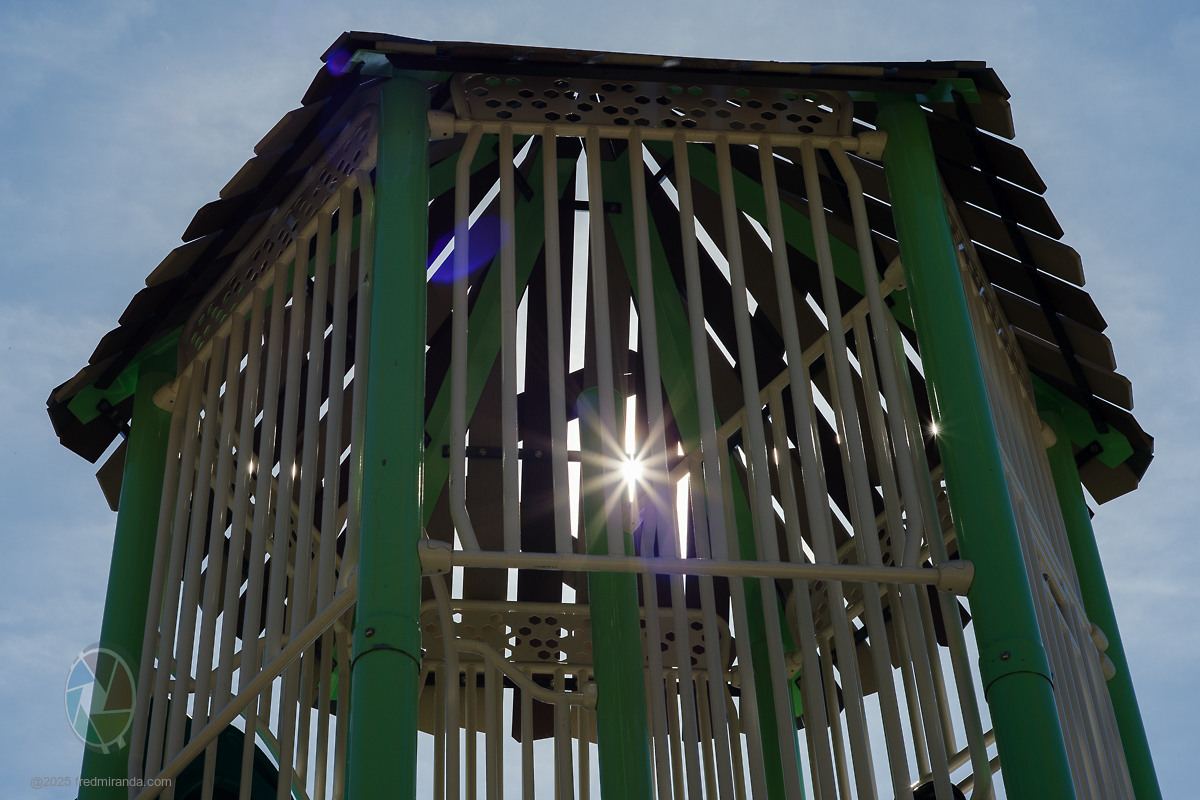
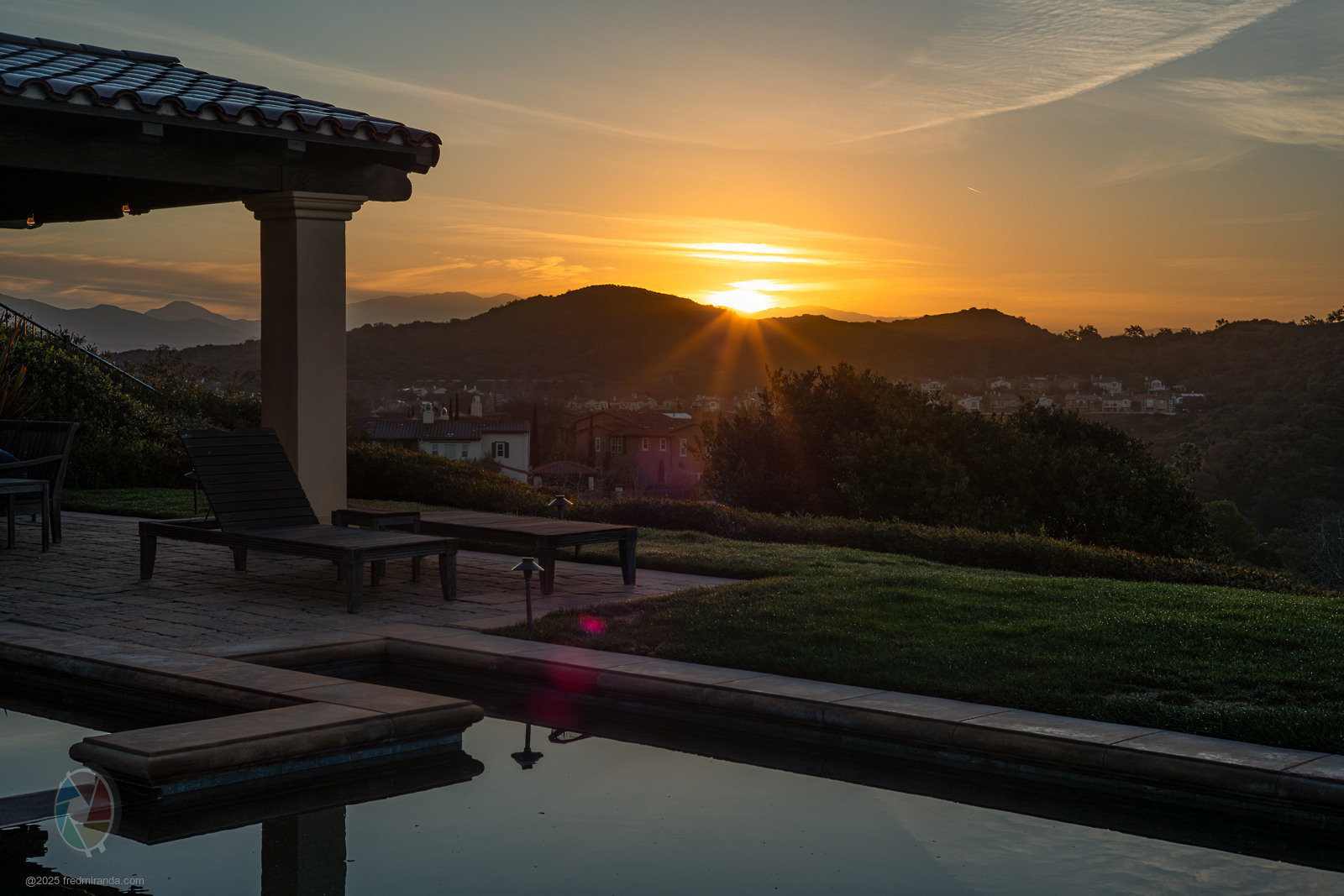
A typical sunstar rendering at f/8, along with the characteristic ghosting flare this lens tends to produce. Well-defined sunstars start appearing around f/4–5.6, but I'll be posting a more detailed test covering sunstar performance across all apertures.
LEICA M10-RLLL 50mm f/2 Rigid lens50mm1/320s100 ISO-2.0 EV
I know it would be a lot of work, too much work to ask for, but I would personally love to see side by side rendering comparisons of your nice Rigid with the LLL. As I sense they are not “the same” exactly, in tangible ways, though I could be way off here.
Not asking you to do that, but it might be interesting.
Edward Teller wrote:
I know it would be a lot of work, too much work to ask for, but I would personally love to see side by side rendering comparisons of your nice Rigid with the LLL. As I sense they are not “the same” exactly, in tangible ways, though I could be way off here.
Not asking you to do that, but it might be interesting.
Hi Edward,
This is already planned! The heavy rain delayed the test, but it looks like I can finally move forward with the rendering comparison now.
I'm curious to see how they compare as well, though the rendering already looks very similar. With the LLL having a larger exit pupil, I wonder if there are any differences in optical vignetting between it and the Leica.
Fred Miranda wrote:
Hi Edward,
This is already planned! The heavy rain delayed the test, but it looks like I can finally move forward with the rendering comparison now.
I'm curious to see how they compare as well, though the rendering already looks very similar. With the LLL having a larger exit pupil, I wonder if there are any differences in optical vignetting between it and the Leica.
Thank you for the response, looking forward to it. My reason for asking is that this thread has kindled a desire to acquire (what thread doesn’t?), one or the other. The last time I used Rigid 50 Summicron was in 1965-66, which was exclusively with B&W film, and have never owned one since, so the things I might be seeing as differences are as much, or more, likely due to factors that have nothing to do with the lenses themselves. I’m just looking for a cheaper, haze and coating damage free, way to relive my youth, “exactly”, if that’s possible If not, I might get a “real one”.
Many thanks for all you do.
Fred Miranda wrote:
Hi Edward,
This is already planned! The heavy rain delayed the test, but it looks like I can finally move forward with the rendering comparison now.
I'm curious to see how they compare as well, though the rendering already looks very similar. With the LLL having a larger exit pupil, I wonder if there are any differences in optical vignetting between it and the Leica.
The Light Lens Lab 50mm f/2 Rigid features an aperture mechanism very similar to the original Leica. Unlike most Cosina lenses, which have straight aperture blades, the LLL design creates a slight inward curve as the lens stops down. As a result, it does not produce very defined sunstars at wider apertures, but by f/5.6 and especially at f/8 and f/11, both the LLL and Leica versions render distinct sunstars.
As mentioned earlier, the Light Lens Lab’s aperture mechanism differs slightly from Leica’s by offering half-stop clicks instead of full stops. This is a welcome improvement, giving photographers more precision when selecting their aperture settings.
Below is a sample sequence demonstrating the sunstar progression from f/2 to f/16 in 1-stop increments.
The Light Lens Lab 50mm f/2 Rigid exhibits ghosting and veiling flare, closely resembling the flare characteristics of the original Leica due to its identical optical design and single coatings.
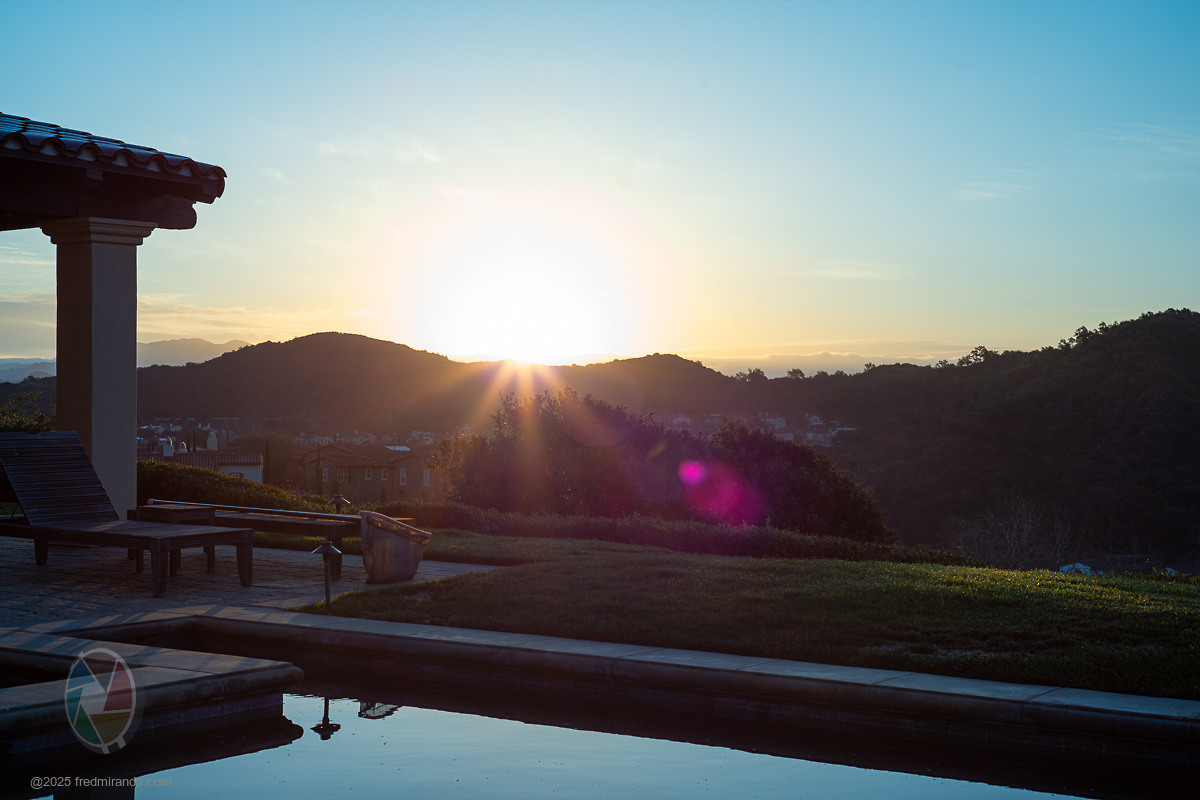
The ghosting appears in magenta or purple tones depending on the lighting, and in backlit situations, veiling flare can become noticeable. Below are some samples showcasing these effects.
Veiling flare when shooting into the sun
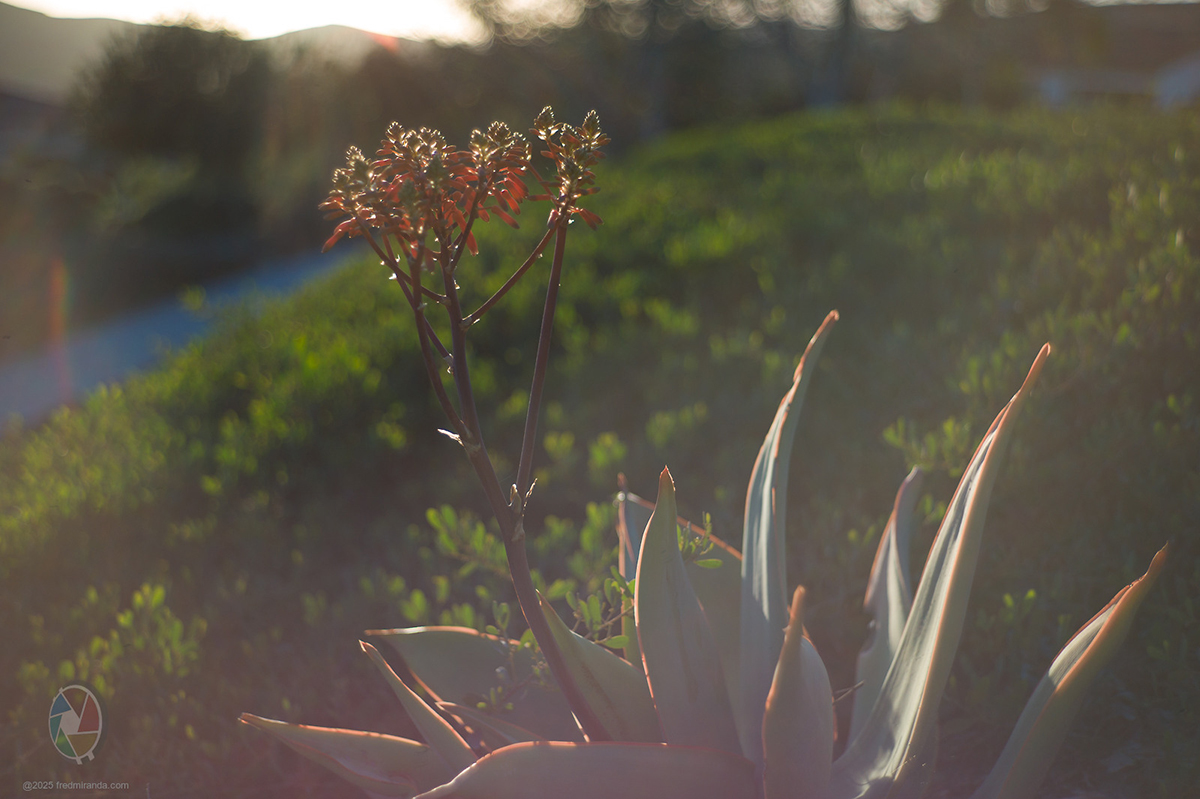
Magenta ghosting visible during sunrise and sunset
Purple ghosting in high-contrast lighting
Magenta ghosting visible during sunrise and sunset
The Light Lens Lab 50mm f/2 Rigid exhibits ghosting and veiling flare, closely resembling the flare characteristics of the original Leica due to its identical optical design and single coatings.
The ghosting appears in magenta or purple tones depending on the lighting, and in backlit situations, veiling flare can become noticeable. Below are some samples showcasing these effects.
I was very curious about the flares, I still do not own a Summicron but I was always drawn to the fact that it seemed to be easy to make it flare in various ways and play with that(rainbow or oranges artefacts, warm flares and such.)
The LLL lab looks to be a bit restrained in that regard. It’s a bit of a bummer. The overall rendering besides that is quite gorgeous though.
Sonnar-7 wrote:
I was very curious about the flares, I still do not own a Summicron but I was always drawn to the fact that it seemed to be easy to make it flare in various ways and play with that(rainbow or oranges artefacts, warm flares and such.)
The LLL lab looks to be a bit restrained in that regard. It’s a bit of a bummer. The overall rendering besides that is quite gorgeous though.
When it comes to resolution, contrast, and overall rendering, I'm amazed at how similar the Light Lens Lab Rigid is to the Leica. I just reviewed the rendering test I conducted today, and the images are practically indistinguishable in terms of focus transition, bokeh structure, color, and contrast. Shooting with the Light Lens Lab feels identical to using an optimal copy of the Leica without haze or fungus.
I will post the test tomorrow. The one lens that stands out noticeably from both the LLL Rigid and the Leica Rigid is the LLL 50/2 Panchro II. Its color, temperature/tint, contrast, rendering structure, and even angle of view change significantly.
Fred Miranda wrote:
When it comes to resolution, contrast, and overall rendering, I'm amazed at how similar the Light Lens Lab Rigid is to the Leica. I just reviewed the rendering test I conducted today, and the images are practically indistinguishable in terms of focus transition, bokeh structure, color, and contrast. Shooting with the Light Lens Lab feels identical to using an optimal copy of the Leica without haze or fungus.
I will post the test tomorrow. The one lens that stands out noticeably from both the LLL Rigid and the Leica Rigid is the LLL 50/2 Panchro II. Its color, temperature/tint, contrast, rendering structure, and even angle of view change significantly....Show more →
The color temperature of the Panchro is quite a unique feat in modern lenses and it’s great, I really dig the warm palette it gives, oddly enough that strange blue cast that can appear sometimes can create a very filmic balance in terms of rendering.
My main grip with modern coating lenses is that I don’t see optical perfection in it, it does not translate colors as I see them.
I have so many questions about the notions of modern rendering.
Anyway, the Panchro might be the most exciting project LLL had produced, it was a daring one. I wonder if the coming S21 that they are teasing still here and there will be a bold move too.
I have already published a video from this channel, where they compared the LLL 35mm 8E with the original Leica 35mm 8E, where the original wins by a lot.
Here is a new video, where they compare the LLL 50mm Rigid with the original 50mm Rigid from Leica and the result is similar - the original is much better. Maybe this guy is unlucky with LLL lenses or does he have perfect Leicas?
Listopad44 wrote:
Here is a new video, where they compare the LLL 50mm Rigid with the original 50mm Rigid from Leica and the result is similar - the original is much better. Maybe this guy is unlucky with LLL lenses or does he have perfect Leicas?
Regarding the Rigid, he's just comparing center and corners at indoor bookshelf distance, which tells you nothing about midframe performance, which for me is the differentiator here. I much prefer the LLL over the Leica based on Fred's tests. Even if I preferred the Leica, it would be difficult to find a mint copy with perfect coatings. Then of course there's the 0.7m MFD of the LLL versus the ridiculously long MFD of the Leica. IMO, the long MFD of the Leica is reason enough not to choose it.






 If not, I might get a “real one”.