Douglas L wrote:
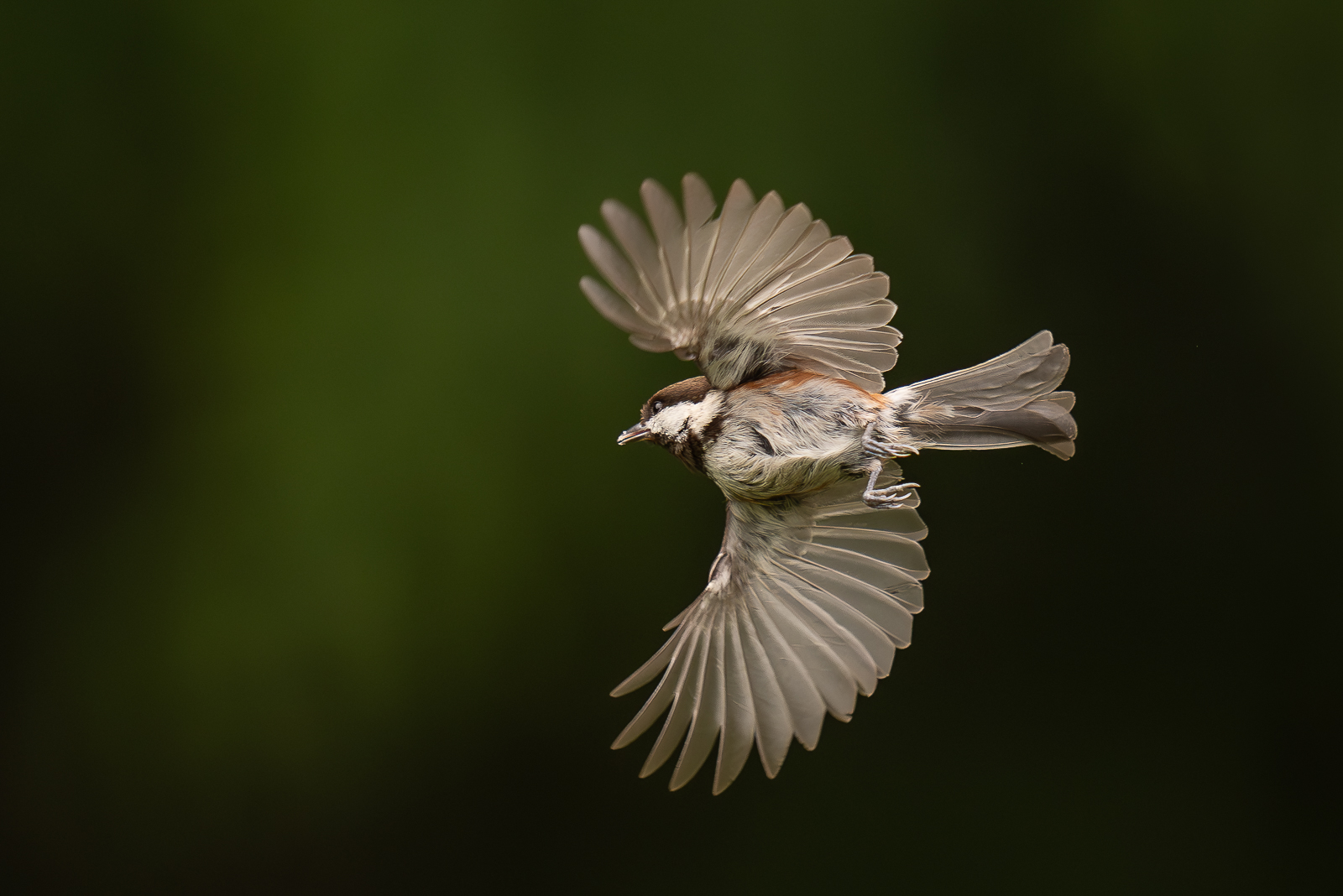
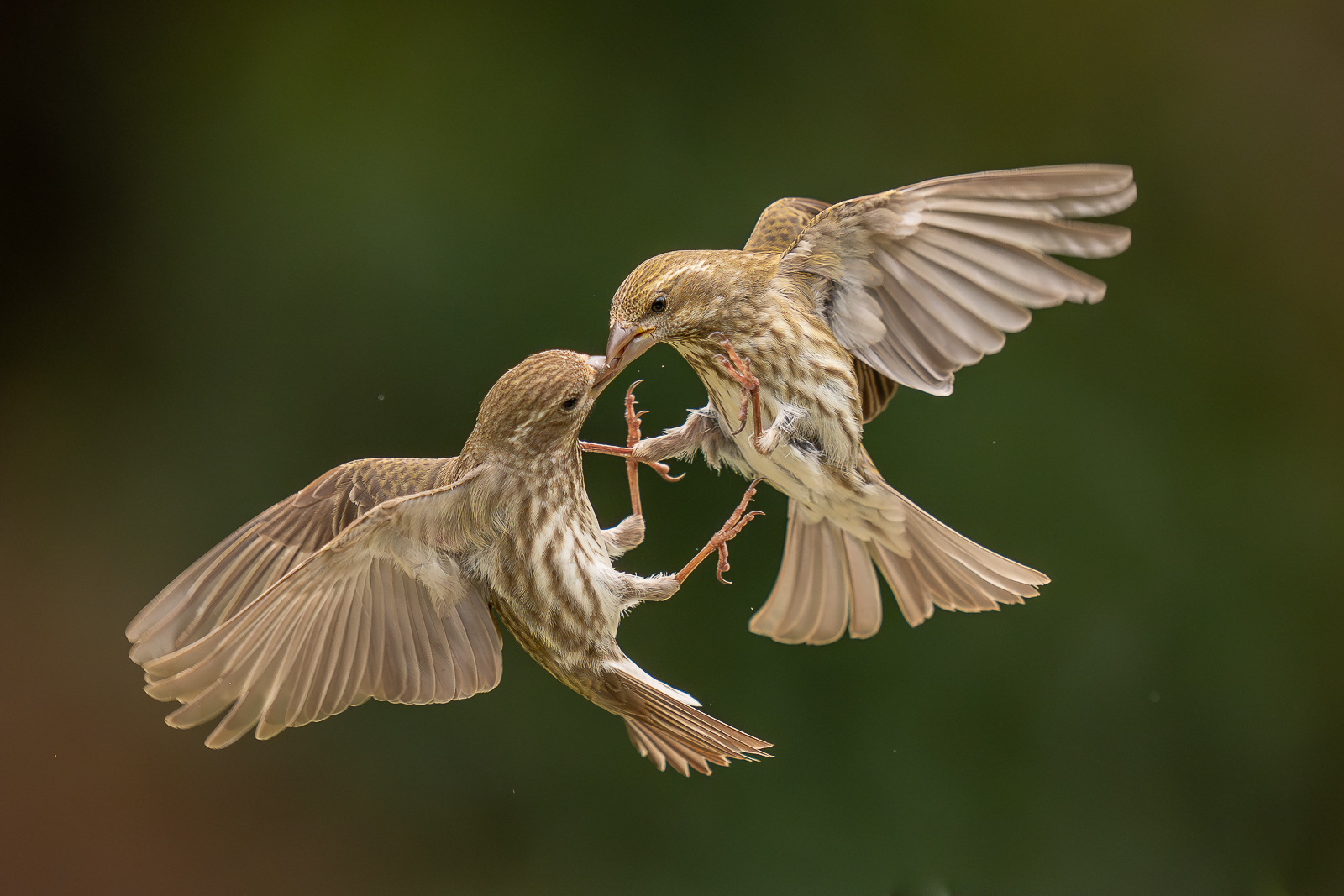
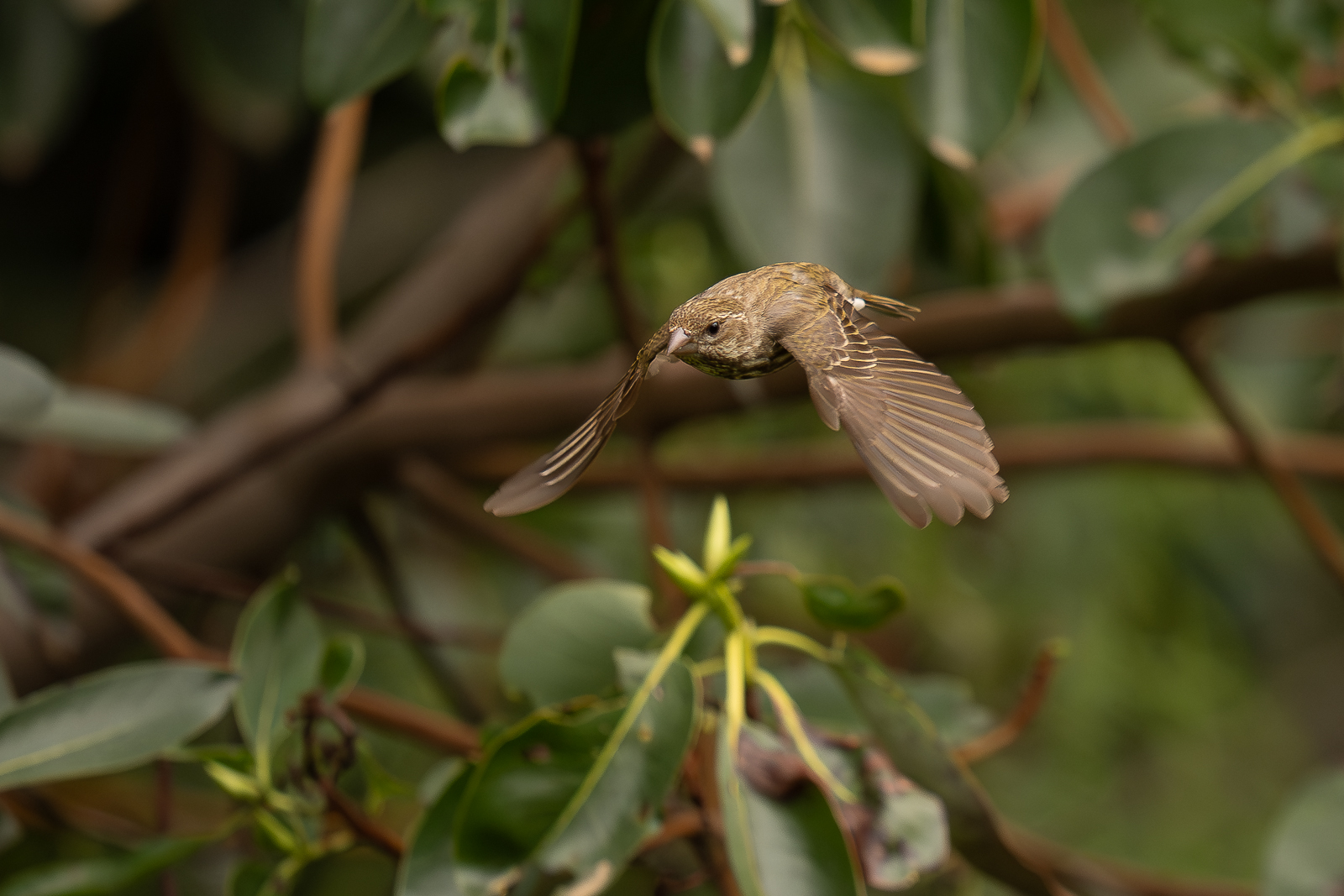
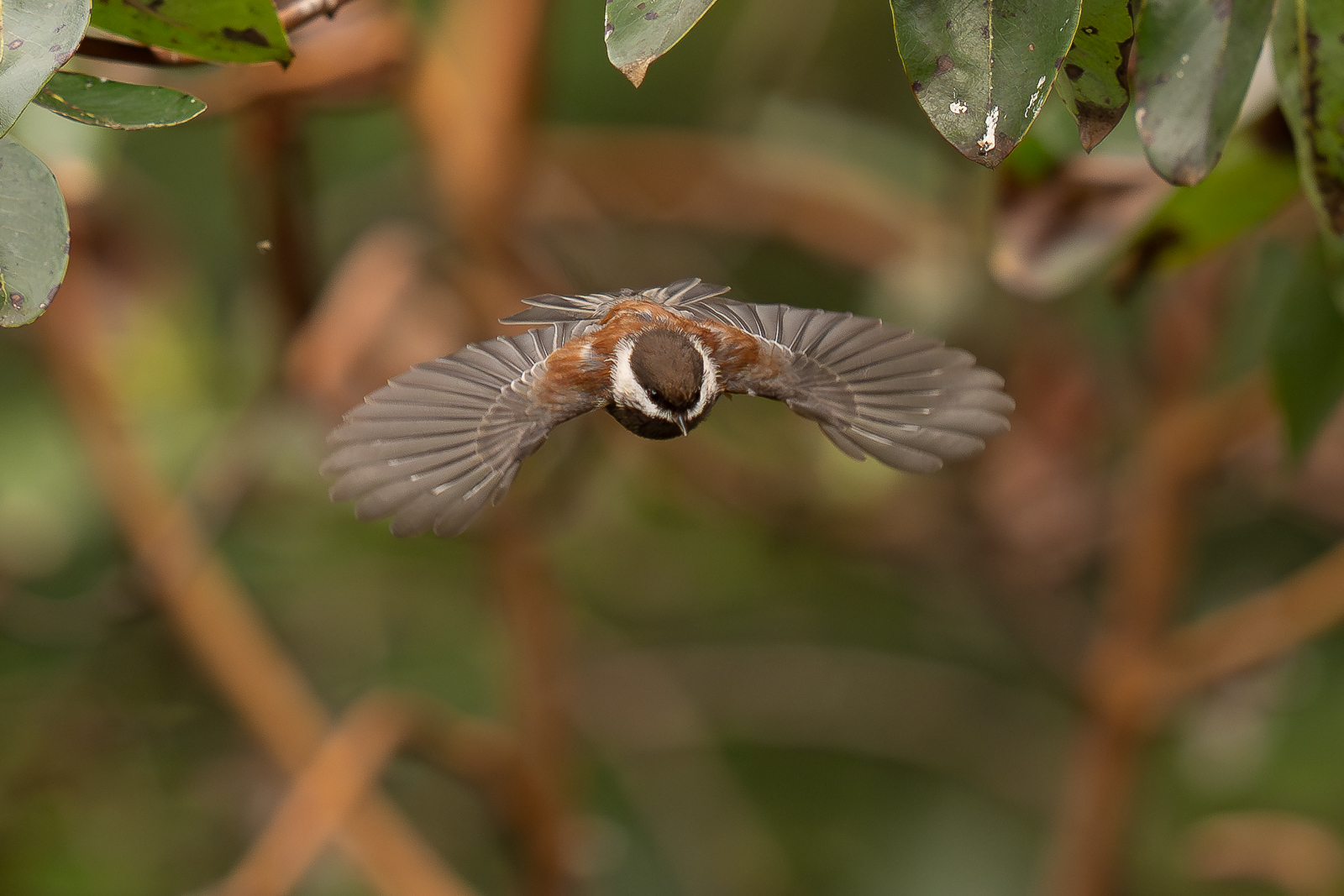
Terrific set, Geoff! Did you use 120 FPS for some of these shots?
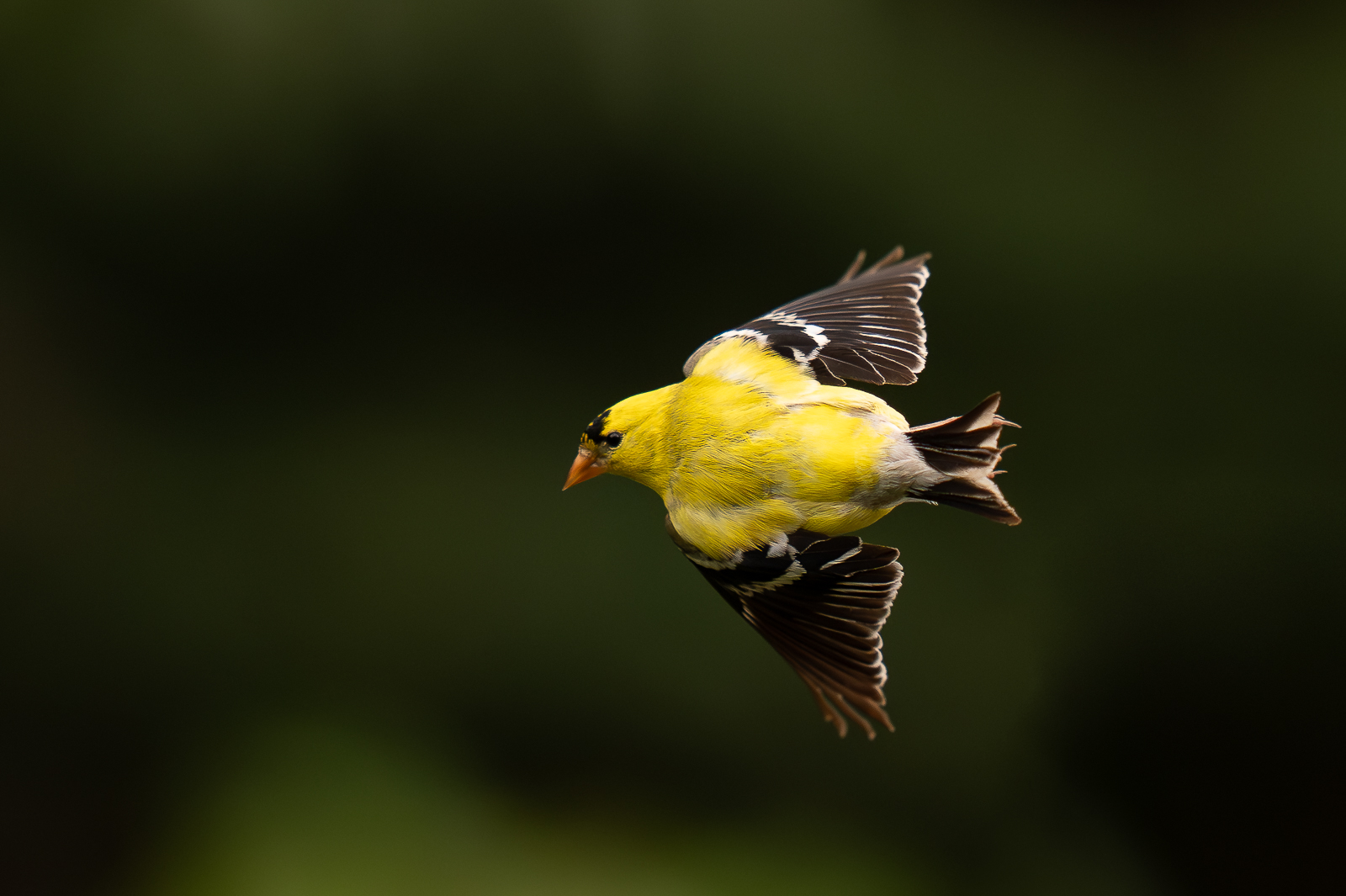
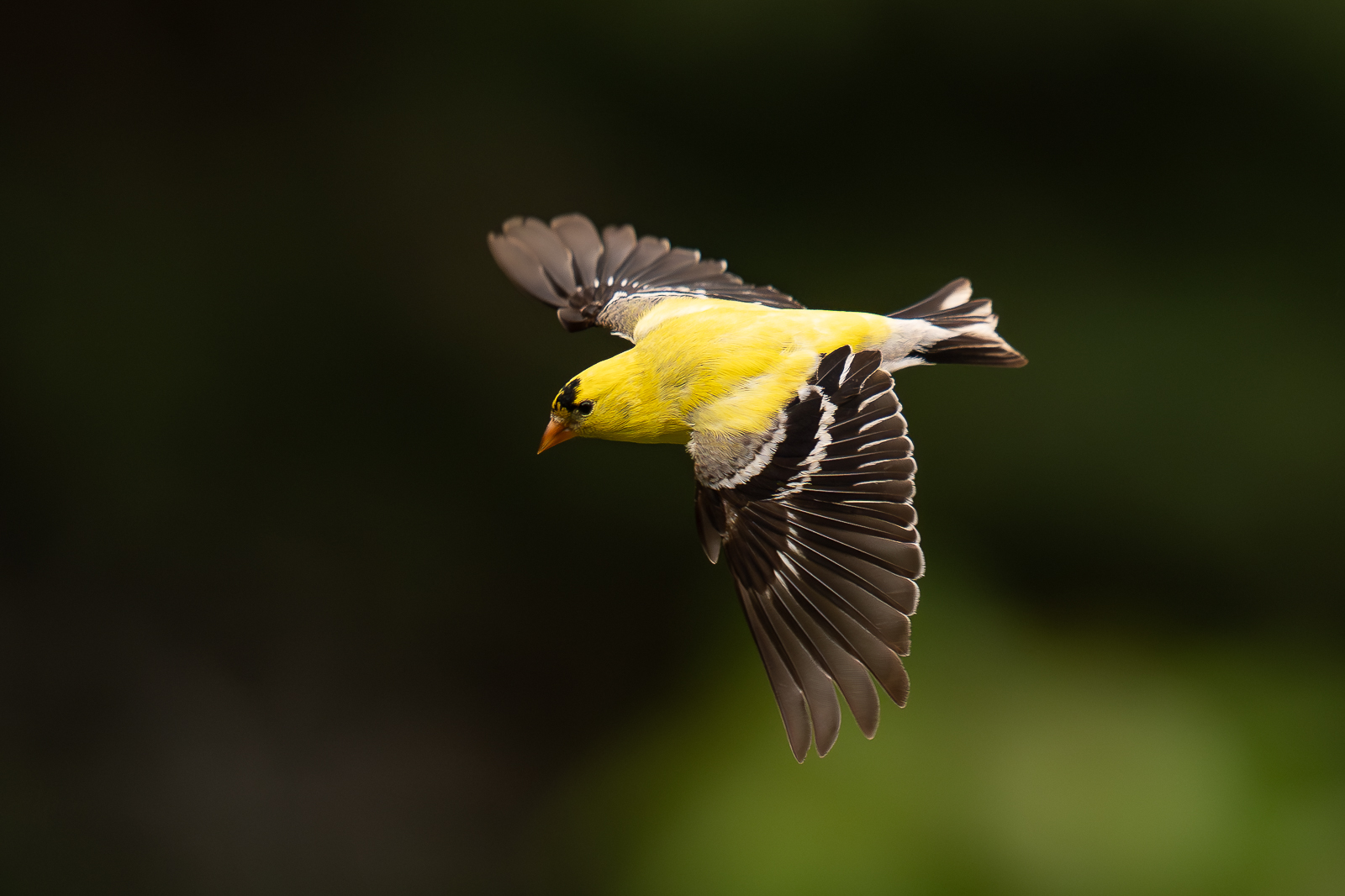
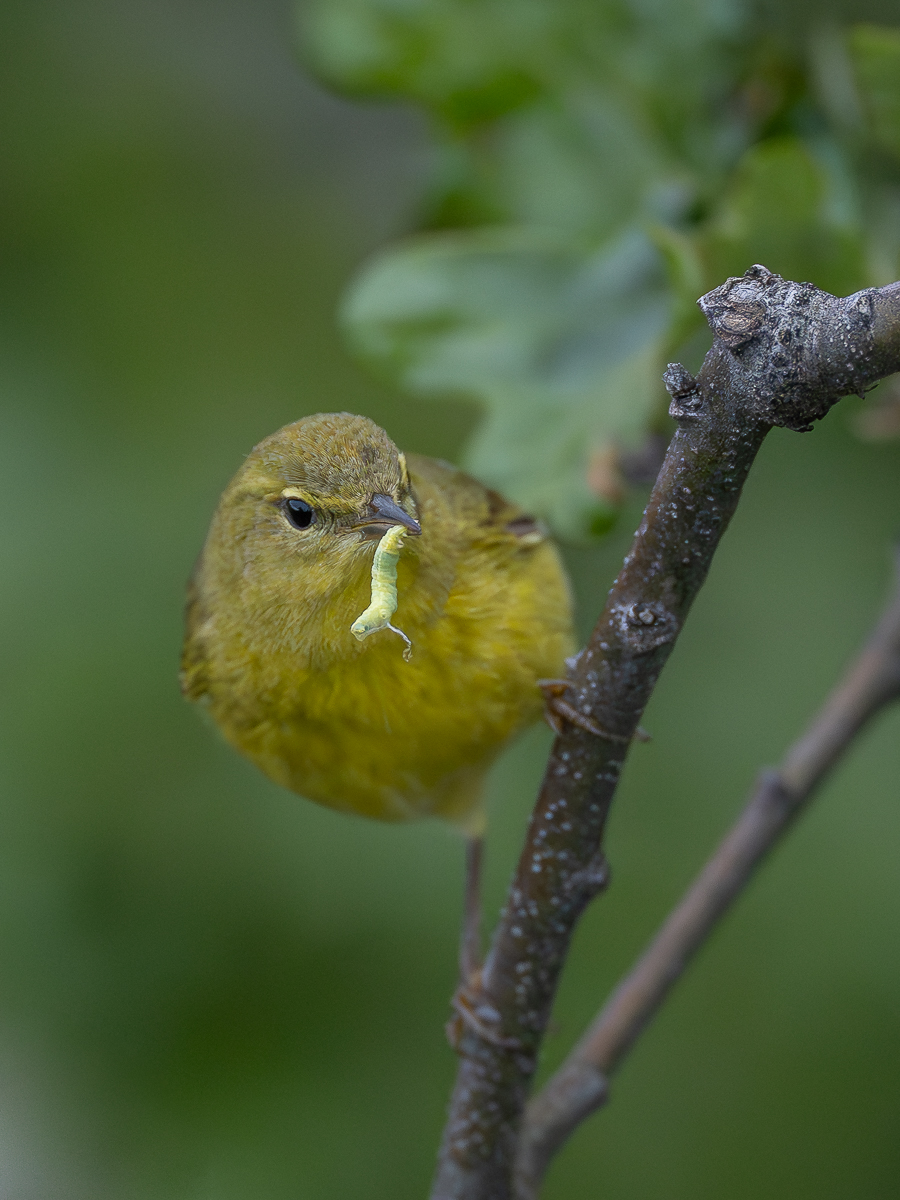
I think this latest set were all 60FPS or less.
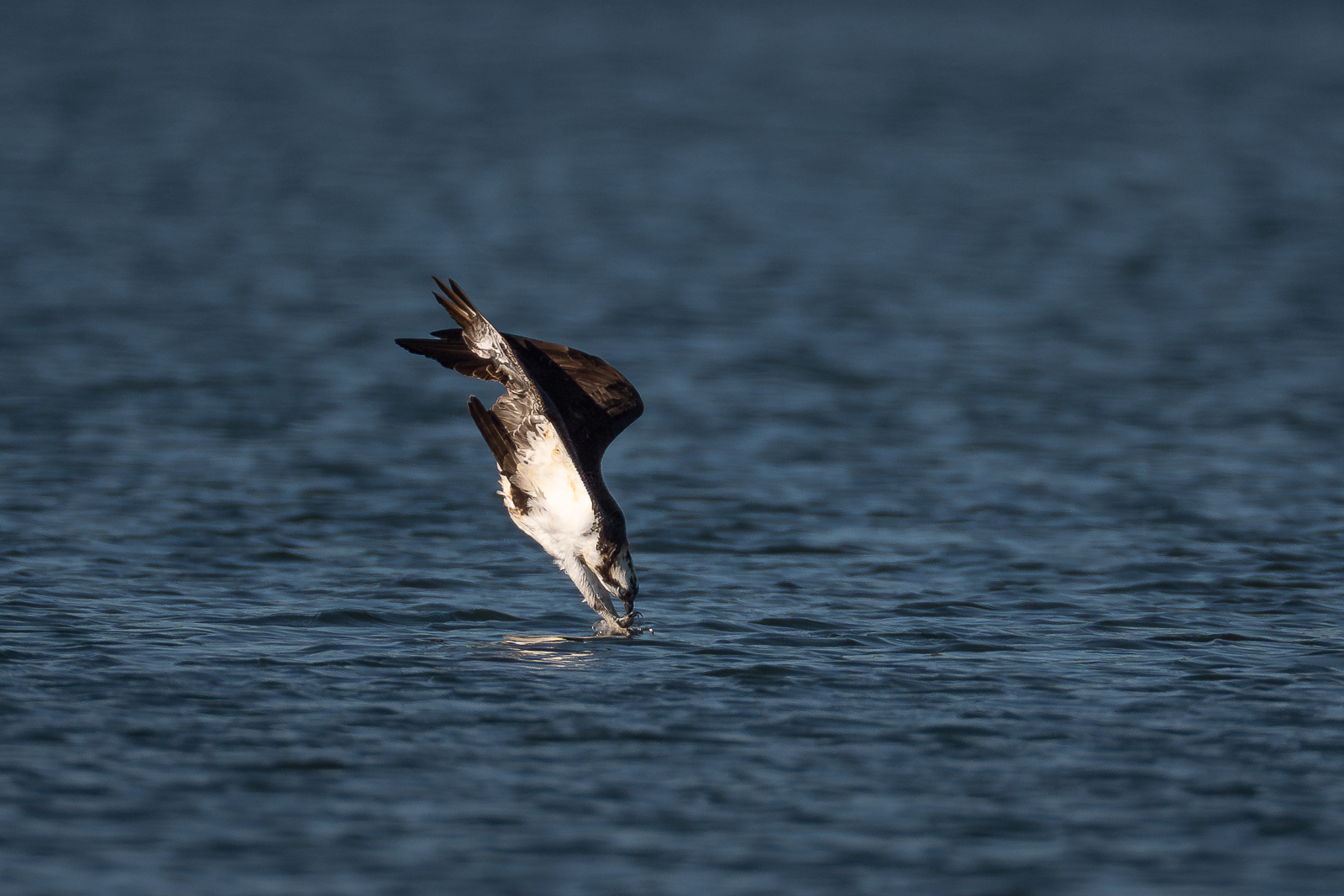
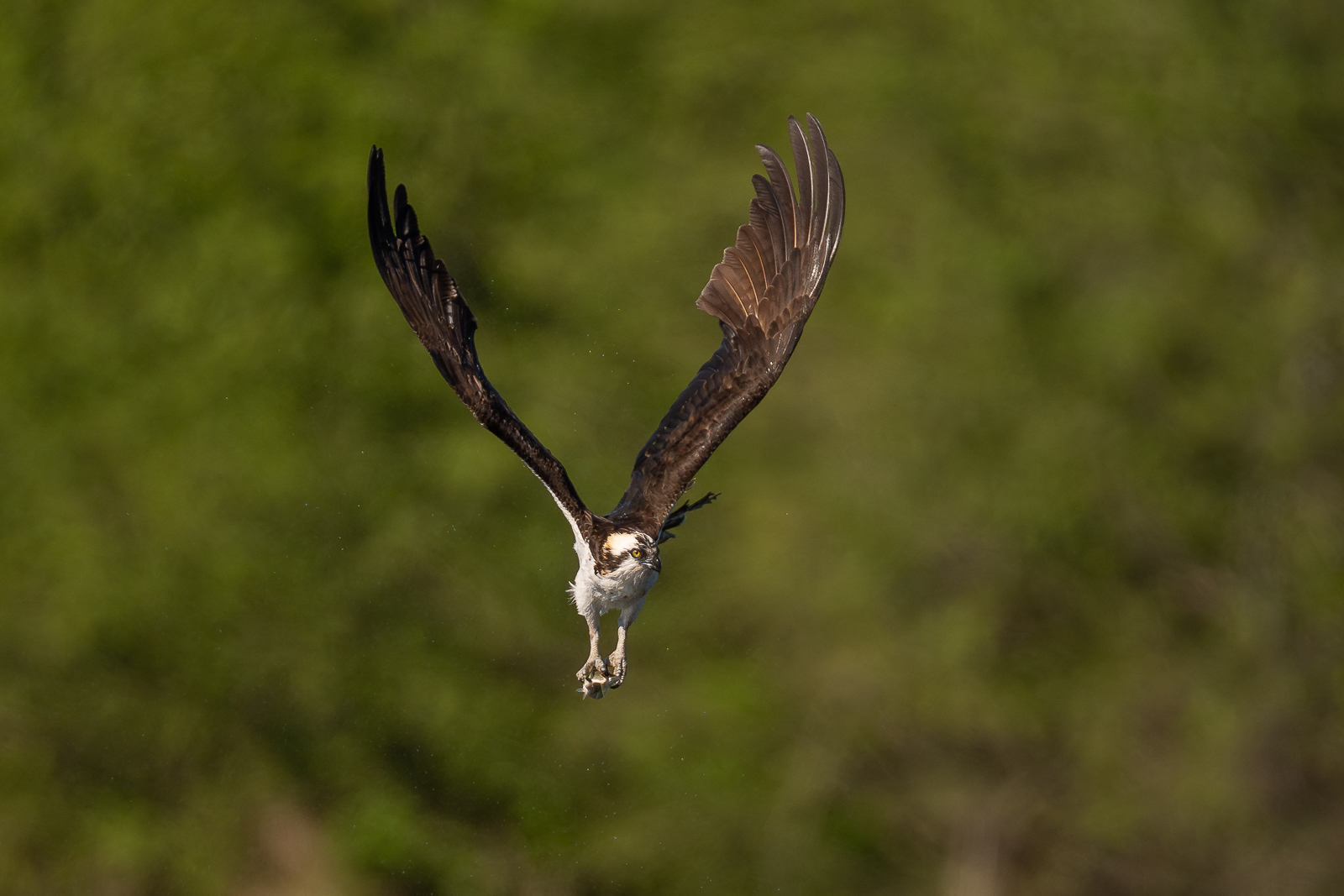
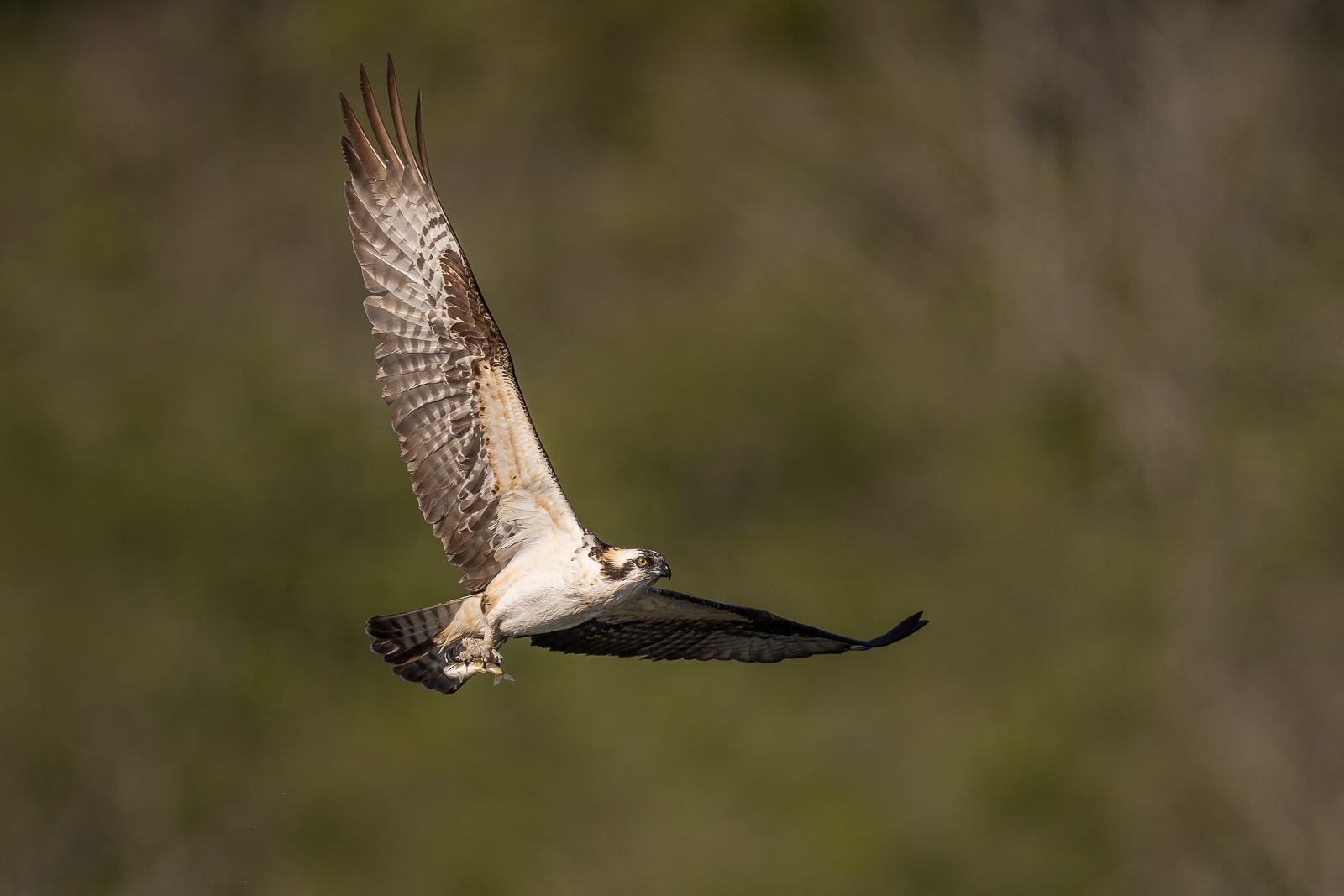
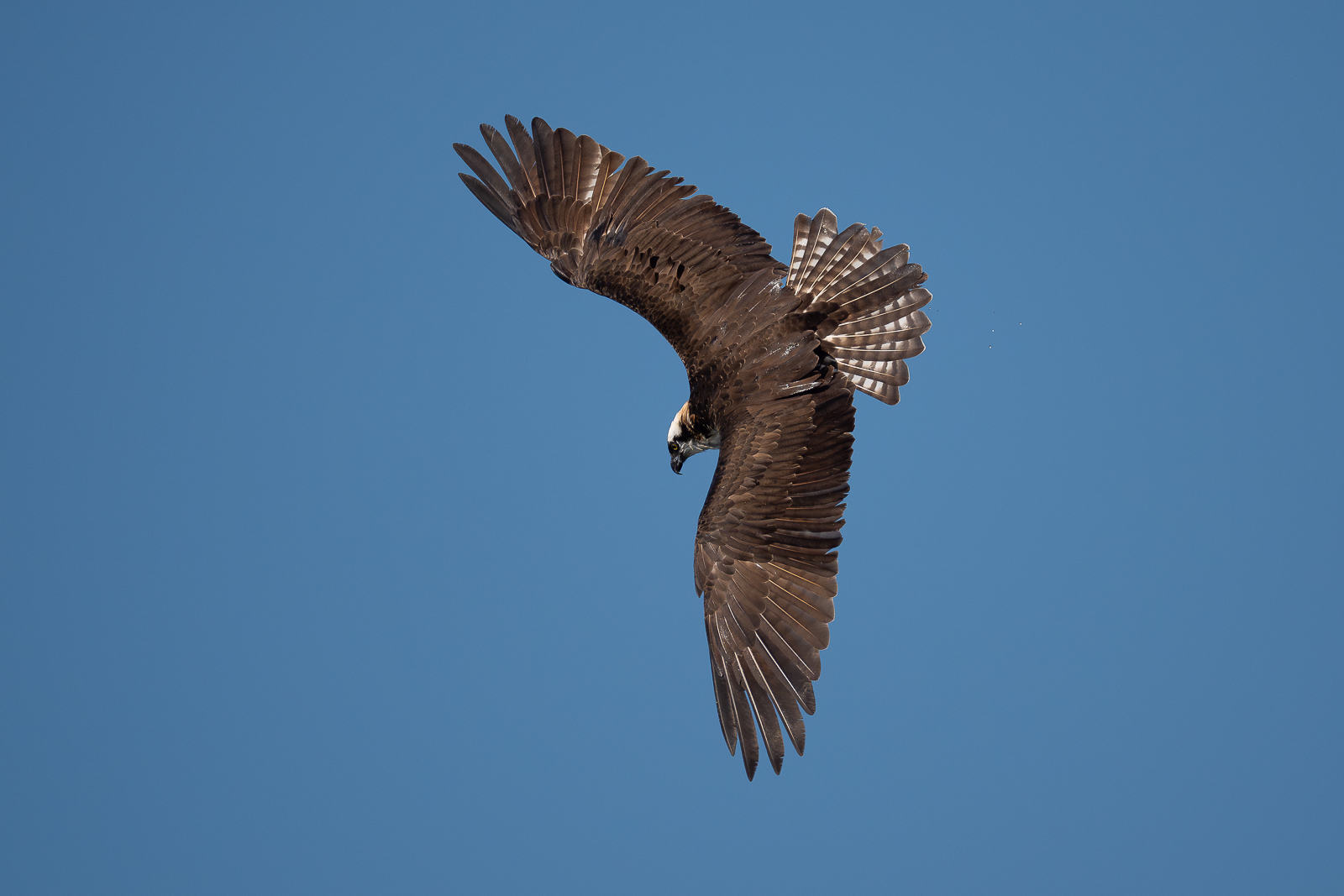
I've found that using 120FPS with precapture is very limiting because of the buffer. Like if I'm shooting an Osprey diving I get a single chance to use it. So I have to just hold down precapture and then press the button as soon as I see it hit...this is going after a very specific shot of talons just touching water....but then the buffer can ruin the entire exiting sequence and the shake etc as the buffer struggles to clear.
I've been finding the ideal is to use 30 or 60FPS with precapture as a more general shooting mode and 120FPS only on occasion. So even with these backyard birds blasting to and from the feeders I've mostly just stuck at 60FPS.
They need to get the buffer better when they release the A1II....hopefully they can increase the internal buffer AND upgrade to the faster CFe-A cards. I assume the A1II will only get to 60FPS but even then that would perform similar to A9III at 120FPS if the buffer stays the same and the camera doesn't support the faster cards.
arbitrage wrote:
I think this latest set were all 60FPS or less.
I've found that using 120FPS with precapture is very limiting because of the buffer. Like if I'm shooting an Osprey diving I get a single chance to use it. So I have to just hold down precapture and then press the button as soon as I see it hit...this is going after a very specific shot of talons just touching water....but then the buffer can ruin the entire exiting sequence and the shake etc as the buffer struggles to clear.
I've been finding the ideal is to use 30 or 60FPS with precapture as a more general shooting mode and 120FPS only on occasion. So even with these backyard birds blasting to and from the feeders I've mostly just stuck at 60FPS.
They need to get the buffer better when they release the A1II....hopefully they can increase the internal buffer AND upgrade to the faster CFe-A cards. I assume the A1II will only get to 60FPS but even then that would perform similar to A9III at 120FPS if the buffer stays the same and the camera doesn't support the faster cards....Show more →
Thanks Geoff. I am getting one, hopefully it will be in my hand before the airshow on Sat. One of the big reasons I want to try the A9III is I want to nail the perfect opposing passes of the Blue Angles or the Thunderbird, the A1 is very good with 30 FPS for that but I have to think 60 or even 120 FPS will increase the odds proportionally.
I think this series of shots has convinced me I made the right decision in buying this joyous machine.
A bittern taking off, 120fps obviously some frames not shown.
TimMunsey wrote:
I think this series of shots has convinced me I made the right decision in buying this joyous machine.
A bittern taking off, 120fps obviously some frames not shown.
TimMunsey wrote:
I think this series of shots has convinced me I made the right decision in buying this joyous machine.
A bittern taking off, 120fps obviously some frames not shown.
Thank you TimMunsey for this sublime sequence. WOW!
From DSC4553 to DSC4624 , that’s 4624-4553+1 = 72 images in sequence.
That could result in a wonderful slow motion GIF animation.
CanadaMark wrote:
The reason DXO has arguably the best sharpening algorithms and lens correction is because they are lens specific and lots of manual labor goes into their creation - that is why there is sometimes a ridiculously long wait for profiles to materialize depending on product availability. More generic profiles like what Adobe offers are available almost right away for new products.
DXO's sharpening is proportionate to the lens' sharpness falloff from center to the edges, which is why it has to be lens specific. For example on a cheaper lens, sharpening is applied more aggressively as you move out from the center of the frame compared to an exotic prime where there is barely any sharpness falloff as you move out from the center of the image. Every other program applies sharpening either globally, or at least not proportionately though the frame.
DXO actually builds an all new RAW file from the ground up if you are using their RAW converter or Pure RAW - that is how they get the NR so perfect and is part of the reason why it doesn't have blotchy NR, artificing, or edge detection issues like Topaz is famous for, particularly with fine details like stray hairs or fine feather detail. It is not completely flawless but the reason it works as well as it does is also the reason why sometimes it takes them forever to release profiles for new equipment. ...Show more →
Many thanks for the explanations. Much appreciated.
Can you get the same sharpening results from their latest PL7 or PR apps?
No question about the AF performance and (pre) capturing ability of the A9 III. The images taken with that camera are superb and they do speak volume alright. My question to all A9 III users here, do you feel the 24MP sensor leaves you wanting more though?
AGeoJO wrote:
My question to all A9 III users here, do you feel the 24MP sensor leaves you wanting more though?
Of course, especially if you are used to 50 for the last three years. However, I'm impressed with the level of detail even with just 25MP, just had an expensive wildlife trip to Florida the A9 111 came out to play more than the A1 as I didn't want to miss a moment/shot.
AGeoJO wrote:
No question about the AF performance and (pre) capturing ability of the A9 III. The images taken with that camera are superb and they do speak volume alright. My question to all A9 III users here, do you feel the 24MP sensor leaves you wanting more though?
The A9III gets you the shot you would miss because you didn't press the shutter in time or you can use the extra FPS for more extreme wing positions. The A9III works better with TCs in my experience which gets back the pixels on the subject, but then you risk clipping the subject.
The A9III files do not stand up as well after cropping. I do miss the pixels when I come home to edit. Also one of the main benefits of the A1 in my opinion is that you can shoot wider and crop in post and avoid clipping. For normal shooting and especially when you can't get close enough to fill the frame the A1 is to prefer.
I got the A9III to complement the A1, not to replace it. My philosophy is it is better to have a low res image of a great situation than to have high res image of nothing.
Couple of examples which I would miss with the A1 as I would be too slow on the shutter:
TimMunsey wrote:
Of course, especially if you are used to 50 for the last three years. However, I'm impressed with the level of detail even with just 25MP, just had an expensive wildlife trip to Florida the A9 111 came out to play more than the A1 as I didn't want to miss a moment/shot.
Thank you for your reply, Tim. Let me rephrase or add something to the question I posted above:
Do you feel the 24MP sensor leaves you wanting more to a point that you would not consider getting the A9 III? Well, your answer is obvious since you already own that camera. My first impression when I learned about the 24MP sensor, was straight out "no". But the more I think about it and the more I hear/see how wonderful the A9 III is, the more my original position gets eroded. Plus, really, I barely print anymore and for the web, even if you crop quite a bit, the 24MP is still sufficient.
I will call Sony on Monday and ask for a loaner... 😎
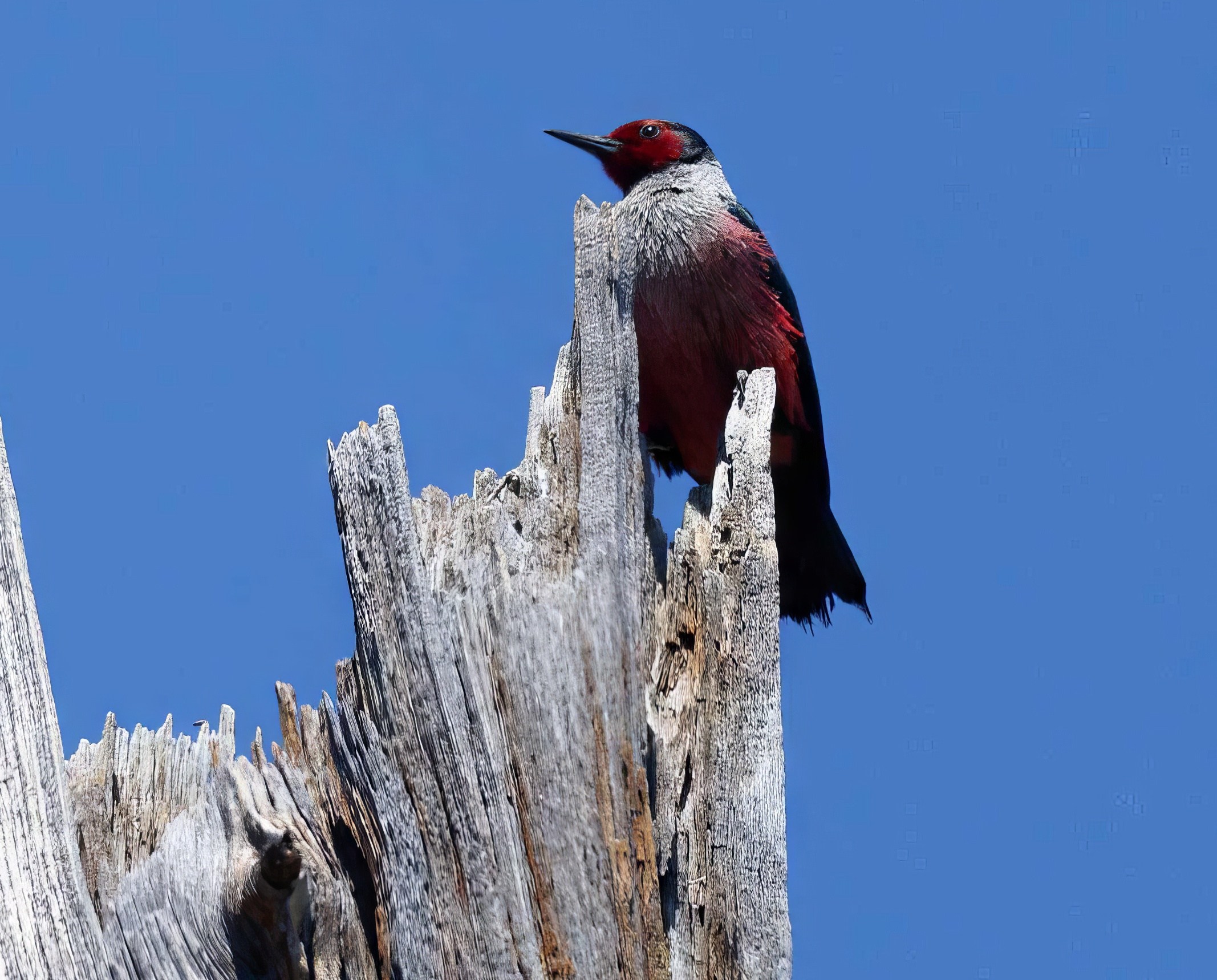
My only complaint about the 24 sensor is that I use the 70/350 aps-c lens a lot and it really limits the mpixels available. My A1 will just have to do.
This is what I mean...70/350 cropped really hard and run through Topaz AI on A1
Lewis woodpecker
ILCE-1E 70-350mm F4.5-6.3 G OSS lens350mmf/6.31/2500s640 ISO0.0 EV
TimMunsey wrote:
I think this series of shots has convinced me I made the right decision in buying this joyous machine.
A bittern taking off, 120fps obviously some frames not shown.
.........
Seriously my A1 is my second choice now.
Tim
This is a truly impressive sequence! The camera seems to have immediately locked on to the bird's eye in spite of all the grasses interfering.
A question. The A9III can acquire images at 120fps for 1.6 sec before the frame rate drops to 22fps. Are all these images captured at 120fps? Were these images in the pre-capture part of the sequence?
Your sequence is not only an amazing demonstration of the technology, each image is beautiful and shows how these are not only technological advances, but also artistic advances.
The bird can be made out through the reeds when it prepares for take off, she makes herself tall to assess the direction. Then she crouches and launches uncoiling the spring. I have the camera on pre capture 0.3 secs, boost toggled on 120fps, my task is to press the shutter on crouch and follow her up through the reeds. It all happens incredibly fast the 1.5 seconds is adequate for the event.
I’ve had few goes, only this once did she fly in this direction most times she flew away from us due to wind and onlookers. dclark wrote:
This is a truly impressive sequence! The camera seems to have immediately locked on to the bird's eye in spite of all the grasses interfering.
A question. The A9III can acquire images at 120fps for 1.6 sec before the frame rate drops to 22fps. Are all these images captured at 120fps? Were these images in the pre-capture part of the sequence?
Your sequence is not only an amazing demonstration of the technology, each image is beautiful and shows how these are not only technological advances, but also artistic advances.