This topic is in the 2023 archive. You can read it and like its posts here. It is read only.
Archive 2023Infrared Thread - Digital or Film
p.3 #1Infrared Thread - Digital or Film
ATPphoto wrote:
I really debated between 720nm and 850nm when having my camera converted. My only plan was/is to shoot B&W, so I almost went 850. However, I kept reading how 720 was more flexible and 850 would be higher contrast (which I could always add in post). I ultimately went with 720nm. The useful information on the web is limited, and even the videos by the companies that do conversions seem to focus on color IR, which doesn't interest me. YouTube influencers are next to worthless for real info.
Good luck with the re-conversion. I'm sure it will work out great for you.Thanks, Doug.
Yes, I add halation, grain and contrast. It's sometimes tough to balance it all, the highlights can get quickly blown out.
Having a 720 camera is indeed the most versatile option. The colors aren't garish like at lower wavelengths and the B&Ws have excellent contrast.
My first IR camera was 850nm, and it made great images. I just didn't have the processing experience I do now, and I know that B&W is my preferred look for infrared.
I'm always after the Kodak HIE look, so figuring out how to do it well is half the fun.
I had my Sony a7IV converted to full-spectrum by LifePixel after shooting with cameras that had been converted to one wavelength. And I use the Kolari magnetic drop-in filters for different wavelengths. I can also use a hot mirror filter to use the camera for shooting color. For me, full-spectrum gives me the maximum versatility (590nm to 850nm, plus hot-mirror for color). I enjoy both false color and b&w IR. YMMV.
Joe
DougVaughn wrote
The shots from France have a nice feel to them. I assume you're adding a little glow in post, which I haven't tried yet.I really debated between 720nm and 850nm when having my camera converted. My only plan was/is to shoot B&W, so I almost went 850. However, I kept reading how 720 was more flexible and 850 would be higher contrast (which I could always add in post). I ultimately went with 720nm. The useful information on the web is limited, and even the videos by the companies that do conversions seem to focus on color IR, which doesn't interest me. YouTube influencers are next to worthless for real info.
Good luck with the re-conversion. I'm sure it will work out great for you.
Yes, I add halation, grain and contrast. It's sometimes tough to balance it all, the highlights can get quickly blown out.
Having a 720 camera is indeed the most versatile option. The colors aren't garish like at lower wavelengths and the B&Ws have excellent contrast.
My first IR camera was 850nm, and it made great images. I just didn't have the processing experience I do now, and I know that B&W is my preferred look for infrared.
I'm always after the Kodak HIE look, so figuring out how to do it well is half the fun.
I had my Sony a7IV converted to full-spectrum by LifePixel after shooting with cameras that had been converted to one wavelength. And I use the Kolari magnetic drop-in filters for different wavelengths. I can also use a hot mirror filter to use the camera for shooting color. For me, full-spectrum gives me the maximum versatility (590nm to 850nm, plus hot-mirror for color). I enjoy both false color and b&w IR. YMMV.
Joe
Jul 10, 2023 at 08:47 PM
p.3 #2Infrared Thread - Digital or Film
Great system, the drop-in. A few years ago I would have tried it. One minor drawback is having to use only cameras that accept drop-in filters, none of which are on my preferred list. YMMV, indeed.
Jul 10, 2023 at 09:18 PM

p.3 #3Infrared Thread - Digital or Film
Late to the show.
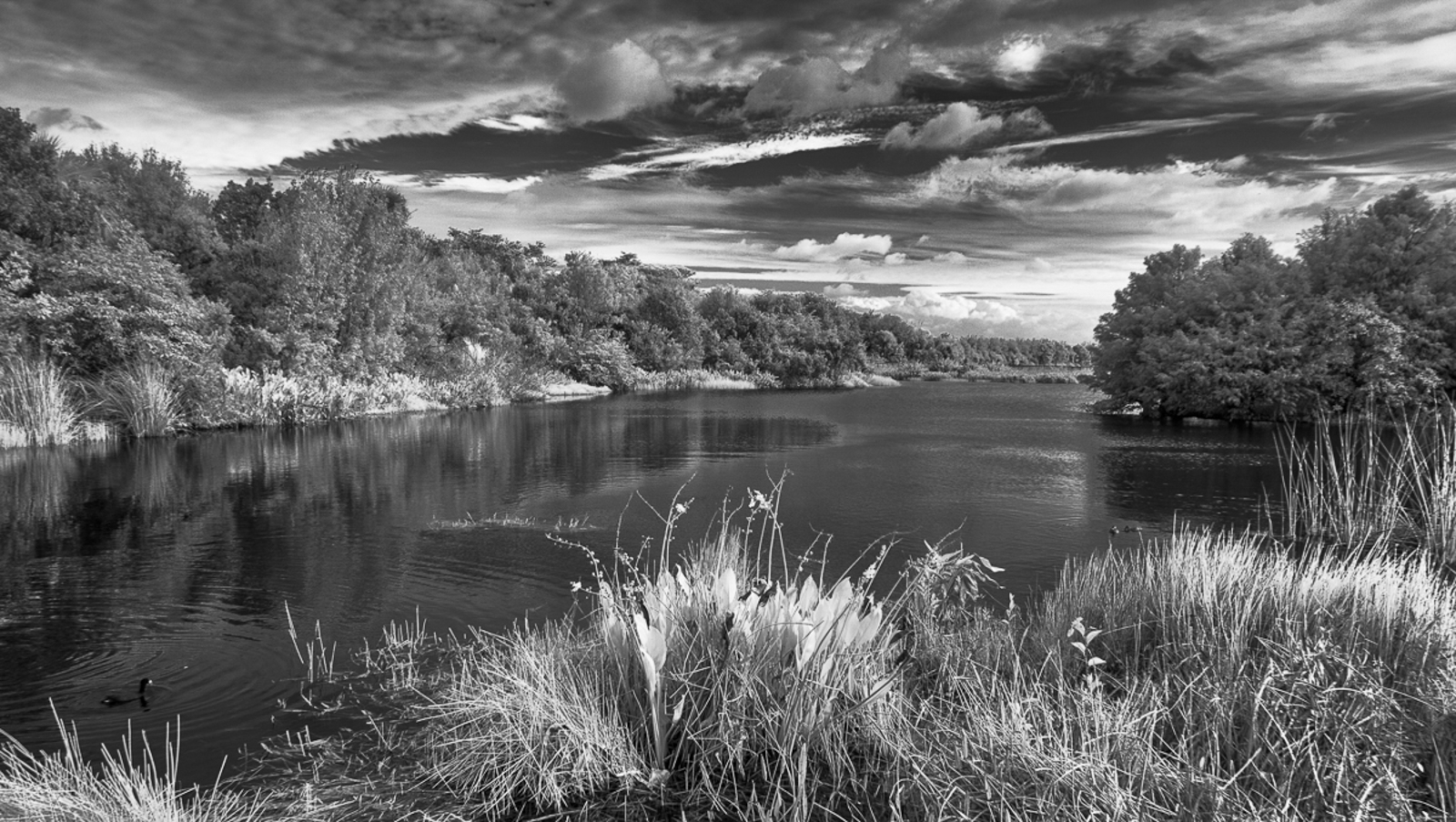
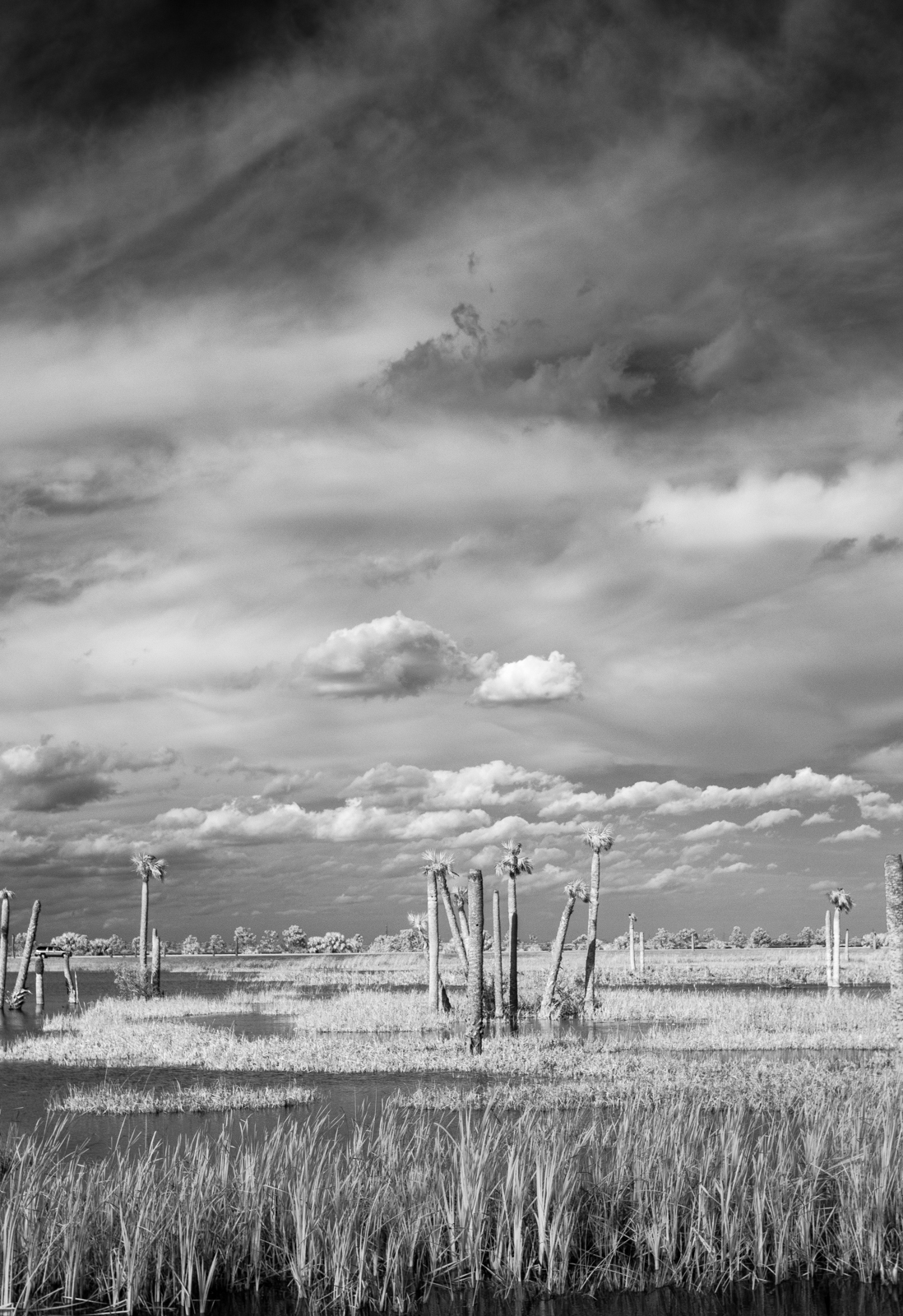
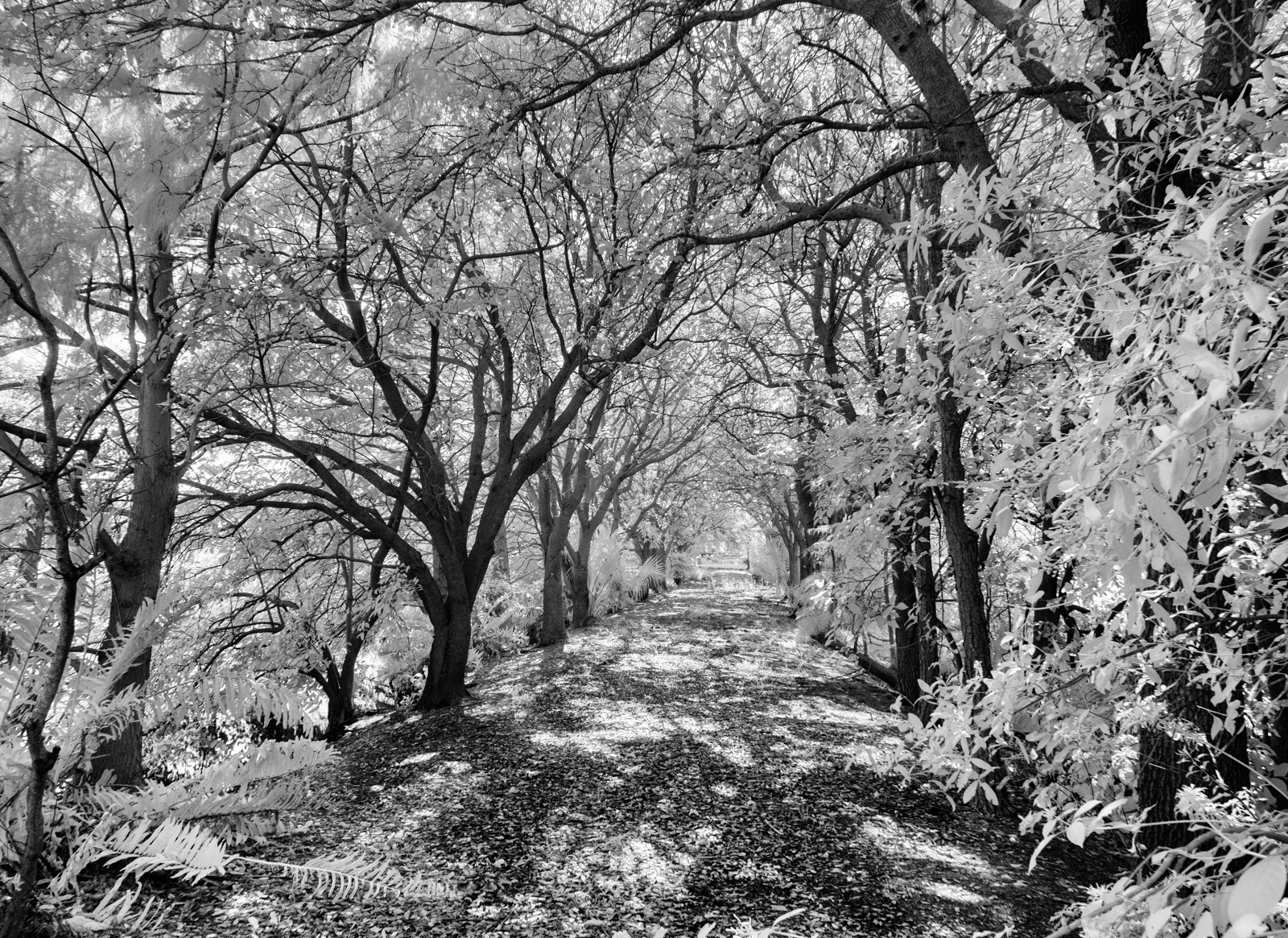
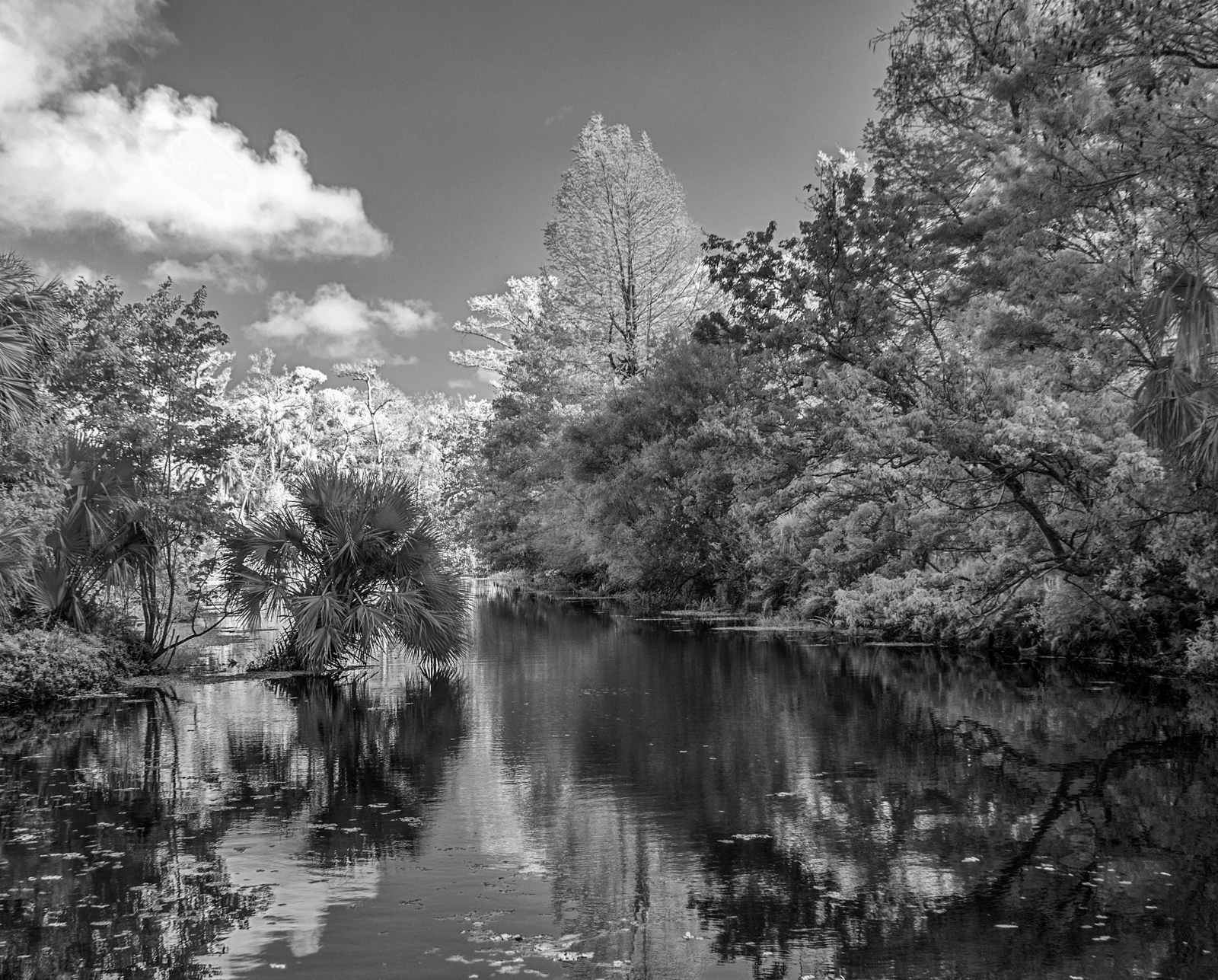
I have a 590 nm conversion and a 720 nm conversion. I have never shot with 850 nm cutoff.
That said, even for BW I could argue against the higher cutoffs as providing less info to work with, although with perhaps a slightly different look and a more purist option.
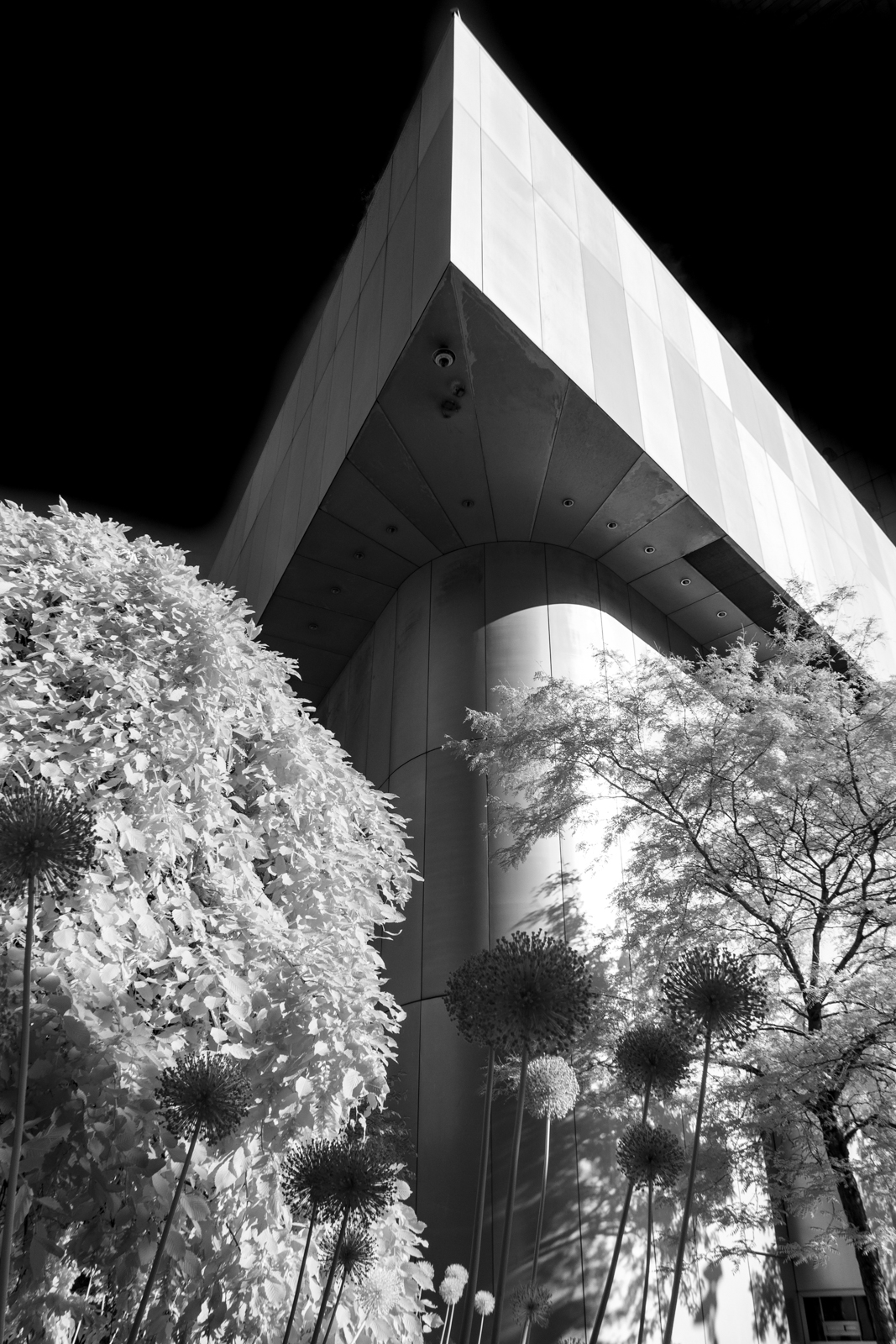
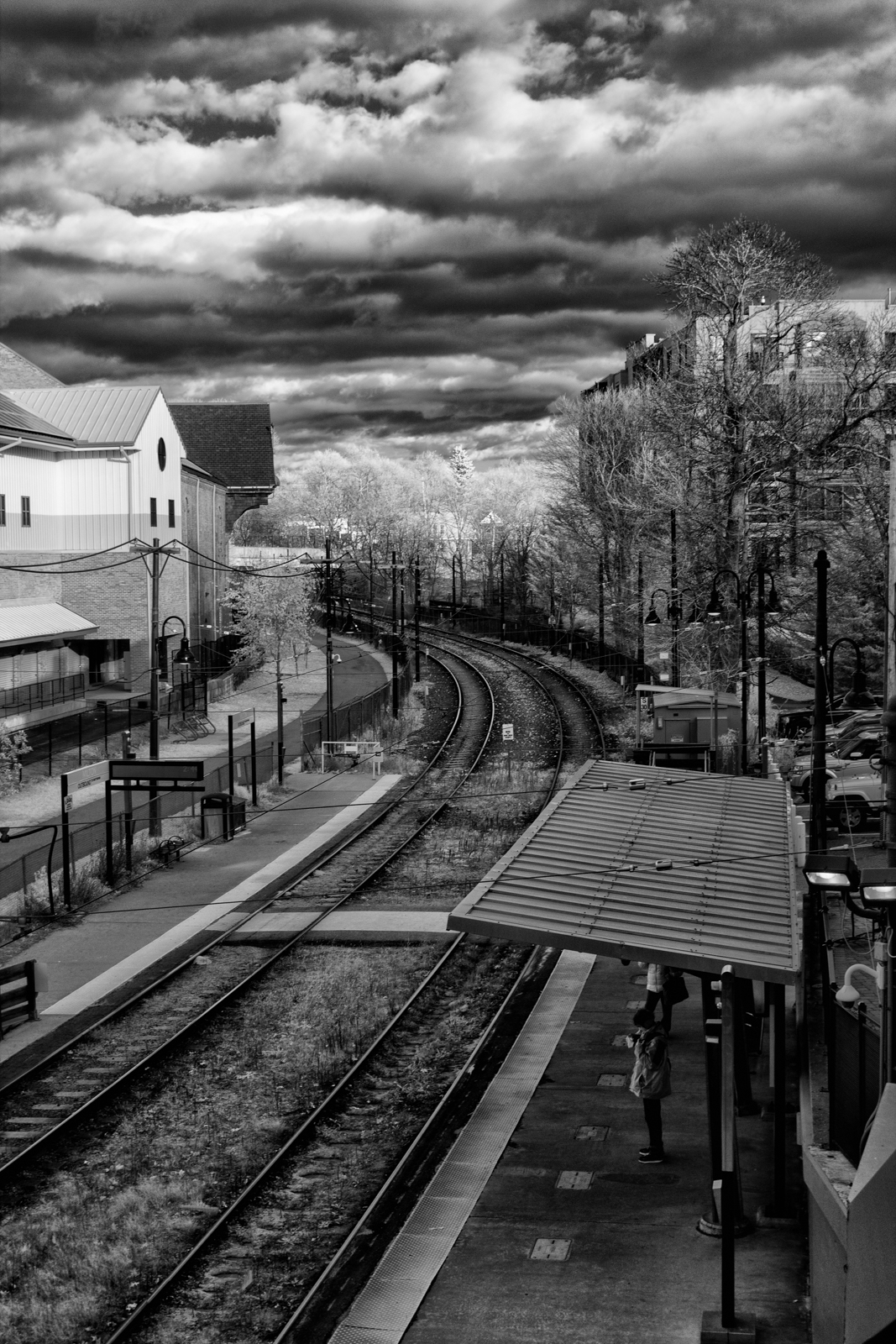
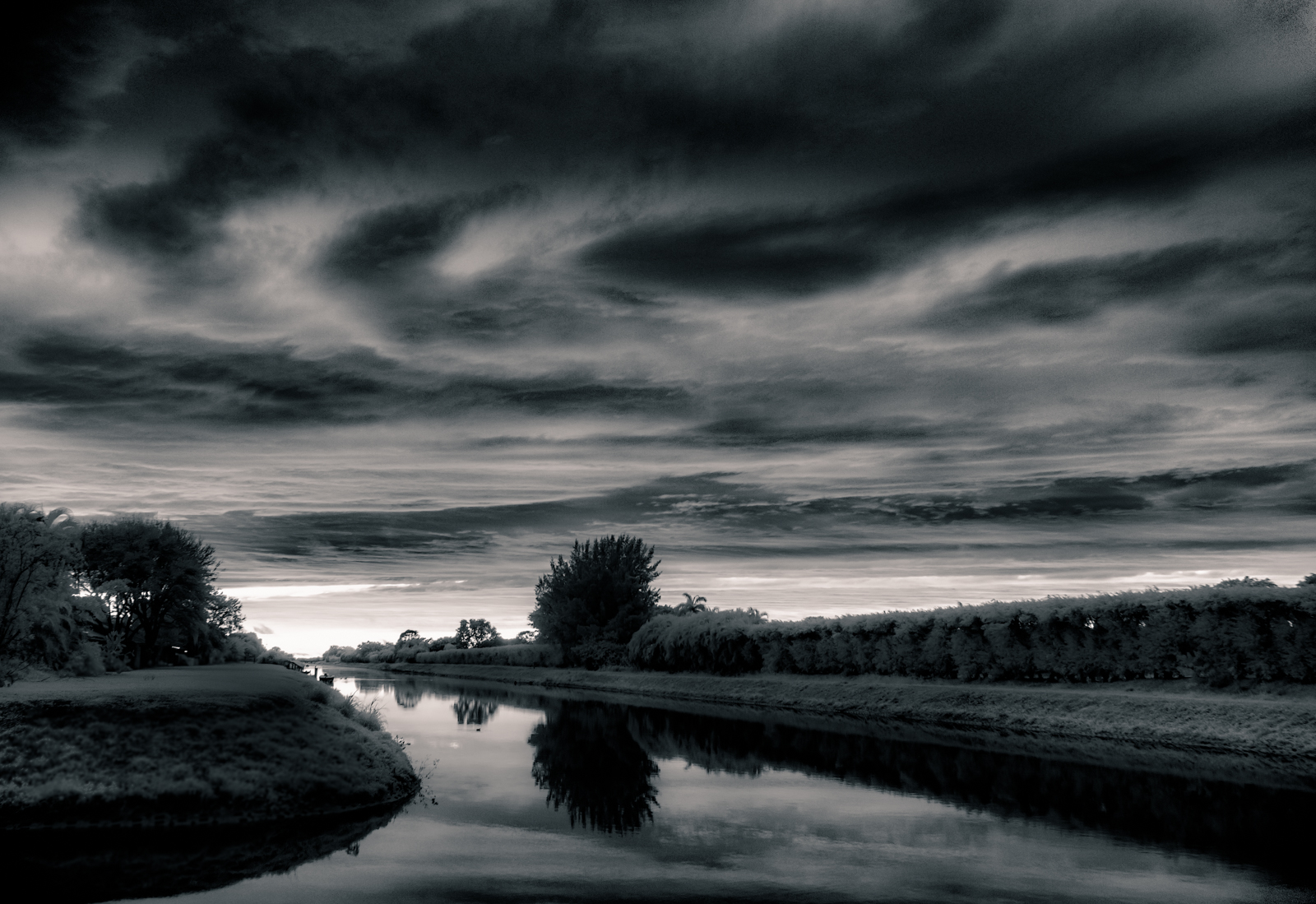
Below are some 590 nm conversions into BW to illustrate what is possible. Last was toned for mood following conversion to BW.
Scott
 |
||
 GoetzPhotoz |
||
|
|
||
 GoetzPhotoz |
||
|
|
||
 GoetzPhotoz |
||
|
|
||
 GoetzPhotoz |
||
|
|
||
 GoetzPhotoz |
||
|
|
||
 GoetzPhotoz |
||
|
|
||
 GoetzPhotoz |
||
|
Jul 11, 2023 at 03:28 PM
p.3 #4Infrared Thread - Digital or Film
Awesome thread so I'd like to contribute and keep it going...
A view of the Rockies from Medicine Bow area from a recent trip with a X-T2 720nm IR conversion mounted with an all manual small 35mm f1.4 lens.
 Rocky peaks off Medicine Bow Curve by Gabe D., on Flickr
A view of the Rockies from Medicine Bow area from a recent trip with a X-T2 720nm IR conversion mounted with an all manual small 35mm f1.4 lens.
Rocky peaks off Medicine Bow Curve by Gabe D., on FlickrJul 27, 2023 at 06:35 PM
p.3 #5Infrared Thread - Digital or Film
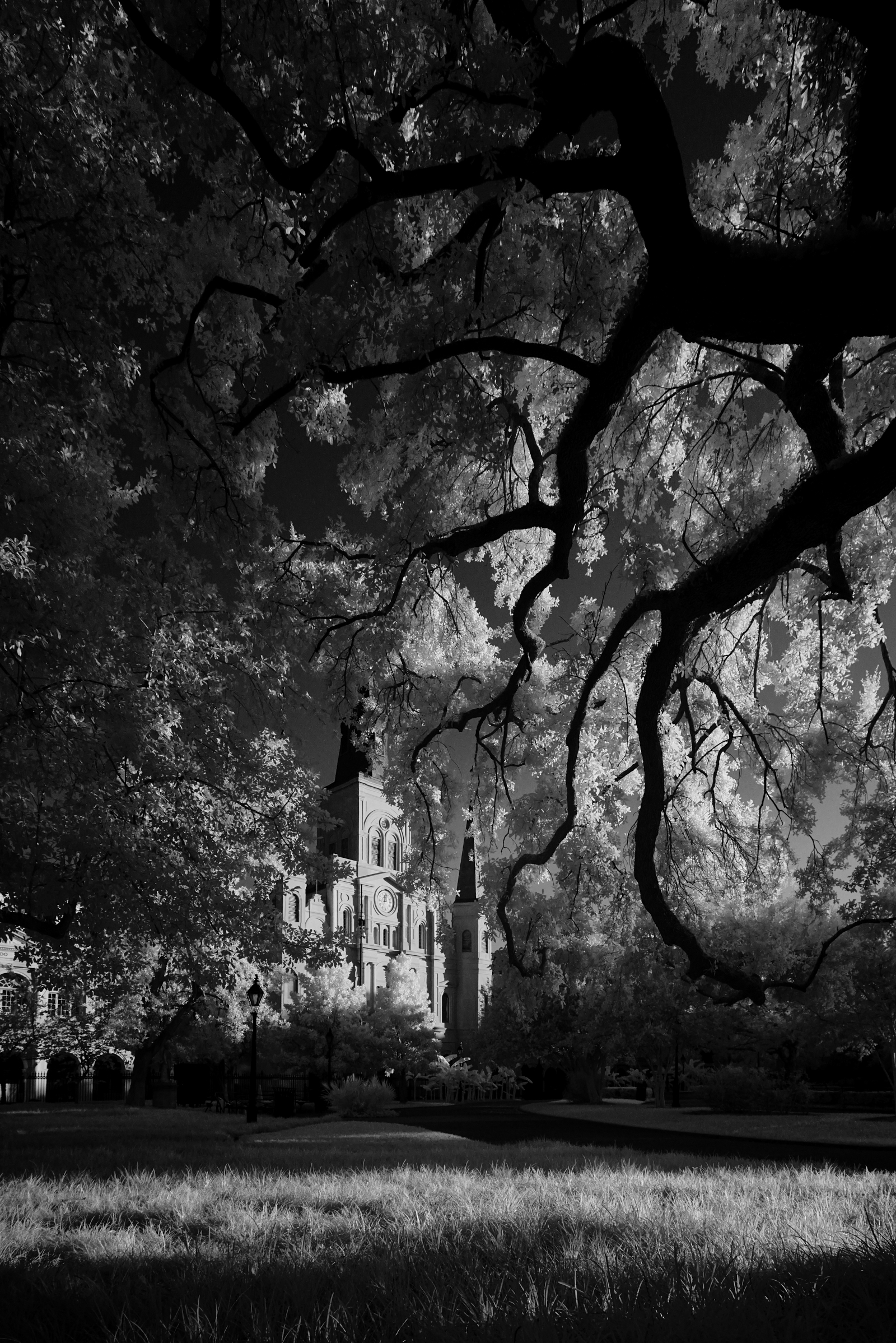
One from New Orleans earlier this week with a Sony A7R 830nM and 16-35mm ZA F4
Jul 29, 2023 at 04:05 PM
p.3 #6Infrared Thread - Digital or Film
Rio Frio in Concan, TX on a 720nm converted Fuji X-T2
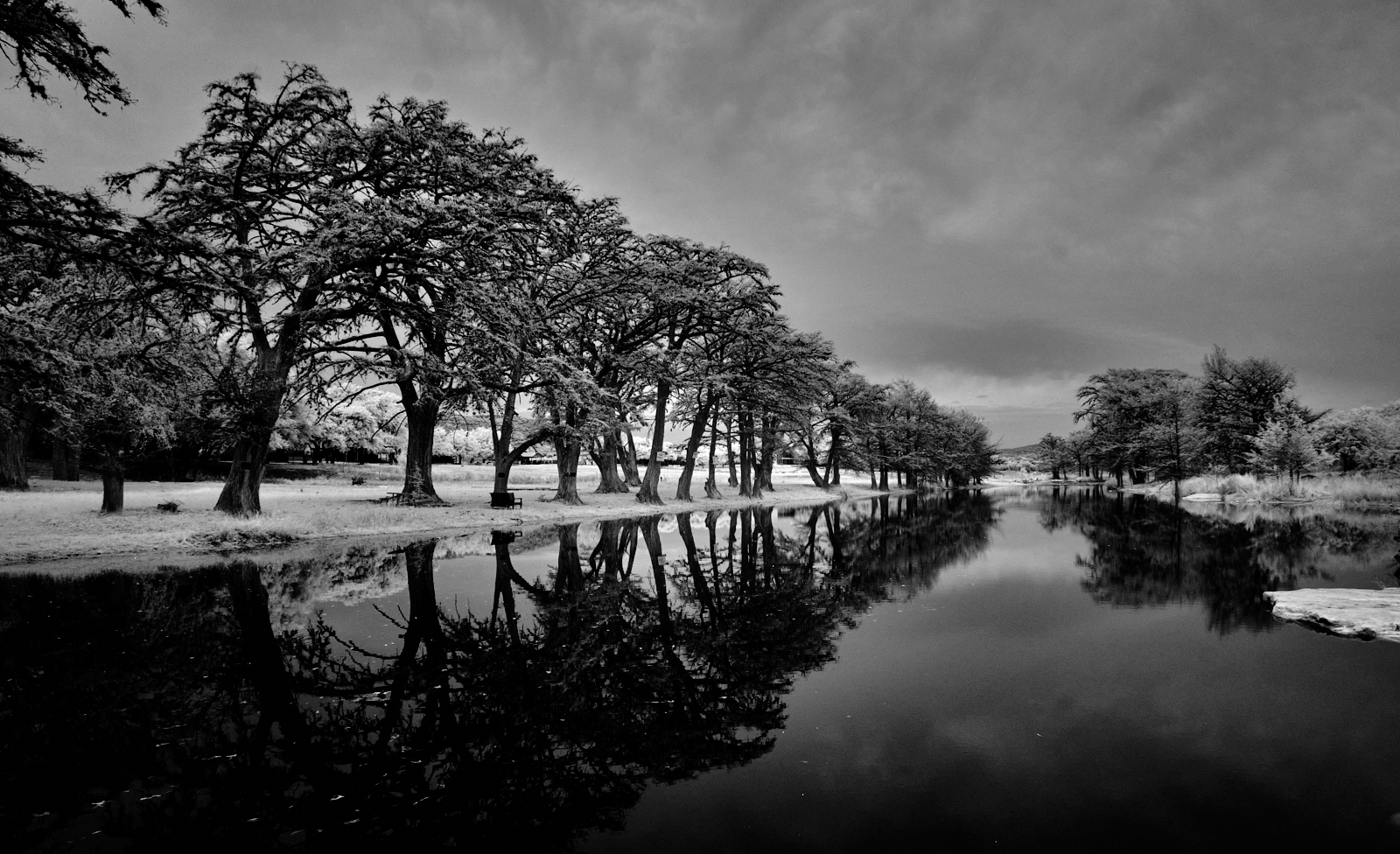
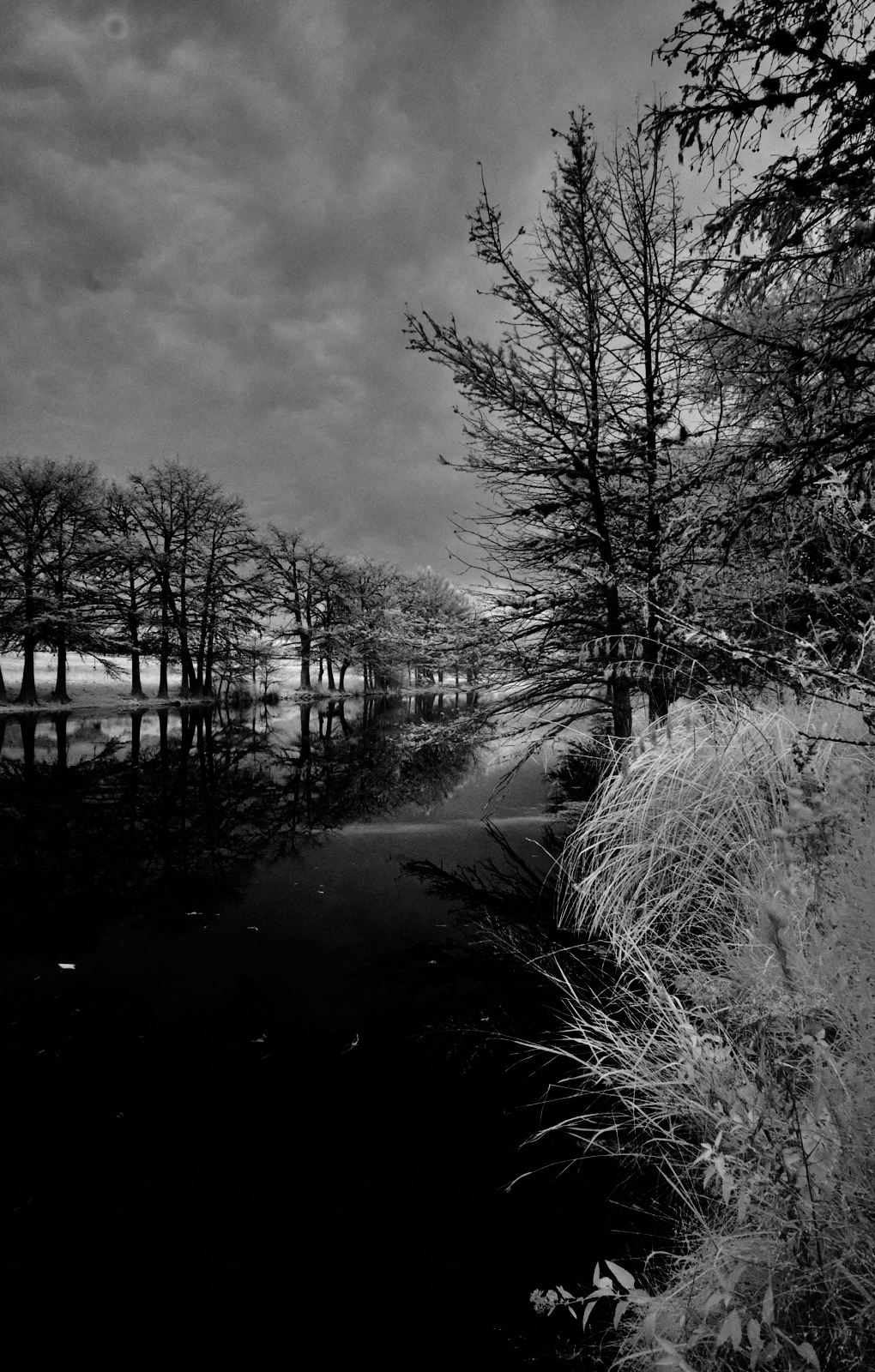
Aug 05, 2023 at 01:52 PM
p.3 #7Infrared Thread - Digital or Film
Nice postings spyderphil! Nice to see another 720nm IR XT2...what lens are you using there?
Here's another from a different part of CO...also with my 720nm XT2 IR converted + 35mm/1.4 manual
 Walkway into Garden of the Gods by Gabe D., on Flickr
Here's another from a different part of CO...also with my 720nm XT2 IR converted + 35mm/1.4 manual
Walkway into Garden of the Gods by Gabe D., on FlickrAug 10, 2023 at 07:28 PM
p.3 #8Infrared Thread - Digital or Film
Thanks Gabe. I was using the 16-80mm which worked well for IR. I shoot Sony mainly so switched from Fuji to Sony for IR as well. I found 720 a good choice for IR B&W - gives great tones as in your shot. I now have a 830 A7R which produces deep blacks and lots of contrast. I miss the Fuji though!
Aug 11, 2023 at 08:43 AM
p.3 #9Infrared Thread - Digital or Film
A couple from London (obviously) earlier this year. Sony A7R and 16-35 ZA on 830nm modified camera.
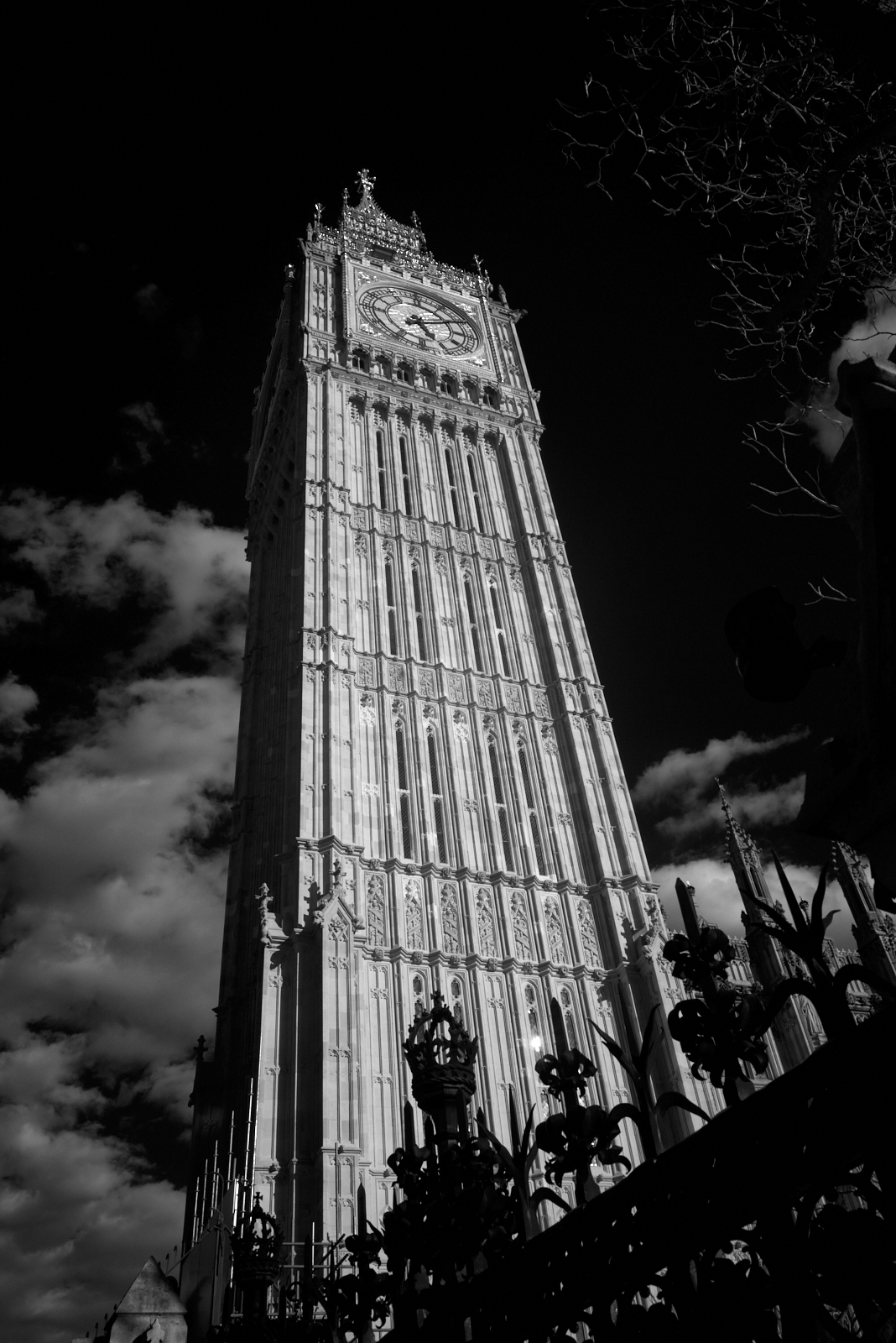
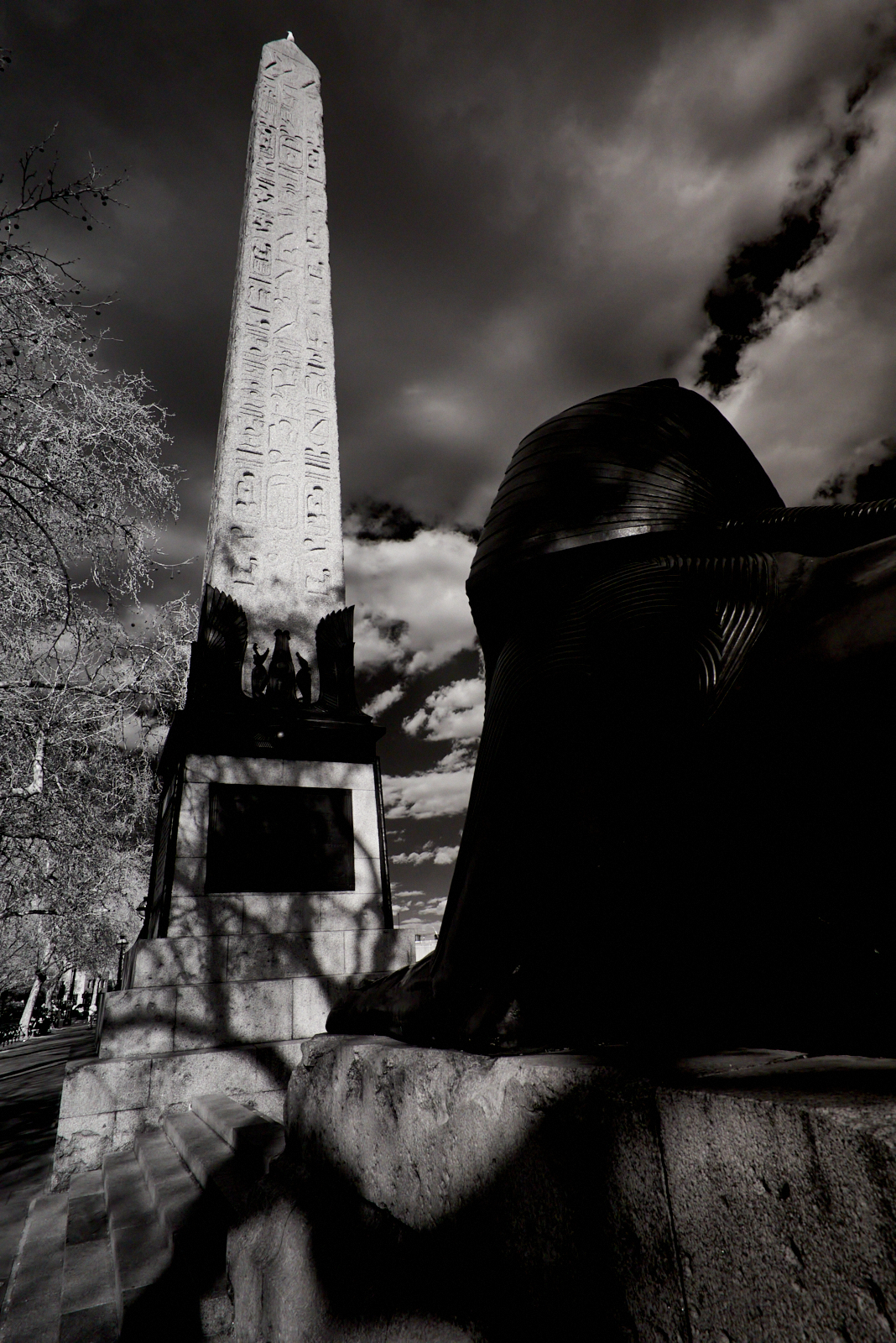
Aug 15, 2023 at 08:17 PM
p.3 #10Infrared Thread - Digital or Film
I had my GR II converted from 720nm to 850nm. I didn't like it as much, so it went back to 720nm.
A bit of an expensive lesson, especially seeing as I was doing alright with 720. But now I know what I like, and for me, the 720 is best.
A recent visit to an old riverside homestead, using the 850mm camera, yielded these:


Edited on Sep 25, 2023 at 07:29 AM · View previous versions
A bit of an expensive lesson, especially seeing as I was doing alright with 720. But now I know what I like, and for me, the 720 is best.
A recent visit to an old riverside homestead, using the 850mm camera, yielded these:
Edited on Sep 25, 2023 at 07:29 AM · View previous versions
Aug 18, 2023 at 08:53 AM
p.3 #11Infrared Thread - Digital or Film
Recent outing at mid-day when the summer storm broke for a bit and allowed the sun to make an appearance. It was hot and muggy as is typical this time of year here...but this year is markedly hotter than usual. Anyways it made for good IR shooting conditions at least 
 Cypress grove IR BW by Gabe D., on Flickr
Aug 25, 2023 at 09:41 PM
p.3 #12Infrared Thread - Digital or Film
I didn't know there was a thread about IR images here, thanks Gabe13 to post the link on the Voigtlander 27 thread.
Here are a few shots done with Fujifilm cameras, full spectrum X-E3 or/and X-T20 850nm with mainly the Xf 23 f1.4 R Mk1.
Full spectrum X-E3 + B+W093

Pian del Cansiglio by Massinissa Dalla Costa, on Flickr
X-T20 850nm

Light in the shadows by Massinissa Dalla Costa, on Flickr

Caged clouds by Massinissa Dalla Costa, on Flickr
Here are a few shots done with Fujifilm cameras, full spectrum X-E3 or/and X-T20 850nm with mainly the Xf 23 f1.4 R Mk1.
Full spectrum X-E3 + B+W093
Pian del Cansiglio by Massinissa Dalla Costa, on Flickr
X-T20 850nm
Light in the shadows by Massinissa Dalla Costa, on Flickr
Caged clouds by Massinissa Dalla Costa, on Flickr
Aug 29, 2023 at 10:43 AM
p.3 #13Infrared Thread - Digital or Film
Playing with lens flare yesterday - Nikkor 20mm f2.8 ais with it's HK-14 lens hood on the
Canon 5DmkII 665nm converted body
http://www.photomatter.com/2023/Edit_5DmkII-IR_w-Nikkor-20mm-f2.8-ais_2-image_PawPawPark-6840-dN.jpg
http://www.photomatter.com/2023/Edit_5DmkII-IR_w-Nikkor-20mm-f2.8-ais_PawPawPark-6825-dN.jpg
Canon 5DmkII 665nm converted body
http://www.photomatter.com/2023/Edit_5DmkII-IR_w-Nikkor-20mm-f2.8-ais_2-image_PawPawPark-6840-dN.jpg
http://www.photomatter.com/2023/Edit_5DmkII-IR_w-Nikkor-20mm-f2.8-ais_PawPawPark-6825-dN.jpg
Aug 31, 2023 at 08:42 PM
p.3 #14Infrared Thread - Digital or Film
More IR with the Canon 5DmkIi with the Nikkor 20mm f2.8 ais
6 vertical image stitch from under a huge oak looking over a large meadow
http://www.photomatter.com/2023/Edit_5DmkII-IR_w-Nikkor-20mm-f2.8-ais_6-image_PawPawPark-6861-dN.jpg
The Paw Paw river
http://www.photomatter.com/2023/Edit_5DmkII-IR_w-Nikkor-20mm-f2.8-ais_PawPawPark-6917-dN.jpg
6 vertical image stitch from under a huge oak looking over a large meadow
http://www.photomatter.com/2023/Edit_5DmkII-IR_w-Nikkor-20mm-f2.8-ais_6-image_PawPawPark-6861-dN.jpg
The Paw Paw river
http://www.photomatter.com/2023/Edit_5DmkII-IR_w-Nikkor-20mm-f2.8-ais_PawPawPark-6917-dN.jpg
Sep 02, 2023 at 09:34 PM
p.3 #15Infrared Thread - Digital or Film
Fujifilm X-E3 full spectrum + 50-140 f2,8
B+W 093 830nm filter

Infrared Orchid by Massinissa Dalla Costa, on Flickr
B+W 093 830nm filter
Infrared Orchid by Massinissa Dalla Costa, on Flickr
Sep 06, 2023 at 02:35 AM
p.3 #16Infrared Thread - Digital or Film
Fujifilm X-T20 converted to 850nm + XF23f1.4 R Mk1
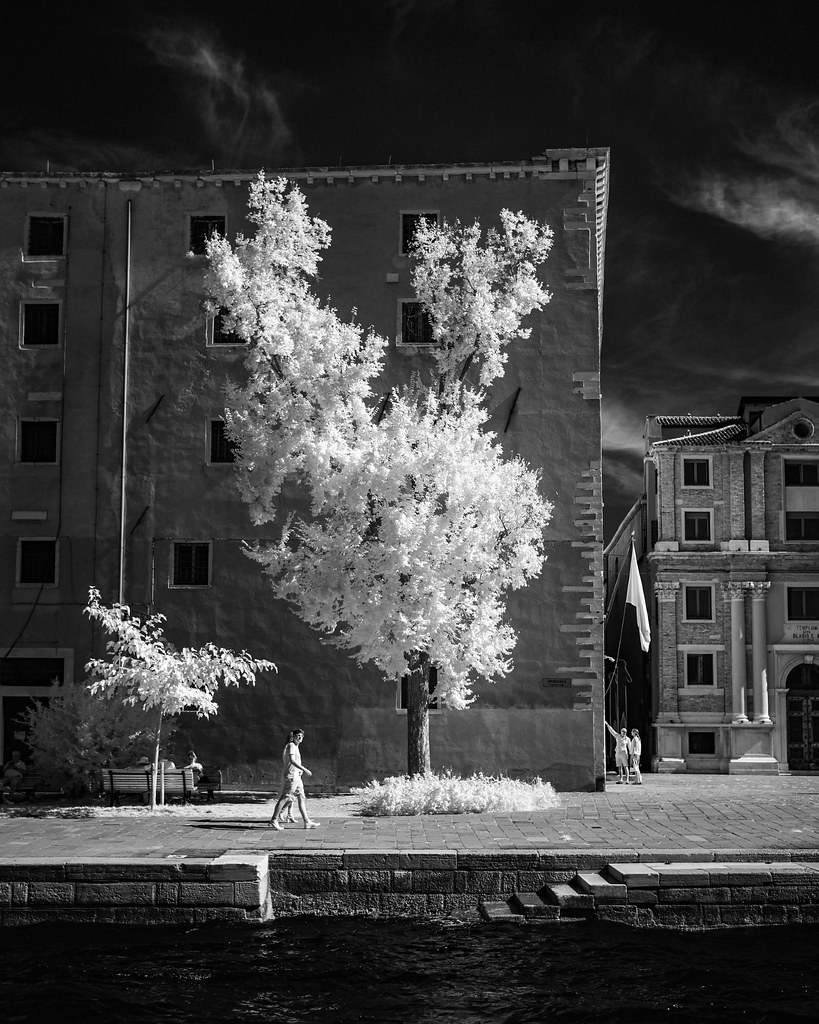
I'm a sculpture by Massinissa Dalla Costa, on Flickr
I'm a sculpture by Massinissa Dalla Costa, on Flickr
Oct 18, 2023 at 05:22 AM
p.3 #17Infrared Thread - Digital or Film
I am planning to convert my Nikon D810 to IR and I am battling between the 720nm or 850nm.
Kolari and Lifepixel offer an "Advanced Multi-Layer AR Coated Filter Smudgeproof" for $100/150 additional,I understand it gives some extra dust/fingerprints protection than the "Standard Uncoated Filter".
Does any have additional information of the benefits of the Multi-Layer filter and if it is worth the extra cost?
Marcelo
Oct 22, 2023 at 10:29 AM
p.3 #18Infrared Thread - Digital or Film
For me, it wouldn't be worth $100-150 extra. It depends on how carefully you handle your sensor and whether you know how to clean it when it's dusty or needs wiping. I use a sensor blower for dust and a sensor swab or smudges or smudges. This is truly a case for "YMMV".
Joe
Joe
Oct 22, 2023 at 10:37 AM
p.3 #19Infrared Thread - Digital or Film
Joe Colson wrote:
For me, it wouldn't be worth $100-150 extra. It depends on how carefully you handle your sensor and whether you know how to clean it when it's dusty or needs wiping. I use a sensor blower for dust and a sensor swab or smudges or smudges. This is truly a case for "YMMV".
Joe
Thank you Joe for the feedback, I know very well how to protect the sensor and also the dry/wet cleaning of it. I don't see another extra benefit of this filter and for the cost it is not worth it.
I really appreciate your comment.
Oct 22, 2023 at 10:44 AM
p.3 #20Infrared Thread - Digital or Film
This is one my first attempts into IR photography with a R72 Hoya filter back on 2007 with a Fuji S7000
https://marcelobarrera.zenfolio.com/img/s/v-10/p901451959-6.jpg
https://marcelobarrera.zenfolio.com/img/s/v-10/p901451959-6.jpg
Oct 26, 2023 at 01:43 PM