So i was also trying to photograph Black and Brahminy kites the last couple of days and i shoot from my apartment balcony and the background is full of trees and a lot of vertical and horizontal lines, harsh reflections etc. Generally a tough test for any AF system. I noticed something similar when using 3D tracking, i.e. the camera instantly picks the background and its quite hard to acquire focus or even when it acquires the initial focus, it quickly gets distracted and the box goes all over the place. But guess what, try wide area-L and it works like a charm and i have never had such a success rate shooting in busy backgrounds with any other DSLRs i have used (D500/850/D4).
Wide area-L is my most used and favorite AF area mode now for incoming or diving birds but what i figured is, with brahminy kites which are similar to bald eagles, they have white heads and yellow eyes so the camera easily tracks the eyes and track them tenaciously whereas with black kites that are generally very dull brown colored birds with dark eyes, it is difficult for the eye af to work so most of the time, even when the bird fills the frame, the camera was trying to focus somewhere near the head/ eyes which is pretty good. Now on the flip side, the focus is sharp starting from the bird's eyes to all the way back to the tail but there are some frames where the beak is a bit soft. What i did today was to try the same wide area L mode with a small tweak. I have programmed my lens fn button with an RSF override to turn off subject detection. When a bird approaches, i track the bird using wide area-L with subject on and the moment the bird fills the frame , i press the lens-fn button to temporarily disable subject detection. When i do this, the wide area L seems to work based on close subject priority (just like the group AF), bingo now the beak and the eyes are in focus. This approach works best for me when i am shooting birds against a busy background.
Nikon's update that will allow customizing the box sizes will be a major update in my opinion for these type of use cases.
I am horrible at following a bird. On D6, I had better luck with customized group focus where I have one straight line across the AF area for smaller faster birds and big focus area for bigger birds. I tried L- wide focus area today as well but had problem with keeping the bird in the focus area the whole time so using auto area AF seems to give me better result.
I definitely will try your suggestion next time I go out to shoot birds.
So i was also trying to photograph Black and Brahminy kites the last couple of days and i shoot from my apartment balcony and the background is full of trees and a lot of vertical and horizontal lines, harsh reflections etc. Generally a tough test for any AF system. I noticed something similar when using 3D tracking, i.e. the camera instantly picks the background and its quite hard to acquire focus or even when it acquires the initial focus, it quickly gets distracted and the box goes all over the place. But guess what, try wide area-L and it works like a charm and i have never had such a success rate shooting in busy backgrounds with any other DSLRs i have used (D500/850/D4).
Wide area-L is my most used and favorite AF area mode now for incoming or diving birds but what i figured is, with brahminy kites which are similar to bald eagles, they have white heads and yellow eyes so the camera easily tracks the eyes and track them tenaciously whereas with black kites that are generally very dull brown colored birds with dark eyes, it is difficult for the eye af to work so most of the time, even when the bird fills the frame, the camera was trying to focus somewhere near the head/ eyes which is pretty good. Now on the flip side, the focus is sharp starting from the bird's eyes to all the way back to the tail but there are some frames where the beak is a bit soft. What i did today was to try the same wide area L mode with a small tweak. I have programmed my lens fn button with an RSF override to turn off subject detection. When a bird approaches, i track the bird using wide area-L with subject on and the moment the bird fills the frame , i press the lens-fn button to temporarily disable subject detection. When i do this, the wide area L seems to work based on close subject priority (just like the group AF), bingo now the beak and the eyes are in focus. This approach works best for me when i am shooting birds against a busy background.
Nikon's update that will allow customizing the box sizes will be a major update in my opinion for these type of use cases.
Just by watching all the early AF videos I had a strong inkling that this was going to be the case for 3D. This is in line with the reason I don't use the "Tracking" or "Real-time Tracking" on my Sony cameras in the Wide or Zone AF modes for BIF. If Tracking picks up some background then it won't let go where as the non-tracking versions (even thought they do still track with the dancing AF points and still do subject/eye detect) have a much higher success of staying on subject.
I've spent a lot of time dialing in workarounds for cameras I own for BIF like R5 and A9 and A1. And your report sounds like you are starting to really dial down and figure out the nuances of the Z9. I appreciate the effort it is so rare to read about people doing this on the forums.
I'd be curious to see how Auto AF works as I'd assume it would work better than 3D when the bird is too erratic to use the Wide Area modes where the user has to be that much more precise in aiming and acquiring the BIF. Probably kites are large enough to use Wide-Area L as you are doing. For small birds like Swallows I always prefer a full sensor AF mode like Auto on my D500/D850, Wide on my Sonys and the full sensor Auto/Subject on the R5.
p.11 #3 · Z9 and Z8 ! : A thread for Z9/Z8 images and *discussion*
Thanks Geoff,
You are absolutely right. All these automatic modes work very well as long as we shoot in ideal scenarios like plain BG or Sky BG but the moment you get in to challenging conditions, backlit areas there's no way i will rely on any of those modes. Like you mentioned, with 3D or Auto, the moment it latches on to BG it is near impossible to even re-acquire focus whereas with Wide area modes i noticed that if the camera sticks to a BG just letting go of the AF button and pressing it again or doing this multiple times can acquire focus on the subject. I am planning to go out to the nearby wetlands this week and the swallows season has started here so that's my next try. Yes, Auto area must be the go to for swallows as it is the most responsive (AF sensitivity works from 1 to 3 vs 3D defaulting to 3). I'm thinking the key for such small subjects would be to start tracking with Auto or 3d depending on which works best and then zero in on wide area mode with focus persistence setting set to auto so that the focus point can shift seamlessly. Its going to be a really tough and ultimate BIF test that i have never even tried before.
just curious to know, with your swallow shots using the R5/ A1, whats your approx hit rate like? and how close were you able to get them (do you crop a lot?) and in what kind of BG? clean green BG/ water BG or even clutters? Problem is i haven't used any of these cameras and i do not know what the baseline is ;-)
arbitrage wrote:
Thanks for sharing this info.
Just by watching all the early AF videos I had a strong inkling that this was going to be the case for 3D. This is in line with the reason I don't use the "Tracking" or "Real-time Tracking" on my Sony cameras in the Wide or Zone AF modes for BIF. If Tracking picks up some background then it won't let go where as the non-tracking versions (even thought they do still track with the dancing AF points and still do subject/eye detect) have a much higher success of staying on subject.
I've spent a lot of time dialing in workarounds for cameras I own for BIF like R5 and A9 and A1. And your report sounds like you are starting to really dial down and figure out the nuances of the Z9. I appreciate the effort it is so rare to read about people doing this on the forums.
I'd be curious to see how Auto AF works as I'd assume it would work better than 3D when the bird is too erratic to use the Wide Area modes where the user has to be that much more precise in aiming and acquiring the BIF. Probably kites are large enough to use Wide-Area L as you are doing. For small birds like Swallows I always prefer a full sensor AF mode like Auto on my D500/D850, Wide on my Sonys and the full sensor Auto/Subject on the R5....Show more →
p.11 #4 · Z9 and Z8 ! : A thread for Z9/Z8 images and *discussion*
George DeCamp wrote:
Wow I missed that, yes I think that is it so I'll see if it works! Thanks very much!
In Nikon DSLRs the playback display that shows the blinkies is labeled “Highlights”. On the Z9 it is unlabeled and just looks like a regular display. One can’t even tell it is the “blinkies” page unless something is actually blinking. But if you have it selected for one of the display pages, shoot something purposely overexposed, and then cycle through the displays you’ll see it.
This is so interesting because it shows a remarkable ability to track, but from what we know, wouldn't it have problems if the swan was in the foreground? Wouldn't the focus grab the trees in the background? I do not know and am just throwing the thought out there. But thanks for this... most impressive.
I am assuming the swan was in the open when AF was acquired and the AF system stayed attached to it through these trees.
Is that true ? or .....is this a fluke
I get it now: The focus was on the trees and the AF switched to the swan when it passed by.
p.11 #8 · Z9 and Z8 ! : A thread for Z9/Z8 images and *discussion*
nextlife1 wrote:
In Nikon DSLRs the playback display that shows the blinkies is labeled “Highlights”. On the Z9 it is unlabeled and just looks like a regular display. One can’t even tell it is the “blinkies” page unless something is actually blinking. But if you have it selected for one of the display pages, shoot something purposely overexposed, and then cycle through the displays you’ll see it.
Got it to work and also have that live histogram working which is awesome! Thanks very much!
p.11 #9 · Z9 and Z8 ! : A thread for Z9/Z8 images and *discussion*
So I shot a bunch of Z9 test NEFs, open the NEFs with Nikon NX studio ver 1.1.0 and then tried to batch the files into jpgs and I get the message "You cannot apply this operation to unsupported files. Please re-select files and try again". I thought this was the latest NX studio with Z9 support?
p.11 #10 · Z9 and Z8 ! : A thread for Z9/Z8 images and *discussion*
david debalko wrote:
So I shot a bunch of Z9 test NEFs, open the NEFs with Nikon NX studio ver 1.1.0 and then tried to batch the files into jpgs and I get the message "You cannot apply this operation to unsupported files. Please re-select files and try again". I thought this was the latest NX studio with Z9 support?
p.11 #11 · Z9 and Z8 ! : A thread for Z9/Z8 images and *discussion*
david debalko wrote:
So I shot a bunch of Z9 test NEFs, open the NEFs with Nikon NX studio ver 1.1.0 and then tried to batch the files into jpgs and I get the message "You cannot apply this operation to unsupported files. Please re-select files and try again". I thought this was the latest NX studio with Z9 support?
I had the same issue. I downloaded NX Studio a few weeks ago and thought I was ready for the Z9 raws but they were not recognizable. Downloaded again, reinstalled and it works. So try downloading and reinstall.
p.11 #13 · Z9 and Z8 ! : A thread for Z9/Z8 images and *discussion*
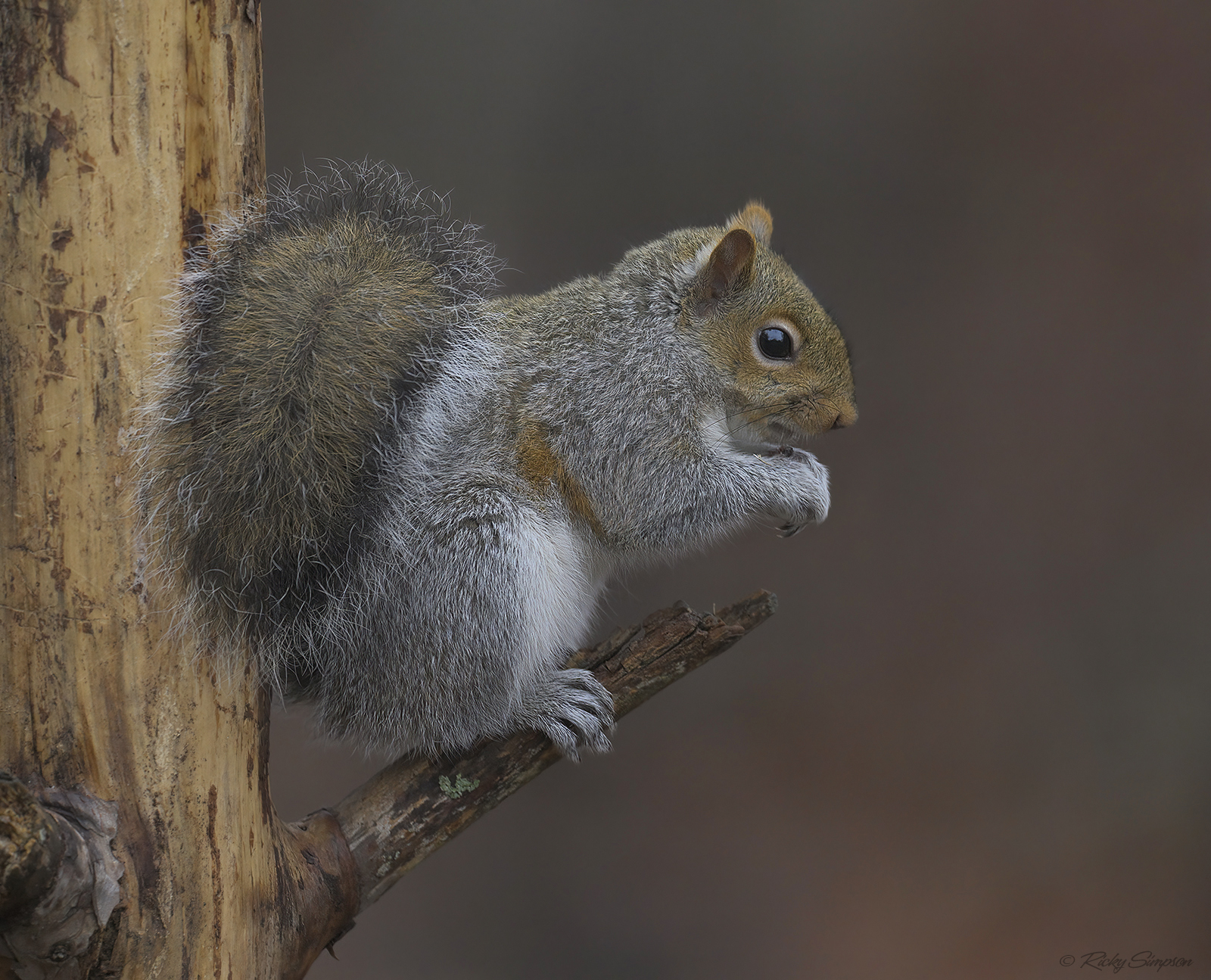
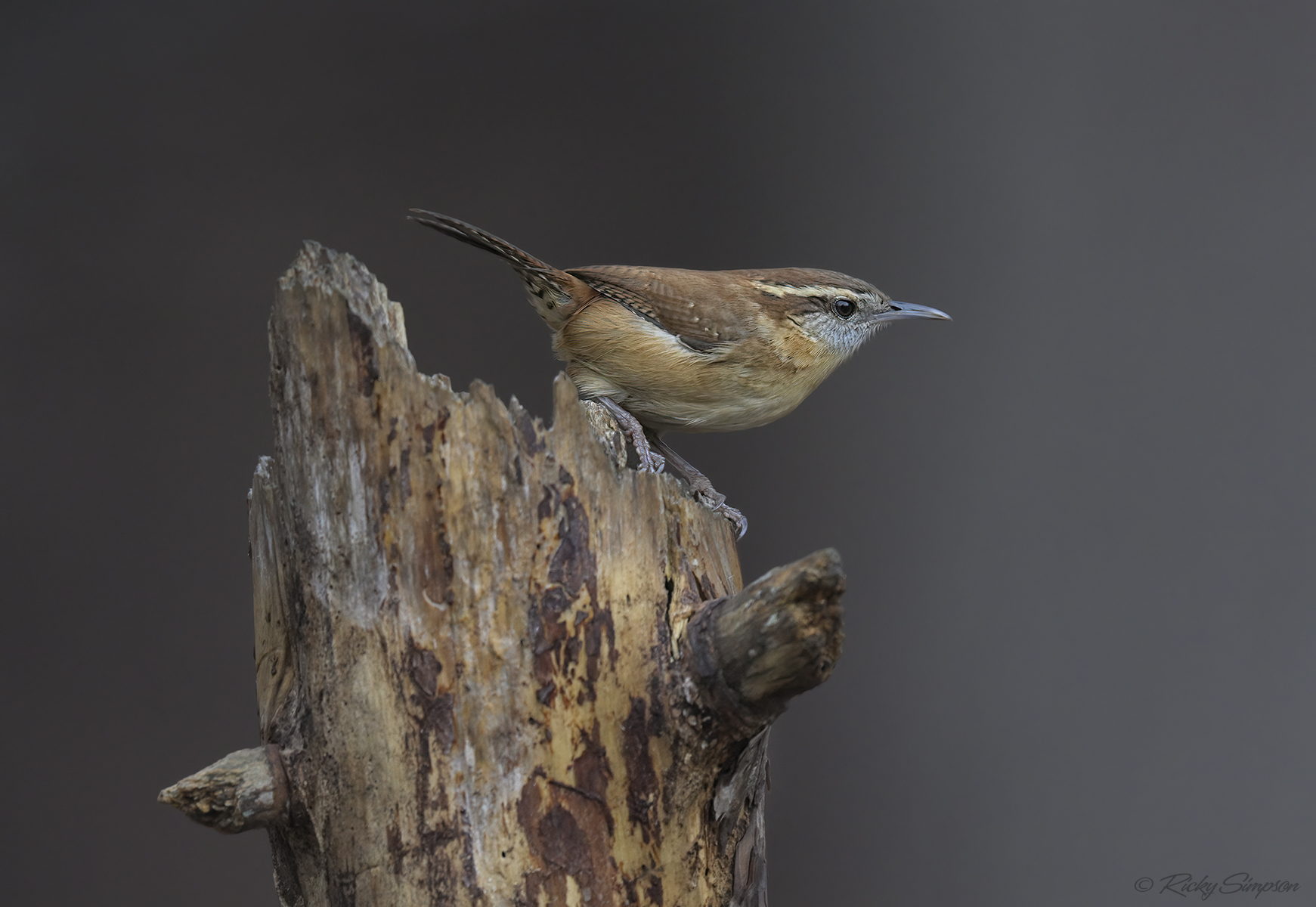
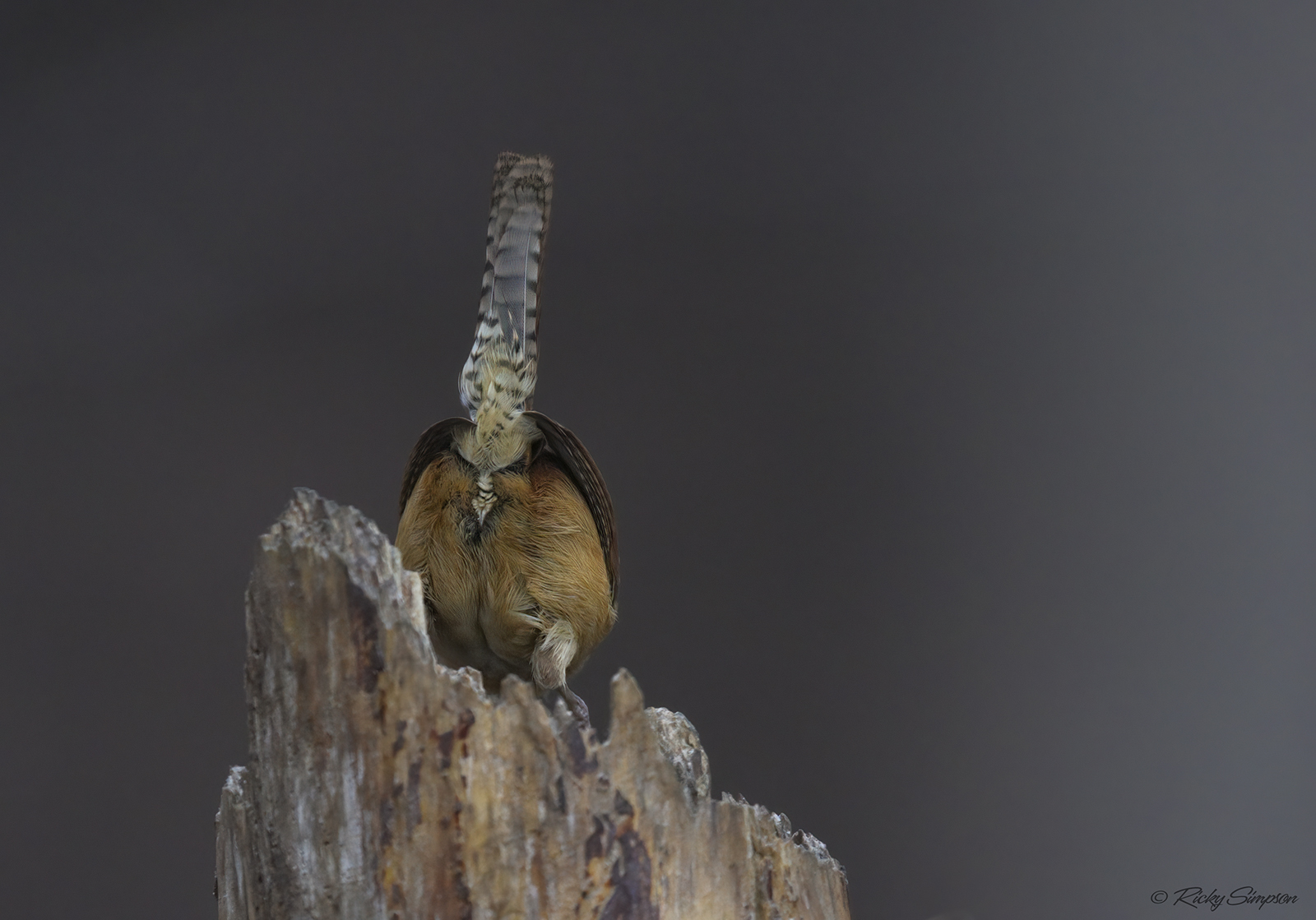
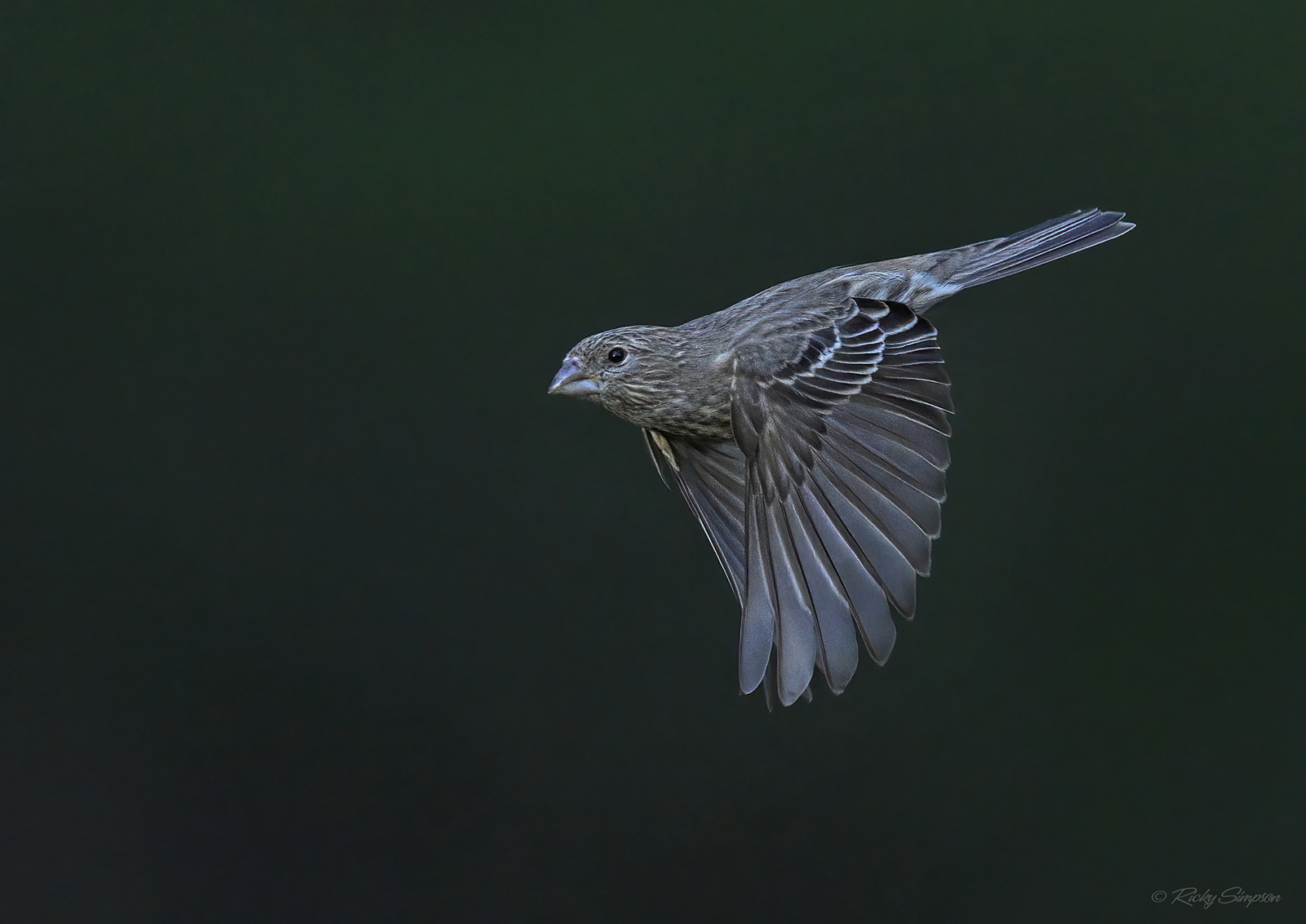
Here are a few from my backyard and a few thoughts from a "former" DSLR user.
1- I think the 1.7 TC will be usable which makes the 600's FOV 1020mm f6.7
2- At first I didn't like "review" placement but after using it for a few hours I think it will be better......think handholding the 500 5.6 etc which allows review with left hand on the lens.
3-Coming from a D500 with a personal ISO ceiling of 640.....For me with the Z9 I think 3200 now and sometimes 6400 for wildlife and 10000 very usable for sports.
4-So far my biggest issue that I don't like coming from my D500 is the sleep mode which is easily overcome by hitting BBF as I raise the camera to my eye. There may be a setting that can adjust that but right now all I want to do is shoot with this camera The blackout free shooting is over the top and I can't wait to shoot some waterfowl in flight
5- Also I never liked the idea of shooting an FX in DX mode unless it was an event where there would be no chance of a subject being closer. With the Z9 in DX I might use it in some cases where my subjects are way off and no chance of filling the frame unexpectedly because the viewfinder shows the image area without a portion being grayed out.
p.11 #14 · Z9 and Z8 ! : A thread for Z9/Z8 images and *discussion*
Crummy weather outside today! Got my chores done for the New Year and decided to archive some old D2h and D2X photos to make some room for the future Z9, if it ever arrives.
While archiving I was enjoying looking through some of the old files and feeling pretty good about everything, so I decided to come over here and check out what was going on in the Z9 world. Well after viewing these wonderful photos, I am feeling pretty dam inadequate right about now.
p.11 #20 · Z9 and Z8 ! : A thread for Z9/Z8 images and *discussion*
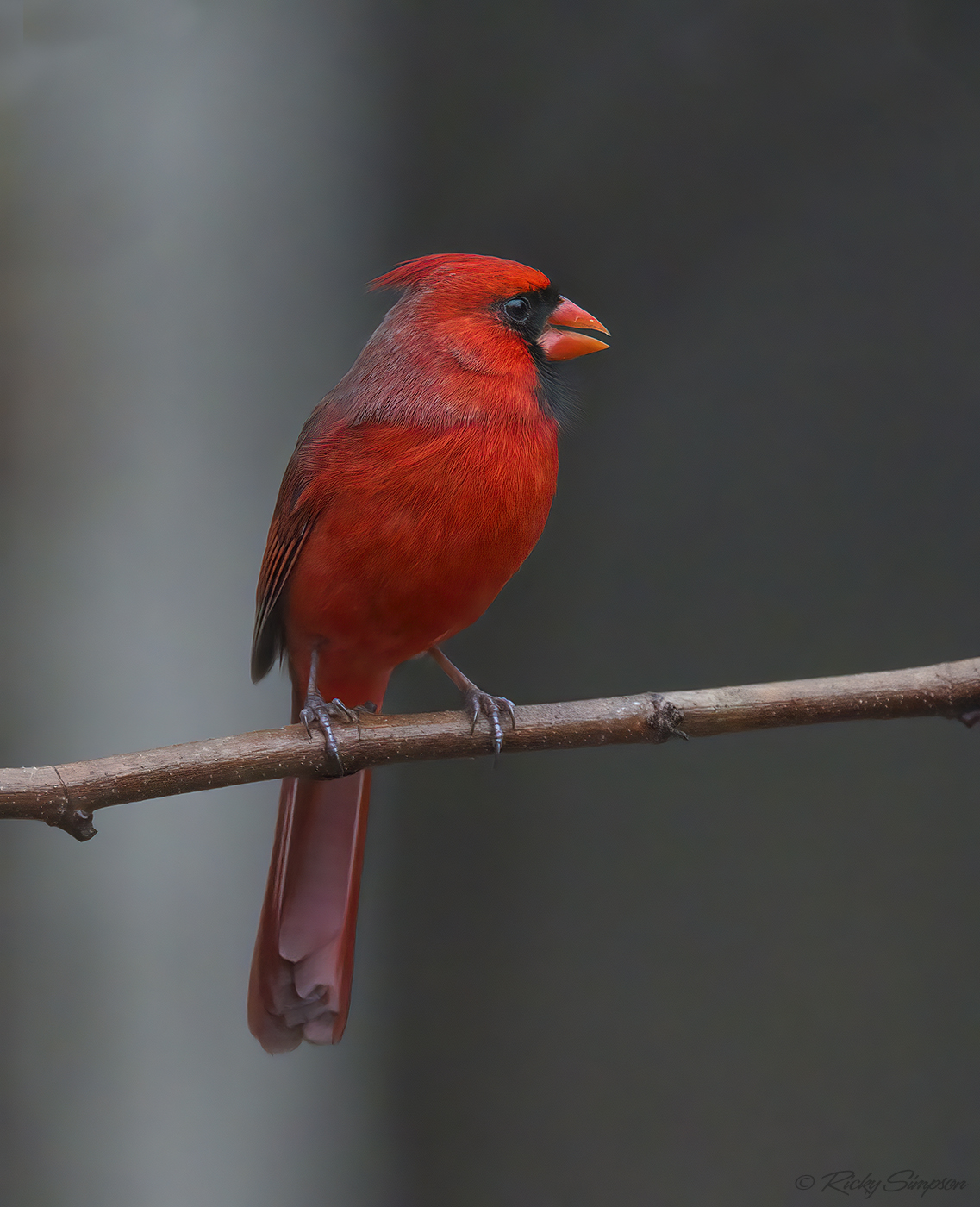
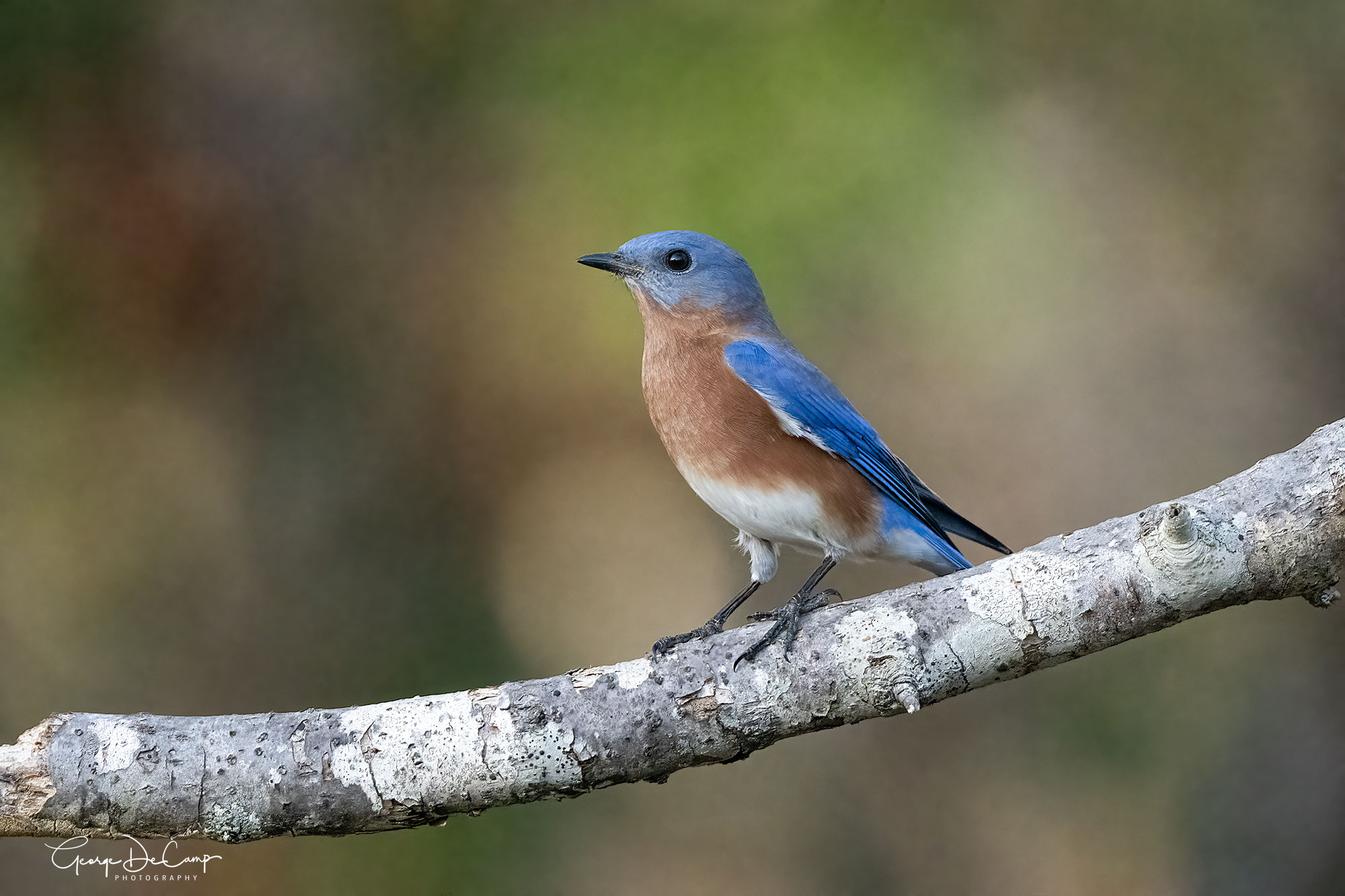
This was from my back yard late this afternoon. Light was not good, used ISO 10,000 to keep shutter up (1/2000). Note: Used a quick pass of Topaz DeNoise which I would do on all higher ISO images
All in all not too shabby for ISO 10000. Used a Z9, 500pf, x1.4TC hand held..