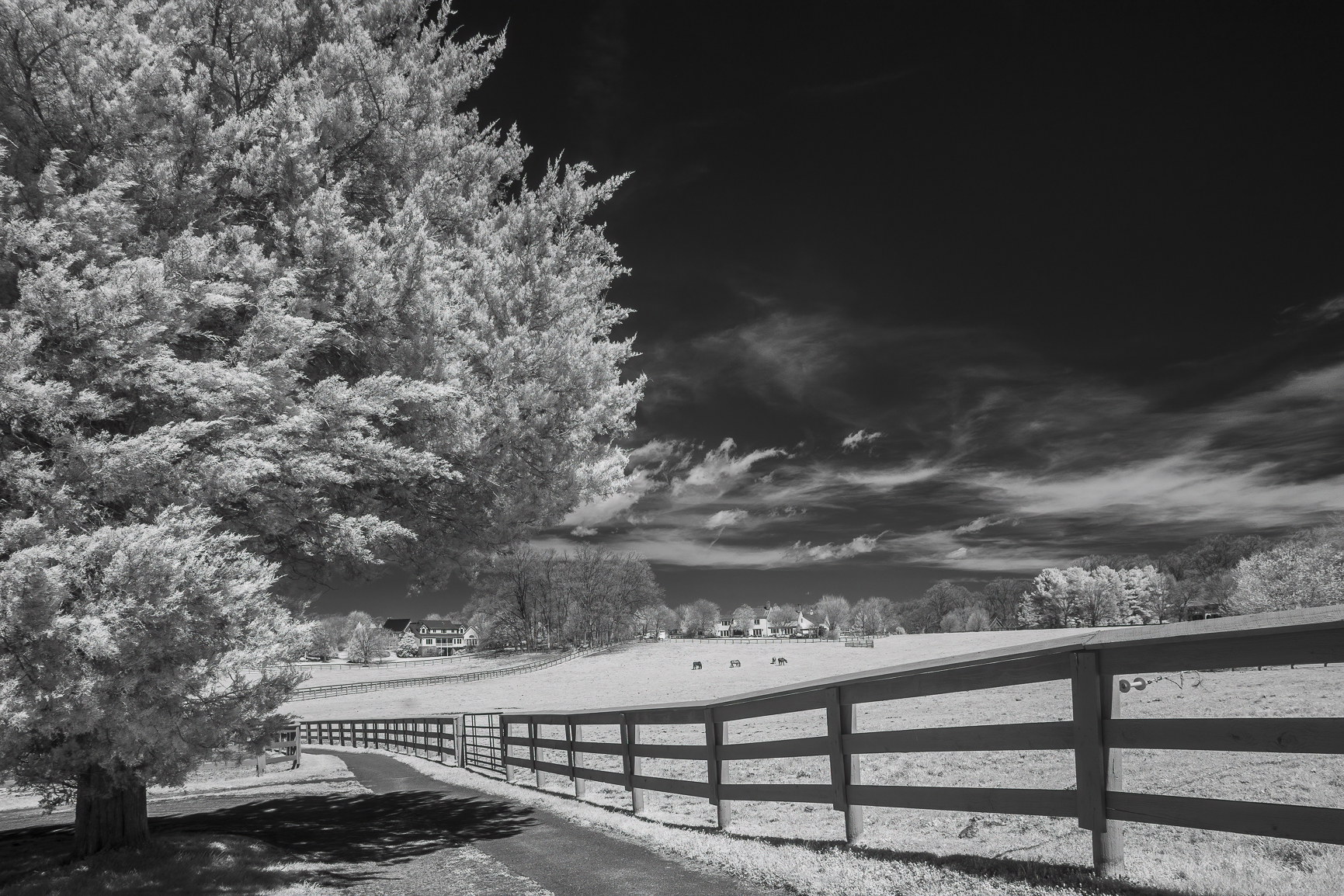
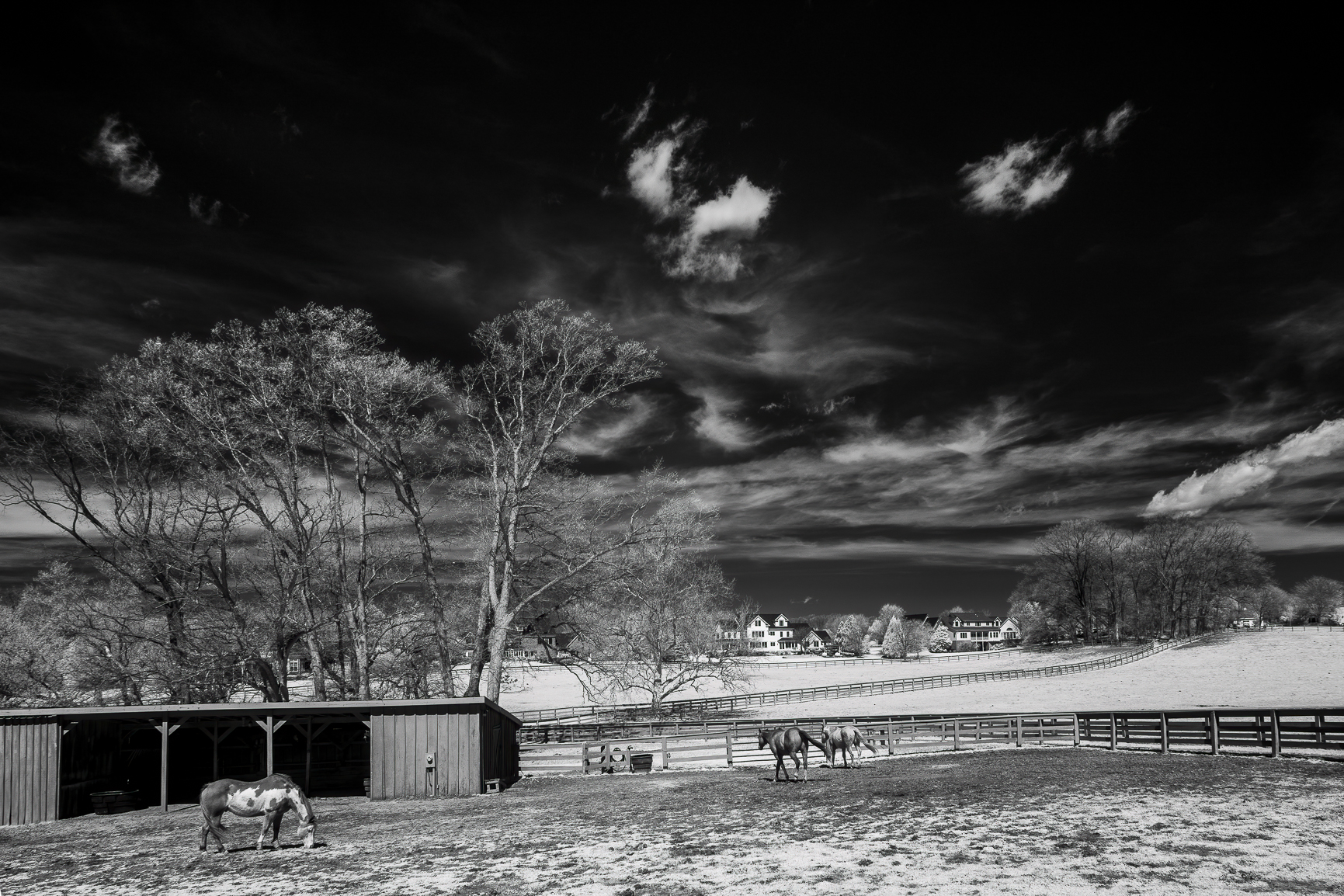
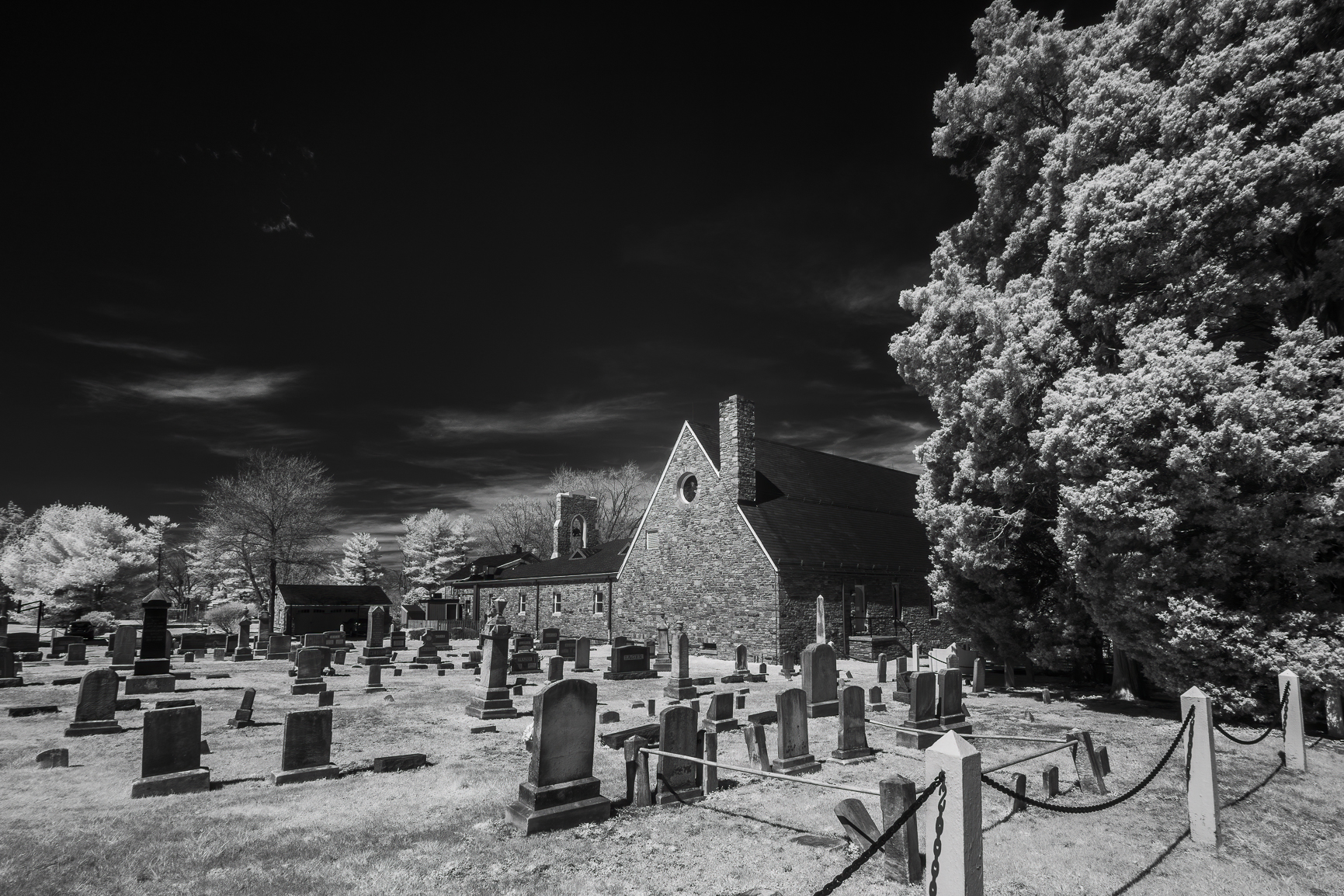
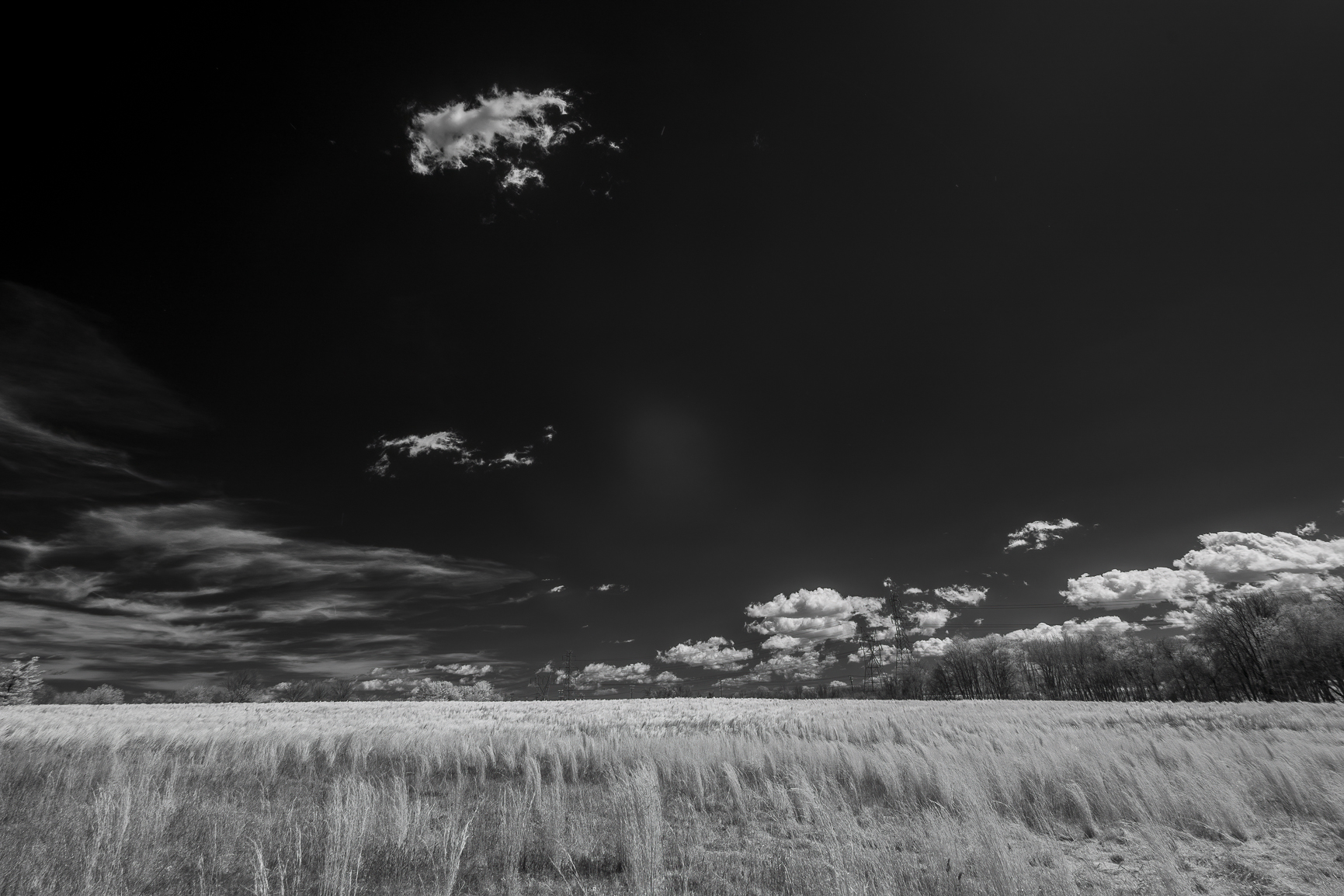
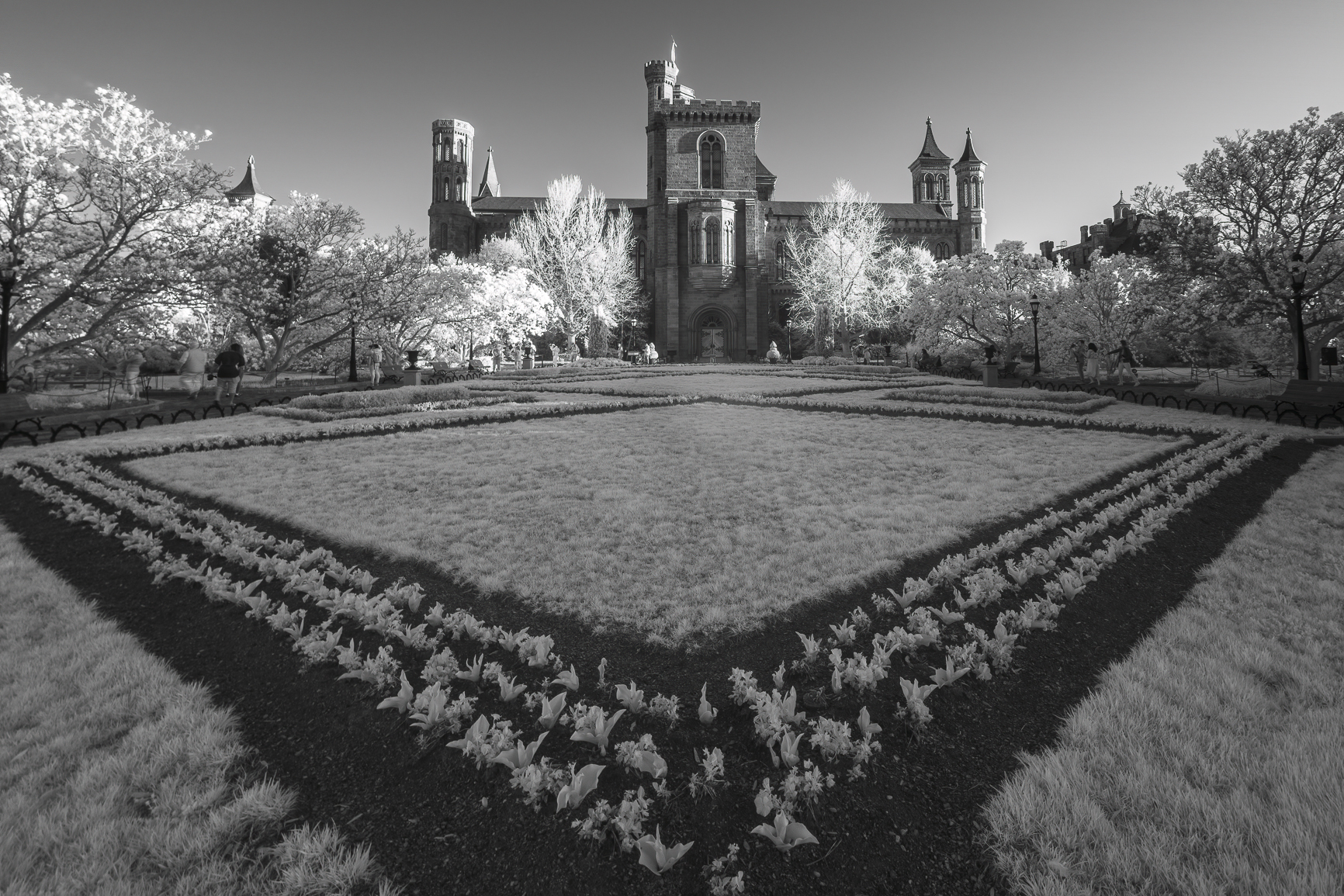
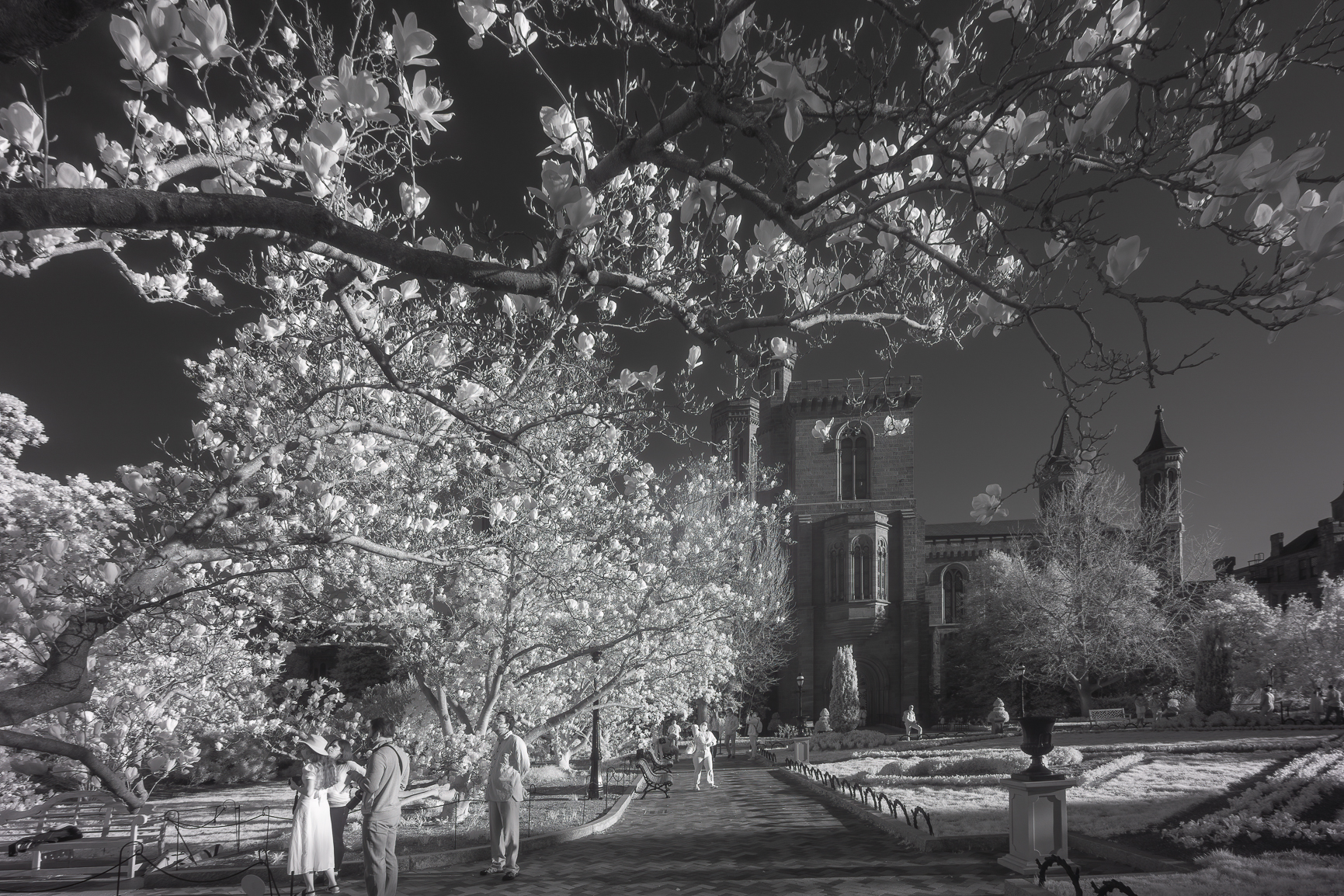
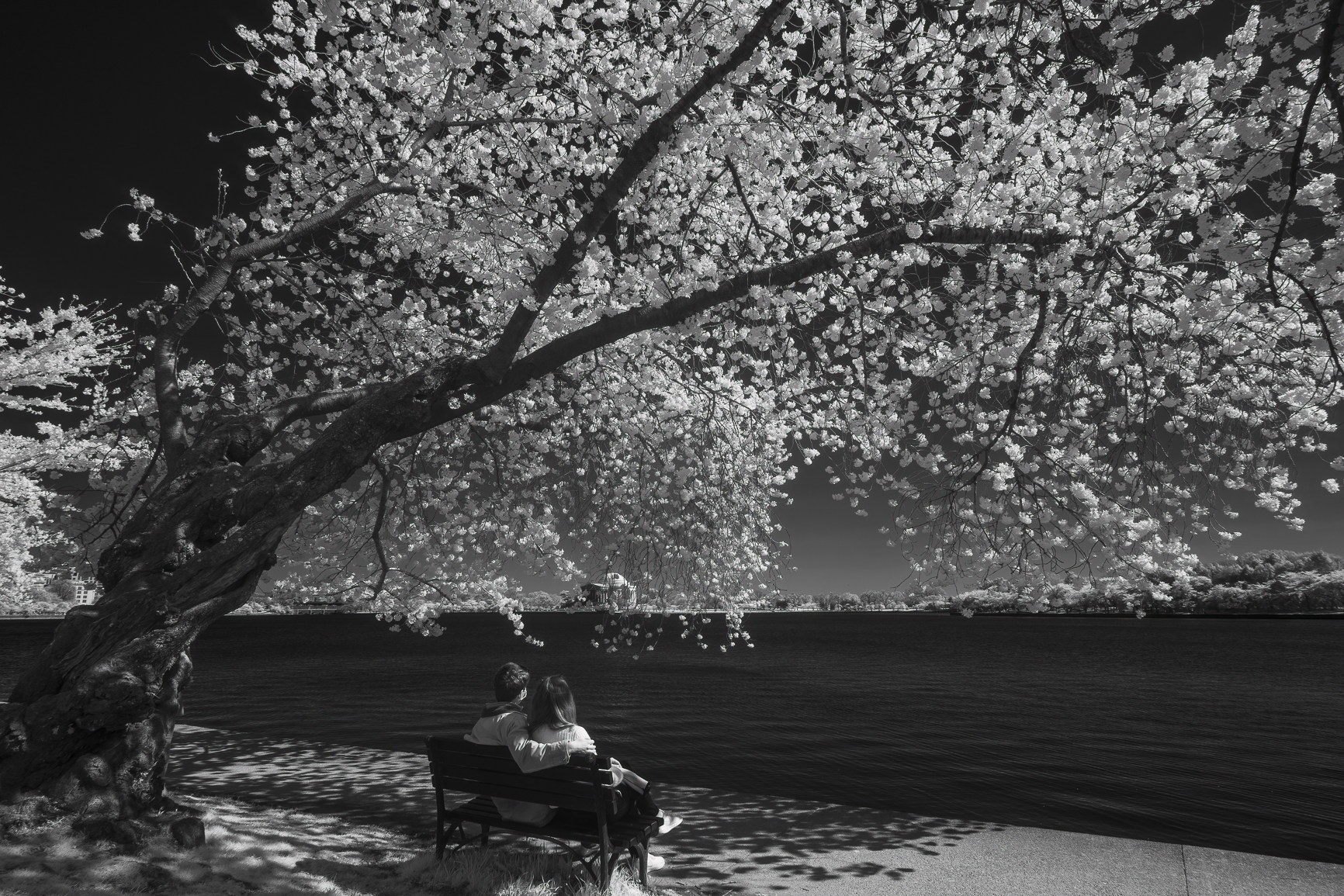
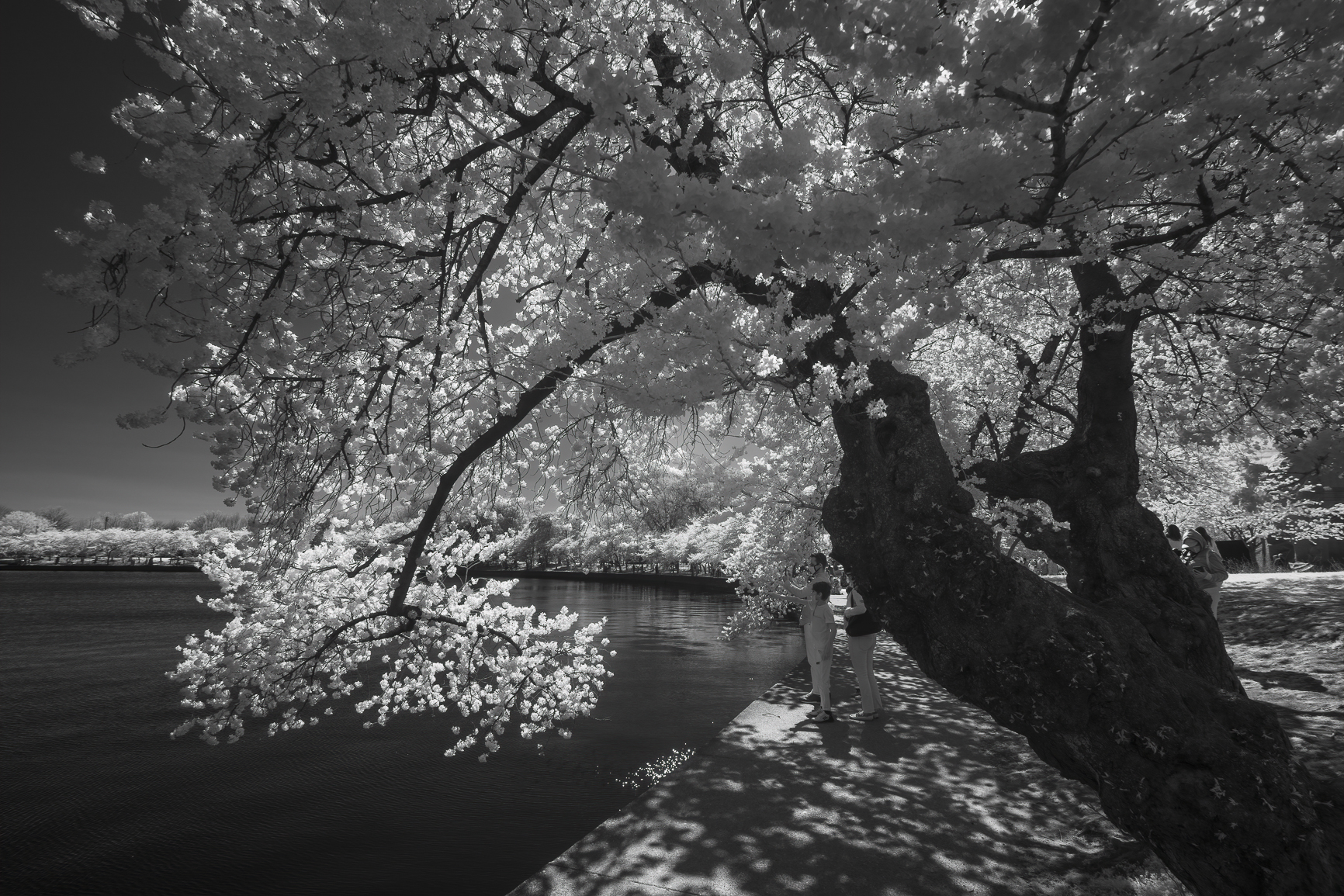
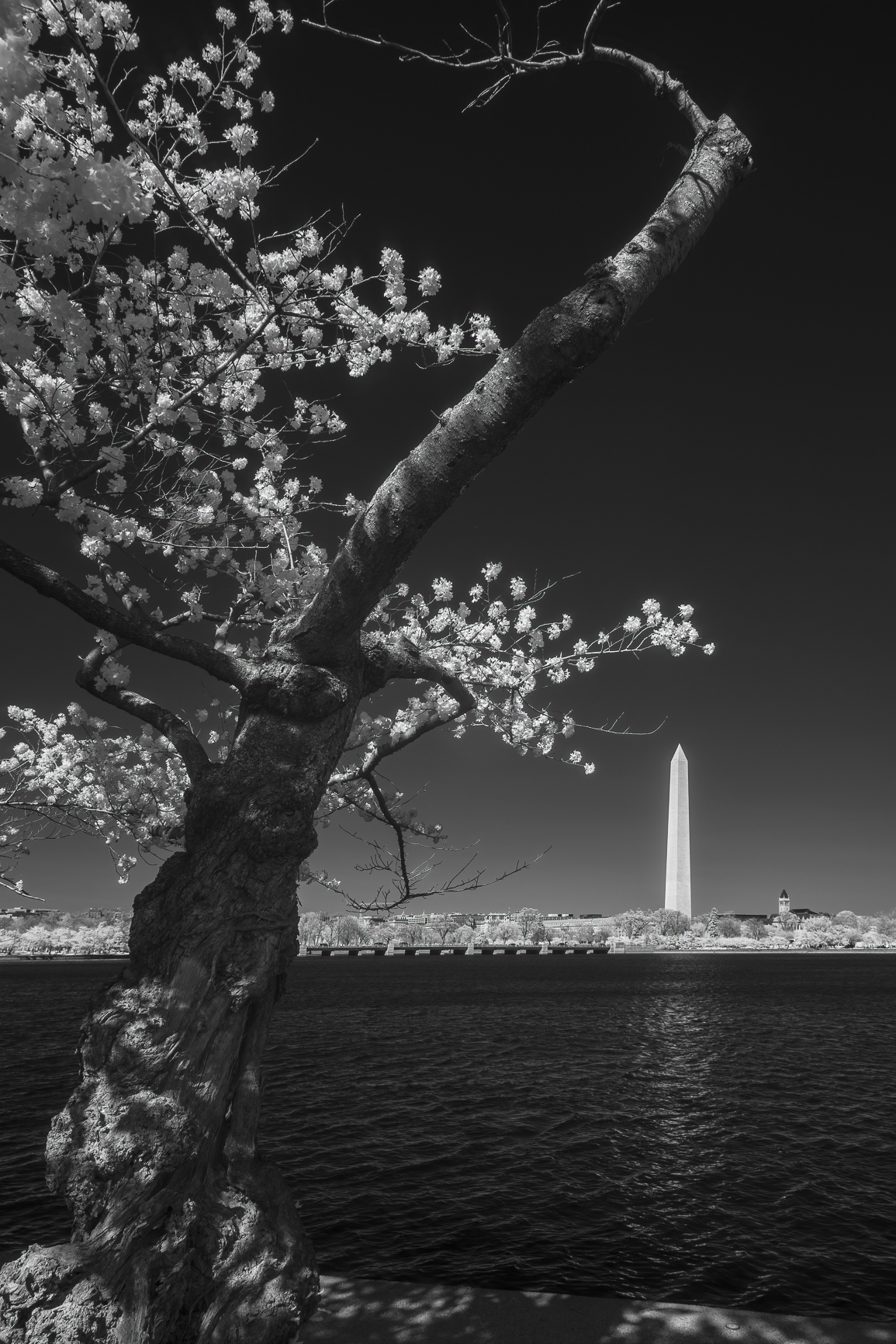
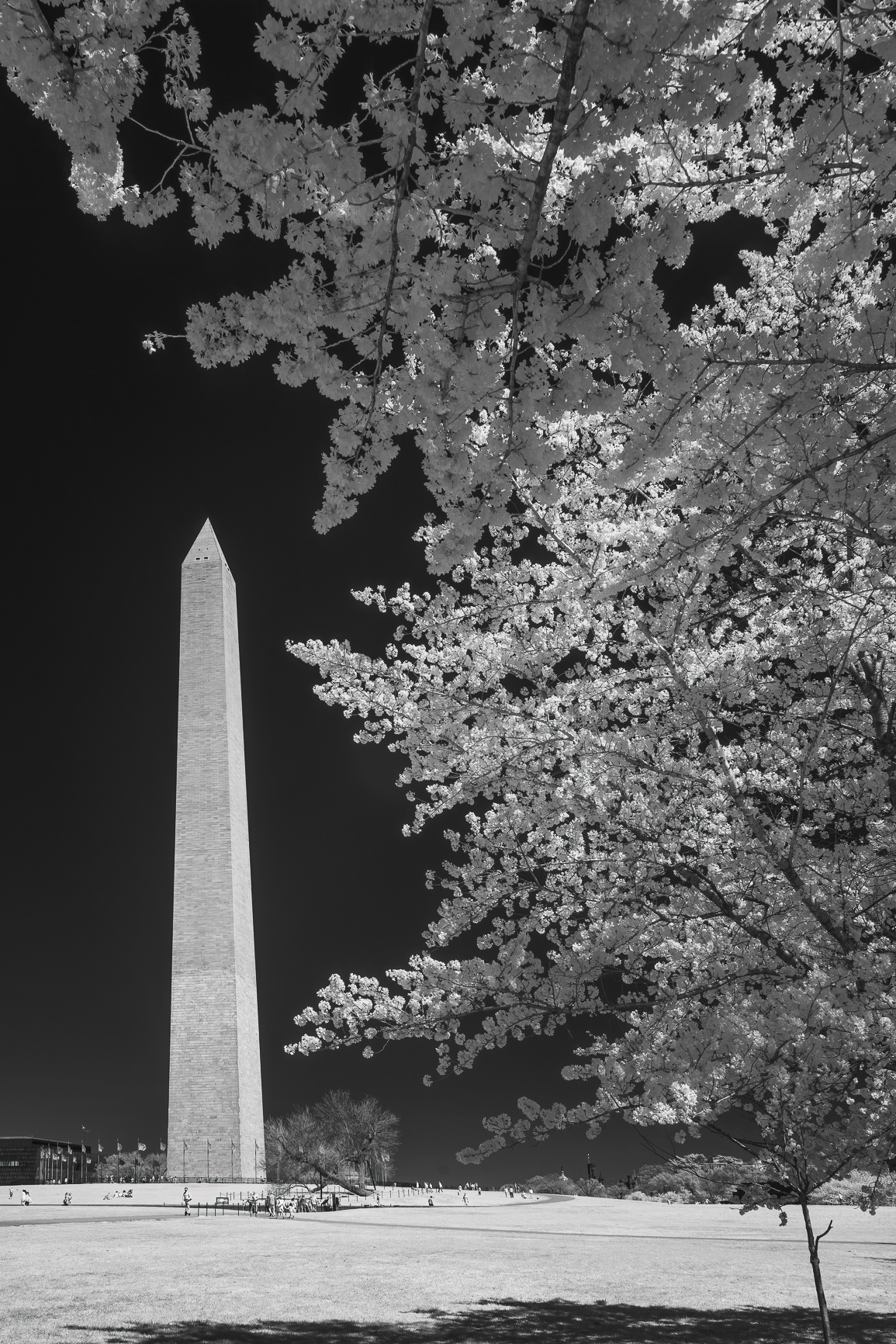
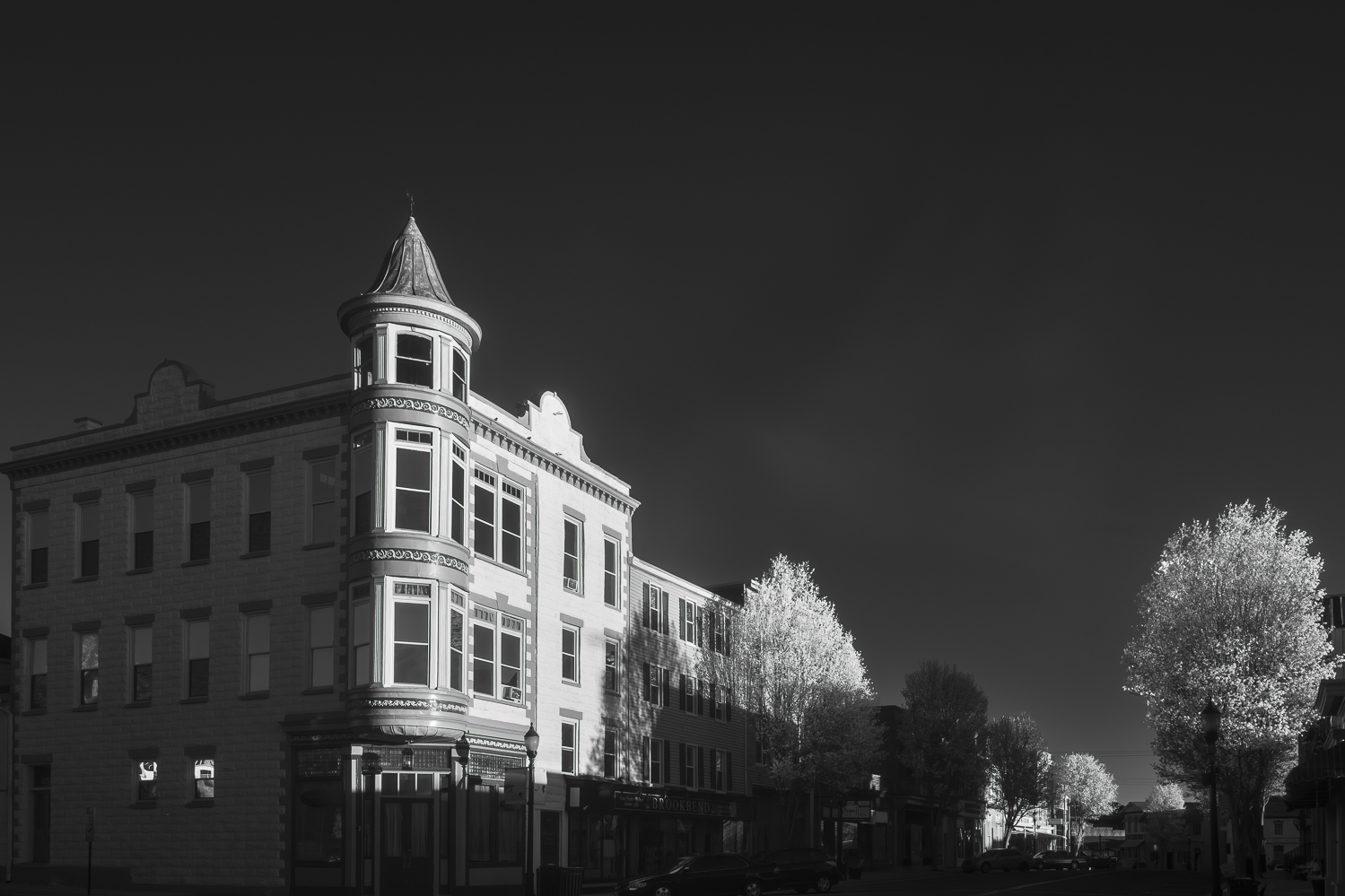
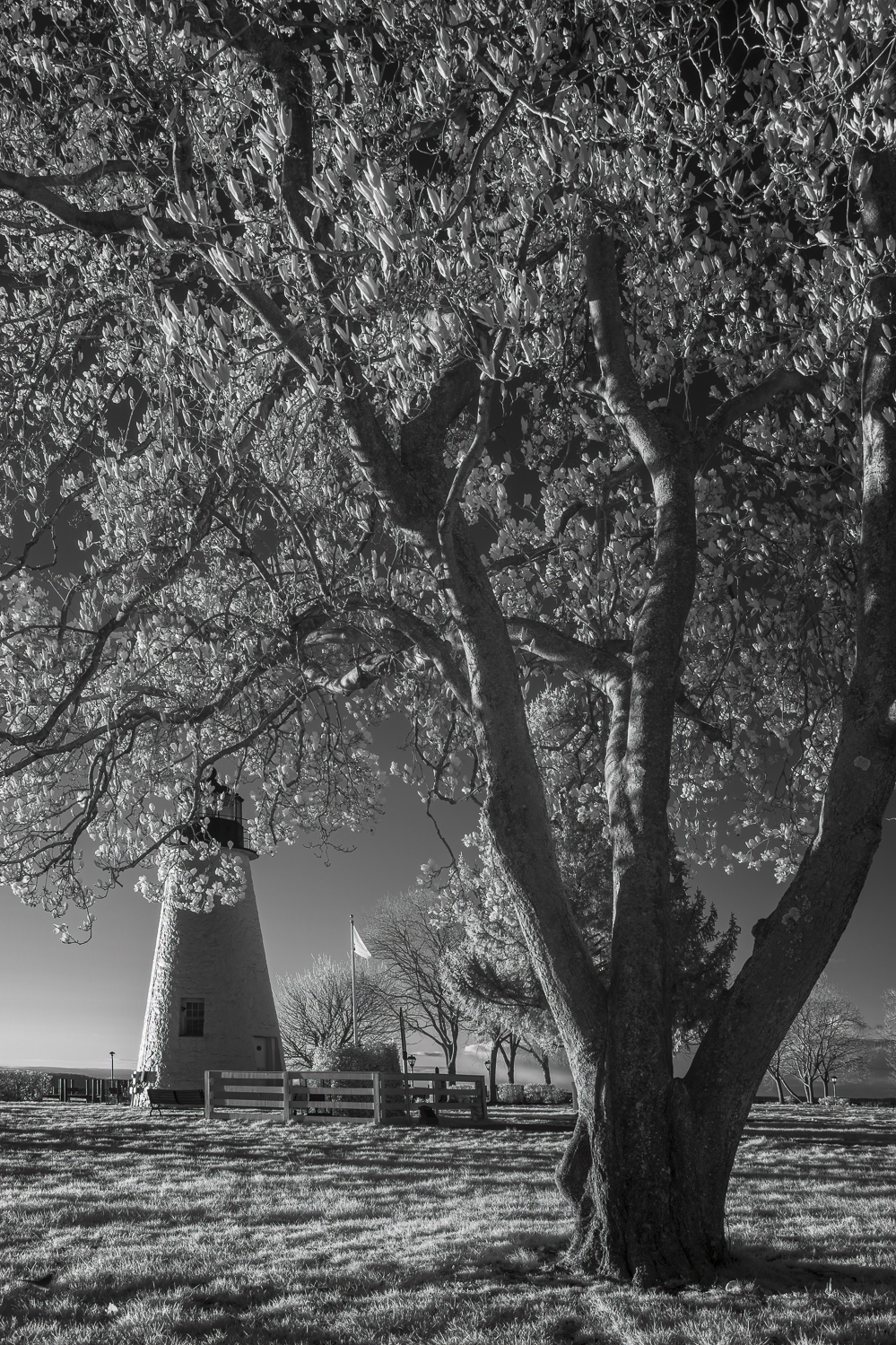
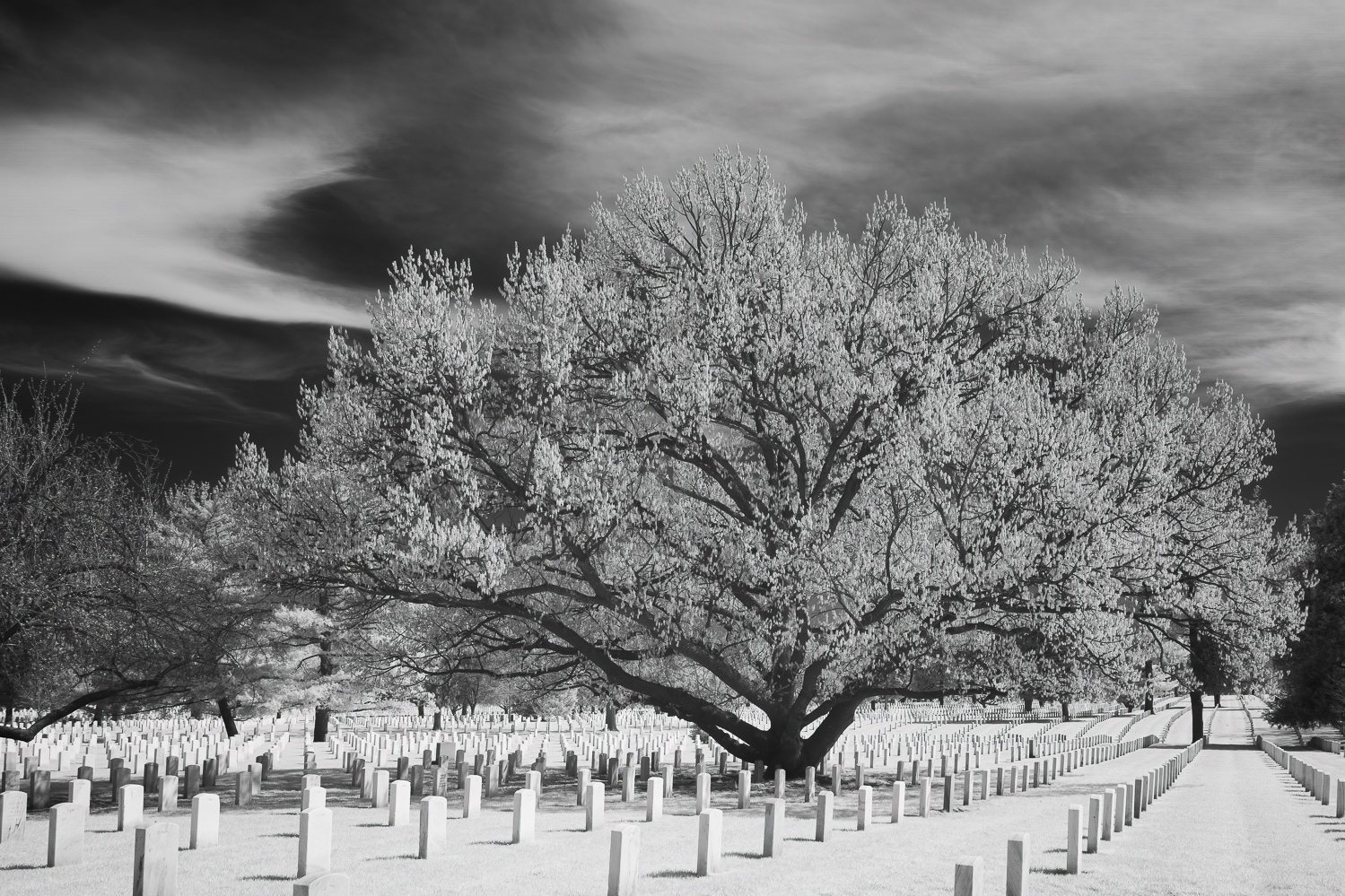
I bought an 850nm converted Sony a6000 in the buy & sell board. I always liked the pure B&W look. So far I have had an hour of shooting to test the aps-c lenses I already own. Hotspots weren't bad so far in the conditions I tested but it was not comprehensive.
I didn't try the Sony 200-600 yet, although the thought did cross my mind. I wonder how wildlife and hummingbirds will look in IR.
TGPhotography wrote:
I didn't try the Sony 200-600 yet, although the thought did cross my mind. I wonder how wildlife and hummingbirds will look in IR.
TGPhotography wrote:
I am about to find out if it is a fad for me
I bought an 850nm converted Sony a6000 in the buy & sell board. I always liked the pure B&W look. So far I have had an hour of shooting to test the aps-c lenses I already own. Hotspots weren't bad so far in the conditions I tested but it was not comprehensive.
I didn't try the Sony 200-600 yet, although the thought did cross my mind. I wonder how wildlife and hummingbirds will look in IR.
xone wrote:
Wondering if anyone has any recent intel on new E mount zooms. Anyone use the 200-600? I've guessing it's poor.
I find the tamron 17-28 is pretty poor in IR for deeper filters- there is definitely a diffuse hotspot that develops. Keeping it wide open and with less deep filters are ok though but it's not amazing for a wide in terms fo contrast.
In some circumstances it is ok and I keep it but it is not amazing.
I'm considering the tamron 70-180. I expect similar passable but not amazing IR performance. Tamron seems a safer bet than sigma or sony though. I would really love a 100-400 that worked in IR. I know the sony is probably bad and recent sigmas are generally awful in IR unfortunately.
I wish tamron did a 100-400, their 70-300 is probably too soft for me.
Are any of the longer canon zooms any good in IR and sharp?...Show more →
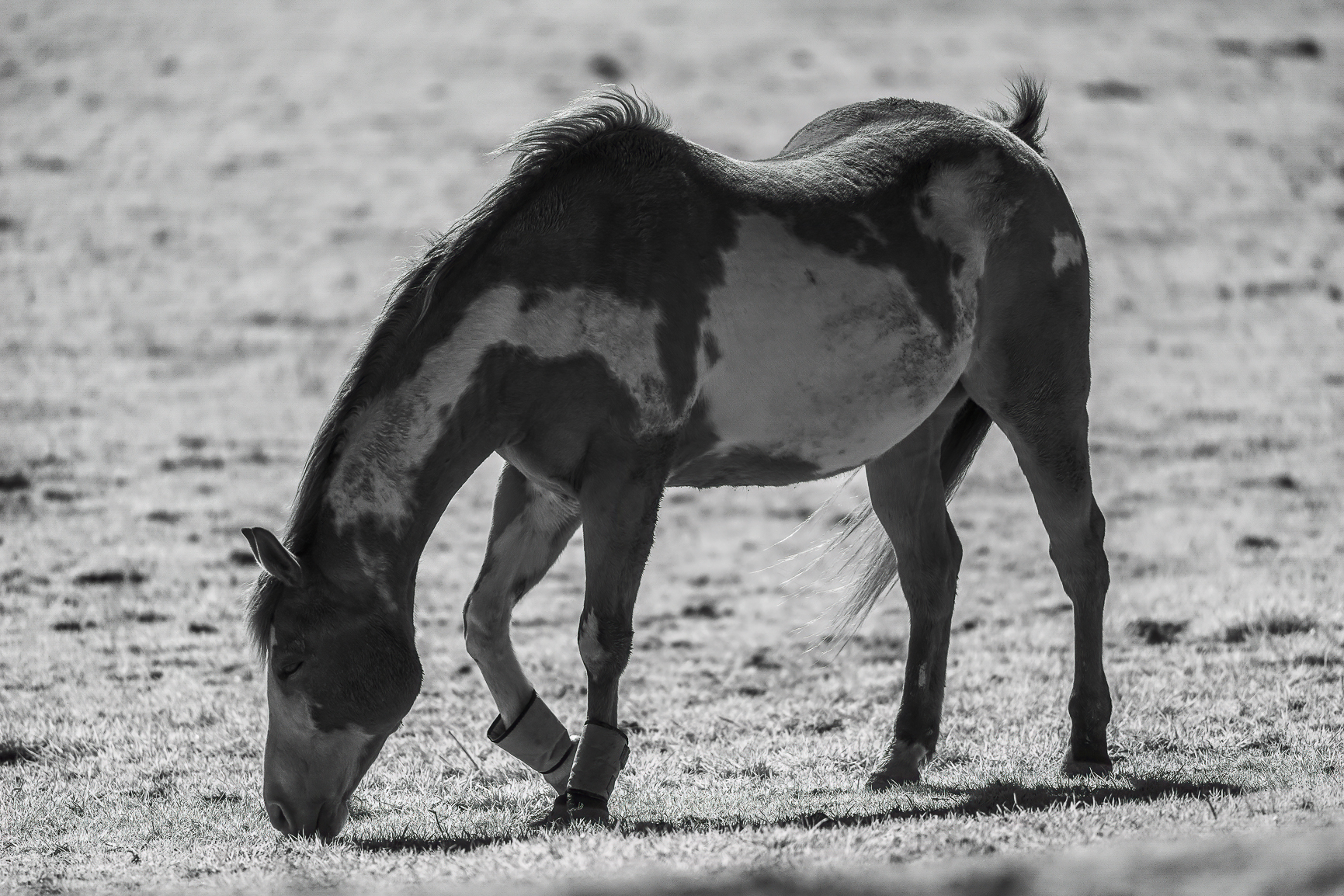
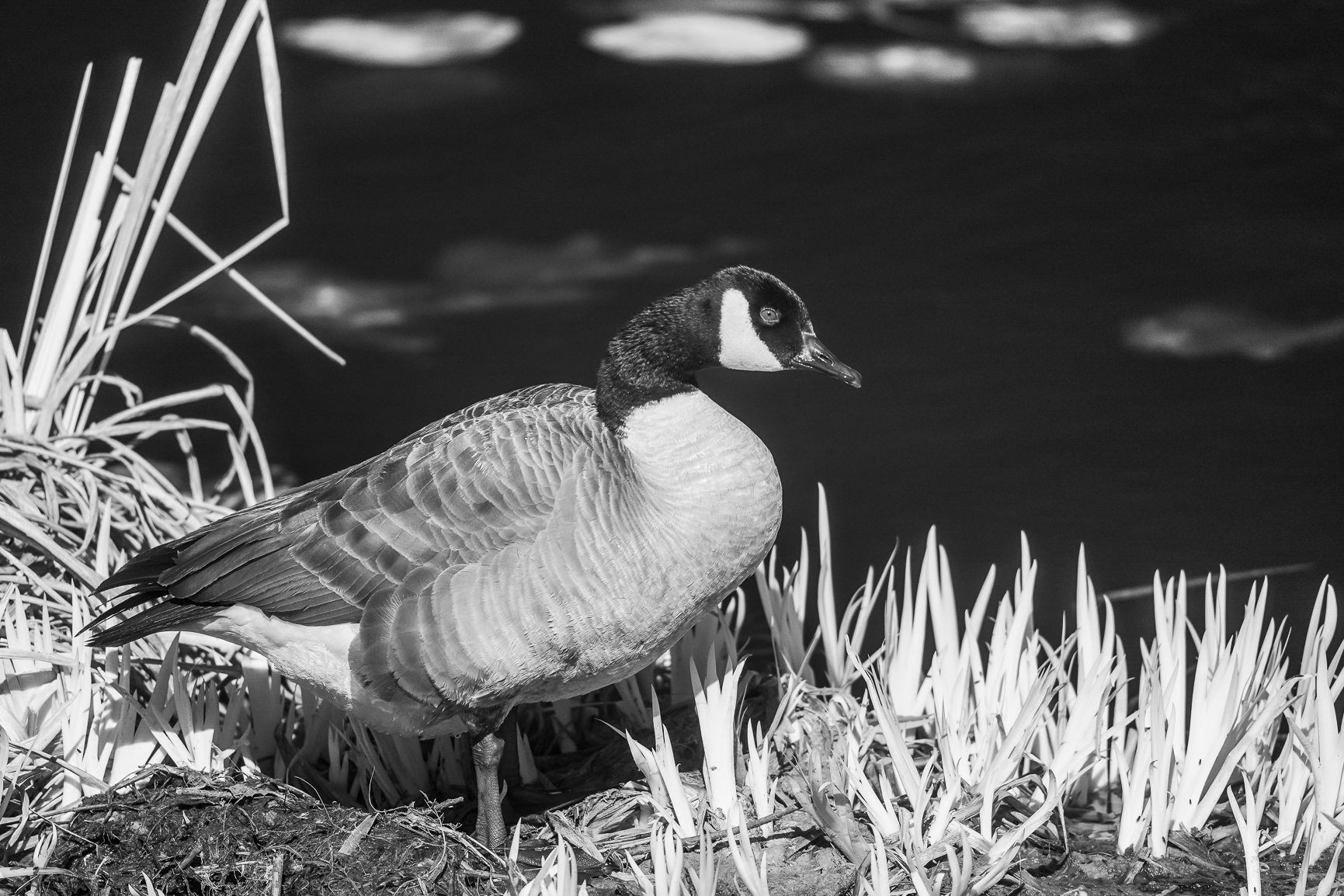
Your wish is my command. I took my newly converted A7III out today for the first time to test some lenses, and also happened to have my brand new Sony 600 GM with me, I took a few shots of geese and horse in JPEG with the 600 GM. I can't believe my first shots with the 600 GM are infrared!. I do have the 200-600 but just didn't have it with me today, what subjects would you want to see?
---------------------------------------------
indusphoto wrote:
Don't do IR conversion. Get it converted to full spectrum. With full spectrum you can put appropriate filter on lens and get anything you want. I use my Full spectrum with a cheap 720nm IR filter for BW and Channel Inversion, a IR/UV blocking filter to get normal photos, and without *any* filter to get somewhat surreal colors in outdoor light.
Thank you, but too late . I bought a converted A6000 a couple months ago to try out, I knew I would like IF so I bought an A7III for conversion and sold the A6000, I am committed, so to speak,
Today I did some crude tests to see how the hot spots are in the following lenses:
Sony Zeiss 16-35 f4
Sony 16-35 GM
Tamron 17-28
Sigma 14-24 f2.4
Sony 28-60
Douglas L wrote:
Your wish is my command. I took my newly converted A7III out today for the first time to test some lenses, and also happened to have my brand new Sony 600 GM with me, I took a few shots of geese and horse in JPEG with the 600 GM. I can't believe my first shots with the 600 GM are infrared!. I do have the 200-600 but just didn't have it with me today, what subjects would you want to see?
Thank you- I will never buy a 600gm so more interested in 200-600 and others.
The best test for IR without a dedicated test setup (like how ed noble uses on his site- https://www.edwardnoble.com/hotspot-info - I have also replicated this), is to take the lens out on a sunny day with clear sky and shoot things away from the sun with large sections if clear sky in the frame.
A good test is to aim at trees in bottom third or possibly sides of frame with sun behind you with the bulk of the middle of the frame open to sky. Hotspots are most visible in this test. Then cycle through the zoom ranges and apertures.
Photos that have subject matter in the middle of the frame of foliage or anything really are not very useful for evaluating hotspots.
Another good demonstrative hotspot test is to shoot a quick video and move around and cycle through apertures and zoom ranges and call out settings (use deep filter and try to aim at clear sky the same way). This often shows way more than a bunch of photos with minimal time/ effort.
So I'm getting another X-Pro 2 to convert after all. My son decided it was time to go full frame and just bought himself an a7C. After extensive negotiations, I traded him my FE35/1.8 (I have the 35 GM coming some day) for his X-Pro 2. We're going out to visit him in Scottsdale this week and I'll pick up the X-Pro 2 and send it off to Kolari when we get home.
Meanwhile, here's a recent image taken with the old X-E1 and XF35/1.4 ...
p.7 #11 · Is Infrared Photography a Fad (for you)?
BTW, I think that the color IR that seems to be the current trend, is what most people start off with, and they over saturate and of course it becomes a fad. And I say this as someone who used and loved EIR for years. I think the best way to start with IR is with 720nm, not full spectrum and not false color. Just my opinion.. .
p.7 #13 · Is Infrared Photography a Fad (for you)?
Changing the content a bit, I have had a Sony A6300 converted by having the CFA stripped and the removal of the UV-IR filter so that it is Full Spectrum. It takes wonderful B&W and IR images.
What I wanted to mention was that when there are high contrast edges, I can see what looks like lossy compression artifacts. These consists of alternating light and dark pixels.
If I convert the RAW file using an app called Monochrome2DNG and then process the DNG file, I can see them.
If I only work with the original RAW file, it will be subject to demosaicing before apps such as Lightroom or Photoshop can process the image, and under this scenario, the artifacts can no longer be seen. But since demosaicing has been done, the detail is not as good.
I had seen some older threads where you were discussing this same problem and was wondering if you ever reached a conclusion on it? Found you by Googling and went and signed up for this Forum to see if I could learn anything more.
One thing I can say about IR photography with the CFA removed, I am loving it. It is like going back in time and shooting with Tri-X film. All the various color filters can be used with the corresponding effects.
My favorite lens for this is the old Vivitar 55mm f2.8 macro (made by Komine). Sharp from corner to corner.
p.7 #15 · Is Infrared Photography a Fad (for you)?
Still liking IR. Hotspots have been a non issue. One of the IR lens databases listed the samyang/Rokinon 12mm/f2 as good under one brand and bad under the other brand despite it being the same lens. I am sure some of my images have a hotspot of some kind.
I have noticed flare is much worse with IR.
All images taken with an 850 nm converted Sony a6000.
p.7 #16 · Is Infrared Photography a Fad (for you)?
1 and 3 are my favorites of this set, Tyler. Yes, flare is really bad. I can't have the sun anywhere near the frame. I have been shooting mostly with the Sony Zeiss 16-34 f4, it does have hot spot but too too bad.
p.7 #17 · Is Infrared Photography a Fad (for you)?
There are some great images in this thread.
Besides my Sony cameras, I have my old Canon 6D and several good lenses that I never got around to selling (initially I was using them adapted, then I built up my Sony lens collection). I don't NEED the money from the sale (and I'm awful at selling stuff anyway, I only ever attract lowballers) so I'm thinking of converting the 6D to IR.
I've been reading the articles on Kolarivision and looking at images. I'm pretty sure that I would want to experiment with both colour and BW, hence I wouldn't want an 850nm conversion. Would you recommend that I go for 590nm or full spectrum plus a couple of additional filters?
p.7 #18 · Is Infrared Photography a Fad (for you)?
jaggedhorizon wrote:
There are some great images in this thread.
Besides my Sony cameras, I have my old Canon 6D and several good lenses that I never got around to selling (initially I was using them adapted, then I built up my Sony lens collection). I don't NEED the money from the sale (and I'm awful at selling stuff anyway, I only ever attract lowballers) so I'm thinking of converting the 6D to IR.
I've been reading the articles on Kolarivision and looking at images. I'm pretty sure that I would want to experiment with both colour and BW, hence I wouldn't want an 850nm conversion. Would you recommend that I go for 590nm or full spectrum plus a couple of additional filters?...Show more →
p.7 #19 · Is Infrared Photography a Fad (for you)?
Douglas L wrote:
Your wish is my command. I took my newly converted A7III out today for the first time to test some lenses, and also happened to have my brand new Sony 600 GM with me, I took a few shots of geese and horse in JPEG with the 600 GM. I can't believe my first shots with the 600 GM are infrared!. I do have the 200-600 but just didn't have it with me today, what subjects would you want to see?
---------------------------------------------
Thank you, but too late . I bought a converted A6000 a couple months ago to try out, I knew I would like IF so I bought an A7III for conversion and sold the A6000, I am committed, so to speak,
Today I did some crude tests to see how the hot spots are in the following lenses:
Sony Zeiss 16-35 f4
Sony 16-35 GM
Tamron 17-28
Sigma 14-24 f2.4
Sony 28-60


 . I took my newly converted A7III out today for the first time to test some lenses, and also happened to have my brand new Sony 600 GM with me, I took a few shots of geese and horse in JPEG with the 600 GM. I can't believe my first shots with the 600 GM are infrared!. I do have the 200-600 but just didn't have it with me today, what subjects would you want to see?