This topic is in the 2019 archive. You can read it and like its posts here. It is read only.
Archive 2019Sony FE 35mm f/1.8 Images Thread
p.14 #1Sony FE 35mm f/1.8 Images Thread
chiron wrote:
If you knew how to handle it its results were fantastic. But it could also destroy pictures with more than busy bokeh. But still, it wasn't as bad as with the FE35.
I'm still looking for a 35mm lens, at the moment, my compromise is the Samyang 45 1.8
The Sony seems sexy with regard to its size/weight/max aperture. But the bokeh can be really hideous in some situations which bothers me.It's a bipolar lens 
Actually, to some extent, I believe all of them are. I think it has something to do with the size of the bright details in the OOF area, as compared with the size of the (imaginary) bokeh discs that would be produced by specular sources located at the same distance.
There's some critical point where they are comparable/similar in size - and that's where you get the weird stuff. Here's an example with the 50mm APO:
https://www.fredmiranda.com/forum/topic/1625777/10#15077895
compare the details size (the bright "holes" between the tree branches) with the size of a bokeh balls that would be produced by a specular source located within the branches.
For the 35mm you can find lots of examples, as some reviewer's sites went out of their way to excite exactly that rendering mode. (IIRC one of them had 6 out of 10 sample photos all of "foliage against the sky" at the wrong aperture/distance/focus point combination).
All you have to do is to avoid that exact aperture. Now, with something like the Sigma f/1.2, you have some leeway in both directions, you can avoid the critical aperture by opening it wider (with more blur) or closing it more. With f/1.8 (and f/2 in the Lanthar case, or f/1.9 for the Pentax Ltd), most of the times you can go only one way (closing it more). It's something to do with the natural dimensions of the objects and of their details (like in tree branches and the "holes" between foliage/branches), the distance to them, the focus point distance, and the FL of the lens. In the typical "portrait in front of some trees" scenario, with a 35-ish lens the trees will excite that ugly rendering mode exactly around f/2 and you have no escape other than closing down the aperture.
This might also explain the "transition zone" thing that @Fred Miranda@@@ always likes to explore. Where the "bokeh discs" are comparable in size with the grass blades details, you'll have the ugliest rendering. Closer or farther it's all nice and dandy.interesting, original analysis. You should start a thread on this so that more people can weigh in and more examples from other lenses can be gathered to test the explanation. It could produce a much more useful understanding of bokeh issues that goes beyond labeling some lenses as good and others as bad.
I don’t have the proper lenses for conducting a definitive study. I have freak stuff like 12-24 and 100 STF + slow lenses. I think someone with the Sigma 35/1.2 could do it, find a f/2 - f/2.8 “ugly counterlit foliage” scene and take pics of it from f/1.2 to f/8 at all aperture increments.
What I know is that, given the proper combination of detail and aperture, I can do “wormy background” with the 100 STF too. Which shouldn’t happen if the only criteria for “bokeh greatness” would be the brightness profile of the bokeh discs. Also I’ve never seen anything weird or heard complaints of the 12-24. I will put that on the lens being an f/4 UWA and thus (nearly) always positioning itself in the “bokeh discs much smaller than detail size” case. Same with other slow UWAs. You’ll need a normal zoom of preferably f/2.8 to go beyond that point. Didn’t a Tamron zoom get some bashing for that quite recently? How about it actually isn’t a bad lens, but was just being used wrongly?
vdo1 wrote
zeitlos wrote
I'm really puzzled by this lens. I have seen pictures that really look amazing to me. On the other hand, as soon as the background gets busy/complicated, the 35's bokeh seems to be the worst I have ever seen. It reminds me a bit of my former Pentax FA43 2.0If you knew how to handle it its results were fantastic. But it could also destroy pictures with more than busy bokeh. But still, it wasn't as bad as with the FE35.
I'm still looking for a 35mm lens, at the moment, my compromise is the Samyang 45 1.8
The Sony seems sexy with regard to its size/weight/max aperture. But the bokeh can be really hideous in some situations which bothers me.
Actually, to some extent, I believe all of them are. I think it has something to do with the size of the bright details in the OOF area, as compared with the size of the (imaginary) bokeh discs that would be produced by specular sources located at the same distance.
There's some critical point where they are comparable/similar in size - and that's where you get the weird stuff. Here's an example with the 50mm APO:
https://www.fredmiranda.com/forum/topic/1625777/10#15077895
compare the details size (the bright "holes" between the tree branches) with the size of a bokeh balls that would be produced by a specular source located within the branches.
For the 35mm you can find lots of examples, as some reviewer's sites went out of their way to excite exactly that rendering mode. (IIRC one of them had 6 out of 10 sample photos all of "foliage against the sky" at the wrong aperture/distance/focus point combination).
All you have to do is to avoid that exact aperture. Now, with something like the Sigma f/1.2, you have some leeway in both directions, you can avoid the critical aperture by opening it wider (with more blur) or closing it more. With f/1.8 (and f/2 in the Lanthar case, or f/1.9 for the Pentax Ltd), most of the times you can go only one way (closing it more). It's something to do with the natural dimensions of the objects and of their details (like in tree branches and the "holes" between foliage/branches), the distance to them, the focus point distance, and the FL of the lens. In the typical "portrait in front of some trees" scenario, with a 35-ish lens the trees will excite that ugly rendering mode exactly around f/2 and you have no escape other than closing down the aperture.
This might also explain the "transition zone" thing that @Fred Miranda@@@ always likes to explore. Where the "bokeh discs" are comparable in size with the grass blades details, you'll have the ugliest rendering. Closer or farther it's all nice and dandy.
I don’t have the proper lenses for conducting a definitive study. I have freak stuff like 12-24 and 100 STF + slow lenses. I think someone with the Sigma 35/1.2 could do it, find a f/2 - f/2.8 “ugly counterlit foliage” scene and take pics of it from f/1.2 to f/8 at all aperture increments.
What I know is that, given the proper combination of detail and aperture, I can do “wormy background” with the 100 STF too. Which shouldn’t happen if the only criteria for “bokeh greatness” would be the brightness profile of the bokeh discs. Also I’ve never seen anything weird or heard complaints of the 12-24. I will put that on the lens being an f/4 UWA and thus (nearly) always positioning itself in the “bokeh discs much smaller than detail size” case. Same with other slow UWAs. You’ll need a normal zoom of preferably f/2.8 to go beyond that point. Didn’t a Tamron zoom get some bashing for that quite recently? How about it actually isn’t a bad lens, but was just being used wrongly?
Dec 31, 2019 at 10:13 AM
p.14 #2Sony FE 35mm f/1.8 Images Thread
vdo1 wrote:
If you knew how to handle it its results were fantastic. But it could also destroy pictures with more than busy bokeh. But still, it wasn't as bad as with the FE35.
I'm still looking for a 35mm lens, at the moment, my compromise is the Samyang 45 1.8
The Sony seems sexy with regard to its size/weight/max aperture. But the bokeh can be really hideous in some situations which bothers me.It's a bipolar lens
Actually, to some extent, I believe all of them are. I think it has something to do with the size of the bright details in the OOF area, as compared with the size of the (imaginary) bokeh discs that would be produced by specular sources located at the same distance.
There's some critical point where they are comparable/similar in size - and that's where you get the weird stuff. Here's an example with the 50mm APO:
https://www.fredmiranda.com/forum/topic/1625777/10#15077895
compare the details size (the bright "holes" between the tree branches) with the size of a bokeh balls that would be produced by a specular source located within the branches.
For the 35mm you can find lots of examples, as some reviewer's sites went out of their way to excite exactly that rendering mode. (IIRC one of them had 6 out of 10 sample photos all of "foliage against the sky" at the wrong aperture/distance/focus point combination).
All you have to do is to avoid that exact aperture. Now, with something like the Sigma f/1.2, you have some leeway in both directions, you can avoid the critical aperture by opening it wider (with more blur) or closing it more. With f/1.8 (and f/2 in the Lanthar case, or f/1.9 for the Pentax Ltd), most of the times you can go only one way (closing it more). It's something to do with the natural dimensions of the objects and of their details (like in tree branches and the "holes" between foliage/branches), the distance to them, the focus point distance, and the FL of the lens. In the typical "portrait in front of some trees" scenario, with a 35-ish lens the trees will excite that ugly rendering mode exactly around f/2 and you have no escape other than closing down the aperture.
This might also explain the "transition zone" thing that @Fred Miranda@@@@ always likes to explore. Where the "bokeh discs" are comparable in size with the grass blades details, you'll have the ugliest rendering. Closer or farther it's all nice and dandy.interesting, original analysis. You should start a thread on this so that more people can weigh in and more examples from other lenses can be gathered to test the explanation. It could produce a much more useful understanding of bokeh issues that goes beyond labeling some lenses as good and others as bad.I don’t have the proper lenses for conducting a definitive study. I have freak stuff like 12-24 and 100 STF + slow lenses. I think someone with the Sigma 35/1.2 could do it, find a f/2 - f/2.8 “ugly counterlit foliage” scene and take pics of it from f/1.2 to f/8 at all aperture increments.
What I know is that, given the proper combination of detail and aperture, I can do “wormy background” with the 100 STF too. Which shouldn’t happen if the only criteria for “bokeh greatness” would be the brightness profile of the bokeh discs. Also I’ve never seen...Show more →
I didn't mean that you should provide the images--just the initial question/analysis/hypothesis and an example or two. What would be interesting would be what others have to say about your hypothesis and whether it holds up to examples chosen by multiple people using a variety of lenses.
chiron wrote
vdo1 wrote
zeitlos wrote
I'm really puzzled by this lens. I have seen pictures that really look amazing to me. On the other hand, as soon as the background gets busy/complicated, the 35's bokeh seems to be the worst I have ever seen. It reminds me a bit of my former Pentax FA43 2.0If you knew how to handle it its results were fantastic. But it could also destroy pictures with more than busy bokeh. But still, it wasn't as bad as with the FE35.
I'm still looking for a 35mm lens, at the moment, my compromise is the Samyang 45 1.8
The Sony seems sexy with regard to its size/weight/max aperture. But the bokeh can be really hideous in some situations which bothers me.
Actually, to some extent, I believe all of them are. I think it has something to do with the size of the bright details in the OOF area, as compared with the size of the (imaginary) bokeh discs that would be produced by specular sources located at the same distance.
There's some critical point where they are comparable/similar in size - and that's where you get the weird stuff. Here's an example with the 50mm APO:
https://www.fredmiranda.com/forum/topic/1625777/10#15077895
compare the details size (the bright "holes" between the tree branches) with the size of a bokeh balls that would be produced by a specular source located within the branches.
For the 35mm you can find lots of examples, as some reviewer's sites went out of their way to excite exactly that rendering mode. (IIRC one of them had 6 out of 10 sample photos all of "foliage against the sky" at the wrong aperture/distance/focus point combination).
All you have to do is to avoid that exact aperture. Now, with something like the Sigma f/1.2, you have some leeway in both directions, you can avoid the critical aperture by opening it wider (with more blur) or closing it more. With f/1.8 (and f/2 in the Lanthar case, or f/1.9 for the Pentax Ltd), most of the times you can go only one way (closing it more). It's something to do with the natural dimensions of the objects and of their details (like in tree branches and the "holes" between foliage/branches), the distance to them, the focus point distance, and the FL of the lens. In the typical "portrait in front of some trees" scenario, with a 35-ish lens the trees will excite that ugly rendering mode exactly around f/2 and you have no escape other than closing down the aperture.
This might also explain the "transition zone" thing that @Fred Miranda@@@@ always likes to explore. Where the "bokeh discs" are comparable in size with the grass blades details, you'll have the ugliest rendering. Closer or farther it's all nice and dandy.
What I know is that, given the proper combination of detail and aperture, I can do “wormy background” with the 100 STF too. Which shouldn’t happen if the only criteria for “bokeh greatness” would be the brightness profile of the bokeh discs. Also I’ve never seen...Show more →
I didn't mean that you should provide the images--just the initial question/analysis/hypothesis and an example or two. What would be interesting would be what others have to say about your hypothesis and whether it holds up to examples chosen by multiple people using a variety of lenses.
Dec 31, 2019 at 10:16 AM
p.14 #3Sony FE 35mm f/1.8 Images Thread
chiron wrote:
If you knew how to handle it its results were fantastic. But it could also destroy pictures with more than busy bokeh. But still, it wasn't as bad as with the FE35.
I'm still looking for a 35mm lens, at the moment, my compromise is the Samyang 45 1.8
The Sony seems sexy with regard to its size/weight/max aperture. But the bokeh can be really hideous in some situations which bothers me.It's a bipolar lens
Actually, to some extent, I believe all of them are. I think it has something to do with the size of the bright details in the OOF area, as compared with the size of the (imaginary) bokeh discs that would be produced by specular sources located at the same distance.
There's some critical point where they are comparable/similar in size - and that's where you get the weird stuff. Here's an example with the 50mm APO:
https://www.fredmiranda.com/forum/topic/1625777/10#15077895
compare the details size (the bright "holes" between the tree branches) with the size of a bokeh balls that would be produced by a specular source located within the branches.
For the 35mm you can find lots of examples, as some reviewer's sites went out of their way to excite exactly that rendering mode. (IIRC one of them had 6 out of 10 sample photos all of "foliage against the sky" at the wrong aperture/distance/focus point combination).
All you have to do is to avoid that exact aperture. Now, with something like the Sigma f/1.2, you have some leeway in both directions, you can avoid the critical aperture by opening it wider (with more blur) or closing it more. With f/1.8 (and f/2 in the Lanthar case, or f/1.9 for the Pentax Ltd), most of the times you can go only one way (closing it more). It's something to do with the natural dimensions of the objects and of their details (like in tree branches and the "holes" between foliage/branches), the distance to them, the focus point distance, and the FL of the lens. In the typical "portrait in front of some trees" scenario, with a 35-ish lens the trees will excite that ugly rendering mode exactly around f/2 and you have no escape other than closing down the aperture.
This might also explain the "transition zone" thing that @Fred Miranda@@@@@ always likes to explore. Where the "bokeh discs" are comparable in size with the grass blades details, you'll have the ugliest rendering. Closer or farther it's all nice and dandy.interesting, original analysis. You should start a thread on this so that more people can weigh in and more examples from other lenses can be gathered to test the explanation. It could produce a much more useful understanding of bokeh issues that goes beyond labeling some lenses as good and others as bad.I don’t have the proper lenses for conducting a definitive study. I have freak stuff like 12-24 and 100 STF + slow lenses. I think someone with the Sigma 35/1.2 could do it, find a f/2 - f/2.8 “ugly counterlit foliage” scene and take pics of it from f/1.2 to f/8 at all aperture increments.
What I know is that, given the proper combination of detail and aperture, I can do “wormy background” with the 100 STF too. Which shouldn’t happen if the only criteria for “bokeh greatness” would be the brightness profile of the bokeh discs. Also I’ve never seen anything weird or heard complaints of the 12-24. I will put that on the lens being an f/4 UWA and thus (nearly) always positioning itself in the “bokeh discs much smaller than detail size” case. Same with other slow UWAs. You’ll need a normal zoom of preferably f/2.8 to go beyond that point. Didn’t a Tamron zoom get some bashing for that quite recently? How about it actually isn’t a bad lens, but was just being used wrongly?I didn't mean that you should provide the images--just the initial question/analysis/hypothesis and an example or two. What would be interesting would be what others have to say about your hypothesis and whether it holds up to examples chosen by multiple people using a variety of lenses.
Oh, I’m quite tired of arguing around this. I just posted it here and those really interested have already found it and read it and possibly have tested it themselves to see how it applies to their lens and usage case. Please feel free to take it further if you want, I’m done with the bokeh wars.
vdo1 wrote
chiron wrote
vdo1 wrote
zeitlos wrote
I'm really puzzled by this lens. I have seen pictures that really look amazing to me. On the other hand, as soon as the background gets busy/complicated, the 35's bokeh seems to be the worst I have ever seen. It reminds me a bit of my former Pentax FA43 2.0If you knew how to handle it its results were fantastic. But it could also destroy pictures with more than busy bokeh. But still, it wasn't as bad as with the FE35.
I'm still looking for a 35mm lens, at the moment, my compromise is the Samyang 45 1.8
The Sony seems sexy with regard to its size/weight/max aperture. But the bokeh can be really hideous in some situations which bothers me.
Actually, to some extent, I believe all of them are. I think it has something to do with the size of the bright details in the OOF area, as compared with the size of the (imaginary) bokeh discs that would be produced by specular sources located at the same distance.
There's some critical point where they are comparable/similar in size - and that's where you get the weird stuff. Here's an example with the 50mm APO:
https://www.fredmiranda.com/forum/topic/1625777/10#15077895
compare the details size (the bright "holes" between the tree branches) with the size of a bokeh balls that would be produced by a specular source located within the branches.
For the 35mm you can find lots of examples, as some reviewer's sites went out of their way to excite exactly that rendering mode. (IIRC one of them had 6 out of 10 sample photos all of "foliage against the sky" at the wrong aperture/distance/focus point combination).
All you have to do is to avoid that exact aperture. Now, with something like the Sigma f/1.2, you have some leeway in both directions, you can avoid the critical aperture by opening it wider (with more blur) or closing it more. With f/1.8 (and f/2 in the Lanthar case, or f/1.9 for the Pentax Ltd), most of the times you can go only one way (closing it more). It's something to do with the natural dimensions of the objects and of their details (like in tree branches and the "holes" between foliage/branches), the distance to them, the focus point distance, and the FL of the lens. In the typical "portrait in front of some trees" scenario, with a 35-ish lens the trees will excite that ugly rendering mode exactly around f/2 and you have no escape other than closing down the aperture.
This might also explain the "transition zone" thing that @Fred Miranda@@@@@ always likes to explore. Where the "bokeh discs" are comparable in size with the grass blades details, you'll have the ugliest rendering. Closer or farther it's all nice and dandy.
What I know is that, given the proper combination of detail and aperture, I can do “wormy background” with the 100 STF too. Which shouldn’t happen if the only criteria for “bokeh greatness” would be the brightness profile of the bokeh discs. Also I’ve never seen anything weird or heard complaints of the 12-24. I will put that on the lens being an f/4 UWA and thus (nearly) always positioning itself in the “bokeh discs much smaller than detail size” case. Same with other slow UWAs. You’ll need a normal zoom of preferably f/2.8 to go beyond that point. Didn’t a Tamron zoom get some bashing for that quite recently? How about it actually isn’t a bad lens, but was just being used wrongly?
Oh, I’m quite tired of arguing around this. I just posted it here and those really interested have already found it and read it and possibly have tested it themselves to see how it applies to their lens and usage case. Please feel free to take it further if you want, I’m done with the bokeh wars.
Dec 31, 2019 at 10:24 AM
p.14 #5Sony FE 35mm f/1.8 Images Thread
f/1.8 handheld stuff (with frozen fingertips ):
https://live.staticflickr.com/65535/49312494392_4609f9470f_b_d.jpg
on Flickr
https://live.staticflickr.com/65535/49311788138_5d86261806_b_d.jpg
on Flickr
):https://live.staticflickr.com/65535/49312494392_4609f9470f_b_d.jpg
on Flickr
https://live.staticflickr.com/65535/49311788138_5d86261806_b_d.jpg
on Flickr
Jan 01, 2020 at 03:57 PM

Jan 02, 2020 at 06:46 PM
p.14 #7Sony FE 35mm f/1.8 Images Thread
A close to MFD shot where I like the now infamous bokeh.

Jan 02, 2020 at 07:03 PM
p.14 #8Sony FE 35mm f/1.8 Images Thread
tbpeur01 wrote:
[...] infamous bokeh.
Bwahaha, you can actually make it look any way you want. I could sell this as 100 STF, but take a look at the EXIF:
 DSC05285 by vdo111, on Flickr
There's no smoothing in Photoshop or anything deceptive there. Default C1 settings except WB adjustment, exposure +1EV and +5% saturation.
Next time when I'll bump the thread I'll make it look like Sigma 35/1.2.
[...] infamous bokeh.
Bwahaha, you can actually make it look any way you want. I could sell this as 100 STF, but take a look at the EXIF:
DSC05285 by vdo111, on FlickrThere's no smoothing in Photoshop or anything deceptive there. Default C1 settings except WB adjustment, exposure +1EV and +5% saturation.
Next time when I'll bump the thread I'll make it look like Sigma 35/1.2.
Jan 02, 2020 at 08:20 PM

p.14 #10Sony FE 35mm f/1.8 Images Thread
vdo1 wrote:
Bump Does it meet the promise above? Default C1 settings except WB.
https://live.staticflickr.com/65535/49334485223_5ea32c7bef_o.jpgDSC05760 by vdo111, on Flickr
It’s pretty smooth, i’ll give you that. Big fan of this lens, despite the fact i’ve currently listed it on buy/sell. I do agree in certain foliage situations it’s a bit harsh, but in most i’ve found it’s bokeh unique and not a downside. Pros >>> Cons.
Bump
Does it meet the promise above? Default C1 settings except WB.https://live.staticflickr.com/65535/49334485223_5ea32c7bef_o.jpgDSC05760 by vdo111, on Flickr
It’s pretty smooth, i’ll give you that. Big fan of this lens, despite the fact i’ve currently listed it on buy/sell. I do agree in certain foliage situations it’s a bit harsh, but in most i’ve found it’s bokeh unique and not a downside. Pros >>> Cons.
Jan 05, 2020 at 02:21 PM
p.14 #11Sony FE 35mm f/1.8 Images Thread
vdo1 wrote:
Bump Does it meet the promise above? Default C1 settings except WB.
https://live.staticflickr.com/65535/49334485223_5ea32c7bef_o.jpgDSC05760 by vdo111, on Flickr
A really nice shot, showing that's it's the person behind the camera, not the lens, that mostly matters .
Still, I think close to MFD the background is generally smooth and nobody questioned FE 35 f/1.8 in that regard (though the glass is a tricky element and it was handled well here).
Bump
Does it meet the promise above? Default C1 settings except WB.https://live.staticflickr.com/65535/49334485223_5ea32c7bef_o.jpgDSC05760 by vdo111, on Flickr
A really nice shot, showing that's it's the person behind the camera, not the lens, that mostly matters
.Still, I think close to MFD the background is generally smooth and nobody questioned FE 35 f/1.8 in that regard (though the glass is a tricky element and it was handled well here).
Jan 06, 2020 at 01:43 PM
p.14 #12Sony FE 35mm f/1.8 Images Thread
AGeoJO wrote:
I noticed that the used price of the Batis 40mm on the B&S forum is approximately $775 lately. The price of the Sony FE 35mm f1.8 on GT is approximately $650. If we disregard the price difference between the two and the fact that one is used while the other is brand new, which one would you buy and take as a light-weight 35-40mm lens for travel? BTW, I do have the Sigma 35mm f/1.2 DN that while it is a superb performer, the bulk and weight are prohibitive factors for travel.
I am cross posting this on the current Batis...Show more →
are you open to experimenting with the samyang 45 1.8?
i have the B40 and i love it but i recently bought a samyang 18 and 45 specifically just for travelling. thinking of getting the fe 85 1.8 to complete the small and light set.
Jan 07, 2020 at 11:05 PM
p.14 #13Sony FE 35mm f/1.8 Images Thread
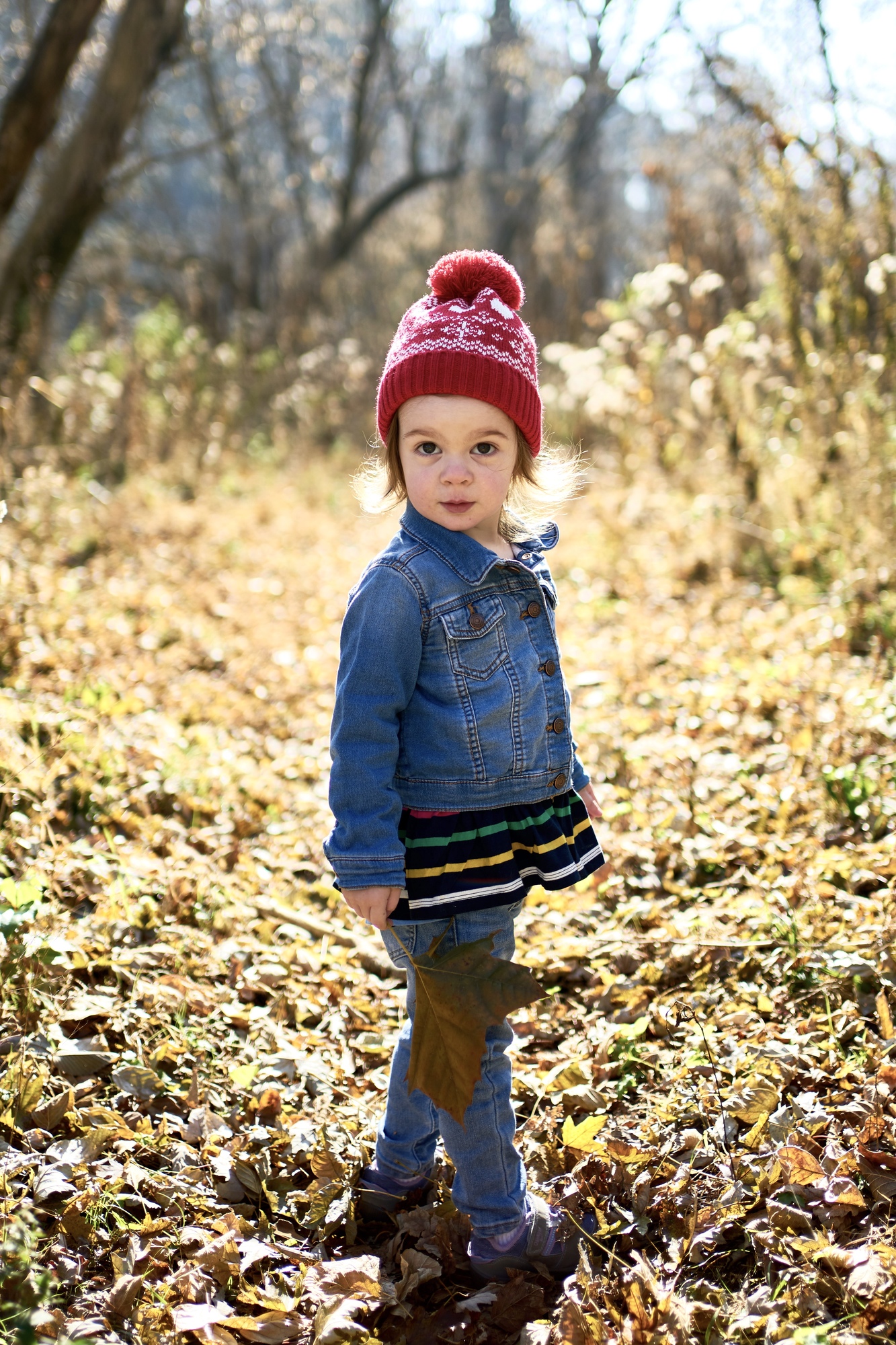
Love the contrast and pop off this lens.
Jan 08, 2020 at 08:20 PM
p.14 #14Sony FE 35mm f/1.8 Images Thread
Ted Forbes picked this 35/1.8 as one of his 'best of 2019' lenses. Starts at 9:20 in the video:
The Art of Photography BEST LENS of 2019
The Art of Photography BEST LENS of 2019
Jan 08, 2020 at 08:49 PM
p.14 #16Sony FE 35mm f/1.8 Images Thread
realVivek wrote:
Every dog has its day!
This one is special!
https://i.chzbgr.com/full/1787194112/h225E33A3/dr-jekyll-mr-hyde
Every dog has its day!
This one is special!
https://i.chzbgr.com/full/1787194112/h225E33A3/dr-jekyll-mr-hyde
Jan 09, 2020 at 08:33 AM
p.14 #17Sony FE 35mm f/1.8 Images Thread
Even the legendary Leica M8* was given a design award!
(*famous for its magenta madness and crackable sensor)
(*famous for its magenta madness and crackable sensor)
Jan 09, 2020 at 08:42 AM
p.14 #18Sony FE 35mm f/1.8 Images Thread
realVivek wrote:
Even the legendary Leica M8* was given a design award!
(*famous for its magenta madness and crackable sensor)
Speaking of dogs an Leicas and 35mm.... I wonder how no one is complaining about LoCA and bokeh when it comes to a "Zeiss" 35/2, check the two pictures featuring dogs here:
http://www.drewtensils.com/tools/leica-m8-eight-years-later
Jan 09, 2020 at 09:55 AM
p.14 #19Sony FE 35mm f/1.8 Images Thread
realVivek wrote:
Even the legendary Leica M8* was given a design award!
(*famous for its magenta madness and crackable sensor)
I had a M8.2 for a while but changed up to the M9 and then the M240 but am now totally Sony!!
Even the legendary Leica M8* was given a design award!
(*famous for its magenta madness and crackable sensor)
I had a M8.2 for a while but changed up to the M9 and then the M240 but am now totally Sony!!
Jan 09, 2020 at 10:01 AM
p.14 #20Sony FE 35mm f/1.8 Images Thread
I'm just loving this lens with the A7RIV. It seems like it's getting better at focusing on moving cats but maybe it's my imagination. I wish I had some additional subjects but the cats are most of what I have to work with, especially in the middle of winter.
Oops, I apologize but I mis read the title. I used the 135 1.8 for these shots. I thought that was the thread title.

A7R IV, 1/500 f2.0
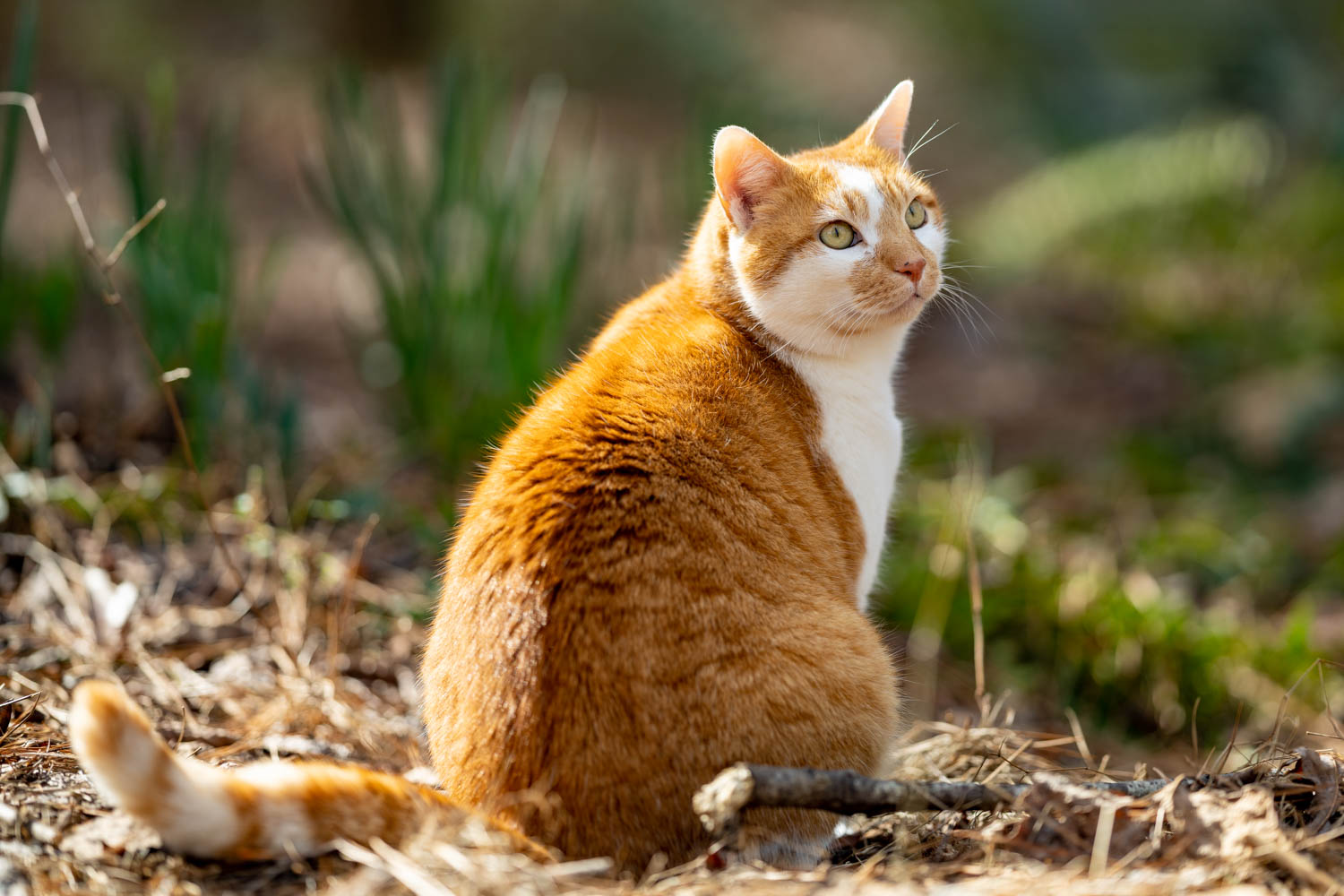
A7R IV 1/800 f2.0
Oops, I apologize but I mis read the title. I used the 135 1.8 for these shots. I thought that was the thread title.
A7R IV, 1/500 f2.0
A7R IV 1/800 f2.0
Jan 09, 2020 at 04:06 PM