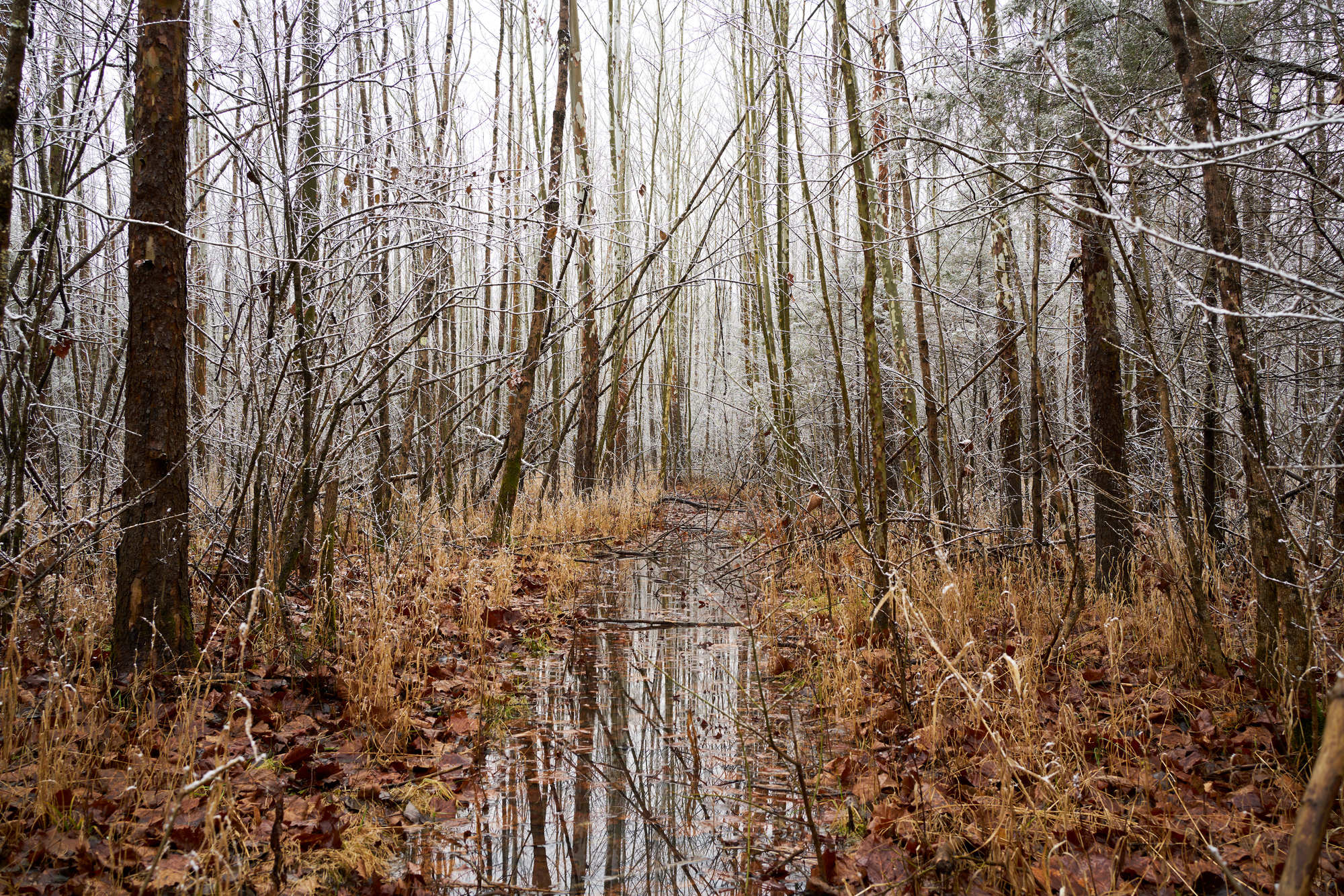
Thank you very much. I tried very hard to incorporate the 85 on this trip but this 35 always seemed to be on the camera. Now I’m on a ski trip and terrified to break the camera or lens with extreme cold or humidity changes.
This lens is on my radar and really think it offers a great overall package - great IQ, larger aperture, fast AF, and compact size. Would make a great all purpose lens for me.
Keep the images coming
Also, not an image, but Ted Forbes picked the FE 35 as his lens of the year:
I noticed that the used price of the Batis 40mm on the B&S forum is approximately $775 lately. The price of the Sony FE 35mm f1.8 on GT is approximately $650. If we disregard the price difference between the two and the fact that one is used while the other is brand new, which one would you buy and take as a light-weight 35-40mm lens for travel? BTW, I do have the Sigma 35mm f/1.2 DN that while it is a superb performer, the bulk and weight are prohibitive factors for travel.
I am cross posting this on the current Batis 40mm thread to get more input. Thank you!
AGeoJO wrote:
I noticed that the used price of the Batis 40mm on the B&S forum is approximately $775 lately. The price of the Sony FE 35mm f1.8 on GT is approximately $650. If we disregard the price between the two and the fact that one is used while the other is brand new, which one would you take as a light-weight 35-40mm lens for travel? BTW, I do have the Sigma 35mm f/1.2 DN that while it is a superb performer, the bulk and weight are prohibitive factors for travel.
I am cross posting this on the current Batis 40mm thread to get more input. Thank you!...Show more →
If you intend to use EyeAF, the 35mm is impeccably fast and precise. The jury is still out on the 40mm, even after FW update.
Beyond that it’s personal preference and different sets of trade offs. 35 vs 40mm, circular vs nonagonal bokeh balls, 1.8 vs 2.8 aperture in close focus, clean vs onion bokeh balls, more variance vs more constant sharpness/vignetting from center to corners.
Me, I’d still pick the 35 against any other current offer in the lightweight class 35-40 FL range.
AGeoJO wrote:
I noticed that the used price of the Batis 40mm on the B&S forum is approximately $775 lately. The price of the Sony FE 35mm f1.8 on GT is approximately $650. If we disregard the price difference between the two and the fact that one is used while the other is brand new, which one would you buy and take as a light-weight 35-40mm lens for travel? BTW, I do have the Sigma 35mm f/1.2 DN that while it is a superb performer, the bulk and weight are prohibitive factors for travel.
I am cross posting this on the current Batis 40mm thread to get more input. Thank you!...Show more →
"A light-weight 35-40mm lens for travel?"
For me that's an easy choice; the 35mm.
The FOV gives you more flexibility for composition; particularly if you will only have a single lens with you.
The lens itself is light, compact, and discrete. Fast AF. AF/MF switch; custom button.
Very useful MFD. Lovely rendering IMO.
The 35 is possibly the system's best "ramble" or travel lens.
I have even taken some nice macros with it by adapting a Canon 250D close-up lens.
Disregarding the ugly design (I think the Batis designs are about as tasteful as wallpaper paste), given the issues with focus, etc, the Sony FE, without any doubts. Size also favors the Sony over the Tamron/Batis.
AGeoJO wrote:
I noticed that the used price of the Batis 40mm on the B&S forum is approximately $775 lately. The price of the Sony FE 35mm f1.8 on GT is approximately $650. If we disregard the price difference between the two and the fact that one is used while the other is brand new, which one would you buy and take as a light-weight 35-40mm lens for travel? BTW, I do have the Sigma 35mm f/1.2 DN that while it is a superb performer, the bulk and weight are prohibitive factors for travel.
I am cross posting this on the current Batis 40mm thread to get more input. Thank you!...Show more →
AGeoJO wrote:
I noticed that the used price of the Batis 40mm on the B&S forum is approximately $775 lately. The price of the Sony FE 35mm f1.8 on GT is approximately $650. If we disregard the price difference between the two and the fact that one is used while the other is brand new, which one would you buy and take as a light-weight 35-40mm lens for travel? BTW, I do have the Sigma 35mm f/1.2 DN that while it is a superb performer, the bulk and weight are prohibitive factors for travel.
I am cross posting this on the current Batis 40mm thread to get more input. Thank you!...Show more →
For travel the form factor and weight of the 35 will be the clincher since much of the pros and cons of these lenses are similar. Both are great lenses. Choose by form factor and/or focal length.
The bokeh on both can be a little harsh at mid distances with the Batis maybe a bit better but that and CA seem to be the main gripes of people with the 35 so I would suggest comparing images of the two in that regard before purchasing. For me it’s not different enough between the two to make a difference. It is mainly a choice of focal length and weight/form factor.
zeitlos wrote:
Yes, but the bokeh of the 35mm Sony is extremely ugly in certain conditions. I have never seen such a busy/ugly bokeh before. Just study the pictures in this thread. Even small/cheap lenses aren't that bad. On the other hand, if the background fits, the 35mm Sony is really very nice in terms of it's bokeh. I understand that it's always a compromise. But why on earth these two extremes?
Well not every photo needs to be shot wide open, there’s more to photography than always wide open. Many photographers are stuck on that option now. Sure it’s cool to get creative shooting wide open, but wide open is usually an option for low light only. Stopping down gets rid of bokeh... so stop down if you think it’s ugly.
Stopping down gets rid of bokeh... so stop down if you think it’s ugly.
Hm, I'm not sure whether I can agree on that as a general rule. I've made the experience that if you stop down a lens that is problematic in certain situations, it gets even more problematic when stopped down. You might end up with even busier bokeh.
In addition, what's the sense of buying a lens that's capable of 1.8 when you "cannot" make use of it? I'm not suggesting that you cannot use it with the FE35 1.8 because one obviously can with lovely results, however, it struggles with certain backgrounds and I doubt that stopping down will be a kind of remedy here.
But I agree with your assessment that there's more to photography than always shooting wide open. People need to learn this simple but important formula again I think. Me included.
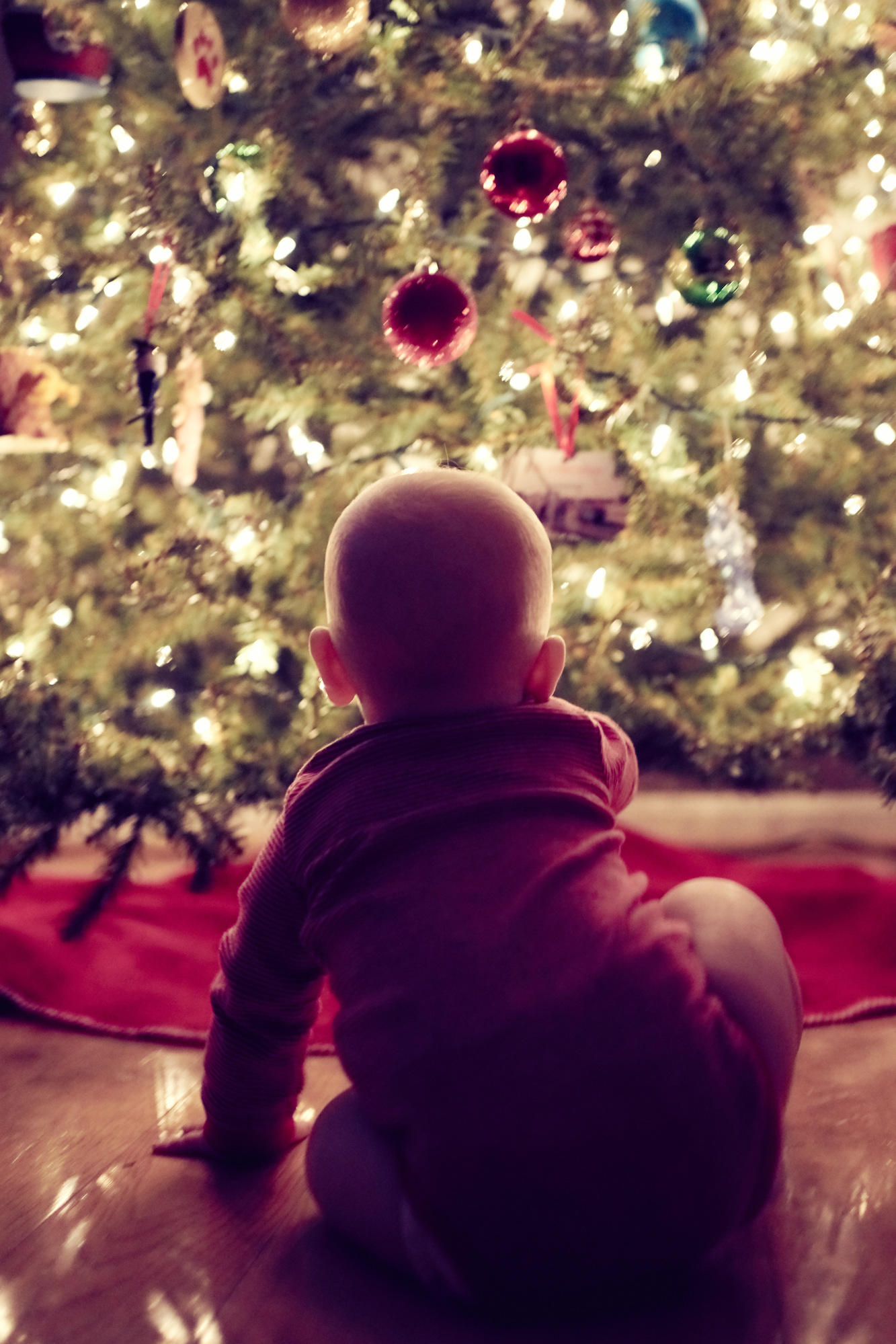
Took a lot of photos yesterday at sisters Boxing day do of her grandchildren with Christmas tree lights etc in the background and was really happy with how the lens performed bokeh wise when photographing fairly close up. If I want to soften OOF areas it only takes couple of seconds with the adjustment brush and turning clarity down
Actually, to some extent, I believe all of them are. I think it has something to do with the size of the bright details in the OOF area, as compared with the size of the (imaginary) bokeh discs that would be produced by specular sources located at the same distance.
There's some critical point where they are comparable/similar in size - and that's where you get the weird stuff. Here's an example with the 50mm APO:
compare the details size (the bright "holes" between the tree branches) with the size of a bokeh balls that would be produced by a specular source located within the branches.
For the 35mm you can find lots of examples, as some reviewer's sites went out of their way to excite exactly that rendering mode. (IIRC one of them had 6 out of 10 sample photos all of "foliage against the sky" at the wrong aperture/distance/focus point combination).
All you have to do is to avoid that exact aperture. Now, with something like the Sigma f/1.2, you have some leeway in both directions, you can avoid the critical aperture by opening it wider (with more blur) or closing it more. With f/1.8 (and f/2 in the Lanthar case, or f/1.9 for the Pentax Ltd), most of the times you can go only one way (closing it more). It's something to do with the natural dimensions of the objects and of their details (like in tree branches and the "holes" between foliage/branches), the distance to them, the focus point distance, and the FL of the lens. In the typical "portrait in front of some trees" scenario, with a 35-ish lens the trees will excite that ugly rendering mode exactly around f/2 and you have no escape other than closing down the aperture.
This might also explain the "transition zone" thing that Fred Miranda always likes to explore. Where the "bokeh discs" are comparable in size with the grass blades details, you'll have the ugliest rendering. Closer or farther it's all nice and dandy.
interesting, original analysis. You should start a thread on this so that more people can weigh in and more examples from other lenses can be gathered to test the explanation. It could produce a much more useful understanding of bokeh issues that goes beyond labeling some lenses as good and others as bad.