This topic is in the 2019 archive. You can read it and like its posts here. It is read only.
Archive 2019New Images Comparing Sony 50/1.4 & Canon/1.2L EFCS/No EFCS
p.3 #1New Images Comparing Sony 50/1.4 & Canon/1.2L EFCS/No EFCS
And here is an EFCS ON/OFF comparison for the Sony 50mm f/1.4 ZA at f/1.4. Note that the shutter speed here only got up to 1/1500th sec., so it doesn't quite make the 1/2000th sec criterion that has been discussed in some threads as the threshold of where EFCS becomes a problem at wide apertures.
Comments? What differences do you see? Which is "better"? Compared to the on/off test of the Canon?
Sony FE 50mm at f/1.4 & 1/1500th sec with EFCS OFF and Silent Shooting ON
Sony FE 50mm at f/1.4 & 1/1500th sec with EFCS ON and Mech Shutter ON
Comments? What differences do you see? Which is "better"? Compared to the on/off test of the Canon?
 |
||
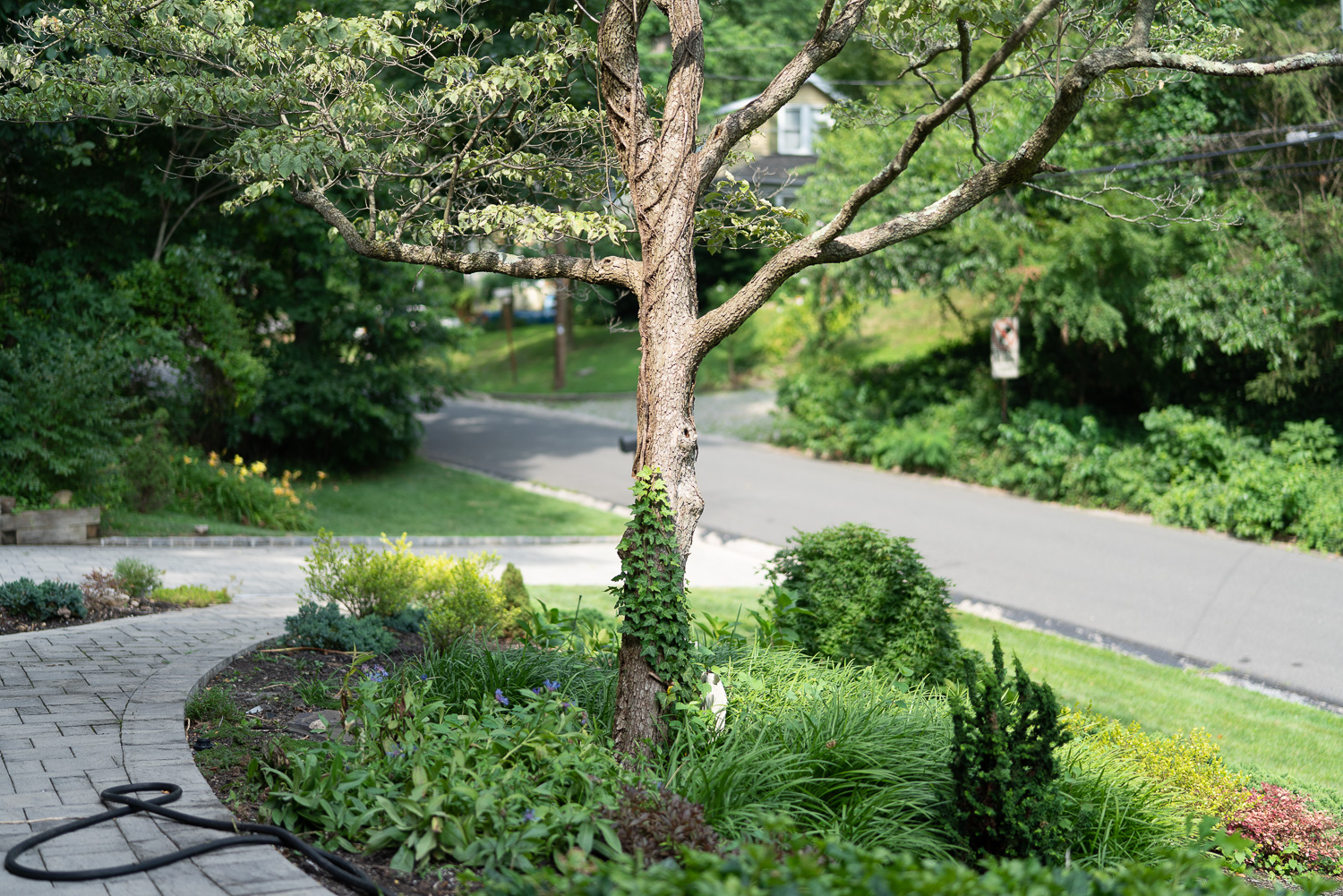 © chiron 2019 |
||
|
Sony FE 50mm at f/1.4 & 1/1500th sec with EFCS OFF and Silent Shooting ON
|
||
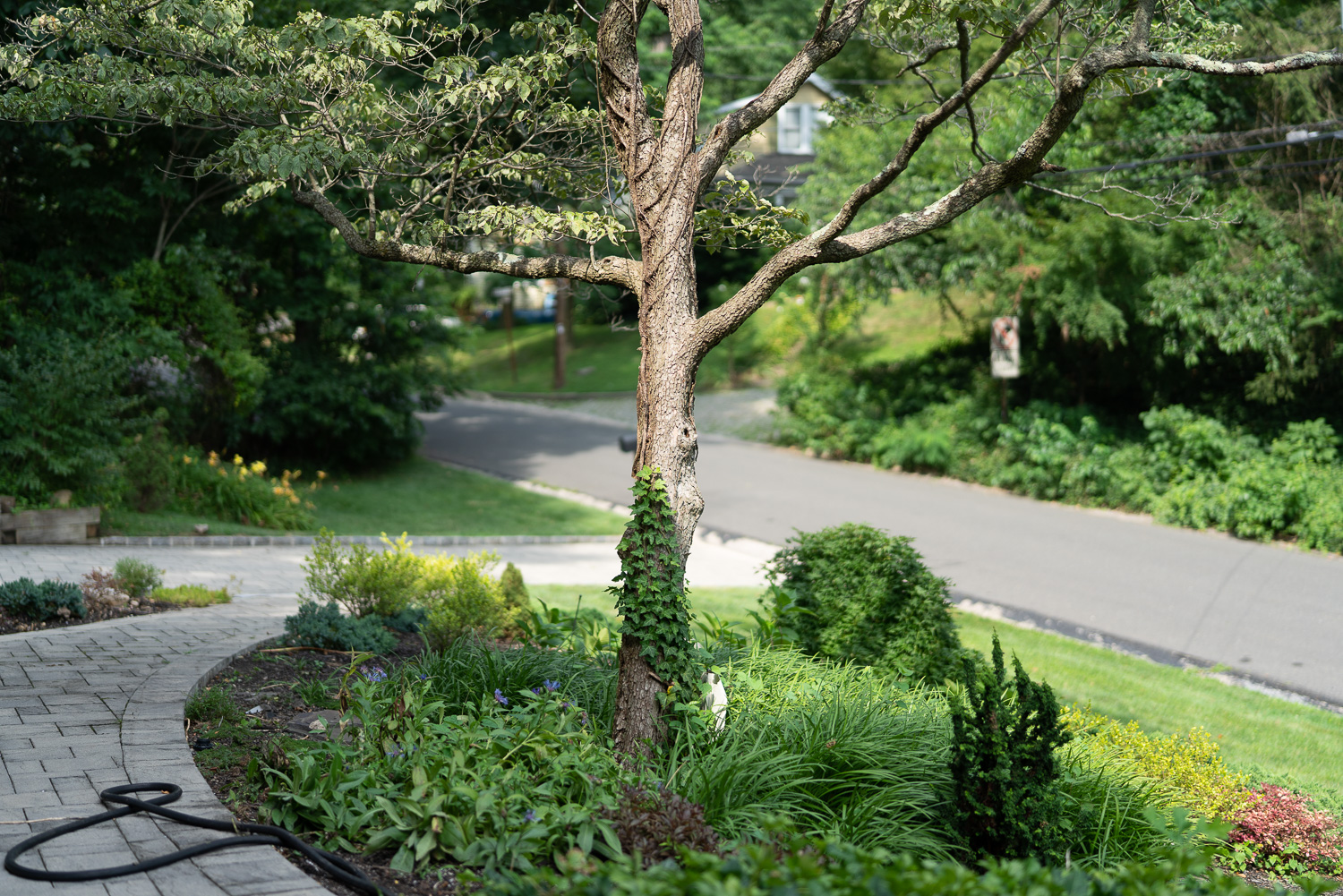 © chiron 2019 |
||
|
Sony FE 50mm at f/1.4 & 1/1500th sec with EFCS ON and Mech Shutter ON
Jul 20, 2019 at 06:37 AM
p.3 #2New Images Comparing Sony 50/1.4 & Canon/1.2L EFCS/No EFCS
vdo1 wrote:
Yes, Manny gets great colors out of any camera and doesn’t even comment about it. It’s something that he just does, naturally and effortlessly. Other people just complain that they can’t get good colors out of anything but a specific brand / model. Whom should I take seriously and give credit to?
Trust whoever you like! No problem! I trust nobody, and even less youtubers paid by the brands to promote their cameras. I just trust my eyes, and what I like, that's all! Of course we have different taste, it's fine.
Have a look at this link, as an example, from this forum and some years ago
https://www.fredmiranda.com/forum/topic/1342458/0
People there peacefully discuss some cameras delivering different colors, that could be more or less pleasing for them. My point on the color science thing is that most of us erroneously think that with any raw camera we can get the colors we want, and it's just not true, or at least is a more difficult thing and involves much more than a simple calibration profile, or a few sliders you can tweak here and there. There is much more in the color science thing, that is deep in the CFA arrays of the cameras.
But we'll, I don't want to talk about that issue here, let's focus on the character vs corrected lens and preferences please.
Jul 20, 2019 at 06:54 AM
p.3 #3New Images Comparing Sony 50/1.4 & Canon/1.2L EFCS/No EFCS
numbertwo wrote:
Trust whoever you like! No problem! I trust nobody, and even less youtubers paid by the brands to promote their cameras. I just trust my eyes, and what I like, that's all! Of course we have different taste, it's fine.
Have a look at this link, as an example, from this forum and some years ago
https://www.fredmiranda.com/forum/topic/1342458/0
People there peacefully discuss some cameras delivering different colors, that could be more or less pleasing for them. My point on the color science thing is that most of us erroneously think that with any raw camera we can get the colors we want, and it's...Show more →
If you want to talk about “color science” then you have to accept a scientific method. Like blind tests on a statistically significant population sample. Or accuracy measurements within a calibrated chain. We all know what those indicated. Your individual opinions and statements don’t matter at all, and the insistence in refuting science all while pretending you are talking science is let’s say at least suspicious.
Coming back to the 1.2 lens, I thought that this review had pretty much settled it:
https://www.opticallimits.com/canon_eos_ff/472-canon_50_12_5d
It can be seen as a “special effects” lens at best, and if it’s about soft glow at wide apertures that the OP is after, I would recommend investigating a vintage Pentax 50/1.4, it will do pretty much the same with lesser donuts and for less money too.
vdo1 wrote
Yes, Manny gets great colors out of any camera and doesn’t even comment about it. It’s something that he just does, naturally and effortlessly. Other people just complain that they can’t get good colors out of anything but a specific brand / model. Whom should I take seriously and give credit to?Have a look at this link, as an example, from this forum and some years ago
https://www.fredmiranda.com/forum/topic/1342458/0
People there peacefully discuss some cameras delivering different colors, that could be more or less pleasing for them. My point on the color science thing is that most of us erroneously think that with any raw camera we can get the colors we want, and it's...Show more →
If you want to talk about “color science” then you have to accept a scientific method. Like blind tests on a statistically significant population sample. Or accuracy measurements within a calibrated chain. We all know what those indicated. Your individual opinions and statements don’t matter at all, and the insistence in refuting science all while pretending you are talking science is let’s say at least suspicious.
Coming back to the 1.2 lens, I thought that this review had pretty much settled it:
https://www.opticallimits.com/canon_eos_ff/472-canon_50_12_5d
It can be seen as a “special effects” lens at best, and if it’s about soft glow at wide apertures that the OP is after, I would recommend investigating a vintage Pentax 50/1.4, it will do pretty much the same with lesser donuts and for less money too.
Jul 20, 2019 at 07:22 AM
p.3 #4New Images Comparing Sony 50/1.4 & Canon/1.2L EFCS/No EFCS
vdo1 wrote:
Trust whoever you like! No problem! I trust nobody, and even less youtubers paid by the brands to promote their cameras. I just trust my eyes, and what I like, that's all! Of course we have different taste, it's fine.
Have a look at this link, as an example, from this forum and some years ago
https://www.fredmiranda.com/forum/topic/1342458/0
People there peacefully discuss some cameras delivering different colors, that could be more or less pleasing for them. My point on the color science thing is that most of us erroneously think that with any raw camera we can get the colors we want, and it's just not true, or at least is a more difficult thing and involves much more than a simple calibration profile, or a few sliders you can tweak here and there. There is much more in the color science thing, that is deep in the CFA arrays of the cameras.
But we'll, I don't want to talk about that issue here, let's focus on the character vs corrected lens and preferences please.If you want to talk about “color science” then you have to accept a scientific method. Like blind tests on a statistically significant population sample. Or accuracy measurements within a calibrated chain. We all know what those indicated. Your individual opinions and statements don’t matter at all, and the insistence in refuting science all while pretending you are talking science is let’s say at least suspicious.
Coming back to the 1.2 lens, I thought that this review had pretty much settled it:
https://www.opticallimits.com/canon_eos_ff/472-canon_50_12_5d
It can be seen as a “special effects” lens at best, and if it’s about soft glow at wide apertures...Show more →
OK, let's see if this is scientific enough for you. Lumariver Profile designer is the more sophisticated software to create calibration profiles for cameras nowadays. By default, it matches the color matrixes in the most efficient way. I have been trying to create profiles with this software, tweaking all the possible parameters, and with my sony a73 (or my old a7r2) is just impossible to have a good accuracy for the colors.
For example, in these screenshots you can se the default LUT match created with the profile for a Canon EOS R and a A73. This is made from the RAW downloaded from dpreview and converted to dng for both cameras.
Below, the matching profile for the canon
 eos R by Juanma Herrera, en Flickr
As you can see, all the hues except for the purple are just perfect. With the Canon, apart from the canon look in JPG, you can get accurate colors very easily.
Look now what happens with the Sony image.
 sony a7 iii by Juanma Herrera, en Flickr
Can you see? All the hues are wrong, and this is the best match! Especially the skintones are way off, with light skin turning too much into pink, and dark skin turning too much into green. This is an issue of the Sony sensor. If you try to fix some colors, then others will go more wild even.
Is it scientific enough for you? Download the raws yourself and try several profiles, you will see how easy is to profile Canon cameras and how difficult is to get the right color balalce in Sony. I have been in contact also with the creator of the famous Huelight profiles (an awesome person BTW) and even he admits that Sony cameras are extremely difficult to profile, and the white balance is always all over the place.
You can research online about professional photographers talking about the same thing. It´s not just my opinion, this color issue is a real thing, and time will prove me right.
numbertwo wrote
vdo1 wrote
Yes, Manny gets great colors out of any camera and doesn’t even comment about it. It’s something that he just does, naturally and effortlessly. Other people just complain that they can’t get good colors out of anything but a specific brand / model. Whom should I take seriously and give credit to?Have a look at this link, as an example, from this forum and some years ago
https://www.fredmiranda.com/forum/topic/1342458/0
People there peacefully discuss some cameras delivering different colors, that could be more or less pleasing for them. My point on the color science thing is that most of us erroneously think that with any raw camera we can get the colors we want, and it's just not true, or at least is a more difficult thing and involves much more than a simple calibration profile, or a few sliders you can tweak here and there. There is much more in the color science thing, that is deep in the CFA arrays of the cameras.
But we'll, I don't want to talk about that issue here, let's focus on the character vs corrected lens and preferences please.
Coming back to the 1.2 lens, I thought that this review had pretty much settled it:
https://www.opticallimits.com/canon_eos_ff/472-canon_50_12_5d
It can be seen as a “special effects” lens at best, and if it’s about soft glow at wide apertures...Show more →
OK, let's see if this is scientific enough for you. Lumariver Profile designer is the more sophisticated software to create calibration profiles for cameras nowadays. By default, it matches the color matrixes in the most efficient way. I have been trying to create profiles with this software, tweaking all the possible parameters, and with my sony a73 (or my old a7r2) is just impossible to have a good accuracy for the colors.
For example, in these screenshots you can se the default LUT match created with the profile for a Canon EOS R and a A73. This is made from the RAW downloaded from dpreview and converted to dng for both cameras.
Below, the matching profile for the canon
eos R by Juanma Herrera, en FlickrAs you can see, all the hues except for the purple are just perfect. With the Canon, apart from the canon look in JPG, you can get accurate colors very easily.
Look now what happens with the Sony image.
sony a7 iii by Juanma Herrera, en FlickrCan you see? All the hues are wrong, and this is the best match! Especially the skintones are way off, with light skin turning too much into pink, and dark skin turning too much into green. This is an issue of the Sony sensor. If you try to fix some colors, then others will go more wild even.
Is it scientific enough for you? Download the raws yourself and try several profiles, you will see how easy is to profile Canon cameras and how difficult is to get the right color balalce in Sony. I have been in contact also with the creator of the famous Huelight profiles (an awesome person BTW) and even he admits that Sony cameras are extremely difficult to profile, and the white balance is always all over the place.
You can research online about professional photographers talking about the same thing. It´s not just my opinion, this color issue is a real thing, and time will prove me right.
Jul 20, 2019 at 08:53 AM

p.3 #5New Images Comparing Sony 50/1.4 & Canon/1.2L EFCS/No EFCS
Chiron, on the shots with the Canon 50 f/1.2L with EFCS On vs. Off with the silent shutter unfortunately the light changed which makes the comparison difficult. You can see that the shot with EFCS off has a faster shutter speed and it still has a lot more bright highlights. These brighter highlights make a lot more bokeh balls in that shot that just aren't pretty but have pretty strong outlining.
With the ZA 50 f/1.4 I definitely prefer the shots with EFCS off especially in the closer transition zone. Look at the foliage toward the back of the island with the tree in focus. To my eye at least that transition zone does a lot worse with EFCS on.
Jul 20, 2019 at 08:55 AM
p.3 #6New Images Comparing Sony 50/1.4 & Canon/1.2L EFCS/No EFCS
vdo1 wrote:
Trust whoever you like! No problem! I trust nobody, and even less youtubers paid by the brands to promote their cameras. I just trust my eyes, and what I like, that's all! Of course we have different taste, it's fine.
Have a look at this link, as an example, from this forum and some years ago
https://www.fredmiranda.com/forum/topic/1342458/0
People there peacefully discuss some cameras delivering different colors, that could be more or less pleasing for them. My point on the color science thing is that most of us erroneously think that with any raw camera we can get the colors we want, and it's just not true, or at least is a more difficult thing and involves much more than a simple calibration profile, or a few sliders you can tweak here and there. There is much more in the color science thing, that is deep in the CFA arrays of the cameras.
But we'll, I don't want to talk about that issue here, let's focus on the character vs corrected lens and preferences please.If you want to talk about “color science” then you have to accept a scientific method. Like blind tests on a statistically significant population sample. Or accuracy measurements within a calibrated chain. We all know what those indicated. Your individual opinions and statements don’t matter at all, and the insistence in refuting science all while pretending you are talking science is let’s say at least suspicious.
Coming back to the 1.2 lens, I thought that this review had pretty much settled it:
https://www.opticallimits.com/canon_eos_ff/472-canon_50_12_5d
It can be seen as a “special effects” lens at best, and if it’s about soft glow at wide apertures...Show more →
"My favourite lens will always be the 50mm f1.2L" --Jeff Ascough
https://www.bestofweddingphotography.com/blog/jeff-ascough-lens-light-honor/
https://www.ascoughphoto.com/
numbertwo wrote
vdo1 wrote
Yes, Manny gets great colors out of any camera and doesn’t even comment about it. It’s something that he just does, naturally and effortlessly. Other people just complain that they can’t get good colors out of anything but a specific brand / model. Whom should I take seriously and give credit to?Have a look at this link, as an example, from this forum and some years ago
https://www.fredmiranda.com/forum/topic/1342458/0
People there peacefully discuss some cameras delivering different colors, that could be more or less pleasing for them. My point on the color science thing is that most of us erroneously think that with any raw camera we can get the colors we want, and it's just not true, or at least is a more difficult thing and involves much more than a simple calibration profile, or a few sliders you can tweak here and there. There is much more in the color science thing, that is deep in the CFA arrays of the cameras.
But we'll, I don't want to talk about that issue here, let's focus on the character vs corrected lens and preferences please.
Coming back to the 1.2 lens, I thought that this review had pretty much settled it:
https://www.opticallimits.com/canon_eos_ff/472-canon_50_12_5d
It can be seen as a “special effects” lens at best, and if it’s about soft glow at wide apertures...Show more →
"My favourite lens will always be the 50mm f1.2L" --Jeff Ascough
https://www.bestofweddingphotography.com/blog/jeff-ascough-lens-light-honor/
https://www.ascoughphoto.com/
Jul 20, 2019 at 08:56 AM
p.3 #7New Images Comparing Sony 50/1.4 & Canon/1.2L EFCS/No EFCS
chiron wrote:
Trust whoever you like! No problem! I trust nobody, and even less youtubers paid by the brands to promote their cameras. I just trust my eyes, and what I like, that's all! Of course we have different taste, it's fine.
Have a look at this link, as an example, from this forum and some years ago
https://www.fredmiranda.com/forum/topic/1342458/0
People there peacefully discuss some cameras delivering different colors, that could be more or less pleasing for them. My point on the color science thing is that most of us erroneously think that with any raw camera we can get the colors we want, and it's just not true, or at least is a more difficult thing and involves much more than a simple calibration profile, or a few sliders you can tweak here and there. There is much more in the color science thing, that is deep in the CFA arrays of the cameras.
But we'll, I don't want to talk about that issue here, let's focus on the character vs corrected lens and preferences please.If you want to talk about “color science” then you have to accept a scientific method. Like blind tests on a statistically significant population sample. Or accuracy measurements within a calibrated chain. We all know what those indicated. Your individual opinions and statements don’t matter at all, and the insistence in refuting science all while pretending you are talking science is let’s say at least suspicious.
Coming back to the 1.2 lens, I thought that this review had pretty much settled it:
https://www.opticallimits.com/canon_eos_ff/472-canon_50_12_5d
It can be seen as a “special effects” lens at best, and if it’s about soft glow at wide apertures that the OP is after, I would recommend investigating a vintage Pentax 50/1.4, it will do pretty much the same with lesser donuts and for less money too."My favourite lens will always be the 50mm f1.2L" --Jeff Ascough
https://www.bestofweddingphotography.com/blog/jeff-ascough-lens-light-honor/
https://www.ascoughphoto.com/
The lens test and Jeff’s preference are actually not conflicting. He’s using it for “special effect”, which the review admits to be a valid usage case.
vdo1 wrote
numbertwo wrote
vdo1 wrote
Yes, Manny gets great colors out of any camera and doesn’t even comment about it. It’s something that he just does, naturally and effortlessly. Other people just complain that they can’t get good colors out of anything but a specific brand / model. Whom should I take seriously and give credit to?Have a look at this link, as an example, from this forum and some years ago
https://www.fredmiranda.com/forum/topic/1342458/0
People there peacefully discuss some cameras delivering different colors, that could be more or less pleasing for them. My point on the color science thing is that most of us erroneously think that with any raw camera we can get the colors we want, and it's just not true, or at least is a more difficult thing and involves much more than a simple calibration profile, or a few sliders you can tweak here and there. There is much more in the color science thing, that is deep in the CFA arrays of the cameras.
But we'll, I don't want to talk about that issue here, let's focus on the character vs corrected lens and preferences please.
Coming back to the 1.2 lens, I thought that this review had pretty much settled it:
https://www.opticallimits.com/canon_eos_ff/472-canon_50_12_5d
It can be seen as a “special effects” lens at best, and if it’s about soft glow at wide apertures that the OP is after, I would recommend investigating a vintage Pentax 50/1.4, it will do pretty much the same with lesser donuts and for less money too.
https://www.bestofweddingphotography.com/blog/jeff-ascough-lens-light-honor/
https://www.ascoughphoto.com/
The lens test and Jeff’s preference are actually not conflicting. He’s using it for “special effect”, which the review admits to be a valid usage case.
Jul 20, 2019 at 09:06 AM
p.3 #8New Images Comparing Sony 50/1.4 & Canon/1.2L EFCS/No EFCS
numbertwo wrote:
Trust whoever you like! No problem! I trust nobody, and even less youtubers paid by the brands to promote their cameras. I just trust my eyes, and what I like, that's all! Of course we have different taste, it's fine.
Have a look at this link, as an example, from this forum and some years ago
https://www.fredmiranda.com/forum/topic/1342458/0
People there peacefully discuss some cameras delivering different colors, that could be more or less pleasing for them. My point on the color science thing is that most of us erroneously think that with any raw camera we can get the colors we want, and it's just not true, or at least is a more difficult thing and involves much more than a simple calibration profile, or a few sliders you can tweak here and there. There is much more in the color science thing, that is deep in the CFA arrays of the cameras.
But we'll, I don't want to talk about that issue here, let's focus on the character vs corrected lens and preferences please.If you want to talk about “color science” then you have to accept a scientific method. Like blind tests on a statistically significant population sample. Or accuracy measurements within a calibrated chain. We all know what those indicated. Your individual opinions and statements don’t matter at all, and the insistence in refuting science all while pretending you are talking science is let’s say at least suspicious.
Coming back to the 1.2 lens, I thought that this review had pretty much settled it:
https://www.opticallimits.com/canon_eos_ff/472-canon_50_12_5d
It can be seen as a “special effects” lens at best, and if it’s about soft glow at wide apertures that the OP is after, I would recommend investigating a vintage Pentax 50/1.4, it will do pretty much the same with lesser donuts and for less money too.OK, let's see if this is scientific enough for you. Lumariver Profile designer is the more sophisticated software to create calibration profiles for cameras nowadays. By default, it matches the color matrixes in the most efficient way. I have been trying to create profiles with this software, tweaking all the possible parameters, and with my sony a73 (or my old a7r2) is just impossible to have a good accuracy for the colors.
For example, in these screenshots you can se the default LUT match created with the profile for a Canon EOS R and a A73. This is made from the...Show more →
It would be scientific if the method you used would be described to the extent that it is here:
https://www.tipa.com/_assets/pdf/TIPA_Camera_Test_Image_Engineering.pdf
That one produces these results here BTW:
https://www.pdnonline.com/gear/cameras/the-best-cameras-for-color-reproduction-ranked/
Without a description of the method and the possibility for it to be discussed and the results independently reproduced, all you did cannot be called science.
vdo1 wrote
numbertwo wrote
vdo1 wrote
Yes, Manny gets great colors out of any camera and doesn’t even comment about it. It’s something that he just does, naturally and effortlessly. Other people just complain that they can’t get good colors out of anything but a specific brand / model. Whom should I take seriously and give credit to?Have a look at this link, as an example, from this forum and some years ago
https://www.fredmiranda.com/forum/topic/1342458/0
People there peacefully discuss some cameras delivering different colors, that could be more or less pleasing for them. My point on the color science thing is that most of us erroneously think that with any raw camera we can get the colors we want, and it's just not true, or at least is a more difficult thing and involves much more than a simple calibration profile, or a few sliders you can tweak here and there. There is much more in the color science thing, that is deep in the CFA arrays of the cameras.
But we'll, I don't want to talk about that issue here, let's focus on the character vs corrected lens and preferences please.
Coming back to the 1.2 lens, I thought that this review had pretty much settled it:
https://www.opticallimits.com/canon_eos_ff/472-canon_50_12_5d
It can be seen as a “special effects” lens at best, and if it’s about soft glow at wide apertures that the OP is after, I would recommend investigating a vintage Pentax 50/1.4, it will do pretty much the same with lesser donuts and for less money too.
For example, in these screenshots you can se the default LUT match created with the profile for a Canon EOS R and a A73. This is made from the...Show more →
It would be scientific if the method you used would be described to the extent that it is here:
https://www.tipa.com/_assets/pdf/TIPA_Camera_Test_Image_Engineering.pdf
That one produces these results here BTW:
https://www.pdnonline.com/gear/cameras/the-best-cameras-for-color-reproduction-ranked/
Without a description of the method and the possibility for it to be discussed and the results independently reproduced, all you did cannot be called science.
Jul 20, 2019 at 09:13 AM
p.3 #9New Images Comparing Sony 50/1.4 & Canon/1.2L EFCS/No EFCS
Of course the lens is to take photos and create art, as good photographers do, not to shoot brick walls, haha.
Jul 20, 2019 at 09:13 AM
p.3 #10New Images Comparing Sony 50/1.4 & Canon/1.2L EFCS/No EFCS
By that standard, every lens ever made is a special effects lens.
Jul 20, 2019 at 09:14 AM
p.3 #11New Images Comparing Sony 50/1.4 & Canon/1.2L EFCS/No EFCS
chiron wrote:
Trust whoever you like! No problem! I trust nobody, and even less youtubers paid by the brands to promote their cameras. I just trust my eyes, and what I like, that's all! Of course we have different taste, it's fine.
Have a look at this link, as an example, from this forum and some years ago
https://www.fredmiranda.com/forum/topic/1342458/0
People there peacefully discuss some cameras delivering different colors, that could be more or less pleasing for them. My point on the color science thing is that most of us erroneously think that with any raw camera we can get the colors we want, and it's just not true, or at least is a more difficult thing and involves much more than a simple calibration profile, or a few sliders you can tweak here and there. There is much more in the color science thing, that is deep in the CFA arrays of the cameras.
But we'll, I don't want to talk about that issue here, let's focus on the character vs corrected lens and preferences please.If you want to talk about “color science” then you have to accept a scientific method. Like blind tests on a statistically significant population sample. Or accuracy measurements within a calibrated chain. We all know what those indicated. Your individual opinions and statements don’t matter at all, and the insistence in refuting science all while pretending you are talking science is let’s say at least suspicious.
Coming back to the 1.2 lens, I thought that this review had pretty much settled it:
https://www.opticallimits.com/canon_eos_ff/472-canon_50_12_5d
It can be seen as a “special effects” lens at best, and if it’s about soft glow at wide apertures that the OP is after, I would recommend investigating a vintage Pentax 50/1.4, it will do pretty much the same with lesser donuts and for less money too."My favourite lens will always be the 50mm f1.2L" --Jeff Ascough
https://www.bestofweddingphotography.com/blog/jeff-ascough-lens-light-honor/
https://www.ascoughphoto.com/
Yes, he might just mean the RF 50/1.2 now . There is no denying that the L 50/1.2 was special during its day since no one had that good of a 50/1.4 anyway. Compare it to a modern 50/1.4, it's an entire different matter. How can a lens give more dimensionality when it has both lower contrast and micro-contrast? Clearly in this semi-blind comparison, the majority picked the Zeiss not because, I suspect, it's a Sony room. Jeff is a very accomplished photographer and he can just make great pictures with either of these. His PP, though, will likely kill most of the non-PP "magic" of the L 50/1.2.
vdo1 wrote
numbertwo wrote
vdo1 wrote
Yes, Manny gets great colors out of any camera and doesn’t even comment about it. It’s something that he just does, naturally and effortlessly. Other people just complain that they can’t get good colors out of anything but a specific brand / model. Whom should I take seriously and give credit to?Have a look at this link, as an example, from this forum and some years ago
https://www.fredmiranda.com/forum/topic/1342458/0
People there peacefully discuss some cameras delivering different colors, that could be more or less pleasing for them. My point on the color science thing is that most of us erroneously think that with any raw camera we can get the colors we want, and it's just not true, or at least is a more difficult thing and involves much more than a simple calibration profile, or a few sliders you can tweak here and there. There is much more in the color science thing, that is deep in the CFA arrays of the cameras.
But we'll, I don't want to talk about that issue here, let's focus on the character vs corrected lens and preferences please.
Coming back to the 1.2 lens, I thought that this review had pretty much settled it:
https://www.opticallimits.com/canon_eos_ff/472-canon_50_12_5d
It can be seen as a “special effects” lens at best, and if it’s about soft glow at wide apertures that the OP is after, I would recommend investigating a vintage Pentax 50/1.4, it will do pretty much the same with lesser donuts and for less money too.
https://www.bestofweddingphotography.com/blog/jeff-ascough-lens-light-honor/
https://www.ascoughphoto.com/
Yes, he might just mean the RF 50/1.2 now
. There is no denying that the L 50/1.2 was special during its day since no one had that good of a 50/1.4 anyway. Compare it to a modern 50/1.4, it's an entire different matter. How can a lens give more dimensionality when it has both lower contrast and micro-contrast? Clearly in this semi-blind comparison, the majority picked the Zeiss not because, I suspect, it's a Sony room. Jeff is a very accomplished photographer and he can just make great pictures with either of these. His PP, though, will likely kill most of the non-PP "magic" of the L 50/1.2.Jul 20, 2019 at 09:17 AM
p.3 #12New Images Comparing Sony 50/1.4 & Canon/1.2L EFCS/No EFCS
vdo1 wrote:
numbertwo wrote
vdo1 wrote
numbertwo wrote
vdo1 wrote
Yes, Manny gets great colors out of any camera and doesn’t even comment about it. It’s something that he just does, naturally and effortlessly. Other people just complain that they can’t get good colors out of anything but a specific brand / model. Whom should I take seriously and give credit to?Have a look at this link, as an example, from this forum and some years ago
https://www.fredmiranda.com/forum/topic/1342458/0
People there peacefully discuss some cameras delivering different colors, that could be more or less pleasing for them. My point on the color science thing is that most of us erroneously think that with any raw camera we can get the colors we want, and it's just not true, or at least is a more difficult thing and involves much more than a simple calibration profile, or a few sliders you can tweak here and there. There is much more in the color science thing, that is deep in the CFA arrays of the cameras.
But we'll, I don't want to talk about that issue here, let's focus on the character vs corrected lens and preferences please.
Coming back to the 1.2 lens, I thought that this review had pretty much settled it:
https://www.opticallimits.com/canon_eos_ff/472-canon_50_12_5d
It can be seen as a “special effects” lens at best, and if it’s about soft glow at wide apertures that the OP is after, I would recommend investigating a vintage Pentax 50/1.4, it will do pretty much the same with lesser donuts and for less money too.
For example, in these screenshots you can se the default LUT match created with the profile for a Canon EOS R and a A73. This is made from the RAW downloaded from dpreview and converted to dng for both cameras.
Below, the matching profile for the canon
https://live.staticflickr.com/65535/48330087666_0347df5451_b.jpgeos R by Juanma Herrera, en Flickr
As you can see, all the hues except for the purple are just perfect. With the Canon, apart from the canon look in JPG, you can get accurate colors very easily.
Look now what happens with the Sony image.
https://live.staticflickr.com/65535/48330220442_5fa9467fae_b.jpgsony a7 iii by Juanma Herrera, en Flickr
Can you see? All the hues are wrong, and this is the best match! Especially the skintones are way off, with light skin turning too much into pink, and dark skin turning too much into green. This is an issue of the Sony sensor. If you try to fix some colors, then others will go more wild even.
Is it scientific enough for you? Download the raws yourself and try several profiles, you will see how easy is to profile Canon cameras and how difficult is to get the right color balalce in Sony. I have been in contact also with the creator of the famous Huelight profiles (an awesome person BTW) and even he admits that Sony cameras are extremely difficult to profile, and the white balance is always all over the place.
You can research online about professional photographers talking about the same thing. It´s not just my opinion, this color issue is a real thing, and time will prove me right.
https://www.tipa.com/_assets/pdf/TIPA_Camera_Test_Image_Engineering.pdf
That one produces these results here BTW:
https://www.pdnonline.com/gear/cameras/the-best-cameras-for-color-reproduction-ranked/
Without a description of the method and the possibility for it to be discussed and the results independently reproduced, all you did cannot be called science.
The method is very simple. Shoot the machbeth chart at a controlled lighting condition (D50 or d65), convert the raw to dng, run lumariver profile designer with all default settings, make sure you select the correct illuminant, and check the matches.
If you don't have the chart you can download the file from dpreview image comparison tool, the light they use is D65.
Check the results by yourself, with your own eyes, see how the Canon perfectly matches every patch, and the Sony fails. Try to tune the profile and see how you can just get things worse.
BTW, imaging-resource also gives better color accuracy values to canon cameras compared to Sony. Just read their reviews.
Jul 20, 2019 at 09:18 AM
p.3 #13New Images Comparing Sony 50/1.4 & Canon/1.2L EFCS/No EFCS
numbertwo wrote:
Of course the lens is to take photos and create art, as good photographers do, not to shoot brick walls, haha.
Are we Sony users here posting brick walls photo all day long? The notion that a vintage, full of flaws lens makes better "art" is ridiculous.
Jul 20, 2019 at 09:20 AM
p.3 #14New Images Comparing Sony 50/1.4 & Canon/1.2L EFCS/No EFCS
hiepphotog wrote:
Trust whoever you like! No problem! I trust nobody, and even less youtubers paid by the brands to promote their cameras. I just trust my eyes, and what I like, that's all! Of course we have different taste, it's fine.
Have a look at this link, as an example, from this forum and some years ago
https://www.fredmiranda.com/forum/topic/1342458/0
People there peacefully discuss some cameras delivering different colors, that could be more or less pleasing for them. My point on the color science thing is that most of us erroneously think that with any raw camera we can get the colors we want, and it's just not true, or at least is a more difficult thing and involves much more than a simple calibration profile, or a few sliders you can tweak here and there. There is much more in the color science thing, that is deep in the CFA arrays of the cameras.
But we'll, I don't want to talk about that issue here, let's focus on the character vs corrected lens and preferences please.If you want to talk about “color science” then you have to accept a scientific method. Like blind tests on a statistically significant population sample. Or accuracy measurements within a calibrated chain. We all know what those indicated. Your individual opinions and statements don’t matter at all, and the insistence in refuting science all while pretending you are talking science is let’s say at least suspicious.
Coming back to the 1.2 lens, I thought that this review had pretty much settled it:
https://www.opticallimits.com/canon_eos_ff/472-canon_50_12_5d
It can be seen as a “special effects” lens at best, and if it’s about soft glow at wide apertures that the OP is after, I would recommend investigating a vintage Pentax 50/1.4, it will do pretty much the same with lesser donuts and for less money too."My favourite lens will always be the 50mm f1.2L" --Jeff Ascough
https://www.bestofweddingphotography.com/blog/jeff-ascough-lens-light-honor/
https://www.ascoughphoto.com/Yes, he might just mean the RF 50/1.2 now . There is no denying that the L 50/1.2 was special during its day since no one had that good of a 50/1.4 anyway. Compare it to a modern 50/1.4, it's an entire different matter. How can a lens give more dimensionality when it has both lower contrast and micro-contrast? Clearly in this semi-blind comparison, the majority picked the Zeiss not because, I suspect, it's a Sony room. Jeff is a very accomplished photographer and he can just make great pictures with either of these. His PP, though, will likely kill...Show more →
I guess you may know better than he does.
But none of this means you or vdo1 have to like the lens. It just suggests that one should have a decent, non-derisive respect for the preferences and views of others.
Edited on Jul 20, 2019 at 09:24 AM · View previous versions
chiron wrote
vdo1 wrote
numbertwo wrote
vdo1 wrote
Yes, Manny gets great colors out of any camera and doesn’t even comment about it. It’s something that he just does, naturally and effortlessly. Other people just complain that they can’t get good colors out of anything but a specific brand / model. Whom should I take seriously and give credit to?Have a look at this link, as an example, from this forum and some years ago
https://www.fredmiranda.com/forum/topic/1342458/0
People there peacefully discuss some cameras delivering different colors, that could be more or less pleasing for them. My point on the color science thing is that most of us erroneously think that with any raw camera we can get the colors we want, and it's just not true, or at least is a more difficult thing and involves much more than a simple calibration profile, or a few sliders you can tweak here and there. There is much more in the color science thing, that is deep in the CFA arrays of the cameras.
But we'll, I don't want to talk about that issue here, let's focus on the character vs corrected lens and preferences please.
Coming back to the 1.2 lens, I thought that this review had pretty much settled it:
https://www.opticallimits.com/canon_eos_ff/472-canon_50_12_5d
It can be seen as a “special effects” lens at best, and if it’s about soft glow at wide apertures that the OP is after, I would recommend investigating a vintage Pentax 50/1.4, it will do pretty much the same with lesser donuts and for less money too.
https://www.bestofweddingphotography.com/blog/jeff-ascough-lens-light-honor/
https://www.ascoughphoto.com/
. There is no denying that the L 50/1.2 was special during its day since no one had that good of a 50/1.4 anyway. Compare it to a modern 50/1.4, it's an entire different matter. How can a lens give more dimensionality when it has both lower contrast and micro-contrast? Clearly in this semi-blind comparison, the majority picked the Zeiss not because, I suspect, it's a Sony room. Jeff is a very accomplished photographer and he can just make great pictures with either of these. His PP, though, will likely kill...Show more →I guess you may know better than he does.
But none of this means you or vdo1 have to like the lens. It just suggests that one should have a decent, non-derisive respect for the preferences and views of others.
Edited on Jul 20, 2019 at 09:24 AM · View previous versions
Jul 20, 2019 at 09:22 AM
p.3 #15New Images Comparing Sony 50/1.4 & Canon/1.2L EFCS/No EFCS
numbertwo wrote:
Trust whoever you like! No problem! I trust nobody, and even less youtubers paid by the brands to promote their cameras. I just trust my eyes, and what I like, that's all! Of course we have different taste, it's fine.
Have a look at this link, as an example, from this forum and some years ago
https://www.fredmiranda.com/forum/topic/1342458/0
People there peacefully discuss some cameras delivering different colors, that could be more or less pleasing for them. My point on the color science thing is that most of us erroneously think that with any raw camera we can get the colors we want, and it's just not true, or at least is a more difficult thing and involves much more than a simple calibration profile, or a few sliders you can tweak here and there. There is much more in the color science thing, that is deep in the CFA arrays of the cameras.
But we'll, I don't want to talk about that issue here, let's focus on the character vs corrected lens and preferences please.If you want to talk about “color science” then you have to accept a scientific method. Like blind tests on a statistically significant population sample. Or accuracy measurements within a calibrated chain. We all know what those indicated. Your individual opinions and statements don’t matter at all, and the insistence in refuting science all while pretending you are talking science is let’s say at least suspicious.
Coming back to the 1.2 lens, I thought that this review had pretty much settled it:
https://www.opticallimits.com/canon_eos_ff/472-canon_50_12_5d
It can be seen as a “special effects” lens at best, and if it’s about soft glow at wide apertures that the OP is after, I would recommend investigating a vintage Pentax 50/1.4, it will do pretty much the same with lesser donuts and for less money too.OK, let's see if this is scientific enough for you. Lumariver Profile designer is the more sophisticated software to create calibration profiles for cameras nowadays. By default, it matches the color matrixes in the most efficient way. I have been trying to create profiles with this software, tweaking all the possible parameters, and with my sony a73 (or my old a7r2) is just impossible to have a good accuracy for the colors.
For example, in these screenshots you can se the default LUT match created with the profile for a Canon EOS R and a A73. This is made from the RAW downloaded from dpreview and converted to dng for both cameras.
Below, the matching profile for the canon
https://live.staticflickr.com/65535/48330087666_0347df5451_b.jpgeos R by Juanma Herrera, en Flickr
As you can see, all the hues except for the purple are just perfect. With the Canon, apart from the canon look in JPG, you can get accurate colors very easily.
Look now what happens with the Sony image.
https://live.staticflickr.com/65535/48330220442_5fa9467fae_b.jpgsony a7 iii by Juanma Herrera, en Flickr
Can you see? All the hues are wrong, and this is the best match! Especially the skintones are way off, with light skin turning too much into pink, and dark skin turning too much into green. This is an issue of the Sony sensor. If you try to fix some colors, then others will go more wild even.
Is it scientific enough for you? Download the raws yourself and try several profiles, you will see how easy is to profile Canon cameras and how difficult is to get the right color balalce in Sony. I have been in contact also with the creator of the famous Huelight profiles (an awesome person BTW) and even he admits that Sony cameras are extremely difficult to profile, and the white balance is always all over the place.
You can research online about professional photographers talking about the same thing. It´s not just my opinion, this color issue is a real thing, and time will prove me right.It would be scientific if the method you used would be described to the extent that it is here:
https://www.tipa.com/_assets/pdf/TIPA_Camera_Test_Image_Engineering.pdf
That one produces these results here BTW:
https://www.pdnonline.com/gear/cameras/the-best-cameras-for-color-reproduction-ranked/
Without a description of the method and the possibility for it to be discussed and the results independently reproduced, all you did cannot be called science.The method is very simple. Shoot the machbeth chart at a controlled lighting condition (D50 or d65), convert the raw to dng, run lumariver profile designer with all default settings, make sure you select the correct illuminant, and check the matches.
If you don't have the chart you can download the file from dpreview image comparison tool, the light they use is D65.
Check the results by yourself, with your own eyes, see how the Canon perfectly matches every patch, and the Sony fails. Try to tune the profile and see how you can just get things worse.
BTW, imaging-resource also gives better...Show more →
I’m afraid that what you are measuring there are Adobe’s abilities to process Sony files and Lumariver’s abilities to enhance Adobe’s results.
vdo1 wrote
numbertwo wrote
vdo1 wrote
numbertwo wrote
vdo1 wrote
Yes, Manny gets great colors out of any camera and doesn’t even comment about it. It’s something that he just does, naturally and effortlessly. Other people just complain that they can’t get good colors out of anything but a specific brand / model. Whom should I take seriously and give credit to?Have a look at this link, as an example, from this forum and some years ago
https://www.fredmiranda.com/forum/topic/1342458/0
People there peacefully discuss some cameras delivering different colors, that could be more or less pleasing for them. My point on the color science thing is that most of us erroneously think that with any raw camera we can get the colors we want, and it's just not true, or at least is a more difficult thing and involves much more than a simple calibration profile, or a few sliders you can tweak here and there. There is much more in the color science thing, that is deep in the CFA arrays of the cameras.
But we'll, I don't want to talk about that issue here, let's focus on the character vs corrected lens and preferences please.
Coming back to the 1.2 lens, I thought that this review had pretty much settled it:
https://www.opticallimits.com/canon_eos_ff/472-canon_50_12_5d
It can be seen as a “special effects” lens at best, and if it’s about soft glow at wide apertures that the OP is after, I would recommend investigating a vintage Pentax 50/1.4, it will do pretty much the same with lesser donuts and for less money too.
For example, in these screenshots you can se the default LUT match created with the profile for a Canon EOS R and a A73. This is made from the RAW downloaded from dpreview and converted to dng for both cameras.
Below, the matching profile for the canon
https://live.staticflickr.com/65535/48330087666_0347df5451_b.jpgeos R by Juanma Herrera, en Flickr
As you can see, all the hues except for the purple are just perfect. With the Canon, apart from the canon look in JPG, you can get accurate colors very easily.
Look now what happens with the Sony image.
https://live.staticflickr.com/65535/48330220442_5fa9467fae_b.jpgsony a7 iii by Juanma Herrera, en Flickr
Can you see? All the hues are wrong, and this is the best match! Especially the skintones are way off, with light skin turning too much into pink, and dark skin turning too much into green. This is an issue of the Sony sensor. If you try to fix some colors, then others will go more wild even.
Is it scientific enough for you? Download the raws yourself and try several profiles, you will see how easy is to profile Canon cameras and how difficult is to get the right color balalce in Sony. I have been in contact also with the creator of the famous Huelight profiles (an awesome person BTW) and even he admits that Sony cameras are extremely difficult to profile, and the white balance is always all over the place.
You can research online about professional photographers talking about the same thing. It´s not just my opinion, this color issue is a real thing, and time will prove me right.
https://www.tipa.com/_assets/pdf/TIPA_Camera_Test_Image_Engineering.pdf
That one produces these results here BTW:
https://www.pdnonline.com/gear/cameras/the-best-cameras-for-color-reproduction-ranked/
Without a description of the method and the possibility for it to be discussed and the results independently reproduced, all you did cannot be called science.
If you don't have the chart you can download the file from dpreview image comparison tool, the light they use is D65.
Check the results by yourself, with your own eyes, see how the Canon perfectly matches every patch, and the Sony fails. Try to tune the profile and see how you can just get things worse.
BTW, imaging-resource also gives better...Show more →
I’m afraid that what you are measuring there are Adobe’s abilities to process Sony files and Lumariver’s abilities to enhance Adobe’s results.
Jul 20, 2019 at 09:23 AM
p.3 #16New Images Comparing Sony 50/1.4 & Canon/1.2L EFCS/No EFCS
numbertwo wrote:
Trust whoever you like! No problem! I trust nobody, and even less youtubers paid by the brands to promote their cameras. I just trust my eyes, and what I like, that's all! Of course we have different taste, it's fine.
Have a look at this link, as an example, from this forum and some years ago
https://www.fredmiranda.com/forum/topic/1342458/0
People there peacefully discuss some cameras delivering different colors, that could be more or less pleasing for them. My point on the color science thing is that most of us erroneously think that with any raw camera we can get the colors we want, and it's just not true, or at least is a more difficult thing and involves much more than a simple calibration profile, or a few sliders you can tweak here and there. There is much more in the color science thing, that is deep in the CFA arrays of the cameras.
But we'll, I don't want to talk about that issue here, let's focus on the character vs corrected lens and preferences please.If you want to talk about “color science” then you have to accept a scientific method. Like blind tests on a statistically significant population sample. Or accuracy measurements within a calibrated chain. We all know what those indicated. Your individual opinions and statements don’t matter at all, and the insistence in refuting science all while pretending you are talking science is let’s say at least suspicious.
Coming back to the 1.2 lens, I thought that this review had pretty much settled it:
https://www.opticallimits.com/canon_eos_ff/472-canon_50_12_5d
It can be seen as a “special effects” lens at best, and if it’s about soft glow at wide apertures that the OP is after, I would recommend investigating a vintage Pentax 50/1.4, it will do pretty much the same with lesser donuts and for less money too.OK, let's see if this is scientific enough for you. Lumariver Profile designer is the more sophisticated software to create calibration profiles for cameras nowadays. By default, it matches the color matrixes in the most efficient way. I have been trying to create profiles with this software, tweaking all the possible parameters, and with my sony a73 (or my old a7r2) is just impossible to have a good accuracy for the colors.
For example, in these screenshots you can se the default LUT match created with the profile for a Canon EOS R and a A73. This is made from the RAW downloaded from dpreview and converted to dng for both cameras.
Below, the matching profile for the canon
https://live.staticflickr.com/65535/48330087666_0347df5451_b.jpgeos R by Juanma Herrera, en Flickr
As you can see, all the hues except for the purple are just perfect. With the Canon, apart from the canon look in JPG, you can get accurate colors very easily.
Look now what happens with the Sony image.
https://live.staticflickr.com/65535/48330220442_5fa9467fae_b.jpgsony a7 iii by Juanma Herrera, en Flickr
Can you see? All the hues are wrong, and this is the best match! Especially the skintones are way off, with light skin turning too much into pink, and dark skin turning too much into green. This is an issue of the Sony sensor. If you try to fix some colors, then others will go more wild even.
Is it scientific enough for you? Download the raws yourself and try several profiles, you will see how easy is to profile Canon cameras and how difficult is to get the right color balalce in Sony. I have been in contact also with the creator of the famous Huelight profiles (an awesome person BTW) and even he admits that Sony cameras are extremely difficult to profile, and the white balance is always all over the place.
You can research online about professional photographers talking about the same thing. It´s not just my opinion, this color issue is a real thing, and time will prove me right.It would be scientific if the method you used would be described to the extent that it is here:
https://www.tipa.com/_assets/pdf/TIPA_Camera_Test_Image_Engineering.pdf
That one produces these results here BTW:
https://www.pdnonline.com/gear/cameras/the-best-cameras-for-color-reproduction-ranked/
Without a description of the method and the possibility for it to be discussed and the results independently reproduced, all you did cannot be called science.The method is very simple. Shoot the machbeth chart at a controlled lighting condition (D50 or d65), convert the raw to dng, run lumariver profile designer with all default settings, make sure you select the correct illuminant, and check the matches.
If you don't have the chart you can download the file from dpreview image comparison tool, the light they use is D65.
Check the results by yourself, with your own eyes, see how the Canon perfectly matches every patch, and the Sony fails. Try to tune the profile and see how you can just get things worse.
BTW, imaging-resource also gives better...Show more →
If it's that simple, why don't you publish this somewhere so real scientists can verify your tests? Are you that same dude argued back and forth with Jim Kasson about how "scientific" your color "science" is? That same dude asked me to check the IR results as well and apparently he made such a big deal out of Sony being on the "average" color accuracy and Canon being slight better than "average" color accuracy and yet someone here criticize people about paying too much attention to technical aspect and lens sharpness... It's so easy to patronize people online citing a test that is somehow favorable to your conclusion and ignore the rest of the unfavorable findings other people have done.
vdo1 wrote
numbertwo wrote
vdo1 wrote
numbertwo wrote
vdo1 wrote
Yes, Manny gets great colors out of any camera and doesn’t even comment about it. It’s something that he just does, naturally and effortlessly. Other people just complain that they can’t get good colors out of anything but a specific brand / model. Whom should I take seriously and give credit to?Have a look at this link, as an example, from this forum and some years ago
https://www.fredmiranda.com/forum/topic/1342458/0
People there peacefully discuss some cameras delivering different colors, that could be more or less pleasing for them. My point on the color science thing is that most of us erroneously think that with any raw camera we can get the colors we want, and it's just not true, or at least is a more difficult thing and involves much more than a simple calibration profile, or a few sliders you can tweak here and there. There is much more in the color science thing, that is deep in the CFA arrays of the cameras.
But we'll, I don't want to talk about that issue here, let's focus on the character vs corrected lens and preferences please.
Coming back to the 1.2 lens, I thought that this review had pretty much settled it:
https://www.opticallimits.com/canon_eos_ff/472-canon_50_12_5d
It can be seen as a “special effects” lens at best, and if it’s about soft glow at wide apertures that the OP is after, I would recommend investigating a vintage Pentax 50/1.4, it will do pretty much the same with lesser donuts and for less money too.
For example, in these screenshots you can se the default LUT match created with the profile for a Canon EOS R and a A73. This is made from the RAW downloaded from dpreview and converted to dng for both cameras.
Below, the matching profile for the canon
https://live.staticflickr.com/65535/48330087666_0347df5451_b.jpgeos R by Juanma Herrera, en Flickr
As you can see, all the hues except for the purple are just perfect. With the Canon, apart from the canon look in JPG, you can get accurate colors very easily.
Look now what happens with the Sony image.
https://live.staticflickr.com/65535/48330220442_5fa9467fae_b.jpgsony a7 iii by Juanma Herrera, en Flickr
Can you see? All the hues are wrong, and this is the best match! Especially the skintones are way off, with light skin turning too much into pink, and dark skin turning too much into green. This is an issue of the Sony sensor. If you try to fix some colors, then others will go more wild even.
Is it scientific enough for you? Download the raws yourself and try several profiles, you will see how easy is to profile Canon cameras and how difficult is to get the right color balalce in Sony. I have been in contact also with the creator of the famous Huelight profiles (an awesome person BTW) and even he admits that Sony cameras are extremely difficult to profile, and the white balance is always all over the place.
You can research online about professional photographers talking about the same thing. It´s not just my opinion, this color issue is a real thing, and time will prove me right.
https://www.tipa.com/_assets/pdf/TIPA_Camera_Test_Image_Engineering.pdf
That one produces these results here BTW:
https://www.pdnonline.com/gear/cameras/the-best-cameras-for-color-reproduction-ranked/
Without a description of the method and the possibility for it to be discussed and the results independently reproduced, all you did cannot be called science.
If you don't have the chart you can download the file from dpreview image comparison tool, the light they use is D65.
Check the results by yourself, with your own eyes, see how the Canon perfectly matches every patch, and the Sony fails. Try to tune the profile and see how you can just get things worse.
BTW, imaging-resource also gives better...Show more →
If it's that simple, why don't you publish this somewhere so real scientists can verify your tests? Are you that same dude argued back and forth with Jim Kasson about how "scientific" your color "science" is? That same dude asked me to check the IR results as well and apparently he made such a big deal out of Sony being on the "average" color accuracy and Canon being slight better than "average" color accuracy and yet someone here criticize people about paying too much attention to technical aspect and lens sharpness... It's so easy to patronize people online citing a test that is somehow favorable to your conclusion and ignore the rest of the unfavorable findings other people have done.
Jul 20, 2019 at 09:31 AM
p.3 #17New Images Comparing Sony 50/1.4 & Canon/1.2L EFCS/No EFCS
chiron wrote:
Trust whoever you like! No problem! I trust nobody, and even less youtubers paid by the brands to promote their cameras. I just trust my eyes, and what I like, that's all! Of course we have different taste, it's fine.
Have a look at this link, as an example, from this forum and some years ago
https://www.fredmiranda.com/forum/topic/1342458/0
People there peacefully discuss some cameras delivering different colors, that could be more or less pleasing for them. My point on the color science thing is that most of us erroneously think that with any raw camera we can get the colors we want, and it's just not true, or at least is a more difficult thing and involves much more than a simple calibration profile, or a few sliders you can tweak here and there. There is much more in the color science thing, that is deep in the CFA arrays of the cameras.
But we'll, I don't want to talk about that issue here, let's focus on the character vs corrected lens and preferences please.If you want to talk about “color science” then you have to accept a scientific method. Like blind tests on a statistically significant population sample. Or accuracy measurements within a calibrated chain. We all know what those indicated. Your individual opinions and statements don’t matter at all, and the insistence in refuting science all while pretending you are talking science is let’s say at least suspicious.
Coming back to the 1.2 lens, I thought that this review had pretty much settled it:
https://www.opticallimits.com/canon_eos_ff/472-canon_50_12_5d
It can be seen as a “special effects” lens at best, and if it’s about soft glow at wide apertures that the OP is after, I would recommend investigating a vintage Pentax 50/1.4, it will do pretty much the same with lesser donuts and for less money too."My favourite lens will always be the 50mm f1.2L" --Jeff Ascough
https://www.bestofweddingphotography.com/blog/jeff-ascough-lens-light-honor/
https://www.ascoughphoto.com/Yes, he might just mean the RF 50/1.2 now . There is no denying that the L 50/1.2 was special during its day since no one had that good of a 50/1.4 anyway. Compare it to a modern 50/1.4, it's an entire different matter. How can a lens give more dimensionality when it has both lower contrast and micro-contrast? Clearly in this semi-blind comparison, the majority picked the Zeiss not because, I suspect, it's a Sony room. Jeff is a very accomplished photographer and he can just make great pictures with either of these. His PP, though, will likely kill most of the non-PP "magic" of the L 50/1.2.I guess you may know better than he does.
But none of this means you or vdo1 have to like the lens. It just suggests that one should have a decent, non-derisive respect for the preferences and views of others.
Not sure how I came off with a less than decent respect there. My question is valid (so many posts about how a lens can give more dimensionality than others) and the rest of my points, if you feel there is something you don't agree, please state so. Of course my comment about Jeff's preference was in jest. I don't know what his current favorite is nowadays. Not that his favorite should matter if I like a lens or don't.
hiepphotog wrote
chiron wrote
vdo1 wrote
numbertwo wrote
vdo1 wrote
Yes, Manny gets great colors out of any camera and doesn’t even comment about it. It’s something that he just does, naturally and effortlessly. Other people just complain that they can’t get good colors out of anything but a specific brand / model. Whom should I take seriously and give credit to?Have a look at this link, as an example, from this forum and some years ago
https://www.fredmiranda.com/forum/topic/1342458/0
People there peacefully discuss some cameras delivering different colors, that could be more or less pleasing for them. My point on the color science thing is that most of us erroneously think that with any raw camera we can get the colors we want, and it's just not true, or at least is a more difficult thing and involves much more than a simple calibration profile, or a few sliders you can tweak here and there. There is much more in the color science thing, that is deep in the CFA arrays of the cameras.
But we'll, I don't want to talk about that issue here, let's focus on the character vs corrected lens and preferences please.
Coming back to the 1.2 lens, I thought that this review had pretty much settled it:
https://www.opticallimits.com/canon_eos_ff/472-canon_50_12_5d
It can be seen as a “special effects” lens at best, and if it’s about soft glow at wide apertures that the OP is after, I would recommend investigating a vintage Pentax 50/1.4, it will do pretty much the same with lesser donuts and for less money too.
https://www.bestofweddingphotography.com/blog/jeff-ascough-lens-light-honor/
https://www.ascoughphoto.com/
. There is no denying that the L 50/1.2 was special during its day since no one had that good of a 50/1.4 anyway. Compare it to a modern 50/1.4, it's an entire different matter. How can a lens give more dimensionality when it has both lower contrast and micro-contrast? Clearly in this semi-blind comparison, the majority picked the Zeiss not because, I suspect, it's a Sony room. Jeff is a very accomplished photographer and he can just make great pictures with either of these. His PP, though, will likely kill most of the non-PP "magic" of the L 50/1.2.But none of this means you or vdo1 have to like the lens. It just suggests that one should have a decent, non-derisive respect for the preferences and views of others.
Not sure how I came off with a less than decent respect there. My question is valid (so many posts about how a lens can give more dimensionality than others) and the rest of my points, if you feel there is something you don't agree, please state so. Of course my comment about Jeff's preference was in jest. I don't know what his current favorite is nowadays. Not that his favorite should matter if I like a lens or don't.
Jul 20, 2019 at 09:38 AM
p.3 #18New Images Comparing Sony 50/1.4 & Canon/1.2L EFCS/No EFCS
chiron wrote:
Trust whoever you like! No problem! I trust nobody, and even less youtubers paid by the brands to promote their cameras. I just trust my eyes, and what I like, that's all! Of course we have different taste, it's fine.
Have a look at this link, as an example, from this forum and some years ago
https://www.fredmiranda.com/forum/topic/1342458/0
People there peacefully discuss some cameras delivering different colors, that could be more or less pleasing for them. My point on the color science thing is that most of us erroneously think that with any raw camera we can get the colors we want, and it's just not true, or at least is a more difficult thing and involves much more than a simple calibration profile, or a few sliders you can tweak here and there. There is much more in the color science thing, that is deep in the CFA arrays of the cameras.
But we'll, I don't want to talk about that issue here, let's focus on the character vs corrected lens and preferences please.If you want to talk about “color science” then you have to accept a scientific method. Like blind tests on a statistically significant population sample. Or accuracy measurements within a calibrated chain. We all know what those indicated. Your individual opinions and statements don’t matter at all, and the insistence in refuting science all while pretending you are talking science is let’s say at least suspicious.
Coming back to the 1.2 lens, I thought that this review had pretty much settled it:
https://www.opticallimits.com/canon_eos_ff/472-canon_50_12_5d
It can be seen as a “special effects” lens at best, and if it’s about soft glow at wide apertures that the OP is after, I would recommend investigating a vintage Pentax 50/1.4, it will do pretty much the same with lesser donuts and for less money too."My favourite lens will always be the 50mm f1.2L" --Jeff Ascough
https://www.bestofweddingphotography.com/blog/jeff-ascough-lens-light-honor/
https://www.ascoughphoto.com/Yes, he might just mean the RF 50/1.2 now . There is no denying that the L 50/1.2 was special during its day since no one had that good of a 50/1.4 anyway. Compare it to a modern 50/1.4, it's an entire different matter. How can a lens give more dimensionality when it has both lower contrast and micro-contrast? Clearly in this semi-blind comparison, the majority picked the Zeiss not because, I suspect, it's a Sony room. Jeff is a very accomplished photographer and he can just make great pictures with either of these. His PP, though, will likely kill most of the non-PP "magic" of the L 50/1.2.I guess you may know better than he does.
But none of this means you or vdo1 have to like the lens. It just suggests that one should have a decent, non-derisive respect for the preferences and views of others.
I guess there’s some misunderstanding going on here. I am not dismissive of “special effect” lenses. I own several of them, including vintage 50mm. However, the test scene, as chosen by the OP, looks more like a scene for “general usage” testing than “special effect”. As such, the characteristics of modern, general usage lenses, will pretty much win for most viewers, and this is reflected in the poll results too.
Would the test scene had been some setup favouring a specific effect, the winner might had been different.
Edited on Jul 20, 2019 at 09:52 AM · View previous versions
hiepphotog wrote
chiron wrote
vdo1 wrote
numbertwo wrote
vdo1 wrote
Yes, Manny gets great colors out of any camera and doesn’t even comment about it. It’s something that he just does, naturally and effortlessly. Other people just complain that they can’t get good colors out of anything but a specific brand / model. Whom should I take seriously and give credit to?Have a look at this link, as an example, from this forum and some years ago
https://www.fredmiranda.com/forum/topic/1342458/0
People there peacefully discuss some cameras delivering different colors, that could be more or less pleasing for them. My point on the color science thing is that most of us erroneously think that with any raw camera we can get the colors we want, and it's just not true, or at least is a more difficult thing and involves much more than a simple calibration profile, or a few sliders you can tweak here and there. There is much more in the color science thing, that is deep in the CFA arrays of the cameras.
But we'll, I don't want to talk about that issue here, let's focus on the character vs corrected lens and preferences please.
Coming back to the 1.2 lens, I thought that this review had pretty much settled it:
https://www.opticallimits.com/canon_eos_ff/472-canon_50_12_5d
It can be seen as a “special effects” lens at best, and if it’s about soft glow at wide apertures that the OP is after, I would recommend investigating a vintage Pentax 50/1.4, it will do pretty much the same with lesser donuts and for less money too.
https://www.bestofweddingphotography.com/blog/jeff-ascough-lens-light-honor/
https://www.ascoughphoto.com/
. There is no denying that the L 50/1.2 was special during its day since no one had that good of a 50/1.4 anyway. Compare it to a modern 50/1.4, it's an entire different matter. How can a lens give more dimensionality when it has both lower contrast and micro-contrast? Clearly in this semi-blind comparison, the majority picked the Zeiss not because, I suspect, it's a Sony room. Jeff is a very accomplished photographer and he can just make great pictures with either of these. His PP, though, will likely kill most of the non-PP "magic" of the L 50/1.2.But none of this means you or vdo1 have to like the lens. It just suggests that one should have a decent, non-derisive respect for the preferences and views of others.
I guess there’s some misunderstanding going on here. I am not dismissive of “special effect” lenses. I own several of them, including vintage 50mm. However, the test scene, as chosen by the OP, looks more like a scene for “general usage” testing than “special effect”. As such, the characteristics of modern, general usage lenses, will pretty much win for most viewers, and this is reflected in the poll results too.
Would the test scene had been some setup favouring a specific effect, the winner might had been different.
Edited on Jul 20, 2019 at 09:52 AM · View previous versions
Jul 20, 2019 at 09:51 AM
p.3 #19New Images Comparing Sony 50/1.4 & Canon/1.2L EFCS/No EFCS
vdo1 wrote:
numbertwo wrote
vdo1 wrote
numbertwo wrote
vdo1 wrote
numbertwo wrote
Trust whoever you like! No problem! I trust nobody, and even less youtubers paid by the brands to promote their cameras. I just trust my eyes, and what I like, that's all! Of course we have different taste, it's fine.Have a look at this link, as an example, from this forum and some years ago
https://www.fredmiranda.com/forum/topic/1342458/0
People there peacefully discuss some cameras delivering different colors, that could be more or less pleasing for them. My point on the color science thing is that most of us erroneously think that with any raw camera we can get the colors we want, and it's just not true, or at least is a more difficult thing and involves much more than a simple calibration profile, or a few sliders you can tweak here and there. There is much more in the color science thing, that is deep in the CFA arrays of the cameras.
But we'll, I don't want to talk about that issue here, let's focus on the character vs corrected lens and preferences please.
Coming back to the 1.2 lens, I thought that this review had pretty much settled it:
https://www.opticallimits.com/canon_eos_ff/472-canon_50_12_5d
It can be seen as a “special effects” lens at best, and if it’s about soft glow at wide apertures that the OP is after, I would recommend investigating a vintage Pentax 50/1.4, it will do pretty much the same with lesser donuts and for less money too.
For example, in these screenshots you can se the default LUT match created with the profile for a Canon EOS R and a A73. This is made from the RAW downloaded from dpreview and converted to dng for both cameras.
Below, the matching profile for the canon
https://live.staticflickr.com/65535/48330087666_0347df5451_b.jpgeos R by Juanma Herrera, en Flickr
As you can see, all the hues except for the purple are just perfect. With the Canon, apart from the canon look in JPG, you can get accurate colors very easily.
Look now what happens with the Sony image.
https://live.staticflickr.com/65535/48330220442_5fa9467fae_b.jpgsony a7 iii by Juanma Herrera, en Flickr
Can you see? All the hues are wrong, and this is the best match! Especially the skintones are way off, with light skin turning too much into pink, and dark skin turning too much into green. This is an issue of the Sony sensor. If you try to fix some colors, then others will go more wild even.
Is it scientific enough for you? Download the raws yourself and try several profiles, you will see how easy is to profile Canon cameras and how difficult is to get the right color balalce in Sony. I have been in contact also with the creator of the famous Huelight profiles (an awesome person BTW) and even he admits that Sony cameras are extremely difficult to profile, and the white balance is always all over the place.
You can research online about professional photographers talking about the same thing. It´s not just my opinion, this color issue is a real thing, and time will prove me right.
https://www.tipa.com/_assets/pdf/TIPA_Camera_Test_Image_Engineering.pdf
That one produces these results here BTW:
https://www.pdnonline.com/gear/cameras/the-best-cameras-for-color-reproduction-ranked/
Without a description of the method and the possibility for it to be discussed and the results independently reproduced, all you did cannot be called science.
If you don't have the chart you can download the file from dpreview image comparison tool, the light they use is D65.
Check the results by yourself, with your own eyes, see how the Canon perfectly matches every patch, and the Sony fails. Try to tune the profile and see how you can just get things worse.
BTW, imaging-resource also gives better color accuracy values to canon cameras compared to Sony. Just read their reviews.
The program has nothing to do with Adobe, what software do you use to profile the camera? The xrite is much worse and limited, dng profile editor by adobe is really adobe and also more limited. Check lumariver web a bit.
How do you profile your camera?
In the link I posted before, people discuss about CFA matrix in cameras. They spot some cameras as the original 5D, or the fuji s3 or s5 pro, or the Sony a900 as maybe the only Sony with great colors. Those people agree on cameras providing different color signature. They know what they do, they know his to use processing software and profile cameras, and yet they talk about Sony cameras not being on par. Are those people in the thread crazy as you think I am?
And like that thread you can find thousands of real photographers that are among the best award winners in the world that keep using canon, and some of them go back to canon after trying Sony.
We Sony users (I include myself) are gadget collectors looking for best sharpness in the corners wide open and more and more megapíxeles, and we're little by little getting further of what is really important on a photo. We take for granted that the color is only a matter of post processing, but in my experience, that is not true, I can achieve easily much more pleasing colors with canon that with Sony, and usually when photographers like manny ortiz shoot a camera different to Sony, I can tell his color output is just better to my eyes. Coincidence?
Jul 20, 2019 at 09:51 AM
p.3 #20New Images Comparing Sony 50/1.4 & Canon/1.2L EFCS/No EFCS
numbertwo wrote:
Coming back to the 1.2 lens, I thought that this review had pretty much settled it:
https://www.opticallimits.com/canon_eos_ff/472-canon_50_12_5d
It can be seen as a “special effects” lens at best, and if it’s about soft glow at wide apertures that the OP is after, I would recommend investigating a vintage Pentax 50/1.4, it will do pretty much the same with lesser donuts and for less money too.OK, let's see if this is scientific enough for you. Lumariver Profile designer is the more sophisticated software to create calibration profiles for cameras nowadays. By default, it matches the color matrixes in the most efficient way. I have been trying to create profiles with this software, tweaking all the possible parameters, and with my sony a73 (or my old a7r2) is just impossible to have a good accuracy for the colors.
For example, in these screenshots you can se the default LUT match created with the profile for a Canon EOS R and a A73. This is made from the RAW downloaded from dpreview and converted to dng for both cameras.
Below, the matching profile for the canon
https://live.staticflickr.com/65535/48330087666_0347df5451_b.jpgeos R by Juanma Herrera, en Flickr
As you can see, all the hues except for the purple are just perfect. With the Canon, apart from the canon look in JPG, you can get accurate colors very easily.
Look now what happens with the Sony image.
https://live.staticflickr.com/65535/48330220442_5fa9467fae_b.jpgsony a7 iii by Juanma Herrera, en Flickr
Can you see? All the hues are wrong, and this is the best match! Especially the skintones are way off, with light skin turning too much into pink, and dark skin turning too much into green. This is an issue of the Sony sensor. If you try to fix some colors, then others will go more wild even.
Is it scientific enough for you? Download the raws yourself and try several profiles, you will see how easy is to profile Canon cameras and how difficult is to get the right color balalce in Sony. I have been in contact also with the creator of the famous Huelight profiles (an awesome person BTW) and even he admits that Sony cameras are extremely difficult to profile, and the white balance is always all over the place.
You can research online about professional photographers talking about the same thing. It´s not just my opinion, this color issue is a real thing, and time will prove me right.It would be scientific if the method you used would be described to the extent that it is here:
https://www.tipa.com/_assets/pdf/TIPA_Camera_Test_Image_Engineering.pdf
That one produces these results here BTW:
https://www.pdnonline.com/gear/cameras/the-best-cameras-for-color-reproduction-ranked/
Without a description of the method and the possibility for it to be discussed and the results independently reproduced, all you did cannot be called science.The method is very simple. Shoot the machbeth chart at a controlled lighting condition (D50 or d65), convert the raw to dng, run lumariver profile designer with all default settings, make sure you select the correct illuminant, and check the matches.
If you don't have the chart you can download the file from dpreview image comparison tool, the light they use is D65.
Check the results by yourself, with your own eyes, see how the Canon perfectly matches every patch, and the Sony fails. Try to tune the profile and see how you can just get things worse.
BTW, imaging-resource also gives better color accuracy values to canon cameras compared to Sony. Just read their reviews.I’m afraid that what you are measuring there are Adobe’s abilities to process Sony files and Lumariver’s abilities to enhance Adobe’s results.The program has nothing to do with Adobe, what software do you use to profile the camera? The xrite is much worse and limited, dng profile editor by adobe is really adobe and also more limited. Check lumariver web a bit.
How do you profile your camera?
In the link I posted before, people discuss about CFA matrix in cameras. They spot some cameras as the original 5D, or the fuji s3 or s5 pro, or the Sony a900 as maybe the only Sony with great colors. Those people agree on cameras providing different color signature. They know what they do, they...Show more →
I don’t profile my camera. I just use a reasonably calibrated monitor and adjust the colors to my liking. Pretty much like Manny and other professionals do, except that they are more skilled than me. Those in the reproduction business are of course playing by a different book.
vdo1 wrote
numbertwo wrote
vdo1 wrote
numbertwo wrote
vdo1 wrote
If you want to talk about “color science” then you have to accept a scientific method. Like blind tests on a statistically significant population sample. Or accuracy measurements within a calibrated chain. We all know what those indicated. Your individual opinions and statements don’t matter at all, and the insistence in refuting science all while pretending you are talking science is let’s say at least suspicious.Coming back to the 1.2 lens, I thought that this review had pretty much settled it:
https://www.opticallimits.com/canon_eos_ff/472-canon_50_12_5d
It can be seen as a “special effects” lens at best, and if it’s about soft glow at wide apertures that the OP is after, I would recommend investigating a vintage Pentax 50/1.4, it will do pretty much the same with lesser donuts and for less money too.
For example, in these screenshots you can se the default LUT match created with the profile for a Canon EOS R and a A73. This is made from the RAW downloaded from dpreview and converted to dng for both cameras.
Below, the matching profile for the canon
https://live.staticflickr.com/65535/48330087666_0347df5451_b.jpgeos R by Juanma Herrera, en Flickr
As you can see, all the hues except for the purple are just perfect. With the Canon, apart from the canon look in JPG, you can get accurate colors very easily.
Look now what happens with the Sony image.
https://live.staticflickr.com/65535/48330220442_5fa9467fae_b.jpgsony a7 iii by Juanma Herrera, en Flickr
Can you see? All the hues are wrong, and this is the best match! Especially the skintones are way off, with light skin turning too much into pink, and dark skin turning too much into green. This is an issue of the Sony sensor. If you try to fix some colors, then others will go more wild even.
Is it scientific enough for you? Download the raws yourself and try several profiles, you will see how easy is to profile Canon cameras and how difficult is to get the right color balalce in Sony. I have been in contact also with the creator of the famous Huelight profiles (an awesome person BTW) and even he admits that Sony cameras are extremely difficult to profile, and the white balance is always all over the place.
You can research online about professional photographers talking about the same thing. It´s not just my opinion, this color issue is a real thing, and time will prove me right.
https://www.tipa.com/_assets/pdf/TIPA_Camera_Test_Image_Engineering.pdf
That one produces these results here BTW:
https://www.pdnonline.com/gear/cameras/the-best-cameras-for-color-reproduction-ranked/
Without a description of the method and the possibility for it to be discussed and the results independently reproduced, all you did cannot be called science.
If you don't have the chart you can download the file from dpreview image comparison tool, the light they use is D65.
Check the results by yourself, with your own eyes, see how the Canon perfectly matches every patch, and the Sony fails. Try to tune the profile and see how you can just get things worse.
BTW, imaging-resource also gives better color accuracy values to canon cameras compared to Sony. Just read their reviews.
How do you profile your camera?
In the link I posted before, people discuss about CFA matrix in cameras. They spot some cameras as the original 5D, or the fuji s3 or s5 pro, or the Sony a900 as maybe the only Sony with great colors. Those people agree on cameras providing different color signature. They know what they do, they...Show more →
I don’t profile my camera. I just use a reasonably calibrated monitor and adjust the colors to my liking. Pretty much like Manny and other professionals do, except that they are more skilled than me. Those in the reproduction business are of course playing by a different book.
Jul 20, 2019 at 09:58 AM