This topic is in the 2019 archive. You can read it and like its posts here. It is read only.
Archive 2019New Images Comparing Sony 50/1.4 & Canon/1.2L EFCS/No EFCS
p.5 #1New Images Comparing Sony 50/1.4 & Canon/1.2L EFCS/No EFCS
Fred Miranda wrote:
Going back to the topic, I remember the Canon 50/1.2L's rendering improving dramatically (smoother) from f/1.2 to f/2. Did you notice that?
That does not happen that much with modern lenses like the 50/1.4 ZA.
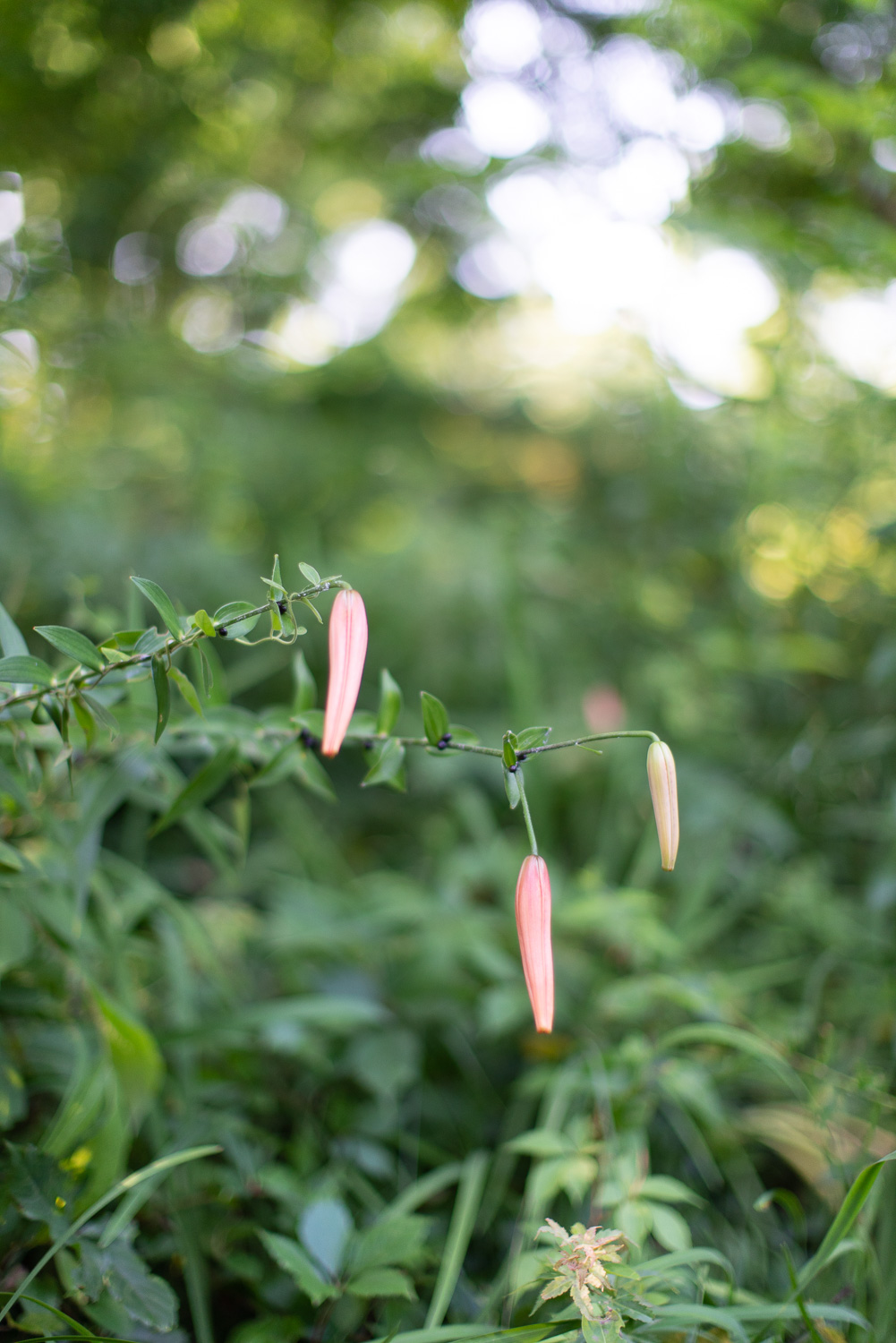
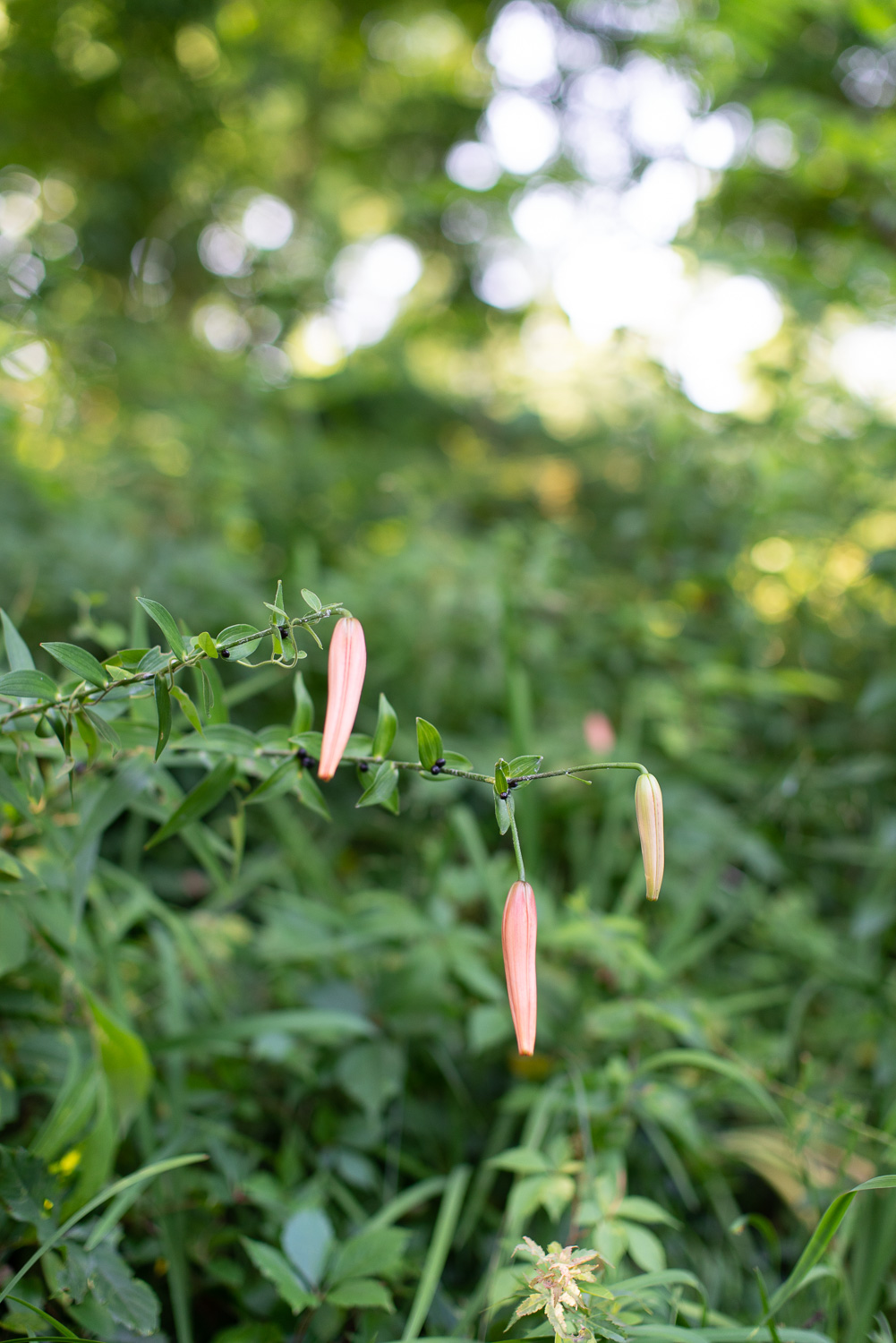
Here are two pics, one at f/1.2 and one at f/2.0. They are hand-held, but the shutter speeds were 1/1000 and 1/350th. Steady shot was off. EFCS off.
I see how different the transition zone looks at 2.0. Who knew this lens could shoot that small an aperture?
Canon 50mm 1.2L Hand-held at f/1.2 & 1/1000 sec.
Canon 50mm 1.2L Hand-held at f/2.0 & 1/350 sec.
Edited on Jul 20, 2019 at 05:10 PM · View previous versions
chiron wrote
Way, way, way off topic here, folks. Maybe you can start your own thread?That does not happen that much with modern lenses like the 50/1.4 ZA.
Here are two pics, one at f/1.2 and one at f/2.0. They are hand-held, but the shutter speeds were 1/1000 and 1/350th. Steady shot was off. EFCS off.
I see how different the transition zone looks at 2.0. Who knew this lens could shoot that small an aperture?
 |
||
 © chiron 2019 |
||
|
Canon 50mm 1.2L Hand-held at f/1.2 & 1/1000 sec.
|
||
 © chiron 2019 |
||
|
Canon 50mm 1.2L Hand-held at f/2.0 & 1/350 sec.
Edited on Jul 20, 2019 at 05:10 PM · View previous versions
Jul 20, 2019 at 04:01 PM
p.5 #2New Images Comparing Sony 50/1.4 & Canon/1.2L EFCS/No EFCS
chiron wrote:
Going back to the topic, I remember the Canon 50/1.2L's rendering improving dramatically (smoother) from f/1.2 to f/2. Did you notice that?
That does not happen that much with modern lenses like the 50/1.4 ZA.Here are tow pics, one at f/1.2 and one at f/2.0. They are hand-held, but the shutter speeds were 1/1000 and 1/350th. Steady shot was off. EFCS off.
I see how different the transition zone looks at 2.0. Who knew this lens could shoot that small an aperture?
I think we would see more the effect at mid-distance. (like your original shots)
Fred Miranda wrote
chiron wrote
Way, way, way off topic here, folks. Maybe you can start your own thread?That does not happen that much with modern lenses like the 50/1.4 ZA.
I see how different the transition zone looks at 2.0. Who knew this lens could shoot that small an aperture?
I think we would see more the effect at mid-distance. (like your original shots)
Jul 20, 2019 at 04:50 PM
p.5 #3New Images Comparing Sony 50/1.4 & Canon/1.2L EFCS/No EFCS
hiepphotog wrote:

I am not sure I have the captions wrong, unless I just missed re-reading one. The conditions are:
EFCS off & silent shooting on
EFCS on & mechanical shutter on (not full mechanical shutter, of course, just the second curtain.
I think those are the conditions I wanted to test. Silent shooting ON produces the same effect as EFCS off. EFCS ON and Silent Shooting are two distinct conditions in terms of their effect or non-effect on exposure unevenness and bokeh.
See this brief thread: https://www.fredmiranda.com/forum/topic/1573855/0
On the issue of the effect of EFCS's effect on bokeh at wide apertures and fast shutter speeds, I know what Sony says in the online Help Guide and I appreciate and greatly respect Fred's perceptive and rigorous work. Mark Galer has expressed a different view. He believes, based on a review of his Lightroom catalog, that exposure unevenness is rare (he found one example in his catalog at 1/8000 sec) and his judgement is that EFCS ON with high speeds and wide apertures produces more structured bokeh and that whether one likes this better or not is a matter of personal preference, not of right or wrong. He prefers EFCS ON and the more structured bokeh that results--he thinks it adds to the visual clarity of the image. See his discussion and examples of EFCS bokeh at minute 19 of this video: I know Fred disagrees with Mark on this, but two great photographers can have different views, of course.
My test images may not be the best opportunity to examine the issue (resized, contianing mostly some types of bokeh), etc. But that said, my observation is the EFCS ON versions for both the Canon and Sony show smoother, less buzzy highlights that I personally like more (as in the double-tiger lilies or the places where there is a small brighter spot coming through the trees. Numbertwo also suggested that the EFCS ON/Mech Shutter versions hadle the light and exposure and contrast differently and better.
These are to me subtle but interesting issues.
If there is an error in my captions that I didn't see or misunderstand let me know. The above is how I understand things as of this afternoon, but I have been mistaken before (once, eleven years ago ).Then I believe you mistook the issue. Silent shutter already entails EFCS. When people are referring to EFCS ON or EFCS OFF, they meant full mechanical shutter or not. Well, unless you want to test ERCS has any additional effect on the bokeh.But silent shutter does not affect the bokeh. EFCS does. And I think I was the one defining the issue in this thread! Ha, I injured my foot so it's hard to move around and all I can do is to surf web. So I will continue this debate. So let's get this out of the way first, silent shutter is full electronic shutter; SS = EFCS + ERCS (e-rear curtain shutter). So what you are proposing here is that with silent shutter, the negative effect on bokeh is somehow negated. Am I correct? I just want to define a base line here since what Manny, Mark and Fred were talking about is an entirely different issue.
Yes, silent shutter has the same effect of turning "EFCS off + mechanical shutter" when it comes to rendering.
So, as long as your subject is not moving much, full electronic shutter (Silent shutter) is a solution for the bokeh rendering issues caused by using EFCS +" aperture < f/1.4" + SS > "1/1500s".
(Perfect for side by side tests like this)
chiron wrote
hiepphotog wrote
chiron wrote
Apology accepted!I am not sure I have the captions wrong, unless I just missed re-reading one. The conditions are:
EFCS off & silent shooting on
EFCS on & mechanical shutter on (not full mechanical shutter, of course, just the second curtain.
I think those are the conditions I wanted to test. Silent shooting ON produces the same effect as EFCS off. EFCS ON and Silent Shooting are two distinct conditions in terms of their effect or non-effect on exposure unevenness and bokeh.
See this brief thread: https://www.fredmiranda.com/forum/topic/1573855/0
On the issue of the effect of EFCS's effect on bokeh at wide apertures and fast shutter speeds, I know what Sony says in the online Help Guide and I appreciate and greatly respect Fred's perceptive and rigorous work. Mark Galer has expressed a different view. He believes, based on a review of his Lightroom catalog, that exposure unevenness is rare (he found one example in his catalog at 1/8000 sec) and his judgement is that EFCS ON with high speeds and wide apertures produces more structured bokeh and that whether one likes this better or not is a matter of personal preference, not of right or wrong. He prefers EFCS ON and the more structured bokeh that results--he thinks it adds to the visual clarity of the image. See his discussion and examples of EFCS bokeh at minute 19 of this video: I know Fred disagrees with Mark on this, but two great photographers can have different views, of course.
My test images may not be the best opportunity to examine the issue (resized, contianing mostly some types of bokeh), etc. But that said, my observation is the EFCS ON versions for both the Canon and Sony show smoother, less buzzy highlights that I personally like more (as in the double-tiger lilies or the places where there is a small brighter spot coming through the trees. Numbertwo also suggested that the EFCS ON/Mech Shutter versions hadle the light and exposure and contrast differently and better.
These are to me subtle but interesting issues.
If there is an error in my captions that I didn't see or misunderstand let me know. The above is how I understand things as of this afternoon, but I have been mistaken before (once, eleven years ago
).Yes, silent shutter has the same effect of turning "EFCS off + mechanical shutter" when it comes to rendering.
So, as long as your subject is not moving much, full electronic shutter (Silent shutter) is a solution for the bokeh rendering issues caused by using EFCS +" aperture < f/1.4" + SS > "1/1500s".
(Perfect for side by side tests like this)
Jul 20, 2019 at 04:53 PM
p.5 #4New Images Comparing Sony 50/1.4 & Canon/1.2L EFCS/No EFCS
Fred Miranda wrote:
I am not sure I have the captions wrong, unless I just missed re-reading one. The conditions are:
EFCS off & silent shooting on
EFCS on & mechanical shutter on (not full mechanical shutter, of course, just the second curtain.
I think those are the conditions I wanted to test. Silent shooting ON produces the same effect as EFCS off. EFCS ON and Silent Shooting are two distinct conditions in terms of their effect or non-effect on exposure unevenness and bokeh.
See this brief thread: https://www.fredmiranda.com/forum/topic/1573855/0
On the issue of the effect of EFCS's effect on bokeh at wide apertures and fast shutter speeds, I know what Sony says in the online Help Guide and I appreciate and greatly respect Fred's perceptive and rigorous work. Mark Galer has expressed a different view. He believes, based on a review of his Lightroom catalog, that exposure unevenness is rare (he found one example in his catalog at 1/8000 sec) and his judgement is that EFCS ON with high speeds and wide apertures produces more structured bokeh and that whether one likes this better or not is a matter of personal preference, not of right or wrong. He prefers EFCS ON and the more structured bokeh that results--he thinks it adds to the visual clarity of the image. See his discussion and examples of EFCS bokeh at minute 19 of this video: I know Fred disagrees with Mark on this, but two great photographers can have different views, of course.
My test images may not be the best opportunity to examine the issue (resized, contianing mostly some types of bokeh), etc. But that said, my observation is the EFCS ON versions for both the Canon and Sony show smoother, less buzzy highlights that I personally like more (as in the double-tiger lilies or the places where there is a small brighter spot coming through the trees. Numbertwo also suggested that the EFCS ON/Mech Shutter versions hadle the light and exposure and contrast differently and better.
These are to me subtle but interesting issues.
If there is an error in my captions that I didn't see or misunderstand let me know. The above is how I understand things as of this afternoon, but I have been mistaken before (once, eleven years ago ).Then I believe you mistook the issue. Silent shutter already entails EFCS. When people are referring to EFCS ON or EFCS OFF, they meant full mechanical shutter or not. Well, unless you want to test ERCS has any additional effect on the bokeh.But silent shutter does not affect the bokeh. EFCS does. And I think I was the one defining the issue in this thread! Ha, I injured my foot so it's hard to move around and all I can do is to surf web. So I will continue this debate. So let's get this out of the way first, silent shutter is full electronic shutter; SS = EFCS + ERCS (e-rear curtain shutter). So what you are proposing here is that with silent shutter, the negative effect on bokeh is somehow negated. Am I correct? I just want to define a base line here since what Manny, Mark and Fred were talking about is an entirely different issue.Yes, silent shutter has the same effect of turning "EFCS off + mechanical shutter" when it comes to rendering.
So, as long as your subject is not moving much, full electronic shutter (Silent shutter) is a solution for the bokeh rendering issues caused by using EFCS +" aperture < f/1.4" + SS > "1/1500s".
(Perfect for side by side tests like this)
Thank you for that confirmation! It's very interesting that it actually negated the effect with both e shutters. I rarely use silent shutter due to its limitation with artificial light and 12-bit mode. But good to know it has other benefits besides the silence part
hiepphotog wrote
chiron wrote
hiepphotog wrote
chiron wrote
Apology accepted!I am not sure I have the captions wrong, unless I just missed re-reading one. The conditions are:
EFCS off & silent shooting on
EFCS on & mechanical shutter on (not full mechanical shutter, of course, just the second curtain.
I think those are the conditions I wanted to test. Silent shooting ON produces the same effect as EFCS off. EFCS ON and Silent Shooting are two distinct conditions in terms of their effect or non-effect on exposure unevenness and bokeh.
See this brief thread: https://www.fredmiranda.com/forum/topic/1573855/0
On the issue of the effect of EFCS's effect on bokeh at wide apertures and fast shutter speeds, I know what Sony says in the online Help Guide and I appreciate and greatly respect Fred's perceptive and rigorous work. Mark Galer has expressed a different view. He believes, based on a review of his Lightroom catalog, that exposure unevenness is rare (he found one example in his catalog at 1/8000 sec) and his judgement is that EFCS ON with high speeds and wide apertures produces more structured bokeh and that whether one likes this better or not is a matter of personal preference, not of right or wrong. He prefers EFCS ON and the more structured bokeh that results--he thinks it adds to the visual clarity of the image. See his discussion and examples of EFCS bokeh at minute 19 of this video: I know Fred disagrees with Mark on this, but two great photographers can have different views, of course.
My test images may not be the best opportunity to examine the issue (resized, contianing mostly some types of bokeh), etc. But that said, my observation is the EFCS ON versions for both the Canon and Sony show smoother, less buzzy highlights that I personally like more (as in the double-tiger lilies or the places where there is a small brighter spot coming through the trees. Numbertwo also suggested that the EFCS ON/Mech Shutter versions hadle the light and exposure and contrast differently and better.
These are to me subtle but interesting issues.
If there is an error in my captions that I didn't see or misunderstand let me know. The above is how I understand things as of this afternoon, but I have been mistaken before (once, eleven years ago
).So, as long as your subject is not moving much, full electronic shutter (Silent shutter) is a solution for the bokeh rendering issues caused by using EFCS +" aperture < f/1.4" + SS > "1/1500s".
(Perfect for side by side tests like this)
Thank you for that confirmation! It's very interesting that it actually negated the effect with both e shutters. I rarely use silent shutter due to its limitation with artificial light and 12-bit mode. But good to know it has other benefits besides the silence part
Jul 20, 2019 at 05:27 PM
p.5 #5New Images Comparing Sony 50/1.4 & Canon/1.2L EFCS/No EFCS
hiepphotog wrote:
I am not sure I have the captions wrong, unless I just missed re-reading one. The conditions are:
EFCS off & silent shooting on
EFCS on & mechanical shutter on (not full mechanical shutter, of course, just the second curtain.
I think those are the conditions I wanted to test. Silent shooting ON produces the same effect as EFCS off. EFCS ON and Silent Shooting are two distinct conditions in terms of their effect or non-effect on exposure unevenness and bokeh.
See this brief thread: https://www.fredmiranda.com/forum/topic/1573855/0
On the issue of the effect of EFCS's effect on bokeh at wide apertures and fast shutter speeds, I know what Sony says in the online Help Guide and I appreciate and greatly respect Fred's perceptive and rigorous work. Mark Galer has expressed a different view. He believes, based on a review of his Lightroom catalog, that exposure unevenness is rare (he found one example in his catalog at 1/8000 sec) and his judgement is that EFCS ON with high speeds and wide apertures produces more structured bokeh and that whether one likes this better or not is a matter of personal preference, not of right or wrong. He prefers EFCS ON and the more structured bokeh that results--he thinks it adds to the visual clarity of the image. See his discussion and examples of EFCS bokeh at minute 19 of this video: I know Fred disagrees with Mark on this, but two great photographers can have different views, of course.
My test images may not be the best opportunity to examine the issue (resized, contianing mostly some types of bokeh), etc. But that said, my observation is the EFCS ON versions for both the Canon and Sony show smoother, less buzzy highlights that I personally like more (as in the double-tiger lilies or the places where there is a small brighter spot coming through the trees. Numbertwo also suggested that the EFCS ON/Mech Shutter versions hadle the light and exposure and contrast differently and better.
These are to me subtle but interesting issues.
If there is an error in my captions that I didn't see or misunderstand let me know. The above is how I understand things as of this afternoon, but I have been mistaken before (once, eleven years ago ).Then I believe you mistook the issue. Silent shutter already entails EFCS. When people are referring to EFCS ON or EFCS OFF, they meant full mechanical shutter or not. Well, unless you want to test ERCS has any additional effect on the bokeh.But silent shutter does not affect the bokeh. EFCS does. And I think I was the one defining the issue in this thread! Ha, I injured my foot so it's hard to move around and all I can do is to surf web. So I will continue this debate. So let's get this out of the way first, silent shutter is full electronic shutter; SS = EFCS + ERCS (e-rear curtain shutter). So what you are proposing here is that with silent shutter, the negative effect on bokeh is somehow negated. Am I correct? I just want to define a base line here since what Manny, Mark and Fred were talking about is an entirely different issue.Yes, silent shutter has the same effect of turning "EFCS off + mechanical shutter" when it comes to rendering.
So, as long as your subject is not moving much, full electronic shutter (Silent shutter) is a solution for the bokeh rendering issues caused by using EFCS +" aperture < f/1.4" + SS > "1/1500s".
(Perfect for side by side tests like this)Thank you for that confirmation! It's very interesting that it actually negated the effect with both e shutters. I rarely use silent shutter due to its limitation with artificial light and 12-bit mode. But good to know it has other benefits besides the silence part
Jim tested silent shutter read-out to be about 1/30s in compressed mode + continuous shooting or 1/15s with uncompressed RAW. In my experience it works well for portraits as long as the model is not walking.
https://blog.kasson.com/a7riii/how-fast-silent-shutter/
The caveat: If you use compressed + continuous shooting to get the 1/30s read-out, precision drops to 12 bit.
However, you can get 14-bit with silent shutter if you use uncompressed RAW. (in exchange for the 1/15s read-out)
Fred Miranda wrote
hiepphotog wrote
chiron wrote
hiepphotog wrote
chiron wrote
Apology accepted!I am not sure I have the captions wrong, unless I just missed re-reading one. The conditions are:
EFCS off & silent shooting on
EFCS on & mechanical shutter on (not full mechanical shutter, of course, just the second curtain.
I think those are the conditions I wanted to test. Silent shooting ON produces the same effect as EFCS off. EFCS ON and Silent Shooting are two distinct conditions in terms of their effect or non-effect on exposure unevenness and bokeh.
See this brief thread: https://www.fredmiranda.com/forum/topic/1573855/0
On the issue of the effect of EFCS's effect on bokeh at wide apertures and fast shutter speeds, I know what Sony says in the online Help Guide and I appreciate and greatly respect Fred's perceptive and rigorous work. Mark Galer has expressed a different view. He believes, based on a review of his Lightroom catalog, that exposure unevenness is rare (he found one example in his catalog at 1/8000 sec) and his judgement is that EFCS ON with high speeds and wide apertures produces more structured bokeh and that whether one likes this better or not is a matter of personal preference, not of right or wrong. He prefers EFCS ON and the more structured bokeh that results--he thinks it adds to the visual clarity of the image. See his discussion and examples of EFCS bokeh at minute 19 of this video: I know Fred disagrees with Mark on this, but two great photographers can have different views, of course.
My test images may not be the best opportunity to examine the issue (resized, contianing mostly some types of bokeh), etc. But that said, my observation is the EFCS ON versions for both the Canon and Sony show smoother, less buzzy highlights that I personally like more (as in the double-tiger lilies or the places where there is a small brighter spot coming through the trees. Numbertwo also suggested that the EFCS ON/Mech Shutter versions hadle the light and exposure and contrast differently and better.
These are to me subtle but interesting issues.
If there is an error in my captions that I didn't see or misunderstand let me know. The above is how I understand things as of this afternoon, but I have been mistaken before (once, eleven years ago
).So, as long as your subject is not moving much, full electronic shutter (Silent shutter) is a solution for the bokeh rendering issues caused by using EFCS +" aperture < f/1.4" + SS > "1/1500s".
(Perfect for side by side tests like this)
Jim tested silent shutter read-out to be about 1/30s in compressed mode + continuous shooting or 1/15s with uncompressed RAW. In my experience it works well for portraits as long as the model is not walking.
https://blog.kasson.com/a7riii/how-fast-silent-shutter/
The caveat: If you use compressed + continuous shooting to get the 1/30s read-out, precision drops to 12 bit.
However, you can get 14-bit with silent shutter if you use uncompressed RAW. (in exchange for the 1/15s read-out)
Jul 20, 2019 at 05:44 PM
p.5 #6New Images Comparing Sony 50/1.4 & Canon/1.2L EFCS/No EFCS
Fred Miranda wrote:
But silent shutter does not affect the bokeh. EFCS does. And I think I was the one defining the issue in this thread! Ha, I injured my foot so it's hard to move around and all I can do is to surf web. So I will continue this debate. So let's get this out of the way first, silent shutter is full electronic shutter; SS = EFCS + ERCS (e-rear curtain shutter). So what you are proposing here is that with silent shutter, the negative effect on bokeh is somehow negated. Am I correct? I just want to define a base line here since what Manny, Mark and Fred were talking about is an entirely different issue.Yes, silent shutter has the same effect of turning "EFCS off + mechanical shutter" when it comes to rendering.
So, as long as your subject is not moving much, full electronic shutter (Silent shutter) is a solution for the bokeh rendering issues caused by using EFCS +" aperture < f/1.4" + SS > "1/1500s".
(Perfect for side by side tests like this)Thank you for that confirmation! It's very interesting that it actually negated the effect with both e shutters. I rarely use silent shutter due to its limitation with artificial light and 12-bit mode. But good to know it has other benefits besides the silence part Jim tested silent shutter read-out to be about 1/30s in compressed mode + continuous shooting or 1/15s with uncompressed RAW. In my experience it works well for portraits as long as the model is not walking.
https://blog.kasson.com/a7riii/how-fast-silent-shutter/
The caveat: If you use compressed + continuous shooting to get the 1/30s read-out, precision drops to 12 bit.
However, you can get 14-bit with silent shutter if you use uncompressed RAW. (in exchange for the 1/15s read-out)
1/30s seems to be quite slow. Does IBIS help? I mean on the A9, it's 1/150s. I really didn't know that uncompressed RAW would give 14-bit in SS as well. Thought it would be the same on my A7S, though that one doesn't have uncompressed option (DUH!). Maybe from now on I should do just full E or full Mechanical on my A9
hiepphotog wrote
Fred Miranda wrote
hiepphotog wrote
chiron wrote
hiepphotog wrote
Then I believe you mistook the issue. Silent shutter already entails EFCS. When people are referring to EFCS ON or EFCS OFF, they meant full mechanical shutter or not. Well, unless you want to test ERCS has any additional effect on the bokeh.So, as long as your subject is not moving much, full electronic shutter (Silent shutter) is a solution for the bokeh rendering issues caused by using EFCS +" aperture < f/1.4" + SS > "1/1500s".
(Perfect for side by side tests like this)
https://blog.kasson.com/a7riii/how-fast-silent-shutter/
The caveat: If you use compressed + continuous shooting to get the 1/30s read-out, precision drops to 12 bit.
However, you can get 14-bit with silent shutter if you use uncompressed RAW. (in exchange for the 1/15s read-out)
1/30s seems to be quite slow. Does IBIS help? I mean on the A9, it's 1/150s
. I really didn't know that uncompressed RAW would give 14-bit in SS as well. Thought it would be the same on my A7S, though that one doesn't have uncompressed option (DUH!). Maybe from now on I should do just full E or full Mechanical on my A9 Jul 20, 2019 at 06:25 PM
p.5 #7New Images Comparing Sony 50/1.4 & Canon/1.2L EFCS/No EFCS
hiepphotog wrote:
Ha, I injured my foot so it's hard to move around and all I can do is to surf web. So I will continue this debate. So let's get this out of the way first, silent shutter is full electronic shutter; SS = EFCS + ERCS (e-rear curtain shutter). So what you are proposing here is that with silent shutter, the negative effect on bokeh is somehow negated. Am I correct? I just want to define a base line here since what Manny, Mark and Fred were talking about is an entirely different issue.Yes, silent shutter has the same effect of turning "EFCS off + mechanical shutter" when it comes to rendering.
So, as long as your subject is not moving much, full electronic shutter (Silent shutter) is a solution for the bokeh rendering issues caused by using EFCS +" aperture < f/1.4" + SS > "1/1500s".
(Perfect for side by side tests like this)Thank you for that confirmation! It's very interesting that it actually negated the effect with both e shutters. I rarely use silent shutter due to its limitation with artificial light and 12-bit mode. But good to know it has other benefits besides the silence part Jim tested silent shutter read-out to be about 1/30s in compressed mode + continuous AF or 1/15s with uncompressed RAW. In my experience it works well for portraits as long as the model is not walking.
https://blog.kasson.com/a7riii/how-fast-silent-shutter/
The caveat: If you use compressed + continuous AF to get the 1/30s read-out, precision drops to 12 bit.
However, you can get 14-bit with silent shutter if you use uncompressed RAW. (in exchange for the 1/15s read-out)1/30s seems to be quite slow. Does IBIS help? I mean on the A9, it's 1/150s . I really didn't know that uncompressed RAW would give 14-bit in SS as well. Thought it would be the same on my A7S, though that one doesn't have uncompressed option (DUH!). Maybe from now on I should do just full E or full Mechanical on my A9
IBIS only helps motion blur, not distortion reduction.
The A9's 1/150s sensor read-out allows photographers to shoot fast sports without any distortion, and in the same manner, the A7R III at 1/30s is capable of still portraits in silent shutter mode without distortion either. Let's just hope things stay the same with the A7R4 even with the higher MP count.
Fred Miranda wrote
hiepphotog wrote
Fred Miranda wrote
hiepphotog wrote
chiron wrote
But silent shutter does not affect the bokeh. EFCS does. And I think I was the one defining the issue in this thread!So, as long as your subject is not moving much, full electronic shutter (Silent shutter) is a solution for the bokeh rendering issues caused by using EFCS +" aperture < f/1.4" + SS > "1/1500s".
(Perfect for side by side tests like this)
https://blog.kasson.com/a7riii/how-fast-silent-shutter/
The caveat: If you use compressed + continuous AF to get the 1/30s read-out, precision drops to 12 bit.
However, you can get 14-bit with silent shutter if you use uncompressed RAW. (in exchange for the 1/15s read-out)
. I really didn't know that uncompressed RAW would give 14-bit in SS as well. Thought it would be the same on my A7S, though that one doesn't have uncompressed option (DUH!). Maybe from now on I should do just full E or full Mechanical on my A9 IBIS only helps motion blur, not distortion reduction.
The A9's 1/150s sensor read-out allows photographers to shoot fast sports without any distortion, and in the same manner, the A7R III at 1/30s is capable of still portraits in silent shutter mode without distortion either. Let's just hope things stay the same with the A7R4 even with the higher MP count.
Jul 20, 2019 at 09:14 PM
p.5 #8New Images Comparing Sony 50/1.4 & Canon/1.2L EFCS/No EFCS
Apropos the different shutter modes, when to use them, how they work, why they have certain problems that should be avoided, and also slightly dissenting comments from one very experienced photographer who thinks that some of the potential problems are rare or overstated (see also Mark Galer's video above), and then a well-informed dissent to the dissent, here are links to four posts from another thread:
https://www.fredmiranda.com/forum/topic/1547911/2#14493452
https://www.fredmiranda.com/forum/topic/1547911/2#14493576
https://www.fredmiranda.com/forum/topic/1547911/2#14493461
https://www.fredmiranda.com/forum/topic/1547911/2#14493796
Jul 20, 2019 at 09:41 PM
p.5 #9New Images Comparing Sony 50/1.4 & Canon/1.2L EFCS/No EFCS
In my experience, silent shooting doesn't affect bokeh at very fast shutter speeds as efcs does or create the uneven exposure sometimes in the top of the frame, but it has the exposure problems Sometimes, giving a bit more fuzzy pictures in harsh light, lacking contrast and with worse highlight rollof, I don't know.
For very fast shutter speed, I always use fully mechanical, or try to when I don't forget haha.
For regular use conditions, I use efcs
For low light handheld at very slow SS, on a tripod, or at some key speed in artificial light when I can do it, I use silent.
Jul 20, 2019 at 09:51 PM
p.5 #10New Images Comparing Sony 50/1.4 & Canon/1.2L EFCS/No EFCS
numbertwo wrote:
In my experience, silent shooting doesn't affect bokeh at very fast shutter speeds as efcs does or create the uneven exposure sometimes in the top of the frame, but it has the exposure problems Sometimes, giving a bit more fuzzy pictures in harsh light, lacking contrast and with worse highlight rollof, I don't know.
For very fast shutter speed, I always use fully mechanical, or try to when I don't forget haha.
For regular use conditions, I use efcs
For low light handheld at very slow SS, on a tripod, or at some key speed in artificial light when I can do it,...Show more →
I remember testing silent shutter vs mechanical + EFCS 'off' when shooting in high shutter speeds with the 50/1.4 ZA wide open and the two images looked identical in terms of exposure and rendering. (it was under harsh lighting)
What you wrote is interesting as I didn't notice any lack of contrast, fuzziness or any degradation in the highlights when comparing the two side by side.
I will test this again tomorrow and post a comparison.
Something else about sensor read-out.
With the A7R III, we can get up to 1/60s read-out if we use:
Compressed RAW + continuous shooting + APS-C crop.
Jul 20, 2019 at 09:58 PM
p.5 #11New Images Comparing Sony 50/1.4 & Canon/1.2L EFCS/No EFCS
chiron wrote:
Apropos the different shutter modes, when to use them, how they work, why they have certain problems that should be avoided, and also slightly dissenting comments from one very experienced photographer who thinks that some of the potential problems are rare or overstated (see also Mark Galer's video above), and then a well-informed dissent to the dissent, here are links to four posts from another thread:
https://www.fredmiranda.com/forum/topic/1547911/2#14493452
https://www.fredmiranda.com/forum/topic/1547911/2#14493576
https://www.fredmiranda.com/forum/topic/1547911/2#14493461
https://www.fredmiranda.com/forum/topic/1547911/2#14493796
Thank you! Those are very useful.
Jul 20, 2019 at 09:59 PM
p.5 #12New Images Comparing Sony 50/1.4 & Canon/1.2L EFCS/No EFCS
Fred Miranda wrote:
numbertwo wrote
In my experience, silent shooting doesn't affect bokeh at very fast shutter speeds as efcs does or create the uneven exposure sometimes in the top of the frame, but it has the exposure problems Sometimes, giving a bit more fuzzy pictures in harsh light, lacking contrast and with worse highlight rollof, I don't know.For very fast shutter speed, I always use fully mechanical, or try to when I don't forget haha.
For regular use conditions, I use efcs
For low light handheld at very slow SS, on a tripod, or at some key speed in artificial light when I can do it, I use silent.
What you wrote is interesting as I didn't notice any lack of contrast, fuzziness or any degradation in the highlights when comparing the two side by side.
I will test this again tomorrow and post a comparison.
Something else about sensor read-out.
With the A7R III, we can get up to 1/60s read-out if we use:
Compressed RAW + continuous shooting + APS-C crop.
It would be awesome if you can replicate the issue. Actually you can see it as well in manny ortiz video if I remember correctly, when he's shooting the fully silent trying to prove that mechanical shooter improves bokeh (and I think what he actually tests is fully mechanical vs fully silent). I'm not sure, I'll rewatch the video later haha.
In his situation, it was a really bright scene. When I noted it, it was in the beach at noon or outdoor in Spain (there is much more and better light in my country than the depressing light we have here in Hong Kong).
- Maybe for high shutter speed under less harsh conditions is not noticeable as the bokeh issue is.
- Maybe the problem is worse with adapted lenses, as most of my lenses are adapted, and also I can see the difference here in the 50 1.2L picture as I said before.
Jul 20, 2019 at 10:11 PM
p.5 #13New Images Comparing Sony 50/1.4 & Canon/1.2L EFCS/No EFCS
Fred Miranda wrote:
Going back to the topic, I remember the Canon 50/1.2L's rendering improving dramatically (smoother) from f/1.2 to f/2. Did you notice that?
That does not happen that much with modern lenses like the 50/1.4 ZA.
I agree with the overall idea: My 50L always looked best for environmental portraits around f/1.6-1.8, unless I wanted that "cotton candy" SA look that it excels in wide open.
I also agree about the amazing contrast and sharpness of modern designs (I have the Sigma 50 Art for this purpose) compared to the intentional dreamier softness of the Canon 50L, and to some extent the Nikon 55/1.2 "K" version (direct predecessor to the AI series). Both these lenses tighten up on contrast and sharpness with smaller apertures, significantly at around f/4.
I am very impressed with my limited use of the new R 50/1.2L, as it seems about the perfect middle ground between these two designs of smooth rendering, yet tack sharp wide open. The new Sony 50/1.4 is another I would love to have, but I'm pretty well covered at the moment with the two earlier mentions, as well as the Loxia 50. Those three lenses are plenty, and yes, I've seen differences using them on different platforms of Sony and Canon.
We live in wonderful photographic times!
chiron wrote
Way, way, way off topic here, folks. Maybe you can start your own thread?That does not happen that much with modern lenses like the 50/1.4 ZA.
I agree with the overall idea: My 50L always looked best for environmental portraits around f/1.6-1.8, unless I wanted that "cotton candy" SA look that it excels in wide open.
I also agree about the amazing contrast and sharpness of modern designs (I have the Sigma 50 Art for this purpose) compared to the intentional dreamier softness of the Canon 50L, and to some extent the Nikon 55/1.2 "K" version (direct predecessor to the AI series). Both these lenses tighten up on contrast and sharpness with smaller apertures, significantly at around f/4.
I am very impressed with my limited use of the new R 50/1.2L, as it seems about the perfect middle ground between these two designs of smooth rendering, yet tack sharp wide open. The new Sony 50/1.4 is another I would love to have, but I'm pretty well covered at the moment with the two earlier mentions, as well as the Loxia 50. Those three lenses are plenty, and yes, I've seen differences using them on different platforms of Sony and Canon.
We live in wonderful photographic times!
Jul 21, 2019 at 05:01 PM
p.5 #14New Images Comparing Sony 50/1.4 & Canon/1.2L EFCS/No EFCS
numbertwo wrote:
For very fast shutter speed, I always use fully mechanical, or try to when I don't forget haha.
For regular use conditions, I use efcs
For low light handheld at very slow SS, on a tripod, or at some key speed in artificial light when I can do it, I use silent.I remember testing silent shutter vs mechanical + EFCS 'off' when shooting in high shutter speeds with the 50/1.4 ZA wide open and the two images looked identical in terms of exposure and rendering. (it was under harsh lighting)
What you wrote is interesting as I didn't notice any lack of contrast, fuzziness or any degradation in the highlights when comparing the two side by side.
I will test this again tomorrow and post a comparison.
Something else about sensor read-out.
With the A7R III, we can get up to 1/60s read-out if we use:
Compressed RAW + continuous shooting + APS-C crop.It would be awesome if you can replicate the issue. Actually you can see it as well in manny ortiz video if I remember correctly, when he's shooting the fully silent trying to prove that mechanical shooter improves bokeh (and I think what he actually tests is fully mechanical vs fully silent). I'm not sure, I'll rewatch the video later haha.
In his situation, it was a really bright scene. When I noted it, it was in the beach at noon or outdoor in Spain (there is much more and better light in my country than the depressing light we have...Show more →
You were correct about exposure changes between silent vs mechanical shutter. I never noticed this before because I was more interested in rendering. Thanks for your input!
So, I tested this and found a consistent 1/2 stop light loss when using silent shutter vs mechanical shutter. At first it looks like contrast was also lower but it's really only light loss. After equalizing histograms, the images (silent shutter and fully mechanical) look pretty much identical in resolution/contrast and rendering.
The image with mechanical shutter + EFCS turned "on" had noticeably harsher rendering. (especially when shutter speeds were above 1/4000s) - Tested with the FE 50/1.4 ZA wide open.
Fred Miranda wrote
numbertwo wrote
In my experience, silent shooting doesn't affect bokeh at very fast shutter speeds as efcs does or create the uneven exposure sometimes in the top of the frame, but it has the exposure problems Sometimes, giving a bit more fuzzy pictures in harsh light, lacking contrast and with worse highlight rollof, I don't know.For very fast shutter speed, I always use fully mechanical, or try to when I don't forget haha.
For regular use conditions, I use efcs
For low light handheld at very slow SS, on a tripod, or at some key speed in artificial light when I can do it, I use silent.
What you wrote is interesting as I didn't notice any lack of contrast, fuzziness or any degradation in the highlights when comparing the two side by side.
I will test this again tomorrow and post a comparison.
Something else about sensor read-out.
With the A7R III, we can get up to 1/60s read-out if we use:
Compressed RAW + continuous shooting + APS-C crop.
In his situation, it was a really bright scene. When I noted it, it was in the beach at noon or outdoor in Spain (there is much more and better light in my country than the depressing light we have...Show more →
You were correct about exposure changes between silent vs mechanical shutter. I never noticed this before because I was more interested in rendering. Thanks for your input!
So, I tested this and found a consistent 1/2 stop light loss when using silent shutter vs mechanical shutter. At first it looks like contrast was also lower but it's really only light loss. After equalizing histograms, the images (silent shutter and fully mechanical) look pretty much identical in resolution/contrast and rendering.
The image with mechanical shutter + EFCS turned "on" had noticeably harsher rendering. (especially when shutter speeds were above 1/4000s) - Tested with the FE 50/1.4 ZA wide open.
Jul 21, 2019 at 07:21 PM
p.5 #15New Images Comparing Sony 50/1.4 & Canon/1.2L EFCS/No EFCS
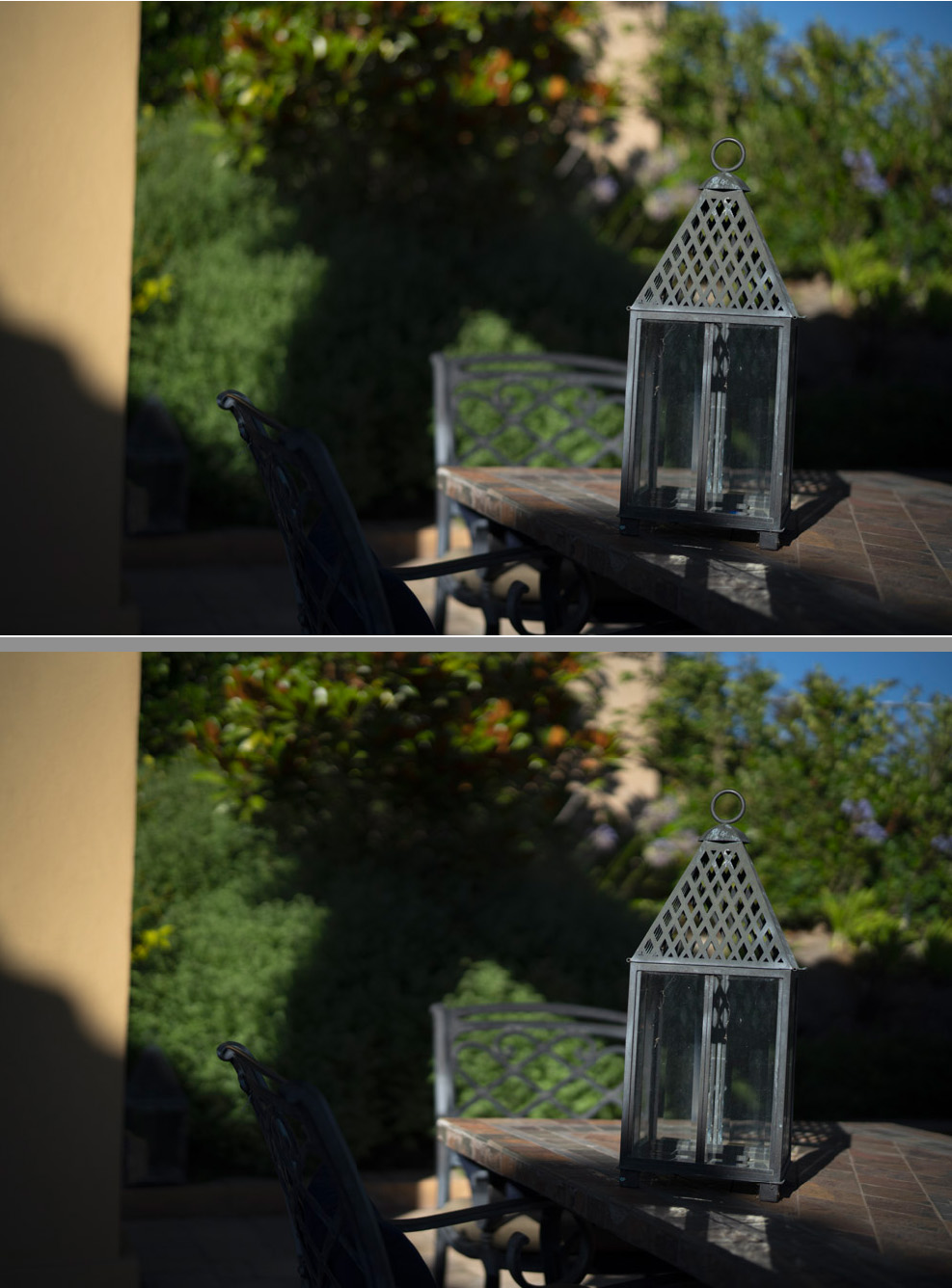
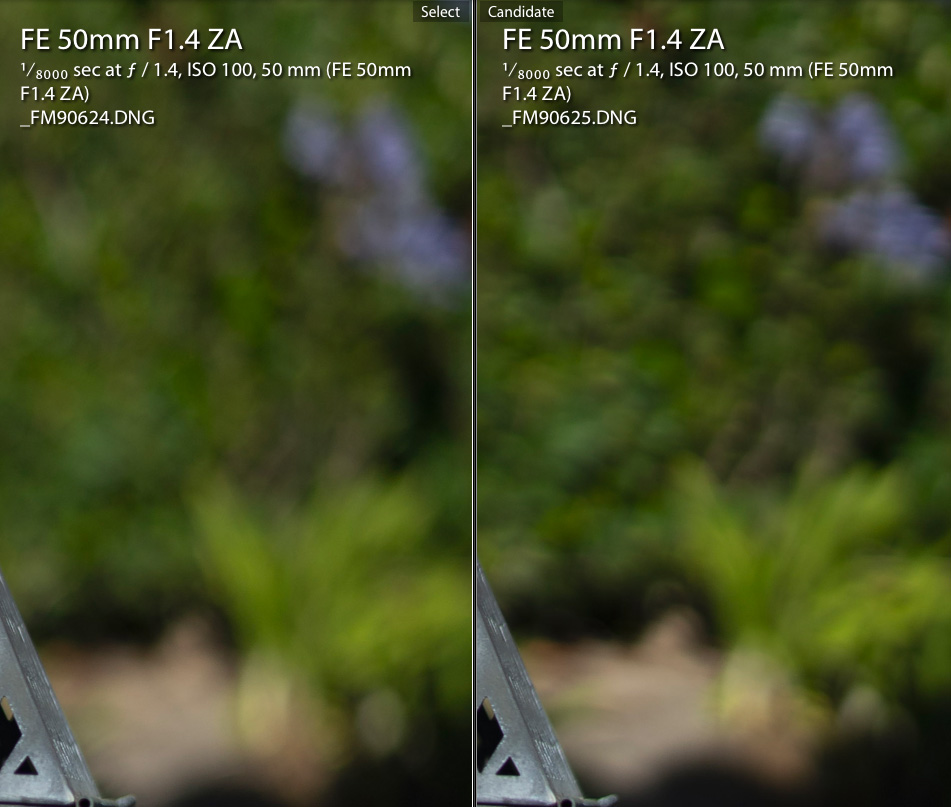
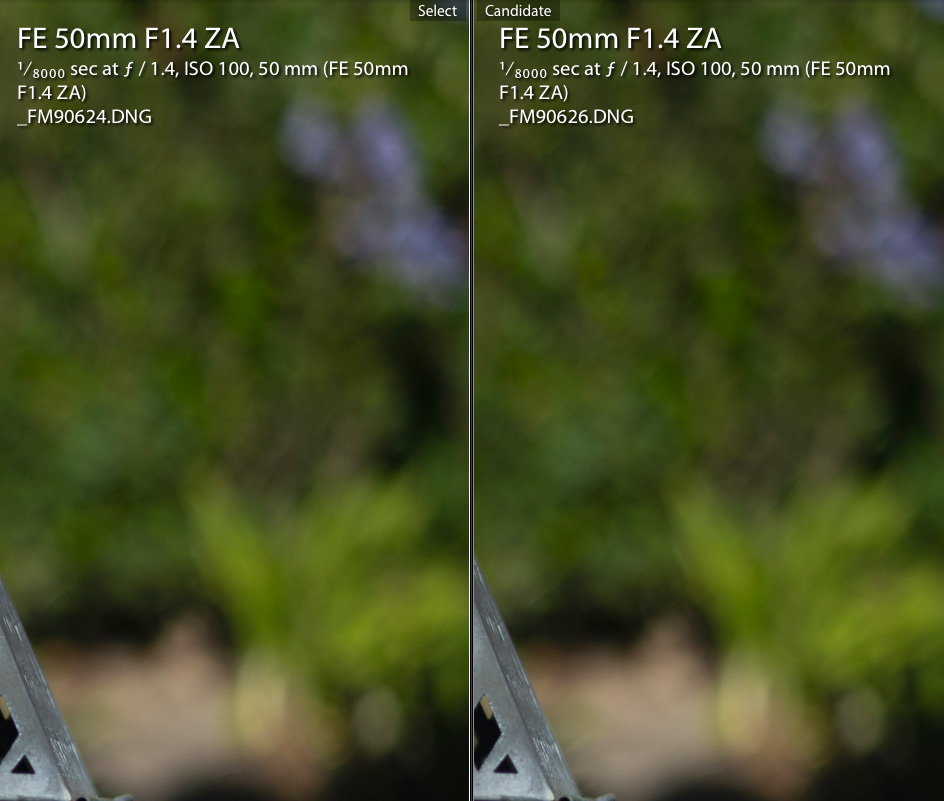
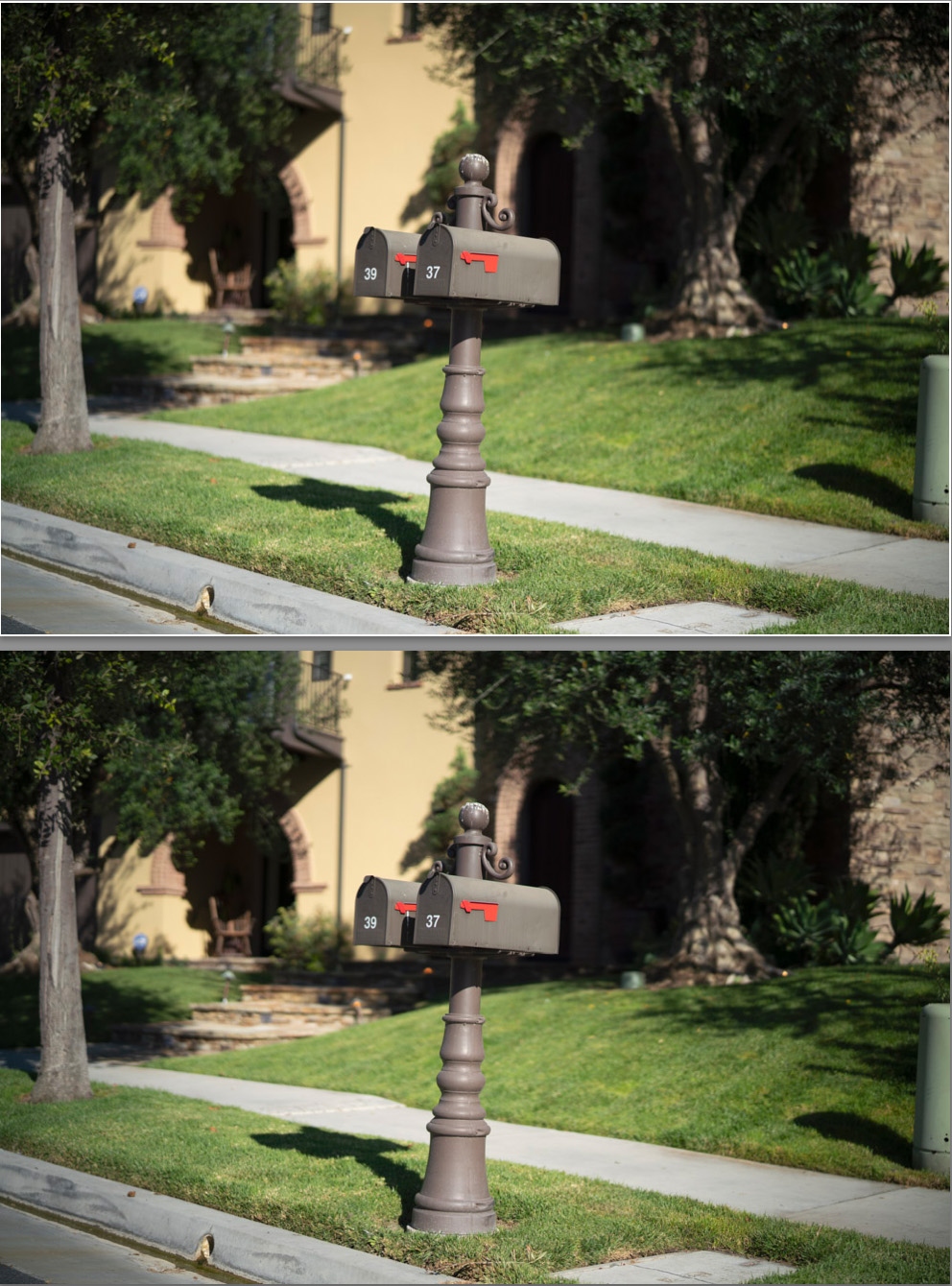
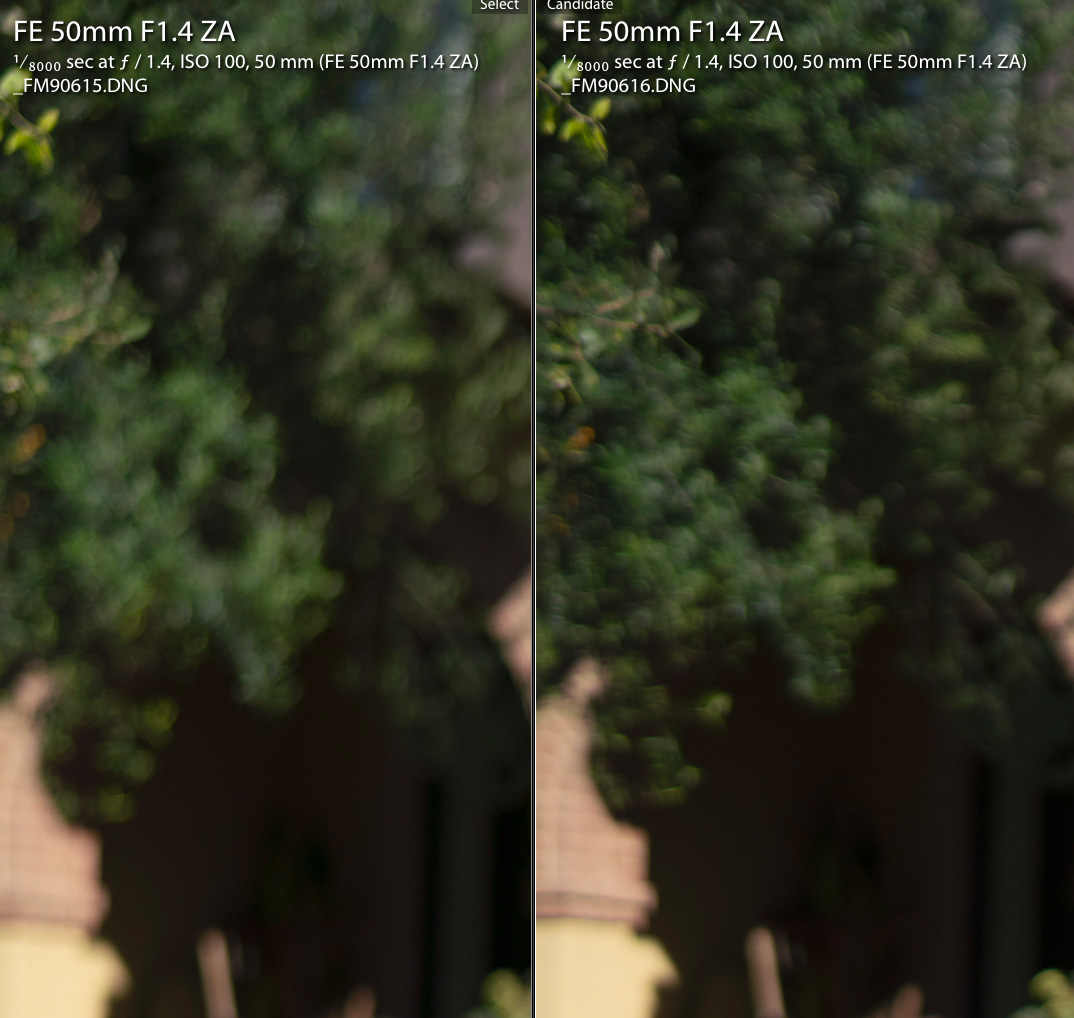
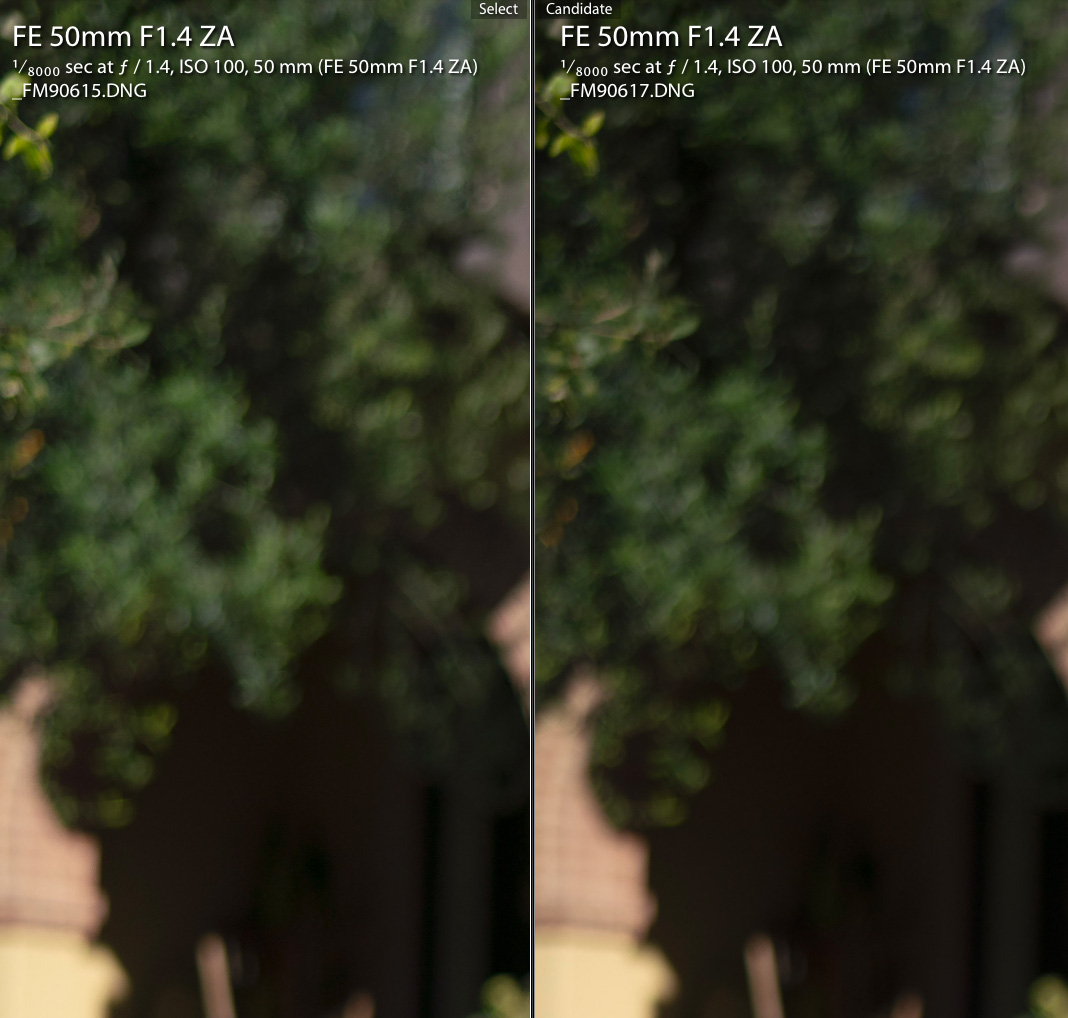
Here are a few samples showing the differences in rendering. The exposure for the silent shutter images were equalized to match the ones with mechanical shutter. There is about 1/2 stop of light loss when using silent shutter (12-bit or 14-bit)
Resolution and contrast seem similar after the histograms were equalized.
Silent shutter (TOP), mechanic shutter + EFCS
1:2 mag. crop showing OOF rendering from image above. Silent shutter (left), mechanical shutter + EFCS (right)
Now a comparison (1:2 mag.) showing Silent shutter (left), mechanical shutter with EFCS set to off
Resolution and contrast seem similar after the histograms were equalized.
 |
||
 |
||
|
Silent shutter (TOP), mechanic shutter + EFCS
|
||
 |
||
|
1:2 mag. crop showing OOF rendering from image above. Silent shutter (left), mechanical shutter + EFCS (right)
|
||
 |
||
|
Now a comparison (1:2 mag.) showing Silent shutter (left), mechanical shutter with EFCS set to off
Jul 21, 2019 at 08:32 PM
p.5 #16New Images Comparing Sony 50/1.4 & Canon/1.2L EFCS/No EFCS
Another sample:
Silent shutter (TOP), mechanic shutter + EFCS
1:2 mag. crop showing OOF rendering from image above. Silent shutter (left), mechanical shutter + EFCS (right)
Now a comparison (1:2 mag.) showing Silent shutter (left), mechanical shutter with EFCS set to off
|
||
 |
||
|
Silent shutter (TOP), mechanic shutter + EFCS
|
||
 |
||
|
1:2 mag. crop showing OOF rendering from image above. Silent shutter (left), mechanical shutter + EFCS (right)
|
||
 |
||
|
Now a comparison (1:2 mag.) showing Silent shutter (left), mechanical shutter with EFCS set to off
Jul 21, 2019 at 08:44 PM
p.5 #17New Images Comparing Sony 50/1.4 & Canon/1.2L EFCS/No EFCS
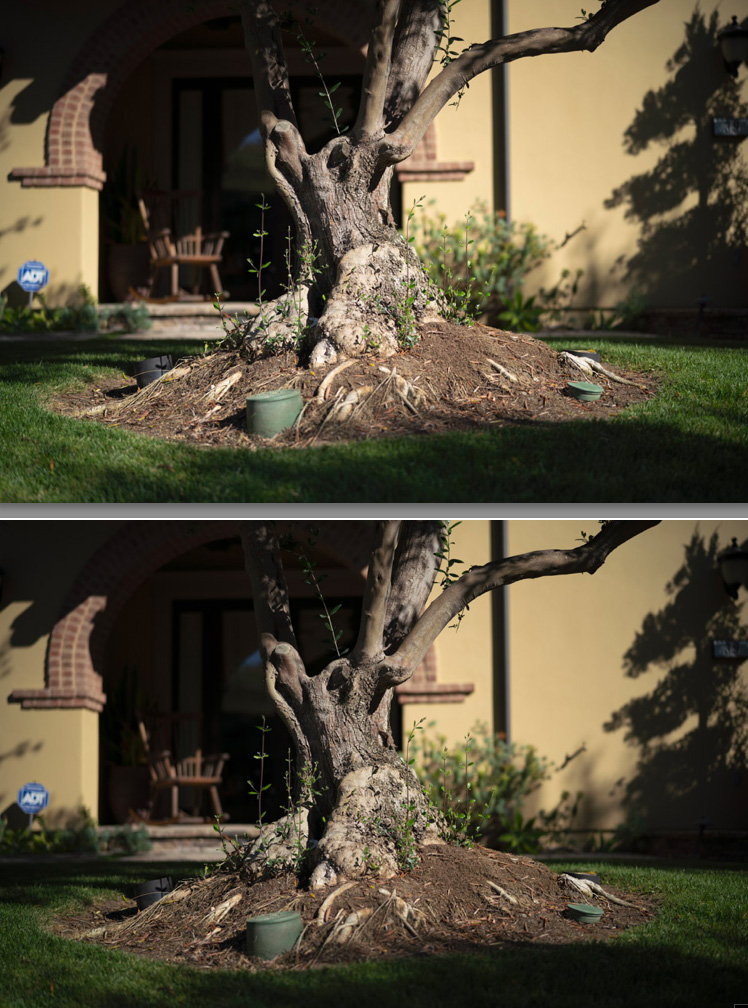
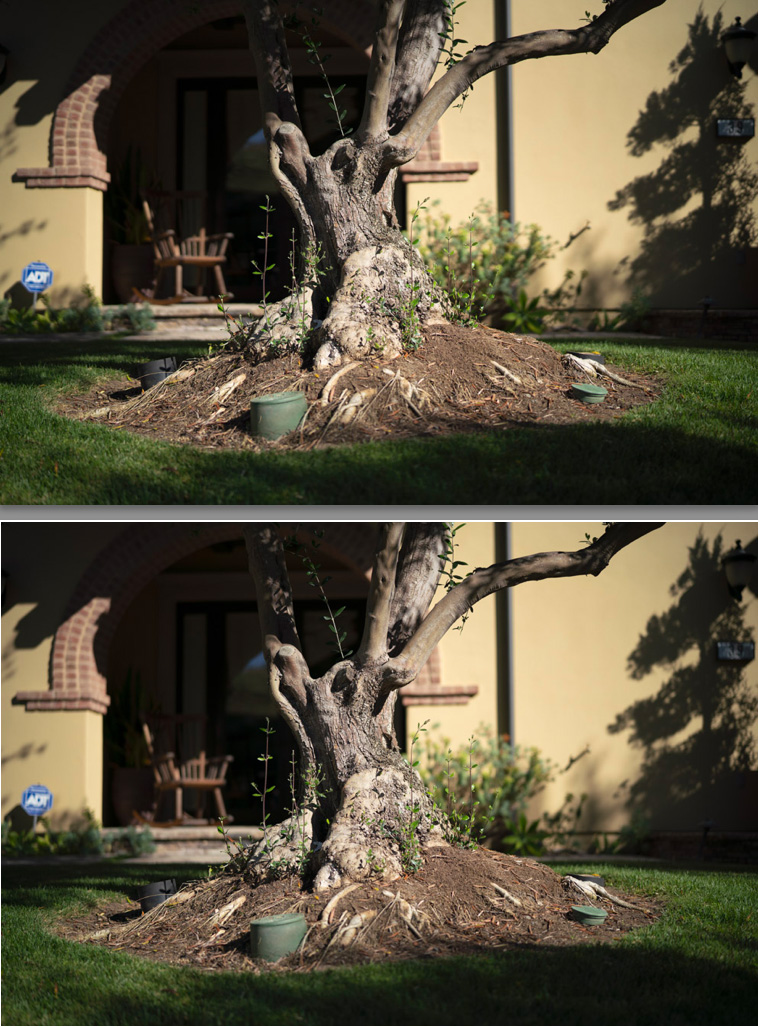
And here is the difference in exposure between the silent shutter and mechanical shots:
Silent shutter at bottom. Identical Manual exposure for both images but the silent shutter is underexposed by exactly 1/2 stop
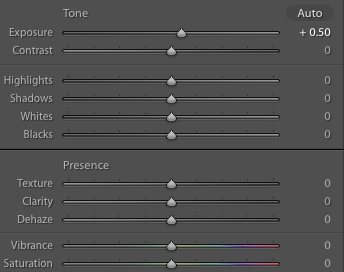
histograms equalized by adding +0.50 exposure to the silent shutter shot (bottom)
1/2 stop of light loss when shooting in silent shutter
|
||
 |
||
|
Silent shutter at bottom. Identical Manual exposure for both images but the silent shutter is underexposed by exactly 1/2 stop
|
||
 |
||
|
histograms equalized by adding +0.50 exposure to the silent shutter shot (bottom)
|
||
 |
||
|
1/2 stop of light loss when shooting in silent shutter
Jul 21, 2019 at 09:12 PM
p.5 #18New Images Comparing Sony 50/1.4 & Canon/1.2L EFCS/No EFCS
Fred Miranda wrote:
Another sample:
Fred--
Very interesting on the rendering differences between silent shooting and EFCS-ON/Mech-Shutter and between silent shooting and EFCS-OFF/Mech-Shutter.
Also very interesting on the confirmation of numbertwo's suggestion about light handling differences with silent shooting compared to mechanical shutter.
Do you have samples of EFCS-ON/Mech-Shutter at shutter intervals going up to the 1/8000th of a sec results, say at 1/2000th and 1/4000th? It would be very interesting to see the progression of changes in the qualities of the rendering as shutter speed with EFCS-ON increases.
Jul 21, 2019 at 09:18 PM
p.5 #19New Images Comparing Sony 50/1.4 & Canon/1.2L EFCS/No EFCS
chiron wrote:
Fred--
Very interesting on the rendering differences between silent shooting and EFCS-ON/Mech-Shutter and between silent shooting and EFCS-OFF/Mech-Shutter.
Also very interesting on the confirmation of numbertwo's suggestion about light handling differences with silent shooting compared to mechanical shutter.
Do you have samples of EFCS-ON/Mech-Shutter at shutter intervals going up to the 1/8000th of a sec results, say at 1/2000th and 1/4000th? It would be very interesting to see the progression of changes in the qualities of the rendering as shutter speed with EFCS-ON increases.
I've done this test before and remember not changing much up until 1/2000s. After that, rendering starts to get gradually harsher but it takes about 1/4000s for it become obvious. At 1/8000s, it's very noticeable. It depends on focal length and lens' maximum aperture.
Fred Miranda wrote
Another sample:Very interesting on the rendering differences between silent shooting and EFCS-ON/Mech-Shutter and between silent shooting and EFCS-OFF/Mech-Shutter.
Also very interesting on the confirmation of numbertwo's suggestion about light handling differences with silent shooting compared to mechanical shutter.
Do you have samples of EFCS-ON/Mech-Shutter at shutter intervals going up to the 1/8000th of a sec results, say at 1/2000th and 1/4000th? It would be very interesting to see the progression of changes in the qualities of the rendering as shutter speed with EFCS-ON increases.
I've done this test before and remember not changing much up until 1/2000s. After that, rendering starts to get gradually harsher but it takes about 1/4000s for it become obvious. At 1/8000s, it's very noticeable. It depends on focal length and lens' maximum aperture.
Jul 21, 2019 at 09:30 PM
p.5 #20New Images Comparing Sony 50/1.4 & Canon/1.2L EFCS/No EFCS
Fred Miranda wrote:
Fred--
Very interesting on the rendering differences between silent shooting and EFCS-ON/Mech-Shutter and between silent shooting and EFCS-OFF/Mech-Shutter.
Also very interesting on the confirmation of numbertwo's suggestion about light handling differences with silent shooting compared to mechanical shutter.
Do you have samples of EFCS-ON/Mech-Shutter at shutter intervals going up to the 1/8000th of a sec results, say at 1/2000th and 1/4000th? It would be very interesting to see the progression of changes in the qualities of the rendering as shutter speed with EFCS-ON increases.I've done this test before and remember not changing much up until 1/2000s. After that, rendering starts to get gradually harsher but it takes about 1/4000s for it become obvious. At 1/8000s, it's very noticeable.
Thanks. It would also be interesting to see how the effect that EFCS has on bokeh changes and fades as the aperture is closed a half stop at a time, perhaps in interaction with changes in shutter speed at 1/4000th and 1/8000th. For example, does going to f/2 eliminate the problem at 1/4000th?
chiron wrote
Fred Miranda wrote
Another sample:Very interesting on the rendering differences between silent shooting and EFCS-ON/Mech-Shutter and between silent shooting and EFCS-OFF/Mech-Shutter.
Also very interesting on the confirmation of numbertwo's suggestion about light handling differences with silent shooting compared to mechanical shutter.
Do you have samples of EFCS-ON/Mech-Shutter at shutter intervals going up to the 1/8000th of a sec results, say at 1/2000th and 1/4000th? It would be very interesting to see the progression of changes in the qualities of the rendering as shutter speed with EFCS-ON increases.
Thanks.
It would also be interesting to see how the effect that EFCS has on bokeh changes and fades as the aperture is closed a half stop at a time, perhaps in interaction with changes in shutter speed at 1/4000th and 1/8000th. For example, does going to f/2 eliminate the problem at 1/4000th?Jul 21, 2019 at 09:45 PM