This topic is in the 2019 archive. You can read it and like its posts here. It is read only.
Archive 2019New Images Comparing Sony 50/1.4 & Canon/1.2L EFCS/No EFCS
p.2 #1New Images Comparing Sony 50/1.4 & Canon/1.2L EFCS/No EFCS
Fred Miranda wrote:
OMG. EFCS + breeze. What am I supposed to do here, show a preference over their combined effect? 
Now seriously. I’d like to see a “controlled test” i.e. one where you change only one variable between the shots. The lens.Well, actually, now that I think about it, the shutter speed was fast enough at both apertures to obviate the breeze. I'm in the Mark Galer camp on EFCS--that the difference it makes to bokeh is more a matter of taste than of right or wrong, and he geneerally prefers EFCS-on bokeh. But when I get a chance, I'll add some images with it off. However, I don't think it will be this weekend--too hot in NY.Beyond personal preferences re bokeh - and according to Sony’s literature, EFCS side effects would affect adapted lenses more visibly than native ones, so maybe it was altering the rendering (as to make the lens unrecognizable by themselves, vs historical photos) but also accentuating the difference between the adapted vs native one, thus giving us additional clues over which is which from the stated candidates.Interesting point, and may be.
I have read the Sony lit on this in the online Help guide, but it hasn't been a problem that I have noticed. I will try to do some samples with and without EFCS. But we are going to have three days of heat warnings here in NY, so I love being inside and air conditioned at the moment. It will be very interesting to me if the EFCS comparison shows a significant effect on the Canon lens since I have a number of Canon lenses that I adapt and like to shoot with.
Mark Galer has a very interesting discussion of EFCS in a fairly long video, which includes a number of adapted lenses on a Sony 7 series body. He went through his Lightroom catalog looking for examples of EFCS "problems," which are usually described as either creating some uneveness in exposure or as affecting the bokeh. His conclusion on the issue of uneven exposure from EFCS is that he could only find one example of the problem out of many images shot with EFCS at high speed and wide aperture, and that was at 1/8000 of a second. His conclusion on the issue of Bokeh and EFCS, following the same search through his catalog, is that EFCS gives slightly more structure to the bokeh in a way that he personally prefers and that he thinks produces greater image clarity. He also thinks that the differences between bokeh with EFCS on and off are very slight and hard to pick up in real images. He says he leaves EFCS on almost all the time because of its real advantages in shooting and that he likes to shoot and often shoots at maximum aperture, including with adapted lenses.
Here is a link to the video. The bokeh discussion begins at 19min:
http://www.markgaler.com/e-front-curtain-shutter-switch-it-off-or-leave-it-onWow, I love Mark's reviews but disagree with him here. EFCS + faster lens wide open + shutter speeds > 1/2000s degrades rendering substantially to the point that this ill-effect is easy to spot even with resized images.
For side by side tests like this, one can just use 'silent shutter' and avoid the issue. (plus it saves your shutter.)
https://www.fredmiranda.com/forum/topic/1443700/7#13668929
Which lens do you prefer?
I'm with Fred on this one. In a few select cases, EFCS may create some interesting effects, like the "rain of bokeh balls" in the first photo in this post:
https://www.fredmiranda.com/forum/topic/1593533/1#14834489
(and I did comment at that time, later in the thread, that I identified it as EFCS effect and that I liked it in that particular photo).
However most of the time it doesn't do anything that would particularly enhance the photo.
Also I find that usually either I'm in a low light situation requiring 1/30s or longer, where Silent Shutter would be better anyway. Or I'm shooting at 1/100s or shorter, where EFCS doesn't produce much benefits re shutter vibration. I rarely get to shoot at 1/60s speed, where EFCS is thought to be the most effective.
So for me it's either Silent or Full shutter.
For general use I like Lens 2 of course. If in a specific scenario I were looking after donuts, there's plenty of vintage 50/1.4 doing that, at a much lower cost than the Canon 50/1.2.
chiron wrote
vdo1 wrote
chiron wrote
vdo1 wrote
chiron wrote
I think it's more likely you're seeing the effect of the breeze. But if it concerns you, just compare the shots at f/5.6.Now seriously. I’d like to see a “controlled test” i.e. one where you change only one variable between the shots. The lens.
I have read the Sony lit on this in the online Help guide, but it hasn't been a problem that I have noticed. I will try to do some samples with and without EFCS. But we are going to have three days of heat warnings here in NY, so I love being inside and air conditioned at the moment.
It will be very interesting to me if the EFCS comparison shows a significant effect on the Canon lens since I have a number of Canon lenses that I adapt and like to shoot with.Mark Galer has a very interesting discussion of EFCS in a fairly long video, which includes a number of adapted lenses on a Sony 7 series body. He went through his Lightroom catalog looking for examples of EFCS "problems," which are usually described as either creating some uneveness in exposure or as affecting the bokeh. His conclusion on the issue of uneven exposure from EFCS is that he could only find one example of the problem out of many images shot with EFCS at high speed and wide aperture, and that was at 1/8000 of a second. His conclusion on the issue of Bokeh and EFCS, following the same search through his catalog, is that EFCS gives slightly more structure to the bokeh in a way that he personally prefers and that he thinks produces greater image clarity. He also thinks that the differences between bokeh with EFCS on and off are very slight and hard to pick up in real images. He says he leaves EFCS on almost all the time because of its real advantages in shooting and that he likes to shoot and often shoots at maximum aperture, including with adapted lenses.
Here is a link to the video. The bokeh discussion begins at 19min:
http://www.markgaler.com/e-front-curtain-shutter-switch-it-off-or-leave-it-on
For side by side tests like this, one can just use 'silent shutter' and avoid the issue. (plus it saves your shutter.
)https://www.fredmiranda.com/forum/topic/1443700/7#13668929
Which lens do you prefer?
I'm with Fred on this one. In a few select cases, EFCS may create some interesting effects, like the "rain of bokeh balls" in the first photo in this post:
https://www.fredmiranda.com/forum/topic/1593533/1#14834489
(and I did comment at that time, later in the thread, that I identified it as EFCS effect and that I liked it in that particular photo).
However most of the time it doesn't do anything that would particularly enhance the photo.
Also I find that usually either I'm in a low light situation requiring 1/30s or longer, where Silent Shutter would be better anyway. Or I'm shooting at 1/100s or shorter, where EFCS doesn't produce much benefits re shutter vibration. I rarely get to shoot at 1/60s speed, where EFCS is thought to be the most effective.
So for me it's either Silent or Full shutter.
For general use I like Lens 2 of course. If in a specific scenario I were looking after donuts, there's plenty of vintage 50/1.4 doing that, at a much lower cost than the Canon 50/1.2.
Jul 19, 2019 at 07:41 AM
p.2 #2New Images Comparing Sony 50/1.4 & Canon/1.2L EFCS/No EFCS
Fred Miranda wrote:
OMG. EFCS + breeze. What am I supposed to do here, show a preference over their combined effect?
Now seriously. I’d like to see a “controlled test” i.e. one where you change only one variable between the shots. The lens.Well, actually, now that I think about it, the shutter speed was fast enough at both apertures to obviate the breeze. I'm in the Mark Galer camp on EFCS--that the difference it makes to bokeh is more a matter of taste than of right or wrong, and he geneerally prefers EFCS-on bokeh. But when I get a chance, I'll add some images with it off. However, I don't think it will be this weekend--too hot in NY.Beyond personal preferences re bokeh - and according to Sony’s literature, EFCS side effects would affect adapted lenses more visibly than native ones, so maybe it was altering the rendering (as to make the lens unrecognizable by themselves, vs historical photos) but also accentuating the difference between the adapted vs native one, thus giving us additional clues over which is which from the stated candidates.Interesting point, and may be.
I have read the Sony lit on this in the online Help guide, but it hasn't been a problem that I have noticed. I will try to do some samples with and without EFCS. But we are going to have three days of heat warnings here in NY, so I love being inside and air conditioned at the moment. It will be very interesting to me if the EFCS comparison shows a significant effect on the Canon lens since I have a number of Canon lenses that I adapt and like to shoot with.
Mark Galer has a very interesting discussion of EFCS in a fairly long video, which includes a number of adapted lenses on a Sony 7 series body. He went through his Lightroom catalog looking for examples of EFCS "problems," which are usually described as either creating some uneveness in exposure or as affecting the bokeh. His conclusion on the issue of uneven exposure from EFCS is that he could only find one example of the problem out of many images shot with EFCS at high speed and wide aperture, and that was at 1/8000 of a second. His conclusion on the issue of Bokeh and EFCS, following the same search through his catalog, is that EFCS gives slightly more structure to the bokeh in a way that he personally prefers and that he thinks produces greater image clarity. He also thinks that the differences between bokeh with EFCS on and off are very slight and hard to pick up in real images. He says he leaves EFCS on almost all the time because of its real advantages in shooting and that he likes to shoot and often shoots at maximum aperture, including with adapted lenses.
Here is a link to the video. The bokeh discussion begins at 19min:
http://www.markgaler.com/e-front-curtain-shutter-switch-it-off-or-leave-it-onWow, I love Mark's reviews but disagree with him here. EFCS + faster lens wide open + shutter speeds > 1/2000s degrades rendering substantially to the point that this ill-effect is easy to spot even with resized images.
For side by side tests like this, one can just use 'silent shutter' and avoid the issue. (plus it saves your shutter.)
https://www.fredmiranda.com/forum/topic/1443700/7#13668929
Which lens do you prefer?
Yes, but Mark makes an interesting case. I will try hard to do some EFCS comps with both lenses later today or soon. But if I get sunstroke because of this...
I do like using silent shooting when outside. But, especially with these two lenses, I do a lot of my shooting indoors, and I have gone almost all LED lighting in my home and LED lights are so common everywhere else, and mechanical shutter is necessary in those circumstances--I got tired of losing shots to banding!. So I often use it and just leave it and EFCS on, which is how I shot the test shots. But I would like to save my shutter.
As to which lens I like--I like them both, which is how I end up having too many lenses. But I do find there is something about the 50mm 1.2L that, for me, creates a little more involvement in the images. The spherical aberrations play with the light and I agree with numbertwo's observation above about the depth in the Canon's images being a bit greater. When I look at the two 1.4 sample shots, it seems like there is a bit more sense of space and light in the Canon's image, and the Sony's image looks just a bit flatter to me. I like the out-of-focus leaves better in the Sony image. The Sony 50mm is a great lens and makes beautiful images. I think I might describe the Sony's images as "firm" or "strong" and the Canon's images as "airy" or "spacious" or "transparent." Or maybe I am imagining things!
Here is the Canon's view of the scene at 1.2 and then, for ease of viewing comparison, the Sony's view at 1.4:
Lens 1 50mm at f/1.2
Lens 2 50mm at f/1.4
Edited on Jul 19, 2019 at 10:14 AM · View previous versions
chiron wrote
vdo1 wrote
chiron wrote
vdo1 wrote
chiron wrote
I think it's more likely you're seeing the effect of the breeze. But if it concerns you, just compare the shots at f/5.6.Now seriously. I’d like to see a “controlled test” i.e. one where you change only one variable between the shots. The lens.
I have read the Sony lit on this in the online Help guide, but it hasn't been a problem that I have noticed. I will try to do some samples with and without EFCS. But we are going to have three days of heat warnings here in NY, so I love being inside and air conditioned at the moment.
It will be very interesting to me if the EFCS comparison shows a significant effect on the Canon lens since I have a number of Canon lenses that I adapt and like to shoot with.Mark Galer has a very interesting discussion of EFCS in a fairly long video, which includes a number of adapted lenses on a Sony 7 series body. He went through his Lightroom catalog looking for examples of EFCS "problems," which are usually described as either creating some uneveness in exposure or as affecting the bokeh. His conclusion on the issue of uneven exposure from EFCS is that he could only find one example of the problem out of many images shot with EFCS at high speed and wide aperture, and that was at 1/8000 of a second. His conclusion on the issue of Bokeh and EFCS, following the same search through his catalog, is that EFCS gives slightly more structure to the bokeh in a way that he personally prefers and that he thinks produces greater image clarity. He also thinks that the differences between bokeh with EFCS on and off are very slight and hard to pick up in real images. He says he leaves EFCS on almost all the time because of its real advantages in shooting and that he likes to shoot and often shoots at maximum aperture, including with adapted lenses.
Here is a link to the video. The bokeh discussion begins at 19min:
http://www.markgaler.com/e-front-curtain-shutter-switch-it-off-or-leave-it-on
For side by side tests like this, one can just use 'silent shutter' and avoid the issue. (plus it saves your shutter.
)https://www.fredmiranda.com/forum/topic/1443700/7#13668929
Which lens do you prefer?
Yes, but Mark makes an interesting case. I will try hard to do some EFCS comps with both lenses later today or soon. But if I get sunstroke because of this...
I do like using silent shooting when outside. But, especially with these two lenses, I do a lot of my shooting indoors, and I have gone almost all LED lighting in my home and LED lights are so common everywhere else, and mechanical shutter is necessary in those circumstances--I got tired of losing shots to banding!. So I often use it and just leave it and EFCS on, which is how I shot the test shots. But I would like to save my shutter.
As to which lens I like--I like them both, which is how I end up having too many lenses. But I do find there is something about the 50mm 1.2L that, for me, creates a little more involvement in the images. The spherical aberrations play with the light and I agree with numbertwo's observation above about the depth in the Canon's images being a bit greater. When I look at the two 1.4 sample shots, it seems like there is a bit more sense of space and light in the Canon's image, and the Sony's image looks just a bit flatter to me. I like the out-of-focus leaves better in the Sony image. The Sony 50mm is a great lens and makes beautiful images. I think I might describe the Sony's images as "firm" or "strong" and the Canon's images as "airy" or "spacious" or "transparent." Or maybe I am imagining things!
Here is the Canon's view of the scene at 1.2 and then, for ease of viewing comparison, the Sony's view at 1.4:
 |
||
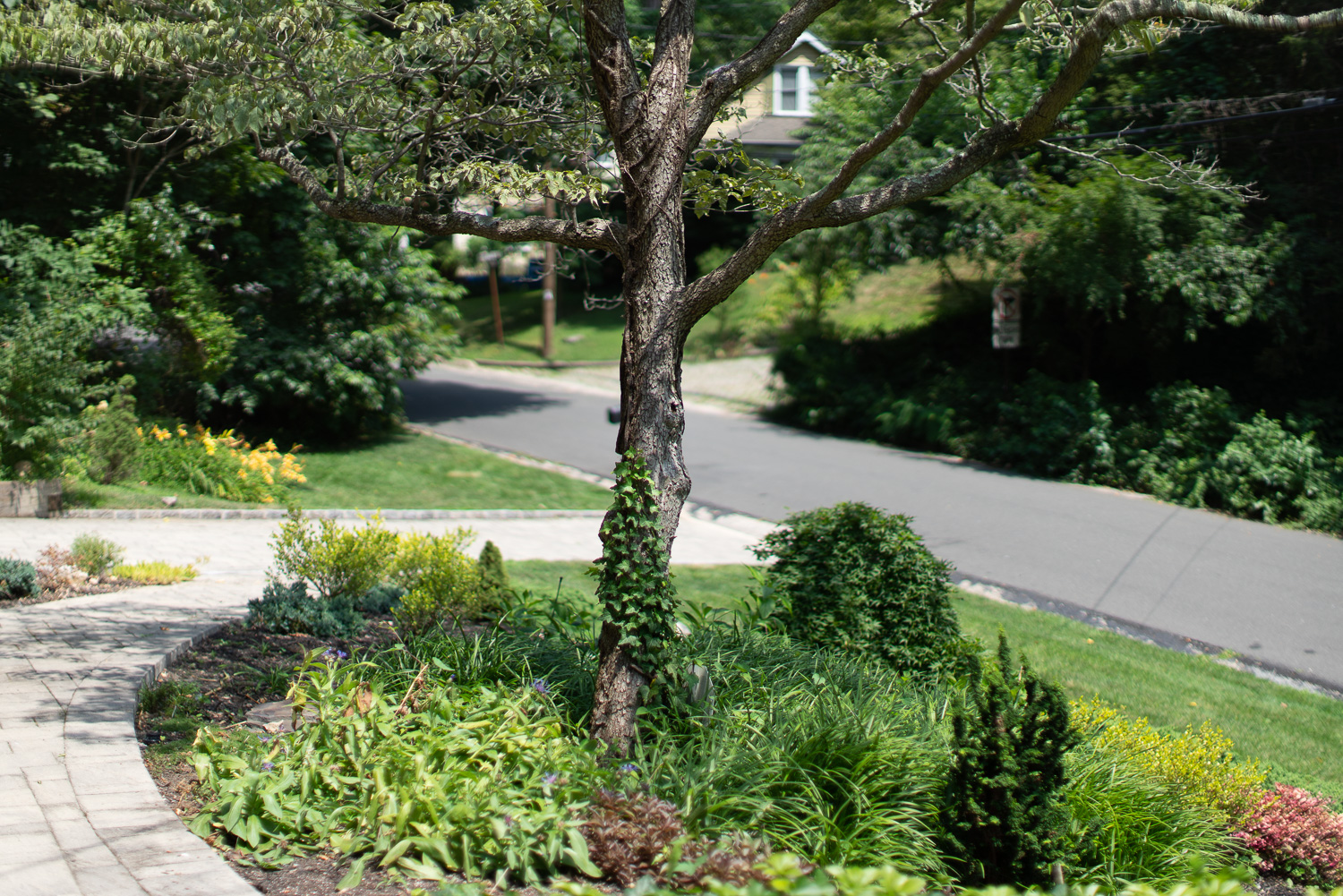 © chiron 2019 |
||
|
Lens 1 50mm at f/1.2
|
||
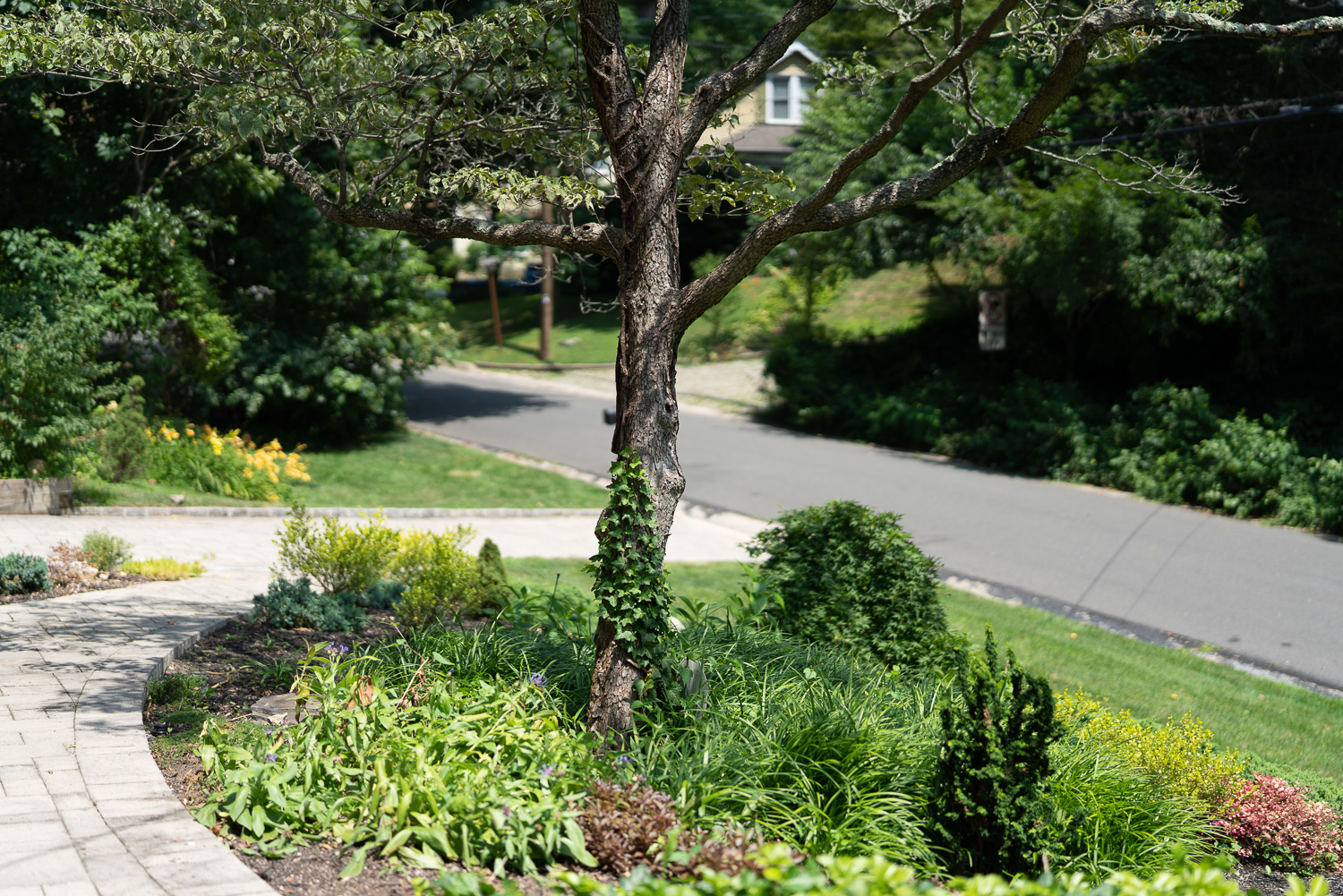 |
||
|
Lens 2 50mm at f/1.4
Edited on Jul 19, 2019 at 10:14 AM · View previous versions
Jul 19, 2019 at 08:08 AM
p.2 #3New Images Comparing Sony 50/1.4 & Canon/1.2L EFCS/No EFCS
chiron wrote:
But if I get sunstroke because of this...
Safety first, chiron.... We can wait for better weather. We have heat wave alert here too.
Jul 19, 2019 at 08:12 AM
p.2 #4New Images Comparing Sony 50/1.4 & Canon/1.2L EFCS/No EFCS
A good use of the 50 1.2 L here. I love the images of this girl.
A friend of her shoots a Sony A7 III with a Sigma 50 1.4 ART besides her, and she shows some of his pictures in the video. What do you think?
Jul 19, 2019 at 01:07 PM
p.2 #5New Images Comparing Sony 50/1.4 & Canon/1.2L EFCS/No EFCS
I think that the photographer with the Sony managed to capture some more eye catching images, that the Canon pics tend to have an yellow and/or greenish cast, and that we are hijacking the thread as it wasn't about Sigma lens or Canon bodies.
Jul 19, 2019 at 01:15 PM
p.2 #6New Images Comparing Sony 50/1.4 & Canon/1.2L EFCS/No EFCS
numbertwo wrote:
A good use of the 50 1.2 L here. I love the images of this girl.
A friend of her shoots a Sony A7 III with a Sigma 50 1.4 ART besides her, and she shows some of his pictures in the video. What do you think?
Certainly a classic way to use a wide open 50, and some of the 50 1.2L images show its virtues quite well with equisite separation and sense of space. Others seem bland in rendering, low-contrast, soft. Hard to judge the comparison to the Sigma because the camera and sensor change, as well as the photographer, and it seems like more of the Sigma pictures came from later in the day with different qualities of light (less yellow, more blue). And its 1.2 vs. 1.4.
What do you think?
Jul 19, 2019 at 02:55 PM
p.2 #7New Images Comparing Sony 50/1.4 & Canon/1.2L EFCS/No EFCS
vdo1 wrote:
I think that the photographer with the Sony managed to capture some more eye catching images, that the Canon pics tend to have an yellow and/or greenish cast, and that we are hijacking the thread as it wasn't about Sigma lens or Canon bodies.
Ha, it could be Irene's PP. She's a quite known for her f/1.2 f/1.4 shots and they're all quite processed. I can say that I don't quite like what that dude did to his pictures, lobster red! He did take better shots though.
Jul 19, 2019 at 03:06 PM
p.2 #8New Images Comparing Sony 50/1.4 & Canon/1.2L EFCS/No EFCS
EFCS OFF Comparisons
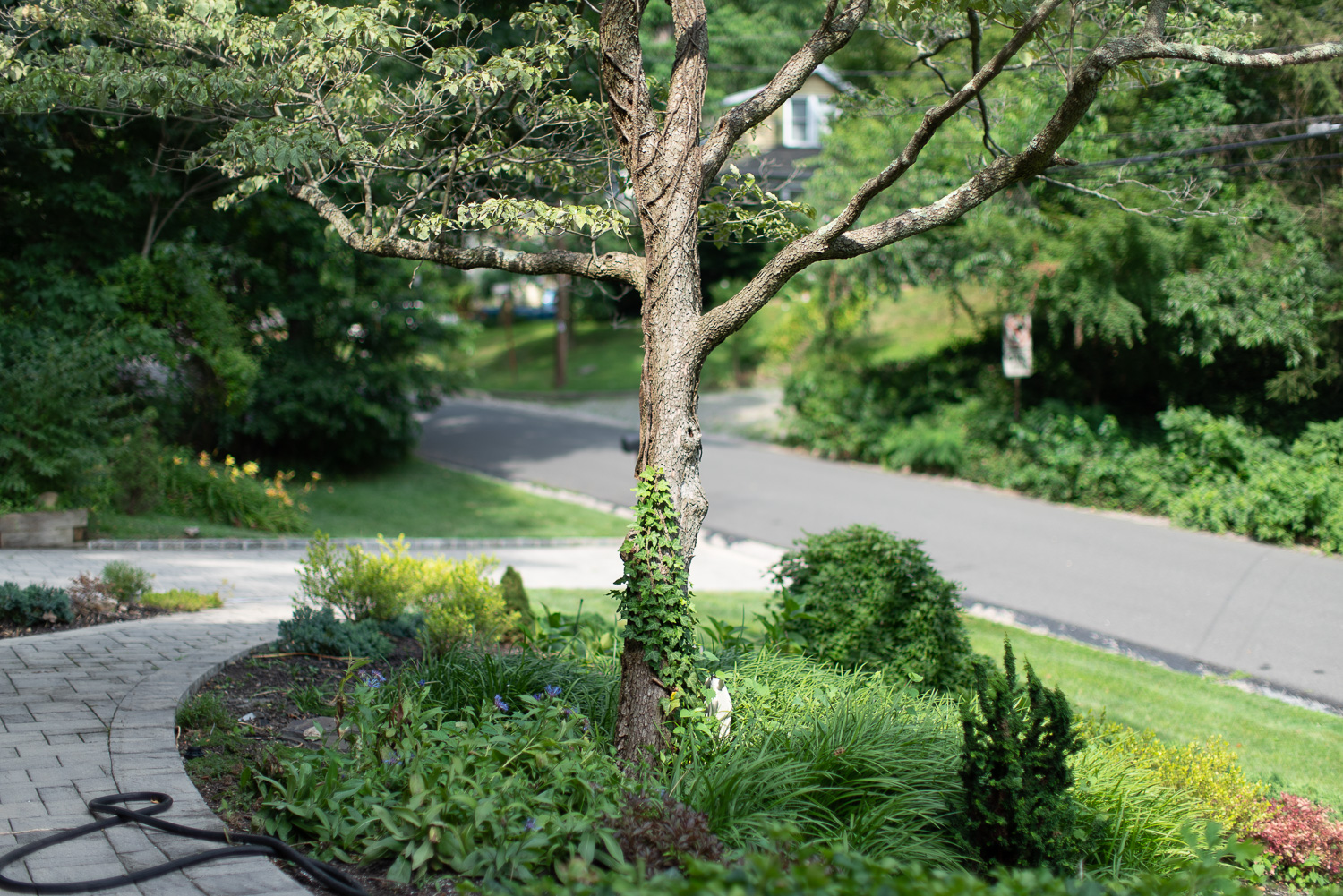
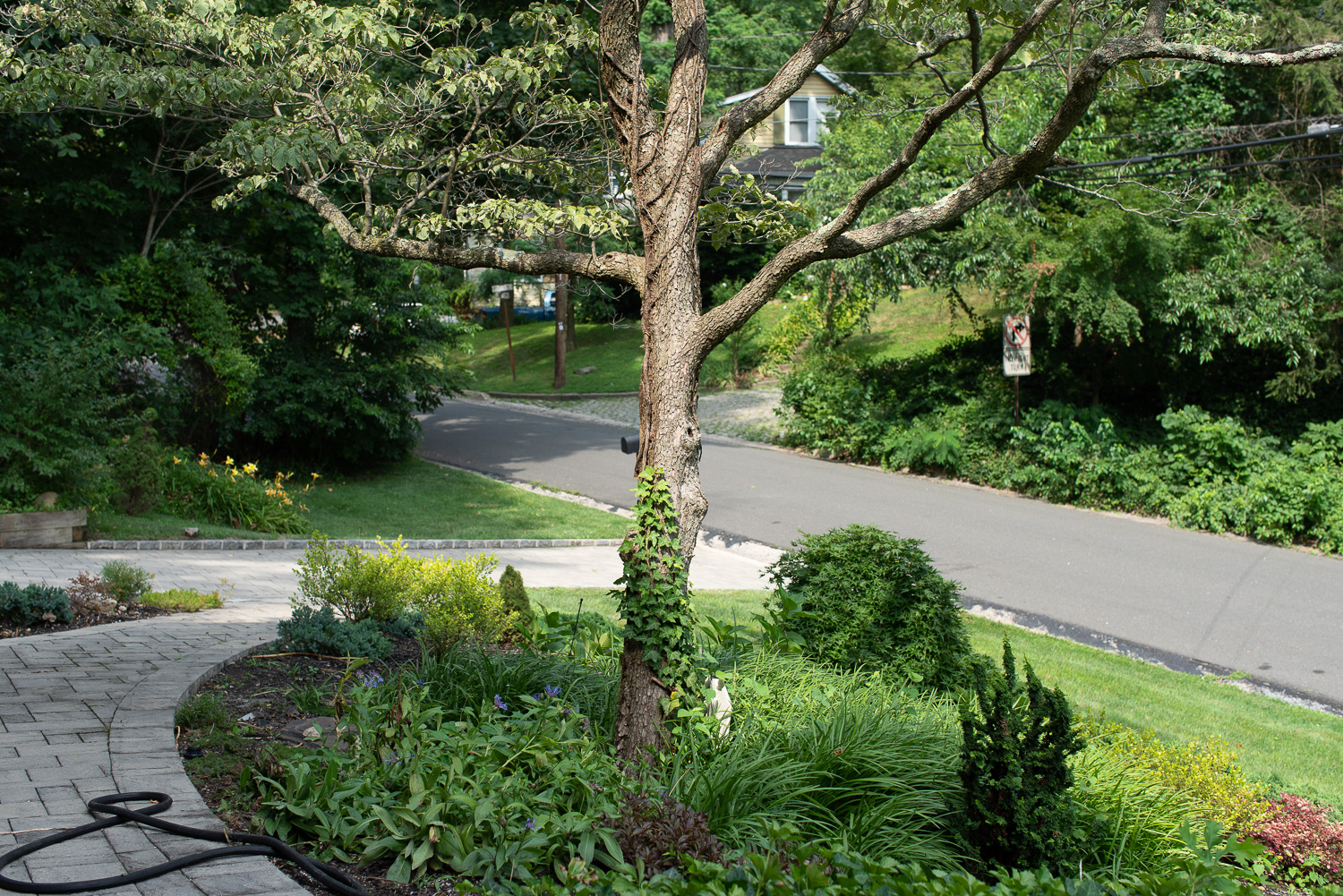
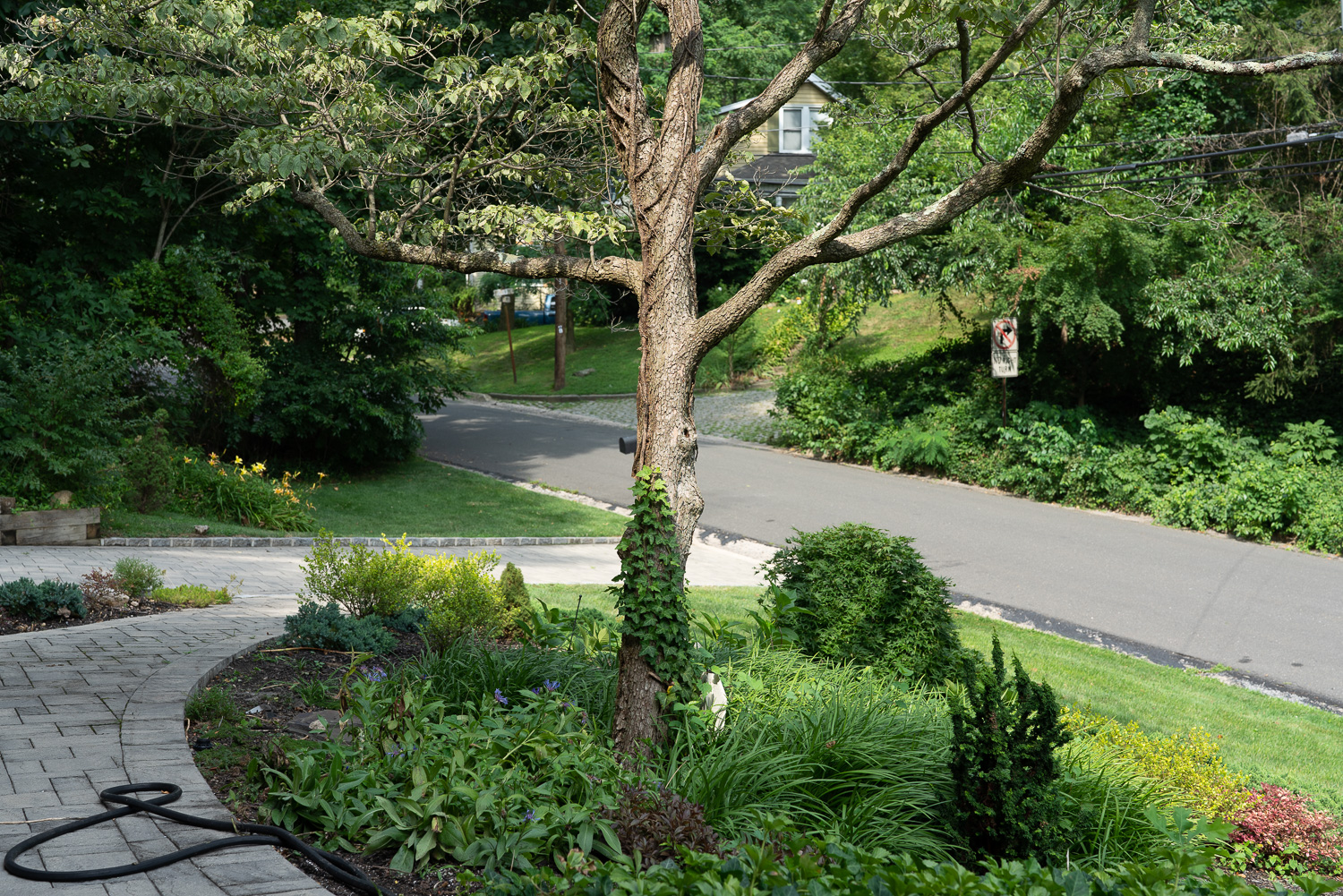
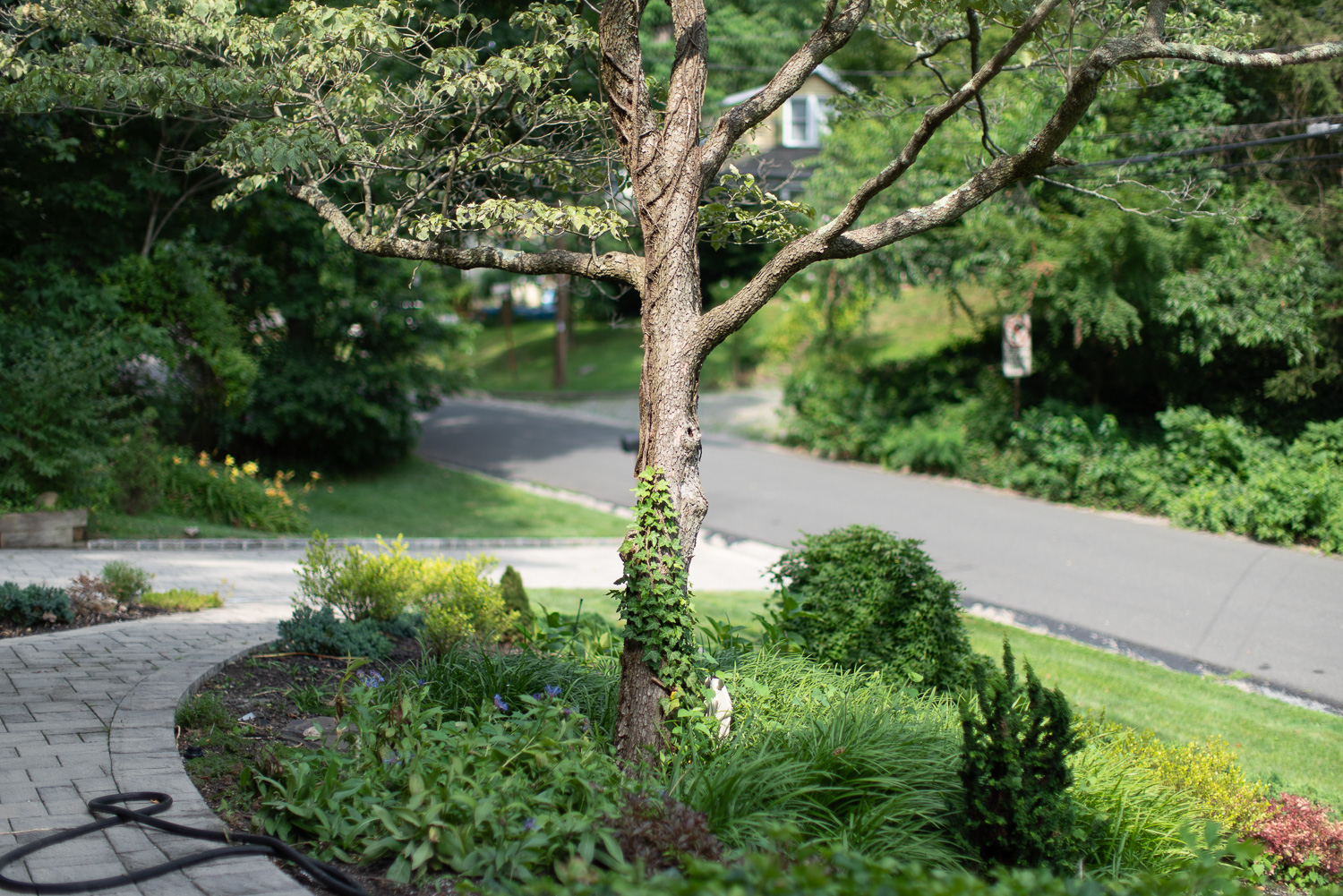
So here are some newly shot comparisons of Lens 1 (Canon EF 50mm 1.2L) and Lens 2 (Sony 50mm f/1.4 ZA), this time with EFCS OFF (and Silent Shooting ON).
There are five images in this post, ordered for convenience of comparison:
A. Lens 1 (Canon) at f/1.2
B. Lens 2 (Sony) at f/1.4
C. Lens 1 (Canon) at f/1.4
D. Lens 1 (Canon) at f/5.6
E. Lens 2 (Sony) at f/5.6
Comments? What do you see in the images and comparisons?
Lens 1 50mm at f/1.2 EFCS OFF
Lens 2 50mm at f/1.4 EFCS OFF
Lens 1 50mm at f/1.4 EFCS OFF
Lens 1 50mm at f/5.6 EFCS OFF
Lens 2 50mm at f/5.6 EFCS OFF
Edited on Jul 19, 2019 at 07:21 PM · View previous versions
So here are some newly shot comparisons of Lens 1 (Canon EF 50mm 1.2L) and Lens 2 (Sony 50mm f/1.4 ZA), this time with EFCS OFF (and Silent Shooting ON).
There are five images in this post, ordered for convenience of comparison:
A. Lens 1 (Canon) at f/1.2
B. Lens 2 (Sony) at f/1.4
C. Lens 1 (Canon) at f/1.4
D. Lens 1 (Canon) at f/5.6
E. Lens 2 (Sony) at f/5.6
Comments? What do you see in the images and comparisons?
|
||
 © chiron 2019 |
||
|
Lens 1 50mm at f/1.2 EFCS OFF
|
||
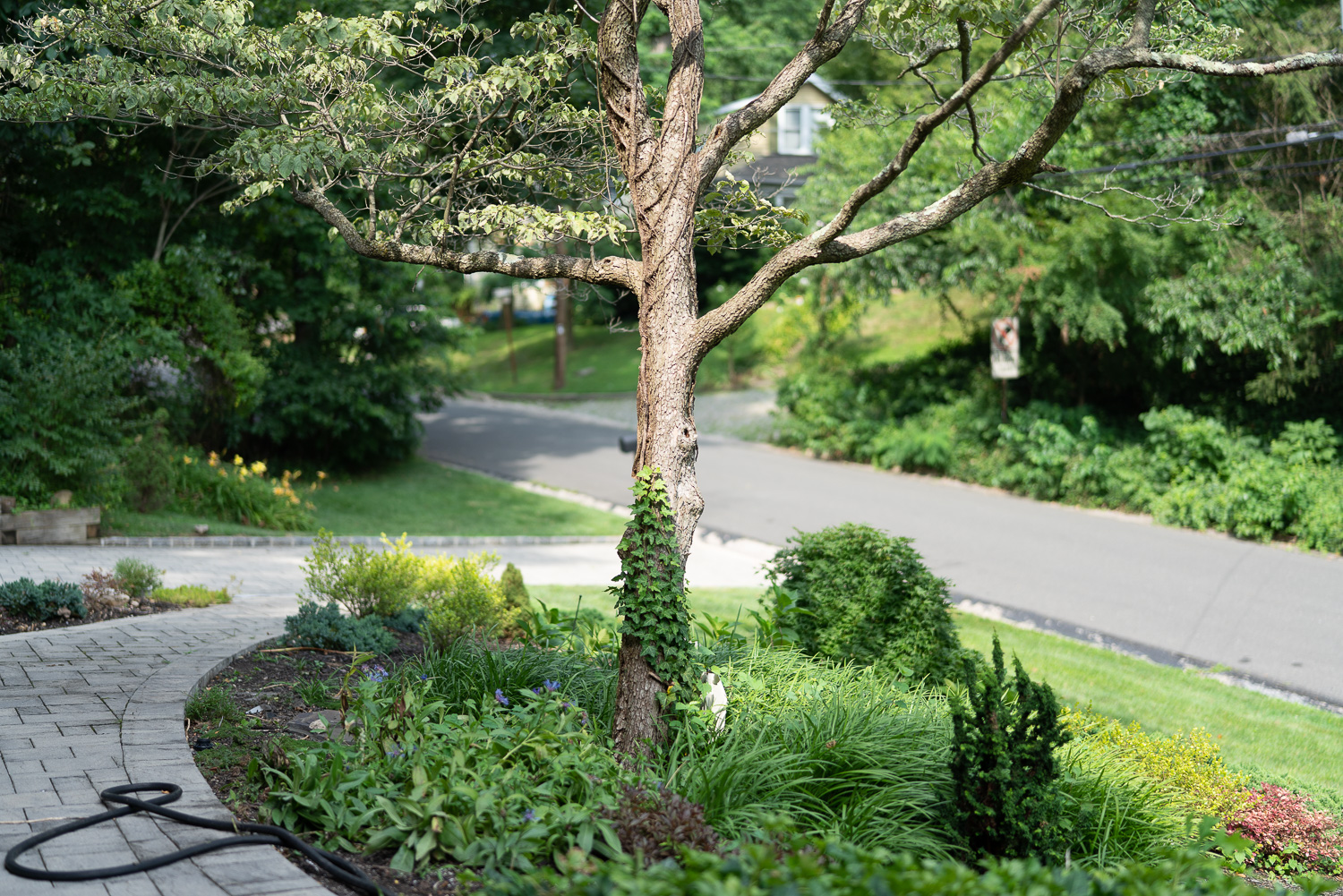 © chiron 2019 |
||
|
Lens 2 50mm at f/1.4 EFCS OFF
|
||
 © chiron 2019 |
||
|
Lens 1 50mm at f/1.4 EFCS OFF
|
||
 © chiron 2019 |
||
|
Lens 1 50mm at f/5.6 EFCS OFF
|
||
 © chiron 2019 |
||
|
Lens 2 50mm at f/5.6 EFCS OFF
Edited on Jul 19, 2019 at 07:21 PM · View previous versions
Jul 19, 2019 at 07:00 PM
p.2 #9New Images Comparing Sony 50/1.4 & Canon/1.2L EFCS/No EFCS
Crazy, the Sony still looks better than the Canon at f/1.2. I find the Canon's bokeh more distracting both WO and f/1.4. Is the Canon sharper than the Sony at f/5.6?
Jul 19, 2019 at 07:09 PM
p.2 #10New Images Comparing Sony 50/1.4 & Canon/1.2L EFCS/No EFCS
EFCS OFF vs. EFCS ON Comparison for Canon EF 50mm f/1.2L
Canon EF 50mm 1.2L: Comparison of two shots, one taken with EFCS OFF (with Silent Shooting) vs one taken with EFCS ON (with Mechanical Shutter), at f/1.2 and 1/2000 sec.
Comments? What do you see?
Canon EF 50mm f/1.2L at f/1.2 & 1/2000th sec with EFCS OFF (and Silent Shooting)
Canon EF 50mm f/1.2L at f/1.2 & 1/2000th sec with EFCS On (and Mech Shutter)
Canon EF 50mm 1.2L: Comparison of two shots, one taken with EFCS OFF (with Silent Shooting) vs one taken with EFCS ON (with Mechanical Shutter), at f/1.2 and 1/2000 sec.
Comments? What do you see?
|
||
 © chiron 2019 |
||
|
Canon EF 50mm f/1.2L at f/1.2 & 1/2000th sec with EFCS OFF (and Silent Shooting)
|
||
 © chiron 2019 |
||
|
Canon EF 50mm f/1.2L at f/1.2 & 1/2000th sec with EFCS On (and Mech Shutter)
Jul 19, 2019 at 07:19 PM
p.2 #11New Images Comparing Sony 50/1.4 & Canon/1.2L EFCS/No EFCS
Well at least now it looks like a real lens. In the EFCS version the bokeh balls look like fish scales lol.
Jul 19, 2019 at 07:29 PM
p.2 #12New Images Comparing Sony 50/1.4 & Canon/1.2L EFCS/No EFCS
You're bringing an interesting debate as well, it seems the light measuring in silent mode is different as well. The pictures with efcs seem to have more contrast and better exposure. I remember a video of manny Ortiz when he (mistakenly) was explaining the negative effects of the efcs, but really what he was shooting was silent vs pure mechanical (poor guy sometimes he has no clue of what he's talking about, like when he says something about good bokeh for the number of aperture blades and then he's shooting wide open). Well, the thing is that by chance, he proved the exposure/contrast in silent shutter to be different (worse) than with fully mechanical shutter. I think he was using a Sony 85 GM.
Edit: the video I meant
Edited on Jul 19, 2019 at 09:33 PM · View previous versions
Jul 19, 2019 at 08:55 PM
p.2 #13New Images Comparing Sony 50/1.4 & Canon/1.2L EFCS/No EFCS
chiron wrote:
numbertwo wrote
A good use of the 50 1.2 L here. I love the images of this girl.A friend of her shoots a Sony A7 III with a Sigma 50 1.4 ART besides her, and she shows some of his pictures in the video. What do you think?
What do you think?
I think they were shooting at the same time, and she puts the pictures of the guy in the middle of the video, with the same lighting she was using, etc.
To my eyes, her pictures are just beautiful to look at. The colors, the color contrast, everything looks quite saturated but still natural and beautiful.
The guy might have a technically better camera and lens, but his pictures are flat, lifeless, they look heavily color graded, filter like.
To me this proves that the lens sharpness is not an issue, but at the end of the day everything is about the skills of the photographer and good taste editing.
This girl is always shooting this 50 1.2 and the 85 1.2L at f1.2L, and her portraits never lack sharpness for the portrait use. Would she take better pictures with the Sigma art or the Zony? Well, I doubt it would be a big different in sharpness when not printing billboards, and maybe the models are even more flattering with the less clinical lens, and for sure the extra separation with the 1.2 is adding to the picture.
And of course, for landscape use we're stopping the lens down anyways.
To sum up, of course the 50 L is less sharp and not as well corrected as the zeiss, but for portrait, I can see how definitely can deliver a more pleasing look in the pictures.
Jul 19, 2019 at 09:07 PM
p.2 #14New Images Comparing Sony 50/1.4 & Canon/1.2L EFCS/No EFCS
numbertwo wrote:
A friend of her shoots a Sony A7 III with a Sigma 50 1.4 ART besides her, and she shows some of his pictures in the video. What do you think?Certainly a classic way to use a wide open 50, and some of the 50 1.2L images show its virtues quite well with equisite separation and sense of space. Others seem bland in rendering, low-contrast, soft. Hard to judge the comparison to the Sigma because the camera and sensor change, as well as the photographer, and it seems like more of the Sigma pictures came from later in the day with different qualities of light (less yellow, more blue). And its 1.2 vs. 1.4.
What do you think?I think they were shooting at the same time, and she puts the pictures of the guy in the middle of the video, with the same lighting she was using, etc.
To my eyes, her pictures are just beautiful to look at. The colors, the color contrast, everything looks quite saturated but still natural and beautiful.
The guy might have a technically better camera and lens, but his pictures are flat, lifeless, they look heavily color graded, filter like.
To me this proves that the lens sharpness is not an issue, but at the end of the day everything is about the skills...Show more →
The way in which she is using the 1.2L is certainly what the lens is famous for. I plan to take another look at the video with your comments in mind. Thanks for posting this and for your reading of the images!
chiron wrote
numbertwo wrote
A good use of the 50 1.2 L here. I love the images of this girl.A friend of her shoots a Sony A7 III with a Sigma 50 1.4 ART besides her, and she shows some of his pictures in the video. What do you think?
What do you think?
To my eyes, her pictures are just beautiful to look at. The colors, the color contrast, everything looks quite saturated but still natural and beautiful.
The guy might have a technically better camera and lens, but his pictures are flat, lifeless, they look heavily color graded, filter like.
To me this proves that the lens sharpness is not an issue, but at the end of the day everything is about the skills...Show more →
The way in which she is using the 1.2L is certainly what the lens is famous for. I plan to take another look at the video with your comments in mind. Thanks for posting this and for your reading of the images!
Jul 19, 2019 at 09:36 PM
p.2 #15New Images Comparing Sony 50/1.4 & Canon/1.2L EFCS/No EFCS
numbertwo wrote:
You're bringing an interesting debate as well, it seems the light measuring in silent mode is different as well. The pictures with efcs seem to have more contrast and better exposure. I remember a video of manny Ortiz when he (mistakenly) was explaining the negative effects of the efcs, but really what he was shooting was silent vs pure mechanical (poor guy sometimes he has no clue of what he's talking about, like when he says something about good bokeh for the number of aperture blades and then he's shooting wide open). Well, the thing is that by chance, he...Show more →
Yes, the image with EFCS-ON/Mech Shutter looks better to me also than the EFCS-OFF/Silent Shooting shot. For example, the highlights in the EFCS-ON shot are calmer and less busy. With EFCS-OFF, the highlights are a little buzzy.
Jul 19, 2019 at 09:49 PM
p.2 #16New Images Comparing Sony 50/1.4 & Canon/1.2L EFCS/No EFCS
numbertwo wrote:
You're bringing an interesting debate as well, it seems the light measuring in silent mode is different as well. The pictures with efcs seem to have more contrast and better exposure. I remember a video of manny Ortiz when he (mistakenly) was explaining the negative effects of the efcs, but really what he was shooting was silent vs pure mechanical (poor guy sometimes he has no clue of what he's talking about, like when he says something about good bokeh for the number of aperture blades and then he's shooting wide open). Well, the thing is that by chance, he...Show more →
I always judge reviewers who claim that the number and type of aperture blades affect the bokeh of a lens when shooting wide open

Jul 20, 2019 at 12:43 AM
p.2 #17New Images Comparing Sony 50/1.4 & Canon/1.2L EFCS/No EFCS
Chiron, I suggest you to test full mechanical shutter vs efcs too, particularly at speeds where efcs is supposed to have the benefit of reducing “shutter shock”. You may do this when time permits and just for yourself, I’m not asking you to share, I pretty much know the results. The Zony is a good candidate for that, in previous published materials it was deemed that shutter shock would be most visible exactly with that lens, around 1/60s. Also try with ibis on / off.
Spoiler: the A7R III has a different shutter than the original A7R - where the “shutter shock” effect was first noticed and studied.
Jul 20, 2019 at 04:54 AM
p.2 #18New Images Comparing Sony 50/1.4 & Canon/1.2L EFCS/No EFCS
numbertwo wrote:
You're bringing an interesting debate as well, it seems the light measuring in silent mode is different as well. The pictures with efcs seem to have more contrast and better exposure. I remember a video of manny Ortiz when he (mistakenly) was explaining the negative effects of the efcs, but really what he was shooting was silent vs pure mechanical (poor guy sometimes he has no clue of what he's talking about, like when he says something about good bokeh for the number of aperture blades and then he's shooting wide open). Well, the thing is that by chance, he...Show more →
That “poor guy” is always getting his colors right, in both video and stills, and without much fuss or complaints. Compare with previous video in the thread and he’s in a different class altogether. So maybe he deserves some respect, especially from color processing challenged people.
Jul 20, 2019 at 04:58 AM
p.2 #19New Images Comparing Sony 50/1.4 & Canon/1.2L EFCS/No EFCS
vdo1 wrote:
Edit: the video I meantThat “poor guy” is always getting his colors right, in both video and stills, and without much fuss and complaints. Compare with previous video in the thread and he’s in a different class altogether. So maybe he deserves some respect, especially from color processing challenged people.
First, I have worse shutter shock on my a73 than I had on my R2. The sound is nicer now, but the shutter shock is more visible.
I don't like Manny ortiz colors, maybe they are more accurate, I don't know and don't know how to test accuracy, but they don't look either beautiful or natural to me. Curiously, when he tested the Canon R, the nikon or the fuji, he got his best colors out from those cameras in my opinion. Why his results in Sony are, to my eyes, lacking? Look for comments in his videos and Instagram, a lot of people agree on he getting better colors with other cameras compared to Sony.
But well, going back on topic, I think whilst the Canon L might be not as sharp wide open, for its intended use it might be even better (more blur, more dimensionality, higher speed in low light). Would I buy the L instead of the Zony if the L was noticeably more expensive? Maybe not. Would I prefer the L at the same price? Well, for portraits, and considering its smaller and brighter, maybe yes.
numbertwo wrote
You're bringing an interesting debate as well, it seems the light measuring in silent mode is different as well. The pictures with efcs seem to have more contrast and better exposure. I remember a video of manny Ortiz when he (mistakenly) was explaining the negative effects of the efcs, but really what he was shooting was silent vs pure mechanical (poor guy sometimes he has no clue of what he's talking about, like when he says something about good bokeh for the number of aperture blades and then he's shooting wide open). Well, the thing is that by chance, he proved the exposure/contrast in silent shutter to be different (worse) than with fully mechanical shutter. I think he was using a Sony 85 GM.Edit: the video I meant
First, I have worse shutter shock on my a73 than I had on my R2. The sound is nicer now, but the shutter shock is more visible.
I don't like Manny ortiz colors, maybe they are more accurate, I don't know and don't know how to test accuracy, but they don't look either beautiful or natural to me. Curiously, when he tested the Canon R, the nikon or the fuji, he got his best colors out from those cameras in my opinion. Why his results in Sony are, to my eyes, lacking? Look for comments in his videos and Instagram, a lot of people agree on he getting better colors with other cameras compared to Sony.
But well, going back on topic, I think whilst the Canon L might be not as sharp wide open, for its intended use it might be even better (more blur, more dimensionality, higher speed in low light). Would I buy the L instead of the Zony if the L was noticeably more expensive? Maybe not. Would I prefer the L at the same price? Well, for portraits, and considering its smaller and brighter, maybe yes.
Jul 20, 2019 at 05:13 AM
p.2 #20New Images Comparing Sony 50/1.4 & Canon/1.2L EFCS/No EFCS
Yes, Manny gets great colors out of any camera and doesn’t even comment about it. It’s something that he just does, naturally and effortlessly. Other people just complain that they can’t get good colors out of anything but a specific brand / model. Whom should I take seriously and give credit to?
Jul 20, 2019 at 05:32 AM