AdaptedLenses wrote:
I’m still iffy on the Zfc, but tried the transplanted Contax Yashica T3/T4 35mm f/3.5 Tessa’s today and it made for a fun little camera.
Thanks. I guess that's why those are still pricey & popular film cameras. It's a tricky lens though, definitely effected by to cover glass to the point it's not really useable on full frame, but the worst of it is hidden on APS-C.
AdaptedLenses wrote:
Thanks. I guess that's why those are still pricey & popular film cameras. It's a tricky lens though, definitely effected by to cover glass to the point it's not really useable on full frame, but the worst of it is hidden on APS-C.
I did not know it does not quite cover full frame. I loved my Planar 50/f1.4, which got broken. I keep saying I will buy another one, but there are many other lenses I want to try, and now, it is harder to find. Oh well.
Some from a few months ago already. Time is flying a bit too fast now.
How much time do you guys spend post processing your photos? I have a Z6, but most of my photos don't look like this. I don't have any software to process my images other than older copies of Photoshop. Should I be using the Nikon software to process RAW images? Great images btw.
2 min for a basic shot in Lightroom, maybe 10 if I want to go all out.
I’ve got 10+ years of experience with LR though, lots of muscle memory and know some tricks which speeds up that workflow.
robbyphoto wrote:
How much time do you guys spend post processing your photos? I have a Z6, but most of my photos don't look like this. I don't have any software to process my images other than older copies of Photoshop. Should I be using the Nikon software to process RAW images? Great images btw.
robbyphoto wrote:
How much time do you guys spend post processing your photos? I have a Z6, but most of my photos don't look like this. I don't have any software to process my images other than older copies of Photoshop. Should I be using the Nikon software to process RAW images? Great images btw.
I also was like you wondering why everyone with the same gear have nicer photos than mine.
I did not know how much I was missing by not postprocessing until few days back.
Basically you do not lose any time because no matter what you do, you still have to organize/classify/delete shots which the postprocessing software help with that.
Initially I thought that I will be spending lots of time adjusting the pictures, but that turned not only not true, but a pleasurable process.
Yes start with Nikon nx studio to give your self proper decision in going to LR or other software.
How about an example of what they look like so we can see what you’re seeing. “Don’t look like this” can mean a lot, sharpness, color, contrast, separation, etc.
robbyphoto wrote:
How much time do you guys spend post processing your photos? I have a Z6, but most of my photos don't look like this. I don't have any software to process my images other than older copies of Photoshop. Should I be using the Nikon software to process RAW images? Great images btw.
I'll see if I can send some links from Imgur. Hopefully you can see them. These are just JPG's out of the camera and no processing. I haven't downloaded NX yet.
AdaptedLenses wrote:
How about an example of what they look like so we can see what you’re seeing. “Don’t look like this” can mean a lot, sharpness, color, contrast, separation, etc.
I was wondering about the same thing.
Long time when I used SLR (film roll) the dynamic range was real good. but in dslr and ML , I have to post process to improve the dynamic range and the livelihood of the image.
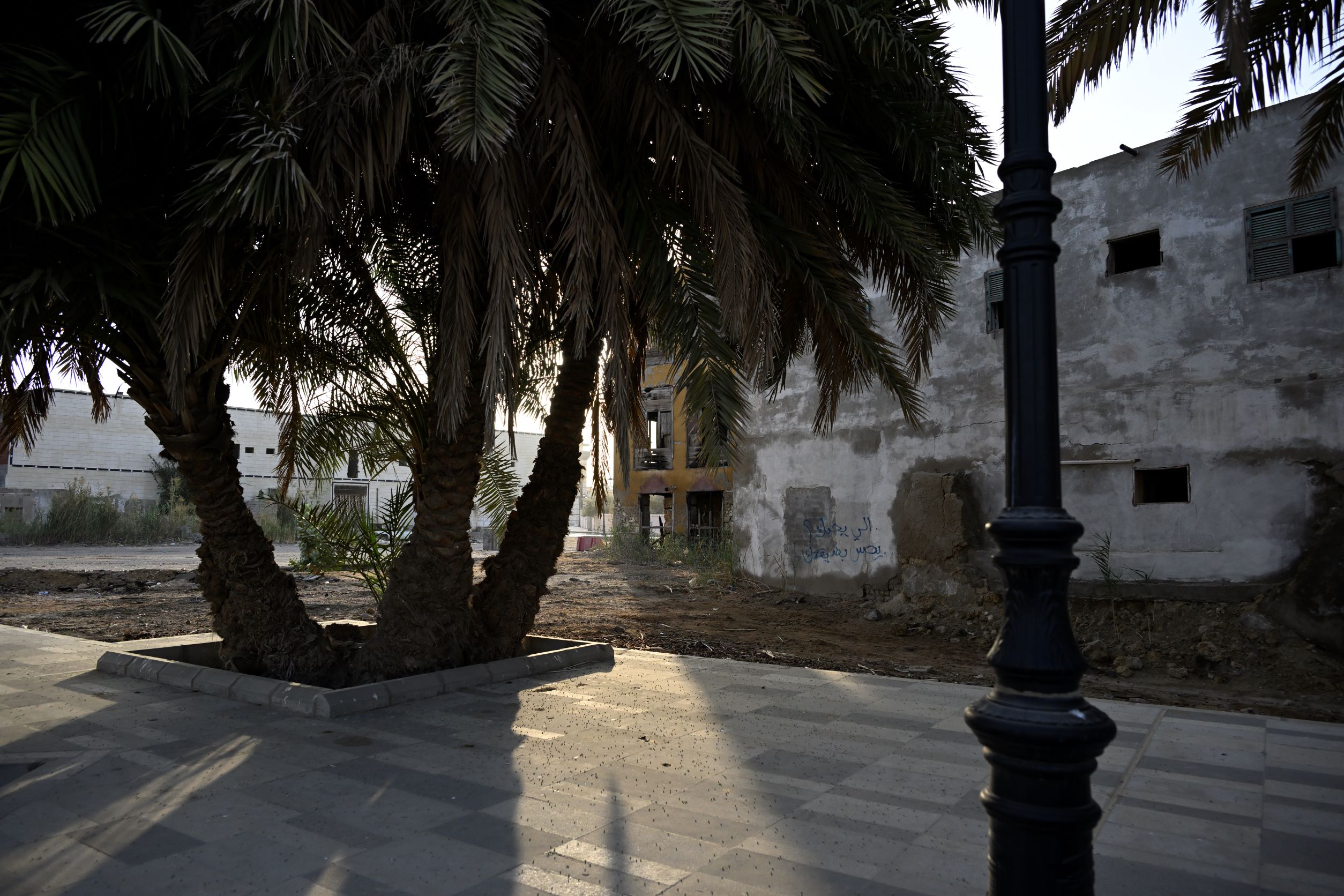
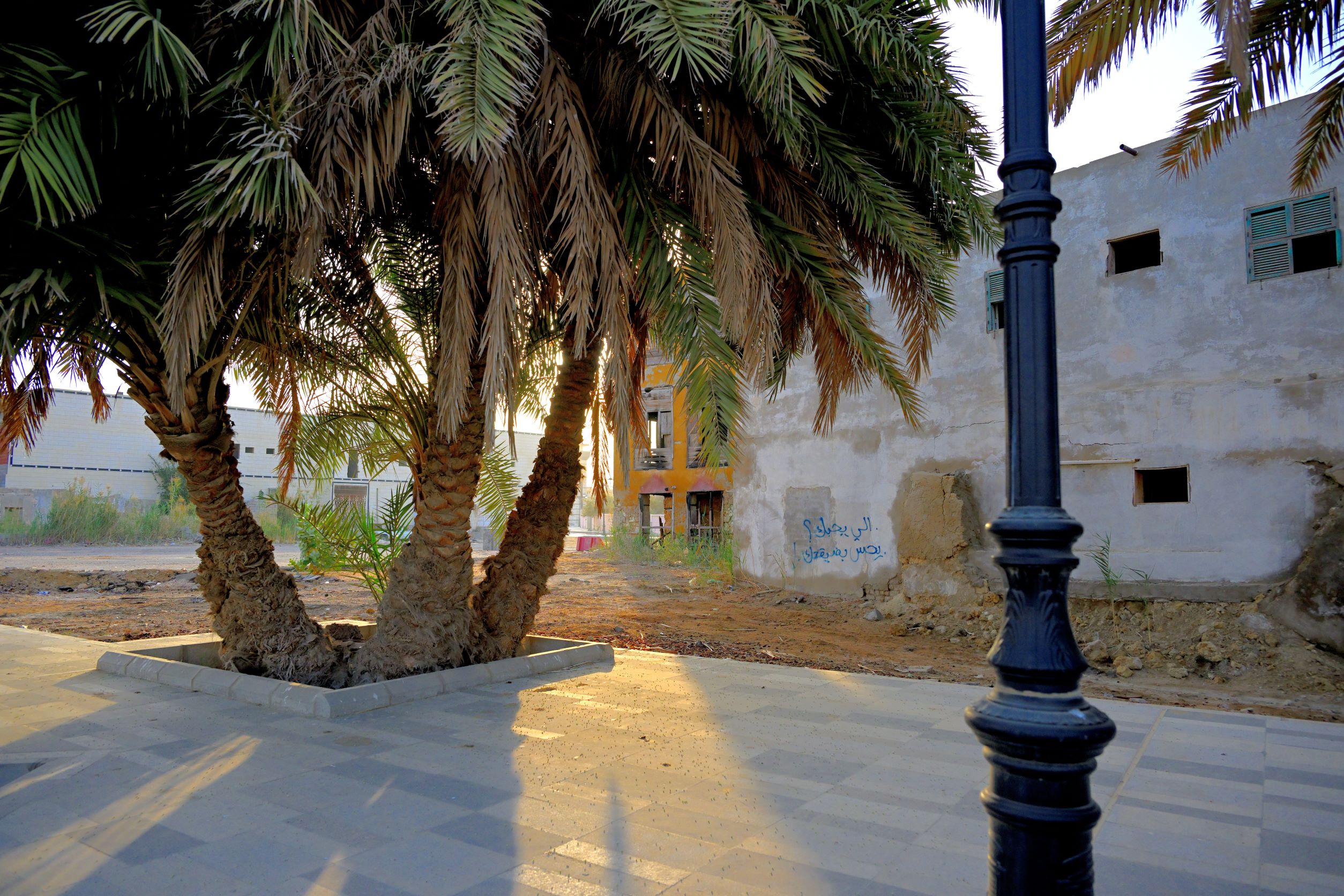
The following may not be the extreme example, but postprocessing improved the dynamic range slightly. (I have much more extreme examples, but I deleted the original files)
The first image without any adjustment while the second image is briefly adjusted ( did not touch the sharpness)
In real life what I see regarding color is in between the two photos but with better dynamic range obviously.
NissanPatrol wrote:
I was wondering about the same thing.
Long time when I used SLR (film roll) the dynamic range was real good. but in dslr and ML , I have to post process to improve the dynamic range and the livelihood of the image.
The following may not be the extreme example, but postprocessing improved the dynamic range slightly. (I have much more extreme examples, but I deleted the original files)
The first image without any adjustment while the second image is briefly adjusted ( did not touch the sharpness)
In real life what I see regarding color is in between the two photos but with better dynamic range obviously.
I've had similar experiences. I used to shoot SLR 35mm film and I didn't have to do any of the work, but I paid a lot for each frame even if it wasn't worth the paper it was printed on. So, in some respects digital is a much better platform, but somewhere in the process I've seemed to have lost something in my photos. I don't print anything anymore, which is a shame, but I've taken so many photos they don't seem interesting anymore. I'm looking for advice to make my photos have more "pop" for a generic description. It's still a struggle to find interesting subject matter, but I think that's a different discussion topic. I'm just interested in how to improve my somewhat generic photos.
robbyphoto wrote:
I've had similar experiences. I used to shoot SLR 35mm film and I didn't have to do any of the work, but I paid a lot for each frame even if it wasn't worth the paper it was printed on. So, in some respects digital is a much better platform, but somewhere in the process I've seemed to have lost something in my photos. I don't print anything anymore, which is a shame, but I've taken so many photos they don't seem interesting anymore. I'm looking for advice to make my photos have more "pop" for a generic description. It's still a struggle to find interesting subject matter, but I think that's a different discussion topic. I'm just interested in how to improve my somewhat generic photos. ...Show more →
exactly
as if you are describing me. At least it is solved for me.
1-Take raw images ( I thought before people who take raw images are insane why take raw and convert it to jpeg if I can take jpeg directly)
2-down load Nikon nx studio. It is not as good as other image processing software but it is free and it does the normal fixing.
3-Play with D-light, saturation, contrast, and intensity/exposure. It takes a little while but the learning curve is not steep at all.
4- I rarely play with sharpness as it can hurt some details.
as if you are describing me. At least it is solved for me.
1-Take raw images ( I thought before people who take raw images are insane why take raw and convert it to jpeg if I can take jpeg directly)
2-down load Nikon nx studio. It is not as good as other image processing software but it is free and it does the normal fixing.
3-Play with D-light, saturation, contrast, and intensity/exposure. It takes a little while but the learning curve is not steep at all.
4- I rarely play with sharpness as it can hurt some details.
Philip
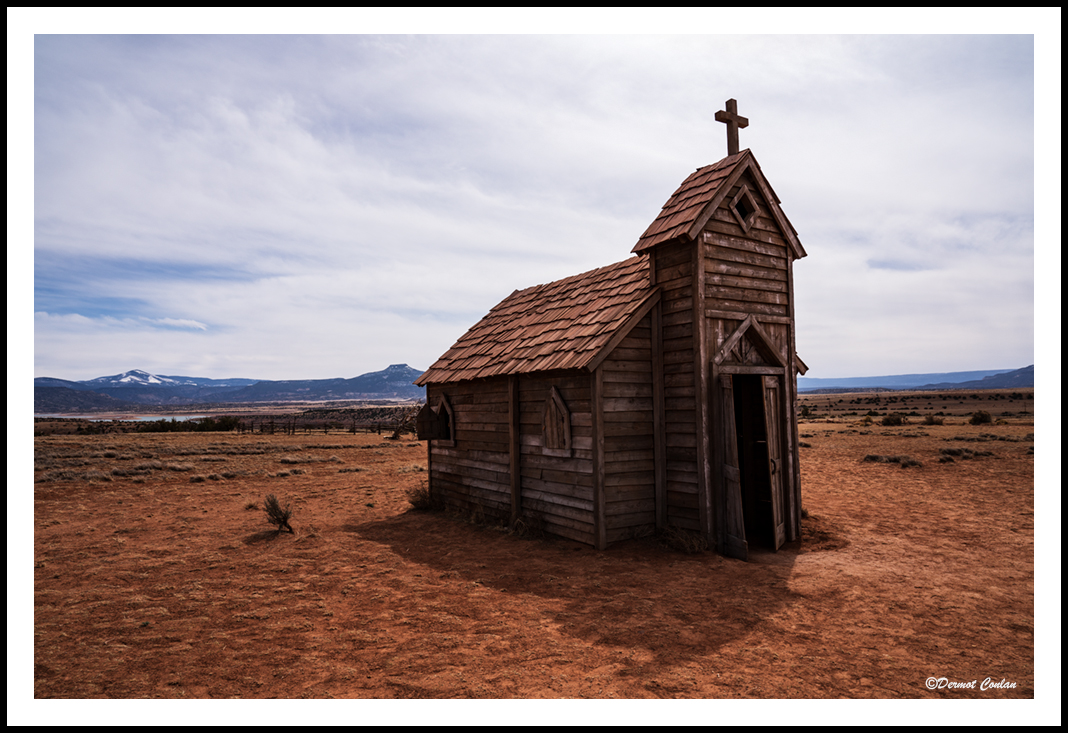
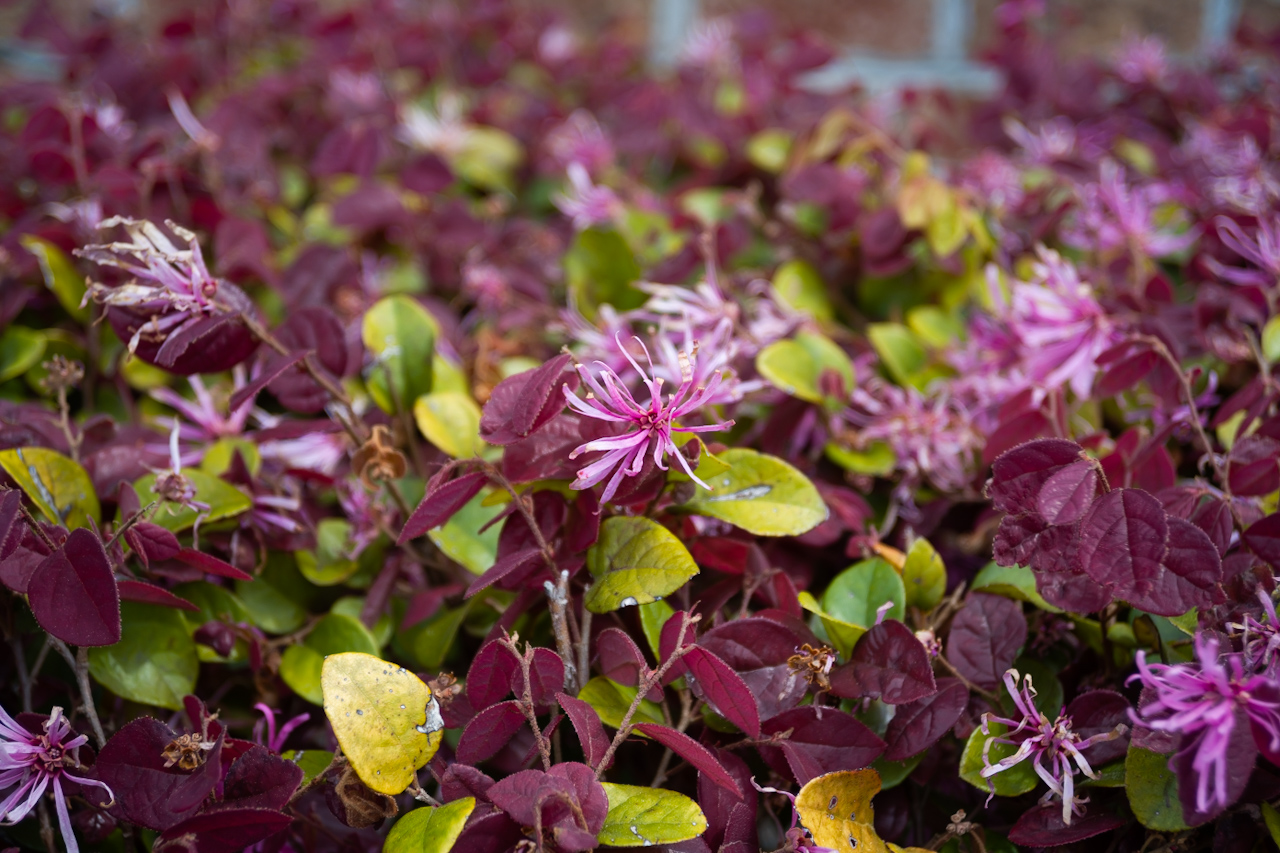
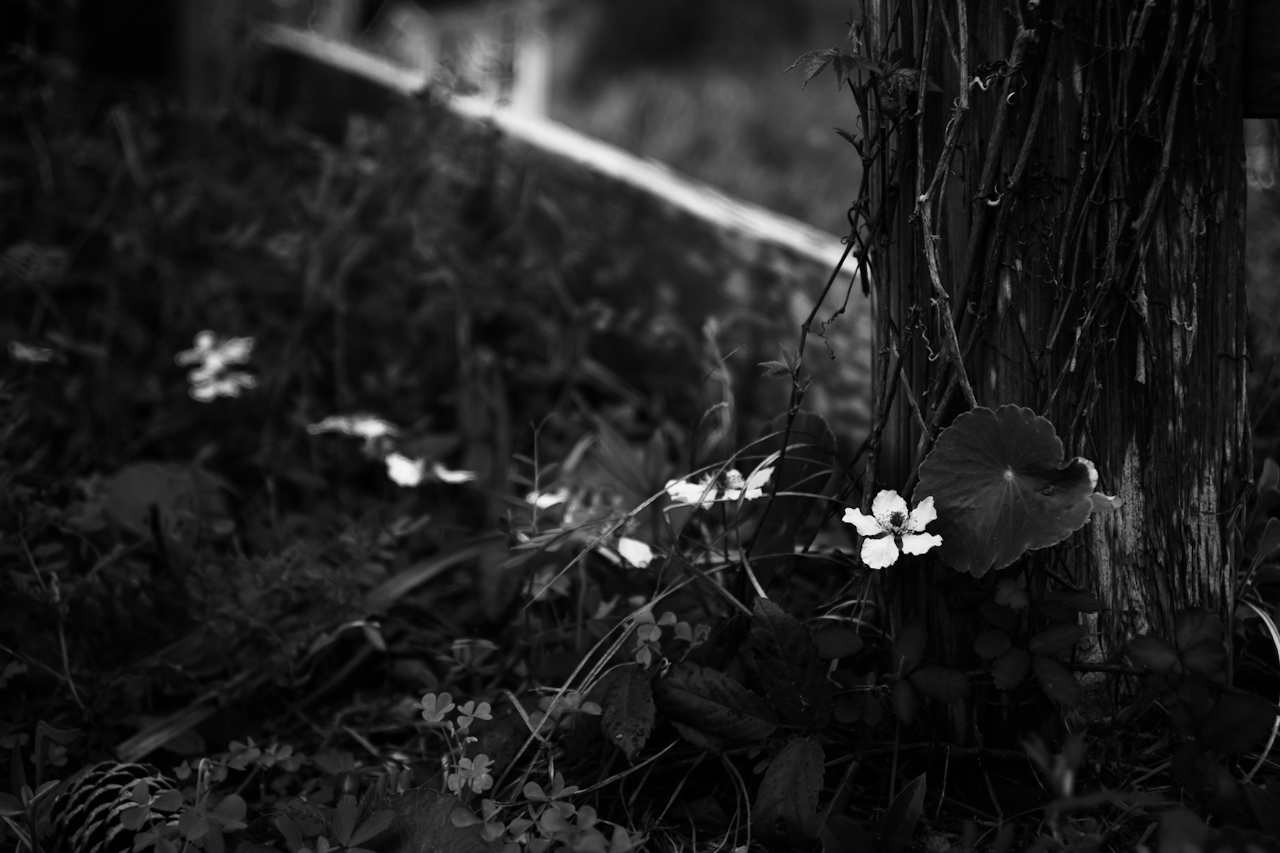
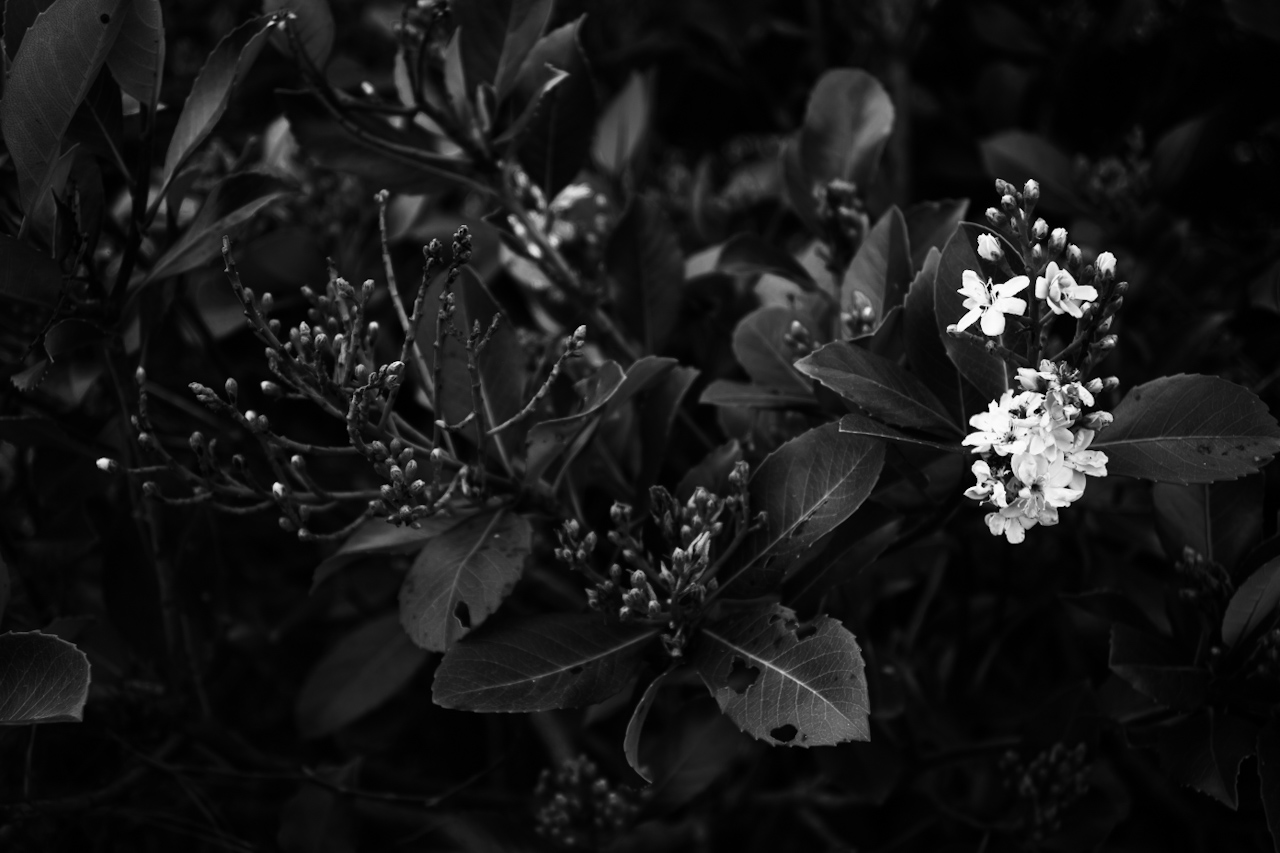
Not to derail this thread, and you could probably make a whole thread looking for tips, but post processing is an art unto itself. Here's a before and after of one of my most involved edits. It goes far beyond just sliders. This one took several hours before I was satisfied, and is now the biggest print on my wall (in canvas). Until you have a program that can do selective editing like masks, brushes, radials, etc, you will probably not achieve that elusive "look" you are seeing in other photos.




 why take raw and convert it to jpeg if I can take jpeg directly)

