This topic is in the 2016 archive. You can read it and like its posts here. It is read only.
Archive 2016Official: Loxia 85mm f/2.4 Sonnar
p.29 #2Official: Loxia 85mm f/2.4 Sonnar
GMPhotography wrote:
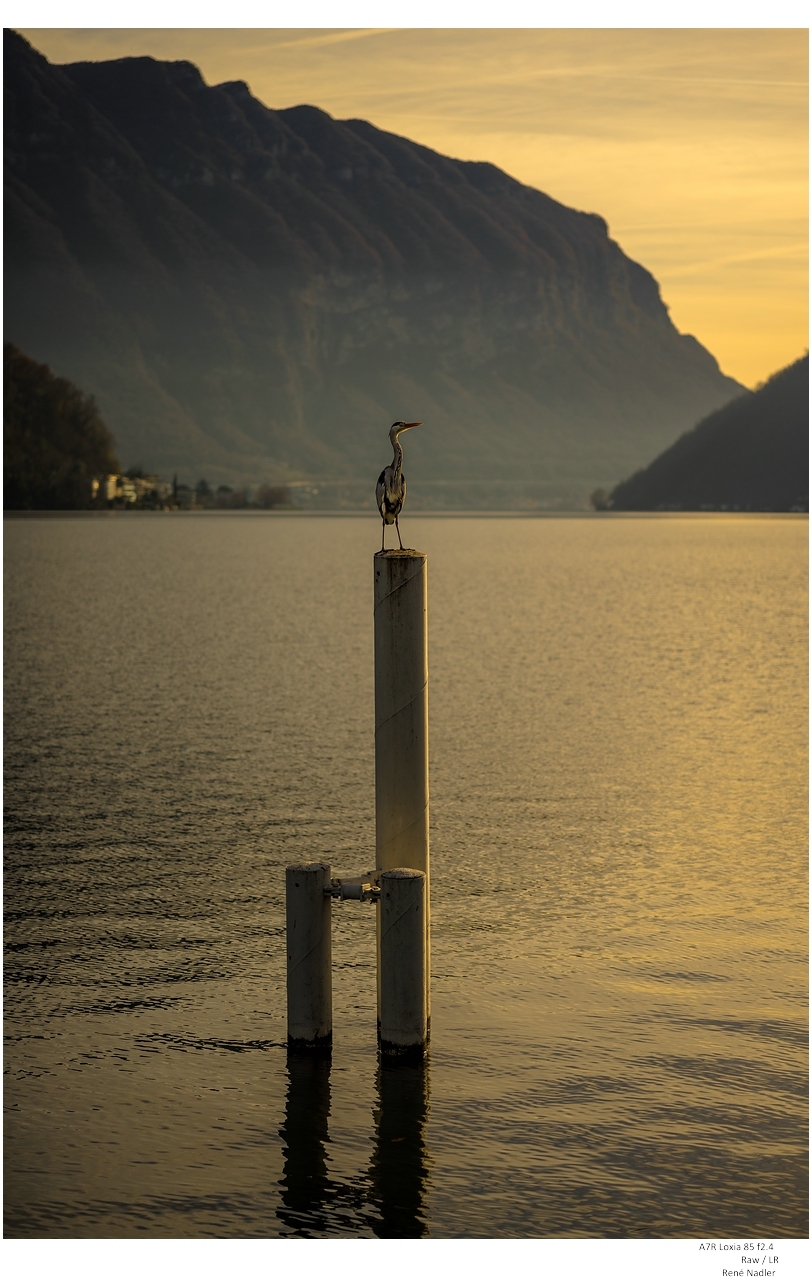
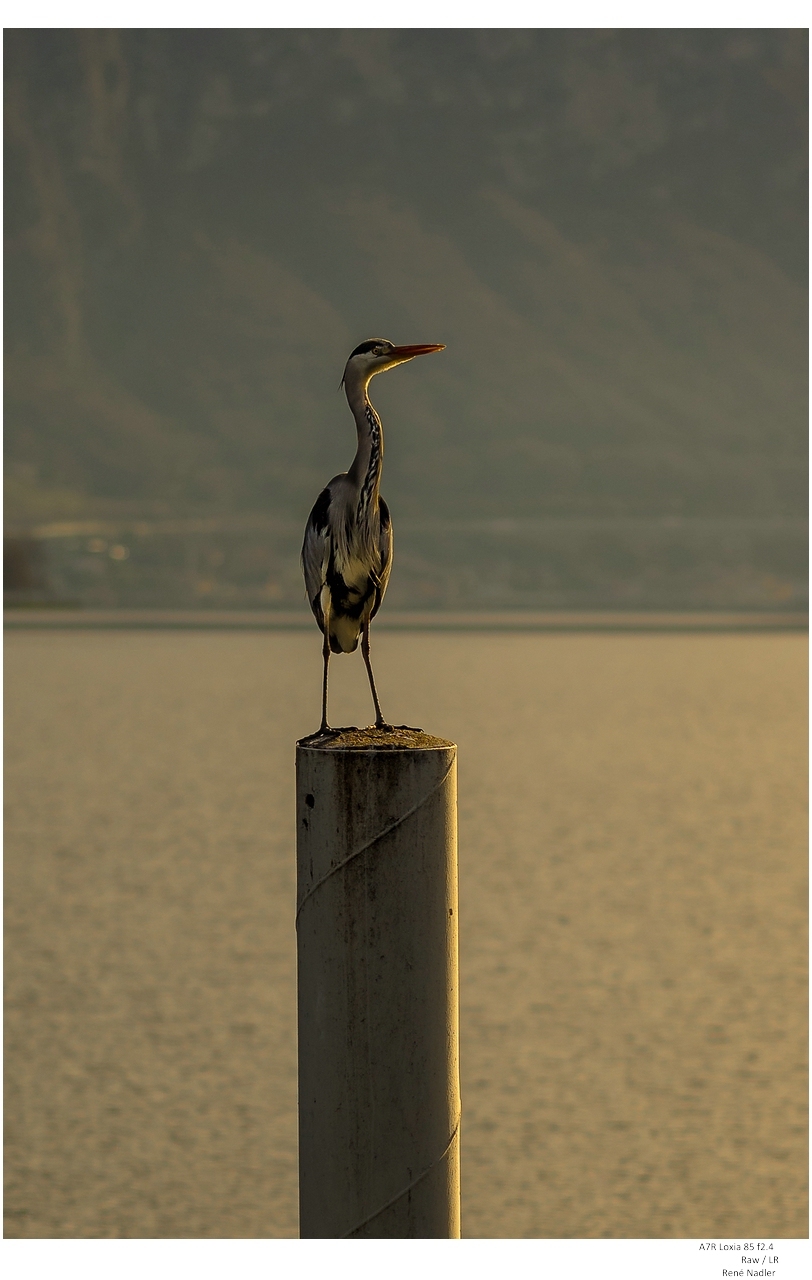
Dang that looks good
Yes. I think too. 2.4 looks almost the same as F8. No big increase at first sight
René
Dang that looks good
Yes. I think too. 2.4 looks almost the same as F8. No big increase at first sight
René
Dec 03, 2016 at 03:10 AM
p.29 #3Official: Loxia 85mm f/2.4 Sonnar
-
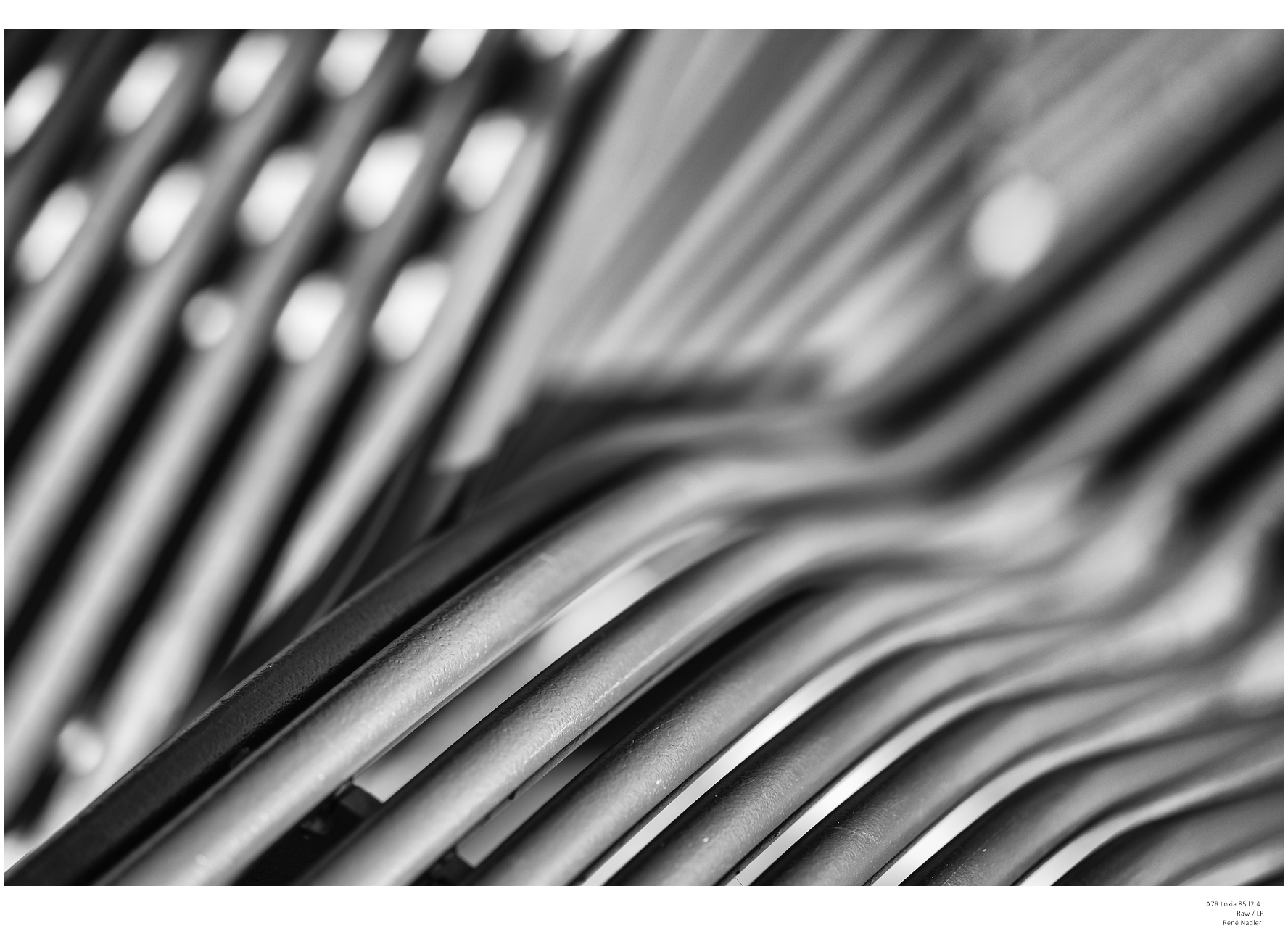
f2.4
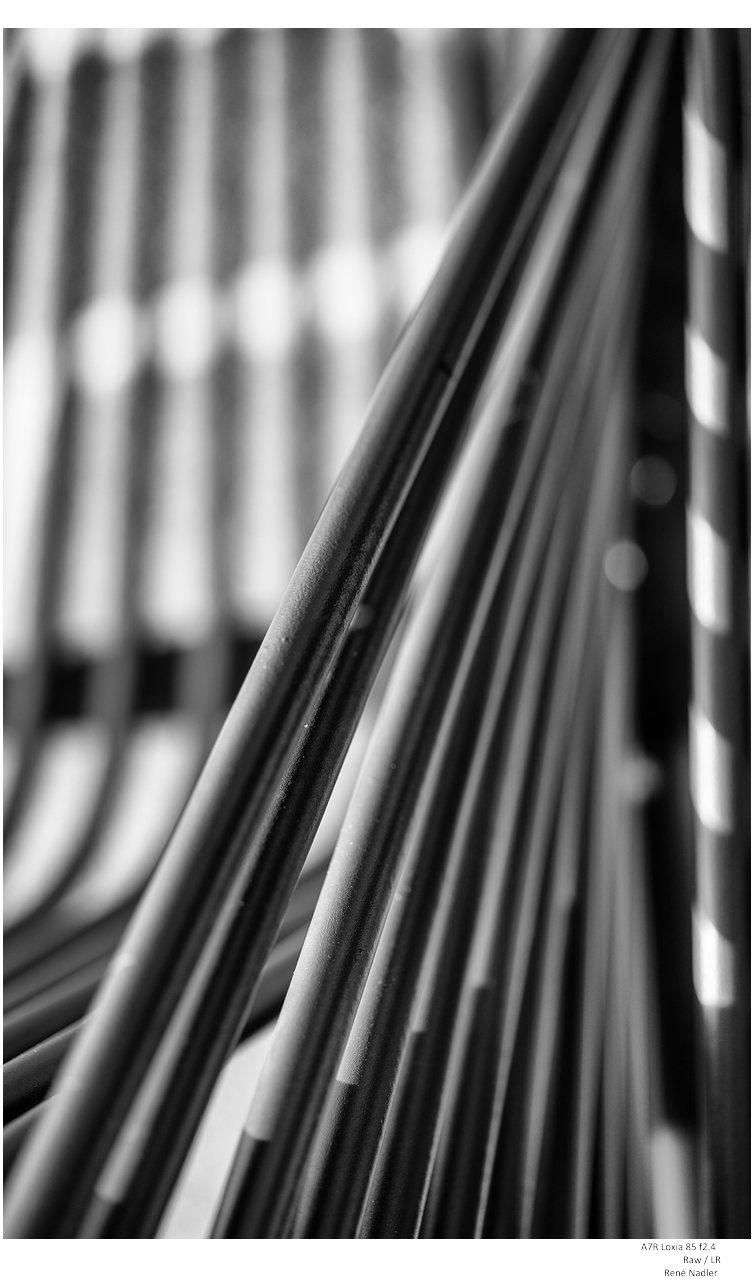
f2.4
Edited on Dec 03, 2016 at 03:31 AM · View previous versions
f2.4
f2.4
Edited on Dec 03, 2016 at 03:31 AM · View previous versions
Dec 03, 2016 at 03:28 AM
p.29 #4Official: Loxia 85mm f/2.4 Sonnar
2 more.
Camera lying on a table, self-release 2 sec, ISO 100. Focus on center mustard bottle.
f/2.4
Sunstars are great from f/4:
Camera lying on a table, self-release 2 sec, ISO 100. Focus on center mustard bottle.
f/2.4
 |
||
| http://kappel.com/fotos/L85/L85_2.jpg | ||
|
|
||
| http://kappel.com/fotos/L85/L85_2_crop1.jpg | ||
|
Sunstars are great from f/4:
|
||
| http://kappel.com/fotos/L85/L85_3.jpg | ||
|
|
||
| http://kappel.com/fotos/L85/L85_3_crop1.jpg | ||
|
Dec 03, 2016 at 03:30 AM
p.29 #7Official: Loxia 85mm f/2.4 Sonnar
xwing15 wrote:
And the last 'spam'
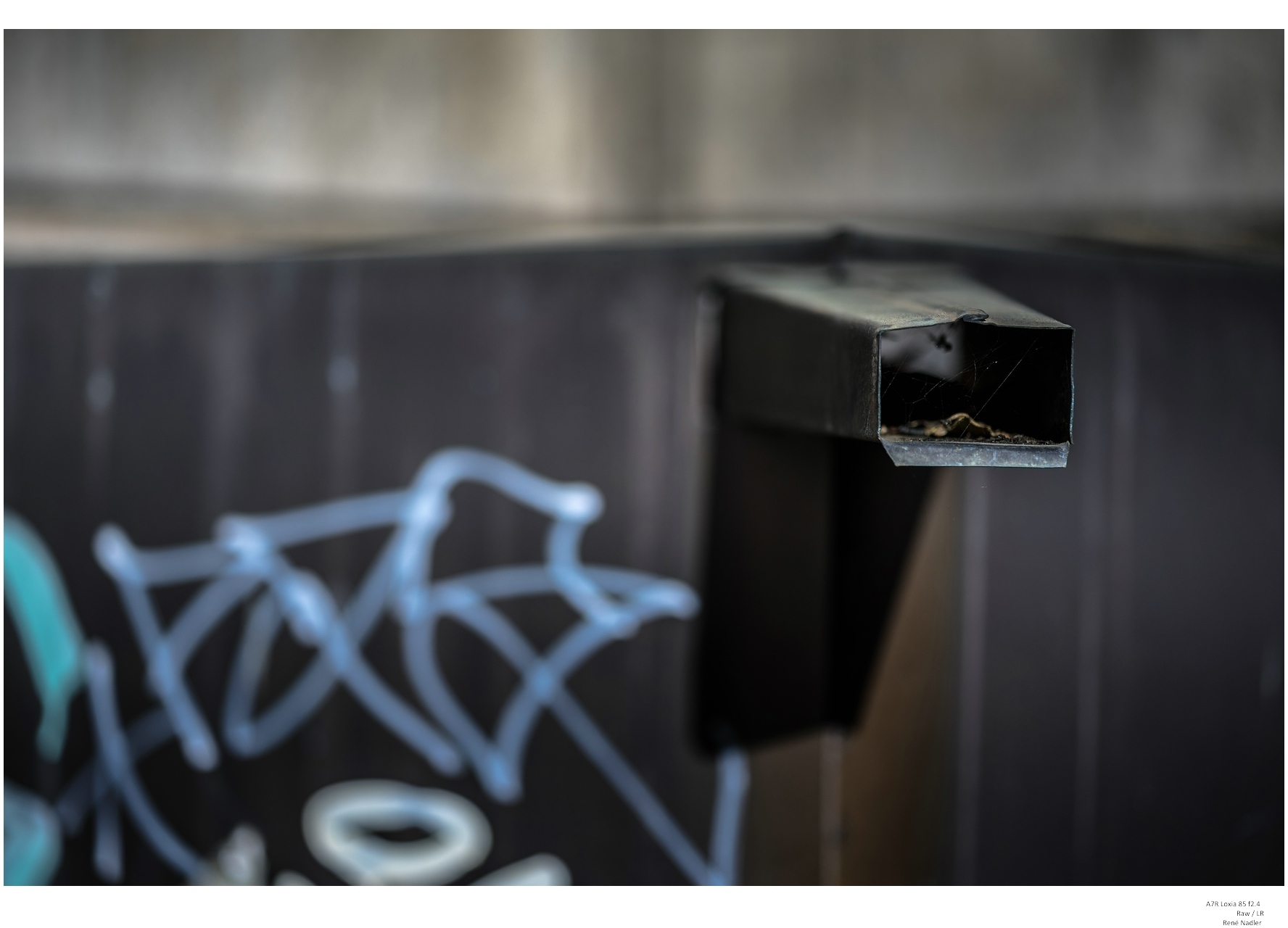
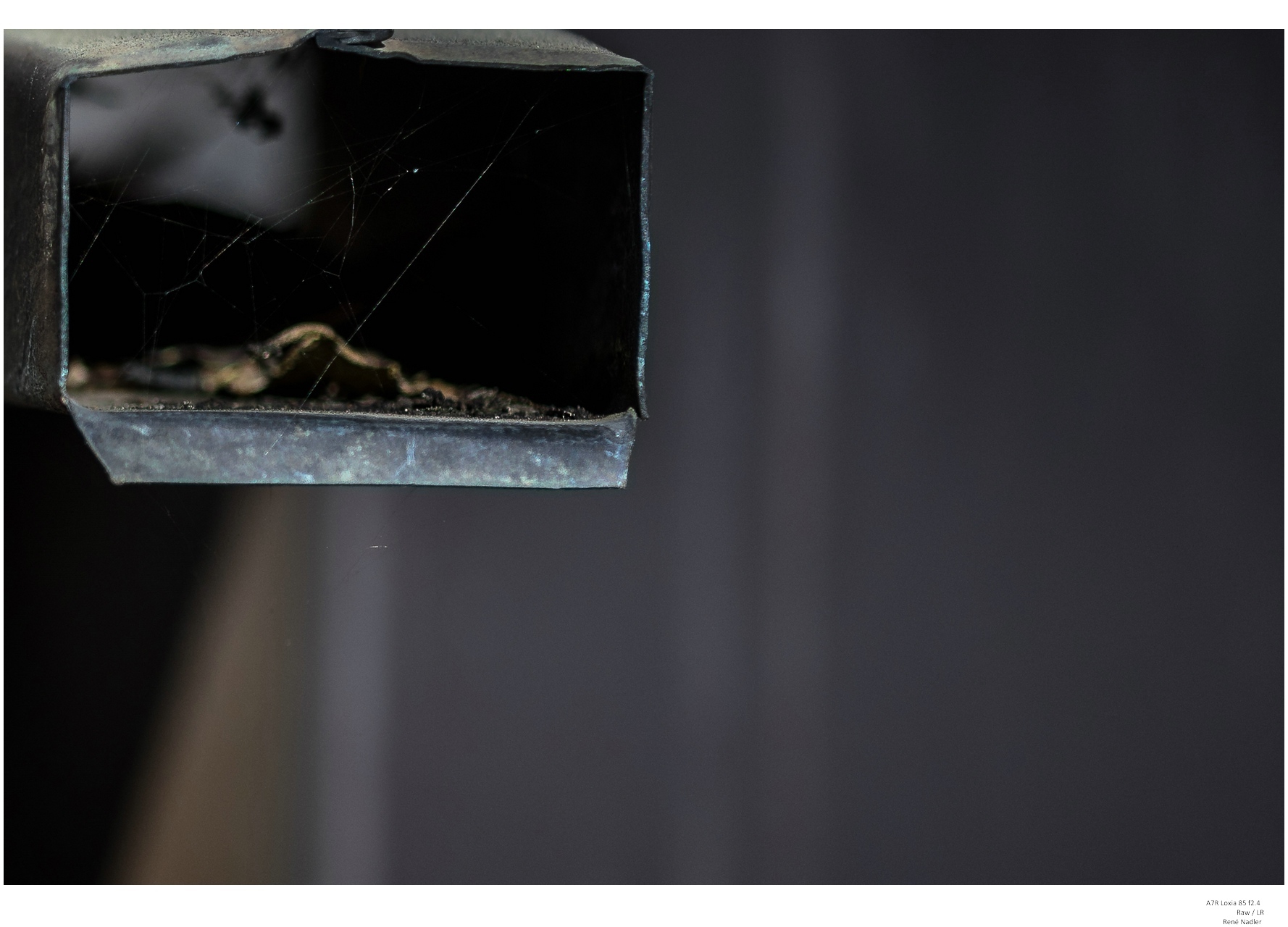
Amazing composition and lighting here, Rene.
And the last 'spam'
Amazing composition and lighting here, Rene.
Dec 03, 2016 at 05:44 AM
p.29 #8Official: Loxia 85mm f/2.4 Sonnar
xwing15 wrote:
And the last 'spam'
The best samples from the L85/2.4 I've seen so far.. Thanks for posting Rene!
It looks great wide open. Perhaps similar or better when compared to the ZM 85/4 at f/4!
Sunstars seem to be more defined as well. I think I am going to like this lens but won't have the guts to sell the ZM.
Dec 03, 2016 at 08:58 AM
p.29 #9Official: Loxia 85mm f/2.4 Sonnar
So lets assume for a second its equal to the ZM at F4 does that extra stop really help the landscape shooter. This is where the heart of the test will be as we all know at 5.6/8 things will equal out and lets assume that for the moment . So if we say Loxia 2.4 equals the ZM at F4 than we can say its a stop advantage. Now here is the other question the Basis 85 at 2.8 and the GM 85 at 2.8 . Who gets the advantage here. We honestly need to take all 4 lenses and have a war on it. 
Im playing devils advocate until i have 1500 bucks in my hand than all bets are off. ROTFLMAO
Here is the real issue many of us have a Batis 85 and/or a GM 85 in our bags already. Does adding another 85mm at 1500 justify that extra expense. Or having a ZM 85 at 700 used lets say become more justifiably to have a extra 85mm laying around. If its only buying me a stop in quality over the ZM than we can save some money, weight and bulk with the ZM.
Following my logic you all in some kind of trouble either way. Again the Devil.
Dec 03, 2016 at 09:10 AM
p.29 #10Official: Loxia 85mm f/2.4 Sonnar
GMPhotography wrote:
So lets assume for a second its equal to the ZM at F4 does that extra stop really help the landscape shooter. This is where the heart of the test will be as we all know at 5.6/8 things will equal out and lets assume that for the moment . So if we say Loxia 2.4 equals the ZM at F4 than we can say its a stop advantage. Now here is the other question the Basis 85 at 2.8 and the GM 85 at 2.8 . Who gets the advantage here. We honestly need to take all 4 lenses...Show more →
If you like the sunstars look starting at f/4 and care about flare performance, I think the Loxia is your lens.
I will test it against the 85ZM and 85GM but I think it will be better at f/4 and f/5.6 in terms of resolution and perhaps similar to Leica 90AA at infinity. This will be interesting.
Dec 03, 2016 at 09:30 AM
p.29 #11Official: Loxia 85mm f/2.4 Sonnar
Yea it could very well smoke everything at 5.6 at that a thought I have in my mind. If it can resolve the detail better it's a win win for many and a buying / owning conflict as well. Agree Fred this is really going to be interesting as we all know it's far easier for lens designers working in this range to give us tremendous IQ.
Dec 03, 2016 at 09:35 AM
p.29 #12Official: Loxia 85mm f/2.4 Sonnar
What I have to think about as a business is the ROI and having 3300 wrapped up in 85 lenses
Dec 03, 2016 at 09:38 AM
p.29 #13Official: Loxia 85mm f/2.4 Sonnar
GMPhotography wrote:
So lets assume for a second its equal to the ZM at F4 does that extra stop really help the landscape shooter. This is where the heart of the test will be as we all know at 5.6/8 things will equal out and lets assume that for the moment . So if we say Loxia 2.4 equals the ZM at F4 than we can say its a stop advantage. Now here is the other question the Basis 85 at 2.8 and the GM 85 at 2.8 . Who gets the advantage here. We honestly need to take all 4 lenses...Show more →
f/2.4 helps the landscape shooter because:
- Sometimes I need all the light I can when running in hand-held mode OR something is moving in the scene and slow shutter speeds don't work well
- Getting great sun-stars at f/4 instead of f/5.6 is always appreciated
- Sometimes a landscape lens turns into a quick portrait lens and low DOF becomes your friend

I use my 135/2 APO at f/2 for landscapes (it's excellent wo at infinity) fairly often, except when I want some star-bursts with point light sources and have to stop it down just a bit.
So lets assume for a second its equal to the ZM at F4 does that extra stop really help the landscape shooter. This is where the heart of the test will be as we all know at 5.6/8 things will equal out and lets assume that for the moment . So if we say Loxia 2.4 equals the ZM at F4 than we can say its a stop advantage. Now here is the other question the Basis 85 at 2.8 and the GM 85 at 2.8 . Who gets the advantage here. We honestly need to take all 4 lenses...Show more →
f/2.4 helps the landscape shooter because:
- Sometimes I need all the light I can when running in hand-held mode OR something is moving in the scene and slow shutter speeds don't work well
- Getting great sun-stars at f/4 instead of f/5.6 is always appreciated
- Sometimes a landscape lens turns into a quick portrait lens and low DOF becomes your friend
I use my 135/2 APO at f/2 for landscapes (it's excellent wo at infinity) fairly often, except when I want some star-bursts with point light sources and have to stop it down just a bit.
Dec 03, 2016 at 10:57 AM
p.29 #14Official: Loxia 85mm f/2.4 Sonnar
This would be really easy for me IF Sont had a 135 F2 native. I would sell the GM 85 and use this instead. The 135 would replace my GM 85 and for me that would work
And no question the extra stop would help over the F4 ZM
And no question the extra stop would help over the F4 ZM
Dec 03, 2016 at 11:06 AM
p.29 #15Official: Loxia 85mm f/2.4 Sonnar
GMPhotography wrote:
This would be really easy for me IF Sont had a 135 F2 native. I would sell the GM 85 and use this instead. The 135 would replace my GM 85 and for me that would work
And no question the extra stop would help over the F4 ZM
+1
Currently I have the 135/2 APO ZF, 135/2 AIS, and 135/3.4 APO Lecia M. A native 135/2 Sony E mount would be great as I'd get rid of the Zeiss and Nikkor. The Leica would stay and be the light weight option.
My D800 has become my tripod-only landscape body when ultimate IQ is needed and the A7RII for everything else, including non-tripod landscapes. The more high quality native E-mount glass that comes out the less Nikon gets my $$ (and perhaps that's related to their current shrinking market woes . . .).
For my purposes, to get back to buying Nikon bodies they need to come out with a mirrorless D810-like body (with shorter flange distance) . . . not holding my breath . . .
Dec 03, 2016 at 11:50 AM
p.29 #16Official: Loxia 85mm f/2.4 Sonnar
jhinkey wrote:
And no question the extra stop would help over the F4 ZM+1
Currently I have the 135/2 APO ZF, 135/2 AIS, and 135/3.4 APO Lecia M. A native 135/2 Sony E mount would be great as I'd get rid of the Zeiss and Nikkor. The Leica would stay and be the light weight option.
My D800 has become my tripod-only landscape body when ultimate IQ is needed and the A7RII for everything else, including non-tripod landscapes. The more high quality native E-mount glass that comes out the less Nikon gets my $$ (and perhaps that's related to their current shrinking market woes . . .).
For my purposes, to get back to buying Nikon...Show more →
Just curious, in what way can a D800 give you better IQ than a Sony A7RII on a tripod? The last thing I would use on a tripod is a camera without EFCS, and as far as I know, the D800 lacks EFCS.
GMPhotography wrote
This would be really easy for me IF Sont had a 135 F2 native. I would sell the GM 85 and use this instead. The 135 would replace my GM 85 and for me that would workAnd no question the extra stop would help over the F4 ZM
Currently I have the 135/2 APO ZF, 135/2 AIS, and 135/3.4 APO Lecia M. A native 135/2 Sony E mount would be great as I'd get rid of the Zeiss and Nikkor. The Leica would stay and be the light weight option.
My D800 has become my tripod-only landscape body when ultimate IQ is needed and the A7RII for everything else, including non-tripod landscapes. The more high quality native E-mount glass that comes out the less Nikon gets my $$ (and perhaps that's related to their current shrinking market woes . . .).
For my purposes, to get back to buying Nikon...Show more →
Just curious, in what way can a D800 give you better IQ than a Sony A7RII on a tripod? The last thing I would use on a tripod is a camera without EFCS, and as far as I know, the D800 lacks EFCS.
Dec 03, 2016 at 12:21 PM

p.29 #17Official: Loxia 85mm f/2.4 Sonnar
GMPhotography wrote:
So lets assume for a second its equal to the ZM at F4 does that extra stop really help the landscape shooter. This is where the heart of the test will be as we all know at 5.6/8 things will equal out and lets assume that for the moment . So if we say Loxia 2.4 equals the ZM at F4 than we can say its a stop advantage. Now here is the other question the Basis 85 at 2.8 and the GM 85 at 2.8 . Who gets the advantage here. We honestly need to take all 4 lenses...Show more →
Guy, one way to think about this is that the premium (i.e., gold standard) landscape kit, IMO, for the Sony A7rII would be the Zeiss Milvus 21 f/2.8; the Otus 28 f/1.4; the Otus 55 f/1.4; the Otus 85 f/1.4; and the Milvus 135 f/2 APO. Now that would be a big and a heavy kit--almost 12 lbs. You can swap out the Milvus 21 for the Loxia 21 without really any loss in performance, so that seems like a no brainer. This lens might let you swap out the Otus 85 without any or barely any loss in performance. So, now the super heavy kit for a landscape shooter now include the Loxia 21 and Loxia 85 and just got about 2 and half pounds lighter with perhaps no loss in performance. Now instead of about 12 lbs., you have a kit about 9.5 lbs. As good as the ZM 85 is I don't think you can claim that it would give you zero loss in performance vs. the Otus and it only gives you another half pound or so in weight reduction (about 9 lbs., vs. 9.5 lbs.), which is much less than the pound and a half or so you get by moving from the Otus to the Loxia. So both in terms of maintaining the best performance and in terms of getting a real weight reduction the Loxia gives you more punch compared to the Otus than the ZM does compared to the Loxia.
Now you could reduce the weight of the kit quite a bit by going from the Otus 55 to the Loxia 50 (almost another pound and a half, getting the kit close to 8 lbs), but as good as the Loxia 50 is I don't think you can say there is zero loss in performance compared to the Otus. It is probably isn't a huge loss, however (and you also get better sunstars), so in my kit I would if I have to carry my gear at all, pick the Loxia. That now gets the kit to 7.5 lbs, so we are talking about a kit closer to a reasonable size. Now if Zeiss would just give us a Loxia 28 f/2.4 (that weighs no more than 400g) and a Loxia 135 f/2.8 (that weighs no more than 750g) and those lenses equalled or came close to equally the Otus 28 and the Milvus 135, then we would have in the Loxia line an impeccable landscape kit that weighed about 5 lbs.
So right now, I would rate the Loxia 21 and the equal of the Milvus 21 for landscapes; the Loxia 50 as not quite the equal of the Otus 55 for landscapes, but good enough that the weight reduction is worth taking the Loxia on landscape outings in almost all instances. I expect the Loxia 85 to fit between these two in the replacement quotient. Probably not as thoroughly good a replacement for the larger Zeiss lens as the 21mm, but probably a better replacement for the larger lens than the 50/55, and I don't see the ZM 85 being enough small enough or equal enough in performance to warrant picking it over the Loxia.
Dec 03, 2016 at 01:49 PM
p.29 #18Official: Loxia 85mm f/2.4 Sonnar
bjornthun wrote:
And no question the extra stop would help over the F4 ZM+1
Currently I have the 135/2 APO ZF, 135/2 AIS, and 135/3.4 APO Lecia M. A native 135/2 Sony E mount would be great as I'd get rid of the Zeiss and Nikkor. The Leica would stay and be the light weight option.
My D800 has become my tripod-only landscape body when ultimate IQ is needed and the A7RII for everything else, including non-tripod landscapes. The more high quality native E-mount glass that comes out the less Nikon gets my $$ (and perhaps that's related to their current shrinking market woes . . .).
For my purposes, to get back to buying Nikon bodies they need to come out with a mirrorless D810-like body (with shorter flange distance) . . . not holding my breath . . .Just curious, in what way can a D800 give you better IQ than a Sony A7RII on a tripod? The last thing I would use on a tripod is a camera without EFCS, and as far as I know, the D800 lacks EFCS.
I would think it would be fine with the extra weight of the camera and mirror lock up. When I used a DSLR, I never had blur problems at all on a tripod if I used mirror lock up.
jhinkey wrote
GMPhotography wrote
This would be really easy for me IF Sont had a 135 F2 native. I would sell the GM 85 and use this instead. The 135 would replace my GM 85 and for me that would workAnd no question the extra stop would help over the F4 ZM
Currently I have the 135/2 APO ZF, 135/2 AIS, and 135/3.4 APO Lecia M. A native 135/2 Sony E mount would be great as I'd get rid of the Zeiss and Nikkor. The Leica would stay and be the light weight option.
My D800 has become my tripod-only landscape body when ultimate IQ is needed and the A7RII for everything else, including non-tripod landscapes. The more high quality native E-mount glass that comes out the less Nikon gets my $$ (and perhaps that's related to their current shrinking market woes . . .).
For my purposes, to get back to buying Nikon bodies they need to come out with a mirrorless D810-like body (with shorter flange distance) . . . not holding my breath . . .
I would think it would be fine with the extra weight of the camera and mirror lock up. When I used a DSLR, I never had blur problems at all on a tripod if I used mirror lock up.
Dec 03, 2016 at 01:51 PM
p.29 #19Official: Loxia 85mm f/2.4 Sonnar
Steve Spencer wrote:
And no question the extra stop would help over the F4 ZM+1
Currently I have the 135/2 APO ZF, 135/2 AIS, and 135/3.4 APO Lecia M. A native 135/2 Sony E mount would be great as I'd get rid of the Zeiss and Nikkor. The Leica would stay and be the light weight option.
My D800 has become my tripod-only landscape body when ultimate IQ is needed and the A7RII for everything else, including non-tripod landscapes. The more high quality native E-mount glass that comes out the less Nikon gets my $$ (and perhaps that's related to their current shrinking market woes . . .).
For my purposes, to get back to buying Nikon bodies they need to come out with a mirrorless D810-like body (with shorter flange distance) . . . not holding my breath . . .Just curious, in what way can a D800 give you better IQ than a Sony A7RII on a tripod? The last thing I would use on a tripod is a camera without EFCS, and as far as I know, the D800 lacks EFCS.I would think it would be fine with the extra weight of the camera and mirror lock up. When I used a DSLR, I never had blur problems at all on a tripod if I used mirror lock up.
I did have blur problems with tele lenses, in particular 300/4 and 400/5.6. A Sony Nex-7 with EFCS solved all of that. Sold my Nikon DSLRs, among them the D800, and never looked back. Mirror up isn't always enough, since even shutter bounce can create problems with long and light lenses, even tripod mounted. In the critical range 1 sec - 1/125 sec the improvement with EFCS is clearly visible with long and light lenses. To excarebate things, the D800 OVF was poor, same goes for its' horrid line skipping LV, good riddance. The weight just made the D800 more bulky without any tangible gains to me. Smart stuff like IBIS, EFCS and EVF with 10x magnifier do a lot more good than the bulk of the D800 ever did. - Ok, I stop my rambling here.
bjornthun wrote
jhinkey wrote
GMPhotography wrote
This would be really easy for me IF Sont had a 135 F2 native. I would sell the GM 85 and use this instead. The 135 would replace my GM 85 and for me that would workAnd no question the extra stop would help over the F4 ZM
Currently I have the 135/2 APO ZF, 135/2 AIS, and 135/3.4 APO Lecia M. A native 135/2 Sony E mount would be great as I'd get rid of the Zeiss and Nikkor. The Leica would stay and be the light weight option.
My D800 has become my tripod-only landscape body when ultimate IQ is needed and the A7RII for everything else, including non-tripod landscapes. The more high quality native E-mount glass that comes out the less Nikon gets my $$ (and perhaps that's related to their current shrinking market woes . . .).
For my purposes, to get back to buying Nikon bodies they need to come out with a mirrorless D810-like body (with shorter flange distance) . . . not holding my breath . . .
I did have blur problems with tele lenses, in particular 300/4 and 400/5.6. A Sony Nex-7 with EFCS solved all of that. Sold my Nikon DSLRs, among them the D800, and never looked back. Mirror up isn't always enough, since even shutter bounce can create problems with long and light lenses, even tripod mounted. In the critical range 1 sec - 1/125 sec the improvement with EFCS is clearly visible with long and light lenses. To excarebate things, the D800 OVF was poor, same goes for its' horrid line skipping LV, good riddance. The weight just made the D800 more bulky without any tangible gains to me. Smart stuff like IBIS, EFCS and EVF with 10x magnifier do a lot more good than the bulk of the D800 ever did. - Ok, I stop my rambling here.
Dec 03, 2016 at 02:56 PM
p.29 #20Official: Loxia 85mm f/2.4 Sonnar
bjornthun wrote:
And no question the extra stop would help over the F4 ZM+1
Currently I have the 135/2 APO ZF, 135/2 AIS, and 135/3.4 APO Lecia M. A native 135/2 Sony E mount would be great as I'd get rid of the Zeiss and Nikkor. The Leica would stay and be the light weight option.
My D800 has become my tripod-only landscape body when ultimate IQ is needed and the A7RII for everything else, including non-tripod landscapes. The more high quality native E-mount glass that comes out the less Nikon gets my $$ (and perhaps that's related to their current shrinking market woes . . .).
For my purposes, to get back to buying Nikon bodies they need to come out with a mirrorless D810-like body (with shorter flange distance) . . . not holding my breath . . .Just curious, in what way can a D800 give you better IQ than a Sony A7RII on a tripod? The last thing I would use on a tripod is a camera without EFCS, and as far as I know, the D800 lacks EFCS.I would think it would be fine with the extra weight of the camera and mirror lock up. When I used a DSLR, I never had blur problems at all on a tripod if I used mirror lock up.I did have blur problems with tele lenses, in particular 300/4 and 400/5.6. A Sony Nex-7 with EFCS solved all of that. Sold my Nikon DSLRs, among them the D800, and never looked back. Mirror up isn't always enough, since even shutter bounce can create problems with long and light lenses, even tripod mounted. In the critical range 1 sec - 1/125 sec the improvement with EFCS is clearly visible with long and light lenses. To excarebate things, the D800 OVF was poor, same goes for its' horrid line skipping LV, good riddance. The weight just made the D800 more...Show more →
Interesting, back when I had my Canon DSLR I never had problems with shutter shock even with a 300 f/4 and a 400 f/5.6 lens. With current sensors, however, there is no reason not to use EFCS, so Nikon should definitely implement that, and the EVF on the D800 was a big mistake. I am very happy with my A7rII, so I am not looking back either.
Steve Spencer wrote
bjornthun wrote
jhinkey wrote
GMPhotography wrote
This would be really easy for me IF Sont had a 135 F2 native. I would sell the GM 85 and use this instead. The 135 would replace my GM 85 and for me that would workAnd no question the extra stop would help over the F4 ZM
Currently I have the 135/2 APO ZF, 135/2 AIS, and 135/3.4 APO Lecia M. A native 135/2 Sony E mount would be great as I'd get rid of the Zeiss and Nikkor. The Leica would stay and be the light weight option.
My D800 has become my tripod-only landscape body when ultimate IQ is needed and the A7RII for everything else, including non-tripod landscapes. The more high quality native E-mount glass that comes out the less Nikon gets my $$ (and perhaps that's related to their current shrinking market woes . . .).
For my purposes, to get back to buying Nikon bodies they need to come out with a mirrorless D810-like body (with shorter flange distance) . . . not holding my breath . . .
Interesting, back when I had my Canon DSLR I never had problems with shutter shock even with a 300 f/4 and a 400 f/5.6 lens. With current sensors, however, there is no reason not to use EFCS, so Nikon should definitely implement that, and the EVF on the D800 was a big mistake. I am very happy with my A7rII, so I am not looking back either.
Dec 03, 2016 at 03:19 PM