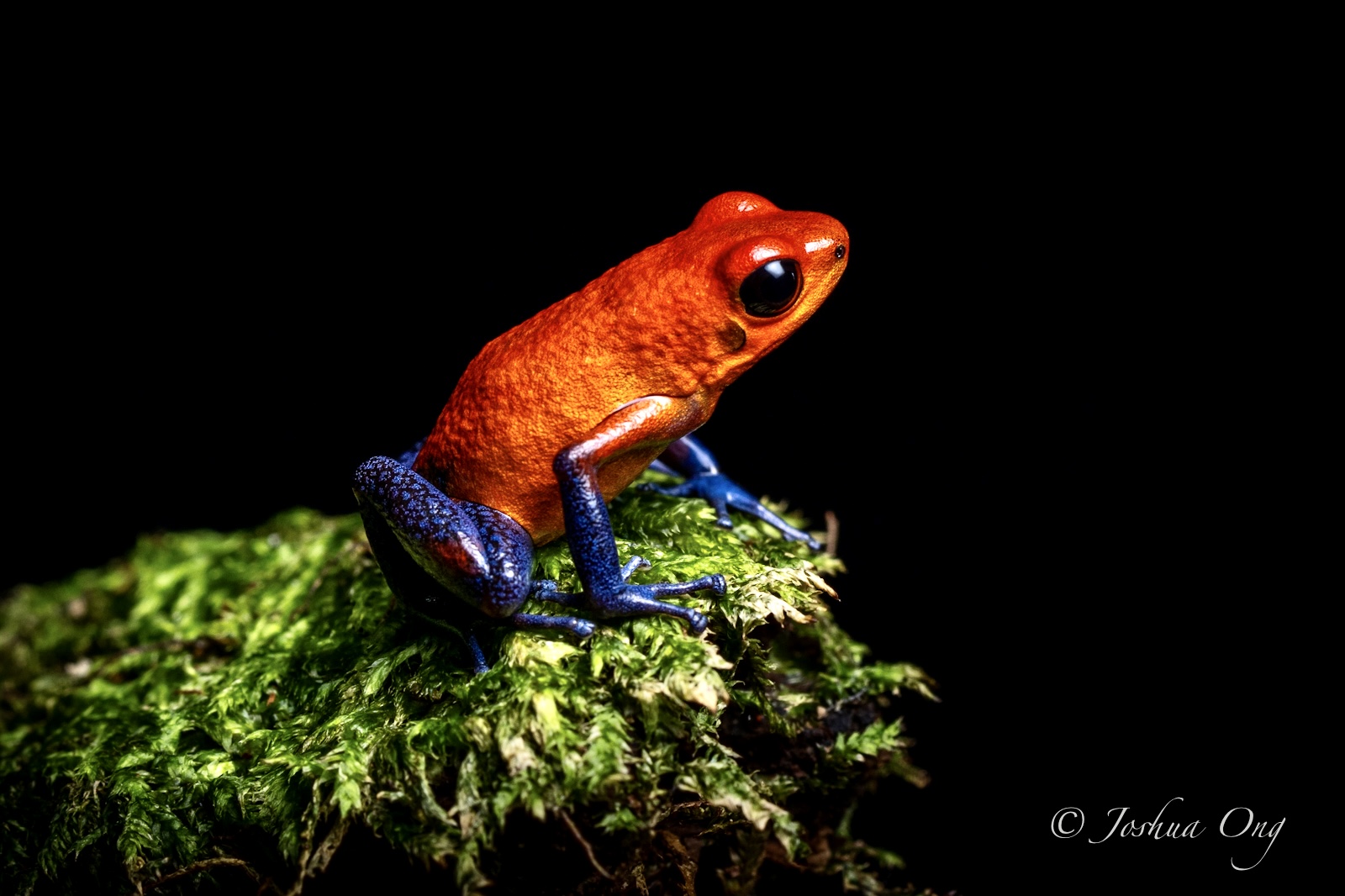
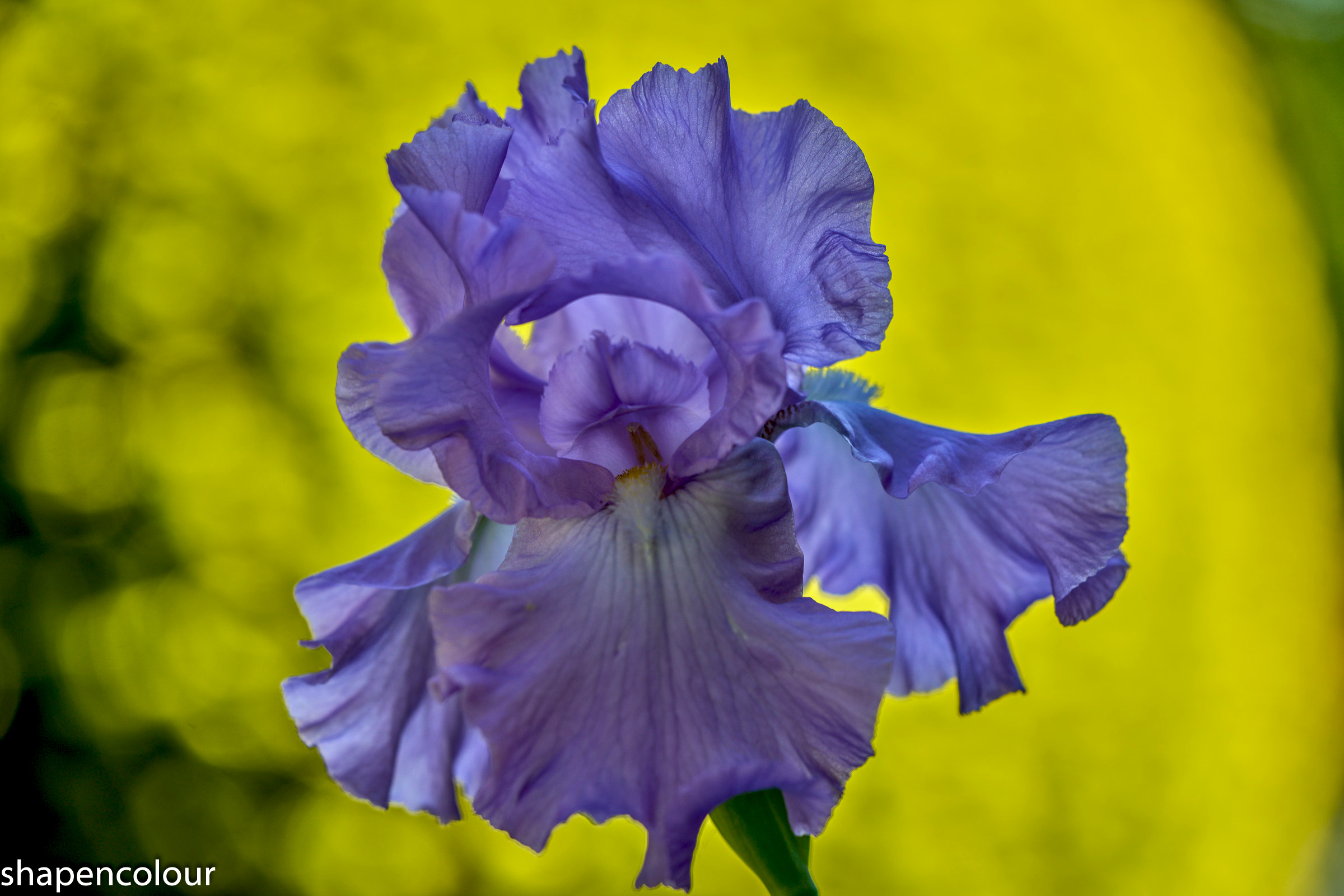
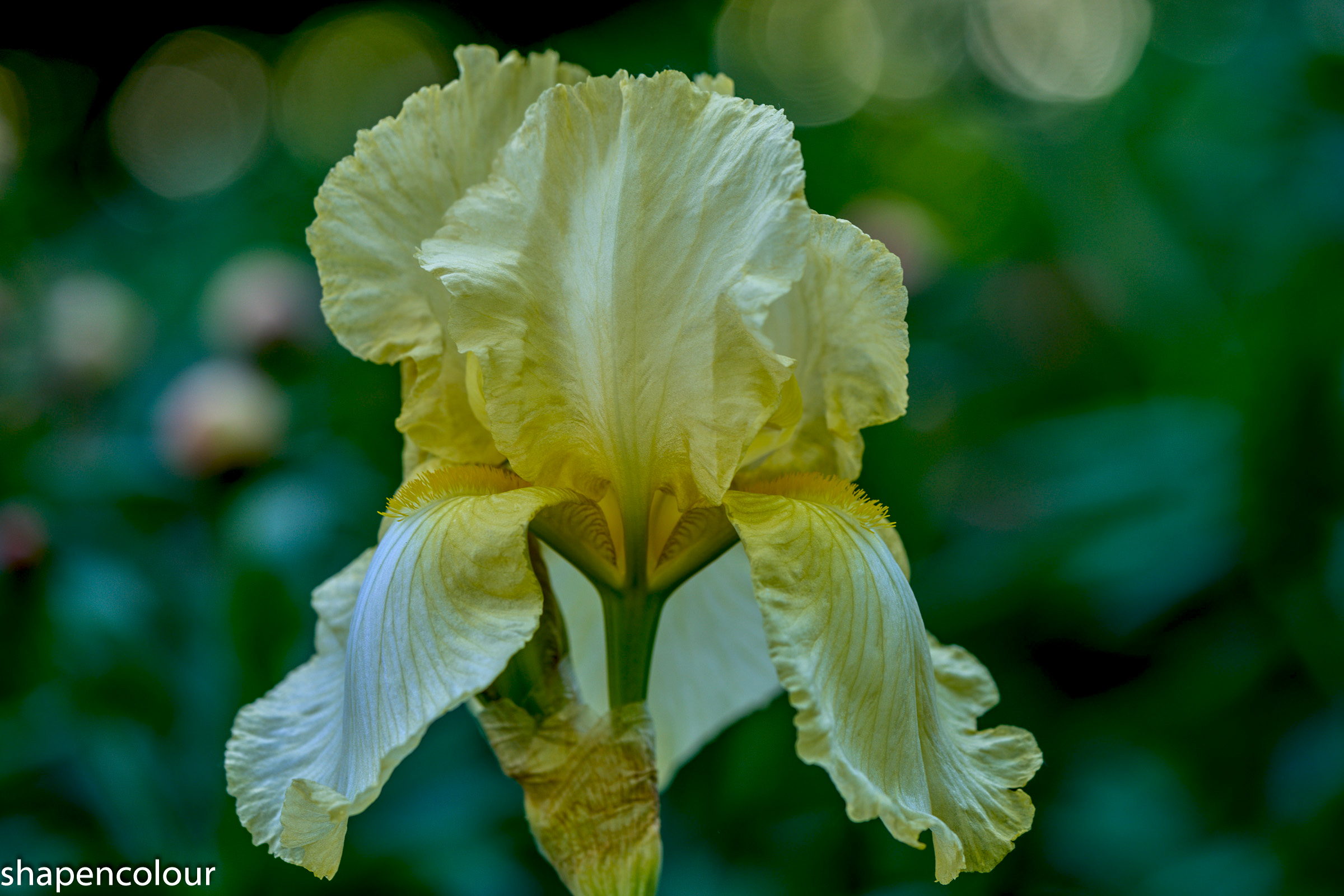
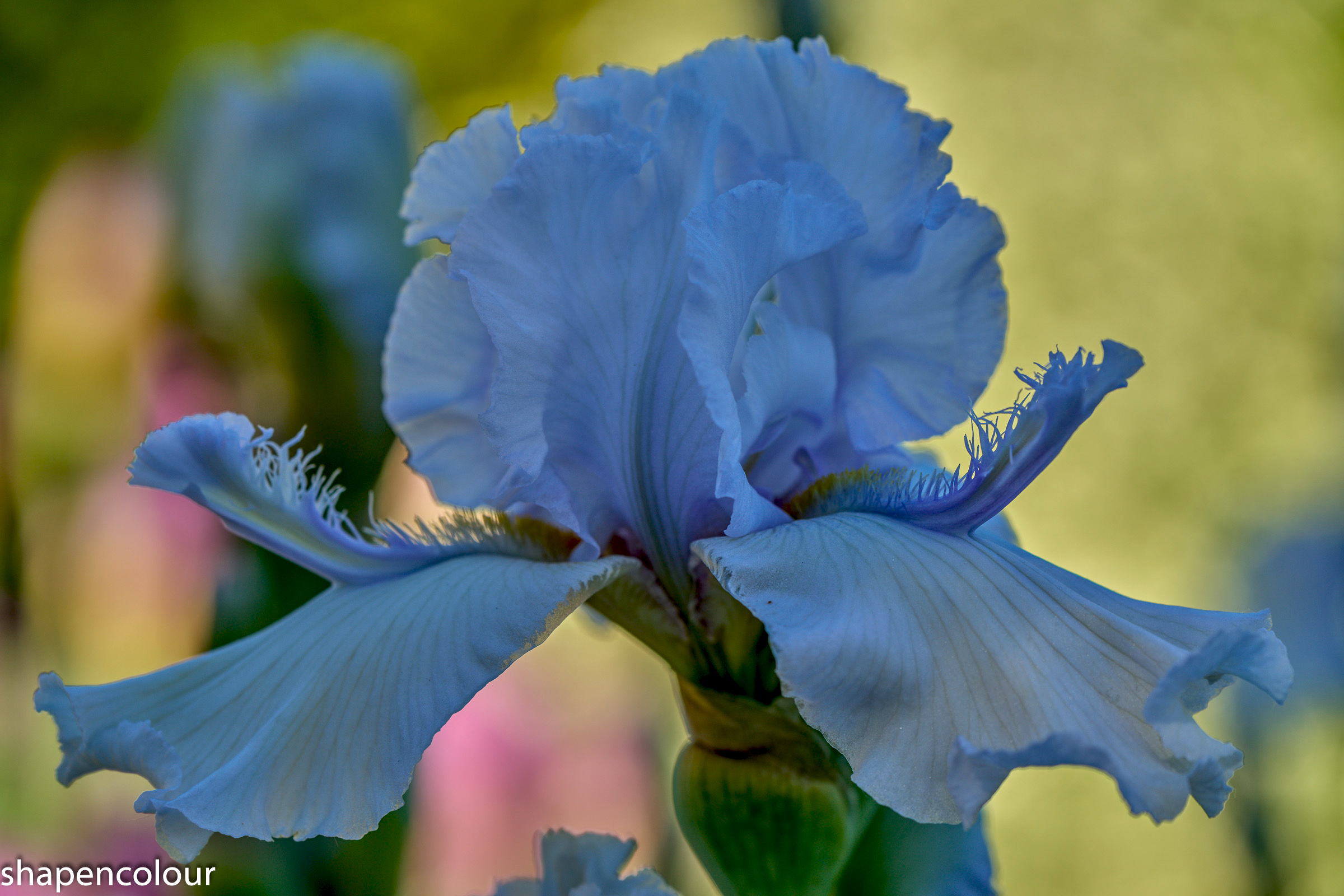
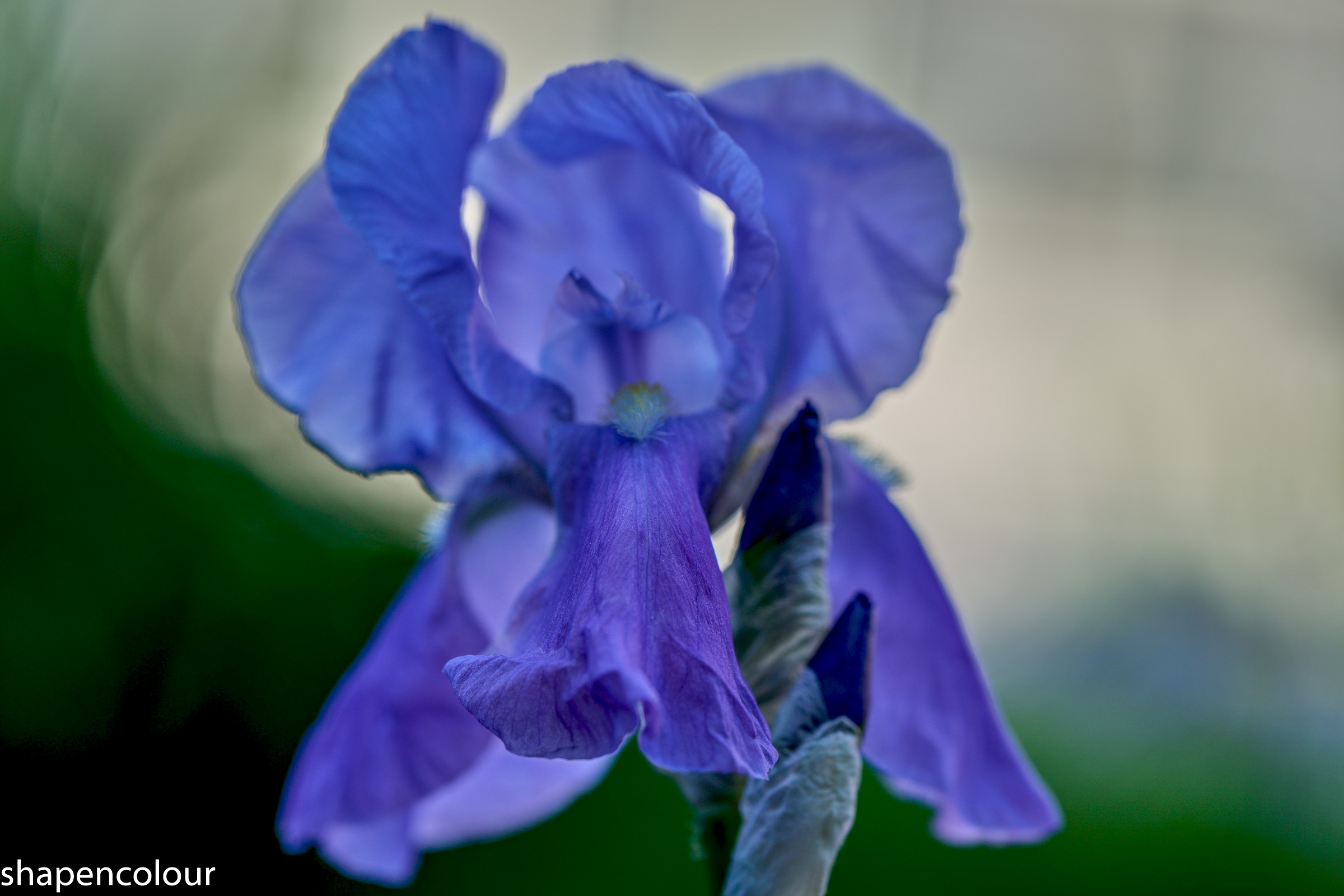
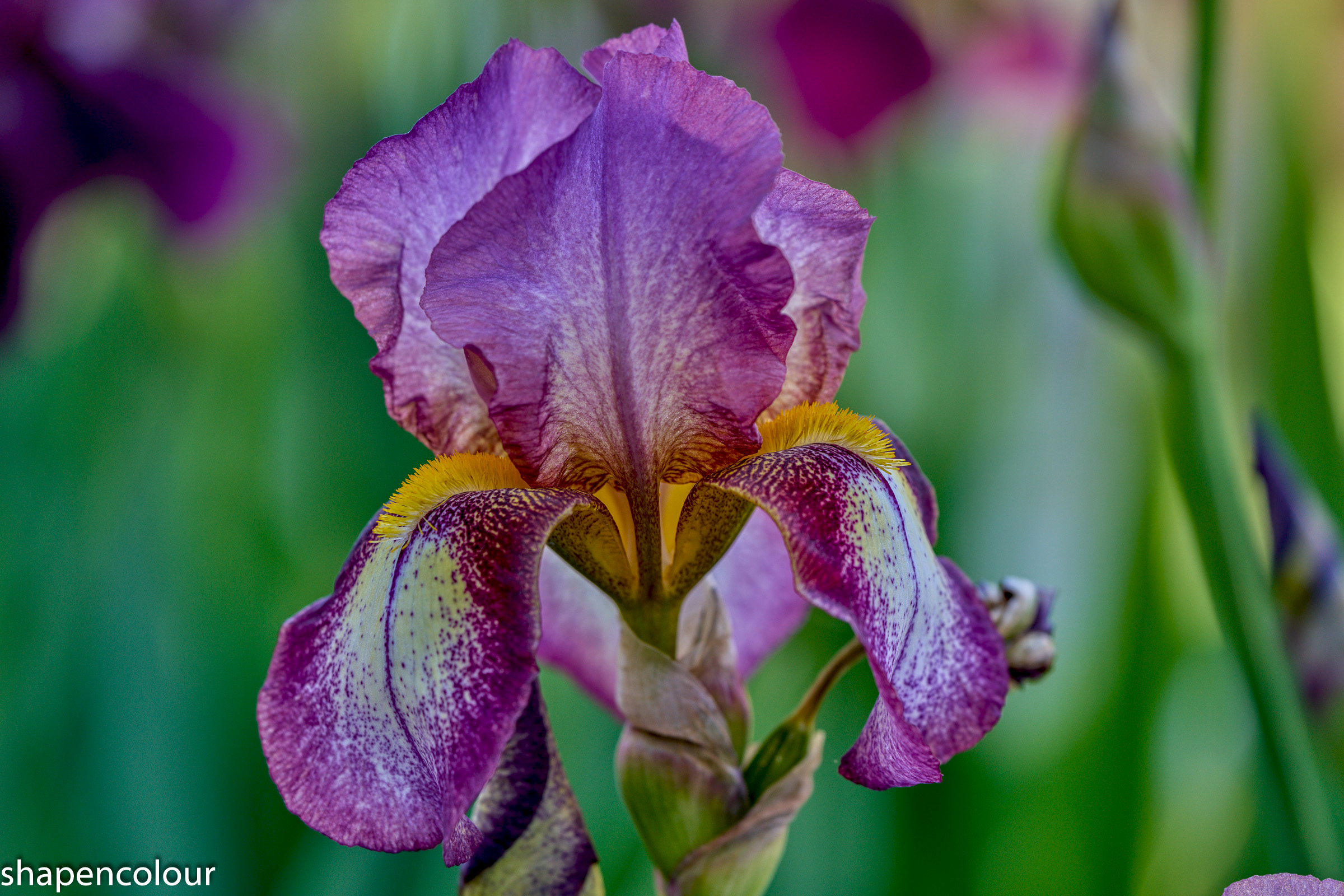
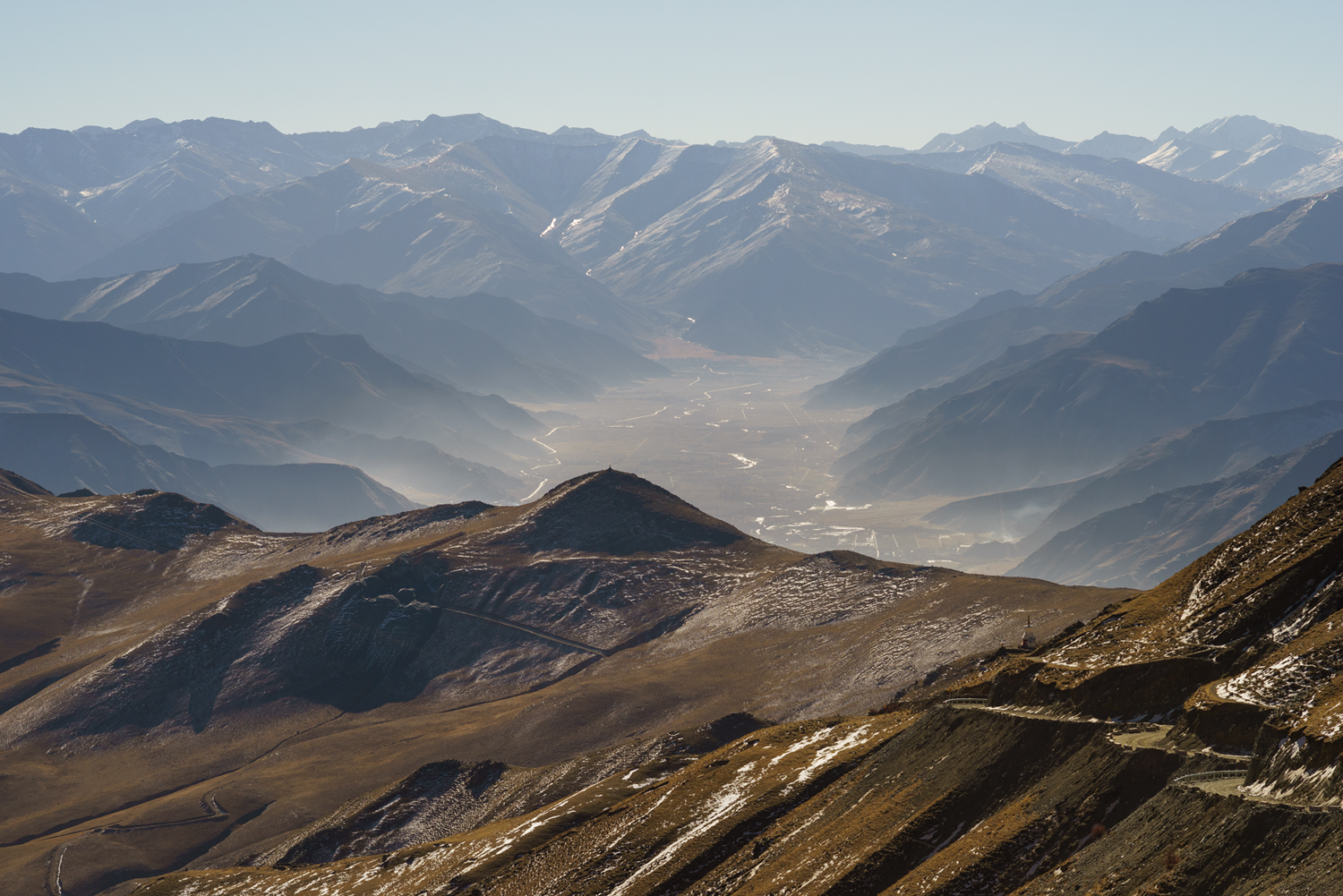
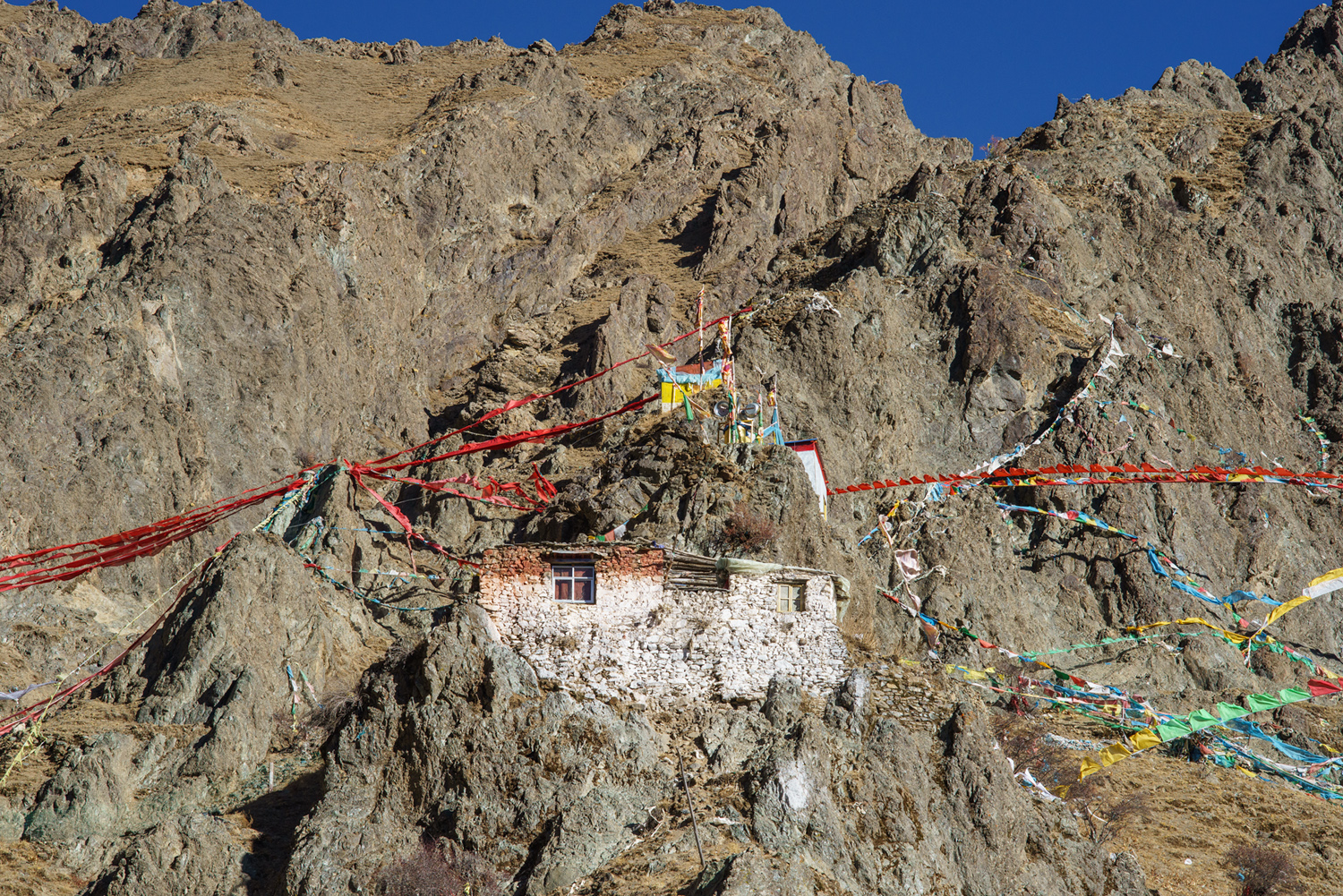
Thank you. I did not utilize Sony's built-in focus stacking feature because I was using a manual Laowa lens. Nevertheless, the first picture is a stack of two images.
James
think it is the only sony camera that has the function
however, you can only add them together in a stacking program or PS
Olympus has a built-in that makes the image in camera, however, a maximum of 15 images and the final image is a jpeg
However, I think Olympus / OM SYSTEM has a patent for just this function that does it in the camera.. often it does an ok job but usually it is probably better to stack yourself with focus bracketing,
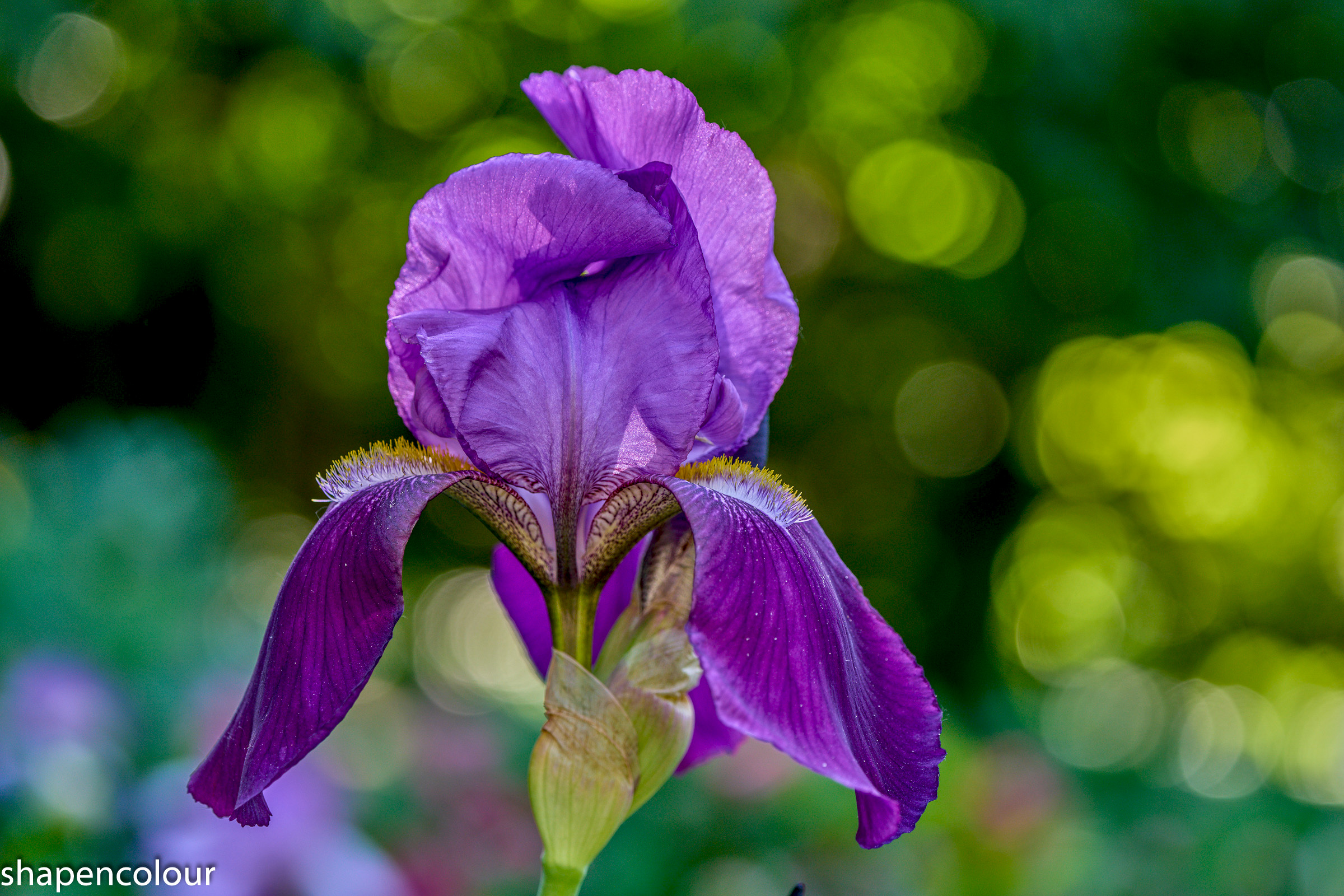
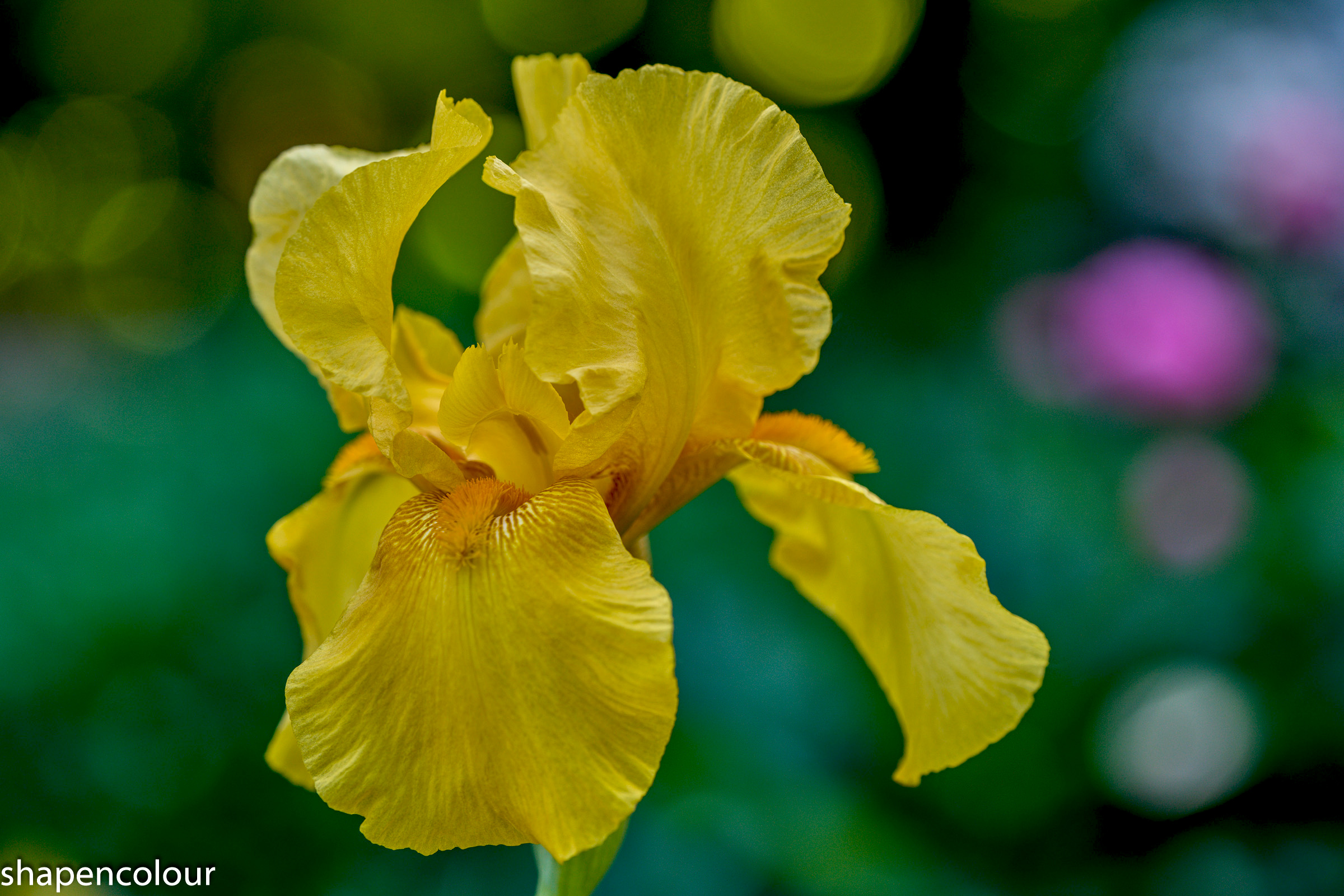
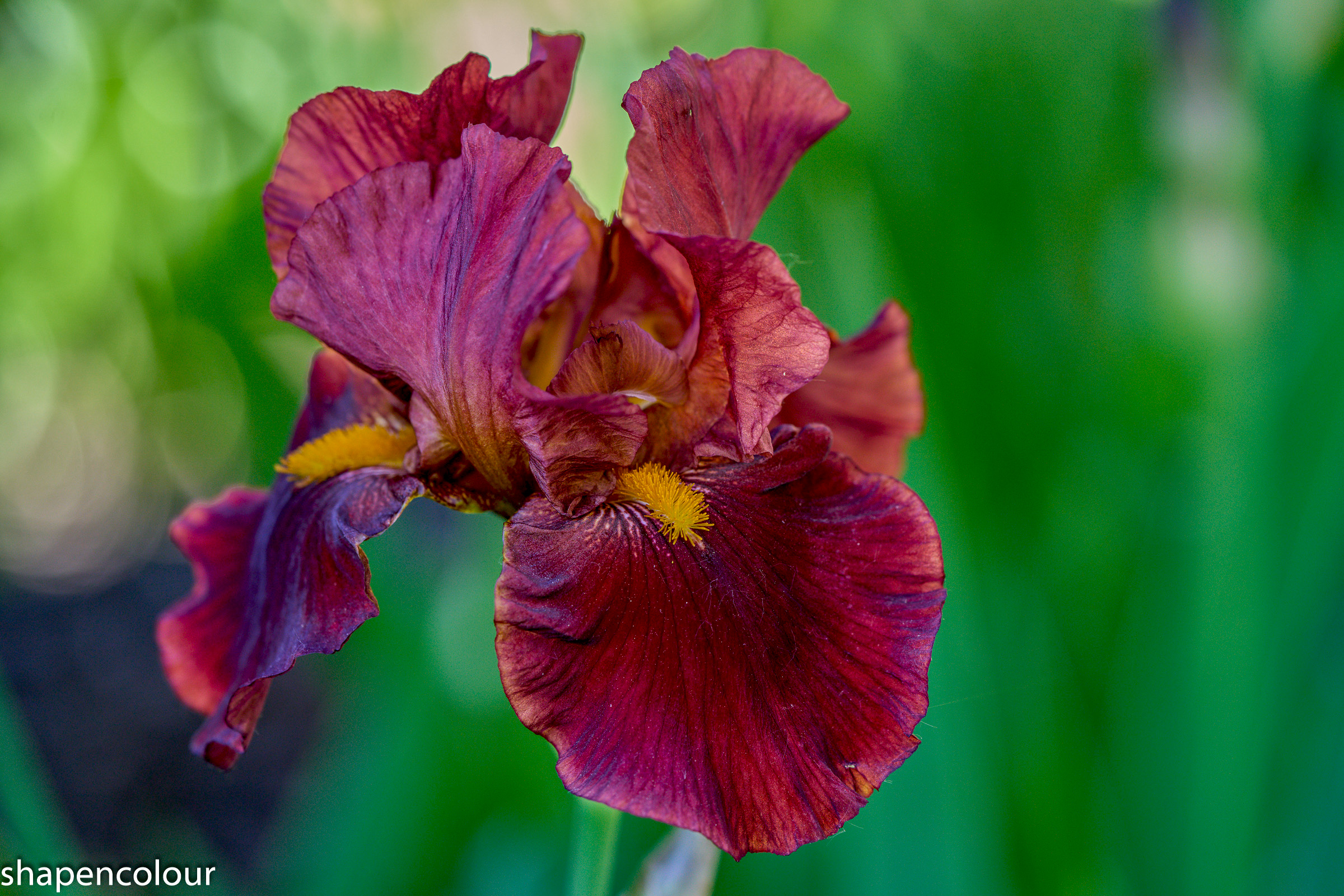
Sony G 70-200/4 Mk2 is with me for about 6 months now,but has been used so far for landscapes only.Today I decided to give it a go as a close up lens for irises in full bloom...
ILCE-7RM4AFE 70-200mm F4 Macro G OSS II lens107mmf/4.01/125s320 ISO0.0 EV
ILCE-7RM4AFE 70-200mm F4 Macro G OSS II lens135mmf/4.01/125s250 ISO0.0 EV
ILCE-7RM4AFE 70-200mm F4 Macro G OSS II lens153mmf/4.01/125s640 ISO0.0 EV
ILCE-7RM4AFE 70-200mm F4 Macro G OSS II lens176mmf/4.01/250s100 ISO0.0 EV
ILCE-7RM4AFE 70-200mm F4 Macro G OSS II lens153mmf/4.01/125s125 ISO0.0 EV
ILCE-7RM4AFE 70-200mm F4 Macro G OSS II lens164mmf/4.01/400s100 ISO0.0 EV
ILCE-7RM4AFE 70-200mm F4 Macro G OSS II lens176mmf/4.01/250s100 ISO0.0 EV
ILCE-7RM4AFE 70-200mm F4 Macro G OSS II lens172mmf/4.01/125s200 ISO0.0 EV
My wife needed some new images for her website and asked me to take them. The CV 50/1.2 SE is becoming one of my favorite lenses. This one is one of my favorites.
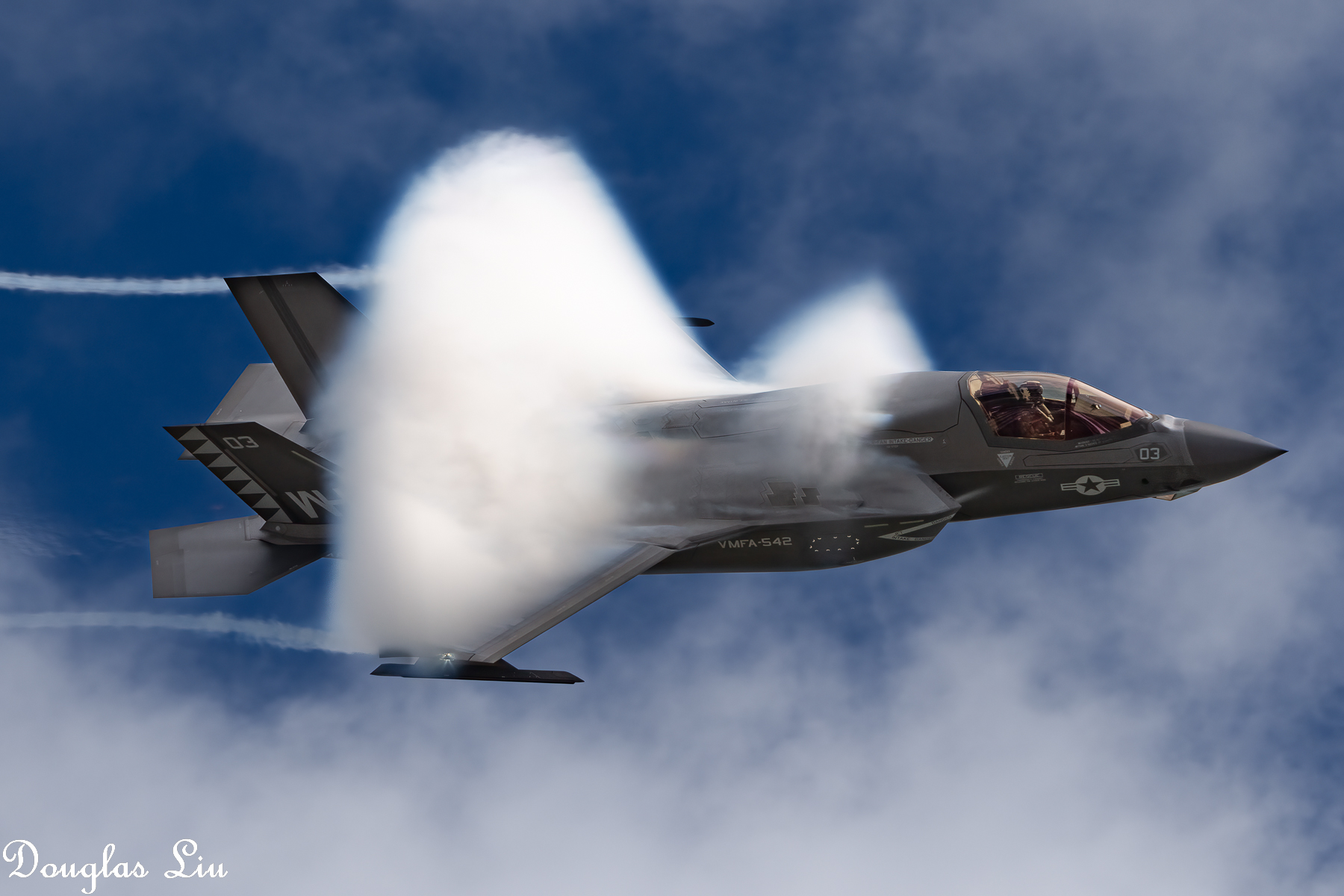
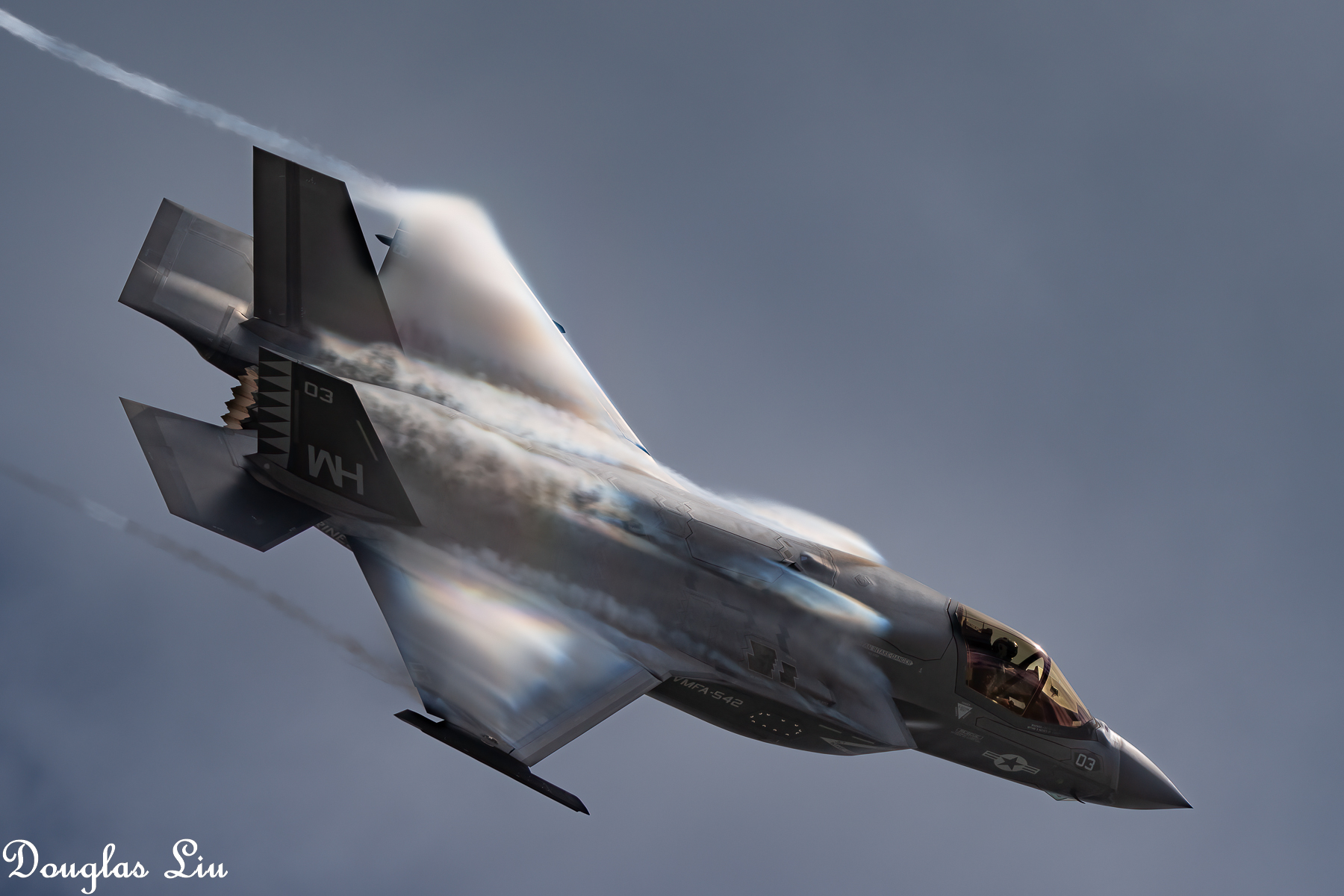
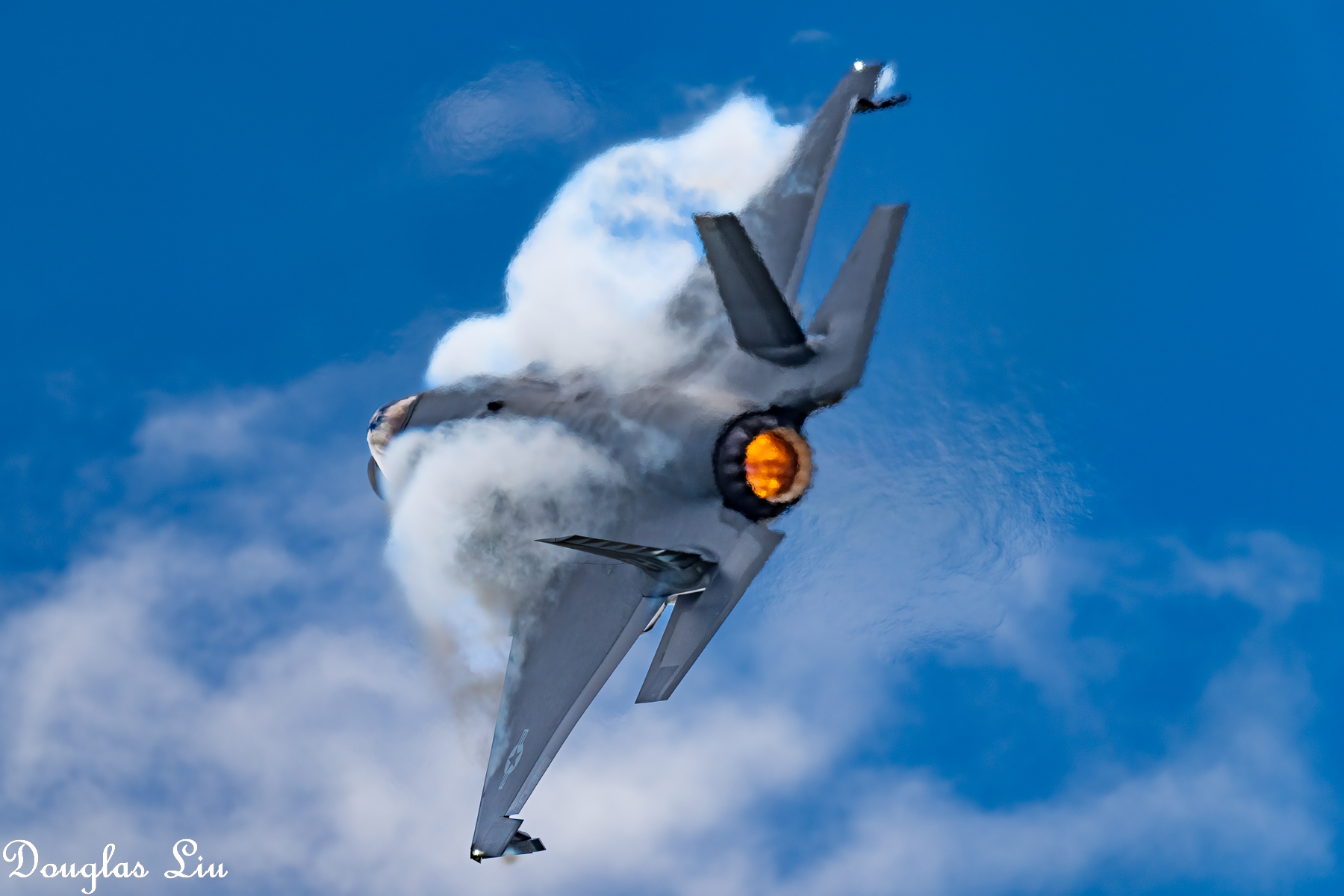
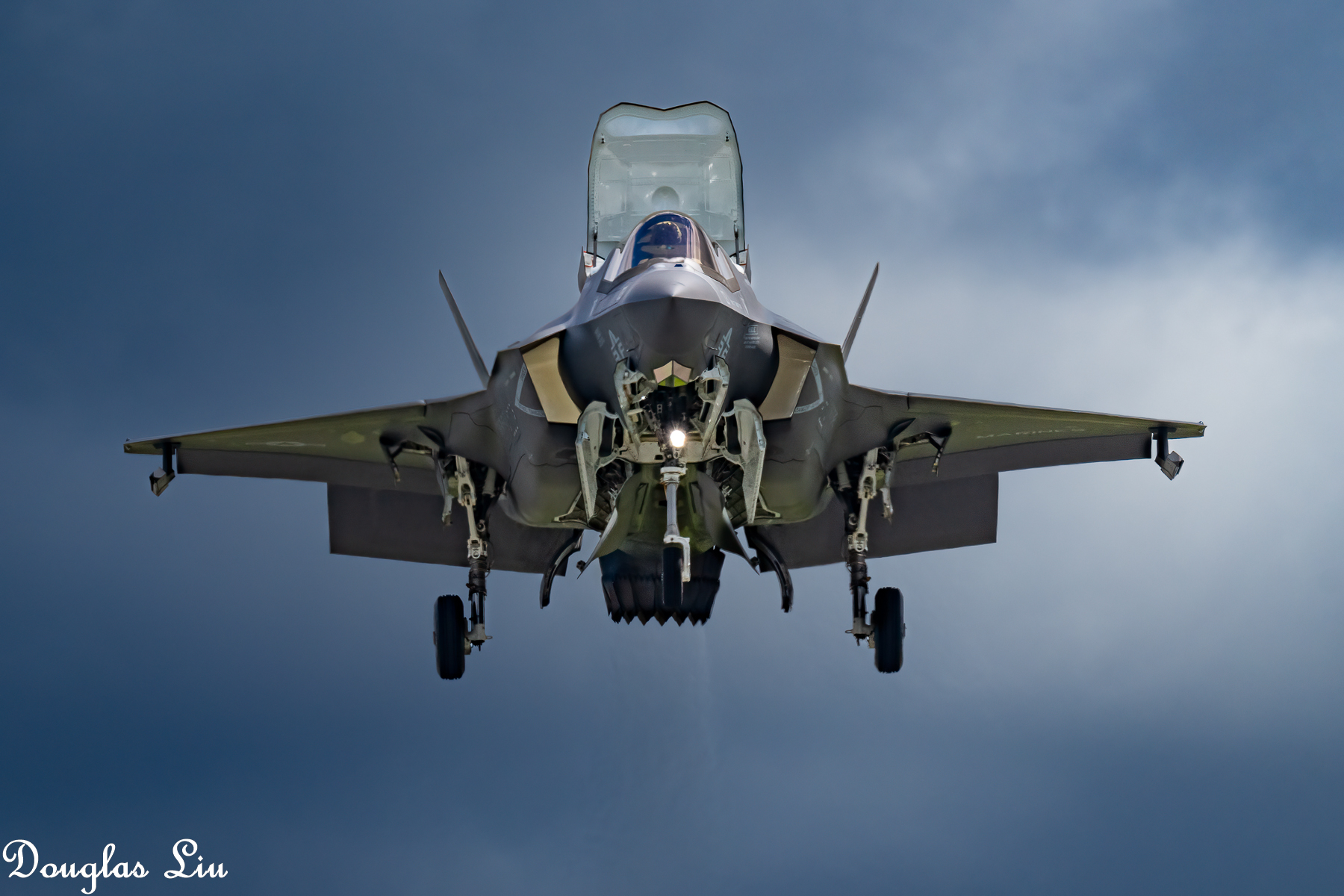
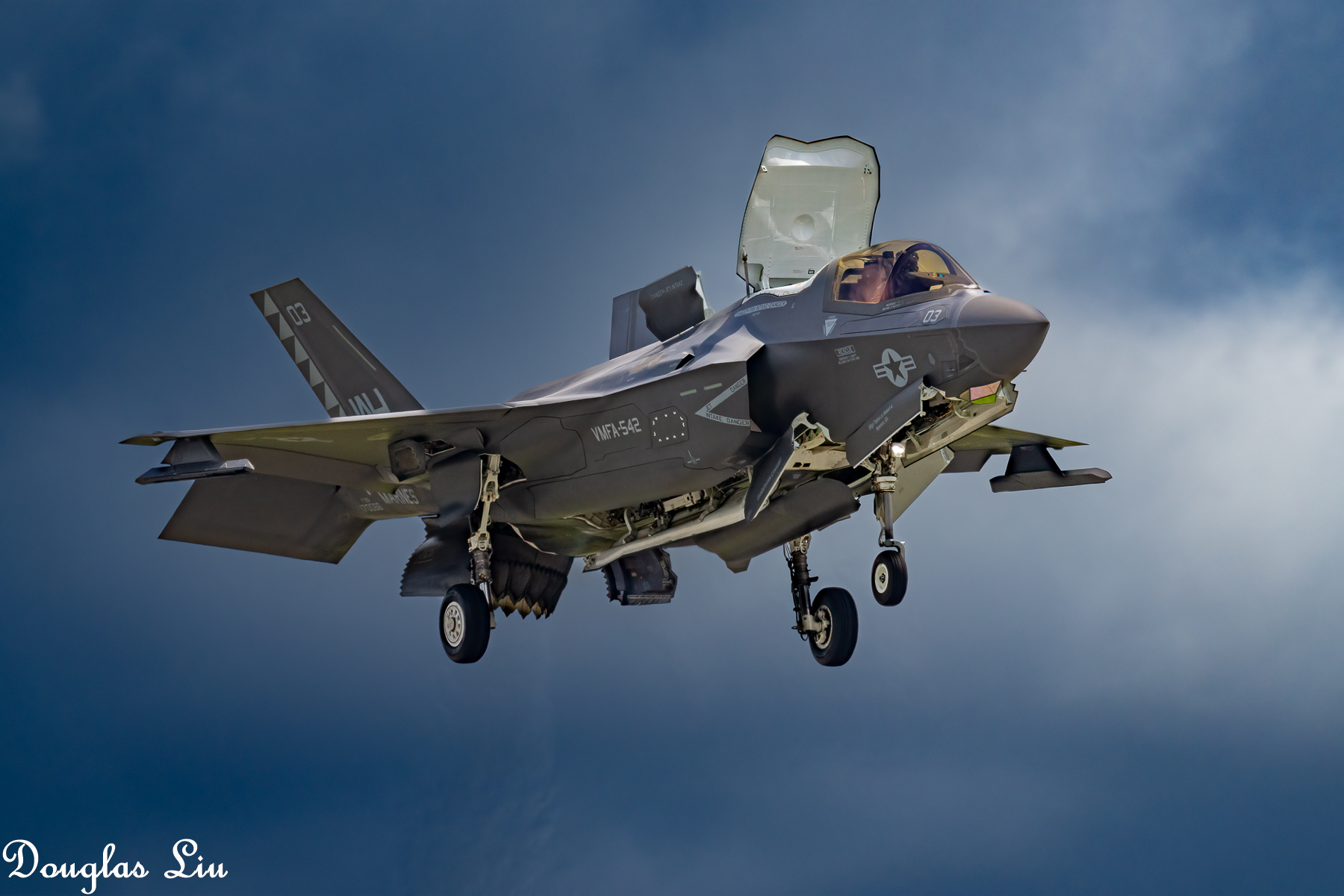
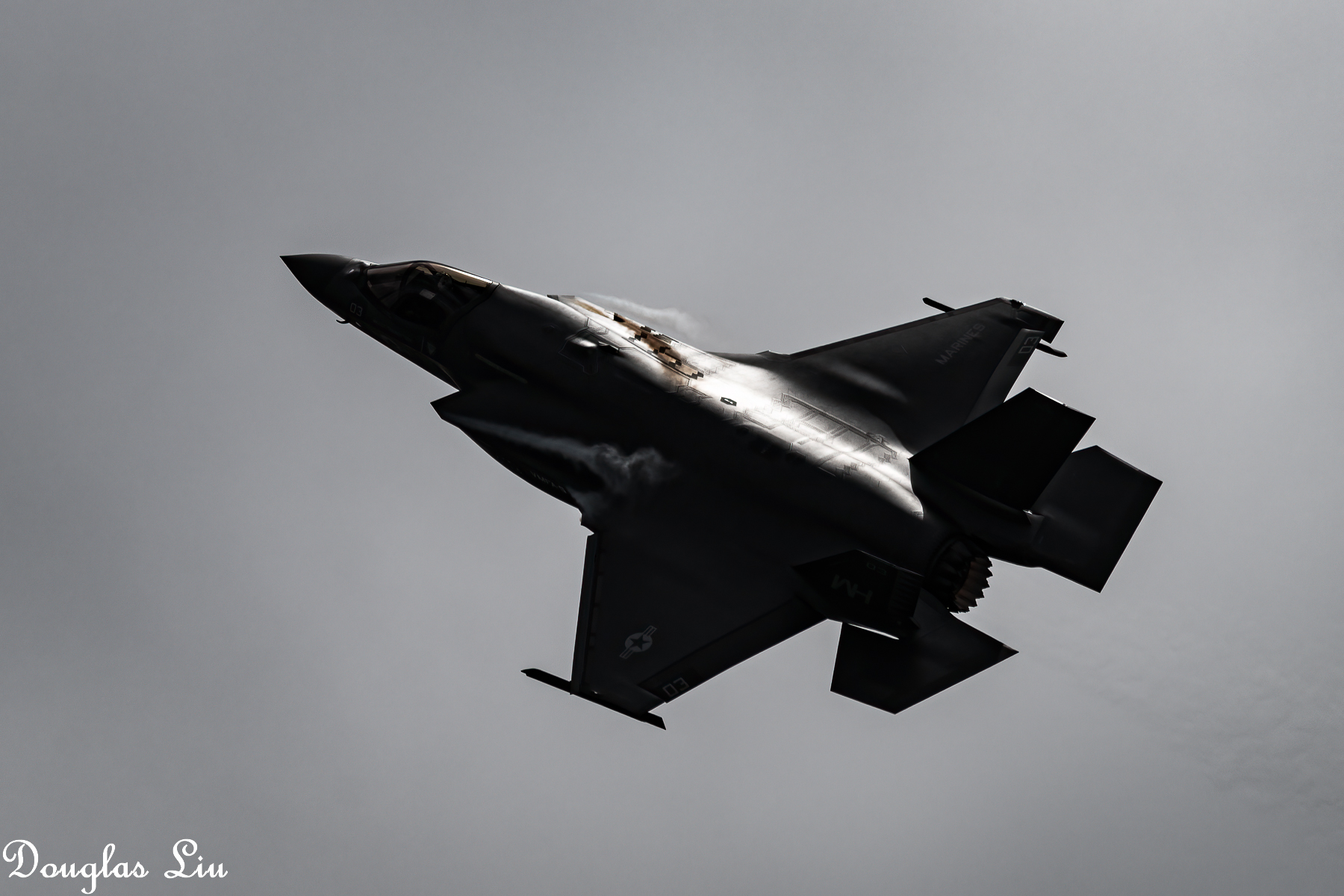
First installment from yesterday's airshow. This was my second time to the F-35 B (marine version). The humidity was pretty low so I was pleasantly surprised to see vapor cones a few times. Most of my shots with the vapor cones clipped wings, or tails, I do have a few that I like.
ILCE-1FE 200-600mm F5.6-6.3 G OSS lens347mmf/6.31/4000s320 ISO0.0 EV
ILCE-1FE 200-600mm F5.6-6.3 G OSS lens391mmf/6.31/4000s125 ISO0.0 EV
"duncang wrote:
I learned something new today. DxO PL7 seems to rely on the optics modules for some sharpening - someone pointed out that the low ISO images in particular looked a bit oof. I restarted DxO and they seem to be looking a bit better now.
If anyone is interested I created a python script to batch modify the A9M3 files to A9M2 files so DxO PL will process them normally. The optics modules failed to load initially but I thought I could just ignore them - a bit surprising that they have lens specific sharpening that gets applied.
CanadaMark responds:
The reason DXO has arguably the best sharpening algorithms and lens correction is because they are lens specific and lots of manual labor goes into their creation - that is why there is sometimes a ridiculously long wait for profiles to materialize depending on product availability. More generic profiles like what Adobe offers are available almost right away for new products.
DXO's sharpening is proportionate to the lens' sharpness falloff from center to the edges, which is why it has to be lens specific. For example on a cheaper lens, sharpening is applied more aggressively as you move out from the center of the frame compared to an exotic prime where there is barely any sharpness falloff as you move out from the center of the image. Every other program applies sharpening either globally, or at least not proportionately though the frame.
DXO actually builds an all new RAW file from the ground up if you are using their RAW converter or Pure RAW - that is how they get the NR so perfect and is part of the reason why it doesn't have blotchy NR, artificing, or edge detection issues like Topaz is famous for, particularly with fine details like stray hairs or fine feather detail. It is not completely flawless but the reason it works as well as it does is also the reason why sometimes it takes them forever to release profiles for new equipment."
Here is an older image I edited with the current version of DxO PureRAW 4 and cropped in the current version of Capture One.
This is the jpg I created back then in 2023.
Sony ILCE-1 + FE 200-600mm F5.6-6.3 G OSS @600 mm, f/6.3, 1/2000 s, ISO 250, Date Taken 2023-03-14 14:26:36.
To my eyes the newer image appears a bit more crisp.