Ross Martin wrote:
Wow! That is such a striking image, Josh!
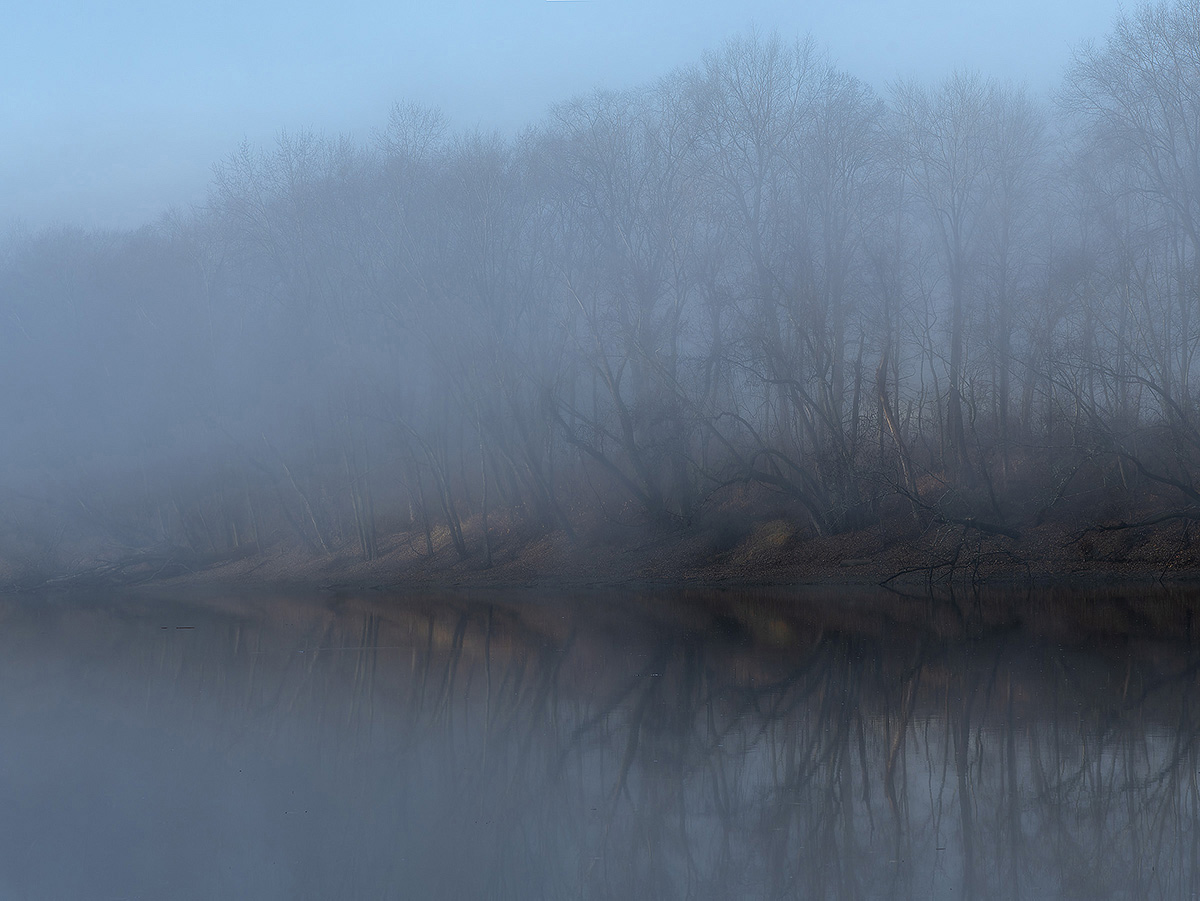
Thank you very much, Ross! Your foggy landscape images are just wonderful!
Grenache wrote:
Wow
Just…wow
Thank you very much, Jim! I love the images taken with the GM 50mm f/1.2, especially the first one: exquisite!
Douglas L wrote:
Amazing, Joshua! The frog looks like part of the flower!
I appreciate your kind words, Doug!
I replaced one of my A1s with the A7r V earlier in the year. Except for wildlife/bird photography, I prefer the A7r V now. Awesome images taken with the new body, Doug!
Ronny Olsson wrote:
Awesome !
Thank you very much, Ronny! I enjoy your images, as always, Ronny and the last two are gorgeous. I love the colors!
Nothing too terribly exciting here but this was taken a week of so ago after braving the pain and stiffness in my joints for using this long lens again…
So many beautiful photos here, thanks everyone, great job!
I barely have time to go natural world, only hug my old grandpa NEX7 with a 35mm movie projection lens with sole aperture Schneider Super Cinelux MC 37.5mm/2, and sometimes with a 16mm movie lens Carl Zeiss Arriflex 32mm/2 on work journey or in my daily life.
Following pics by SK 37.5/2 (in-camera direct JPGs or exported JPGs from original RAW files without any edition)
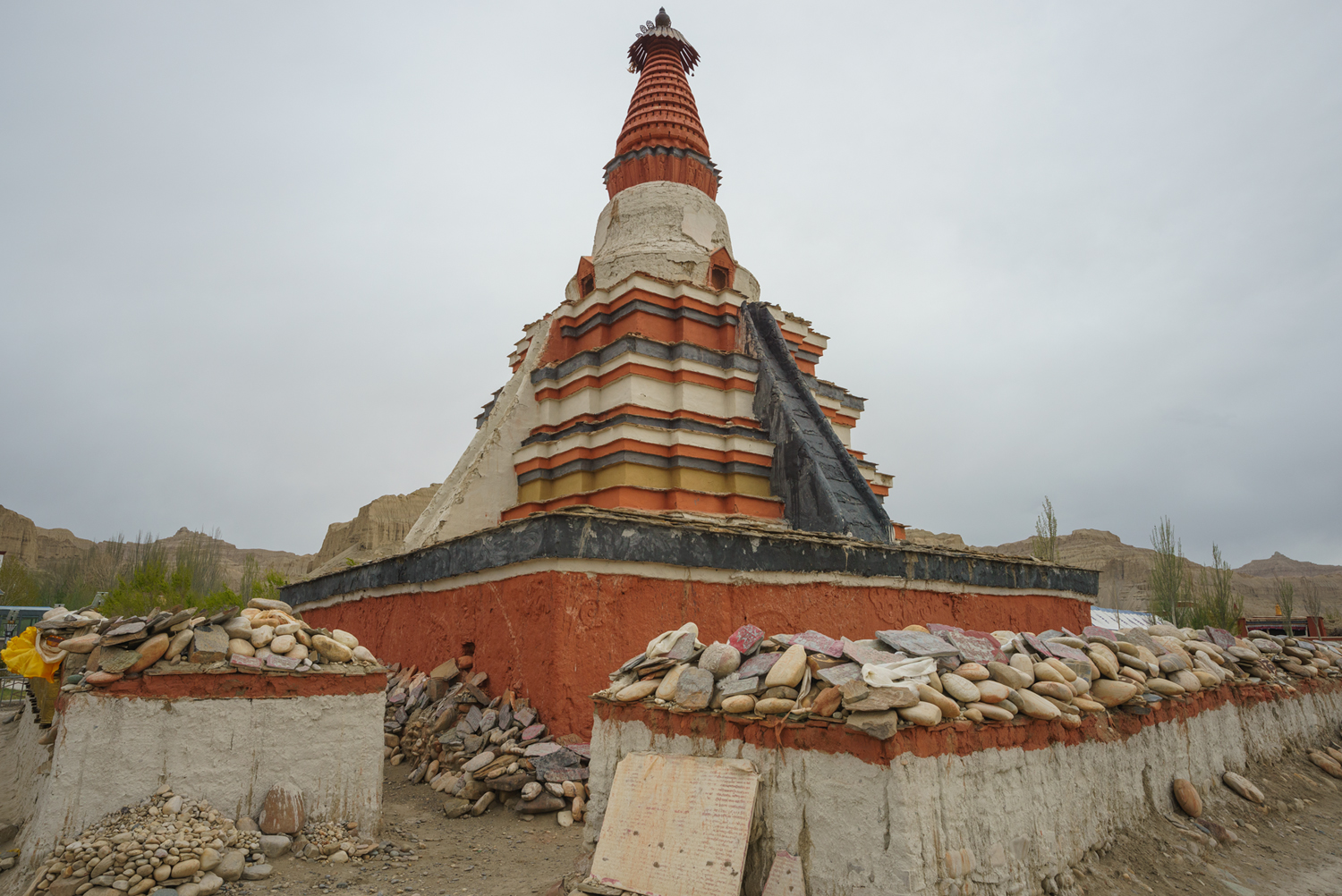
Giant Serkhang Chorten, Tholing, West Tibet. One reason I do this and make books from the trips is that the Tibetan Cultural World is changing so fast it will not be adequately documented, not by a long shot. So I am following in the footsteps of Eugene Atget, who photographed Paris for posterity, just before much of old Paris disappeared for good at the commencement of the 20th century. As an example of modernisation, this fine authentic old chorten was recently 'reimagined' and finished with what appears to be house paint, in a dark blood-like shade of red! The miserable Philistines, lol.
So many beautiful photos here, thanks everyone, great job!
I barely have time to go natural world, only hug my old grandpa NEX7 with a 35mm movie projection lens with sole aperture Schneider Super Cinelux MC 37.5mm/2, and sometimes with a 16mm movie lens Carl Zeiss Arriflex 32mm/2 on work journey or in my daily life.
Following pics by SK 37.5/2 (in-camera direct JPGs or exported JPGs from original RAW files without any edition)
I usually size 1500-1600 for horizontal, and 1200-1300 for vertical images. Some people do more, so less, but it is always nice to see the whole picture as you scroll through the forum.
KENNNN wrote:
Sorry for the inconvenience,my bad!😛
philip_pj wrote:
Giant Serkhang Chorten, Tholing, West Tibet. One reason I do this and make books from the trips is that the Tibetan Cultural World is changing so fast it will not be adequately documented, not by a long shot. So I am following in the footsteps of Eugene Atget, who photographed Paris for posterity, just before much of old Paris disappeared for good at the commencement of the 20th century. As an example of modernisation, this fine authentic old chorten was recently 'reimagined' and finished with what appears to be house paint, in a dark blood-like shade of red! The miserable Philistines, lol....Show more →
I have to say, wow, thank you very much, philip, thank you care so much about 西藏(Xi Zang (shē′dzäng′ in Chinese Pinyin, which is also called Tibet)文化(culture). However, I think there are something I want to share here:
1.Windows Bing translate ‘tholing’ into “托林”. If you Baidu (Chinese Google, the largest online search engine in China) “托林寺”, you will find tons of information. Baidu Baike (same like wikipedia) and other sites shows detailed information about this place, please refer to following links for reference:
The links are in Chinese, and it is not convertible in language. But you can read those pictures, which contain abundant knowledge about the history, building layout, main buildings, historical relic, historical culture, value of cultural relic, conservation measures, tourist information, transportation etc.
2.From aforesaid links and other websites, there are some key information about Tholing Temple we may not ignore:
1)The 达林寺(Tholing Temple, or Chorten? ) was founded between 996-1025B.C., it is a very historic place. It was built originally for then famous Tibetan translator Rinchen Zangpo on purpose of religious development.
2)The facade of this temple is kind of very simple, because it has been keeping that look for over 1000 years. But the real cultural value is its 壁画 mural.
3)达林寺 was listed as National Cultural Relics Protection Unit in 1996 in China.
4)The red ‘paint’ is their culture, you can see all the pictures of Tibet buildings, whatever it's historical or modern, and it’s famous or normal. You can’t install modern good-looking materials on it, like dazzling glass curtain wall or colorful shining marble wall etc., which are being used everywhere. Please check internet for all kind of XiZang buildings, such as Potala Palace as following link:
5)Every human culture in the world has it’s own technical approaches to construct and maintain their buildings and other structures. I think put some ‘paint’ on it will definitely protect the wall against extreme weather there, do something better than nothing!
6)I think there is nothing wrong with ‘red’ for it seems like blood, but why you emphasize ‘blood-like shade of red’? Can we suggest them to put a wine-like red color on it? Or maybe a ruby red? Again, this is the culture itself!
3.From the picture you take, i see no signs of ‘reimagine’ comparing with all pictures from websites. The only difference is the sky, all the pictures from internet showing this place always has beautiful blue sky, but yours is quite different, quite dark, the atmosphere is very depressive. Let me clarify one thing here, climatological data shows the annual sun shinning days in that region is more than 3000 hours!
4.I think you worried too much about documentation of this cultural relic. The responsibility of make proper record goes to the Tibetan religious management authority, I believe they are very professional to document each everything about it, and I think this is a massive task, a systematic work! Outside photo takers only know what it appears, or maybe get some fragmentary information through some talking. Again, this is culture itself, if they don’t know how to document, they will fade away.
5.There is no ‘west tibet’, the Tholing is in the west of XiZang, and Xi itself means ‘west’ in Chinese, and XiZang is translated into Tibet. Someone even don’t know about this, cannot write the location name properly, I doubt he can properly record anything about this pure, holy place.
I am sorry if anyone think that I am overreacted, or if I disturbed other beauty-capturing photographers here. This forum is a beautiful and peaceful site for showing the beauties of our world and life. Unfortunately, from your post I feel something different!
Grenache wrote:
Great images, Douglas and Helena! I feel like I am in each scene.
Jim
Thank you very much, Jim! Much appreciated.
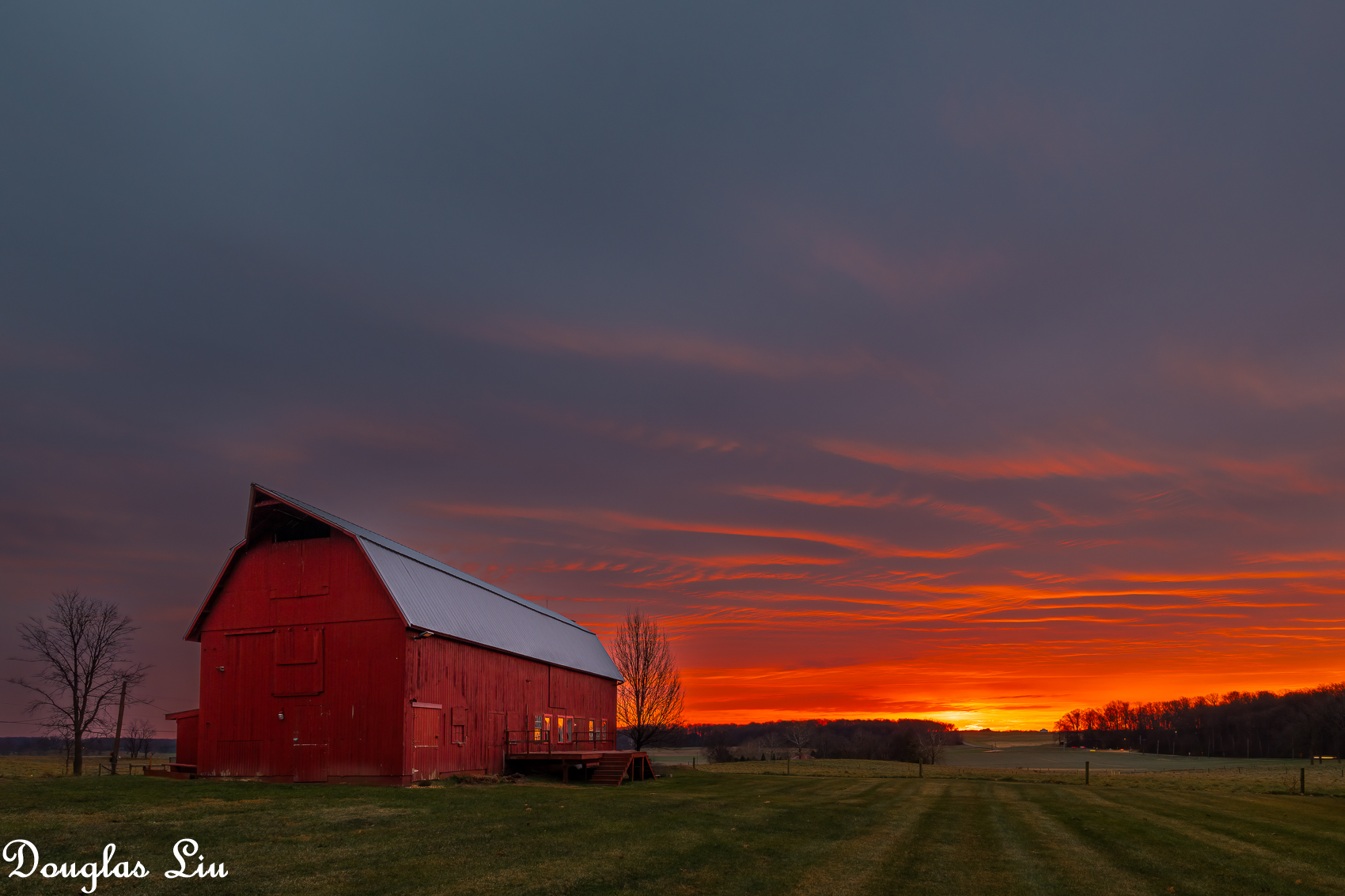
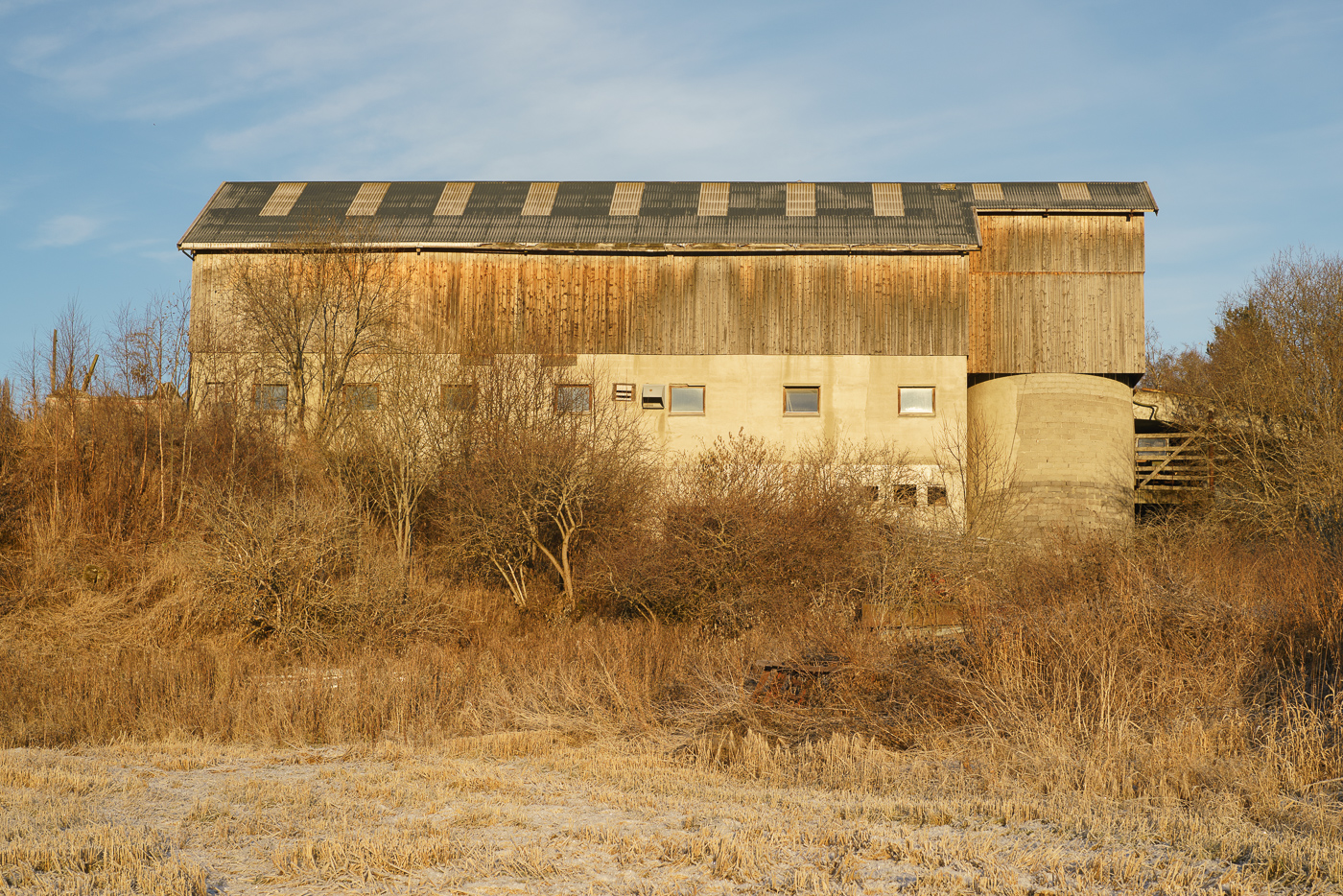
When I took my dog out this morning I saw pale pink color in distance, I drove to this same old barn to wait for the sunrise, really pretty color, it became overcast about 10 minutes after this was taken.
ILCE-1FE PZ 16-35mm F4 G lens18mmf/9.01/2s100 ISO0.0 EV










 in Chinese Pinyin, which is also called Tibet)文化(culture). However, I think there are something I want to share here: