My small contribution to this great thread from which I get a lot more than I give. Page after page of excellent and inspiring photography...thanks.
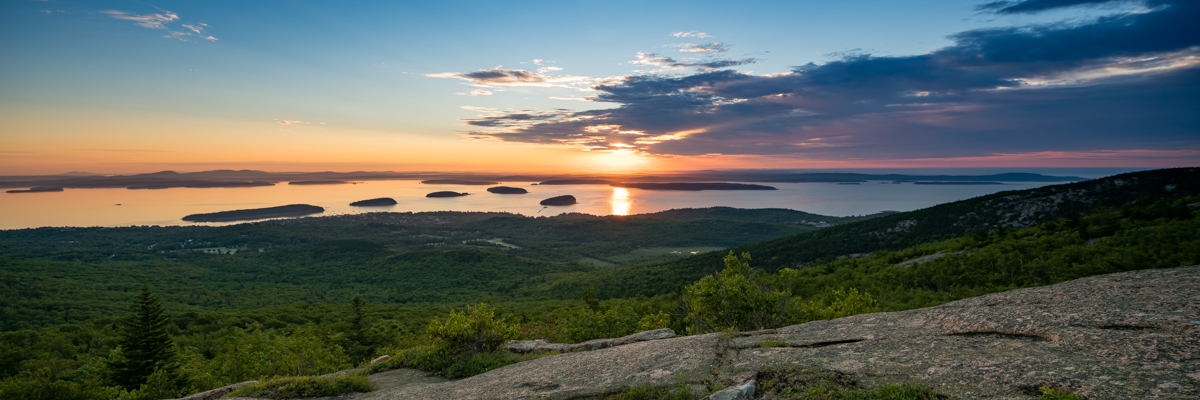
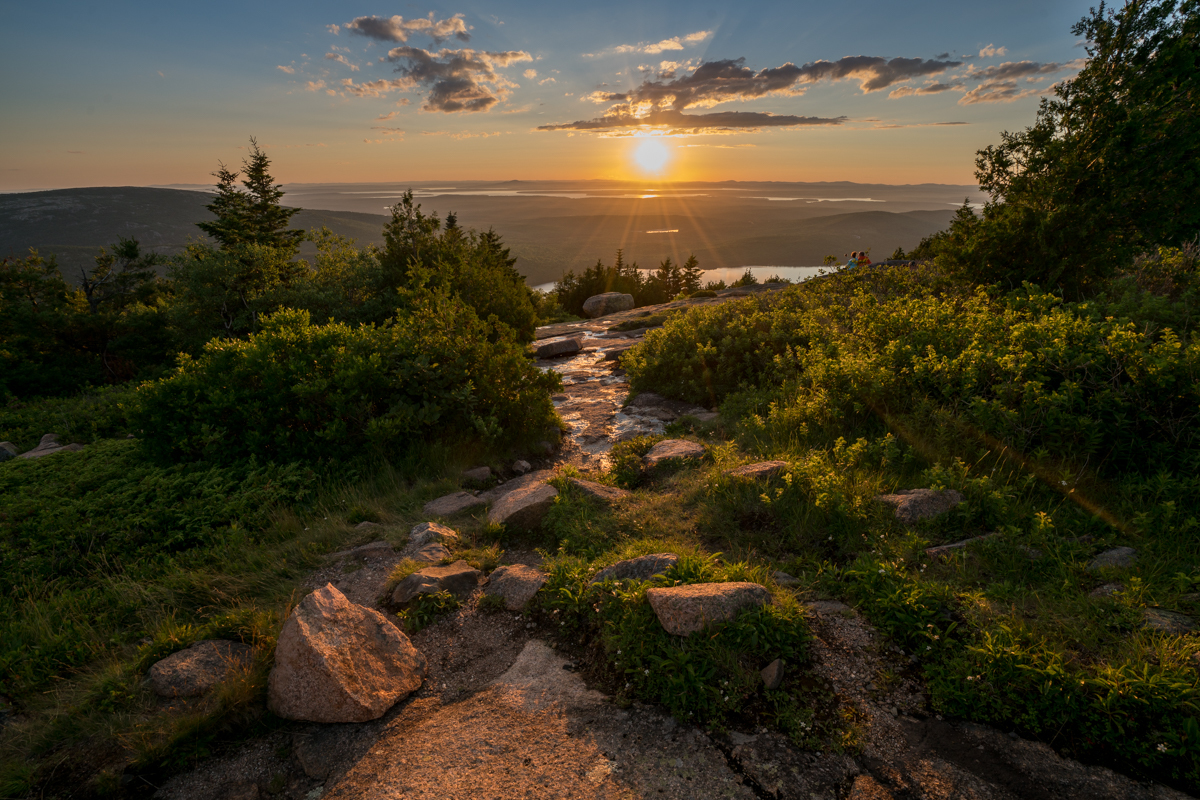
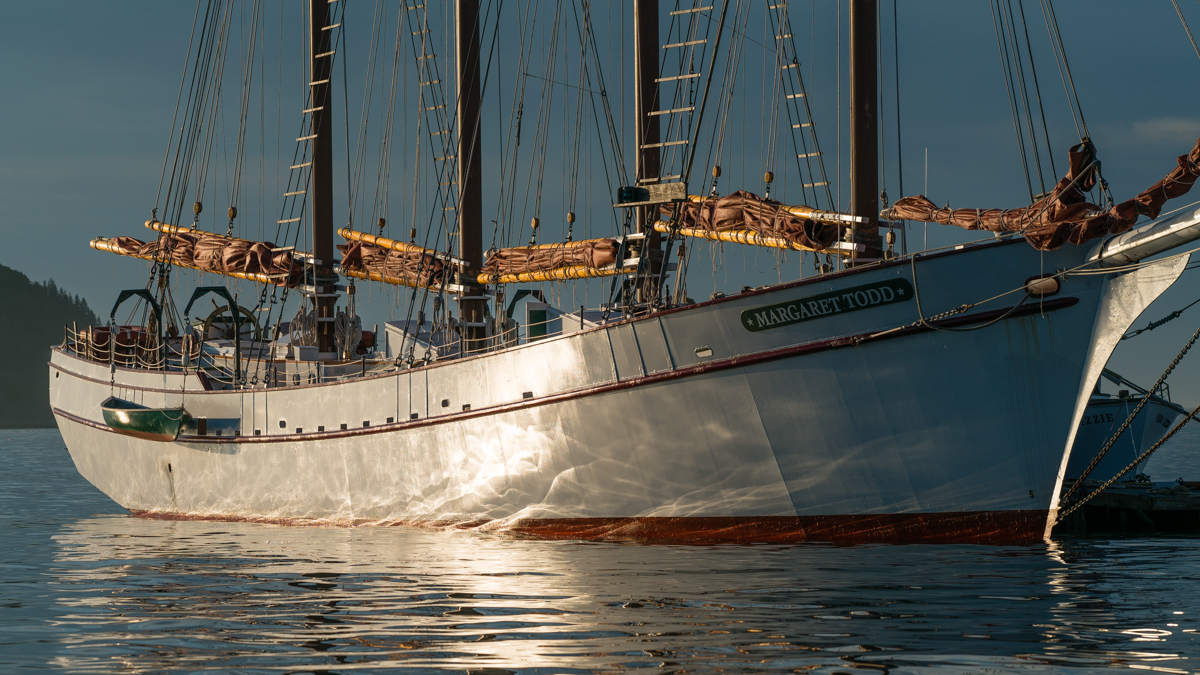
A few images from a recent trip to Acadia National Park and Bar Harbor (in Maine) with my new-to-me A7rII, which I am just getting to know.
The first two images were taken about 7-8 hours apart. Sunset on one side of Cadillac Mountain in the evening, and a few hours later, sunrise on the other side of Cadillac Mountain. The boat is docked in Bar Harbor.
rol-and wrote:
To my mind, there continue to be some really nice images in this thread.
So thanks everyone for sharing your posts.
On the subject of what defines images that will appeal to others, I
actually do find it somehow more difficult lately to assess or even
predict this. Frankly, I am also torn whether such criteria might too
much restrict oneself to develop further or whether it should actually
be a key criteria to assess whether and how far one evolves ...
What an interesting and important thought. It's so easy to get caught up in what other people think and once you have done that you start to adjust your style to what you hope that people will like. I hadn't really considered what it might do to your creativity!
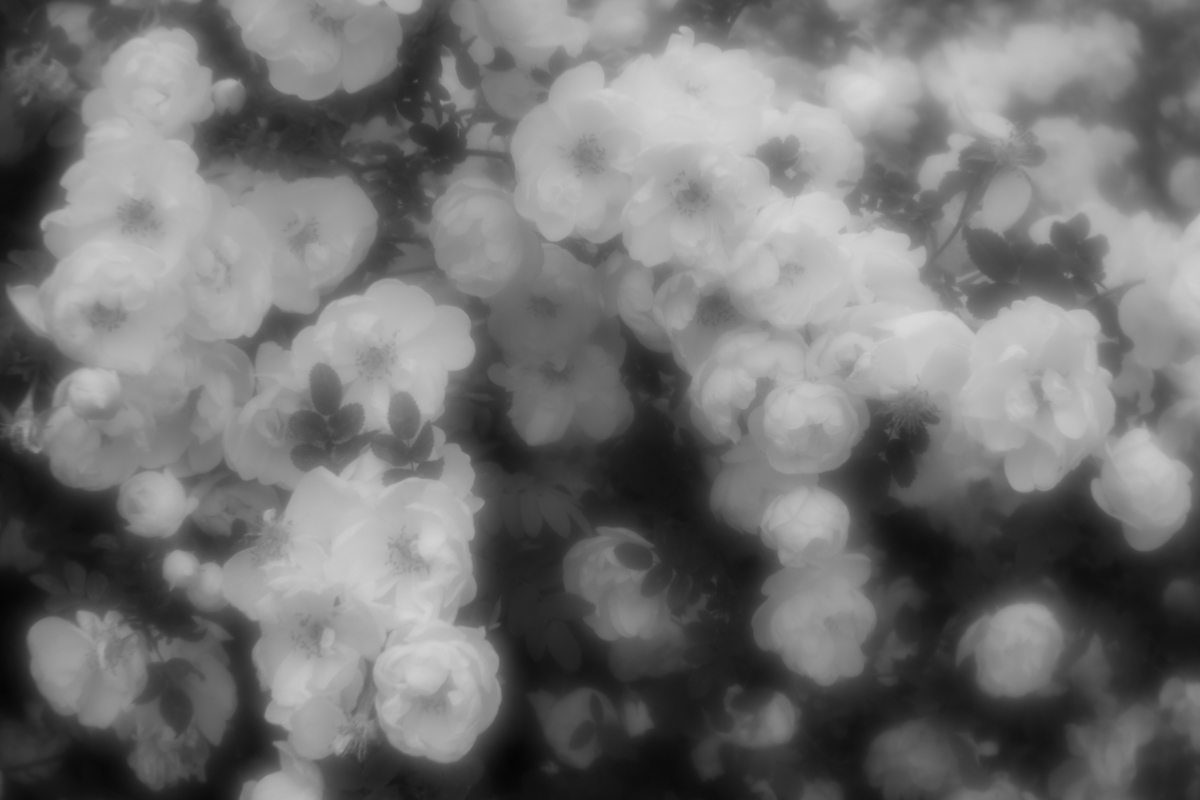
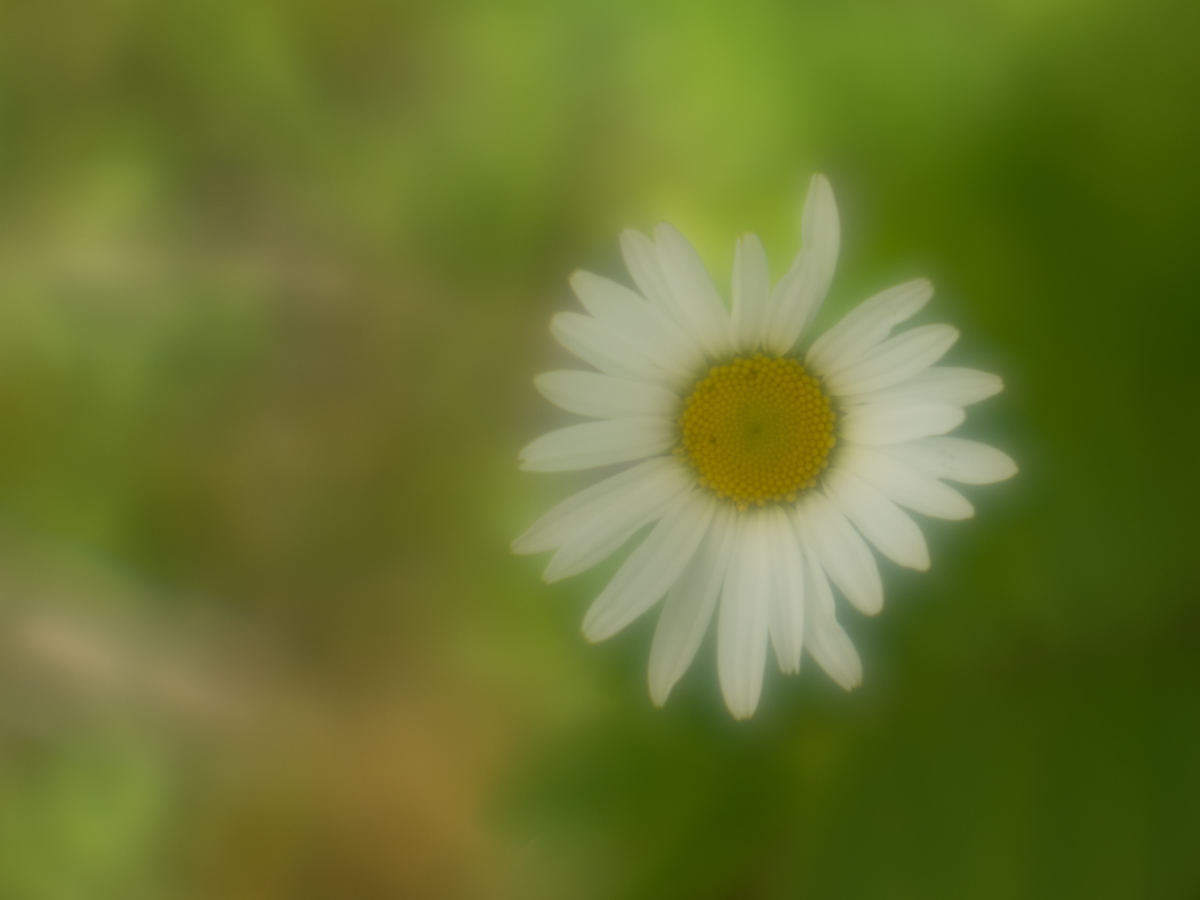
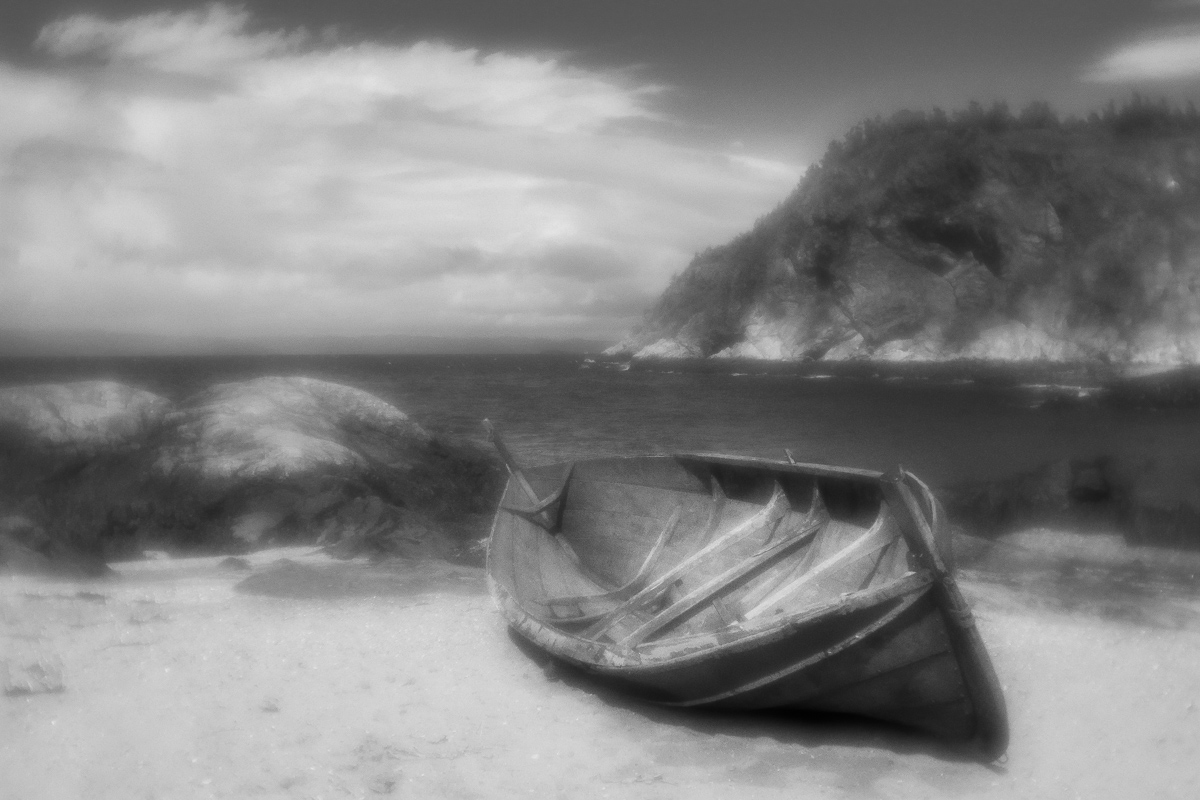
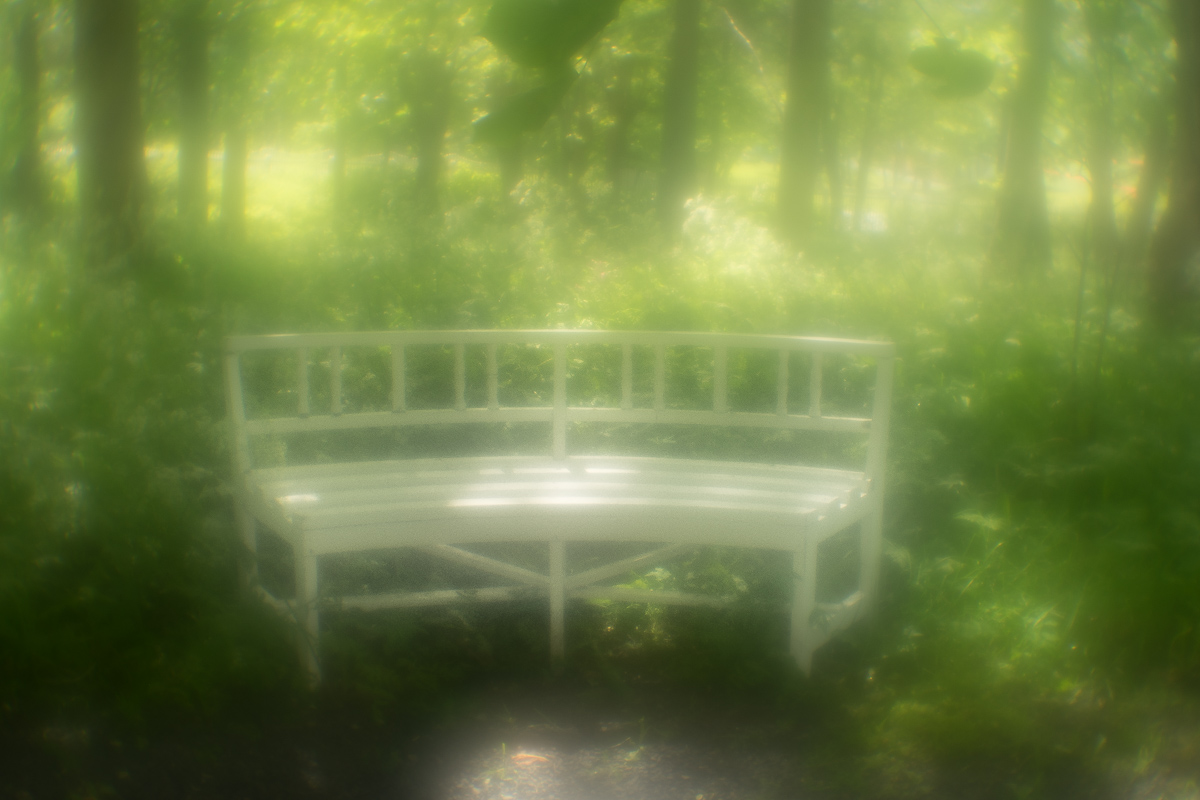
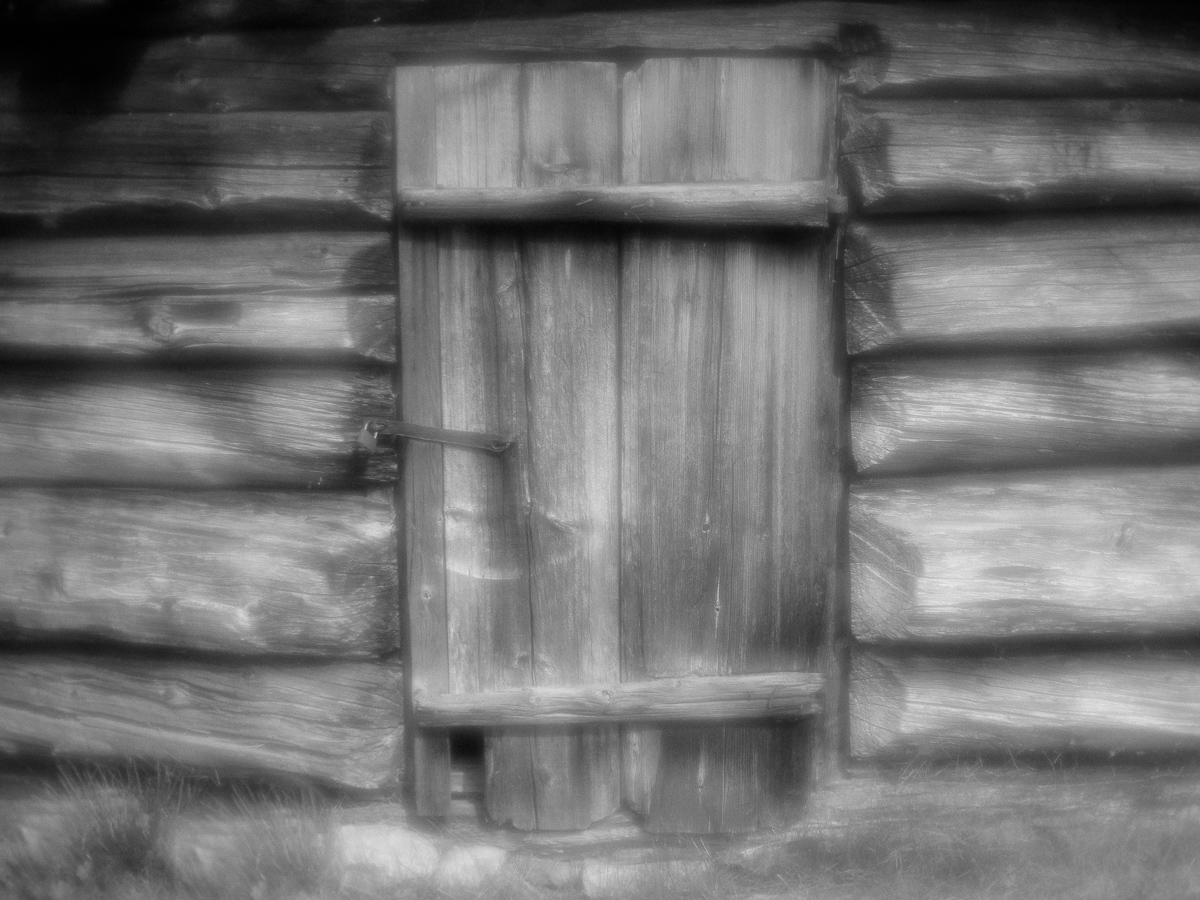
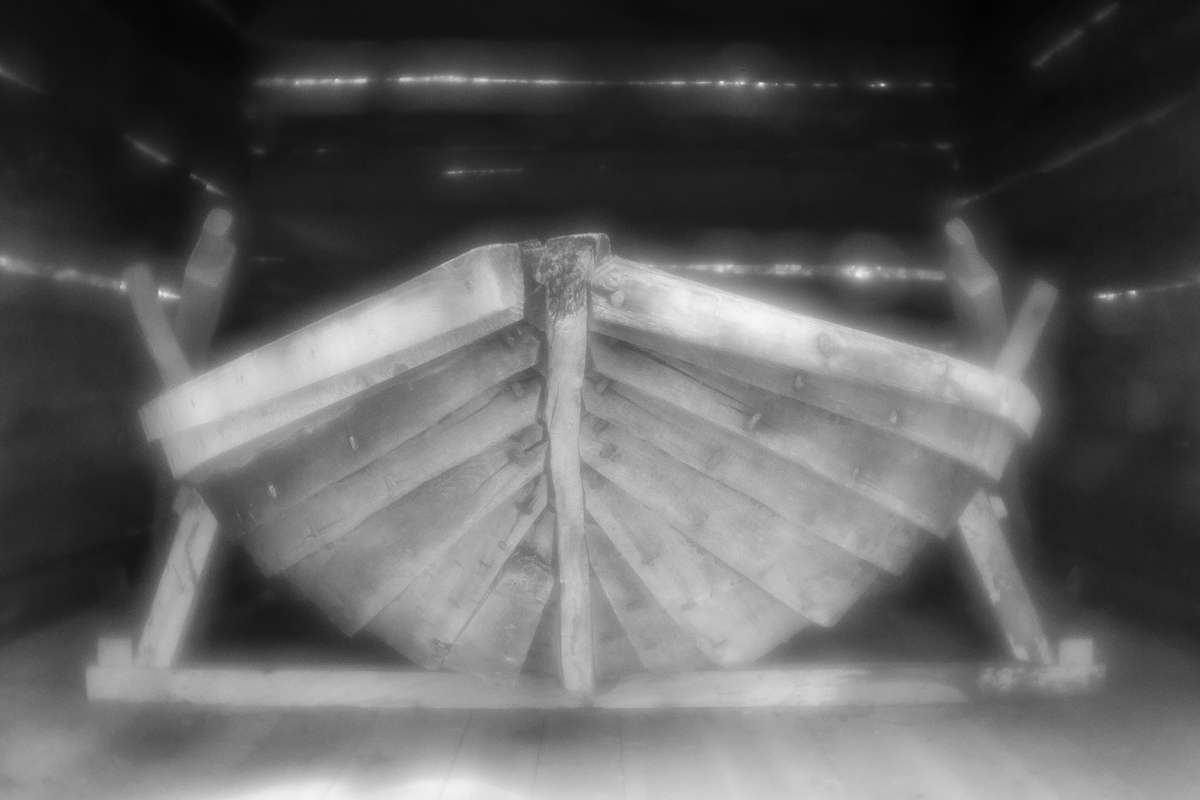
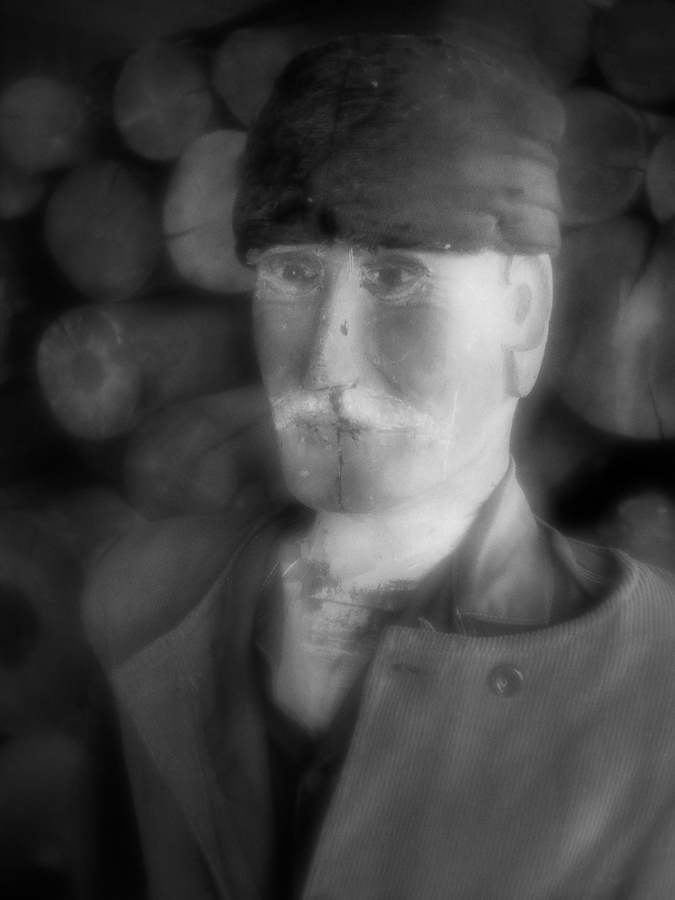
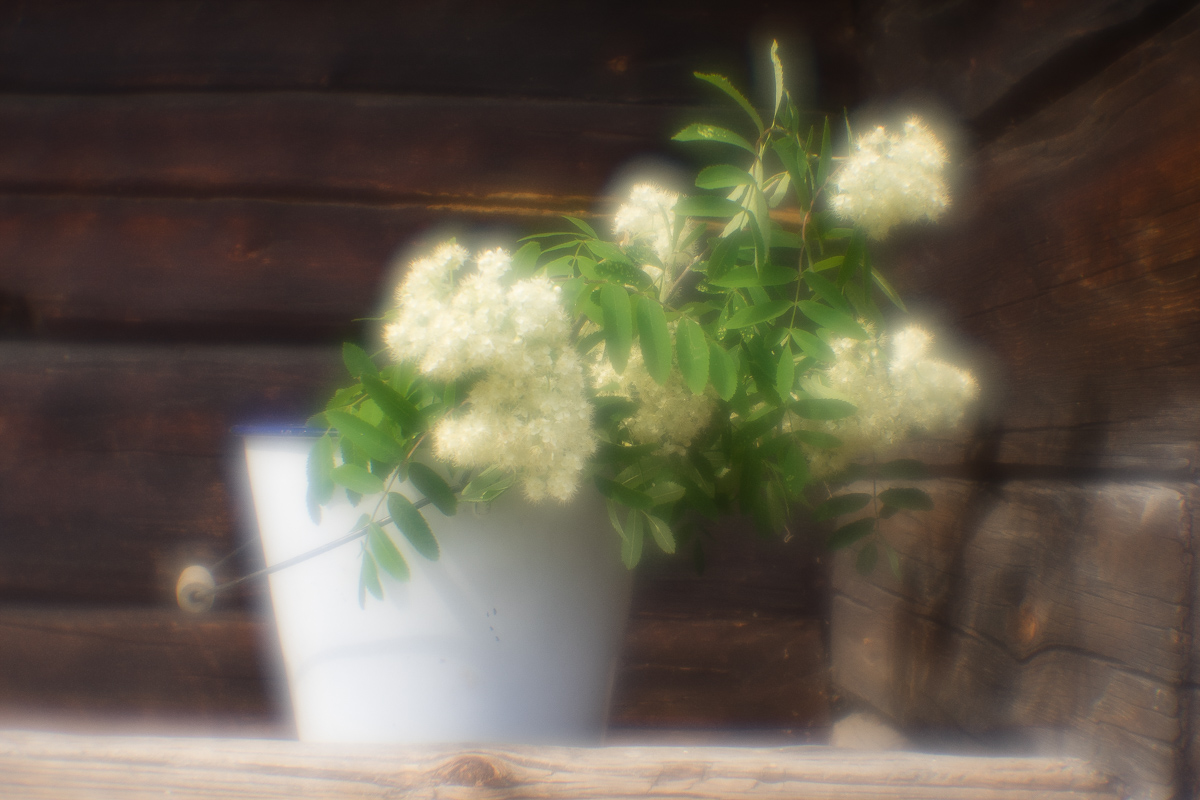
OK, here are some shots from the lens my Russian friend ordered for me. It is called Monocle (Monolens) because it consists only of a single lens. Therefore it has lots of aberrations which, among other things, cause a glow to brighter areas. It gives a nice sense of times gone by since this is what they used 100 years ago. I have always been attracted to dreamy and "perfectly imperfect" photos and look forward to experiment with this lens.
From Wikipedia: "A good monocle is a pure pictorial instrument: it creates very soft, luminous image, concealing fine details. Monocle preserves contour of the image though; true monocle has to be sharp and at the same time very low contrast lens."
HelenaN wrote:
What an interesting and important thought. It's so easy to get caught up in what other people think and once you have done that you start to adjust your style to what you hope that people will like. I hadn't really considered what it might do to your creativity!
OK, here are some shots from the lens my Russian friend ordered for me. It is called Monocle (Monolens) because it consists only of a single lens. Therefore it has lots of aberrations which, among other things, cause a glow to brighter areas. It gives a nice sense of times gone by since this is what they used 100 years ago. I have always been attracted to dreamy and "perfectly imperfect" photos and look forward to experiment with this lens.
From Wikipedia: "A good monocle is a pure pictorial instrument: it creates very soft, luminous image, concealing fine details. Monocle preserves contour of the image though; true monocle has to be sharp and at the same time very low contrast lens."
HelenaN wrote:
What an interesting and important thought. It's so easy to get caught up in what other people think and once you have done that you start to adjust your style to what you hope that people will like. I hadn't really considered what it might do to your creativity!
OK, here are some shots from the lens my Russian friend ordered for me. It is called Monocle (Monolens) because it consists only of a single lens. Therefore it has lots of aberrations which, among other things, cause a glow to brighter areas. It gives a nice sense of times gone by since this is what they used 100 years ago. I have always been attracted to dreamy and "perfectly imperfect" photos and look forward to experiment with this lens.
From Wikipedia: "A good monocle is a pure pictorial instrument: it creates very soft, luminous image, concealing fine details. Monocle preserves contour of the image though; true monocle has to be sharp and at the same time very low contrast lens."
Glad rol-and's interesting comments encouraged you to post these. I like them; to my mind the lens seems to work best when the main subject of the image has extra illumination, as in the flowers in the final shot. The very old boat in #6 is also a favourite so perhaps the lens also likes the main subject to be quite close. Fascinating boat, by the way, look at the huge nails holding it together!
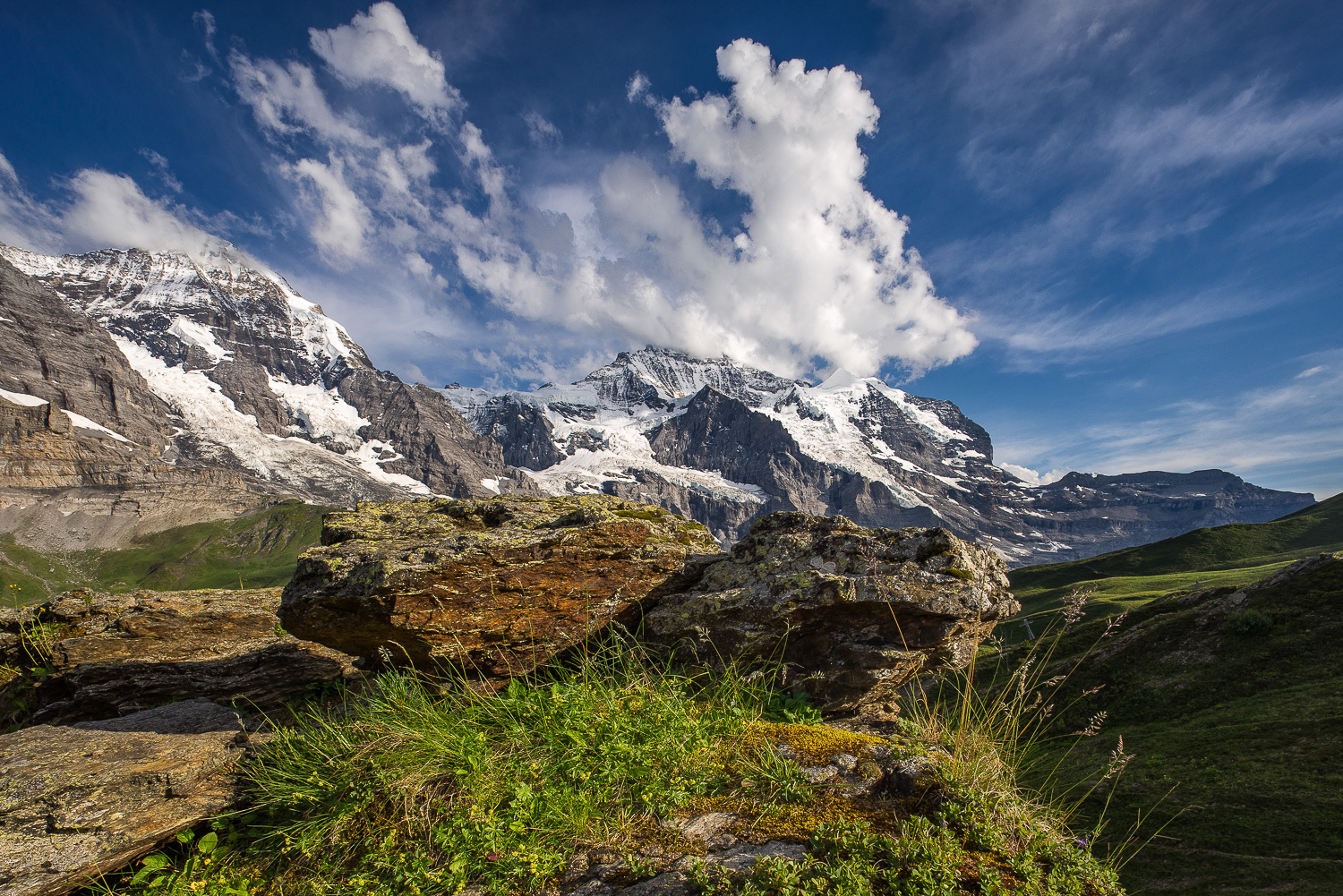
Loxia 21 on A7R2 with ND filter. I quite like this shot but I think it could be better so I will go back an try it again soon. Somewhere in South Devon, my wife won't let me say precisely where!
PS: having posted this image it now looks sharper than on flickr and sharper than the original jpeg viewed in the Windows Photo Viewer, perhaps now too sharp. I have noticed this before with some of my other shots - strange!
HelenaN wrote:
What an interesting and important thought. It's so easy to get caught up in what other people think and once you have done that you start to adjust your style to what you hope that people will like. I hadn't really considered what it might do to your creativity!
OK, here are some shots from the lens my Russian friend ordered for me. It is called Monocle (Monolens) because it consists only of a single lens. Therefore it has lots of aberrations which, among other things, cause a glow to brighter areas. It gives a nice sense of times gone by since this is what they used 100 years ago. I have always been attracted to dreamy and "perfectly imperfect" photos and look forward to experiment with this lens.
From Wikipedia: "A good monocle is a pure pictorial instrument: it creates very soft, luminous image, concealing fine details. Monocle preserves contour of the image though; true monocle has to be sharp and at the same time very low contrast lens."
Helena -- I'm so glad you posted these shots! Thanks! Very nice rendition. I have a Sima 100mm soft focus lens that is similar expect for focal length. It has push/pull focus of plastic tubes and singlet lens element too. I have it in my "to sell" bag, but might pull it out to see what it does on the Sony camera. I think the thing is to keep the images fresh and not seem like a total gimmick, and you do that successfully by choosing appropriate subjects. I like that it helps provide a more rounded viewing of types of photography on the forum.
We also can't forget that art (including photography) is a form a of communication, and as such it needs to call out and obtain a response of some type. The quality of response is the key -- what is the artist striving to say?, and what will the statement likely produce on the mind of the recipient?
Looking forward to more of your interesting and innovative work.
Douglas, philber, Peter and Jim, thank you very much for the kind feedback, and everyone else for the Likes! Jim, would love to see some photos from your Sima lens. Hope you decide to keep it.









 took 14 years...