Bill, give Dave at Advance Camera in Portland a go at it. Recently he resurrected my Canon 24-70 2,8 that gave up in the middle of a shoot. Works like new now.
Advance Camera
8124 SW Beaverton Hillsdale Hwy
Portland, OR 97225
Bill Gass wrote:
Where's a good place to send a 7D and a 70-200 for focus problems
Other than CPS.
Serious back focus or no focus and not sure what to do other than buy a new camera and/or lens.
Are you aware of the Canon Loyalty Program? I got a new R6 through them for $2000, or 20% off. They will give you a deal on refurbished but I think it is only 10% off. 1 (866) 443-8002
Tell them your 7D broke and you would like to upgrade. They will tell you what cameras are available.
MBrewington wrote:
Bill, give Dave at Advance Camera in Portland a go at it. Recently he resurrected my Canon 24-70 2,8 that gave up in the middle of a shoot. Works like new now.
Advance Camera
8124 SW Beaverton Hillsdale Hwy
Portland, OR 97225
Bill, give Dave at Advance Camera in Portland a go at it. Recently he resurrected my Canon 24-70 2,8 that gave up in the middle of a shoot. Works like new now.
Advance Camera
8124 SW Beaverton Hillsdale Hwy
Portland, OR 97225
.
Are you aware of the Canon Loyalty Program? I got a new R6 through them for $2000, or 20% off. They will give you a deal on refurbished but I think it is only 10% off. 1 (866) 443-8002
Tell them your 7D broke and you would like to upgrade. They will tell you what cameras are available.
.
Thanks for replies, will call the Portland shop.
No funds for a new camera yet, 90D is what I have been looking at tho on B&H.
Bill Gass wrote:
Where's a good place to send a 7D and a 70-200 for focus problems
Other than CPS.
Serious back focus or no focus and not sure what to do other than buy a new camera and/or lens.
I cannot answer your question on where to send it but I might add I had the same problem(5 years ago) and CPS replaced the "focusing ring" on the lens to fix the problem. Just FYI. May NOT be your problem, my symptoms were the same though, just some insight.
Good Luck!
Dan
I have thought of him many times and have been meaning to get in touch with him, then something comes up and sends me off in another direction. I'll PM him, but that's the only method I have to contact him.
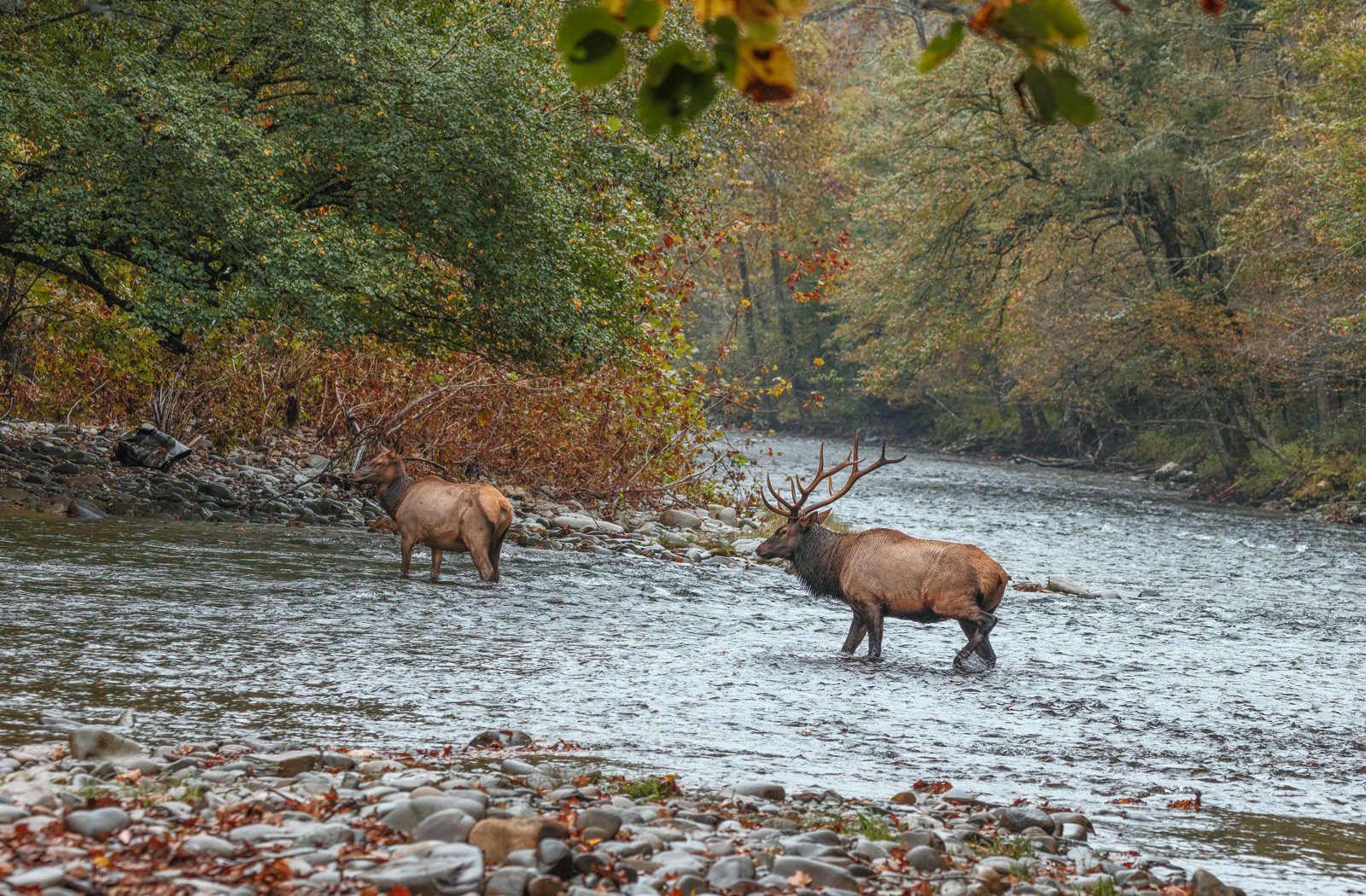
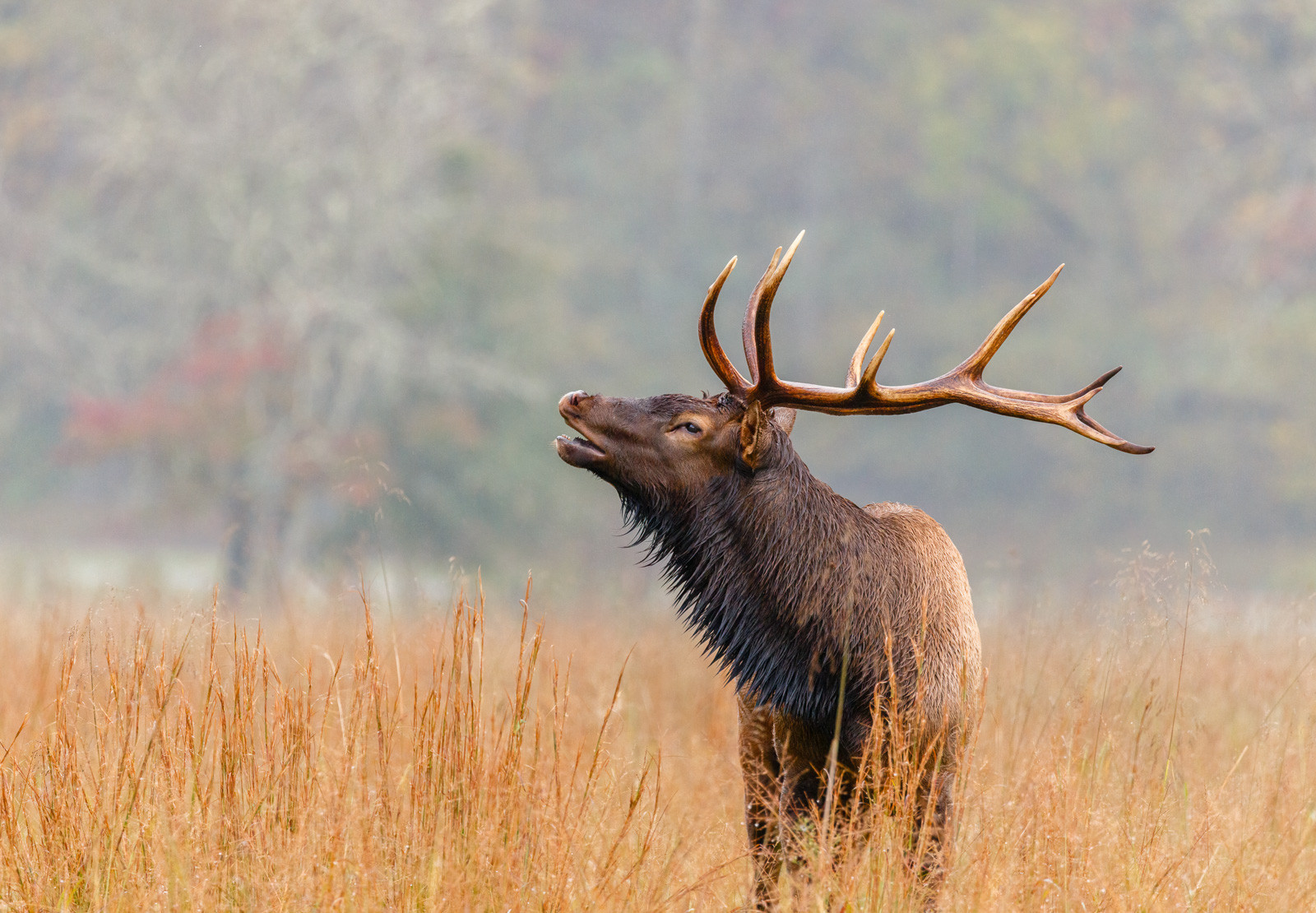
Doug L, those elk shots are epic!!! The colors and clarity are just outstanding. I live in NE PA. I never heard of Benezette, but it appears to be about 4 hours west of me. Are they in the wild, or on some sort of reservation?
chas wrote:
Doug L, those elk shots are epic!!! The colors and clarity are just outstanding. I live in NE PA. I never heard of Benezette, but it appears to be about 4 hours west of me. Are they in the wild, or on some sort of reservation?
Chas
Thank you, Chas! These elks are in the wild, so there is no guarantee you will see them. I am 250 miles south east from there so it’s a 4 hour drive for me too. I only saw this bull and his 4 ladies for about 20 minutes shortly after sunrise. I drove around the other usual “hot spots” for an hour, didn’t see any more. The best time is late September and early October during the rutting season. In September last year I got some good shots of many more elks, including bull fights, in much better light. Like they say, you need to be there in the right place at the right time. Sometime you may see 20, other times you may see none. They are more active around sunrise and sunset. There is a lot of information on the internet about elks in benezette, the county is actually named “Elk County”.
MBrewington wrote::
Bill, give Dave at Advance Camera in Portland a go at it. Recently he resurrected my Canon 24-70 2,8 that gave up in the middle of a shoot. Works like new now.
Advance Camera
8124 SW Beaverton Hillsdale Hwy
Portland, OR 97225 JWilsonphoto wrote:
You mean the shop hasn't been burned down?
, he said...Still there.
Super nice and good pricing so that's where it's going soon.
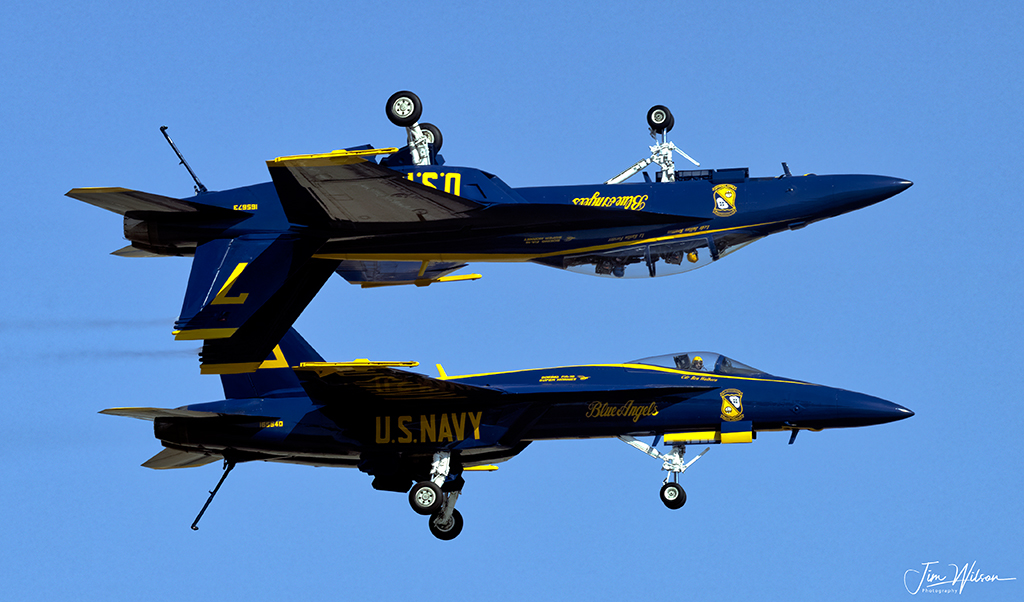
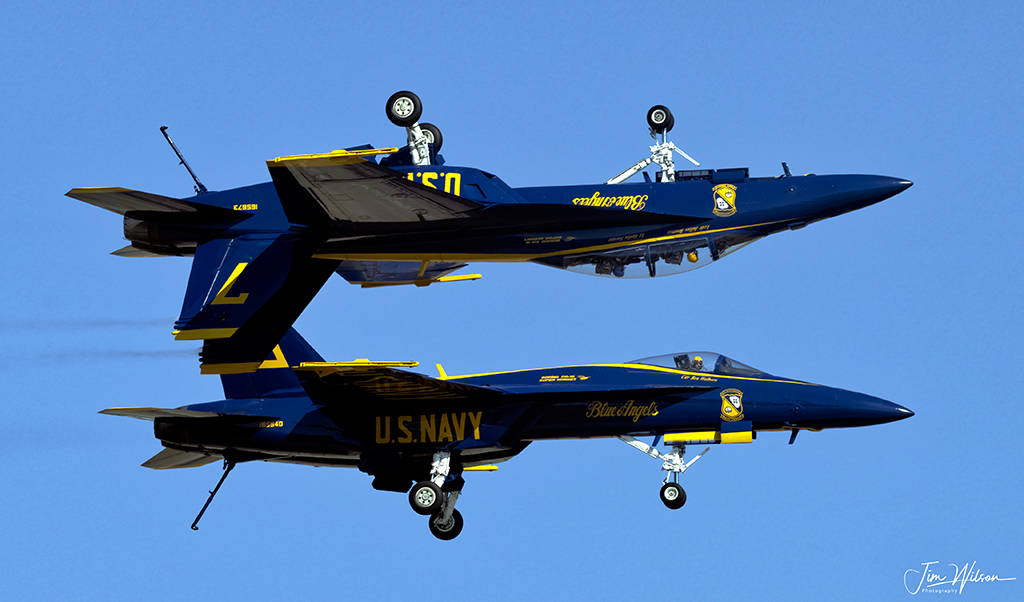
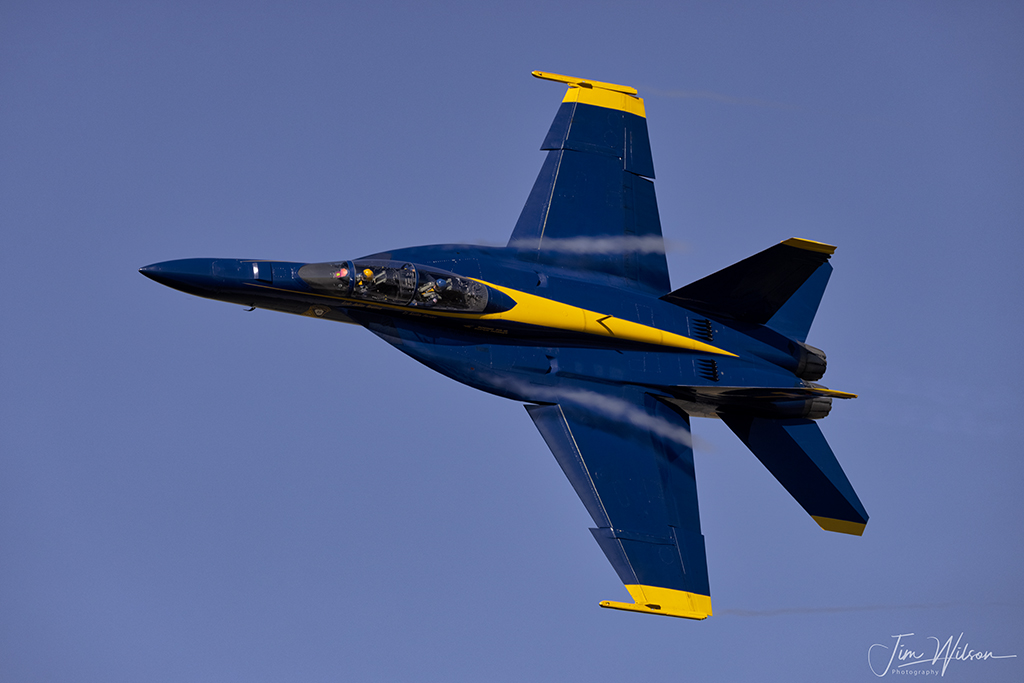
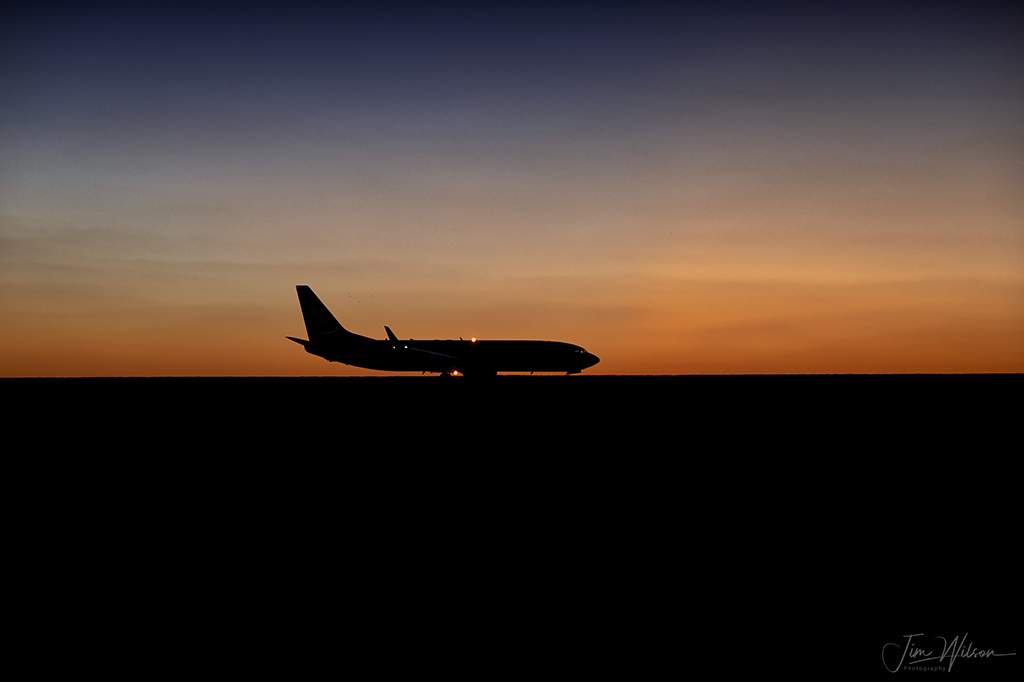
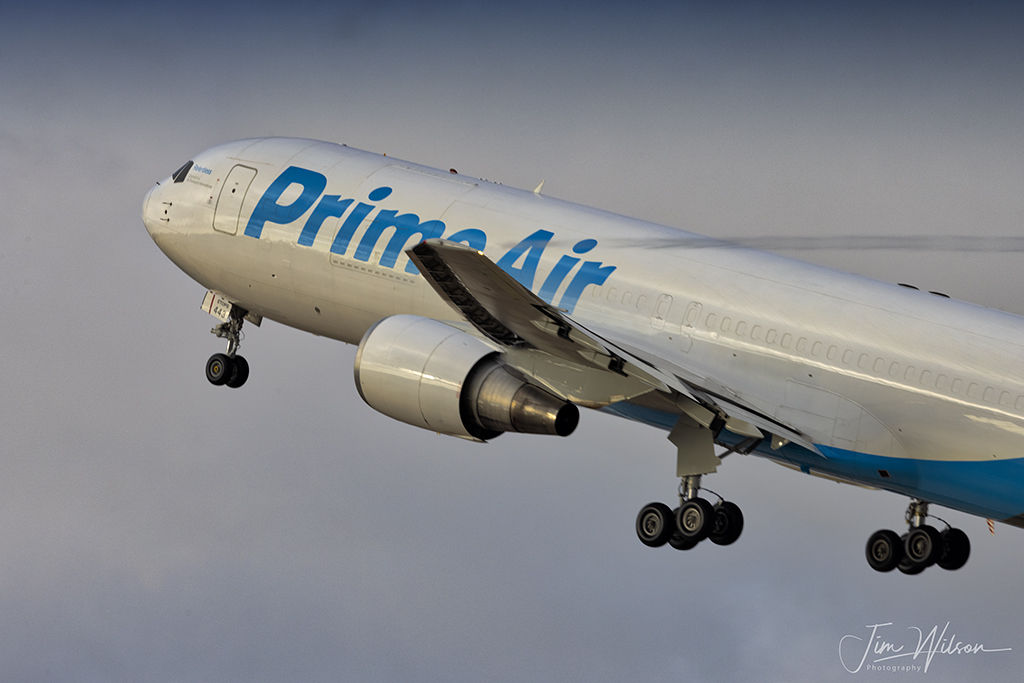
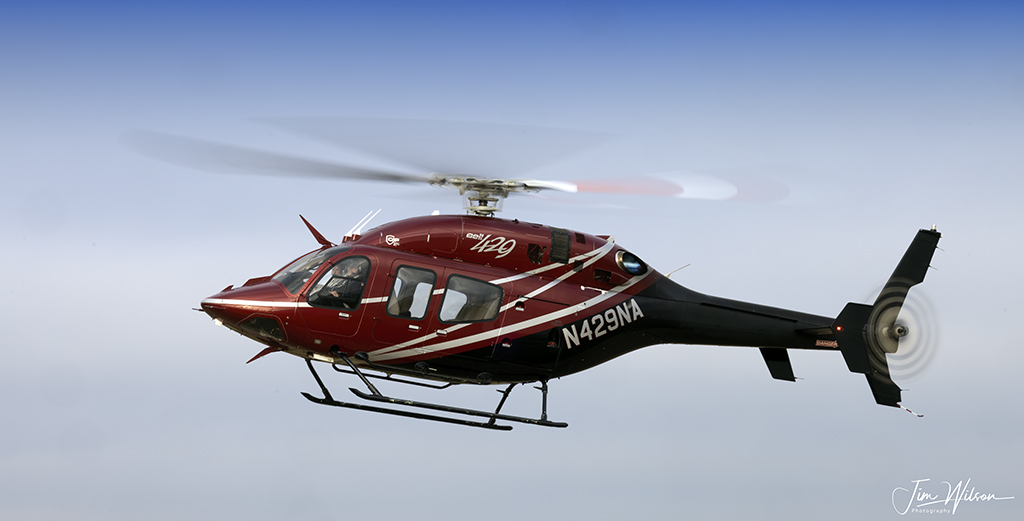
Great shots from Alliance...from what I hear about the setup... Jim had the best seat in the house (again? ) The folks that had media passes were very unhappy about being stuck in a corner with no view to the north. Alliance may never be the same great spectator event that it was in the past. Real shame.
I took an opportunity to camp at the east Texas phenomenon that is the Reklaw Fly-in again this year...sounded like a better time to me.
The 6D spent pretty much the entire day on aperture priority @ 1/125 sec. hehe


 , he said...Still there.
 ) The folks that had media passes were very unhappy about being stuck in a corner with no view to the north. Alliance may never be the same great spectator event that it was in the past. Real shame.