The old church at Brunswick Town is worth a trip to, as is Orton Pond which you pass on the way in.
GeorgeBo wrote:
Cool. Will have to check that out when I get back that way. I looked up the location on Google Maps and noticed Shark Tooth Island not far from there. I used to kayak my son out there years ago when he was very young. And yep, we found teeth too
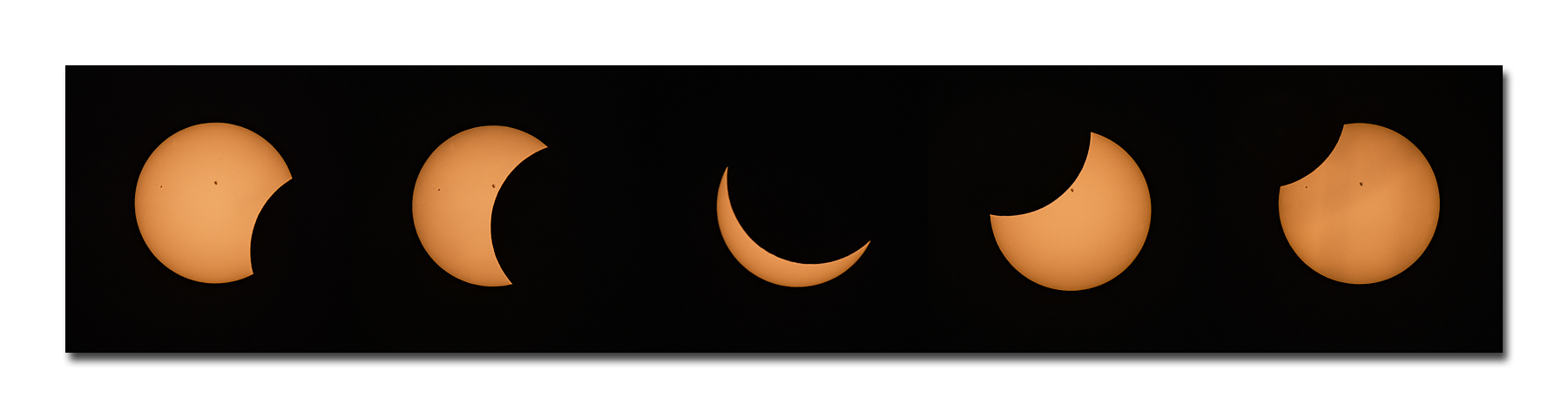
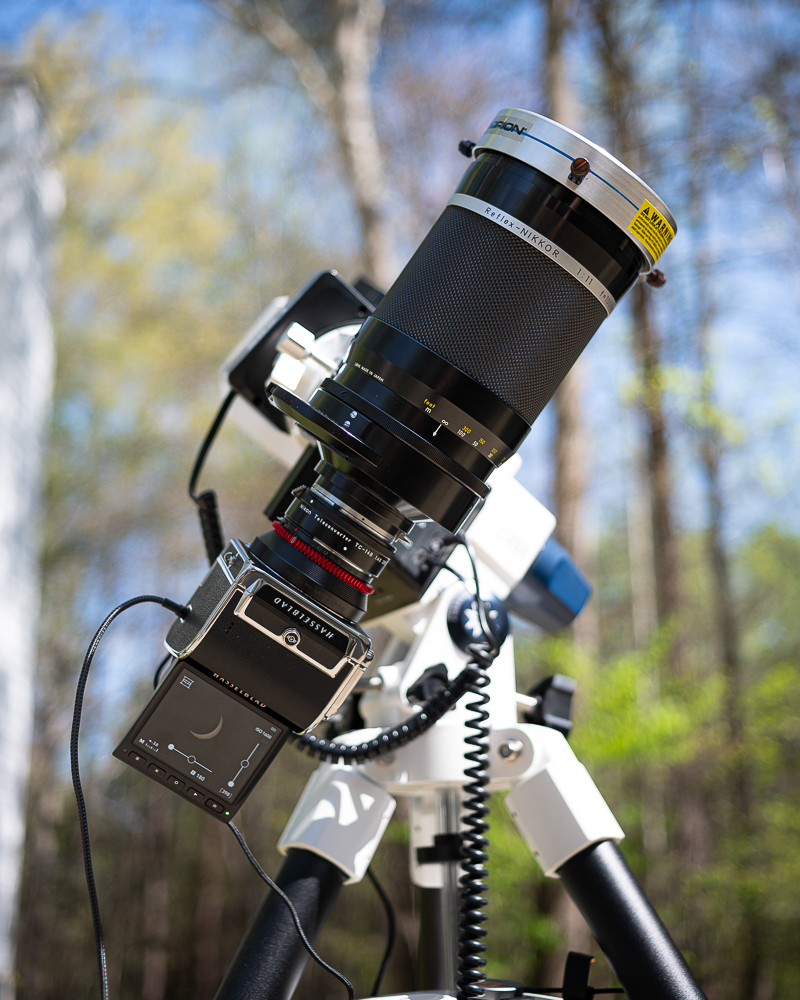
This was my setup. 800mm + TC14, Nikon camera control on laptop. Could view and control exposure from the laptop, did not have to touch the camera except for focusing.
Used the 24MP camera (Z6) as the sun has little detail to record. (Also, just in case I burned the sensor, this is my cheapest camera - but it survived, the filter inside the lens got hot)
(With iPhone, but there is a Nikkor in there)
Here is one sample at about 50% of peak cover, the grain in the surface of the sun is not noise, it is the sun, this was low ISO.
Will come back with more as I process better with Adobe.
rafaelcasd wrote:
This was my setup. 800mm + TC14, Nikon camera control on laptop. Could view and control exposure from the laptop, did not have to touch the camera except for focusing.
Used the 24MP camera (Z6) as the sun has little detail to record. (Also, just in case I burned the sensor, this is my cheapest camera - but it survived, the filter inside the lens got hot)
(With iPhone, but there is a Nikkor in there)
Here is one sample at about 50% of peak cover, the grain in the surface of the sun is not noise, it is the sun, this was low ISO.
Will come back with more as I process better with Adobe.
And those are sunspots. Happy to see both you and George have those; when I looked at my first image today I wasn't sure if the Z 7 ii sensor had dirt spots
rafaelcasd wrote:
This was my setup. 800mm + TC14, Nikon camera control on laptop. Could view and control exposure from the laptop, did not have to touch the camera except for focusing.
Used the 24MP camera (Z6) as the sun has little detail to record. (Also, just in case I burned the sensor, this is my cheapest camera - but it survived, the filter inside the lens got hot)
(With iPhone, but there is a Nikkor in there)
Here is one sample at about 50% of peak cover, the grain in the surface of the sun is not noise, it is the sun, this was low ISO.
Will come back with more as I process better with Adobe.
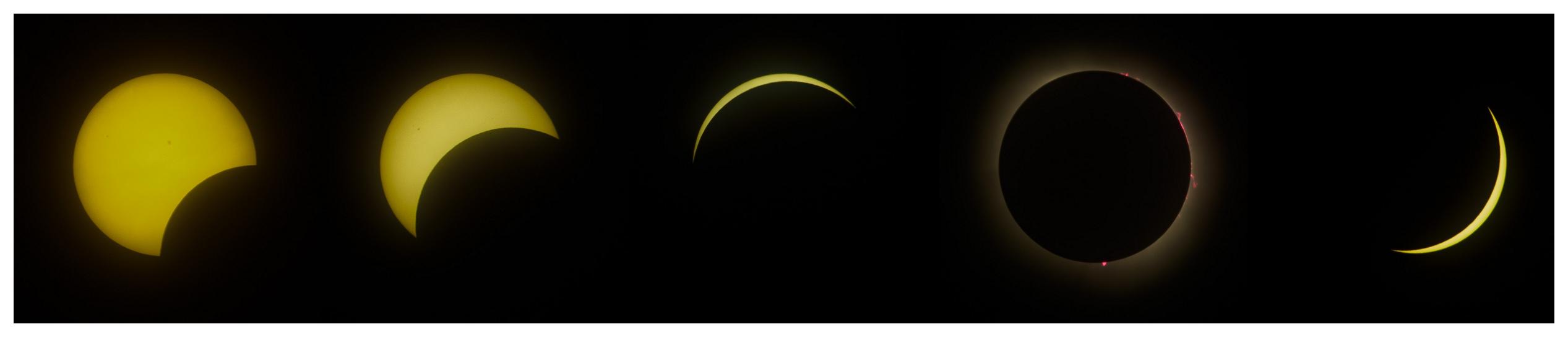
Definitely not the skills or gear, but I had the advantage of location. 200mm f4.0 AI on an Olympus E-M5ii for a little extra reach. Still a pretty deep crop.
Love that totality shot with solar prominence! Great job Ray!
pbraymond wrote:
Definitely not the skills or gear, but I had the advantage of location. 200mm f4.0 AI on an Olympus E-M5ii for a little extra reach. Still a pretty deep crop.
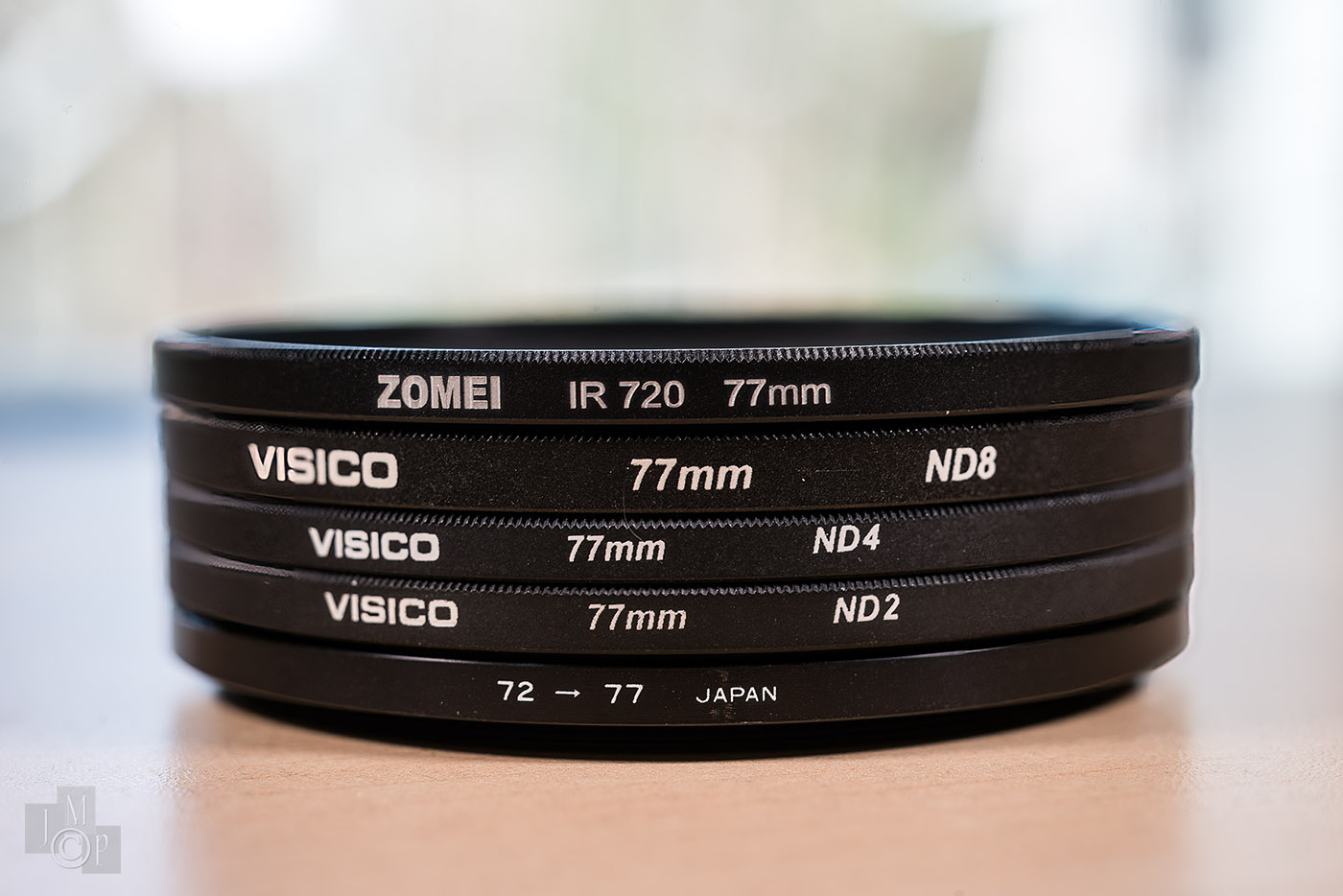
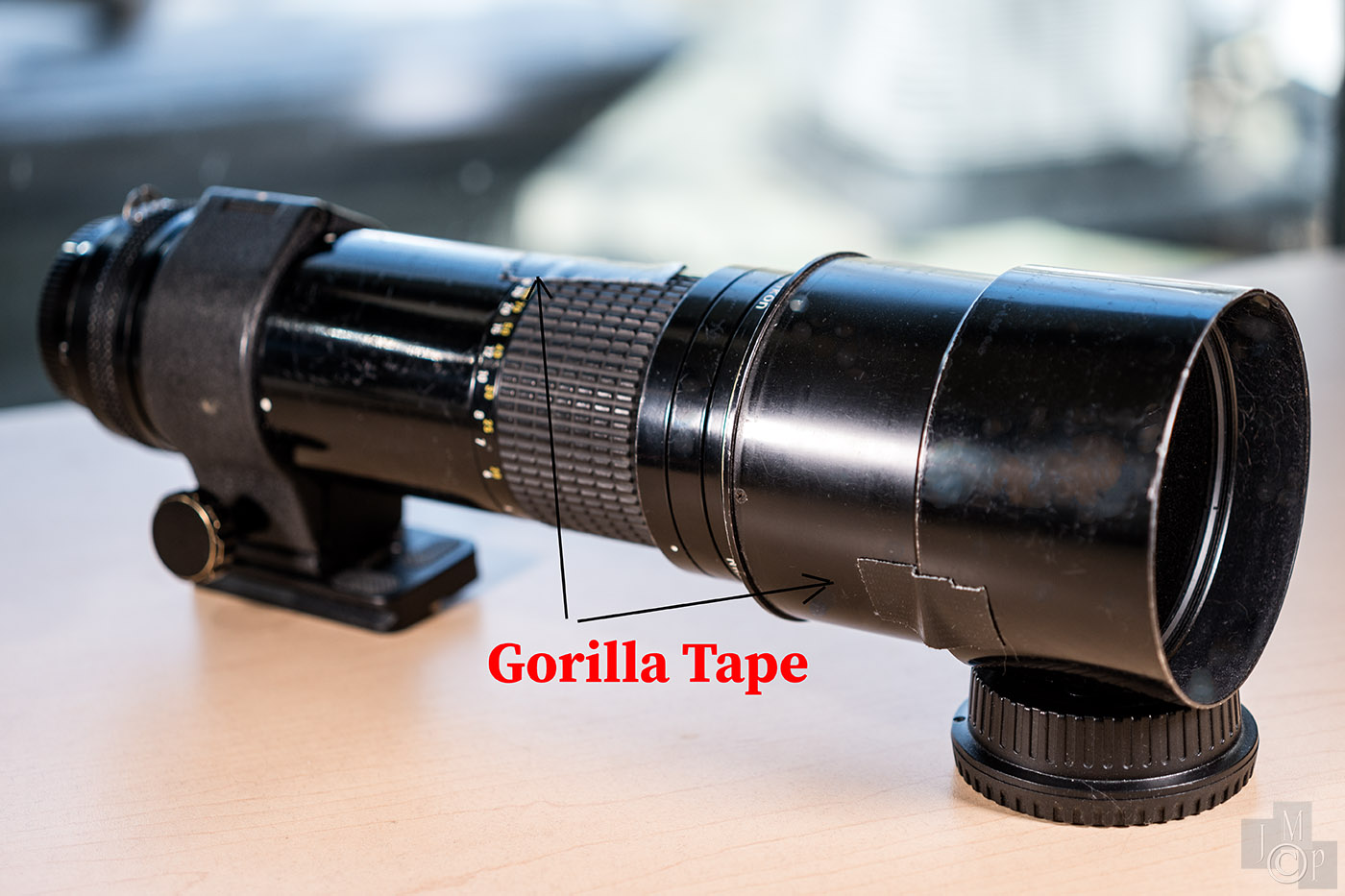
Super results everyone! Like Rafael, I was worried about pointing anything I didn't want to lose at the sun. ("How'd you melt the whatwhosit?" - Ugh, I pointed it at the sun. "Tosser") So I read a B&H article about how to shoot the sun. Seems my idea of using neutral density filters isn't very original, but doable. B&H recommended at least 16-20 if you weren't willing to pony up for a once in a lifetime filter. I had a total of 14 by stacking (not B&H approved) three 77mm filters (2,4,8), Then I added a 77mm 720nm infrared filter (adds 1-1.5 stops) - Ugh, close enough. I still couldn't see the screen very well due to ambient light - so I put a coat over my head and the camera - which constantly bumped the focus. Gorilla tape to the rescue. Peak was 94%.
I live in the second most cloudy area of the United States, and getting excited about a shadow - which I live in 330 days out of every 365 days just wasn't happening. I must say that Ray's totality does look really cool, so I reserve the right to change my mind about shadows. Camera D800, Lens 400mm f5.6 ais A stack of four filters, and a 72mm to 77mm step ring
Jim, happy to know I'm in great company in filter stack land. I figured I've shot plenty of unfiltered images with the sun in it, even longish telephoto ones (albeit at sunrise or sunset when there's a lot of atmospheric filtering) and have never suffered any ill effects with my eyes or camera gear. I always focus and rough frame with a "make do" pinhole in front of the lens, my hand shielding the lens and letting just the barest of light through in between my closed fingers. I never looked into the sun with my eyes with any optical finders without the pinhole; EVF and rear screens are a little easier to manage.
My filter stack today for the 200mm AI was a 52mm 3 stop + circular polarizer, step up ring to 62mm, 3 stop + 3 stop + circular polarizer, not quite the 16-stop recommendation either. Focus with the finger pinhole technique, uncover, shoot, then lens cap back on until the next shot. Similar stack with the 300PF on the other cameras, 3 stop + 10 stop + circ polarizer. I would likely have purchased a cheapish solar filter and step up rings, but I did not make the decision to shoot the eclipse until about 11am today, so that was not an option.
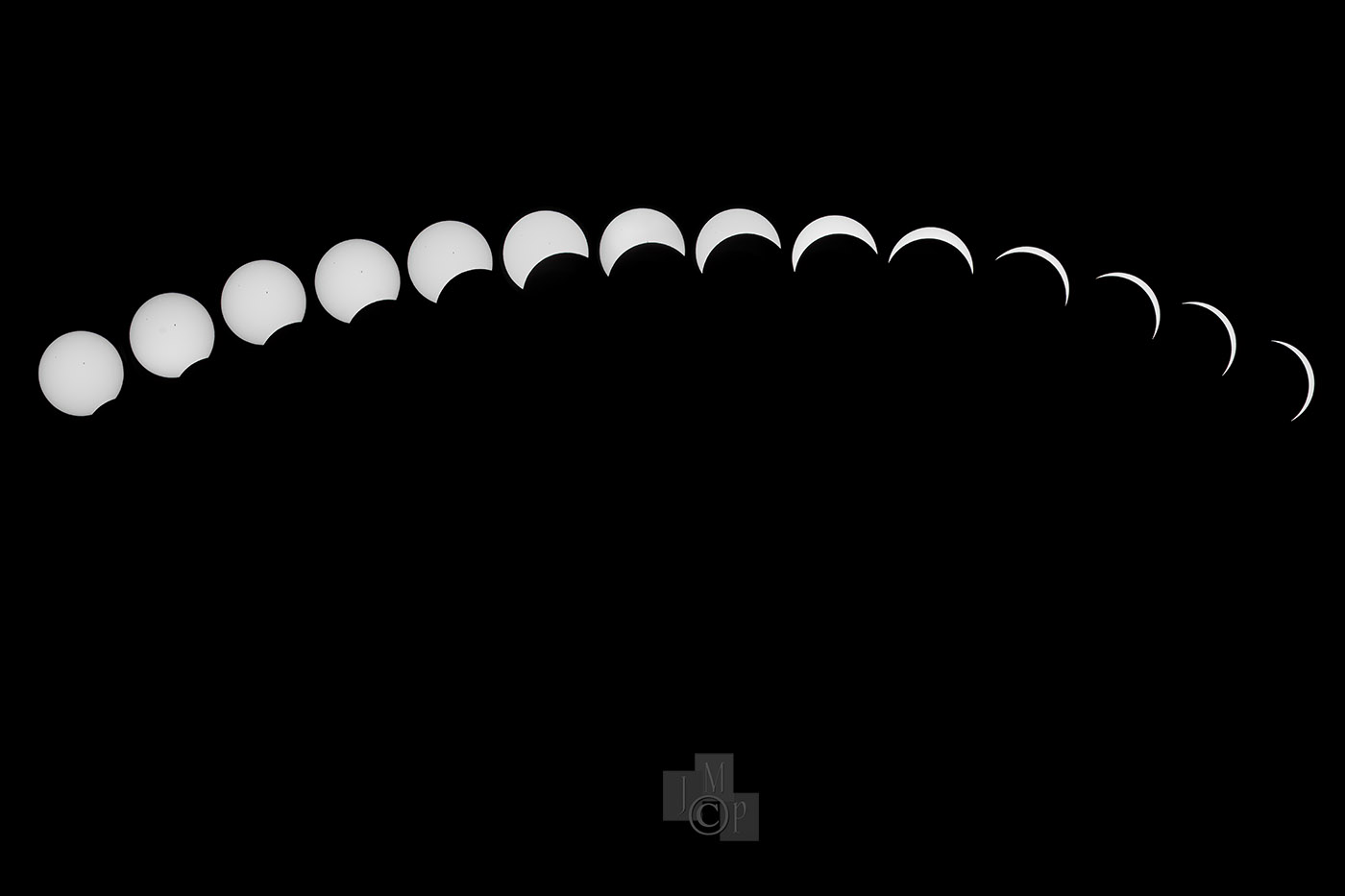
I miss having linear polarizers for these one-off occasions when you could just use two of them and change the rotation to almost cut off all light, if I recall correctly. Nice job with the montage.
**
Rafael, spectacular detail with your setup! I had read that filtration should best occur before any magnification, glad to head all the gear survived just fine.
**
George, the sharpness you managed with the 1000mm and the Hassy is first class. I like your progression of "slices" better than mine, my steps are not as varied as I also took time to just enjoy the view and converse with my wife through the event. It was pretty thrilling as well to view totality with my binoculars.
**
Samy, the orientation of your sun "slice" reminds me most of a new moon, how ironic!
GeorgeBo wrote:
Great shot! What filter did you use?
Just a regular 100000 ND George. The 800mm 5.6 uses and internal 52mm filter, I think your 1000mm uses the same at the back. Mine got hot after an hour but all the aluminum in the lens dissipated it fine. I had read some ND filters do not filter IR but I tested for heat with the back of my hand (like baby formula) at the sensor location and could not feel any.
pbraymond wrote:
Definitely not the skills or gear, but I had the advantage of location. 200mm f4.0 AI on an Olympus E-M5ii for a little extra reach. Still a pretty deep crop.
That totality is just beautiful Ray!
The sun is white, how come it comes through as yellow?
James Markus wrote:
Super results everyone! Like Rafael, I was worried about pointing anything I didn't want to lose at the sun. ("How'd you melt the whatwhosit?" - Ugh, I pointed it at the sun. "Tosser") So I read a B&H article about how to shoot the sun. Seems my idea of using neutral density filters isn't very original, but doable. B&H recommended at least 16-20 if you weren't willing to pony up for a once in a lifetime filter. I had a total of 14 by stacking (not B&H approved) three 77mm filters (2,4,8), Then I added a 77mm 720nm infrared filter (adds 1-1.5 stops) - Ugh, close enough. I still couldn't see the screen very well due to ambient light - so I put a coat over my head and the camera - which constantly bumped the focus. Gorilla tape to the rescue. Peak was 94%.
I live in the second most cloudy area of the United States, and getting excited about a shadow - which I live in 330 days out of every 365 days just wasn't happening. I must say that Ray's totality does look really cool, so I reserve the right to change my mind about shadows. Camera D800, Lens 400mm f5.6 ais A stack of four filters, and a 72mm to 77mm step ring



 .
.