cadman342001 wrote:
Some more from Surfer's. As well as the attraction of miles of shallow white sandy beaches and great surf, the Nerang River winds it's serpentine way north to south immediately inland parallel to the beach, providing much opportunity for "canal" living. If you can afford it !
Same IR view at two different focal lengths.
Looking westwards from the top of Melville monument.
Distant hills are about 12 miles away and if you look closely you will see a tiny slice of Loch Earn in the center of each image.
First with the 85mm H 1.8 , second with the 180mm ED 2.8
This is on Ilford Pan 50 film, with the S2 rangefinder and 3.5cm f3.5 W-Nikkor with the Made in Occupied Japan mark stamped in its mount. The lens was manufactured in 1949, per the photosynthesis serial number page.
Incredible shots lately. Thanks for the likes I appreciate them ... also the comments.
Colin the IR is something I've never tried and you peek my interest. The shots of beautiful Scotland are great and bring additional interest into the frame.
Andy the latest series is magic. Great reflections, beautiful color.
Ram I see you are discovering Georgia. It's got a lot of interesting photographic potential.
Raphael really great deal on the newest lens. It seems to work well for you!
Samy I'm loving the rowboat shot. You make film sing!
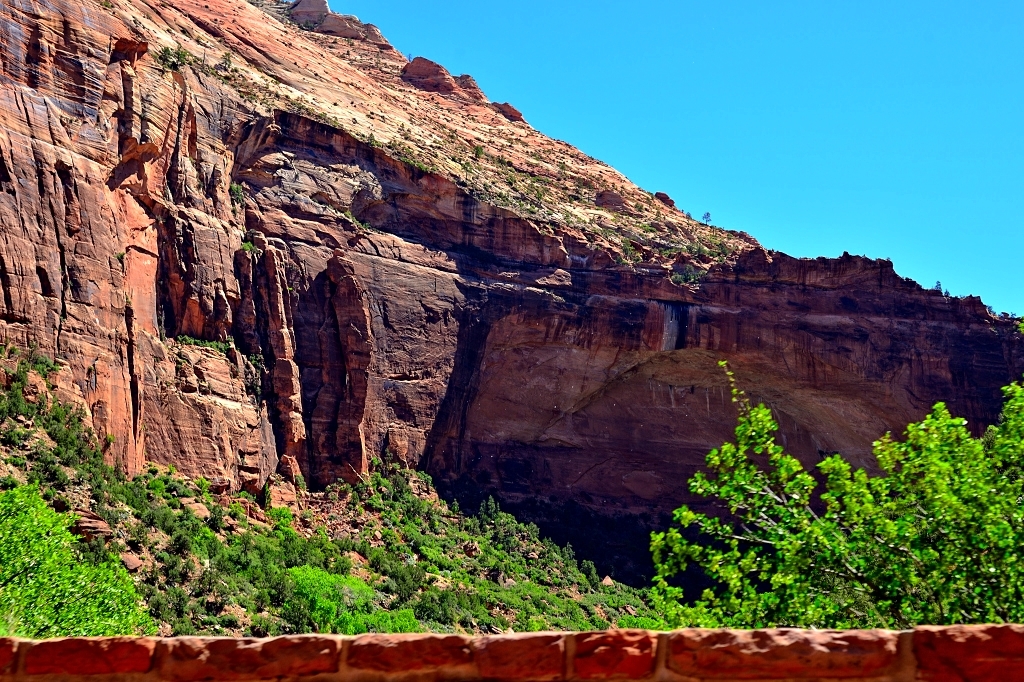
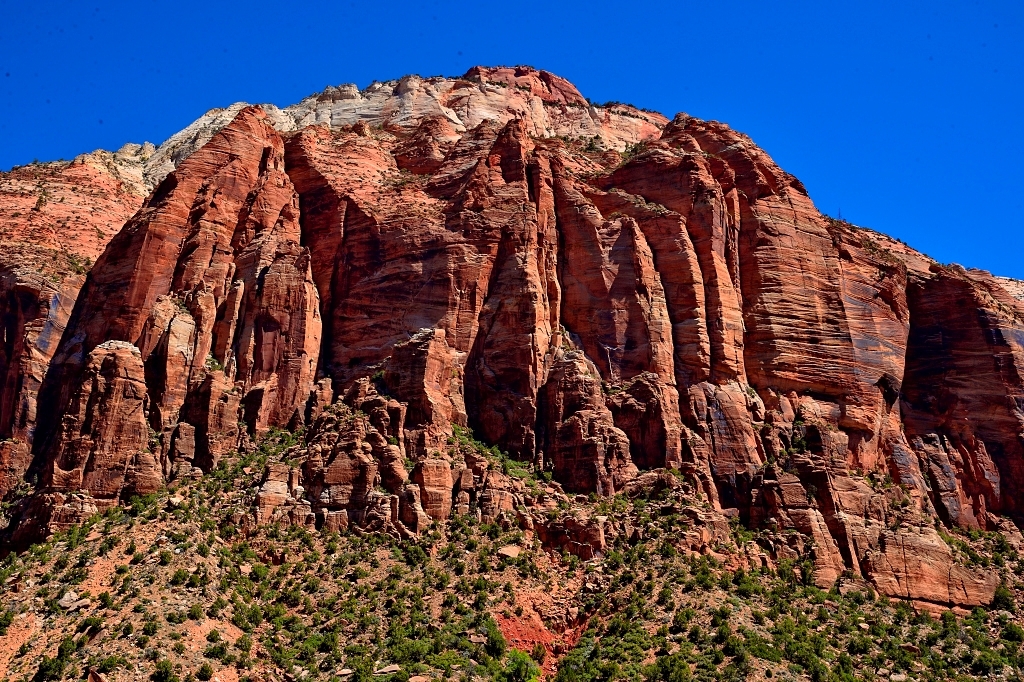
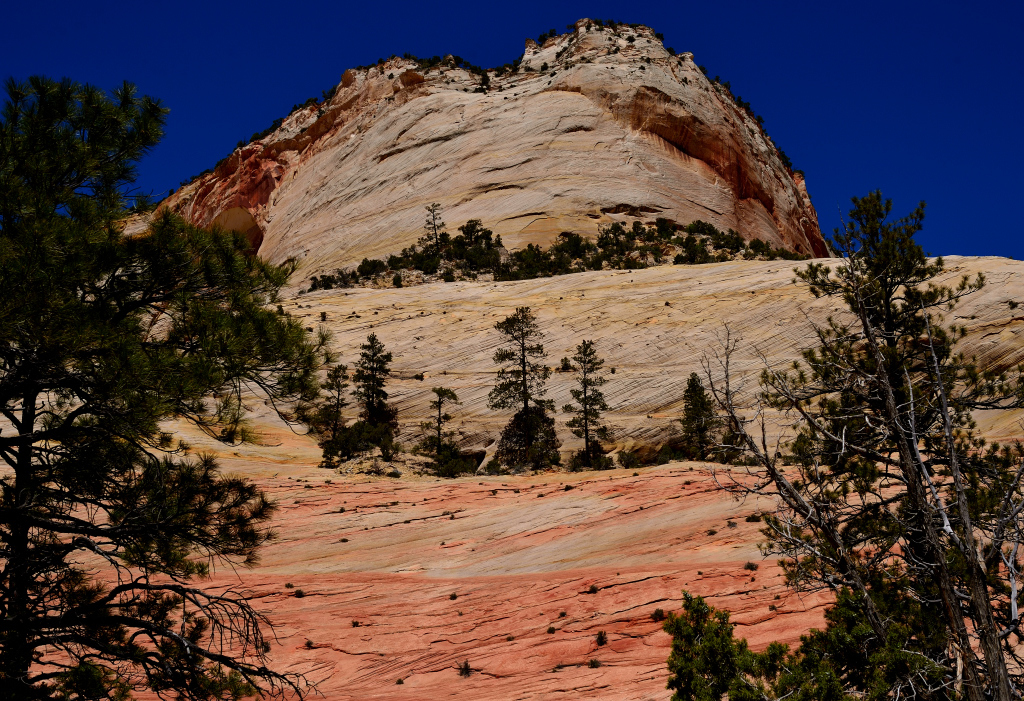
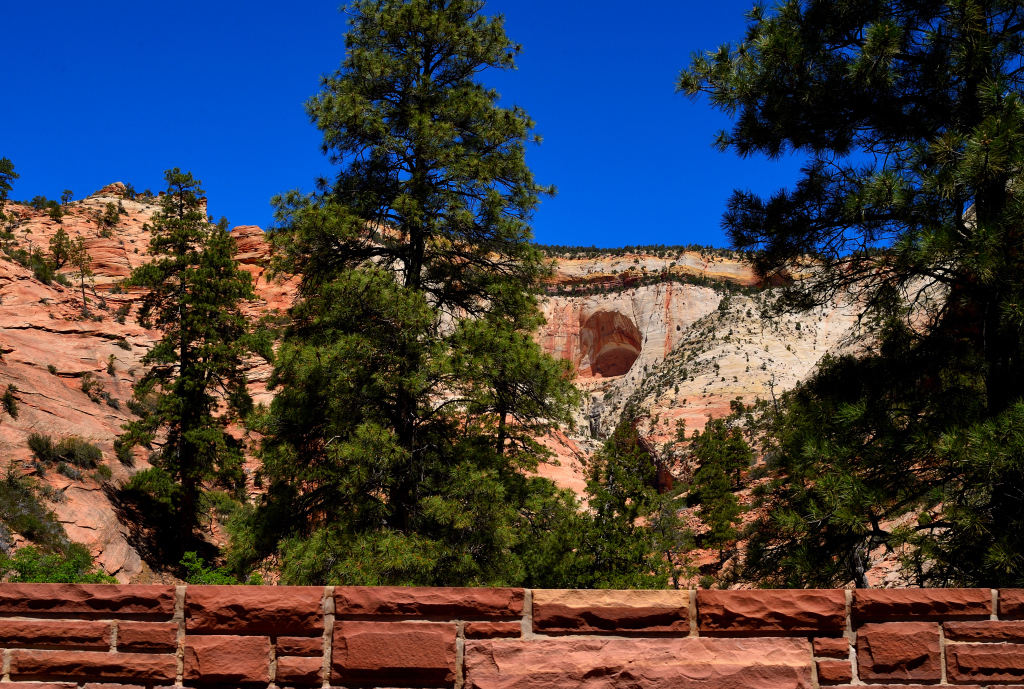
Here are four from Zion National Park. As said before it was crowded and the ability to stop and take a shot or just walk around was limited. Have fun looking!
the solitaire wrote:
That's the bellows Nikkor 105 f4 in front of the 105mm f4 micro Nikkor, mounted using a BR-2a (F mount to 52mm threaded adapter ring)
Mounted using a Nikon K3 ring. The BR2 would reverse the lens, you want it mounted front forward, not reversed. Both lenses have the same optical design and somehow that makes this setup work.
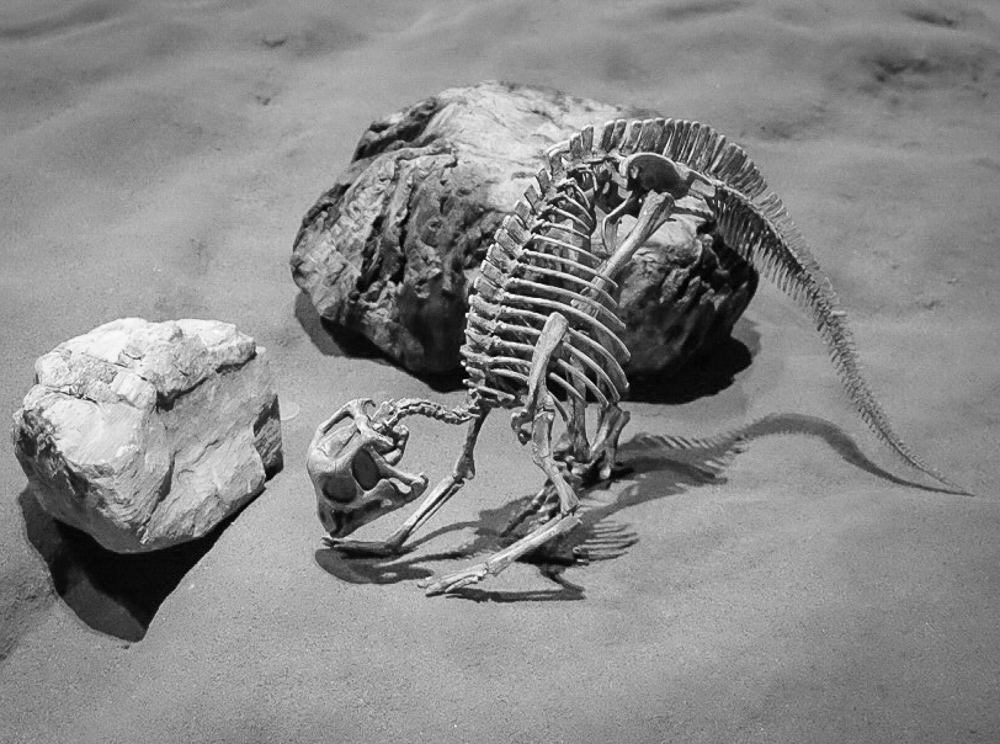
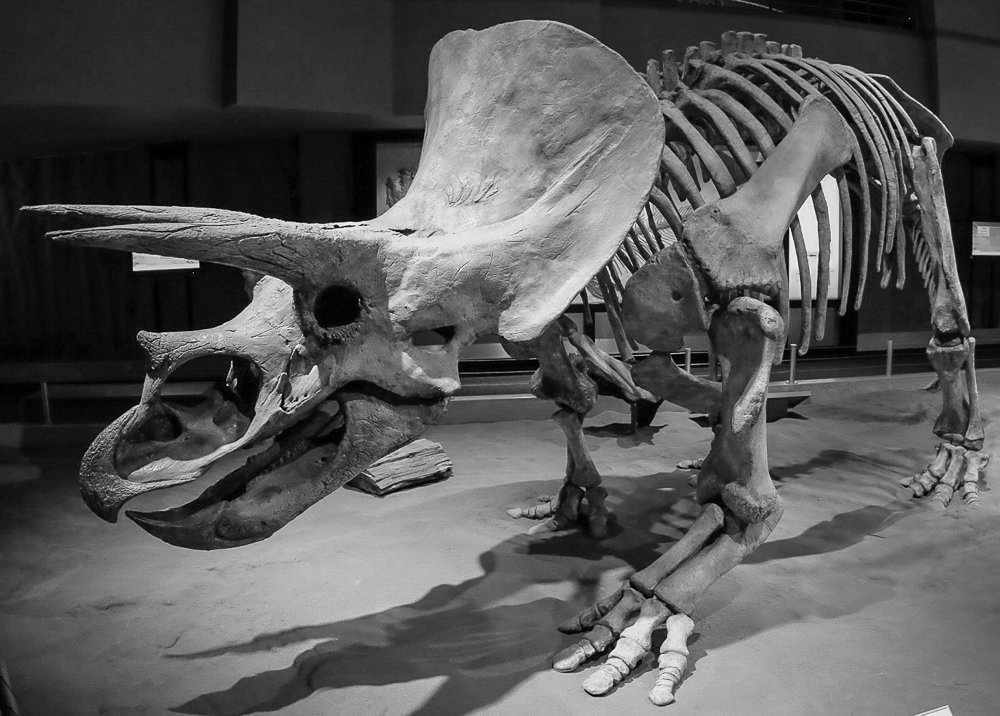
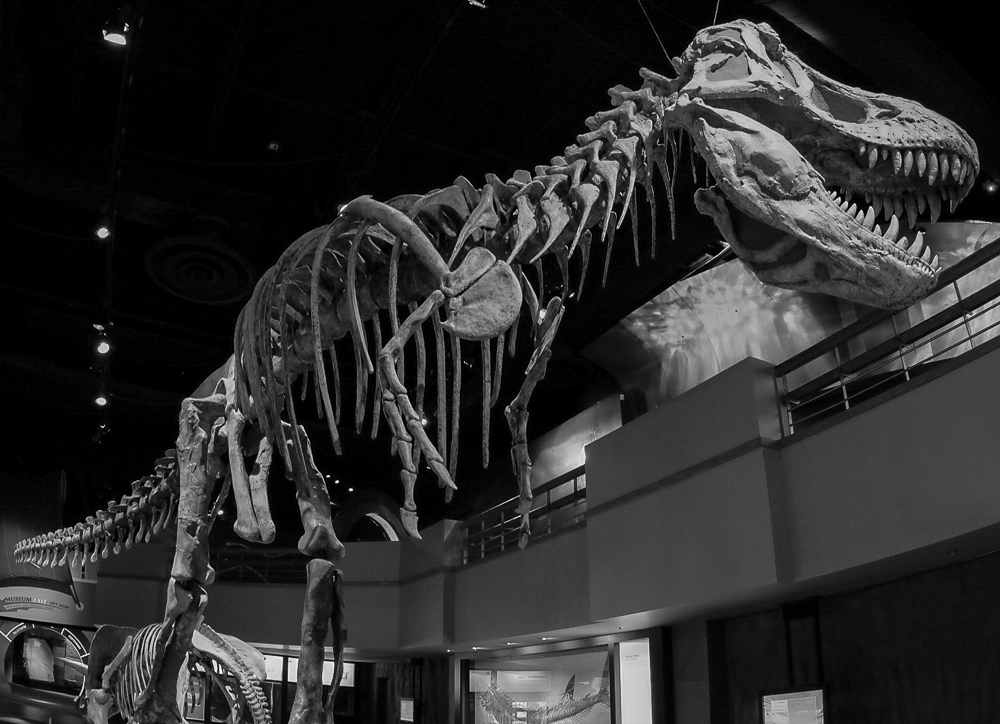
Thanks as always to those who have "Liked" my previous image posts; but beware: I'm at least as prone to conditioning as Pavlov's dogs! As evidence of that point, here are some more photos from the Tyrrell museum, showing the smallest (a baby dino) to the largest (a Tyrannosaur) with a Tricerotops in the middle. The second and third were shot with the ideal tight-space lens, the 16 f/3.5 Ai fisheye.
Thank you for those who have commented and liked for my previous post. Here is another photo from the Savannah trip to start with.
Taken with the 28mm f2.8 AIS lens.
another MF shot from Detroit - D810 with the 15mm f/3.5 AI doing what it does best - show the world from a very different point of view (the one of a bug just before it hits carbon fiber at 150mph...)
cadman342001 wrote:
I'm half way down the right hand side of the East coast of Australia at the moment visiting my daughter while my wife is in the UK Curtis. You are correct, summer there equals winter here, it's a pleasant 22 Celsius during the day and 12 at night here at the moment. Subtropical rather than tropical.
I think there is nowhere in the world that has perfect weather year round, you have 3 options - be too hot some of the time,too cold some of the time or spend 6 months in one place and 6 months somewhere else but that's generally for people with more money than the likes of us ! ...Show more →
Last evening my time and morning his time I spoke via Skype with a good friend who decided living in India with his modest Social Security check was preferable to being poor in the United States. I thought of him during our recent heat wave. In reality our heatwave would represent a reprieve for him since temperatures in Tiruvannamalai for the last few months have been rising to 116 every day (47 degrees Celsius). They've had a bit of relief lately with temperatures around 107. It boggles my mind. He told me he paid $150 for two months of electricity but that was before things got really hot. But then he pays $120 a month to rent a furnished house and $150 a month to the woman who cooks, cleans and does his laundry. Yes, he is doing well financially, but personally, I'd die in such heat... The solution in India is as you mention, move to higher elevation in the summer and lower elevation in the winter. Perhaps my friend will get there eventually...
My friend Alan... taken a few years ago at a friend's birthday party with the 85 f/1.4 AI-s.
CGrindahl wrote:
Last evening my time and morning his time I spoke via Skype with a good friend who decided living in India with his modest Social Security check was preferable to being poor in the United States. I thought of him during our recent heat wave. In reality our heatwave would represent a reprieve for him since temperatures in Tiruvannamalai for the last few months have been rising to 116 every day (47 degrees Celsius). They've had a bit of relief lately with temperatures around 107. It boggles my mind. He told me he paid $150 for two months of electricity but that was before things got really hot. But then he pays $120 a month to rent a furnished house and $150 a month to the woman who cooks, cleans and does his laundry. Yes, he is doing well financially, but personally, I'd die in such heat... The solution in India is as you mention, move to higher elevation in the summer and lower elevation in the winter. Perhaps my friend will get there eventually...
My friend Alan... taken a few years ago at a friend's birthday party with the 85 f/1.4 AI-s.
I agree about the growing temps and what it does. In general, I am pretty accustomed to warm temps. I am yet to start putting a/c at home and I am comfortable with rooms at 80F. Another design aspect of homes that you see in india are they are well ventilated until the homes here in US where most of the windows are sealed for trapping air inside.
Ceiling fan and a nice shade of banyan tree when outside does wonders in such hot temperature. Where I am from, it is humid as well.
Here is a photo of the traditional clothing. The long cloth called "Mundu" is worn around the waist. It can be lifted and give plenty air circulation and effectively keep body temperature in control.
Thanks for the recent comments.
So far I have shown views to the south and west. Here are some looking northwards.
I hope that this is not too repetitive. You will be pleased to know that the weather will break overnight so IR shooting will be curbed.
I am editing this on an old laptop whose small screen makes it difficult to judge the black and white contrast levels.
I did shoot some D610 color panoramas in parallel today. I have yet to process these but I know that atmospheric haze and a harsh afternoon sun will rob acuity and contrast - IR wins big time here.
The good news is that I gave the 55mm SC a good workout today and can report that it works very well with my camera and filter combo.
I love how Indians dress Ram. No doubt those clothes help keep folks cool. One thing my friend lamented was that the recently built home he is subleasing doesn't have glass in the window openings, so to utilize the air conditioner he purchased for the home he must close shutters, which means the interior is dark all day. Alan grew up in Houston which is quite hot and humid, but this is of a different magnitude. It is 96 degrees at the moment in San Anselmo... I can't imagine what 116 would feel like. At the moment it is 80 degrees in my cottage and I'm sipping cold water. Of course, I just returned from an hour long ramble around the neighborhood taking photos. Silly me shooting in the middle of the day when the sun is at its peak...
I'm having trouble getting the 135 f/3.5 Q AI off my camera. Checking photos I took this afternoon I'm very impressed with this humble lens for which I paid $65.It is in mint condition with the AI conversion kit installed. The second copy I own is in equally fine condition and it cost $51. Talk about value for money! Here are a few photos, all taken wide open, hand held, of course.
Wonderful pair of images produced by your discerning eye Colin AND a pair of great manual focus lenses. We certainly are blessed with the many options available to us when we head out with our cameras. It is little wonder this conversation just keeps rolling along.
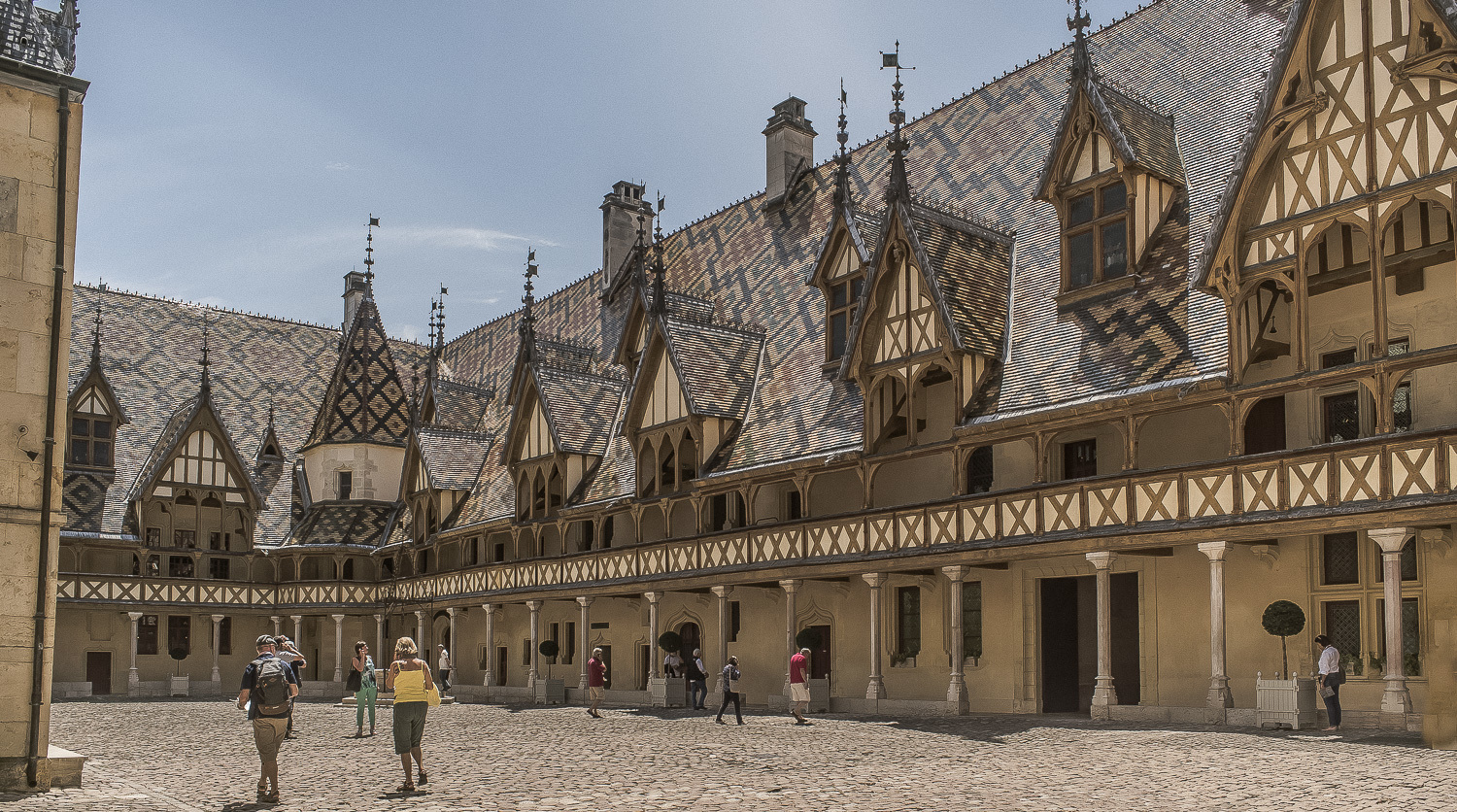
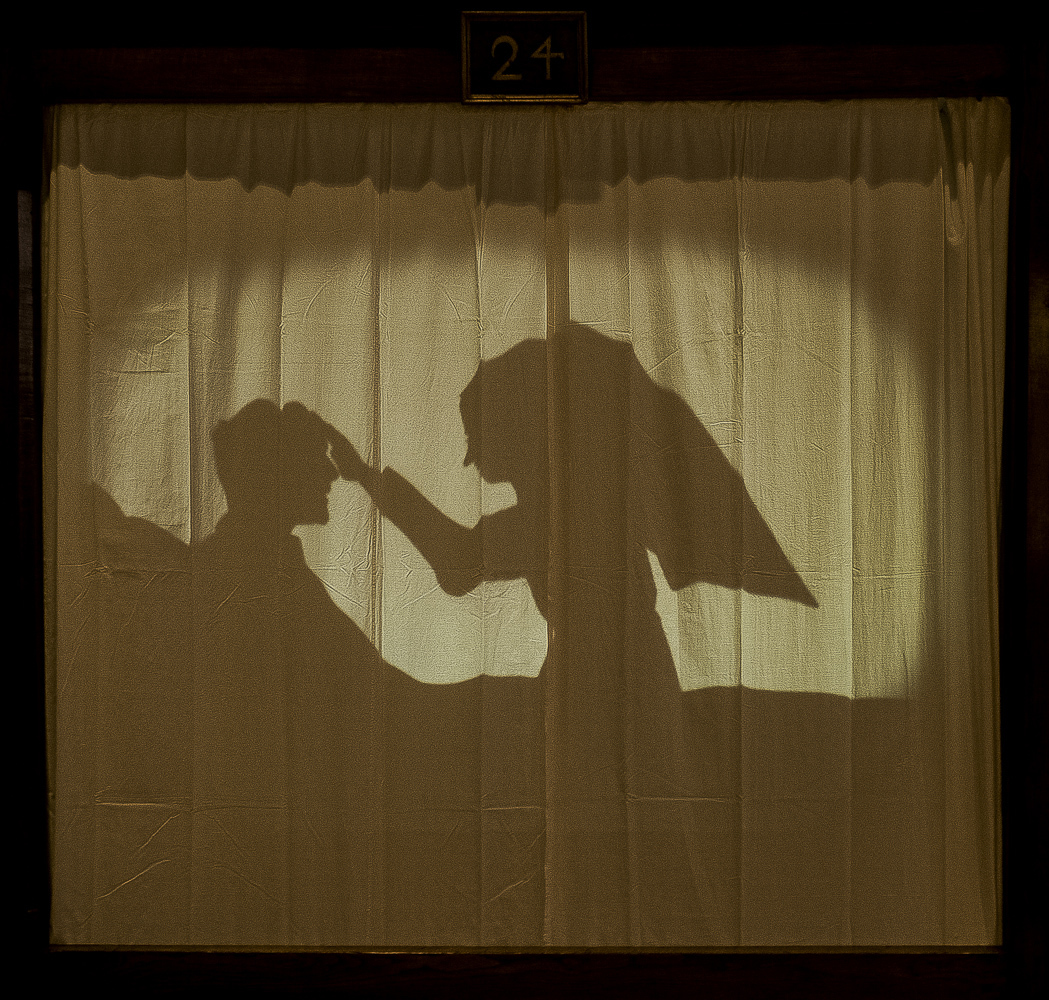
Philippe, your hospice set is excellent, and I especially like the shot of the nurse and patient in silhouette.
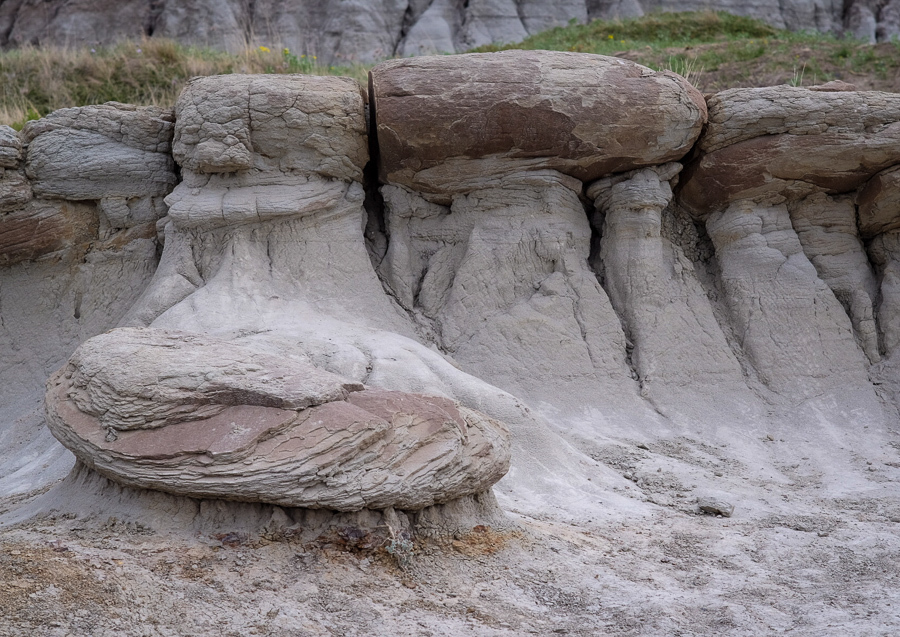
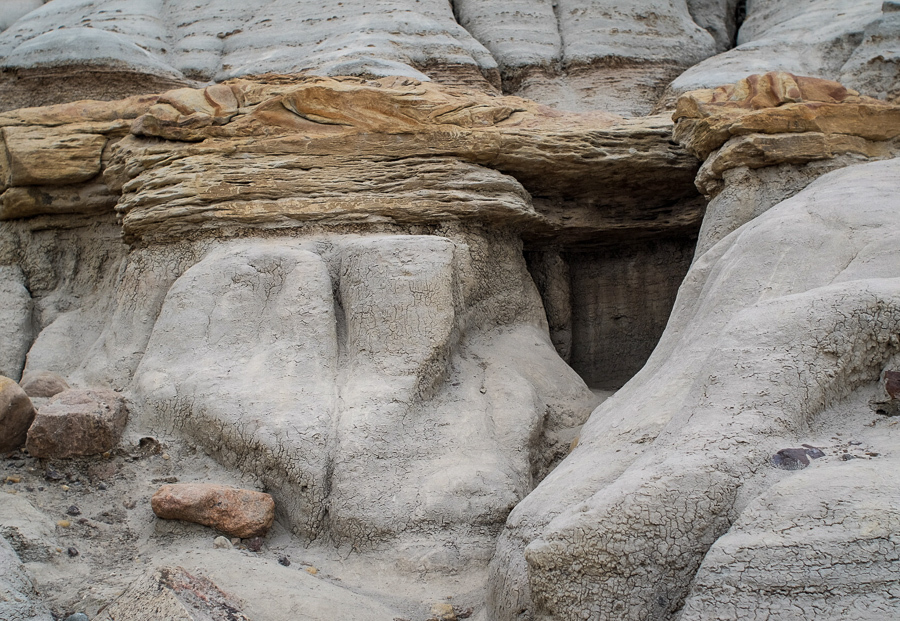
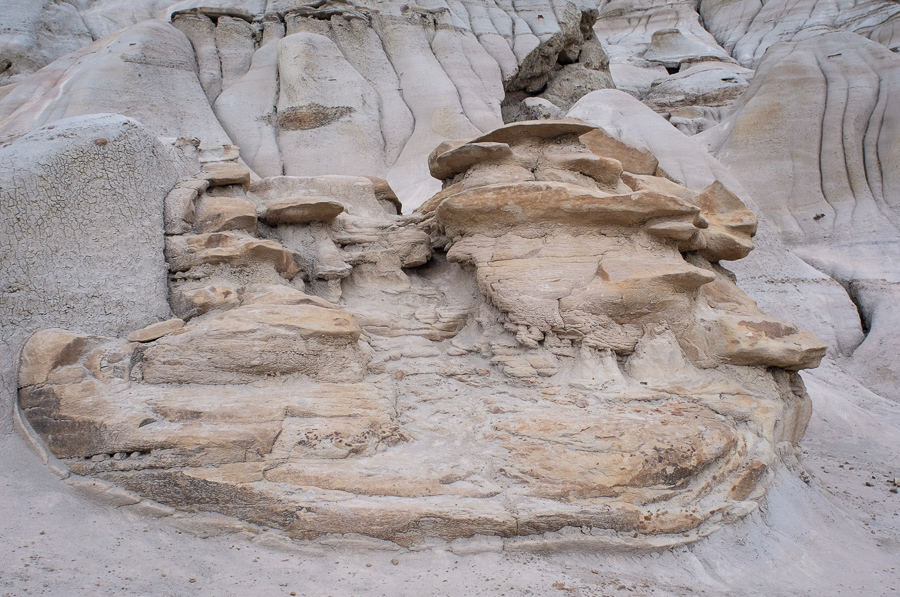
Here are some more of the unique geological formations in the Alberta badlands. I don't think any of these are actually "hoodoos" (I have some photos of those to post another day), but they have definite similarities to hoodoos and look to me as though they may represent either phases in hoodoo development or a related type of feature.