retrofocus wrote:
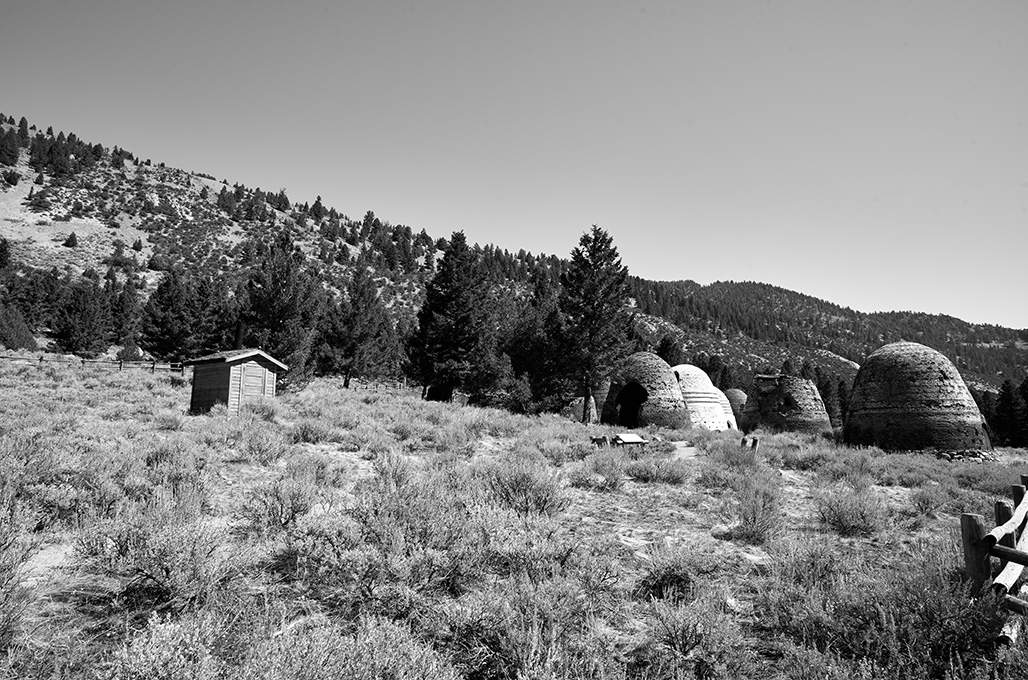
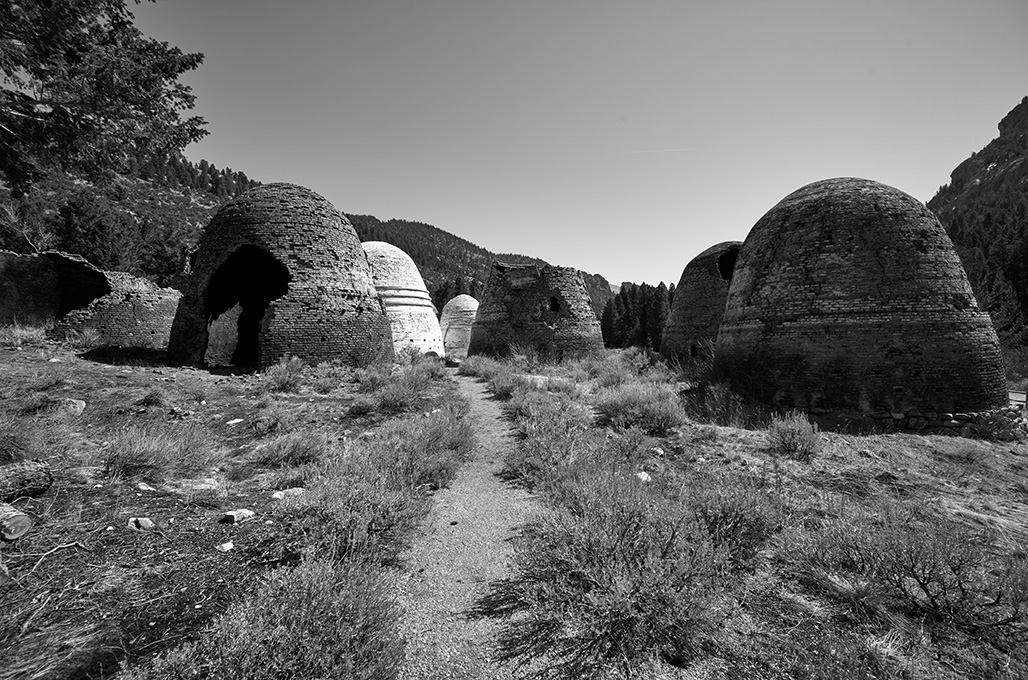
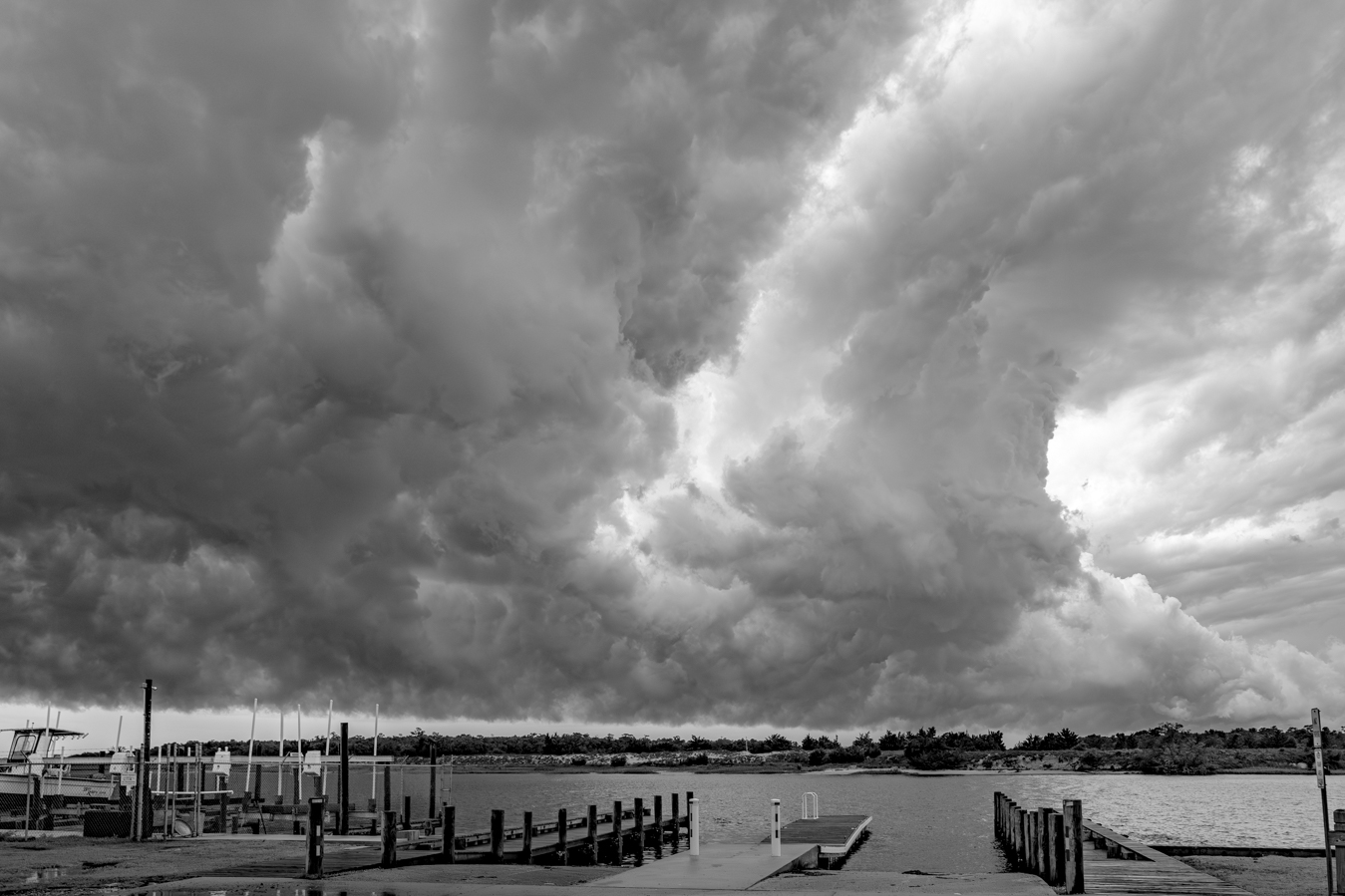
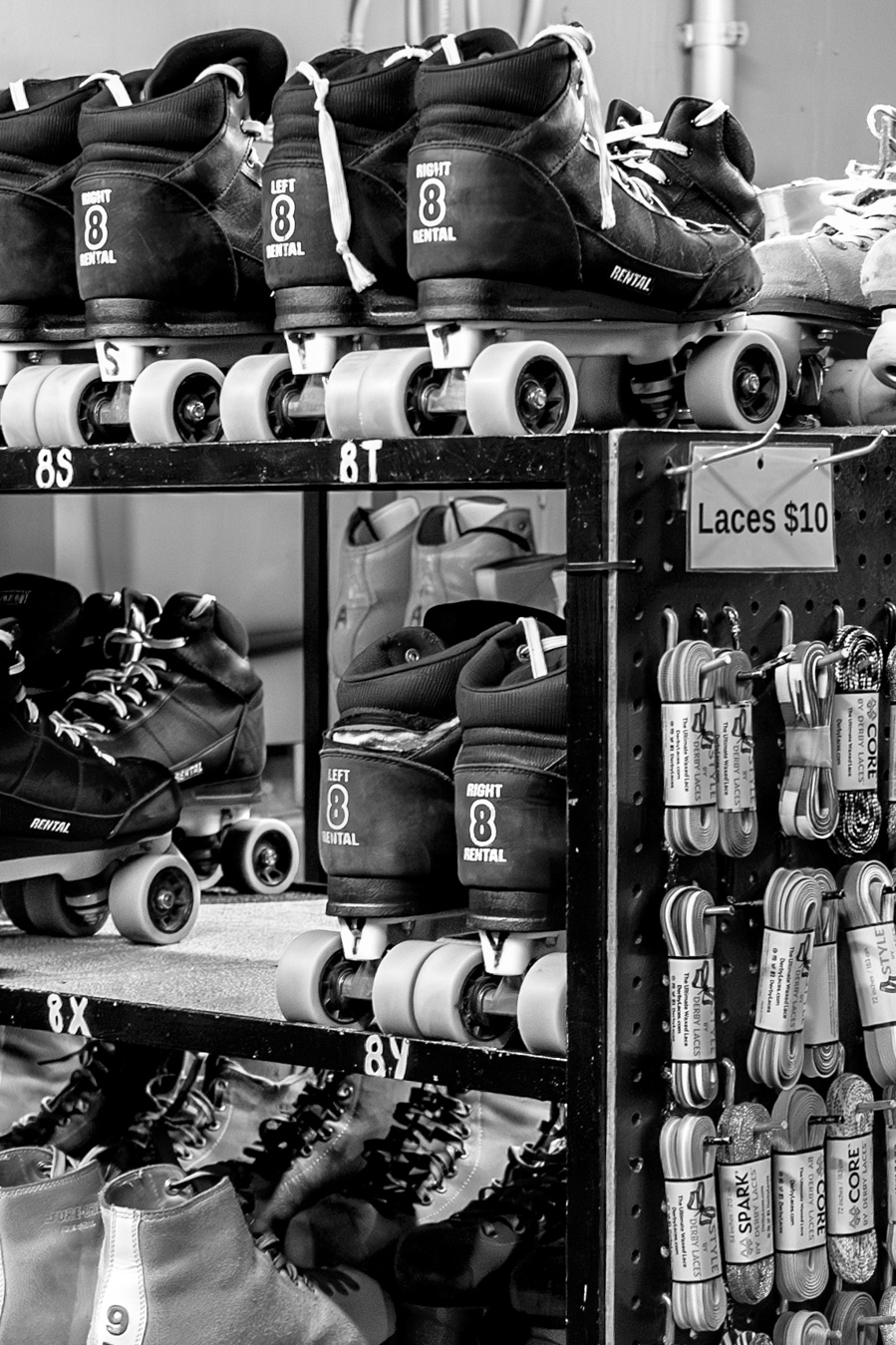
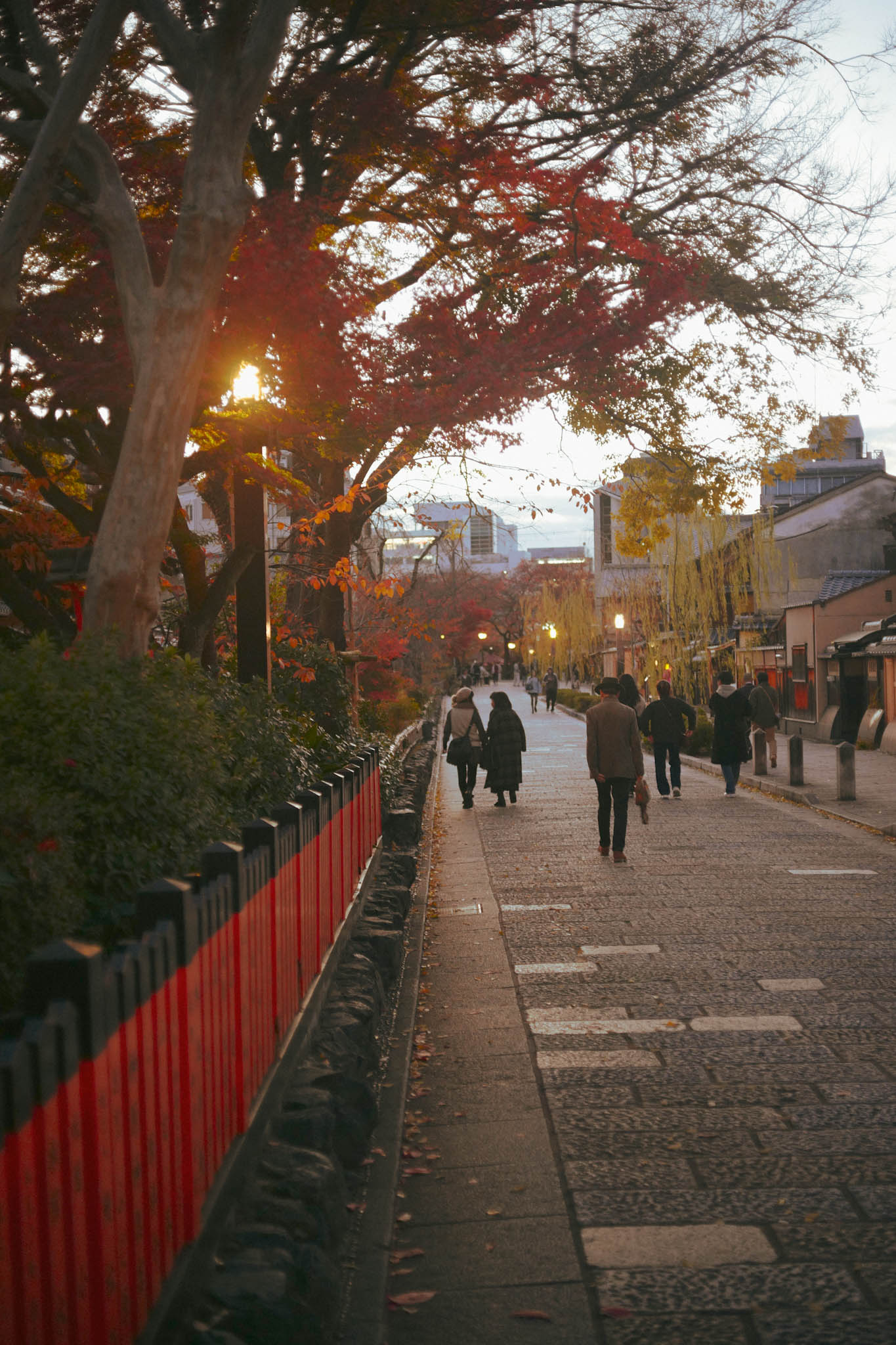
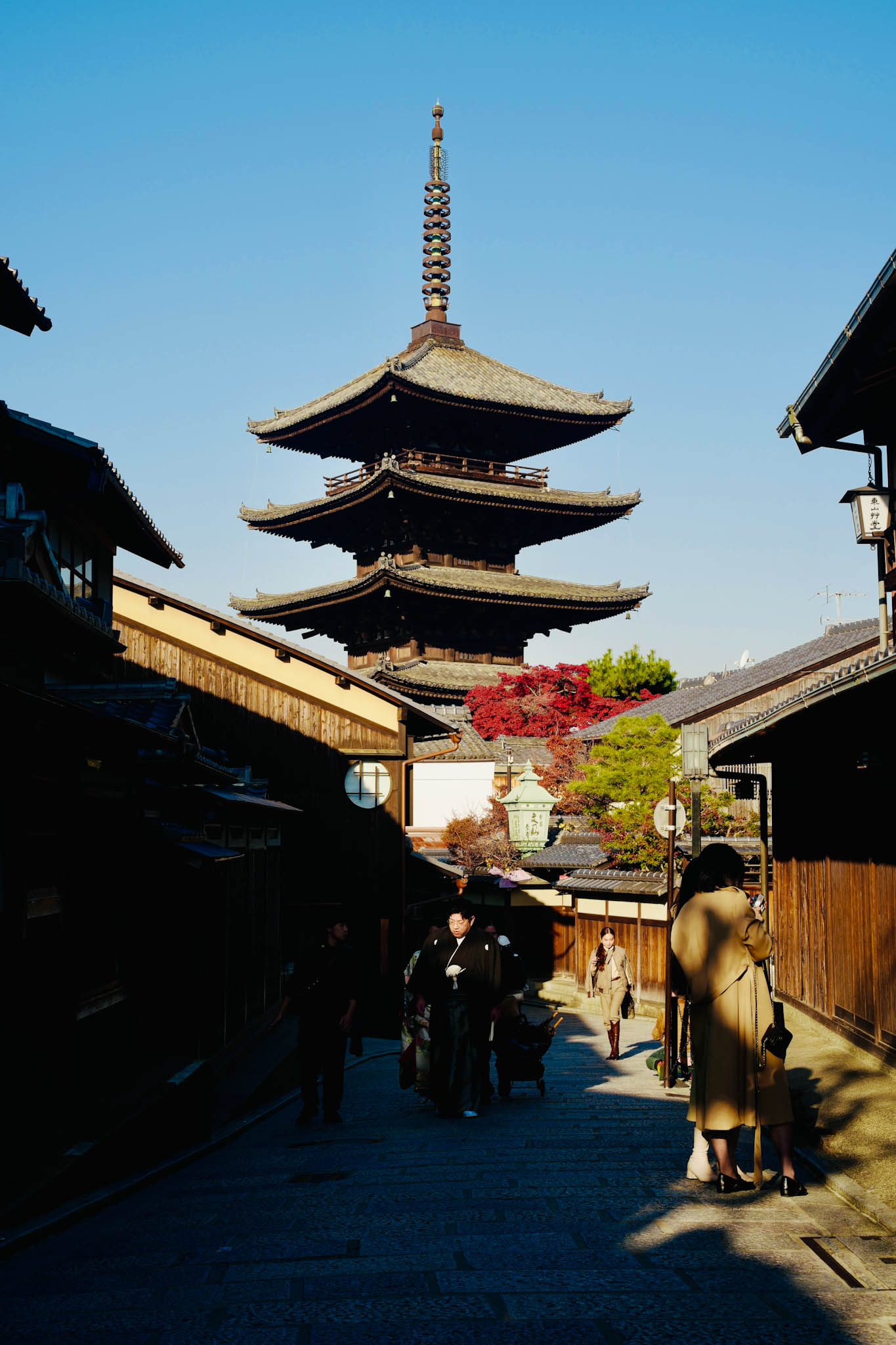
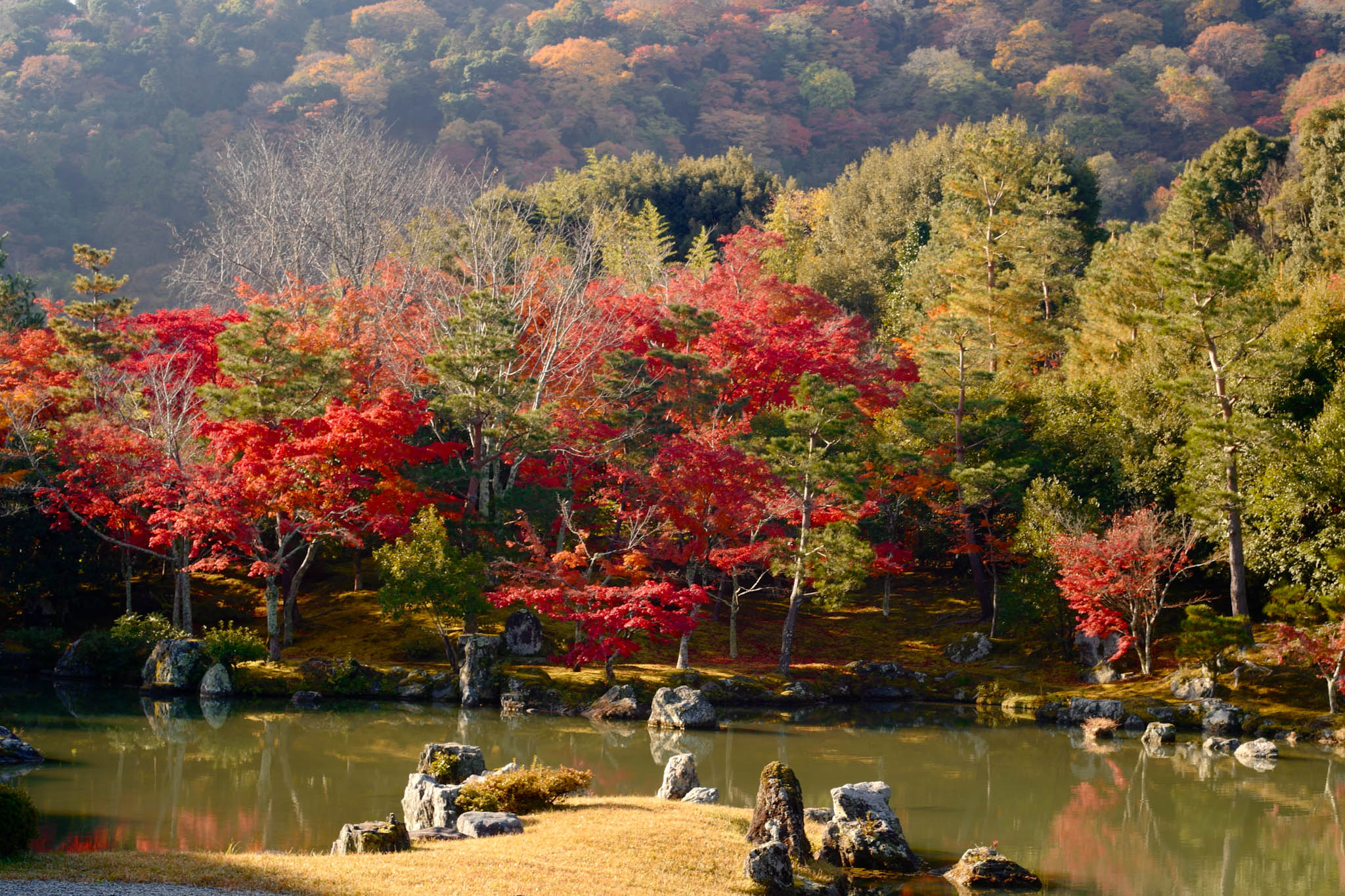
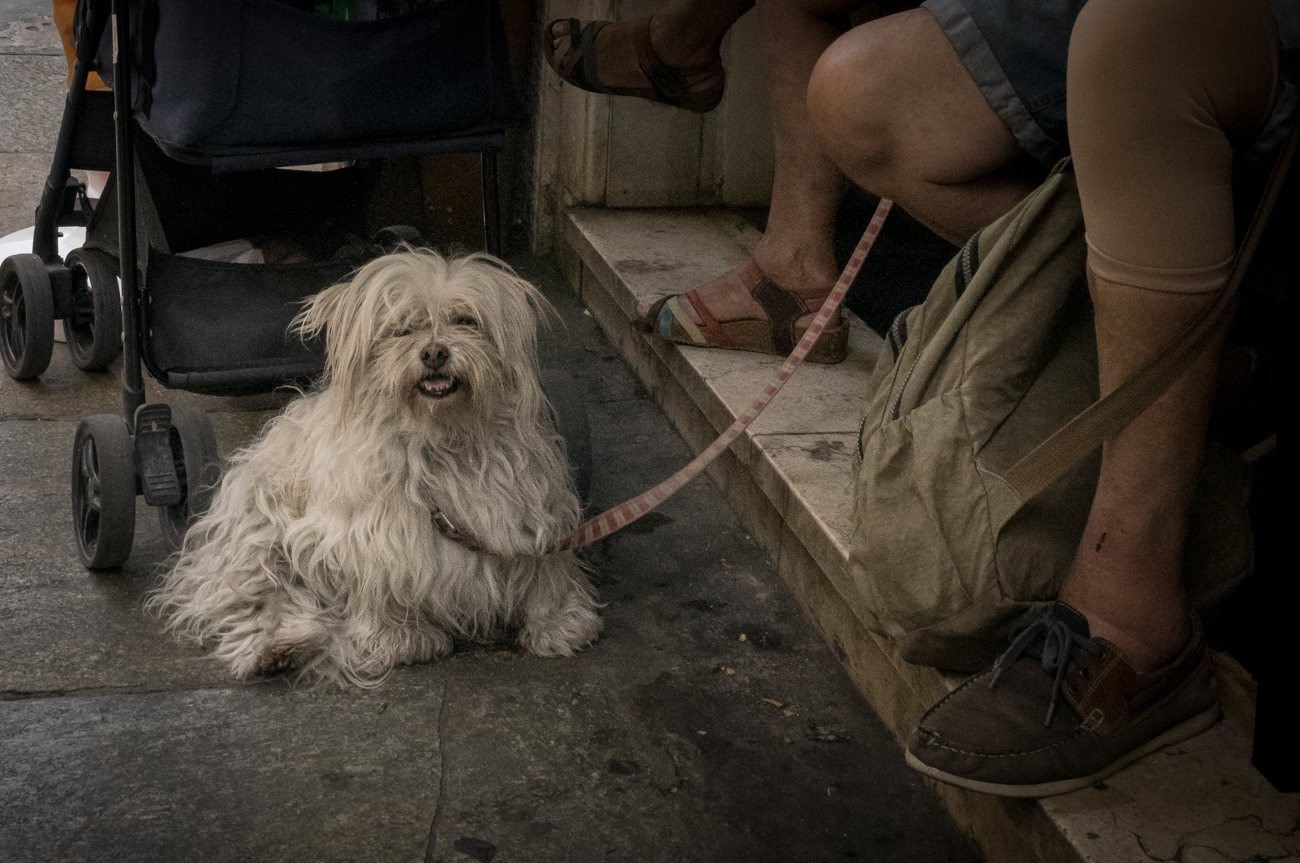
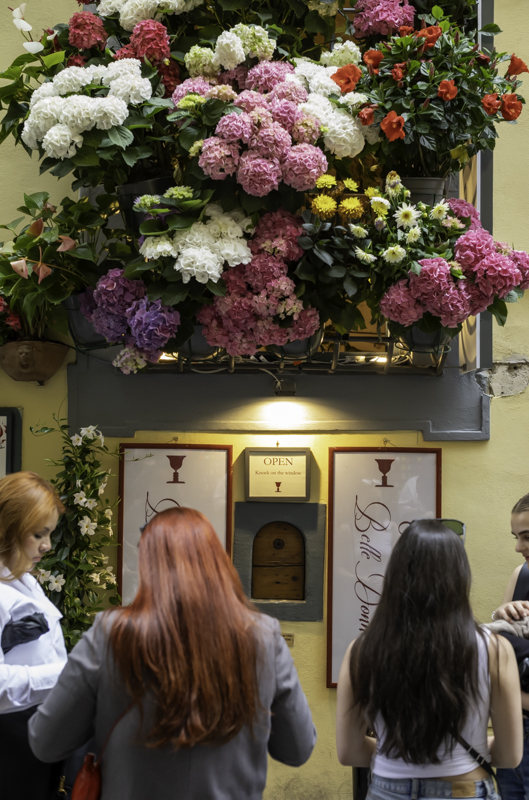
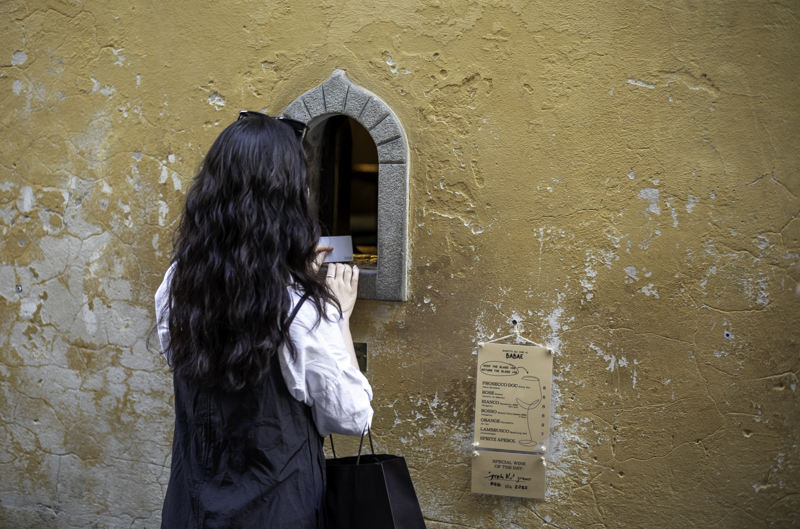
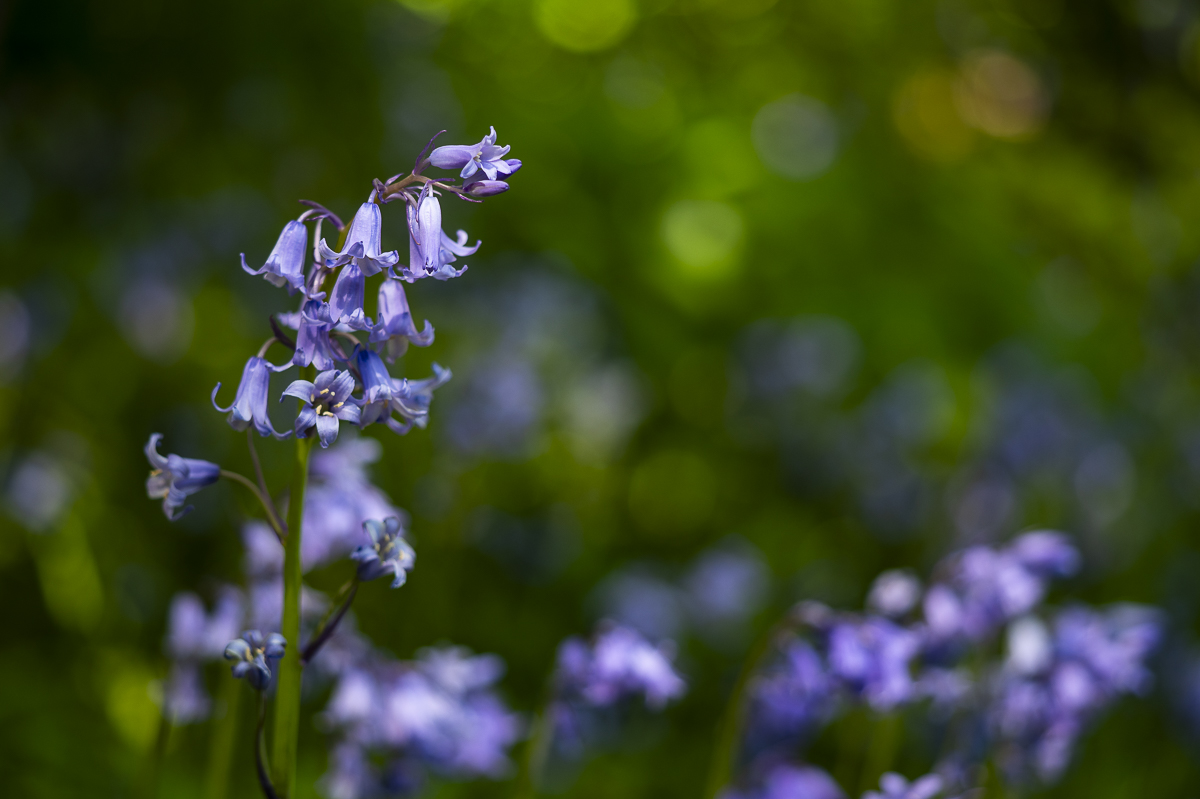
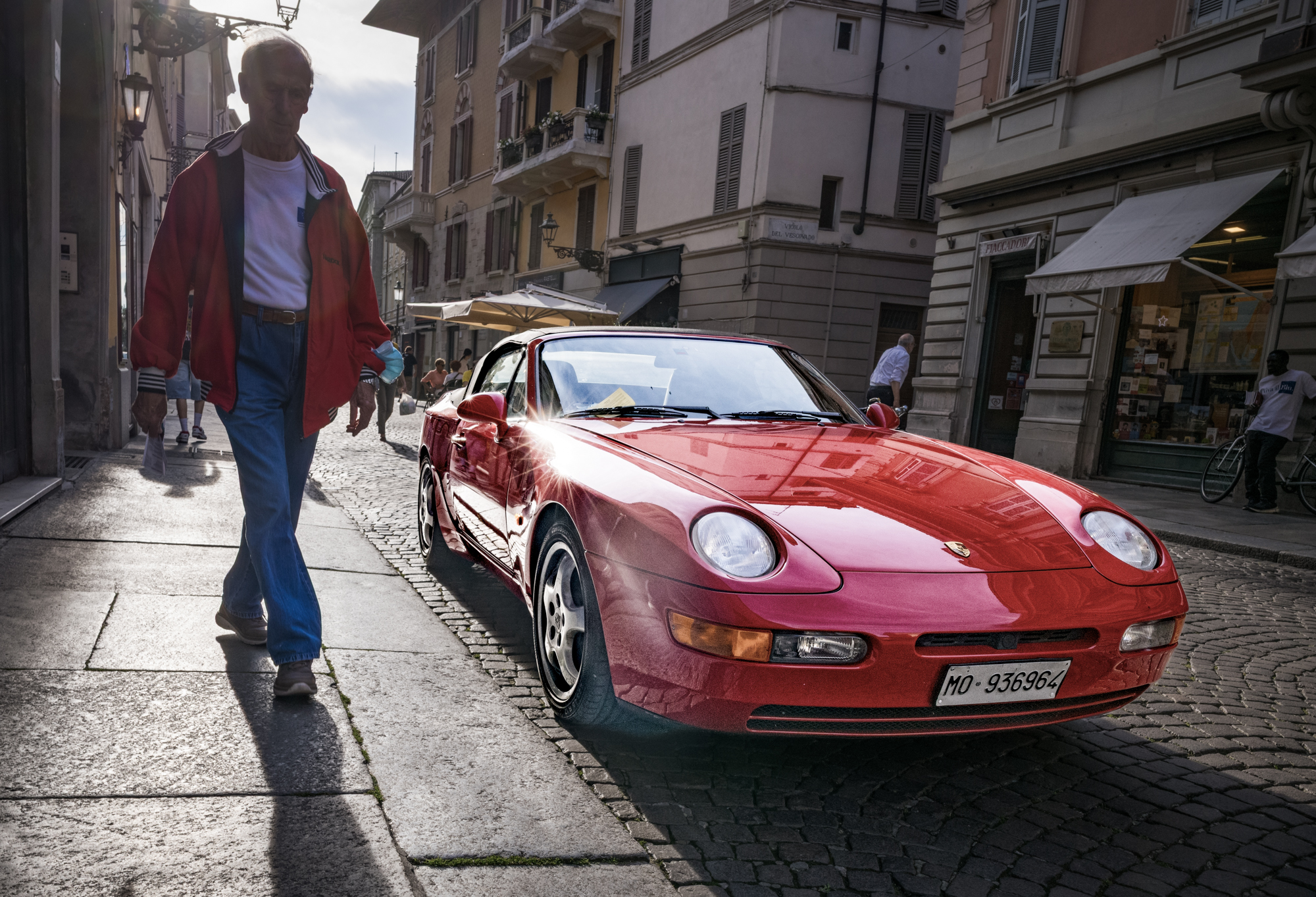
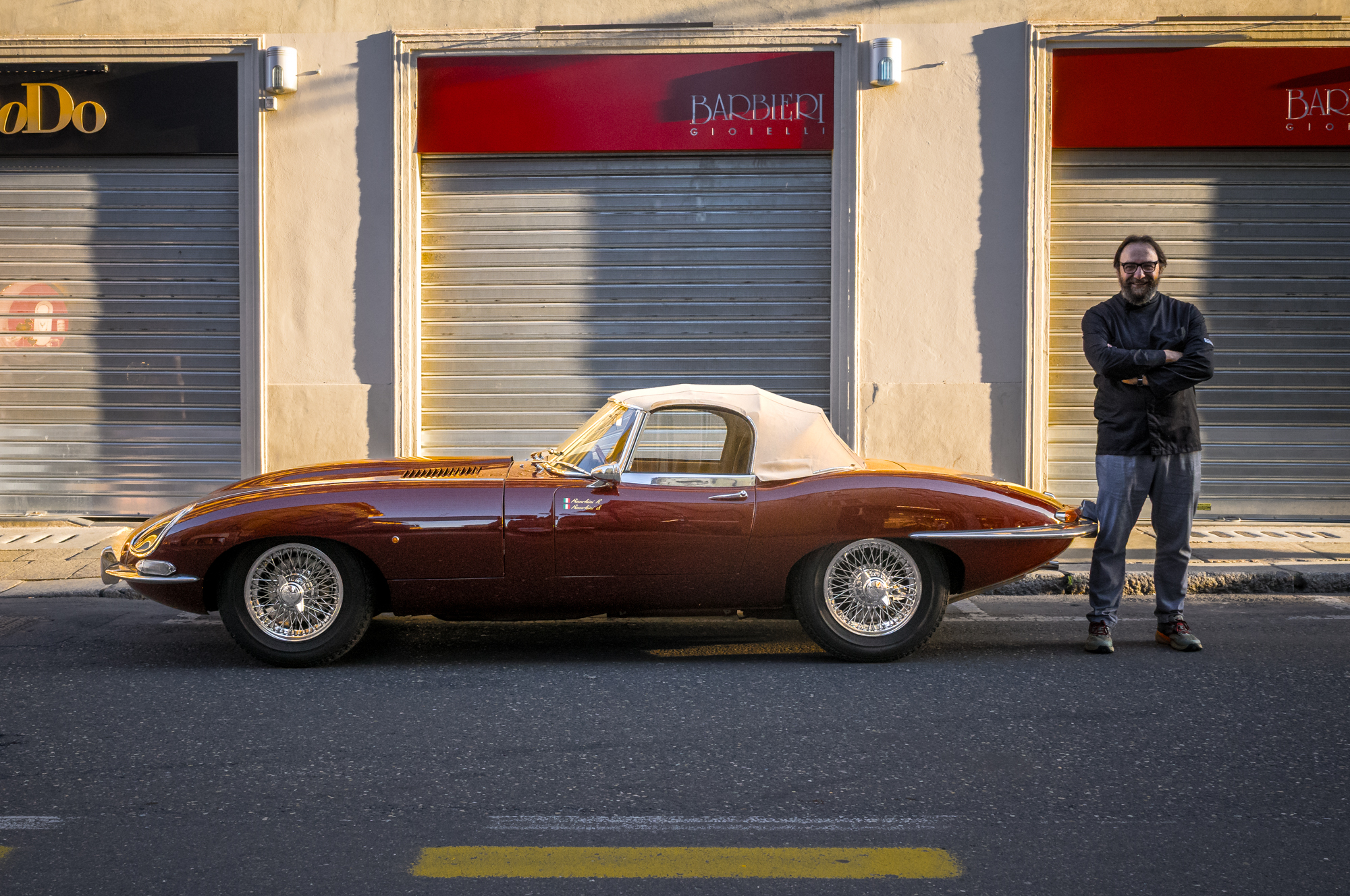
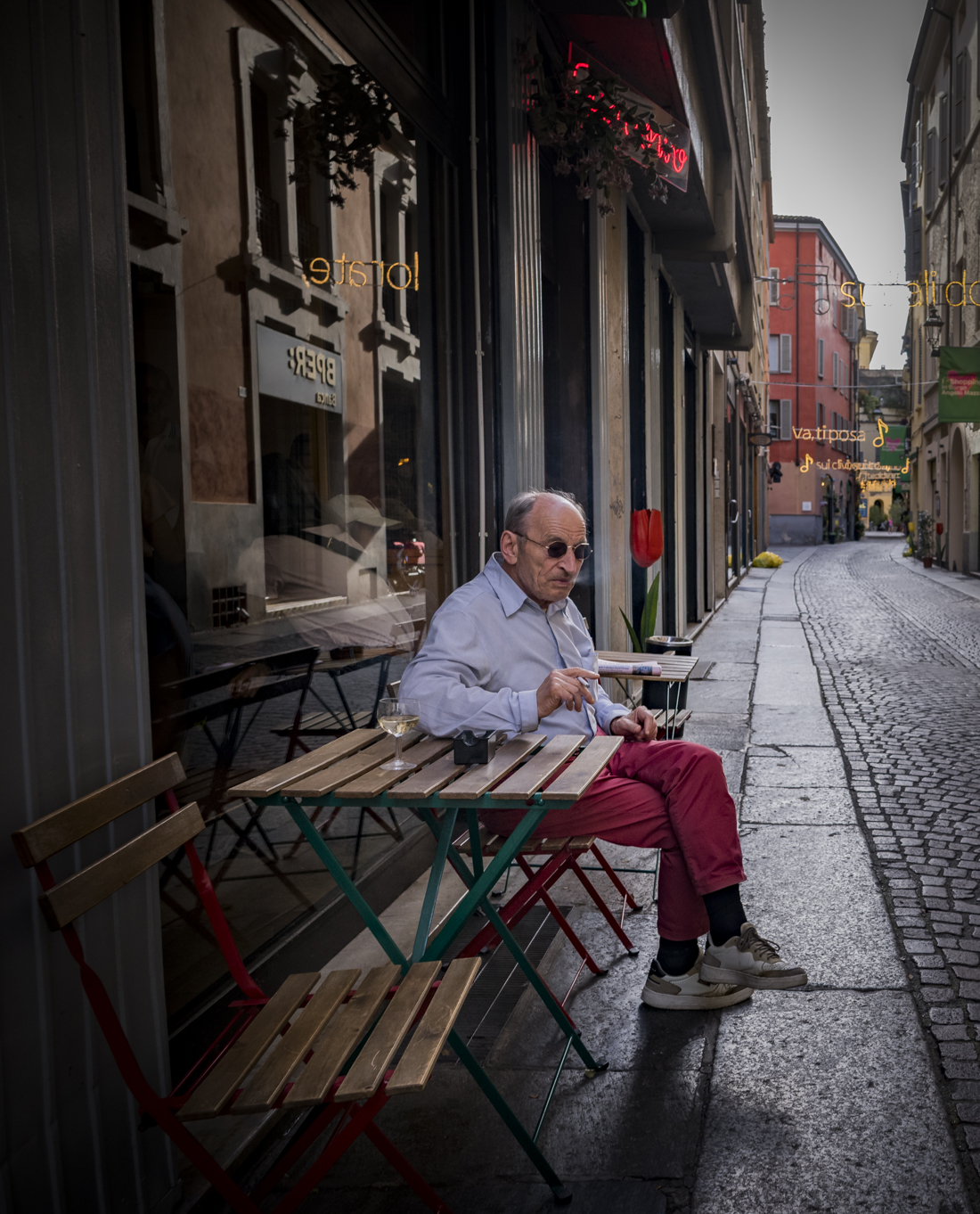
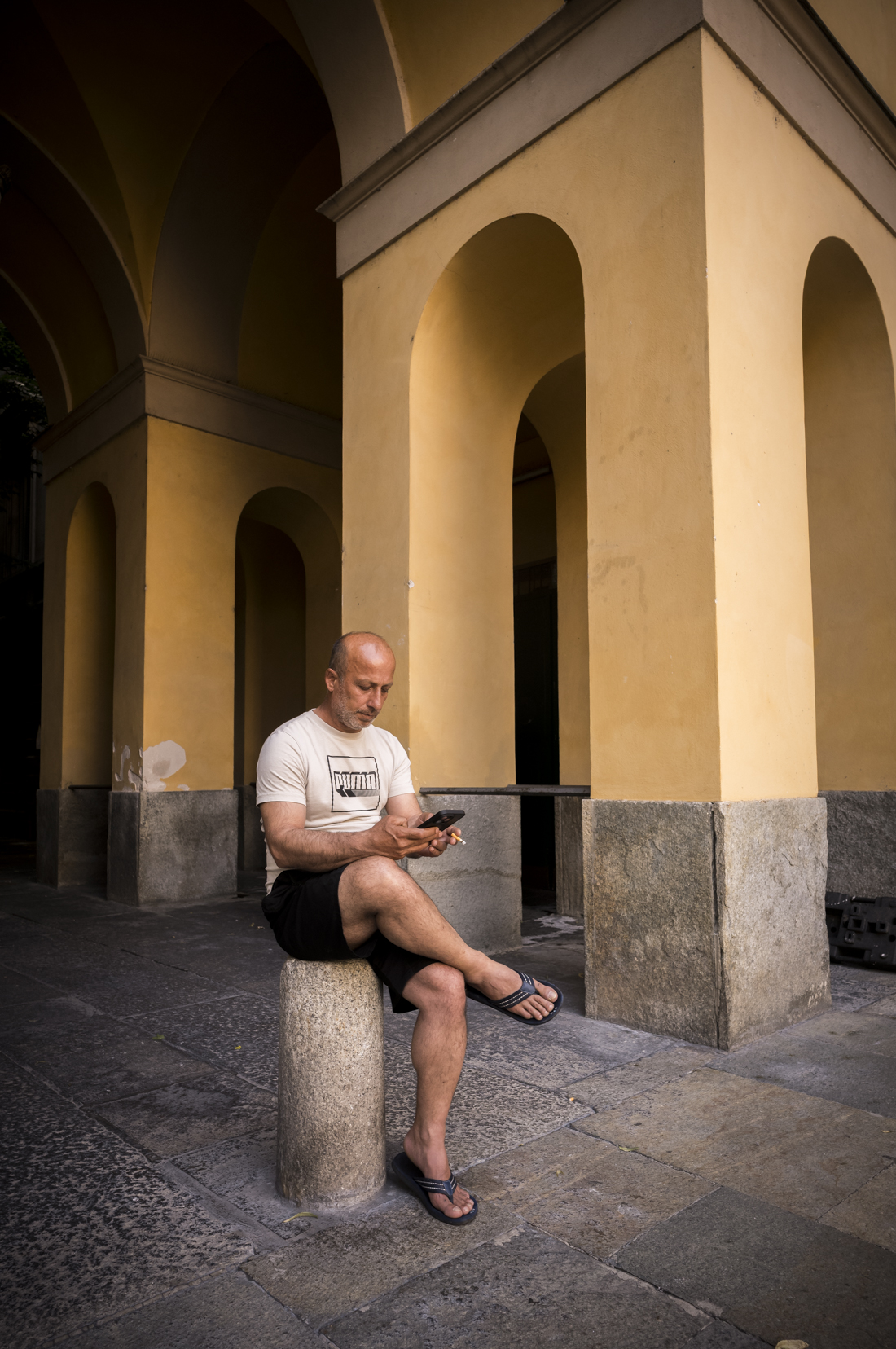
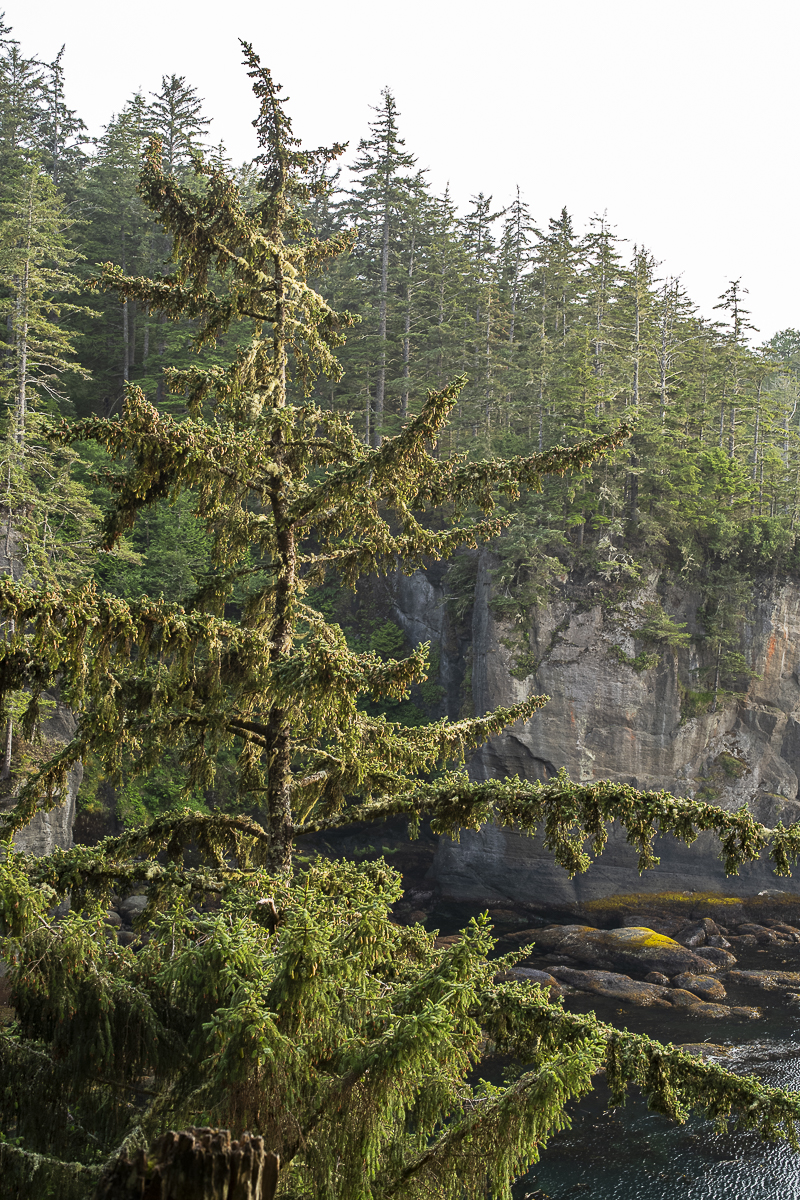
A few more from my recent vacation in Germany. All taken with Leica M-E 240 and Leica 35/2.4 M-lens. No other of my digital cameras provides me with this kind of rich color gamut in the images which I really like. I will not let this camera go even its sensor is outdated technically at this point.
wow, these are excellent! I just bought an M8 for my son to use as he wants to start doing some photography. I forgot how much I love those CCD colors. I'm now on the hunt for an M9/M-E. I say wow to those images more than I do my M11 lol
rsolti13 wrote:
wow, these are excellent! I just bought an M8 for my son to use as he wants to start doing some photography. I forgot how much I love those CCD colors. I'm now on the hunt for an M9/M-E. I say wow to those images more than I do my M11 lol
Thanks - keep in mind that the sensor of the M 240 is CMOS and not CCD based as in its M9 predecessor. Nevertheless my impression is that Leica did an excellent job in the M 240 image RAW processing to capture colors very similar to the CCD sensor. The M11 photos in comparison likely require more PP work since the RAW files are flatter with newer sensors but come with higher dynamic range. IMO the colors of my M 240 camera resemble more the color film tonality than newer M cameras do - matter of personal preference! Leica stopped making M-E versions with the M10 series unfortunately. There only exist M-E versions of the M9 and the M 240. M-E versions were considered entry cameras for the M series without compromising any of the base model's capabilities - basically the same camera other than anthracite milled brass based top plate and limited functions for optional electronic handgrip on this camera.
For good color photos, the M8 requires an IR-filter on the lens to cut the IR light which this specific sensor sees otherwise and without filter then overlays with the regular color spectrum. Advantage is that you can nicely take IR photos without any conversion needed with the M8 when attaching an R72 filter (which only permits IR light to pass through above 720 nm)!
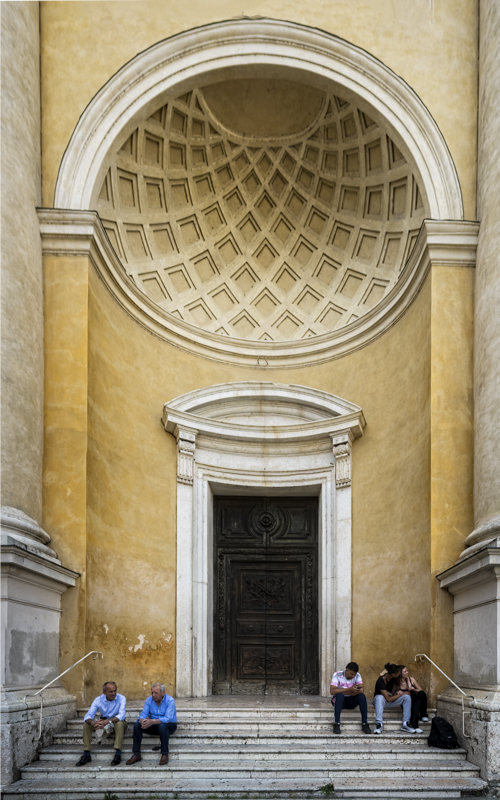
The streets here in Parma, Italy range from wide to very narrow. The architecture can be large, detailed, and incredibly beautiful. This image is from one of those locations where it was not possible to capture the composition I wanted in a single frame even with my widest 21mm SEM M lens. So, I composed it in landscape orientation, and made a hand held three shot panorama in the vertical direction. As we all know super wide lenses create weird distortions when tilted upwards as in this case so I was not sure it would work. Selecting "Perspective" in Light Room Classic Photo Merge did a decent job. Still some major distortions, but in the end I enjoy the image.