Using an officially sanctioned M-light-leak-scrunchy, I took this test 2 minute exposure yesterday.
Previously I was rather shocked to find that the M camera and especially my Summicron, is particularly bad at keeping light from leaking in at the mount. The Voigtlander lenses are substantially better, but still. Rather disappointing.
Only thing missing is a red dot that I need to stitch into the scrunchy to make it officially part of my kit.
Found this also, as part of another aspect of how the hardware differs in the Leica from some others.
The pixels need to be supported by a substructure and each individual pixel needs to be connected to the system by small wires. Canon, for instance uses wires with a size of 0.35 micron. Sony is definitely better with a size of 0.18 micron. Leica by far exceeds that with a size of 0.09 microns.
Another advantage was gained by using copper for the connecting material instead of aluminum, which is the common choice because the process of using copper is substantially more complex. Copper has a substantially lower electrical resistance than Aluminum, meaning that conducting layers with half the thickness could be used. In addition, to minimize thickness, instead of having four metal layers for the conductors typically employed on CMOS sensors, only two were necessary on the MAX CMOS chip....Show more →
This ^ article also references the parabolic (I stated elliptical) shape of the microlenses. Parabolics vs. spherical ... has impact on direction of light (including less stray light = more focused light). If you've ever studied parabolic vs. spherical diff's, this was immediately attention getting for me ... and was the determinant that tipped the scales for me to begin appreciating what Leica was doing (on an engineering basis). Here, is where the "less is more" thing comes to mind for me.
Many folks poke fun at Leica for the "less is more" ... when they have fewer buttons, etc. and charge more money for "less features" For me, the understanding of the engineering difference for a parabolic vs. a spherical (less stray = more accurate), use of copper vs. aluminum (less resistance = more transmission, less obstruction = more surface area). Less aberration = more acutance. Which makes me think of the Sigma Art line. Nice glass ... freakin' huge. How Leica achieves their light path quality vs. how Sigma goes about it is two different approaches. One uses more, more and more. The other, not so much.
Buy a reflector and it costs X. Buy a parabolic reflector and it costs X+.
Buy an aluminum clad skillet and it costs X. Buy a copper clad skillet and it costs X+
Shaping light with a spherical reflector and shaping light with a parabolic reflector have their diffs.
Cooking with an aluminum pan and cooking with a copper pan have their diffs. Yes, that diffs can be small and insignificant for some folks. And yet, for those who do appreciate the differences, they are meaningful.
Of course, not everyone finds increasing refinement meaningful ... whether that be wine, whiskey or cookware. But, the diff's remain nonetheless. That $10 bottle of tequila vs. the $30 bottle vs. the $200 bottle. Where someone draws the line on refinement and "good enough" for their needs, wants and desires varies with the individual.
Same goes for our tools ... be that cameras, lenses or lighting.
This has been a bit OT from the "image" thread, but since Bill asked it here ...













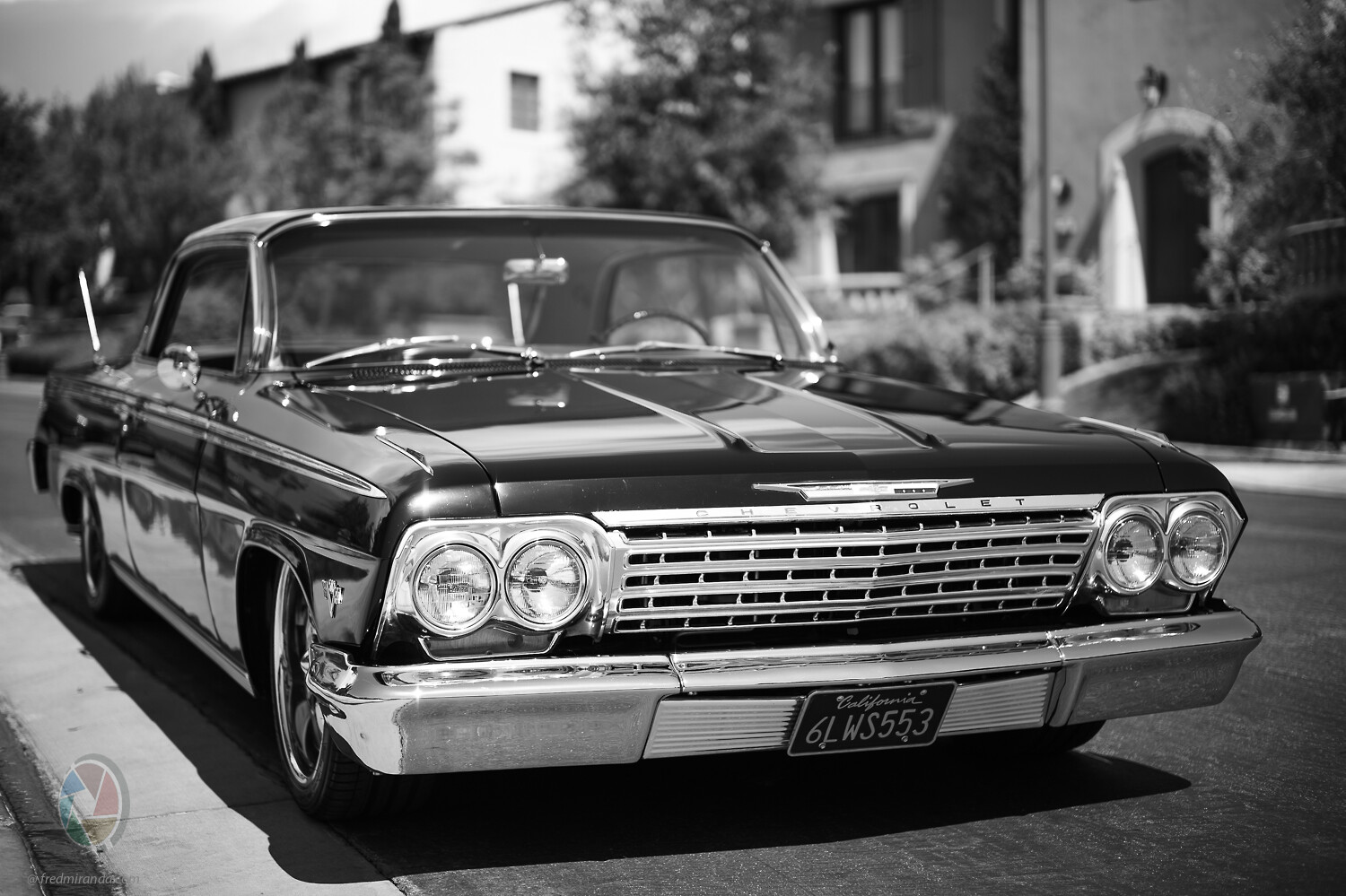
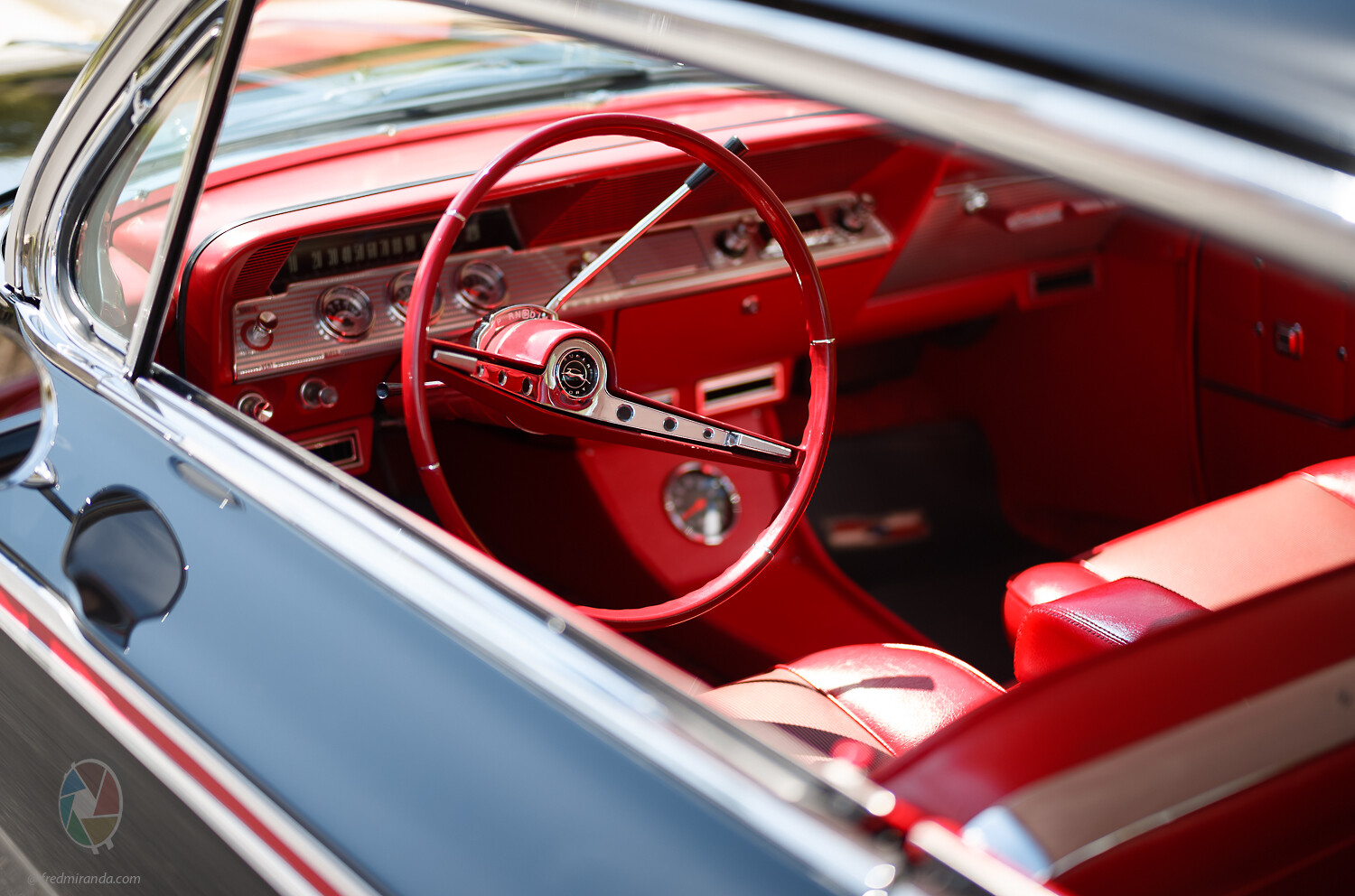
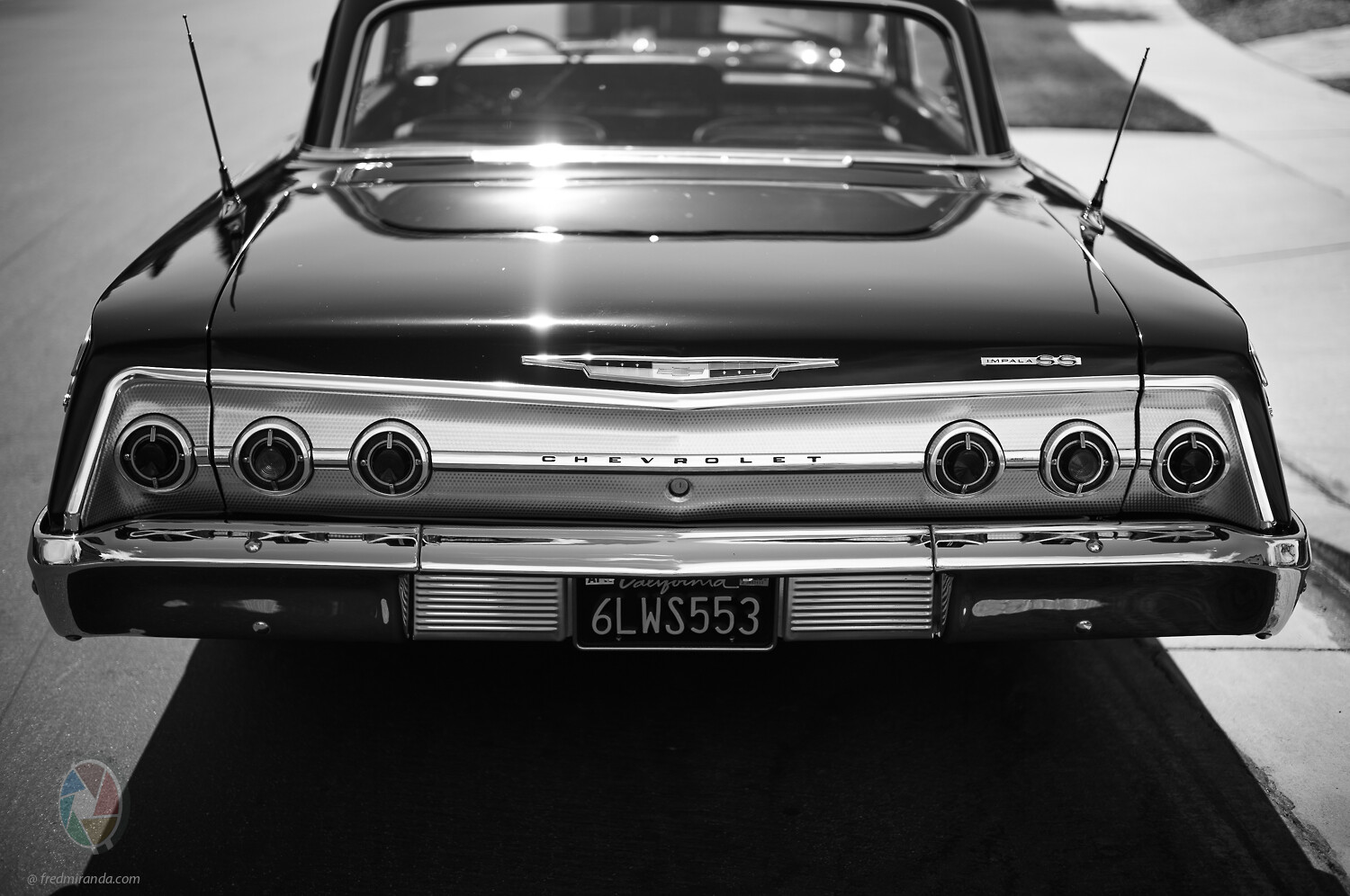
 yes...