LBJ2 wrote:
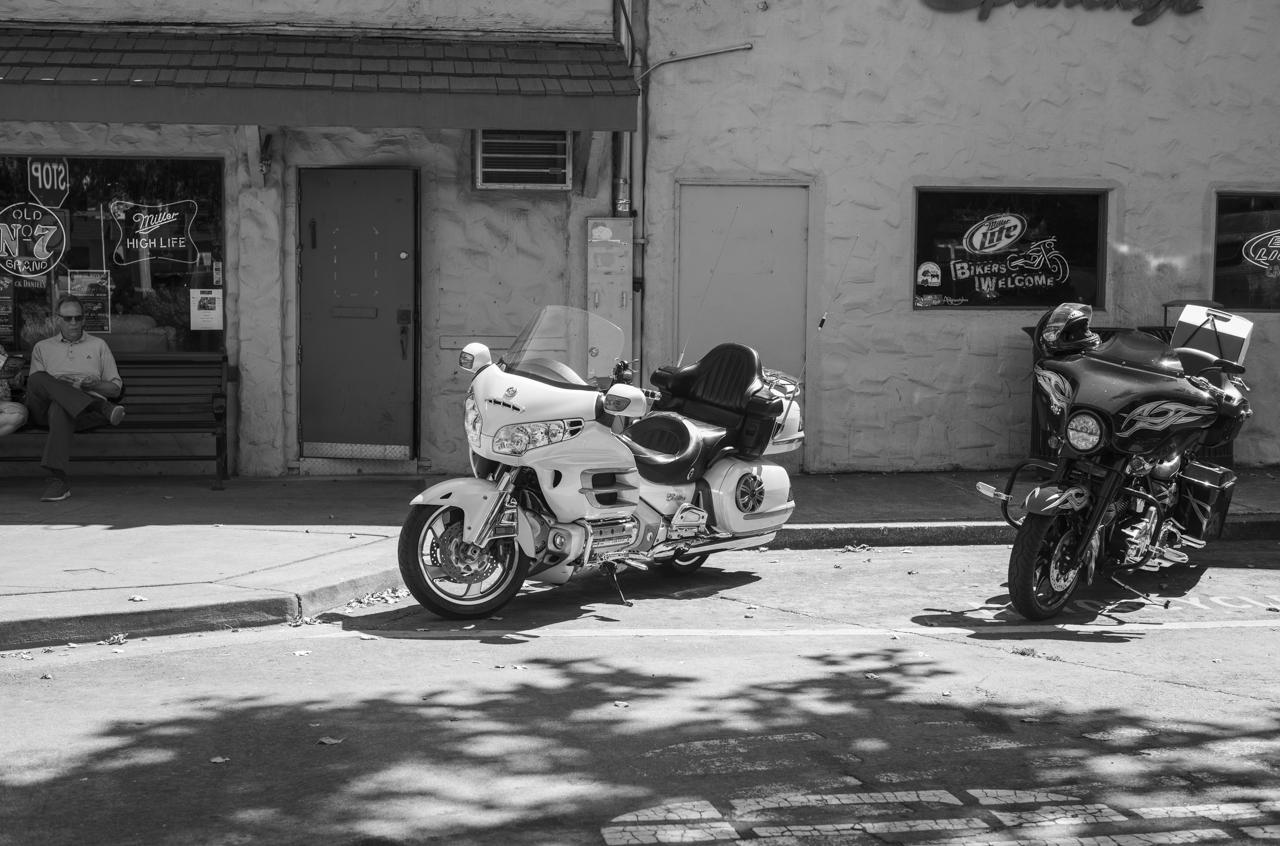
Upping my Zone Focusing abilities was key for me to use my rangefinder for just about any type of photography to include high performance/very fast moving subjects/sports etc. I honed my zone focusing "awareness" with a gadget. The pocketable "BOSCH GLM20 Blaze 65ft Laser Distance Measure With Real Time Measuring"...Ha Ha. Whatever it takes to get the shot!
My polka tent dancing image was zone focused - I used the dance floor squares for distance estimates and managed to get a decent amount of images in focus.
Now if I could only remember to hold the camera level.
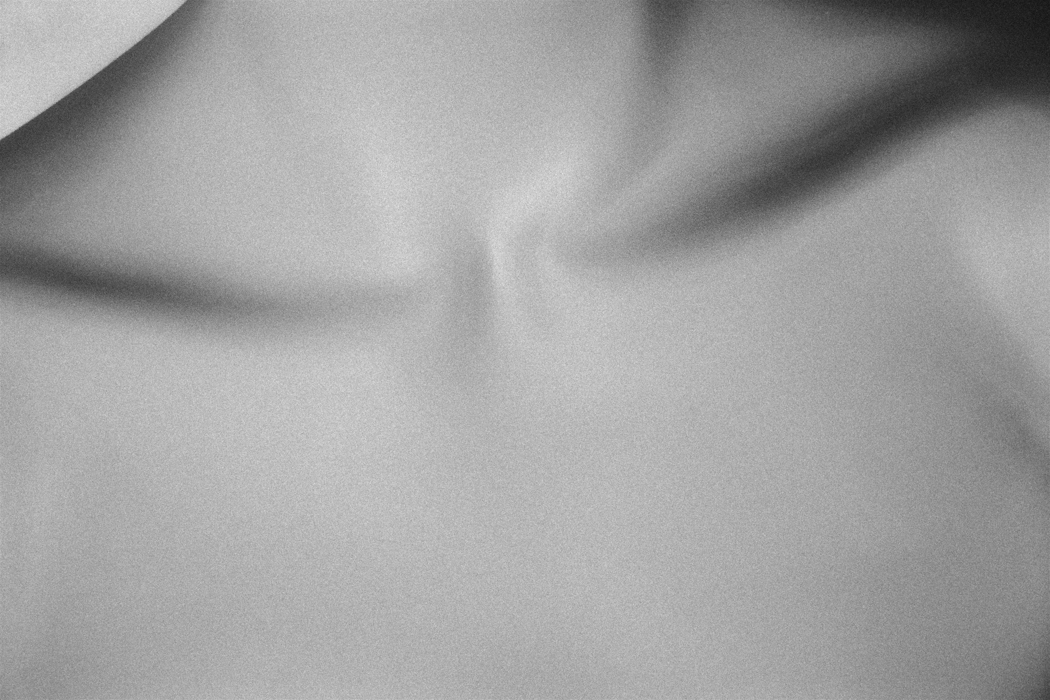
Clavicle image inspired by a similar image in Ralph Gibson's latest book Refractions 2.
Since I am still most restricted and house bound I cannot yet go out walking looking for photographic opportunities.. So, I decided to do some learning and take inspiration form the book and to create some interesting images that can be shot inside my house. This is my first such attempt.
To manage the shadows, I used a combination of natural light from two opposing large windows in the house. I filled it in with a small umbrella lit with a small constant LED panel. I got the depth of shadows and skin lighting the way I thought I wanted and took the shot. I tried a number of heights and camera angles. This is the one I chose to process.
Monochrome is still very new to me. For this shot I turned the camera JPEG setting to monochrome so I would see it during shooting the way I would in processing. This helped me concentrate on tonality of the shadows. When processing I was able to get the shadows, and highlights where I wanted them. But somehow my image felt flat and boring. I had shot it at ISO 200 so it was noiseless as I always try to achieve. Gibson's shot was done with film. Consequentially it had some grain that added surface and depth to his image. I was feeling Like I had just not done the lighting well enough to capture the texture the image needed. Then I discovered the GRAIN SLIDER in Light Room. I was able to add just enough grain to the image to give the figure a surface. I have never added grain before. It instantly improved this image. God please don't tell me I am about to covet shooting film!
Anyway, as I had hoped, I learned some new things while doing this exercise. So I will call it a success for me in my circumstances. I will do more in the coming weeks.
1bwana1 wrote:
Clavicle image inspired by a similar image in Ralph Gibson's latest book Refractions 2.
Since I am still most restricted and house bound I cannot yet go out walking looking for photographic opportunities.. So, I decided to do some learning and take inspiration form the book and to create some interesting images that can be shot inside my house. This is my first such attempt.
To manage the shadows, I used a combination of natural light from two opposing large windows in the house. I filled it in with a small umbrella lit with a small constant LED panel. I got the depth of shadows and skin lighting the way I thought I wanted and took the shot. I tried a number of heights and camera angles. This is the one I chose to process.
Monochrome is still very new to me. For this shot I turned the camera JPEG setting to monochrome so I would see it during shooting the way I would in processing. This helped me concentrate on tonality of the shadows. When processing I was able to get the shadows, and highlights where I wanted them. But somehow my image felt flat and boring. I had shot it at ISO 200 so it was noiseless as I always try to achieve. Gibson's shot was done with film. Consequentially it had some grain theat added surface and depth to his image. I was feeling Like I had just not done the lighting well enough to capture the texture the image needed. Then I discovered the GRAIN SLIDER in Light Room. I was able to add just enough grain to the image to give the figure a surface. I have never added grain before. It instantly improved this image. God please don't tell me I am about to covet shooting film!
Anyway, as hoped this I learned some new things while doing this exercise. So I will call it a success for me in my circumstances. I will do more in the coming weeks.
Great seeing here someone else other than me posting photos taken with the M-E 240! Not many were made of it - how do you like yours? Mine came with the Leica 35/2.4 Summarit ASPH which is a great lens, too.
retrofocus wrote:
Great seeing here someone else other than me posting photos taken with the M-E 240! Not many were made of it - how do you like yours? Mine came with the Leica 35/2.4 Summarit ASPH which is a great lens, too.
It could be the M-E, which was a stripped down M9 released when the M9 was discontinued and replaced by the M240.