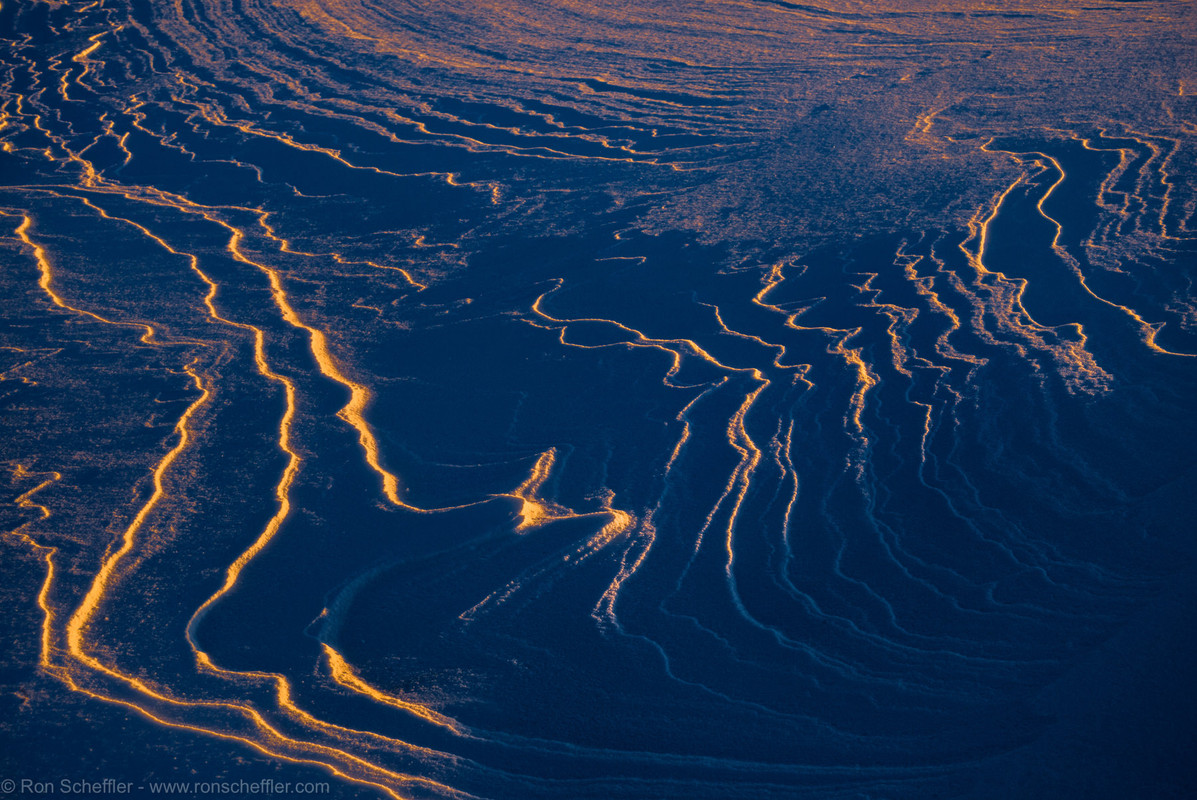
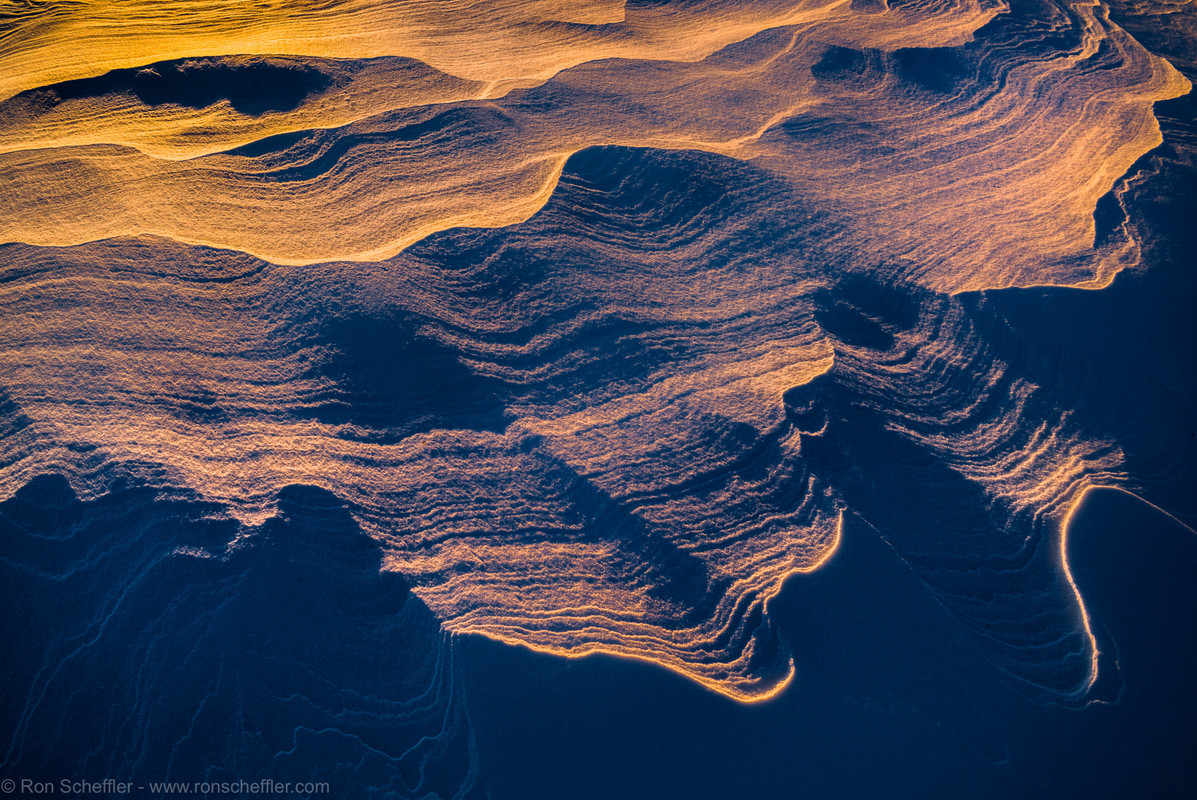
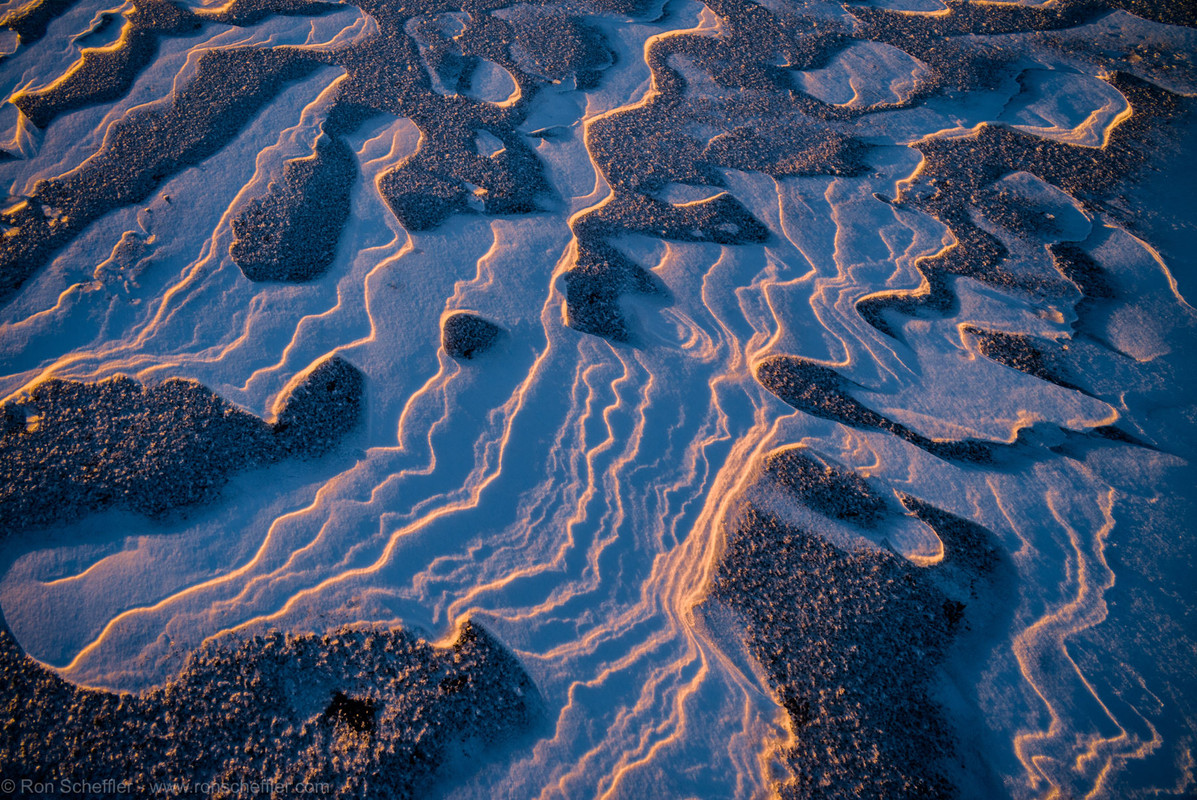
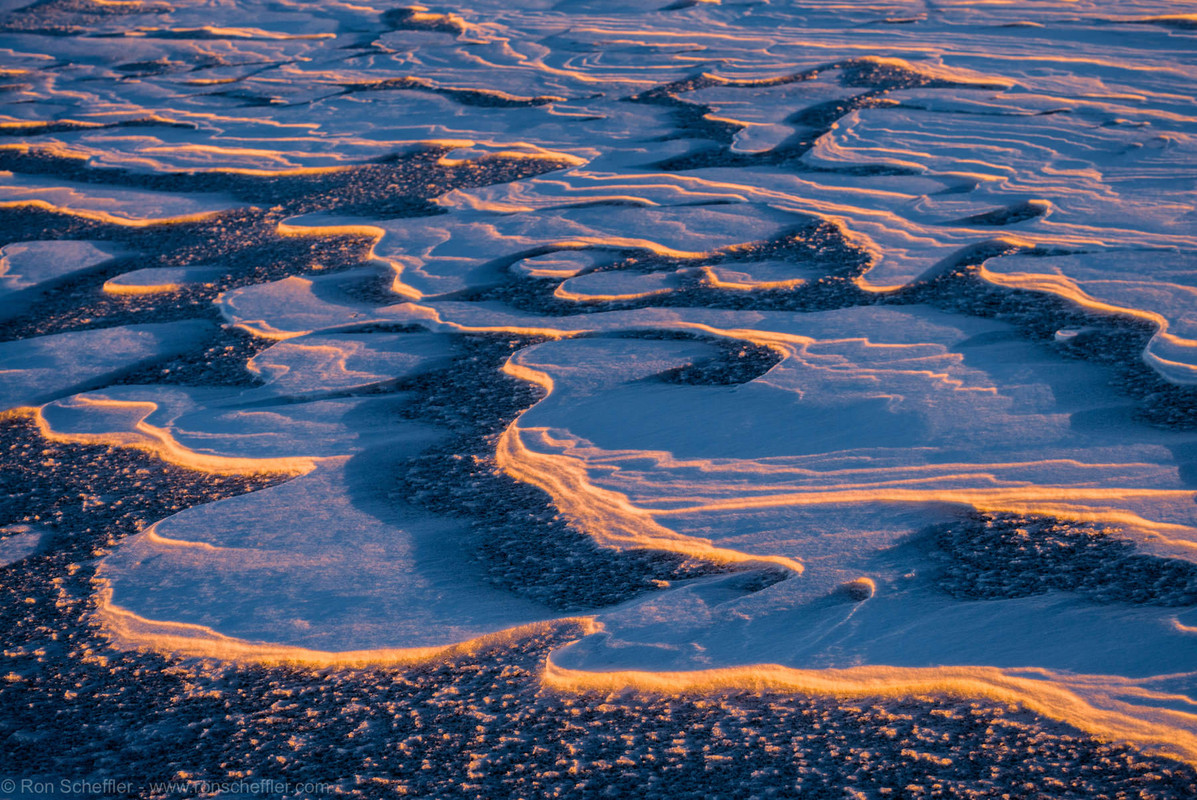
From today out on the ice... snowdrifts with the sun low on the horizon just before sunset.
M240 & 28 Lux (2, 3), 50 Lux ASPH (1, 4)
Wednesday-Thursday we had very warm weather (around 10˚C) with rain, which 'reset' all the old snow and flooded the ice. Then it turned cold Thursday night and we got about 6" of dry powder. Because it was so warm for a couple days and all the water on the ice, no one went out on it until today, so it was relatively 'pristine' conditions. Today we had strong winds up to about 70kmh/45mph and it blew away all the new snow revealing where snow came in contact with water, turned to slush and froze in a variety of textures. Between all this the blown snow that remained, accumulated in snowdrifts. The photographically interesting thing about this area at this time of year is how changes in weather can result in dramatic changes to the ground-level 'landscape' from day to day. Even hourly when the wind is as strong as it was today.
On a side note, I learned this is what happens when you change lenses in near whiteout conditions:
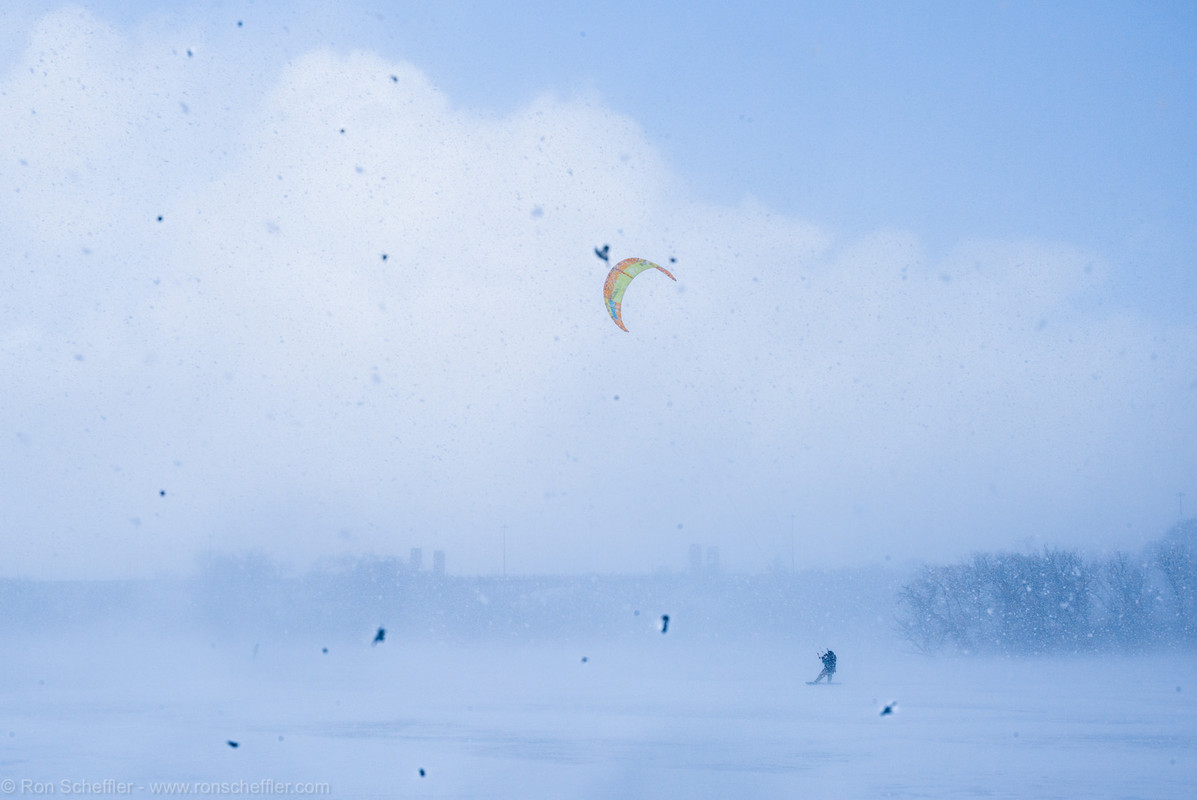
Yep, the irregularly shaped black spots are snow flakes on the sensor. From what I can tell from the photos, it melted and evaporated within a few images.
And yes, there were a few adventurous souls out kiteboarding, but they didn't last very long.
RSSmith wrote:
Took this one today OF, rather than WITH, my Leicas.
Used my a7RIII + Canon 100/2.8L
I'm not up to speed with the older Summicron 50s. Is there an optical difference between the collapsible and the Rigid?
rscheffler wrote:
I'm not up to speed with the older Summicron 50s. Is there an optical difference between the collapsible and the Rigid
Both 7 elements in 6 groups but different optical formulae. The much maligned but, regarding Leica equipment, very well informed Ken Rockwell has all the information one could possibly want. (I have all versions except the APO, an omission that I hope to eventually rectify.)
Just some gee wiz images I tried tonight with some gee wiz info.
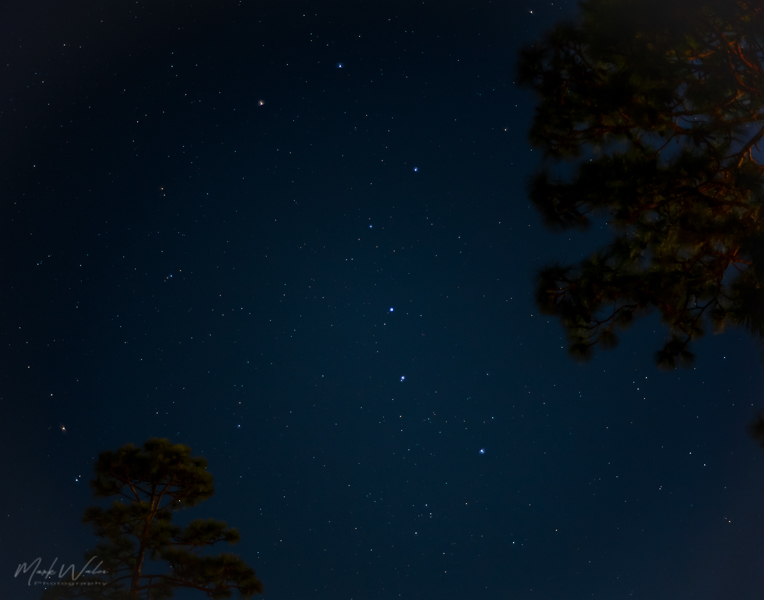
Leica cameras are not the best choice for Astro Photography with the longest exposure of 8s (on the M240 atleast) without a shutter release cable, but I took these 2 images from my yard tonight.
The first is the big dipper which is part of an open cluster known as the Ursa Major Moving Group and is 75 light years from earth.
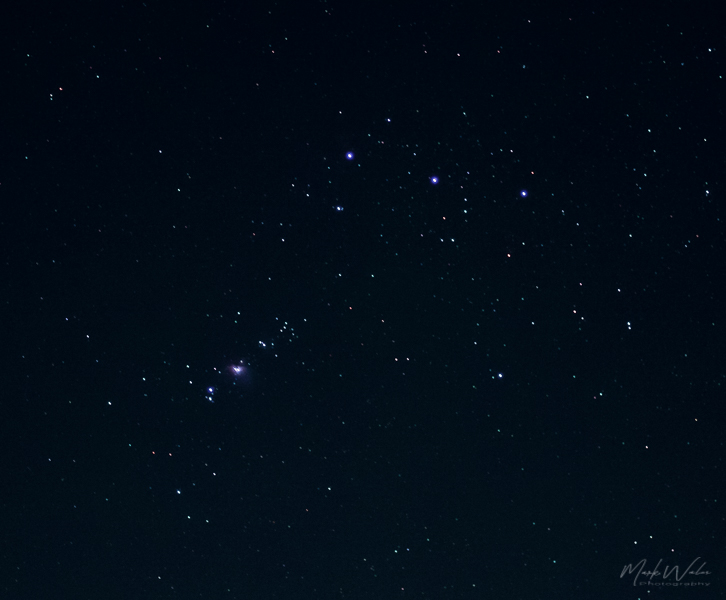
The second image of 3 aligned stars is Orions Belt and is around 1200 light years from earth. If you look below the belt and to the left you see a bright fuzzy blob fanning out left and right, that is the Orion Nebula which is 1344 light years from earth and can be seen with the naked eye by just looking up or through a pair of binoculers now that you know where it's located, but you will only be able to see a dust cloud infront of stars that way.
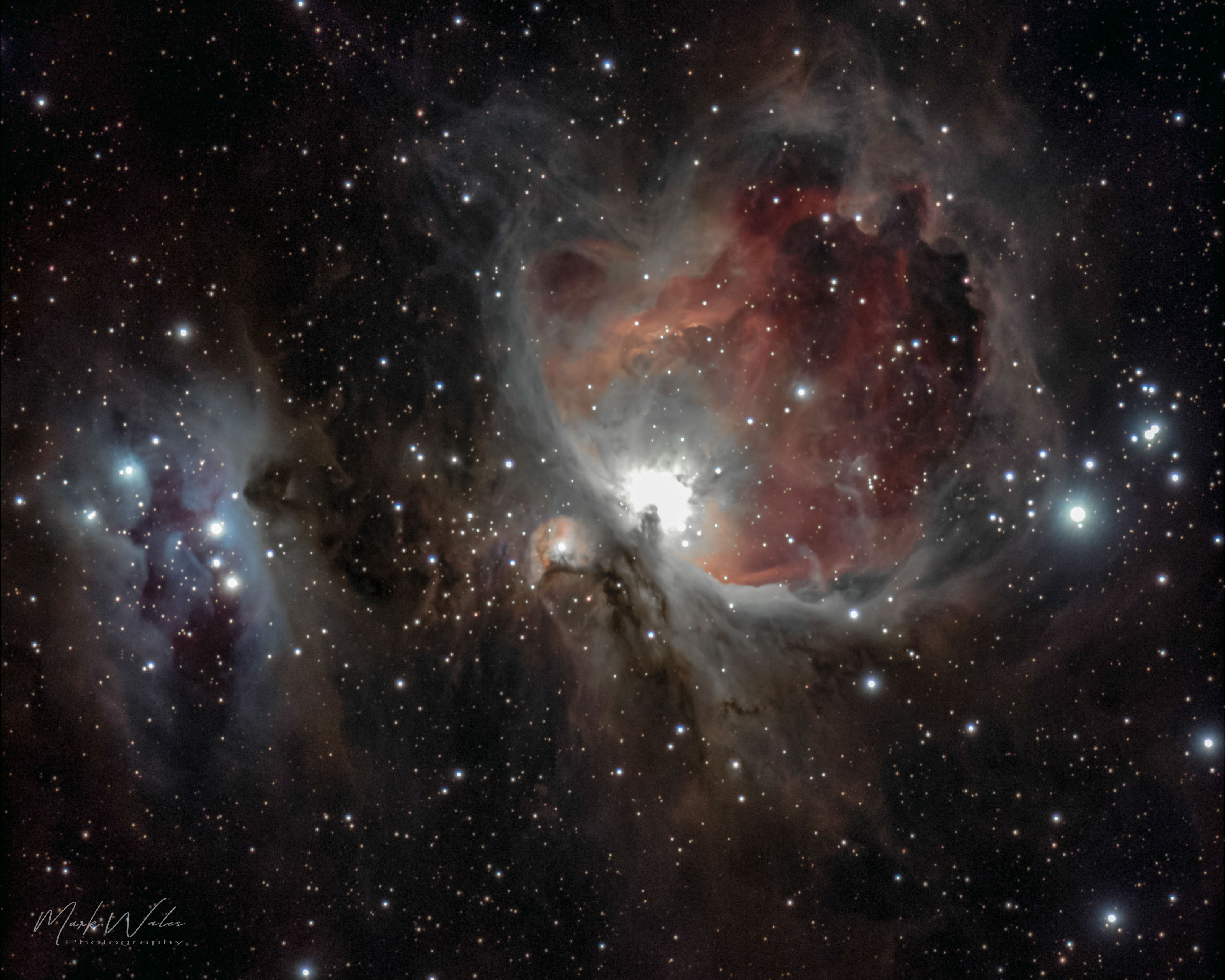
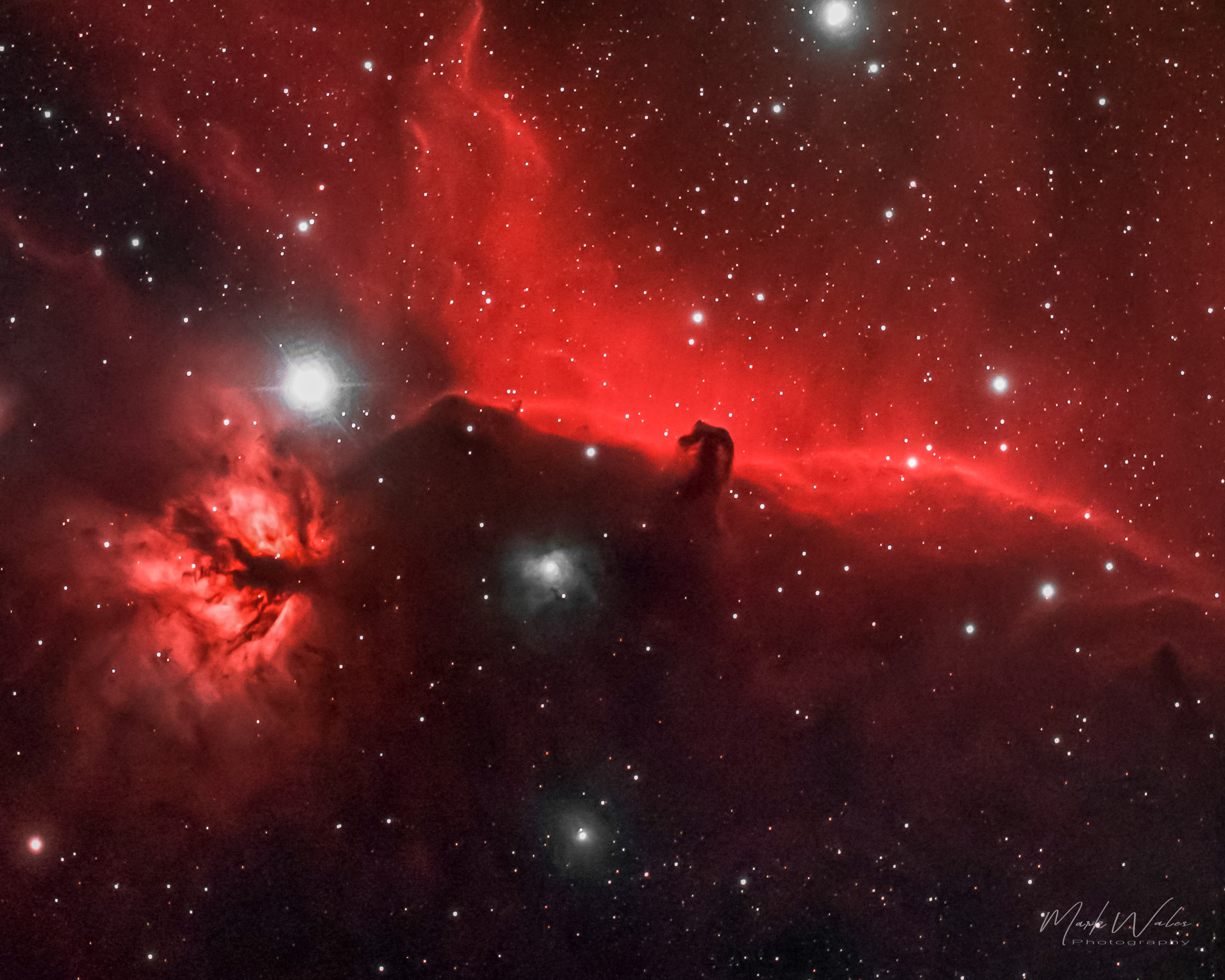
The last 2 images I took with my dedicated Astro Photography gear. The camera is a ZWO ASI533MC Pro cooled (to -20c) one shot color camera that has a 9 mp, 1" sensor. A 420mm telescope with a 0.85 reducer was used to make it 330mm since the objects are so big and close (so to say). This is mounted on a Equatorial Mount that is computer control and tracks the targets for these long exposures.
The first of these is the Orion and Running Man Nebula with no filters. This image was produced from 110, 3 min. exposures that were all stacked on top of eachother and stretched in photoshop.
The last image is the HorseHead and Flame Nebula using a Hydrogen Alpha filter. I added this one because it is located near the far left star of Orions Belt called Alnitak (the big star on the left in the image) and is 1500 light years from earth. This image was produced from 150, 3 min. exposures that were stacked and stretched.
airfrogusmc wrote:
I don't know if this helps but I use pBase. Store my work there and then post a link to that work here.
Thanks. I have much to learn. It seems that I can use an image, from this iPad’s library, but, I am still at the stage at which “down-sizing” means cropping a physical print, with a pair of physical scissors. (I actually did that, 4+ decades ago, for the school yearbook.) I would say that I am a “caveman,” but there are no caves, here on Gulf Coastal Prairie, in SE Texas.


 From what I can tell from the photos, it melted and evaporated within a few images.