Leica M/X/T/S/Q/CL/SL Picture Thread

p.1412 #1Leica M/X/T/S/Q/CL/SL Picture Thread
 |
||
 |
||
|
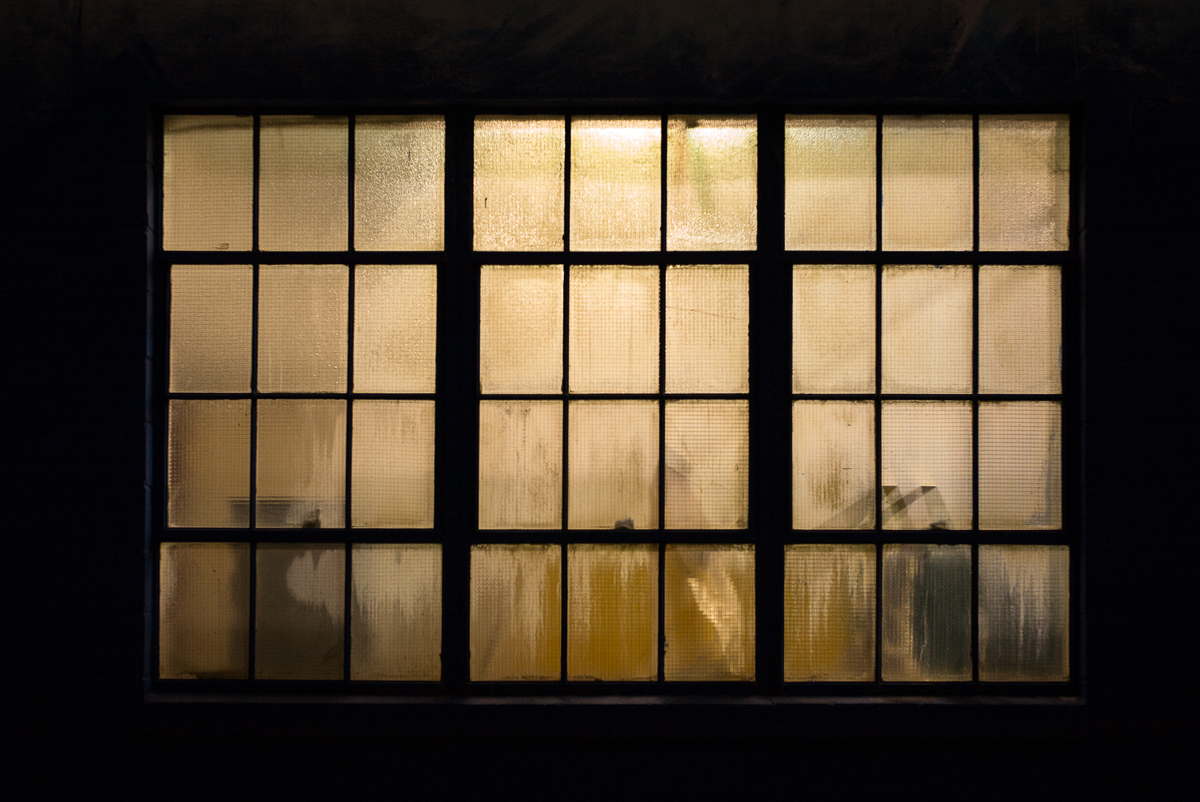
28cron
|
||
 |
||
|
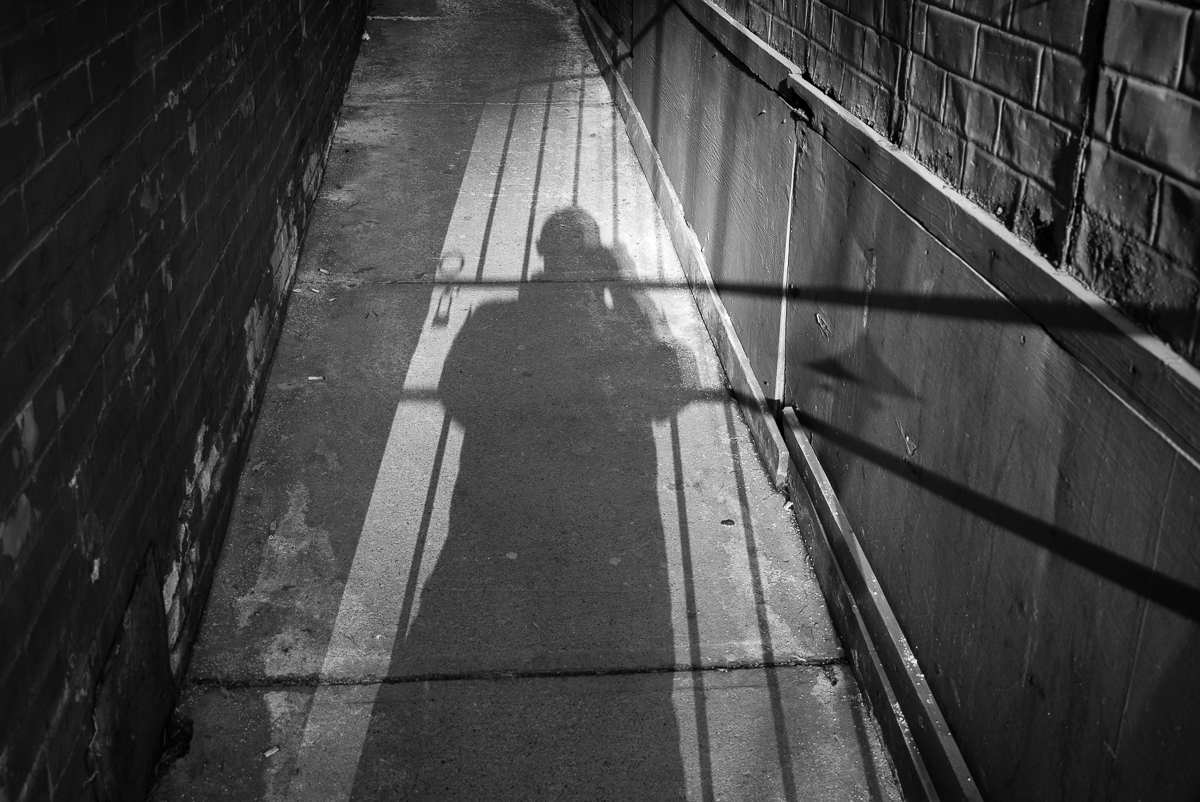
ZM35 Distagon
|
||
 |
||
|
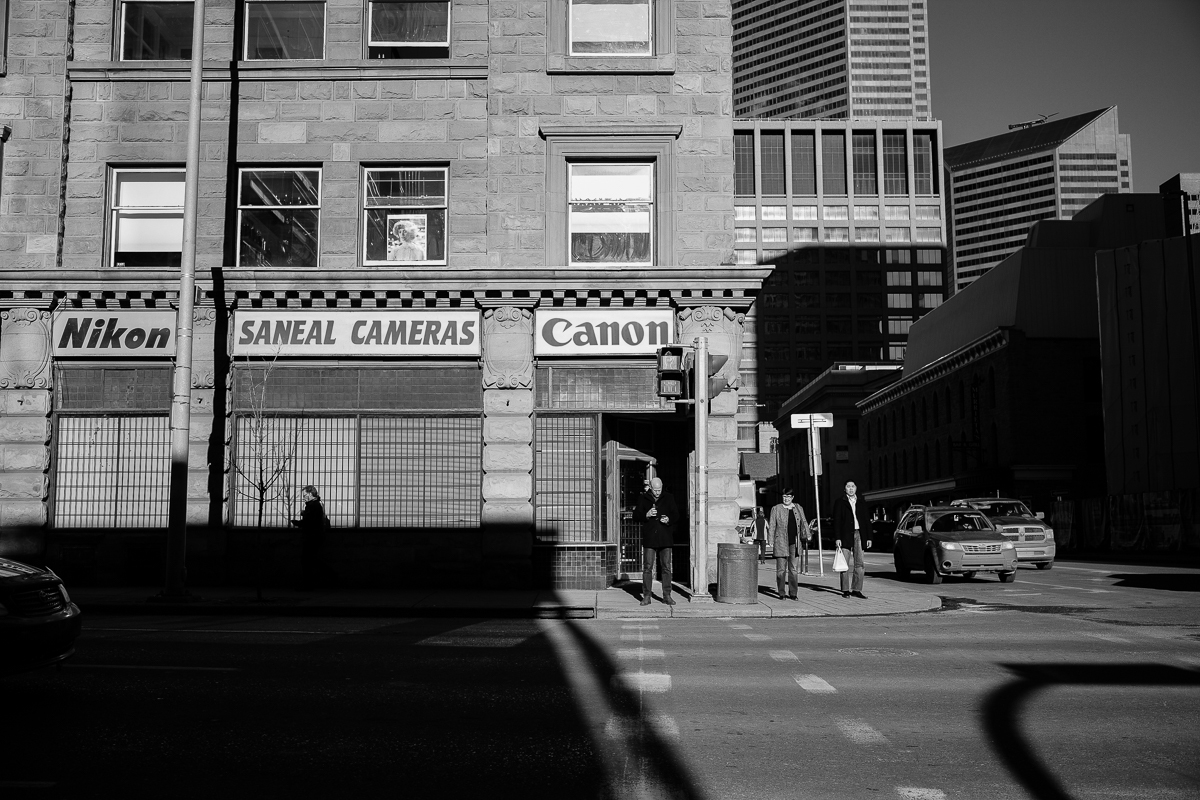
ZM35 Distagon
|
||
 |
||
|
ZM35 Distagon
Feb 18, 2017 at 10:45 PM
p.1412 #2Leica M/X/T/S/Q/CL/SL Picture Thread
First one is very nice Gary! Self portrait too 
Feb 18, 2017 at 11:41 PM
p.1412 #3Leica M/X/T/S/Q/CL/SL Picture Thread
-
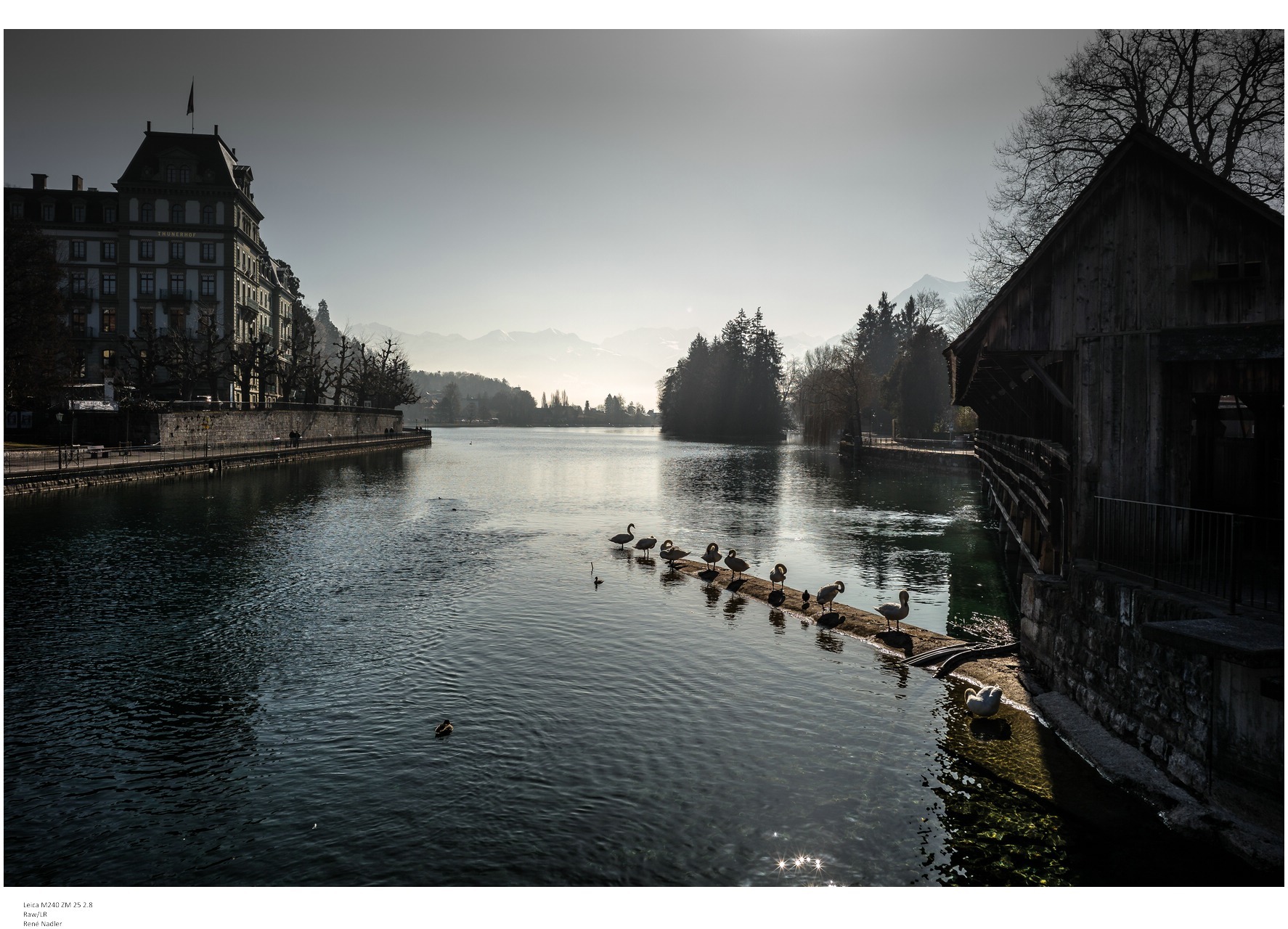
Thun, Switzerland
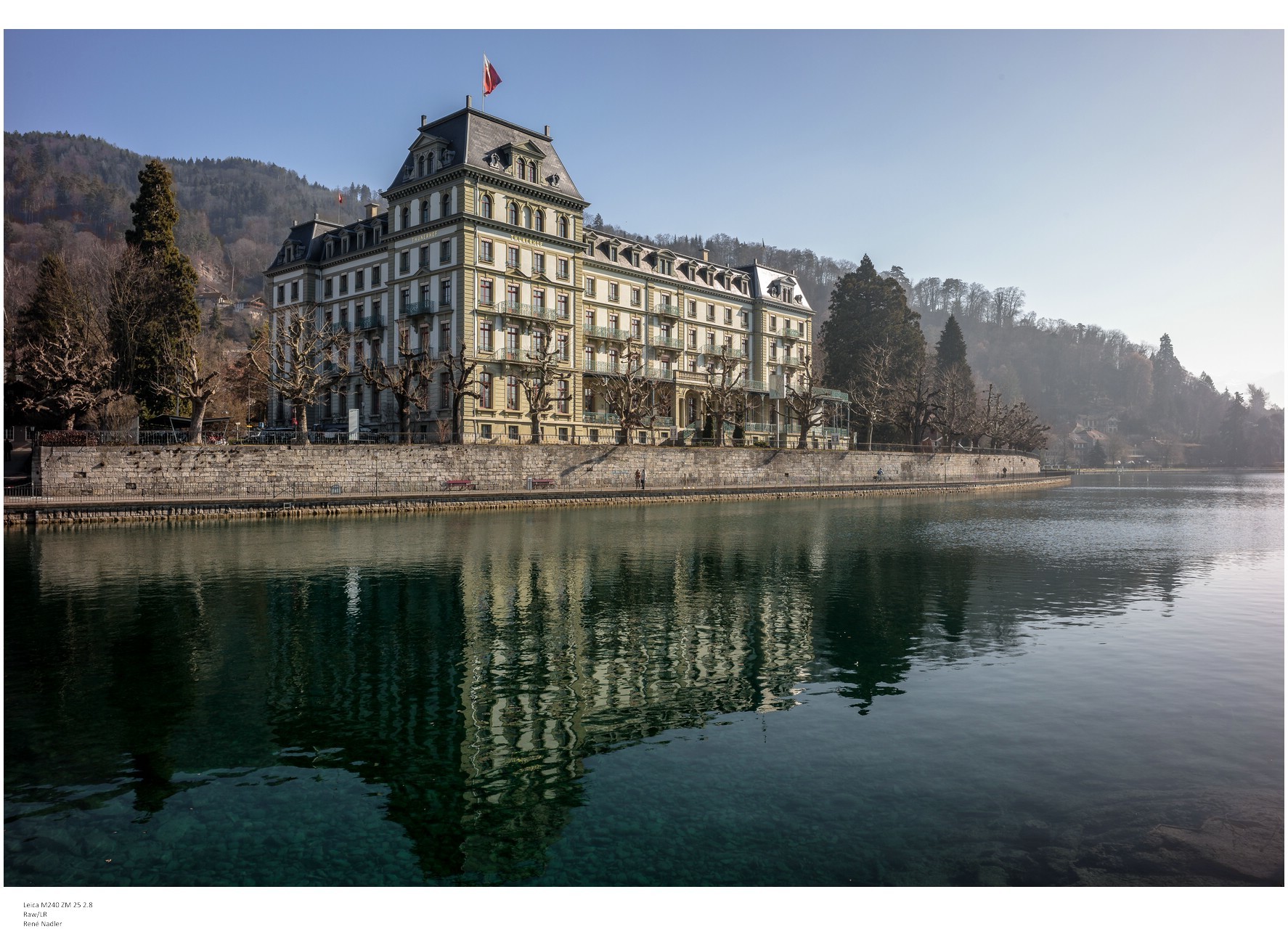
Thun, switzerland
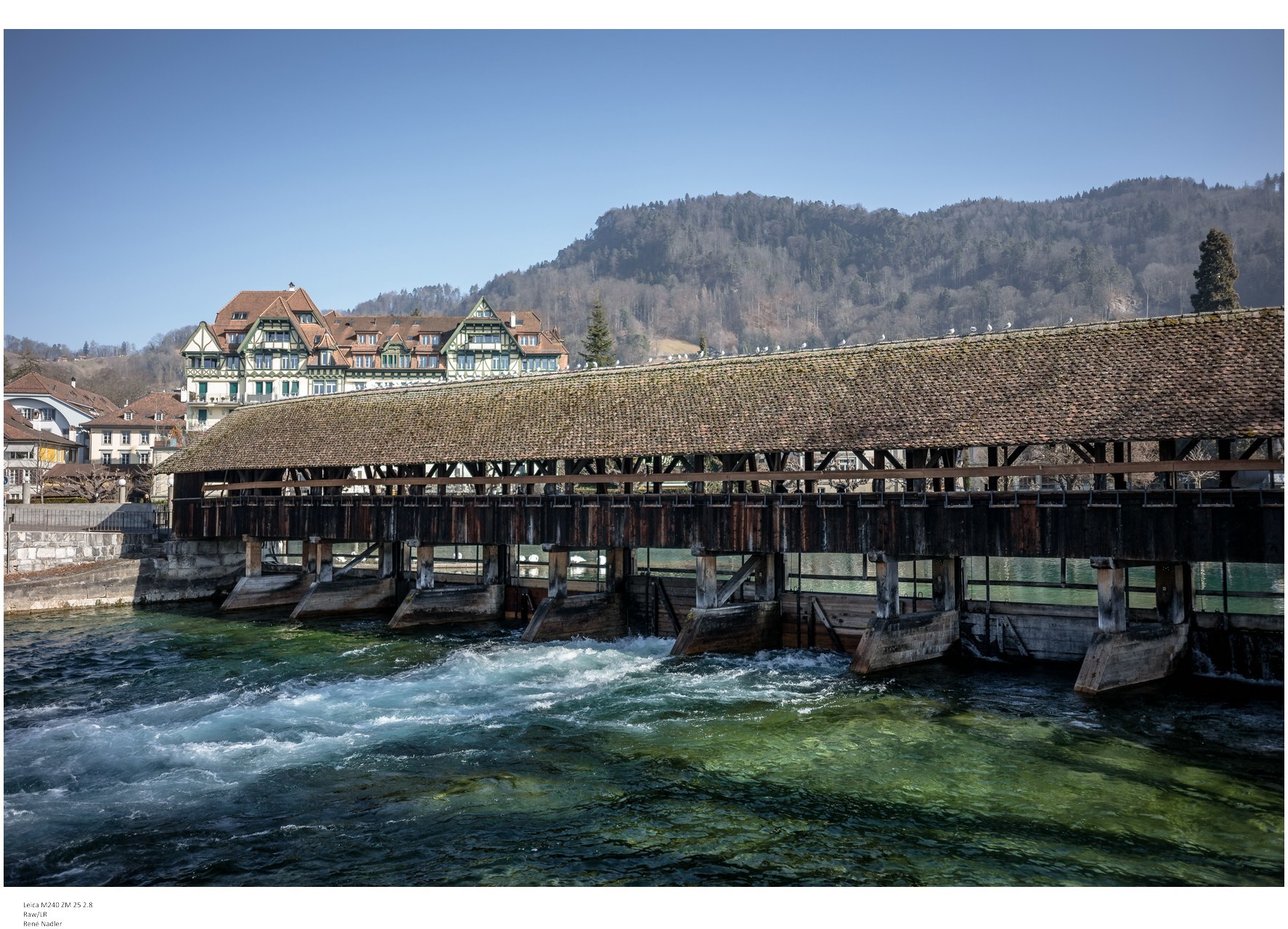
Thun, switzerland
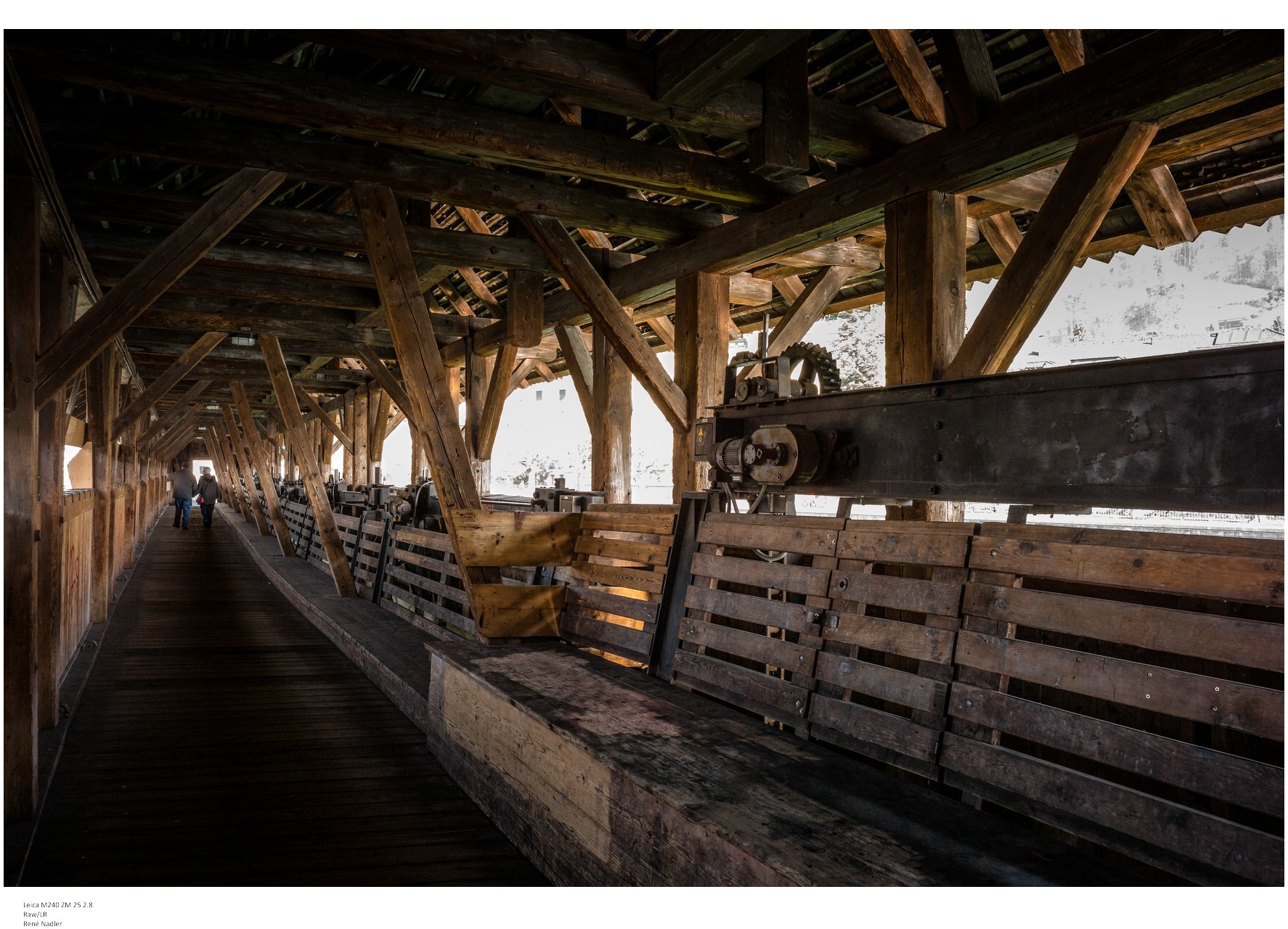
Thun, switzerland
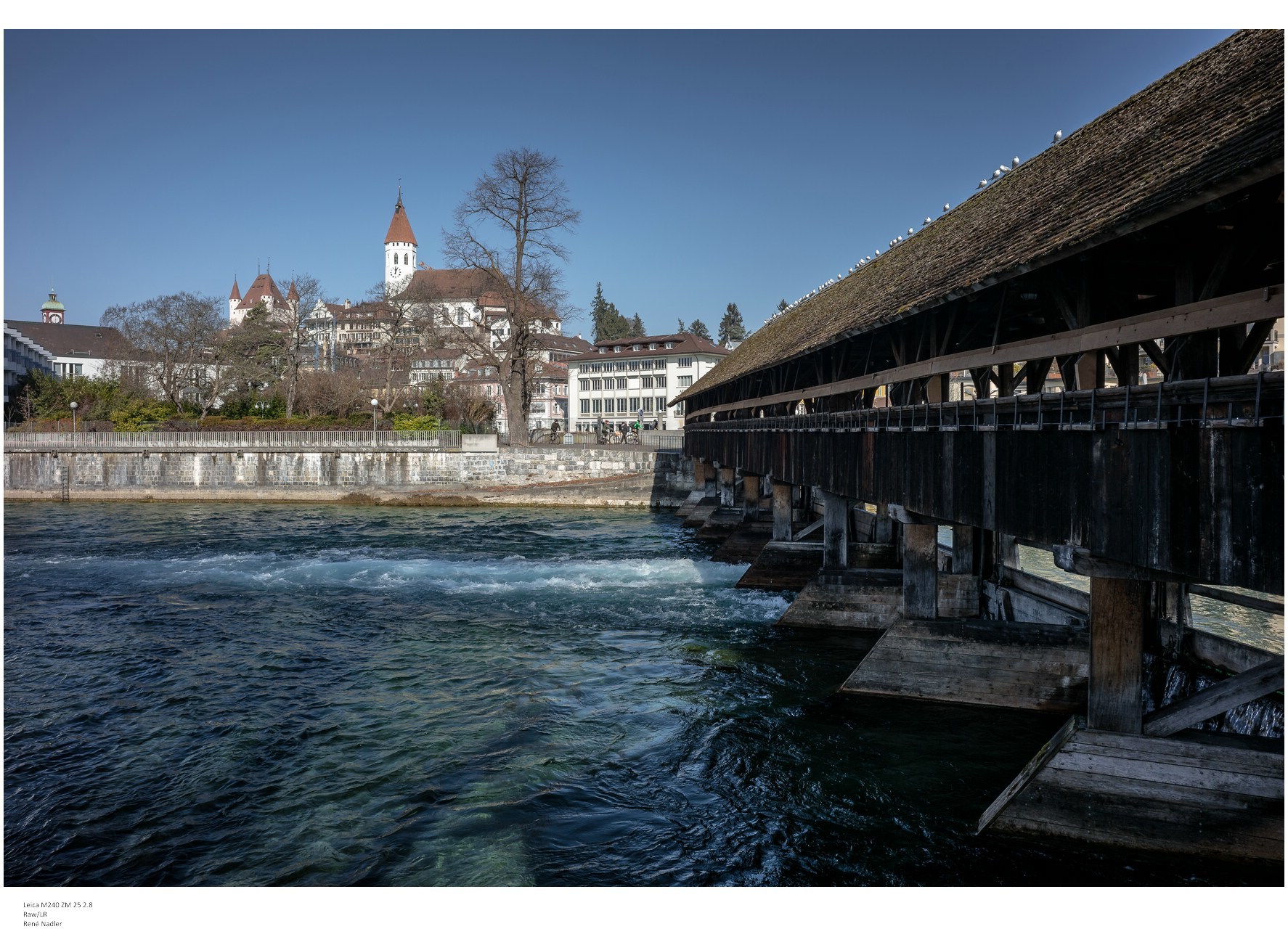
Thun, switzerland
Thun, Switzerland
Thun, switzerland
Thun, switzerland
Thun, switzerland
Thun, switzerland
Feb 19, 2017 at 03:08 AM
p.1412 #4Leica M/X/T/S/Q/CL/SL Picture Thread

Deep Frozen by Werner Utsch, on Flickr
S 006, Apo-Elmar S 180/3.5
Feb 19, 2017 at 05:11 AM
p.1412 #5Leica M/X/T/S/Q/CL/SL Picture Thread
Leica M10 - Zeiss ZM28/2.8 stopped down to f8 love using this lens now
 Meteora Greece by Nicholas T, on Flickr
Edited on Feb 19, 2017 at 02:14 PM · View previous versions
Meteora Greece by Nicholas T, on FlickrEdited on Feb 19, 2017 at 02:14 PM · View previous versions
Feb 19, 2017 at 01:17 PM
p.1412 #6Leica M/X/T/S/Q/CL/SL Picture Thread
Just got my hands on an M9 and I'm absolutely loving it.
#1
#2
#3
#4
#5
#6
#1
 |
||
 |
||
|
#2
|
||
 |
||
|
#3
|
||
 |
||
|
#4
|
||
 |
||
|
#5
|
||
 |
||
|
#6
|
||
 |
||
|
Feb 19, 2017 at 01:19 PM
p.1412 #7Leica M/X/T/S/Q/CL/SL Picture Thread
JonPB wrote:
I find myself in a quandary, and its name is "50mm."
This might not be the right place, but, so far, you folks are the closest I've found to "my people" in a photographic sense. So. Thanks for bearing with me. :-)
The tl;dr is that I'd appreciate anyone's and everyone's thoughts and recommendations for a 50mm M-mount lens. Please send me a PM if you don't want to post for everyone to read, even if that's just a link to your social media page because you've got lots of 50mm images there. Or post anything you think is appropriate, even if...Show more →
<great photos>
There is only one lens for you: 50mm Pre Asph Summilux E46.
Andrew
I find myself in a quandary, and its name is "50mm."
This might not be the right place, but, so far, you folks are the closest I've found to "my people" in a photographic sense. So. Thanks for bearing with me. :-)
The tl;dr is that I'd appreciate anyone's and everyone's thoughts and recommendations for a 50mm M-mount lens. Please send me a PM if you don't want to post for everyone to read, even if that's just a link to your social media page because you've got lots of 50mm images there. Or post anything you think is appropriate, even if...Show more →
edwardkaraa wrote
Indeed there are many cheap M8 around, even in mint condition here in Bangkok, but I don't think it's worth it to get one even with the great b/w conversions. The electronics must be at the end of their life, starting with the LCD.adamdewilde wrote
Haven't had much time for "fun" photography. ... The reason I've even been shooting with the SL at all lately (in my spare time) is that I'm testing the 50SL again (production copy/my own copy) and I'm curious if there is anything any of you want to see specifically?AbramG wrote
If one is only shooting film and debating between a 35 Summicron ASPH and the 35 Summilux ASPH (the Pre-FLE version), what would make you swing one way over the other. I'm weighing the pros and cons and I keep arriving at a stalemate more or less.Earlier quote
Everyone posted:<great photos>
There is only one lens for you: 50mm Pre Asph Summilux E46.
Andrew
Feb 19, 2017 at 03:59 PM
p.1412 #8Leica M/X/T/S/Q/CL/SL Picture Thread
All HP5+ during Winter/Spring,


Feb 19, 2017 at 05:12 PM
p.1412 #9Leica M/X/T/S/Q/CL/SL Picture Thread
Great stuff everybody!
40 years I have waited for a winter like this
Heavy snow overnite, now just minutes after the avalanche bombing ceased, the weather breaks:

Promise by unoh7, on Flickr

Bowls Open by unoh7, on Flickr

Sweet White by unoh7, on Flickr

Big Winter by unoh7, on Flickr

Whispy by unoh7, on Flickr
M9 50 cron
Of course we always have some pretty days and soft snow at times. But the great winter of 16/17 has been one storm after the next with no more than 5 days break from early December until now. No one has seen anything like it. These shots are just today! Pinch me
Now, where can I demo the body of a 20 year old?
Such a winter is wasted on the youth
40 years I have waited for a winter like this
Heavy snow overnite, now just minutes after the avalanche bombing ceased, the weather breaks:
Promise by unoh7, on Flickr
Bowls Open by unoh7, on Flickr
Sweet White by unoh7, on Flickr
Big Winter by unoh7, on Flickr
Whispy by unoh7, on Flickr
M9 50 cron
Of course we always have some pretty days and soft snow at times. But the great winter of 16/17 has been one storm after the next with no more than 5 days break from early December until now. No one has seen anything like it. These shots are just today! Pinch me
Now, where can I demo the body of a 20 year old?
Such a winter is wasted on the youth
Feb 19, 2017 at 06:27 PM

|


p.1412 #12Leica M/X/T/S/Q/CL/SL Picture Thread
Nice set Allen! I really like #2 and #4.
Feb 19, 2017 at 10:19 PM
p.1412 #14Leica M/X/T/S/Q/CL/SL Picture Thread
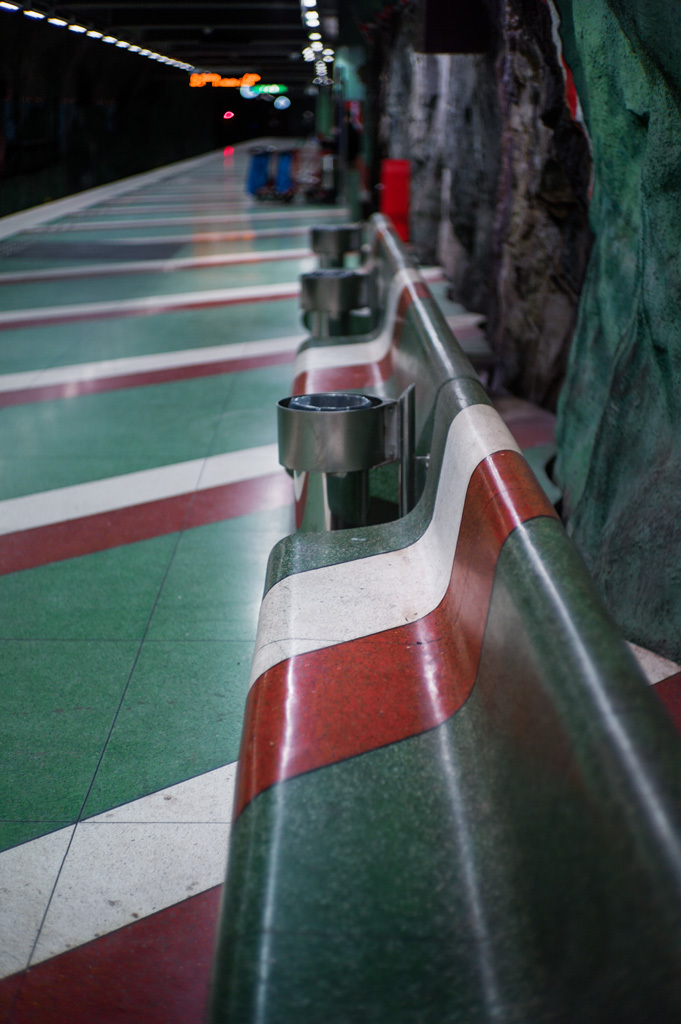
Stripes. Leica M9 and Canon 50/1.4 LTM
Feb 20, 2017 at 11:13 AM
p.1412 #15Leica M/X/T/S/Q/CL/SL Picture Thread
Leica M240, Lomo Minitar 32mm 2.8
"The Break Up"

"The Break Up"
Feb 20, 2017 at 07:57 PM
p.1412 #16Leica M/X/T/S/Q/CL/SL Picture Thread
edwardkaraa wrote:
And here's my usual street photography
https://c1.staticflickr.com/3/2538/32124729014_fbac4d5e25_o.jpg
Interesting t-shirt in the background there!
And here's my usual street photography
https://c1.staticflickr.com/3/2538/32124729014_fbac4d5e25_o.jpg
Interesting t-shirt in the background there!
Feb 20, 2017 at 08:31 PM
p.1412 #17Leica M/X/T/S/Q/CL/SL Picture Thread
coogee wrote:
edwardkaraa wrote
And here's my usual street photographyhttps://c1.staticflickr.com/3/2538/32124729014_fbac4d5e25_o.jpg
He probably has no idea what it means.
Feb 20, 2017 at 09:12 PM
p.1412 #18Leica M/X/T/S/Q/CL/SL Picture Thread
edwardkaraa wrote:
https://c1.staticflickr.com/3/2538/32124729014_fbac4d5e25_o.jpgInteresting t-shirt in the background there! He probably has no idea what it means.
Who can say. I'm sure you're almost certainly right. It just caught my eye it's fair to say!
coogee wrote
edwardkaraa wrote
And here's my usual street photographyhttps://c1.staticflickr.com/3/2538/32124729014_fbac4d5e25_o.jpg
Who can say. I'm sure you're almost certainly right. It just caught my eye it's fair to say!
Feb 20, 2017 at 11:16 PM
p.1412 #19Leica M/X/T/S/Q/CL/SL Picture Thread
coogee wrote:
https://c1.staticflickr.com/3/2538/32124729014_fbac4d5e25_o.jpgInteresting t-shirt in the background there! He probably has no idea what it means.Who can say. I'm sure you're almost certainly right. It just caught my eye it's fair to say!
The swastika is part of a pictographic writing system. It's been used in many cultures/religions dating back to early civilisations. Buddhism for example since this picture was taken in Thailand. However, in this particular situation the shirt is a nod to Hitler propaganda due to the fact that it's seated in a while circle over red.
I suspect he wears it in the Buddhist sense (or he thinks it looks cool). Not realising the colour implications. But who knows people these days are all sorts of crazy.
edwardkaraa wrote
coogee wrote
edwardkaraa wrote
And here's my usual street photographyhttps://c1.staticflickr.com/3/2538/32124729014_fbac4d5e25_o.jpg
The swastika is part of a pictographic writing system. It's been used in many cultures/religions dating back to early civilisations. Buddhism for example since this picture was taken in Thailand. However, in this particular situation the shirt is a nod to Hitler propaganda due to the fact that it's seated in a while circle over red.
I suspect he wears it in the Buddhist sense (or he thinks it looks cool). Not realising the colour implications. But who knows people these days are all sorts of crazy.
Feb 21, 2017 at 12:33 AM
