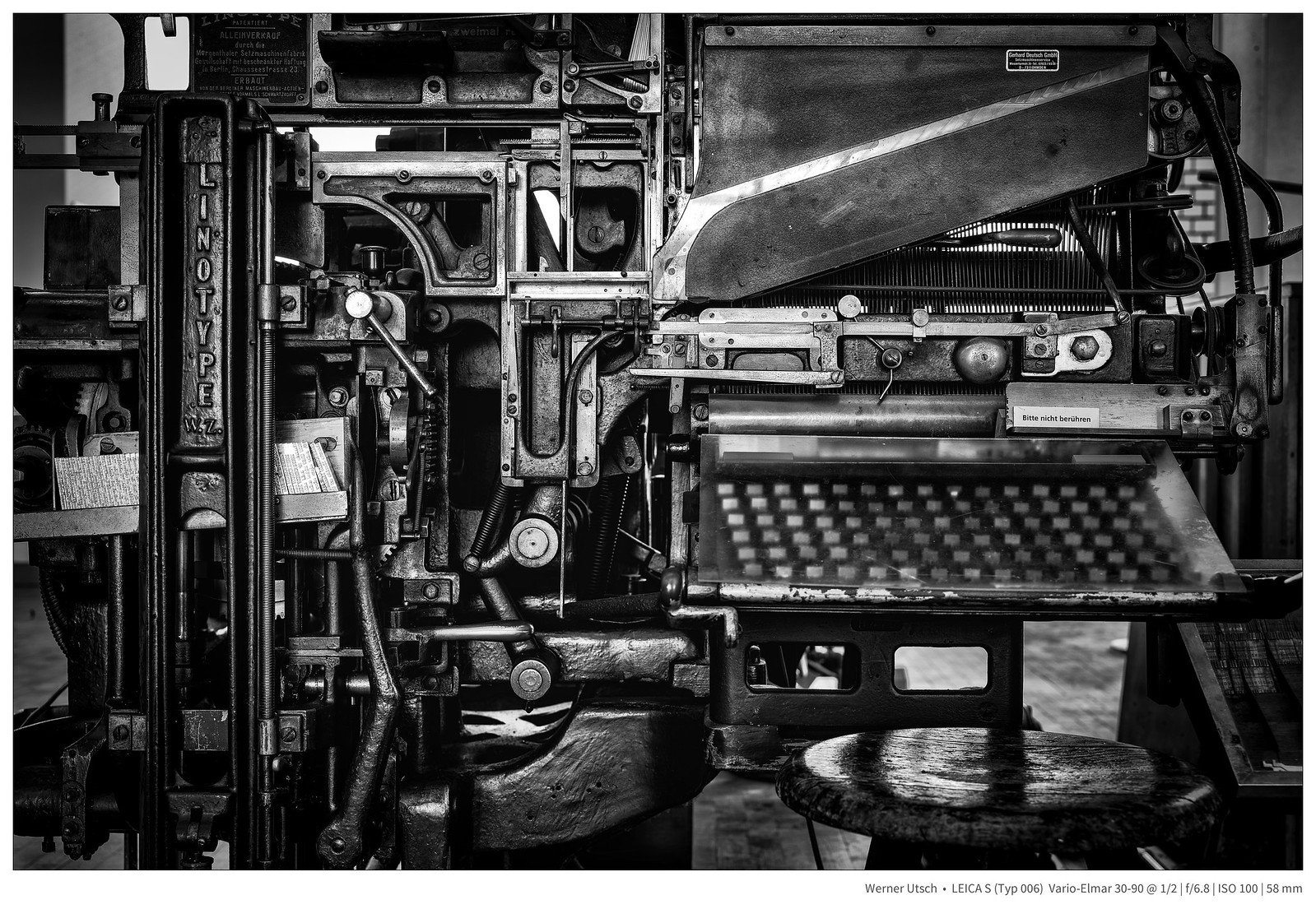
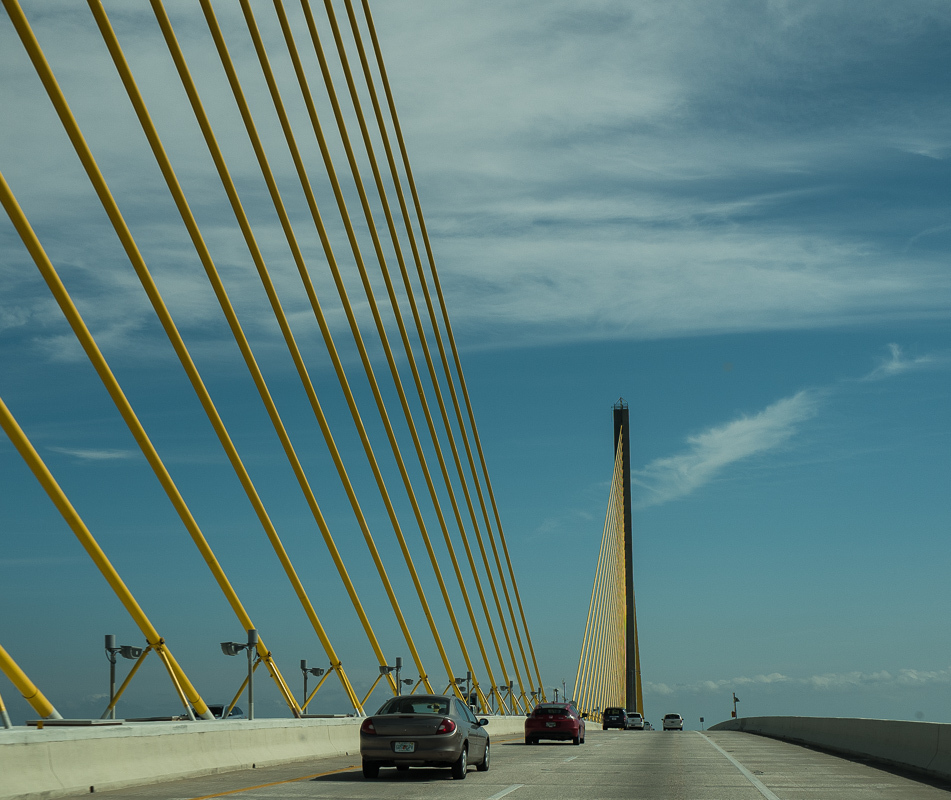
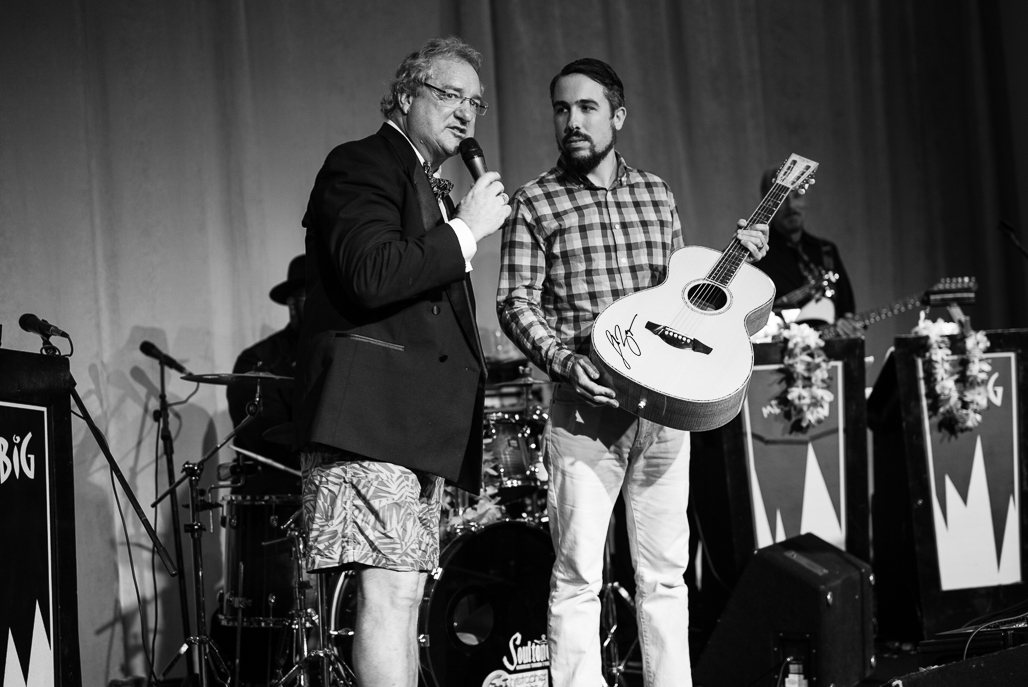
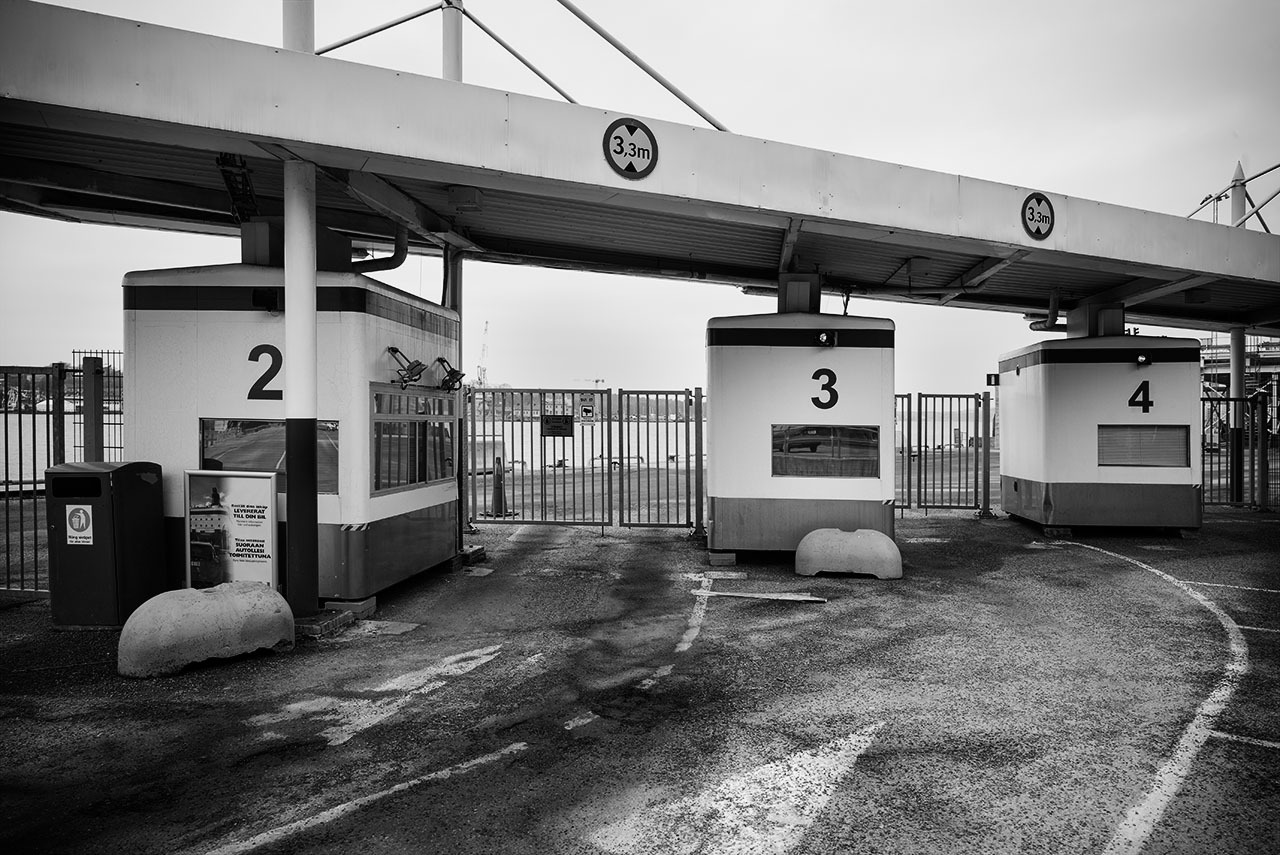
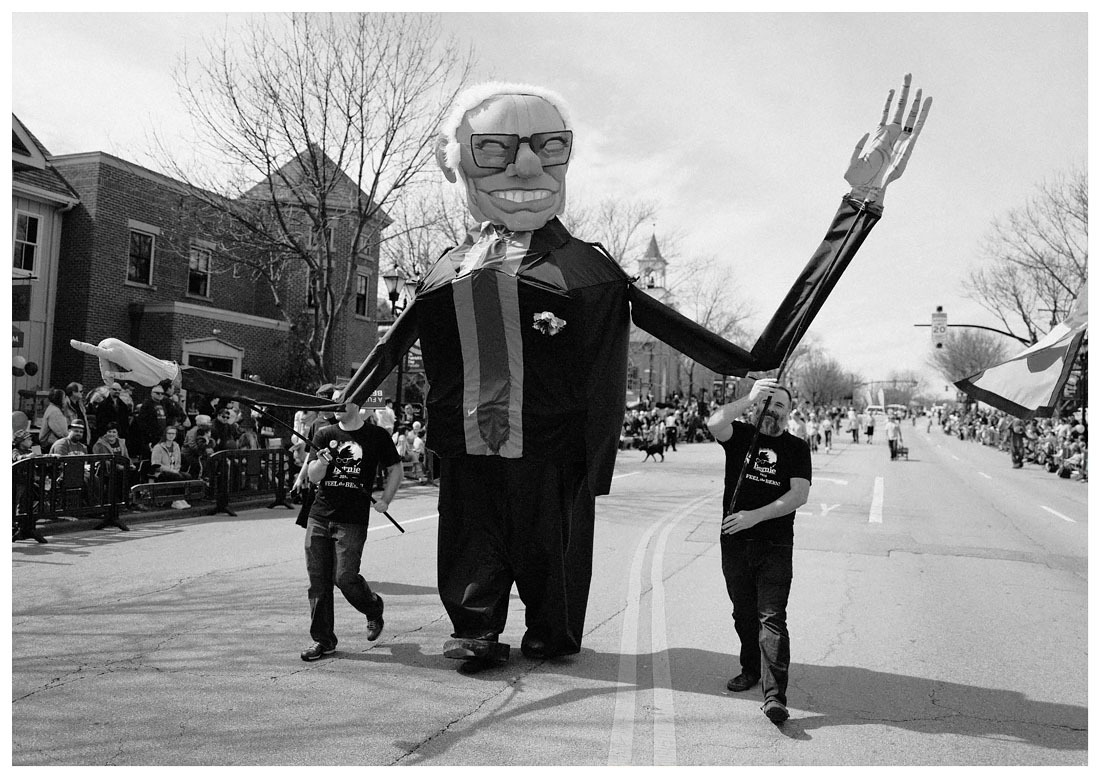
Thanks for the feedback - this place is only a few minutes away from my home. Last week I decided to take a simple photo there on film - I was also amazed how well it turned out without tripod.
Mitch Alland wrote:
Werner - I like what you're doing in post #6 above and in p.1334 #2 , but in my own work I'm beginning to think that this sort of thing works better with film, in terms of the luminosity you can get in the highlights. I argue with myself that, for the dark, high-contrast look that I often like, the M-Monochrom is ideal — but then I see the luminosity of the highlights in the shot of the two young women in black (p.1334 #9) and realize that the MM, no matter how carefully I post-process, produces something duller in the highlights. That makes me want to sell my M9-P and MM and limit myself to film, although it's much more work. The lower resolution, or acuity if you will, doesn't bother me. I'll agonize over this for few more weeks and then decide.
Allen - I also like what you're doing in the B&W in p.1334 #10, and also imagine that the highlights would be more luminous with Tri-X, except for the first B&W picture in that post, which seems to me "as good as film" in terms of rendering the highlights.
EDIT: After posting the above, I saw Coogee's MM vs Tri-X comparison: I much prefer the Tri-X rendering of the highlights (and the grain) — and like the skew from the horizontal. Coogee: your Tri-X picture is another little push for me to go back to my M6 and film....Show more →
Thx, Mitch, for you kind comment.
I know exactly what you say about film vs. digital and think you are right.
For me however there is NO way back to film.
I will live with the possibilities of digital.
On the other side i don't care to much about technical properties as long as i can achieve the expression i want to.
Yes all these things like sharpness, lens rendering, resolution etc. are important but not the last word of photography,
Werner_Utsch wrote:
...I know exactly what you say about film vs. digital and think you are right...For me however there is NO way back to film...I will live with the possibilities of digital...On the other side i don't care to much about technical properties as long as i can achieve the expression i want to...Yes all these things like sharpness, lens rendering, resolution etc. are important but not the last word of photography...
Yes, I also thought I would never go back to film — and am still not decided. Looking at some well-known photographers with respect to this issue:
David Alan Harvey, having tried the M9 and MM and is clearly happy with the Fuji X100T and X-Pro 2.
Ralph Gibson, after for years saying that digital was not real photography, happily switched to the M-Monochrom — I wonder whether he has stuck with it?
Jacob Aue Sobol showed that he could use the M-Monochrom to maintain the look he had with film, but after his trip on the Trans-Siberian railway for Leica with the MM, went back to film, presumably using small point-and-shoot cameras in the manner of Moriyama Daido and Anders Peterson.
Moriyama Daido has been shooting with digital point-and-shoot cameras for a few years, and likes the fact that he can decide whether a particular photo should be color or B&W. He currently has an exhibition of digital color photographs at the Cartier Foundation in Paris.
Paulo Nozolino, in whom I've become interested recently, shoots with an M6 and maintains that "digital is not photography." I like the idea that Nozolino doesn't even have a website.
Of course the only thing that really matters is the final photograph, the print. And film requires a lot more work. But it's how those highlights are rendered with Tri-X that has been obsessing me...
Mitch Alland wrote:
Yes, I also thought I would never go back to film — and am still not decided. Looking at some well-known photographers with respect to this issue:
David Alan Harvey, having tried the M9 and MM and is clearly happy with the Fuji X100T and X-Pro 2.
Ralph Gibson, after for years saying that digital was not real photography, happily switched to the M-Monochrom — I wonder whether he has stuck with it?
Jacob Aue Sobol showed that he could use the M-Monochrom to maintain the look he had with film, but after his trip on the Trans-Siberian railway for Leica with the MM, went back to film, presumably using small point-and-shoot cameras in the manner of Moriyama Daido and Anders Peterson.
Moriyama Daido has been shooting with digital point-and-shoot cameras for a few years, and likes the fact that he can decide whether a particular photo should be color or B&W. He currently has an exhibition of digital color photographs at the Cartier Foundation in Paris.
Paulo Nozolino, in whom I've become interested recently, shoots with an M6 and maintains that "digital is not photography." I like the idea that Nozolino doesn't even have a website.
Of course the only thing that really matters is the final photograph, the print. And film requires a lot more work. But it's how those highlights are rendered with Tri-X that has been obsessing me......Show more →
I have the Leica S system, but am finding the value and bulk limiting (thinking specifically of an upcoming trip to India, and even summer in Hong Kong and Beijing can be terrifying to me). I got the M240, which is a joy to shoot, but I miss the clarity and tonality of a larger format.
I am finding medium format RF film cameras a nice balance between the two. I am not a film connoisseur at all, but the results I got from a few rolls of Fujicolor 160NS 220 film on the Mamiya 7ii were very very pleasing, and effortlessly so.
I suppose that's to say I am looking forward to the Fuji medium format digital rangefinder camera and hope Leica will make one too.