Leica M/X/T/S/Q/CL/SL Picture Thread
p.1276 #1Leica M/X/T/S/Q/CL/SL Picture Thread
Went to hear Matt Stuart speak about his photography and his new book. It's excellent. I did a workshop with Matt and Blake Andrews about a year ago and I've tried very hard to keep learning from that experience. After Matt's talk I went out for a few hours and really tried to apply the things he discussed. The style of photography Matt is known for is so difficult. I'm lucky if I'm only 1 step behind and able to catch a repeated gesture.
All are M246 + 35 Summicron ASPH


this last one is just whatever, I liked the long shadows.

All are M246 + 35 Summicron ASPH
this last one is just whatever, I liked the long shadows.
Feb 14, 2016 at 01:11 AM
p.1276 #2Leica M/X/T/S/Q/CL/SL Picture Thread
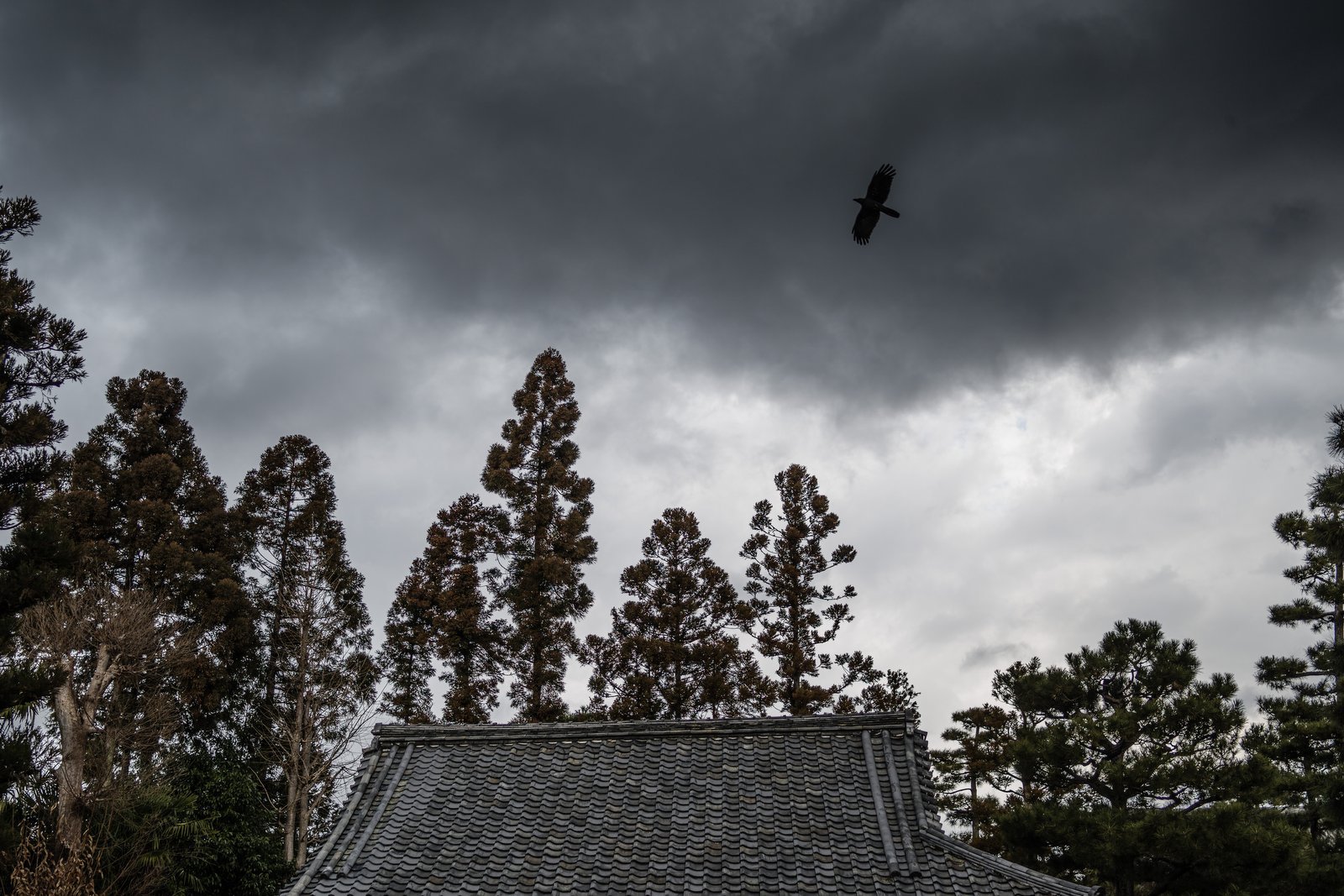
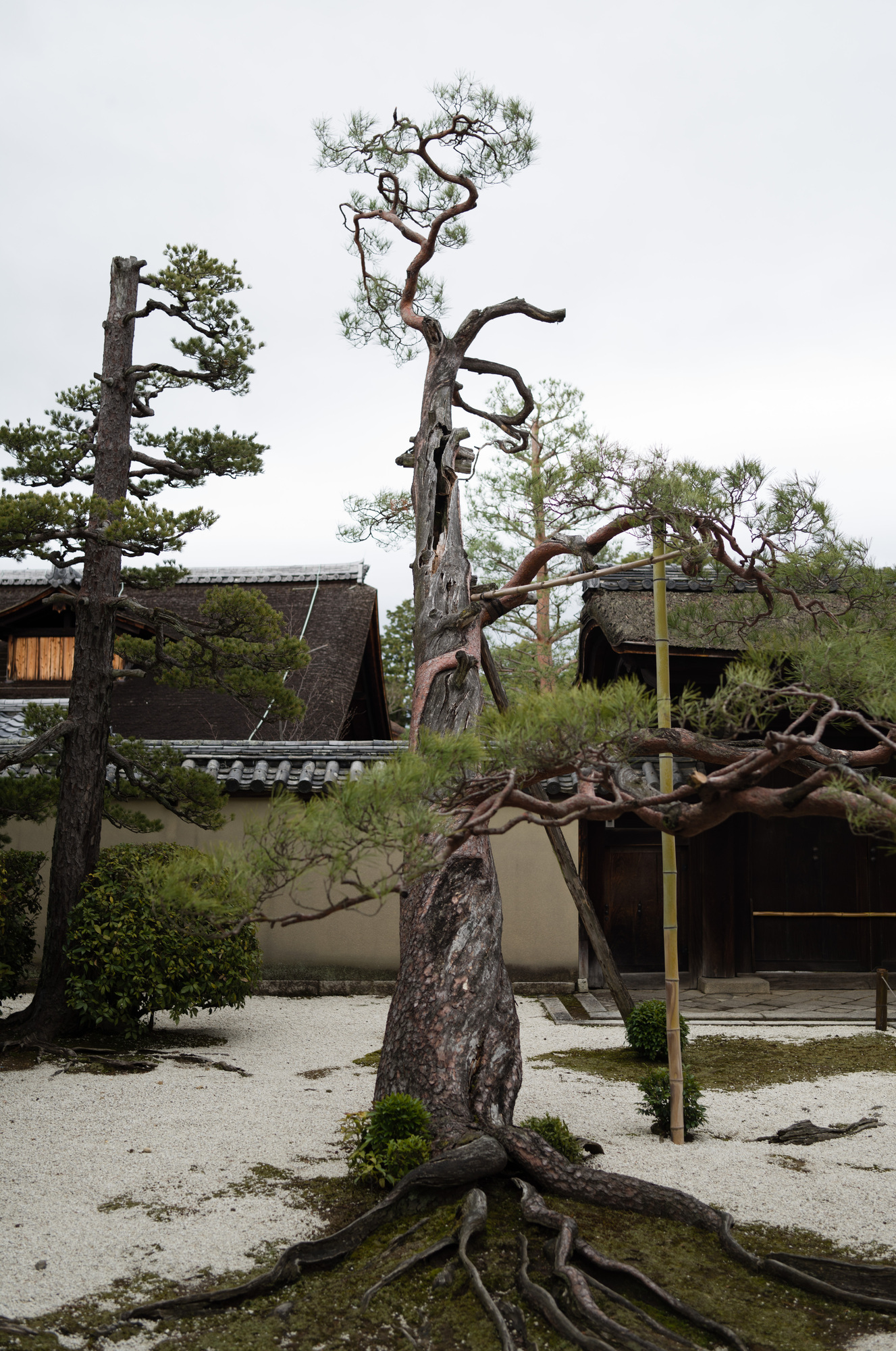
s007 s45, daitoku monastery, kyoto
Feb 14, 2016 at 05:23 AM
p.1276 #3Leica M/X/T/S/Q/CL/SL Picture Thread
superb images here..
must unfortunately my M9 to the 'doctor'. corrosion.
16 weeks waiting period to go
René
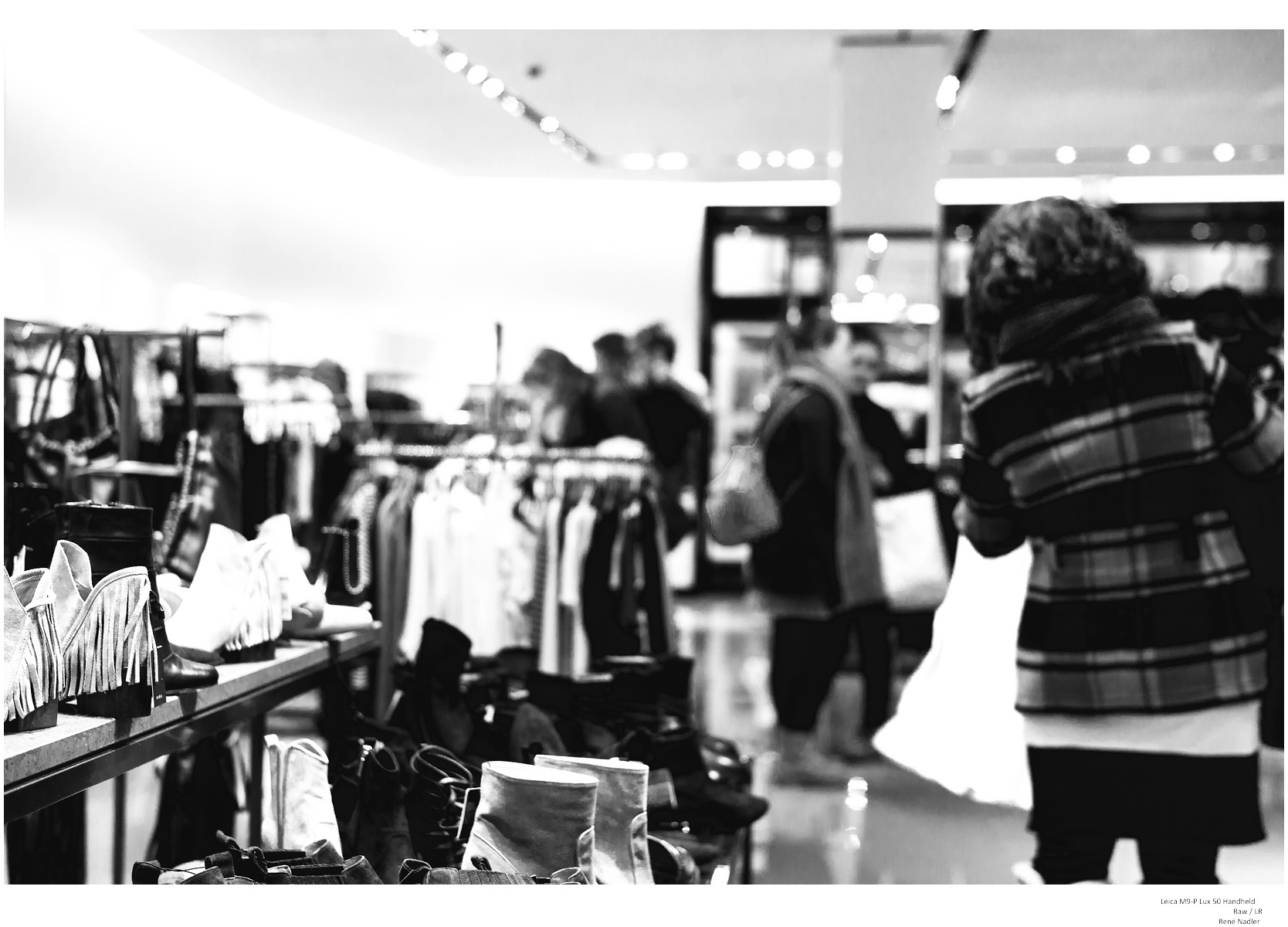
shopping
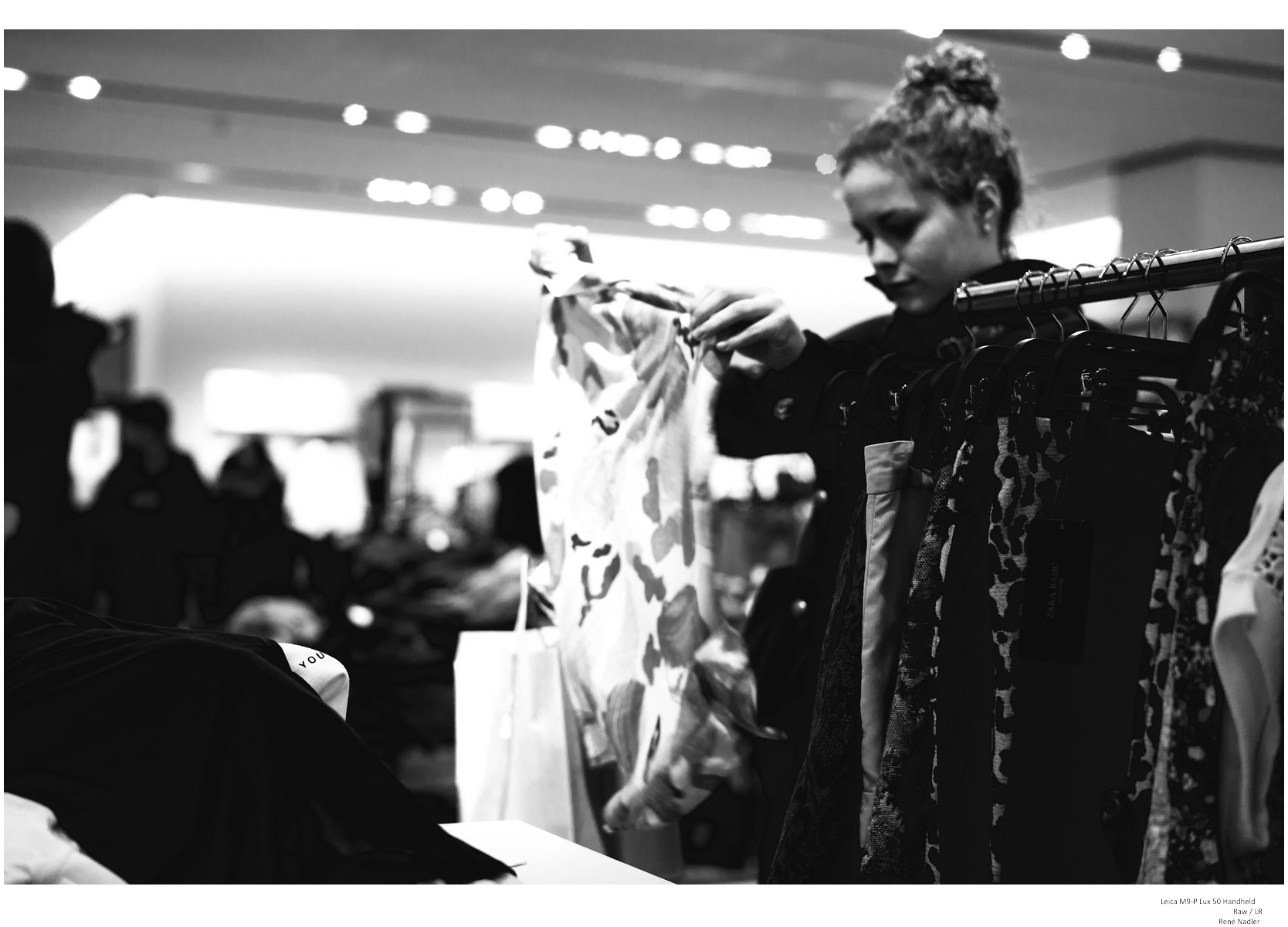
shopping
must unfortunately my M9 to the 'doctor'. corrosion.
16 weeks waiting period to go
René
shopping
shopping
Feb 14, 2016 at 06:58 AM
p.1276 #4Leica M/X/T/S/Q/CL/SL Picture Thread
That's very unfortunate René. The good side is that the new sensors do not have this corrosion problem, so once done your M9 should last you forever.
Feb 14, 2016 at 07:46 AM
p.1276 #5Leica M/X/T/S/Q/CL/SL Picture Thread
edwardkaraa wrote:
That's very unfortunate René. The good side is that the new sensors do not have this corrosion problem, so once done your M9 should last you forever.
Edward correctly . and I think. will keep them. not upgraded to M240 . am still undecided .....
That's very unfortunate René. The good side is that the new sensors do not have this corrosion problem, so once done your M9 should last you forever.
Edward correctly . and I think. will keep them. not upgraded to M240 . am still undecided .....
Feb 14, 2016 at 07:54 AM
p.1276 #6Leica M/X/T/S/Q/CL/SL Picture Thread
Lugano

Palazzo Cantonale, Lugano by Werner Utsch, on Flickr
That's really bad news René.
I still love the CCD glory and hope the disease will pass by.......
Grüße
Werner
Feb 14, 2016 at 08:12 AM
p.1276 #7Leica M/X/T/S/Q/CL/SL Picture Thread
Wonderful images over the last few pages from everyone. Ron - I love the Munich images - I used to live there when I was a child in the mid 1980s and have fond memories - I see that little has changed.
I have been having too much fun with using medium format cameras with film recently but using the Leica M240 and Zeiss Distagon ZM35/1.4 again is a wonderful experience. I am almost getting the same colours as with film now with a bit of PP in Photoshop and Lightroom.
Originals at https://www.flickr.com/photos/nico1974/


Edited on Feb 14, 2016 at 10:33 AM · View previous versions
I have been having too much fun with using medium format cameras with film recently but using the Leica M240 and Zeiss Distagon ZM35/1.4 again is a wonderful experience. I am almost getting the same colours as with film now with a bit of PP in Photoshop and Lightroom.
Originals at https://www.flickr.com/photos/nico1974/
Edited on Feb 14, 2016 at 10:33 AM · View previous versions
Feb 14, 2016 at 09:54 AM
p.1276 #8Leica M/X/T/S/Q/CL/SL Picture Thread
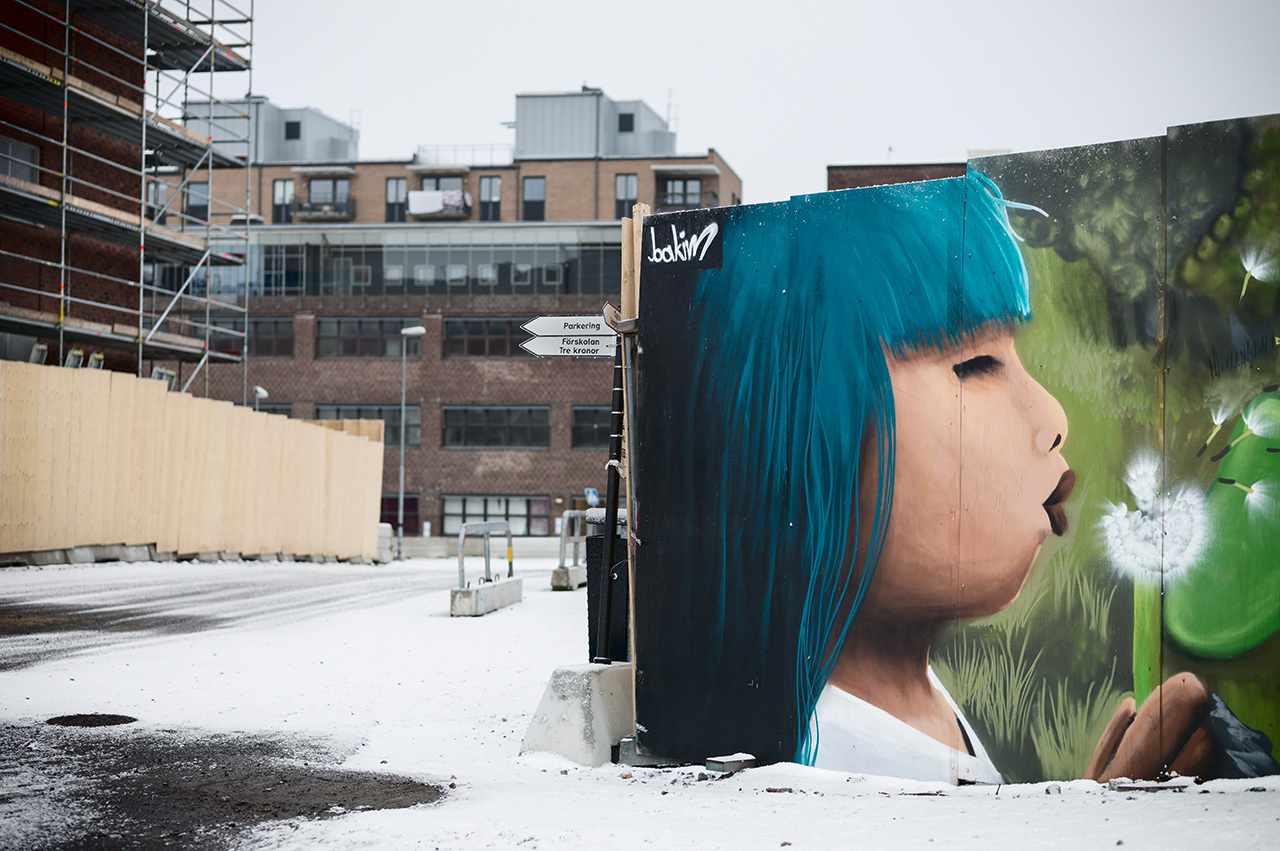
The tag, Leica S-006 with 70 Summarit
Feb 14, 2016 at 10:18 AM

p.1276 #9Leica M/X/T/S/Q/CL/SL Picture Thread
Anybody heard from Katie lately?
Feb 14, 2016 at 10:54 AM
p.1276 #10Leica M/X/T/S/Q/CL/SL Picture Thread
Nico, these are lovely !
Cheers
Werner
Same to René and Joakim.....
Cheers
Werner
Same to René and Joakim.....
Feb 14, 2016 at 12:01 PM
|
p.1276 #11Leica M/X/T/S/Q/CL/SL Picture Thread
airfrogusmc wrote:
Anybody heard from Katie lately?
No, not in very long time.
Anybody heard from Katie lately?
No, not in very long time.
Feb 14, 2016 at 02:24 PM
p.1276 #12Leica M/X/T/S/Q/CL/SL Picture Thread
Great Shots 

Resting by unoh7, on Flickr

Oh by unoh7, on Flickr

Lower Christmas by unoh7, on Flickr

Hot chocolate by unoh7, on Flickr

Black Coat by unoh7, on Flickr
90/2.5 and 50 cron
Resting by unoh7, on Flickr
Oh by unoh7, on Flickr
Lower Christmas by unoh7, on Flickr
Hot chocolate by unoh7, on Flickr
Black Coat by unoh7, on Flickr
90/2.5 and 50 cron
Feb 14, 2016 at 09:51 PM
p.1276 #13Leica M/X/T/S/Q/CL/SL Picture Thread
Is that your artwork Joakim? Or just your tag? Or just another Joakim? Nice shot (and artwork) in any case.
Sorry about your sensor René.
Don't think I've ever walked over this thing before but found myself with M7, Delta 400, 28 Cron the other day.


(nowhere in Sydney is safe from the menace of joggers!)

Moonlight cinema on the harbour opposite the Opera House.
I could see this shot coming but really didn't want to make my wife move seats just so i could get a blurry opera house in the background, you'll just have to imagine one. (the real one is behind the screen.)

Sorry about your sensor René.
Don't think I've ever walked over this thing before but found myself with M7, Delta 400, 28 Cron the other day.
(nowhere in Sydney is safe from the menace of joggers!)
Moonlight cinema on the harbour opposite the Opera House.
I could see this shot coming but really didn't want to make my wife move seats just so i could get a blurry opera house in the background, you'll just have to imagine one.
(the real one is behind the screen.)Feb 14, 2016 at 11:38 PM
p.1276 #14Leica M/X/T/S/Q/CL/SL Picture Thread
No, it's not my tag 😀 I've never done graffiti
Feb 15, 2016 at 12:47 AM
p.1276 #15Leica M/X/T/S/Q/CL/SL Picture Thread
Great work everyone! Nico, I'm by no means an authority on Munich but some things definitely don't seem to have changed much in decades, at least in the older subway stations. A few of the busier hubs have been renovated and while those have retained a semblance of the original 70s colour palette, it's obviously no longer original...
More to come... but first a selfie from Sunday's skate out on the marsh near where I live. I've rarely experienced it like this - snow free and in some areas smooth as glass. It hasn't been all that cold here, but this weakend we had a deep freeze and it seemed to be enough to thicken the ice. A few times though I did have that uneasy experience of the ice groaning under me.

M240 & 28 Cron (v1), Breakthrough 46mm X4 polarizer.
Did a few selfies as soon as I got there... the camera was still a bit warm and the RSS baseplate melted the ice each time I put it down, partly welding the camera in place.
More to come... but first a selfie from Sunday's skate out on the marsh near where I live. I've rarely experienced it like this - snow free and in some areas smooth as glass. It hasn't been all that cold here, but this weakend we had a deep freeze and it seemed to be enough to thicken the ice. A few times though I did have that uneasy experience of the ice groaning under me.
M240 & 28 Cron (v1), Breakthrough 46mm X4 polarizer.
Did a few selfies as soon as I got there... the camera was still a bit warm and the RSS baseplate melted the ice each time I put it down, partly welding the camera in place.
Feb 15, 2016 at 12:54 AM
p.1276 #16Leica M/X/T/S/Q/CL/SL Picture Thread
joakim wrote:
No, it's not my tag 😀 I've never done graffiti
Well looks like at least you don't have to now, someone is tagging for you.
No, it's not my tag 😀 I've never done graffiti
Well looks like at least you don't have to now, someone is tagging for you.
Feb 15, 2016 at 01:08 AM
p.1276 #17Leica M/X/T/S/Q/CL/SL Picture Thread
coogee wrote:
I've been getting into shooting/developing my own B&W with M7.
Still getting my head around exposure with film, let alone using it to any specific intent or which stock would be best - especially with the harsh light/contrast we can get here (any tips welcome on that), but loving the process all the same.
From what I remember about processing B&W film (I used to do a lot of my own B&W).... in high contrast situations, it helps to expose for the shadows and process for the highlights. In other words, you'll overexpose somewhat, then control highlight density through development time.
The way B&W film develops is bright areas of the scene gradually build up density but shadow areas peter out pretty quickly.
From what I recall, you want to use a slower, less active developer to better control this. There are probably also developers considered to be lower contrast. Too short a development time and even 30 seconds too long could be too much... rule of thumb seemed to be for at least 5 minutes, IIRC. Somewhere around 8 might be more comfortable.
I think some also use stand development. The idea here is that you don't agitate (much, if at all) during development. The developer floating around areas of high negative density is exhausted sooner than the developer around shadow areas. The exhausted developer slows and eventually impedes local development while shadow areas continue to build (within reason). But I think there are specific developers best suited to this approach and I seem to recall reading about uneven development, or streakiness, etc...
One problem with such developing tweaks and particularly 35mm is you have to apply it to the whole roll. Fine if you're shooting a lot or it's all in one kind of lighting situation. But the rolls are long - 24 or 36 exposures. I recall doing part-roll development by just opening the back of the camera in the dark and cutting the film. Not sure how this would work with a Leica due to the unique loading method.
Feb 15, 2016 at 01:19 AM
p.1276 #18Leica M/X/T/S/Q/CL/SL Picture Thread
Being a student of the zone system (had couple of semesters of it college and yeah I did all the tests) you don't over expose Ron but you base exposure on how much shadow detail you desire and control contrast through negative development times. So if you meter the high light and it's one stop to high to record detail you do an N-1 development to keep that highlight from going off the scale. If it's two stops to high you do an N-2 elopement time. Just a quick off the top of the head without actually doing the ASA test and the N+ and N- testing if you had found you normal development time for a certain developer and film was 68 degrees at 12 minutes and N-1 would be about (again without testing just off the top of the head) about 8min 30sec min. N-2 would about 7min 45sec . If the scene is to flat and the highlights need to be increased to get a full range N+1 on a 12 min dev time would be about 16min 45 sec. Shadows are full formed after 50% dev time so you are really controlling nights through extended and compacted dev times.
For this to work with roll film shoot the entire roll in the same light and you should be close. It's best to shoot the zone system with large format B&W film and process each sheet for the right dev time. I would save 14 sheets and hand process in trays (total darkness) 3 min presoak to keep the sheets from sticking together and just bottom to top of the stack agitation. I would save all of my normals until I got 14. The same with the N-1sn N+1s etc until I had 14 sheets of each.
This is WAY over simplified and basic but you get the drift.
Just wanted to add if it's roll film I would shoot the roll and if the light was flat I would spot meter the room or scene before I started shooting and if it was a flat situation (not a lot of contrast I would just increase my negative dev times. Expose for shadows and increasing processing times to bring up the highlights. If the scene was really contrasty I expose for shadows and would back off the dev time and use my experience to tell me by how reduced processing time to hold the important highlights. Then fine tune with graded papers and burning/dodging and other techniques.
Edited on Feb 15, 2016 at 09:46 AM · View previous versions
Feb 15, 2016 at 08:55 AM
p.1276 #19Leica M/X/T/S/Q/CL/SL Picture Thread
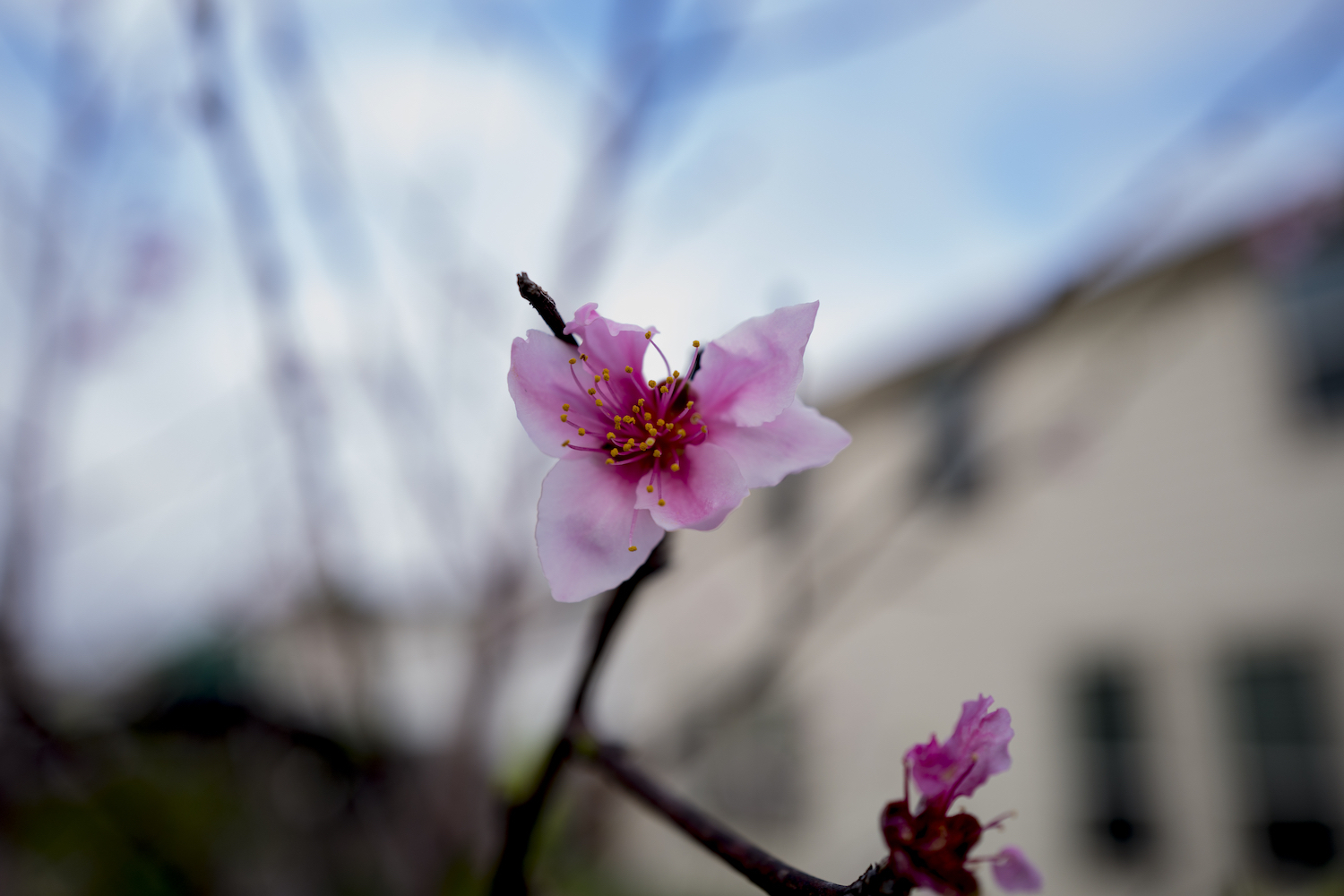
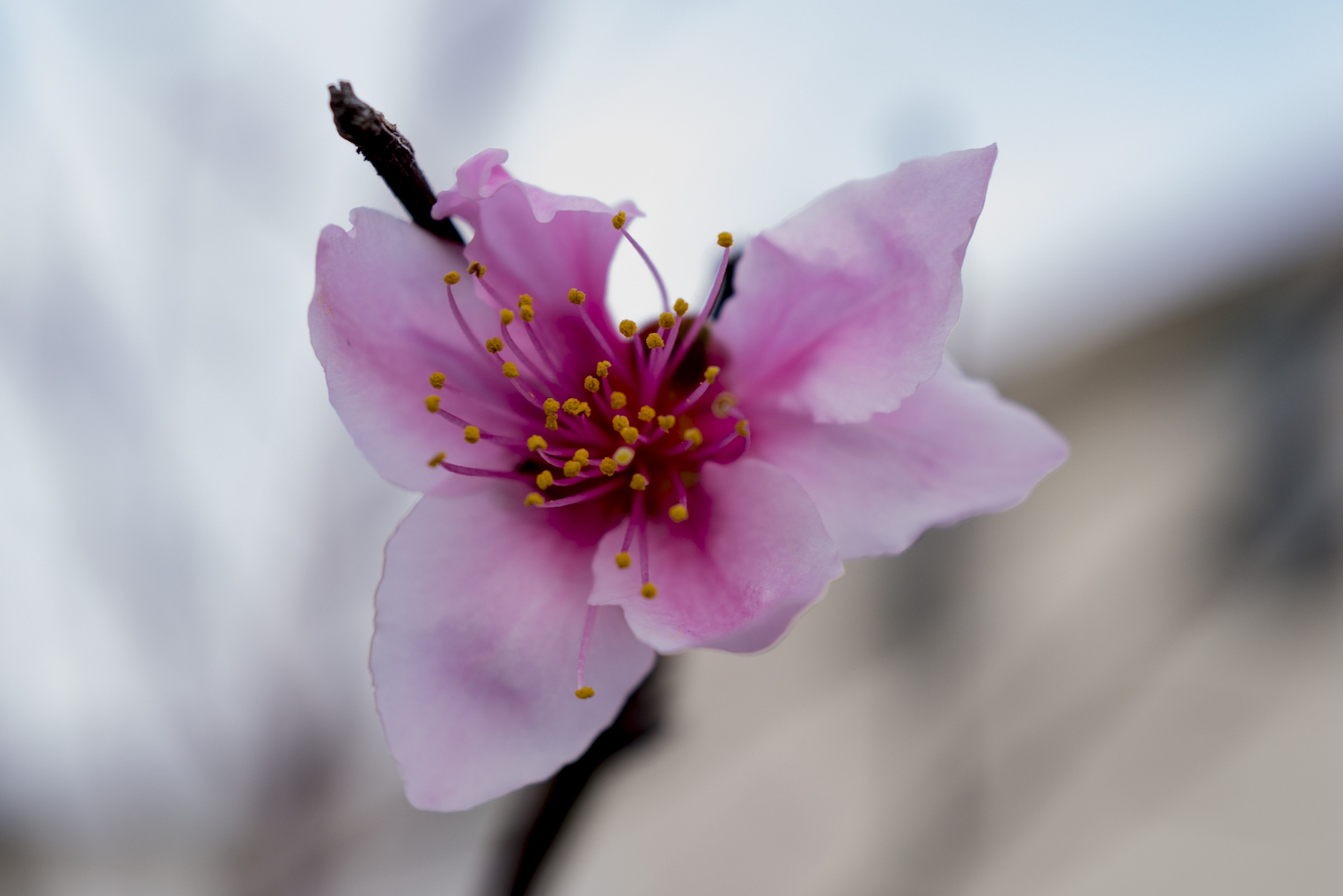
ma'Q'ro mode
 |
||
 © maxx9photo 2015 |
||
|
|
||
 |
||
|
Feb 15, 2016 at 09:46 AM
p.1276 #20Leica M/X/T/S/Q/CL/SL Picture Thread
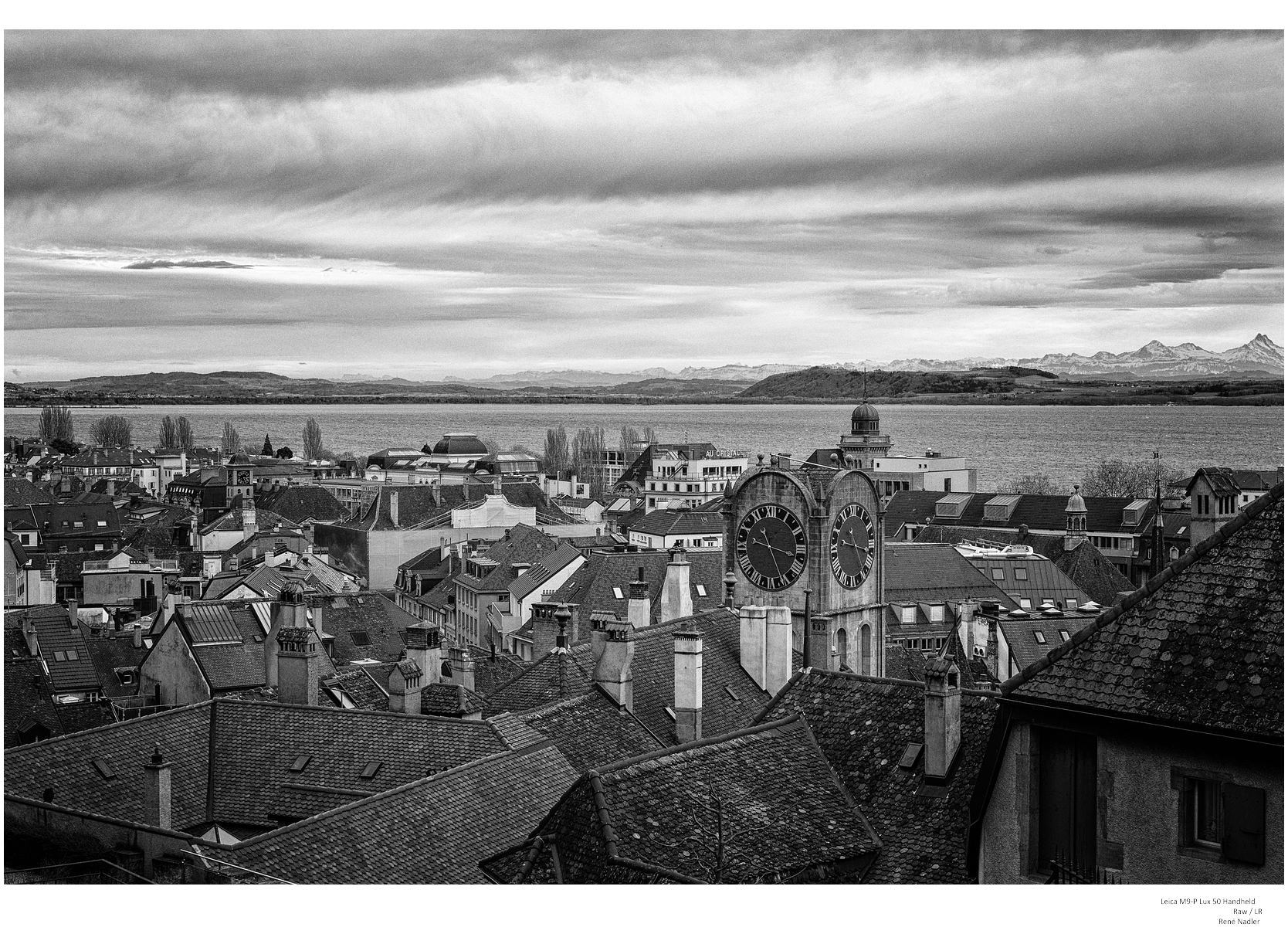
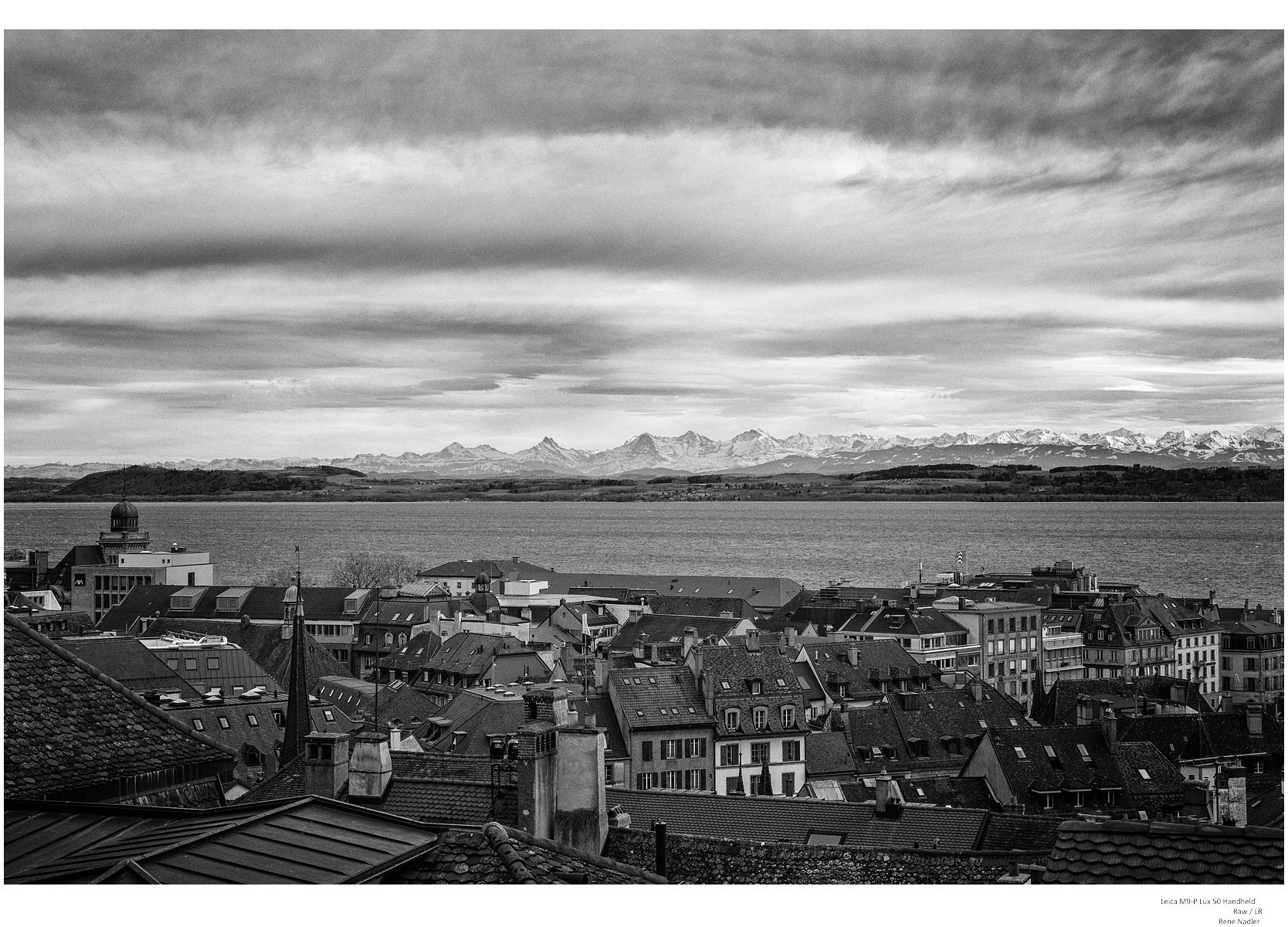
overview of the city. NEUCHATEL, Switzerland
René
René
Feb 15, 2016 at 12:37 PM