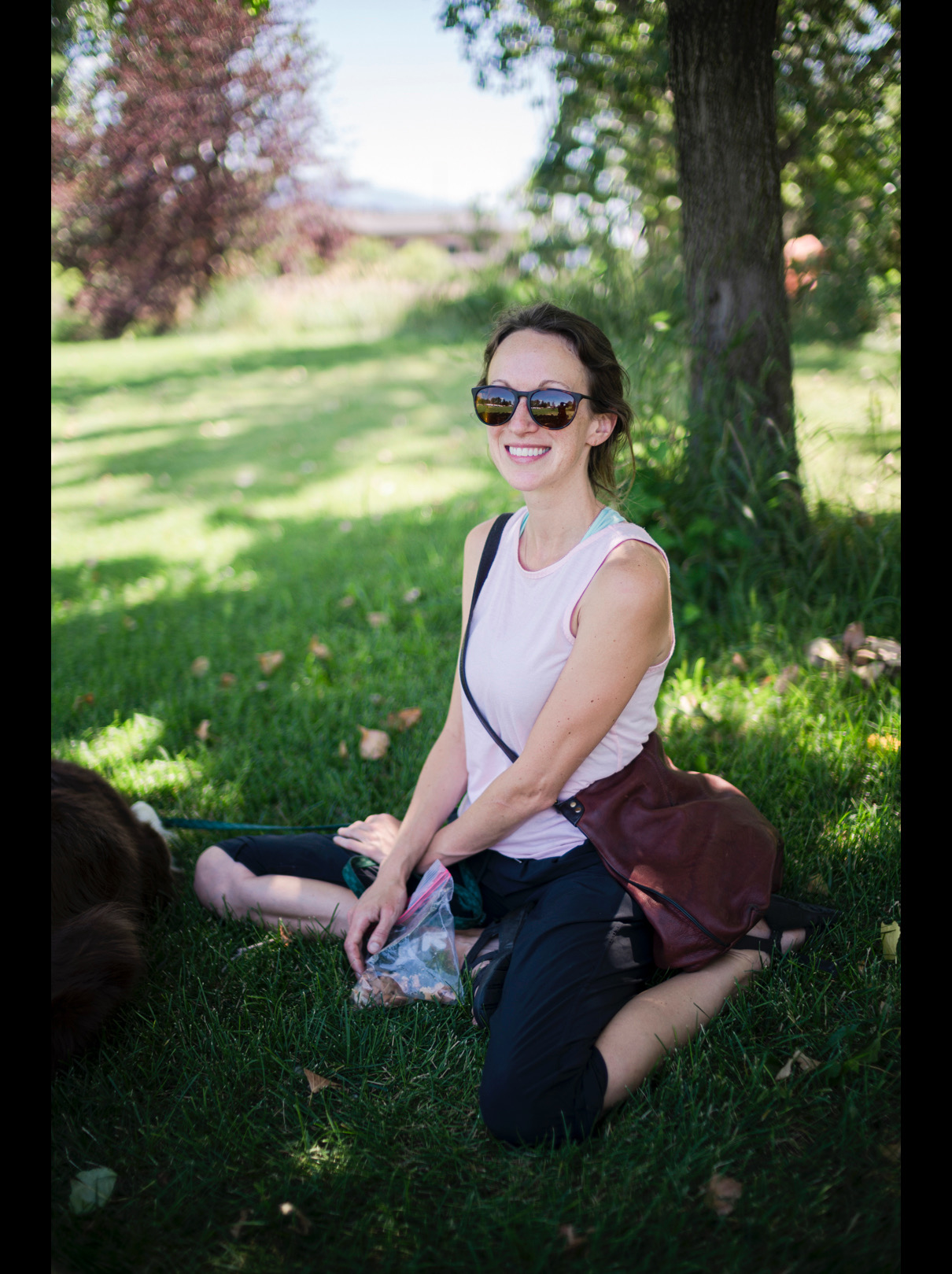
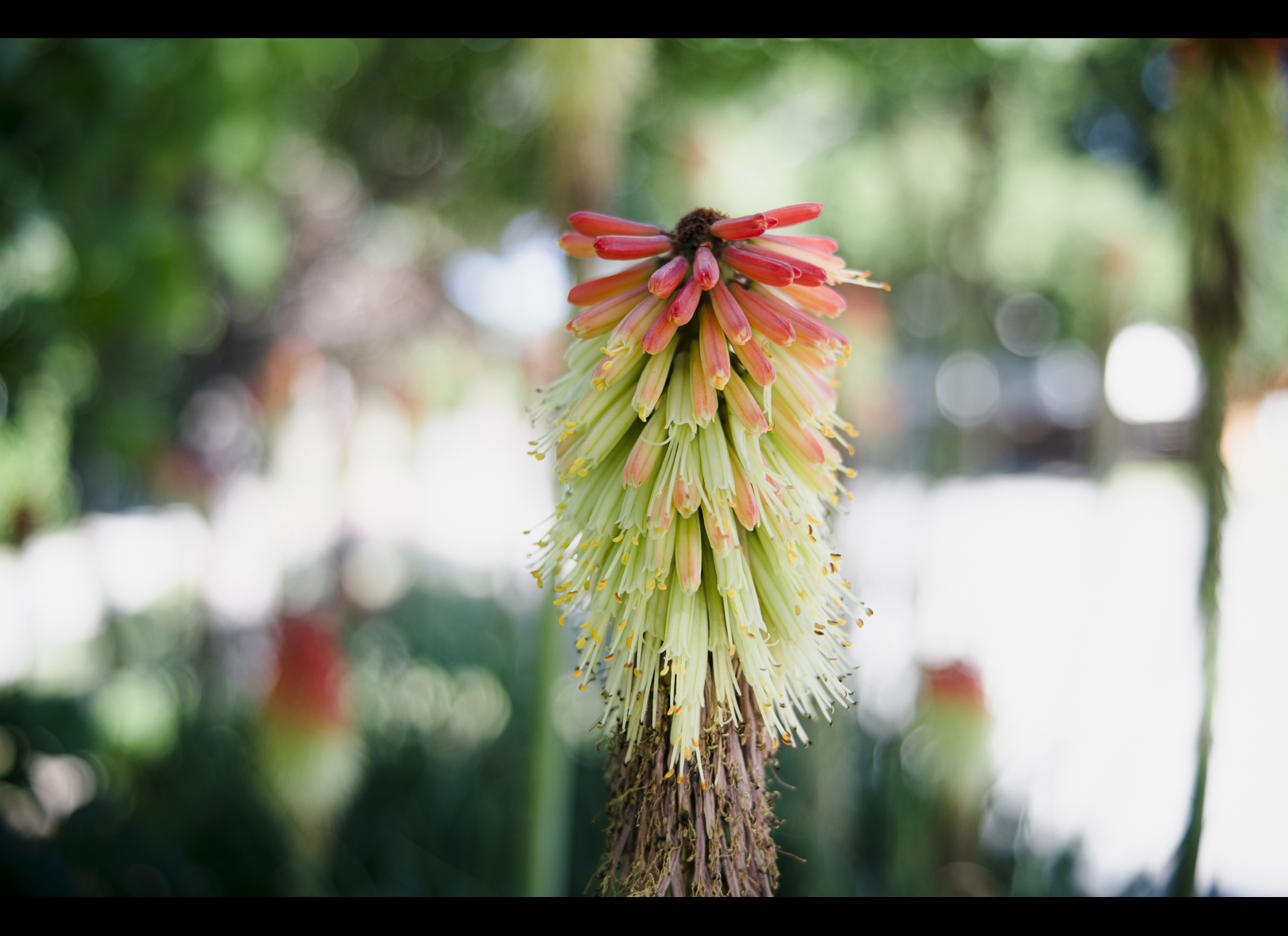
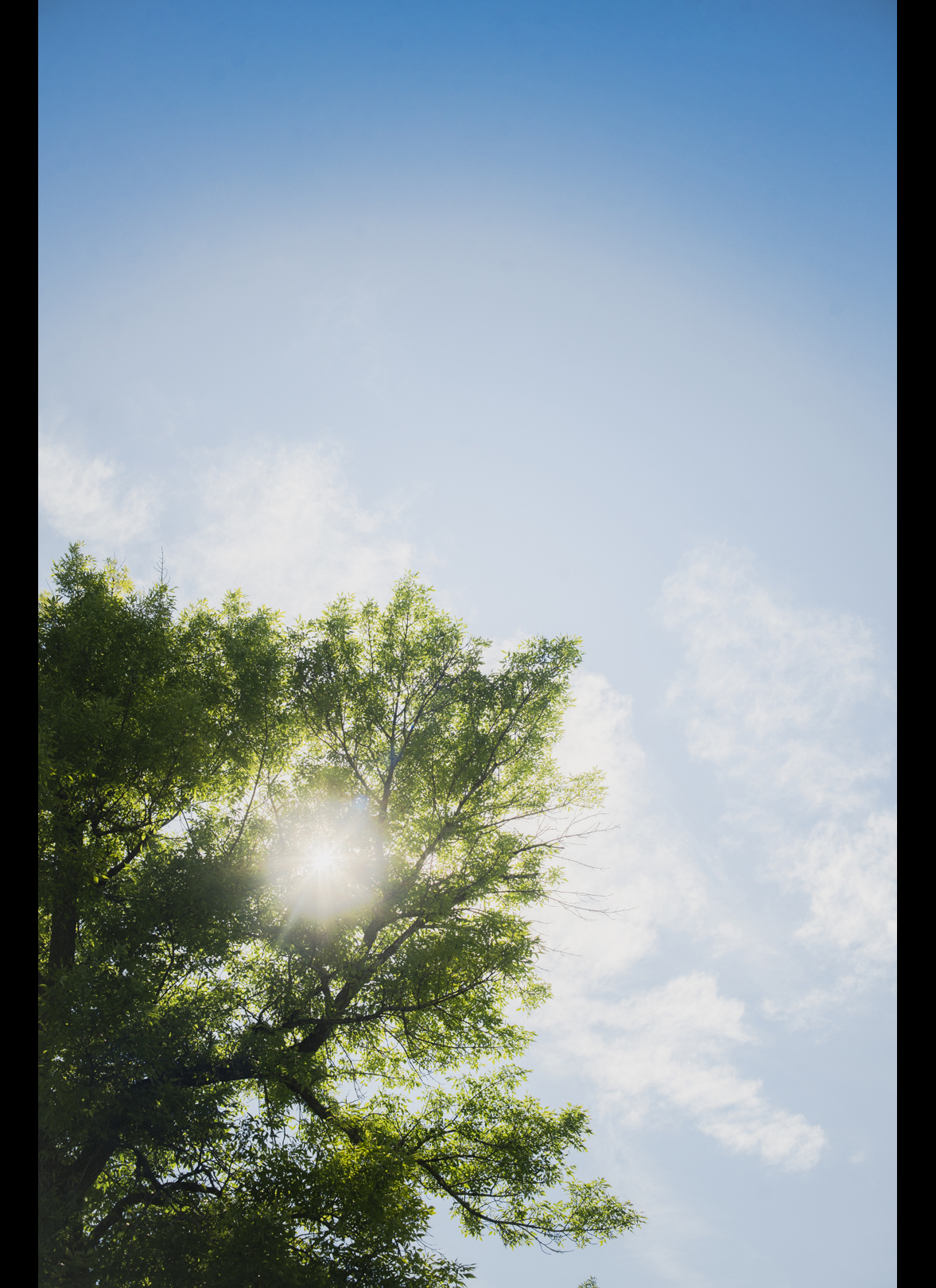
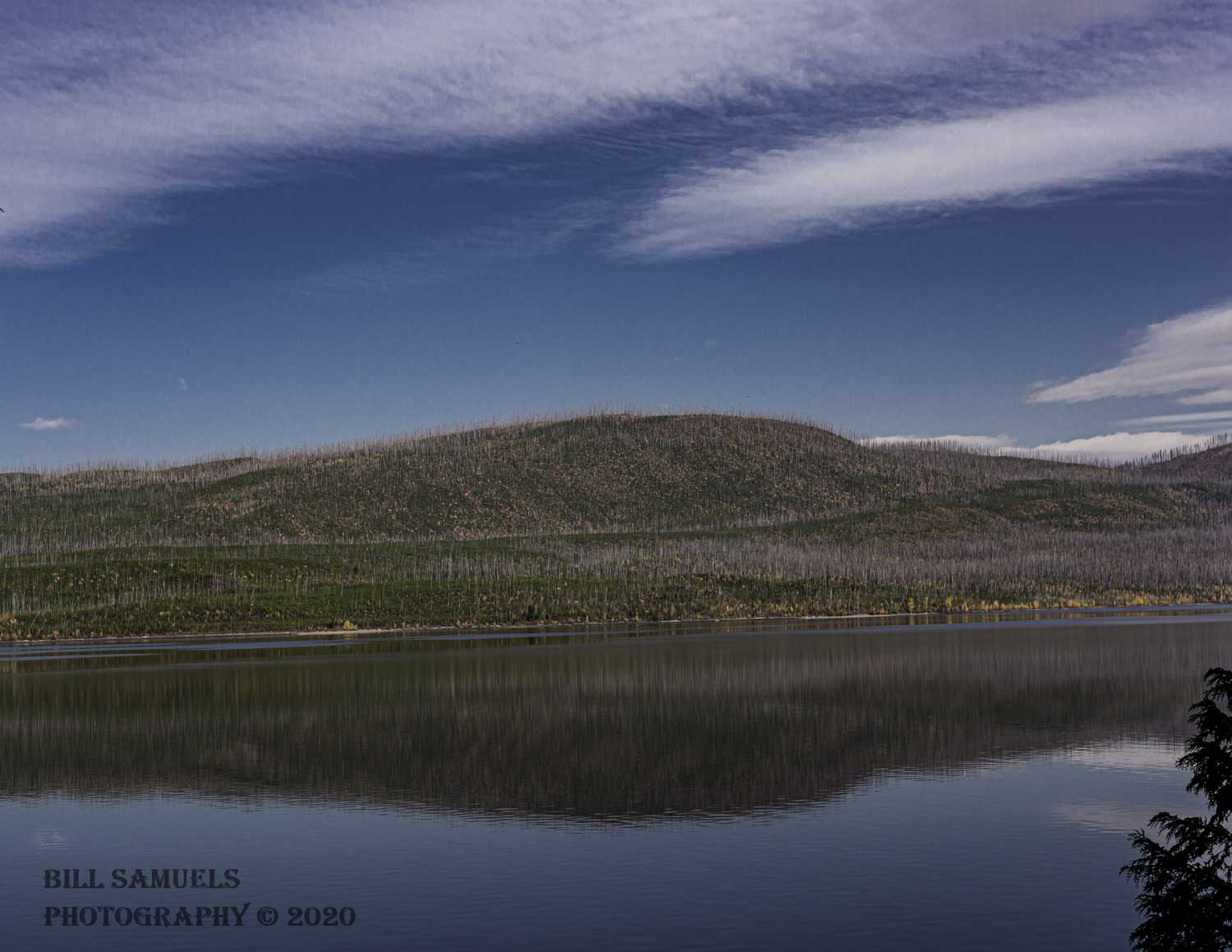
@philip_pj did you ever try the R. Topcor 2.8/10cm (Pre Set...RE also great) or Zeiss Sonnar 85/2.8 or C/Y Sonnar 85/2.8? All the Zeiss have the same exact rendering. The Topcor is to me remarkably similar. I don't have your f3.5, but I feel right at some when you say it has the highest keeper rate and extremely versatile...as the 85mm is both my least favorite FL and then also the FL matching my favorite lens. All these smell of Ernostar in the simplest constructions possible (the Rollei has only 4 elements, C/Y 5 but the addition is improving corners a bit and only modified the last element into a cemented group)
I know the C/Y 25/f2.8 has a mixed reputation these days -- some photographers love it, while others dismiss it -- but for my nighttime urban photography, I'm finding myself increasingly drawn to it. Not only do I very much like the way it renders, but its focal length is just about perfect for taking photos of scenes around my neighborhood, as I can fill the frame while remaining on the sidewalk, so no trespassing on private property is required!
Stopped down to f8, I find the corners to be more than acceptably crisp (and that's with me using a small amount rear rise / fall movement, too, because it projects an image circle that's large enough to allow the camera body to be shifted 4-5 mm along the short side of the frame. And sometimes even a bit more than that, as soft vignetting usually isn't an issue with most of my nighttime photos, such as this one, where the corners are naturally dark regardless.)
I doubt this will have any relevance to any photographer besides me, but I recently purchased a 28-70/f3.5-4.5 zoom to serve as a small, lightweight single lens to use for nighttime infrared photography with my full-spectrum modified Samsung NX500 body mounted on my latest FrankenKamera No. VI. (See what I mean about this post being relevant only to me?)
Although this lens has a lot of barrel distortion at the short end, it's easily corrected using Photoshop's built-in correction tools and significantly reduced by 35 mm or so.
And on an APS-C sensor, at least, sharpness appears to be consistent across the frame, even when it's when used with a few millimeters of rear rise / fall movements.
Plus, so far as I can see, it doesn't suffer of any hot-spotting or extraordinary flare issues, either!
Here are a few sample photos:
The first and third photos were taken at 28 mm / f8 and the second photo was taken at 45 mm and f8. Oh, and the third one was also taken full-spectrum, without an IR filter mounted on the lens, just for grins and giggles.
Overall, I'm pleased with its performance so far, especially for the very modest price I paid for it, even if it doesn't display as much of the traditional Zeiss rendering style as I would prefer and which lenses such as the 35-70/f3.4 zoom, which is likewise a great performer for IR photography, display in spades.
For my modest needs in this particular application, I believe it's going to work out just fine.