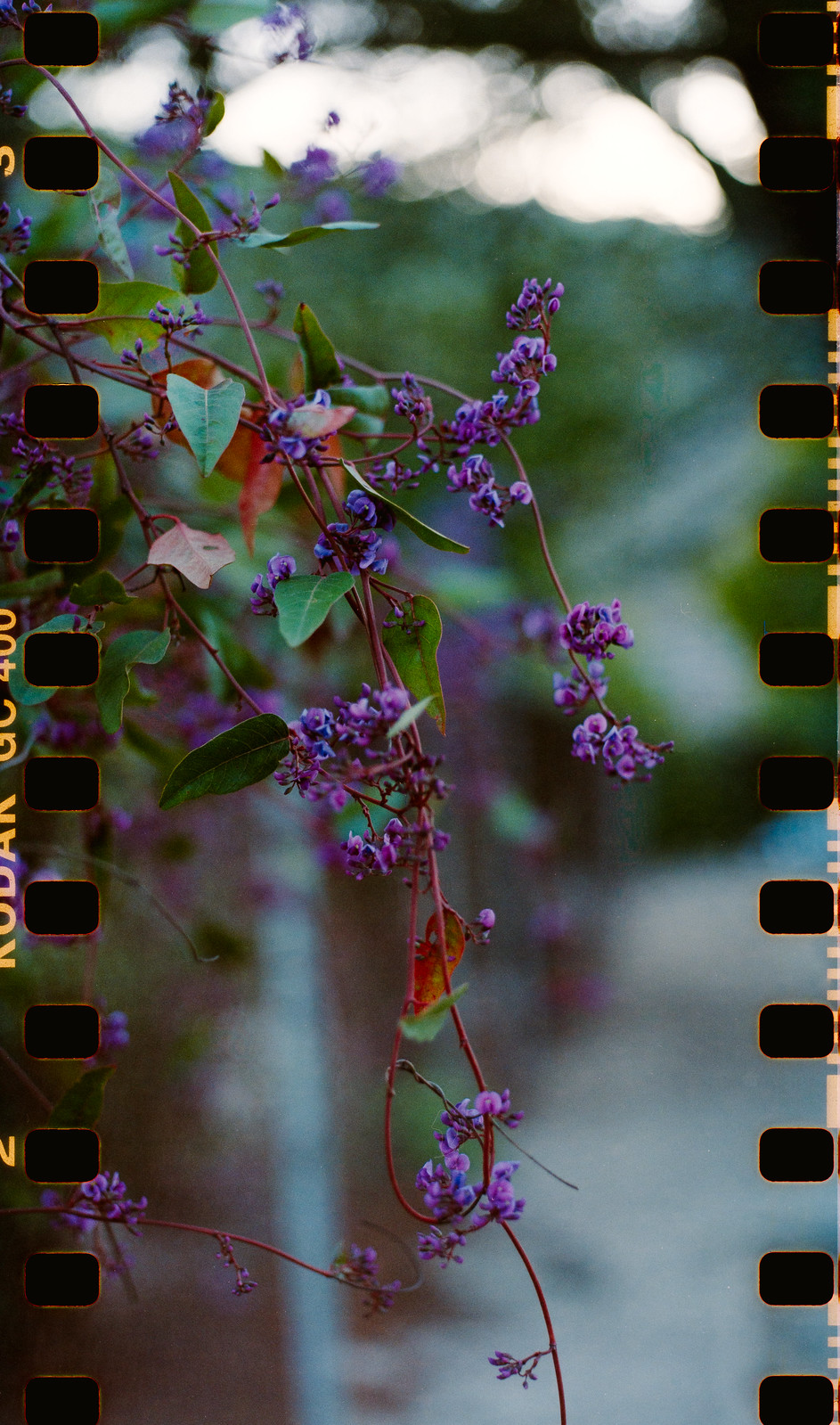
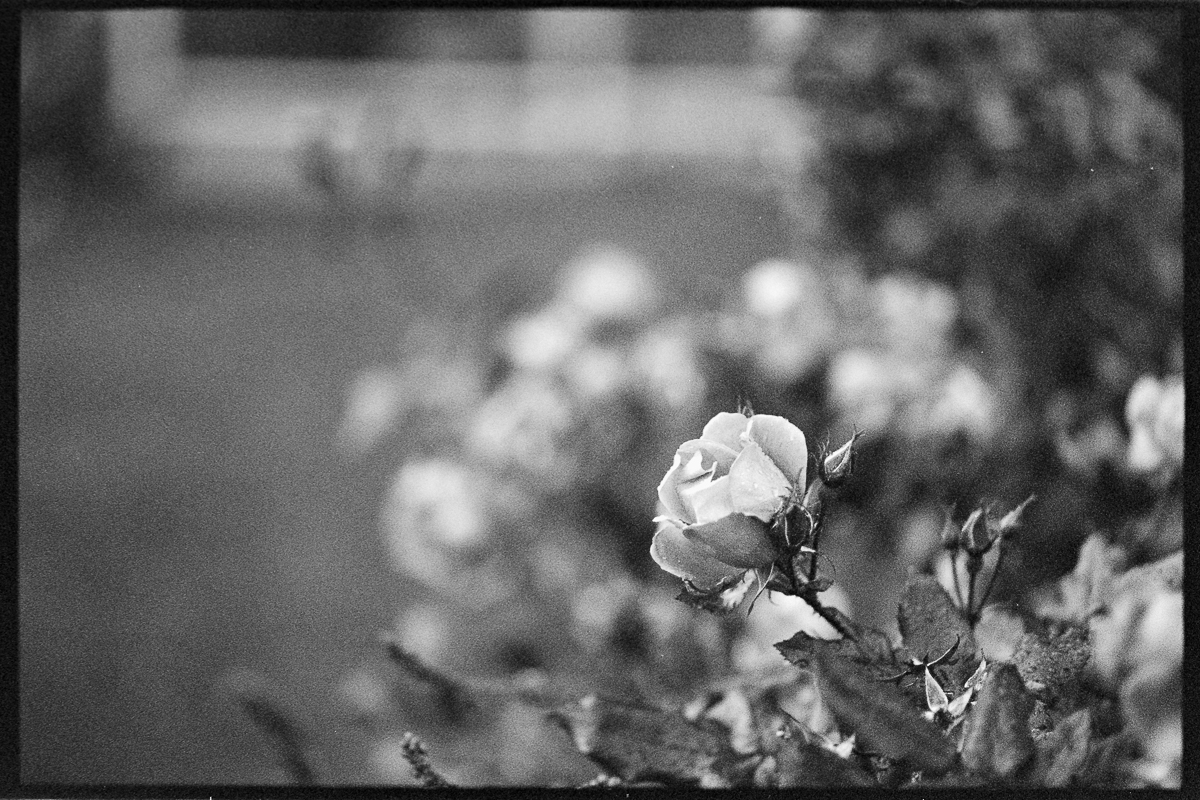
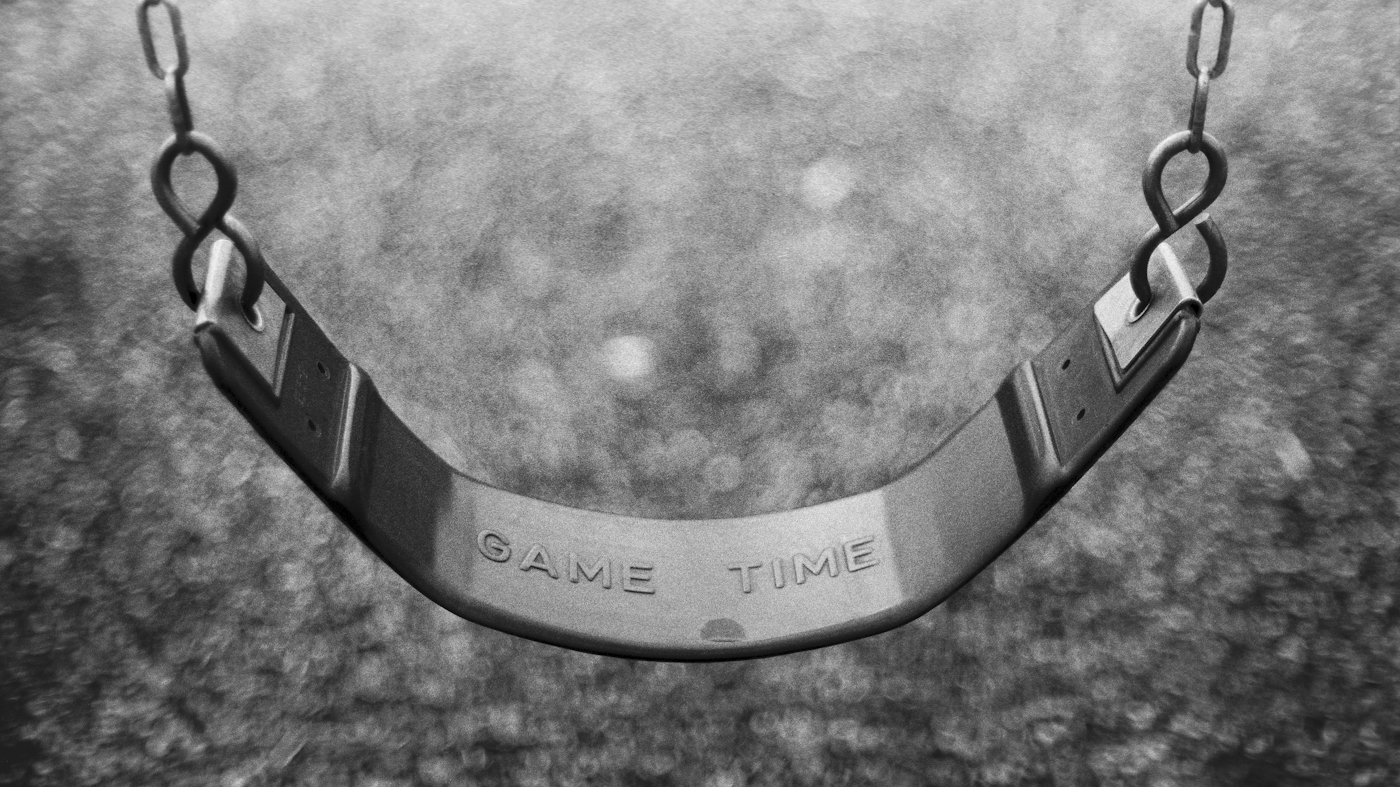
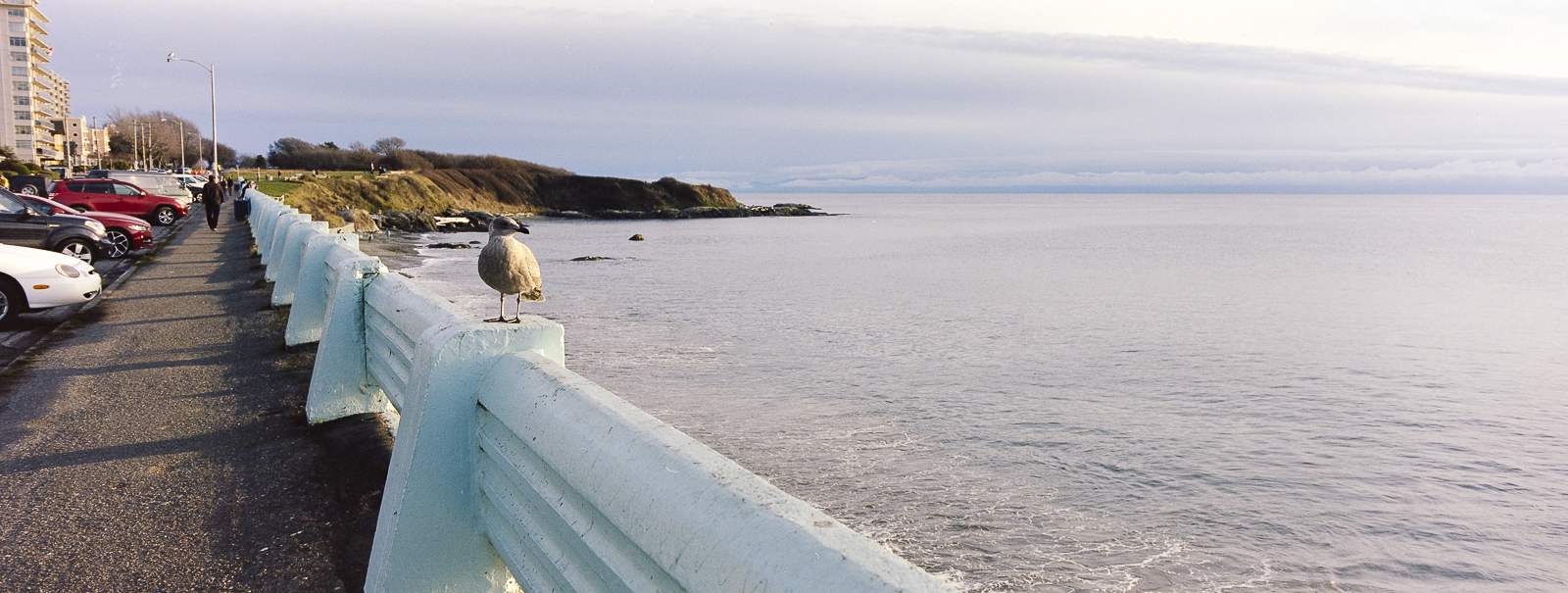
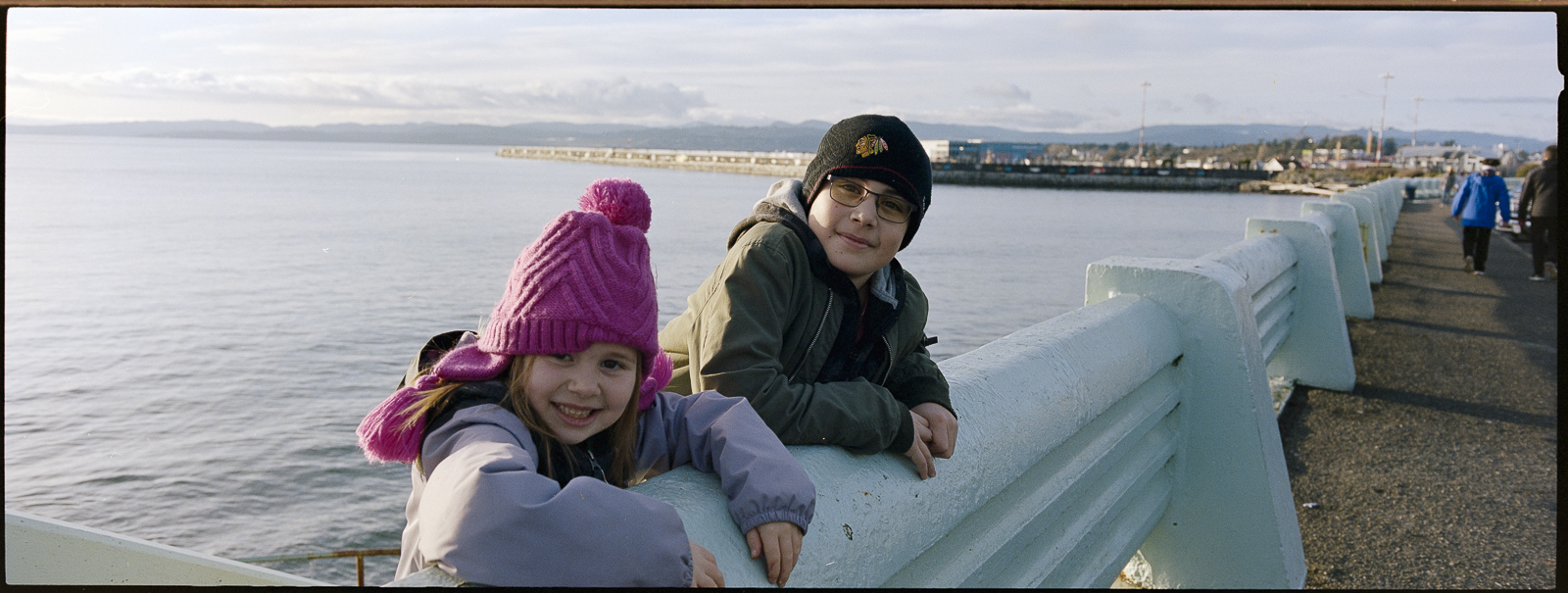
I'm actually quite pleased with this Lomo 800 film. The colors come out really saturated without having to do much in the negative conversion. I'll have to snag some of this in 120 format. I know Huss really likes this film a lot, and I'm seeing why so.
bags27 wrote:
the last of these is from the Eastern Pediment of the Temple of Aphaia in Aegina. A magnificent expression of early Classical art.
Yep. Really amazing considering these are more than 2.500 years old The Glyptothek is one of my favorite places in Munich - I hope I'll be able to walk through & enjoy a coffee there again, soon.
For the sake of completeness:
the first one should be a bust of Julius Caesar (but couldn't find info on it online) and the naughty boy on the second one is the Barberini Faun (ca 220 BC).
inzitee wrote:
these look amazingly 3d!!
Thank you! Most of the effect is due to the lighting, so kudos to the museum But a sharp medium format lens wide-open also helps. I guess this was with the PS 80mm at f/2.8, but might have been the PS 150mm at f/4.0. Probably not enough light for the latter though - no tripods allowed, obviously.
I printed out some adapters to use 35mm film in my Hasselblad 503cx. First time doing this and I stupidly loaded the film the wrong way around! Well I lost the whole roll... brand new Ektachrome E100 also. Not wanting to waste another expensive roll, I bought some Kodak Gold 400, which I've never tried before. Luckily, I figured out what I did wrong and loaded everything correctly this time. A trick I learned from a youtube video is taping an extra length of film about 18" to the lead in order to use the shot counter normally and squeeze as many exposures out as possible. I was able to get 21 shots out of a roll in an A24 back I had lying around (of course, not all were keepers...).
One big ergonomic challenge with this is that the film back scrolls vertically in a Hasselblad, so the film is in portrait orientation holding it normally. Shooting normal panoramic shots ala XPAN requires turning the camera sideways, and I don't know if you've ever tried to shoot a Hasselblad turned on its side (why would you?), but it's awkward to say the least. Using a focusing screen is even more challenging because the image is upside-down! Using a viewfinder fixes this at least and makes panoramic shots easier to hold and focus. I think shooting 35mm film in a medium format camera is a lot easier in cameras like the Pentax 67. So more of my shots were composed vertically than I probably would have otherwise. I did make a little framing guide to sit on top of the acute matte screen to help, otherwise you just have to eyeball where the film might be.
Anyways, here's my first one! I shot the whole roll with my Zeiss 80/2.8.
helimat wrote:
I've used the Singh-Ray grad ND's for years. Pricey, but decent quality. No colour cast that I have noticed... It seems the price of used grad filters has come down as a lot of the digital only folks have gone to image blending in PS, so there's a good chance you'll find something for a decent price. Good luck!
helimat wrote:
Yes, that's another product they have that induces a colour cast purposely. Unfortunately, I haven't tried one, as they are quite expensive for a niche product. I would like to though I do have a Moose Peterson Warming circular polarizer that I've had for years - I've been meaning to try it on film. That would be similar to your sunglasses I think, and much, much less expensive.
I just bought a Moose Warming Polarizing filter (52mm) off of Amazon for my Nikon AI-s lenses. It should be in later next week. I’m excited to try some color film with it. It was ~$34 versus the ~$220-240 for the Singh-Ray warming polarizer filters. Saved a bit of coin thanks to you!
Fujifilm Provia 100F (cross process with Cinestill Cs41)
I've had this exposed roll of Provia 100F sitting in my fridge for about 2 to 4 years. I've been sitting on it waiting to shoot more color positive film before I sent it off for development. I rarely shoot color positive film so I wasn't looking to spend some nice coin on a C-6 home dev kit. Whelp, I saw @helimat post of cross processed Velvia 50 and thought "Hell, why not! I have some Fuji C200 film I need to develop anyways." So with heavy inspiration from helimat, I performed my first ever cross processing development. One thing I noticed right away was how curly the film came out. I don't know if it's 100% from keeping the exposed roll in the fridge for years or if it was a combination of that along with the cross processing. Either way, I kind of liked the way the pictures came out. A wee bit contrasty, but I'll take it.
Alpha_Geist wrote:
Fujifilm Provia 100F (cross process with Cinestill Cs41)
I've had this exposed roll of Provia 100F sitting in my fridge for about 2 to 4 years. I've been sitting on it waiting to shoot more color positive film before I sent it off for development. I rarely shoot color positive film so I wasn't looking to spend some nice coin on a C-6 home dev kit. Whelp, I saw @helimat@ post of cross processed Velvia 50 and thought "Hell, why not! I have some Fuji C200 film I need to develop anyways." So with heavy inspiration from helimat, I performed my first ever cross processing development. One thing I noticed right away was how curly the film came out. I don't know if it's 100% from keeping the exposed roll in the fridge for years or if it was a combination of that along with the cross processing. Either way, I kind of liked the way the pictures came out. A wee bit contrasty, but I'll take it. ...Show more →
theHUN wrote:
Am I overly paranoid for insisting on glass filters?
Certainly not. Glass filters are optically superior and have significantly less color cast issues. I would never use a resin filter in front of a lens. Many filters are made from glass composites these days like Gorrilla Glass and there isn’t the risk of breaking them anymore. They aren’t as light as resin, but it’s worth the weight.
zuikolens wrote:
.. I would never use a resin filter in front of a lens...
I would use anything at hands to get my picture right.
After almost 2 decades of using Lee's, color cast from a GND filter has never been an issue. BTW, some of the filters are specifically designed to color correct the light by introducing a predictable color cast.