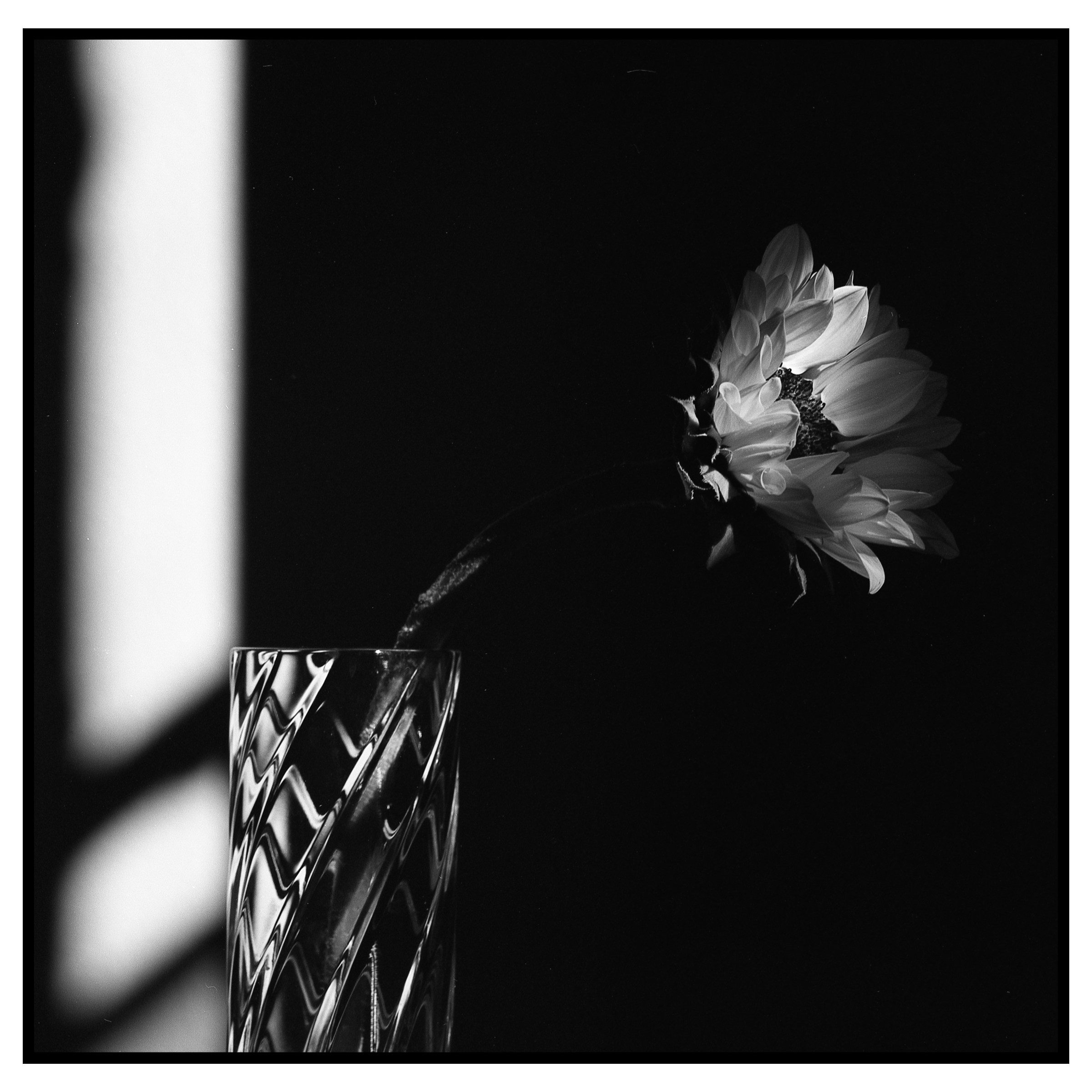
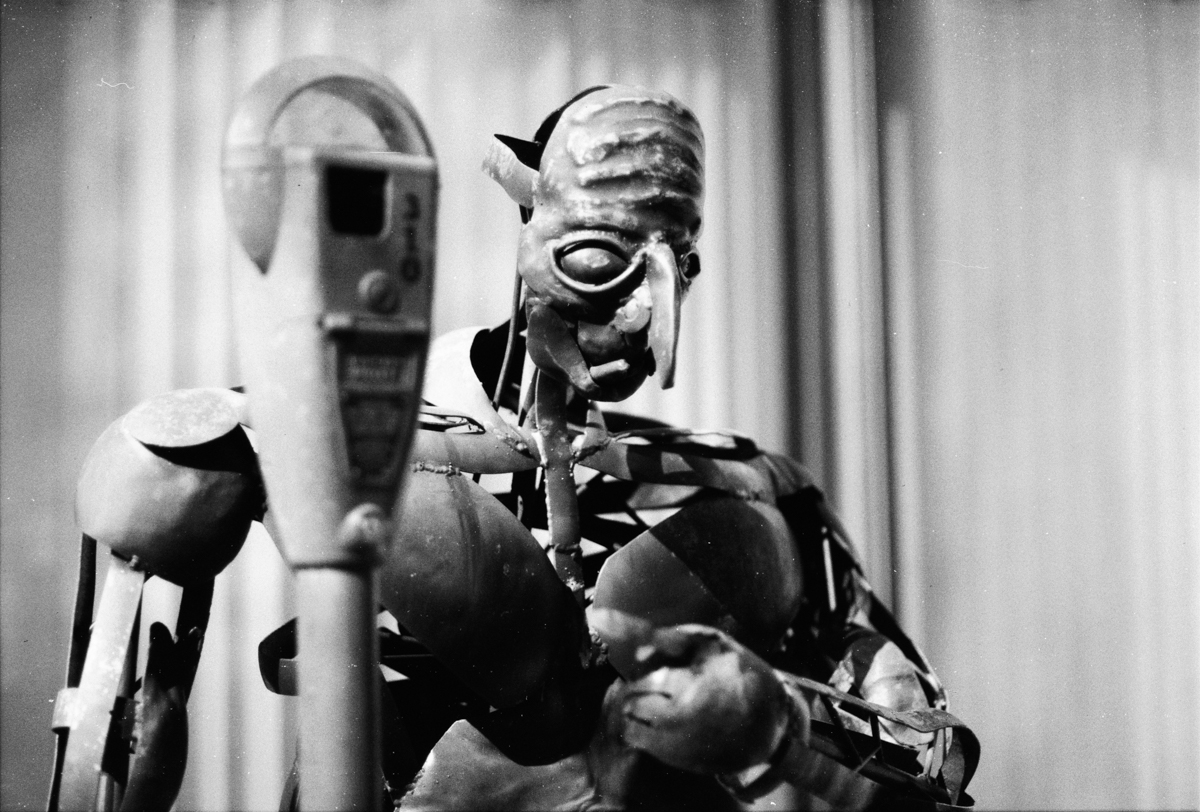
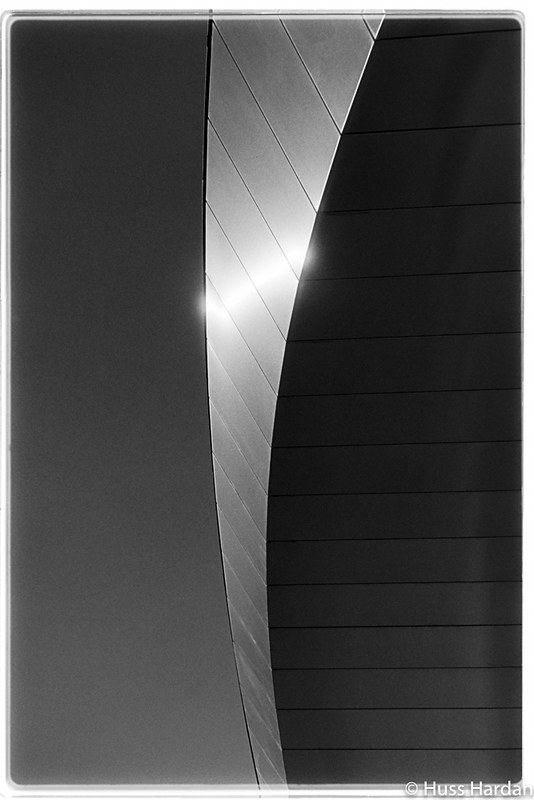
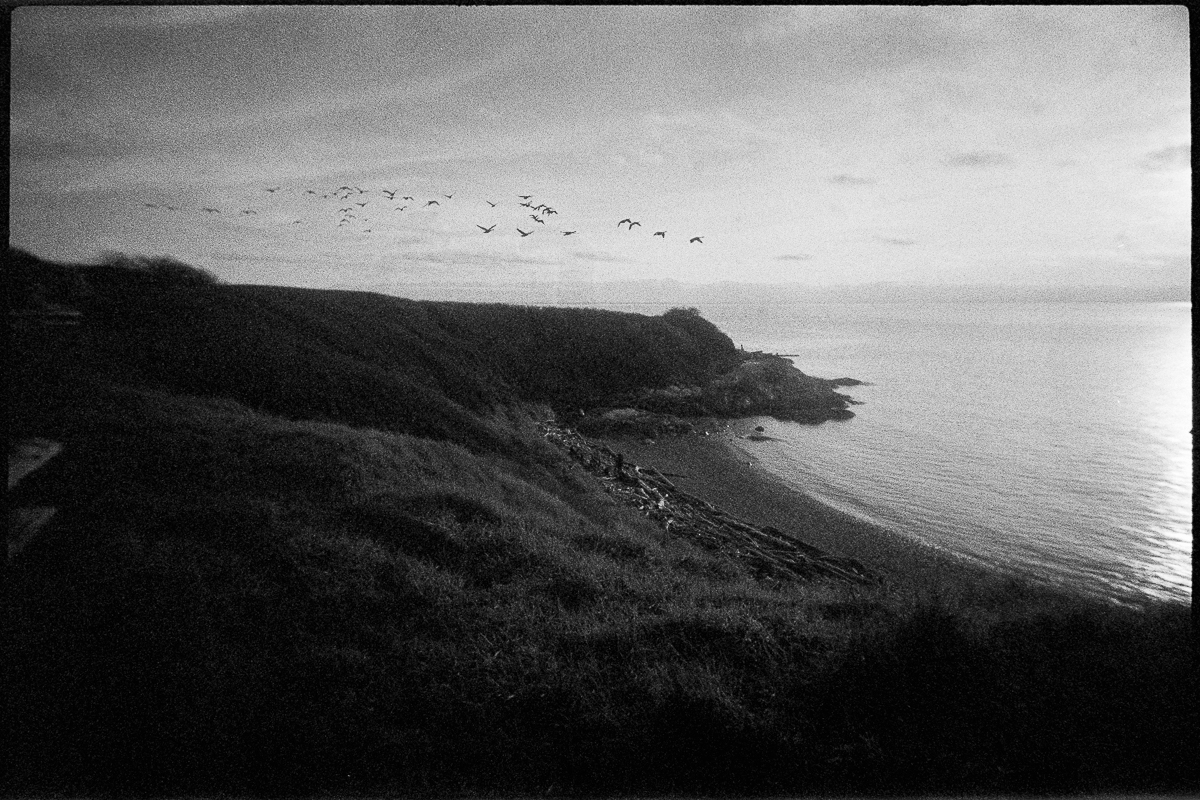
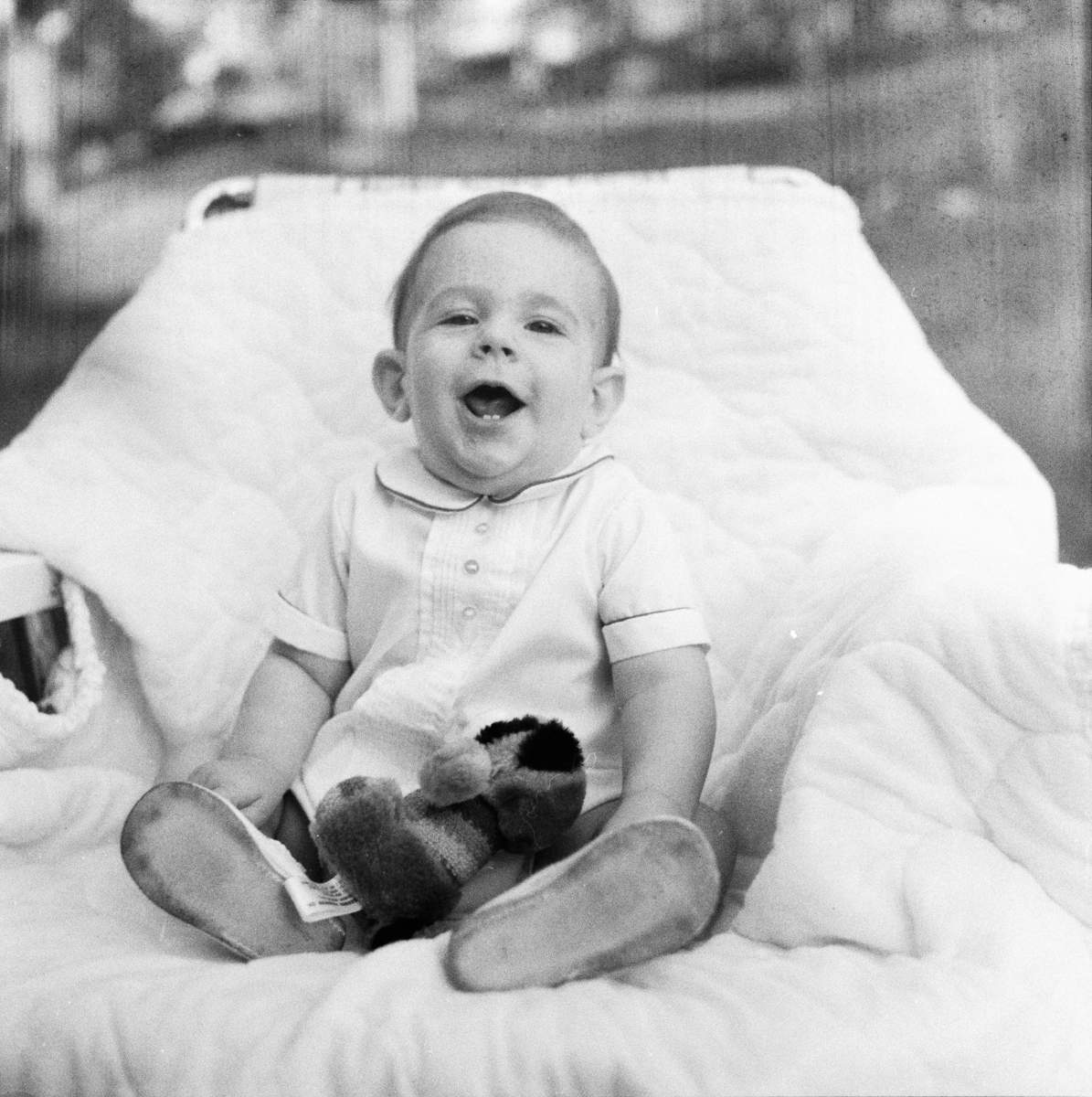
Bought an old Rolleiflex a few years ago, the film door was stuck closed and I couldn't wind the shutter, took it apart to try and fix and found some film inside. Most of it didn't expose, here's one of the frames that did. Pretty sure they made 4 pictures, the film would no longer advance, they couldn't get the film out, and called it a day.
beardedspoooon wrote:
Bought an old Rolleiflex a few years ago, the film door was stuck closed and I couldn't wind the shutter, took it apart to try and fix and found some film inside. Most of it didn't expose, here's one of the frames that did. Pretty sure they made 4 pictures, the film would no longer advance, they couldn't get the film out, and called it a day.
shopping wrote:
@beardedspoooon@
Very cool story. What kind of film was it, just out of curiosity?
Found rolls can be so much fun
It was Kodak Tri-X Pan, I don't know when it was discontinued. I don't think the picture is very old. Found film is fun though, as long as there isn't a hint of anything supernatural or occultish on it.
First roll was blank due to the sync settings... apparently the "M" and "X" settings are different
Hasselblad 503CXI + Sonnar250 + 56mm tube. Delta 100.
Are you using a wetting agent, like Kodak’s Photo-Flo?
After fixing, I rinse under the sink/faucet for a minute, then use Hypo-Clear (for ~2 minutes) which then enables me to wash for 5 minutes (vs 20 minutes without the Hypo Clear). I then empty the water and pour some clean water in the tank with a little cap-full of Photo-Flo and agitate (using the swizzle stick) the reels for a minute. Then I hang the negatives up and squeegee with a sponge type squeegee. I dip the squeegee in the same Photo-Flo mixture and squeegee the negs once or twice...and that’s it! I let them hang to dry.
Note: When I develop Color Negatives (C41), I don’t use the Photo-Flo. The stabilizer in the C41 kit is the last step right prior to hanging the negs to dry. No need for anything else as the stabilizer has an anti water residue/marking/streaking property to it.
Edit: Photo-Flo (not Photo-Flow)
Edit Edit: Forgot to mention the Perma-wash, which allows me to wash for 5 minutes.
Alpha_Geist wrote:
Are you using a wetting agent, like Kodak’s Photo-Flo?
After fixing, I rinse under the sink/faucet for a minute, then use Hypo-Clear (for ~2 minutes) which then enables me to wash for 5 minutes (vs 20 minutes without the Hypo Clear). I then empty the water and pour some clean water in the tank with a little cap-full of Photo-Flo and agitate (using the swizzle stick) the reels for a minute. Then I hang the negatives up and squeegee with a sponge type squeegee. I dip the squeegee in the same Photo-Flo mixture and squeegee the negs once or twice...and that’s it! I let them hang to dry.
Note: When I develop Color Negatives (C41), I don’t use the Photo-Flo. The stabilizer in the C41 kit is the last step right prior to hanging the negs to dry. No need for anything else as the stabilizer has an anti water residue/marking/streaking property to it.
Edit: Photo-Flo (not Photo-Flow)
Edit Edit: Forgot to mention the Perma-wash, which allows me to wash for 5 minutes. ...Show more →
I haven't been using a squeegee, ordered one last night with some other stuff.
Going to agitate more with the Ilfotol per the description of your process. This last batch turned out much better than the first.
This is the first time I tried the constant agitation method of developing with DF96. Temp was 80.
The reason for this was that I was developing two rolls of film and that required 650ml of solution.
Unfortunately there was only 600ml left as I was on my 22nd roll from the bottle! (A mix of 24 and 36 exp rolls).
So I went with the constant agitation to make sure that there would be sufficient developer coverage.
Interestingly using this method with TriX resulted in finer grain and a slight increase in sharpness compared to my usual 70 and intermittent agitation method!
I put a few drops of photoflow into the tank after the final rinse. Then agitate it - dunking the film still on the reel up and down vigorously - until there is a nice head of bubbles on top of the water.
Then I remove the reel with film and give it a good shake expelling a lot of the fluid.
Then remove from reel and squeegee a couple times just using my fingers. No issues with drying marks.
When I first started I put in way too little photoflow and would always get drying marks. It was only when I actually had a nice amount of bubbles in the final rinse that it worked. (But don't go too crazy - it's not meant to be a bubble bath!)
Desmolicious wrote:
I put a few drops of photoflow into the tank after the final rinse. Then agitate it - dunking the film still on the reel up and down vigorously - until there is a nice head of bubbles on top of the water.
Then I remove the reel with film and give it a good shake expelling a lot of the fluid.
Then remove from reel and squeegee a couple times just using my fingers. No issues with drying marks.
When I first started I put in way too little photoflow and would always get drying marks. It was only when I actually had a nice amount of bubbles in the final rinse that it worked. (But don't go too crazy - it's not meant to be a bubble bath!) ...Show more →
Ha! I created a nice sudsy bath for the film the first time.
This last time, I'm sure I did too little. The water didn't have that slippery feel and very few bubbles. Lots of fun though!
Freshly scanned, this expired film had a massive blue and yellow tint to the developed negatives. I tried to color correct the best I could, but even with color grading you can still see traces of the blue and yellow tint. The last photo I didn't even color grade so you can use that for reference.



 Found film is fun though, as long as there isn't a hint of anything supernatural or occultish on it.