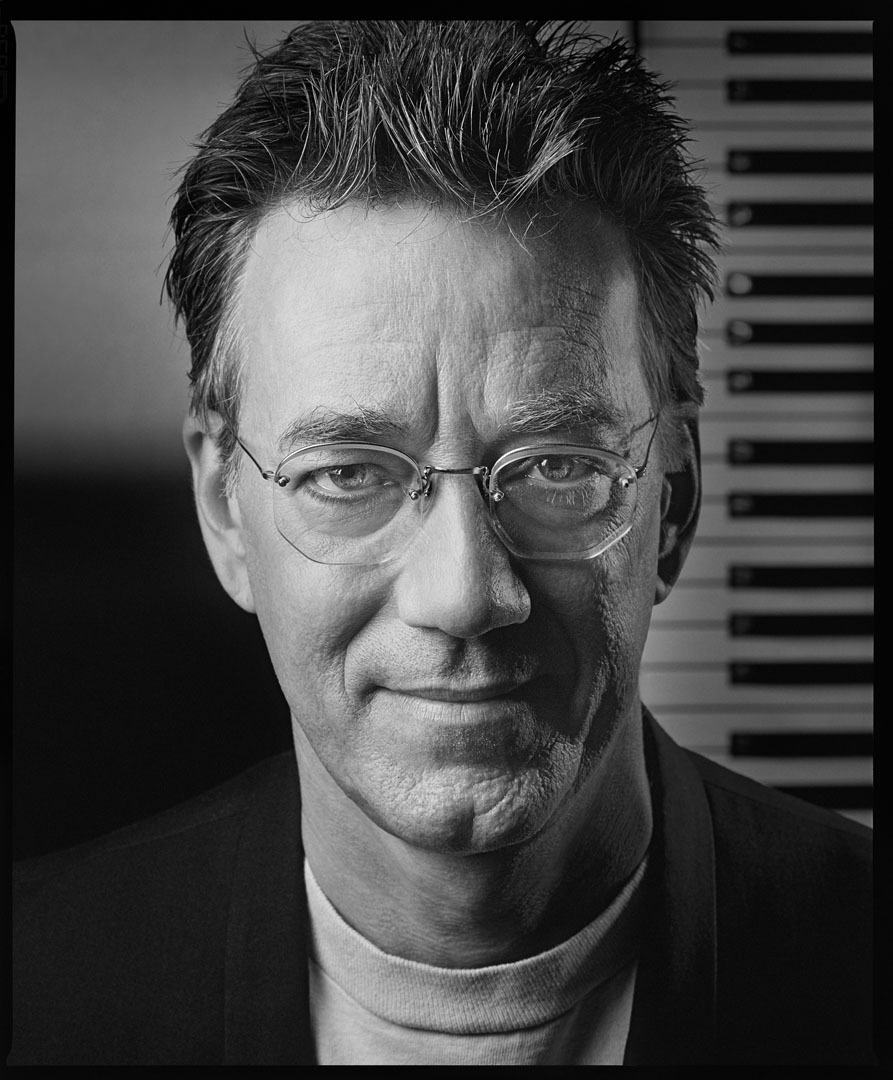
Here's a shot of Ray Manzarek I shot for the cover of Keyboard Magazine back sometime in the 90's. The art director wanted all kinds of weird color in the shot. It's much better in black and white.
Dunno where that is, Peter, but your rework is a lovely shot. I just recently came into possession of a 1944 Kodak Medalist and, in the process of acquiring some 620 stuff, discovered the Film Photography Project. They also sell rewound 120 on 620 spools and sell a grab bag with some Kodak Ektachrome 64. That's gotta be expired wouldn't you think?
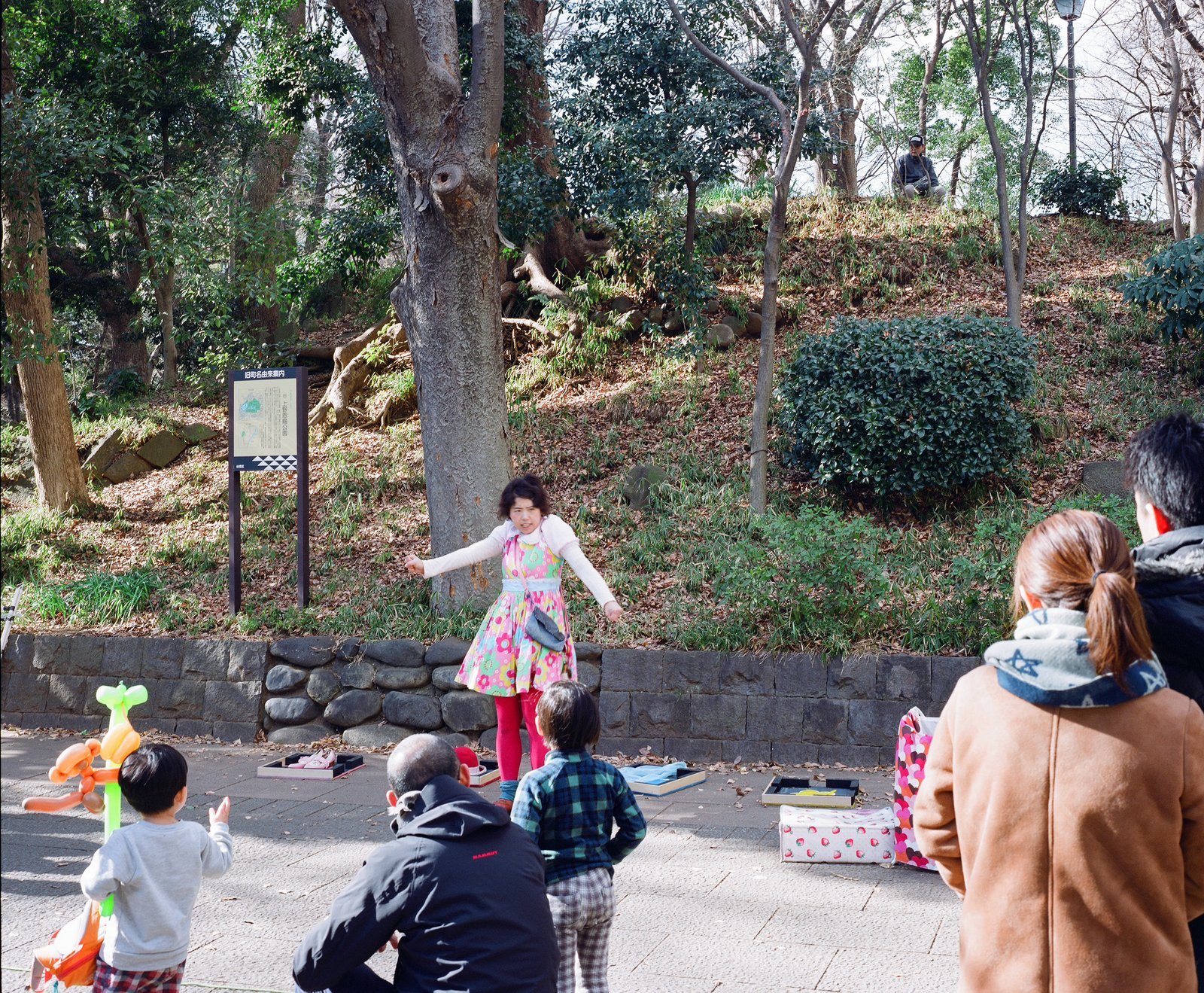
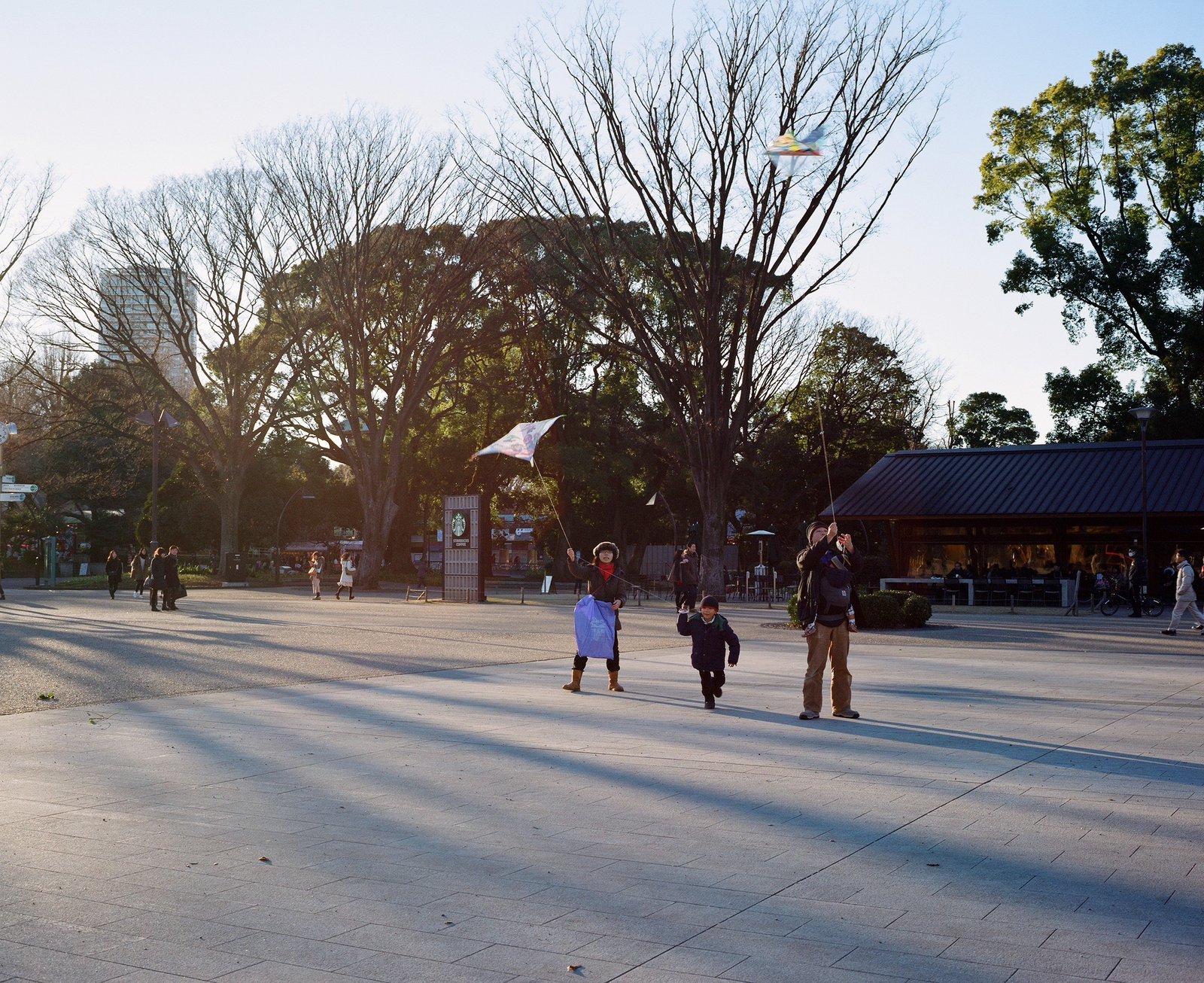
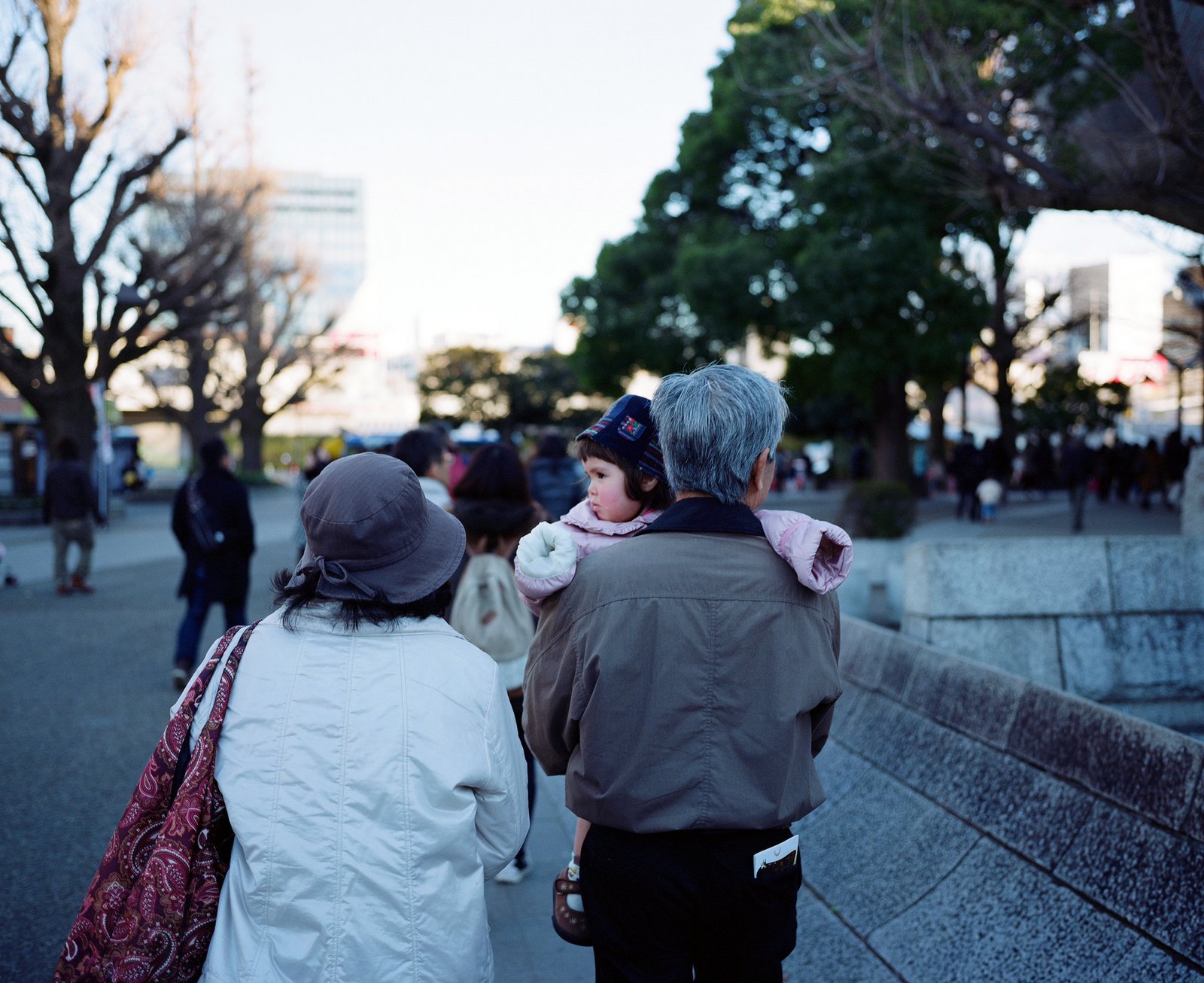
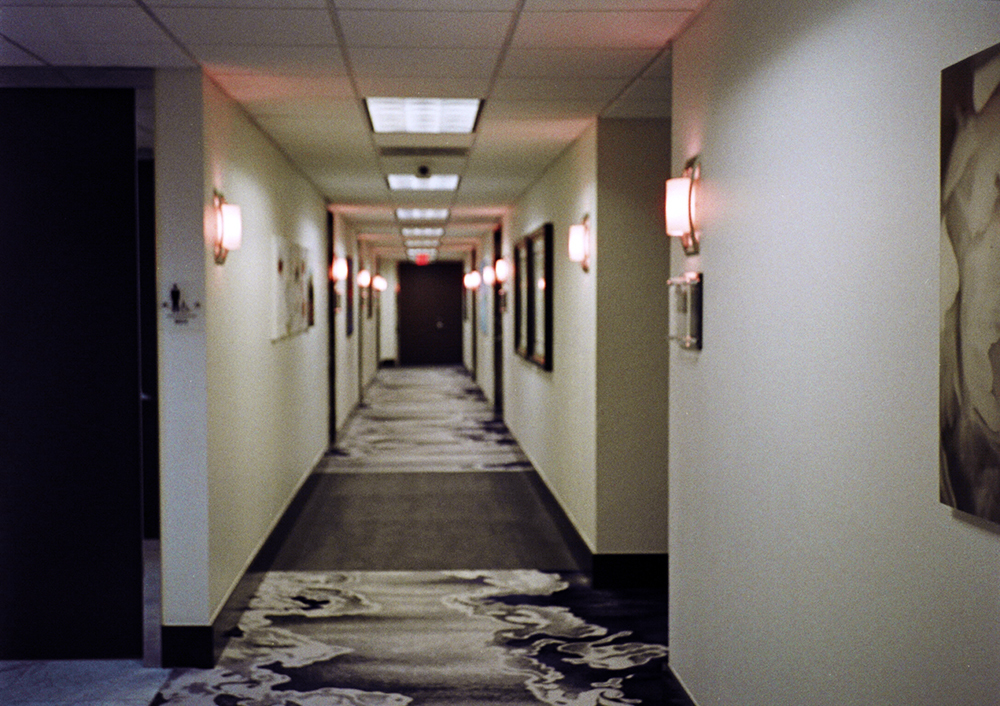
One from January. This was part of a roll to test if my 1963 Bell & Howell Dial 35 half-frame camera still worked. Shot on Fuji Superia 400.
This is half a 35mm frame, so not a lot of detail when scanning. Also underexposed because apparently the meter is gone on the camera. Since the camera sets aperture automatically, all photos were underexposed since I was exposing on the assumption/hope that the meter would work. Oh well, I'll still find ways to use it I'm sure.
Wings of Freedom B-17 with my new-to-me 1944 Kodak Medalist I. TMax 100, yellow filter, Rodinal. Handles like a brick, just like they say but, with care, the Ektar lens is very capable. I only managed to hold it steady for 2 frames out of 8.
dswiger wrote:
Need some advice on shooting transparencies in dusk or dawn scenarios....
Thanks
Dan
I use a very cheap now Canon DSLR set on M at F8 , ISO 100 for all my LF metering and always rely on the histogram.
Depending on the scene, the sky almost always goes close to +1&1/2. White cloud - always a +2. Same rules apply to the whites from crashing waves. Then I click and look at the histogram. It should just start clipping and then I may pull back 1/3 to have it perfect (no clipping). Or leave as is.
For yellow leafs it would always be a +2/3 , for Mono lake tufas +1&1/2 , Green grass or leafs +1/2. And then a test shot and histogram analysis to make sure it does look right. If not - some further shutter speed adjustments...
For that particular shot that you have posted I would meter for the sky putting it at +1&1/2 , taking a test exposure with my DSLR, and ensuring that there is no highlights clipping( I would even leave a 1/3 or 1/2 stop room before that). My guestimate for that scene and light would be around 1/60 at F8. Then I would add 2 stops to my metered that way exposure, "translate" it into my LF aperture (F22 ?) and shutter speed (1/2 of a sec), and use a .6 hard-edge ND filter over the part of the image lit by the sun.
That if I was shooting a transparency rated at ISO 100 (Velvia 100(F), Astia 100F, Provia 100F). For Velvia 50 I would add another stop.
Since the scene "allows" to use a ND filter I would do the same for Ektar or Portra 160. For Portra 400 I would subtracts a stop or a stop and a half.
If a scene does not allow to use a ND filter or its presence will be obvious in the shot but the dynamic range is beyond of what a slide film can handle I would use Portra and nothing else. With Portra I would put my darkest part, where I want to retain the details, in between -2 and -3 and let the highlights fall were they may. I will still do the normal processing.
The DR of Portra is really spectacular.
Same rules apply to B&W film.
Peter Figen wrote:
Here's a shot of Ray Manzarek I shot for the cover of Keyboard Magazine back sometime in the 90's. The art director wanted all kinds of weird color in the shot. It's much better in black and white.
Very nice portrait Peter! Can't imagine it in color, much better in B&W. What camera, lens and film may I ask? Very sharp.
Peter Figen wrote:
Cleaning out the back bedroom last week I came across a box full of old film. Here's a Kodachrome scan from a backpacking trip in the southern Sierras in 1974. Funny thing is that Kodak's processing (and that was all you could get then) was so hit or miss, you never knew if you were going to get fabulous looking slides or the flat monotone that this once was. If anyone recognizes where this is, please let me know. I'm thinking it's in the Mineral King area, but I really don't know. Both versions are here. Drum scanned on the Howtek. ...Show more →
Really nice. This is exactly why I love the hybrid process of film photography with digital editing. I can get the images I always wanted.
Also awesome that 40 year old slides are still so useable.
From a hike last fall. Combo of ektar and gold 200 on the canon A1. Lenses 50/1.8 and vivitar 28/2.5. May be a canon 24/2.8 thrown in. You can view more of these and read about the hike on my blog (see the www link in my sig).