redisburning wrote:
the most important thing is the pictures.
nhospital be mean, but if film is too hard and is preventing you from getting the pictures you feel like you want, it's not worth banging your head against the wall. surely there is a camera capable of meeting your needs.
Film is all I'm left with after every doctor bill acquired from my daughters hospital stay beating cancer, thank God! That plus back tax bills that uncle Sam has relentlessly taken even from levy. Middle class help, where, definitely not HERE! I sold it all to lessen the burden since photography is my hobby nothing more, however I had to shoot regardless and my cell phone is nice but I needed more, here is where the Mamiya RB67 Pro. Comes to play! I realized then that with the process of film being more work than I expected and also really easy to ruin, I ended up as one member put it, with analysis paralysis, especially aware of the fact that wasting any monetary substances left for my family would not be devastating but rather poor judgment, I stay here paralyzed. The day will come that I will beat my filthy fears shoot more film and even seize the day and develop it too! You aren't being mean you are just reflecting on the aural vibes i am sending, and they are loud! In the meantime I am trying to sell off some flash equipment I have but doubt will use in order to free funds for film and darkroom equipment! LONG LIVE FILM!
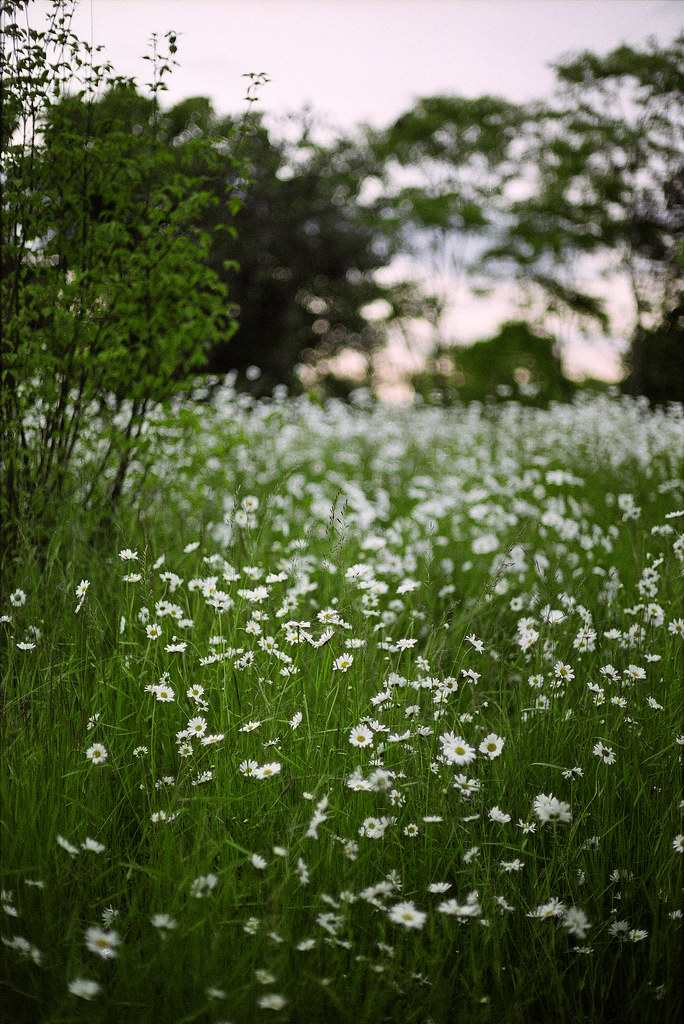
My wife and I hike at the local State Park weekly. Here is from one outing a month or so ago. Minolta maxxum 7000, 35-70 f4 mini beercan, walgreens processed and Kodak pakon scanned. Fuji400 superia.
So, as far as developing my own film goes, is it making a negative, and also print any size paper photo I want afterward? I know once I get the negative, I can use my Epson V500, to make it digitized, but, am I on the right track to understanding the process? Say I have a ready 120 roll of film, I then use the chemical's and rules, in order to make it into a negative? I am currently trying to understand it all, before I purchase the needed equipment, piece by piece, to turn our sparsely used restroom, into my own little darkroom! xD
I have downloaded a few PDF files from Kodak and other companies, and I will pour over them as well, however, I just wanted to ask those with hands on knowledge! Thnk you very much, and happy photography! -Americo
If you're, for example, shooting a black and white negative film like Tri-X, T-Max100, HP5, etc, then yes, when you develop your film, you will end up with a negative. If you're developing rolls of negative film and you're using stainless steel reels and developing tanks, then the only time you'll need a blacked out dark room is for the initial loading of the film on to the spiral stainless film reel. Once you put the reels in the developing tank and put the lid on, you can turn on the room lights. There is a secondary cap that will let you add developer, stop bath and fixer in the daylight without exposing your film - all with the lights on. You can wash the film in the same tank with the cap off. Then you want to Photo Flo and hang your film to dry after squeegee-ing the excess water off. The entire process takes less than fifteen minutes and once your film is dry, you can cut it into strips and scan it.
I started doing this myself in my mother's laundry room when I was in high school. It's not difficult and quite rewarding but there is a learning curve to perfecting your agitating technique, avoiding air bubbles, etc.
Peter Figen wrote:
If you're, for example, shooting a black and white negative film like Tri-X, T-Max100, HP5, etc, then yes, when you develop your film, you will end up with a negative. If you're developing rolls of negative film and you're using stainless steel reels and developing tanks, then the only time you'll need a blacked out dark room is for the initial loading of the film on to the spiral stainless film reel. Once you put the reels in the developing tank and put the lid on, you can turn on the room lights. There is a secondary cap that will let you add developer, stop bath and fixer in the daylight without exposing your film - all with the lights on. You can wash the film in the same tank with the cap off. Then you want to Photo Flo and hang your film to dry after squeegee-ing the excess water off. The entire process takes less than fifteen minutes and once your film is dry, you can cut it into strips and scan it.
I started doing this myself in my mother's laundry room when I was in high school. It's not difficult and quite rewarding but there is a learning curve to perfecting your agitating technique, avoiding air bubbles, etc. ...Show more →
Fascinating! I am very well on my way, to having this process as my next hobby, to my photography hobby!
Thank you very much, for your time, and thorough explanation!
Peter Figen wrote:
If you're, for example, shooting a black and white negative film like Tri-X, T-Max100, HP5, etc, then yes, when you develop your film, you will end up with a negative. If you're developing rolls of negative film and you're using stainless steel reels and developing tanks, then the only time you'll need a blacked out dark room is for the initial loading of the film on to the spiral stainless film reel. Once you put the reels in the developing tank and put the lid on, you can turn on the room lights. There is a secondary cap that will let you add developer, stop bath and fixer in the daylight without exposing your film - all with the lights on. You can wash the film in the same tank with the cap off. Then you want to Photo Flo and hang your film to dry after squeegee-ing the excess water off. The entire process takes less than fifteen minutes and once your film is dry, you can cut it into strips and scan it.
I started doing this myself in my mother's laundry room when I was in high school. It's not difficult and quite rewarding but there is a learning curve to perfecting your agitating technique, avoiding air bubbles, etc. ...Show more →
15 mins is probably a bit too short. Most films develop around 7 mins. Stop baths are 1 minute, more if only water is used. Fixing takes at least 5 mins and washing if done too quickly will cause a problem. I wash my films quite a lot as the water coming out of Acros is usually VERY pink. I wash until there is almost no detectable color. About 7 changes of water, with 20 inversions each.
a.RodriguezPix wrote:
So, as far as developing my own film goes, is it making a negative, and also print any size paper photo I want afterward? I know once I get the negative, I can use my Epson V500, to make it digitized, but, am I on the right track to understanding the process? Say I have a ready 120 roll of film, I then use the chemical's and rules, in order to make it into a negative? I am currently trying to understand it all, before I purchase the needed equipment, piece by piece, to turn our sparsely used restroom, into my own little darkroom! xD
I have downloaded a few PDF files from Kodak and other companies, and I will pour over them as well, however, I just wanted to ask those with hands on knowledge! Thnk you very much, and happy photography! -Americo ...Show more →
D-76 is a great developer to start with. You need to be able to measure 1 gallon of water accurately. D-76 is a powder and you add this to one gallon of warm water and mix well until the powder is dissolved. This will then last you quite a lot of rolls of film.
Then you need to get a tank and reel. I use Patersen tanks. They are very cheap and very easy to use.
Then you need a measuring cup that can measure 1 liter of liquid. You also need a thermometer. Finally, I use a second 1 liter cup to hold my stop bath.
You also need to buy 1 bottle of Ilford Rapid Fixer. This is diluted in water. You can make up 1-2 liters of this solution and reuse it many times. Don't throw it away!!
These things along with some clothes pins to hang up your film is all that you need to get started.
This camera has an auxiliary viewfinder built-in for 35/28 FOV, and a 1x finder for 50/85/105/135 FOV. The 2.8cm F3.5 finishes off my set of lenses to match the framelines.