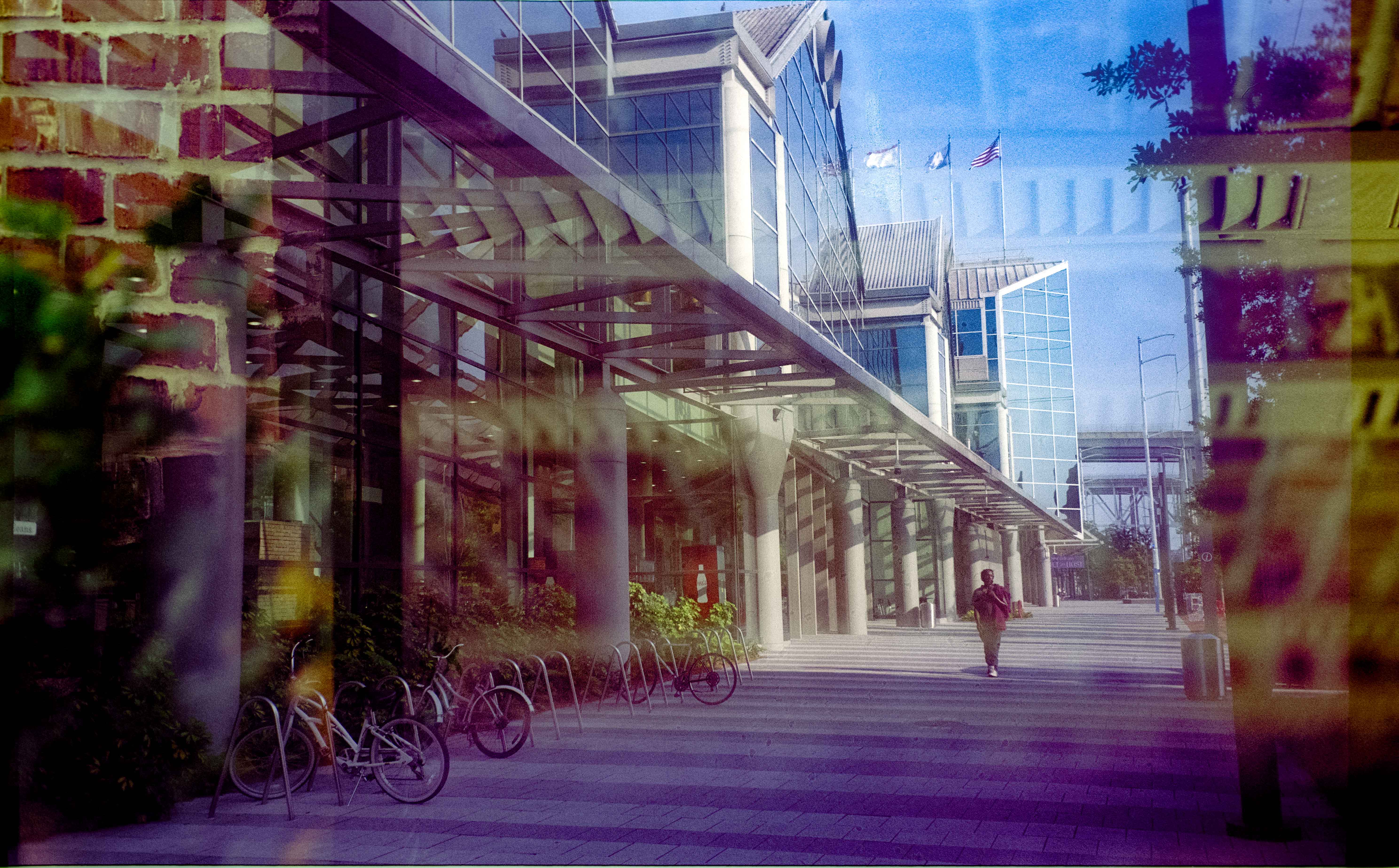
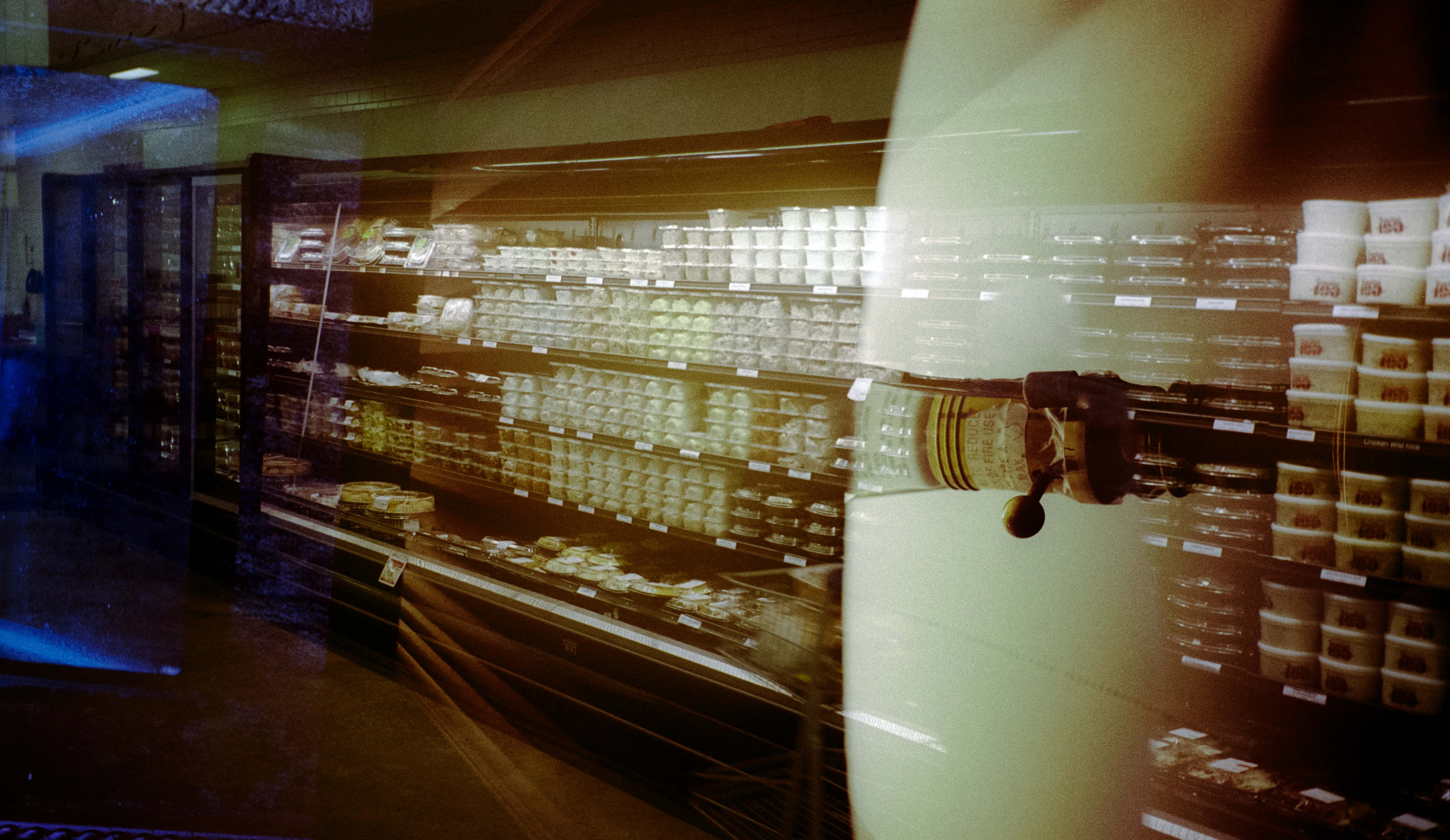
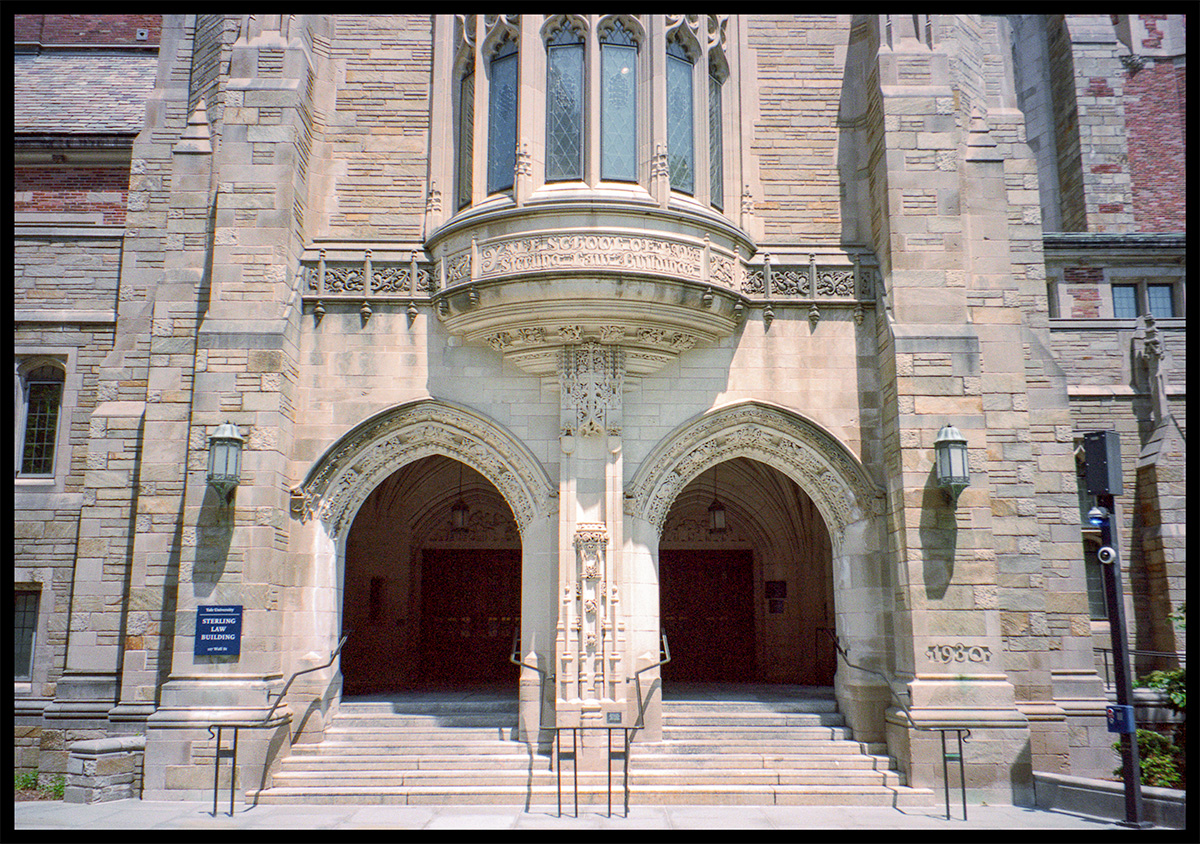
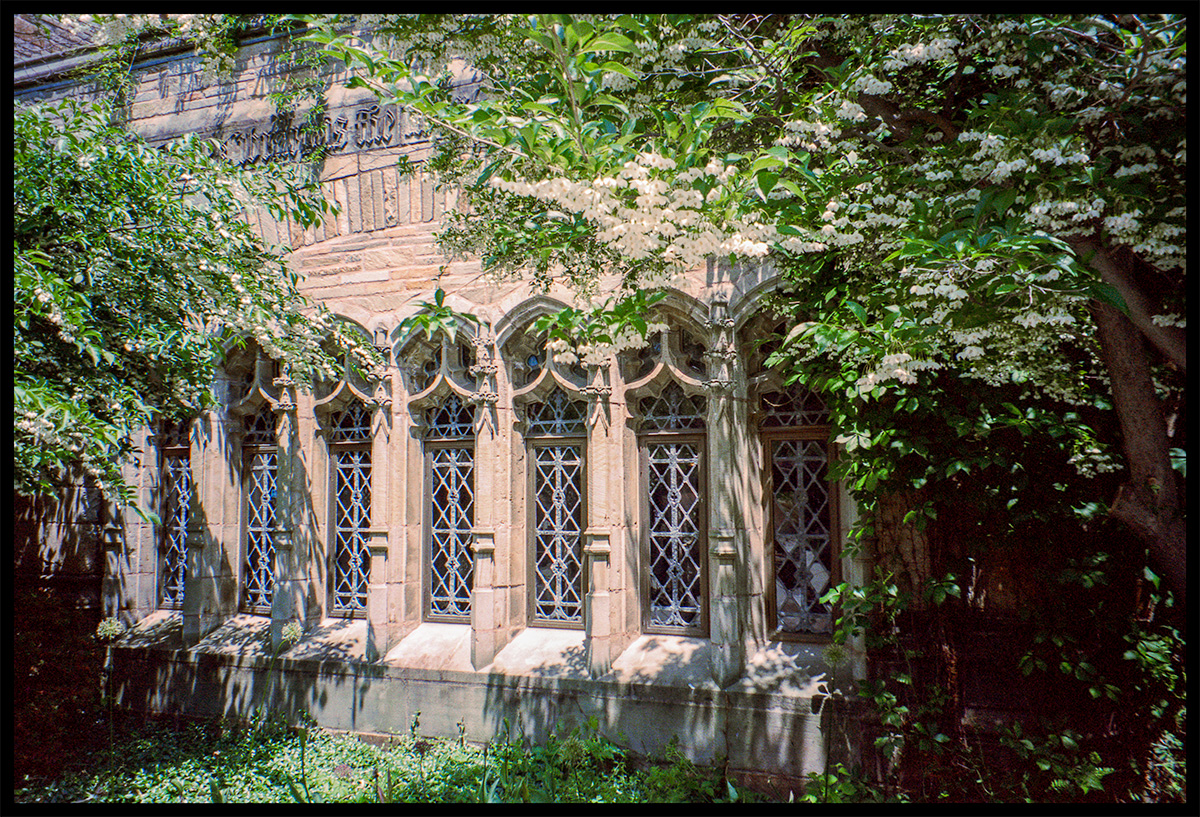
I've been testing Flic Film Aurora 800 as a "dawn to dusk" colour film by using ND filters to allow me to shoot it in broad daylight; I use a 1-stop ND most of the time or a 2-stop ND when it's really bright out, and remove the filter for early morning or evening shots. It's been working well as long as I don't underexpose...like most colour films this one gets muddy and green fast if you underexpose at all.
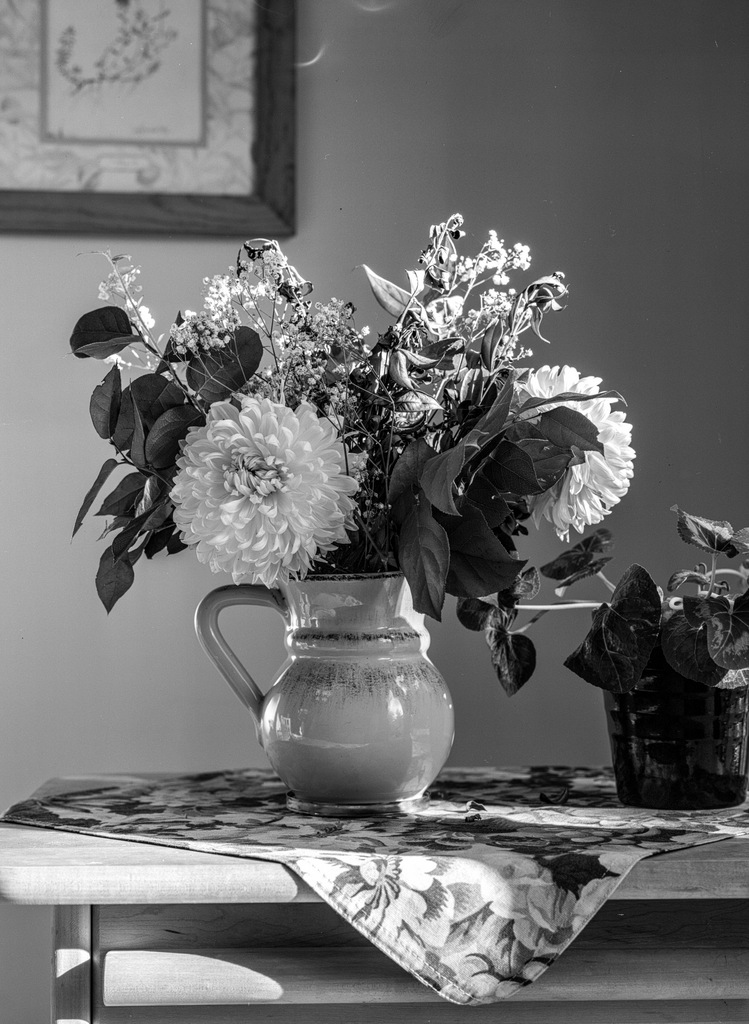
Recently purchased an 8x10 Deardorff and this is a test picture using a Caltar 300mm lens. Cropped and minimal processing.
I don't know if I have the patience for 8x10 large format, but I 'll try it for the summer and see what happens.
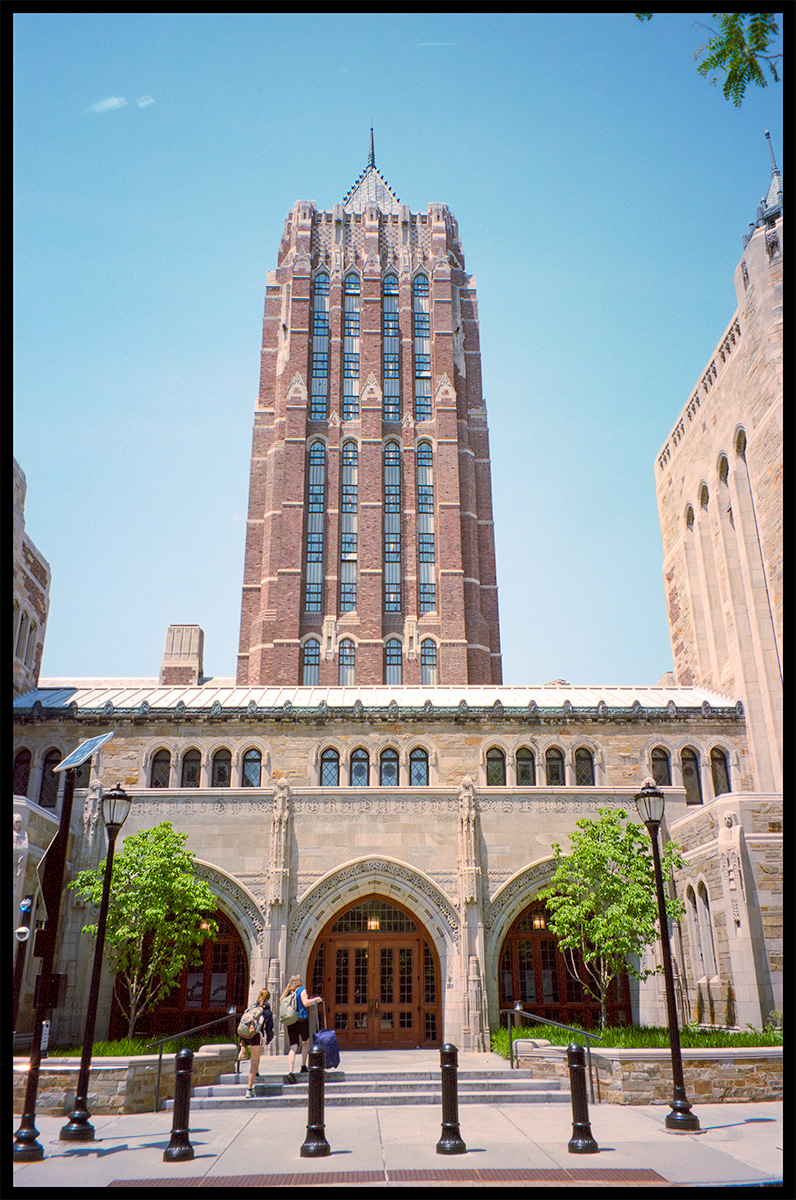
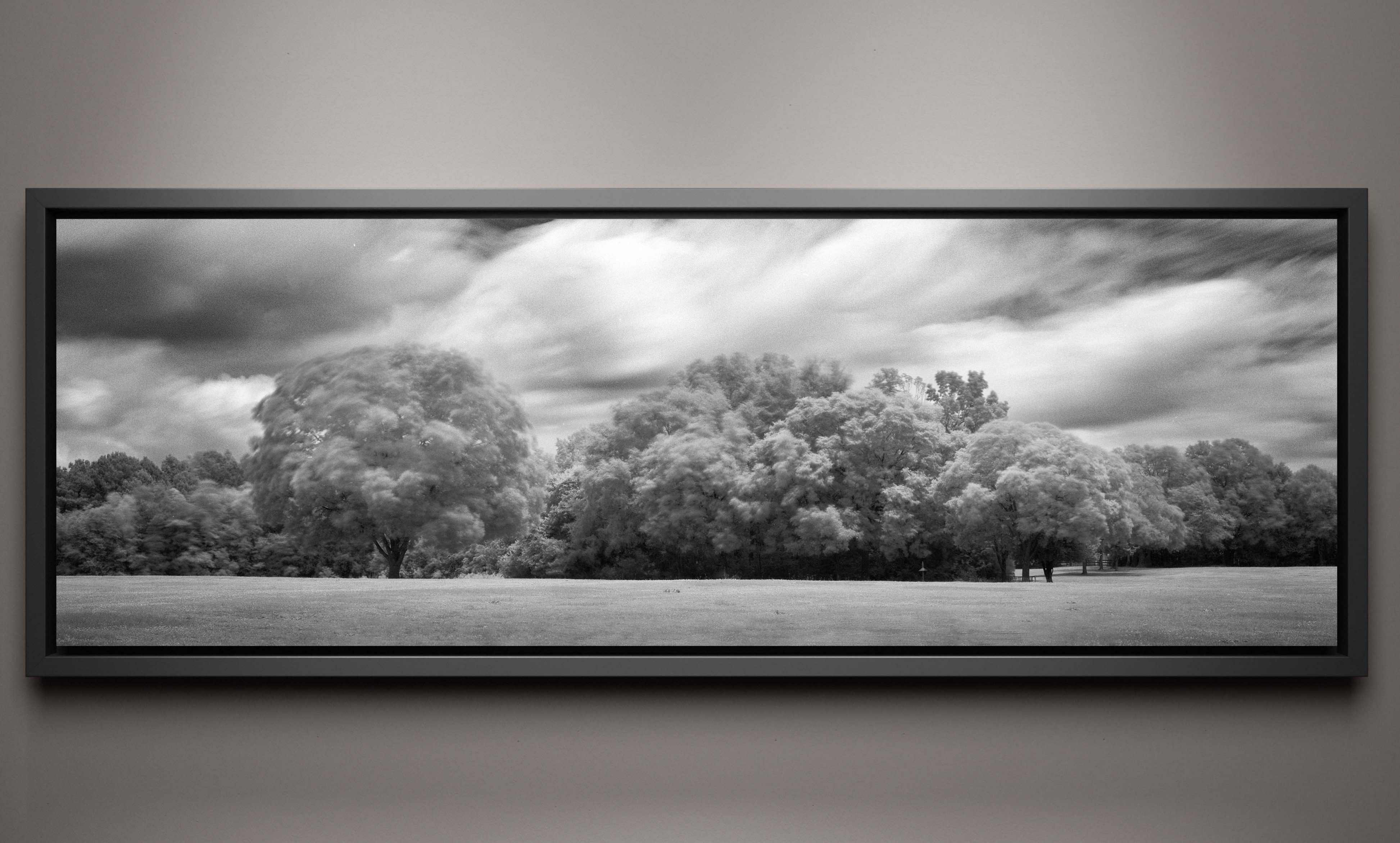
6 stop ND plus the R72 on Ilford SFX. 142 seconds at f22. Storm coming so lots of movement in the trees and clouds but I wanted to hide the walkers, joggers and bicyclists. Linhof T617, 180mm APO-Symmar L, SFX developed in 510 pyro.
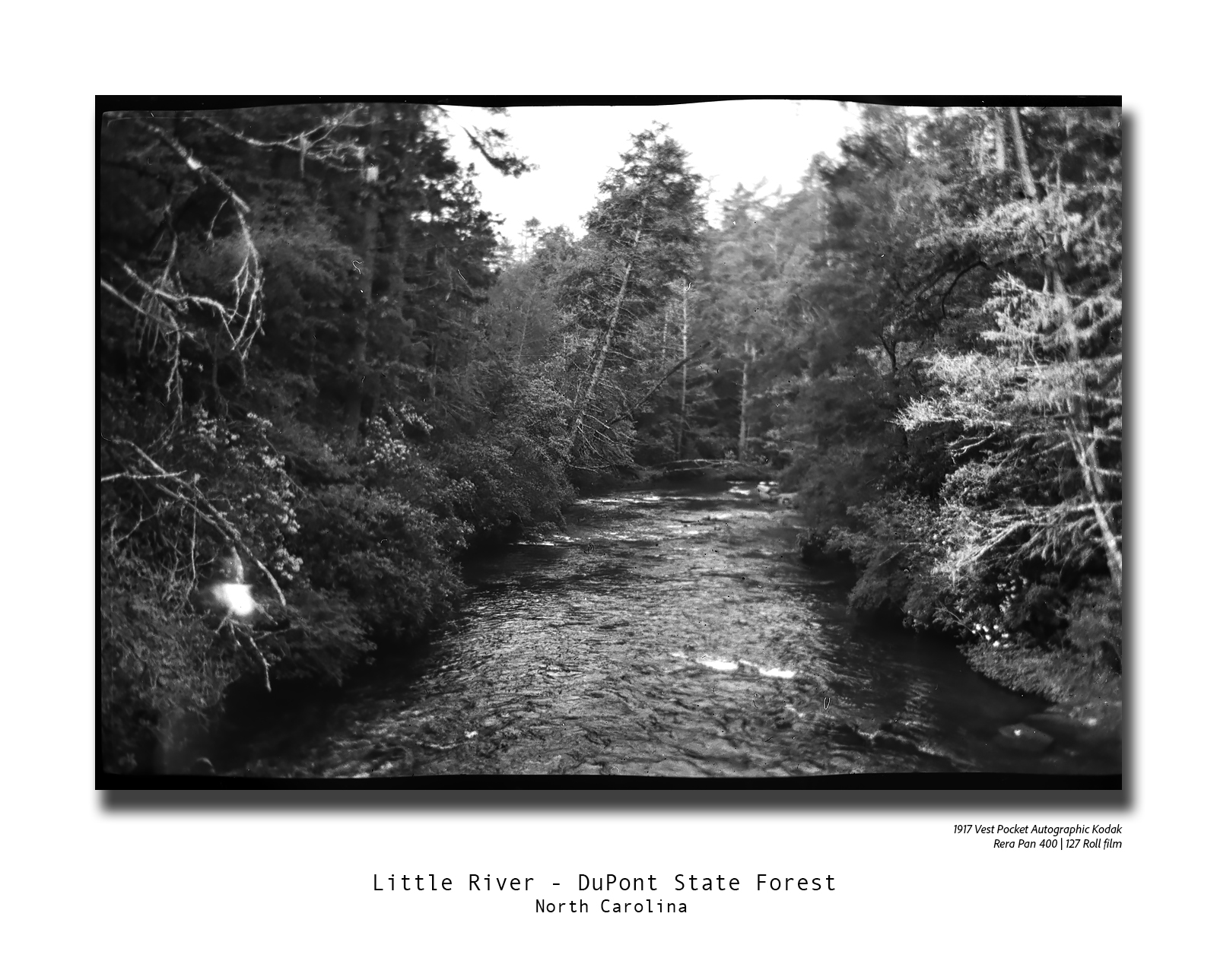
I got this from someone I know (founder of our local camera club) and this camera was his dad's in WWI. Pretty special to own.
I tried to save the bellows on this one but was a losing cause. Between Liquitex and 3M polyester tape they were still developing holes whenever I opened it. I have a new set of bellows I had made sitting on my desk to replace hopefully later this week. The shot above was from my test roll last weekend.
Desmolicious wrote:
I have a very similar one that uses 120 film! But mine leaks light through the bellows like a sieve hit with a chain saw.
I did get some cool light leaky effects though. One time. The other times it was just a mess.
George, That came out great! Is that lower left corner hot spot from the brass slide/red gelatin window for reading the back of the paper roll - or bellows?
GeorgeBo wrote:
Vest Pocket Autographic Kodak (aka Soldiers Camera) from 1917.
RERA Pan 400 127 film developed in CineStill Df96 Monobath