bjhurley wrote:
Yep, no remjet, so it can be processed in C-41. I really don't like those to be honest, the halation can be a cool effect but a little goes a long way. I'm going to get some of the cine films that include remjet, although it's gonna cost me as my lab charges double for processing ECN-2 versus C-41. It's possible to do an ECN-2 prebath to remove the remjet and then process in C-41, but my lab does "pure" ECN-2 and I want to try it. Sparingly.
I have to ask some stupid questions because I've never shot with or processed cine films -- so I'm not familiar with all of the reasons why and why not to use them. I just recognize the halation effect when I see it.
Are the cine films cheap enough to justify the ECN-2 processing cost, or is it cheaper overall to just buy C-41 and processing?
I'm not sure I understand the appeal of the cine films -- I always thought people used them because respooled bulk cine film was cheaper than C-41, and they were willing to put up with the missing anti-halation layer just to keep cost down. I agree, a little halation goes a long way and I'm not sure I would ever use it. Although I enjoy the pictures I still prefer the regular still films. I'm wondering if C-41 film/processing is cheaper, then what's the allure of the cine films? Is it just the halation effect?
coralnut wrote:
I'm wondering if C-41 film/processing is cheaper, then what's the allure of the cine films? Is it just the halation effect?
I think it's mostly about having another option for color film, and for some folks it's bragging rights "I'm shooting movie film in my camera!" These films were designed for modern cinema workflows, in which colorists grade the digital scans, so it's a bit more neutral than other color films like Ektar: you're meant to punch up saturation, contrast, etc. in digital post. Some photographers leave them neutral; others do more post-processing, it's really up to your taste.
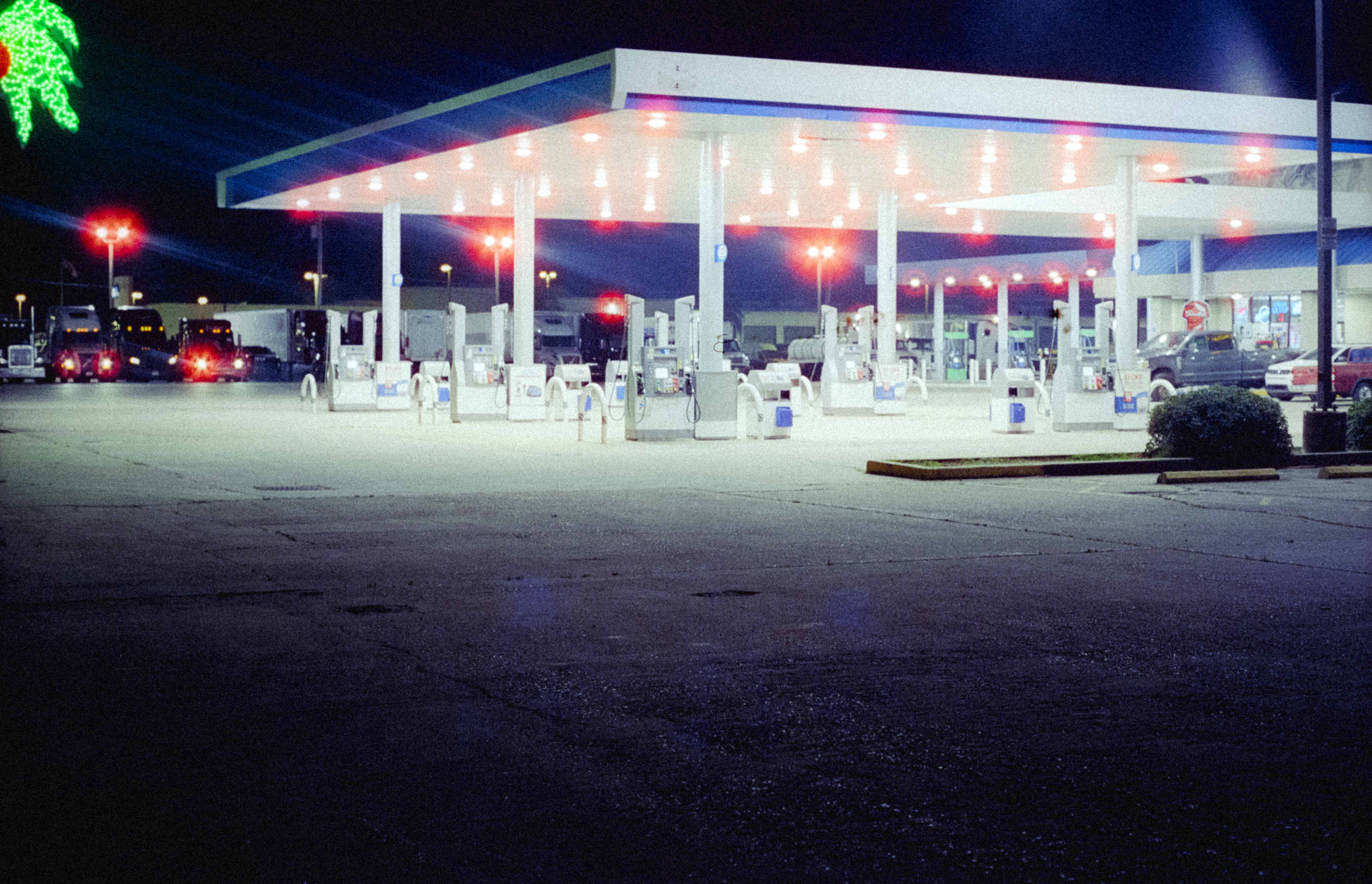
I've seen lots of nice portraits shot with these films, both the daylight and tungsten versions, but I mostly prefer the ones I've seen from films with remjet and processed in ECN-2, mainly because there's less halation. Cinestill 800t (with remjet removed) is quite popular for night-time shots where the halation has a strong signature effect on street lamps and other light sources.
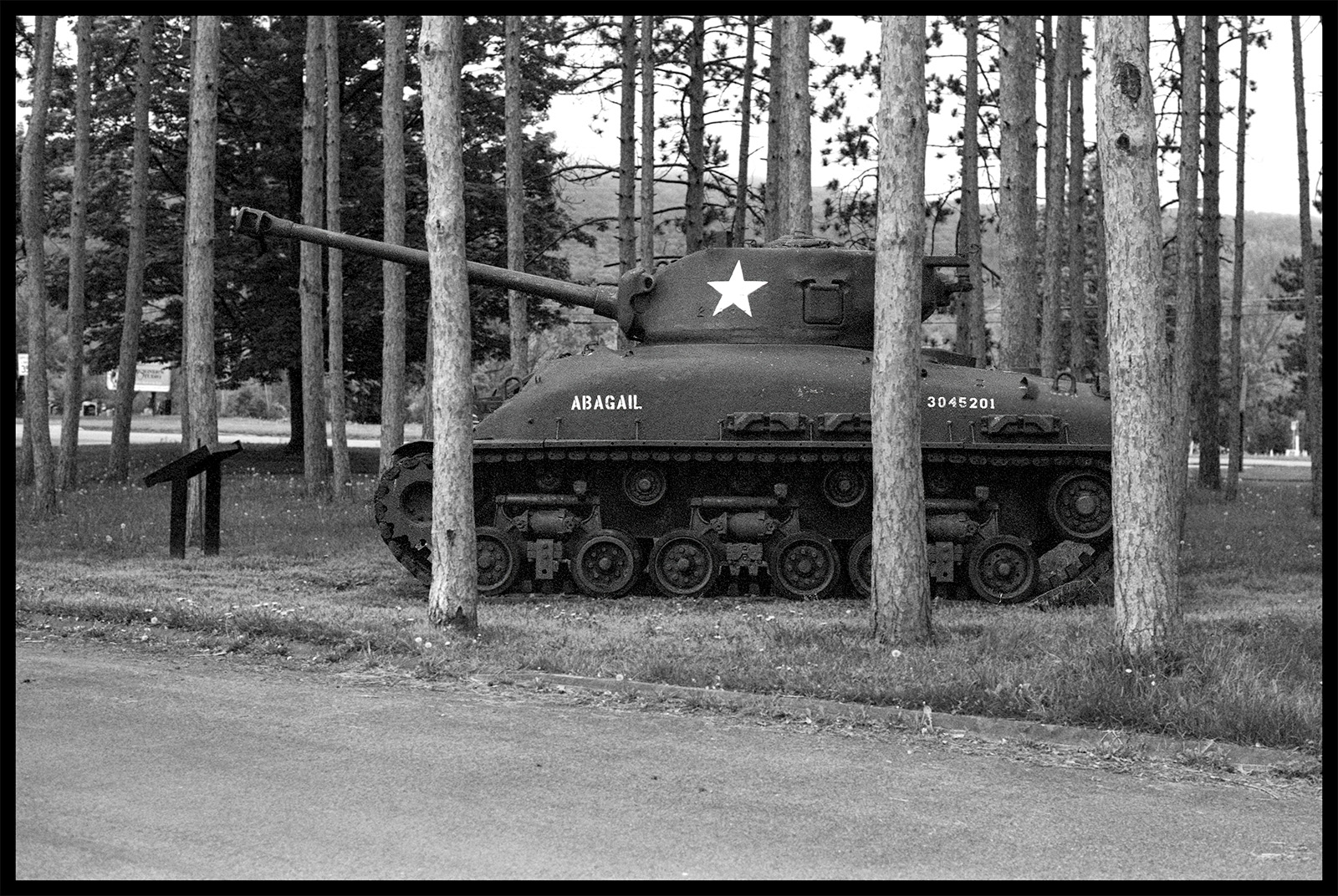
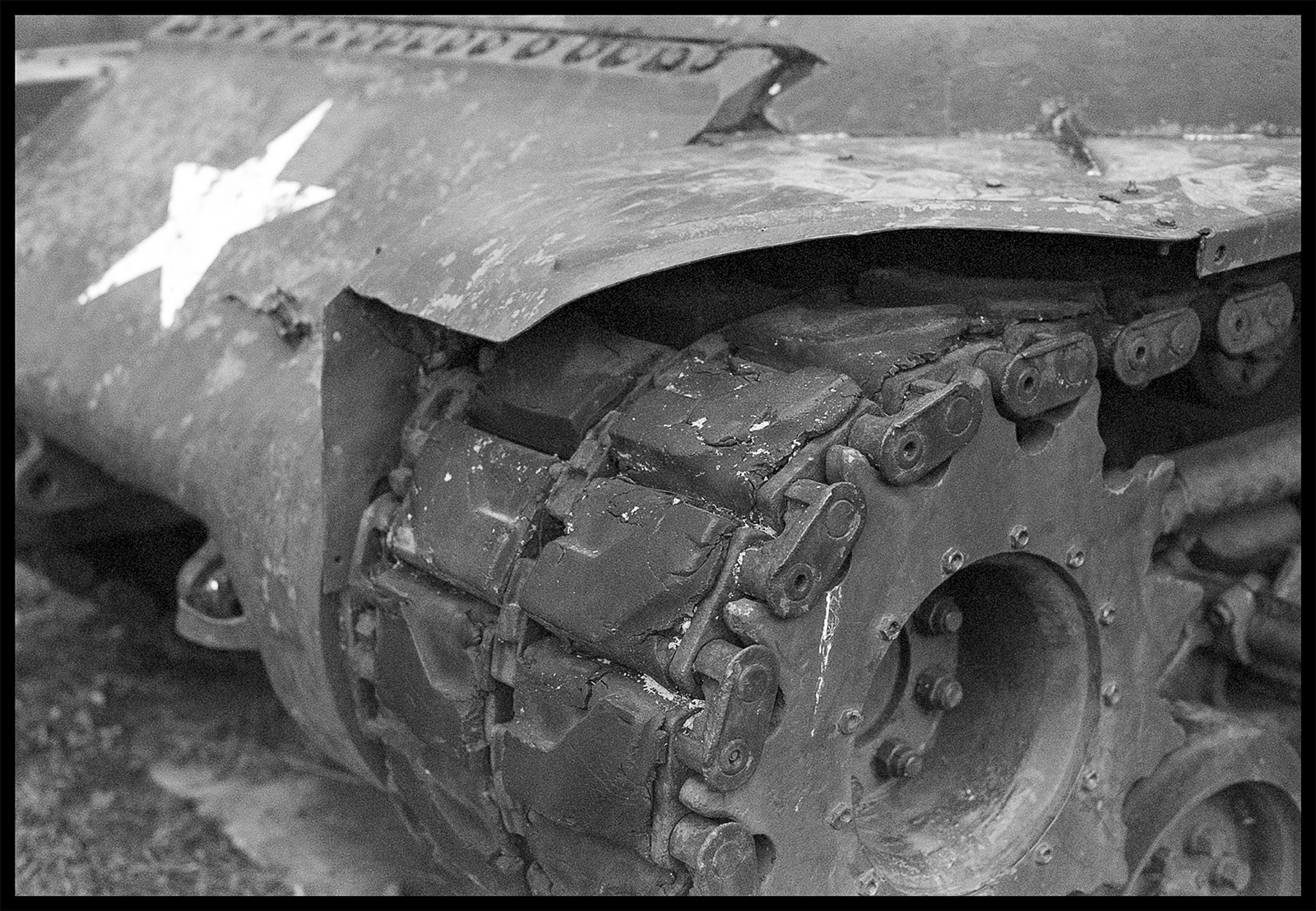
F6, 50mm 1.4G, Expired T400CN, Silverfast scan-V800. All these T400CN scans were from very thin negatives. I rated the expired film at ISO100 but, it must have needed a lot more exposure. I had to add +3EV on the scan to make the images usable. Not sure how to rate the next roll.
geekcop wrote:
F6, 50mm 1.4G, Expired T400CN, Silverfast scan-V800. All these T400CN scans were from very thin negatives. I rated the expired film at ISO100 but, it must have needed a lot more exposure. I had to add +3EV on the scan to make the images usable. Not sure how to rate the next roll.
Hmm. You liked +3 EV. Subtracting 3 stops from ISO 100 takes you pretty close to the camera's lower limit with a stop to spare. Have you considered running a roll of film through the camera and bracketing the exposure ISO around a lower processing setting to get an idea of what works best?
coralnut wrote:
Hmm. You liked +3 EV. Subtracting 3 stops from ISO 100 takes you pretty close to the camera's lower limit with a stop to spare. Have you considered running a roll of film through the camera and bracketing the exposure ISO around a lower processing setting to get an idea of what works best?
I might do so. I have four rolls left. Or I might just toss the film and shoot fresher stuff and spend my money on processing fresher film or other rolls I know will work better.
coralnut wrote:
I have to ask some stupid questions because I've never shot with or processed cine films -- so I'm not familiar with all of the reasons why and why not to use them. I just recognize the halation effect when I see it.
Are the cine films cheap enough to justify the ECN-2 processing cost, or is it cheaper overall to just buy C-41 and processing?
I'm not sure I understand the appeal of the cine films -- I always thought people used them because respooled bulk cine film was cheaper than C-41, and they were willing to put up with the missing anti-halation layer just to keep cost down. I agree, a little halation goes a long way and I'm not sure I would ever use it. Although I enjoy the pictures I still prefer the regular still films. I'm wondering if C-41 film/processing is cheaper, then what's the allure of the cine films? Is it just the halation effect?...Show more →
I like having a cheaper similar option to cinestill 800 which is sold out a lot and expensive. 18 vs 12 bucks.
Reflx lab also makes daylight film 250 and 50D. Supposed to have a day glow halation and soft colors. Am going to experiment.
If I find a film that I like from a new company, I'll buy from them with the hope that they keep experimenting and innovating. The 800T is a keeper, I've shot half a dozen rolls and it's already, in my mind, earned a starting spot in the rotation. IF not starting, definitly in the bullpen.
Hopefully they'll make something similar in 120 where im stuck using cinestill. Gonna be harder bc they cant just re-spool Kodak cine film
Alright, an open question for all the NLP users. This is diving me nuts and I actually tossed a couple of rolls of HP5 after an afternoon of trying to get some decent scans without much success. I recently started using Adox XT-3 and the recommendation was for twelve minutes using the 1+1. The negatives were dense and no matter how I tried to scan them, every one was washed out or had poor tonal range. Went out this morning with the M4 and 50 Summicron V5 and a couple of roll of Tri-X. Development in XT-3 was nine minutes with the 1:1 dilution. It still took some hands on changes to get some decent images. These were scanned in Manual Mode with a +1.0 EV bump. Most had adjustments in exposure and contrast. I changed the profile from Linear Gamma to Lab Standard. It's frustrating because I can see why people like Xtol so much. Fine grain and found it offerss great tones so I would like to continue to use it. When I was using Rodinal at 1:50, Tri-X would scan with almost no manipulation.
Here are a few examples:
I really thought this was a light leak when I looked at the negative but it turned out to be a shadow:
This wrought iron chair was one of the few images that didn't need adjustment:
Pet Groomers:
Another one I thought was a light leak:
Scooter, Multnomah Village:
Pole full of staples, Multnomah Village:
Village Coffe in the heart of the Village!
Rocks under a tree:
I haven't scanned the second roll yet. We're leaving for a road trip and hope to do it before we go.