Mustang Air to Air: The Sequel
p.1235 #1Mustang Air to Air: The Sequel
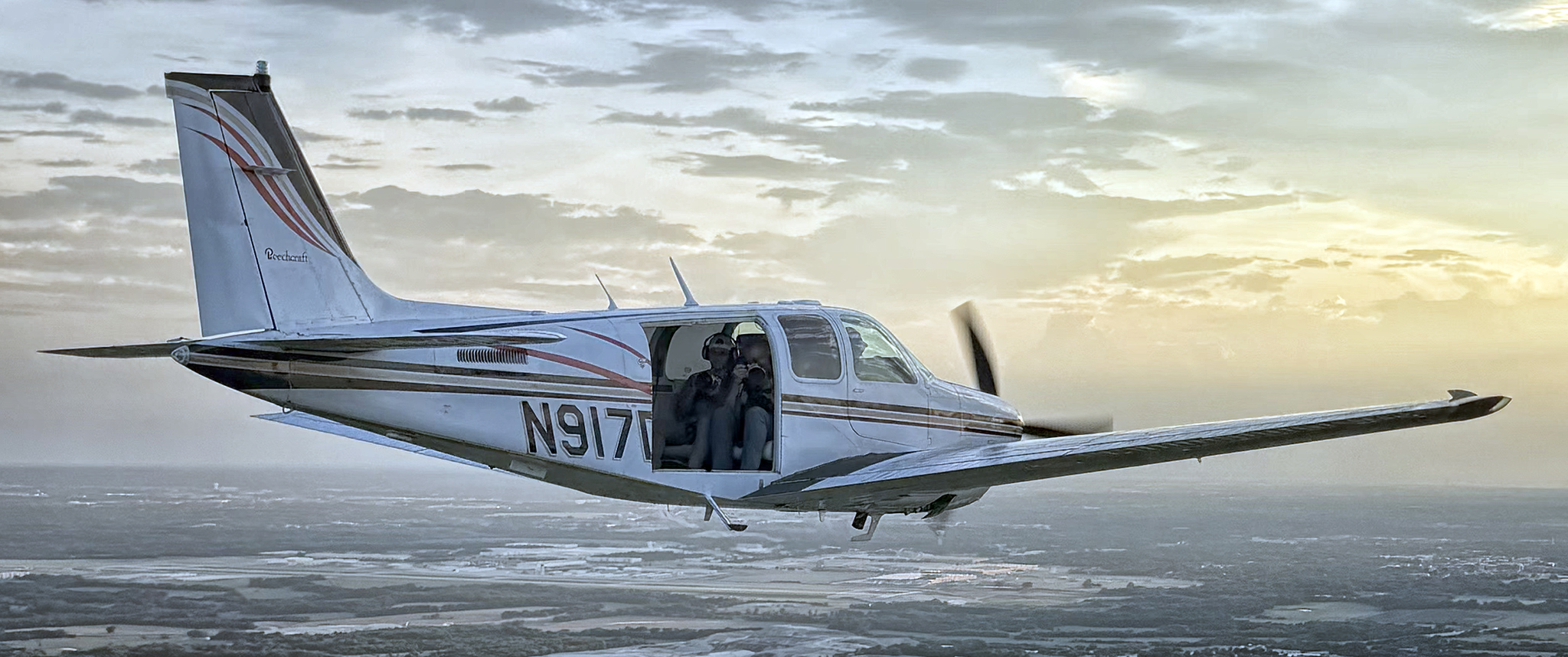
A rare capture of Chandler and me doing our thing................
May 28, 2026 at 06:55 AM
p.1235 #2Mustang Air to Air: The Sequel
I think it is great that the two of you are working together! What a wonderful way to learn and spend time with your GrandFather.
May 28, 2026 at 09:34 AM
p.1235 #3Mustang Air to Air: The Sequel
Thanks Joe, it has been a Blessing for both of us, one that I do not take for granted.
May 28, 2026 at 06:19 PM
p.1235 #4Mustang Air to Air: The Sequel
Bill Gass wrote:
JIII's 8th birthday is tomorrow and he is bouncing off the walls in anticipation. Can't believe he's 8!.
Congrats Jim...
That portrait shoot should cover the cost of the Hassy
So now you can get JIII one
He does love that camera Bill! I think that we can share for the immediate future............
JWilsonphoto wrote
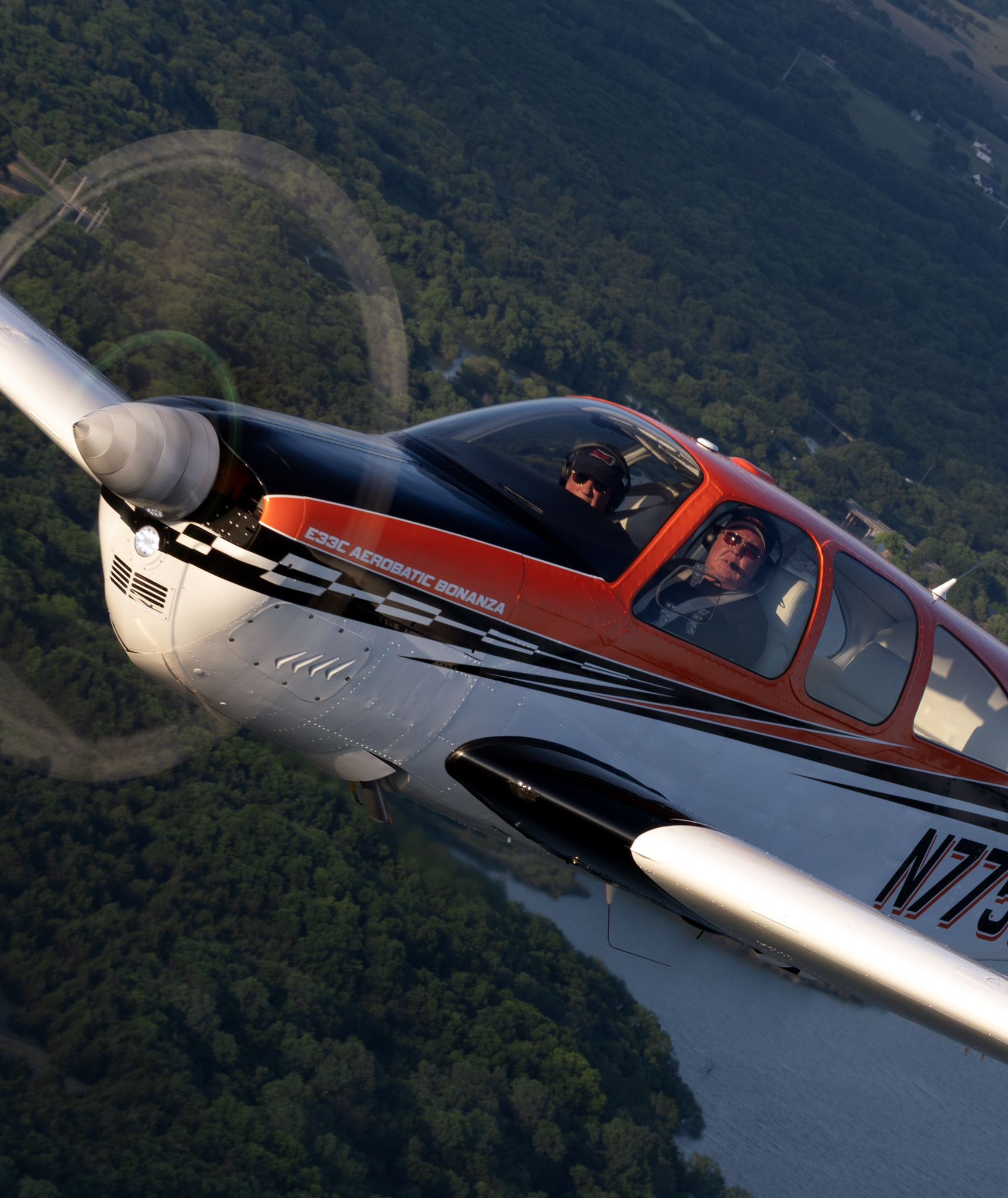
Things are cranking up, just got a large corporate portrait shoot, a dozen logistics centers around Texas, and several other nice sized projects. Shooting an aerobatic Bonanza restoration for AOPA this evening if the weather gives us a break.JIII's 8th birthday is tomorrow and he is bouncing off the walls in anticipation. Can't believe he's 8!
Congrats Jim...
That portrait shoot should cover the cost of the Hassy
So now you can get JIII one
He does love that camera Bill! I think that we can share for the immediate future............
May 29, 2026 at 06:48 AM
p.1235 #5Mustang Air to Air: The Sequel
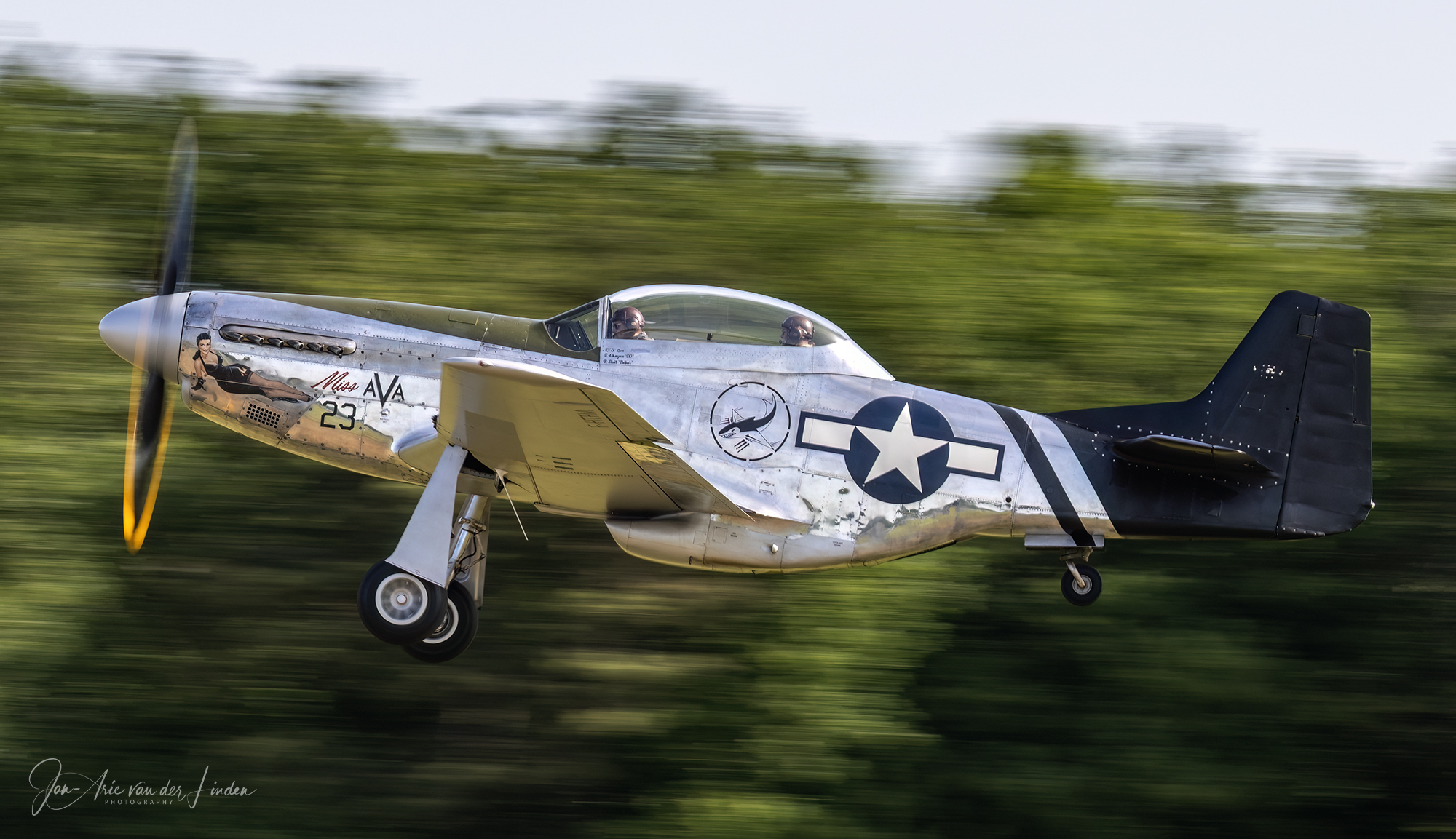
From last weekend in France, weather was ridiculously hot taken at La Ferte Alais.
TF51D 45-11518 Miss Ava it's a mix of various frames most part is from the former Janie 44-14419 although I think the tail numbers are not correct but are the numbers from the schemes that they were painted.
Her stunning bare metal finish and distinctive black tail markings are of the 23rd Fighter Group, 75th Fighter Squadron (Tiger Sharks), of the 14th Air Force based in China in 1945. The “Miss Ava” nose art is inspired by the name Aero Vintage Academy with who she operates. However, the stenciling shows she is painted as P-51K 44-11533, the mount of Capt. E. McGuire, albeit now with a new name and code “23”
https://warbirdaviation.co.uk/Profiles/tf-51d-mustang-miss-ava-g-clnv-45-11518-w-air-collection/
 |
||
 |
||
|
Canon EOS R5m2 RF200-800mm F6.3-9 IS USM lens 208mm f/13.0 1/80s 100 ISO -1.0 EV
May 30, 2026 at 12:27 PM
p.1235 #6Mustang Air to Air: The Sequel
Nice pan Buddy! You are getting along great with your 200-800. I still think that lens is the deal of the century.
May 30, 2026 at 01:44 PM
p.1235 #7Mustang Air to Air: The Sequel
JWilsonphoto wrote:
Nice pan Buddy! You are getting along great with your 200-800. I still think that lens is the deal of the century.
It's still hard, but that has to do with physical health and strength.
Also i'm no fan of that very hot weather, I can't handle it very good.
Blood pressure and sugar levels aint the best at the moment so I have to work on that a bit.
I discovered that most of the time I don't go past 600mm don't know why.
The exposure is easier because now you can see what you are doing.
Took a bunch of photo's but not to many keepers still have to look at them.
Also have to look at some from last year, this was probably my only show this year.
The big show in the UK was cancelled because the base is used by the USAF for ops against Iran.
Will see if I can squeeze something out of the barrel.
It's past midnight so i'm turning in.
Have a wonderful Sunday all.
J.A.
May 30, 2026 at 04:11 PM
p.1235 #9Mustang Air to Air: The Sequel
Keep up the good work Jan Arie! Aging certainly does present some challenges, take care of yourself.
May 31, 2026 at 06:21 AM

p.1235 #10Mustang Air to Air: The Sequel
Jan-Arie wrote:
From last weekend in France, weather was ridiculously hot taken at La Ferte Alais.
TF51D 45-11518 Miss Ava it's a mix of various frames most part is from the former Janie 44-14419 although I think the tail numbers are not correct but are the numbers from the schemes that they were painted.
Her stunning bare metal finish and distinctive black tail markings are of the 23rd Fighter Group, 75th Fighter Squadron (Tiger Sharks), of the 14th Air Force based in China in 1945. The “Miss Ava” nose art is inspired by the name Aero Vintage Academy with who she operates. However, the...Show more →
Beautiful J-A!
Thanks for the backstory. I always love the history of air groups, infantry units and other military service groups!
I am amazed that China has "forgotten" that the US saved their "six" on numerous occasions!
Our enemies become our allies and our friends become our adversaries!
Dan
May 31, 2026 at 10:04 AM
|
p.1235 #11Mustang Air to Air: The Sequel
You guyz that fly are REALLY lucky IMHO!!!
I love flying, either as a passenger, combat soldier or paratrooper. The "sky" was my solitude! I could here God whisper to me as I plunged to earth or sought the quiet before the storm!
Thanks to ALL you "jocks" and "assistant driver's" for posting on this amazing forum!
Dan
I love flying, either as a passenger, combat soldier or paratrooper. The "sky" was my solitude! I could here God whisper to me as I plunged to earth or sought the quiet before the storm!
Thanks to ALL you "jocks" and "assistant driver's" for posting on this amazing forum!
Dan
May 31, 2026 at 10:09 AM
p.1235 #12Mustang Air to Air: The Sequel
JWilsonphoto wrote:
Keep up the good work Jan Arie! Aging certainly does present some challenges, take care of yourself.
YES IT DOES Jim!!!!
Challenges that we may not be able control either!
I took care of myself "growing up". But that still didn't help...... my shadows grow shorter!
Dan
Keep up the good work Jan Arie! Aging certainly does present some challenges, take care of yourself.
YES IT DOES Jim!!!!
Challenges that we may not be able control either!
I took care of myself "growing up". But that still didn't help...... my shadows grow shorter!
Dan
May 31, 2026 at 10:12 AM
p.1235 #13Mustang Air to Air: The Sequel
Indeed Dan, I'm discovering that denial doesn't halt the march of time.
May 31, 2026 at 06:52 PM
p.1235 #14Mustang Air to Air: The Sequel
Danpbphoto wrote:
TF51D 45-11518 Miss Ava it's a mix of various frames most part is from the former Janie 44-14419 although I think the tail numbers are not correct but are the numbers from the schemes that they were painted.
Her stunning bare metal finish and distinctive black tail markings are of the 23rd Fighter Group, 75th Fighter Squadron (Tiger Sharks), of the 14th Air Force based in China in 1945. The “Miss Ava” nose art is inspired by the name Aero Vintage Academy with who she operates. However, the stenciling shows she is painted as P-51K 44-11533, the mount of Capt. E. McGuire, albeit now with a new name and code “23”
https://warbirdaviation.co.uk/Profiles/tf-51d-mustang-miss-ava-g-clnv-45-11518-w-air-collection/Beautiful J-A!
Thanks for the backstory. I always love the history of air groups, infantry units and other military service groups!
I am amazed that China has "forgotten" that the US saved their "six" on numerous occasions!
Our enemies become our allies and our friends become our adversaries!
Dan
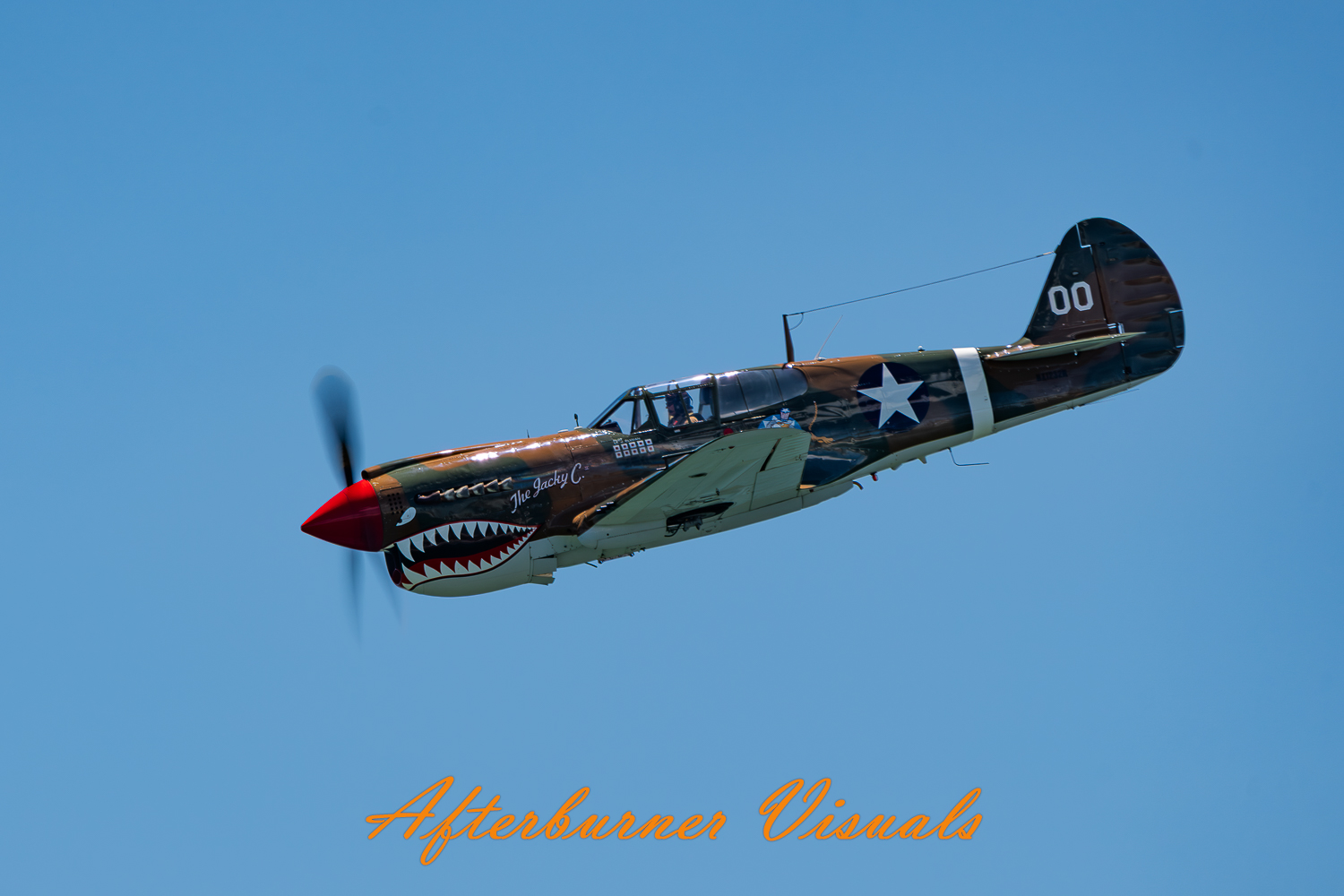
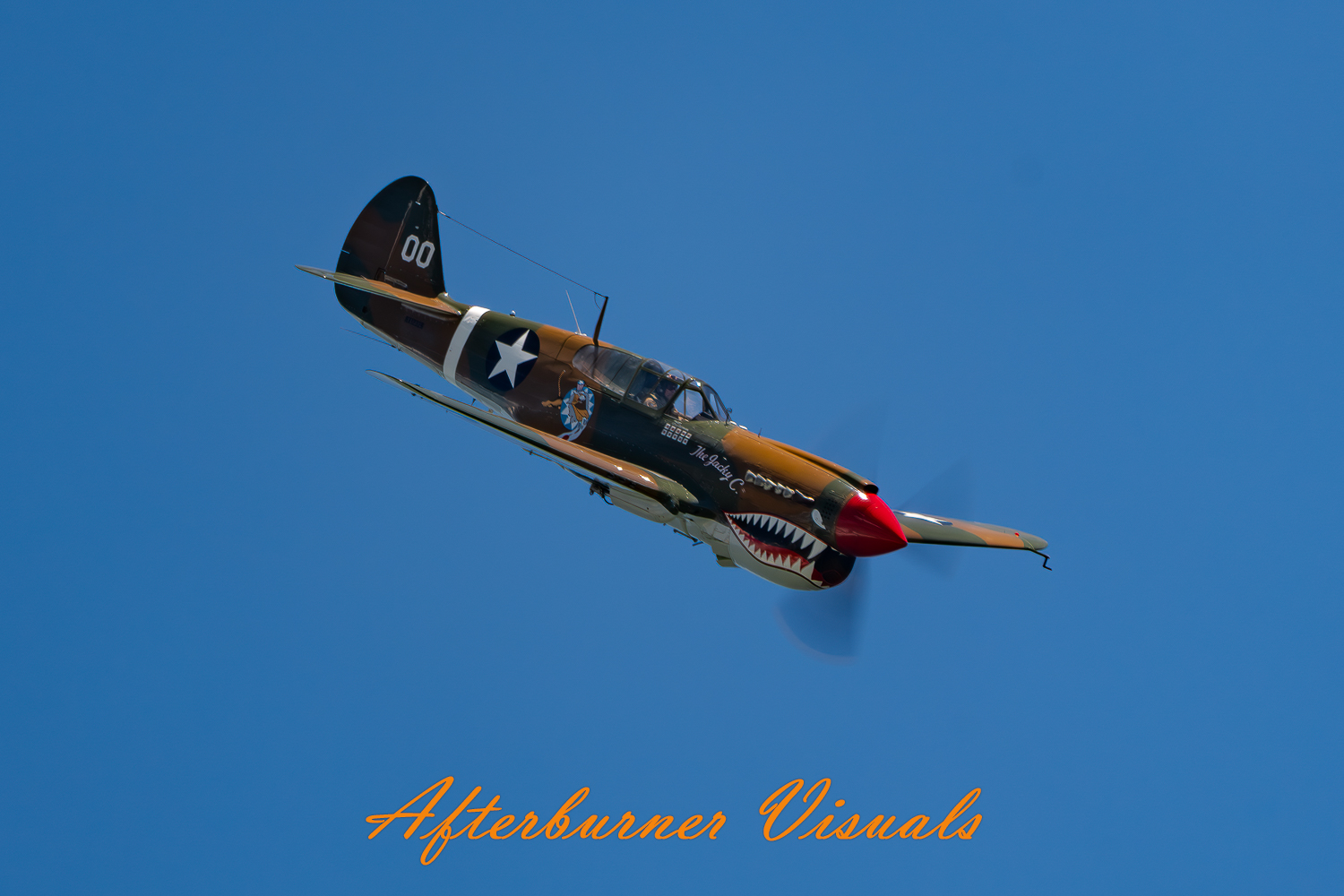
Talking about saving China's six, here is a P-40 Warhawk I saw in Atlantic City on Friday, I believe the P-40s were the main fighter of the Flying Tiger. I might have mentioned here years ago. When I was a tour guide in China, I was with an American tour group in Guilin (maybe in 1986 or 1987), the very scenic area in southwest China, not far from Vietnam. A couple from Texas didn't go with the group for the usual sightseeing stuff. They hired a cab to take them to an airfield where the Flying Tiger was based in. The husband showed me the small bottle of dirt he collected from the airfield, he told me he was going to bring it back for his grandchildren. He was with the Flying Tiger. I knew very little about WWII then, and it was an utter shame that I didn't thank him. What we were taught in school was that the communists won the war against Japan in China. They didn't say much about the Flying Tiger, the Pacific War and the Chinese Nationalists (Kuomingtang) that did the bulk (and sacrifice) of the ground fighting in China. The same way they taught us that the Americans started the Korean War. I didn't know the No. Koreans invaded S. Korea first until I came to the US.
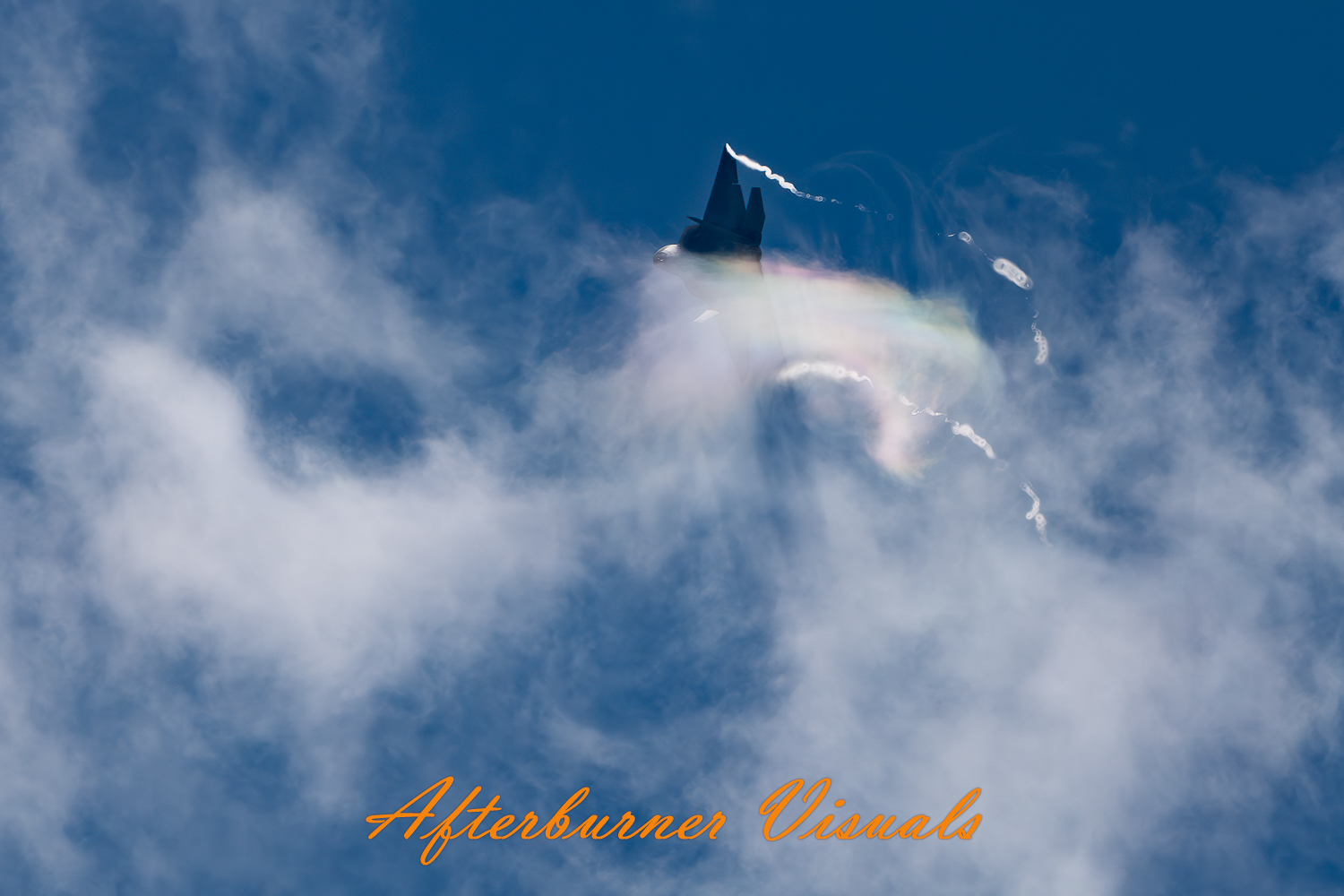
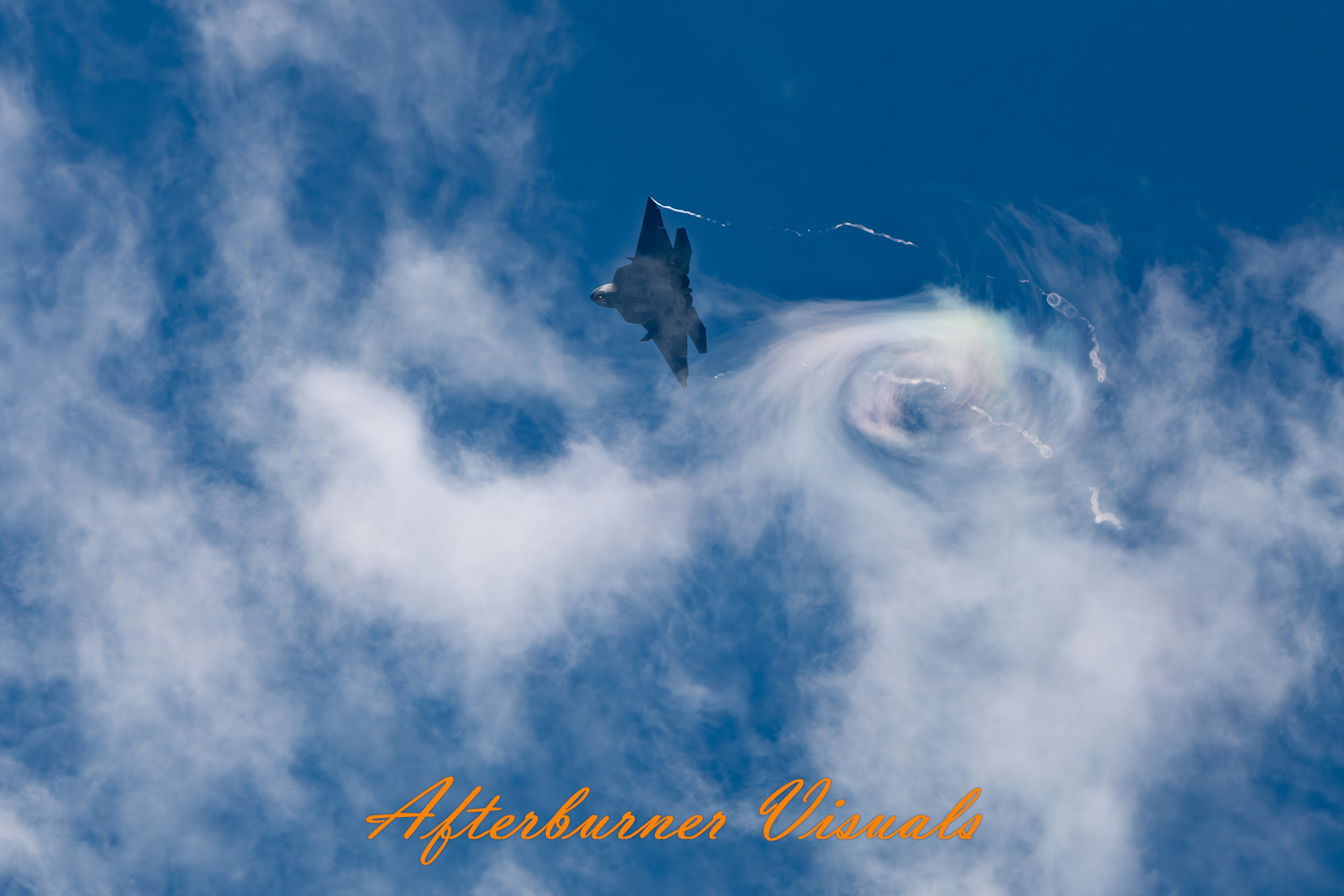
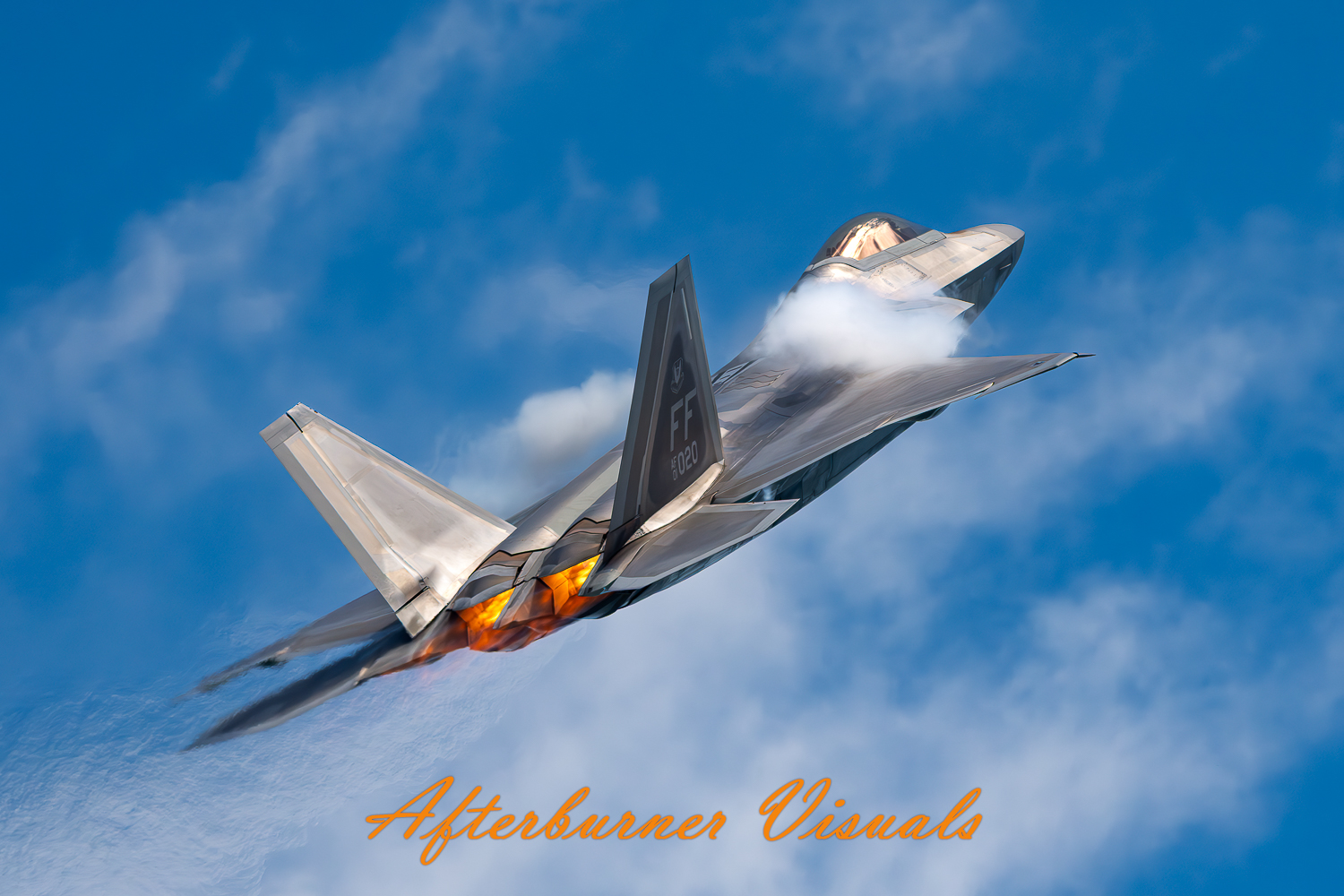
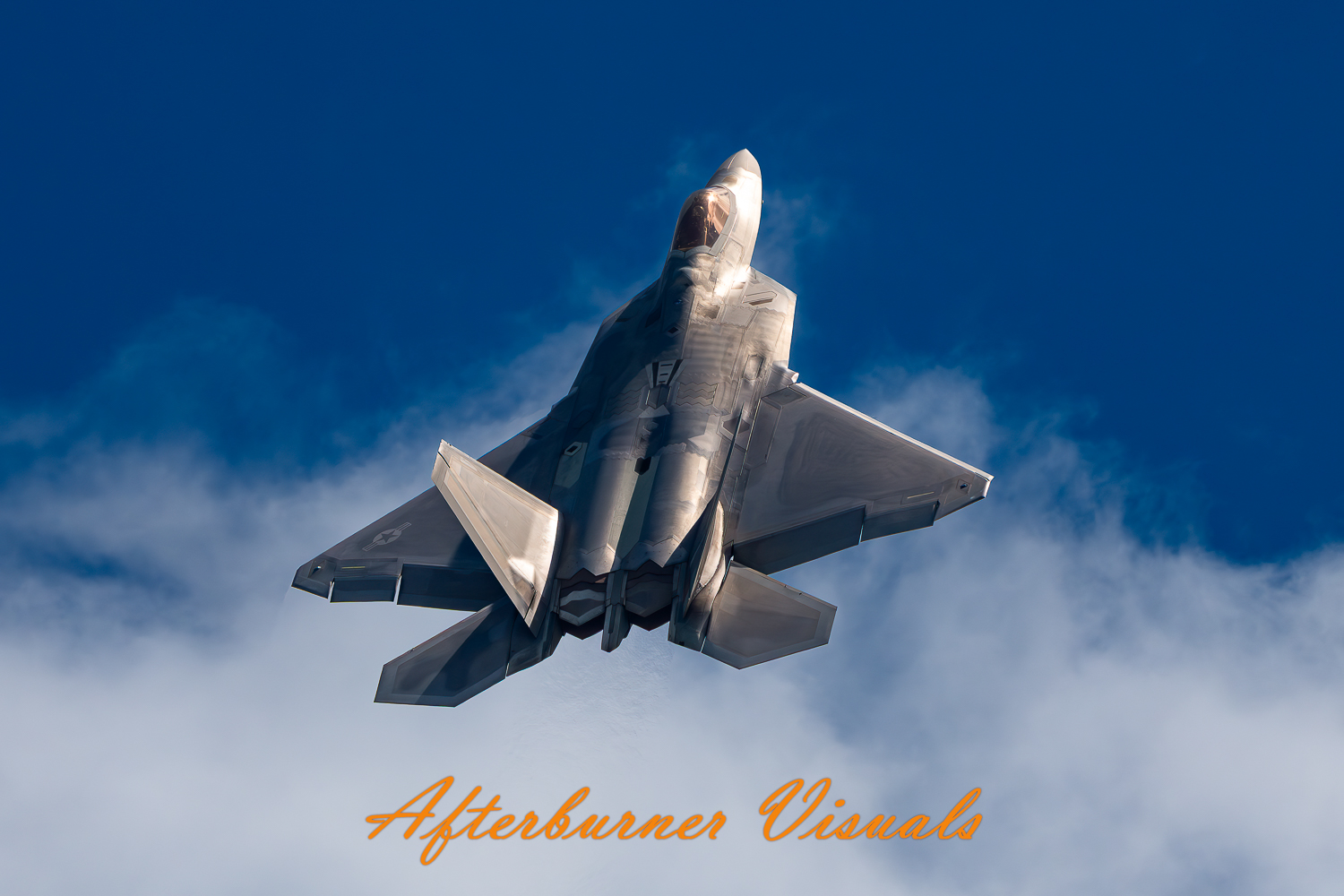
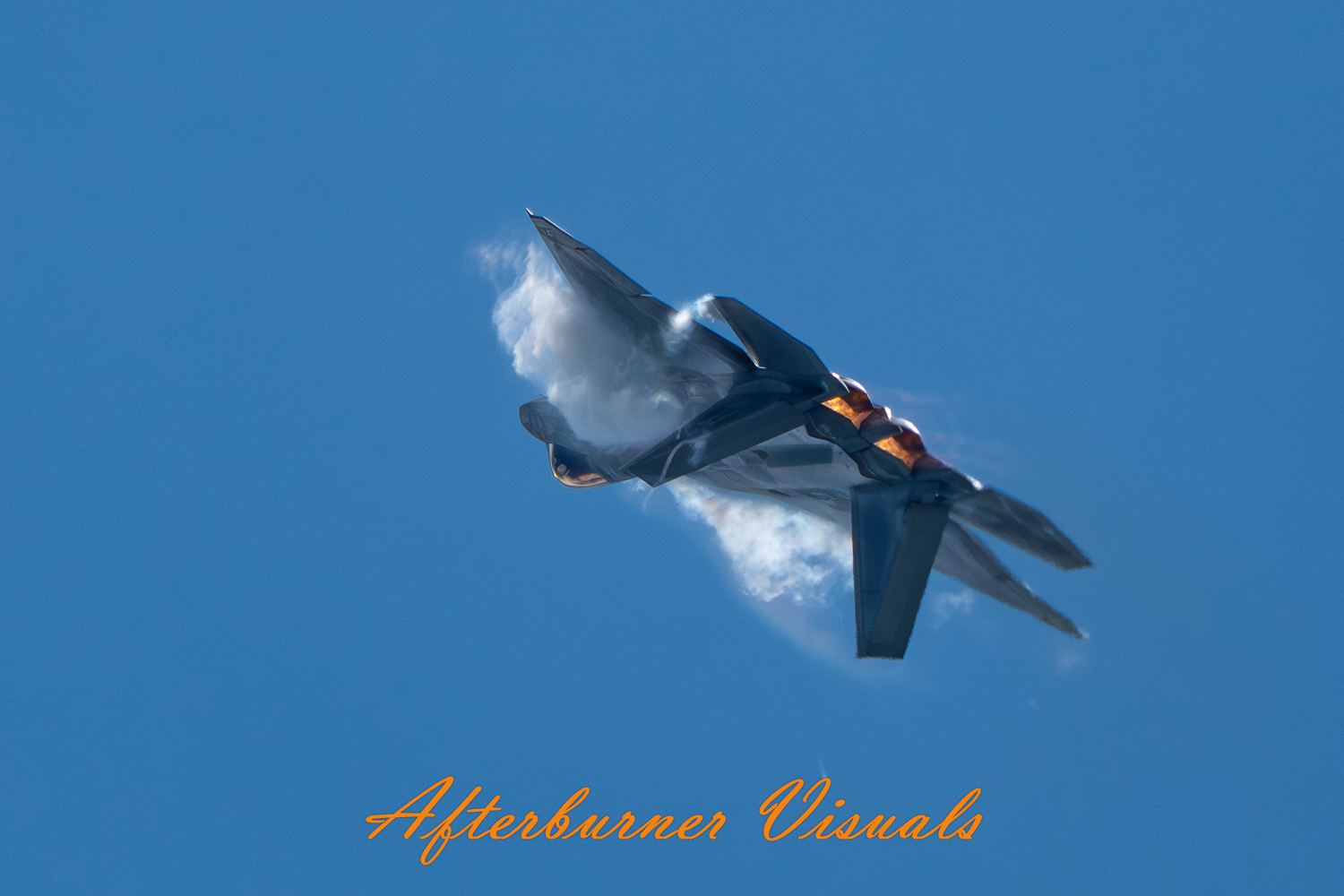
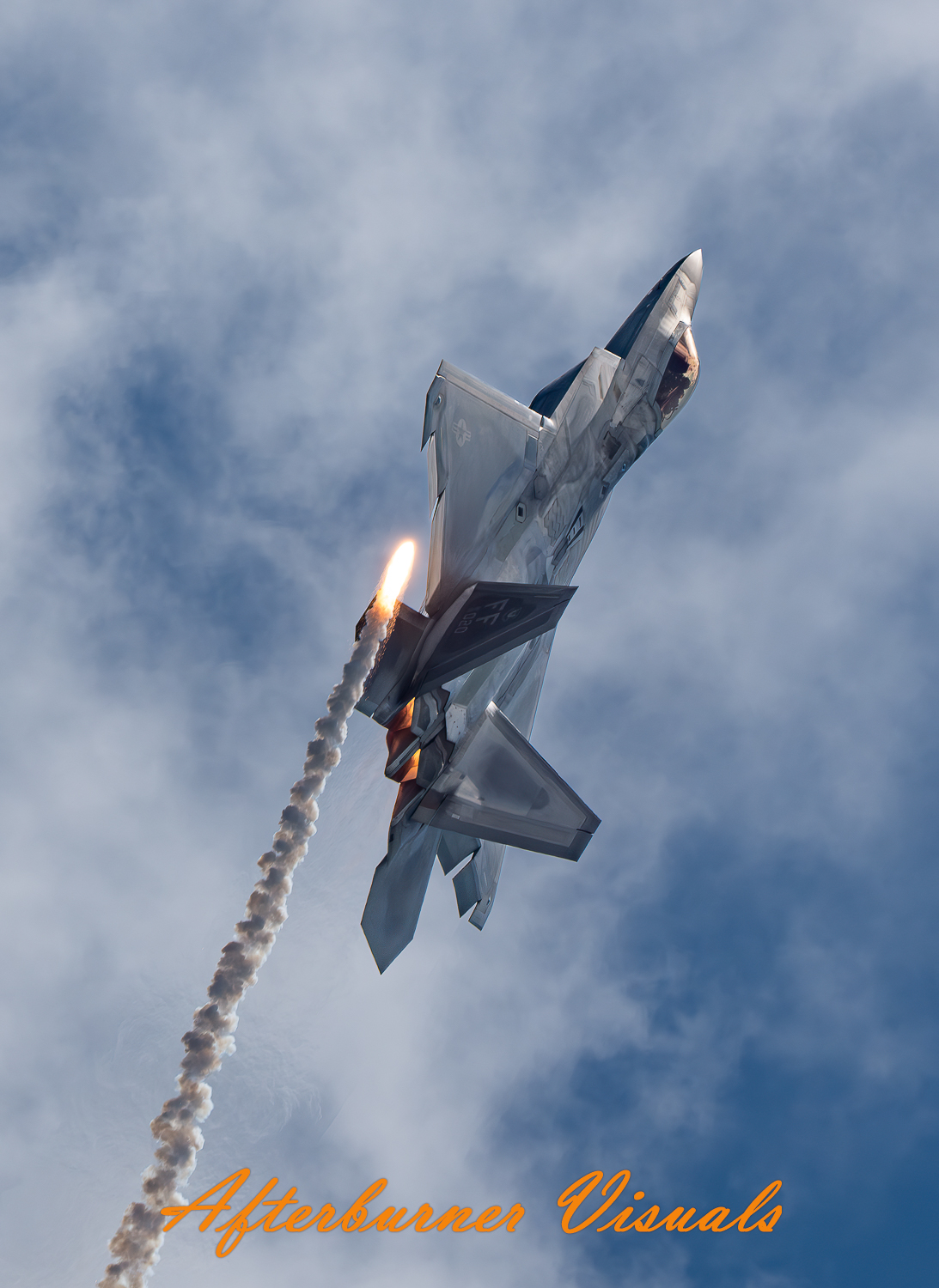
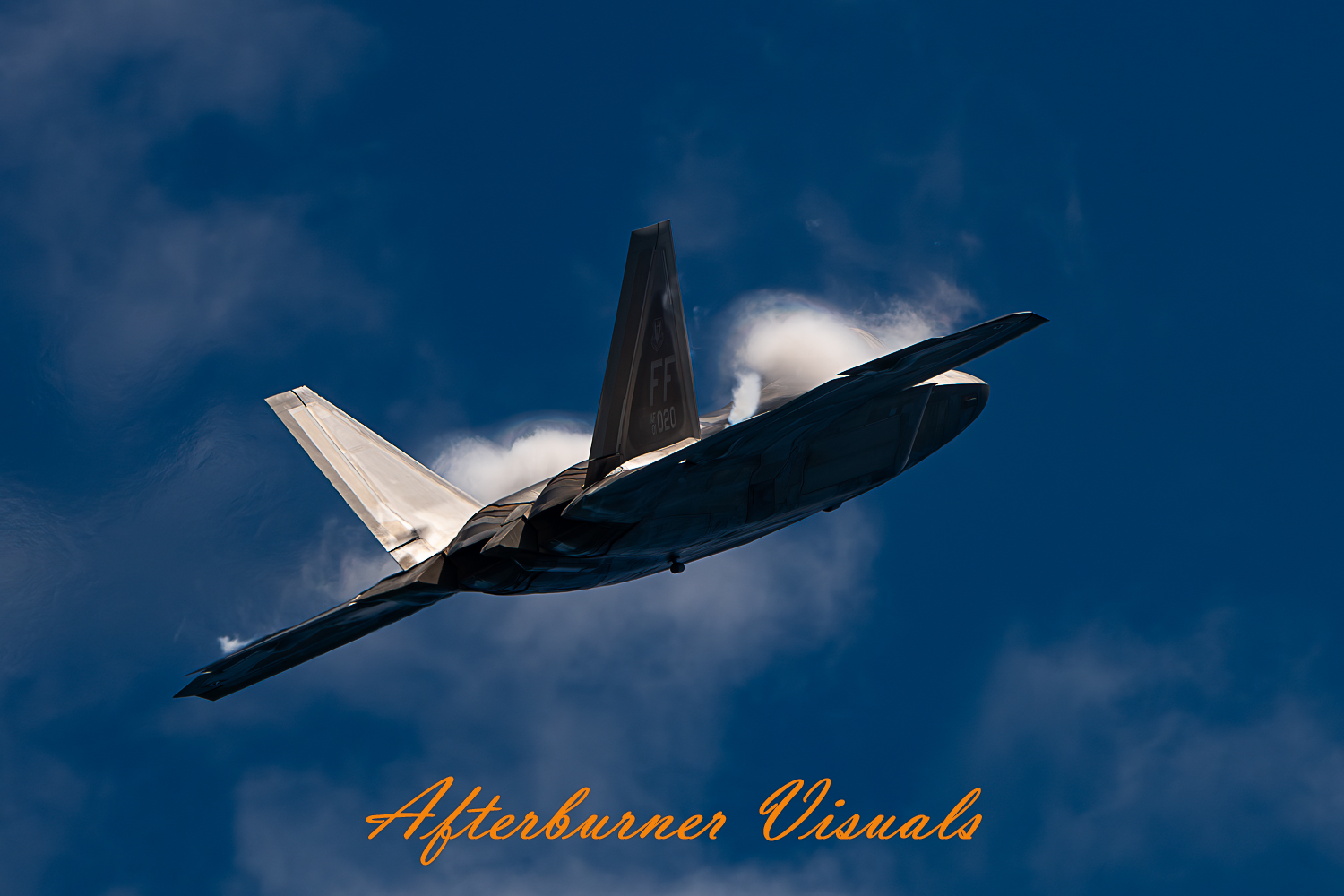
I went to Atlantic City on Friday for a short airshow, F-22, F-35B, MiG-17, ...When I finally got around to edit the pictures few hours ago, I found a few interesting shots of the F-22 in which it made a small swirl. I don't recall seeing this phenomenon before. The organizer said Friday wasn't a rehearsal, it was a real show. But it was actually a rehearsal. The F-22 popped a single flare just once, vs. multiple flares at the show on Sat and Sun. Anyway, I am very happy with what I got of the F-22.
Edited on May 31, 2026 at 09:00 PM · View previous versions
Jan-Arie wrote
From last weekend in France, weather was ridiculously hot taken at La Ferte Alais.TF51D 45-11518 Miss Ava it's a mix of various frames most part is from the former Janie 44-14419 although I think the tail numbers are not correct but are the numbers from the schemes that they were painted.
Her stunning bare metal finish and distinctive black tail markings are of the 23rd Fighter Group, 75th Fighter Squadron (Tiger Sharks), of the 14th Air Force based in China in 1945. The “Miss Ava” nose art is inspired by the name Aero Vintage Academy with who she operates. However, the stenciling shows she is painted as P-51K 44-11533, the mount of Capt. E. McGuire, albeit now with a new name and code “23”
https://warbirdaviation.co.uk/Profiles/tf-51d-mustang-miss-ava-g-clnv-45-11518-w-air-collection/
Thanks for the backstory. I always love the history of air groups, infantry units and other military service groups!
I am amazed that China has "forgotten" that the US saved their "six" on numerous occasions!
Our enemies become our allies and our friends become our adversaries!
Dan
Talking about saving China's six, here is a P-40 Warhawk I saw in Atlantic City on Friday, I believe the P-40s were the main fighter of the Flying Tiger. I might have mentioned here years ago. When I was a tour guide in China, I was with an American tour group in Guilin (maybe in 1986 or 1987), the very scenic area in southwest China, not far from Vietnam. A couple from Texas didn't go with the group for the usual sightseeing stuff. They hired a cab to take them to an airfield where the Flying Tiger was based in. The husband showed me the small bottle of dirt he collected from the airfield, he told me he was going to bring it back for his grandchildren. He was with the Flying Tiger. I knew very little about WWII then, and it was an utter shame that I didn't thank him. What we were taught in school was that the communists won the war against Japan in China. They didn't say much about the Flying Tiger, the Pacific War and the Chinese Nationalists (Kuomingtang) that did the bulk (and sacrifice) of the ground fighting in China. The same way they taught us that the Americans started the Korean War. I didn't know the No. Koreans invaded S. Korea first until I came to the US.
I went to Atlantic City on Friday for a short airshow, F-22, F-35B, MiG-17, ...When I finally got around to edit the pictures few hours ago, I found a few interesting shots of the F-22 in which it made a small swirl. I don't recall seeing this phenomenon before. The organizer said Friday wasn't a rehearsal, it was a real show. But it was actually a rehearsal. The F-22 popped a single flare just once, vs. multiple flares at the show on Sat and Sun. Anyway, I am very happy with what I got of the F-22.
 |
||
 |
||
|
ILCE-1M2 FE 400-800mm F6.3-8 G OSS lens 800mm f/8.0 1/125s 100 ISO 0.0 EV
|
||
 |
||
|
ILCE-1M2 FE 400-800mm F6.3-8 G OSS lens 800mm f/8.0 1/125s 100 ISO 0.0 EV
|
||
 |
||
|
ILCE-1M2 FE 400-800mm F6.3-8 G OSS lens 800mm f/8.0 1/125s 100 ISO 0.0 EV
 |
||
 |
||
|
ILCE-1M2 FE 400-800mm F6.3-8 G OSS lens 800mm f/8.0 1/4000s 320 ISO -1.0 EV
|
||
 |
||
|
ILCE-1M2 FE 400-800mm F6.3-8 G OSS lens 800mm f/8.0 1/4000s 320 ISO -1.0 EV
|
||
 |
||
|
ILCE-1M2 FE 400-800mm F6.3-8 G OSS lens 785mm f/8.0 1/4000s 1000 ISO +0.3 EV
|
||
 |
||
|
ILCE-1M2 FE 400-800mm F6.3-8 G OSS lens 685mm f/8.0 1/4000s 500 ISO -0.3 EV
|
||
 |
||
|
ILCE-1M2 FE 400-800mm F6.3-8 G OSS lens 700mm f/8.0 1/4000s 640 ISO -0.3 EV
|
||
 |
||
|
ILCE-1M2 FE 400-800mm F6.3-8 G OSS lens 800mm f/8.0 1/4000s 250 ISO -0.3 EV
Edited on May 31, 2026 at 09:00 PM · View previous versions
May 31, 2026 at 07:10 PM
p.1235 #16Mustang Air to Air: The Sequel
About the American Volunteer Group (AVN, AKA Flying Tigers): The aircraft flown by the famous Flying Tigers in China was the Curtiss-Wright P-40 Tomahawk, specifically export versions similar to the P-40B and P-40C. The British called these early models "Tomahawks"; later P-40 versions were called "Kittyhawks." The Flying Tigers never flew the later, more powerful P-40N models that many people picture when they think of the Warhawk.
The Tomahawk was a single-seat fighter powered by an Allison V-1710 liquid-cooled V-12 engine producing about 1,040–1,150 horsepower. It could reach roughly 350 mph and was armed with .50-caliber machine guns in the nose and .30-caliber guns in the wings on the early models. in 1941, the P-40 was one of the few modern fighters available for export to China. The Japanese had more maneuverable fighters such as the Mitsubishi A6M Zero, the Nakajima Ki-27, and later the Nakajima Ki-43 Hayabusa. In a turning fight, the P-40 would usually lose. 40's guns could be devastating. and avoided its weaknesses. In other words, the Japanese fighters were superior to the Tomahawk.
What gave the AVN an advantage was Claire Chennault's study of the Japanese air force tactics. When the Flying Tigers followed his policies they were successful, when they didn't, the results were not good. It is amazing to read about the AVN and how hard the mechanics had to work to piece together crashed/broken aircraft to keep the 3 AVN squadrons flying.
May 31, 2026 at 08:27 PM
p.1235 #17Mustang Air to Air: The Sequel
Douglas L wrote:
TF51D 45-11518 Miss Ava it's a mix of various frames most part is from the former Janie 44-14419 although I think the tail numbers are not correct but are the numbers from the schemes that they were painted.
Her stunning bare metal finish and distinctive black tail markings are of the 23rd Fighter Group, 75th Fighter Squadron (Tiger Sharks), of the 14th Air Force based in China in 1945. The “Miss Ava” nose art is inspired by the name Aero Vintage Academy with who she operates. However, the stenciling shows she is painted as P-51K 44-11533, the mount of Capt. E. McGuire, albeit now with a new name and code “23”
https://warbirdaviation.co.uk/Profiles/tf-51d-mustang-miss-ava-g-clnv-45-11518-w-air-collection/Beautiful J-A!
Thanks for the backstory. I always love the history of air groups, infantry units and other military service groups!
I am amazed that China has "forgotten" that the US saved their "six" on numerous occasions!
Our enemies become our allies and our friends become our adversaries!
Dan.
Great compositions Douglas!
Glad you are able to get to these "shows".
Dan
Danpbphoto wrote
Jan-Arie wrote
From last weekend in France, weather was ridiculously hot taken at La Ferte Alais.TF51D 45-11518 Miss Ava it's a mix of various frames most part is from the former Janie 44-14419 although I think the tail numbers are not correct but are the numbers from the schemes that they were painted.
Her stunning bare metal finish and distinctive black tail markings are of the 23rd Fighter Group, 75th Fighter Squadron (Tiger Sharks), of the 14th Air Force based in China in 1945. The “Miss Ava” nose art is inspired by the name Aero Vintage Academy with who she operates. However, the stenciling shows she is painted as P-51K 44-11533, the mount of Capt. E. McGuire, albeit now with a new name and code “23”
https://warbirdaviation.co.uk/Profiles/tf-51d-mustang-miss-ava-g-clnv-45-11518-w-air-collection/
Thanks for the backstory. I always love the history of air groups, infantry units and other military service groups!
I am amazed that China has "forgotten" that the US saved their "six" on numerous occasions!
Our enemies become our allies and our friends become our adversaries!
Dan
Great compositions Douglas!
Glad you are able to get to these "shows".
Dan
Jun 01, 2026 at 09:18 AM
p.1235 #18Mustang Air to Air: The Sequel
Doug, thank you for your usual stellar photos and interesting back story.
Ray, thank you for the fascinating history of the flying tigers.
Wing.
Ray, thank you for the fascinating history of the flying tigers.
Wing.
Jun 01, 2026 at 02:21 PM
p.1235 #19Mustang Air to Air: The Sequel
Typically "Douglas".........................
Jun 01, 2026 at 02:46 PM
p.1235 #20Mustang Air to Air: The Sequel
Thank you gentlemen! Ray, thank you for the information!
June will be a busy airshow month.
1. This coming weekend there will be the WWII Weekend in Reading, Pa, all warbird stuff, I am not sure I would go to that one.
2. June 13-14 will be the Ocean City show, Thunderbirds, F=-35A, French AF Patrouille de France (have never seen them before),
3.Columbus Airshow 2026: Thunderbirds, F-35A, P-38.... The main reason I am going is it will be a later afternoon show. I love the lighting in late afternoon for airshow. I will skip the NAS Patuxent River Air Show because it's on the same weekend as the Columbus Show.
4. Baltimore Fleet Week: Blue Angels, RAF Red Arrows, French AF Patrouille de France, F-16 demo
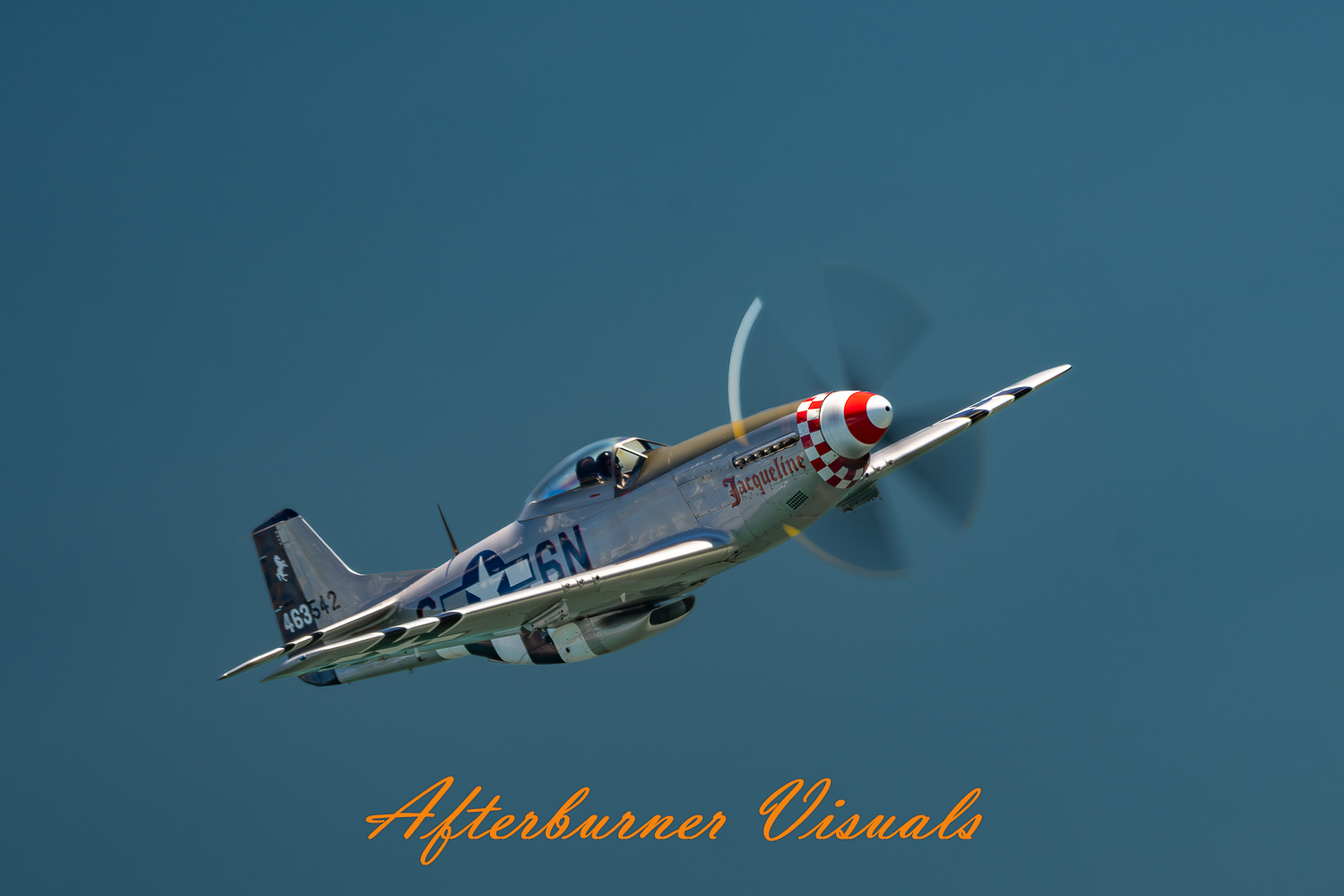
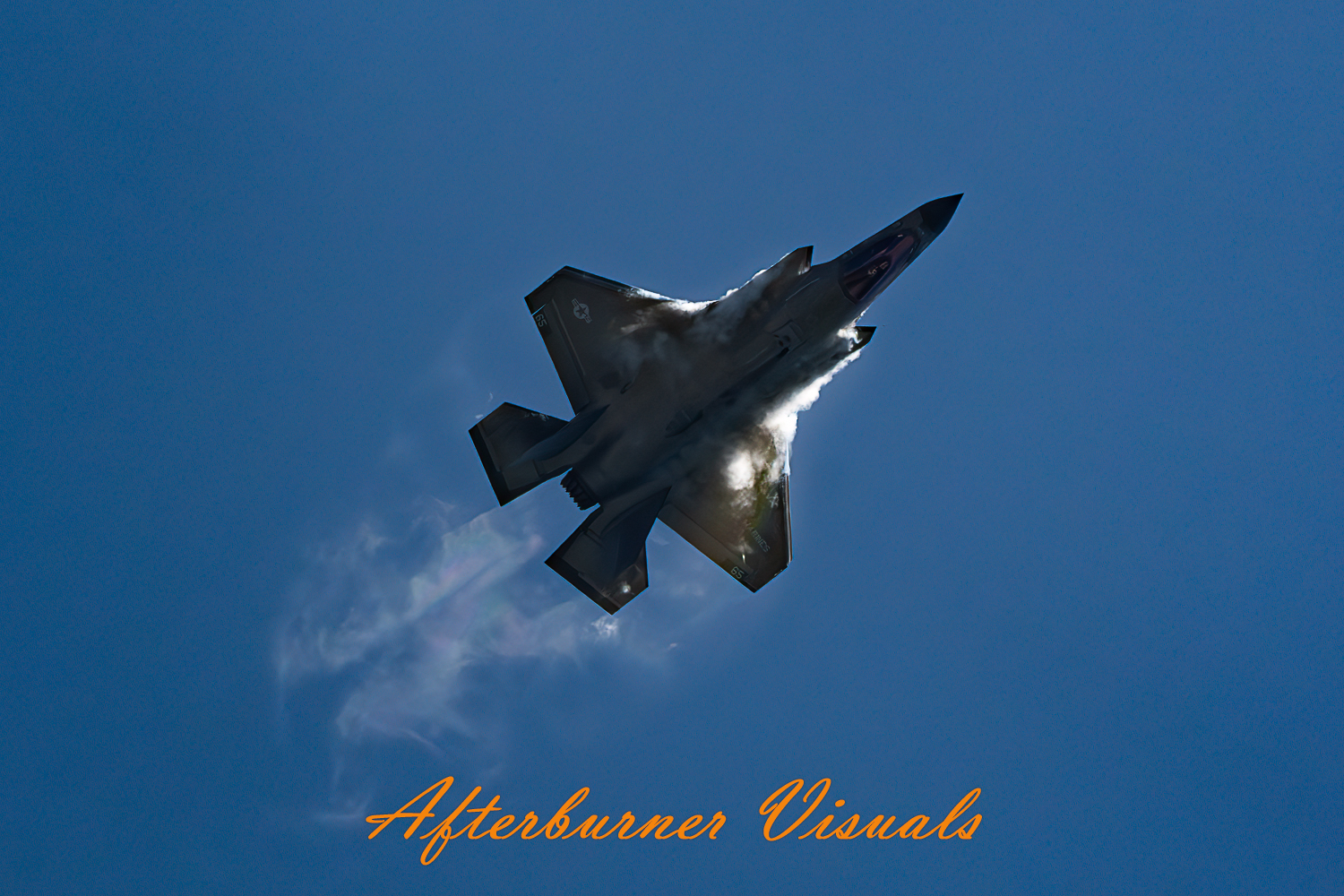
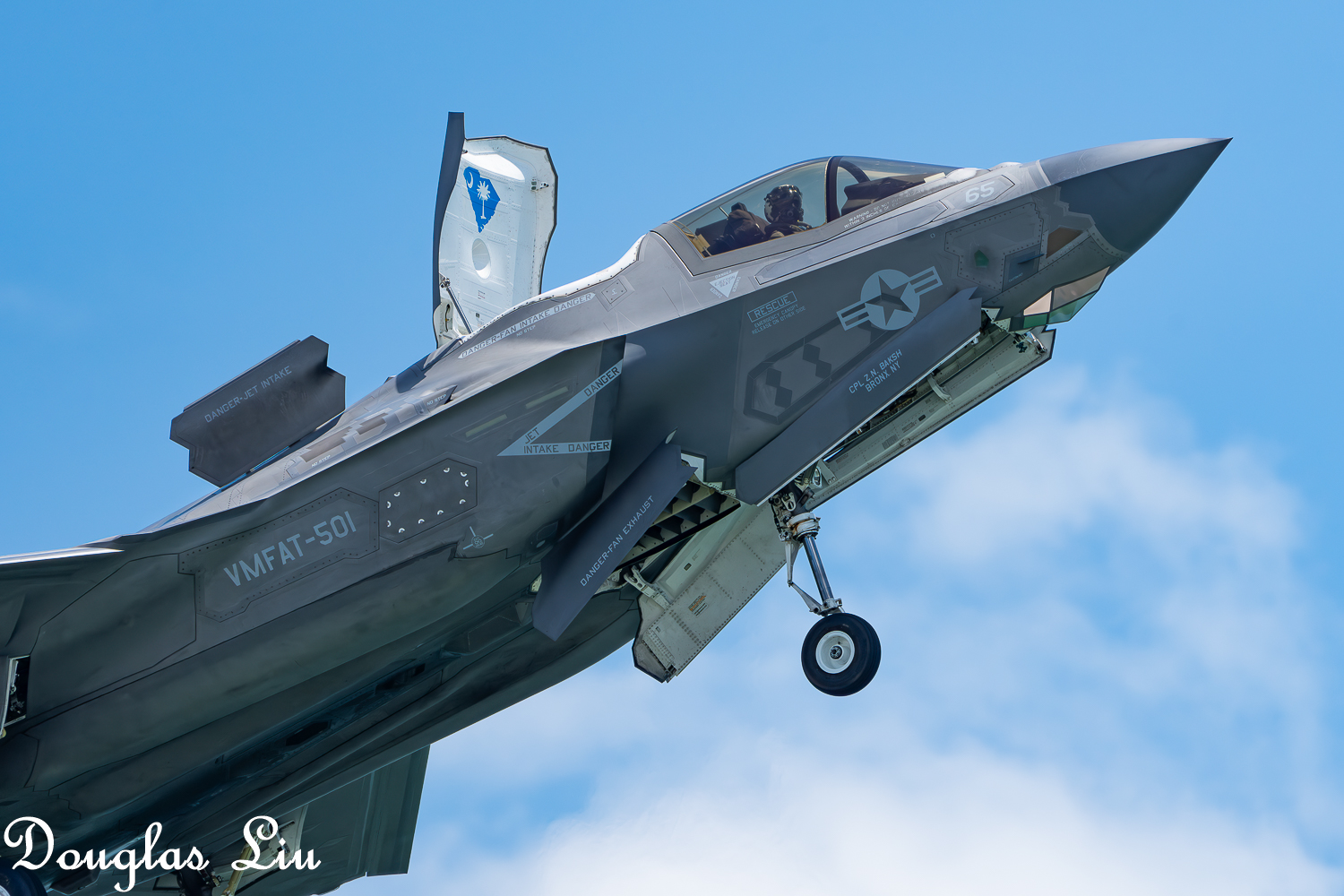
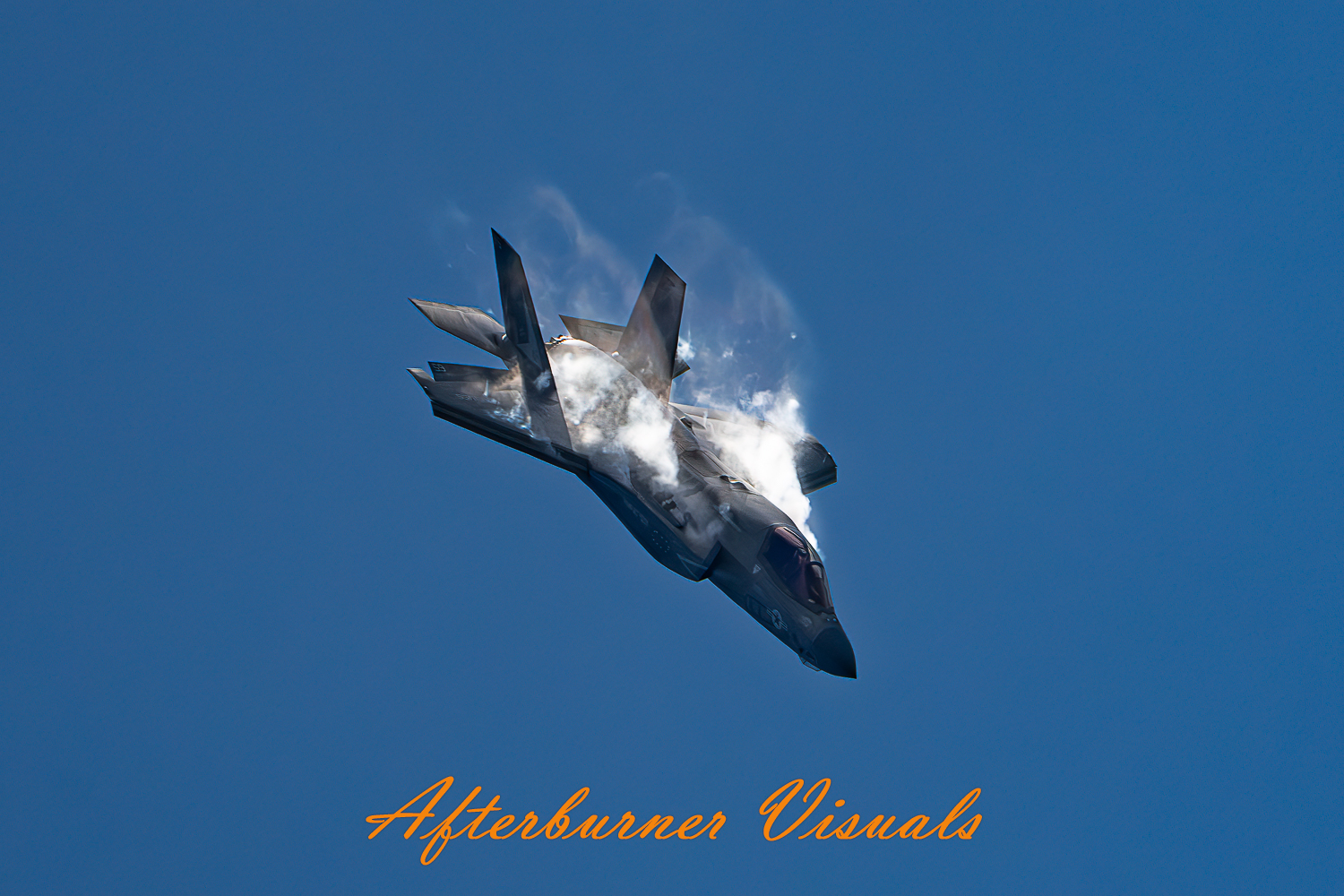
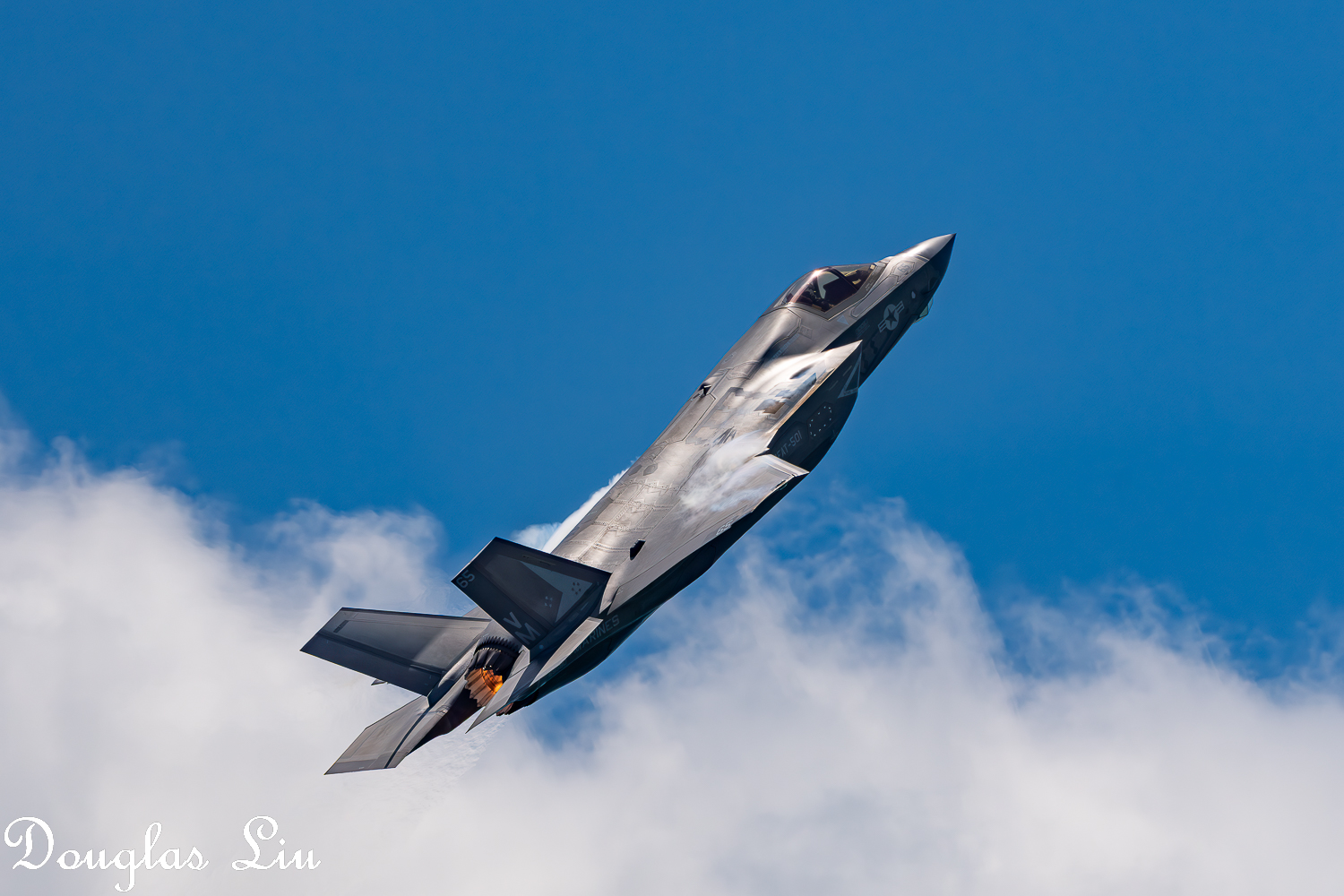
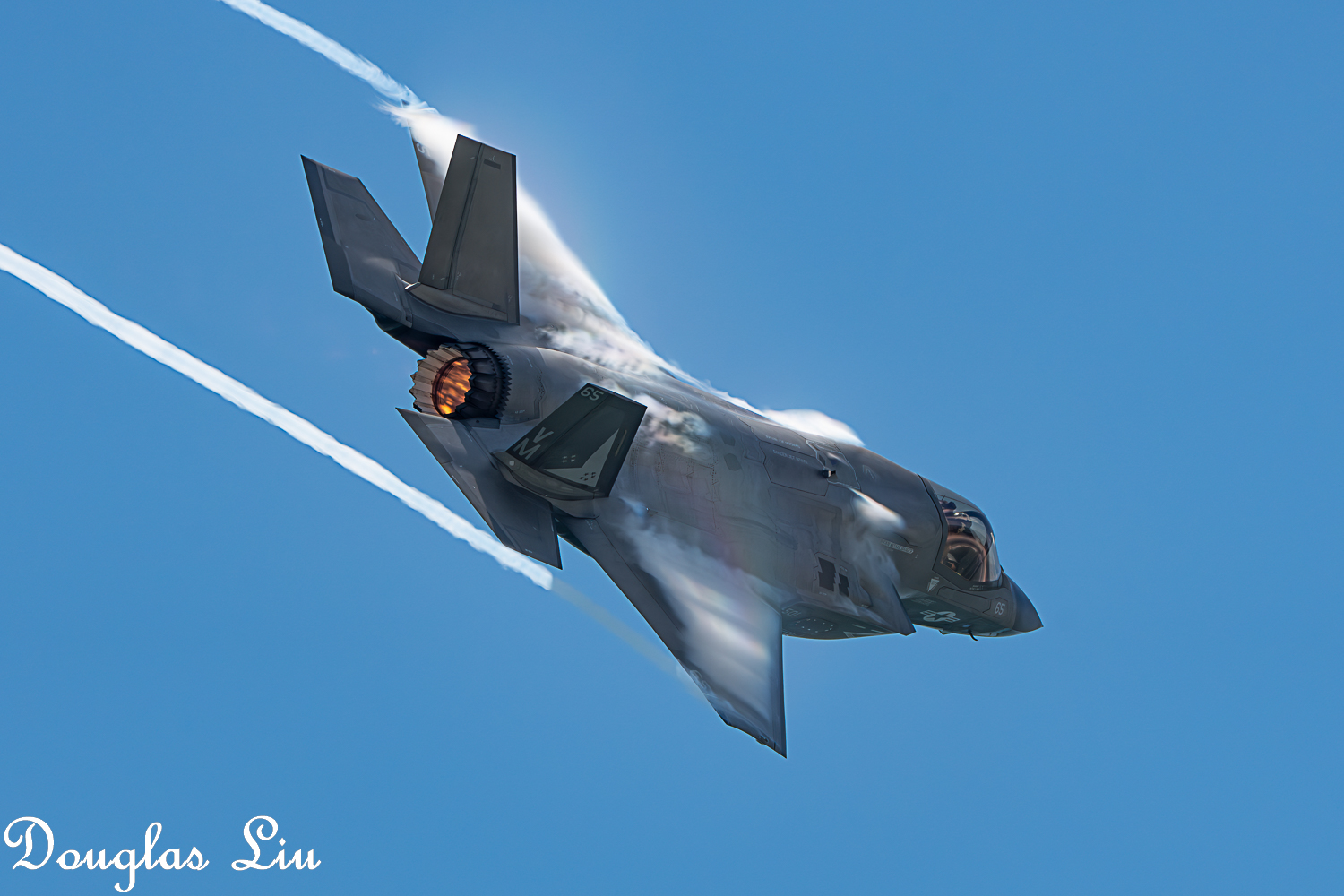
A few more from last Friday in Atlantic City:
June will be a busy airshow month.
1. This coming weekend there will be the WWII Weekend in Reading, Pa, all warbird stuff, I am not sure I would go to that one.
2. June 13-14 will be the Ocean City show, Thunderbirds, F=-35A, French AF Patrouille de France (have never seen them before),
3.Columbus Airshow 2026: Thunderbirds, F-35A, P-38.... The main reason I am going is it will be a later afternoon show. I love the lighting in late afternoon for airshow. I will skip the NAS Patuxent River Air Show because it's on the same weekend as the Columbus Show.
4. Baltimore Fleet Week: Blue Angels, RAF Red Arrows, French AF Patrouille de France, F-16 demo
A few more from last Friday in Atlantic City:
|
||
 |
||
|
ILCE-1M2 FE 400-800mm F6.3-8 G OSS lens 534mm f/7.1 1/4000s 500 ISO -0.3 EV
|
||
 |
||
|
ILCE-1M2 FE 400-800mm F6.3-8 G OSS lens 800mm f/8.0 1/2500s 800 ISO +0.3 EV
ILCE-1M2 FE 400-800mm F6.3-8 G OSS lens 800mm f/8.0 1/4000s 1000 ISO 0.0 EV
|
||
 |
||
|
ILCE-1M2 FE 400-800mm F6.3-8 G OSS lens 800mm f/8.0 1/4000s 500 ISO -0.3 EV
|
||
 |
||
|
ILCE-1M2 FE 400-800mm F6.3-8 G OSS lens 785mm f/8.0 1/4000s 320 ISO -0.3 EV
|
||
 |
||
|
ILCE-1M2 FE 400-800mm F6.3-8 G OSS lens 663mm f/8.0 1/4000s 640 ISO -0.3 EV
Jun 01, 2026 at 07:16 PM