Mustang Air to Air: The Sequel
p.1161 #1Mustang Air to Air: The Sequel
Many thanks, all I have are old photos so it's that or nothing! My 'local' base is Lakenheath, about 2 hours away but I've not been there for a spotting trip since 2016. They have F-15Es and F-35As and at the moment Langley F-22s visiting so there's a bit of variety up there right now. Heat haze is a big issue though this time of year. I really need to start scanning more of my old slides as well!
Cheers,
kev
Cheers,
kev
Jul 11, 2025 at 05:24 AM
p.1161 #2Mustang Air to Air: The Sequel
Phantom Phriday with another Japanese RF-4E during my visit to Hyakuri in Nov 2017, a dusk departure.
 DSC_4093 by Kevin Jackson, on Flickr
Jul 11, 2025 at 05:48 AM

p.1161 #3Mustang Air to Air: The Sequel
Phantom Friday should be the norm...
Jul 11, 2025 at 07:04 AM
p.1161 #4Mustang Air to Air: The Sequel
Yes fantastic photography Kevin!
Dan
Dan
Jul 11, 2025 at 09:15 AM
p.1161 #5Mustang Air to Air: The Sequel
I find myself wondering if the Air Forces attitude towards the A-!0 would change if the choice was to keep the A-10's active, or to send the A-10 squadrons (and their funding) to the Army/Marines who appreciate close air support.
I'm not sure if it ever was a good idea to trust the fighter/bomber jocks with protecting the ground troops. When they split the Air Force from the Army, I believe they should have left Army aviation the mission of fixed wing CAS along with their helicopter missions.
I'm not sure if it ever was a good idea to trust the fighter/bomber jocks with protecting the ground troops. When they split the Air Force from the Army, I believe they should have left Army aviation the mission of fixed wing CAS along with their helicopter missions.
Jul 11, 2025 at 03:38 PM
p.1161 #6Mustang Air to Air: The Sequel
kwbarnes wrote:
I find myself wondering if the Air Forces attitude towards the A-!0 would change if the choice was to keep the A-10's active, or to send the A-10 squadrons (and their funding) to the Army/Marines who appreciate close air support.
The USAF’s decision to retire the A-10 Thunderbolt II by 2026, replacing it with the multi-role F-35 Lightning II and F-15EX Eagle II, stems from a post-Vietnam legacy and a modern strategic shift. In the 1970s, the USAF faced government pressure to develop a CAS aircraft or lose the mission to the Army, which was eager to expand its role with helicopters. Reluctantly, the USAF adopted the A-10 to maintain control, despite prioritizing air superiority. Today, the A-10’s aging fleet, high maintenance costs, and vulnerability to modern air defenses have led to its retirement, with the 2026 budget reallocating $3.6 billion for 24 F-35As and $3.1 billion for 21 F-15EXs. The F-35’s stealth and sensors and the F-15EX’s large payload (29,500 lbs) enable CAS, but they lack the A-10’s 30mm GAU-8 cannon (3,900 rounds/min) and 2-hour loiter time, critical for low-intensity CAS missions. The absence of vocal pushback from the Army and Marines, who rely on CAS, suggests acceptance of these platforms, driven by the Marines’ F-35B adoption (10 squadrons by 2025) and the Army’s focus on drones and artillery. Congressional efforts to retain 103 A-10s indicate some resistance, but the services’ silence likely reflects budget constraints and alignment with the Pentagon’s multi-role focus. However, multi-role fighters, while versatile, may not match the A-10’s mastery of CAS, risking a capability gap in certain scenarios. A modern CAS-specific platform, such as a heavily armed drone, could better preserve this critical mission.
Jul 11, 2025 at 05:30 PM
p.1161 #7Mustang Air to Air: The Sequel
Not sure where it started but all the talk about the A-10 being developed primarily as a CAS platform is incorrect. The reason it was introduced was for the BAI (Battlefield Interdiction) role to combat the perceived Soviet tank invasion. BAI is not longer a role but it was during the cold war, however it was perfectly suited to the CAS role and kinda morphed into that.
In the end it seems keeping the A-10 in service is a luxury the AF have decided they can't afford, making do with multirole platforms not specialised platforms for a niche role.
In the end it seems keeping the A-10 in service is a luxury the AF have decided they can't afford, making do with multirole platforms not specialised platforms for a niche role.
Jul 12, 2025 at 12:24 AM
p.1161 #8Mustang Air to Air: The Sequel
Fort Worth Viper
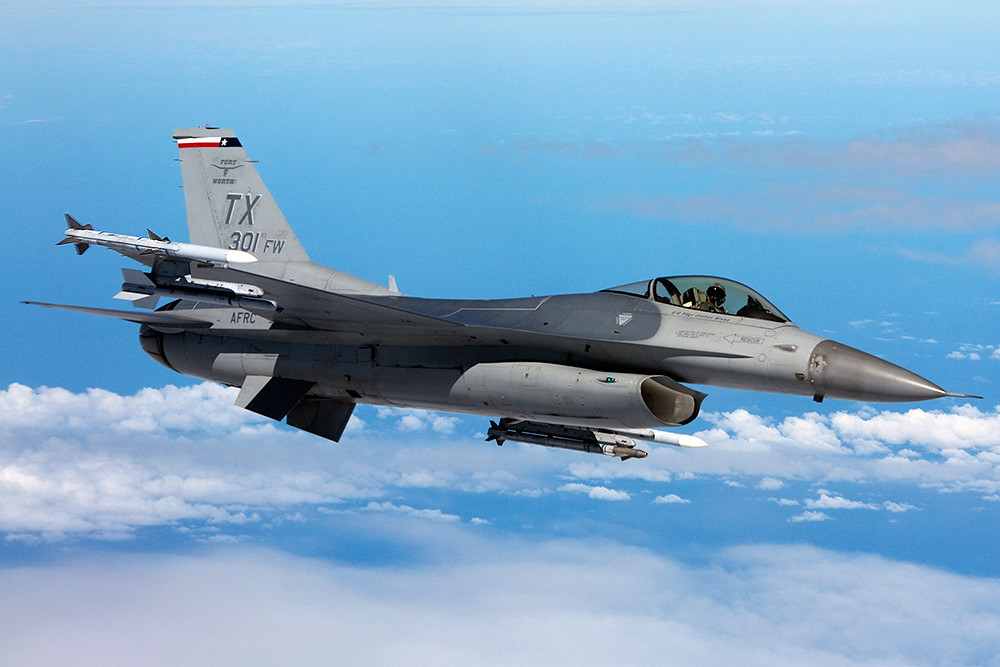 DSC_1167a by Kevin Jackson, on Flickr
Jul 12, 2025 at 06:57 AM
p.1161 #9Mustang Air to Air: The Sequel
Ken, Ray and Kevin..as a "ground pounder" in Vietnam, CAS was a must! Helo gunships were fine but places we went and when "in contact" we needed more speed to get the help we needed before a "broken arrow" scenario. The "Sandy" was fantastic. The A10 would have been a "god send". Fast enough to help while still able to and slow enough that infantry "hand signals" were visable. Our "Operation Bright Light" missions could have used the ferocity of the A10 just to scare "Uncle Ho's boys"!
Great discussion but above my pay grade!
Dan
Great discussion but above my pay grade!
Dan
Jul 12, 2025 at 09:33 AM
p.1161 #10Mustang Air to Air: The Sequel
KevinJacksonUK wrote:
Not sure where it started but all the talk about the A-10 being developed primarily as a CAS platform is incorrect. The reason it was introduced was for the BAI (Battlefield Interdiction) role to combat the perceived Soviet tank invasion. BAI is not longer a role but it was during the cold war, however it was perfectly suited to the CAS role and kinda morphed into that.
In the end it seems keeping the A-10 in service is a luxury the AF have decided they can't afford, making do with multirole platforms not specialised platforms for a niche role.
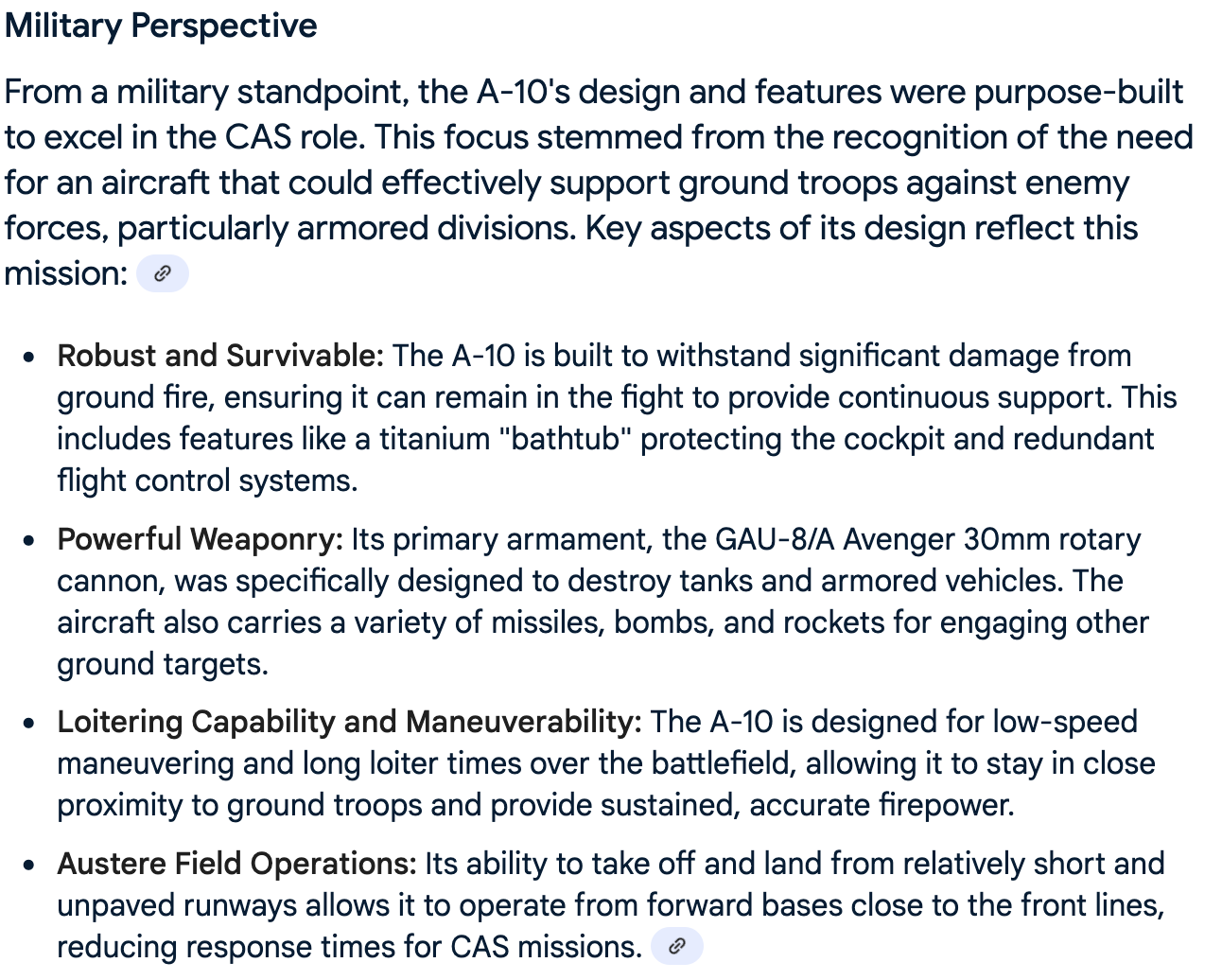
Kevin my understanding of the purpose of the A10 was CAS. "The A-10 Warthog was specifically designed for close air support (CAS). It was built to provide direct support to ground troops, especially against armored vehicles, in a variety of combat situations. Its design incorporates features that make it highly effective in this role, including a powerful 30mm cannon, ability to withstand damage, and short takeoff and landing (STOL) capability. ..."
The builder of the A10 was Fairchild and had a very huge presence here in Maryland up until the end of the Vietnam war.
The "Military Perspective" of the need for the A10 is well documented Kevin. Especially during the Balkan Conflict-Kosovo.
Great discussion!
Dan
Just FYI..I don not know enough about the establishment of a "combat role" for the A10 among the military or politicians that budget the money to advance combat aviation.
Not sure where it started but all the talk about the A-10 being developed primarily as a CAS platform is incorrect. The reason it was introduced was for the BAI (Battlefield Interdiction) role to combat the perceived Soviet tank invasion. BAI is not longer a role but it was during the cold war, however it was perfectly suited to the CAS role and kinda morphed into that.
In the end it seems keeping the A-10 in service is a luxury the AF have decided they can't afford, making do with multirole platforms not specialised platforms for a niche role.
Kevin my understanding of the purpose of the A10 was CAS. "The A-10 Warthog was specifically designed for close air support (CAS). It was built to provide direct support to ground troops, especially against armored vehicles, in a variety of combat situations. Its design incorporates features that make it highly effective in this role, including a powerful 30mm cannon, ability to withstand damage, and short takeoff and landing (STOL) capability. ..."
The builder of the A10 was Fairchild and had a very huge presence here in Maryland up until the end of the Vietnam war.
The "Military Perspective" of the need for the A10 is well documented Kevin. Especially during the Balkan Conflict-Kosovo.
Great discussion!
Dan
Just FYI..I don not know enough about the establishment of a "combat role" for the A10 among the military or politicians that budget the money to advance combat aviation.
Jul 12, 2025 at 09:44 AM
|
p.1161 #11Mustang Air to Air: The Sequel
I didn't think it was initially introduced as a CAS platform so thanks for the clarification. It was certainly designed as a "tankbuster" to hit the Soviet invasion if it happened.
 DSC_3037s by Kevin Jackson, on Flickr
Jul 12, 2025 at 03:46 PM
p.1161 #12Mustang Air to Air: The Sequel
It was an absolute privilege to be present on the Theodore Roosevelt for the last Tomcat carrier flights 19 years ago this month.
 TR-0607-F14-111 by Kevin Jackson, on Flickr
 TR-0607-F14-564a by Kevin Jackson, on Flickr
 TR-0607-F14-556 by Kevin Jackson, on Flickr
Edited on Jul 13, 2025 at 08:46 AM · View previous versions
TR-0607-F14-111 by Kevin Jackson, on FlickrTR-0607-F14-564a by Kevin Jackson, on FlickrTR-0607-F14-556 by Kevin Jackson, on FlickrEdited on Jul 13, 2025 at 08:46 AM · View previous versions
Jul 13, 2025 at 04:41 AM
p.1161 #13Mustang Air to Air: The Sequel
KevinJacksonUK wrote:
I didn't think it was initially introduced as a CAS platform so thanks for the clarification. It was certainly designed as a "tankbuster" to hit the Soviet invasion if it happened.
https://live.staticflickr.com/65535/54650635264_d29b6b2998_b.jpgDSC_3037s by Kevin Jackson, on Flickr
Oh I could NOT agree more Kevin!
When Vietnam was on the decline, US military wise, NVA tanks infiltrated the South to a very great extent. The A10 would have stopped that completely IMHO!
Thanks!
Dan
Jul 13, 2025 at 08:09 AM
p.1161 #14Mustang Air to Air: The Sequel
KevinJacksonUK wrote:
It was an absolute privilege to be present on the Theodore Roosevelt for the last Tomcat carrier flights 19 years ago this month.
https://live.staticflickr.com/65535/54630458107_08d215e3fd_b.jpgTR-0607-F14-111 by Kevin Jackson, on Flickr
https://live.staticflickr.com/65535/54631629605_716c696b22_b.jpgTR-0607-F14-564a by Kevin Jackson, on Flickr
https://live.staticflickr.com/65535/54630458092_9d5b2b1e06_b.jpgTR-0607-F14-556 by Kevin Jackson, on Flickr
Wow, that second shot!!
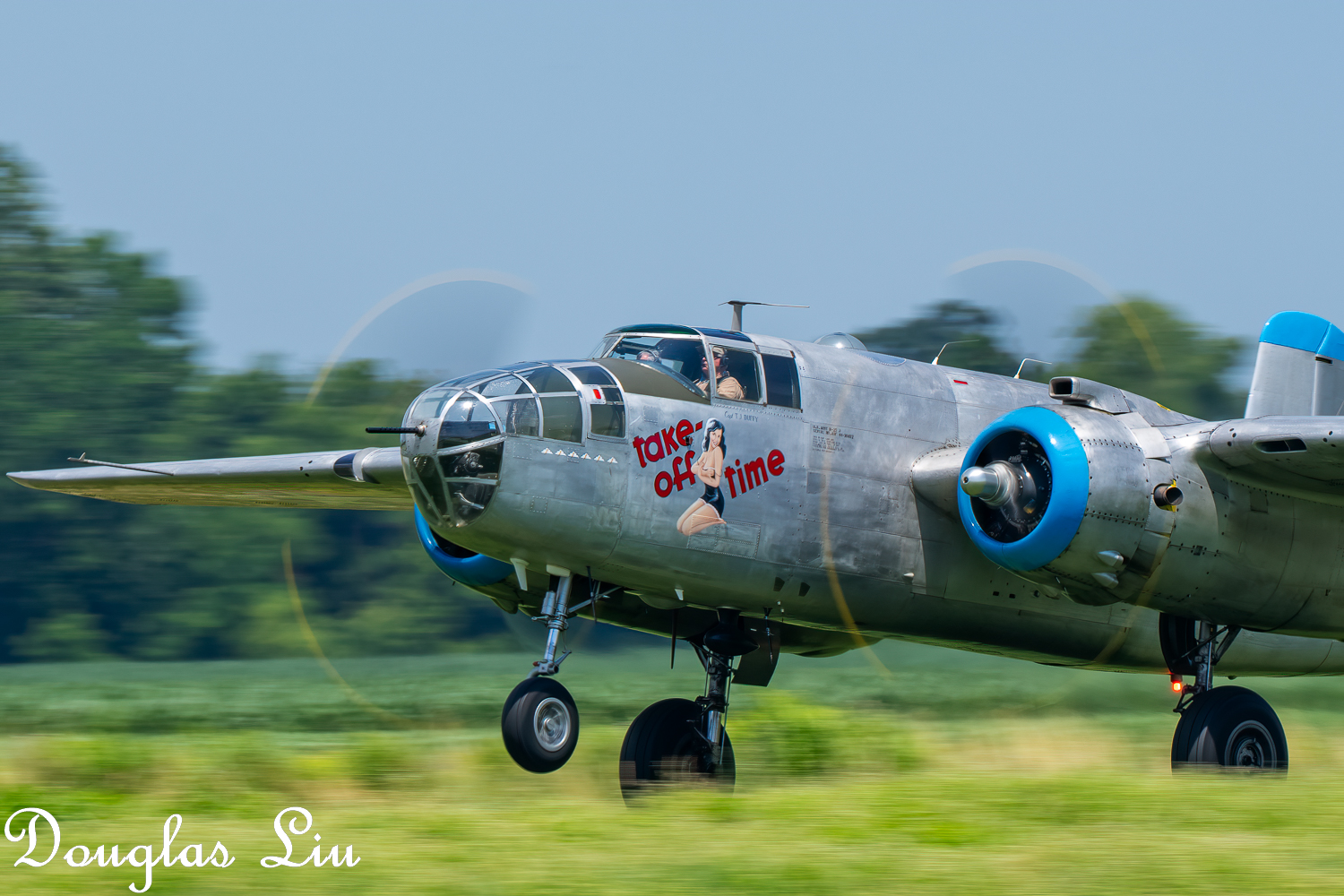
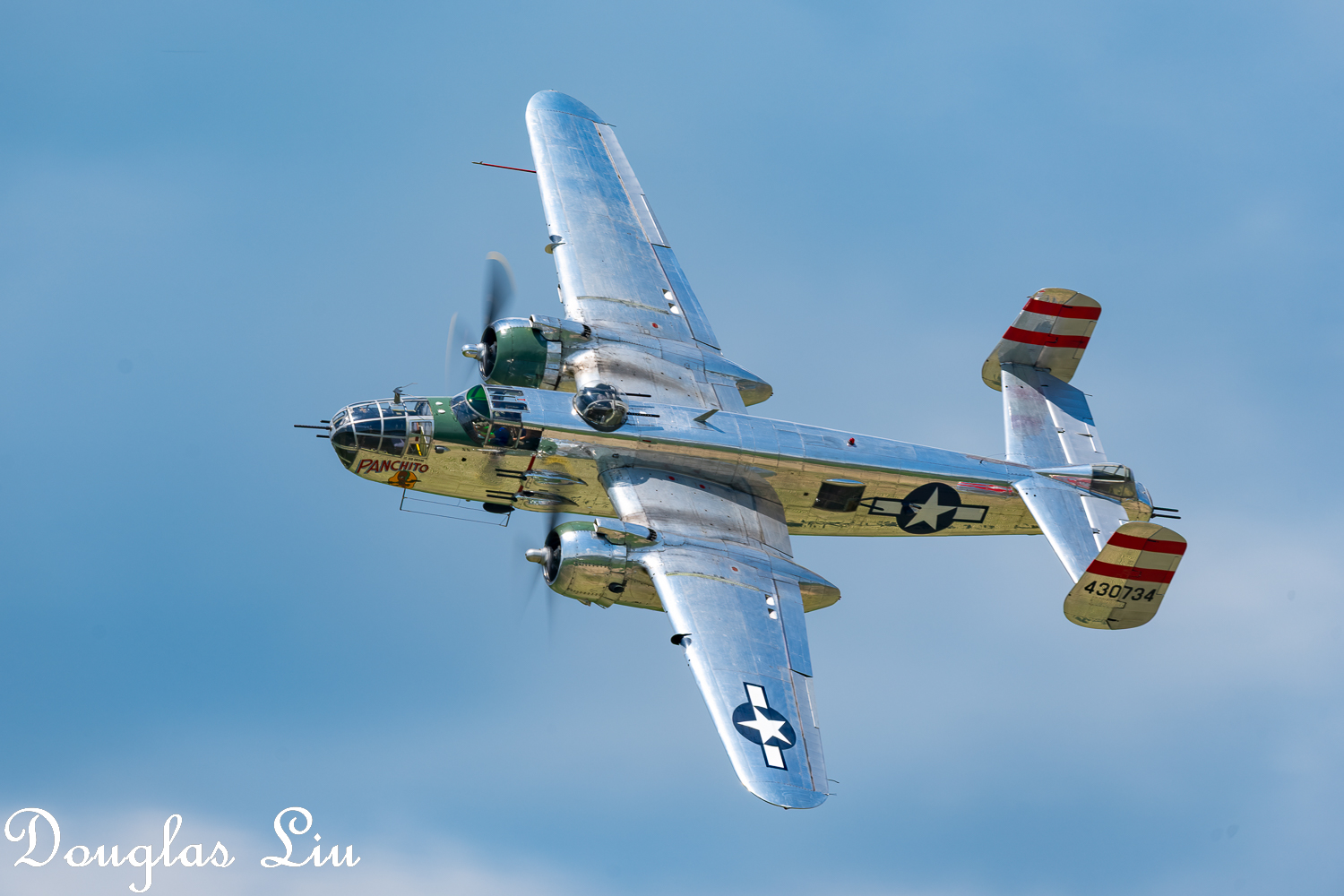
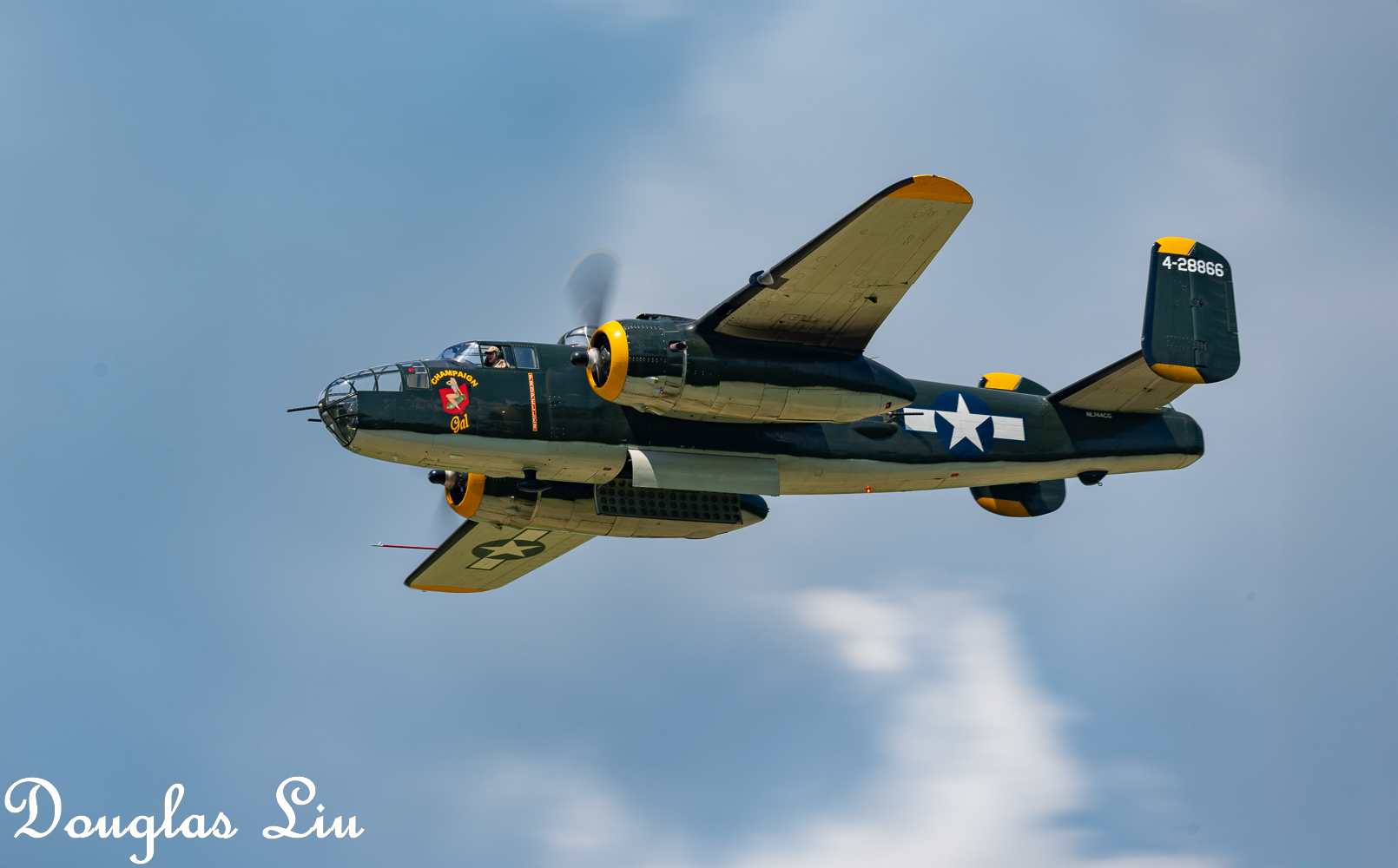
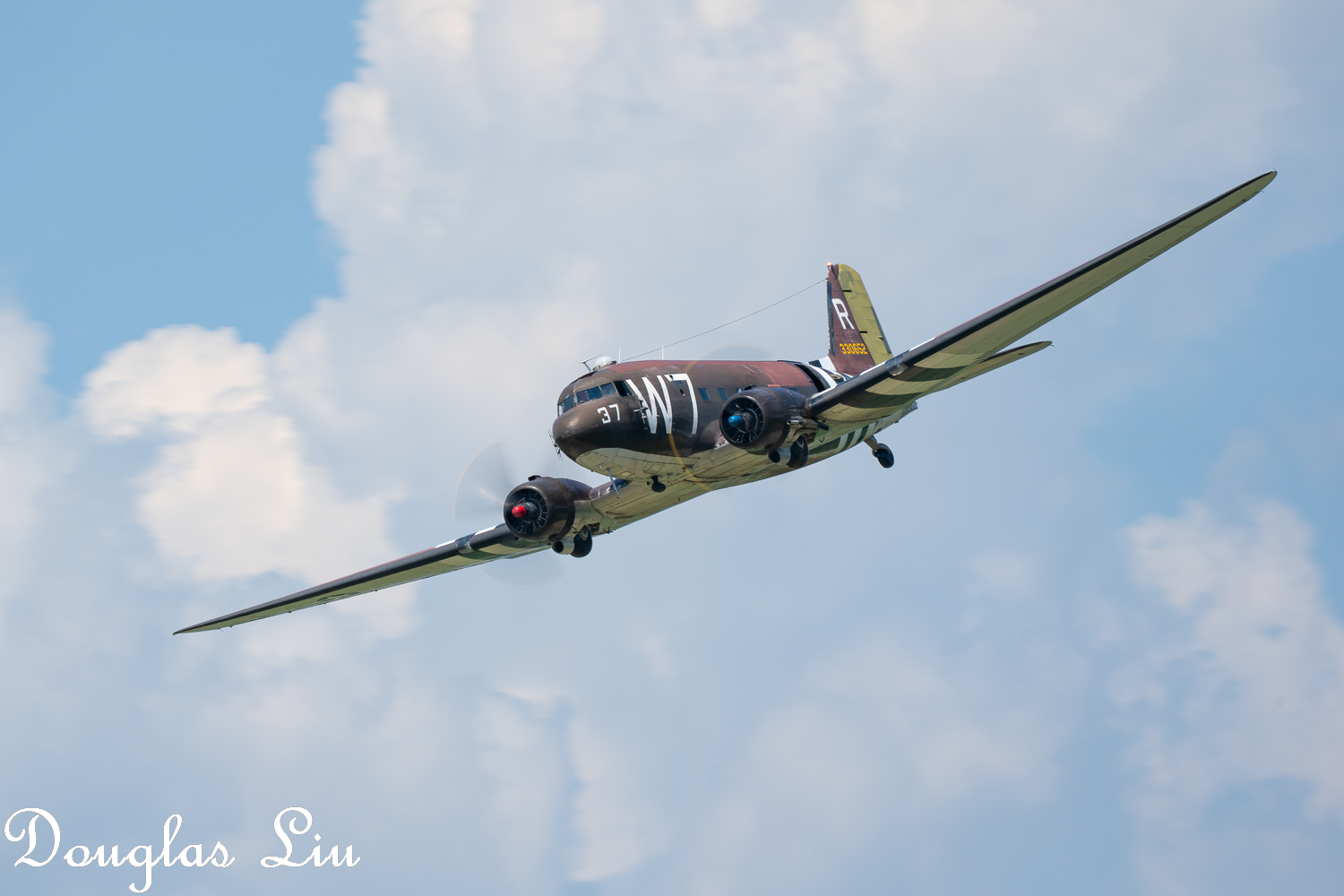
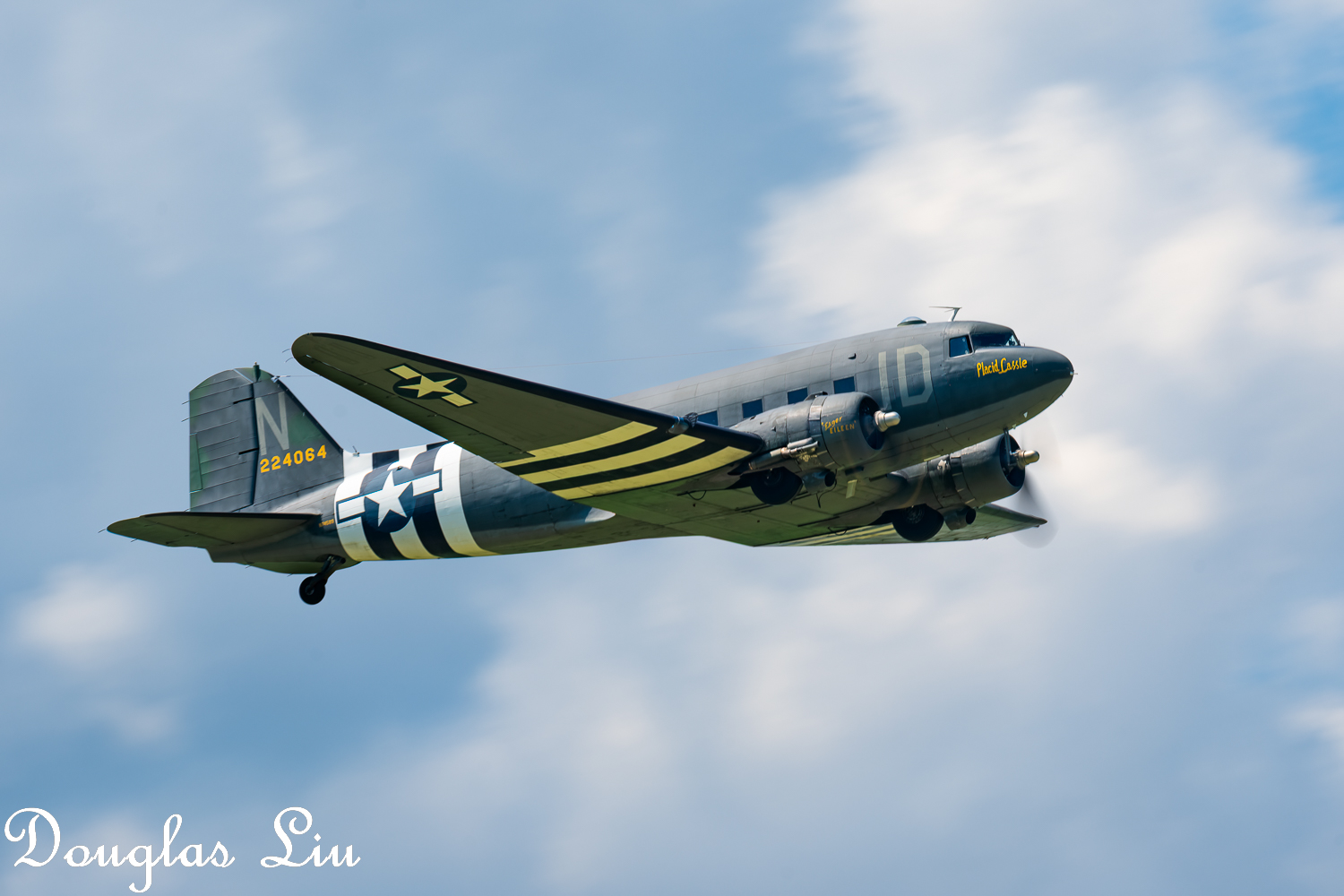
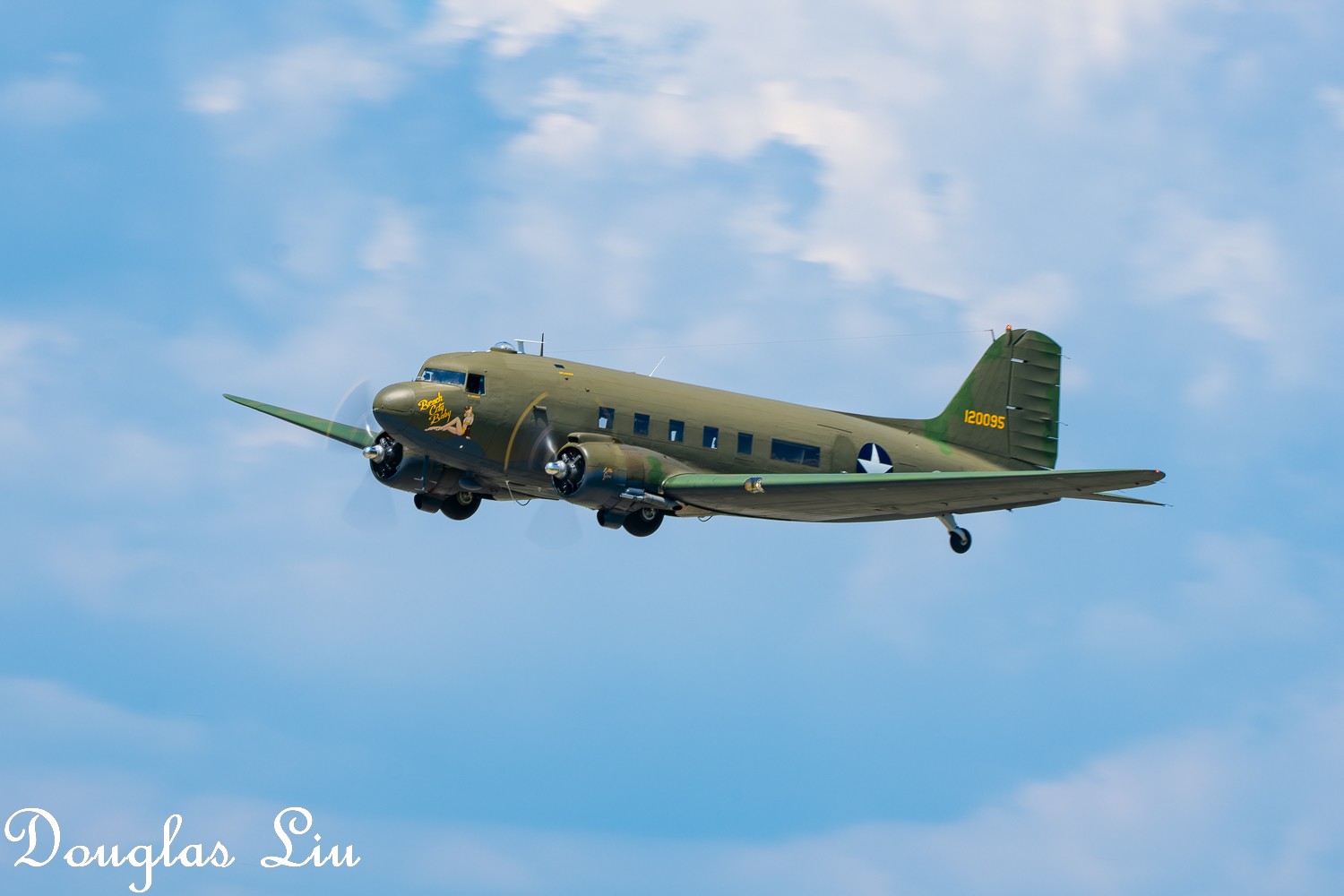
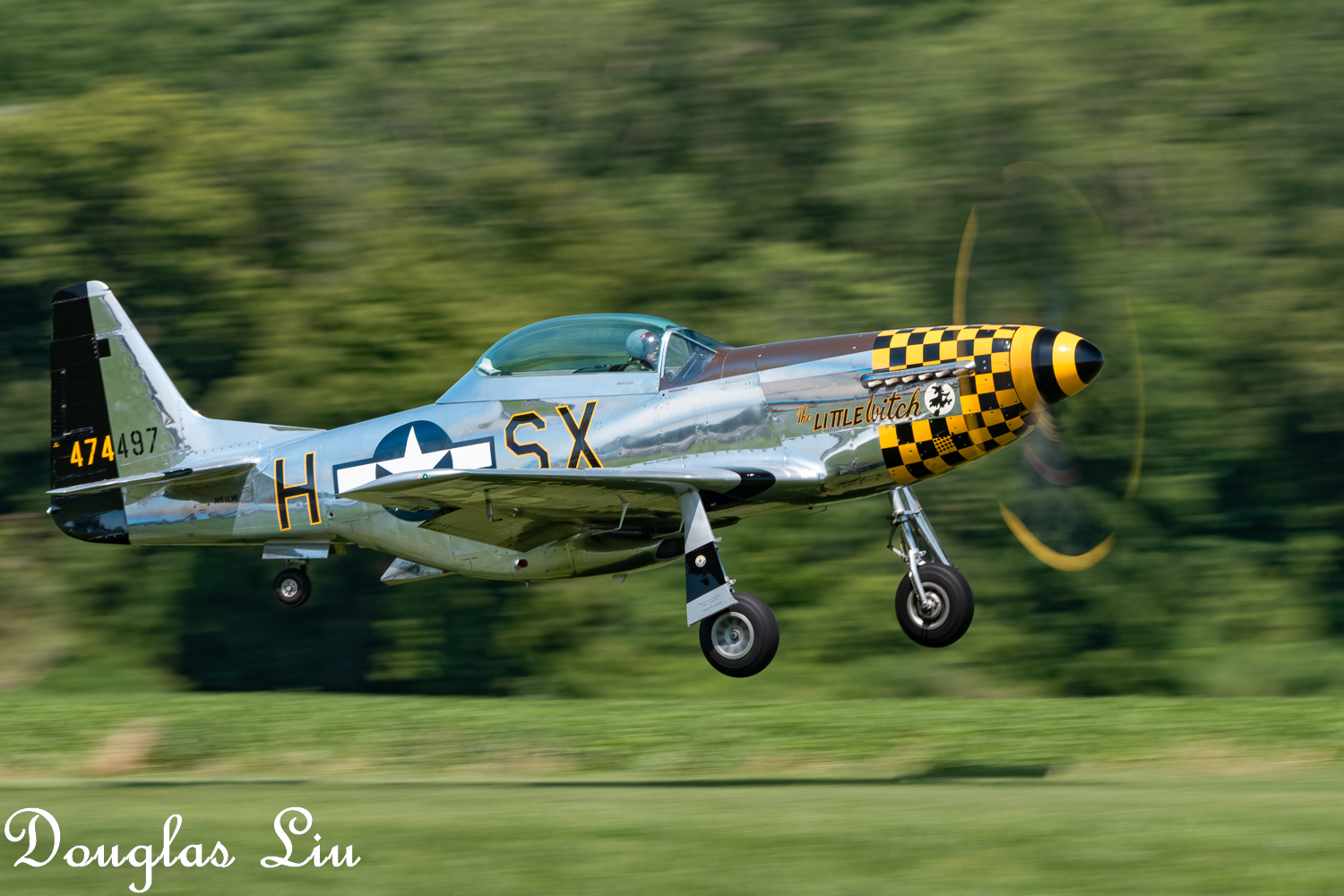
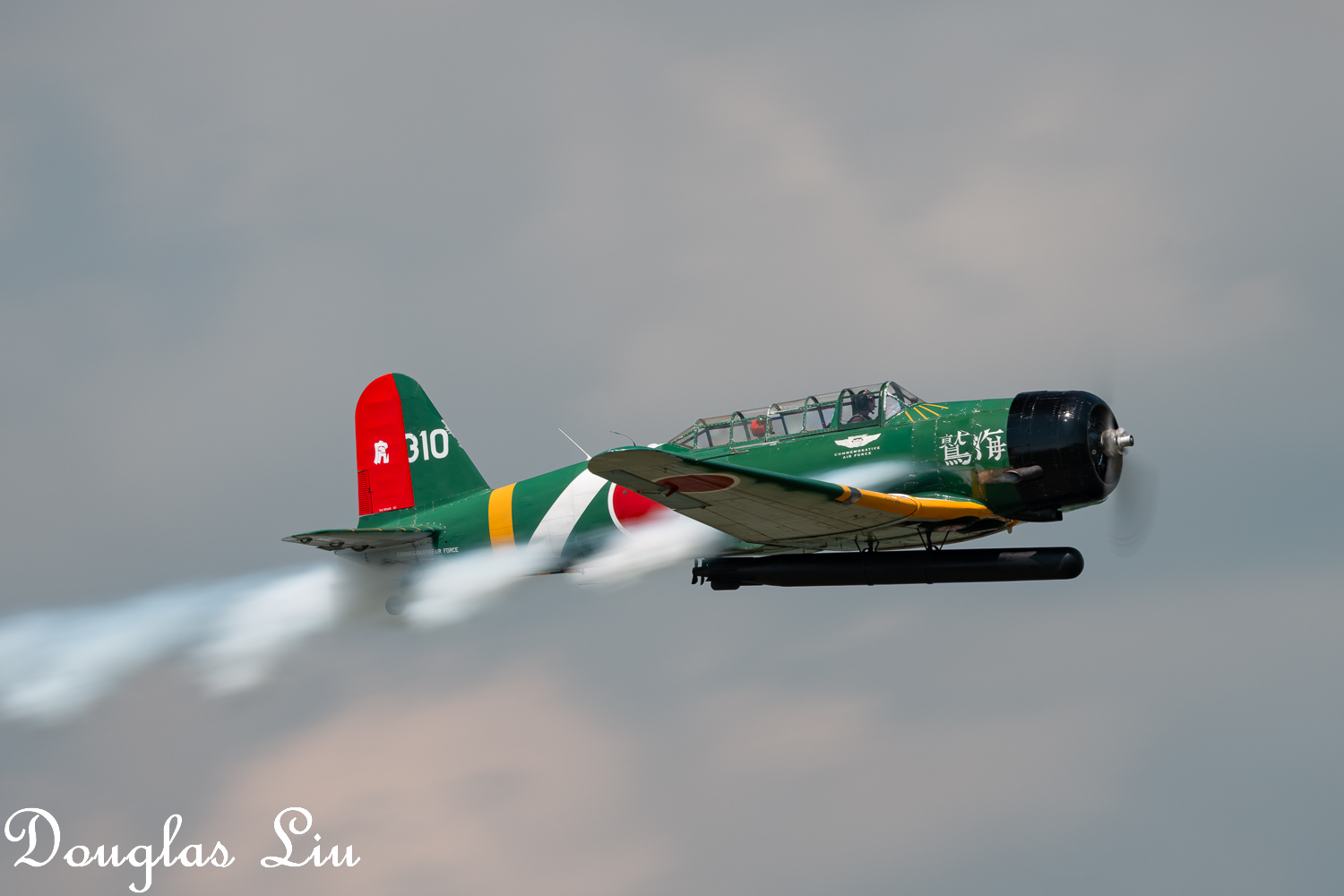
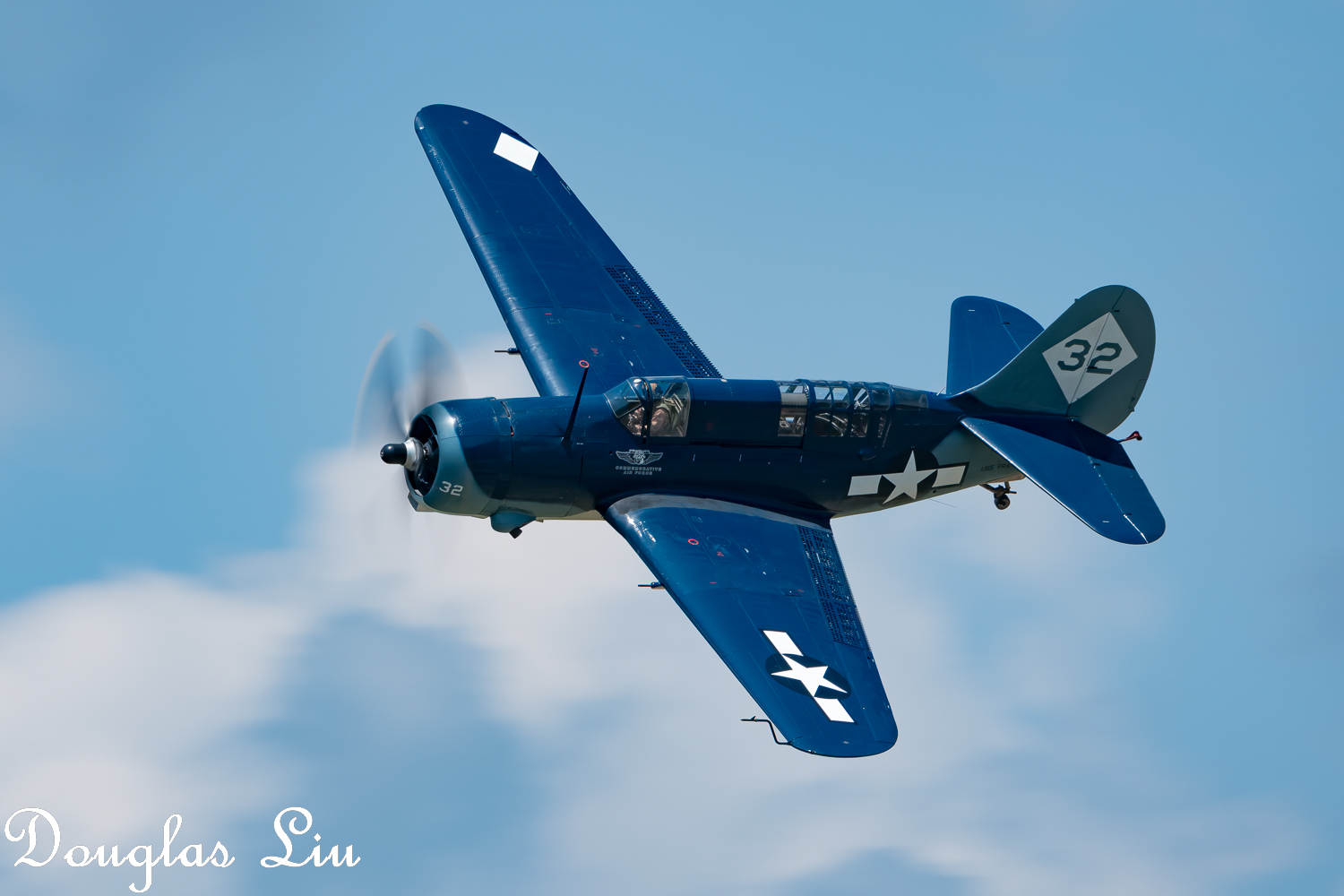
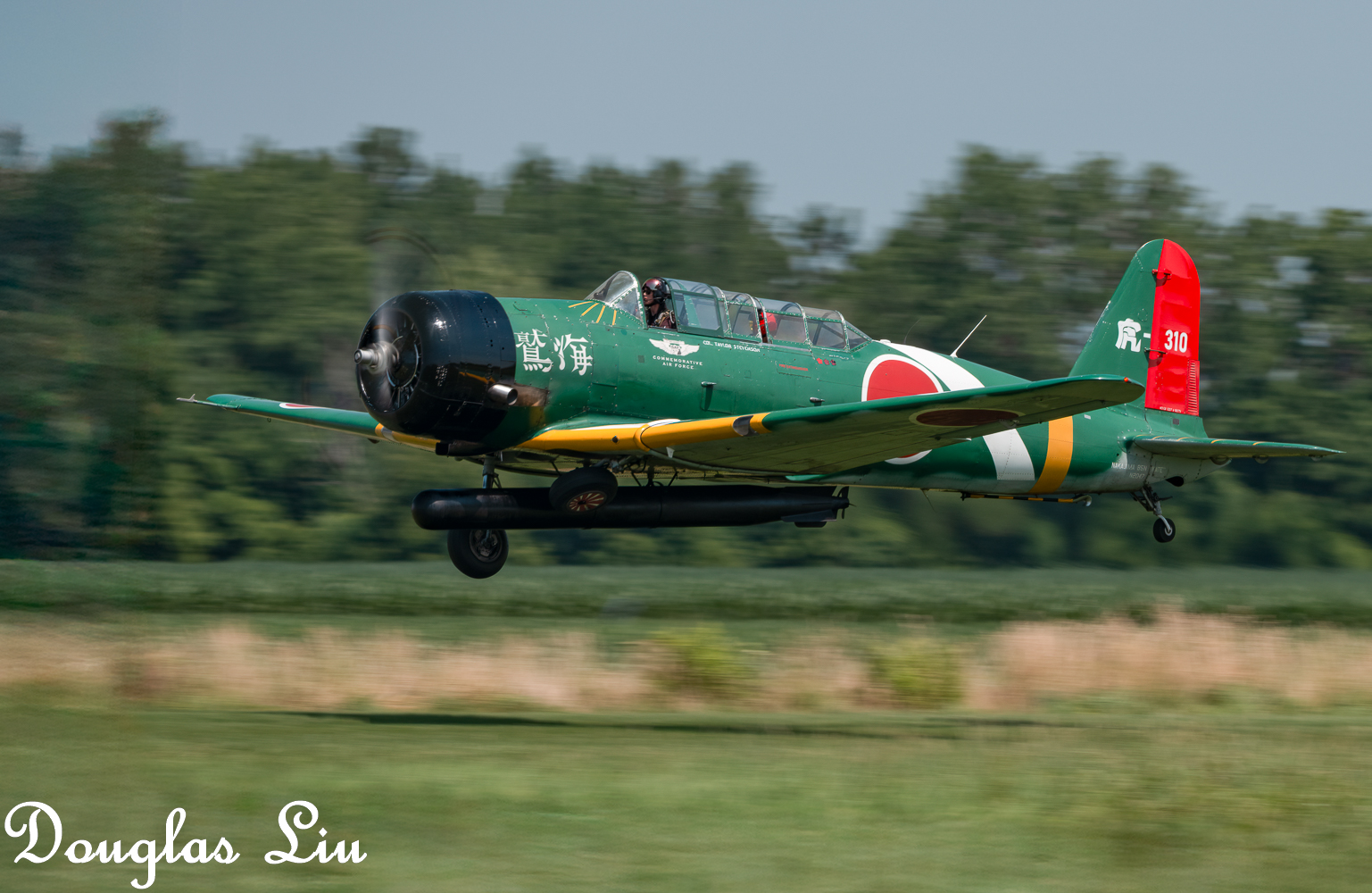
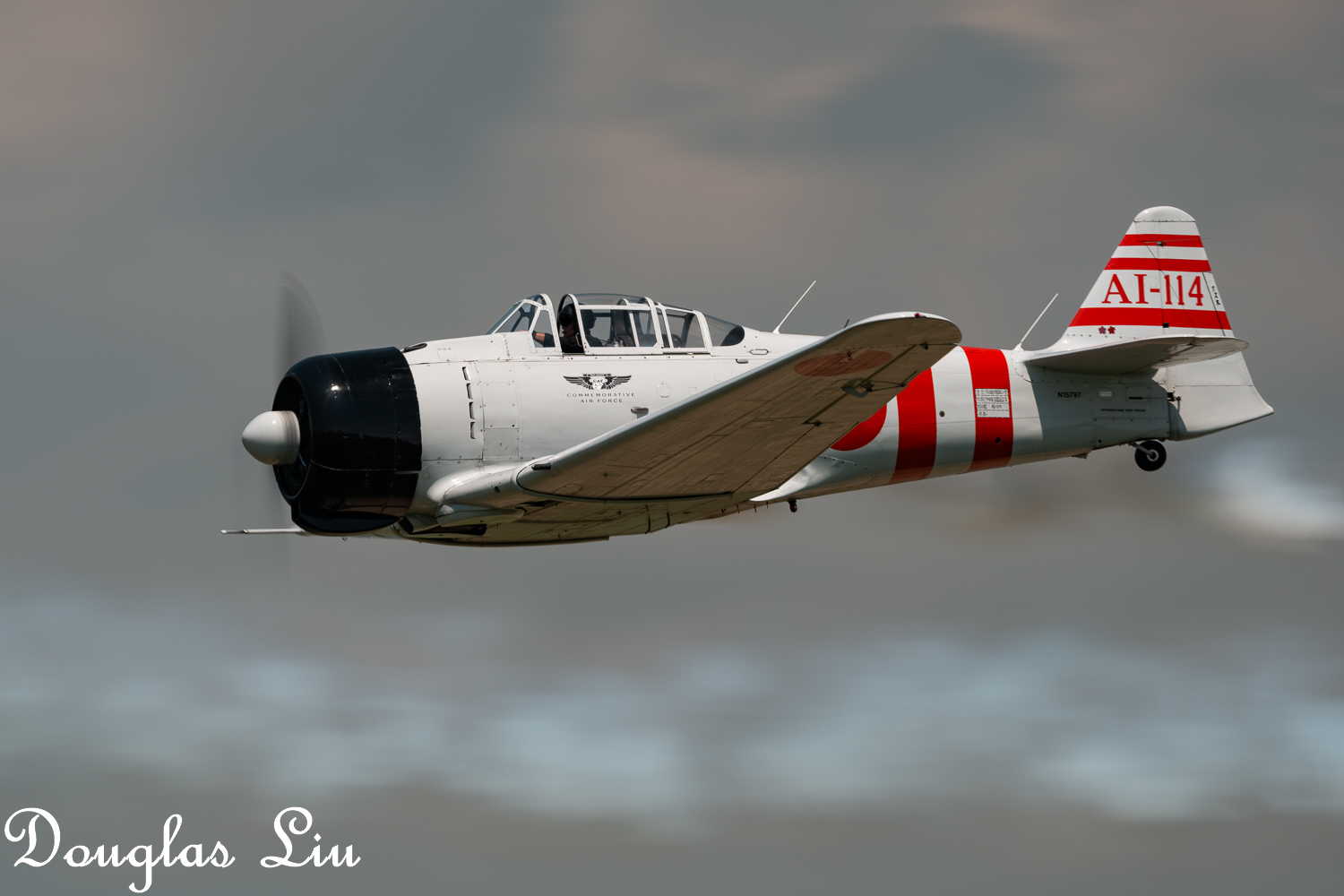
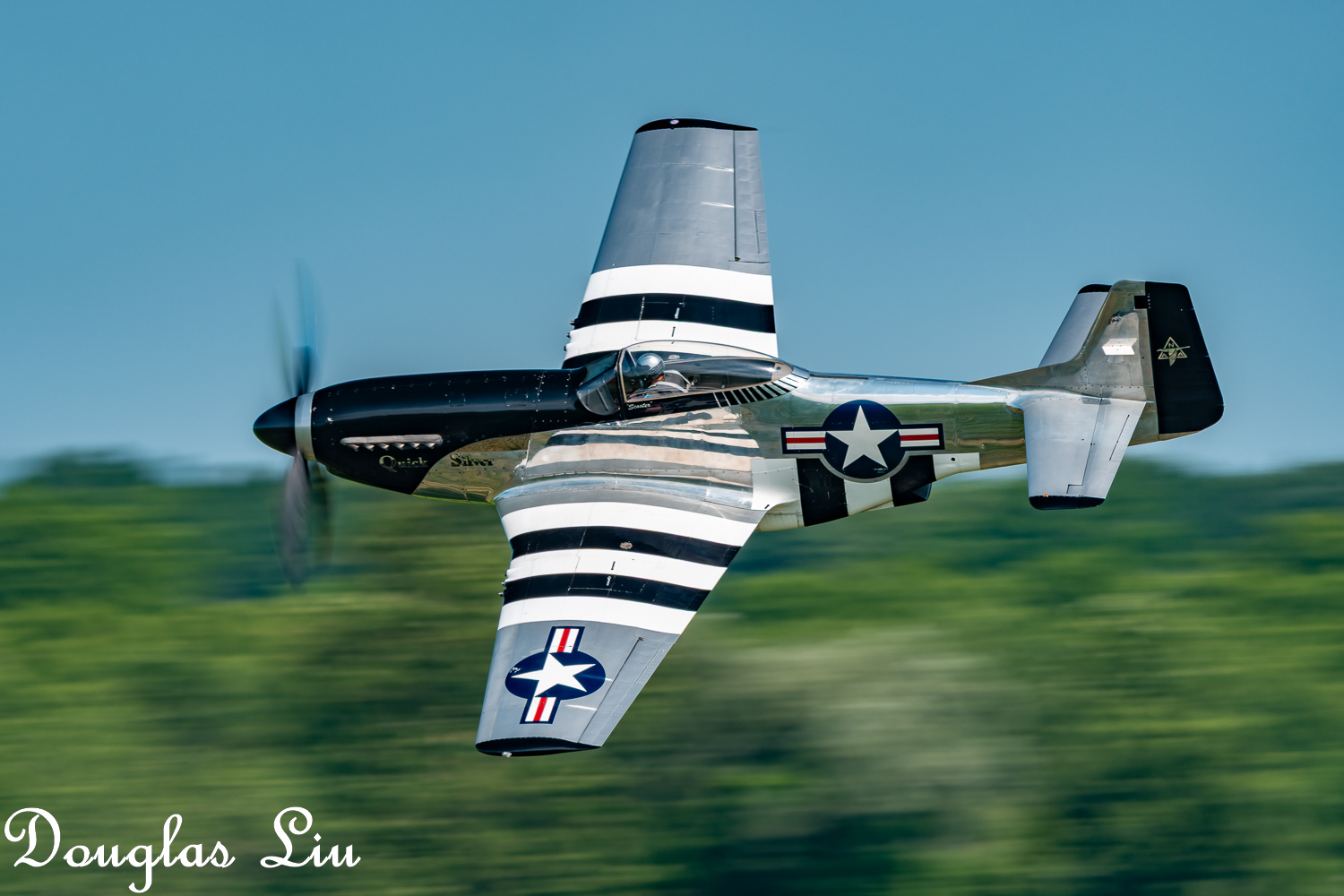
From the Genesio Airshow in New York State yesterday. My first time to see planes taking off/landing on grass stripe. I ddin;t know even the B-25 and the C-47 and C-53 could do that.
 |
||
 |
||
|
ILCE-1 FE 100-400mm F4.5-5.6 GM OSS lens 370mm f/11.0 1/100s 50 ISO 0.0 EV
|
||
 |
||
|
ILCE-1 FE 100-400mm F4.5-5.6 GM OSS lens 385mm f/11.0 1/100s 50 ISO 0.0 EV
|
||
 |
||
|
ILCE-1 FE 100-400mm F4.5-5.6 GM OSS lens 333mm f/11.0 1/100s 50 ISO 0.0 EV
|
||
 |
||
|
ILCE-1 FE 100-400mm F4.5-5.6 GM OSS lens 400mm f/11.0 1/100s 50 ISO 0.0 EV
|
||
 |
||
|
ILCE-1 FE 100-400mm F4.5-5.6 GM OSS lens 400mm f/11.0 1/100s 50 ISO 0.0 EV
|
||
 |
||
|
ILCE-1 FE 100-400mm F4.5-5.6 GM OSS lens 250mm f/11.0 1/100s 50 ISO 0.0 EV
Jul 13, 2025 at 09:52 PM
p.1161 #15Mustang Air to Air: The Sequel
....
|
||
 |
||
|
ILCE-1M2 FE 400-800mm F6.3-8 G OSS lens 528mm f/8.0 1/125s 100 ISO 0.0 EV
|
||
 |
||
|
ILCE-1M2 FE 400-800mm F6.3-8 G OSS lens 469mm f/9.0 1/125s 100 ISO 0.0 EV
|
||
 |
||
|
ILCE-1M2 FE 400-800mm F6.3-8 G OSS lens 476mm f/8.0 1/125s 100 ISO 0.0 EV
|
||
 |
||
|
ILCE-1M2 FE 400-800mm F6.3-8 G OSS lens 425mm f/9.0 1/125s 100 ISO 0.0 EV
|
||
 |
||
|
ILCE-1M2 FE 400-800mm F6.3-8 G OSS lens 522mm f/9.0 1/125s 100 ISO 0.0 EV
|
||
 |
||
|
ILCE-1M2 FE 400-800mm F6.3-8 G OSS lens 626mm f/8.0 1/125s 100 ISO 0.0 EV
Jul 13, 2025 at 09:56 PM
p.1161 #16Mustang Air to Air: The Sequel
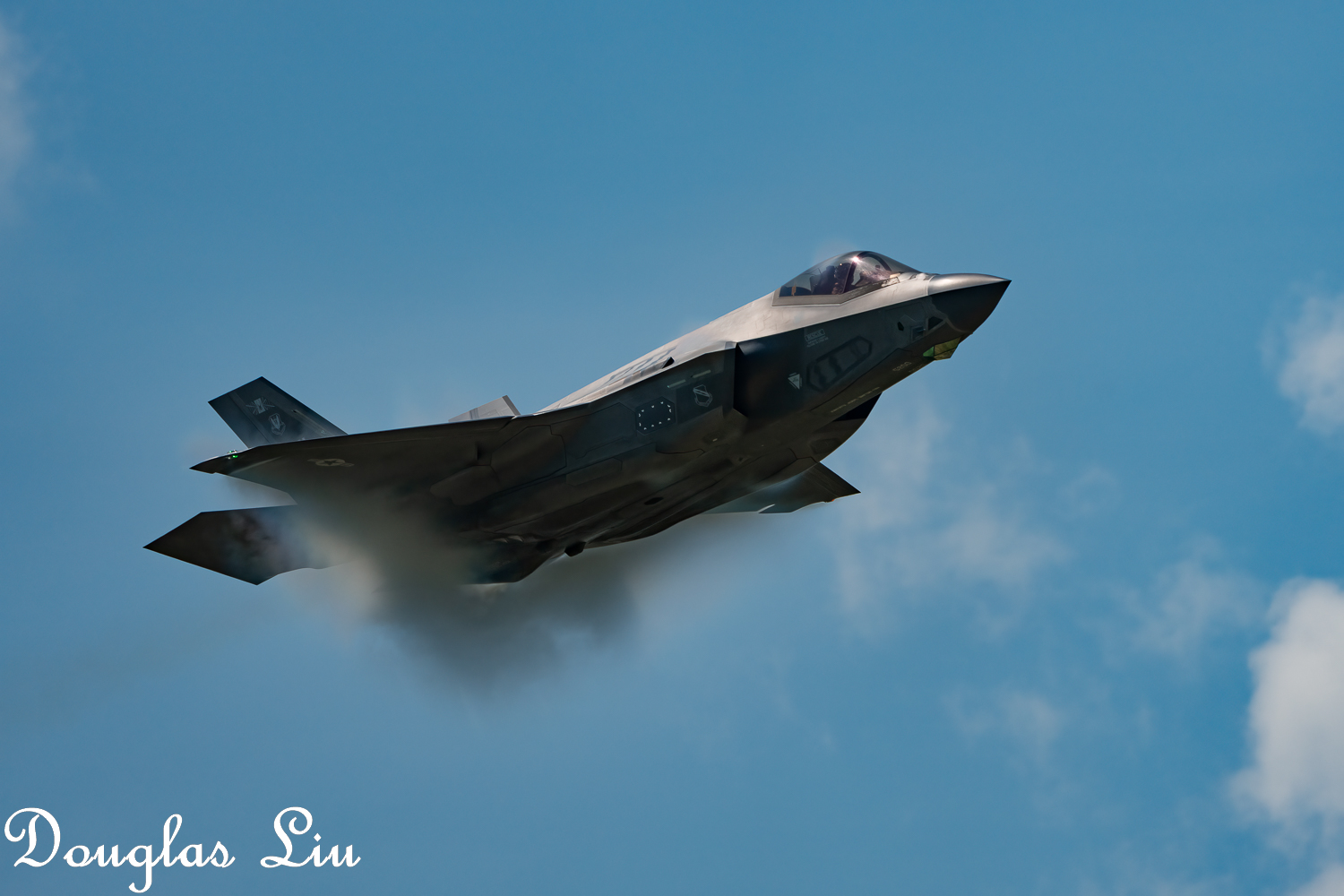
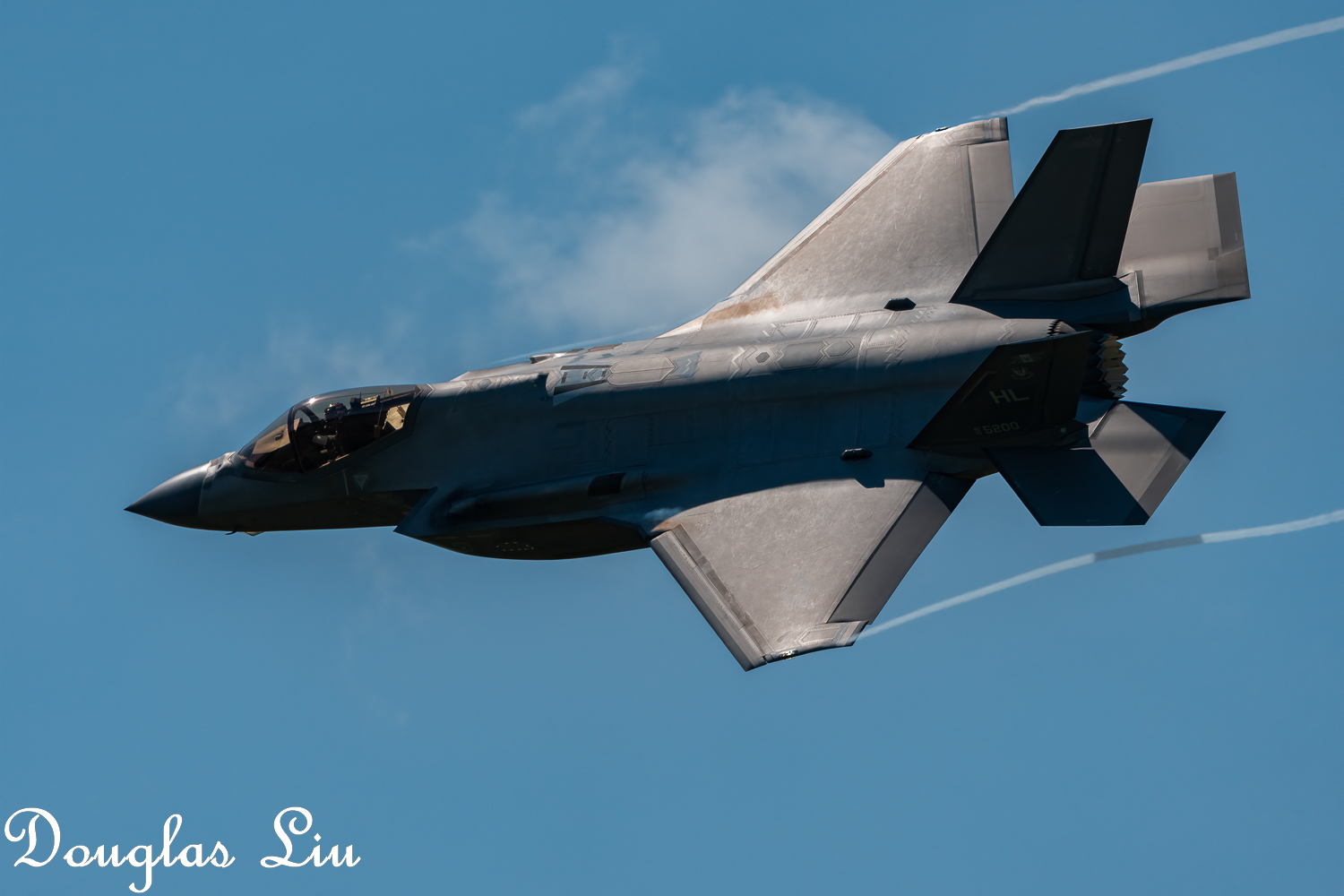
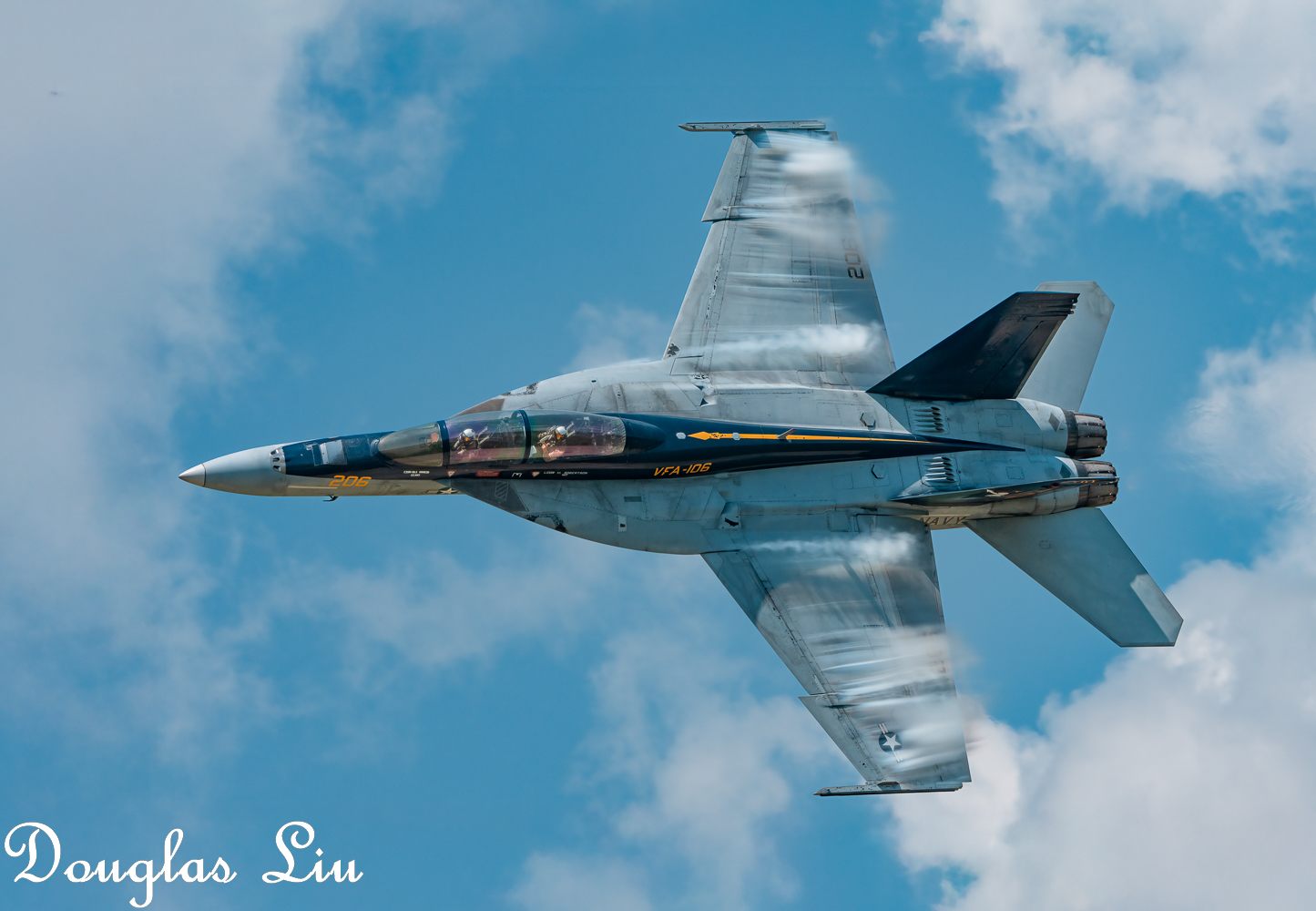
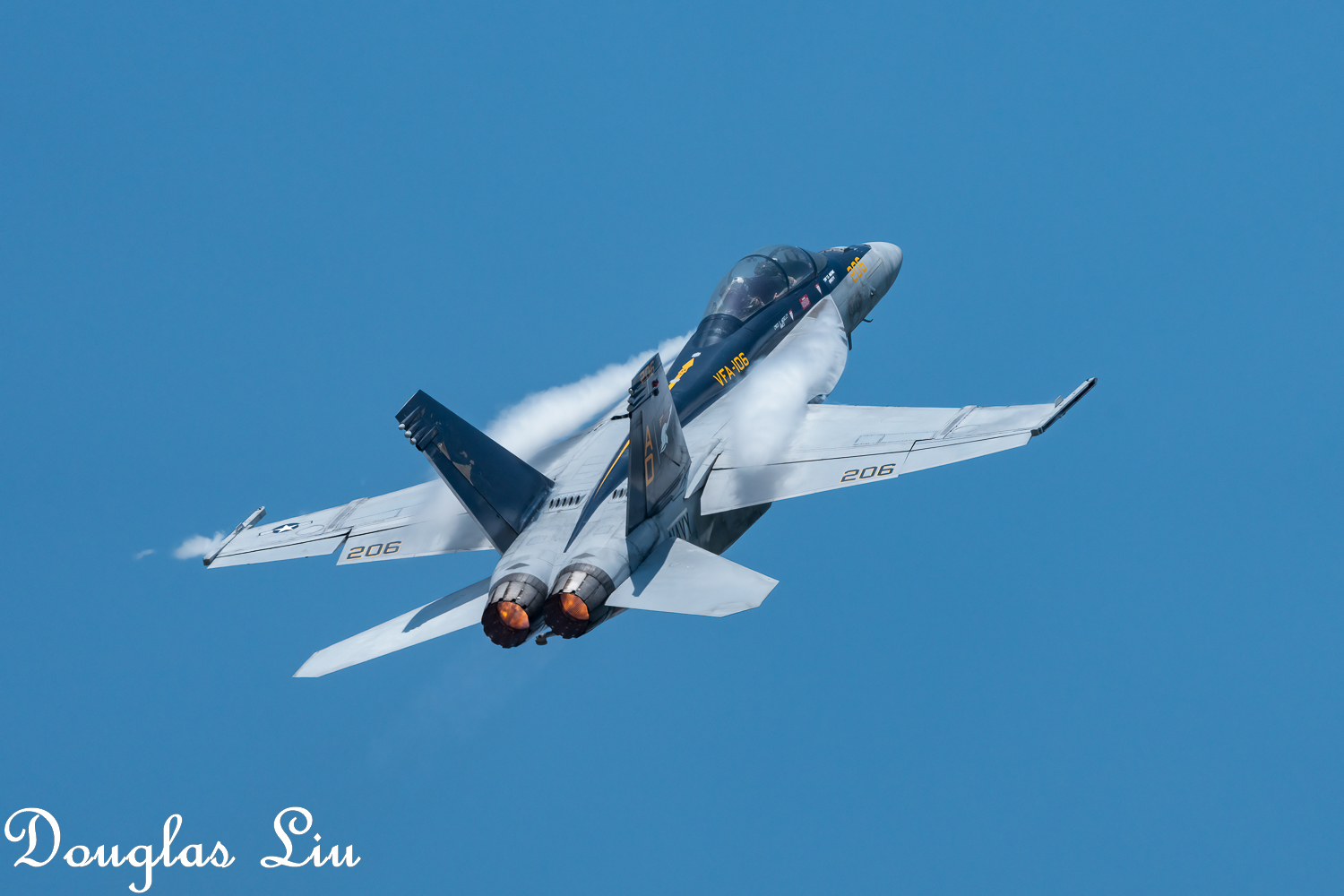
Last installment from The Genesio show. This show is kind of far from me, 330 mile away. I left my house at 3:45 in the morning . .
It will be a long wait until the two shows I can go to in September. I really like to shoot a sunset show but there won't be any in location withing 350 miles radius.
. . It will be a long wait until the two shows I can go to in September. I really like to shoot a sunset show but there won't be any in location withing 350 miles radius.
|
||
 |
||
|
ILCE-1M2 FE 400-800mm F6.3-8 G OSS lens 630mm f/8.0 1/4000s 500 ISO +0.3 EV
|
||
 |
||
|
ILCE-1M2 FE 400-800mm F6.3-8 G OSS lens 522mm f/7.1 1/4000s 640 ISO +0.3 EV
|
||
 |
||
|
ILCE-1M2 FE 400-800mm F6.3-8 G OSS lens 400mm f/6.3 1/4000s 400 ISO -0.3 EV
|
||
 |
||
|
ILCE-1M2 FE 400-800mm F6.3-8 G OSS lens 800mm f/8.0 1/4000s 800 ISO -0.3 EV
Jul 13, 2025 at 10:02 PM
p.1161 #17Mustang Air to Air: The Sequel
Beautiful images, that clean background is perfect for the runway shots. Reminds my of Old Warden here in England but with a Duxford line up.
Jul 14, 2025 at 12:28 AM
p.1161 #19Mustang Air to Air: The Sequel
Beautiful pixs Douglas,
Got my B-25 shoot this weekend and airshow as well.
Here's what I did this weekend-
.
.
New website is up as well,
.
https://www.killerpixs.com/
Got my B-25 shoot this weekend and airshow as well.
Here's what I did this weekend-
.
.
New website is up as well,
.
https://www.killerpixs.com/
Jul 14, 2025 at 07:04 AM
p.1161 #20Mustang Air to Air: The Sequel
Just fantastic photography Douglas!
My use of the adjective encompasses a whole range of brilliant mechanics of photography! So when I say fantastic it is a plethora of kudos!
Super!
Dan
My use of the adjective encompasses a whole range of brilliant mechanics of photography! So when I say fantastic it is a plethora of kudos!
Super!
Dan
Jul 14, 2025 at 09:14 AM