Ray Swindle
Offline
• • •
Upload & Sell: Off
|
Looks long but it is a quick read from Grok:
"Was the Air Force 100% Behind the Development?
No, the Air Force was not fully unified in its support for the A-10’s development. There were significant debates and resistance within the Air Force and the broader Department of Defense (DoD) for several reasons:
Strategic Priorities: During the 1960s and 1970s, the Air Force leadership prioritized air superiority and strategic bombing roles, focusing on high-tech, multi-role fighters like the F-15 and F-16. The A-10, with its slow speed and specialized CAS role, was seen by some as less glamorous and a diversion of resources from these priorities.
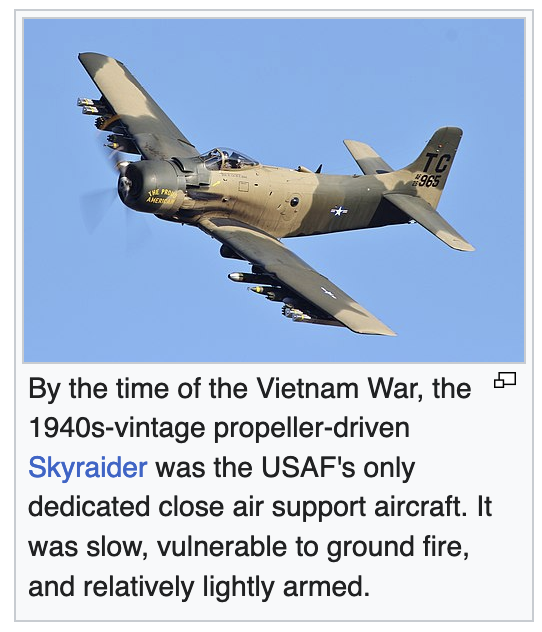
Inter-Service Rivalry: The Army pushed for a dedicated CAS aircraft, as it relied heavily on air support in Vietnam and feared the Air Force was neglecting this mission. This led to tensions, with the Air Force initially resisting a dedicated CAS platform, preferring multi-role aircraft. The A-10’s development was partly a response to Army pressure and congressional oversight, which mandated the Air Force to address CAS needs.
Doctrinal Disputes: Some Air Force leaders argued that CAS could be adequately performed by existing aircraft or helicopters (like the Army’s AH-1 Cobra). They questioned the need for a specialized platform like the A-10, especially given its vulnerability to advanced air defenses.
Program Challenges: The A-10 program faced skepticism during its development due to cost overruns, technical challenges, and debates over its survivability against Soviet air defenses. Critics within the Air Force argued that faster, more versatile aircraft could perform CAS while also fulfilling other roles.
Support and Compromise:
Despite resistance, the A-10 had strong advocates, particularly among those who recognized the unique demands of CAS. The Air Force ultimately committed to the program after competitive prototyping between the Fairchild Republic A-10 and the Northrop YA-9, with the A-10 winning due to its superior design for the CAS role. Congressional and Army pressure, combined with the clear need for a tank-killing platform, ensured the program’s continuation. The Air Force’s acceptance was partly pragmatic, as the A-10 filled a gap that other aircraft couldn’t effectively address.
Outcome:
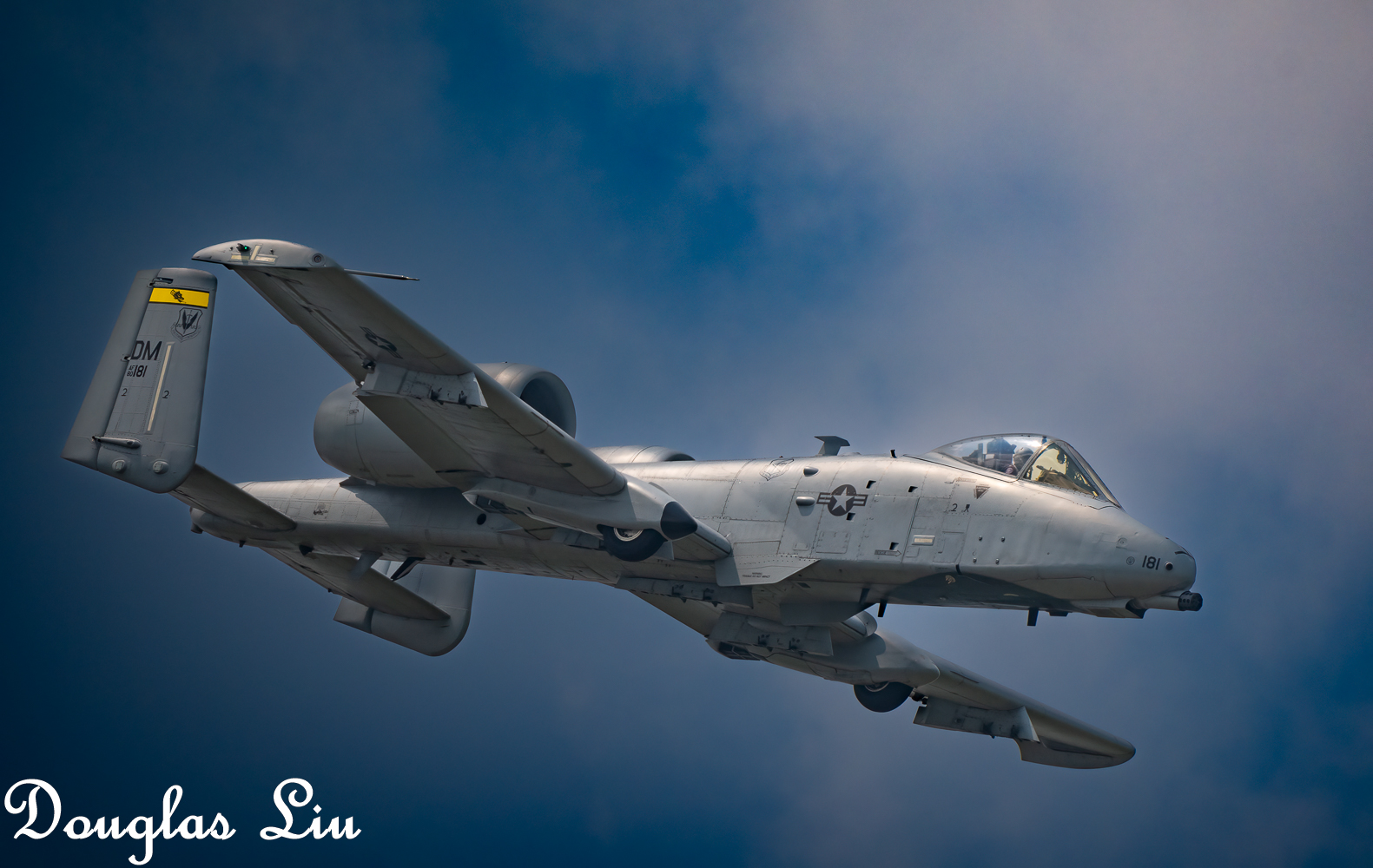
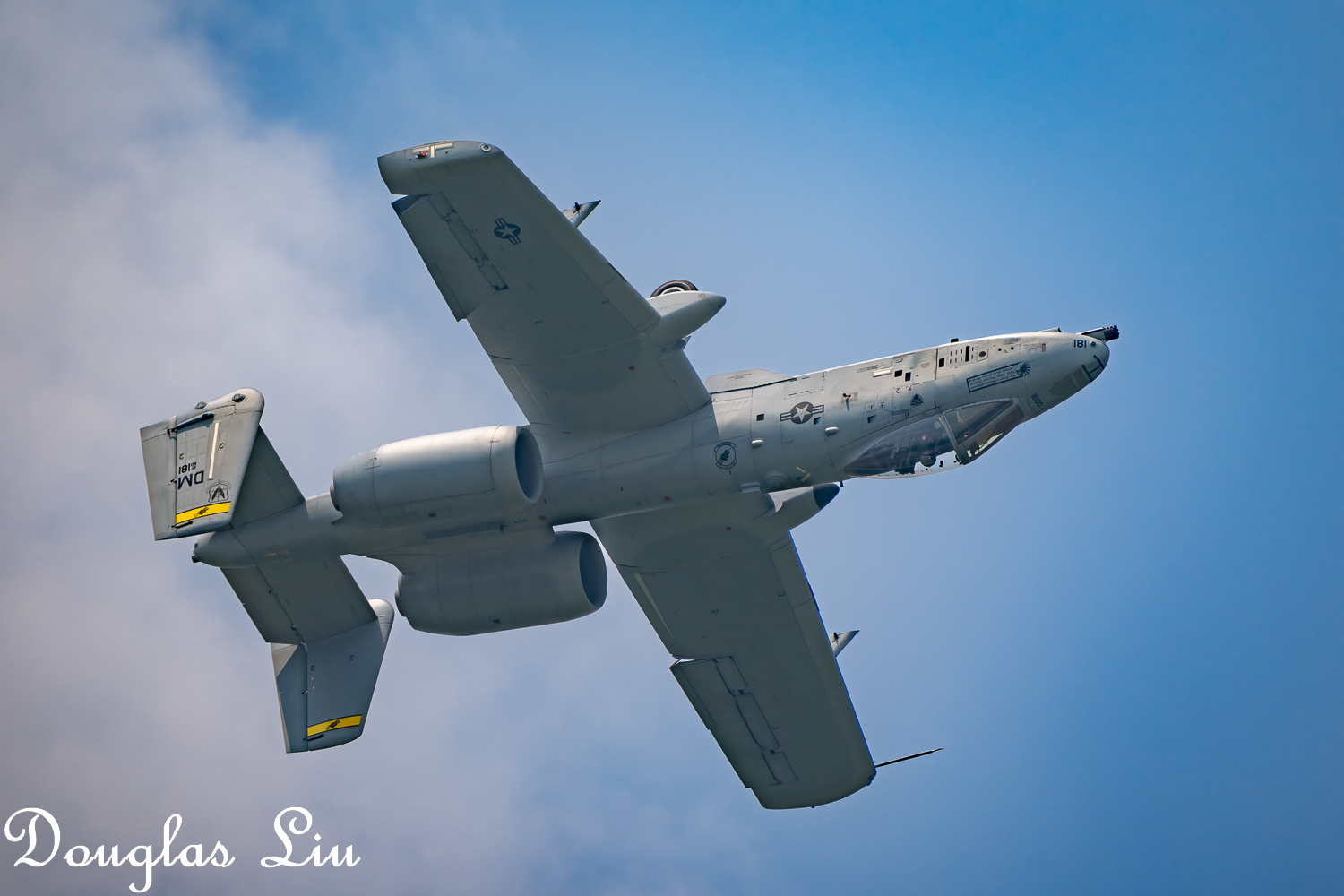
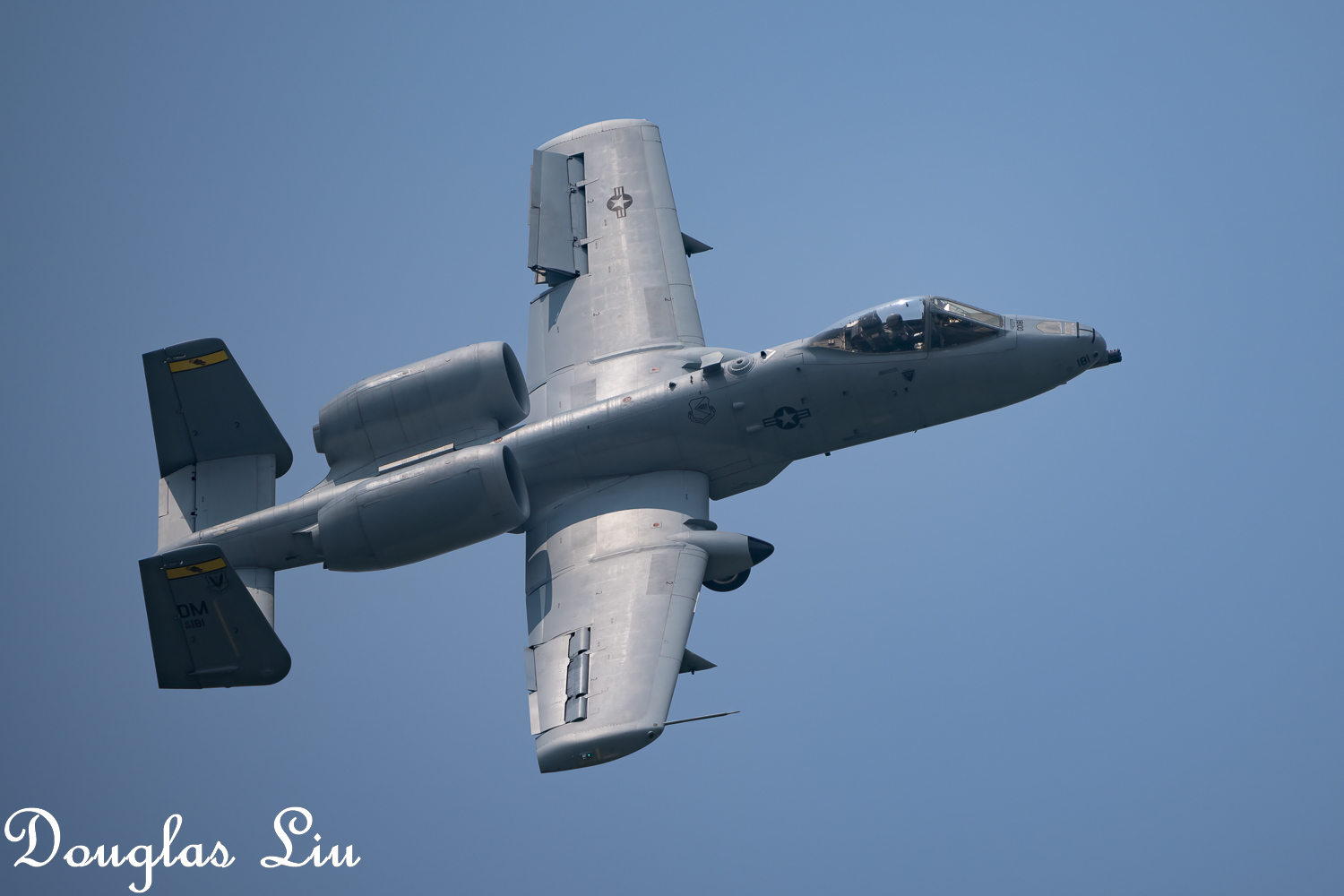
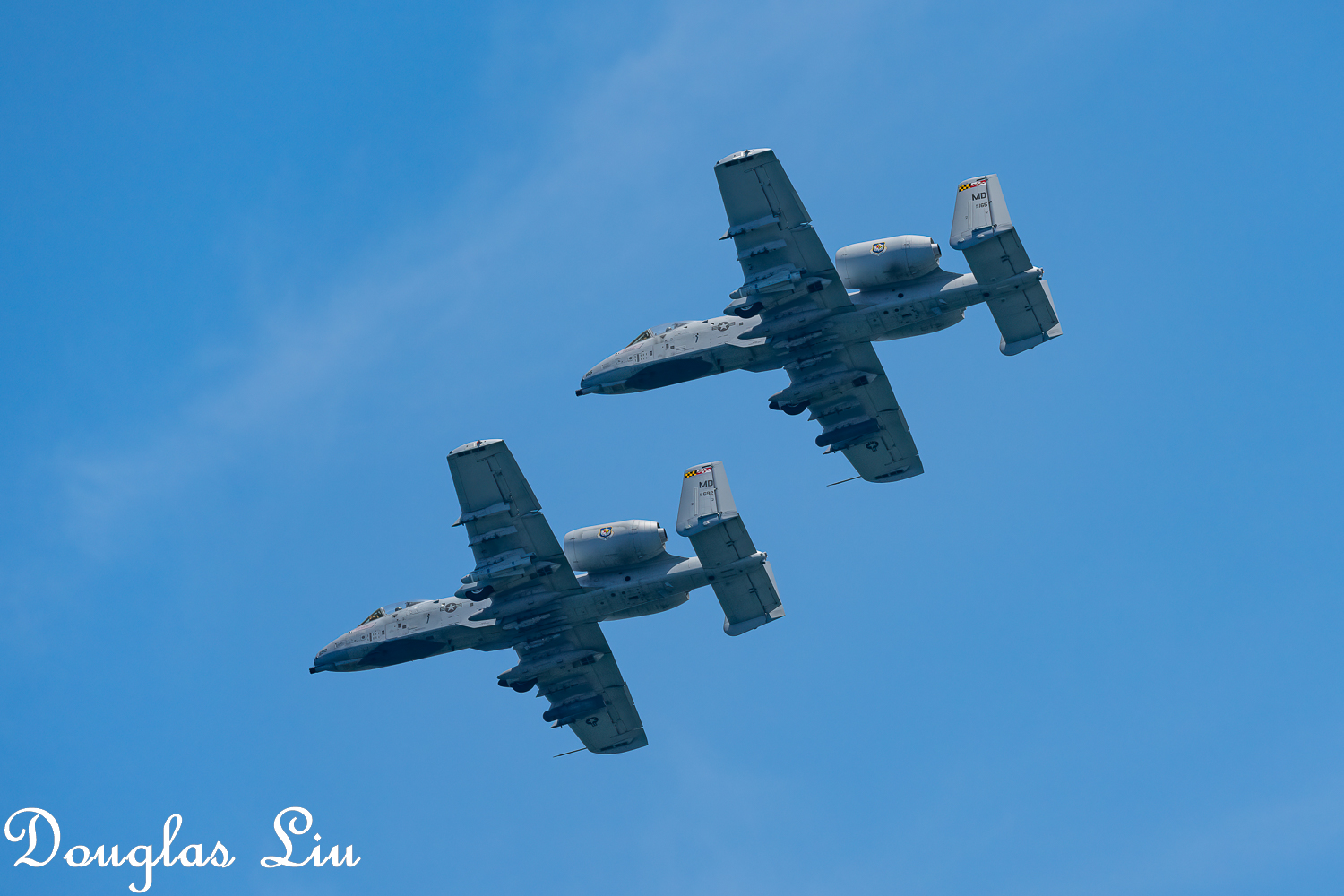
The A-10 entered service in 1976 and proved its worth in conflicts like the Gulf War, Afghanistan, and Iraq, where its effectiveness in CAS and tank destruction earned it a loyal following among ground troops. However, the Air Force’s ambivalence persisted, with repeated attempts to retire the A-10 in favor of multi-role fighters like the F-35, often citing budget constraints and evolving threats. These efforts have been met with resistance from Congress and ground forces, highlighting the ongoing tension over the A-10’s role.
In summary, the A-10 was developed to address a critical CAS and anti-armor need, but the Air Force was not fully behind it due to competing priorities, doctrinal debates, and inter-service dynamics. The program succeeded due to external pressures and the aircraft’s proven effectiveness, despite not having universal support within a Air Force."
|