Mandler 50mm f/1.4 Summilux pre-asph E46 (V3)
p.21 #1Mandler 50mm f/1.4 Summilux pre-asph E46 (V3)
Also, Just imagine their goal back then. Leica was working in a highly competitive world, asking their scientists and lens designers to create something truly unique. At that time, there were no digital cameras, mostly 35mm and 120 film formats so all sharpness and color were translated through film emulsion. Today, modern reviewers test these lenses on digital cameras with at least 24 megapixels, without even considering the original context they were designed for.
Nov 18, 2026 at 12:06 PM
p.21 #2Mandler 50mm f/1.4 Summilux pre-asph E46 (V3)
SiageiP wrote:
You understand that a PhD thesis is usually written for a committee in academia. Sometimes this is completely different from what you actually have to do in a future company job.
You do understand that his thesis was written when he was already working at Leica for many years, and published in 1979. The lenses outlined in the thesis are all the most beloved lenses. 50mm Summicron, 35mm Summilux, 90mm Summicron, and according to many one of his favourites which was developed concurrently the 75mm Summilux.
So no, PhDs are also written while on the job, on the side. As this one was.
Nov 18, 2026 at 12:16 PM
p.21 #3Mandler 50mm f/1.4 Summilux pre-asph E46 (V3)
Yeah, that's true, but it is still written and defended in academia, which requires only scientific context and is reviewed and rewritten based on committee criticism. But my point is that what counts as 'perfect' from a business perspective can be completely different from scientific development.
Nov 18, 2026 at 12:59 PM
p.21 #4Mandler 50mm f/1.4 Summilux pre-asph E46 (V3)
The posts on these boards are starting to look suspect...
Nov 18, 2026 at 01:21 PM
p.21 #5Mandler 50mm f/1.4 Summilux pre-asph E46 (V3)
Here is an interesting thought:
Thousands of lenses share a similar 6-element-in-4-group Double Gauss design, do we claim they carry Paul Rudolph's spirit?
Yet somehow, we imagine that a 7-element replica, made with completely different modern optical glasses, contains Walter Mandler's spirit?
Nov 18, 2026 at 03:10 PM

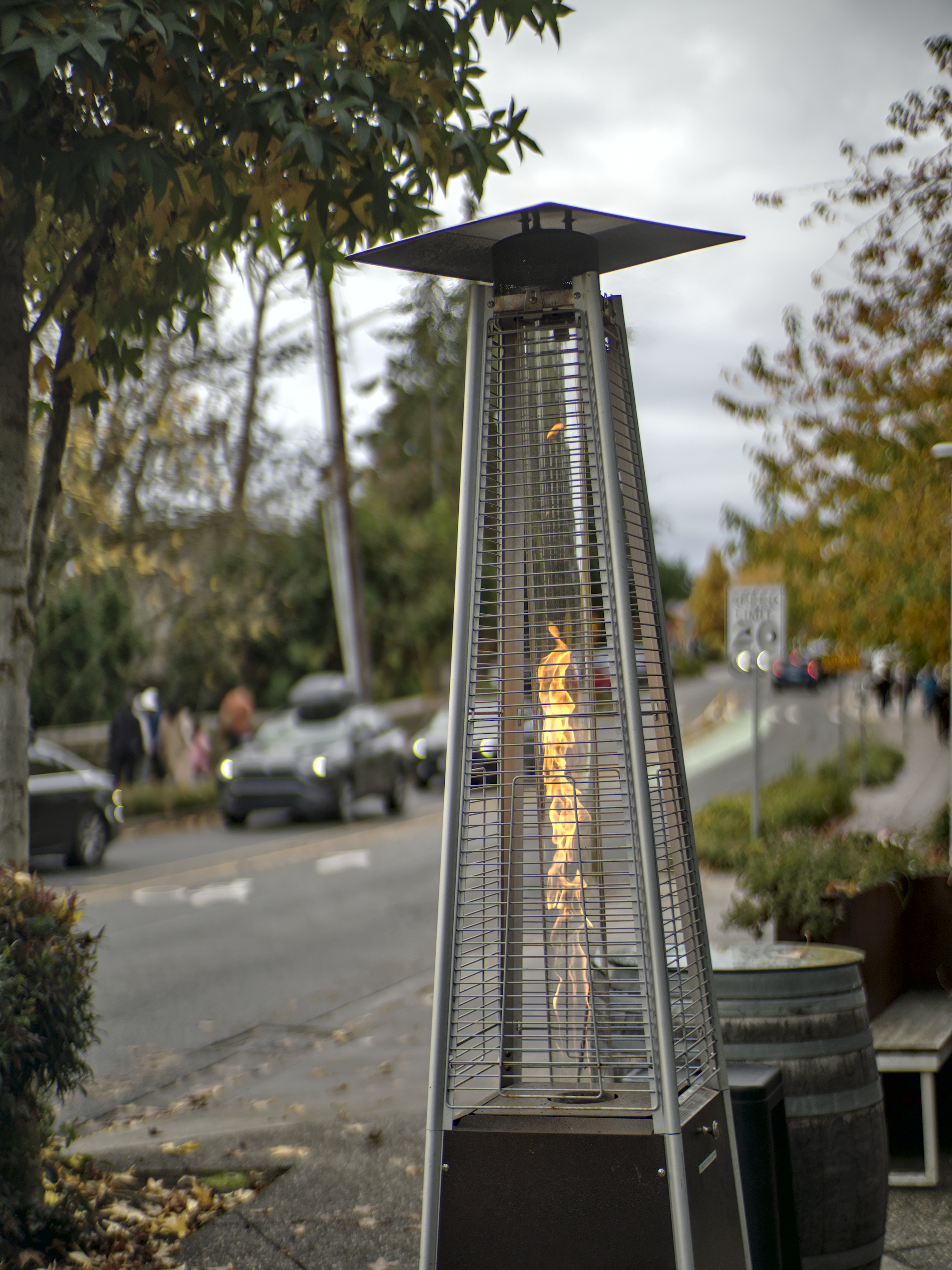
p.21 #8Mandler 50mm f/1.4 Summilux pre-asph E46 (V3)
What's inside; how it looks and feels; lens description; mounted on your Leica M:
..
Nov 19, 2026 at 06:44 PM
|
p.21 #9Mandler 50mm f/1.4 Summilux pre-asph E46 (V3)
DIXI 50 wrote:
Here is an interesting thought:
Thousands of lenses share a similar 6-element-in-4-group Double Gauss design, do we claim they carry Paul Rudolph's spirit?
Yet somehow, we imagine that a 7-element replica, made with completely different modern optical glasses, contains Walter Mandler's spirit?
You have to rub the lens and perform special chant to release Mandler's spirit from the lens. It's all in the instruction manual. Unfortunately the chant is in Mandarin, so I'm out of luck.
Nov 20, 2026 at 08:59 AM
p.21 #10Mandler 50mm f/1.4 Summilux pre-asph E46 (V3)
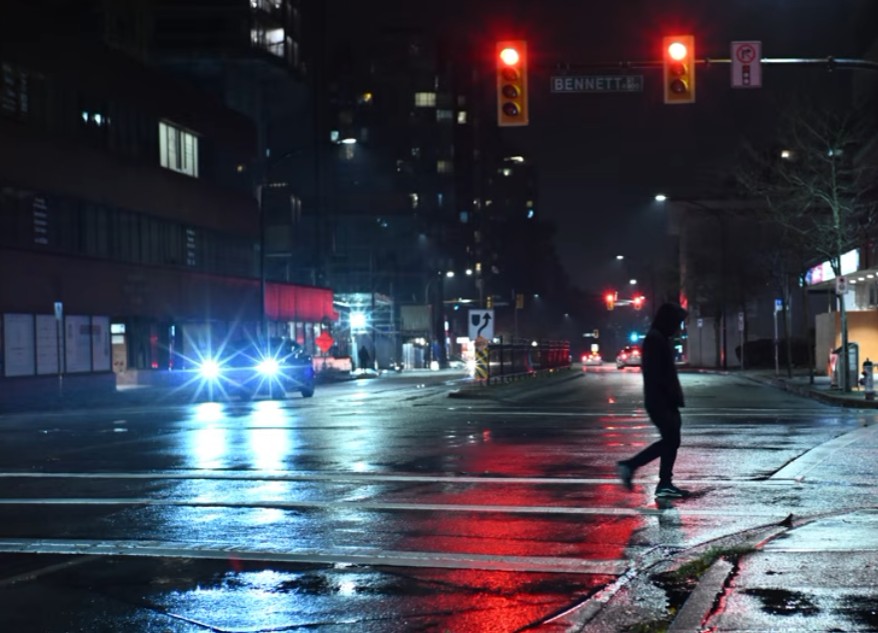
All the Thypoch Simeras and both Mandler lenses use even-numbered iris blades (10-12-14-16), which deliver a pleasant star linearity even when you are not aiming for the effect. This snip shows the characteristic glow, shadow detail and the lack of digital edge harshness we see so often in high contrast content.
 |
||
 |
||
|
Nov 20, 2026 at 03:15 PM
p.21 #11Mandler 50mm f/1.4 Summilux pre-asph E46 (V3)
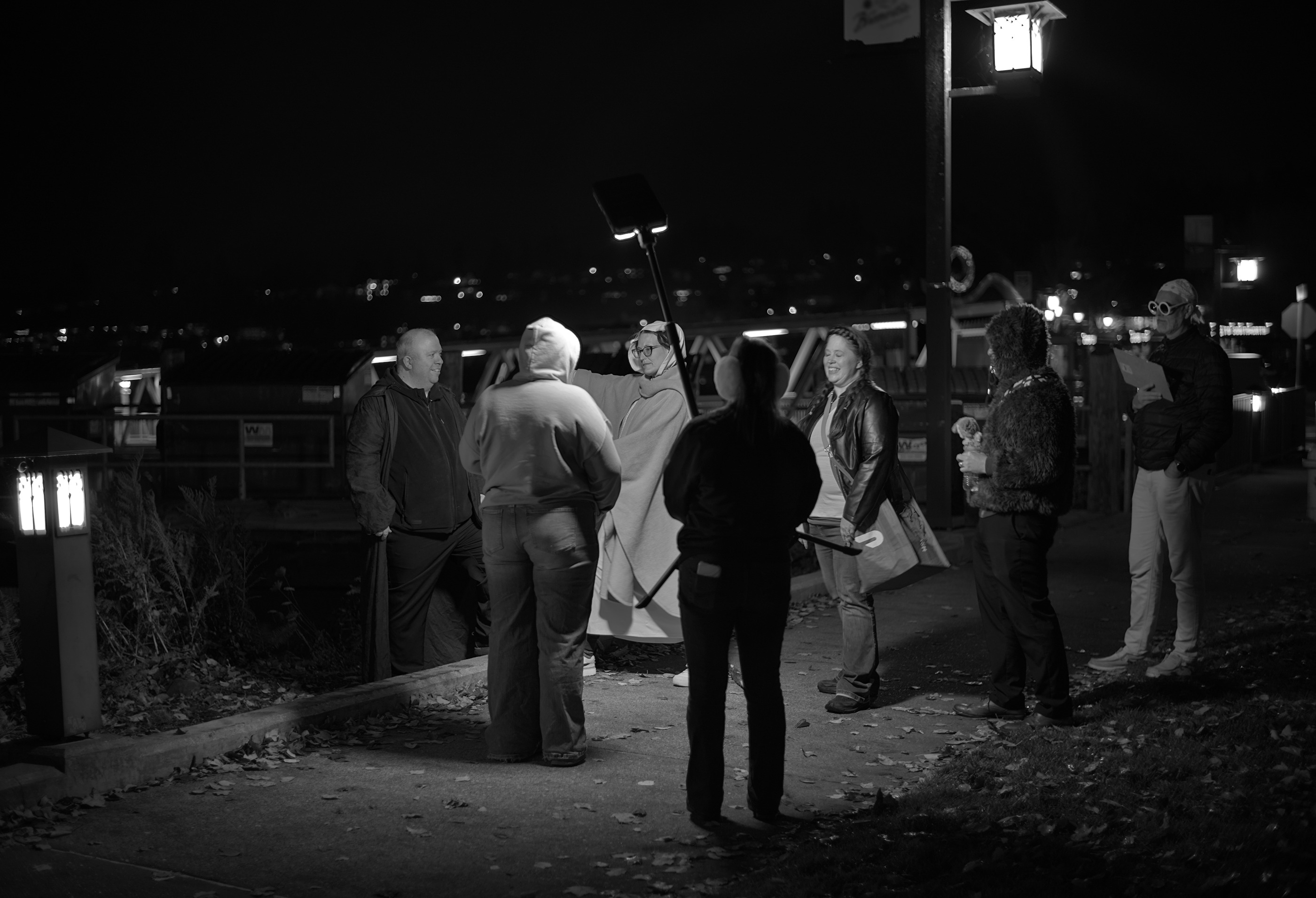
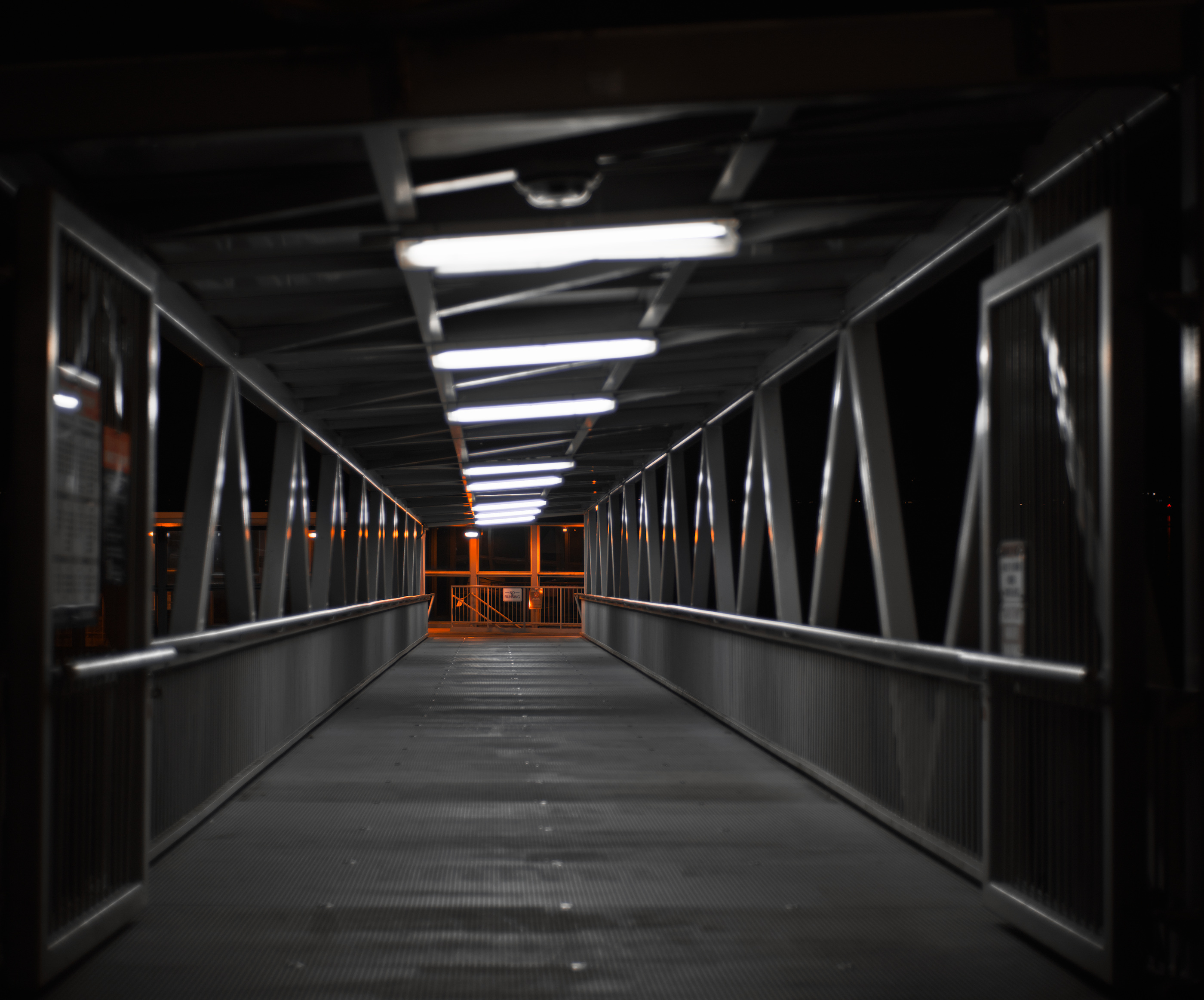
Very unscientific comparison of lenses lol
Mander 50mm wide open at .7 no hood extended
Mandler 50mm wide open .7 with hood extended
Peace Lens 50mm v2 wide open at .7 mfd
I did this on a whim so I didn’t think to do a whole tripod set up if you’re actually interested I’ll run it back with a more controlled set up but I was more curious about the rendering differences for myself
 |
||
 |
||
|
Mander 50mm wide open at .7 no hood extended
|
||
 |
||
|
Mandler 50mm wide open .7 with hood extended
|
||
 |
||
|
Peace Lens 50mm v2 wide open at .7 mfd
I did this on a whim so I didn’t think to do a whole tripod set up if you’re actually interested I’ll run it back with a more controlled set up but I was more curious about the rendering differences for myself
Nov 22, 2026 at 12:40 AM
p.21 #13Mandler 50mm f/1.4 Summilux pre-asph E46 (V3)
dumplinknet wrote:
Curious if anyone has adapted this Mandler 50mm to a GFX or a Hasselblad X camera.
I am curious to know what the sensor coverage is like.
I just got my copy of the mandler 50 and put it on my GFX100s.
There is some fairly hard vignetting in the corners that you cannot get rid of, but I would say 90% of the image is perfectly usable in terms of coverage.
Nov 24, 2026 at 05:56 PM
p.21 #14Mandler 50mm f/1.4 Summilux pre-asph E46 (V3)
We nearly did not get access to these lenses, even though they had a sound knowledge of the preferences of their domestic photography market.
'Fun fact. The Mandler lens was originally only planned for the Chinese market. It wasn’t until demand exceeded their expectations that they opened up their online store (with worldwide shipping).'
Nov 24, 2026 at 07:05 PM
p.21 #15Mandler 50mm f/1.4 Summilux pre-asph E46 (V3)
widi5006 wrote:
I am curious to know what the sensor coverage is like.I just got my copy of the mandler 50 and put it on my GFX100s.
There is some fairly hard vignetting in the corners that you cannot get rid of, but I would say 90% of the image is perfectly usable in terms of coverage.
Can you post a sooc full sensor jpg? Wide open and stopped down. Thank you.
dumplinknet wrote
Curious if anyone has adapted this Mandler 50mm to a GFX or a Hasselblad X camera.I am curious to know what the sensor coverage is like.
There is some fairly hard vignetting in the corners that you cannot get rid of, but I would say 90% of the image is perfectly usable in terms of coverage.
Can you post a sooc full sensor jpg? Wide open and stopped down. Thank you.
Nov 24, 2026 at 10:53 PM